26 Cereal Box Prizes Kids Traded at School
Before allowance money bought much of anything, the real currency of elementary school playgrounds came from the bottom of a cereal box. A plastic trinket, a temporary tattoo, or a folded paper mask could change hands three or four times before lunch, traded for a better seat, a sandwich swap, or simple bragging rights.
Cereal companies understood exactly what they were doing. These prizes were cheap to produce and expensive in social terms, and an entire subculture of trading, hoarding, and negotiating grew up around them.
Cracker Jack Toys
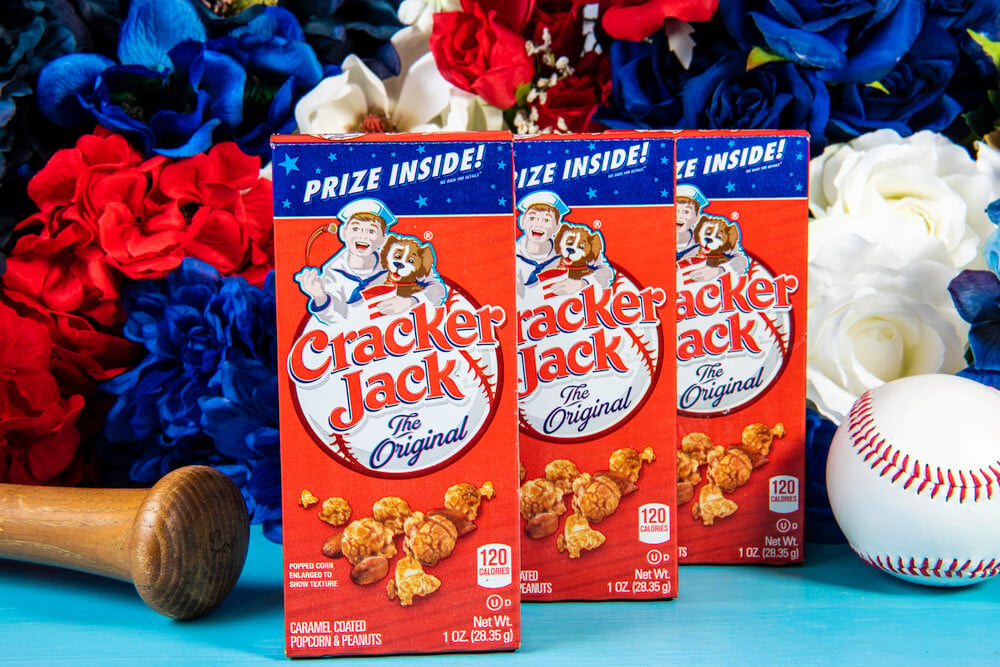
Long before it became a byword for “surprise inside,” the small toys packed into Cracker Jack boxes set the template that cereal companies would later copy directly. Tin whistles, paper puzzles, and miniature figures rotated so frequently that completing a themed set became a genuine playground goal for collectors.
Cereal Box Decoder Rings
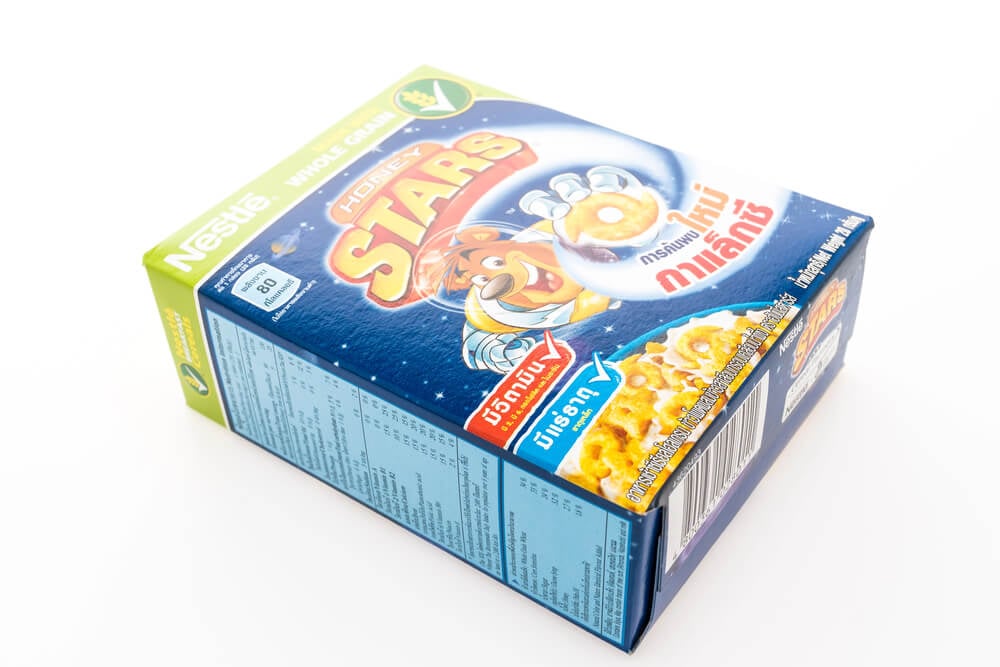
Rings that let kids decipher secret messages tied to radio programs and later cereal box promotions became one of the earliest examples of cross-media marketing aimed directly at children. The most famous version, tied to Ovaltine’s radio-era promotions, became such a cultural touchstone that it was later parodied in the film “A Christmas Story.”
Trix Cereal Rabbit Figurines

Small plastic figurines of the Trix rabbit mascot appeared in boxes periodically throughout the character’s decades-long run, giving collectors a tangible version of a mascot who famously never got to eat the cereal himself in commercials. The figurines became a minor point of irony among kids who noticed the character’s onscreen bad luck.
Cap’n Crunch Whistles
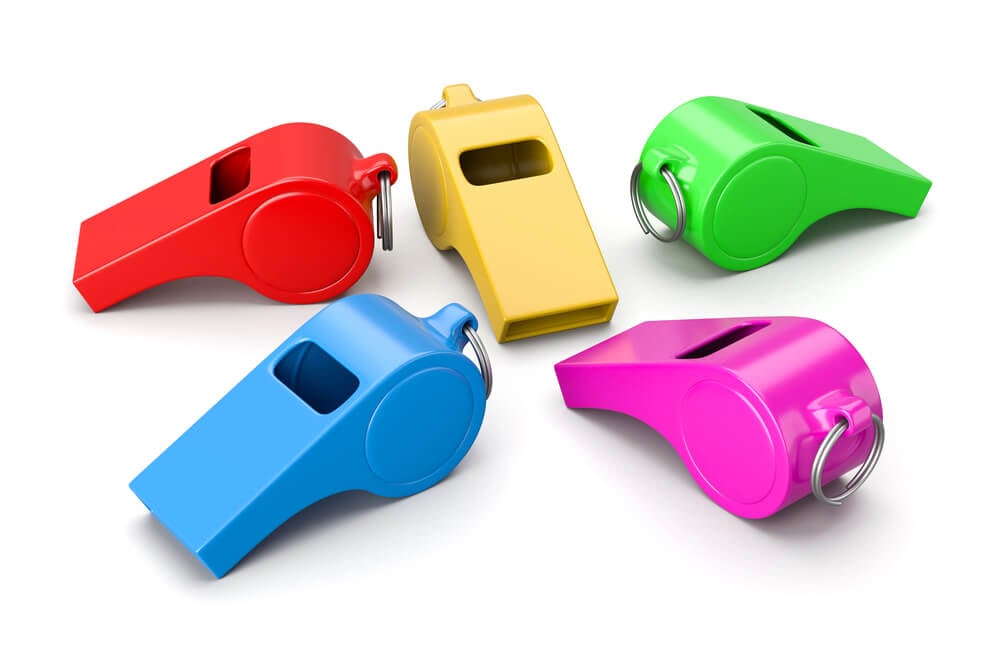
A plastic whistle shaped like a small ship became one of the most recognizable box prizes of the 1970s, later gaining an unusual second life when phone hackers discovered the toy produced a tone that could manipulate early telephone switching systems. That accidental discovery became a well-documented footnote in the early history of telecommunications hacking.
Cereal Box Flicker Cards
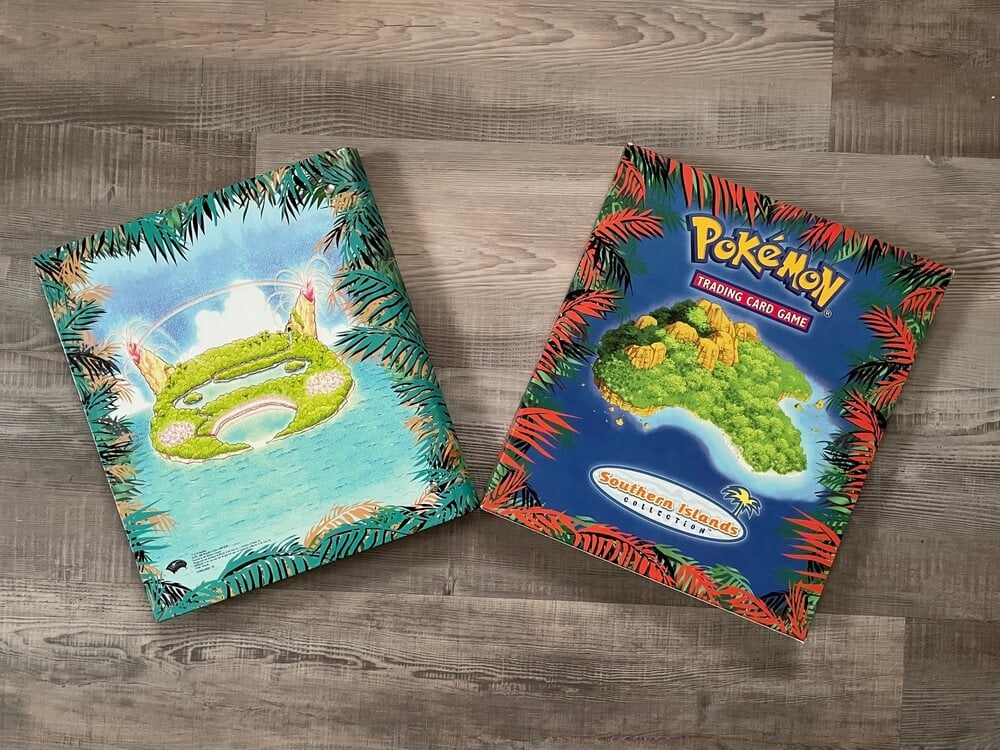
Lenticular cards that appeared to move or change image depending on the viewing angle were a staple prize across multiple cereal brands throughout the 1980s and 1990s. Sets often tied into ongoing franchises, making complete collections a genuine object of playground negotiation.
Freakies Cereal Figures
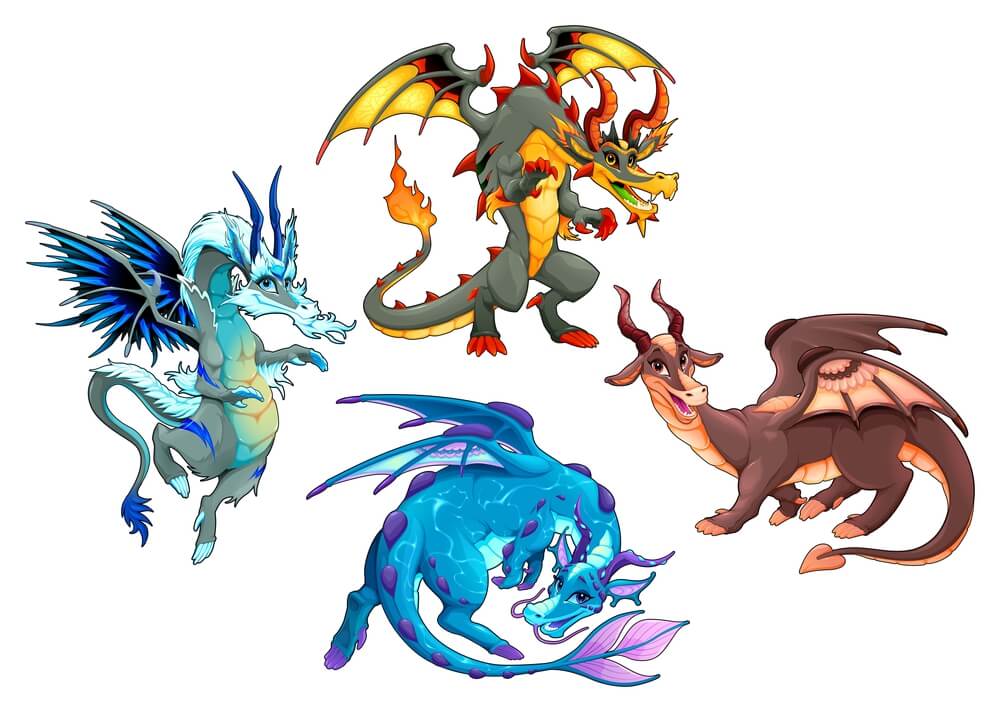
Small plastic figures of the Freakies characters, an ensemble of odd creatures created specifically for the cereal’s marketing, became sought-after collectibles despite the cereal itself having a relatively short run compared to more established brands. Complete character sets are still tracked by collectors decades after the cereal was discontinued.
Frosted Flakes Iron-On Transfers
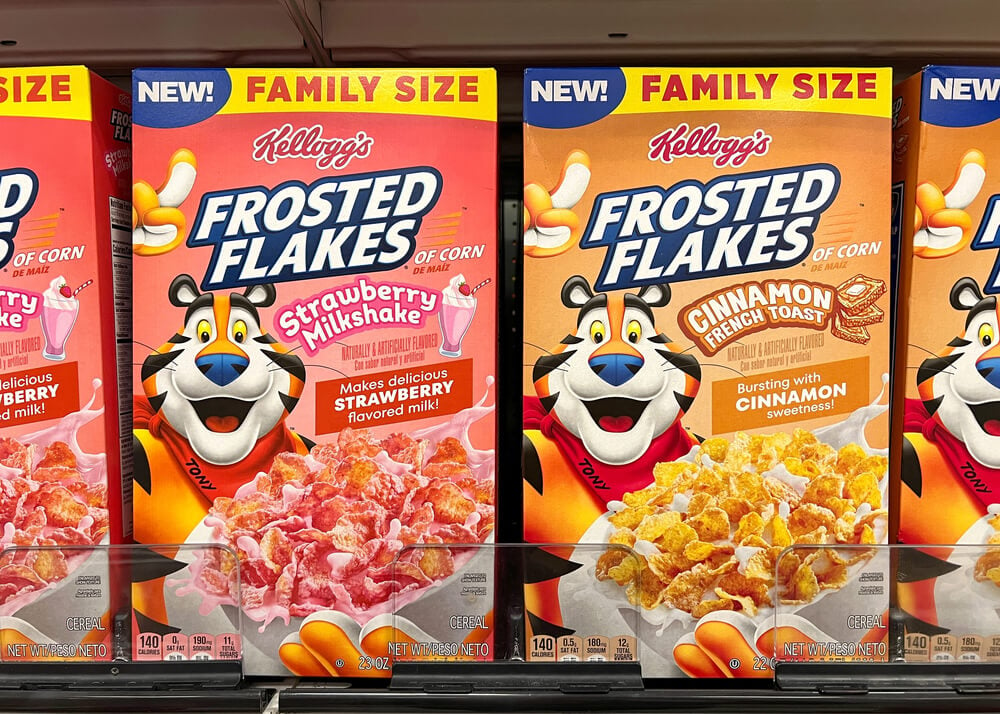
Sheets of iron-on transfers featuring Tony the Tiger and other cereal mascots let kids customize plain t-shirts at home, extending the prize’s life well beyond the cereal box itself. Parents often ended up doing the actual ironing, turning the prize into a small family project rather than a solo activity.
Cheerios Wood Whistles
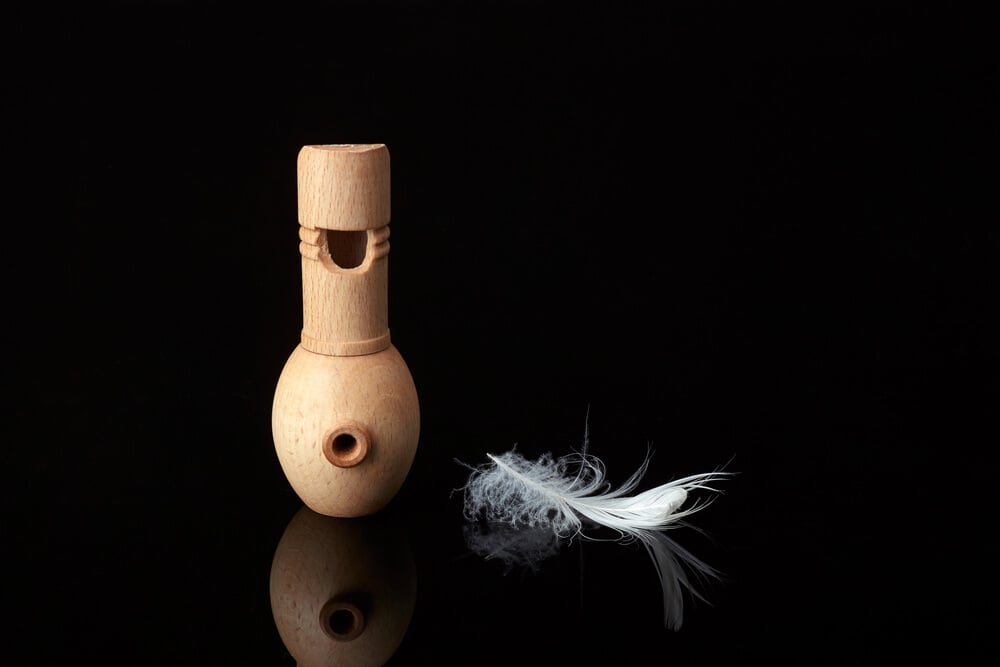
Early promotional whistles packaged with Cheerios, made from simple molded materials, were among the first cereal prizes to become collectible enough that some surviving examples are now tracked by vintage advertising collectors. Condition heavily affects any modern resale value for these early examples.
Kellogg’s Pep Pins
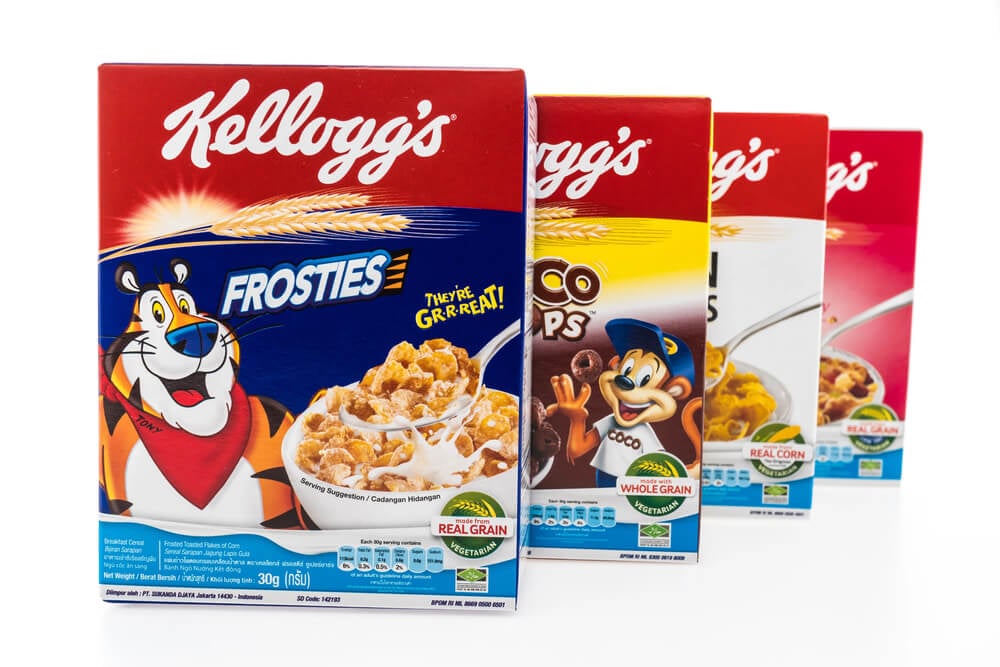
Metal pins featuring characters from popular newspaper comic strips were packaged with Kellogg’s Pep cereal throughout the 1940s, tying the prize directly to media properties kids already followed outside of breakfast. Surviving sets from this era are now considered genuine vintage advertising collectibles, with value varying significantly based on condition.
Honeycomb Cereal Rings
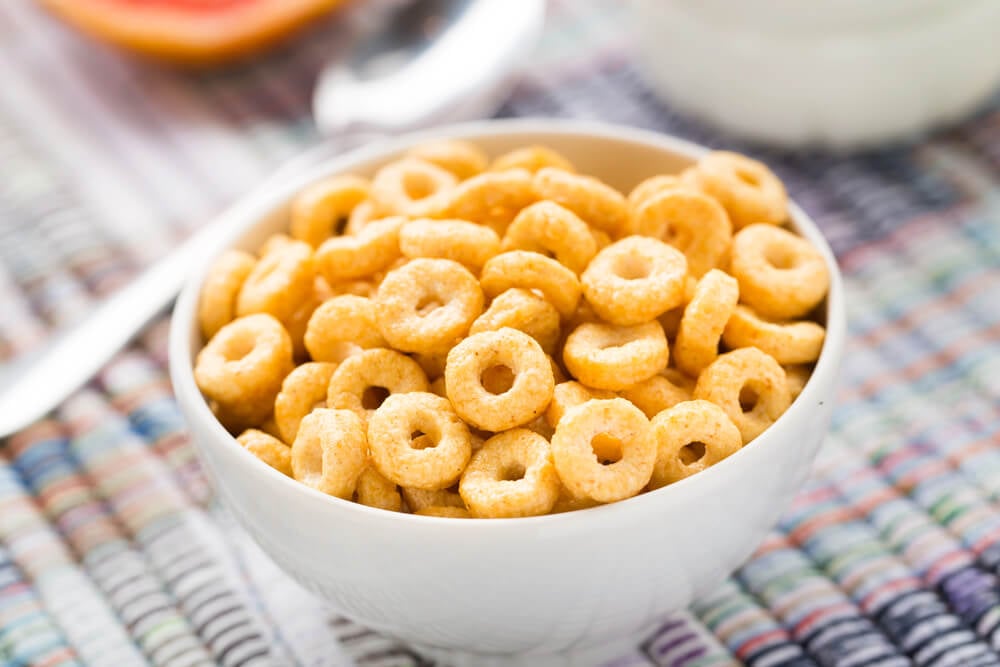
Novelty rings shaped like the cereal’s honeycomb pattern occasionally appeared as box prizes, giving kids a wearable version of the brand’s mascot imagery. The rings rarely survived more than a few days of playground wear before losing their shape.
Quisp and Quake Mail-In Prizes
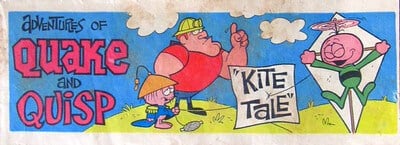
The competing Quisp and Quake cereal brands, both produced by the same company, ran a long-running mail-in promotion offering different prizes depending on which mascot a kid identified with more strongly. The rivalry between the two fictional characters became a genuine point of playground debate among kids loyal to one brand over the other.
Cereal Box Magic Decoders
Cardboard decoder wheels that let kids translate simple substitution codes were packaged inside boxes throughout multiple decades, often tied to a specific season’s ongoing promotional storyline. Completing that season’s full set of codes sometimes required buying several boxes, a fact that did not go unnoticed by parents footing the grocery bill.
Lucky Charms Marshmallow Shape Sets

While the marshmallow shapes inside the cereal itself became collectible in their own right among kids trading for specific favorites, some boxes also included small plastic versions of the same shapes as standalone prizes. The overlap between the edible and non-edible versions became a minor point of playground confusion for younger kids.
Cereal Box Kites
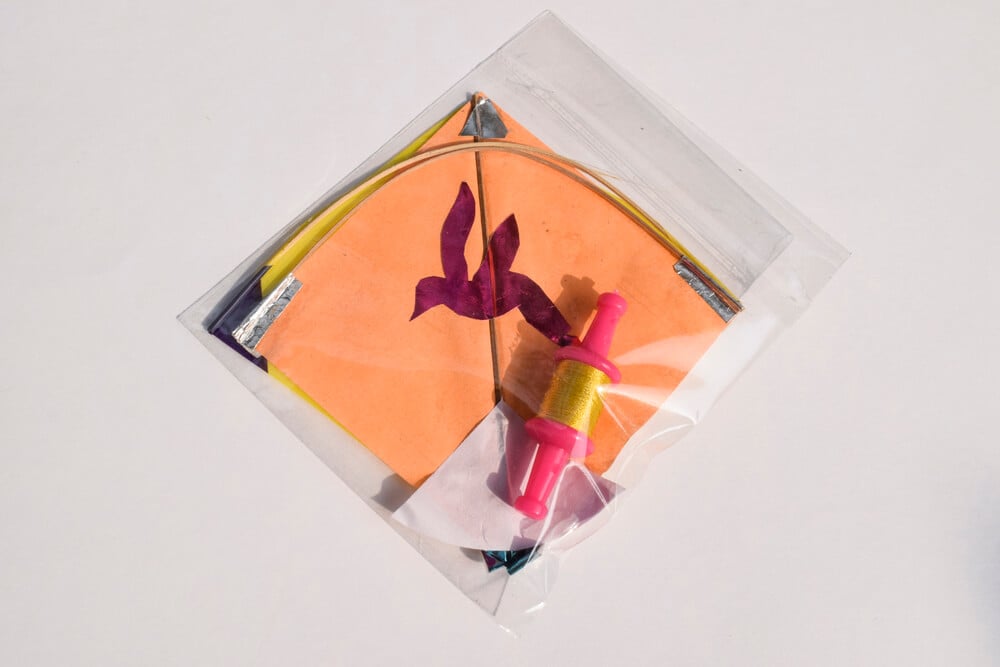
Small paper or plastic kites, foldable enough to fit inside a cereal box, became a recurring warm-weather promotion across several brands. Their flimsy construction meant most lasted only a single outdoor use before tearing.
Sugar Smacks Frog Figures
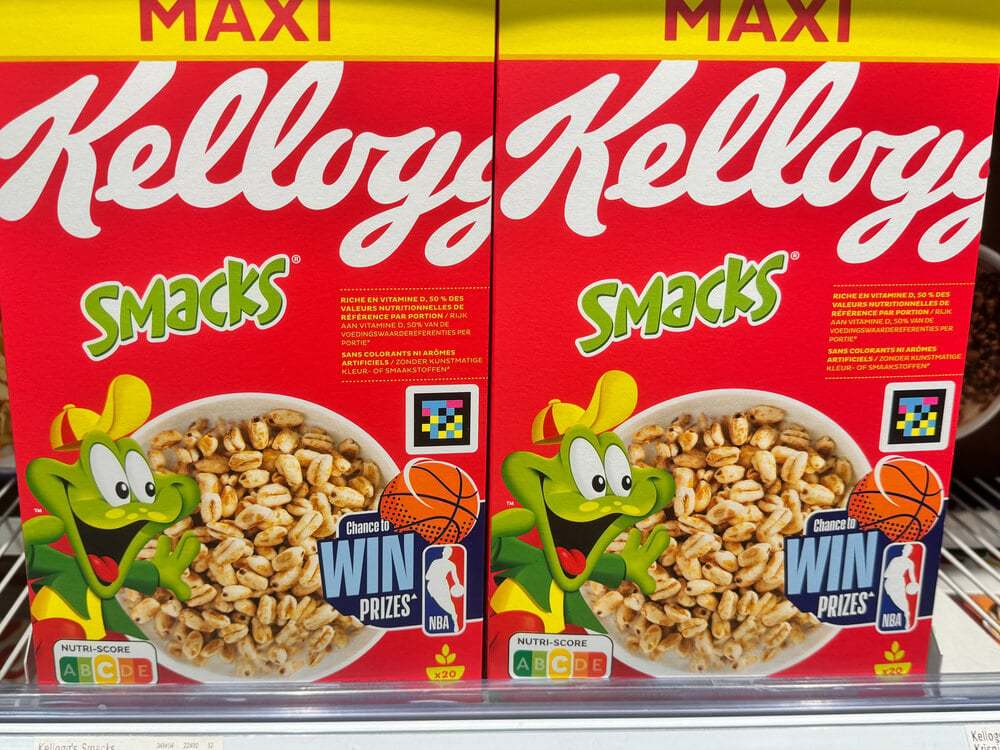
Plastic figures tied to the cereal’s frog mascot appeared periodically as box prizes, giving collectors a physical version of a character whose exaggerated enthusiasm for the cereal became a recurring advertising joke. Later rebranding of the cereal changed both the name and mascot, making earlier prize figures a specific marker of a kid’s approximate age.
Cereal Box Spy Kits
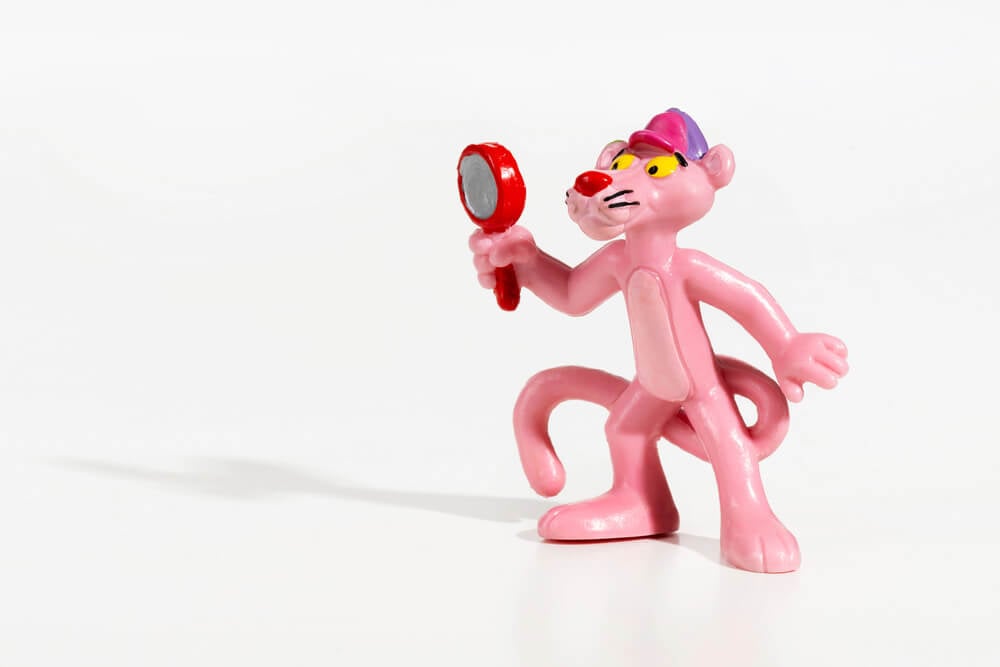
Miniature spy-themed prize sets, including small magnifying pieces and invisible-ink pens, tapped into the same secret-agent fascination that fueled other kid-focused media throughout the 1960s and 1970s. Complete kits assembled across multiple boxes were considered a genuine playground status symbol.
Cereal Box Sports Cards
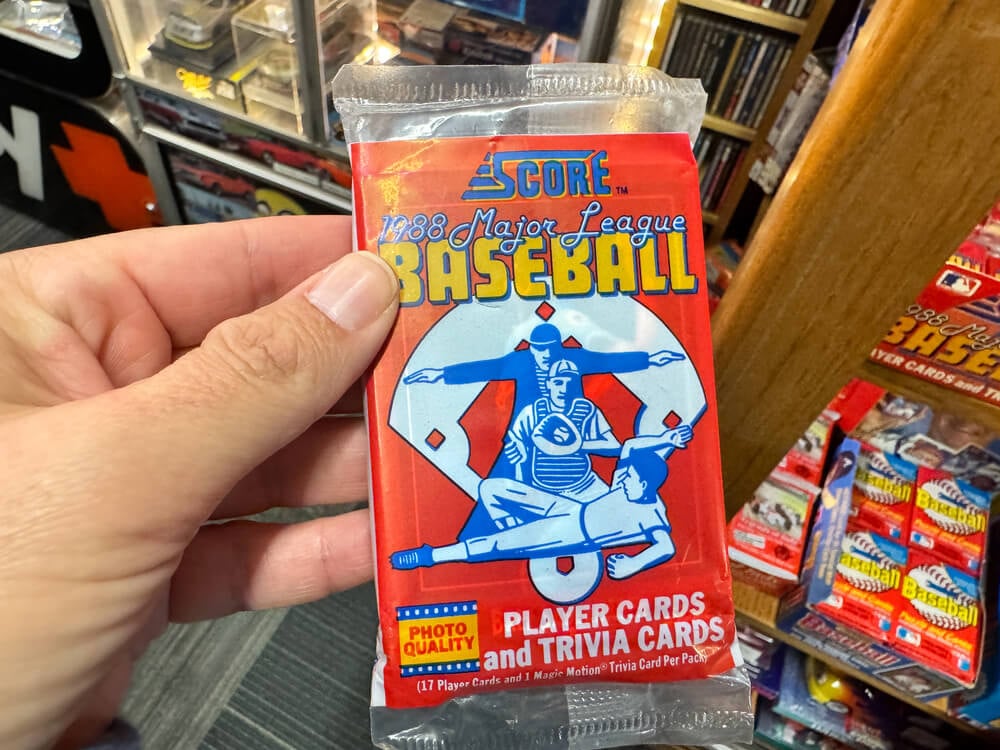
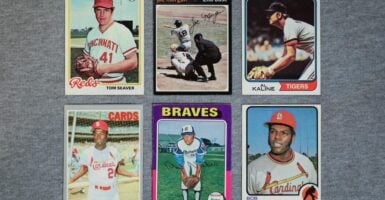
Some cereal brands packaged small sports cards directly inside boxes rather than as a mail-in offer, giving kids a chance at pulling a valuable card purely by chance with breakfast. This practice occasionally caused minor controversy when limited-print cards turned out to have real collector value years later.
Cereal Box Glow-in-the-Dark Stickers

Sheets of glow-in-the-dark stickers, often themed around space or monster imagery, became a recurring prize category through the 1980s, offering a novelty that outlasted the cereal itself once applied to a bedroom ceiling or headboard. Trading individual stickers from a sheet became its own micro-economy separate from full box-prize trades.
Cereal Box Puzzle Boxes
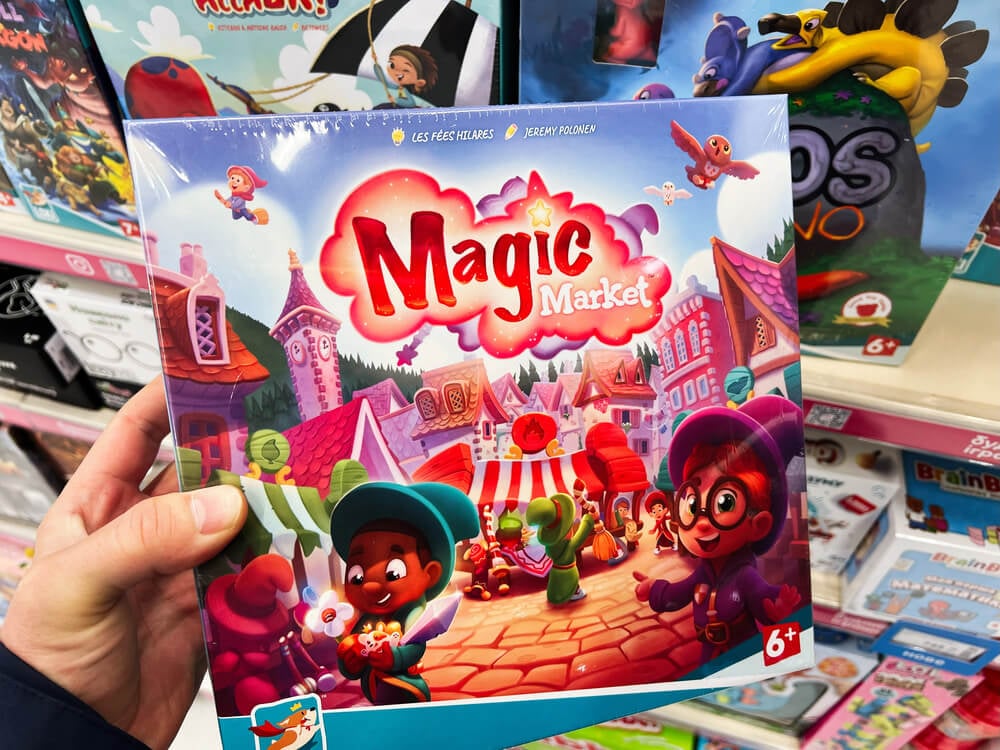
Some cereal boxes doubled as the actual prize, printed with a puzzle or game directly on the cardboard packaging rather than including a separate toy inside. Kids would cut apart the box itself once the cereal was finished, extending the promotion’s life without any additional manufacturing cost to the company.
Cereal Box Temporary Tattoos
Sheets of water-transfer tattoos tied to ongoing cartoon or movie promotions became one of the most commonly traded prize types, largely because a single sheet could be divided among multiple kids rather than claimed by just one. Popularity of a given sheet often depended entirely on whatever franchise happened to be dominating Saturday morning programming that season.
Cereal Box Trading Cards Featuring Mascots
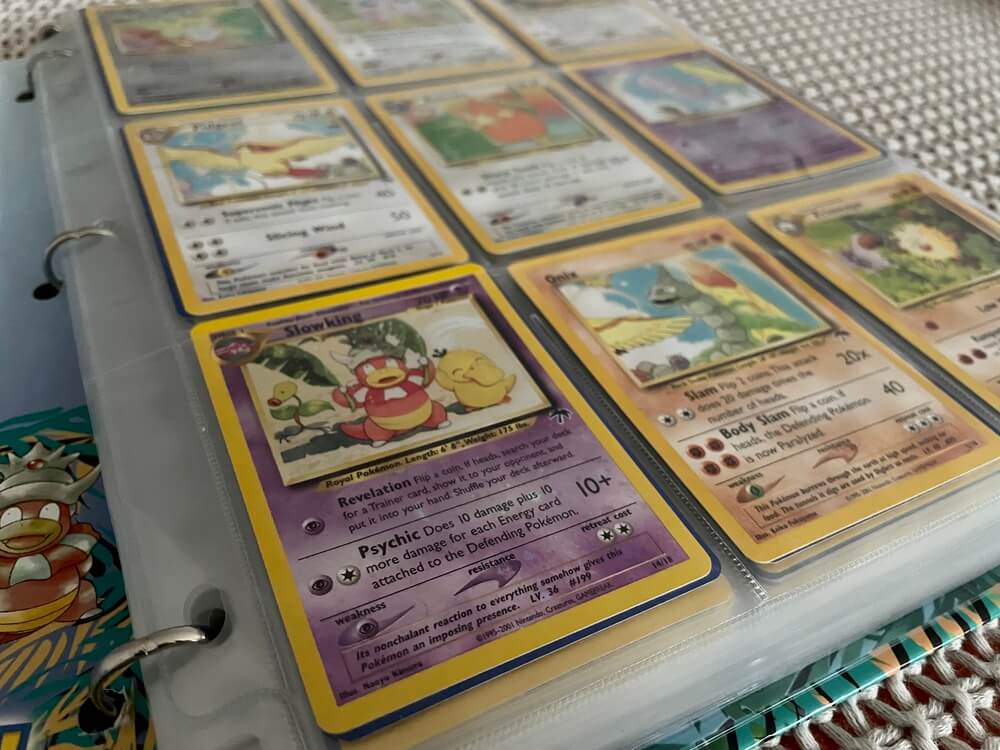
Beyond licensed sports and franchise tie-ins, some brands produced trading cards featuring their own cereal mascots, effectively encouraging kids to collect and trade the company’s advertising characters as if they were independent celebrities. Complete mascot sets occasionally commanded higher trading value than licensed franchise cards from the same era.
Cereal Box Compasses

Small plastic compasses, often marketed alongside an outdoor-adventure theme, gave kids a functional if imprecise tool that occasionally ended up used for actual backyard exploration rather than staying in a junk drawer. Accuracy varied significantly, with some models considered more decorative than genuinely useful for navigation.
Cereal Box Character Erasers

Novelty erasers shaped like cereal mascots or seasonal characters became a low-cost prize category that doubled as an actual school supply, giving them slightly longer staying power in a kid’s backpack than most other prize types. Their soft material meant they rarely lasted through a full school year of actual use.
Cereal Box Space Toys

Small rockets, astronaut figures, and other space-themed toys became a recurring prize category during periods of heightened public interest in space exploration, particularly around major televised launches. Timing between a promotion and an actual news event occasionally made certain space-toy prizes feel unusually current for a few weeks at a time.
Cereal Box Rub-On Transfers
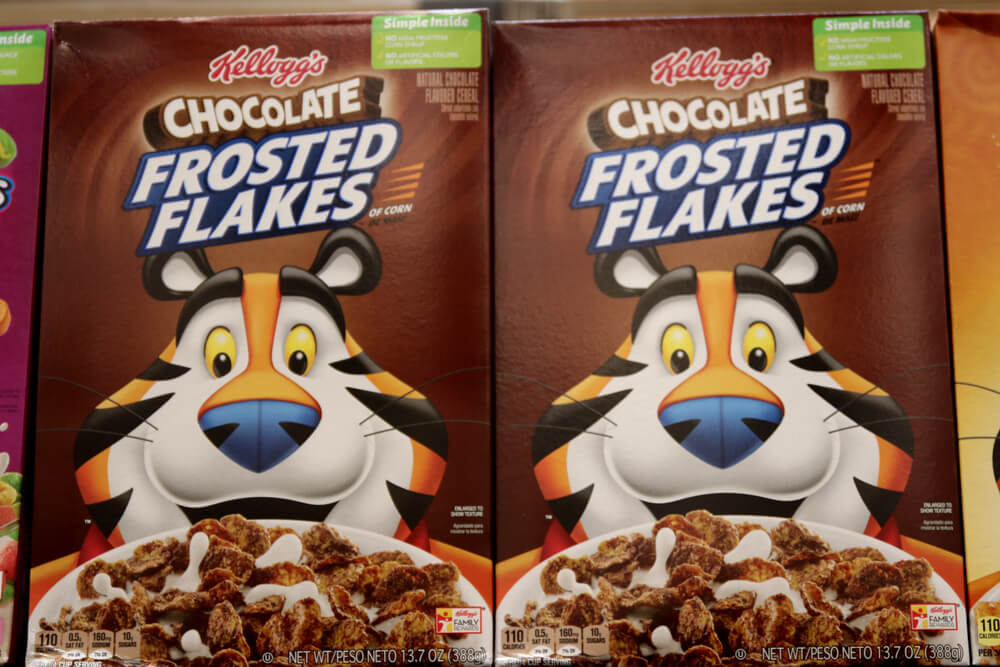
Similar to iron-on transfers but requiring only friction rather than heat to apply, rub-on transfer sheets let kids decorate notebooks, folders, or lunch boxes without any adult supervision required. Their simplicity made them one of the more kid-friendly prize types to actually use immediately after opening the box.
Cereal Box Board Game Pieces
A handful of promotions offered a new game piece or card in each box, encouraging repeat purchases to assemble a complete playable board game over the course of a season. Families who did not buy the cereal frequently enough often ended up with an incomplete game, a common source of household frustration during these particular promotions.
Where the Prize Outlasted the Cereal

Most of the cereal itself is long gone, poured out and forgotten within a week of purchase, but the prizes had a strange way of sticking around far longer than anyone intended. A plastic ring or a decoder wheel might survive years in a junk drawer, long after the box it came from had been recycled.
That mismatch between the cereal’s short life and the prize’s long one is part of why these objects still trigger such specific memories. They were never really about breakfast; they were about what happened at school once the trading started.
More from Go2Tutors!

- The Romanov Crown Jewels and Their Tragic Fate
- 13 Historical Mysteries That Science Still Can’t Solve
- Famous Hoaxes That Fooled the World for Years
- 15 Child Stars with Tragic Adult Lives
- 16 Famous Jewelry Pieces in History
Like Go2Tutors’s content? Follow us on MSN.