32 Locations Closed to the Public for Good Reason
Not every closed door is bureaucratic overcaution. Some places are sealed off because the ground itself is unstable, the air is unsafe to breathe, or the site is actively used for research, security, or preservation work that visitors would compromise simply by showing up.
The following locations span radioactive zones, active fault lines, disease research sites, and places where the danger comes less from any single hazard than from the sheer difficulty of getting anyone out if something goes wrong.
Chernobyl Exclusion Zone Reactor Core
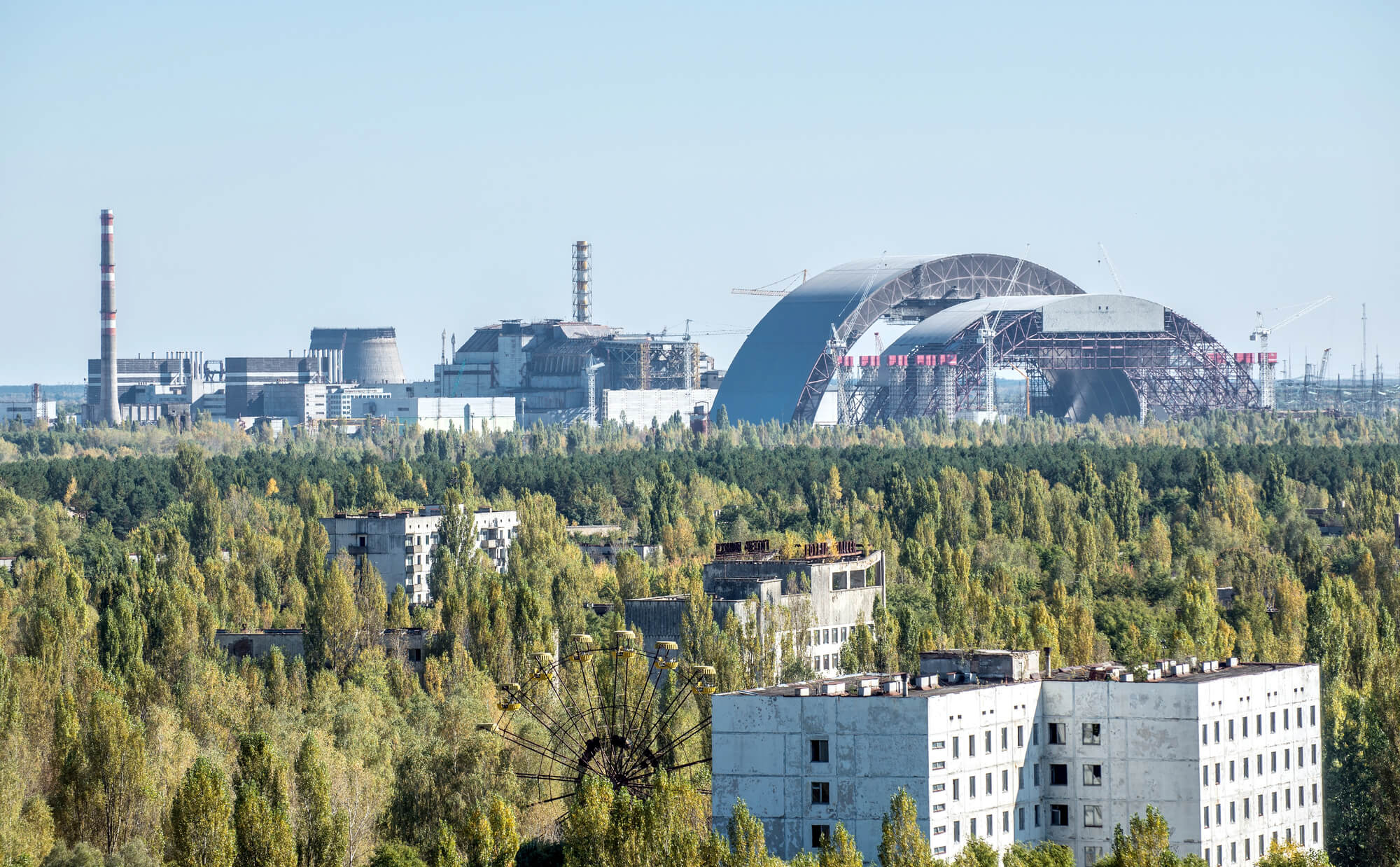
While limited, guided tourism operates in parts of the wider Chernobyl exclusion zone, the area immediately surrounding the destroyed reactor itself, including sections beneath the New Safe Confinement structure, remains off-limits due to radiation levels that are still dangerous to unprotected visitors decades after the 1986 disaster. Specialized workers who do enter operate under strict time limits and protective equipment.
The site is expected to require monitoring and restricted access for tens of thousands of years.
North Sentinel Island
Part of India’s Andaman Islands, North Sentinel Island is home to the Sentinelese, an isolated Indigenous community that has consistently resisted outside contact, sometimes violently. The Indian government enforces a strict exclusion zone around the island, both to protect visitors and to shield the islanders from diseases against which they have no immunity.
A 2018 incident in which an American visitor was killed after illegally landing on the island renewed international attention to the policy.
Poveglia Island
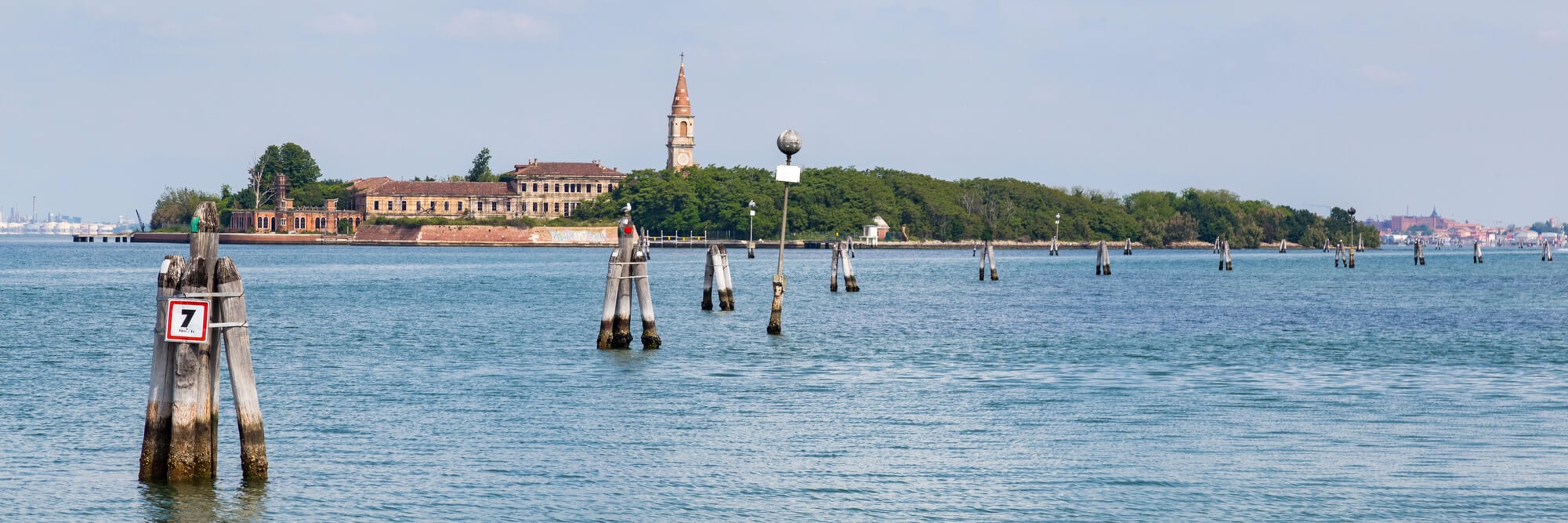
This small island in the Venetian Lagoon served at different points in its history as a quarantine station for plague victims and later as a psychiatric hospital, and it has been officially closed to unauthorized visitors for years due to structural instability in its abandoned buildings. Italian authorities have periodically leased the island for private development, but public access has remained restricted.
Its reputation as one of the world’s most reportedly haunted locations has only increased unauthorized visits despite the ban.
Ise Grand Shrine’s Inner Sanctuary
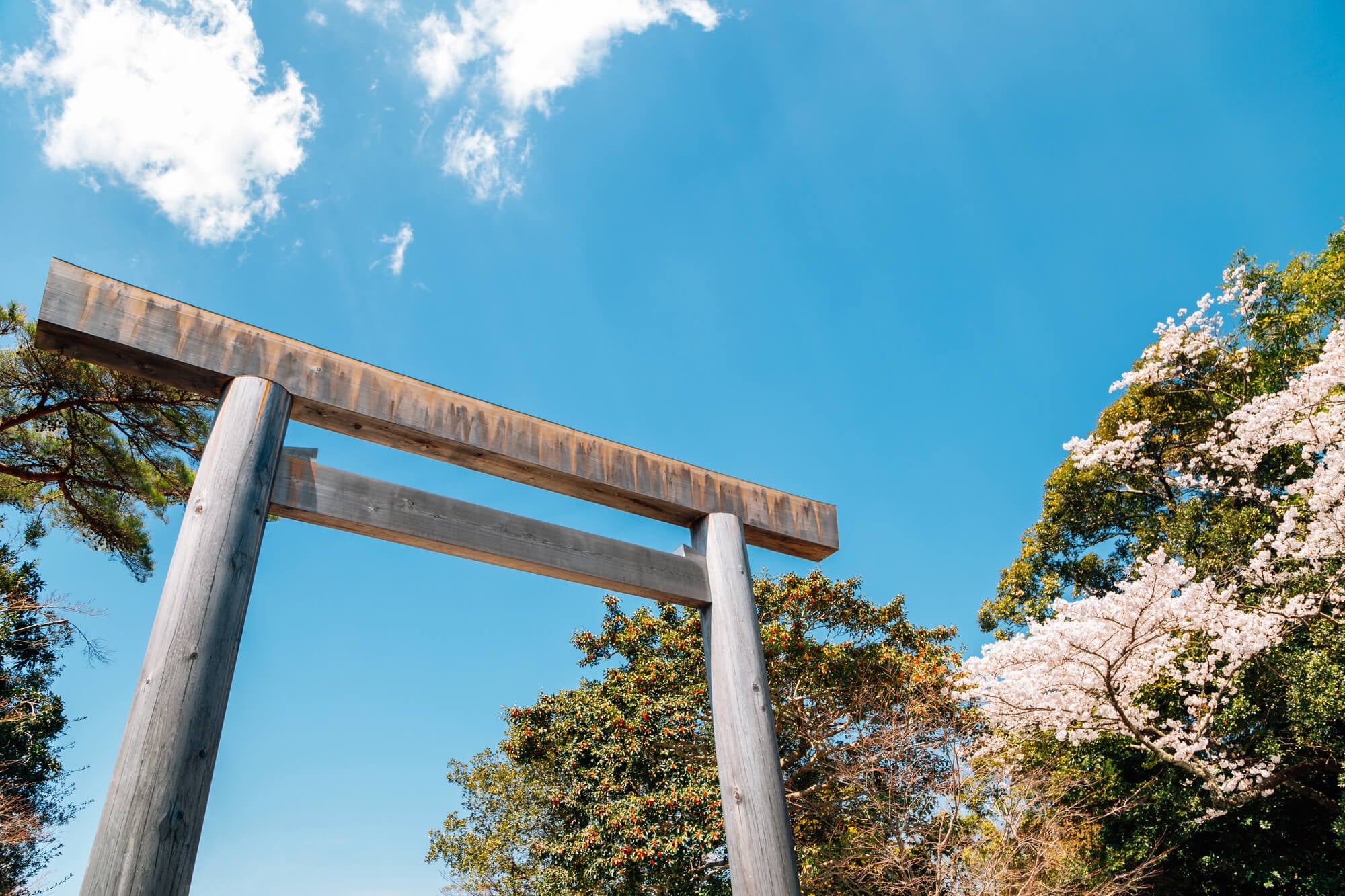
Japan’s most sacred Shinto site, the Ise Grand Shrine, restricts public access to its innermost buildings to imperial family members and specific priests, a practice maintained for centuries. Ordinary visitors, including most Japanese citizens, may only view the structures from behind fences at a significant distance.
The restriction reflects religious tradition rather than physical danger, making it one of the few entries on this list closed for purely ceremonial reasons.
Vault A, Reserve Bank of India
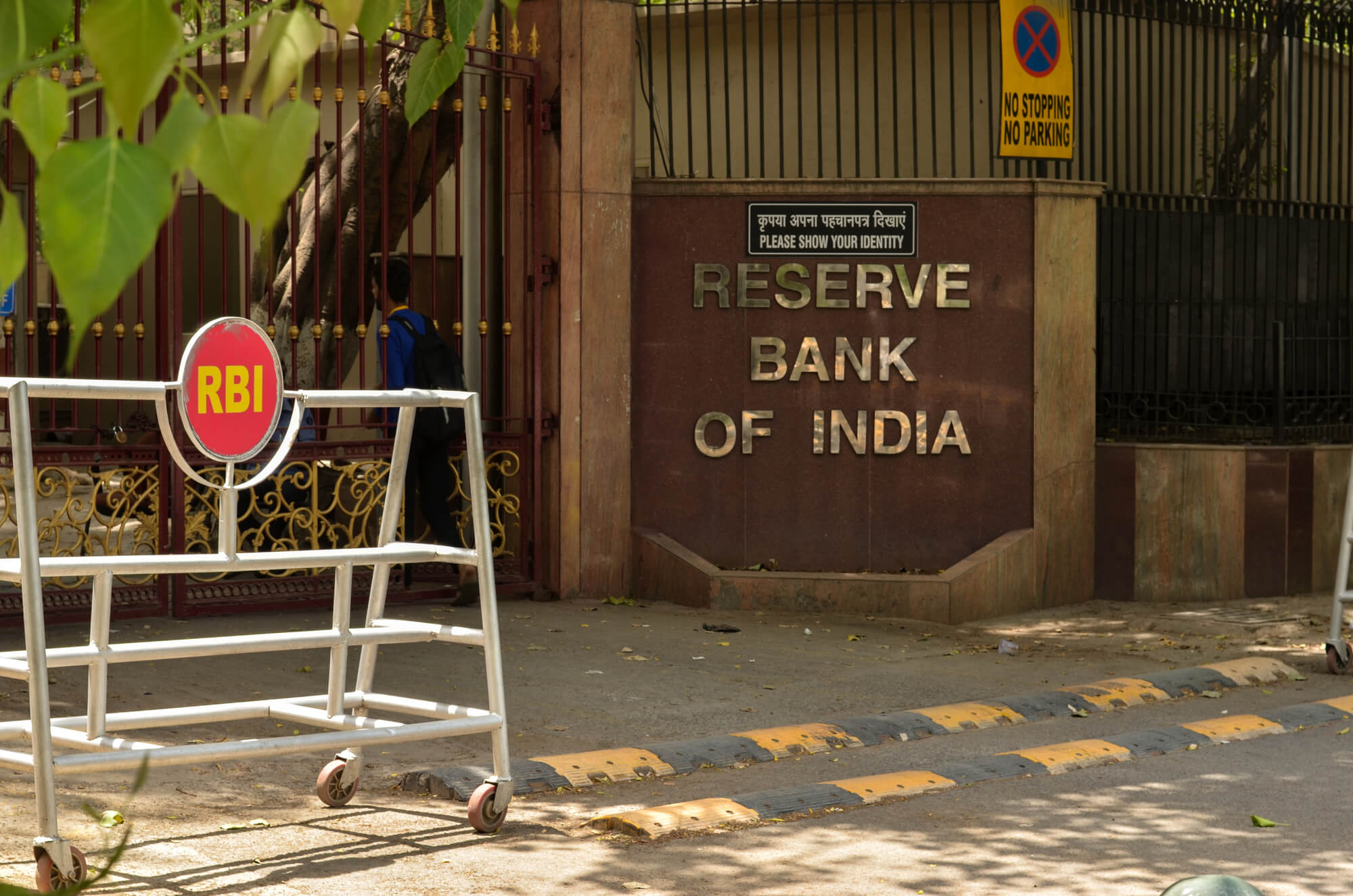
A specific vault within India’s central bank reserves is restricted even from most bank employees, holding gold and currency reserves considered a matter of national financial security. Access requires multiple layers of authorization well beyond standard bank security clearance.
Details about its exact contents and security protocols remain deliberately unpublicized.
Lascaux Cave
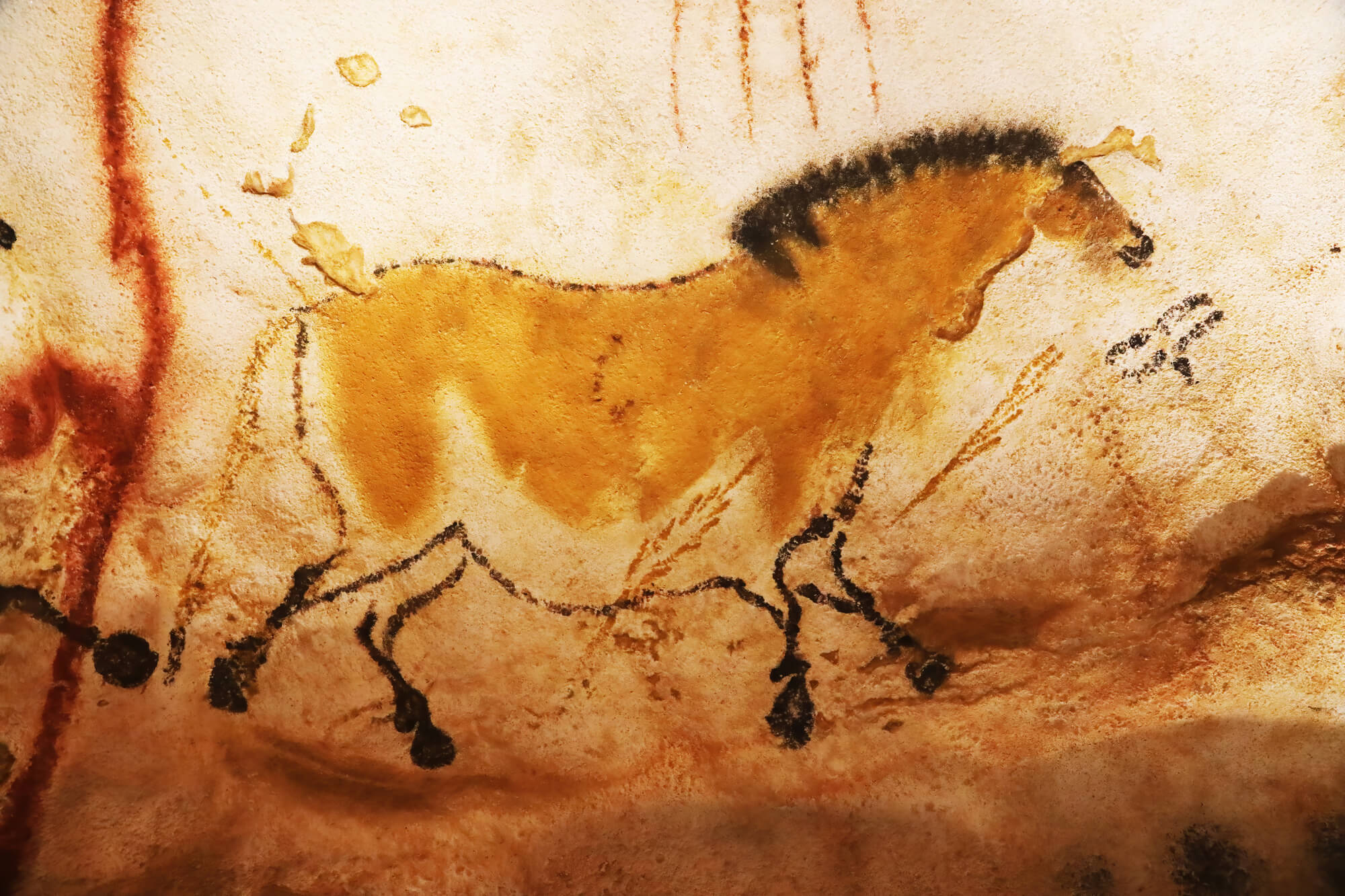
The original Lascaux cave in southwestern France, home to some of the most significant Paleolithic paintings ever discovered, was closed to the public in 1963 after visitor traffic introduced carbon dioxide, humidity, and mold that began damaging the roughly seventeen-thousand-year-old artwork. A detailed replica, Lascaux IV, was later built nearby to allow public viewing without further risk to the original site.
Even researchers now require special authorization for limited, closely monitored access to the actual cave.
Room 39, North Korea
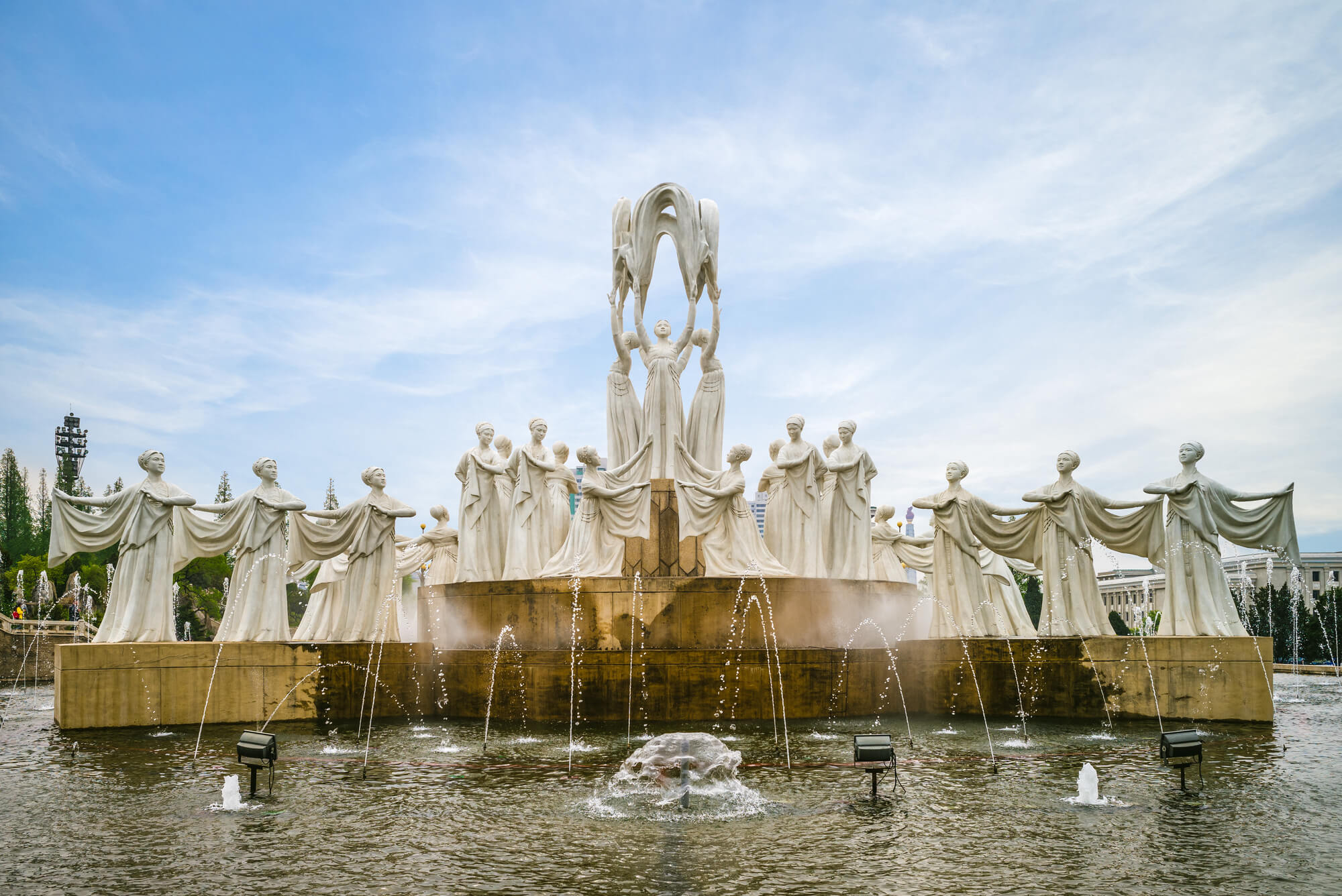
Widely reported by intelligence agencies and defectors to be a secretive North Korean government office involved in generating foreign currency for the ruling regime, Room 39’s exact location and operations remain unconfirmed and inaccessible to outside verification. No independent journalists or researchers have been permitted to document its activities directly.
Most available information comes from testimony of defectors and foreign intelligence assessments rather than direct access.
Mezhgorye, Russia
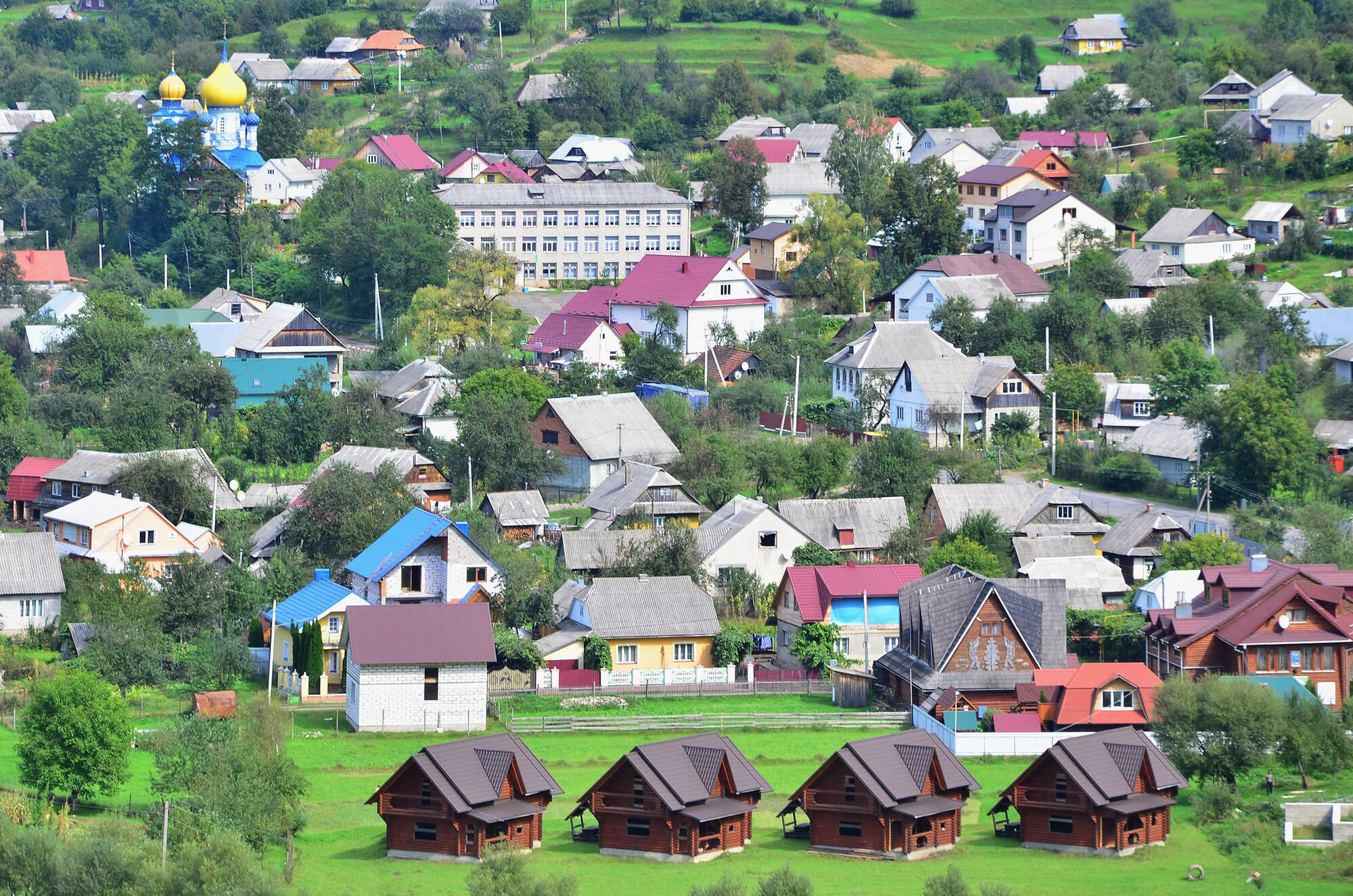
This closed Russian city in the Ural Mountains is officially restricted due to its proximity to Mount Yamantau, where extensive underground construction has fueled decades of speculation about a possible military or government continuity facility. Russian authorities have never fully disclosed the site’s purpose, and travel into the surrounding area requires special permits rarely granted to foreigners.
Its closed status has made it one of the most persistently speculated-about locations in the country.
Plum Island Animal Disease Center
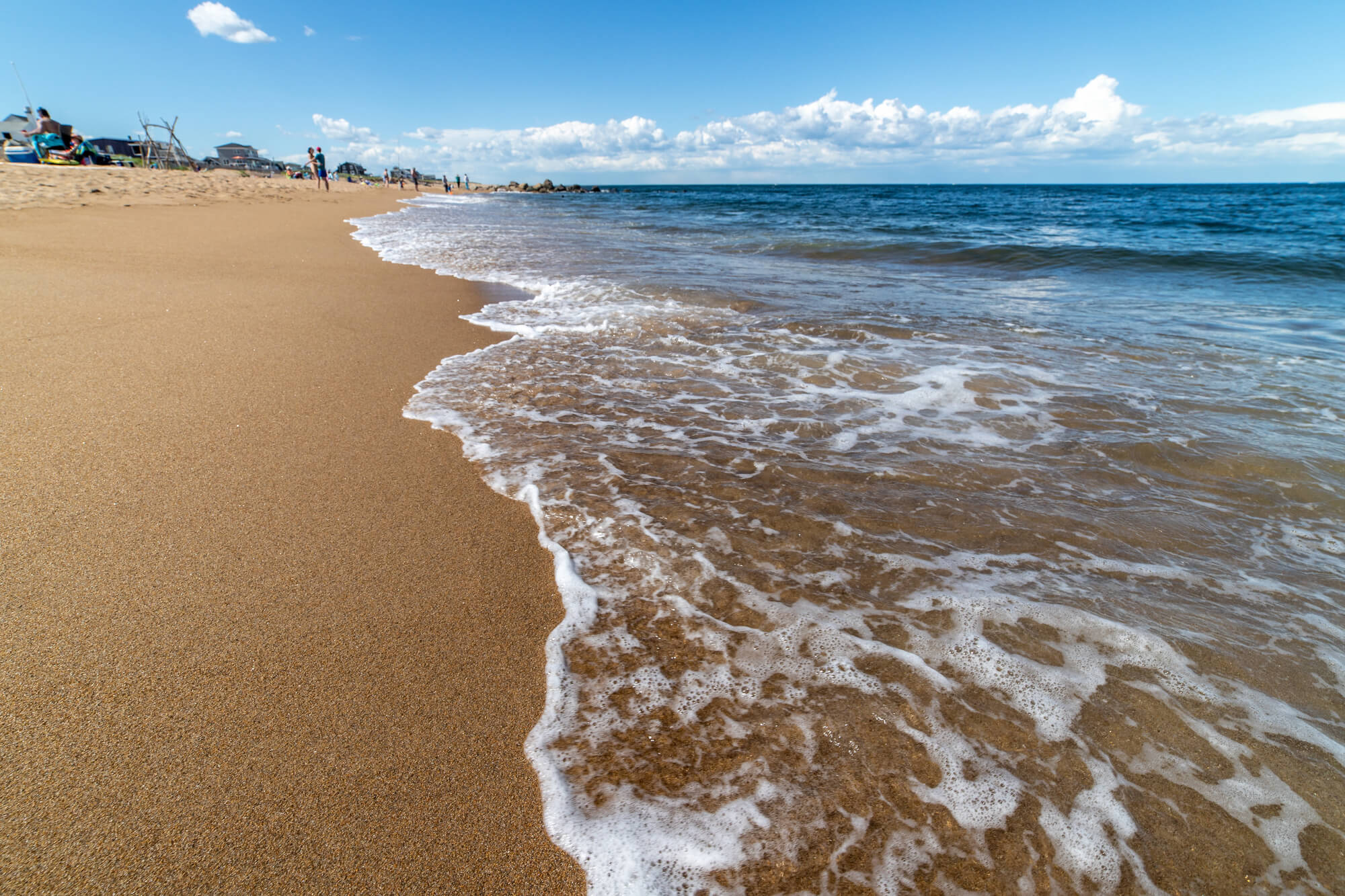
Located off the coast of New York, this federal research facility studies highly contagious animal diseases and has operated under strict biosecurity restrictions since its founding during the Cold War. Public access is prohibited, and even authorized personnel undergo decontamination procedures when leaving the island.
Its research mission requires containment protocols comparable to some of the highest-security biological research facilities in the country.
Heard Island and McDonald Islands
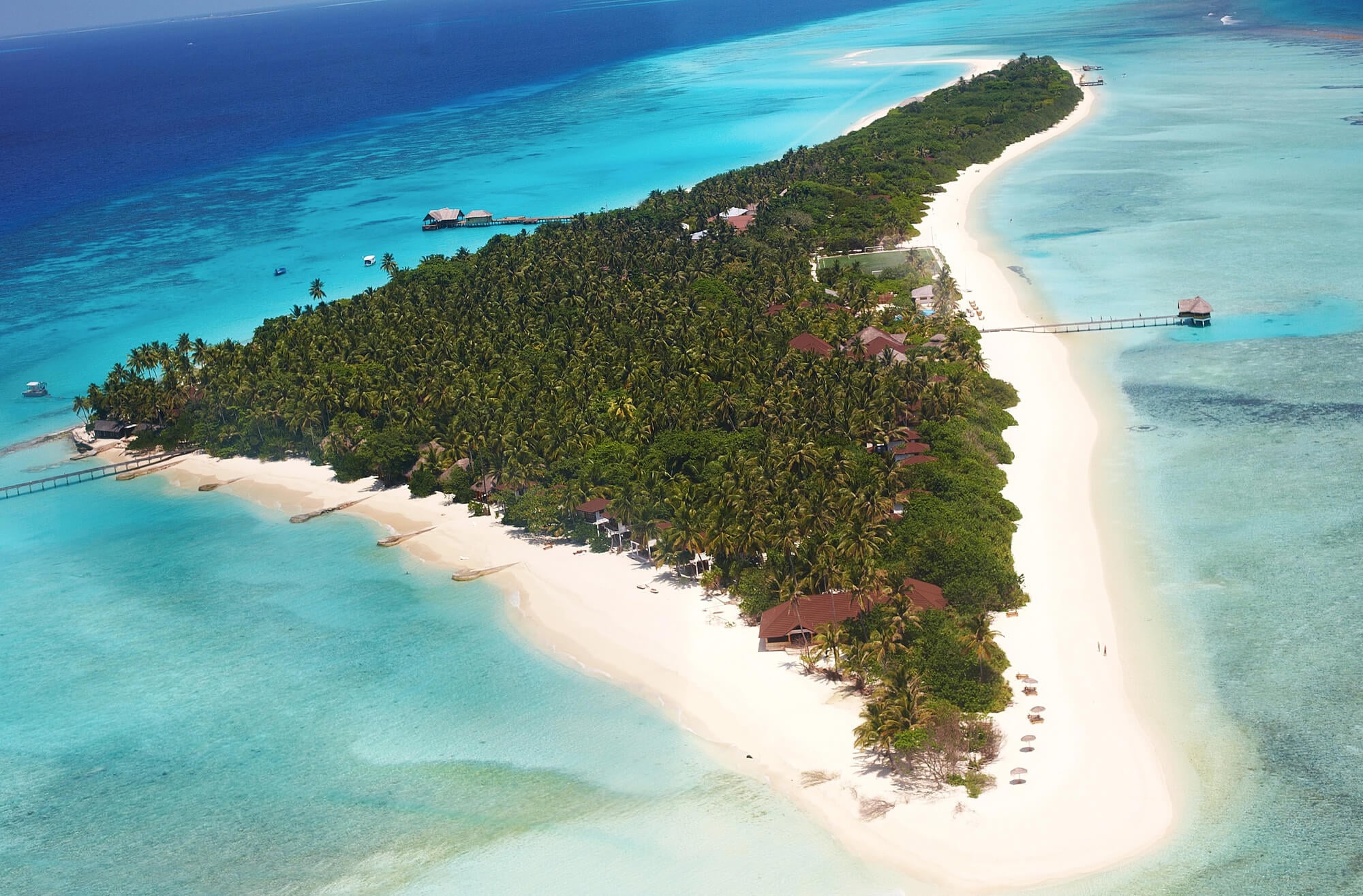
This remote Australian territory in the southern Indian Ocean includes an active volcano and is largely inaccessible due to extreme weather, sea conditions, and its extraordinary distance from any inhabited coastline. Visits require specific government permits and are granted almost exclusively for scientific research.
Its isolation is so severe that it remains one of the least-visited landmasses on Earth despite not being formally sealed off by any security apparatus.
Fort Knox Bullion Depository
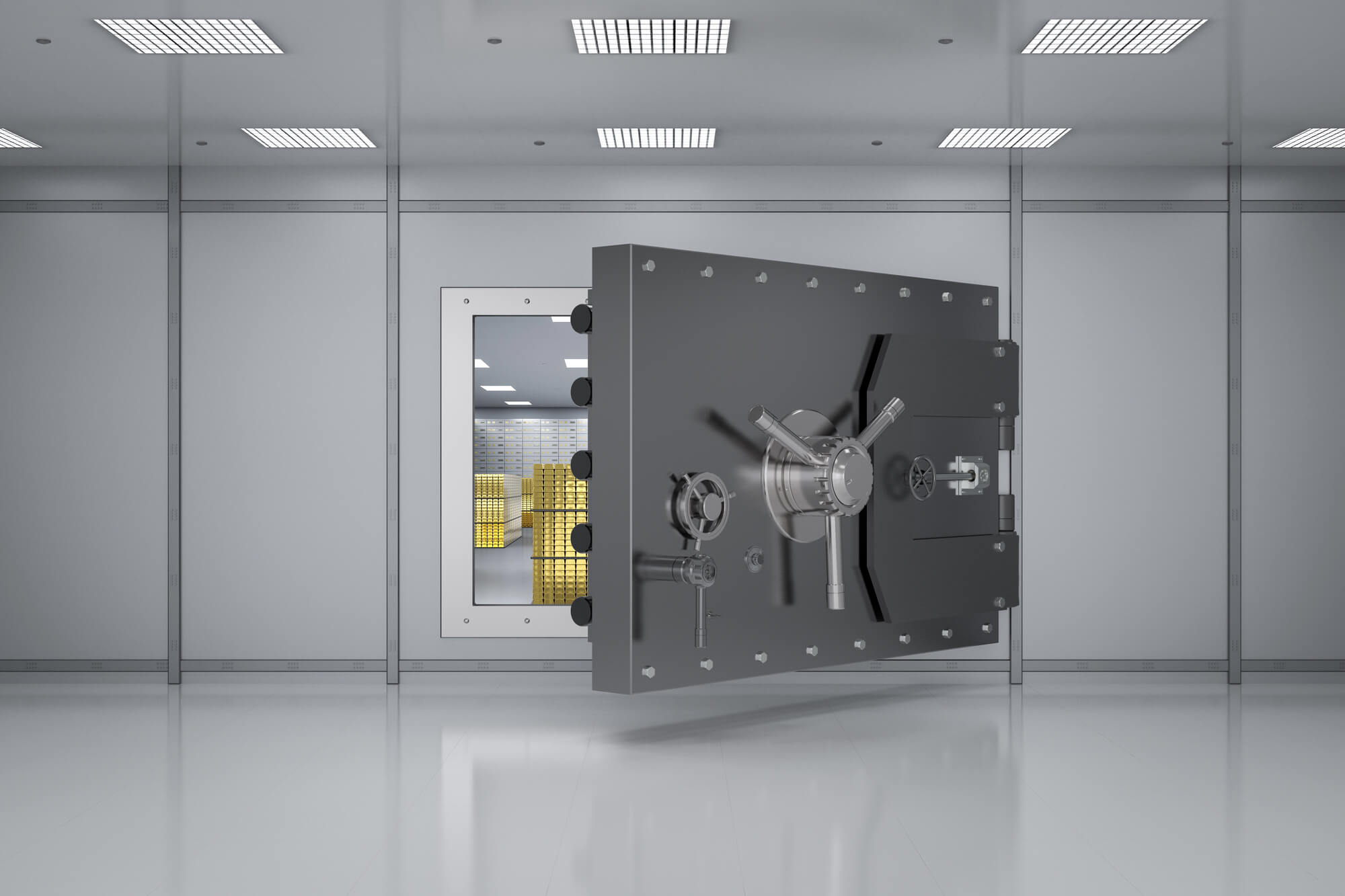
The United States Bullion Depository at Fort Knox, Kentucky, holds a significant portion of the country’s official gold reserves and is protected by extensive military security, with public access denied even to most elected officials. Very few outside visits have ever been documented, and no comprehensive independent audit of its contents has been publicly conducted in decades.
Its closed status has made it a recurring subject of public speculation despite its purely financial function.
Ni’ihau, Hawaii
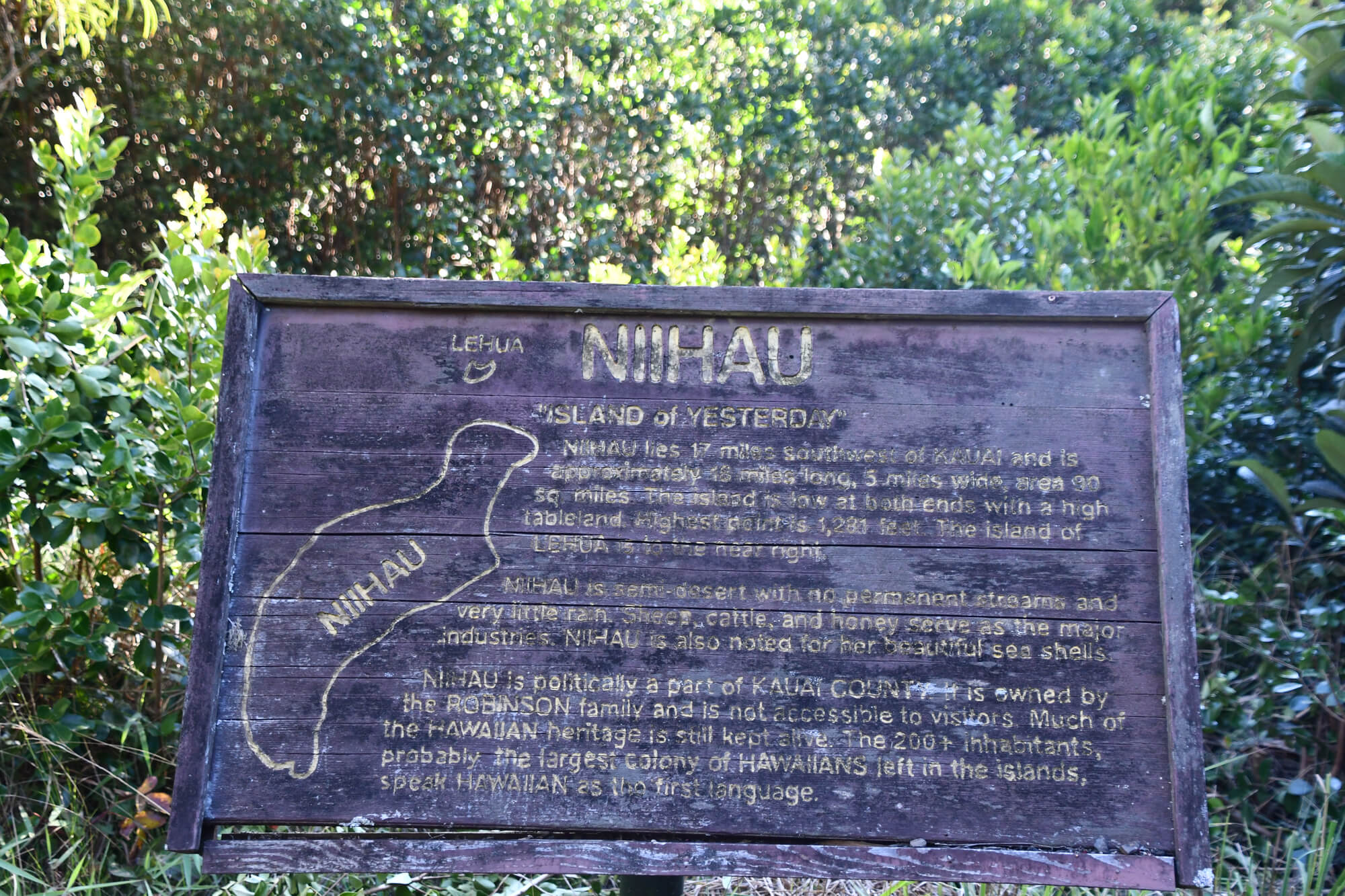
Privately owned by the same family since it was purchased from the Kingdom of Hawaii in 1864, this island is closed to all but residents, relatives, and government officials, earning it the nickname “the Forbidden Isle.” The restriction was originally intended to preserve the Native Hawaiian community and its way of life from outside disruption.
Very limited, tightly controlled tours have been permitted in recent decades, but general public access remains prohibited.
Vatican Secret Archives Reading Areas
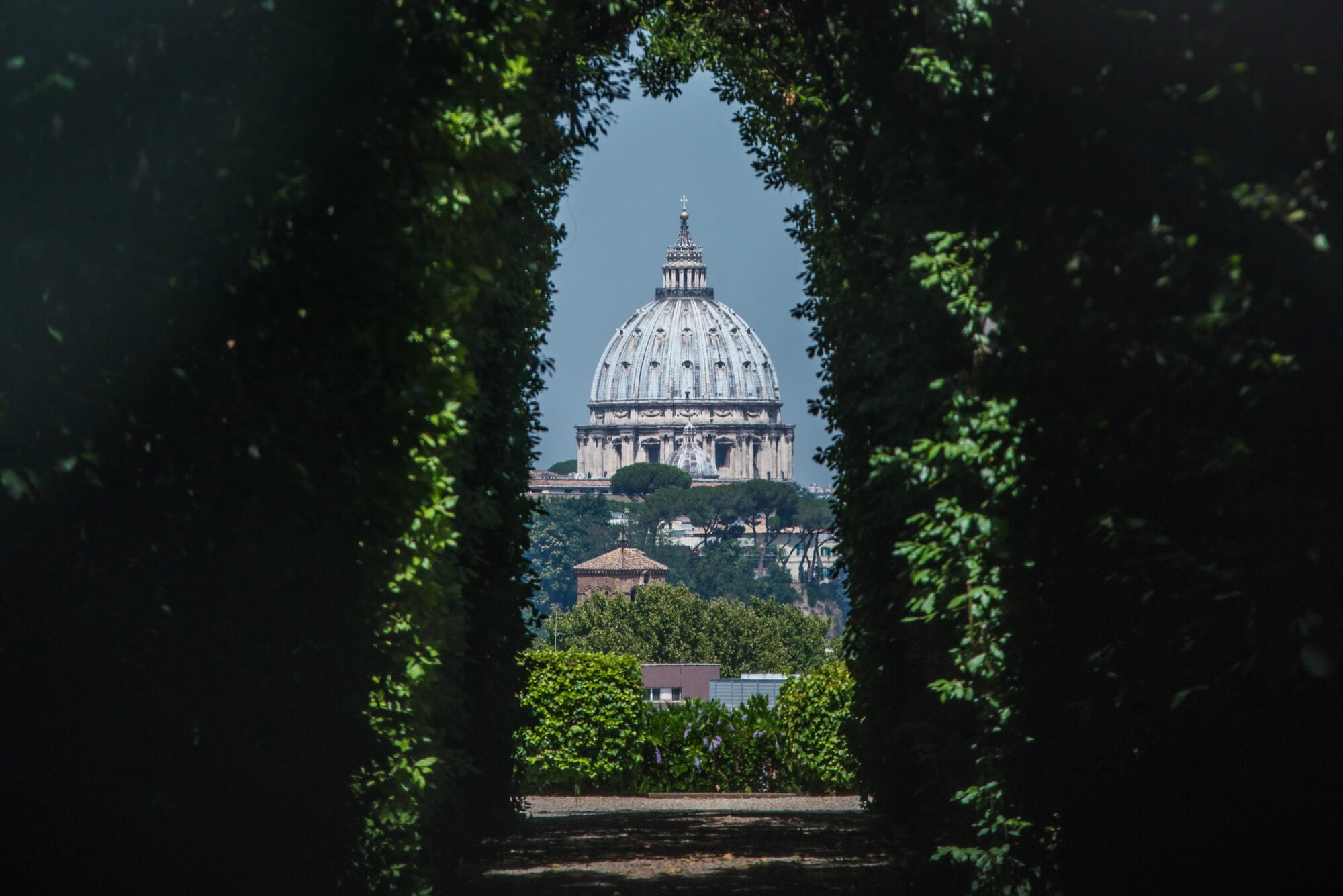
Though scholars can request access to specific documents within the Vatican Apostolic Archives, formerly known as the Vatican Secret Archives, under strict credentialing requirements, the general public and even most researchers cannot browse its holdings freely. The archive contains centuries of correspondence and administrative records, some of which remain effectively inaccessible due to the sheer scale and organizational complexity of the collection.
Requests for specific materials can take considerable time to process even for approved researchers.
Bhangarh Fort’s Restricted Zones
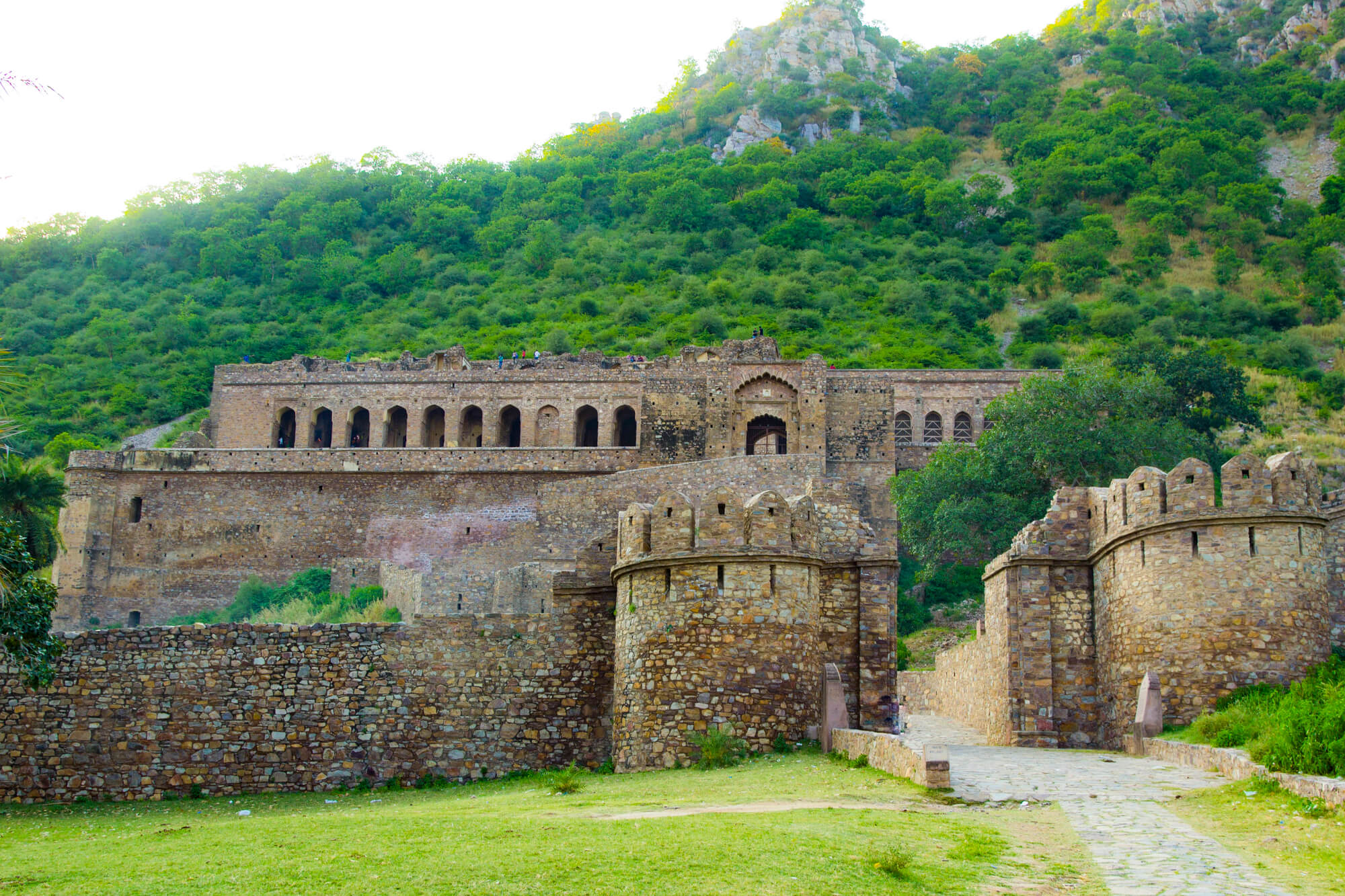
India’s Archaeological Survey has posted official signage restricting entry to parts of Bhangarh Fort in Rajasthan between sunset and sunrise, a rule tied to public safety around unstable ruins rather than any officially acknowledged supernatural concern, despite the site’s widespread local reputation as haunted. The uneven terrain and crumbling structures present a genuine hazard in low visibility.
Enforcement has become an ongoing challenge given the volume of visitors drawn specifically by the site’s reputation.
Snake Island, Brazil
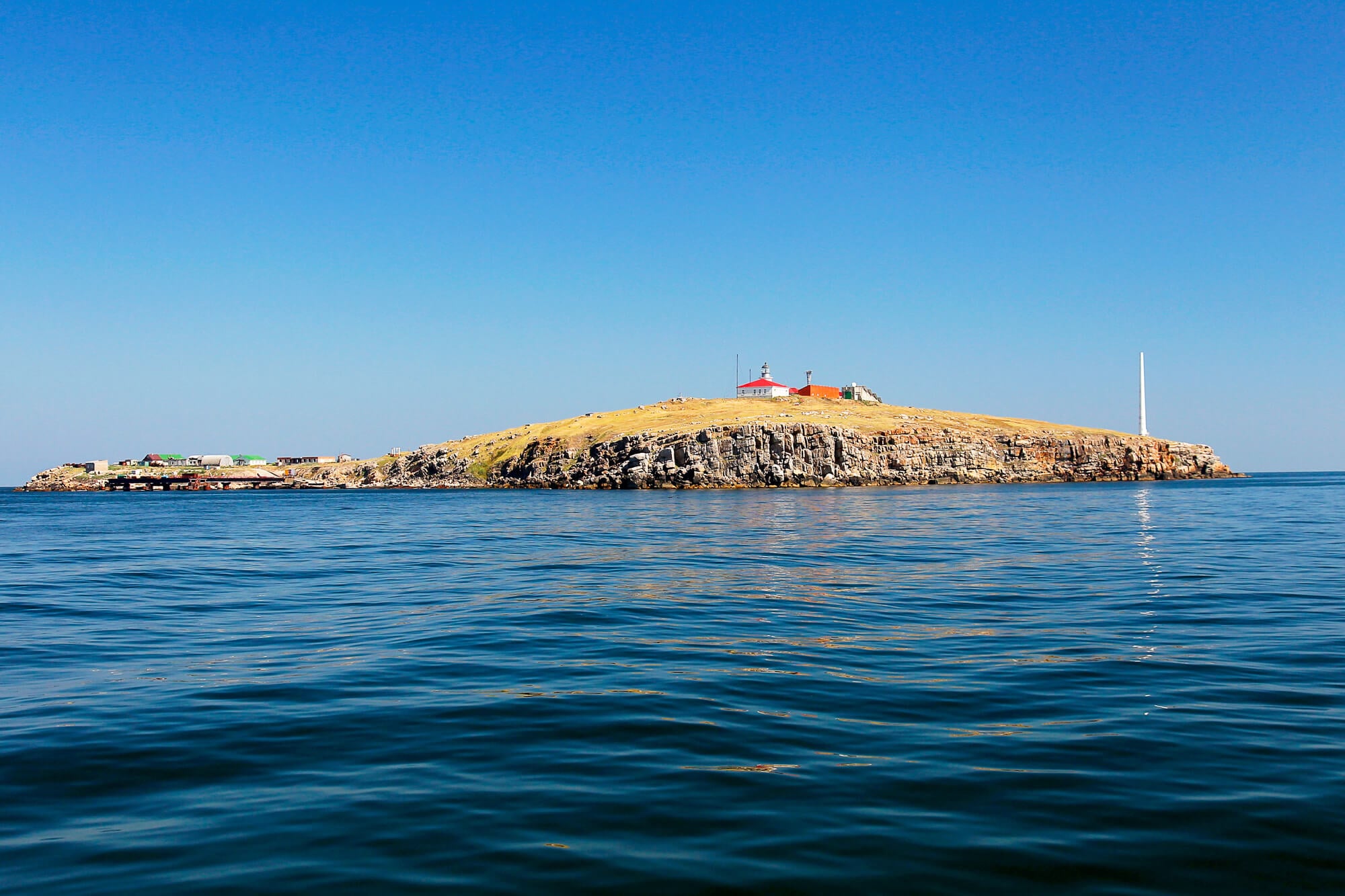
Ilha da Queimada Grande, off the coast of São Paulo state, is home to an extremely dense population of golden lancehead pit vipers, a highly venomous species found nowhere else on Earth. Brazilian authorities restrict civilian access entirely, permitting entry only to military personnel and scientific researchers under controlled conditions.
The island’s snake population is believed to have evolved its potent venom in relative isolation over thousands of years.
Metro-2, Moscow
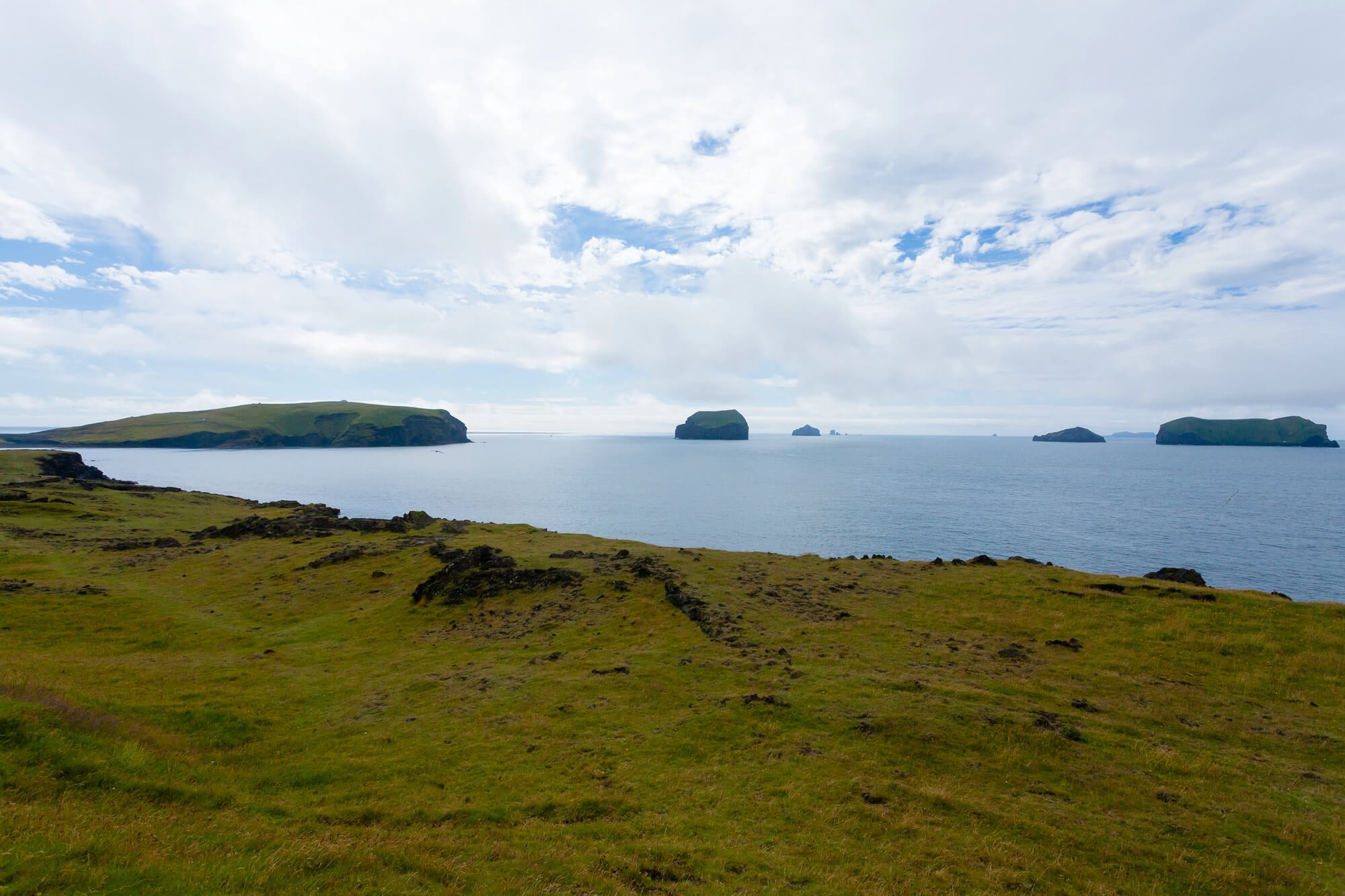
Widely reported, though never officially confirmed by Russian authorities, to be a secondary underground rail system built beneath Moscow’s public metro during the Soviet era for government and military use, Metro-2 remains sealed off from any public access or independent verification. Most available information comes from unverified defector accounts and satellite imagery analysis rather than confirmed government disclosure.
Its existence, while widely believed among researchers, has never been officially acknowledged.
Surtsey, Iceland
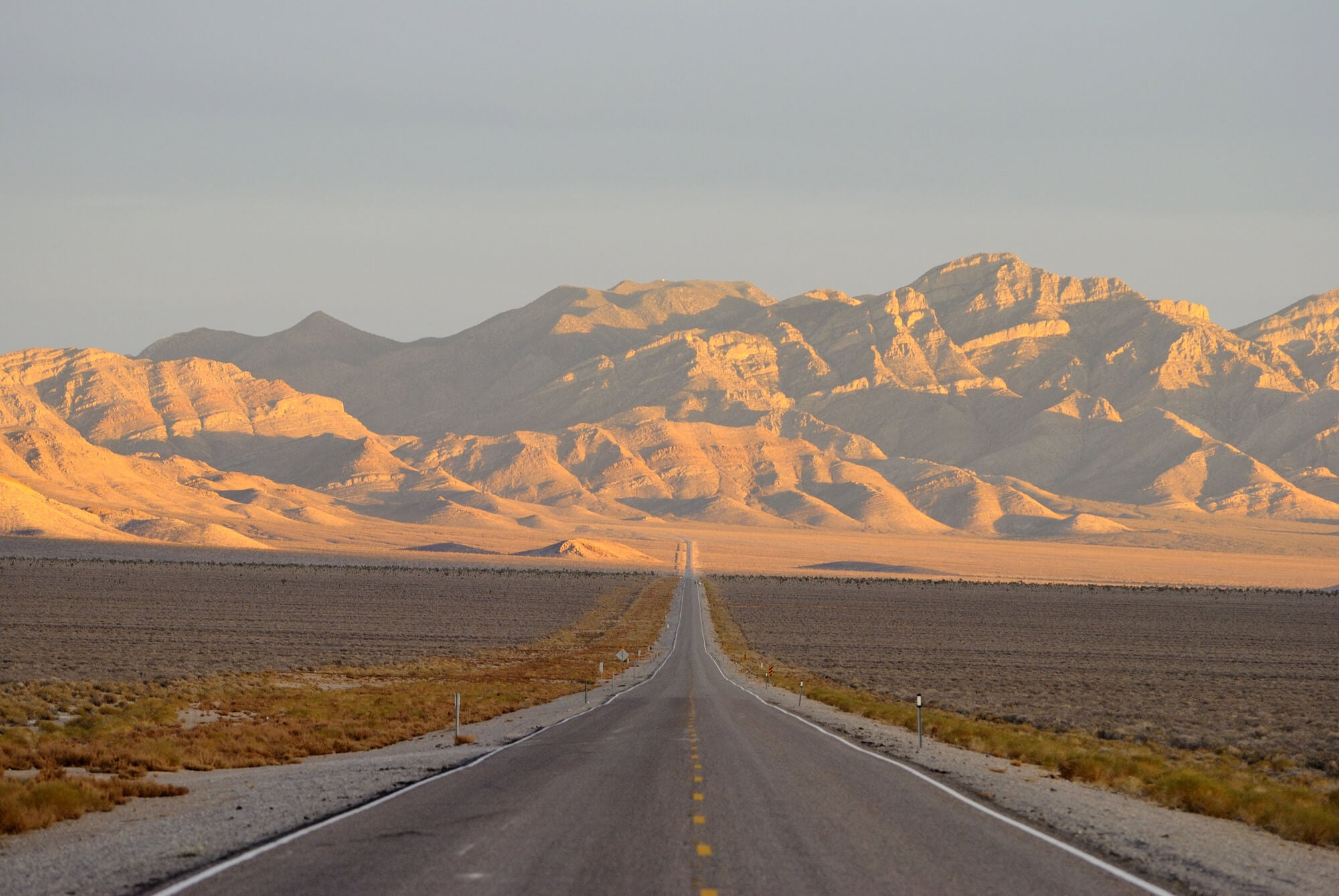
This volcanic island, formed by eruptions beginning in 1963 off the southern coast of Iceland, has been closed to all but a small number of authorized scientists since its formation, specifically to allow researchers to study how life colonizes new land without human interference. The restriction is considered essential to the integrity of the long-term ecological study underway there.
It remains one of the only places on Earth where an entire ecosystem’s development has been observed from its literal beginning under controlled scientific conditions.
Area 51
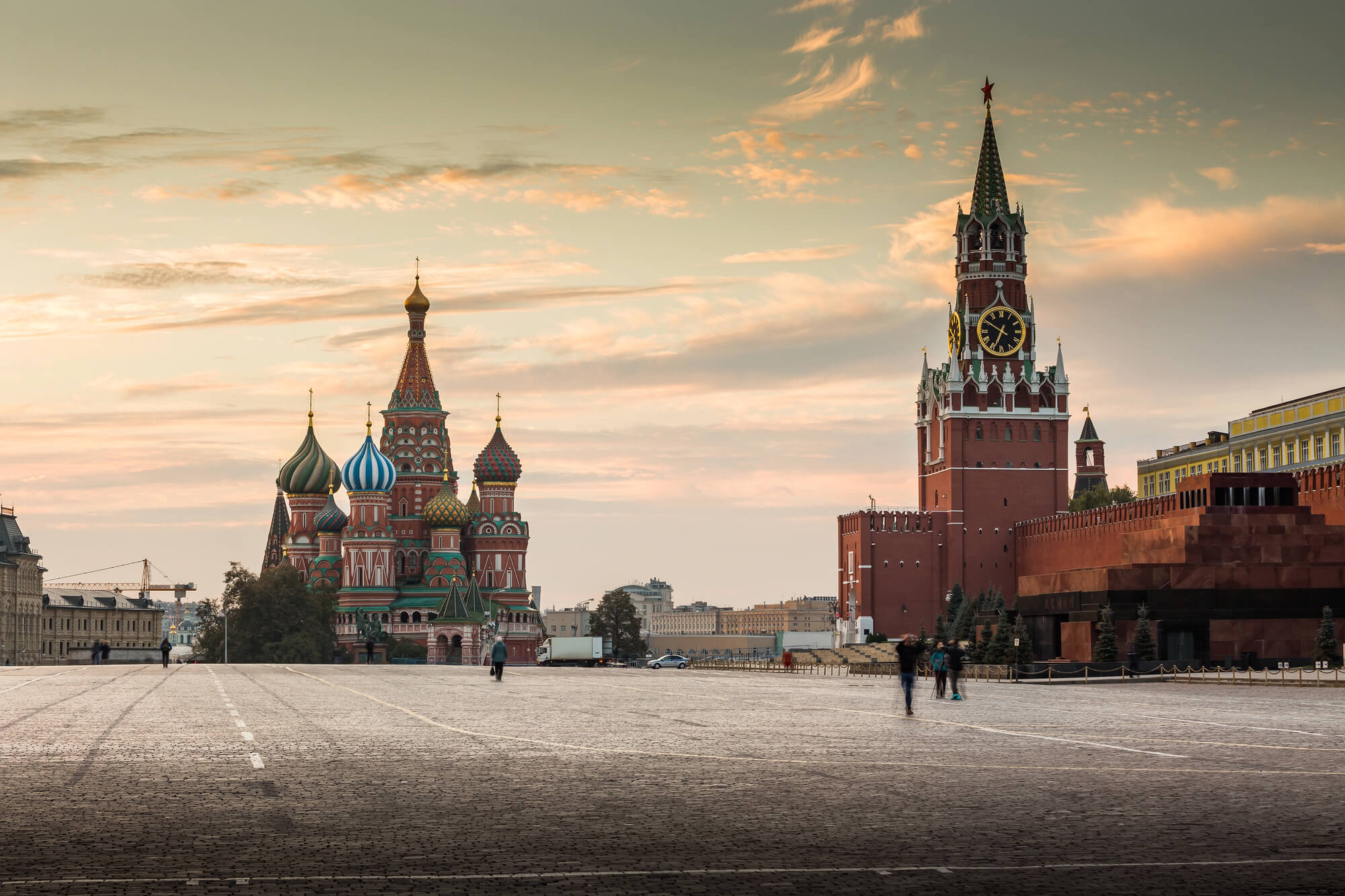
The United States Air Force facility in the Nevada desert, long the subject of public speculation, was not formally acknowledged by the government as an active military installation until documents were declassified in 2013. Access remains prohibited under long-standing federal law, with intrusion carrying significant legal penalties, and the surrounding restricted airspace is patrolled to prevent unauthorized approach.
Its officially confirmed function involves testing experimental aircraft, though most of its specific programs remain classified.
Doomsday Vault Interior, Svalbard
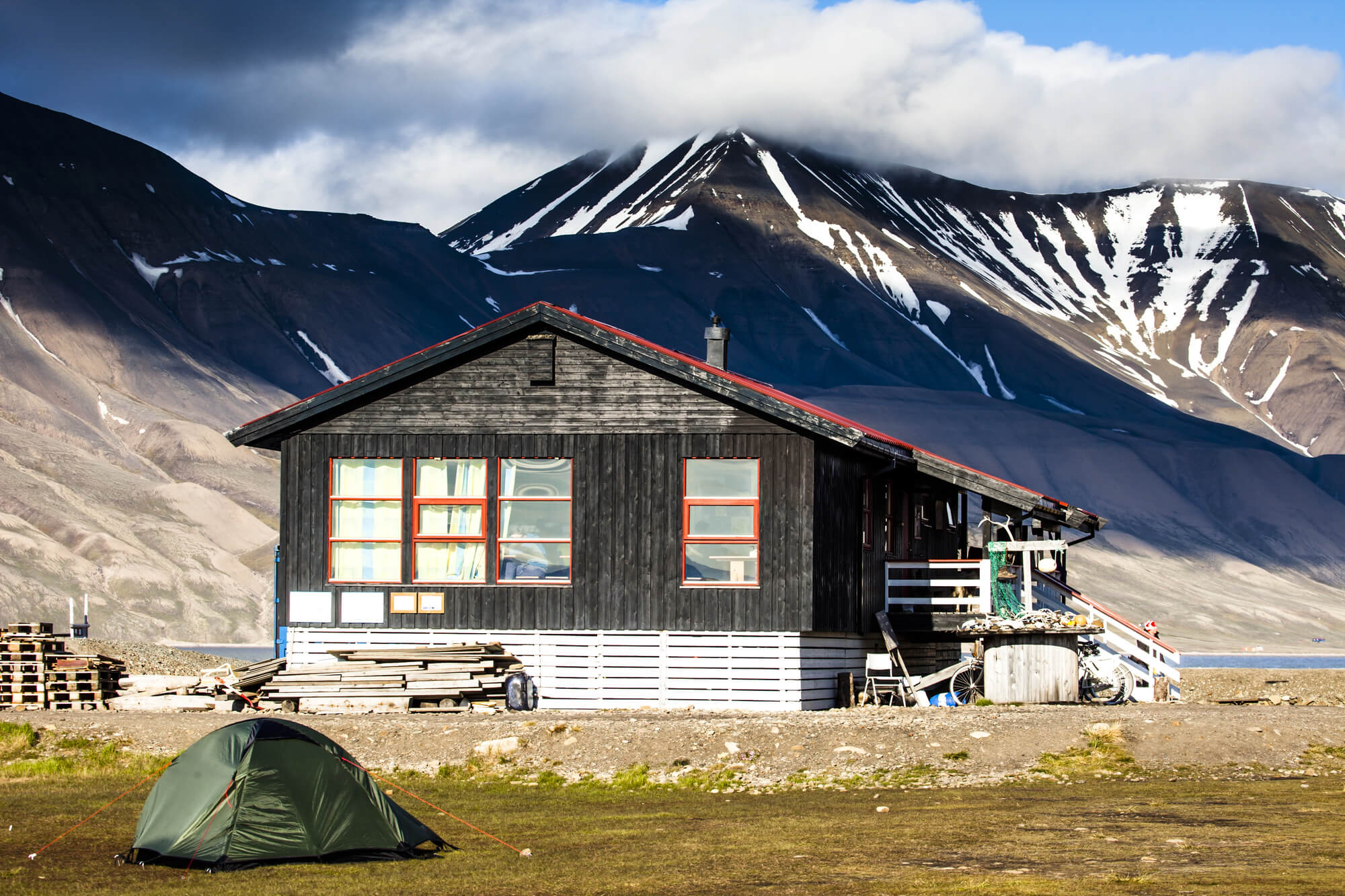
While the Svalbard Global Seed Vault’s exterior is a recognizable landmark and occasionally opens for limited media access, its interior seed storage chambers are restricted to depositing institutions and vault staff to preserve the stability of the environment required to keep millions of seed samples viable for centuries. The facility is built into permafrost specifically to minimize the need for external power in maintaining low temperatures.
Its restricted access is designed to protect what is effectively a backup archive of global crop biodiversity.
Mariana Trench’s Challenger Deep
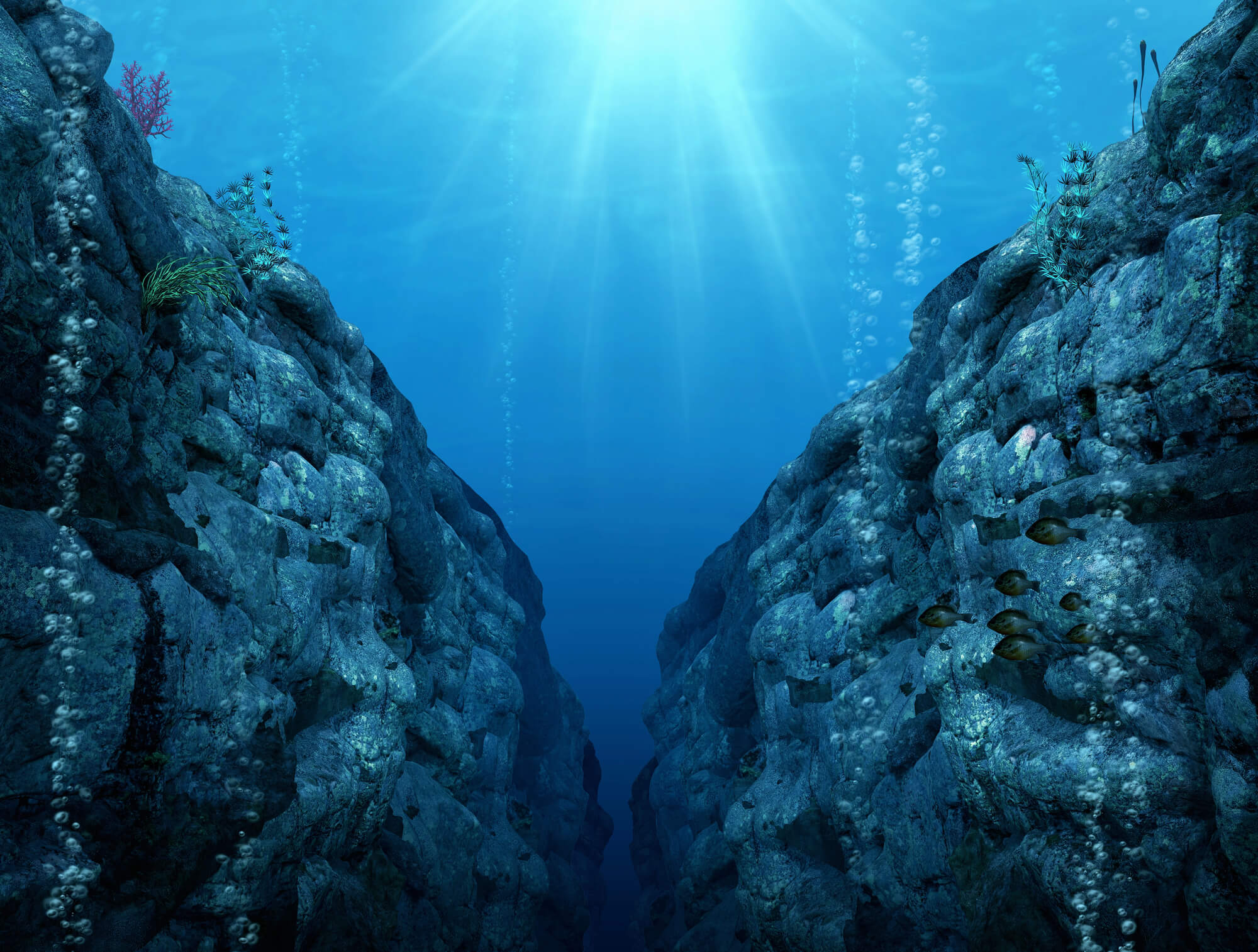
The deepest known point in Earth’s oceans is not closed by any formal government restriction so much as by the sheer physical difficulty of reaching it, requiring specialized vessels capable of withstanding pressure many hundreds of times greater than at sea level. Only a small number of crewed descents have ever been completed since the first in 1960.
Its practical inaccessibility has made it one of the least-explored environments on the planet despite the absence of any formal exclusion policy.
RAF Menwith Hill Operational Areas
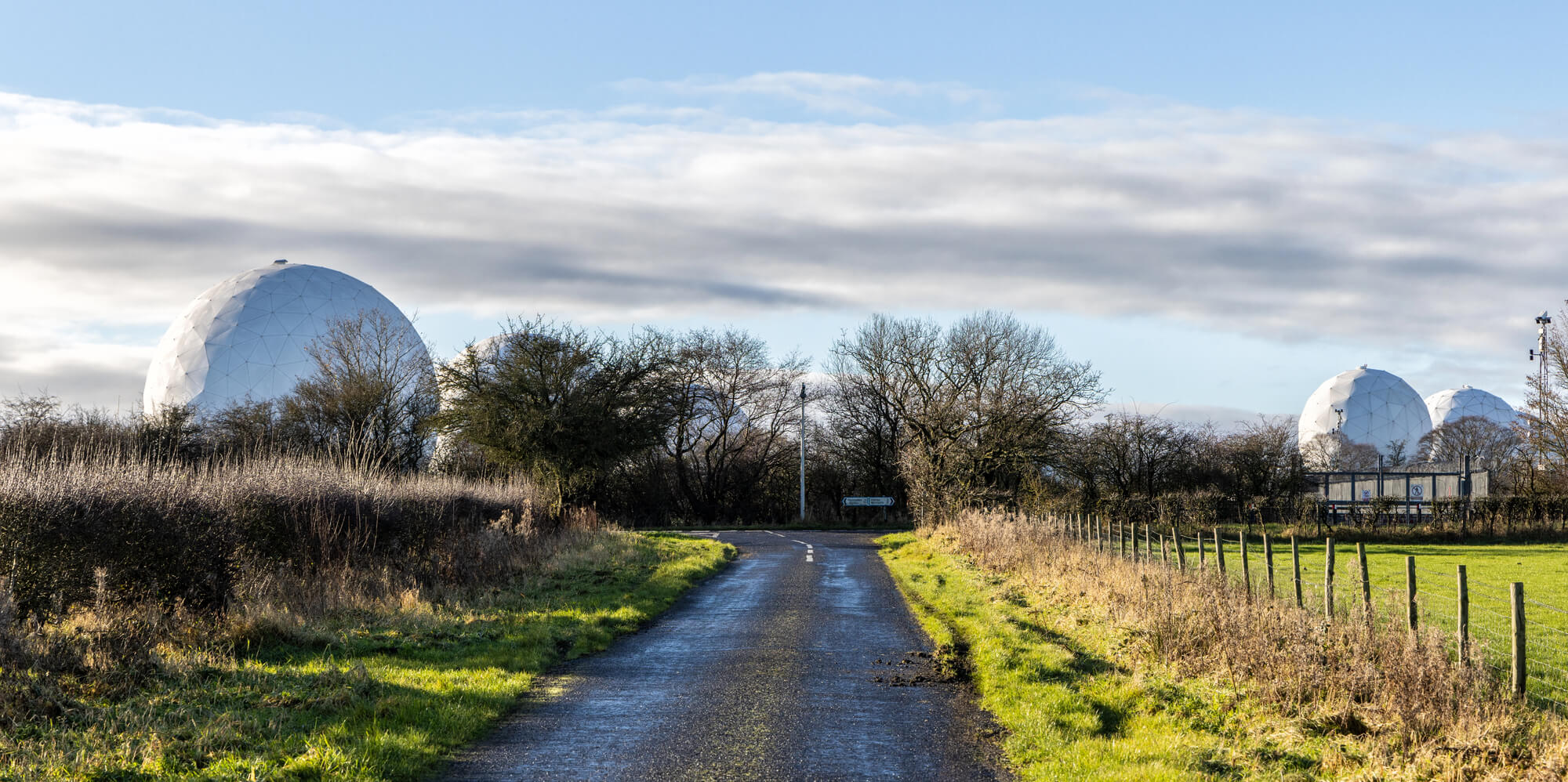
This Royal Air Force station in Yorkshire, England, hosts one of the largest satellite surveillance and intelligence-gathering facilities operated in cooperation with the United States, with its most sensitive operational areas closed to all but cleared personnel. Public protests and legal challenges over its secrecy have occurred periodically since the base’s Cold War-era origins.
Its precise capabilities and the full scope of its intelligence work remain undisclosed.
Ilha de Trindade, Brazil
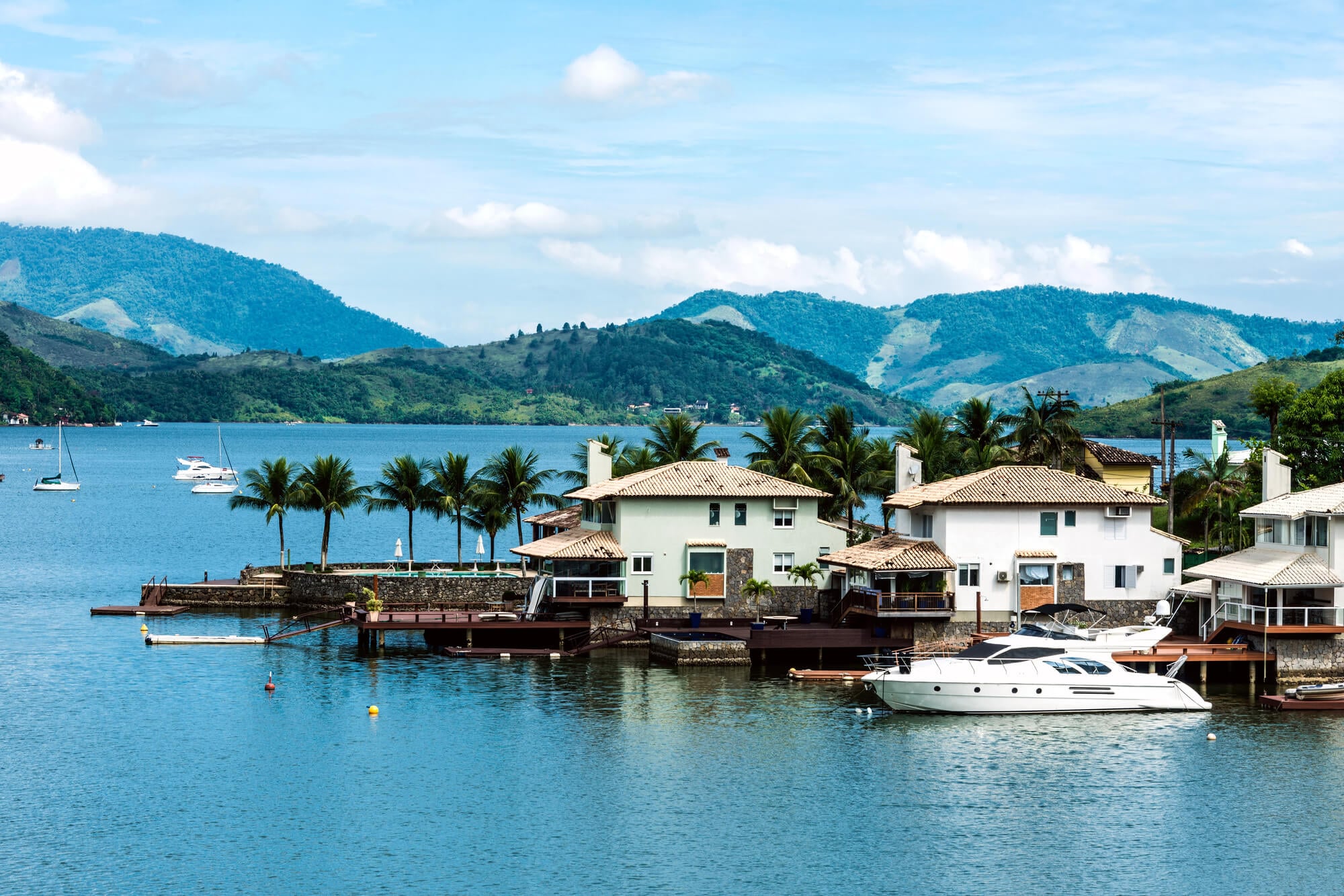
This remote volcanic island off Brazil’s coast hosts a naval base and is officially closed to civilian visitors, accessible only to military personnel and authorized researchers. Its isolation has also made it a long-standing subject of speculation related to unexplained aerial sightings reported by military personnel in the 1950s.
Environmental protection of its unique ecosystem is cited by Brazilian authorities as an additional reason for the restriction.
Yamantau Mountain Complex
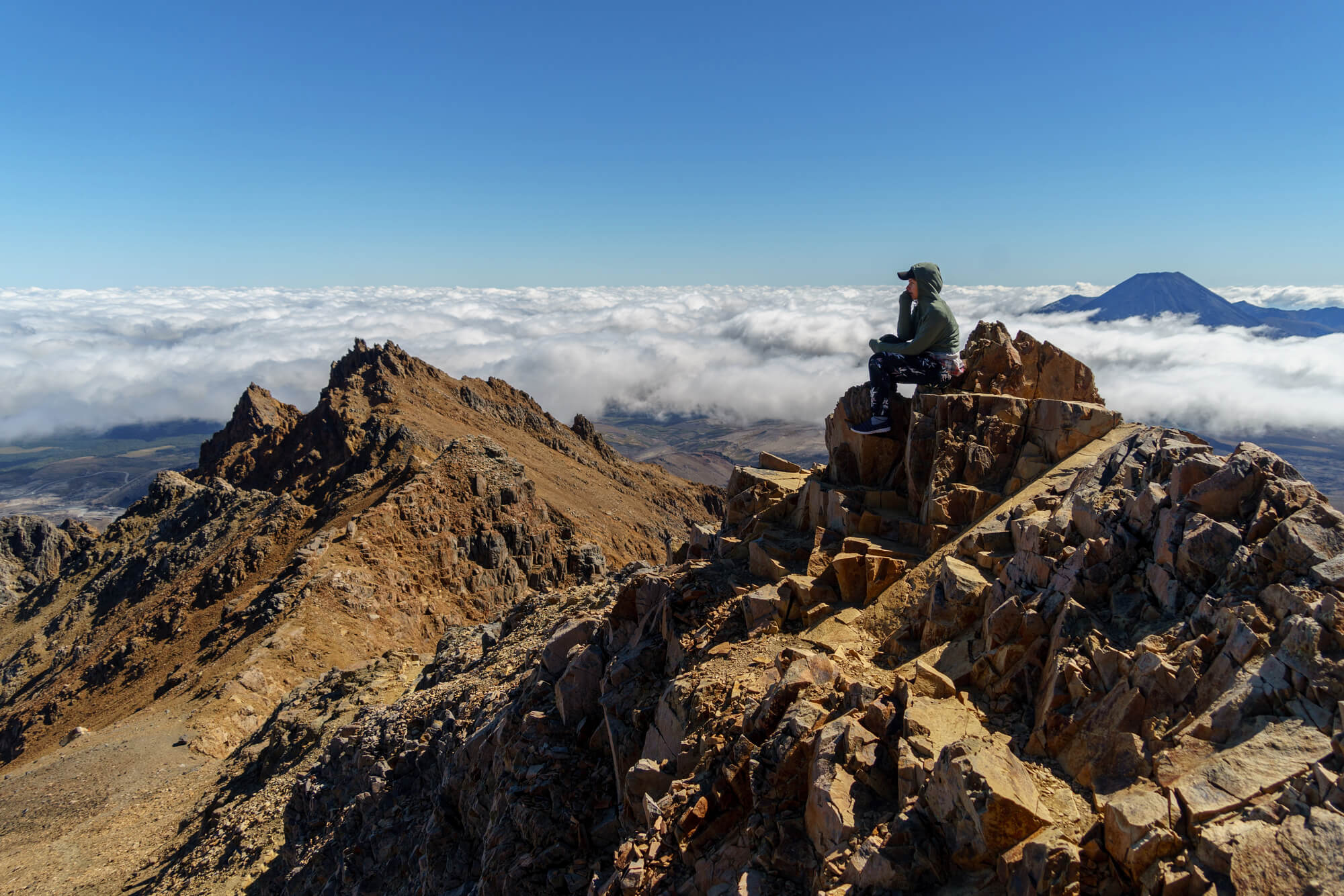
Closely associated with the restricted city of Mezhgorye, the extensive underground excavation at Yamantau Mountain in Russia’s Ural range has never had its full purpose officially disclosed by the Russian government, despite decades of American intelligence assessments describing it as a potential strategic facility. No independent verification of its interior has ever been permitted.
It remains one of the most persistently restricted sites in the country specifically because so little about it has ever been confirmed.
Diego Garcia
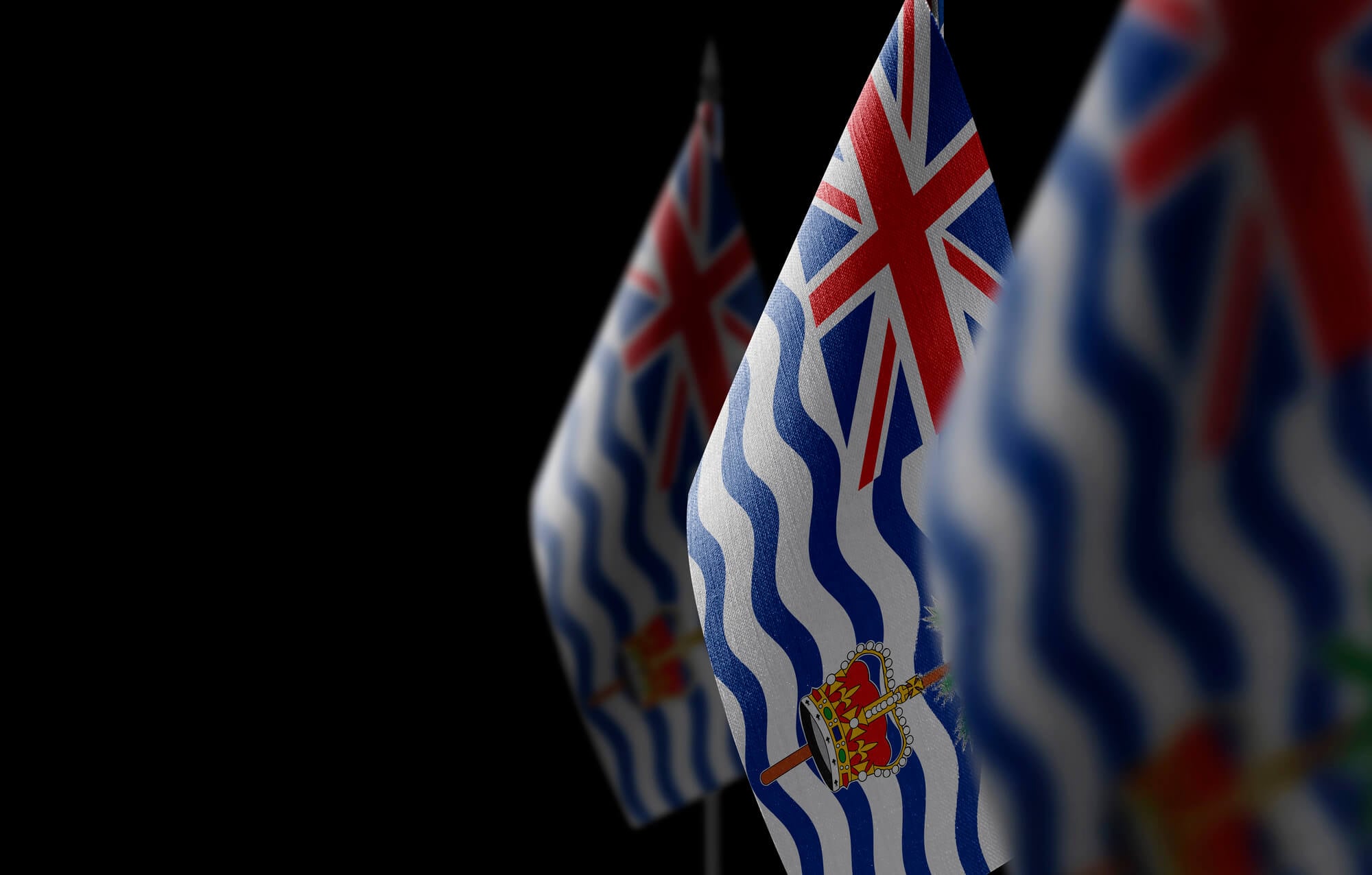
This island in the British Indian Ocean Territory hosts a major joint United States and United Kingdom military base and has been closed to civilian access, including to the Chagossian people forcibly removed from the island by British authorities beginning in the late 1960s. Legal and diplomatic disputes over the removal and the islanders’ right to return have continued for decades.
Its ongoing restriction remains tied directly to its active military function.
White’s Illusion Facility, Nevada Test Site
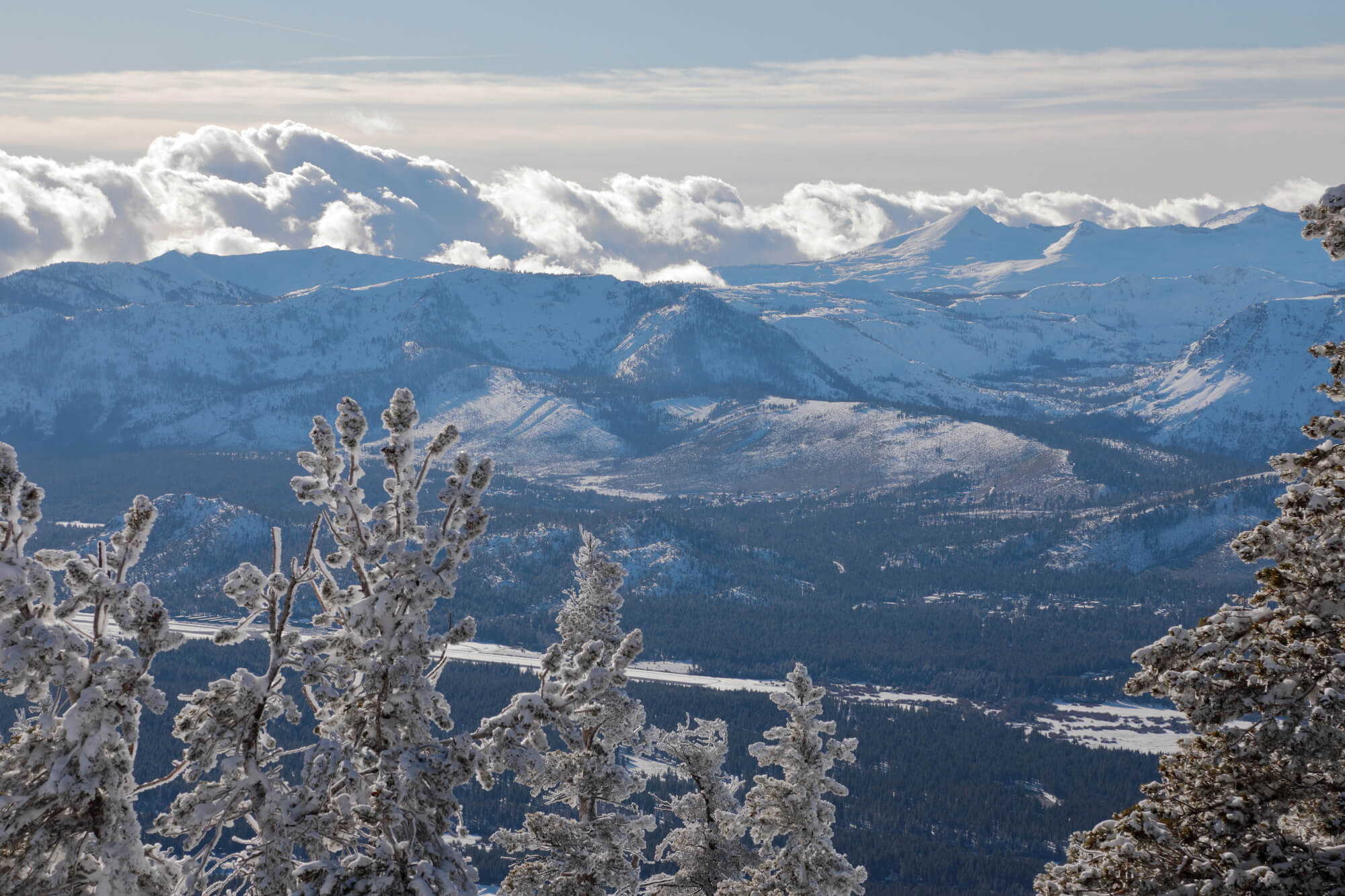
Portions of the Nevada National Security Site, formerly the Nevada Test Site, where decades of nuclear weapons testing occurred beginning in 1951, remain restricted due to residual radioactive contamination in specific test areas. Guided public tours of some historical areas are occasionally offered, but the most contaminated zones remain permanently closed.
Environmental monitoring of groundwater and soil in the region continues on an ongoing basis.
Cape Canaveral Restricted Launch Areas
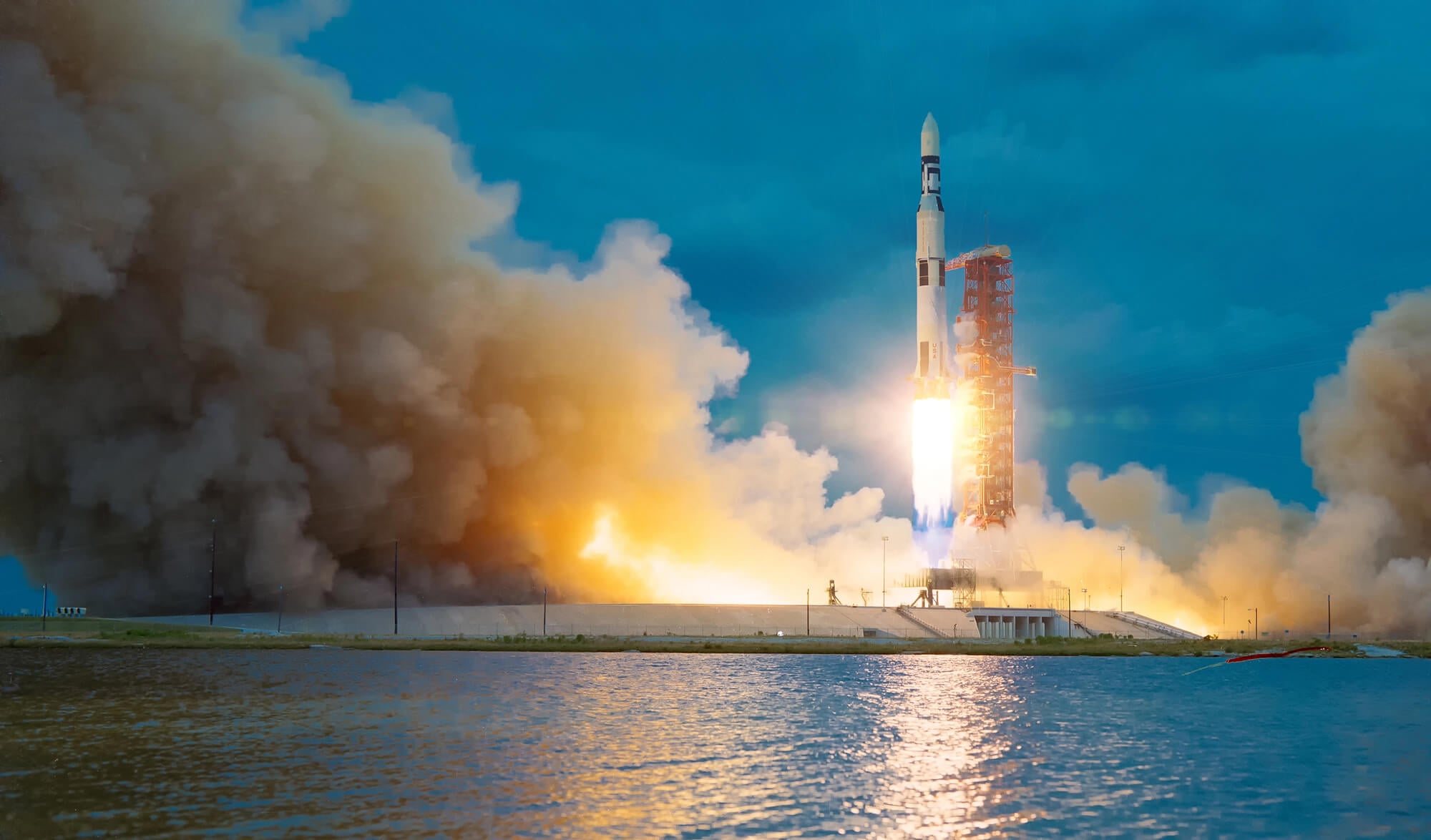
While parts of the Kennedy Space Center welcome public visitors, the active launch complexes and adjacent restricted zones at Cape Canaveral are closed to the public during operations for basic safety reasons related to rocket fuel and launch debris. Security clearance and specific authorization are required for access even during non-launch periods in certain sections.
The restrictions reflect operational safety requirements rather than secrecy about the facility’s general purpose.
Bohemian Grove
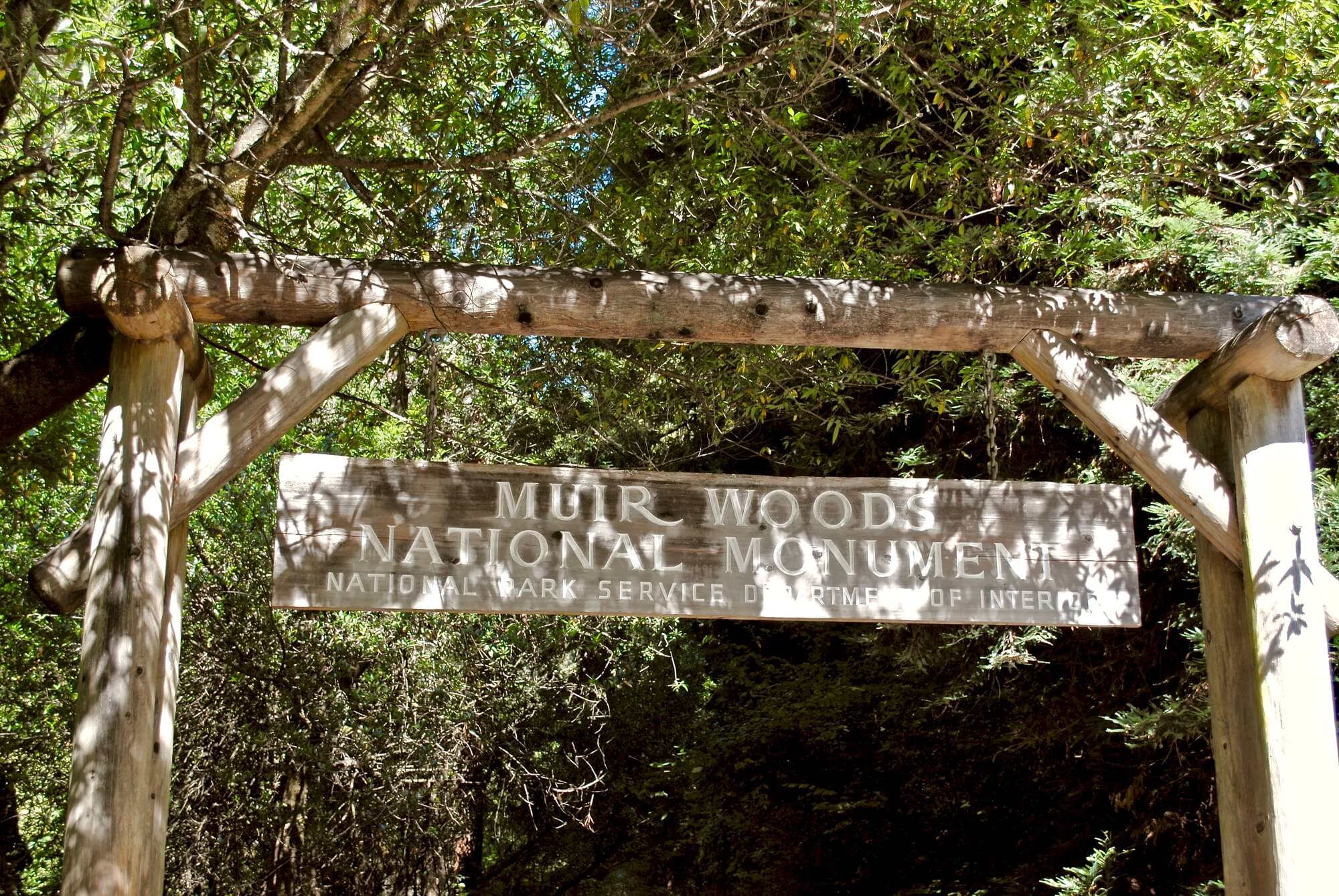
This private forested retreat in California hosts an exclusive members-only club and has drawn persistent public curiosity due to the secrecy surrounding its summer gatherings, which have included prominent business and political figures over the decades. Access is restricted entirely to members and their invited guests, with the surrounding property enforced as private land.
Its closed-door nature has made it a recurring subject of public speculation despite limited confirmed information about what actually occurs there.
Metro Tunnels Beneath the Kremlin
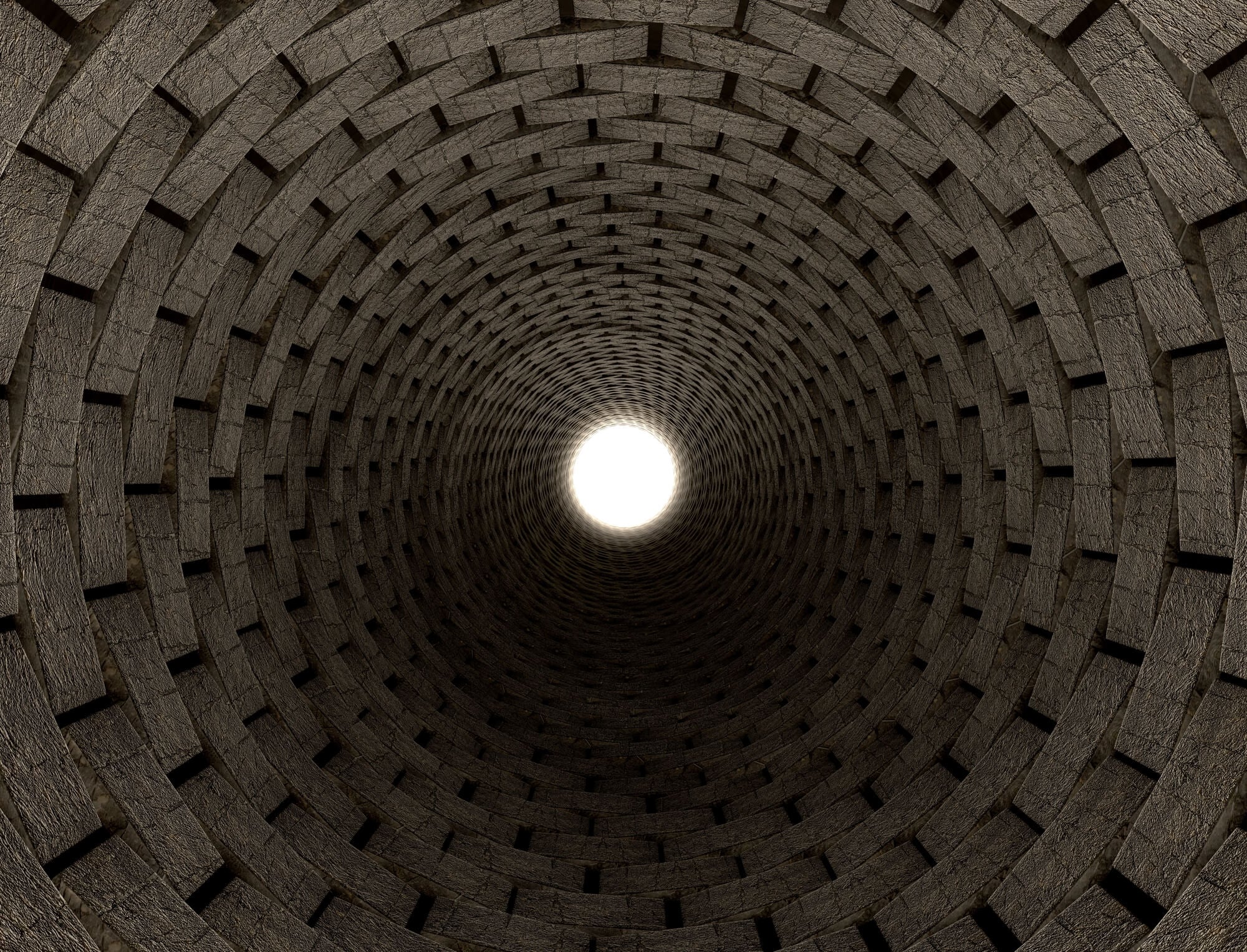
Sections of tunnel infrastructure believed to run beneath Moscow’s Kremlin complex remain closed and largely unconfirmed by Russian authorities, cited by security analysts as likely serving communication, transport, or continuity-of-government functions. No independent access or verification has ever been permitted.
Their existence is inferred largely from construction records and occasional unofficial disclosures rather than direct confirmation.
Coca-Cola Formula Vault, Atlanta
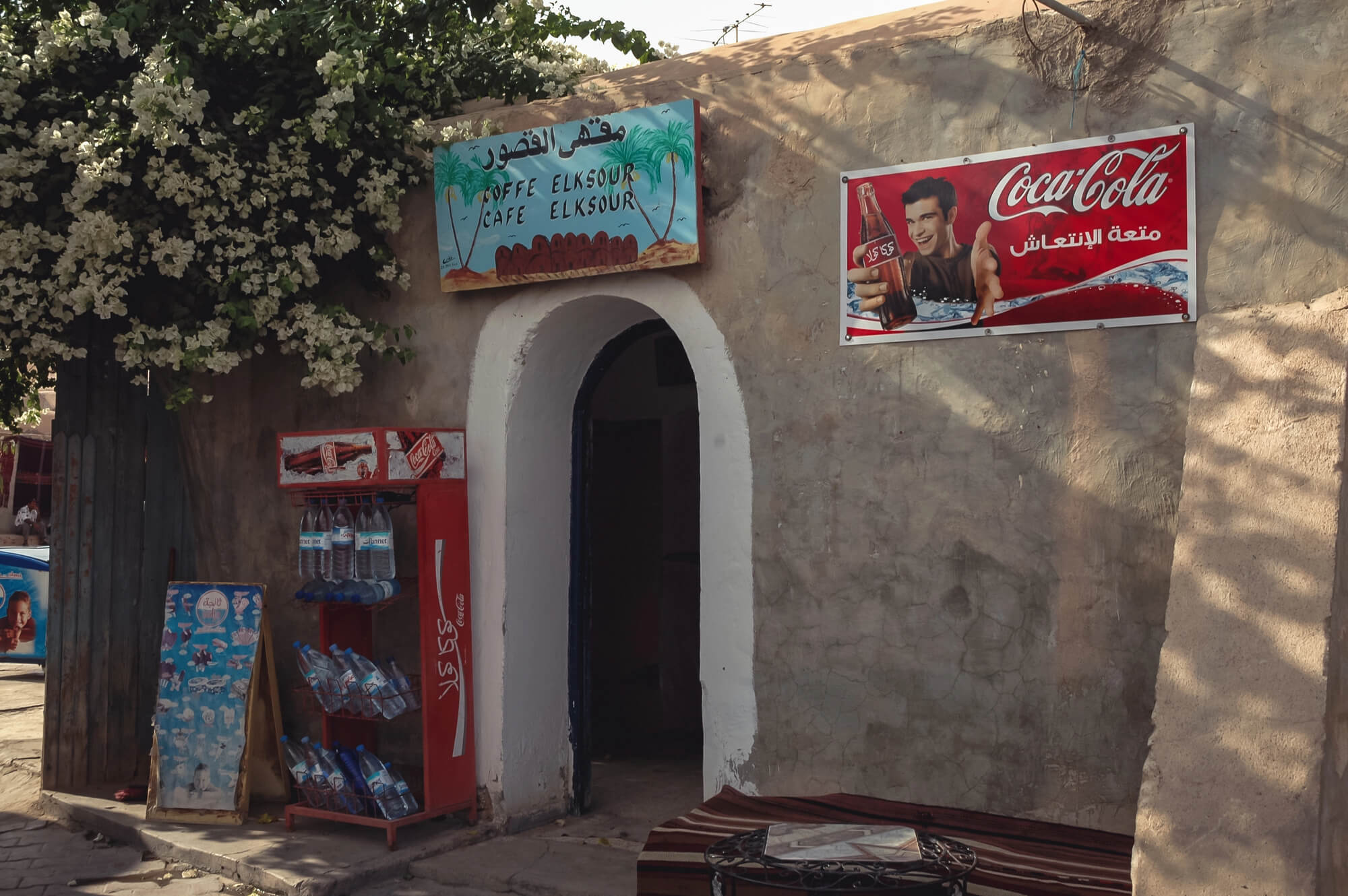
Housed within the World of Coca-Cola museum in Atlanta, the vault said to contain the company’s original secret formula is closed to all but a small number of company executives, and even that claim has never been independently verified. Visitors to the museum can view the vault’s exterior but never its contents.
The company has maintained this level of secrecy since the product’s creation in 1886 as both a trade-secret protection and a marketing device.
Antarctic Specially Protected Areas
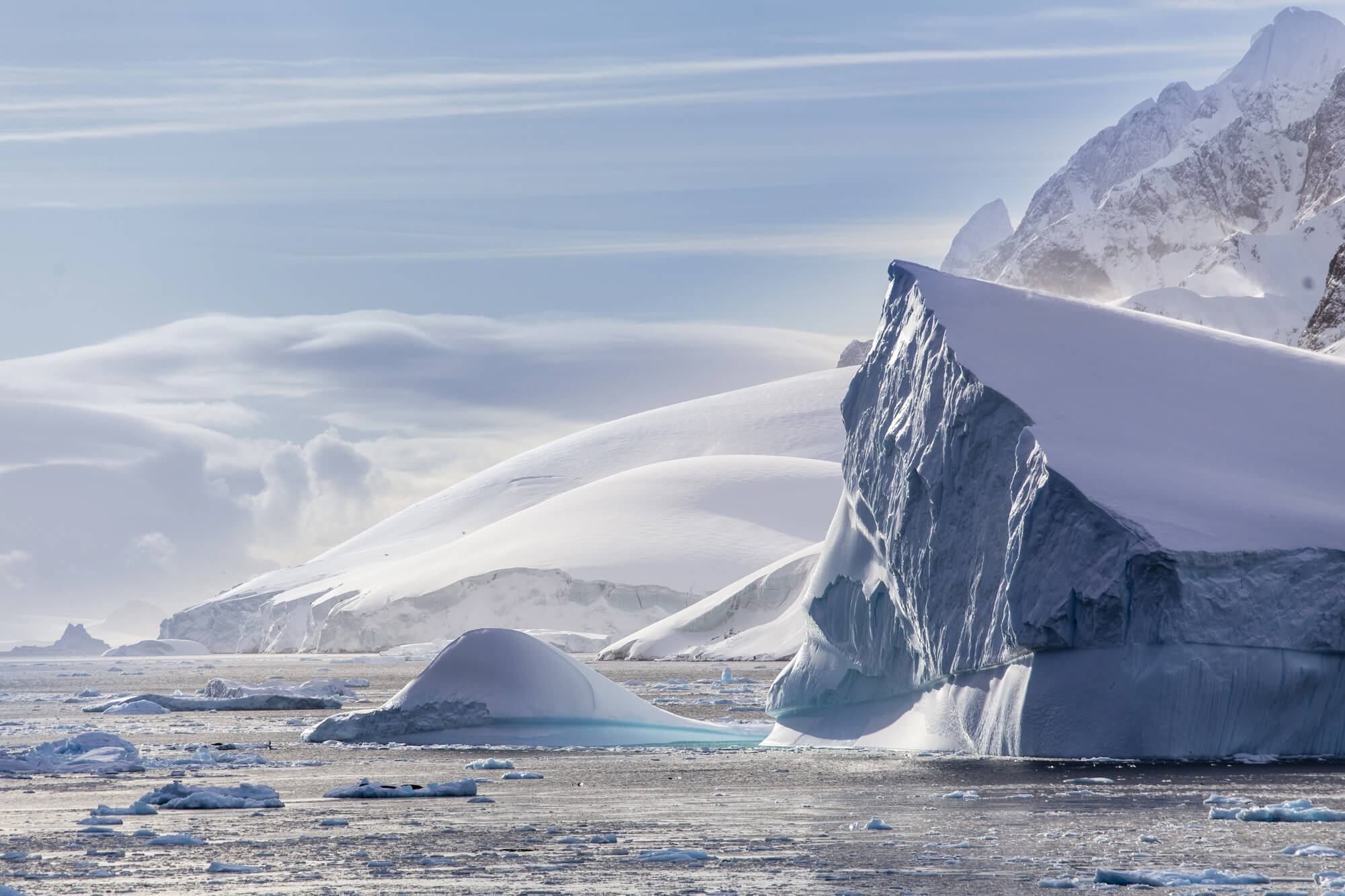
Certain sites across Antarctica are designated Antarctic Specially Protected Areas under international treaty, restricting entry to permit-holding researchers in order to preserve unique ecosystems, historic sites, or ongoing scientific studies from human interference. Violating these restrictions carries penalties under international agreements signed by treaty member nations.
The designation reflects a rare case of a location closed by international consensus rather than any single government’s unilateral decision.
Room 40, Bank of England
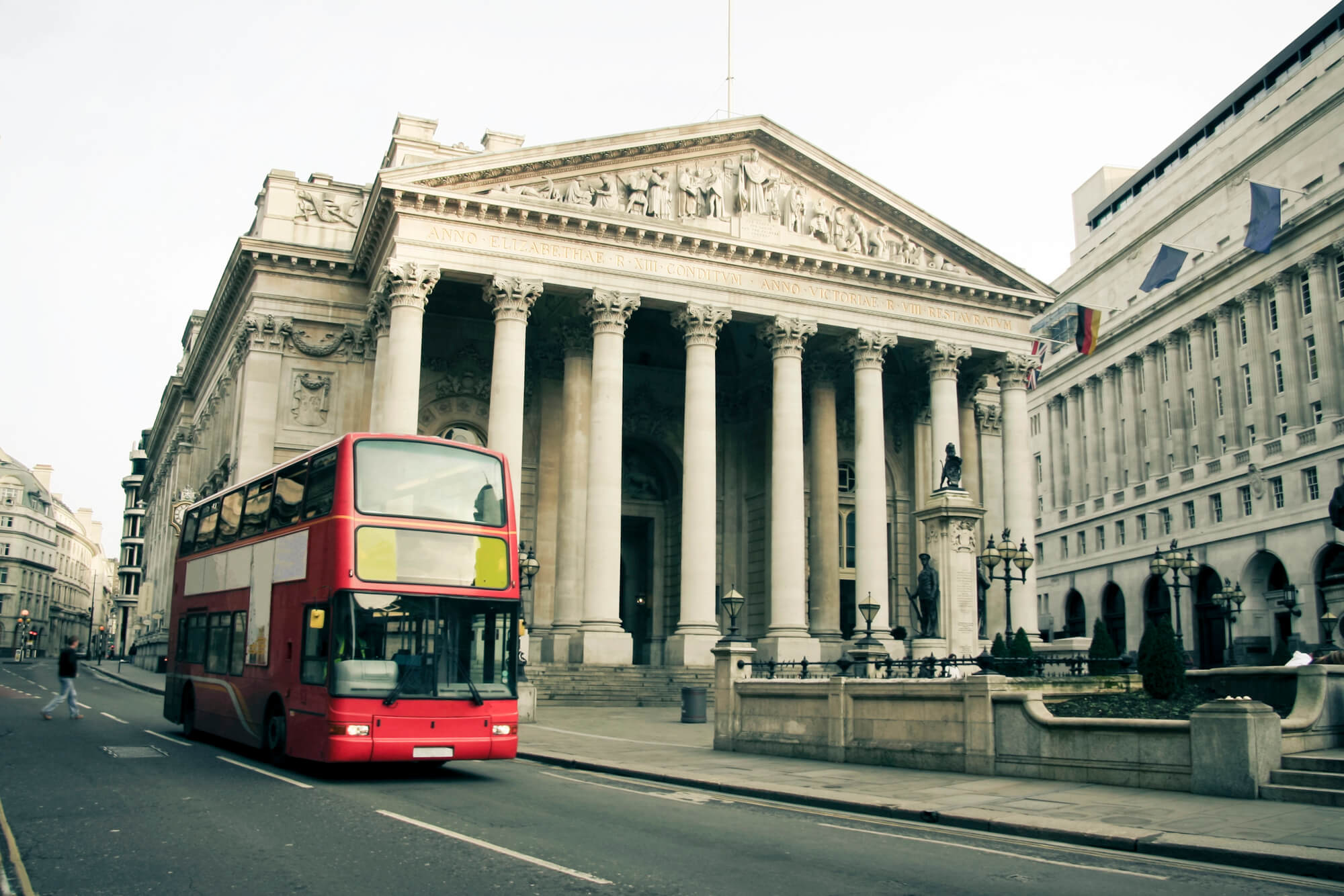
A restricted section within the Bank of England’s vaults is used to store gold reserves belonging to other nations and international institutions, with access limited to a small number of authorized bank personnel under strict protocol. Public tours of the bank’s museum do not extend to the working vault areas.
The bank has never published detailed information about the specific security measures protecting this section.
Pine Gap, Australia
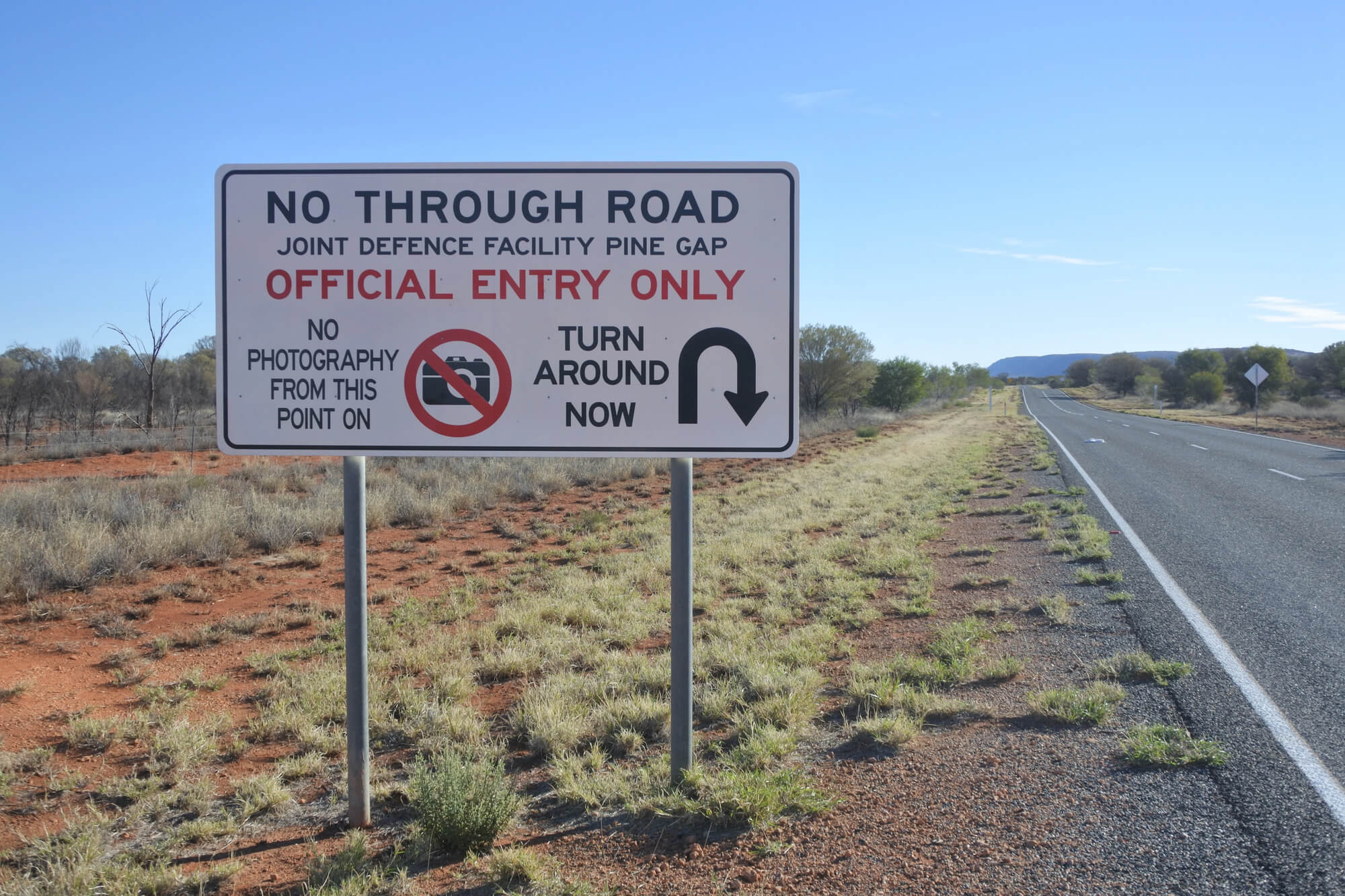
This joint United States and Australian intelligence facility near Alice Springs remains closed to the public and operates under heavy security, having been the site of periodic protests over its role in satellite surveillance and, according to some reporting, drone targeting operations. Its precise operational scope remains classified by both governments.
Legal challenges from protesters attempting to access the site have tested Australian espionage and trespass law on multiple occasions.
Why the Barrier Is the Point
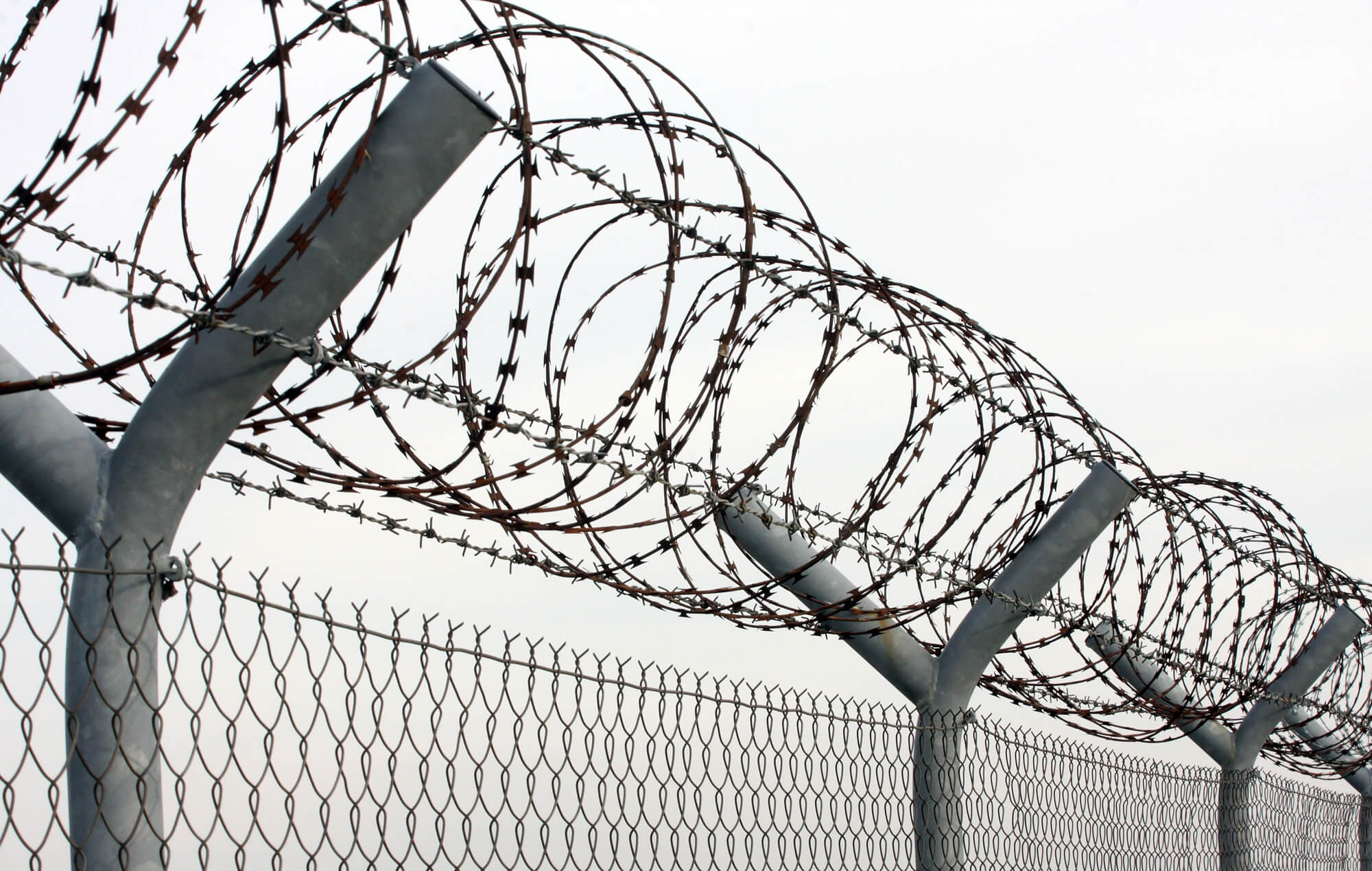
A closed location is not automatically a mysterious one, even when secrecy and mystery so often travel together in public imagination. Some of these sites are sealed for reasons as unglamorous as mold damage or gold storage logistics, while others genuinely involve unresolved questions that governments have chosen, for now, not to answer.
What unites them is a simple, often underappreciated fact: access is not a right owed to curiosity. Whether the barrier exists to protect people, ecosystems, research, or an isolated community’s own choice to remain apart from the rest of the world, the closure itself is frequently doing exactly the job it was designed to do.
More from Go2Tutors!

- The Romanov Crown Jewels and Their Tragic Fate
- 13 Historical Mysteries That Science Still Can’t Solve
- Famous Hoaxes That Fooled the World for Years
- 15 Child Stars with Tragic Adult Lives
- 16 Famous Jewelry Pieces in History
Like Go2Tutors’s content? Follow us on MSN.