25 Classroom Rituals Students Sat Through Daily
Long before personalized learning apps and flexible seating charts, the school day ran on repetition. The same bell, the same seating arrangement, the same fifteen minutes of routine that nobody questioned because it had always been that way.
These rituals rarely appeared on any syllabus, yet they shaped the rhythm of childhood as much as any lesson did. Most students could still recite the sequence decades later without trying.
The Pledge of Allegiance
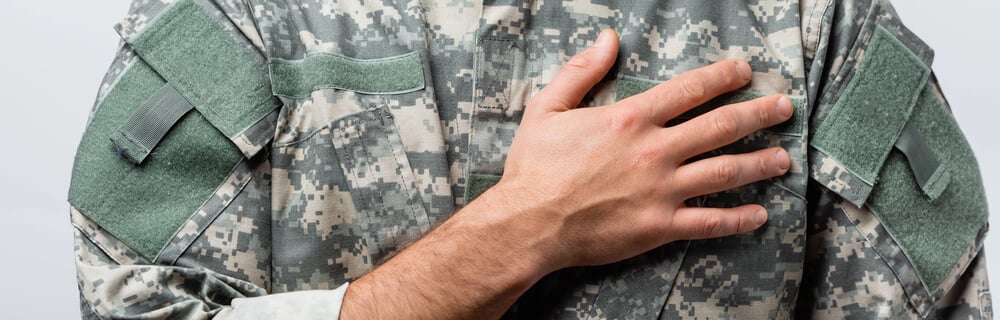
Each morning opened with students rising in unison, facing the flag mounted above the chalkboard, and reciting the Pledge of Allegiance with a hand over the heart. The words were memorized so early that most students could recite them before fully understanding what several of the phrases meant; in many schools, a designated student led the pledge over the intercom for the entire building at once, turning it into a shared district-wide moment rather than a private classroom one.
Taking Attendance Out Loud
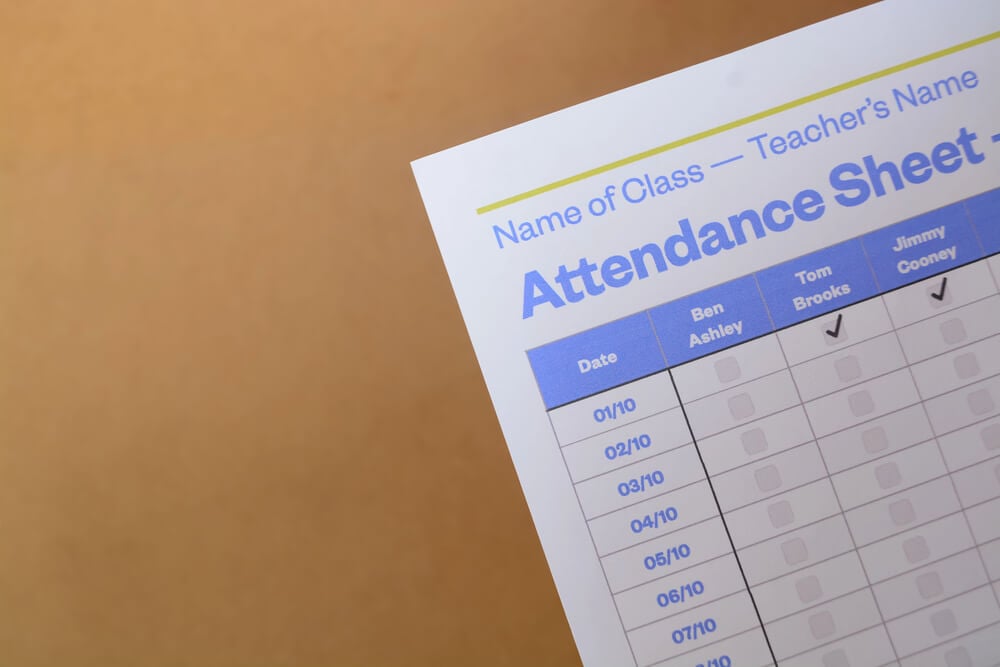
Teachers called each student’s name from a printed roster, and the student answered “here” or “present” while classmates listened for who was absent. The process took several minutes every single morning and doubled as an unofficial roll call of classroom hierarchy, since students quickly learned whose name got called first and whose got called last based on alphabetical order; substitute teachers mangling last names during this ritual was a near-universal classroom experience.
Sharpening Pencils Before the Bell
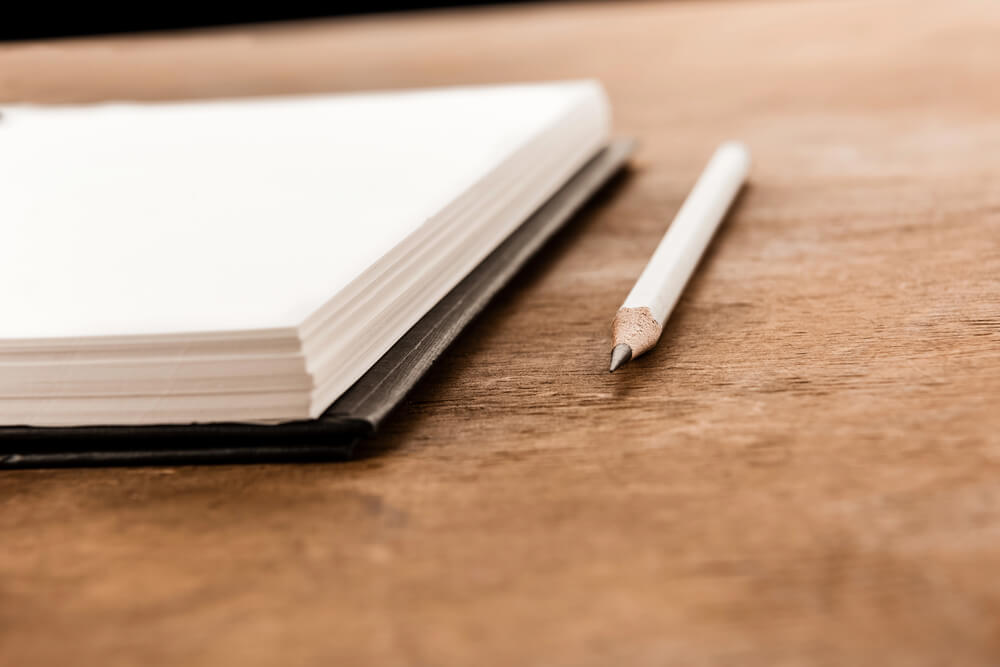
A hand-crank pencil sharpener bolted to the wall near the door produced a distinctive grinding sound that every student in the building recognized instantly. Getting up to sharpen a pencil mid-lesson required raising a hand and waiting for permission, and the sound itself often triggered a chain reaction of other students suddenly remembering their own pencils needed sharpening; electric sharpeners eventually replaced the hand-crank versions, but the ritual of the pre-class sharpening line stayed largely the same.
Milk Money Collection

Students lined up each morning to hand over coins for cafeteria milk, and the teacher or a designated helper tracked payments in a small ledger or on an index card taped to the desk. Forgetting milk money meant either going without or being quietly covered by the teacher, who often kept a small emergency stash for exactly that purpose; the physical exchange of coins disappeared almost entirely once schools shifted to prepaid lunch accounts.
Show and Tell

Once a week, students took turns bringing an object from home and standing in front of the class to describe it, a ritual designed to build early public speaking skills. The objects ranged from seashells to new toys to, occasionally, a live pet that caused chaos for the rest of the period; teachers used show and tell as an informal way to learn what was happening in students’ home lives, since children tended to bring in whatever mattered most to them that week.
Silent Reading Time
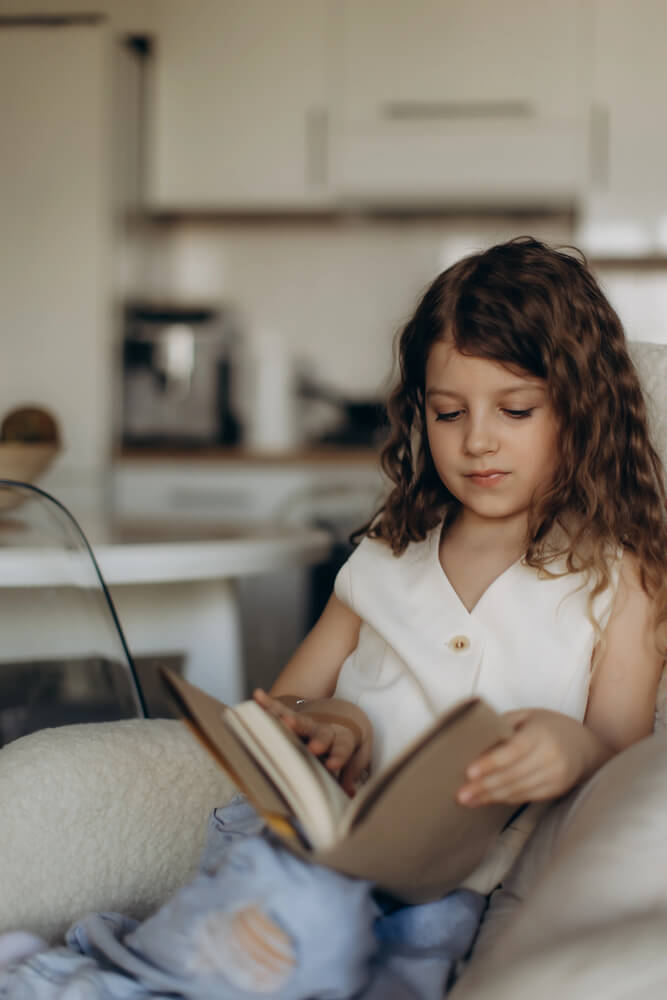
A block of time, often called SSR for Sustained Silent Reading or DEAR for Drop Everything And Read, required every student and often the teacher to stop all other work and read independently for a fixed period. The rule was strict silence, and the sound of a classroom clock ticking became unusually noticeable during those minutes; students who finished a book mid-session were expected to start another immediately rather than sit idle.
Fire Drill Lines
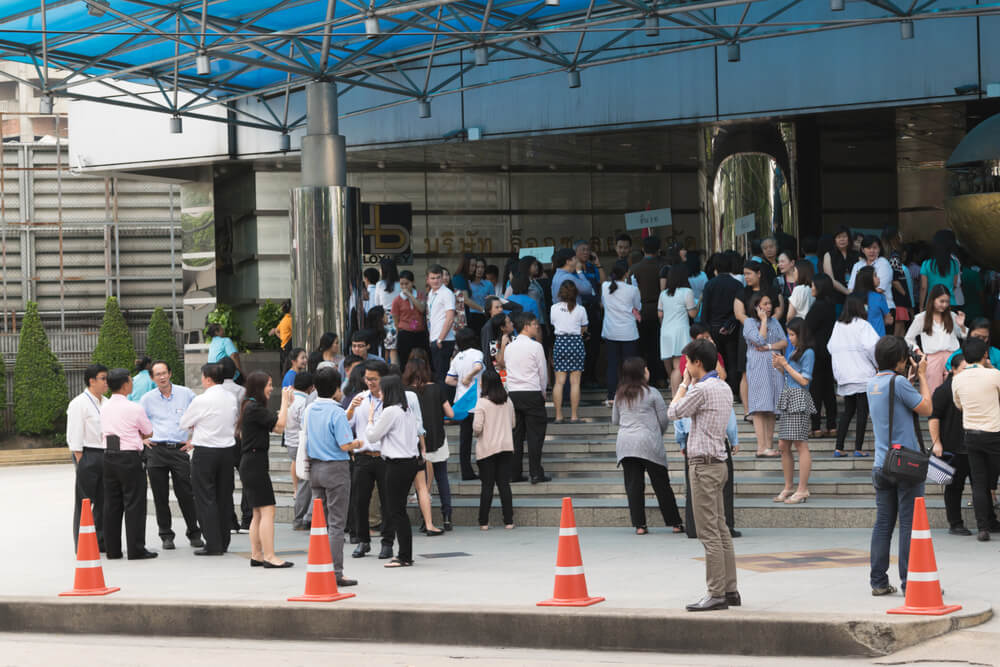
At an unannounced moment, an alarm would sound and the entire class filed out in a single line to a designated spot on the playground or parking lot, standing in rows while the teacher counted heads against the attendance roster. The drills happened regardless of weather, and students quickly memorized their assigned spot in line and the exact exterior wall the class was supposed to stand against; tornado drills, which involved crouching against interior hallway walls, followed a similarly rigid choreography in many regions.
Passing Papers Down the Row
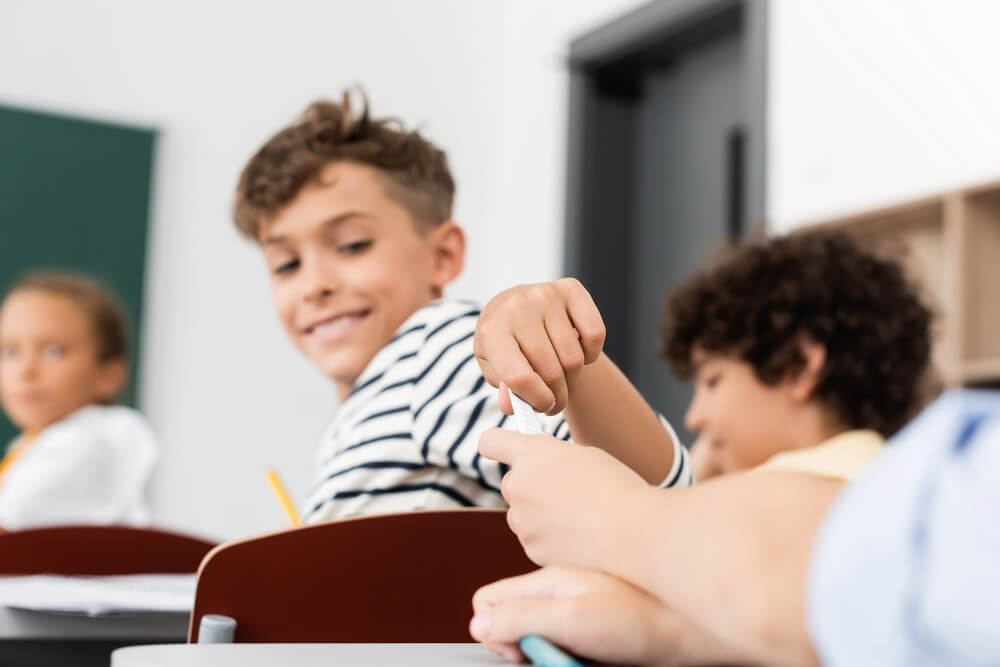
Rather than a teacher walking to each desk, worksheets and handouts were passed hand to hand down each row, with the student at the front taking a stack and peeling one off before passing the rest along. The system relied entirely on trust that nobody would take extra or skip a classmate, and disputes over a missing worksheet occasionally derailed several minutes of class time; teachers rarely explained the system since it was simply assumed knowledge by second grade.
The Weekly Spelling Test
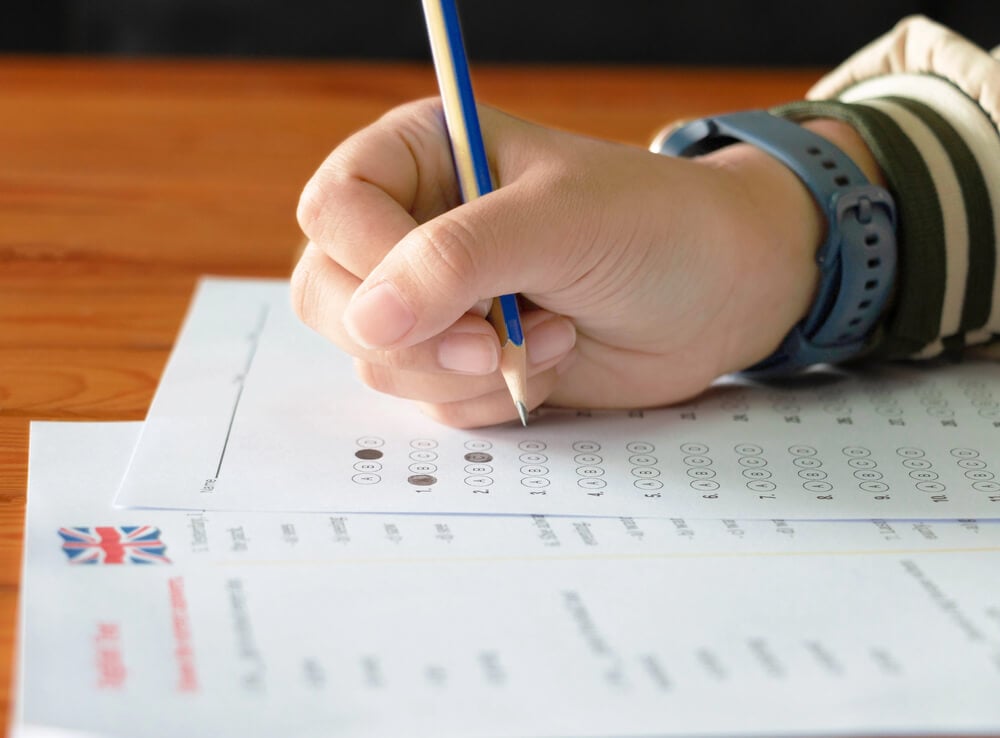
Every Friday brought the same sequence: the teacher read a word aloud, used it in a sentence, and repeated the word once more while students wrote it on ruled paper. Tests were graded that same day or over the weekend and returned Monday with a percentage circled at the top; the list of words to study had gone home the previous Monday, giving exactly one week of anticipation before the ritual repeated itself.
Lining Up by Height or Alphabet
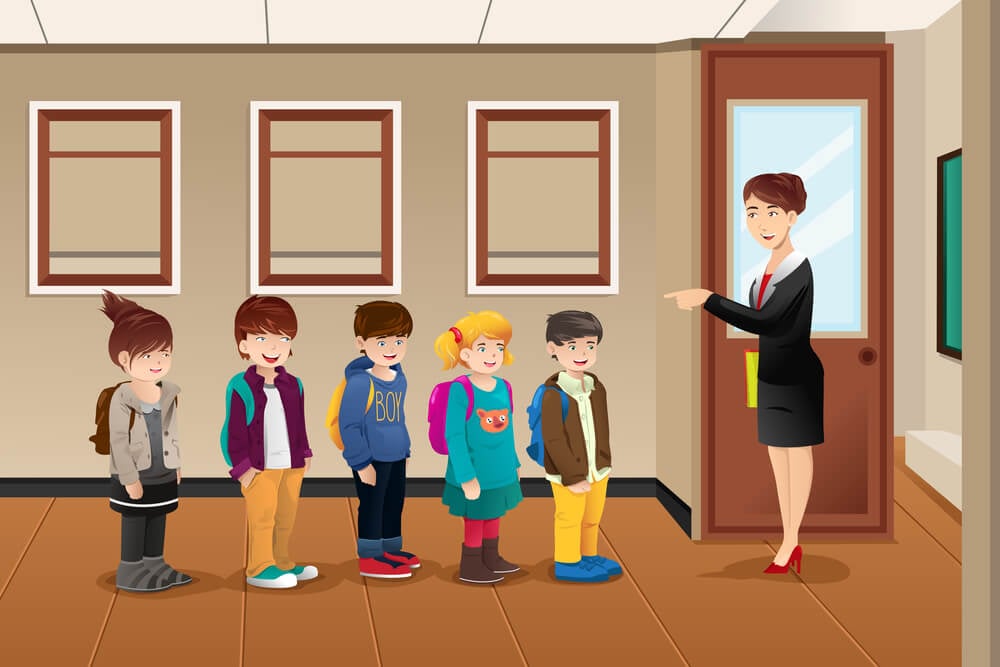
Whenever a class needed to move anywhere as a group, from the cafeteria to the library to recess, students formed a line ordered either by height, from shortest to tallest, or alphabetically by last name. Being at the very front or very back of the height line carried a small but real social weight that students were acutely aware of throughout elementary school; talking in line was almost universally against the rules, enforced with a raised finger to the lips rather than words.
Chalkboard Erasing Duty
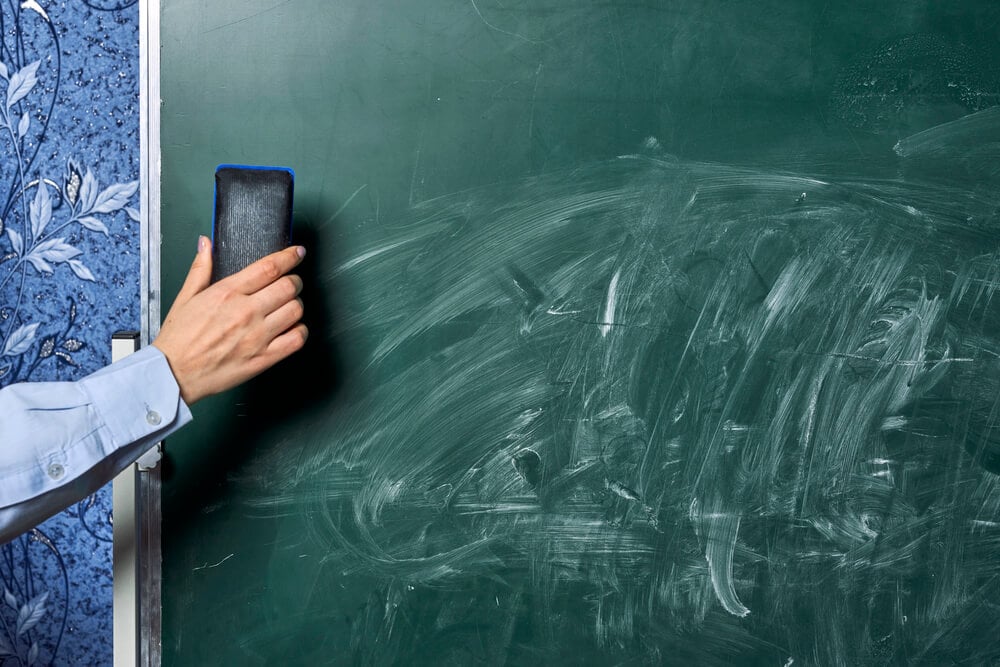
A rotating chore assignment gave one student the job of clapping chalkboard erasers together outside the classroom door to knock the chalk dust loose, an assignment considered a genuine privilege despite the mess it created. The resulting cloud of white dust covering hands and clothes was treated as an acceptable trade-off for the honor of being chosen; whiteboards and dry-erase markers eventually made the entire ritual obsolete within a single generation.
The Overhead Projector Warm-Up
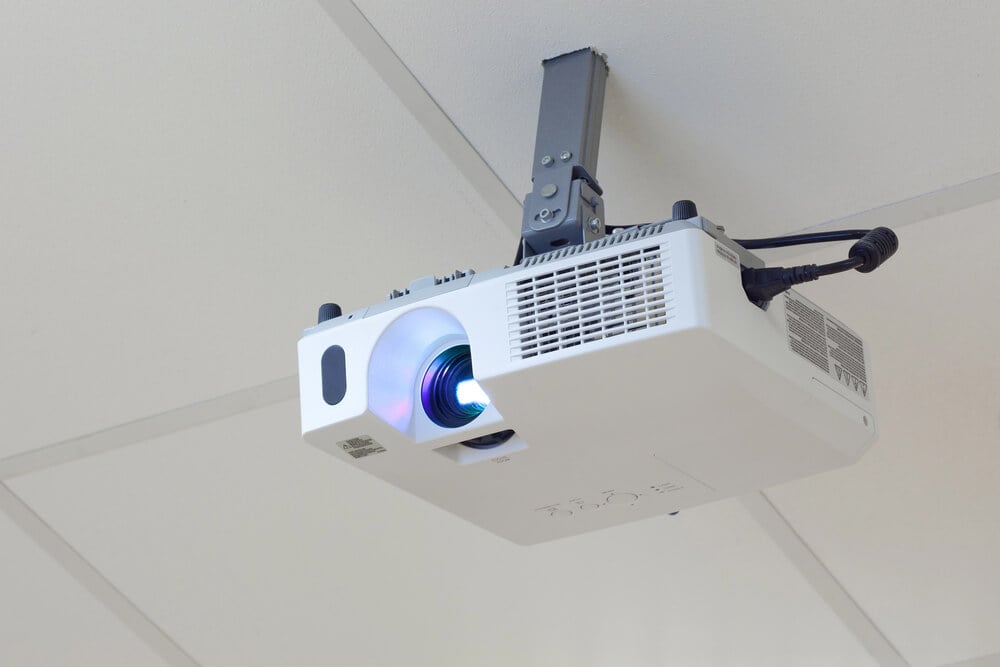
Teachers wrote the day’s opening exercise on a transparency sheet using a dry-erase marker, projecting it onto a pull-down screen or blank wall while the machine’s fan hummed audibly throughout the lesson. Students copied the warm-up problem into a notebook while the teacher took attendance, and the specific smell of the transparency marker became an unexpectedly strong scent memory for an entire generation; the projector’s bulb burning out mid-lesson was a minor but memorable classroom emergency.
Standing for a Visiting Adult

When the principal, a parent volunteer, or another staff member entered the room, many classrooms had an unwritten or explicitly taught rule that students should stand briefly beside their desks as a sign of respect before being told to sit back down. The ritual varied significantly by school and by decade but remained common enough that its sudden absence from most modern classrooms surprises adults who grew up with it; teachers used the moment to also silently assess whether the room was behaving appropriately for company.
Turning in Homework in a Basket

Rather than handing work directly to the teacher, students dropped completed homework into a labeled basket or tray near the door as they entered the room each morning. Missing the basket meant a visible, often awkward walk back across the room later to add a late paper to the pile in front of classmates; the basket system was one of the earliest lessons many students received in personal accountability with a public consequence attached.
The Class Job Chart

A laminated chart with library pockets or spinning wheels assigned rotating jobs like line leader, plant waterer, and paper collector to a different student each week, with names moved manually by the teacher. Being assigned “board cleaner” or “light switch monitor” carried genuine status among younger students, who checked the chart first thing every Monday morning; the system quietly taught responsibility while giving the teacher a built-in reason to redirect restless energy toward something productive.
Reciting Times Tables in Unison
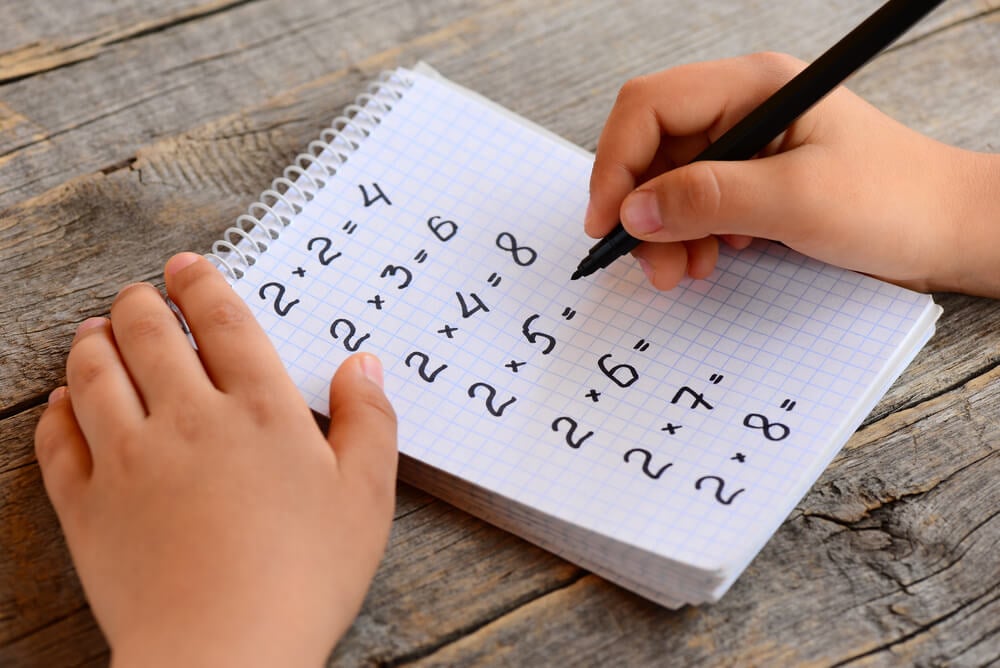
Multiplication facts were often drilled as a class-wide chant, with the teacher calling out a number and the entire room responding in rhythmic unison, such as chanting through the sevens or the nines together. The repetition burned certain number combinations into long-term memory so effectively that many adults can still recite them decades later without hesitation; flash card drills between individual students, timed with a stopwatch, often supplemented the group chanting.
The Book Fair Preview Walk

Once or twice a year, an entire class walked single file to the school library or gymnasium, which had been temporarily converted into a book fair with rolling carts of paperbacks and novelty pencils. Students were given a set amount of browsing time to build a wish list before returning the next day with money from home to actually purchase anything; the preview walk without money to spend was, for many students, more anticipated than the purchase day itself.
Standardized Testing Week
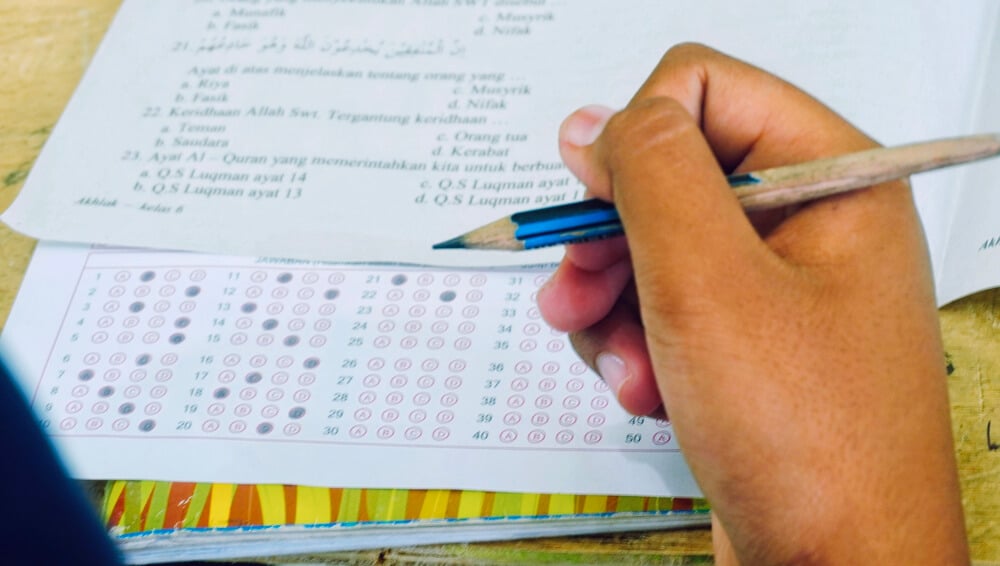
Once a year, the normal class schedule was suspended entirely for several days of standardized testing, with desks spread apart, privacy folders erected between them, and a strict rule against talking or looking at another student’s paper. Teachers read timing instructions from a scripted booklet word for word, and the distinctive sound of a proctor’s stopwatch or classroom clock became unusually prominent during the silence; a small treat, like a snack or extra recess, often followed the final test session as a reward for enduring the week.
The Coat Closet Shuffle
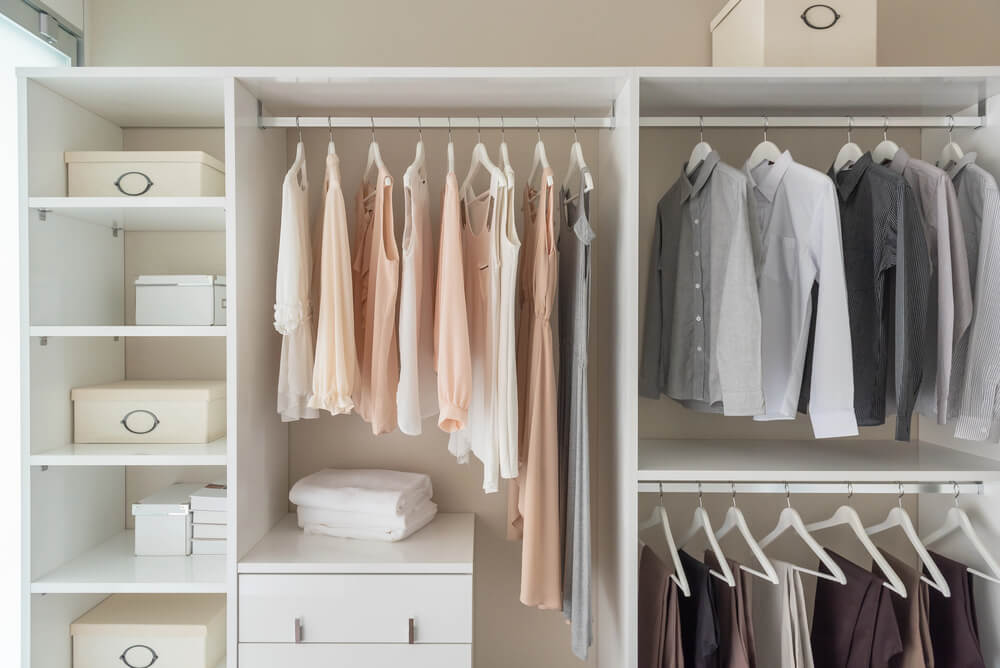
At the start and end of every day, an entire class filed past a shared coat closet or set of hooks to hang up jackets and backpacks in an assigned spot, often labeled with a name tag or photo. The narrow space and simultaneous rush of students created a predictable minor bottleneck twice daily; losing a mitten or hat in the pile at the bottom of the closet was common enough that most schools maintained a separate lost-and-found bin specifically for the overflow.
Recess Whistle Signals
A single sharp whistle blast from the playground monitor signaled the end of recess, and students were expected to freeze in place immediately before walking, not running, back to line up at the designated door. A second whistle blast, if the first one failed to produce compliance, was treated as a more serious escalation; the specific number and pattern of whistle blasts varied by school but was understood instantly by every student on the playground.
The Read-Aloud After Lunch
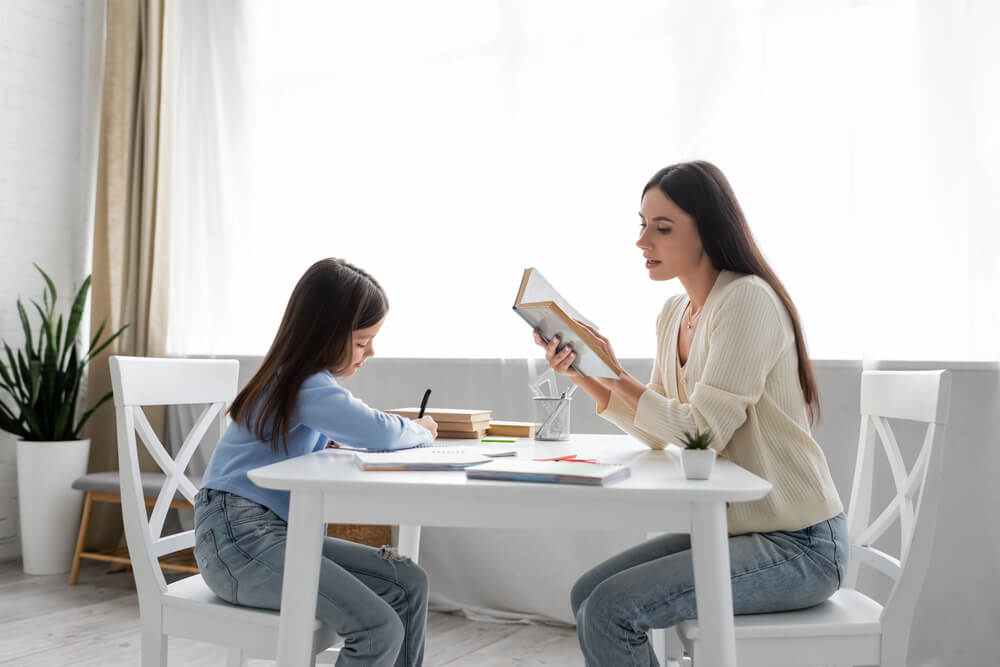
Returning from lunch and recess, many classrooms settled down with a chapter read aloud by the teacher from a class novel, often continued in installments across several weeks. The post-lunch timing was partly strategic, giving an overstimulated class a calm transition back into academic work; students frequently remember entire books primarily through the sound of a specific teacher’s voice reading them aloud rather than through independent reading.
Passing Out Papers Face Down
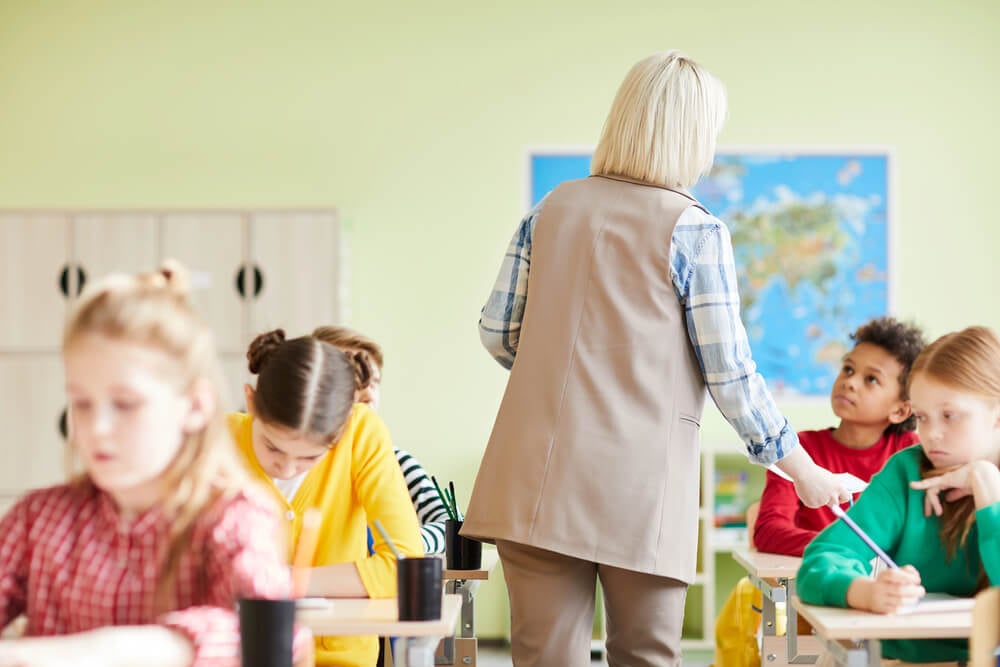
Graded tests and quizzes were traditionally handed back face down on each desk, with an unspoken rule against flipping the paper over until every student in the room had received theirs. The delay built a shared moment of collective anxiety before grades were revealed, and some teachers enforced the rule explicitly to prevent students from reacting loudly to a classmate’s score; flipping the paper early was treated as a minor breach of classroom etiquette rather than a rule violation worth punishing.
The End-of-Day Cleanup Song
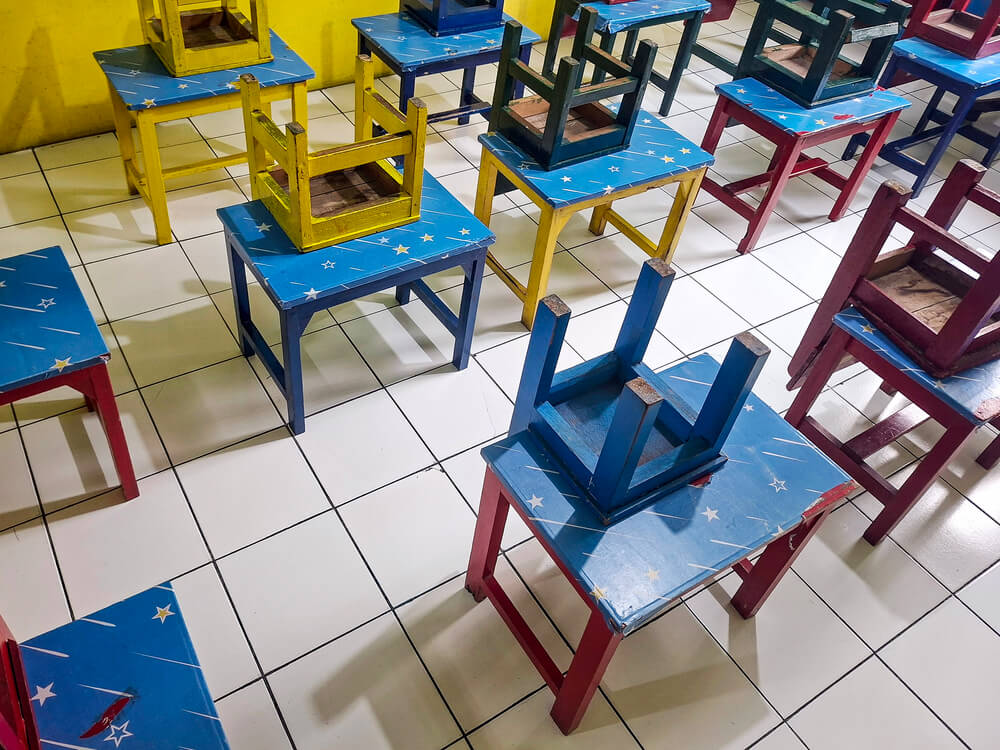
Many elementary classrooms used a specific song or chant, sung by the teacher and gradually joined by students, as the signal to begin tidying desks and gathering belongings before dismissal. The song functioned as a timer more than an actual celebration of music, giving students an audible countdown to when the bell would ring; decades later, adults can often still hum the exact melody without remembering where they first heard it.
Checking the Weather Chart
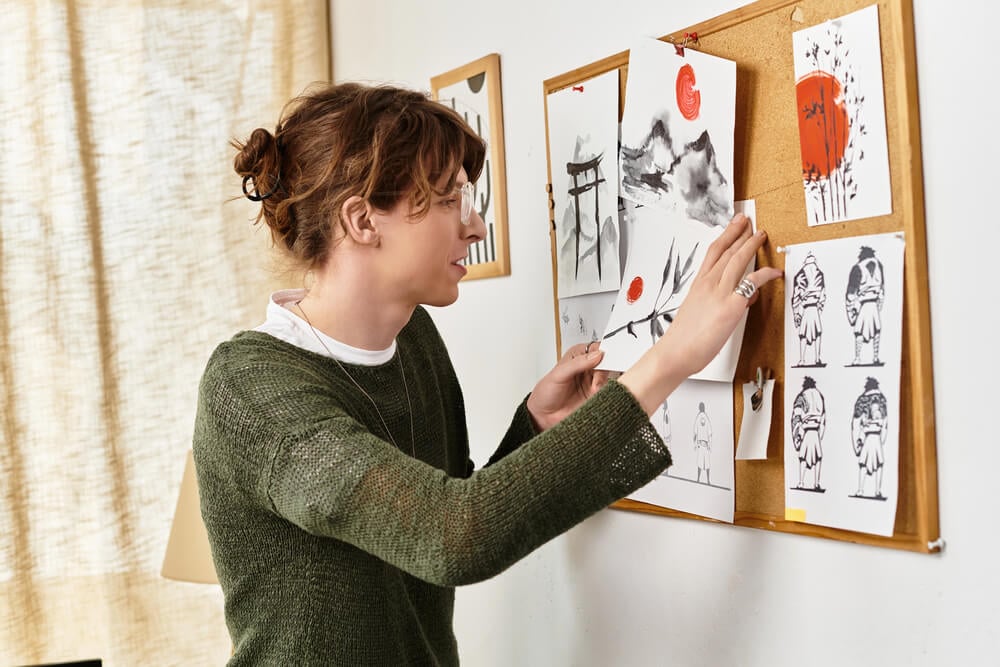
A bulletin board near the classroom door displayed a rotating weather chart, with a designated student moving a paper arrow or magnet to match the day’s actual conditions outside, checked by looking out a window each morning. The task doubled as an early science lesson in observation, disguised as a simple daily chore; rain, snow, and sun icons cut from felt or laminated paper were reused year after year until they became visibly worn at the edges.
Standing for the National Anthem at Assemblies
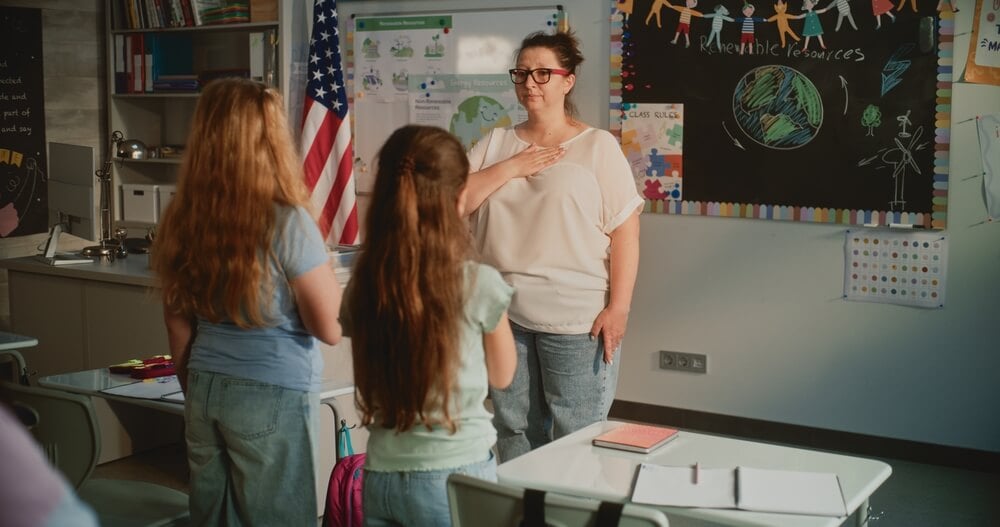
Whole-school assemblies in the gymnasium or auditorium typically opened with the entire student body standing for a recording or live performance of the national anthem before any announcements began. The scale of the ritual, hundreds of students standing in unison across bleachers, made it feel distinctly different from the smaller daily pledge recited in individual classrooms; assemblies themselves followed a predictable structure that students could anticipate almost as reliably as the anthem itself.
The Rhythm Beneath the Curriculum
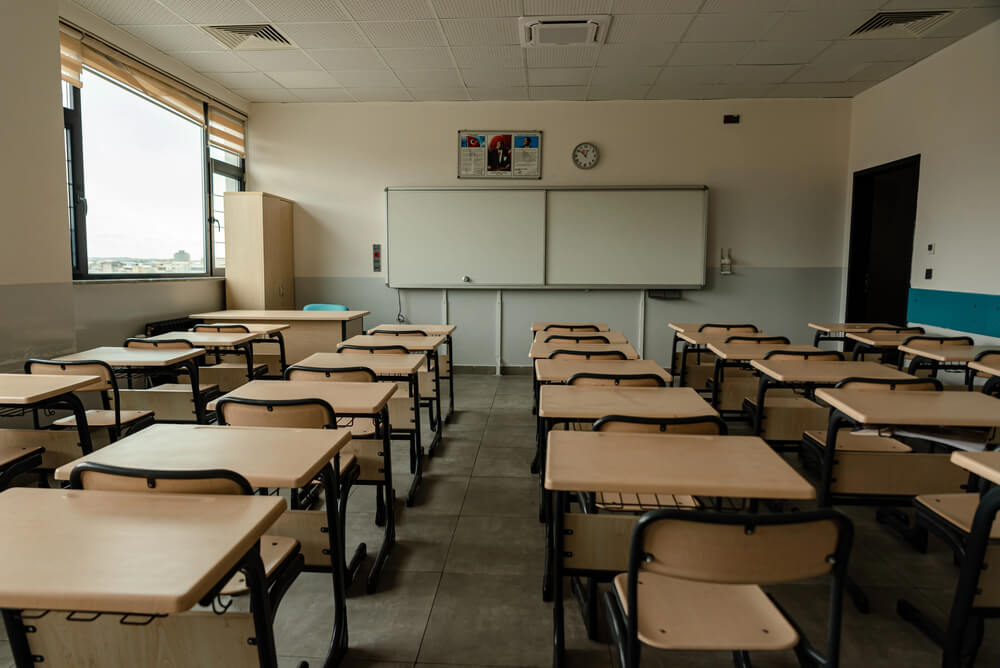
None of these rituals appeared on a report card, and few of them were ever explicitly taught as lessons in themselves. They existed instead as scaffolding, the repeated structure that made an unpredictable room full of children function as a coordinated group for six or seven hours a day.
What made them memorable was not novelty but exact repetition, the same whistle, the same chant, the same face-down paper, day after day for years. Long after the specific lessons are forgotten, the rituals tend to survive intact.
More from Go2Tutors!

- The Romanov Crown Jewels and Their Tragic Fate
- 13 Historical Mysteries That Science Still Can’t Solve
- Famous Hoaxes That Fooled the World for Years
- 15 Child Stars with Tragic Adult Lives
- 16 Famous Jewelry Pieces in History
Like Go2Tutors’s content? Follow us on MSN.