Unique Inventions Credited To Nikola Tesla
Out of nowhere came ideas so far ahead they almost felt misplaced in his time. Most tinkerers focused on what worked now, yet he built visions meant for another era entirely.
Finding just a few highlights feels nearly impossible, yet certain creations clearly shifted how things work. Some of his ideas simply rewrote the rules without warning.
Alternating Current (AC) System

Long before the rise of AC, one man stood firmly behind DC power – Edison. Traveling further? Efficiency winning out?
Tesla showed AC did both better. Because of that shift, what powers buildings now isn’t old-style current.
Not just an upgrade – a total rewriting of electrical rules followed.
Tesla Coil

Out of nowhere, a spark leaps – this gadget feels lifted straight from an old movie set. Built by Tesla back in 1891, it’s really just a special kind of electrical loop making a big voltage with tiny flow.
Though he first wanted to send power through air without wires, its real mark came later, quietly shaping how radios work. You can still spot modern twists on his idea, humming away during lab shows or tucked inside everyday tech gear.
Rotating Magnetic Field
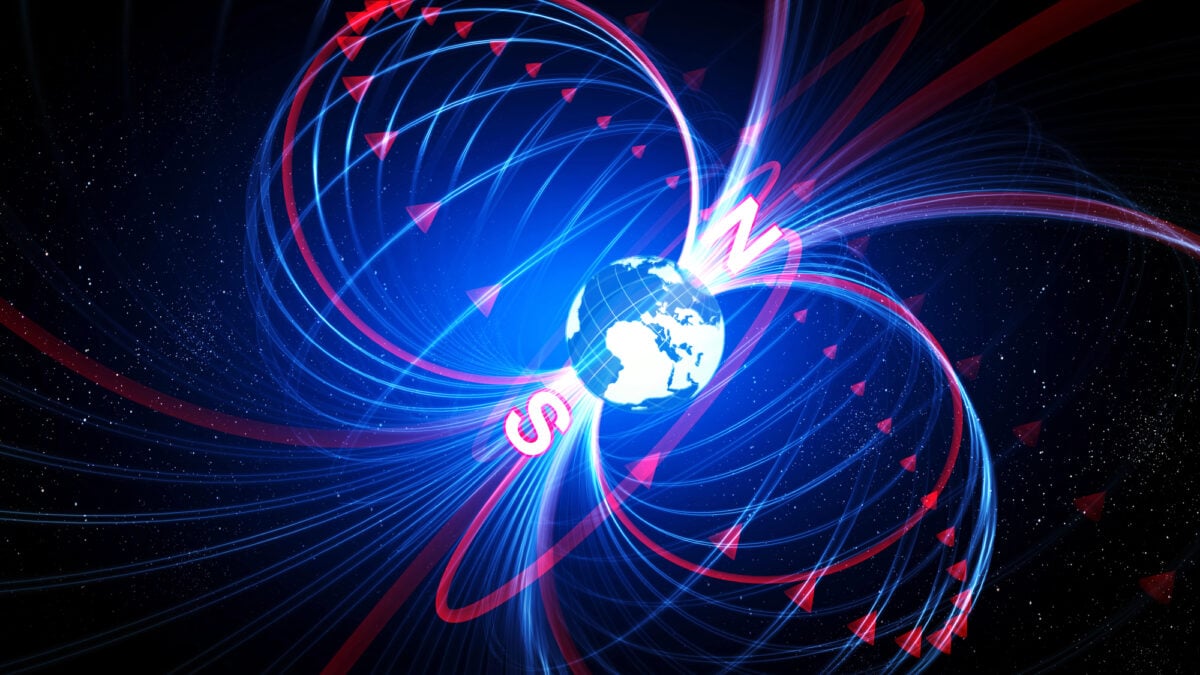
Far from needing wires inside, Tesla saw how spinning magnetism might drive a motor. A shift like that changed everything.
Machines ran smoother then, lasting longer since less broke down. Factories used it first, later even vehicles on roads relied on this hidden push.
Still today, that core idea moves countless devices without flash or fuss.
Induction Motor

Out of theory came something real. A spinning force in metal form, shaped into motion.
Built not with ideas alone but wires and iron. This machine ran clean – no sparking parts, no bits wearing down fast.
Instead, silent switches inside kept things turning. Someone saw value and bought the plans.
From there, factories started humming differently. Most machines moving heavy loads now follow that old blueprint.
Hidden in plain sight, his mark remains.
Wardenclyffe Tower

Tesla’s Wardenclyffe Tower stood as his most daring attempt yet. Not just an idea, it aimed at sending messages and electricity across the planet without wires through a huge structure on Long Island.
Funding dried up before completion – yet the core thought behind beaming power through air remained far beyond what others imagined back then. Even now, those who work with wireless energy look closely at how he laid out that old plan.
Radio Transmission
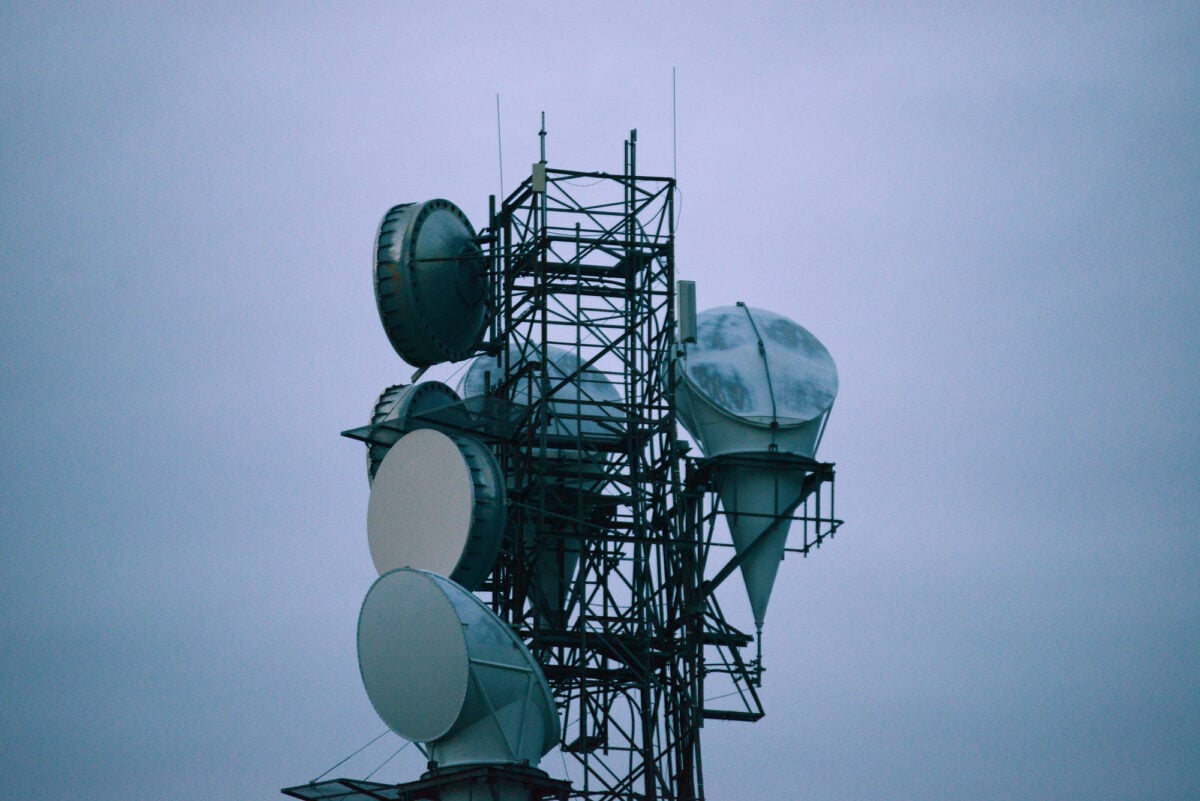
Out of nowhere, Tesla laid down how radio could work – long before Marconi made noise across the Atlantic. By the 1890s, he already held patents on such systems; earlier still, in 1893, signals flew without wires under his watch.
Though Marconi followed paths that looked familiar, recognition slipped through Tesla’s fingers at first. Years passed, arguments lingered, until finally, in 1943, the U.S. Supreme Court stepped in.
His name was cleared then – he helped make radio possible.
Remote Control

Many assume remote controls began with TV gadgets. Yet the idea started back in 1898, thanks to Tesla.
At Madison Square Garden, he showed off a small boat guided by radio signals – no wires attached. Onlookers whispered about hidden strings or magic.
But there were none. Distance alone linked controllers to craft, proving wireless command possible.
Fluorescent Lighting

Before ceiling tubes lit up classrooms and work desks, Tesla played with similar ideas during the 1890s. Not just imagining them – he built working models of what would become fluorescent and neon lighting.
One such display appeared at Chicago’s big world fair in 1893. Though businesses ignored it for years, those first attempts started something real.
Now, every long white glow above our heads traces back to flickering prototypes he once powered by hand.
X-Ray Research

Ahead of Röntgen’s big reveal, Tesla tinkered with electric sparks near photo paper, noticing odd marks show up. Though recognition went elsewhere, his notes showed he saw something strange too – before anyone made it official.
When the news broke, instead of holding back, he opened his lab records and added weight to what had been found. Even though textbooks name one inventor, another was already watching shadows form in the dark.
Real progress sometimes hides behind quiet trials.
Hydroelectric Power

Tesla worked closely with Westinghouse to build the first large-scale hydroelectric power plant at Niagara Falls, which went live in 1895. The plant used AC generators based on Tesla’s own designs.
It was a massive public demonstration that his electrical system could power entire cities. Buffalo, New York, was the first city to receive power from the plant, and it marked the beginning of the modern electrical grid.
Speedometer

Tesla invented an early version of the speedometer while working on automotive applications of his electrical systems. The device used the same rotating magnetic field principle behind his induction motor.
It measured rotational speed and translated it into a readable output. Car manufacturers later adopted similar technology, and variations of it remained in use for decades before digital sensors took over.
Earthquake Machine (Oscillator)

Tesla built a small mechanical oscillator in the 1890s that he claimed could produce vibrations strong enough to shake a building. He reportedly set off tremors in his New York City neighborhood during an experiment and had to smash the device to stop it.
Whether the earthquake part is fully accurate or slightly exaggerated, the oscillator itself was real. It worked on the principle of resonance, matching the natural frequency of a structure to amplify vibrations, a concept that engineers now use in testing and demolition.
Shadowgraph Imaging

Before X-ray imaging had a proper name or standard method, Tesla was producing images using what he called shadowgraphs. He used his high-voltage equipment to cast the outlines of objects onto photographic film without a light source.
These were essentially early radiographic images. He reportedly sent some of these images to Wilhelm Röntgen, which helped confirm and expand the research into what became standard medical imaging.
Bladeless Turbine
In 1913, Tesla patented a turbine that used smooth, flat discs instead of blades to convert fluid or gas pressure into rotation. Traditional turbines relied on the mechanical force of blades, which wore out quickly.
Tesla’s disc turbine used the natural adhesion of a fluid moving across a surface, making it simpler and potentially more efficient. The design was not widely adopted during his lifetime, but engineers have revisited it in recent years for use in pumps and small power generators.
Magnifying Transmitter

The magnifying transmitter was Tesla’s upgraded version of his Tesla coil. He designed it to resonate with the Earth’s own electrical frequency and amplify power across massive distances.
He believed it could transmit power to any point on the planet without wires. He tested a version of it at his Colorado Springs laboratory in 1899 and reportedly lit 200 lamps wirelessly from about 25 miles away.
It was extraordinary proof of a concept that still has not been fully replicated.
Radio Frequency Identification (RFID) Concept

Tesla’s early work on transmitting energy and information wirelessly laid the conceptual foundation for what later became RFID technology. He explored how energy could be used to identify and track objects remotely through wireless signaling.
While he did not build an RFID chip, the core ideas around passive wireless communication can be traced back to his experiments. Today, RFID tags are in credit cards, passports, warehouse inventory systems, and even pet microchips.
Bifilar Coil

Tesla designed the bifilar coil, a unique winding arrangement where two wires run side by side in the same coil. This design increases capacitance and allows the coil to store more electrical energy than a standard single-wire coil.
It also reduces the self-canceling effects that occur in regular coils. Engineers today use the bifilar winding principle in transformers, pickup coils, and precision measurement instruments.
Electrotherapy Devices

Tesla was deeply interested in the medical uses of electricity. He developed devices that used high-frequency currents to treat patients, believing that controlled electrical stimulation could help the human body function better.
Some of his ideas were ahead of proper medical understanding at the time, but the concept of using electrical pulses for therapy was valid. Modern electrotherapy, including machines used in physical rehabilitation and pain management, grew from the same line of thinking he explored in the late 1800s.
Tesla’s Legacy In Today’s World

Most of the technology running modern life quietly carries Tesla’s fingerprints. AC power, electric motors, wireless communication, and energy transmission all connect back to ideas he worked on before the 20th century had even begun.
The world did not always appreciate him in real time, but the evidence of his work is everywhere, from the outlet on the wall to the electric vehicle charging in the driveway. Tesla did not just invent devices.
He invented the conditions that made modern technology possible.
More from Go2Tutors!

- The Romanov Crown Jewels and Their Tragic Fate
- 13 Historical Mysteries That Science Still Can’t Solve
- Famous Hoaxes That Fooled the World for Years
- 15 Child Stars with Tragic Adult Lives
- 16 Famous Jewelry Pieces in History
Like Go2Tutors’s content? Follow us on MSN.