26 Snacks From the ’90s Lunchbox That Never Came Back
Every decade has its own version of the school cafeteria trade economy, and in the 1990s the currency was almost entirely brand-name snack food. A kid with the right item in their lunchbox could negotiate for just about anything.
Some of those snacks eventually returned to shelves after years away. The 26 below did not.
Each one was pulled from production and, despite genuine ongoing demand from the people who grew up on them, has stayed gone.
Shark Bites Fruit Snacks
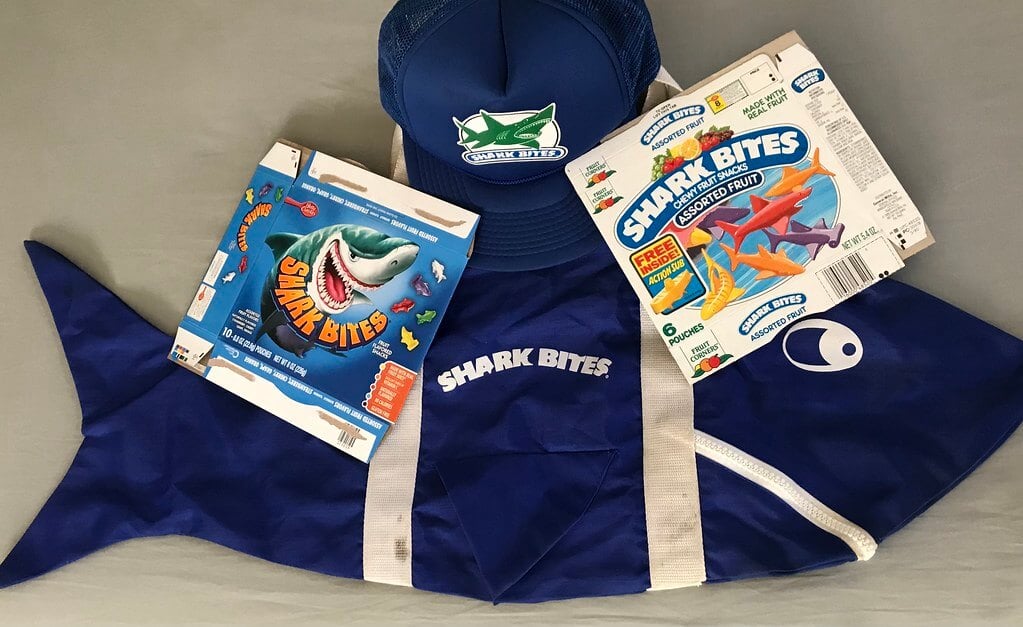
Debuting in 1988 and reaching peak popularity a few years later, these shark-shaped fruit snacks briefly offered special editions including toothed “great white” variations. Declining sales tied to shifting nutritional standards eventually pushed the brand off shelves entirely.
Hershey’s Swoops
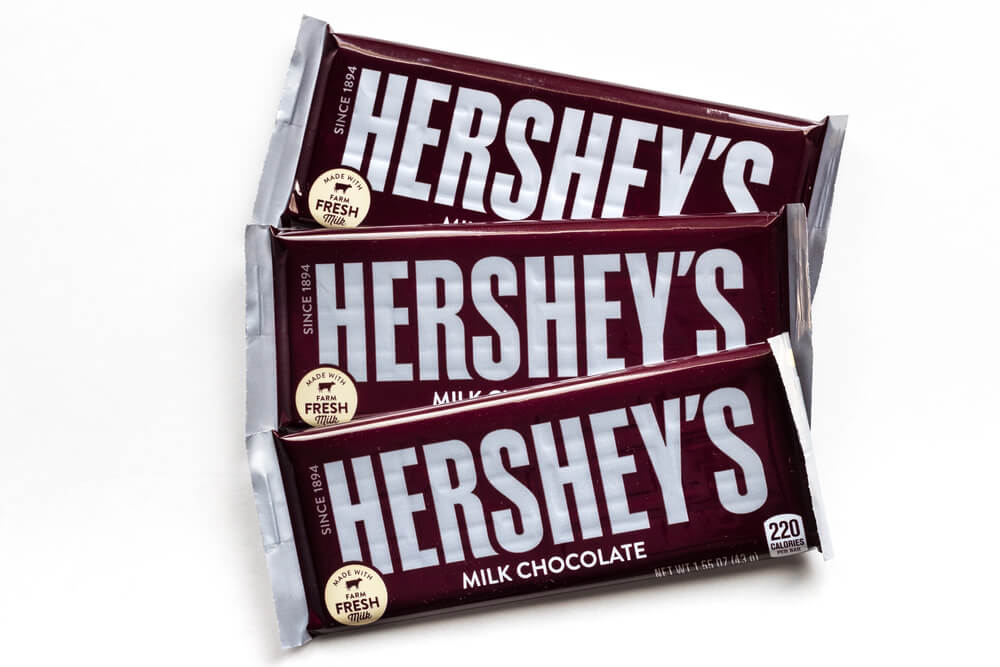
Shaped like a potato chip but made entirely of flavored chocolate, Swoops let kids eat a Reese’s or Krackel-flavored “chip” in the mid-2000s. The product struggled in part because many shoppers assumed, understandably, that a chip-shaped snack meant chocolate-covered potato chips rather than solid chocolate.
Butterfinger BB’s
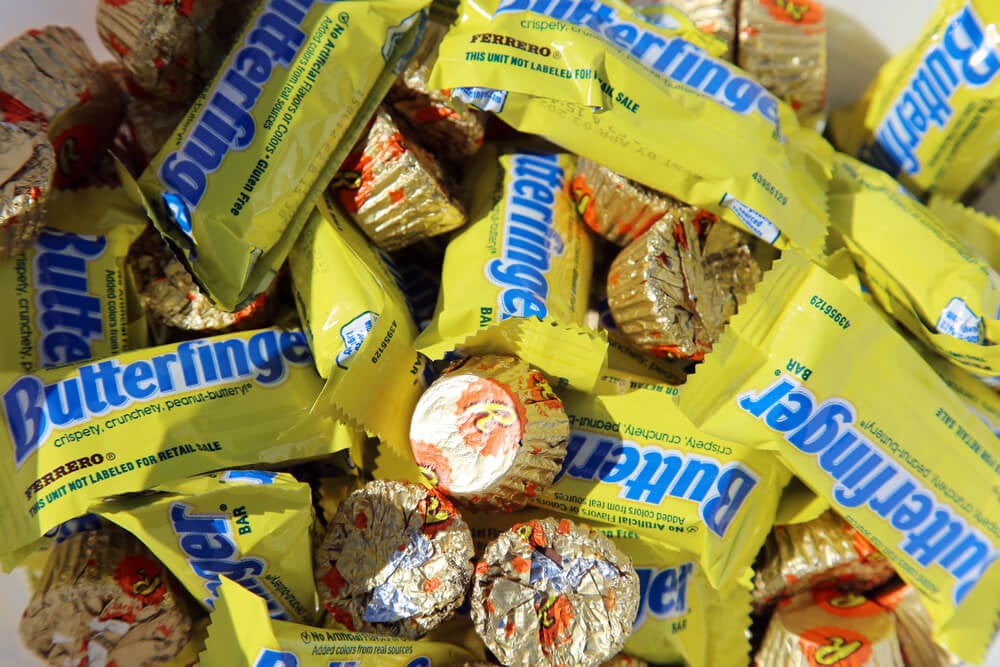
These bite-sized versions of the classic candy bar were released in the 1990s and became a lunchbox staple before Nestle discontinued the product in 2006. Fans have campaigned for their return for years without success.
Hostess Ninja Turtles Fruit Pies
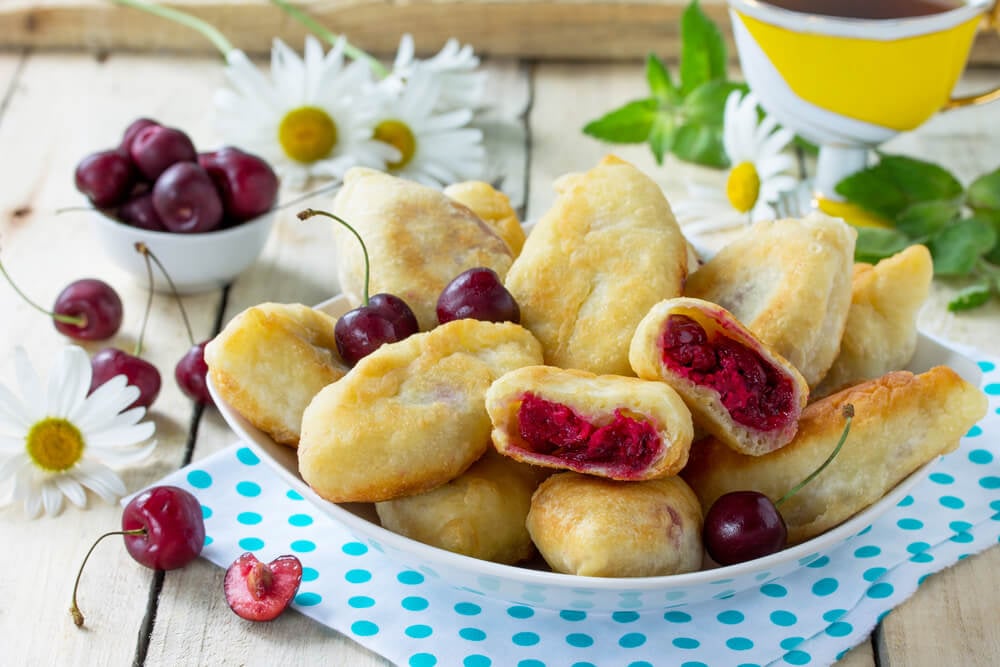
Tied to the era’s biggest cartoon franchise, these individually wrapped fruit pies came shaped and packaged with Teenage Mutant Ninja Turtles branding. The tie-in disappeared along with the broader wave of early-1990s Turtles merchandise.
Dannon Sprinkl’ins

This yogurt product came packaged with a separate compartment of candy sprinkles that kids poured on top and mixed in themselves, occasionally creating a marbled rainbow effect in the cup. Despite strong early popularity, the product was discontinued in the early 2000s.
Creme Savers Hard Candy
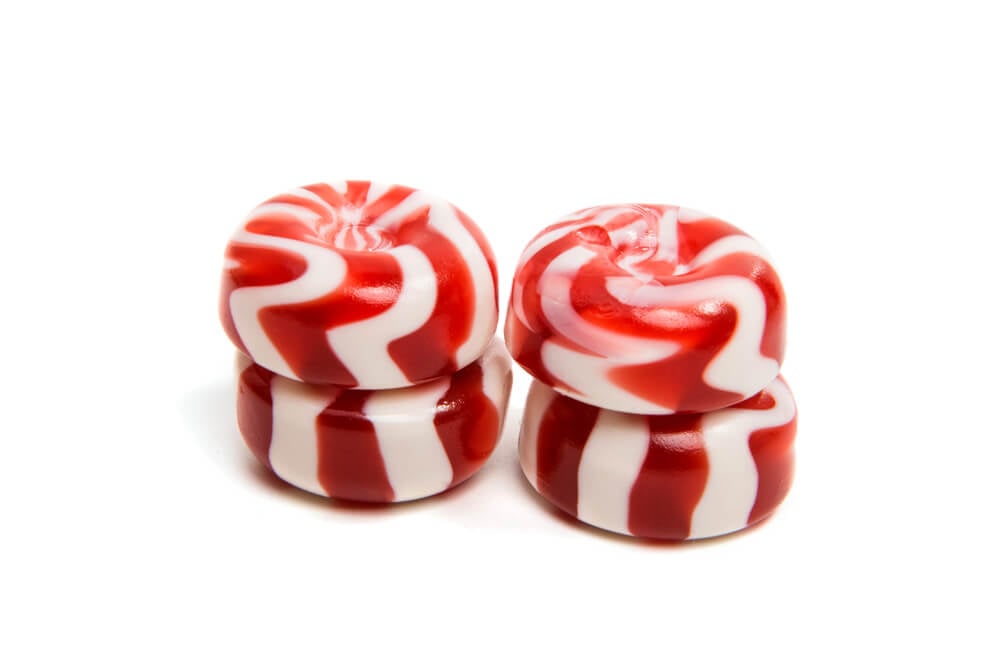
These candies combined a fruit-flavored outer shell with a creamy center, sold in flavors like orange and strawberries and cream. The brand disappeared from shelves in the years following its 1990s peak and has not returned in its original form.
Yogos
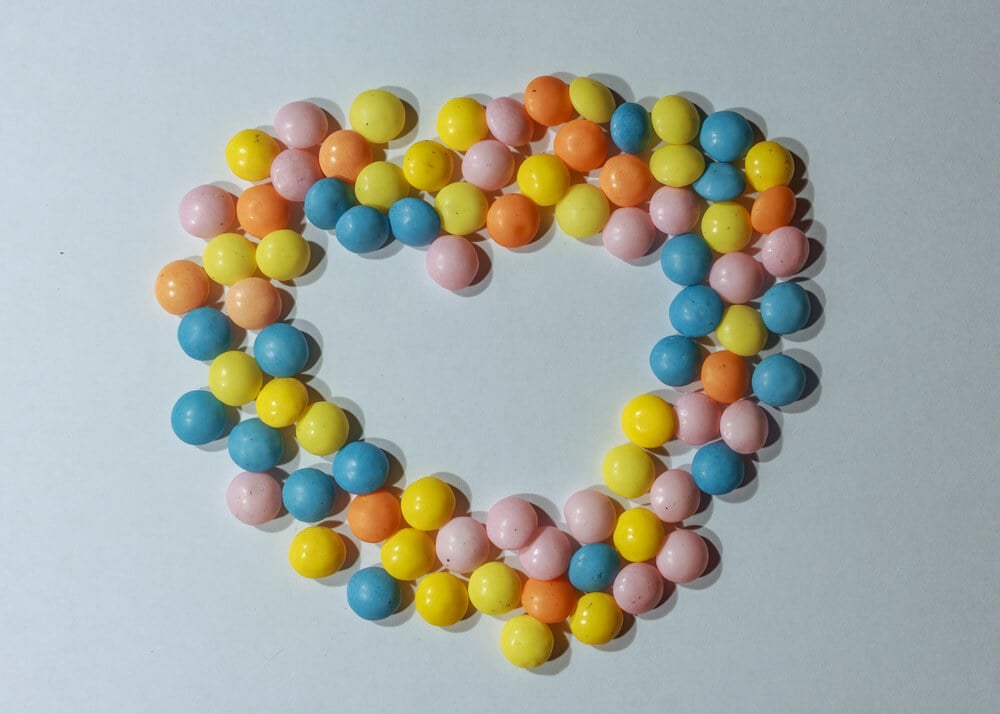
Marketed as a yogurt-covered fruit snack, Yogos offered a texture and flavor combination distinct from the gummy fruit snacks dominating the category at the time. The product was discontinued and never reintroduced.
Rold Gold Honey Mustard Pretzels
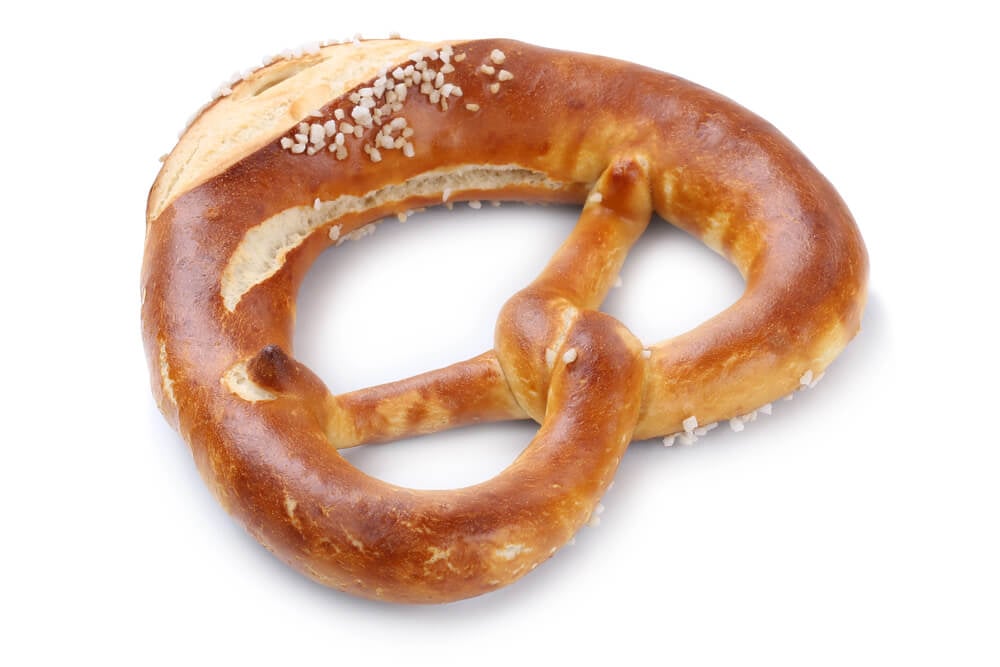
This specific flavor variation of the popular pretzel brand developed a dedicated following before being quietly discontinued, even as the core Rold Gold line continued. Fan campaigns to bring the flavor back have circulated online for years.
Tab Soda
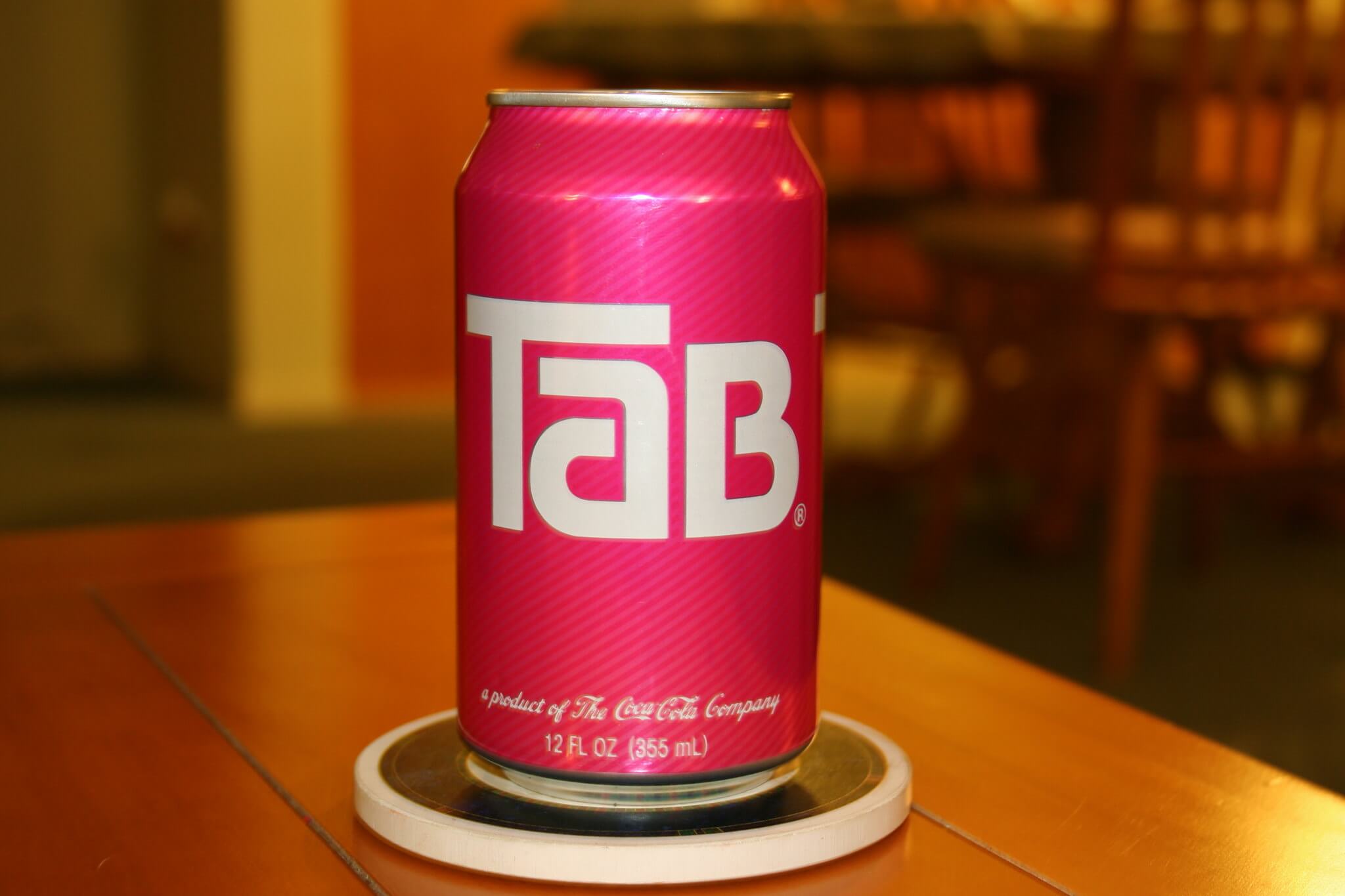
One of the first diet sodas on the market, Tab maintained a small but devoted following for decades after its 1960s introduction before Coca-Cola finally discontinued it in 2020. Its distinctive pink can made it instantly recognizable in lunch coolers even among kids who had never tasted it.
Fruitopia
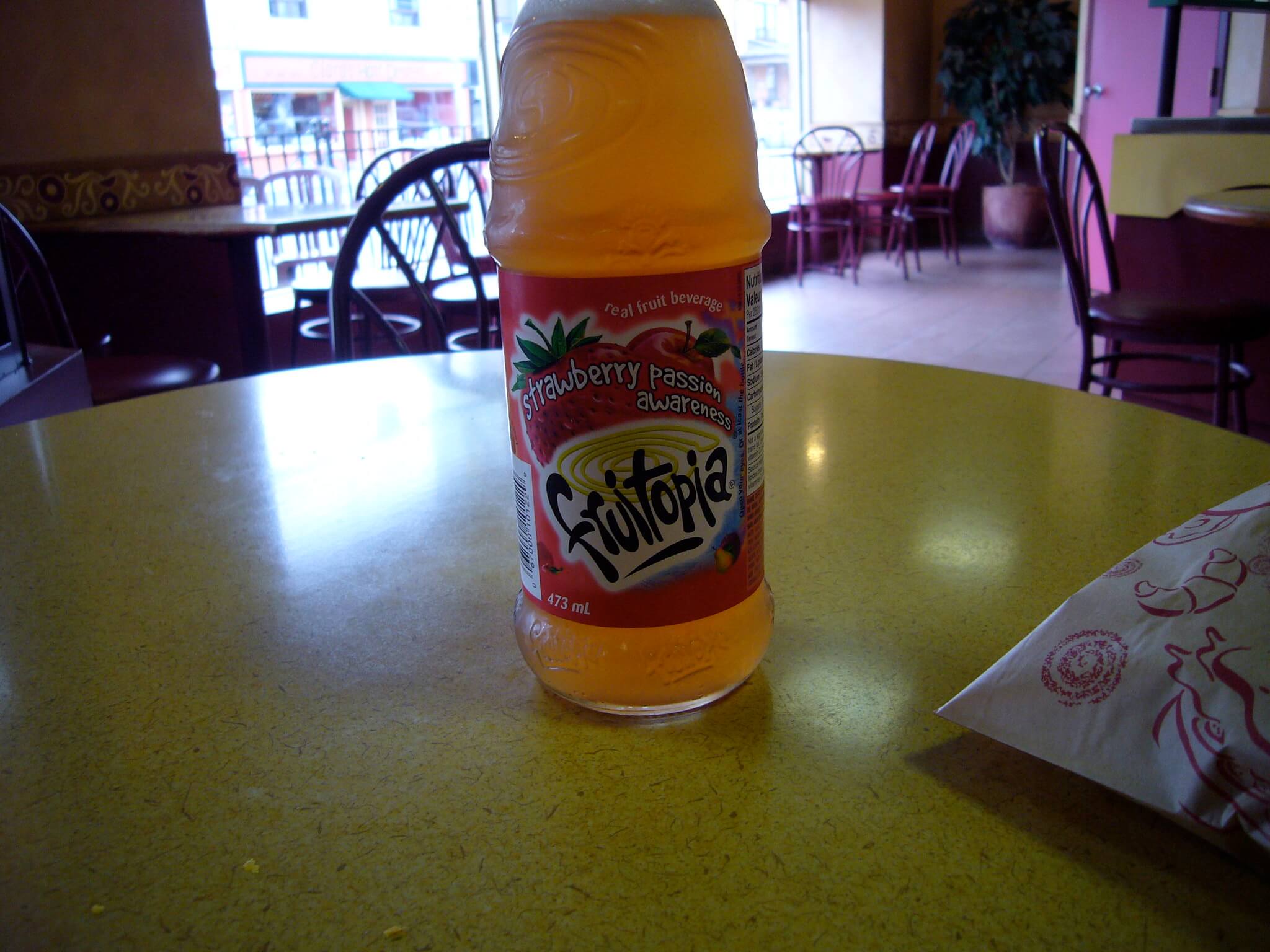
This fruit-flavored beverage line from Coca-Cola launched in the mid-1990s with unusually psychedelic branding and flavor names. The brand was phased out in most markets in the years that followed and has not returned to regular shelves.
Kudos Granola Bars
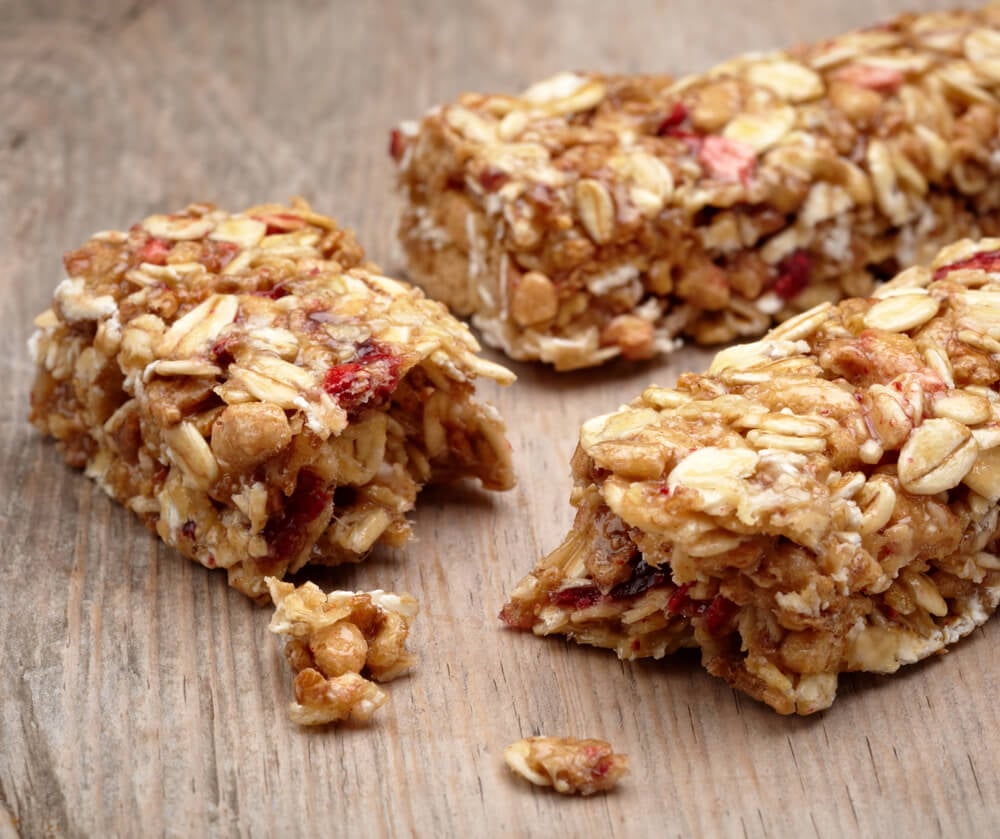
These chocolate-coated granola bars, sold in flavors like chocolate chip and peanut butter, were marketed as a slightly healthier alternative to a straight candy bar. Mars discontinued the product line, and it has not returned despite continued nostalgia-driven demand.
Orbitz Drink
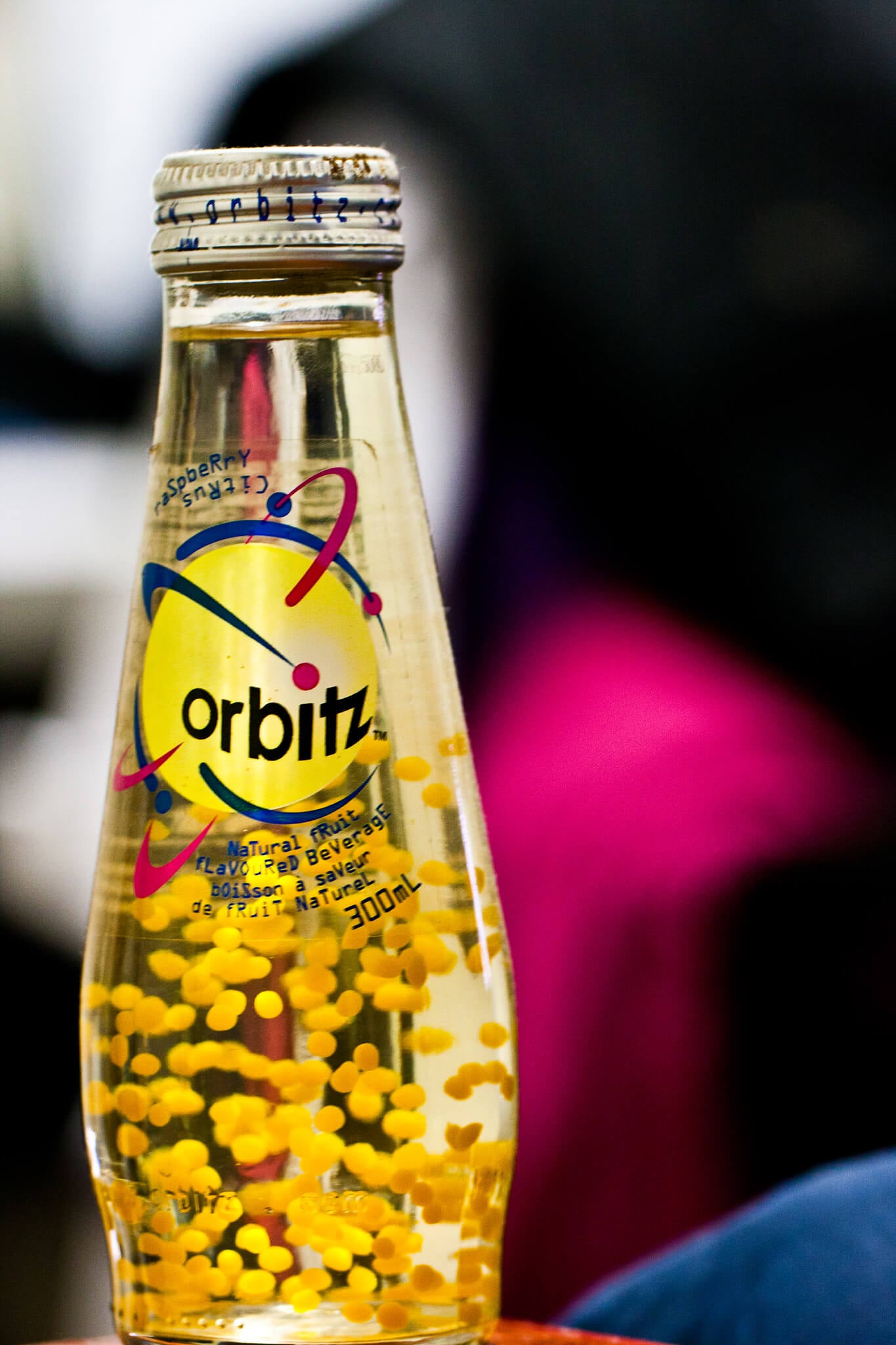
This clear beverage suspended small, colorful gelatin orbs throughout the liquid, giving it a distinctive lava-lamp appearance that made it more of a novelty than a regular drink. The product’s unusual texture and short shelf life contributed to its discontinuation within a few years of its release.
Squeeze-It Juice Drinks
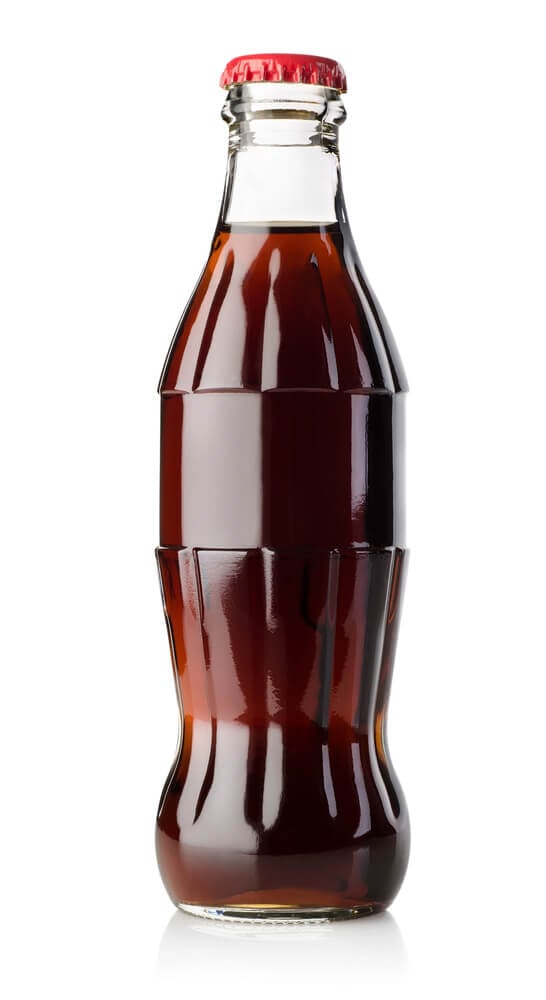
Sold in a distinctive plastic bottle designed to be squeezed directly into a kid’s mouth, these juice drinks were a staple of nineties birthday parties and pool days. The brand was eventually discontinued as juice-drink packaging trends shifted toward pouches and boxes.
Planters P.B. Crisps
These crisp, peanut-butter-filled shells offered a lighter alternative to a traditional peanut butter cup, sold under the Planters brand rather than a traditional candy label. The product was discontinued and has not reappeared since.
Giggles Cookies
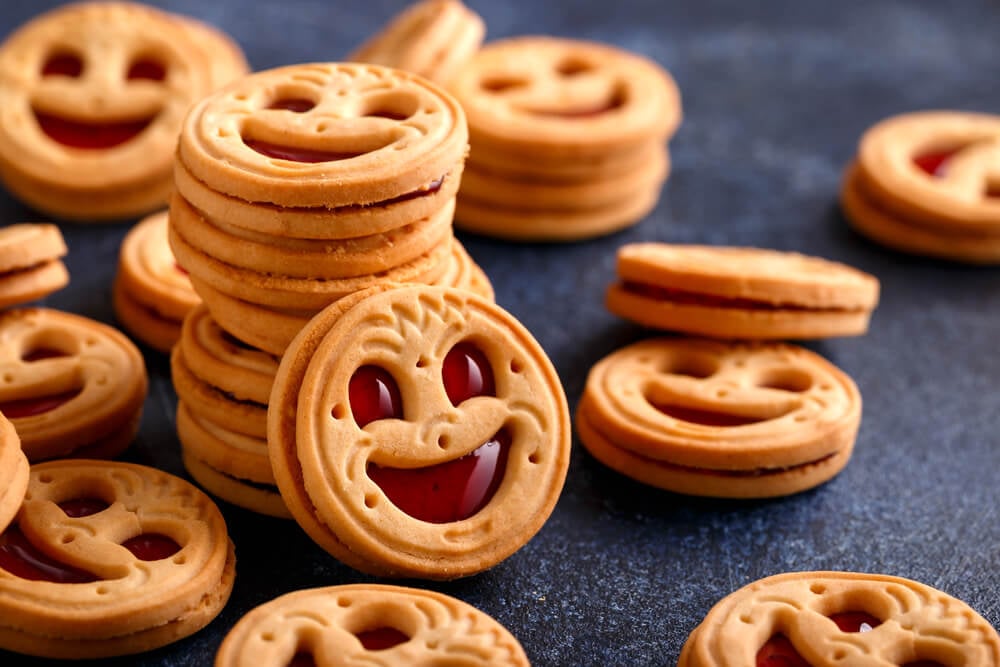
These sandwich cookies featured a printed face design on the outer wafer, giving kids a specific pattern to nibble around before eating the rest. Nabisco discontinued the line, and it remains one of the more frequently requested revivals among cookie collectors online.
Hostess Chocodiles
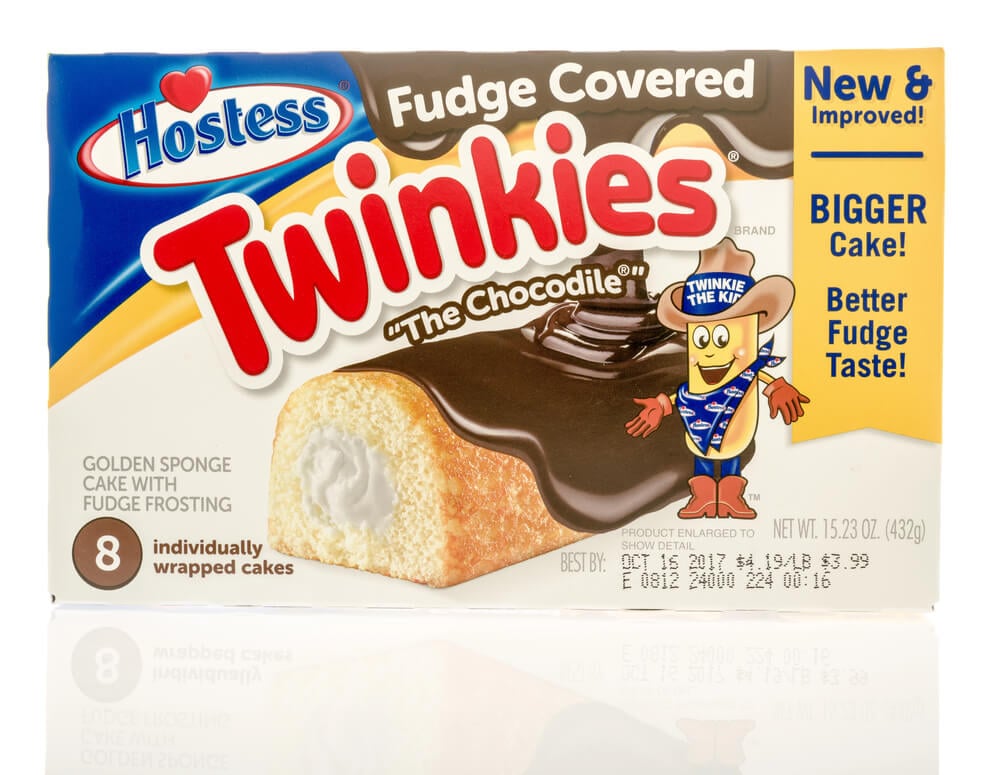
Essentially a chocolate-covered version of the classic Twinkie, Chocodiles developed a cult following, particularly on the West Coast, before Hostess discontinued the product amid the company’s broader financial troubles in the 2010s. Limited regional revivals have appeared since, but the snack has never returned to national distribution.
Bonkers Candy
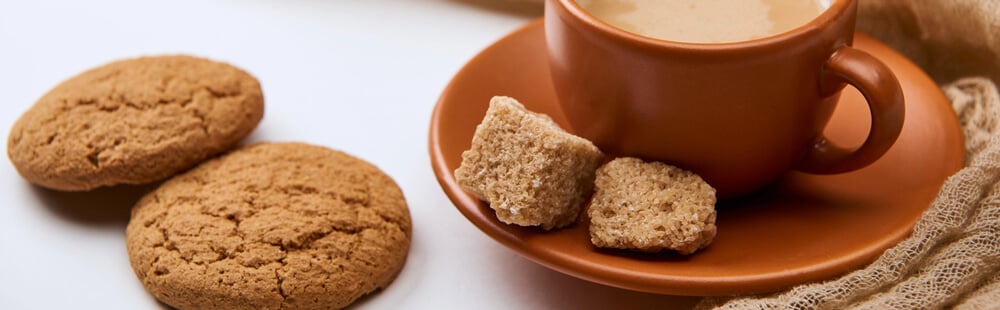
These soft, fruit-flavored chews were sold in individually wrapped squares with cartoon-style packaging and a memorably strange series of television commercials. The candy was discontinued and has not returned to production.
Wacky Wafers
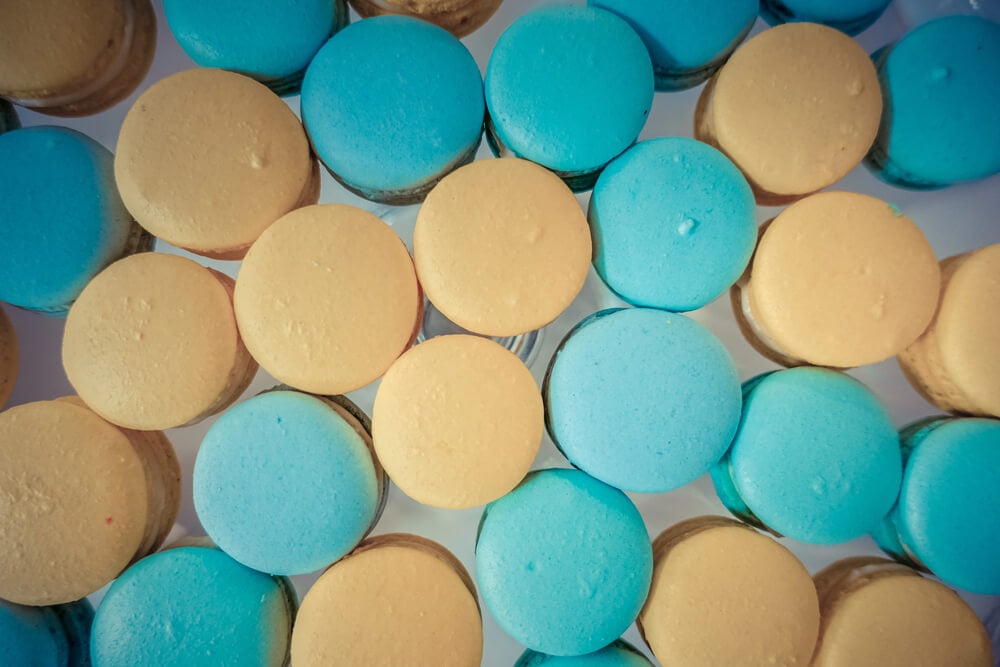
Part of the Willy Wonka candy line, these thin, brightly colored candy discs came in flavors like grape and orange with an unusually sour edge for the era. The product line was discontinued and has not been reintroduced.
Fruit Wrinkles
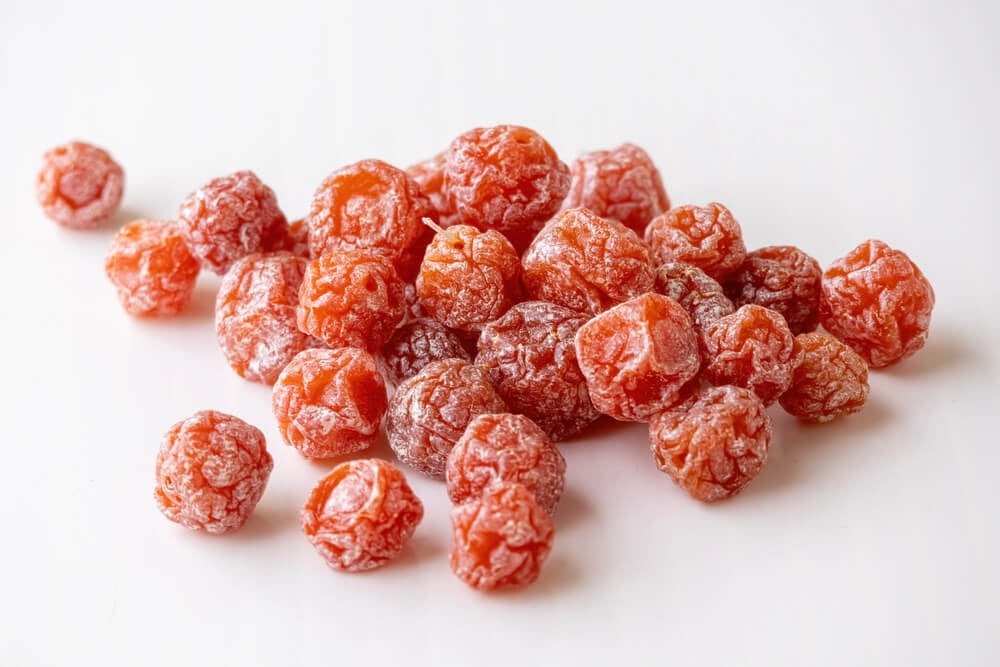
A less chewy, more textured alternative to Fruit Roll-Ups, Fruit Wrinkles offered a distinct wrinkled texture that set the snack apart from its more famous General Mills sibling. The product was discontinued and never brought back.
Surge Citrus Soda
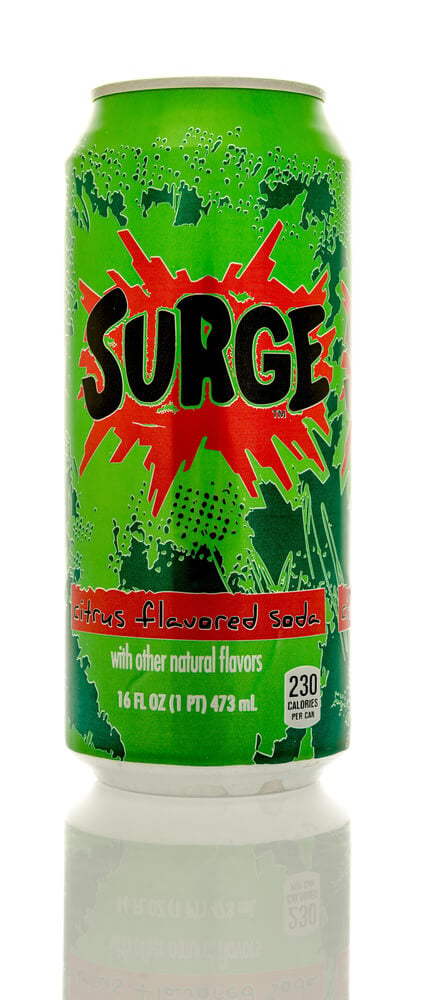
This bright green, highly caffeinated soda built a loyal following among kids and teenagers before Coca-Cola discontinued it in 2003. A limited, online-only revival briefly returned the drink to market roughly a decade later before it was discontinued again for good.
Jolt Cola
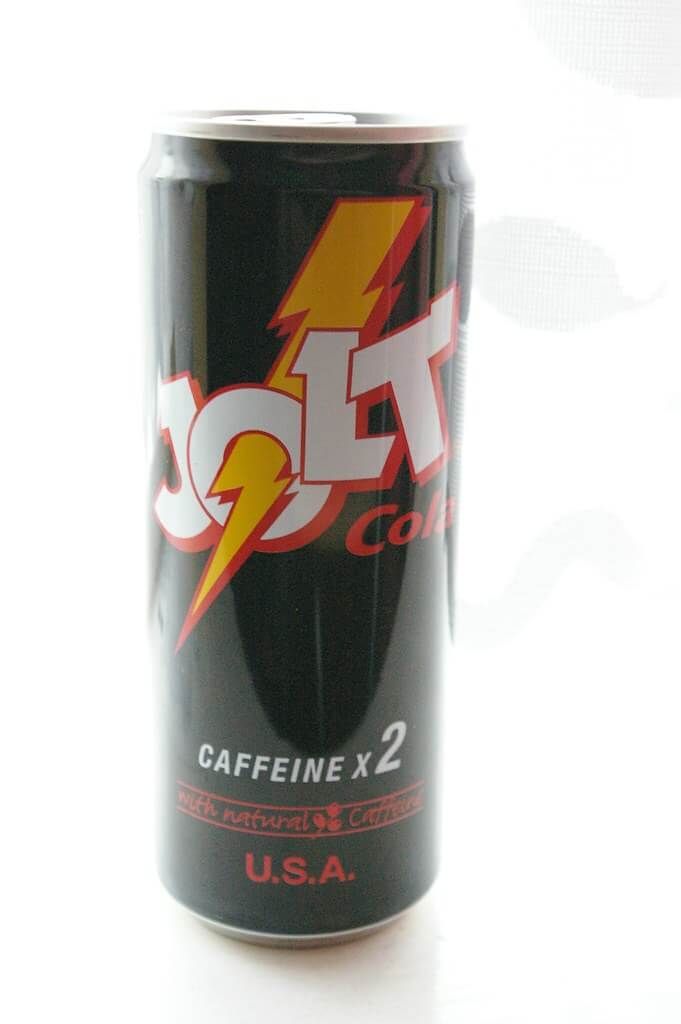
Marketed specifically around its higher caffeine content, Jolt Cola became a favorite among older kids and teenagers looking for an edgier alternative to mainstream soda brands. The company behind it went through multiple ownership changes and effectively vanished from shelves.
Doritos 3D’s
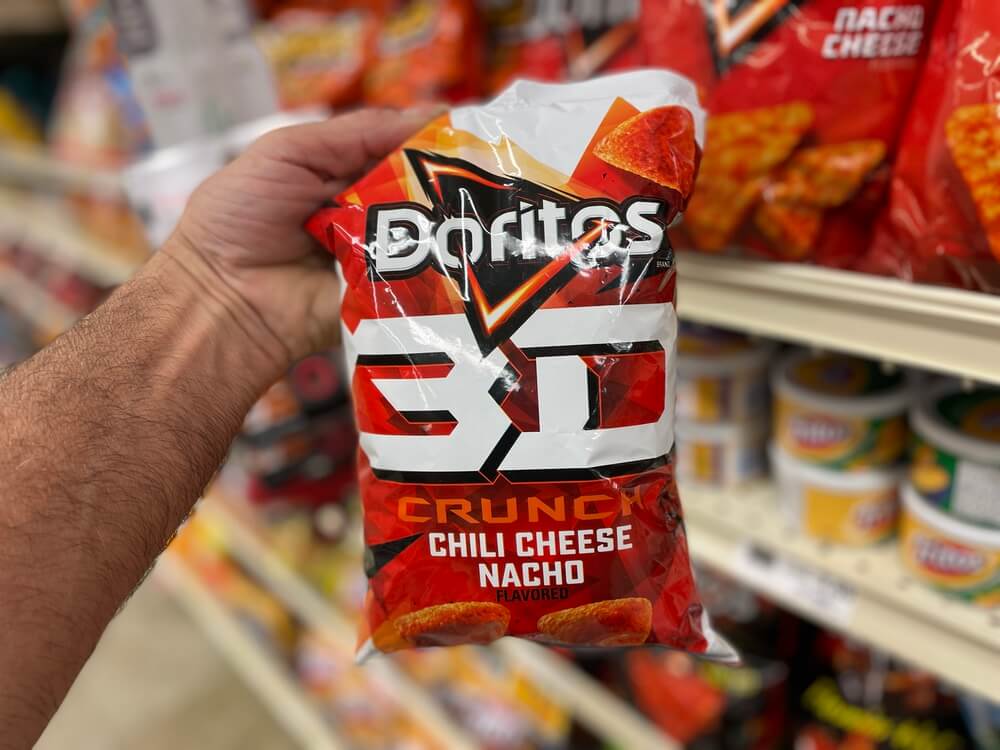
These hollow, puffed corn snacks offered a completely different texture from standard Doritos chips, coming in flavors like nacho cheese and ranch. The original product was discontinued in the late 1990s, and a brief online-exclusive revival years later did not lead to a lasting return to regular store shelves.
Nabisco Magic Middles
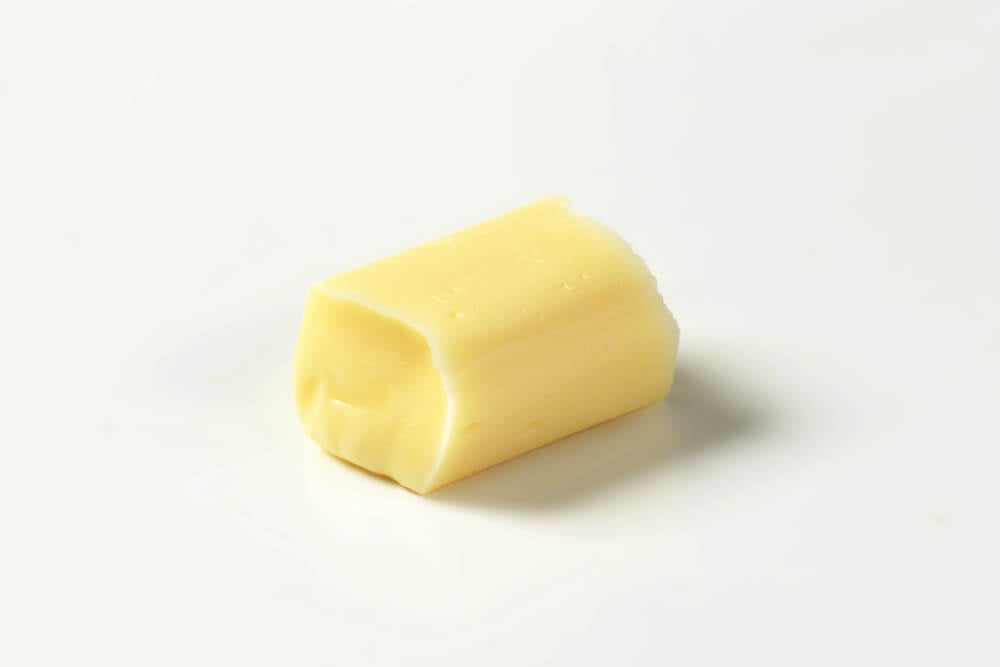
These shortbread cookies were filled with a hidden pocket of chocolate fudge at the center, a format distinct from the standard sandwich cookie design most brands relied on. Nabisco discontinued the product, and it remains one of the more consistently requested cookie revivals among longtime fans.
Frookie Cookies
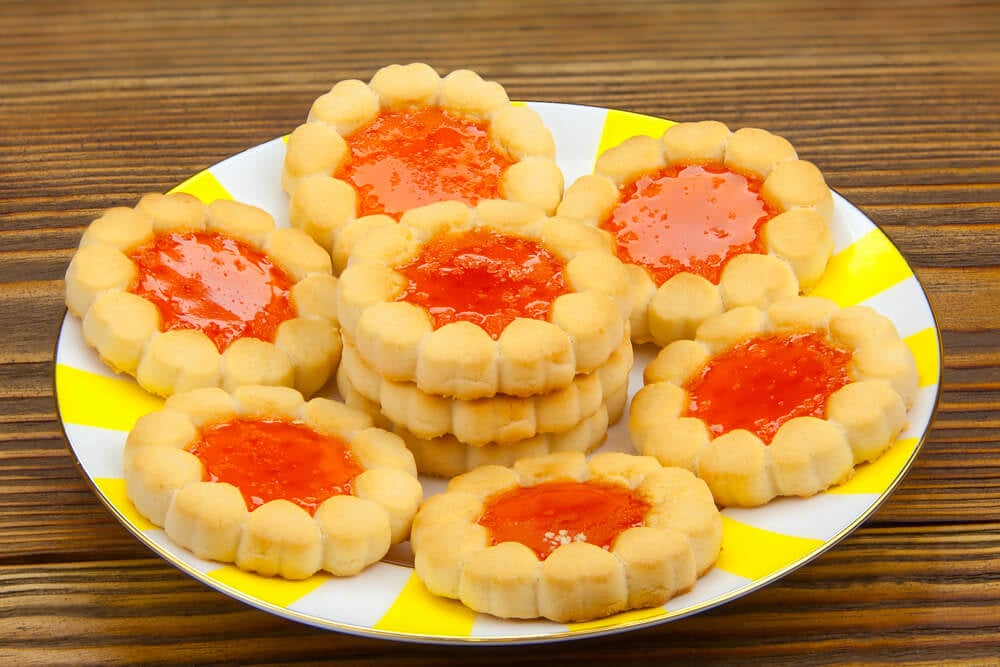
Sweetened with fruit juice rather than refined sugar, Frookie cookies were marketed toward health-conscious parents looking for an alternative to standard lunchbox cookies. The brand did not survive the broader shakeup of the health-food snack category in the years that followed and disappeared from shelves entirely.
Hi-C Ecto Cooler
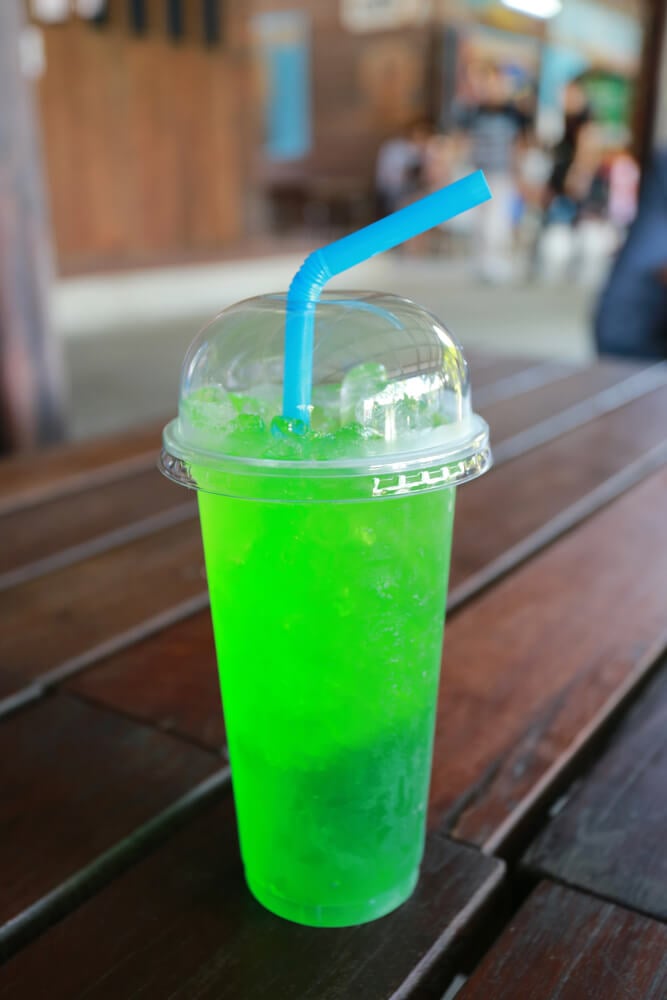
Originally released as a tie-in with a 1980s animated franchise, this green citrus drink remained a lunchbox staple through the 1990s under its original branding before being discontinued as a year-round product. It now appears only in limited seasonal releases around Halloween, never returning to its original everyday lunchbox status.
Screaming Yellow Zonkers
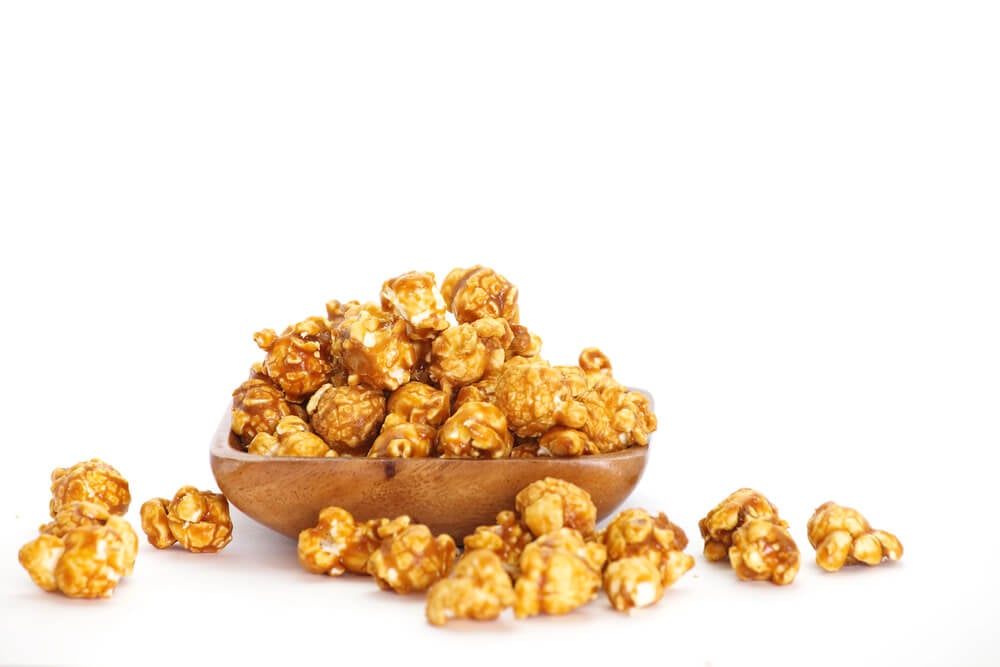
This caramel-coated popcorn snack, sold in a distinctive bright yellow bag with bold black lettering, built a loyal following through irreverent packaging and advertising that stood out from more conventional snack branding. The product was discontinued and, despite a small but persistent group of fans still asking after it, has never returned to production.
What the Lunchbox Remembers
None of these snacks disappeared because they failed outright. Most were profitable products cut for reasons that had little to do with the kids actually eating them: packaging costs, licensing disputes, or a company simply deciding to make room for something new.
That distinction matters to the people who still ask about them. A snack that vanished quietly, without ever really losing its audience, leaves behind a specific kind of craving that no substitute quite satisfies.
More from Go2Tutors!

- The Romanov Crown Jewels and Their Tragic Fate
- 13 Historical Mysteries That Science Still Can’t Solve
- Famous Hoaxes That Fooled the World for Years
- 15 Child Stars with Tragic Adult Lives
- 16 Famous Jewelry Pieces in History
Like Go2Tutors’s content? Follow us on MSN.