27 Saturday Morning Rituals Kids Grew Up With and Lost
For decades, Saturday morning operated on its own private schedule, separate from the rest of the week and unbothered by anything an adult might have planned. The rules were simple: get up early, get to the television, and do not miss a single minute.
None of it required an app, a subscription, or a password. It required only a bowl, a couch cushion, and a network schedule that every kid in the country somehow already had memorized.
Waking Up Before the Adults

Kids reliably woke up earlier on Saturdays than they ever did for school, driven entirely by the fear of missing the opening minutes of a favorite show. Parents, left to sleep in, became an afterthought until the cartoons ran out.
The Cereal Bowl on the Living Room Floor
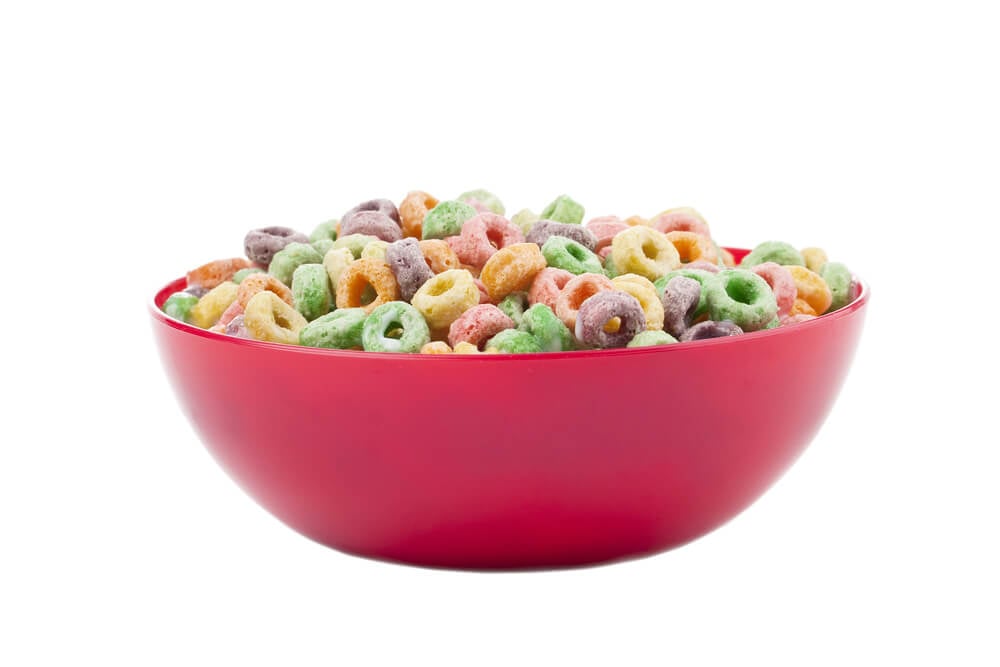
Breakfast moved out of the kitchen and onto the carpet a few feet from the television, eaten straight from the bowl without a table in sight. Spilled milk on the rug was treated as an acceptable cost of doing business.
Sugary Cereal as the Default Breakfast

Brightly colored, heavily sweetened cereals were treated as an ordinary Saturday breakfast rather than an occasional treat, with characters printed on the box often matching whatever was airing that morning. Parents who limited sugar during the week tended to loosen the rule specifically for the weekend.
The Toy Buried in the Cereal Box

Digging through the cereal to find the plastic toy at the bottom was its own small ritual, sometimes finished before a single spoonful had been eaten. Whether the toy actually worked once removed from the box was rarely the point.
The Network Cartoon Block
ABC, CBS, and NBC each ran dedicated blocks of cartoons every Saturday morning for decades, a lineup kids could recite from memory without ever having seen a printed schedule. Missing a favorite show meant waiting a full week, since there was no way to watch it again on demand.
Fighting Over the Channel

With only one television in most households, siblings negotiated, argued, and occasionally physically wrestled over which network’s cartoon lineup would win that particular Saturday. Whoever controlled the dial controlled the morning.
Watching Entirely in Pajamas

Getting dressed before the cartoons ended was considered a wasted opportunity, and many kids stayed in the same pajamas well past noon on a Saturday. Changing clothes was often the unofficial signal that the morning ritual had ended.
Cereal-Commercial Synergy

Commercials during the cartoon block frequently advertised cereals branded with the same characters currently on screen, a marketing pairing companies built deliberately from the 1980s onward. A cartoon about a video game character might air alongside an ad for a cereal shaped like that same character’s world.
Toy Commercials Tied to the Show
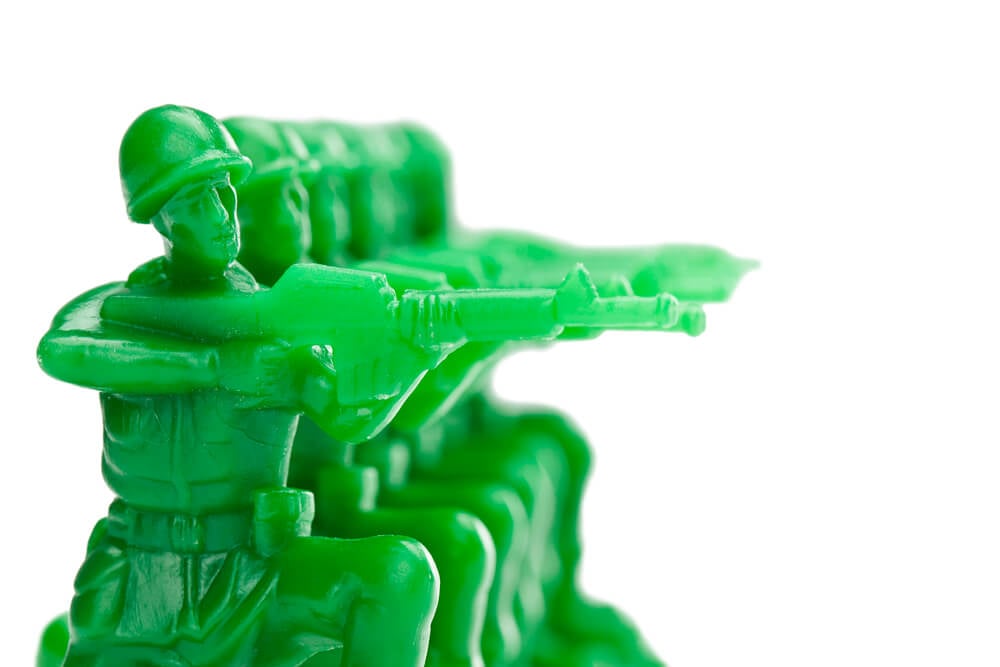
Action figures, playsets, and vehicles from shows like He-Man, Transformers, and G.I. Joe were advertised directly during the programs built around them, blurring the line between entertainment and a half-hour toy commercial. Kids kept mental wish lists updated with every new item they saw.
Public Service Announcements Between Shows

Short segments about fire safety, staying in school, or looking both ways before crossing the street ran as fixed bumpers between cartoons, often narrated in the same energetic tone as the shows themselves. Many kids can still recite the taglines decades later without remembering which specific campaign they came from.
Schoolhouse Rock-Style Educational Shorts

Brief animated segments teaching grammar, math, or civics through catchy songs aired as regular fixtures within the cartoon block, functioning as tiny lessons kids absorbed without realizing they were being taught anything. Entire generations can still sing along to lyrics about how a bill becomes a law.
Waiting a Full Week for the Next Episode
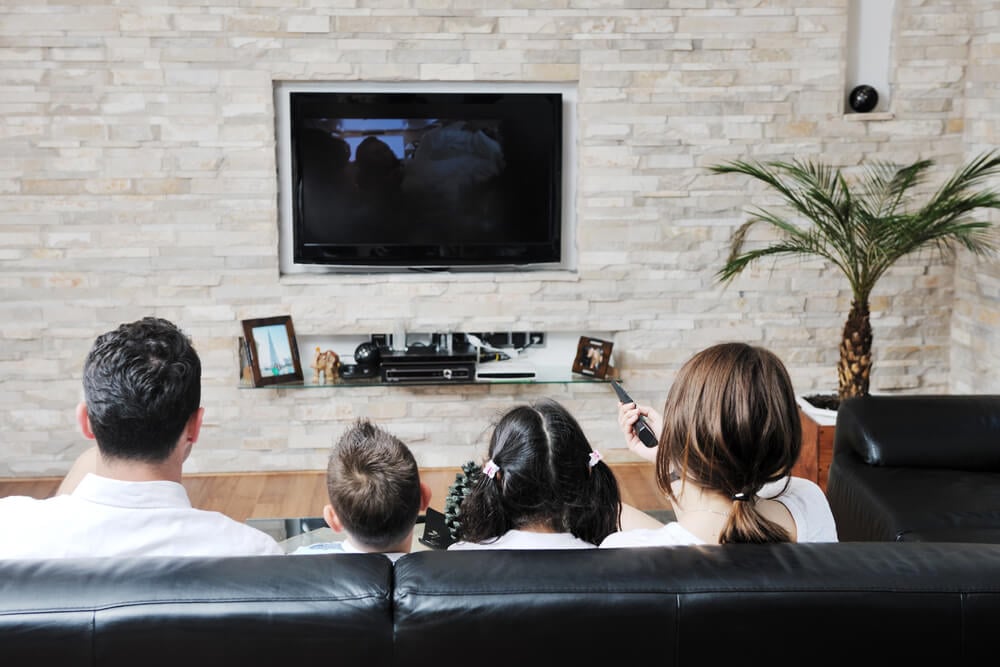
New episodes aired once, at their scheduled time, and then were gone until the following Saturday, with no streaming, downloading, or on-demand option to fall back on. Missing an episode meant relying on a friend’s secondhand summary at school the following week.
Recording Cartoons on a VCR
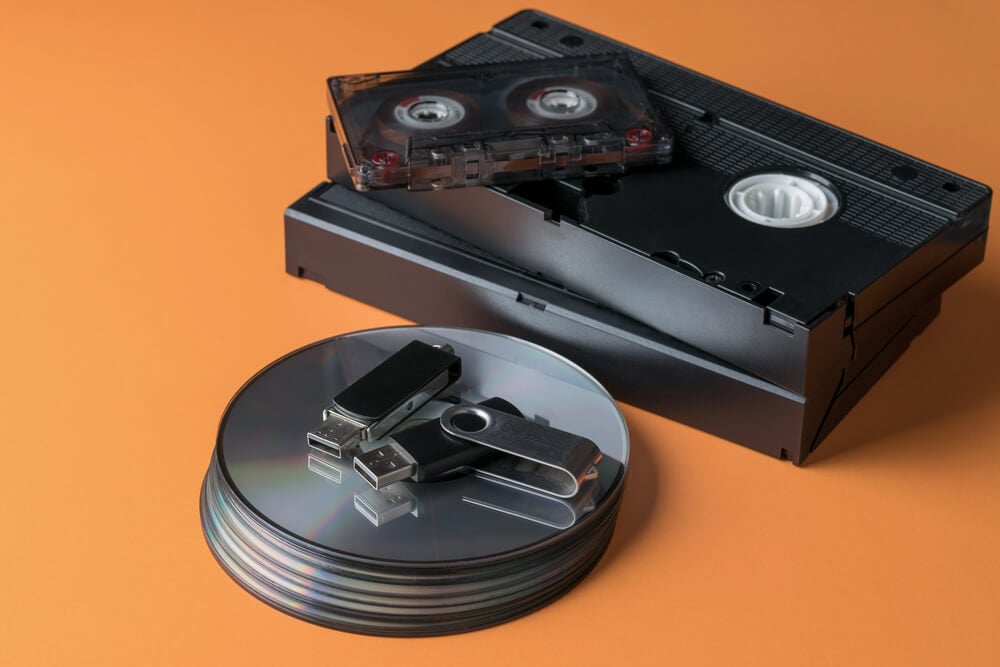
Families with a VCR sometimes taped Saturday morning cartoons to rewatch during the week, a practice that required remembering to load a blank tape and set the timer correctly the night before. A wrongly timed recording that cut off the ending was a real and common disappointment.
The Local UHF Station Reruns

Independent local stations often padded their own Saturday mornings with reruns of older cartoons the major networks had long since retired, giving kids access to shows their parents had grown up watching. These reruns sometimes introduced kids to cartoons decades older than they were.
Reciting Theme Songs From Memory

Cartoon theme songs were absorbed so thoroughly through repetition that kids could sing them beginning to end years after the shows themselves went off the air. Entire friend groups could launch into the same theme song in unison without any prompting.
The Designated Cartoon Spot on the Couch

Many households had an unofficial but firmly understood assigned seat or blanket spot for Saturday morning viewing, defended with the seriousness of a much more important claim. Arriving late and losing the spot to a sibling was treated as a genuine tragedy.
Reading the Cereal Box During Commercials

With nothing else to do during breaks, kids read the back of the cereal box repeatedly, working through the same maze or word puzzle they had already completed the previous weekend. Some boxes were read so many times the panels were memorized before the milk ran out.
Racing to the TV Before the Static Cleared

Households with older televisions sometimes had to wait for the set to warm up before a picture appeared, leading to a specific kind of anxious waiting in front of a blank or static-filled screen. Turning the television on well before the cartoons actually began was standard practice.
Adjusting the Antenna Mid-Show
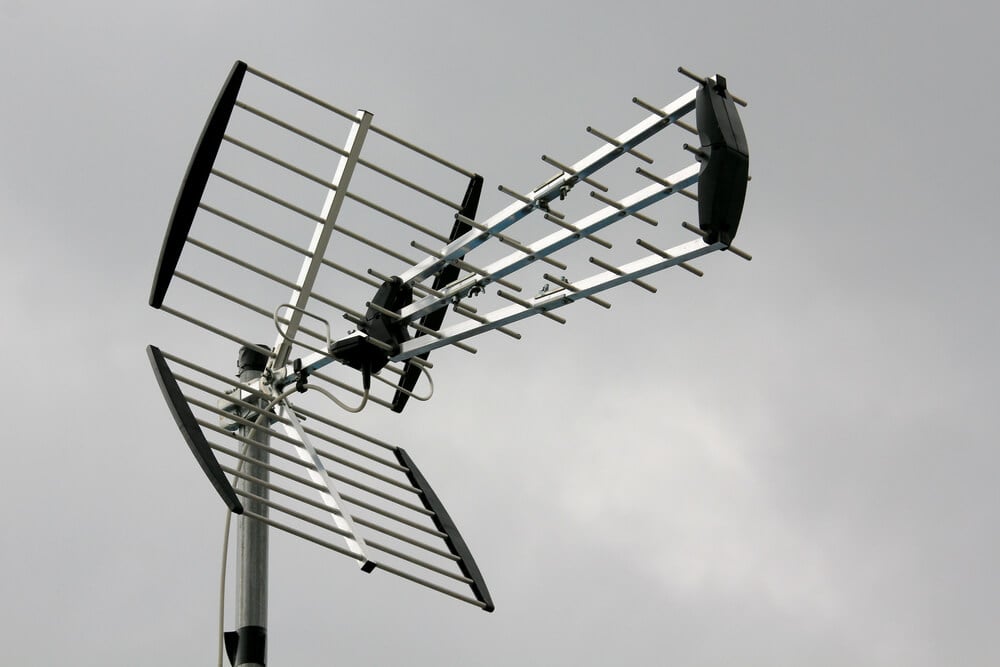
A cartoon interrupted by a fuzzy picture often sent a kid scrambling to adjust the rabbit-ear antenna, holding an arm at an odd angle to keep the signal clear until the show ended. Finding the exact right position sometimes required standing perfectly still for the rest of the episode.
Trading Cereal-Box Prizes at School

Kids brought cereal-box toys, stickers, or trading cards to school on Monday specifically to trade with friends who had gotten a different prize over the weekend. A particularly rare toy could carry real social currency for an entire week.
Live-Action Saturday Morning Shows

Alongside the cartoons, networks mixed in live-action programming aimed at older kids and teenagers, blending sitcom-style storylines into the same morning block as the animated shows. These live-action entries often aired later in the block, marking an unofficial signal that the morning was winding down.
The Slow Network Retreat From Cartoons
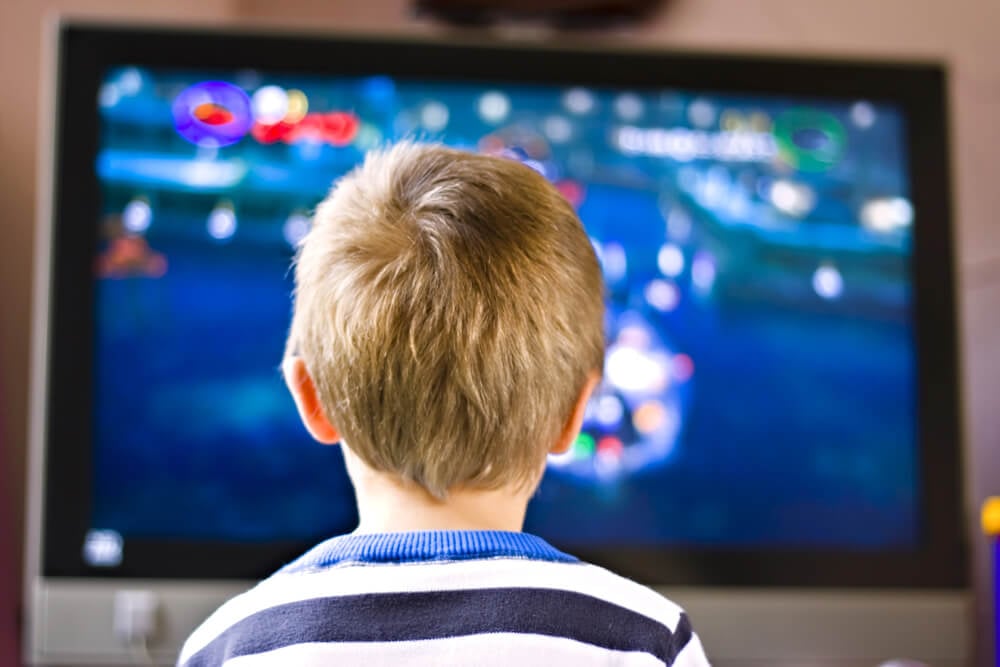
was the first major network to drop its Saturday morning cartoon lineup in 1992, replacing it with teen programming, and CBS and ABC eventually followed a similar path over the following decade. What had once been a competitive, heavily advertised time slot gradually became an afterthought for the major networks.
Fox’s Exit From the Format

Fox kept a Saturday morning cartoon block running longer than most of its network competitors before finally dropping the format in 2008 in favor of other programming. Its departure left only a handful of networks still carrying the tradition in any recognizable form.
The Rise of All-Day Cartoon Channels
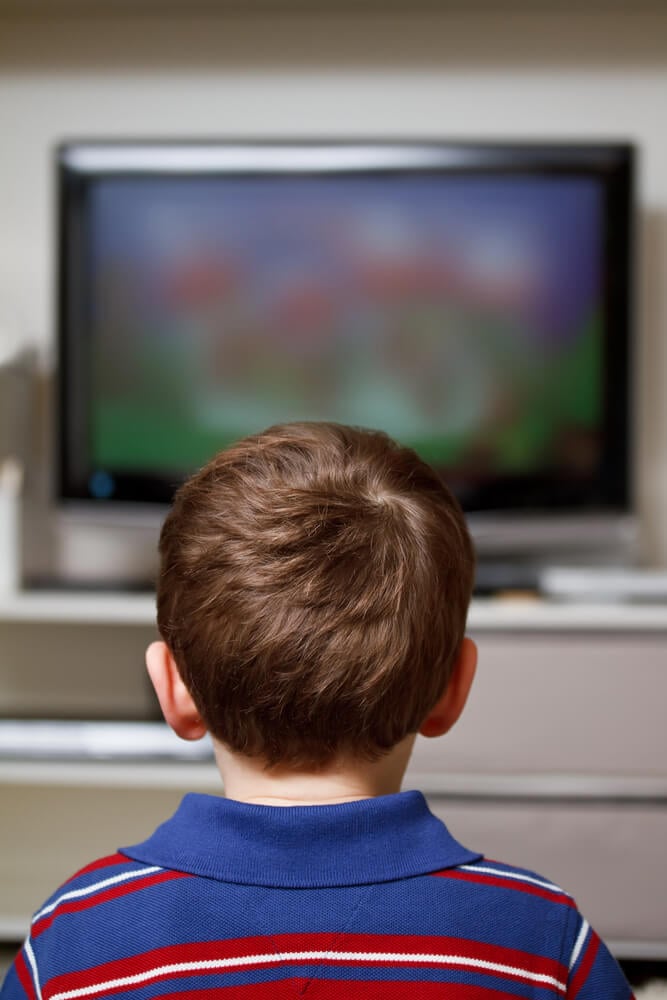
The arrival of dedicated cable channels offering cartoons throughout the entire day undercut the appeal of a single weekly time slot, since kids no longer had to wait for Saturday to see new or favorite shows. What had once required patience became available at any hour, on any day of the week.
The Final Network Holdout

The CW aired the last true Saturday morning cartoon block among the major broadcast networks, before replacing it with live-action educational programming in the fall of 2014. Its departure closed out a format that had run continuously on American television for more than fifty years.
Watching With No Pause Button

Because there was no way to pause or rewind live television for most of this era, getting up to use the bathroom during a favorite show meant genuinely missing something. Timing bathroom breaks around commercial segments became second nature.
The Post-Cartoon Letdown
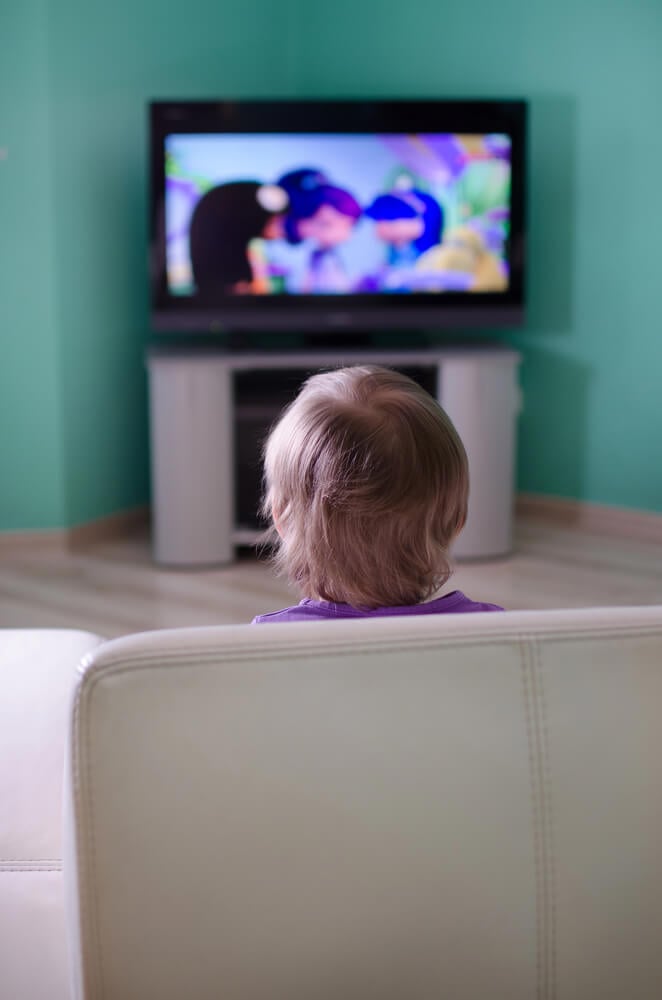
Once the final show of the block ended, usually around midday, the abrupt shift back to ordinary Saturday chores and errands felt like a small letdown that kids rarely admitted out loud. The morning’s momentum simply stopped, all at once, until the following week.
A Morning That Outgrew Its Format

None of this required scheduling, reminders, or apps. The entire ritual ran on a shared, unspoken agreement among an entire generation of kids that Saturday morning belonged to them, and that everyone else in the house understood to stay out of the way.
What ended the ritual was never a single decision but a slow accumulation of alternatives, each one chipping away at the reason to wait for Saturday in the first place. Once cartoons were available every day, the specific magic of a once-a-week appointment quietly disappeared.
The habits it left behind are harder to name than the shows themselves. A generation that grew up organizing an entire morning around a television schedule learned, without meaning to, what it felt like to wait for something and have the waiting be worth it.
More from Go2Tutors!

- The Romanov Crown Jewels and Their Tragic Fate
- 13 Historical Mysteries That Science Still Can’t Solve
- Famous Hoaxes That Fooled the World for Years
- 15 Child Stars with Tragic Adult Lives
- 16 Famous Jewelry Pieces in History
Like Go2Tutors’s content? Follow us on MSN.