16 Secret Societies That Still Exist Today
Secret societies have fascinated people for centuries—operating in shadows while allegedly pulling strings behind major world events. Though many dismiss these groups as harmless fraternal organizations or conspiracy theories, the reality’s more complex. Numerous secret societies continue meeting, recruiting, and influencing society today. From ancient orders that’ve adapted to modern times to relatively new organizations born in the digital age, these groups maintain mysterious practices and exclusive memberships.
Here’s a list of 16 secret societies that continue operating in today’s world, each with their own unique rituals, membership requirements, and alleged influence on global affairs.
Freemasons
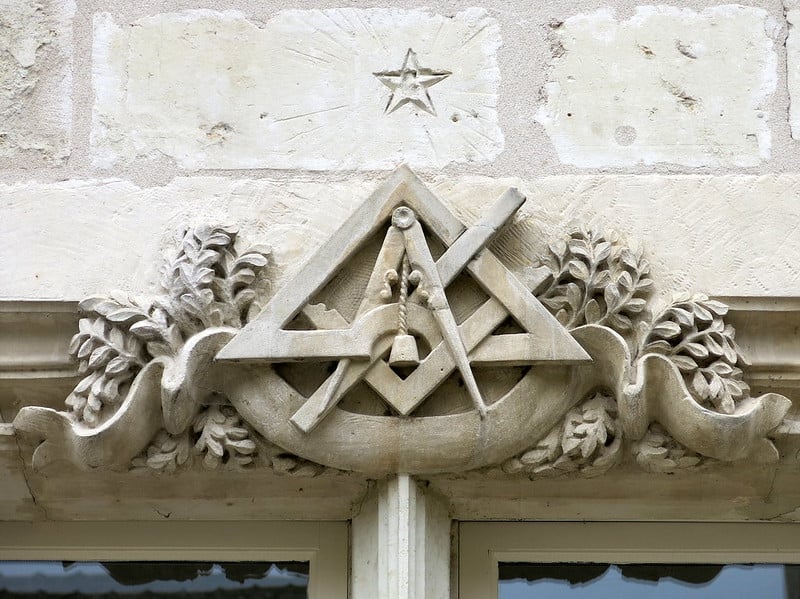
The Freemasons represent the world’s largest and most recognizable secret society—with lodges operating across the globe. When four London lodges merged in 1717 to form England’s first Grand Lodge, they officially founded what we know as modern Freemasonry, though its roots trace back to medieval stonemason guilds. The organization promotes brotherhood, charity, and moral development among members who include everyone from business leaders to politicians. Despite public charitable work through groups like the Shriners, Freemasons maintain secretive rituals, handshakes, and symbols. These practices have sparked centuries of speculation about their true influence and goals.
Skull and Bones
— Photo by OceanProd
This undergraduate senior society at Yale University was founded in 1832 by William Huntington Russell and Alphonso Taft. Each spring during Yale’s ‘tap day,’ the society selects 15 junior students—choosing those viewed as campus leaders and notable figures. Known informally as ‘Bones,’ they operate from a windowless building called ‘the Tomb.’ The society has produced three U.S. presidents: William Howard Taft, George H.W. Bush, and George W. Bush. Rituals reportedly include spending a night in a coffin while confessing personal secrets. Rumors persist about stolen artifacts—including the skull of Apache leader Geronimo.
Bohemian Grove
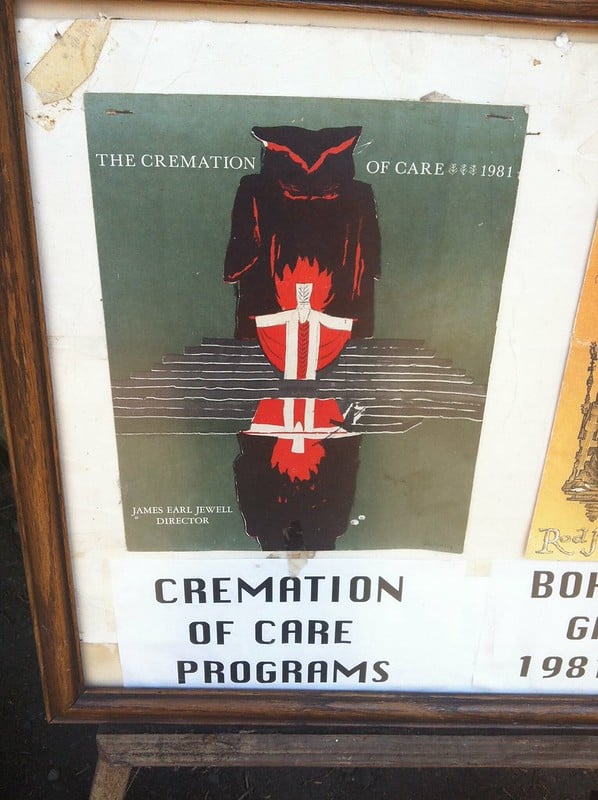
Every July, some of the richest and most powerful men gather at Bohemian Grove—an enormous campground in Monte Rio, California—for two weeks of drinking, secretive rituals, and making global decisions. Members have included former presidents Nixon, Eisenhower, Roosevelt, both Bushes, Hoover, Ford, and Reagan. Senators, secretaries of state, and defense officials also attend. The group’s most notorious ceremony is the ‘Cremation of Care,’ where robed figures gather around a 40-foot owl statue to burn an effigy in what they claim is a mock ritual. Critics view the Grove as a place where America’s elite make important policy decisions away from public scrutiny.
Opus Dei
— Photo by jorisvo
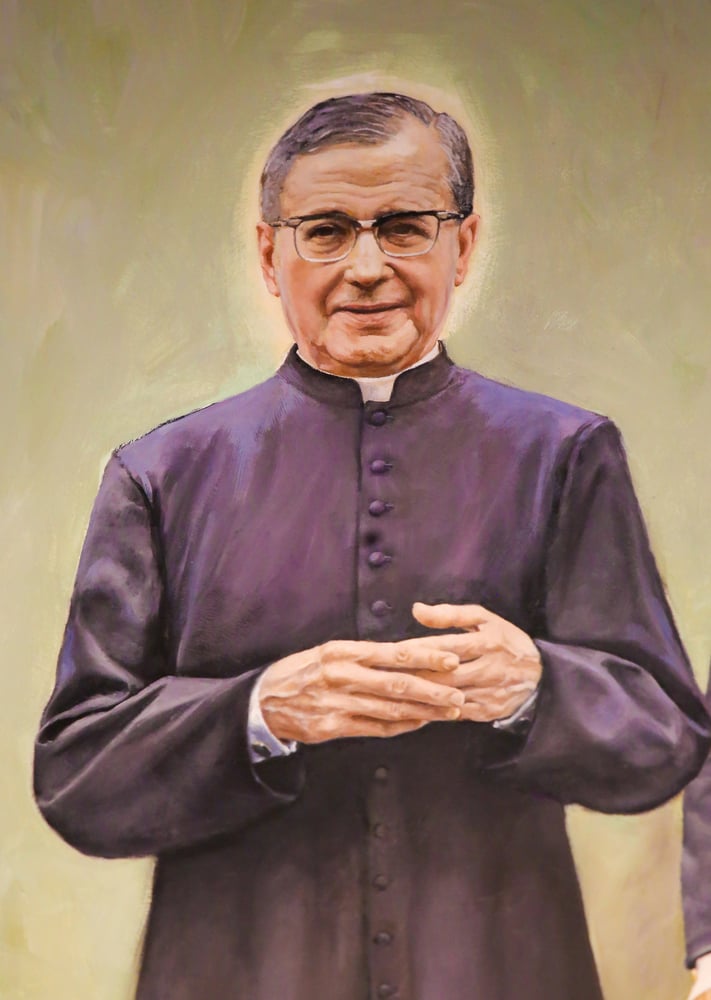
This Catholic lay religious order operates with its own internal hierarchy and practices that include ‘mortification of the flesh’—wearing spiked chains and self-flagellation. Founded in Spain in 1928, Opus Dei gained notoriety through Dan Brown’s novel ‘The Da Vinci Code,’ yet the real organization wields considerable influence within the Catholic Church and beyond. Members divide into three levels: Numeraries who live in Opus Dei facilities, Associates who live off-campus, and Supernumeraries who make up general membership. The organization faces criticism for alleged connections to fascist movements—plus accusations of operating like a cult within the Church.
Rosicrucians
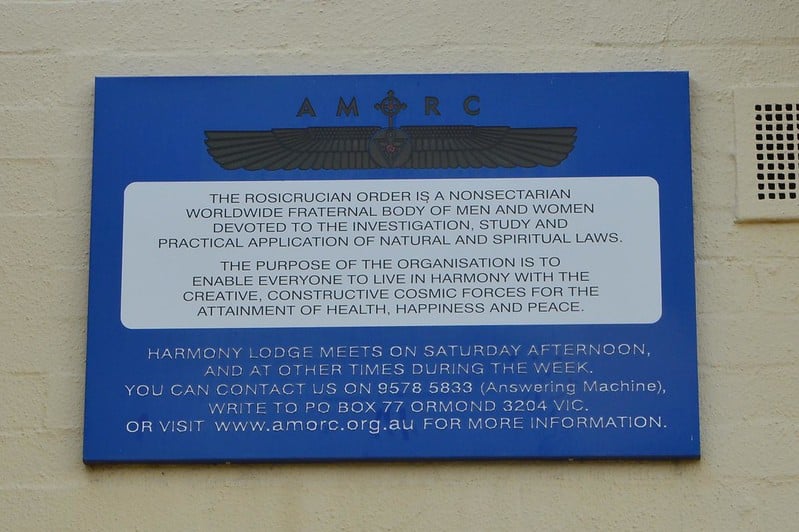
Blending mysticism, alchemy, and philosophy, the Rosicrucians claim to be heirs to ancient wisdom. This mystical order emerged in early 17th-century Europe through manifestos that claimed to reveal secret knowledge about the universe and human potential. Modern Rosicrucian organizations like AMORC (Ancient Mystical Order Rosae Crucis) continue attracting members seeking spiritual enlightenment and esoteric knowledge. They maintain temples, libraries, and museums around the world—teaching concepts of metaphysics, natural laws, and personal transformation through correspondence courses and lodge meetings.
Order of Nine Angles
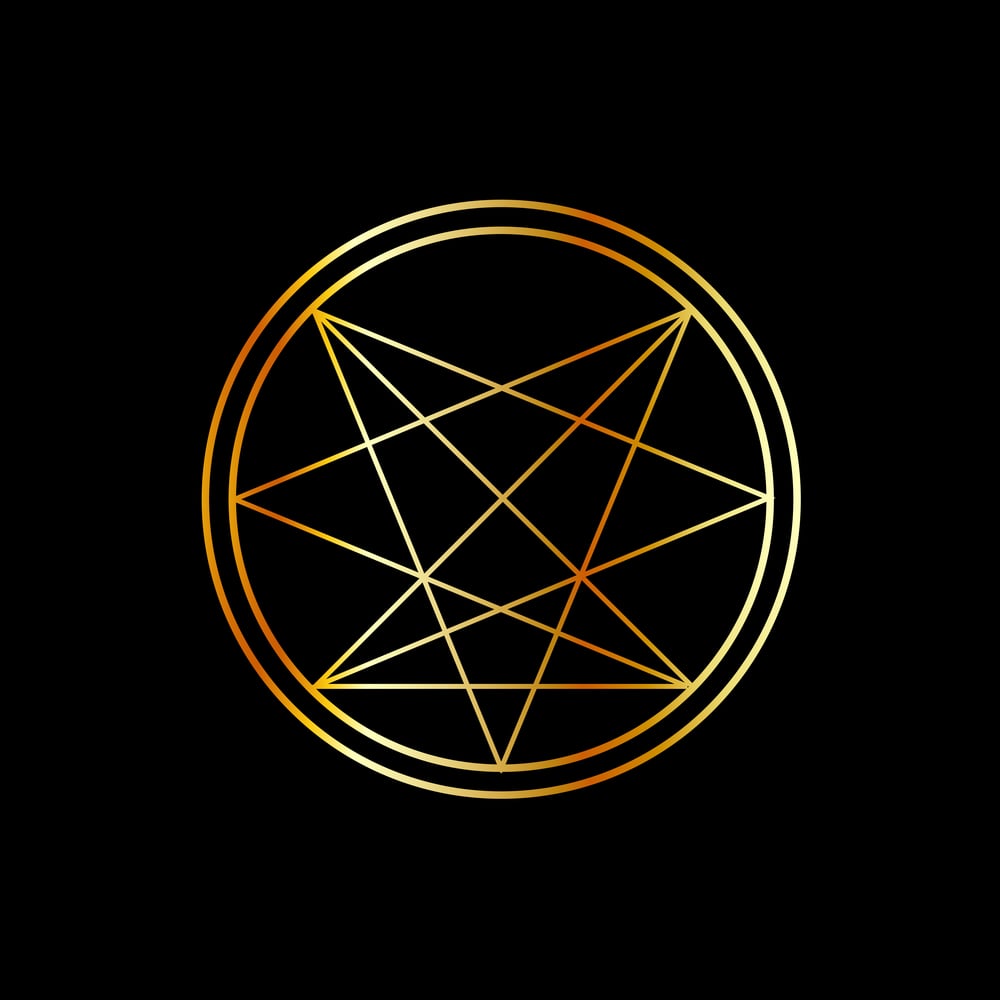
Emerging in the late 19th century, this occult society practiced ceremonial magic, astral projection, and alchemical transformation. Unlike mainstream occult groups, the Order of Nine Angles promotes a philosophy that embraces chaos, darkness, and what they call ‘sinister dialectic.’ Though it officially dissolved, offshoots still exist today—with followers claiming access to hidden realms and spiritual power. The organization’s teachings blend occult philosophy with extreme ideologies, making it one of the most controversial secret societies operating today.
Knights Templar Successors
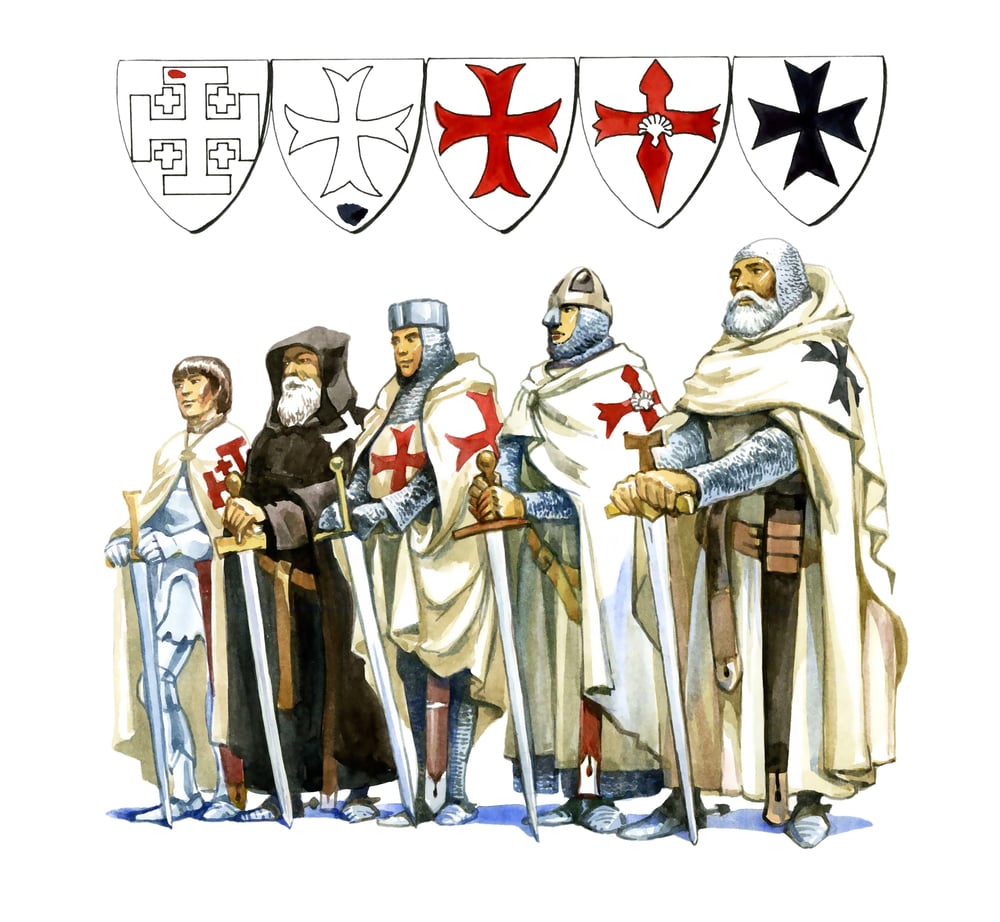
Today, many secret societies in France, Germany, and Italy claim descent from the Knights Templar—including the Association Française des Chevaliers du Christ, which enjoys support from the Vatican. While the original Knights Templar were disbanded in 1307, numerous modern organizations claim to carry on their traditions and mission. These groups maintain the Templar emphasis on Christian mysticism, charitable work, and secretive initiation rituals. Some focus on historical research and preservation—others blend Templar symbolism with modern practices.
Bilderberg Group
The Bilderberg Group hosts an annual private conference comprised predominantly of North American and European elites, with anywhere from 120 to 150 political leaders, industry experts, financiers, academics, and media figures attending. According to their official website, the purpose acts as an informal forum meant to foster dialogue between Europe and North America. While they publish a list of participants, discussions remain completely private—no media coverage allowed. Critics argue that this secrecy enables powerful individuals to coordinate policies and business deals away from democratic oversight.
Chinese Triads

The most famous of these is a group known as the Triads—which today is one of the largest Asian crime syndicates in the world. Originally formed as secret societies opposing the Qing dynasty, modern Triads have evolved into sophisticated criminal organizations with global reach. They maintain traditional initiation ceremonies, hierarchical structures with numbered ranks, and ritual codes of conduct. Operating primarily in Hong Kong, mainland China, Taiwan, and overseas Chinese communities—different Triad groups control various enterprises while maintaining their secretive brotherhood traditions.
Cicada 3301
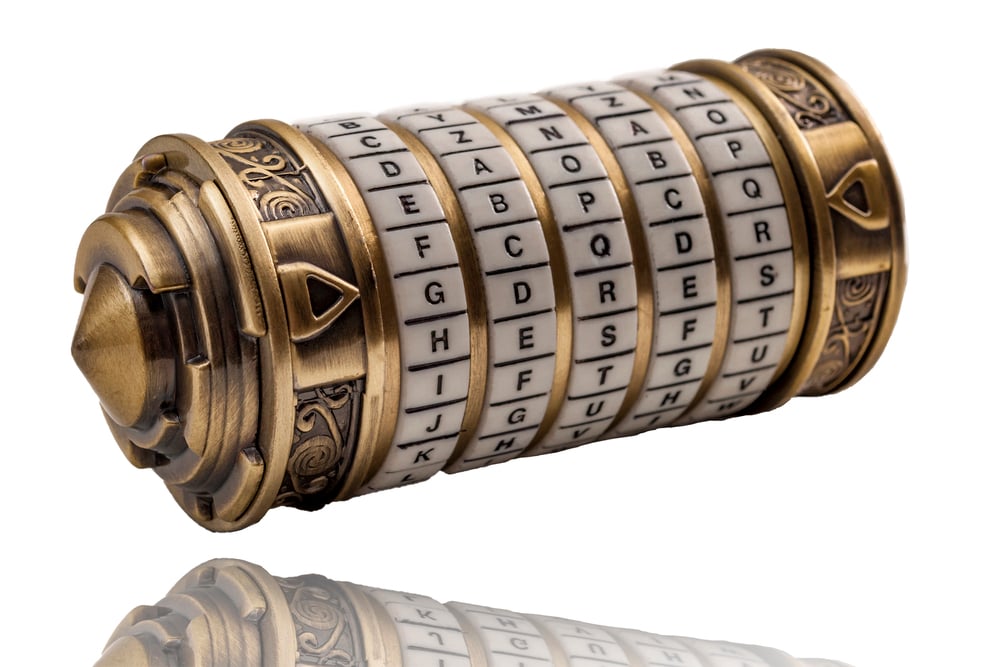
Cicada 3301 first appeared in 2012 after an anonymous post on social networking platform 4chan—using sophisticated puzzles, riddles, and questions in an effort to recruit members for an unknown reason. This internet-based secret society represents a new evolution in how mysterious organizations operate in the digital age. The group posts complex cryptographic puzzles requiring advanced knowledge of steganography, mathematics, and literature to solve. Those who successfully complete the challenges reportedly receive further contact—though the organization’s ultimate purpose remains completely unknown.
Council on Foreign Relations

The Council on Foreign Relations is a powerful think tank based in the United States, focused on international affairs and policy. Established in 1921, its members include former presidents, diplomats, and business moguls. Government leaders often consult the CFR, raising concerns that its recommendations carry excessive weight in shaping policies behind the scenes. While not technically secret, the CFR operates through private meetings and closed-door discussions that influence American foreign policy. Critics argue this exclusive membership creates an unofficial shadow government that shapes international relations according to elite interests rather than democratic will.
Thule Society Descendants

A secretive nationalist group that played a key role in early ideology, the Thule Society blended occultism with extreme politics. Though believed to have disbanded after World War II, rumors persist of successor groups continuing their doctrines. Modern groups claiming Thule Society heritage focus on mysticism, runic studies, and nationalist philosophy. Some theorists believe their influence never truly died but instead adapted and hid in modern movements. These organizations typically operate through small cells and online networks while maintaining extreme secrecy about membership and activities.
Order of Skull and Serpent
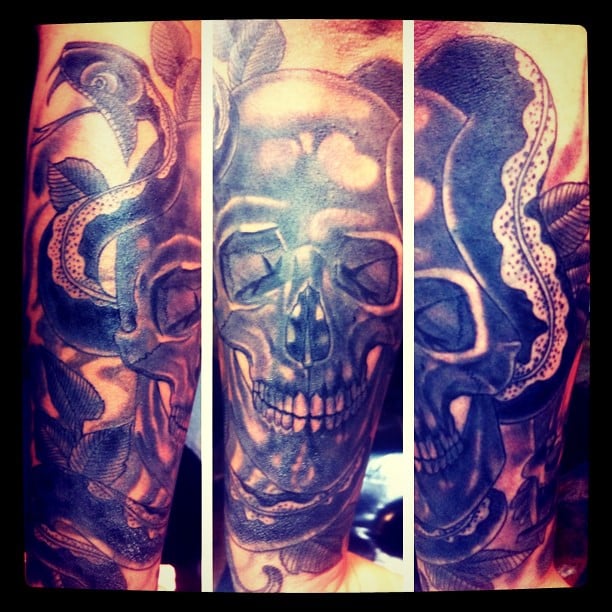
Operating primarily in American universities, this lesser-known collegiate secret society follows traditions similar to Skull and Bones yet with different rituals and symbols. Founded in the late 19th century, the Order maintains chapters at several prestigious universities where they recruit high-achieving students for lifetime membership. Members engage in elaborate initiation ceremonies involving serpent symbolism and oath-taking, then maintain contact throughout their careers to provide mutual assistance and networking opportunities. The organization’s influence stems from placing members in positions of power across academia, business, and government.
Nine Unknown Men
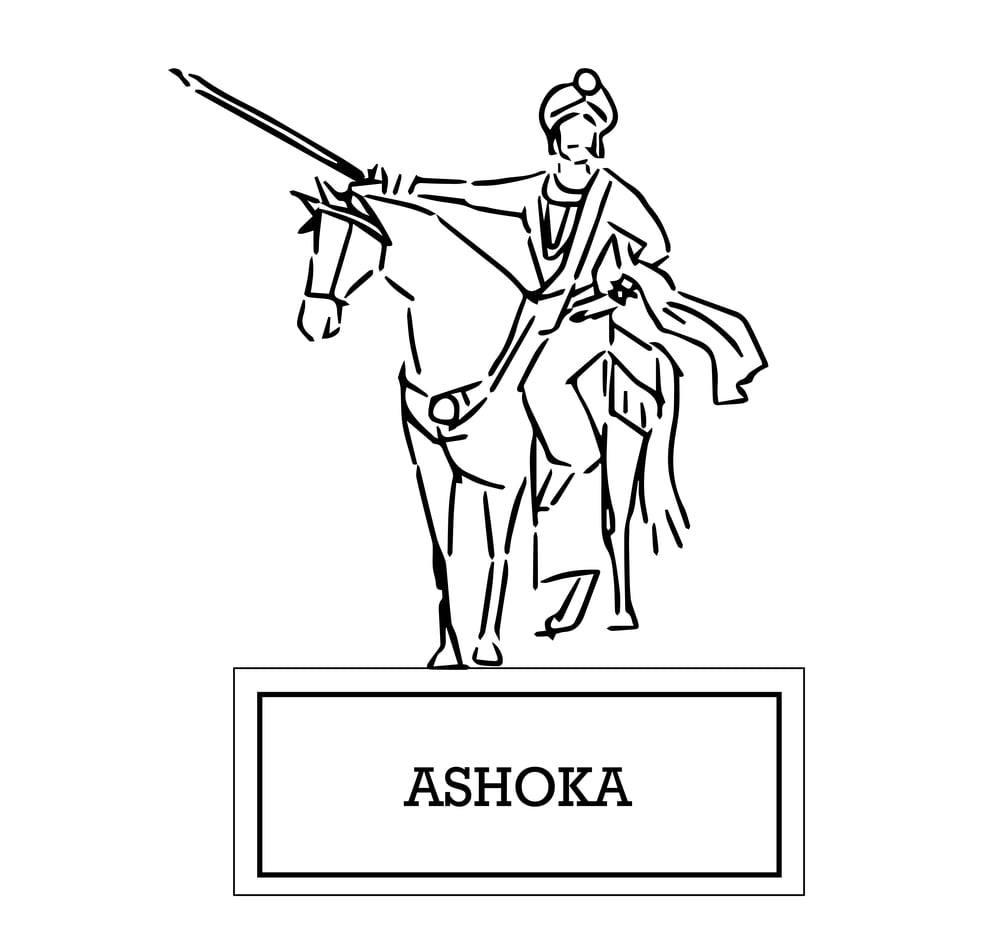
Said to have been founded by Emperor Ashoka of India, this legendary society was tasked with protecting dangerous knowledge. Each of the nine members allegedly guards a book containing secret wisdom from time travel to mind control. Though their existence remains unproven, stories persist in both Eastern and Western lore about whether they’re ancient myth or modern guardians of forbidden science. Modern claims suggest this society continues operating, with members scattered across different countries, each responsible for safeguarding advanced scientific knowledge that could prove dangerous if released to the general public.
Hermetic Order Successors
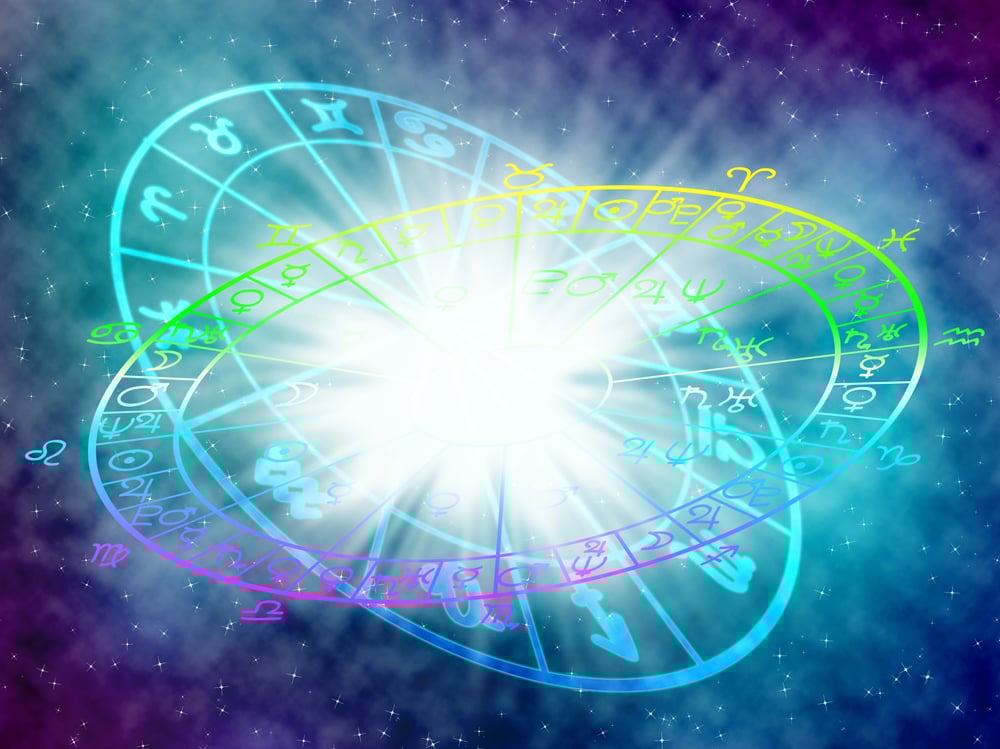
Modern organizations claiming descent from the original Hermetic Order of the Golden Dawn continue practicing ceremonial magic and esoteric studies. These groups maintain the Golden Dawn’s complex system of grades, rituals, and teachings about alchemy, astrology, and divine magic. Members study ancient texts, perform elaborate ceremonies, and work toward spiritual advancement through magical practices. While less secretive than historical predecessors, these orders still require oaths of secrecy regarding specific rituals. They maintain exclusive membership through invitation and rigorous study requirements.
Yale Secret Societies Network
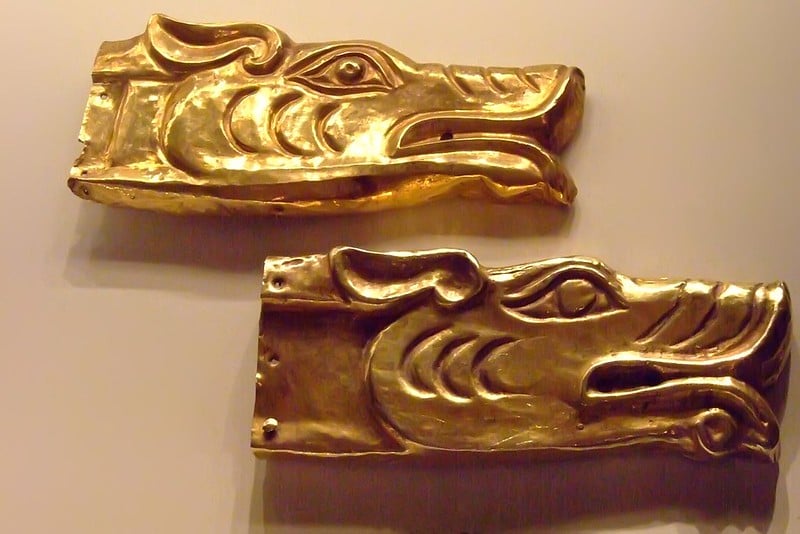
Beyond Skull and Bones, Yale University hosts numerous other secret societies including Wolf’s Head, Berzelius, and Book and Snake. These organizations recruit students through mysterious ‘tap’ ceremonies while maintaining their own private meeting halls throughout New Haven. Each society has distinct traditions—from Wolf’s Head’s emphasis on scholarship to Berzelius’s focus on scientific achievement. Members form lifelong bonds and professional networks that extend far beyond graduation, creating an interconnected web of influence throughout American institutions. The societies compete for the most promising students while maintaining strict secrecy about their internal operations and member activities.
The Digital Underground Lives On
Secret societies haven’t disappeared in our connected world—they’ve simply evolved. While some groups maintain centuries-old traditions in modern settings, others embrace digital platforms to recruit new members and coordinate activities across continents. The combination of historical mystique and contemporary influence ensures these organizations remain relevant forces in shaping policy, business, and culture. Whether driven by genuine spiritual pursuits, professional networking, or desires for power and influence, secret societies continue attracting individuals seeking something beyond ordinary social connections. Their persistence proves that human nature still craves exclusive communities and hidden knowledge, regardless of how transparent our digital age appears to be.
More from Go2Tutors!

- 16 Historical Figures Who Were Nothing Like You Think
- 12 Things Sold in the 80s That Are Now Illegal
- 15 VHS Tapes That Could Be Worth Thousands
- 17 Historical “What Ifs” That Would Have Changed Everything
- 18 TV Shows That Vanished Without a Finale
Like Go2Tutors’s content? Follow us on MSN.