24 Inventions From Latin America People Use Daily
Most people can name a country’s flagship dish or a famous landmark, but few can trace the everyday objects on their desks and in their kitchens back to Latin America. The region’s fingerprints are on some of the most ordinary items in modern life, often without credit attached. These are the inventions and innovations that quietly became part of daily routines around the world.
The Modern Ballpoint Pen

Hungarian journalist László Bíró fled to Argentina in 1940 and, working with his brother György, perfected the quick-drying ink cartridge pen that had eluded manufacturers for decades. He patented it in Buenos Aires in 1943, and Argentines still call any ballpoint pen a “birome” in his honor. The design was later licensed by companies including Bic, which turned it into the disposable pen used worldwide today.
The Active Ingredient in the Birth Control Pill

In 1951, 26-year-old Mexican chemist Luis Miramontes synthesized norethisterone in a Mexico City laboratory while completing his undergraduate thesis at Syntex. The compound, derived from a wild Mexican yam known locally as barbasco, became the key ingredient in the first oral contraceptives. Miramontes received a modest bonus for the work and little recognition in his lifetime, even as the discovery reshaped reproductive health worldwide.
Color Television Technology

Mexican engineer Guillermo González Camarena patented an early color television transmission system in 1940, when he was just 23 years old. His trichromatic field sequential system was later adapted and used in broadcasts and space transmissions, including some NASA missions. Mexico still honors him as a national inventor, and a Guadalajara museum bears his name.
Chewing Gum

Long before bubble gum came in foil wrappers, the Maya and later the Aztec chewed chicle, the coagulated latex sap of the sapodilla tree native to Mexico and Central America. American entrepreneur Thomas Adams acquired a supply of chicle in the 1860s and began marketing it as a gum base, eventually replacing the paraffin wax used in earlier American gums. Natural chicle is still prized by small-batch gum makers who market it as a biodegradable alternative to synthetic gum bases.
Dulce de Leche

This thick caramelized milk spread is claimed by both Argentina and Uruguay, with origin stories dating to the 19th century involving pots of sweetened milk left to simmer too long. It now appears in desserts, spreads, and pastries across the world, from French patisserie fillings to American ice cream flavors. Argentina alone produces hundreds of millions of kilograms of it annually for domestic consumption.
Cultivated Vanilla
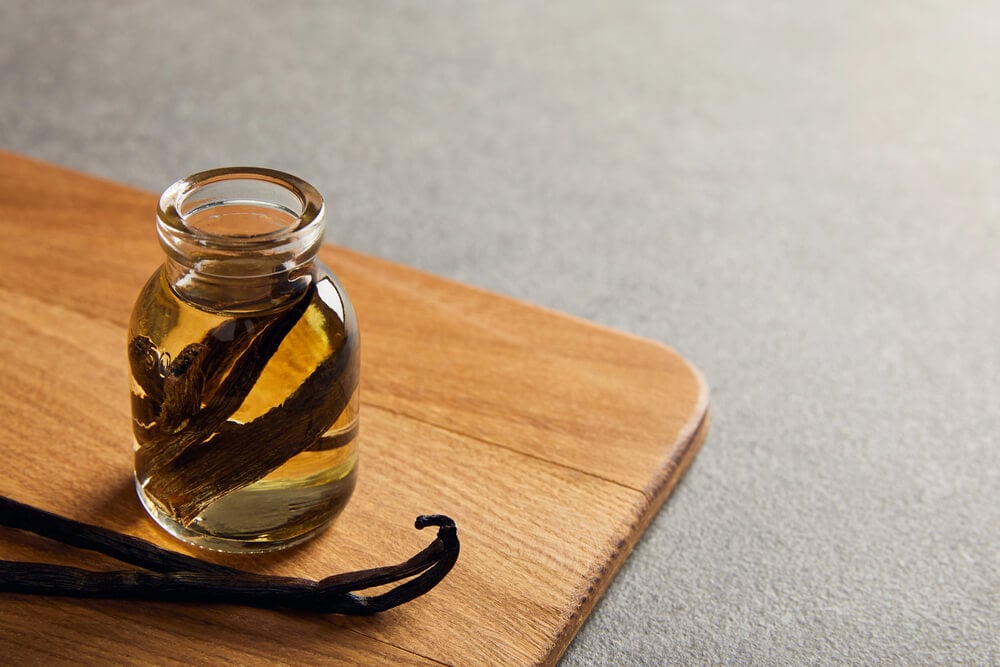
The Totonac people of eastern Mexico were the first known cultivators of the vanilla orchid, developing the labor-intensive curing process that turns green pods into the fragrant black beans used in flavoring today. When Spanish conquistadors brought vanilla back to Europe in the 16th century, it remained a Mexican monopoly for roughly 300 years because no one else could replicate the pollination process. A Belgian botanist finally cracked the technique using a hand-pollination method still used on vanilla farms today.
Drinking Chocolate

The Olmec and later the Maya and Aztec civilizations were the first to process cacao beans into a beverage, fermenting, roasting, and grinding them into a bitter, spiced drink centuries before Europeans added sugar and milk. The Aztec word “xocolatl” is the direct ancestor of the modern word chocolate. Nearly every candy bar and hot cocoa mix on shelves today descends from that Mesoamerican preparation.
Processed Natural Rubber
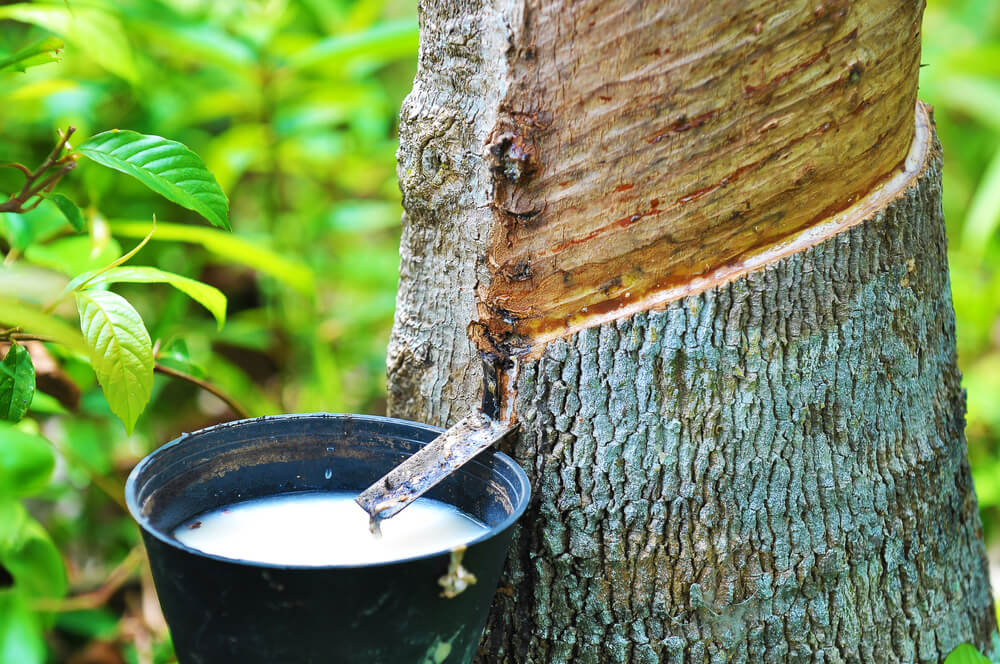
Mesoamerican peoples, including the Olmec, were extracting and processing latex from rubber trees and mixing it with morning glory vine juice to create durable, bouncy rubber goods more than 3,000 years before Charles Goodyear’s vulcanization patent. Archaeologists have found rubber-soled sandals and waterproofed textiles at ancient Mesoamerican sites. The basic chemistry of combining latex with a stabilizing agent, rediscovered independently centuries later, traces conceptually back to these early experiments.
Yerba Mate Infusion
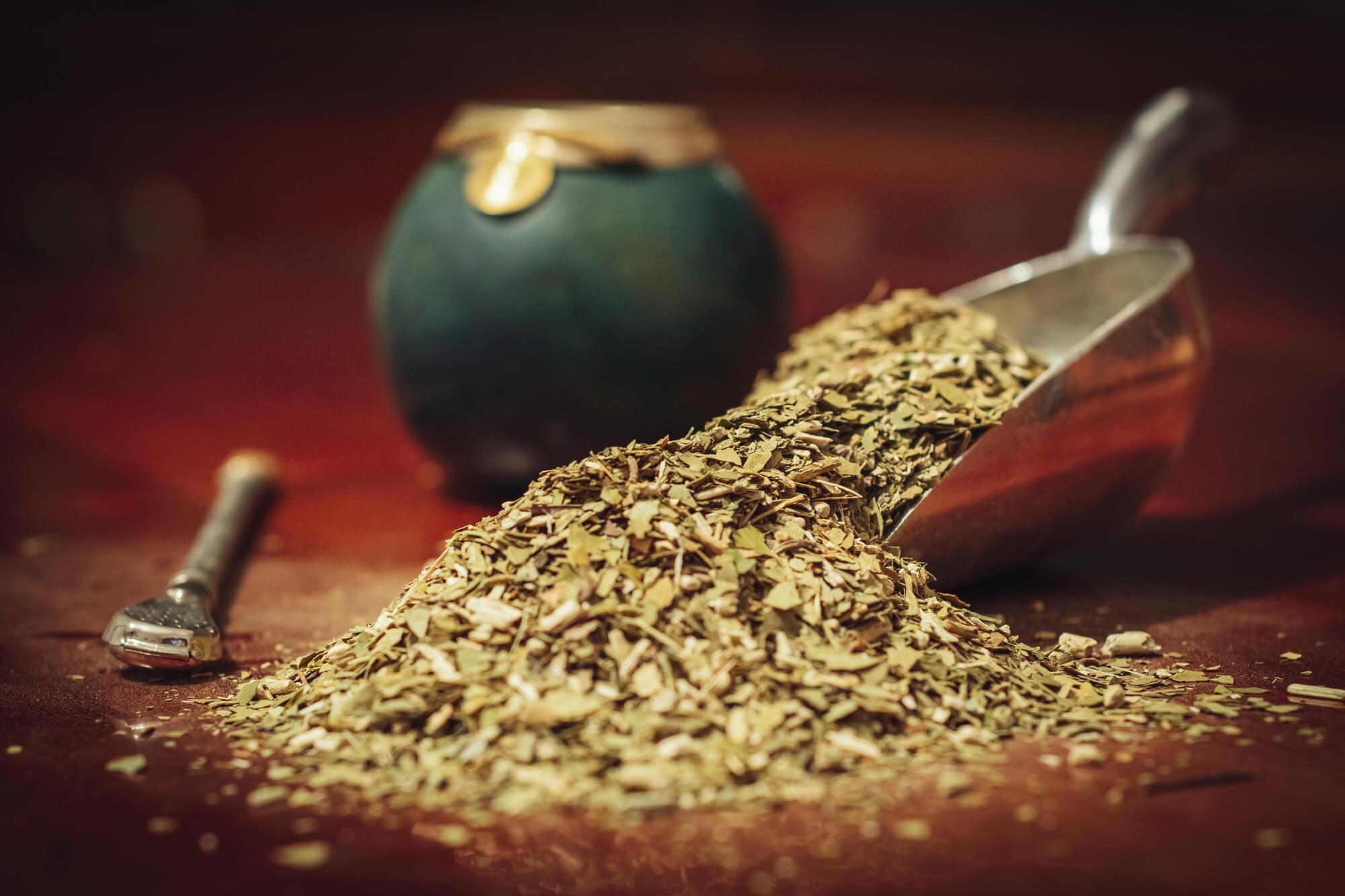
The Guaraní people of what is now Paraguay, Argentina, and Brazil developed the practice of steeping dried yerba mate leaves in hot water and drinking the infusion through a metal straw called a bombilla. Spanish colonists adopted the practice, and it eventually spread into a multibillion-dollar industry with mate now sold as a canned energy drink in convenience stores worldwide. Argentina remains the largest producer and consumer of the plant.
The Total Artificial Heart

Argentine-born cardiovascular surgeon Domingo Liotta helped design and implant one of the first total artificial hearts in a human patient in Houston in 1969, working alongside surgeon Denton Cooley. The device kept the patient alive for several days while awaiting a donor heart, a milestone in mechanical circulatory support. Liotta’s early designs influenced decades of subsequent artificial heart research.
Popcorn

Archaeological evidence from Peru shows that Indigenous peoples in the Andes and Mesoamerica were popping corn kernels for food as early as 6,700 years ago, using heated sand or direct fire exposure. Corn itself was domesticated from wild teosinte grass in southern Mexico roughly 9,000 years ago. The snack now sold in microwave bags and movie theater buckets descends directly from those early varieties bred for popping.
Quinine

The Quechua people of Peru discovered that the bark of the cinchona tree could treat fevers, a remedy Jesuit missionaries carried back to Europe in the 17th century. Quinine extracted from the bark became the first effective treatment for malaria and remained the primary defense against the disease for roughly 300 years. Its bitter flavor is also why tonic water tastes the way it does.
Guarana Extract
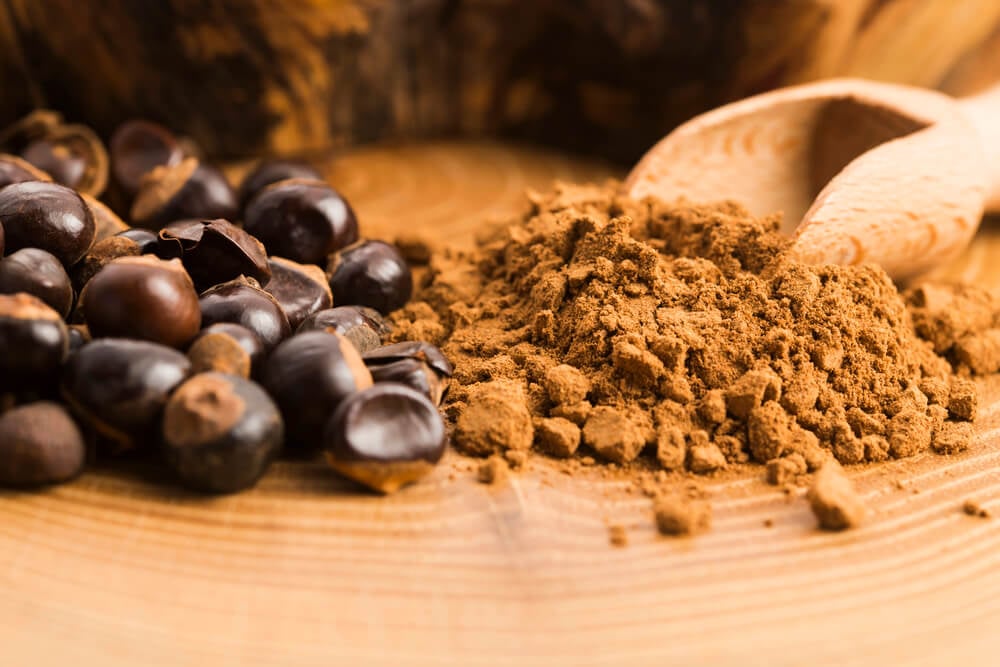
Indigenous peoples of the Amazon basin in Brazil were the first to process guarana seeds, which contain roughly twice the caffeine concentration of coffee beans, into a stimulating paste and drink. Brazilian soft drink makers turned it into a mainstream soda flavor in the 20th century, and it now appears in energy drinks and supplements sold globally. Guarana remains one of Brazil’s most recognized cultural exports in the beverage aisle.
Stevia Sweetener
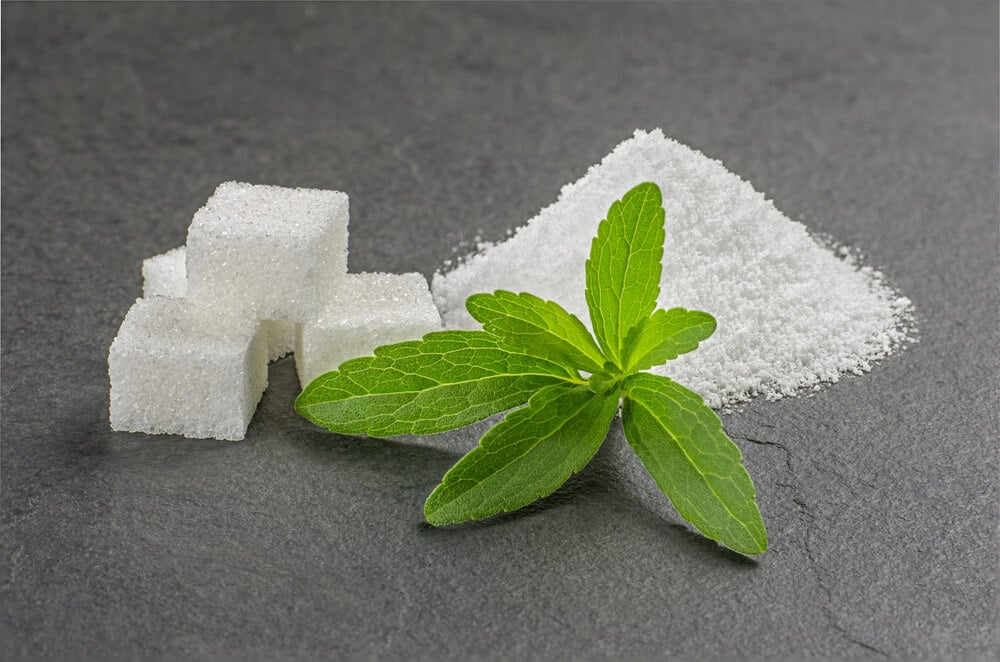
The Guaraní people of Paraguay used the leaves of the stevia plant to sweeten food and medicine for centuries before Swiss botanist Moisés Santiago Bertoni documented the plant scientifically in the 1890s. Extracts from the plant are now used as a zero-calorie sugar substitute in sodas, packaged foods, and tabletop sweeteners around the world. Paraguay still grows and exports stevia commercially.
The Hammock

The Taíno people of the Caribbean wove hammocks from tree bark and plant fibers for sleeping above the ground, away from insects and flooding. Spanish sailors adopted the design for shipboard sleeping quarters, and the word “hammock” itself comes from the Taíno term “hamaca.” Variations of the design are now standard camping and patio furniture worldwide.
Freeze-Dried Food Preservation

Andean peoples in what is now Peru and Bolivia developed chuño, a technique for preserving potatoes by alternately freezing them at high altitude overnight and drying them in the sun, more than a thousand years before industrial freeze-drying was invented. The process removes moisture while preserving nutrients, the same principle used in modern freeze-dried astronaut food and instant meals. Chuño is still produced and sold in Andean markets today.
Instant Coffee, Commercialized

While instant coffee had earlier patents elsewhere, the modern soluble coffee industry took shape when Brazil’s coffee institute, facing a massive surplus in the 1930s, commissioned Nestlé to develop a stable, easily dissolved coffee powder. The result, launched as Nescafé in 1938, became the template for the instant coffee found in kitchens worldwide. Brazil’s coffee surplus effectively created the product category as it exists today.
Snake Antivenom Serum Production
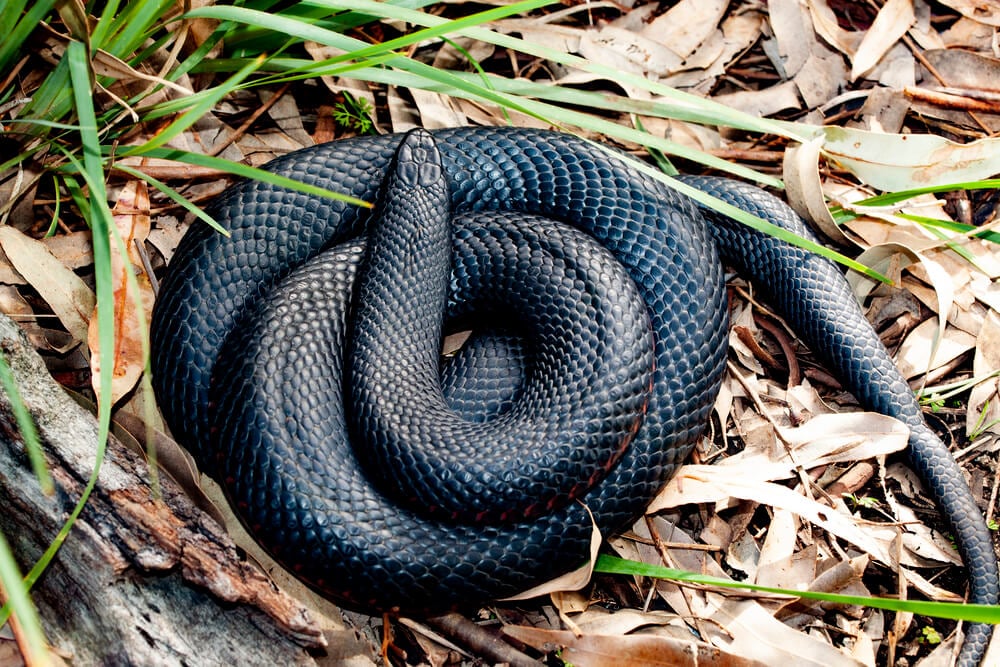
Brazilian physician Vital Brazil founded the Butantan Institute in São Paulo in 1901 and discovered that antivenom serums needed to be matched to the specific species of snake that caused the bite, a principle that transformed treatment worldwide. The institute he built remains one of the largest producers of antivenom and biopharmaceuticals in the world. Hospitals treating snakebites globally still rely on the species-specific approach he pioneered.
Panama Hat Weaving

Despite the name, the finely woven straw hats known as Panama hats originated in coastal Ecuador, where artisans have hand-woven them from toquilla palm fiber since the colonial era. The hats gained their misleading name after workers building the Panama Canal wore them and travelers assumed that was their origin. Ecuador still produces the finest examples, some of which take months to weave and sell for thousands of dollars.
The Guayabera Shirt
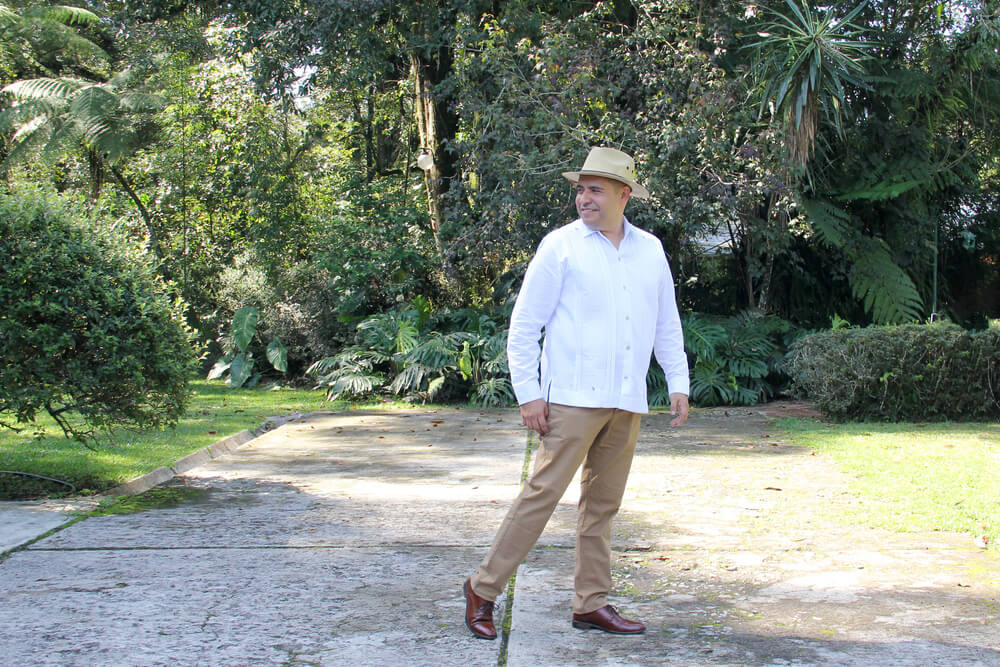
The lightweight, pleated, four-pocket guayabera shirt developed in Cuba as practical warm-weather clothing for farmworkers and eventually became formal wear across the Caribbean and Latin America. Its light fabric and vertical pleats were designed specifically to stay cool in tropical heat without sacrificing a tailored look. Variations of the shirt are now sold as resort wear in department stores far from its origins.
Domesticated Corn
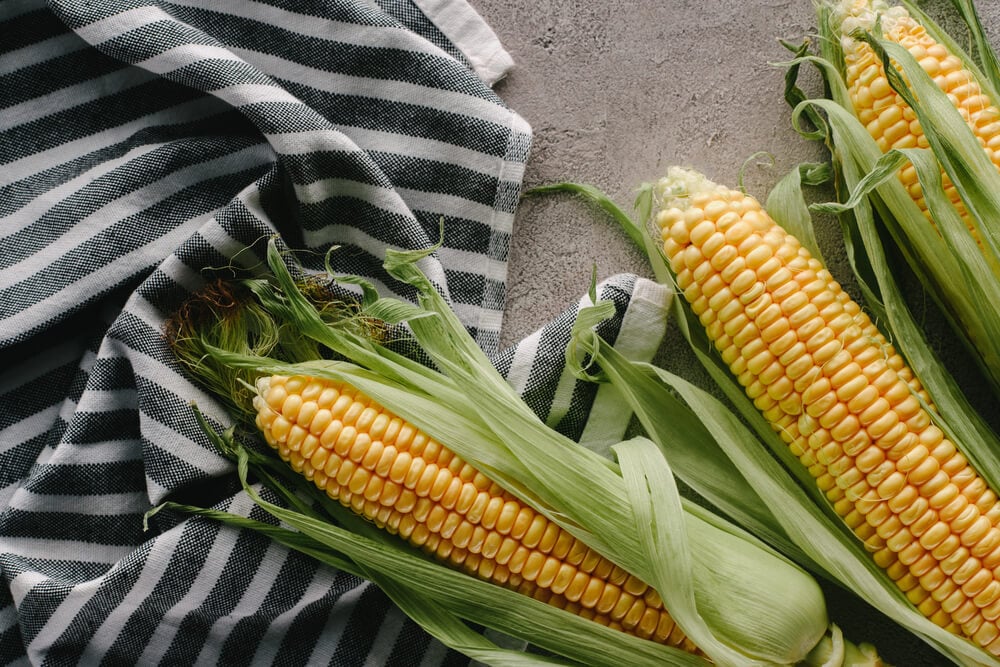
Corn, or maize, was domesticated from a wild grass called teosinte in what is now southern Mexico roughly 9,000 years ago, one of the most significant agricultural developments in human history. It went on to become one of the three most-grown grains on Earth, used in everything from breakfast cereal to livestock feed to biofuel. Nearly every processed food aisle in a modern grocery store contains a corn derivative.
Domesticated Potatoes
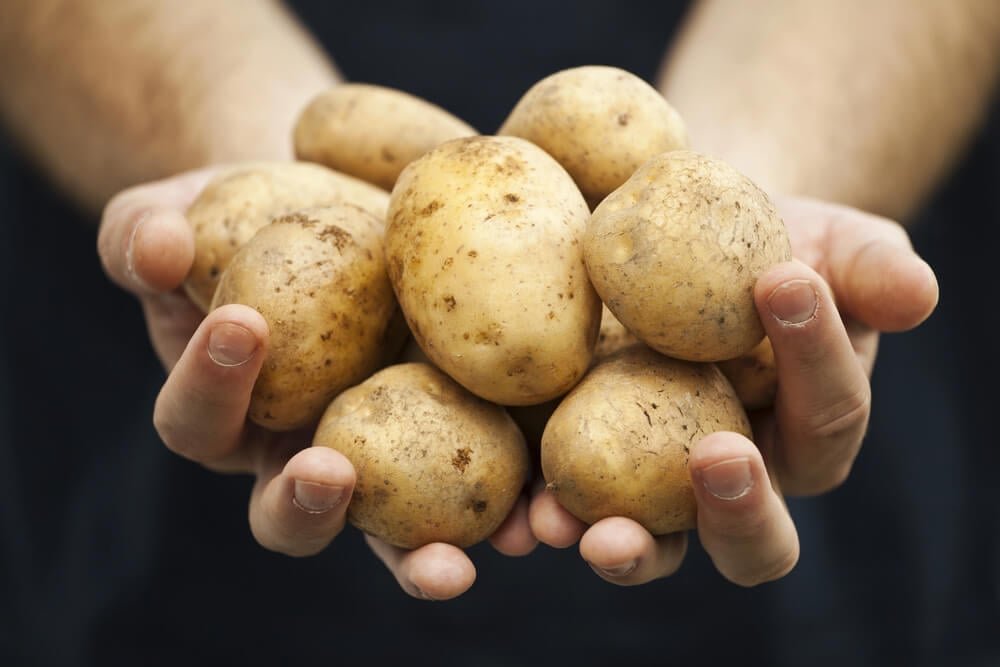
Indigenous farmers in the Andes mountains of Peru and Bolivia domesticated the potato from wild tuber species more than 7,000 years ago, eventually cultivating thousands of distinct varieties suited to different altitudes. Spanish colonizers carried the potato to Europe in the 16th century, where it eventually became a dietary staple credited with supporting population growth across the continent. The potato is now the world’s most widely grown non-grain food crop.
Domesticated Tomatoes

Wild tomato ancestors originated in western South America, but it was Indigenous peoples in Mesoamerica, particularly in what is now Mexico, who first cultivated and bred the fruit into recognizable domesticated forms. The Aztec name “tomatl” is the root of the modern word tomato. Italian cuisine, often associated with the tomato today, did not adopt it until centuries after Spanish colonizers carried it across the Atlantic.
Domesticated Chili Peppers
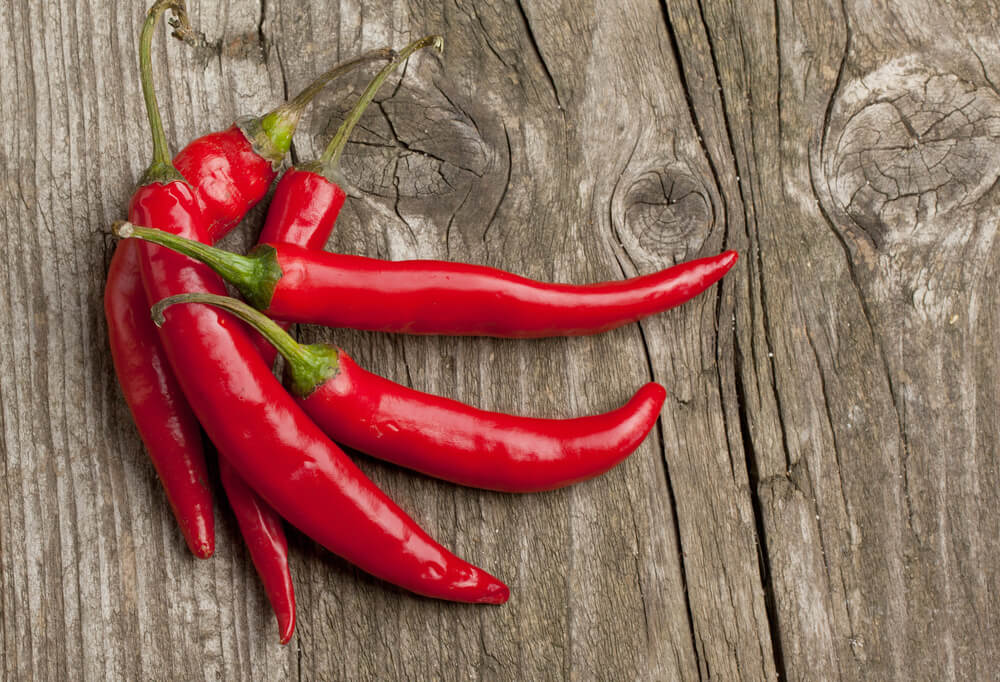
Chili peppers were first domesticated in Mesoamerica at least 6,000 years ago, with archaeological evidence of cultivation found in central Mexico. Spanish and Portuguese traders spread chili varieties to Africa and Asia so rapidly that many cuisines now considered synonymous with spicy peppers, including Indian and Thai food, only began using them after the 16th century. Capsaicin, the compound responsible for the heat, remains the basis for everything from hot sauce to pepper spray.
Everyday Ingenuity, Uncredited

The pattern across this list is not coincidence. Many of these innovations emerged from Indigenous civilizations whose agricultural and chemical knowledge predated European contact by thousands of years, only to be absorbed, renamed, and commercialized by outsiders who received the credit. The imbalance between contribution and recognition is itself a kind of historical record, visible in how casually these origins get left out of packaging and textbooks alike.
What ties a ballpoint pen to a bowl of popcorn is not geography alone but a shared story of knowledge developed under pressure and often taken without acknowledgment. The next time an object this ordinary passes through someone’s hands, it carries a longer and more specific history than the label ever mentions.
More from Go2Tutors!

- The Romanov Crown Jewels and Their Tragic Fate
- 13 Historical Mysteries That Science Still Can’t Solve
- Famous Hoaxes That Fooled the World for Years
- 15 Child Stars with Tragic Adult Lives
- 16 Famous Jewelry Pieces in History
Like Go2Tutors’s content? Follow us on MSN.