Secrets Flight Attendants Hide from You
Flying feels routine until you realize the people serving drinks and checking seat belts know things you don’t. Flight attendants see patterns, handle situations, and follow protocols that passengers never hear about.
Some of these secrets exist for safety reasons. Others just make the job easier.
The gap between what happens on a flight and what passengers notice is wider than most people think. Flight attendants work in a world with its own language, rules, and reality.
The Cabin Is Cleaned on a Schedule You’d Rather Not Know
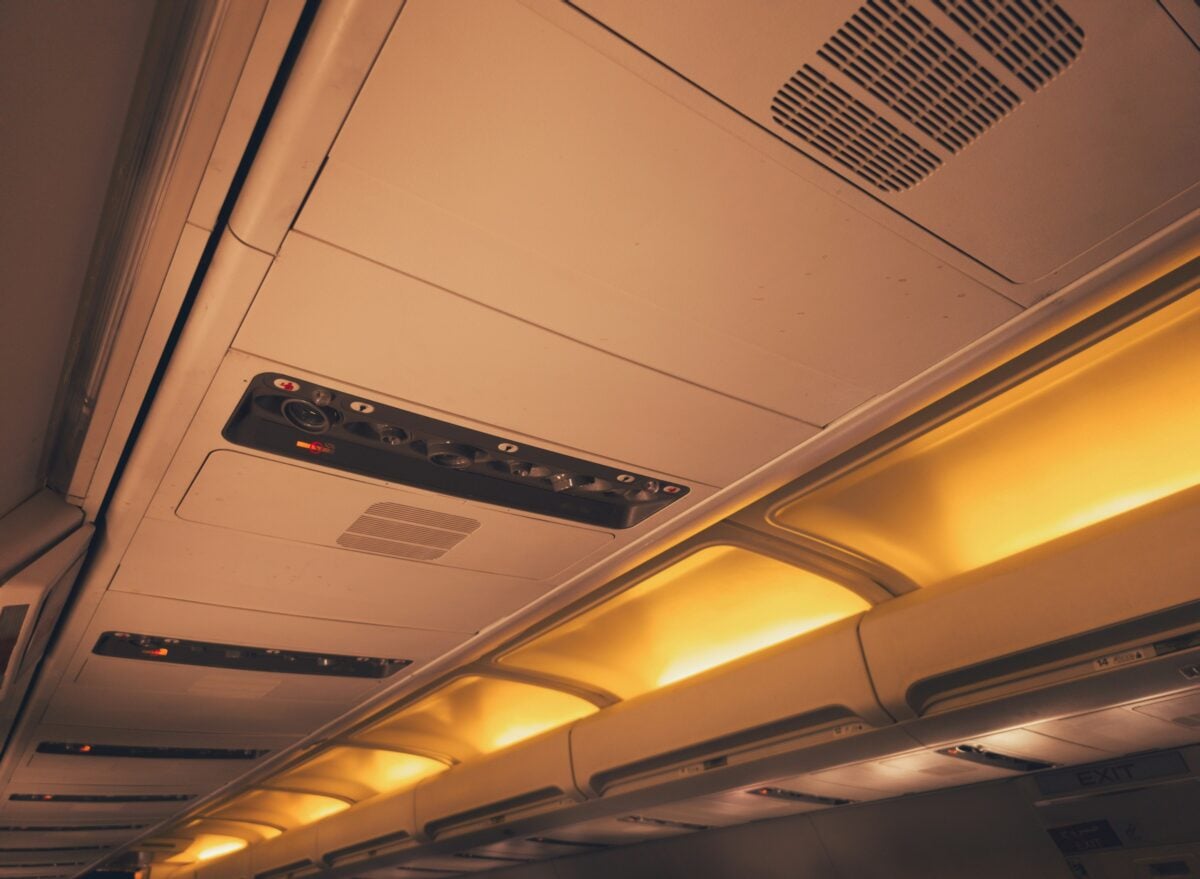
Tray tables get wiped down between flights, but that quick turnaround doesn’t include deep cleaning. The most-touched surfaces in the cabin—armrests, seat belt buckles, overhead bin handles—often go days between thorough sanitization.
Airlines run on tight schedules. Ground crews have 15 to 30 minutes to turn a plane around.
Real cleaning happens overnight or during longer layovers, not between every flight.
Tap Water Stays in the Tanks Longer Than You Think

Flight attendants drink bottled water for a reason. The water tanks that supply the bathroom sinks and coffee makers don’t get cleaned as often as health codes might suggest.
Some crew members won’t even wash their hands with it. Test results have shown bacteria in airplane water systems.
Most attendants know this and adjust their habits accordingly. They’ll tell you to order bottled drinks if you ask directly.
They Can Spot Problem Passengers Before Takeoff

Training teaches flight attendants to watch for specific behaviors during boarding. Someone who’s already agitated, overly intoxicated, or argumentative gets noted immediately.
Passenger assessment starts the moment you step on the plane. The crew discusses potential issues before the door closes.
They decide who might need extra attention and who poses a safety concern. This information gets shared quietly among the team.
First Class Upgrades Go to Specific People

You won’t get bumped to first class just by dressing nicely or asking politely. Airlines have algorithms that decide upgrades based on loyalty status, ticket type, and availability.
Flight attendants don’t control this process. The exception happens when a passenger causes a legitimate problem that requires moving them.
Even then, the upgrade usually goes to someone with higher status in the frequent flier program, not the person who complained.
Your Meal Sat in a Truck Before It Reached the Plane
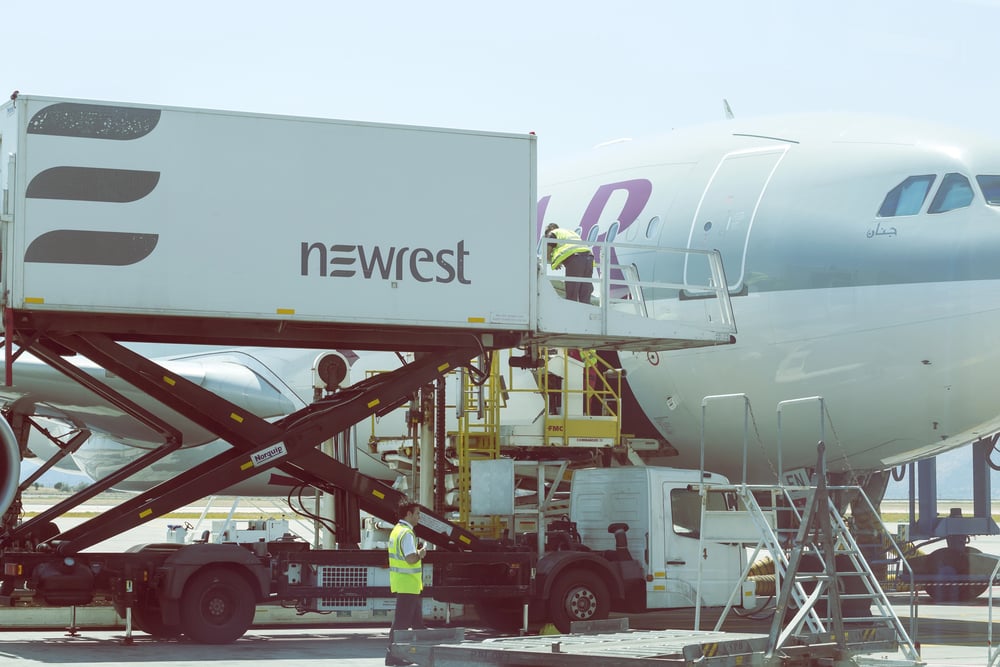
Catering trucks load meals hours before your flight. Those dishes sit at room temperature or in refrigeration that doesn’t always work perfectly.
Flight attendants know which meals to avoid based on routes and catering companies. The food safety window is wider than most passengers realize.
Regulations allow for specific time frames, but crew members often choose the packaged snacks over the prepared meals when they’re hungry.
Cameras and Eyes Are Everywhere
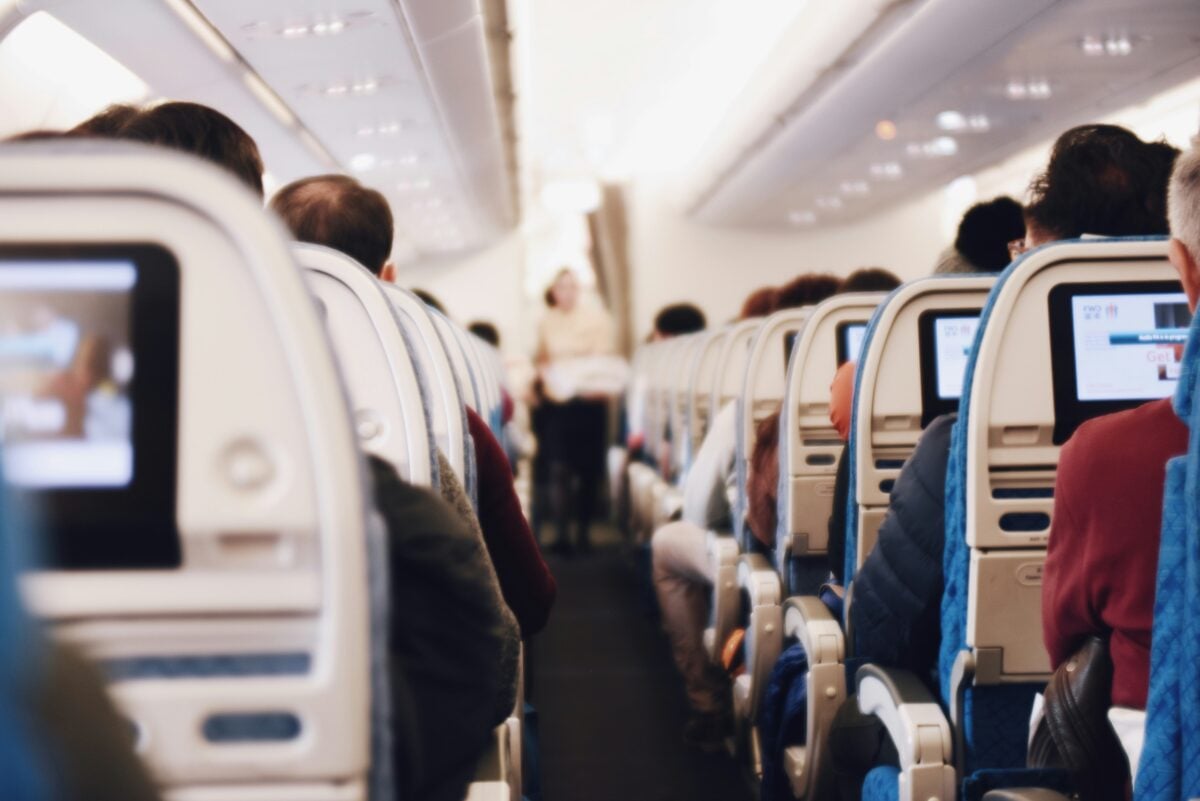
Modern planes have cameras in the cabin, and flight attendants position themselves to watch the entire space. They see you scrolling on your phone during taxi, notice when you take your shoes off, and observe how you treat the person next to you.
Passenger behavior gets noted more than you’d expect. This monitoring serves safety purposes, but it also helps crew members decide who gets priority service and who might need a firmer approach if issues arise.
Rest Areas Exist Above Your Head

Long-haul flights require crew rest periods, and those breaks happen in hidden compartments above the passenger cabin or behind the cockpit. These spaces have bunk beds, sometimes with small windows, always away from passenger view.
Most travelers never realize these areas exist. The crew accesses them through locked doors that look like storage compartments or service panels.
The Chimes Mean More Than You Think

Every ding, chime, and bell tone in the cabin communicates something specific to the crew. Call signals between flight attendants and pilots convey everything from minor requests to urgent situations.
Passengers hear these codes constantly but don’t know what they mean. Different airlines use different patterns, but all of them have a system.
Crew members can determine the nature of a situation before they even pick up the phone based on the chime pattern.
Emergency Training Goes Far Beyond Life Vests
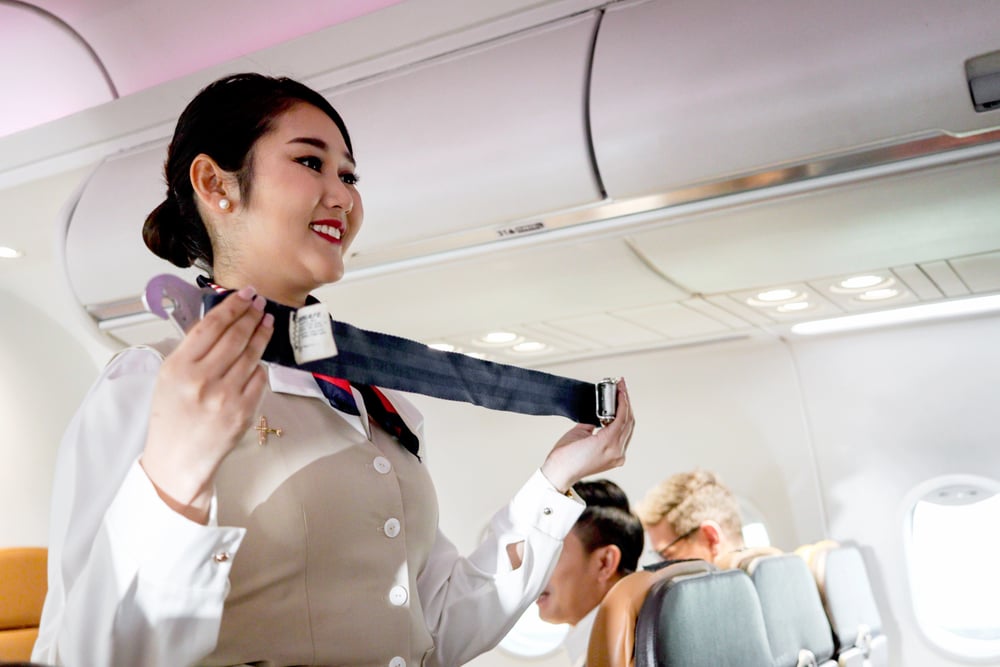
Flight attendants train for scenarios that would keep most people awake at night. Emergency procedures cover everything from engine fires to passenger attacks to water landings in freezing conditions.
They practice these situations regularly. The safety demonstration you see before takeoff represents a tiny fraction of what they know.
They can deliver babies, perform CPR, restrain violent passengers, and evacuate a full plane in under 90 seconds.
Coffee Comes From That Water You Shouldn’t Drink
The coffee and tea service uses water from those same tanks that don’t get cleaned regularly. Beverage preparation on planes relies on the onboard water system, not bottled water.
Most crew members avoid it entirely. Some attendants bring their own coffee or wait until they reach their destination.
They’ve seen the inside of those tanks and know how the maintenance schedule actually works.
Your Greeting Reveals More Than Politeness
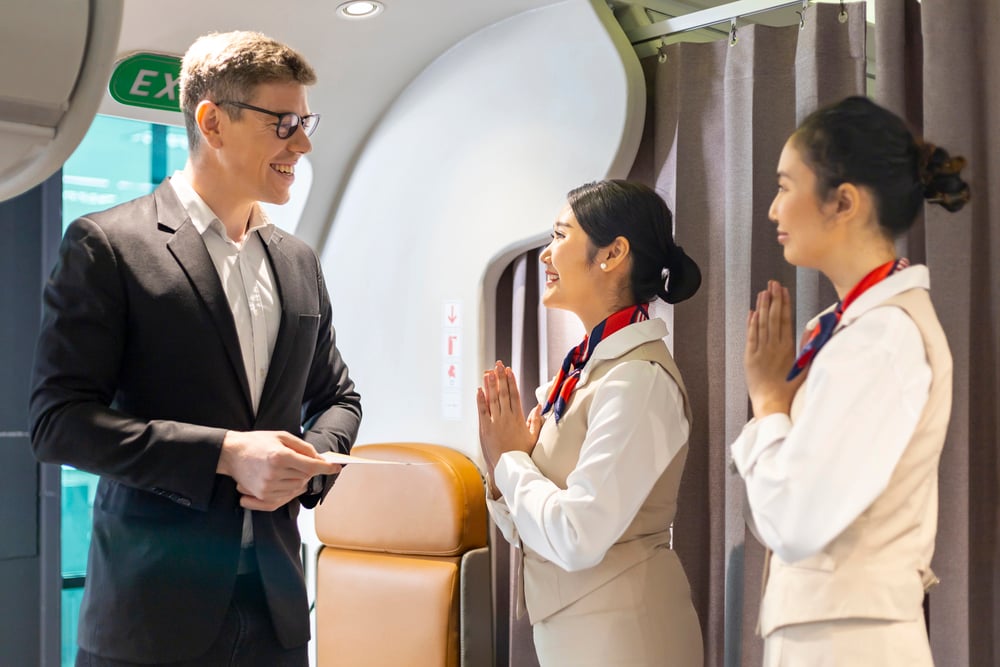
When flight attendants greet you at the door, they’re doing more than being friendly. Passenger screening happens in those first few seconds.
They look for signs of intoxication, illness, aggression, or physical capability in case they need assistance during an emergency. The smile and hello also help them remember faces and assess who might help or hinder in a crisis.
They’re trained to make these judgments quickly and act on them if necessary.
Blankets and Pillows Get Reused More Often Than You’d Like
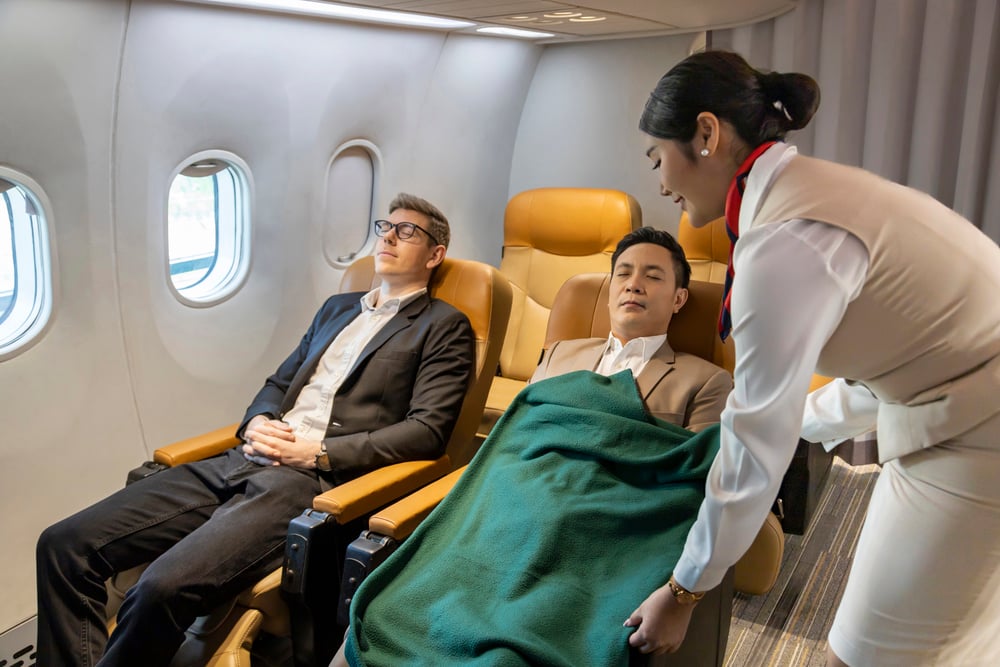
Those sealed plastic bags don’t always mean fresh linens. Cabin supplies like blankets and pillows often get refolded and repackaged between flights rather than replaced.
Only certain routes and aircraft get new ones regularly. Flight attendants know which items are actually clean and which have just been made to look that way.
Some bring their own travel blankets or skip the amenities altogether.
Dimmed Lights Serve a Safety Purpose

When the cabin lights go down during takeoff and landing, it’s not about ambiance. Light adjustment helps your eyes adapt to darkness in case of an emergency evacuation.
If something goes wrong and you need to exit quickly, your vision will already be adjusted. This same principle applies during night flights.
The crew needs you to see clearly if the power fails and emergency lighting kicks in.
Codes Exist for Different Types of Passengers
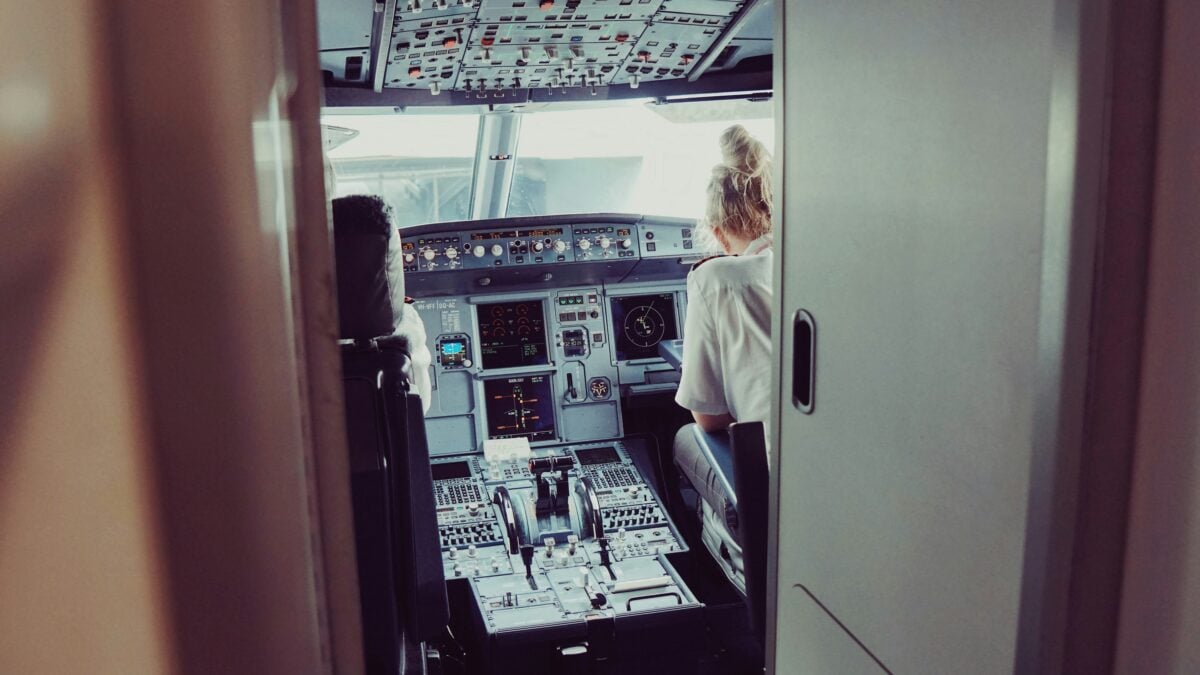
Flight attendants have their own way of talking about travelers – just not out loud. If someone’s got special needs, they’re called a “special service request.”
When folks act tough to deal with, there’s another label entirely. The team swaps info using words most people won’t catch.
It keeps things smooth behind the scenes. These codes help the crew get ready quietly, sharing key details without alerting others around.
It runs smoothly only when kept out of sight.
Every Flight Holds a Thousand Small Truths
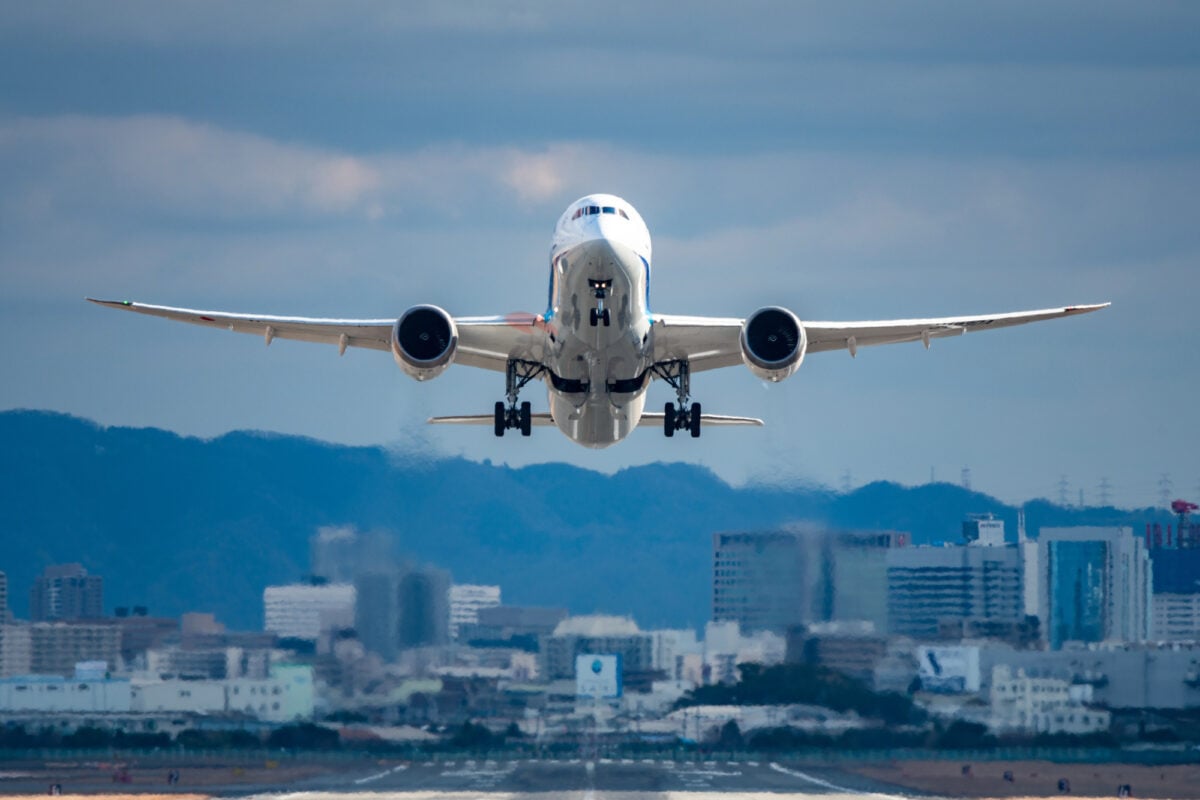
The sight from the jump seat isn’t anything like what you get in row 22. Crew members move through a side of flying most travelers don’t notice.
They’ve seen what actually helps, what flops, also which things stay quiet. These secrets aren’t meant to trick you.
They’re there ’cause the work demands it. Each flight runs on hidden rules, yet those keeping things steady know way more than they’d ever say through the speaker.
More from Go2Tutors!

- The Romanov Crown Jewels and Their Tragic Fate
- 13 Historical Mysteries That Science Still Can’t Solve
- Famous Hoaxes That Fooled the World for Years
- 15 Child Stars with Tragic Adult Lives
- 16 Famous Jewelry Pieces in History
Like Go2Tutors’s content? Follow us on MSN.