29 Beauty Trends From Past Decades That Faded
Every generation swears its makeup rules are permanent, right up until the next one arrives with tweezers and a different opinion. Looking back at the routines women once considered essential says less about vanity than about what each era valued: symmetry, drama, youth, or rebellion, depending on the decade.
Finger Waves
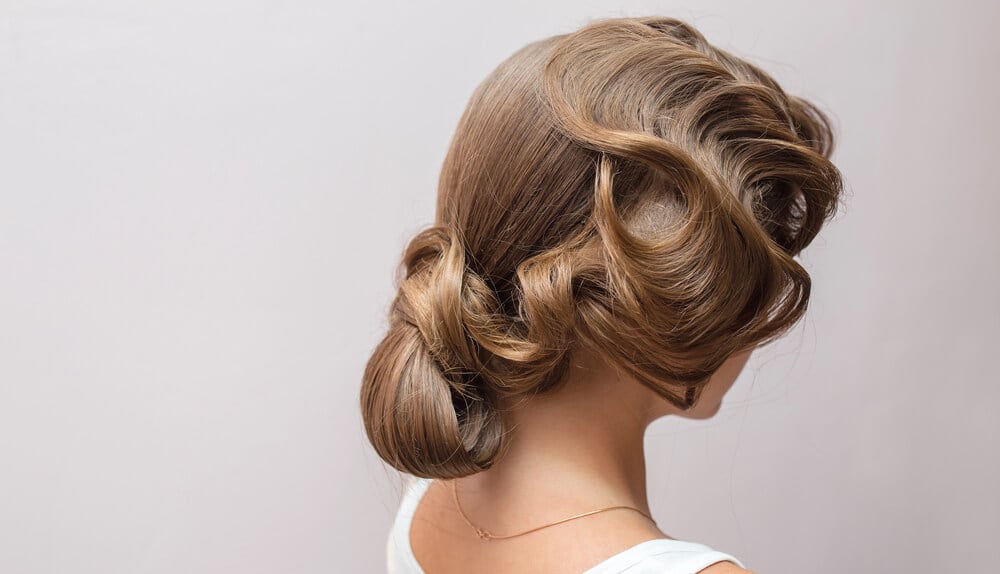
Popularized in the 1920s and 1930s, finger waves were shaped wet hair pressed into S-curves with the fingers and a comb, then held until dry with setting lotion or soap. The look required almost no heat tools, which made it accessible, but achieving a clean, even wave by hand took real practice and patience.
It largely disappeared once at-home curling irons and rollers made looser curls faster to produce.
Frosted Blue Eyeshadow
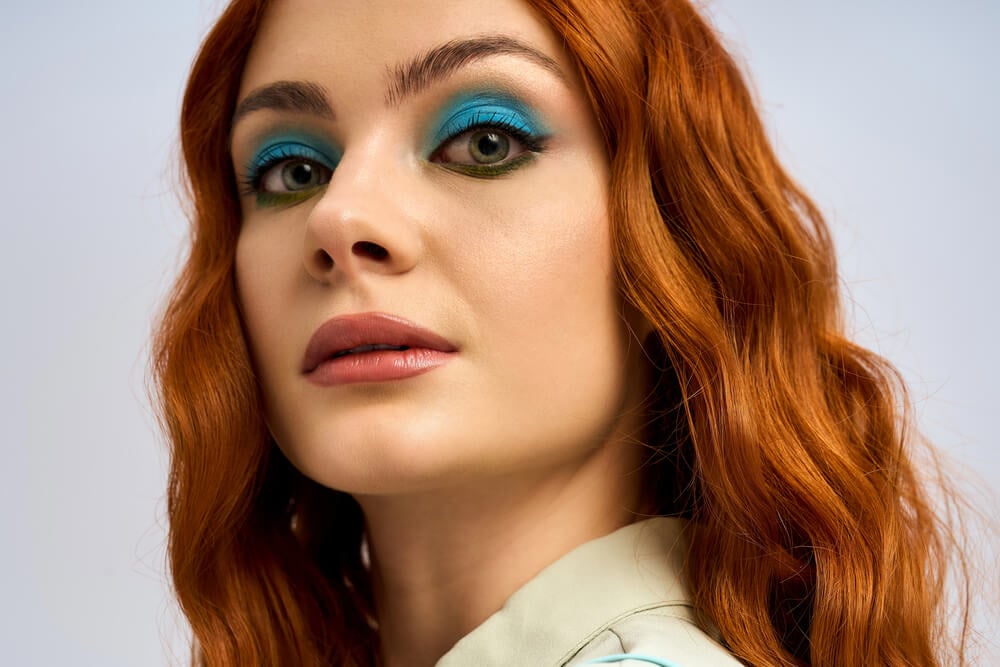
Pale, shimmery blue shadow swept from lash to brow bone was a signature of the late 1960s through the 1970s, often paired with equally pale lips. Cosmetics brands marketed frosted finishes specifically because they photographed well under the era’s flash photography.
The look faded as matte, more naturalistic eye makeup took over in the 1990s.
Pencil-Thin Eyebrows
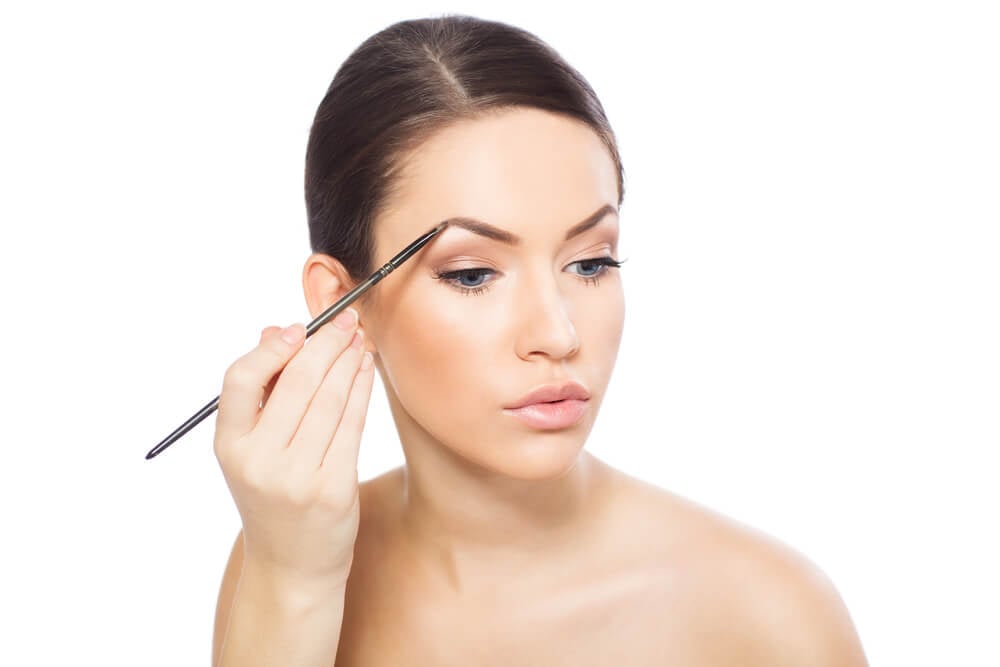
Actresses like Jean Harlow made severely plucked, pencil-thin brows a defining feature of 1930s glamour, a look that resurfaced with a vengeance in the late 1990s and early 2000s. The style involved removing most of the natural brow and redrawing a thin arch with pencil.
Overplucking left many women dealing with brows that grew back sparsely, which helped drive the full, natural-brow trend that replaced it.
Crimped Hair
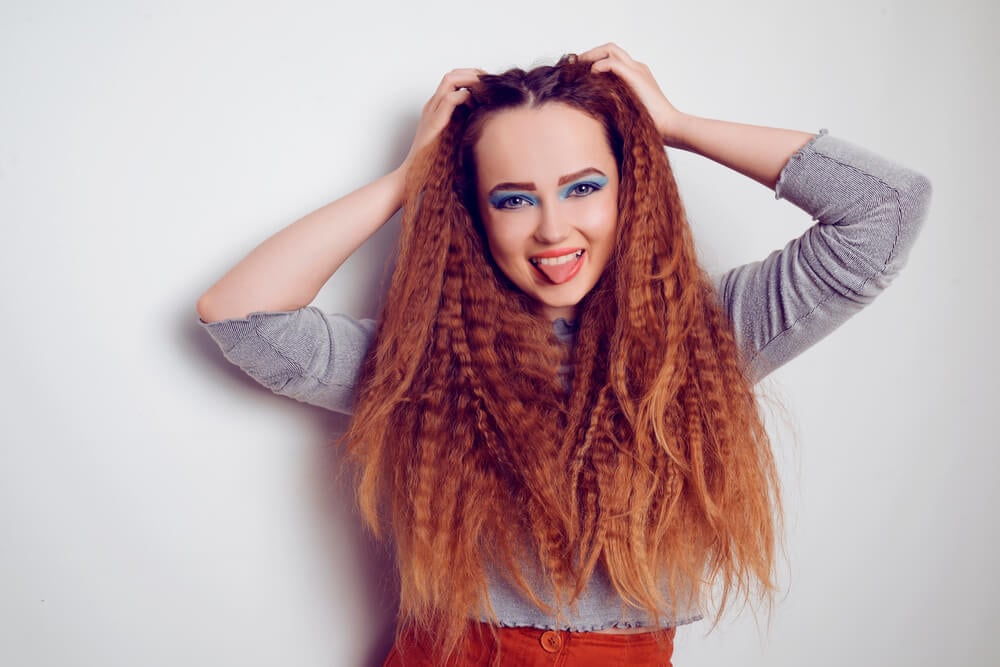
The zigzag texture created by crimping irons was inescapable in the 1980s, often applied to just the roots or in sections for contrast against straight lengths. The tool itself, a specialty flat iron with ridged plates, was invented for high-fashion runway shows before hitting mainstream drugstores.
It faded as the smoother, glossier hair textures of the 1990s took hold.
Chunky Highlights
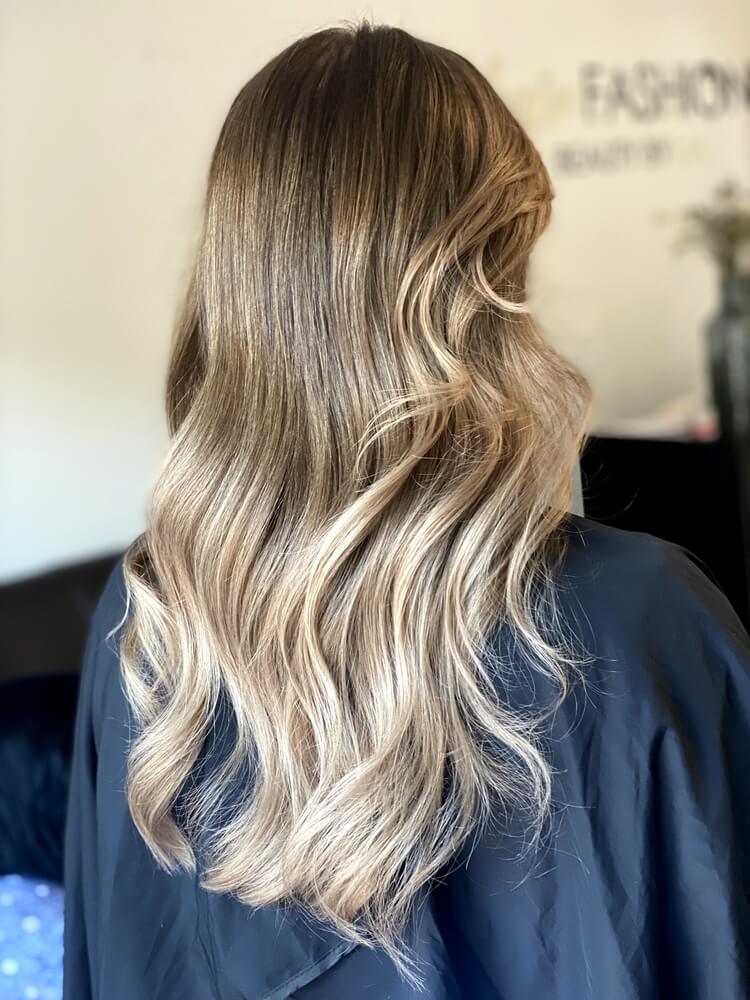
Thick, contrasting streaks of blonde or platinum against a darker base defined 1990s and early-2000s hair color, often applied with foil in wide sections rather than fine strands. The technique was faster and cheaper than the fine highlighting used today, which was part of its appeal.
Finer, more blended balayage techniques replaced it once colorists began prioritizing a sun-kissed rather than striped effect.
Disco Glitter Makeup
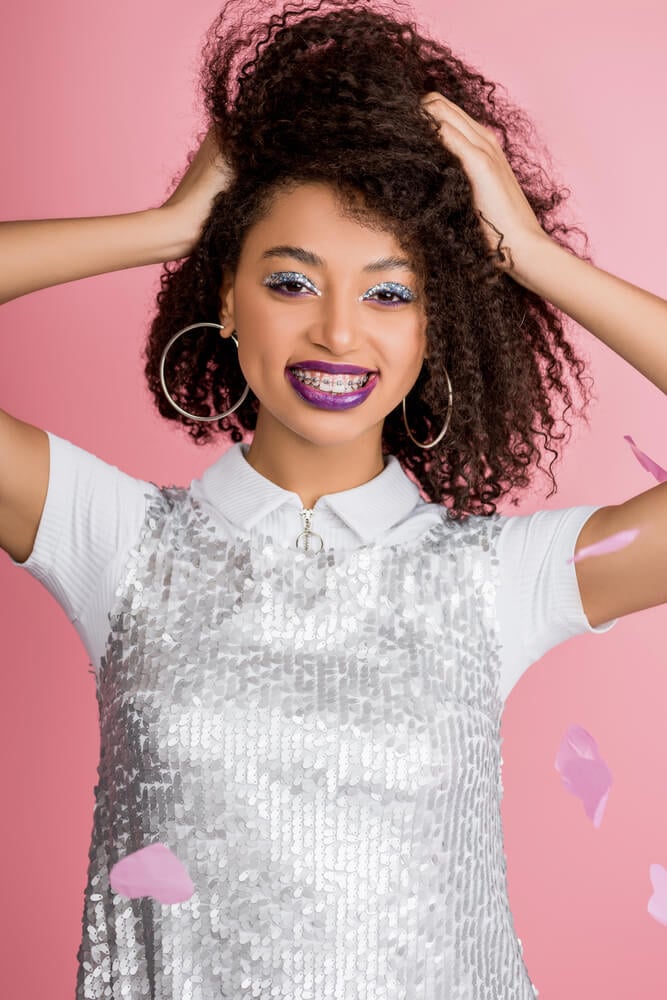
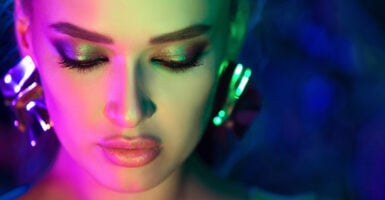
Loose glitter applied across the eyelids, cheekbones, and collarbone was a staple of late-1970s disco culture, often mixed with petroleum jelly to help it adhere. The mess it left behind on skin, clothing, and furniture was legendary and is one reason pressed glitter and cream-based shimmer eventually took over.
It still resurfaces briefly at costume parties and festival makeup counters.
The Farrah Fawcett Flip
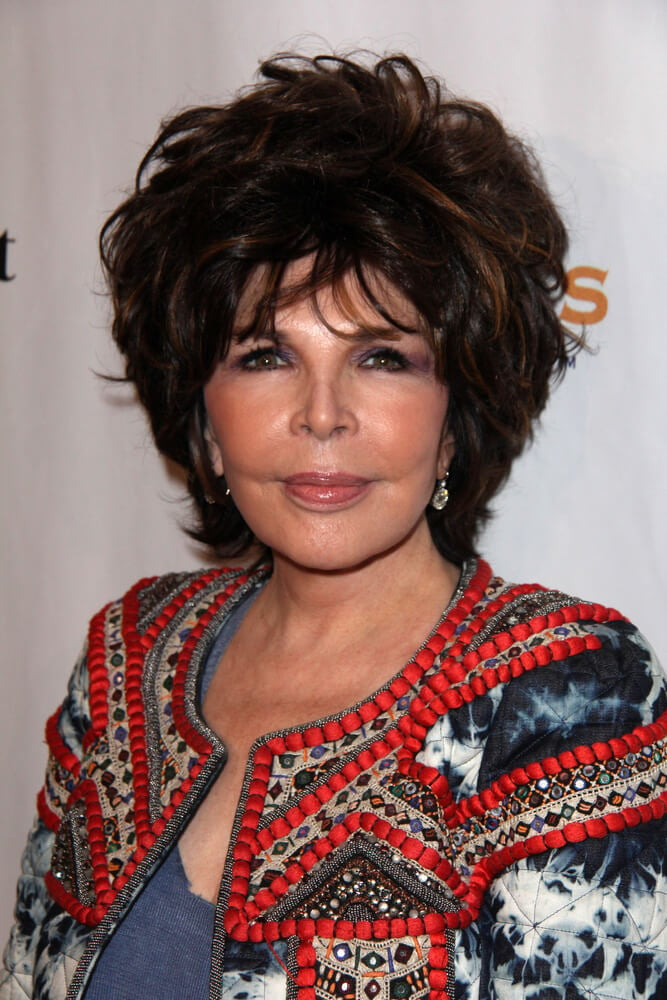
Named for the actress’s feathered, voluminous style on Charlie’s Angels, the flip required hot rollers set away from the face to create wings that curved outward at the ends. Salons reported a surge in requests for the cut almost immediately after the show aired in 1976.
Shorter, layered cuts in the 1980s eventually pushed the flip aside.
Hot Rollers
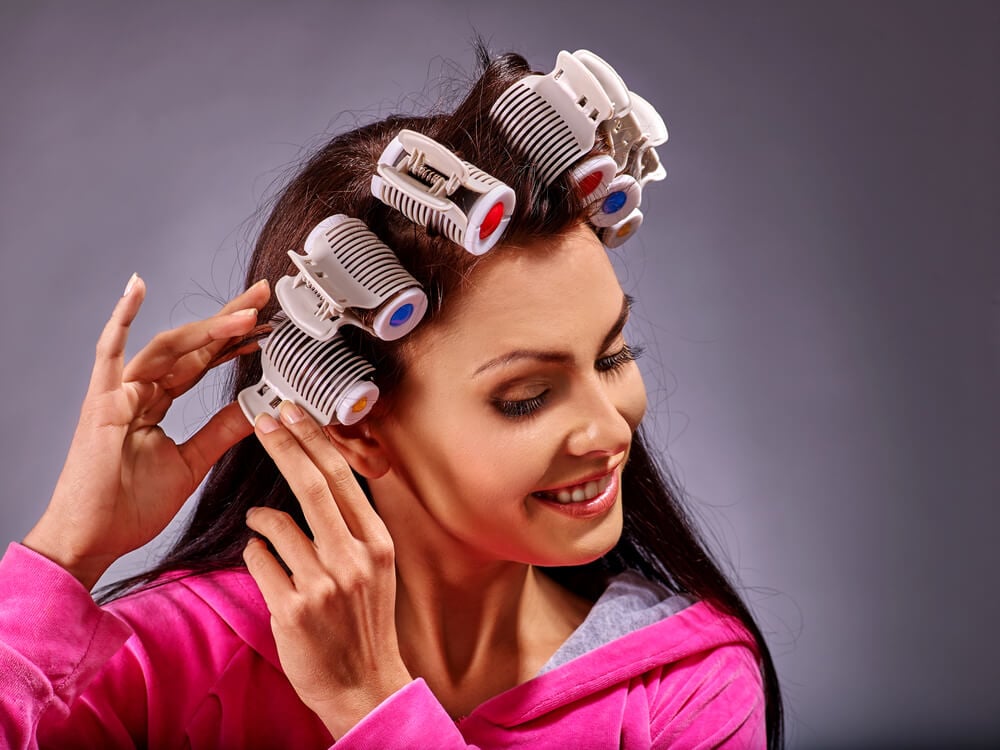
Before flat irons and curling wands dominated, hot rollers were the standard tool for voluminous curls from the 1960s through the 1980s, requiring a woman to sit with a head full of heated cylinders for fifteen to twenty minutes. Their popularity declined as ceramic curling irons offered a faster, single-pass alternative.
Hot rollers have seen a modest comeback among people trying to avoid direct heat damage to hair.
Aqua Net Helmet Hair
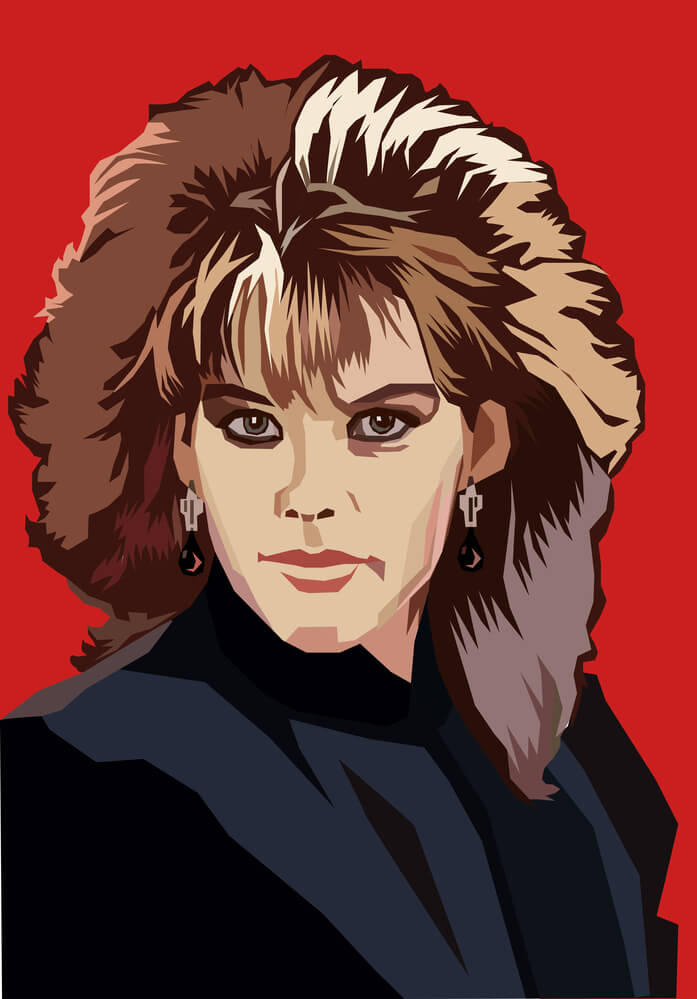
Heavily teased, sprayed hairstyles that held their shape without moving defined the 1960s beehive era and returned again in the big-hair 1980s. Aqua Net, first sold in the 1950s, became so associated with the look that the brand name doubled as shorthand for the style itself.
Softer, more flexible-hold sprays eventually replaced the shellac-stiff finish as hairstyles loosened up.
Spiral Perms
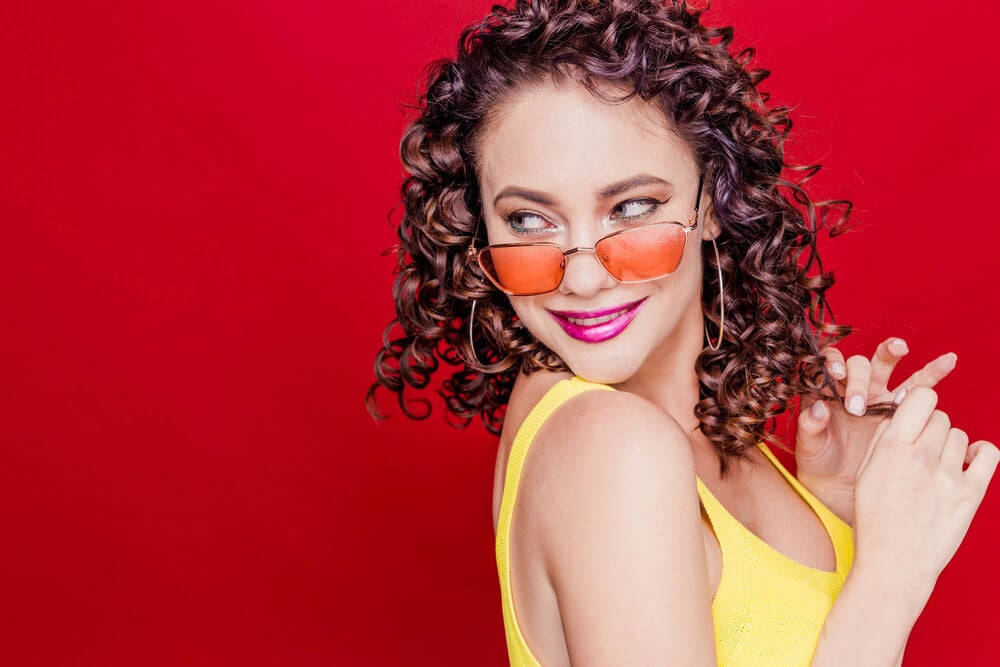
Tighter and more uniform than the loose body waves of earlier decades, spiral perms wound hair around vertical rods to create long ringlets, a look strongly associated with the 1980s. The chemical process was harsh on hair and often left ends dry and brittle after repeated treatments.
Its decline tracked with the broader move toward straighter, sleeker styles in the 1990s.
White Mod Lipstick
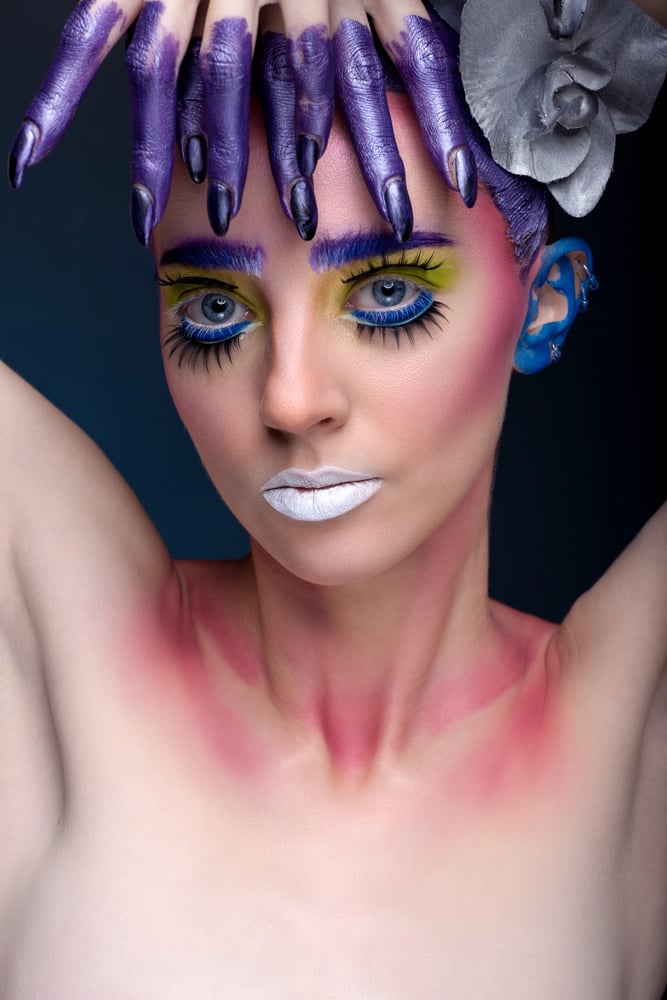
Pale, near-white lipstick was part of the 1960s mod movement associated with designers like Mary Quant, meant to draw attention to graphic eye makeup instead of the mouth. It required careful application since the shade could look chalky or washed out on many skin tones.
Brighter, more saturated lip colors returned by the following decade.
Blue Mascara
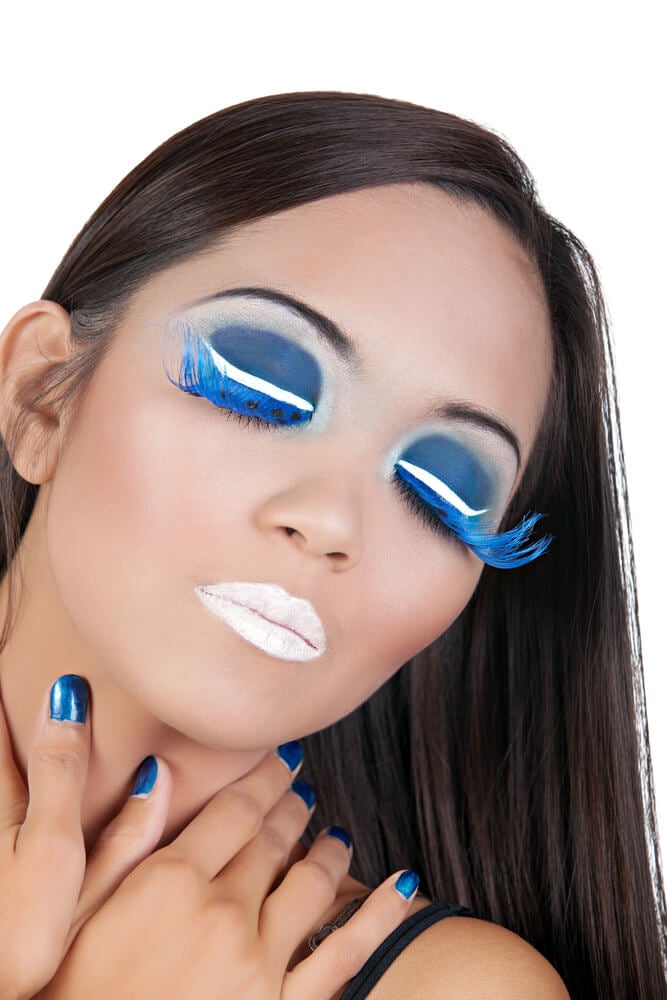
Colored mascaras in blue, green, and purple had a moment in the late 1970s and again in the 1980s as an alternative to standard black or brown. The trend relied on the idea that colored lashes would make eye color appear brighter by contrast.
It faded from mainstream shelves as classic black mascara reasserted itself as the default choice.
Frosted Lipstick
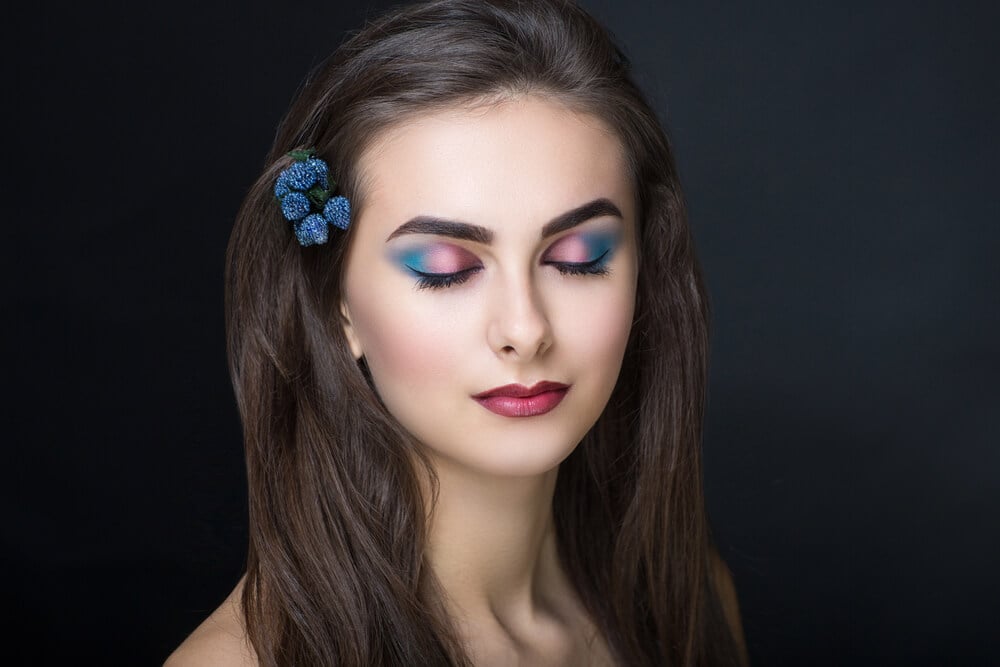
Shimmery, often pale-toned lipstick with a metallic or pearlized finish was a fixture of the late 1970s through the 1990s. Unlike glosses, frosted lipsticks used mica and other light-reflecting particles baked directly into the formula.
The look fell out of favor as matte and cream finishes became associated with a more polished, modern aesthetic in the 2000s.
Dark Lip Liner With Pale Gloss
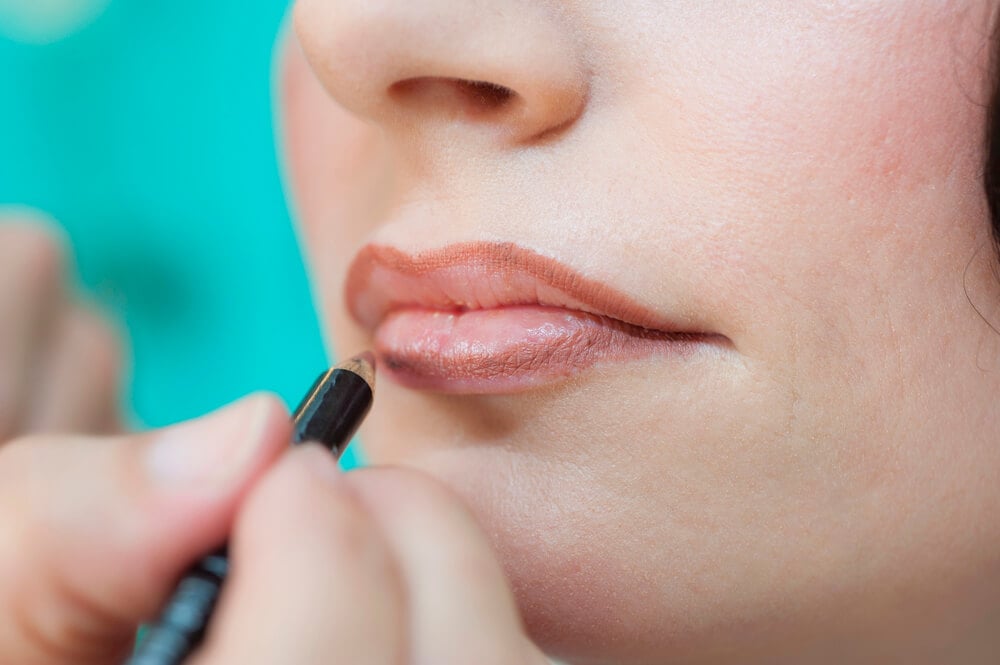
A hallmark of 1990s beauty, this combination used a lip liner several shades darker than the lipstick or gloss on top, creating a defined outer ring. Supermodels and music-video culture helped spread the look nationally through magazine tutorials.
It faded as ombré lips gave way to fuller, more even application in the 2010s.
Body Glitter
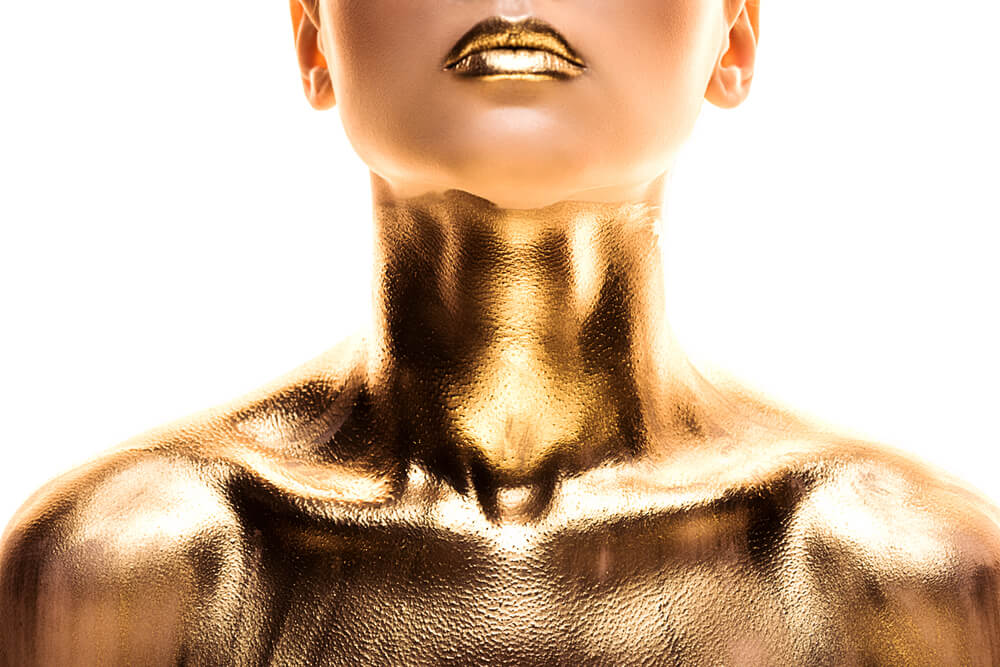
Roll-on and spray body glitter, often applied to shoulders, collarbones, and hairlines, was ubiquitous at clubs and parties in the late 1990s and early 2000s. Brands like Bonne Bell built entire product lines around the trend for teenagers.
It receded as skincare-forward, more subdued going-out looks became fashionable in the following decade.
Tanning Oil With Iodine
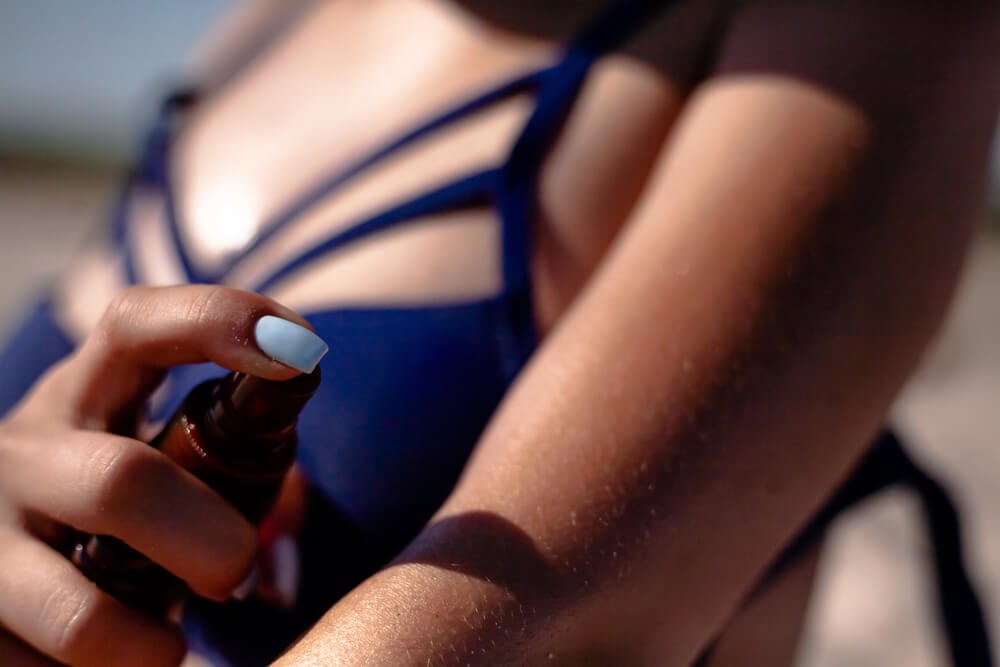
Homemade tanning accelerants mixing baby oil with iodine were common among sunbathers in the 1960s and 1970s, before the long-term risks of unprotected UV exposure were widely publicized. The mixture did nothing to block ultraviolet rays and likely increased sun damage.
Public health campaigns in later decades shifted the trend toward SPF-protected and self-tanning alternatives.
Beehive Hairstyles
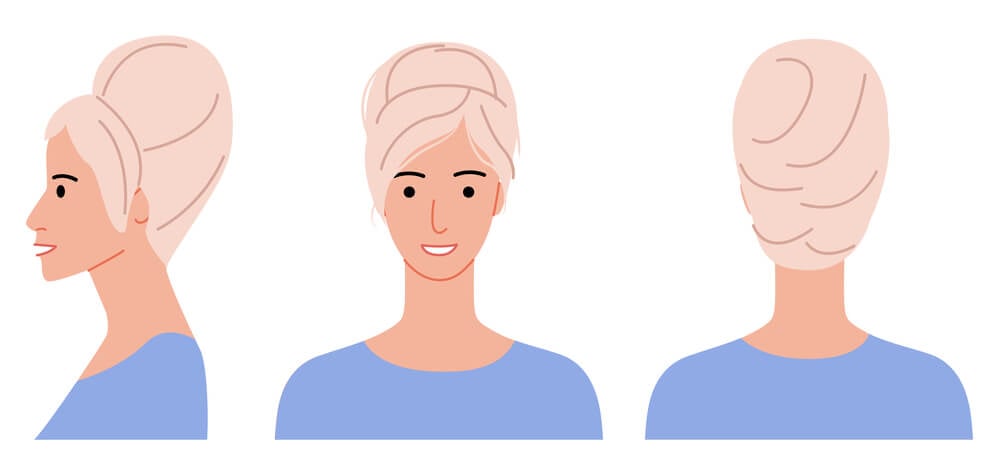
Teased into a tall, rounded dome and often wrapped with a section of smooth hair, the beehive was invented by Chicago hairstylist Margaret Vinci Heldt in 1960 and quickly became a signature of the decade. Achieving real height required backcombing sections against the scalp before smoothing the surface.
Looser, more relaxed hairstyles in the following decade largely retired it from everyday wear.
Drawn-On Beauty Marks
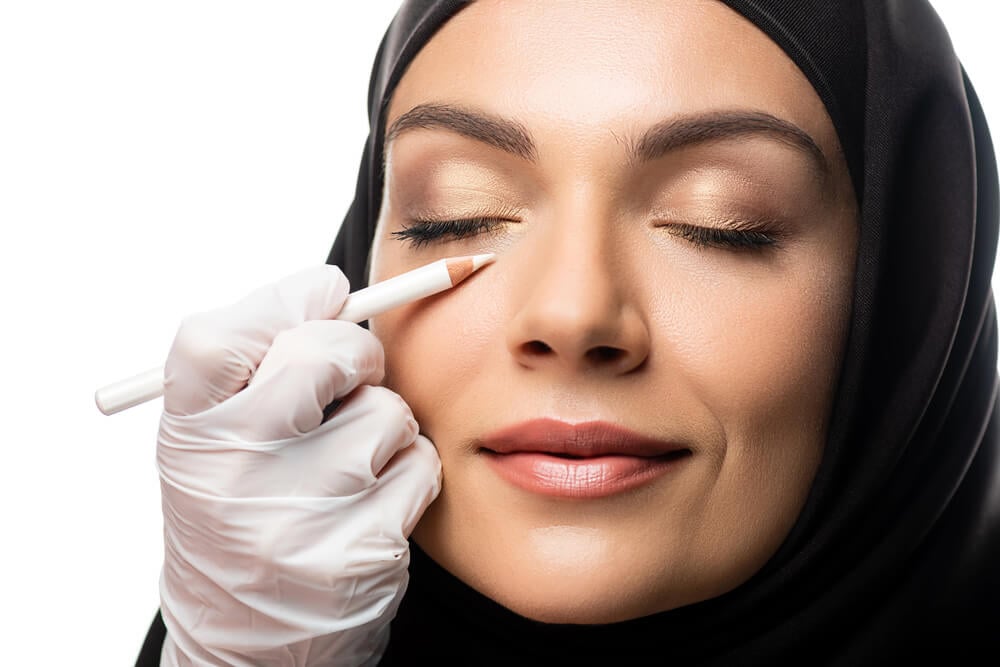
A small penciled or painted mole near the mouth or cheek, referencing stars like Marilyn Monroe, was a recurring beauty trick from the 1950s through the 1960s. Cosmetic companies briefly sold pre-cut adhesive versions so women did not have to draw one on freehand.
The trend faded as the broader emphasis on flawless, mark-free skin took hold in advertising.
Cat-Eye Liner Wings of the 1960s
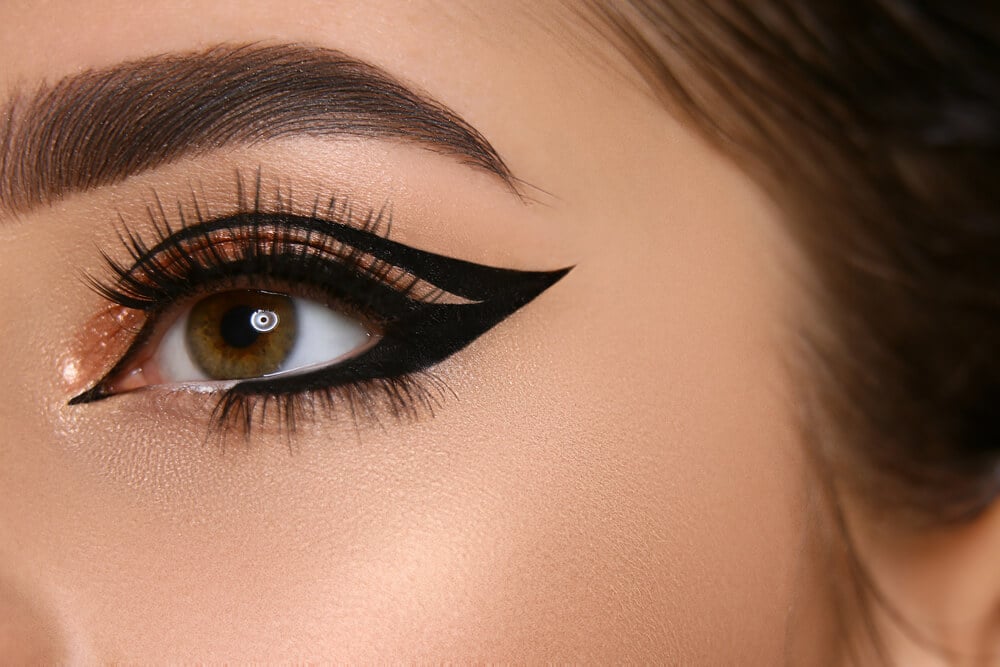
Sharp, upward-flicked eyeliner extending past the outer corner defined 1960s glamour and was closely tied to stars like Audrey Hepburn and Elizabeth Taylor. Achieving a symmetrical wing on both eyes using liquid liner and a steady hand was, and remains, notoriously difficult.
Softer, smudged liner looks briefly displaced it before winged liner cycled back into fashion decades later.
Perm Kits at Home
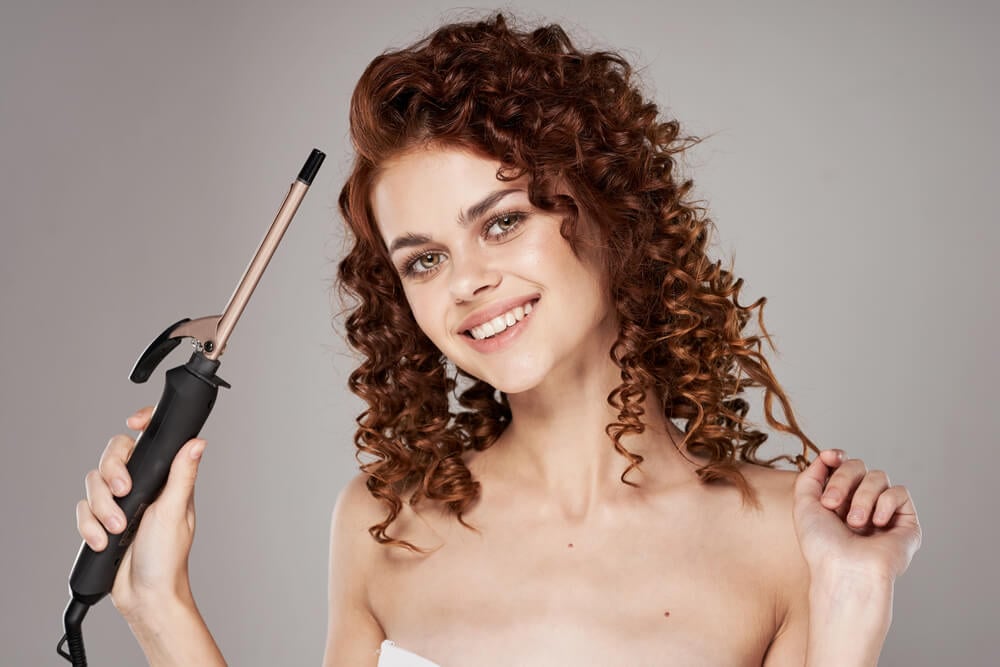
Home perm kits, most famously sold under the Toni brand starting in the 1950s, let women chemically curl their hair in the kitchen instead of a salon. The kits came with a now-famous advertising campaign built around identical twins, one permed at a salon and one at home, daring readers to spot the difference.
Their popularity declined as salon perms became more affordable and home chemical treatments fell out of favor over safety concerns.
Feathered Hair
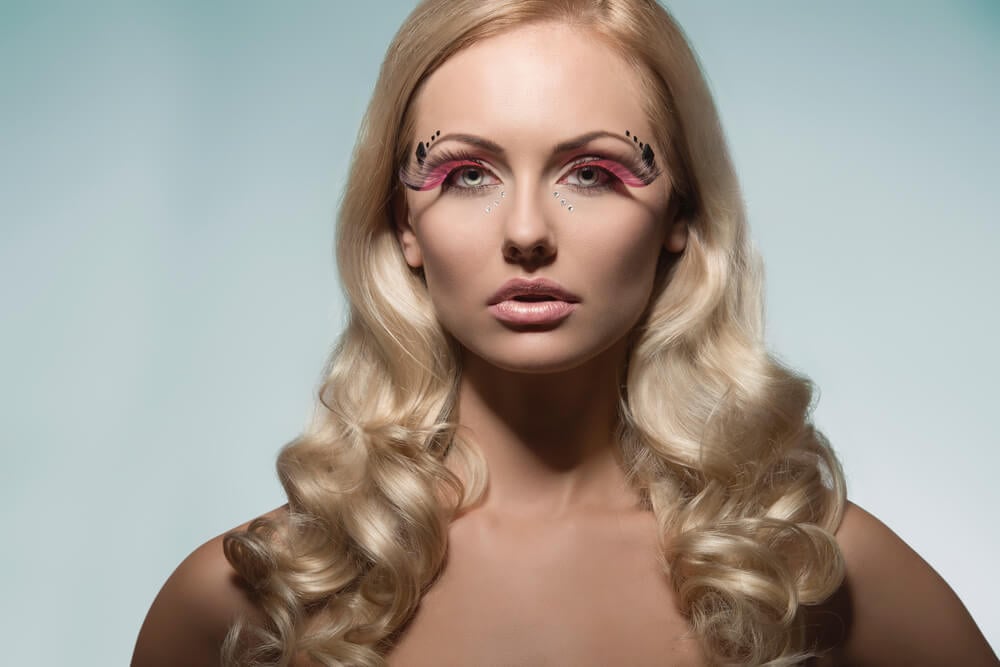
Layers cut to flip outward at the ends, feathered hair was closely associated with 1970s television stars and required a large round brush and a blow dryer to maintain the shape daily. The style demanded regular trims to keep the feathered layers from growing out unevenly.
Blunter, single-length cuts in the 1990s eventually replaced it as the default long hairstyle.
Blush Stripes for Contouring
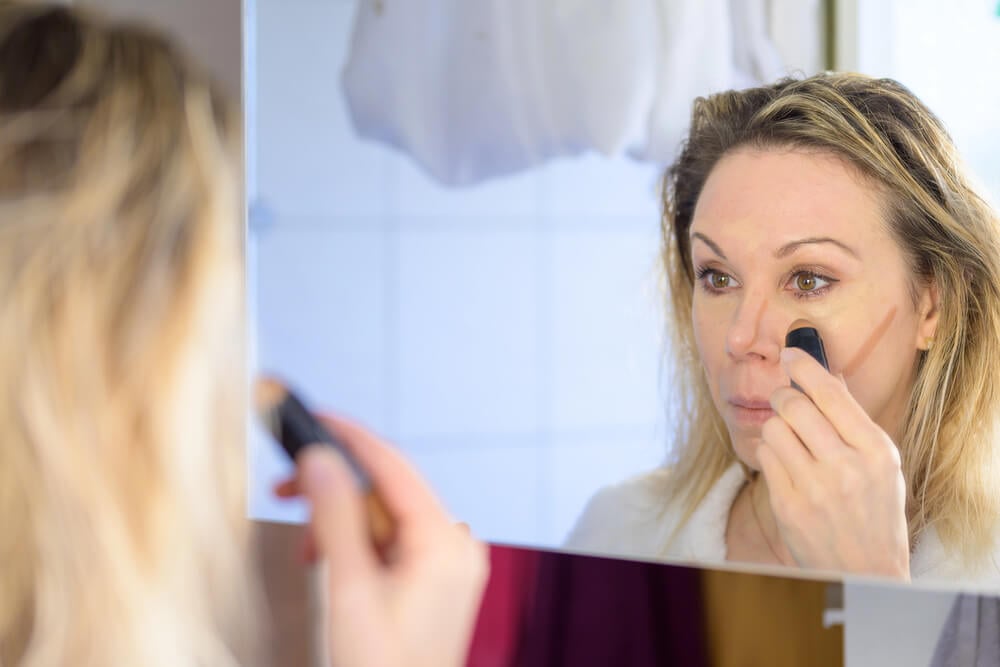
Rather than the soft, blended contouring popular today, 1980s makeup routines often used a visible stripe of darker blush swept beneath the cheekbone for definition. Magazine tutorials of the era were explicit about leaving the line somewhat visible for a sculpted effect.
Airbrush-blended contouring techniques that emerged decades later made the harder-edged version look dated by comparison.
Twiggy Lashes
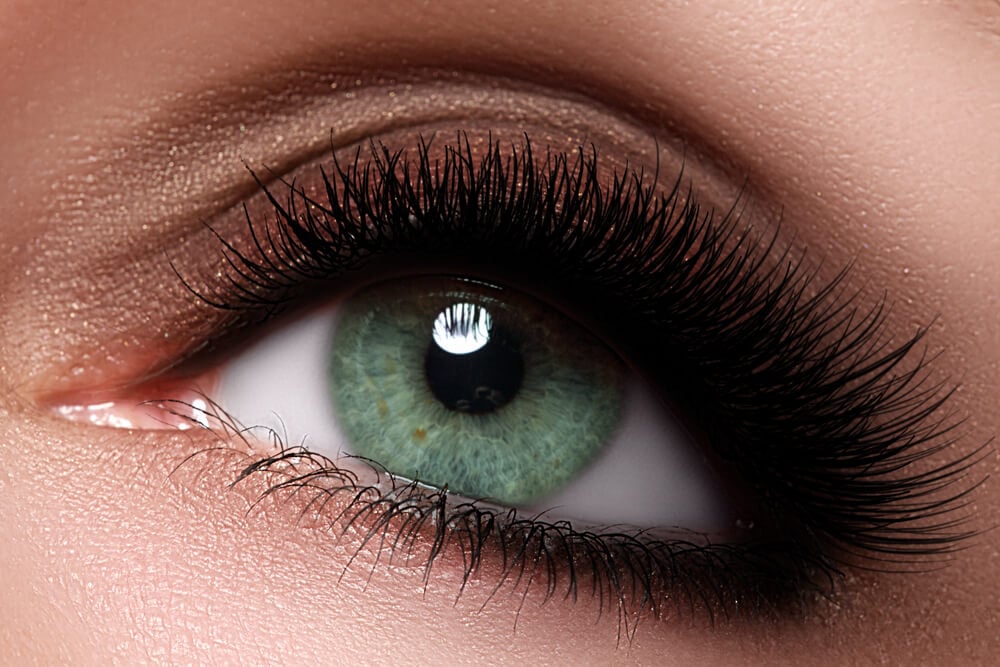
Model Twiggy’s exaggerated lower lashes, often drawn on with liner beneath natural lashes for a doll-like effect, became one of the defining looks of the mid-1960s. The technique required drawing individual short lines under the eye rather than applying mascara alone.
As 1970s makeup moved toward a more natural, sun-bronzed look, the doll-eye effect faded from mainstream use.
Marcel Waves
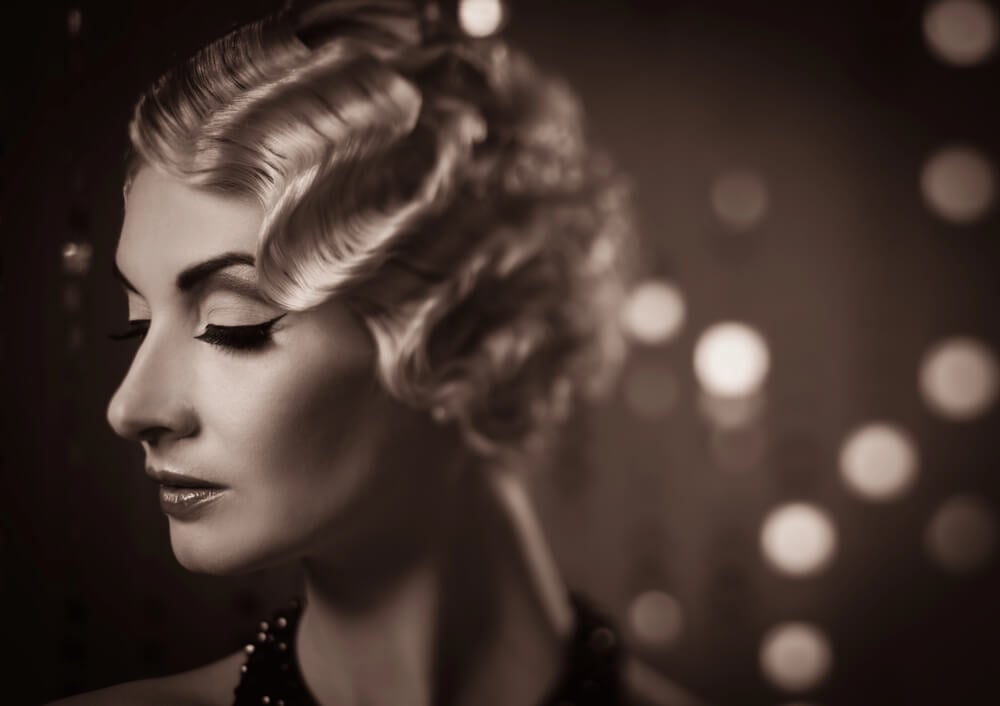
Named after French hairdresser Marcel Grateau, who developed the technique in the 1870s, Marcel waves used heated iron tongs to press deep, uniform S-shaped waves into the hair and remained fashionable through the 1920s and 1930s. The tool required real skill to use without burning the hair or scalp.
Softer permanent waves eventually made the labor-intensive Marcel technique obsolete for everyday styling.
Bangs Teased and Sprayed
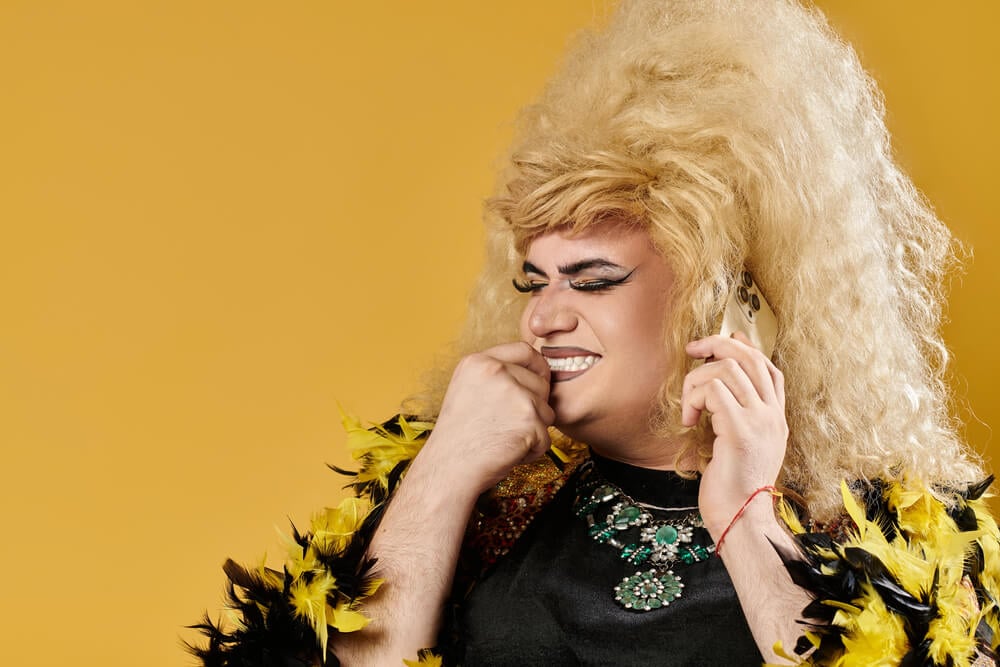
Tall, heavily teased bangs held stiff with spray were a staple of 1980s and early 1990s hairstyling, often sprayed until they held a near-vertical shape. The look required backcombing at the root and a strong-hold aerosol to survive a full day.
As hairstyles softened in the mid-1990s, teased bangs gave way to flatter, side-swept versions.
Iridescent Eyeshadow Duos
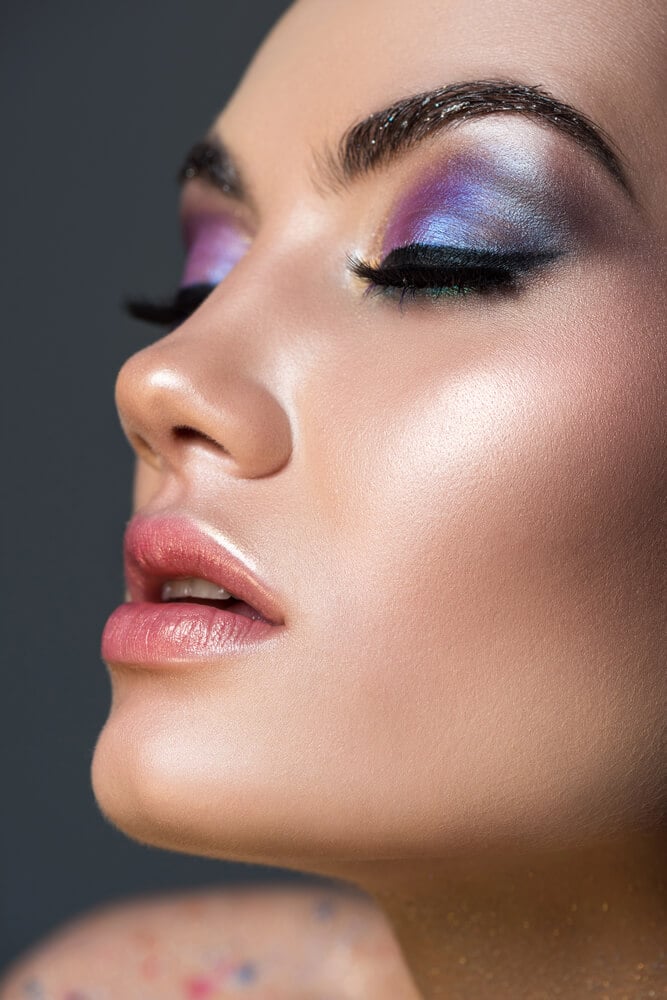
Two-toned eyeshadow compacts pairing a light iridescent shade with a darker crease color were a drugstore staple through the 1980s and 1990s, designed to be applied with the small sponge applicator included in the packaging. The shimmer finishes were formulated to catch light under both daylight and the fluorescent lighting common in offices.
Matte, single-pan shadows displaced them as the 2000s favored a more subdued daytime look.
Frosted Pink Blush
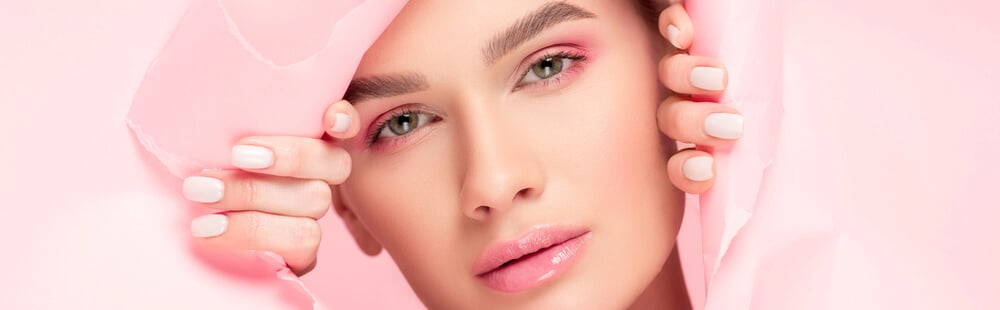
Shimmery pink and mauve blush with a frosted finish was widely worn through the 1980s, often applied high on the cheekbone for a luminous effect. The finish relied on the same mica-based shimmer technology used in frosted eyeshadows and lipsticks of the same period.
Matte and cream blush formulas eventually took over as the frosted look came to read as dated rather than glamorous.
Hair Crimping Iron Waves
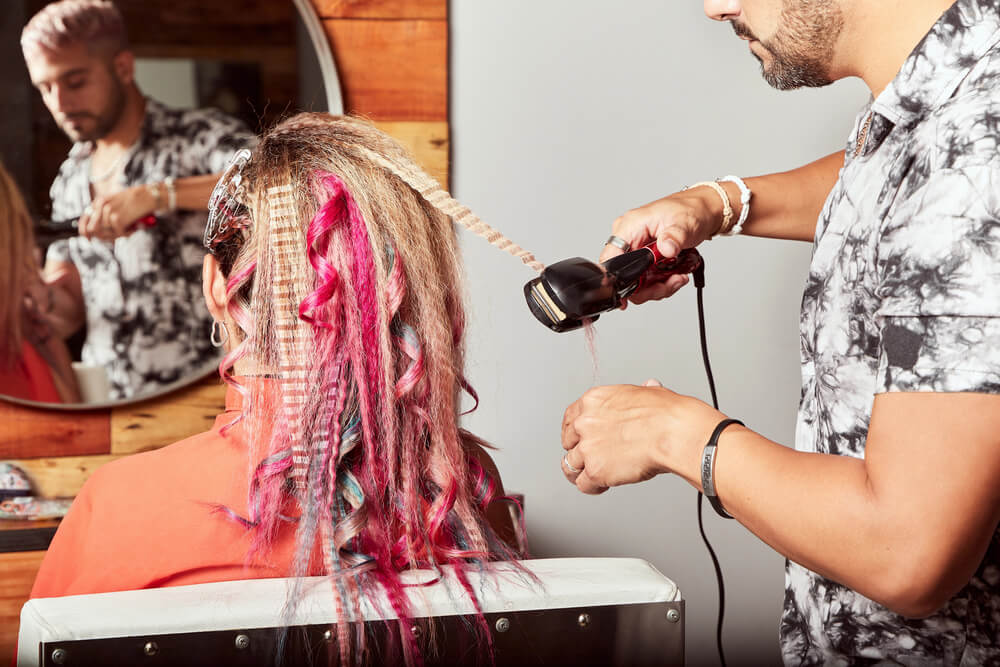
Distinct from finer crimping used as an accent, full-head crimped waves were a statement look through the 1980s, often paired with bold color. The tool used two ridged plates to press a zigzag pattern into sections of hair one at a time, a slow process for a full head.
It faded from mainstream styling by the 1990s, though it periodically returns as a retro festival look.
Platinum Marilyn Curls
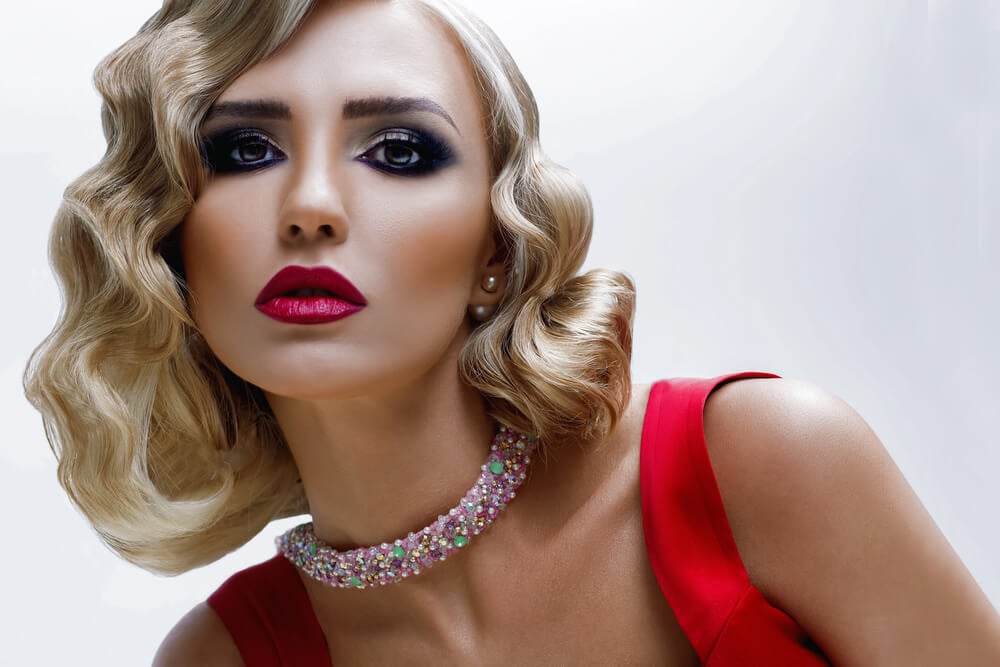
Tight, glossy platinum-blonde curls set close to the head, popularized by Marilyn Monroe in the 1950s, required regular bleaching and a set-and-style routine using pin curls or rollers. The upkeep needed to maintain both the color and the curl pattern was significant compared to looser styles that followed.
Looser, more natural blonde tones in later decades replaced the high-maintenance platinum standard.
Beauty Trends Never Really Die, They Just Wait
None of these looks vanished because they stopped working. They vanished because the culture around them changed: new tools got cheaper, new celebrities got famous, and new photography formats rewarded different kinds of shine.
A frosted eyeshadow that looked luminous under a flash camera can look flat under an HD front-facing lens, which is a technology problem dressed up as a taste problem.
That is also why so many of these trends have already cycled back at least once, usually stripped of their original context and marketed as something new. Winged liner, crimped hair, and body glitter have all reappeared on runways or social media within the last decade, proof that beauty history moves in loops rather than straight lines.
More from Go2Tutors!

- The Romanov Crown Jewels and Their Tragic Fate
- 13 Historical Mysteries That Science Still Can’t Solve
- Famous Hoaxes That Fooled the World for Years
- 15 Child Stars with Tragic Adult Lives
- 16 Famous Jewelry Pieces in History
Like Go2Tutors’s content? Follow us on MSN.