17 Bizarre Facts About World War I
World War I reshaped the globe in ways that went far beyond battlefield casualties and political boundaries. While most people know about trench warfare and poison gas, the Great War produced some truly strange and unexpected moments that rarely make it into history textbooks.
From talking baboons to underground explosions that could be heard 140 miles away, these peculiar episodes reveal just how extraordinary this conflict really was. Here is a list of 17 bizarre facts about World War I that showcase the war’s most unusual side.
Tanks Were Classified by Gender
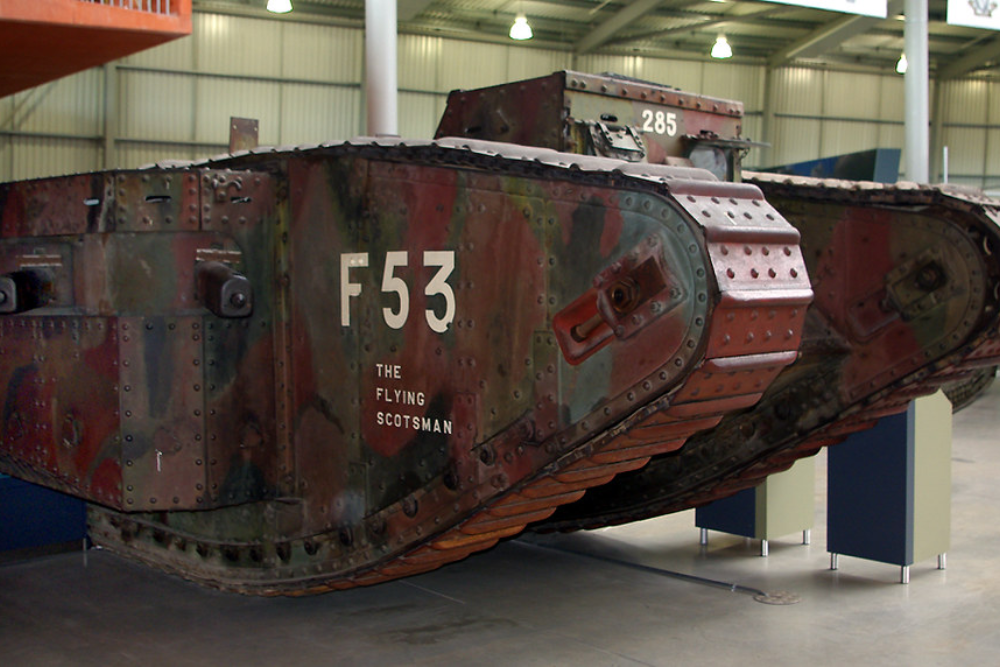
At the beginning of the war, tanks were grouped according to their ‘gender’. The male tanks had cannons attached while the females carried machine guns.
The prototype tank was named Little Willie. This classification system actually made sense to military planners at the time, though it sounds absurd today.
The gendered naming convention disappeared after the war, but it established the foundation for all future tank designs.
TNT Workers Turned Yellow
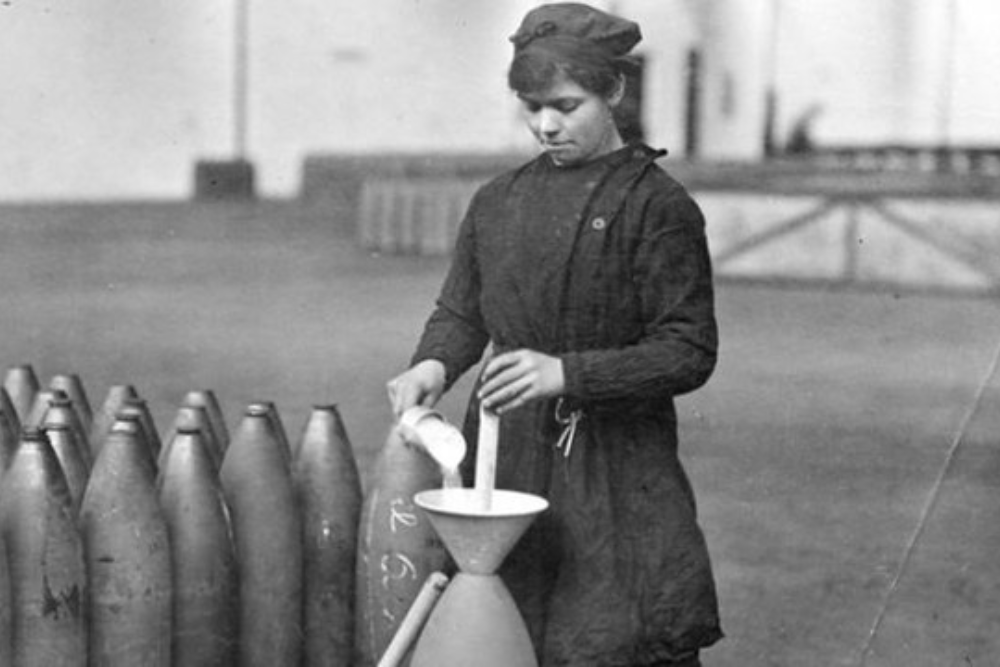
WWI saw many women join the working forces. Those who worked with TNT saw their skin turn yellow as a result, as they suffered from toxic jaundice.
These women became known as ‘the Canaries’ because of their distinctive yellow complexion. By 1917, factories employing mostly women made upwards of 80% of weapons. The yellow tint was a clear sign of chemical poisoning, but many women continued working despite the health risks.
Like Go2Tutors’s content? Follow us on MSN.
Underground Explosions Shook London
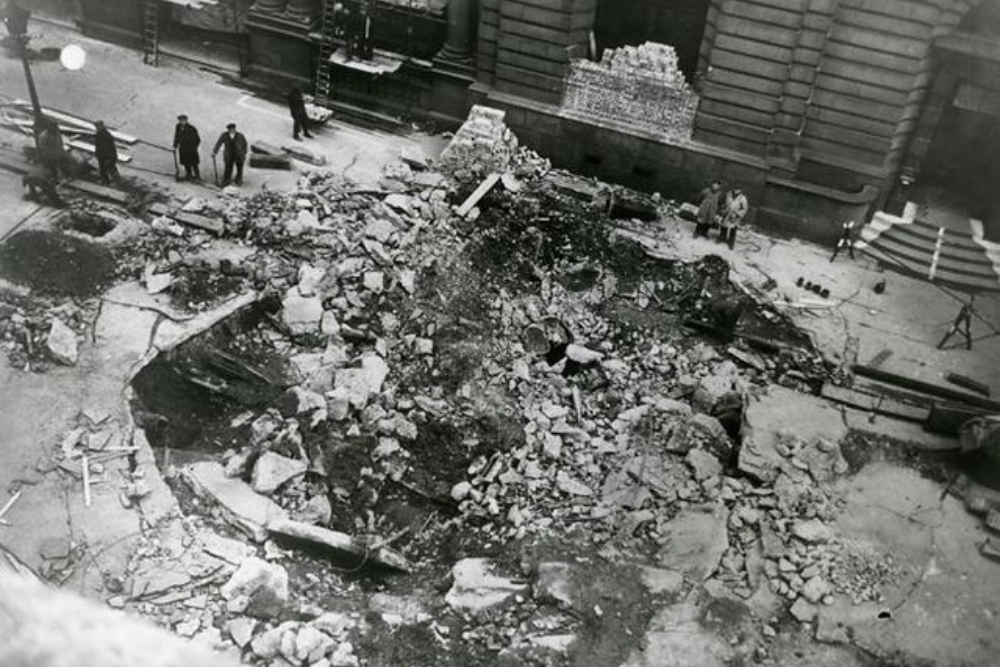
A team of miners worked in secret to dig tunnels under the trenches during the war in order to plant and detonate mines there. The detonations destroyed much of the German front line and were so great, the prime minister then heard the sound in London, 140 miles away.
These massive underground explosions during the Battle of the Somme were among the loudest man-made sounds in history up to that point. The tunneling war beneath the trenches became its own deadly theater of combat.
A 12-Year-Old British Soldier

The youngest British soldier, Sidney Lewis, was just 12 years old when he joined the army after lying about his age. He wasn’t alone in this deception – thousands of underage boys fabricated their ages to join the fight.
Some were driven by patriotism, while others saw military service as an escape from poverty and difficult home lives. Lewis survived the war and later spoke about his experiences as a child soldier.
Franz Ferdinand’s Prophetic License Plate
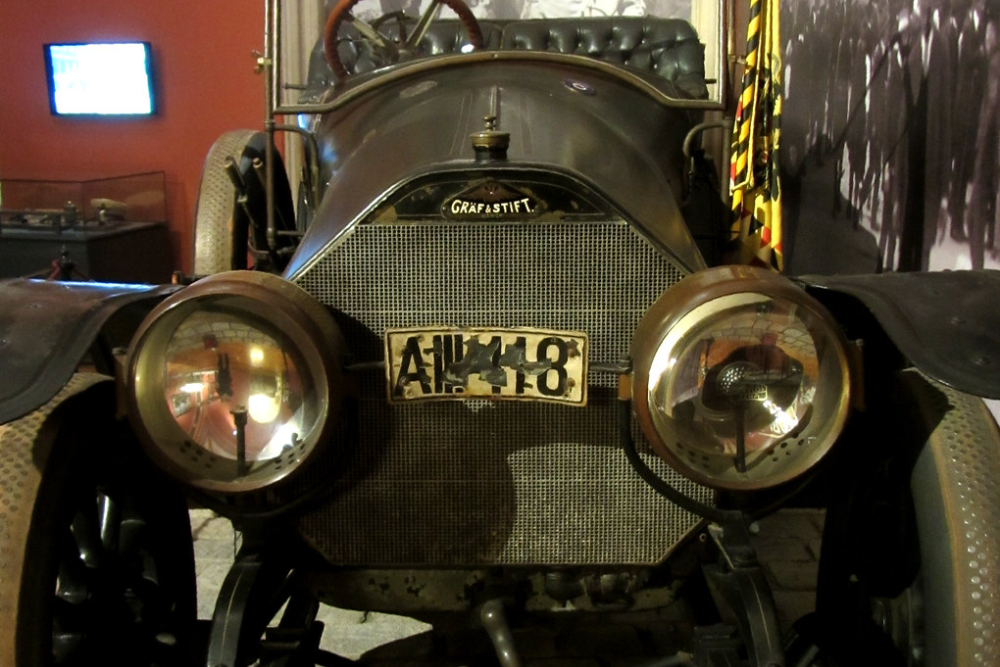
Archduke Franz Ferdinand and his wife were assassinated on June 28th 1914, an event which led to the beginning of the war. Strangely, the Archduke’s number plate read: A 111 118, a series that can be read as, Armistice 11 November ’18.
This eerie coincidence wasn’t discovered until after the war ended on exactly that date – November 11, 1918. Whether this was pure chance or something more mysterious continues to fascinate historians and conspiracy theorists alike.
Like Go2Tutors’s content? Follow us on MSN.
British Helmets Became ‘Salad Bowls’

At the start of the war, British soldiers were not equipped with helmets. Following a catastrophic number of head injuries, the iconic ‘Brodie helmet’ was introduced in 1915. The Germans nicknamed these new helmets ‘salad bowls’ due to their unique shape.
The German mockery didn’t diminish the helmet’s effectiveness – it saved countless British lives throughout the war. The distinctive dome shape became one of the most recognizable symbols of WWI.
Soldiers Used Urine-Soaked Rags as Gas Masks

Astonishingly, soldiers were not issued with gas masks at the start of the war. Until they became standard issue, men stuffed rags and socks soaked in urine into their mouths to try to prevent the inhalation of deadly fumes.
This desperate measure actually had some scientific basis – the ammonia in urine could neutralize certain chlorine-based gases. It was a horrifying but occasionally effective improvisation that saved lives before proper gas masks arrived.
Lizzie the Elephant Served Her Country

The heaviest and largest recruit of the war was Lizzie the Elephant. Conscripted in 1914, Lizzie was used to cart scrap metal, machinery and munitions around the city of Sheffield to aid the war effort.
Lizzie represented how the war mobilized every available resource, including circus animals. Her massive strength made her invaluable for moving heavy materials that horses and early motor vehicles couldn’t handle efficiently.
Like Go2Tutors’s content? Follow us on MSN.
French Soldiers Got Wine Rations

While everyone else had to make do with water and a tiny daily ration of rum, French troops were issued with 0.25 litres of wine a day. By the end of the war, this had been upped to 0.75 litres a day.
This policy reflected French cultural values and the belief that wine was essential for morale and health. Other armies looked on with envy as French soldiers enjoyed what amounted to a full bottle of wine daily by war’s end.
Sergeant Stubby the War Dog

Sergeant Stubby was a Boston Terrier that became the official mascot of the 102nd Infantry Regiment from 1917-18. Eventually dying of natural causes in 1925, Sergeant Stubby was a celebrated and respected war veteran by all that got the chance to stand alongside him.
He survived gas attacks, artillery fire, and even caught a German spy by biting and holding him until American soldiers arrived. Following his death, Sergeant Stubby received an obituary in the New York Times.
Corporal Jackie the Baboon
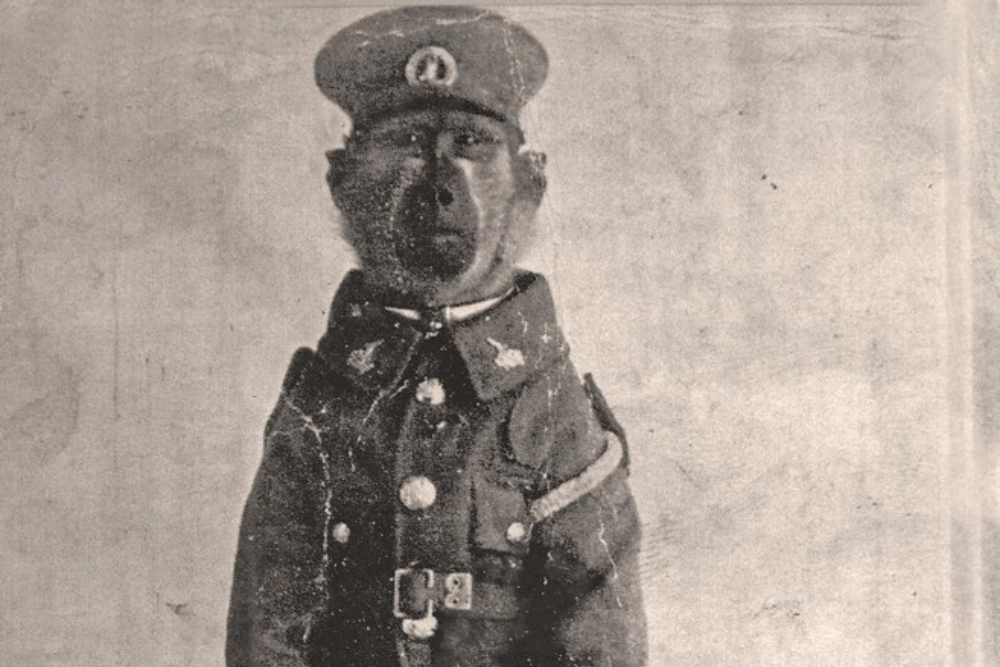
Corporal Jackie, the war Baboon, was a mascot that helped the soldiers with lighting cigarettes and sussing out incoming attacks and enemy patrols roaming by due to his heightened senses. He was even taught how to salute a passing superior officer.
Jackie’s keen animal instincts made him an effective early warning system for enemy activity. His ability to detect approaching danger often gave soldiers precious extra seconds to take cover or prepare for attack.
Like Go2Tutors’s content? Follow us on MSN.
American Food Got Patriotic Makeovers

During WWI, American hamburgers (named after the German city of Hamburg) were renamed Salisbury steak. Frankfurters, which were named after Frankfurt, Germany, were called “liberty sausages,” and dachshunds became “liberty dogs.”
This wave of anti-German sentiment also led to schools stopping German language instruction and burning German books. The renaming craze showed how deeply the war penetrated everyday American life, even changing what people called their food.
Christmas Truces Really Happened
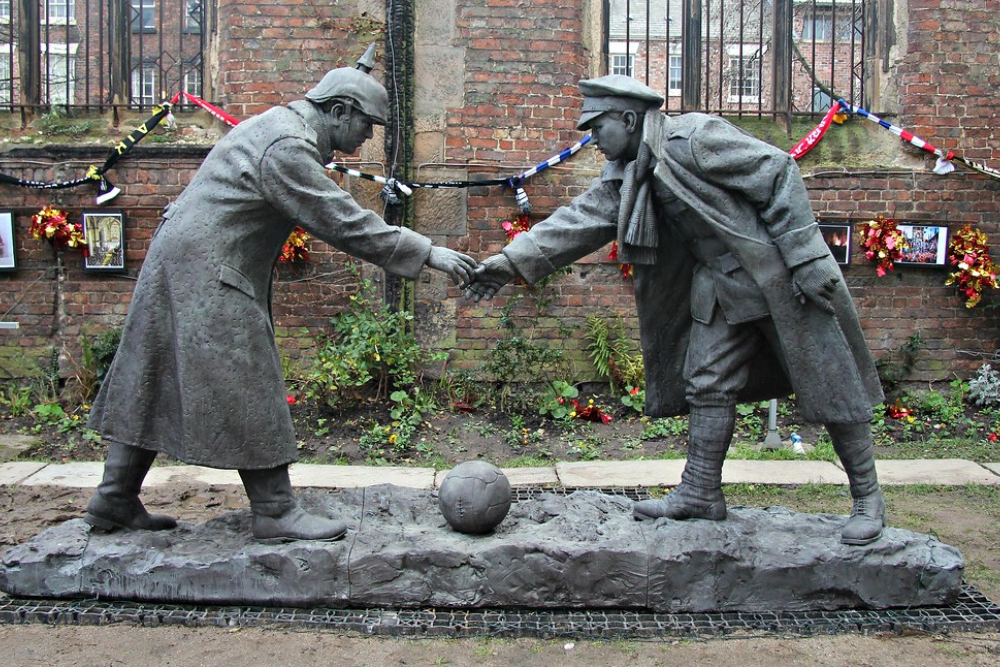
Even though there never was an official truce during the first world war they still happened. The most famous one is the 1914 Christmas truce when the British and German soldiers got out of the trenches and talked to each other in no mans land.
These spontaneous ceasefires occurred despite strict orders from military commanders. Soldiers on both sides exchanged gifts, played games, and even sang carols together before returning to their trenches to resume fighting.
Goldfish Tested Gas Masks
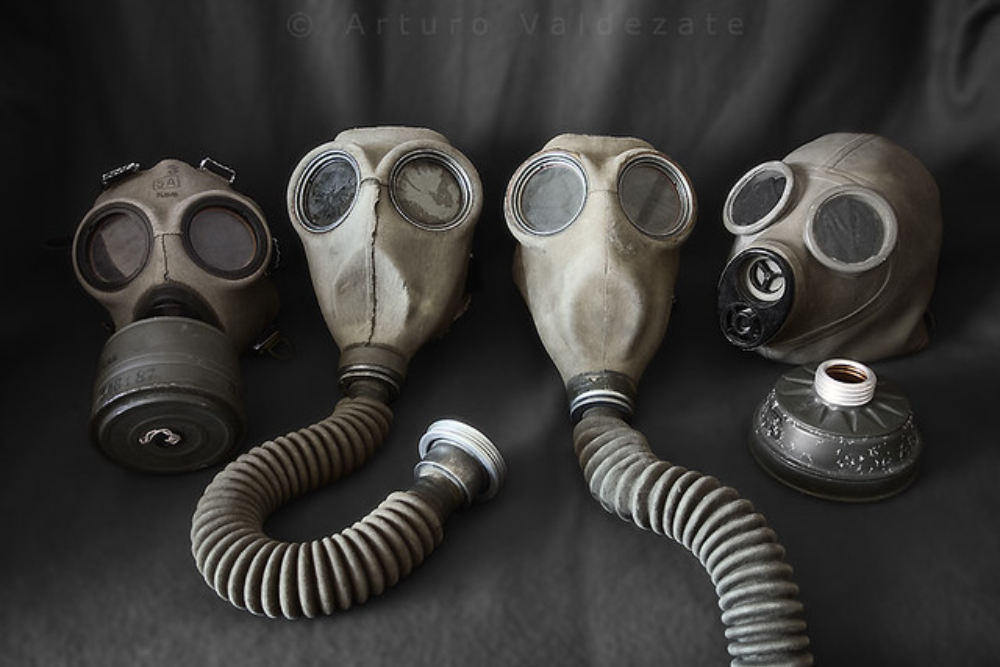
Speaking of animals, goldfish were exploited by the military to ensure that gas masks were clean enough to be utilized on the battlefield. The fish served as living indicators of air quality – if they showed distress or died, it meant the gas mask filters weren’t working properly.
This method provided a simple but effective way to test equipment that soldiers’ lives depended on.
Like Go2Tutors’s content? Follow us on MSN.
The Dead Man’s Penny
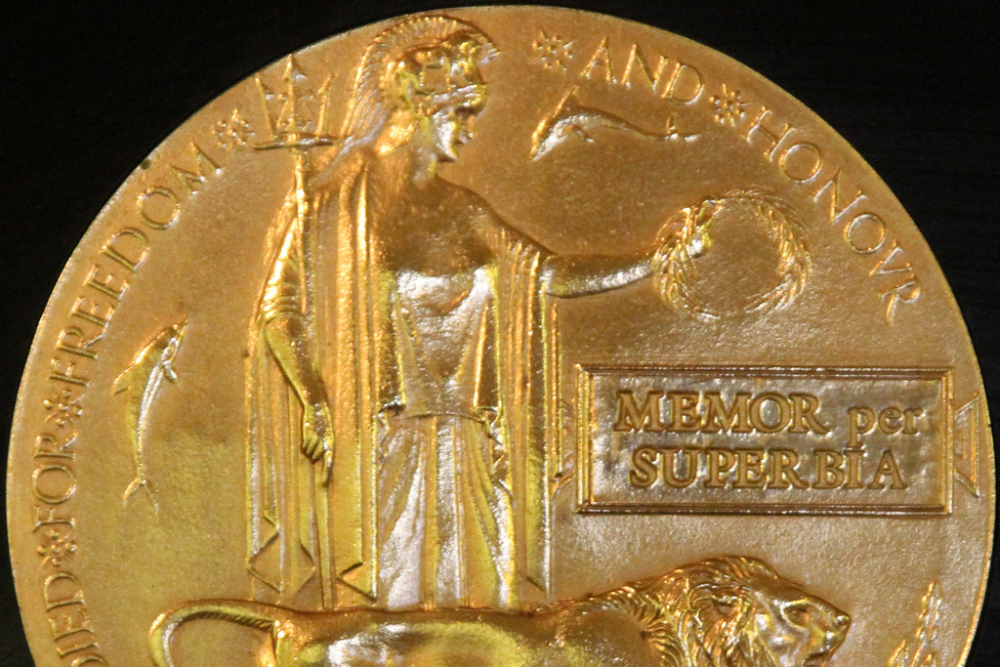
Britain issued a large bronze memorial plaque to the next-of-kin of every soldier killed during the war or who died of their wounds afterwards. The resemblance to an old-fashioned penny earned the plaque the rather macabre nickname ‘Dead Man’s Penny’. 1.35 million were issued in total.
These bronze plaques became bitter reminders of loss for families across Britain. The nickname reflected the dark humor that helped people cope with the war’s massive casualties.
German Orchestras in American Camps
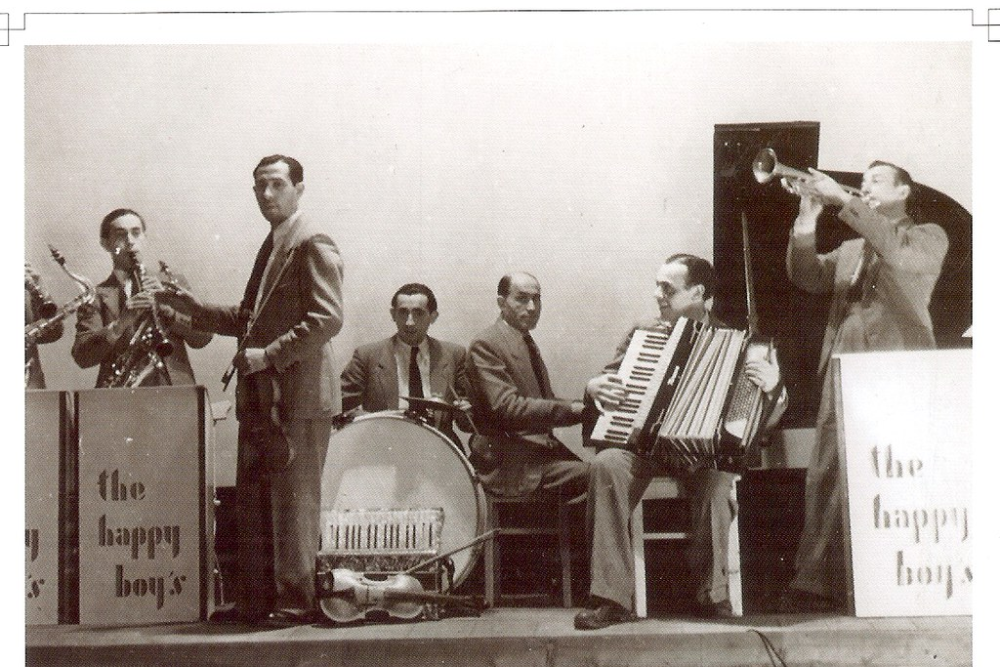
During the Great War there were over 250.000 Germans living in the USA who were forced to register at a post office and then carry a registration card with them at all times. Of these, over 2000 Germans were arrested and put in internment camps.
Many of the interned were the musicians from orchestras and in one camp they were able to perform a piece of Beethoven. This internment foreshadowed similar policies in World War II.
The fact that these imprisoned musicians could still create beautiful music together showed how art persisted even in the darkest circumstances.
Wilson’s Quick War Reversal

“He kept us out of war” was the slogan Woodrow Wilson adopted when he ran for his second term in office. However, he immediately reneged on this concept when he was sworn in, declaring war on Germany only around a month later.
This dramatic policy reversal shocked many Americans who had voted for Wilson specifically because of his peace platform. The rapid shift from neutrality to full-scale war involvement demonstrated how quickly global events could force major changes in national policy.
Like Go2Tutors’s content? Follow us on MSN.
When History Reveals Its Secrets
The bizarre nature of these World War I facts reminds us that history often contains more strangeness than fiction. These unusual episodes, from baboon soldiers to prophetic license plates, show how the chaos and unprecedented scale of the Great War created situations that no one could have imagined.
They prove that even in humanity’s darkest hours, the unexpected and extraordinary continued to emerge, creating stories that still fascinate us more than a century later.
More from Go2Tutors!

- 16 Historical Figures Who Were Nothing Like You Think
- 12 Things Sold in the 80s That Are Now Illegal
- 15 VHS Tapes That Could Be Worth Thousands
- 17 Historical “What Ifs” That Would Have Changed Everything
- 18 TV Shows That Vanished Without a Finale
Like Go2Tutors’s content? Follow us on MSN.



