How Ants Farm and Herd Other Insects
When you think about farming, images of tractors, crops, and livestock probably come to mind. What definitely doesn’t come to mind are tiny insects marching in organized lines.
Yet ants have been practicing agriculture for millions of years, long before humans figured it out. These tiny creatures don’t just gather food—they actively cultivate it, maintain it, and even domesticate other species for their benefit.
From herding aphids like miniature cattle to growing underground mushroom gardens that would make any farmer jealous, ants have developed some of nature’s most sophisticated agricultural systems. Here’s a list of the remarkable ways ants farm and herd other insects, from chemical control tactics to building actual corrals for their livestock.
Aphid Ranching

Ants treat aphids like dairy cows, protecting these small sap-sucking insects in exchange for honeydew—a sugar-rich liquid that aphids excrete. The ants stroke the aphids’ abdomens to encourage them to release droplets of this sweet substance, which can make up to 90% of an ant colony’s diet.
Like having a vending machine that never runs out. As long as you keep it safe and well-fed, that is.
Chemical Control of Herds

Ants don’t rely on fences to keep their aphid herds in line—they use chemistry instead, releasing tranquilizing chemicals through their feet that sedate the aphids and keep them docile. If an aphid gets too rebellious, ants will bite off its wings to prevent escape.
It’s a bit dark when you think about it, but incredibly effective for maintaining control over their livestock.
Like Go2Tutors’s content? Follow us on MSN.
Building Corrals and Shelters
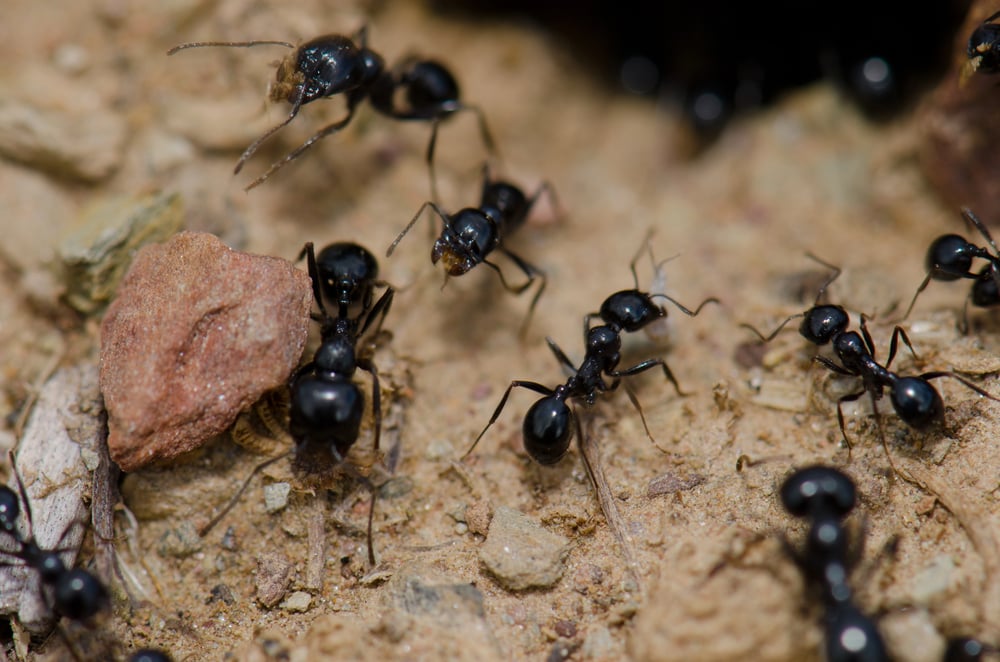
Ants construct protective corrals underneath leaves to shield their aphid herds from predators like ladybugs and lacewings. Some species even build underground stables around plant roots where aphids can feed safely.
These shelters aren’t just random—they’re strategically placed to maximize both protection and food access for the herded insects.
Moving Herds to Fresh Pastures

Farming ants actively relocate their aphids from one feeding spot to another, ensuring the insects always have access to the most nutritious parts of plants. They’re basically practicing rotational grazing, the same technique modern ranchers use to prevent overgrazing.
The ants monitor plant quality and move their herds accordingly, showing remarkable awareness of resource management—something that took humans thousands of years to figure out systematically.
Transporting Livestock to New Colonies

When an ant colony relocates, workers carry aphid eggs with them to establish new herds at the destination. Some nomadic ant species retain their mealybugs during colony moves and even during colony splits.
This ensures they never lose their food source, similar to how early human settlers brought seeds and livestock when establishing new communities.
Like Go2Tutors’s content? Follow us on MSN.
Health Management and Veterinary Care
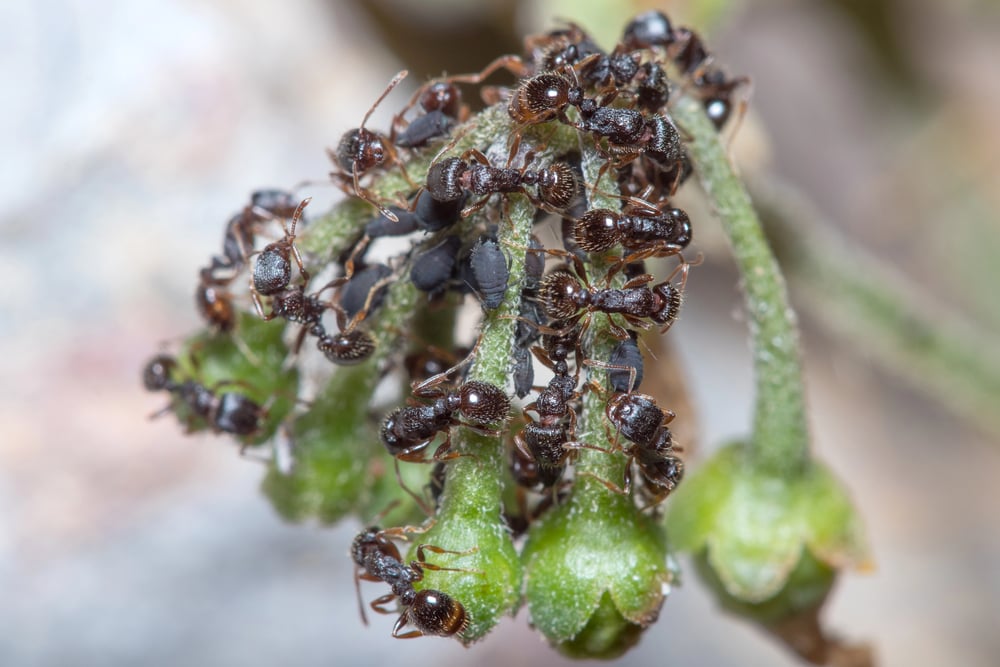
Ants remove dead and diseased aphids from their herds to slow disease spread, and they clean up aphid excrement to prevent sooty mold infections that could develop within days. They also lick aphid eggs to remove fungal spores that would prevent hatching.
This sanitation work is crucial for maintaining healthy, productive herds.
Farming Scale Insects and Mealybugs

Ants don’t limit themselves to aphids—they also farm scale insects, mealybugs, and other honeydew-producing insects, with some of these relationships dating back 15 to 20 million years. Different ant species specialize in different livestock, much like how some human farmers focus on dairy while others raise beef cattle.
Some ants even farm armored scales exclusively for consumption rather than honeydew.
Like Go2Tutors’s content? Follow us on MSN.
Underground Root Aphid Farming

Yellow meadow ants farm root aphids deep in underground burrows, creating completely subterranean agricultural operations. These hidden farms are protected from above-ground predators and weather conditions.
The ants maintain these dark, humid environments specifically suited to root aphid needs, demonstrating specialized farming techniques for different livestock types. Talk about niche agriculture.
Herding Butterfly Caterpillars

Ants form protective relationships with caterpillars of Lycaenid butterflies, “milking” nectar from special glands by tickling them with their antennae. In some Australian species, ants build thatched or earthen corrals to contain caterpillars, protecting them by day and herding them up trees at night to feed on leaves.
The ants act like bodyguards, fiercely defending their charges from predators.
Carrying Livestock on Mating Flights
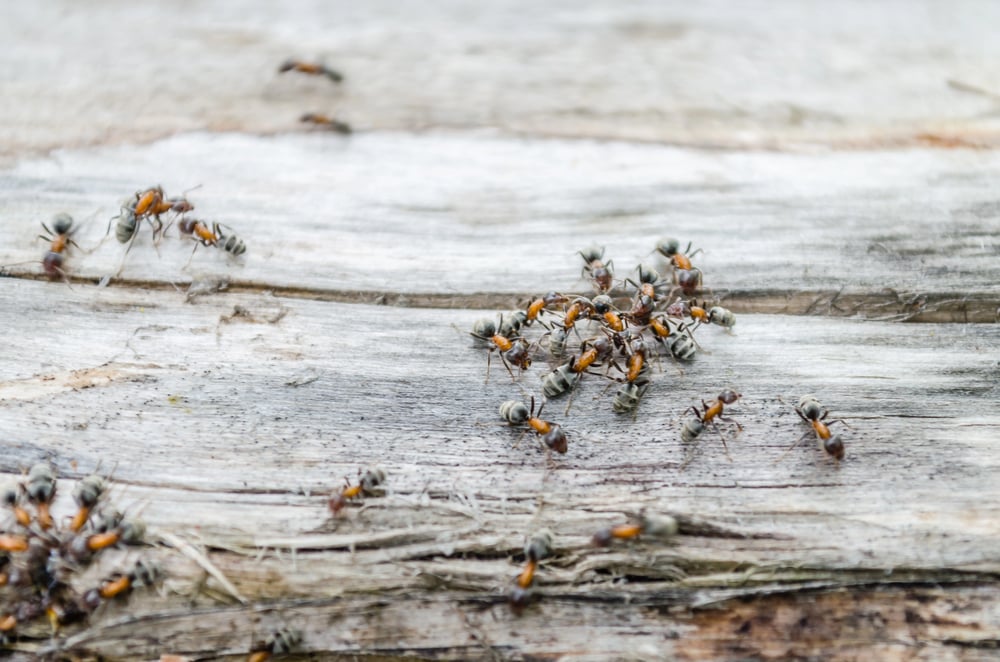
Virgin queens of certain ant species carry scale insects on their backs or in their mouths during mating flights, ensuring they have starter livestock for their new colonies. This “dowry” guarantees that newly established colonies won’t starve while getting established.
It’s like bringing your business inventory with you when starting a new company branch.
Like Go2Tutors’s content? Follow us on MSN.
Protecting Herds from Predators
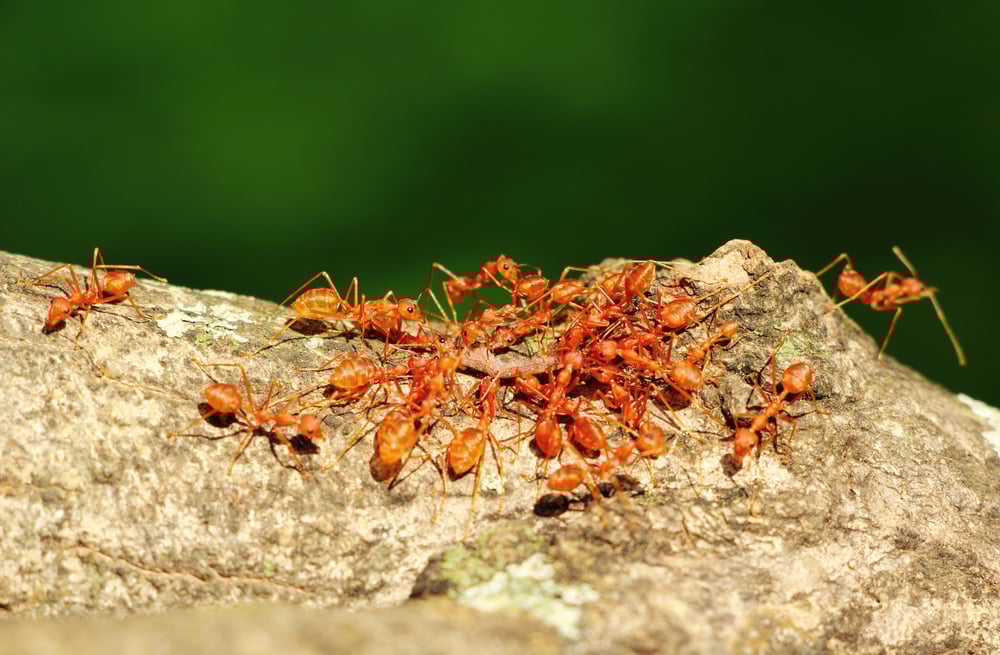
Ants aggressively defend their aphids and other farmed insects from natural predators including ladybugs, lacewings, parasitic wasps, and hoverfly larvae. Their coordinated attacks and sheer numbers make them formidable defenders.
Some ant species are so protective they’ll attack anything that threatens their caterpillar charges, swarming and biting potential predators. Not the bodyguards you’d want to mess with.
Growing Fungus Gardens on Fresh Leaves

Leafcutter ants farm fungi by cutting fresh leaves and using them as fertilizer for underground fungal gardens that serve as their primary food source. These ants can carry up to 50 times their body weight in leaf fragments and can strip 17% of leaf biomass from their ecosystem.
The fungus digests the plant material that the ants can’t process themselves, turning inedible leaves into nutritious food.
Manipulating Caterpillar Chemistry

Butterfly caterpillars produce chemical cocktails that mimic ant pheromones so effectively that ants cannot distinguish caterpillar scent from their own colony members. Research shows these secretions actually alter brain dopamine levels in attending ants, functioning as manipulative drugs that enforce cooperative behavior.
The caterpillars have essentially evolved to hack the ants’ neurochemistry for protection. Pretty clever for an insect with no brain to speak of.
Like Go2Tutors’s content? Follow us on MSN.
The Ancient Art of Tiny Farmers
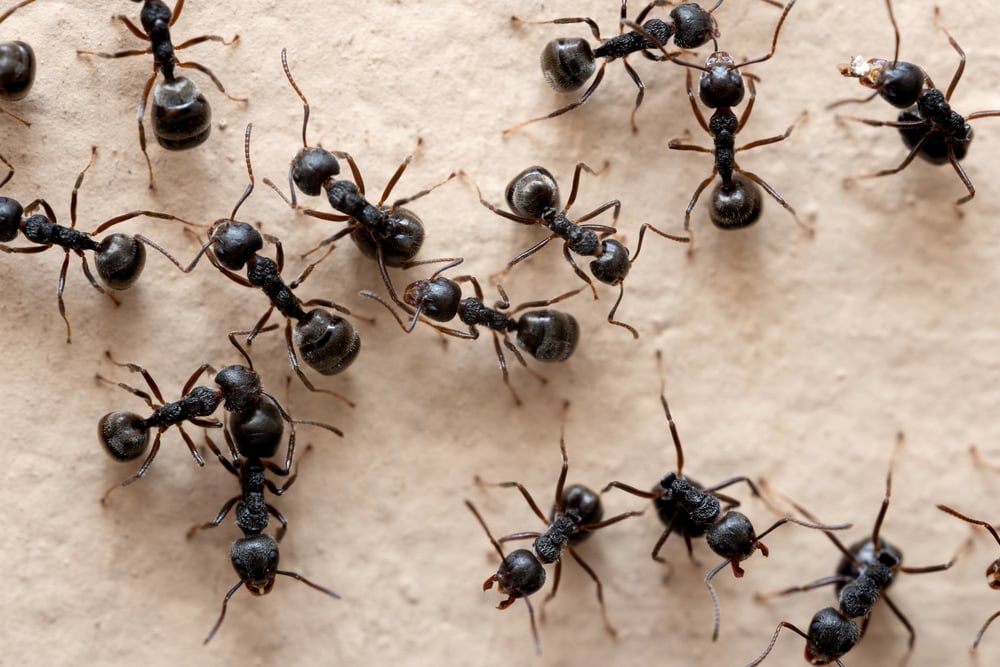
The agricultural practices of ants reveal that farming isn’t uniquely human—it’s a strategy that evolution has favored multiple times. Ants began their farming ventures around 66 million years ago following the asteroid strike that ended the age of dinosaurs.
While we’ve been farming for maybe 10,000 years, ants have been perfecting their techniques for millions. Their success shows that size doesn’t matter when it comes to agricultural innovation, and that some of the most complex farming systems on Earth are happening right beneath our feet, operated by creatures we usually just try to keep out of our kitchens.
More from Go2Tutors!

- 16 Historical Figures Who Were Nothing Like You Think
- 12 Things Sold in the 80s That Are Now Illegal
- 15 VHS Tapes That Could Be Worth Thousands
- 17 Historical “What Ifs” That Would Have Changed Everything
- 18 TV Shows That Vanished Without a Finale
Like Go2Tutors’s content? Follow us on MSN.



