29 Environmental Warnings From the 1970s That Came True
The 1970s produced the first wave of mainstream environmental alarm in the United States, backed by new federal agencies, new laws, and a flood of scientific papers that read like forecasts. Most were dismissed at the time as overcautious or politically motivated.
Decades later, the data caught up with the warnings.
The Ozone Layer Would Thin From Aerosol Chemicals

In 1974, chemists Mario Molina and Sherwood Rowland published research in Nature showing that chlorofluorocarbons used in aerosol cans and refrigerants were drifting into the stratosphere and breaking down ozone molecules. Industry groups called the theory speculative, and aerosol makers spent years fighting regulation.
By 1985, scientists confirmed a severe seasonal gap in the ozone layer over Antarctica, and the finding eventually led to the 1987 Montreal Protocol, the most successful international environmental treaty in history.
The Great Lakes Were Called Biologically Dead
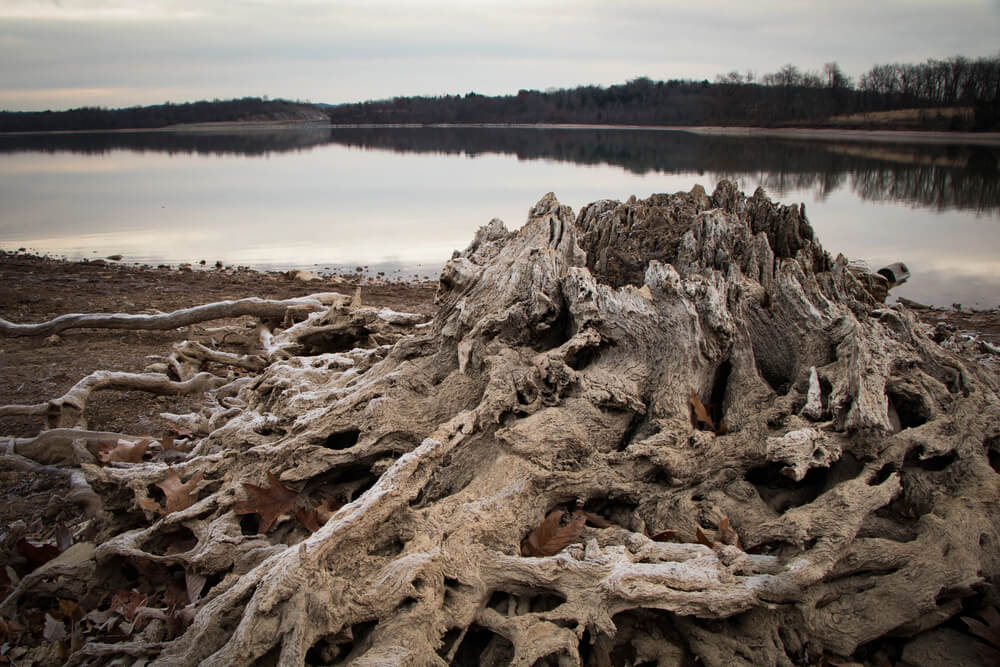
Lake Erie was widely described as “dying” in the early 1970s after decades of phosphorus runoff from detergents and fertilizer triggered algae blooms that suffocated fish populations. Time magazine ran the lake’s obituary in 1970, and the imagery became a rallying point for the newly passed Clean Water Act.
Algal blooms returned to Lake Erie in force by the 2010s, culminating in a 2014 event that cut off drinking water to Toledo, Ohio, for two days.
Acid Rain Was Quietly Dissolving Forests
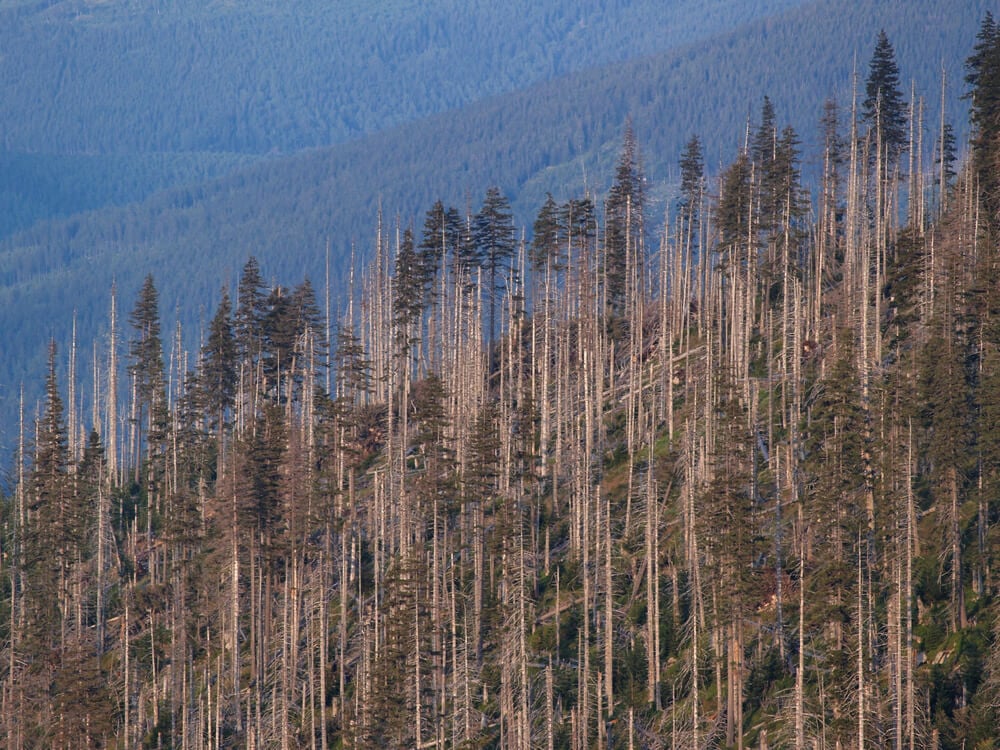
Researchers at the Hubbard Brook Experimental Forest in New Hampshire documented acidic precipitation as early as 1972, tracing it to sulfur dioxide from coal plants drifting hundreds of miles before falling as rain. Utility companies dismissed the connection as unproven for most of the decade.
By the 1980s, acid rain had been linked to dying forests in the Appalachians and fish kills in thousands of Adirondack lakes, prompting the 1990 Clean Air Act amendments that created a cap-and-trade system for sulfur emissions.
Leaded Gasoline Was Poisoning Children

The Environmental Protection Agency began phasing down leaded gasoline in 1973 after research tied airborne lead to lowered IQ scores and behavioral problems in children, particularly in cities with heavy traffic. Oil companies argued the health effects were exaggerated and the costs of reformulation too high.
Blood lead levels in American children fell more than 90 percent between 1976 and 1999, and later research would tie the decades of childhood lead exposure to measurable drops in national crime rates a generation later.
The World Was Running Out of Cheap Oil

The 1973 OPEC oil embargo quadrupled gasoline prices in the United States almost overnight and exposed how dependent the country had become on imported crude. Economists at the time argued the shock was a temporary political event rather than proof of finite resources.
The warning proved durable: American oil production peaked in 1970 and did not surpass that level again until hydraulic fracturing technology unlocked new reserves more than four decades later.
Overpopulation Would Strain the Planet’s Food Supply

Biologist Paul Ehrlich’s predictions about mass famine from overpopulation, popularized in the late 1960s and still dominating environmental discourse through the 1970s, forecast that population growth would outpace food production. His specific famine timeline did not materialize, largely because of the Green Revolution’s yield gains, but the underlying strain has shown up differently: water tables from India to California have dropped precipitously as irrigation expanded to feed billions more people than existed when Ehrlich wrote.
PCBs Were Contaminating the Food Chain

The EPA banned the manufacture of polychlorinated biphenyls in 1979 after research showed the industrial chemicals, used for decades in electrical equipment, were accumulating in fish and wildlife and had been linked to cancer and developmental problems. General Electric had discharged the chemicals into the Hudson River for over 30 years before the ban took effect.
The Hudson River PCB cleanup, one of the largest environmental remediation projects in American history, continued dredging contaminated sediment into the 2020s.
Groundwater Was Being Drained Faster Than It Could Refill

Agricultural scientists warned throughout the 1970s that the Ogallala Aquifer, which underlies eight Great Plains states and supports nearly a third of American irrigated farmland, was being pumped far faster than rain and snowmelt could recharge it. Farmers largely ignored the warnings because the aquifer seemed limitless.
Parts of the aquifer in Texas and Kansas have since dropped more than 150 feet, and some sections are now projected to run effectively dry within the coming decades.
Toxic Waste Dumping Would Poison Entire Neighborhoods
Residents of the Love Canal neighborhood in Niagara Falls, New York, began reporting unusual illnesses and birth defects in the late 1970s after discovering their homes had been built atop a former industrial chemical dump. Hooker Chemical, which buried the waste, insisted for years that the site was safe.
The 1978 crisis forced the evacuation of hundreds of families and directly led to the creation of the federal Superfund program in 1980 for cleaning up contaminated industrial sites nationwide.
Deforestation Would Accelerate Species Loss
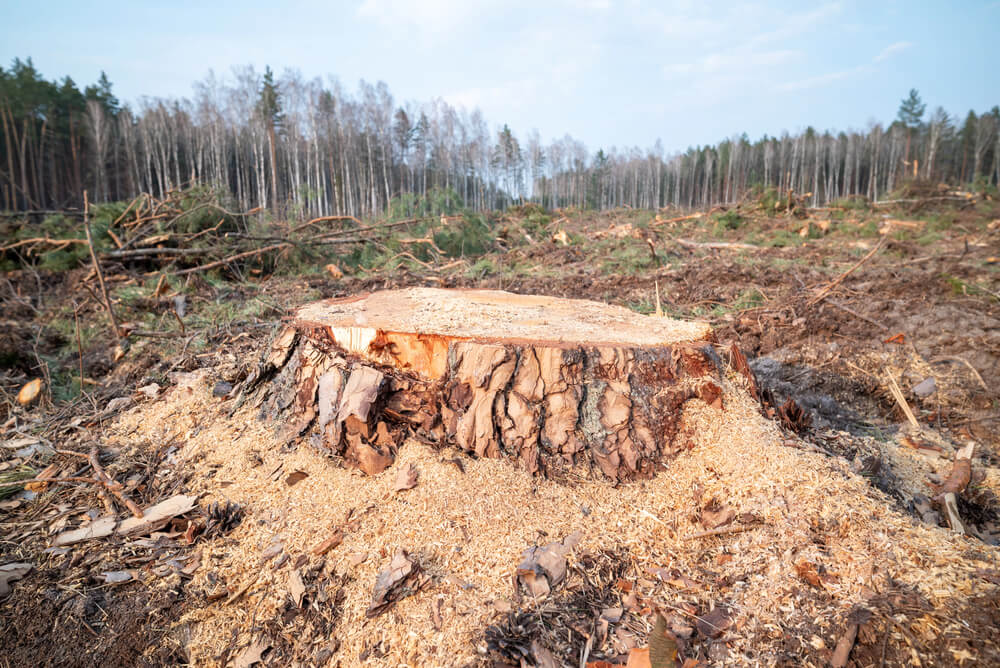
Conservationists in the 1970s began warning that clear-cutting in the Amazon and Southeast Asia was pushing tropical species toward extinction faster than scientists could catalog them. The pace of loss was often dismissed as an exaggeration by timber and agricultural interests.
Satellite monitoring that became available in later decades confirmed the Amazon had lost roughly a fifth of its original forest cover, and biologists now estimate extinction rates thousands of times higher than the pre-human background rate.
Fisheries Would Collapse From Overharvesting
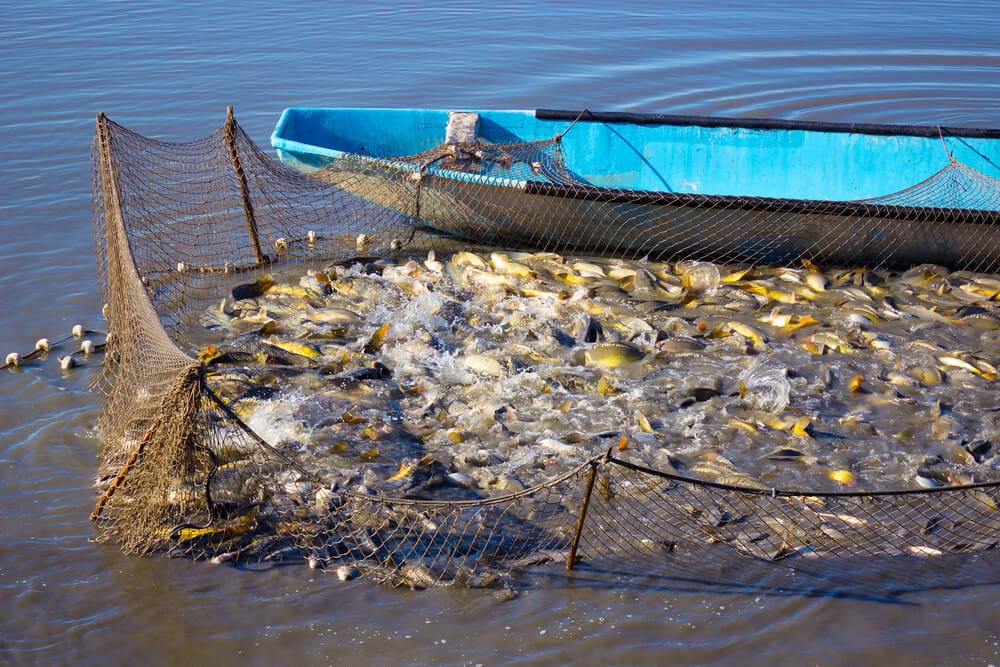
Marine biologists flagged declining catches of Atlantic cod off the coast of Newfoundland as early as the 1970s, warning that industrial trawling was removing fish faster than populations could reproduce. Canadian regulators kept quotas high through the decade under pressure from the fishing industry.
The cod stock collapsed so completely by 1992 that Canada imposed a total moratorium, eliminating roughly 30,000 jobs overnight, and the population has still not recovered to pre-collapse levels.
Mercury Contamination Would Reach American Waterways
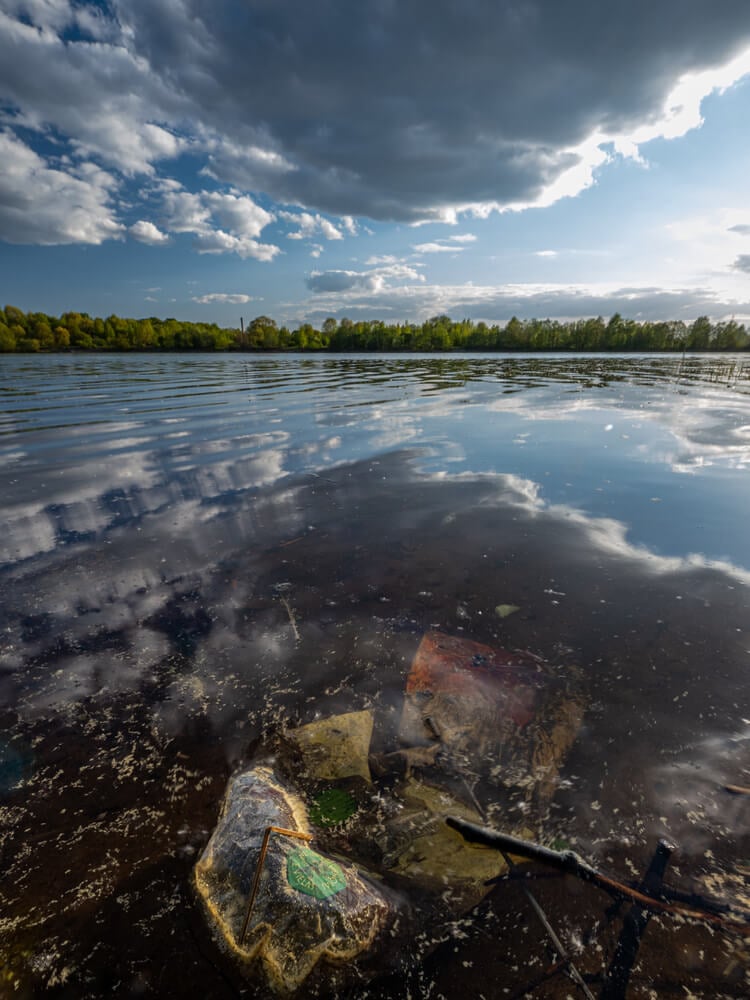
Following Japan’s Minamata disease outbreak, American researchers in the early 1970s began testing domestic fish for mercury and found alarming levels in swordfish, tuna, and freshwater species near industrial discharge points. The FDA’s early mercury advisories were criticized as overly cautious.
By the 2000s, nearly every state had issued fish consumption advisories for mercury, and pregnant women are still warned to limit intake of certain species because of contamination first flagged fifty years earlier.
Suburban Sprawl Would Destroy Farmland

Planners and environmentalists warned throughout the 1970s that unchecked suburban development was paving over some of the country’s most productive agricultural land, particularly around fast-growing cities in California and the Northeast. Developers dismissed the concerns as anti-growth sentiment.
The American Farmland Trust later calculated that the United States lost over 11 million acres of farmland and ranchland to development between 1992 and 2017 alone, a trend rooted in the sprawl patterns first criticized decades earlier.
Coral Reefs Would Bleach From Rising Ocean Temperatures
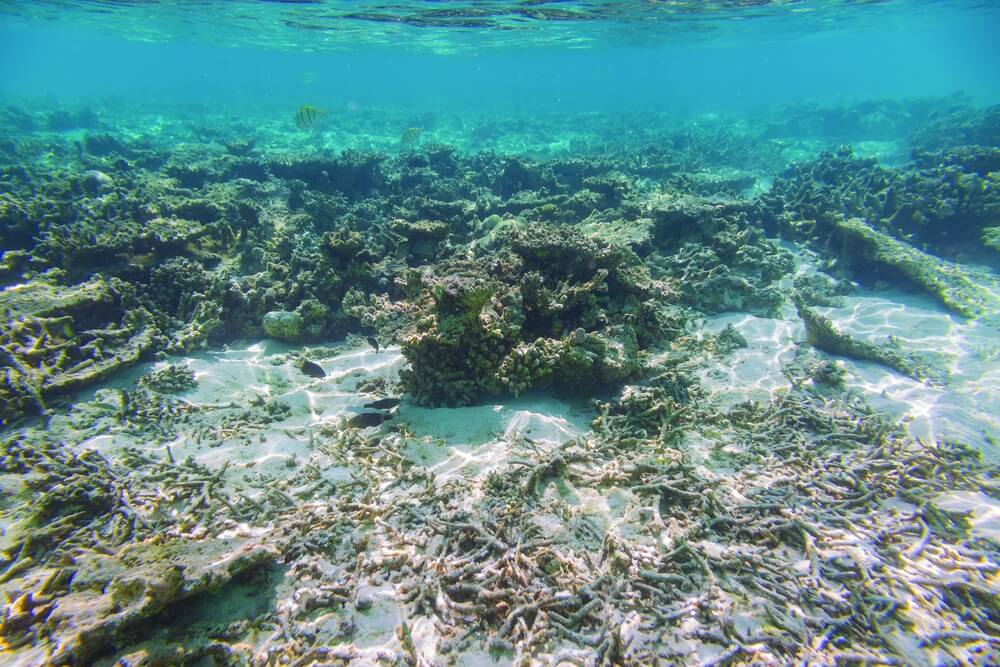
Marine scientists documented isolated coral bleaching events in the Pacific during the 1970s and speculated, controversially at the time, that warming seawater was the trigger rather than pollution or disease alone. The theory lacked the data to be taken seriously by most oceanographers.
Global mass bleaching events are now recurring on a multi-year cycle, and the Great Barrier Reef has lost roughly half its coral cover since 1995 alone.
The Sahel Drought Signaled a Wider Desertification Crisis

A prolonged drought across the Sahel region of Africa between 1968 and 1974 killed an estimated 100,000 people and prompted UN scientists to warn that human land-use practices were accelerating desert expansion across the region. Some agronomists at the time argued the drought was simply a natural cyclical event.
Desertification has since been recognized as an ongoing threat across more than 100 countries, with the UN estimating billions of dollars in annual economic losses from degraded drylands.
Household Chemicals Were Contaminating Drinking Water

The 1974 Safe Drinking Water Act was passed after studies found industrial solvents and pesticide residue in public water systems across the country, including trichloroethylene near military and manufacturing sites. Many municipalities argued testing requirements were an unfunded burden.
Decades later, the same class of chemicals, along with newer compounds like PFAS, would be found in drinking water supplies serving an estimated 200 million Americans.
Nuclear Waste Had No Permanent Disposal Solution
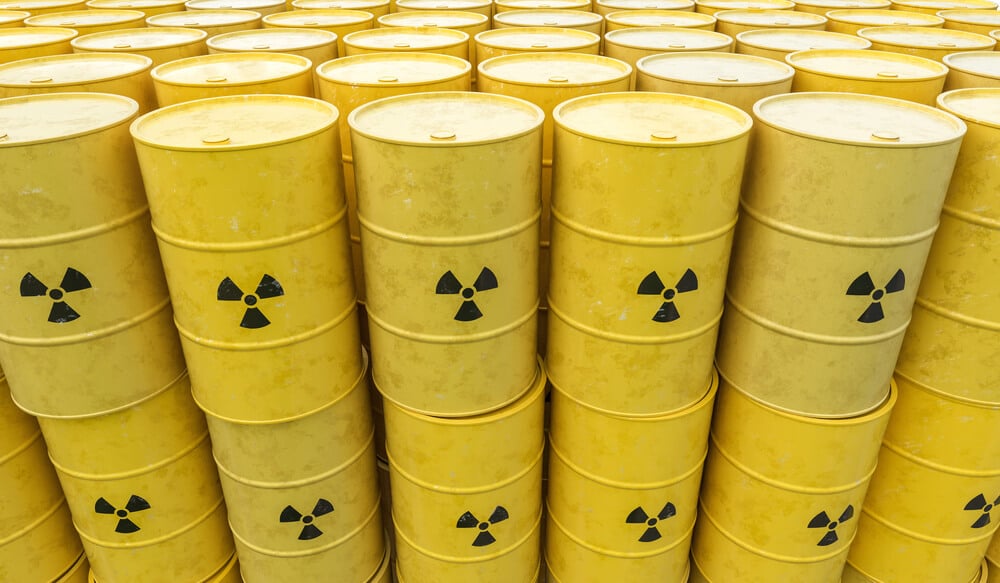
Physicists and policy analysts warned throughout the 1970s that the United States was generating radioactive waste from power plants and weapons production without any long-term storage plan, a problem they said would eventually become unmanageable. Utility companies argued a solution was imminent.
More than fifty years later, the federal government still has no operational permanent repository, and tens of thousands of tons of spent nuclear fuel remain stored at reactor sites across the country.
Wetlands Loss Would Worsen Coastal Flooding
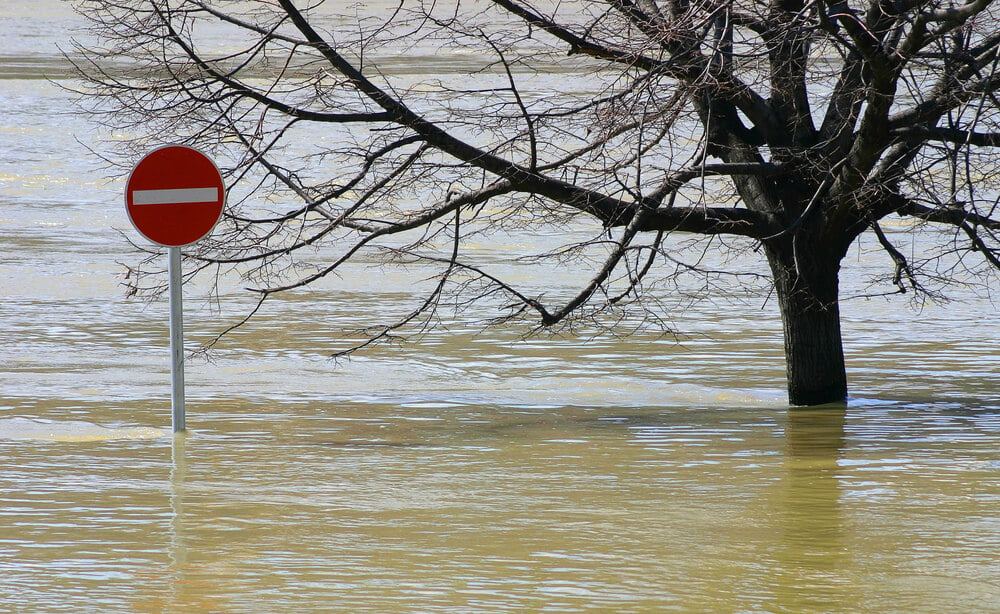
Coastal ecologists in the 1970s warned that draining wetlands for development along the Gulf Coast and Atlantic Seaboard was removing a natural buffer against storm surge. Real estate developers in Louisiana and Florida pushed back against wetland protections as costly overreach.
Louisiana has since lost an area of coastal wetlands roughly the size of Delaware, a loss now directly cited as a factor amplifying hurricane damage in the region.
Pesticide Runoff Would Create Dead Zones
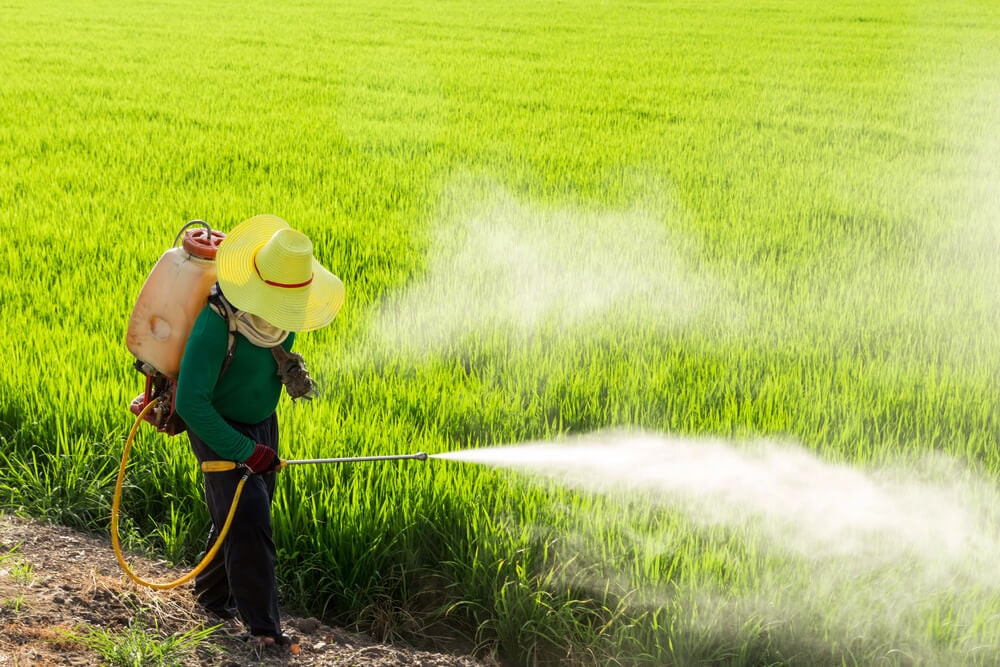
Agricultural runoff studies in the 1970s linked nitrogen and phosphorus fertilizer to oxygen-depleted “dead zones” forming where major rivers meet the ocean, particularly at the mouth of the Mississippi. Farm lobbies argued the connection was unproven and that yield needs outweighed the risk.
The Gulf of Mexico dead zone is now measured annually and has repeatedly exceeded 6,000 square miles, roughly the size of Connecticut.
Urban Air Pollution Was Causing Respiratory Disease
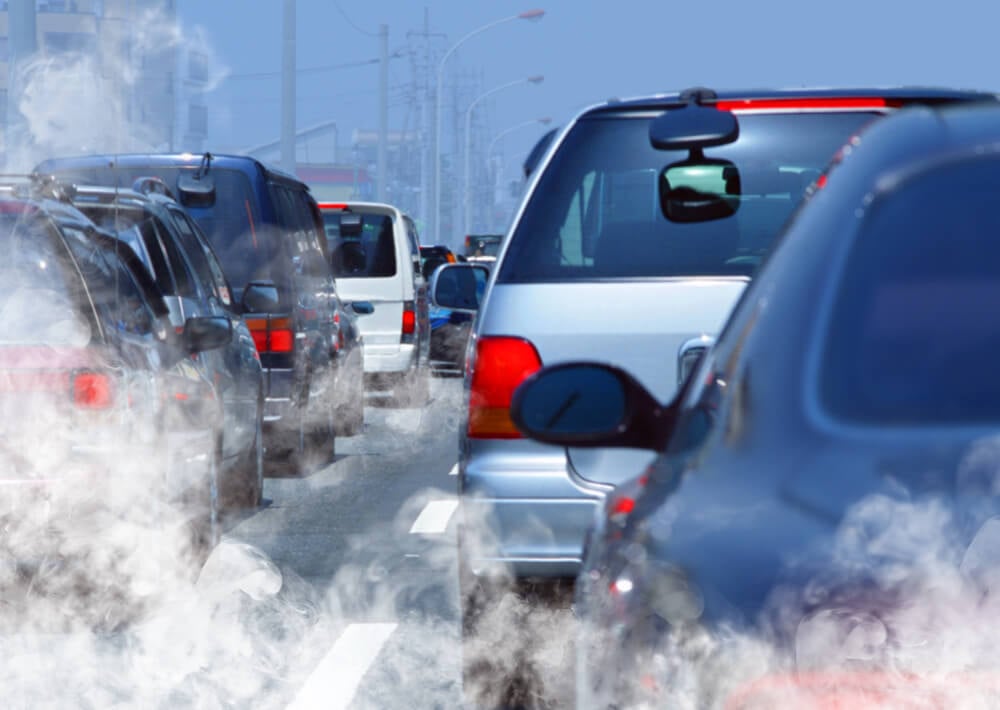
Los Angeles smog alerts became a near-daily occurrence in the early 1970s, and public health researchers directly linked the haze to rising childhood asthma rates and premature deaths. Automakers resisted early emissions standards, arguing the technology to meet them did not yet exist.
The Clean Air Act’s vehicle standards, tightened repeatedly since, are now credited by the EPA with preventing hundreds of thousands of premature deaths annually.
Species Would Vanish Without Federal Protection

The Endangered Species Act passed in 1973 after biologists warned that unregulated hunting, habitat destruction, and pesticide use were pushing species like the bald eagle and gray wolf toward extinction within the contiguous United States. Ranchers and developers opposed the law’s restrictions on land use.
The bald eagle, reduced to just over 400 nesting pairs by 1963 largely due to DDT, has since rebounded to more than 300,000 birds, one of the law’s clearest success stories.
Rainforest Destruction Would Erase Undiscovered Medicines
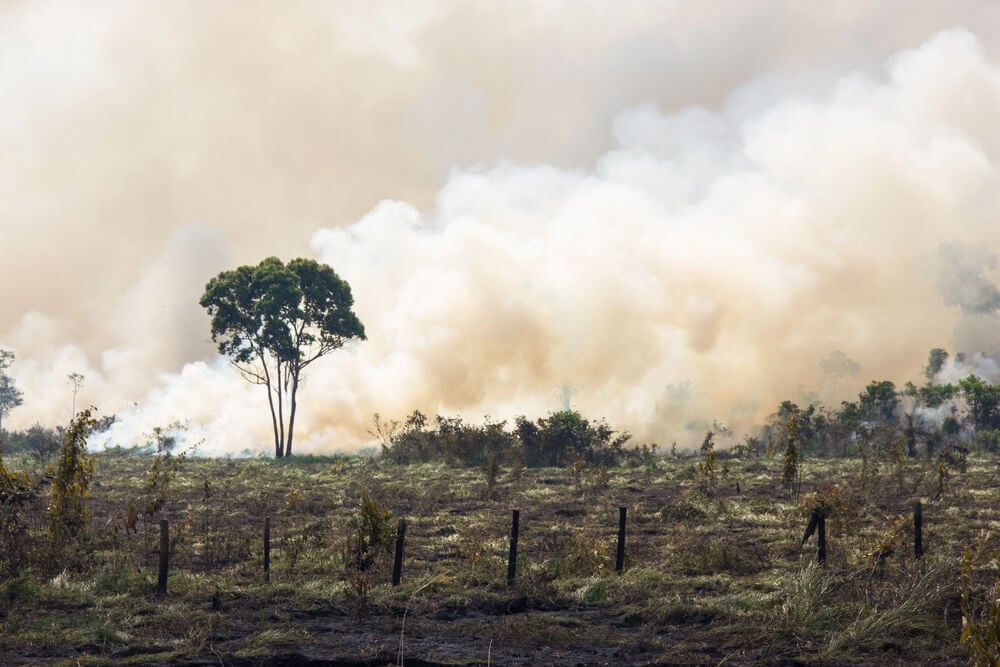
Ethnobotanists in the 1970s warned that clearing tropical forests was destroying plant species before they could even be cataloged, let alone studied for pharmaceutical potential. Timber and agricultural interests dismissed the argument as speculative.
Compounds later derived from rainforest plants, including the cancer treatments vincristine and vinblastine from the Madagascar periwinkle, are credited with saving hundreds of thousands of lives, underscoring how much may already have been lost.
The Colorado River Would Not Be Able to Support Growth Forever

Water engineers raised concerns as early as the 1970s that the Colorado River Compact had allocated more water to seven states than the river actually carried in an average year, based on unusually wet conditions recorded when the deal was struck in 1922. Western states largely ignored the warnings while continuing rapid growth.
Lake Mead and Lake Powell have since fallen to historic lows, forcing the first mandatory water cuts in the river’s history in 2021.
Industrial Runoff Would Make Rivers Flammable
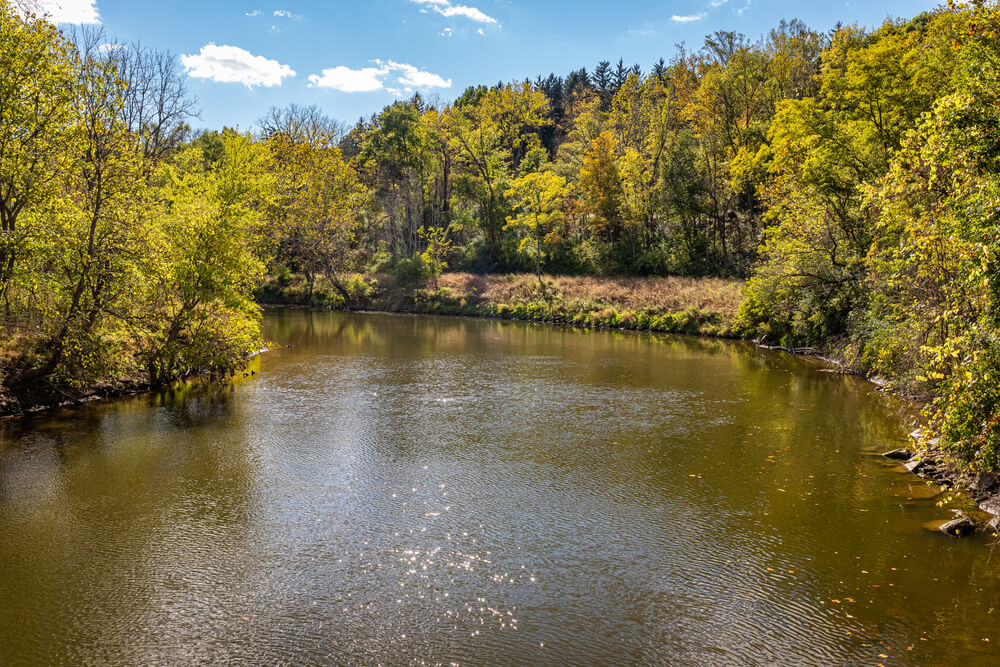
The Cuyahoga River in Cleveland, which had caught fire multiple times due to oil and debris on its surface, became a national symbol in 1969 and 1970 of how unregulated industrial discharge had turned American waterways into fire hazards. Local industry argued the river fires were exaggerated by media coverage.
The Cuyahoga’s recovery since the Clean Water Act passed is now cited as one of the clearest proof points that federal water regulation works, though similar contamination risks persist in less-monitored waterways.
Whale Populations Would Collapse Without a Hunting Ban

Marine biologists in the early 1970s warned that commercial whaling had reduced several great whale species to a small fraction of their historic populations and that continued hunting could drive them to extinction. Whaling nations, including Japan and the Soviet Union, resisted calls for a moratorium through most of the decade.
The International Whaling Commission’s 1986 moratorium is credited with allowing humpback and gray whale populations to substantially recover, though several other species remain endangered.
Suburban Pesticide Use Was Harming Songbirds

Following the broader DDT ban in 1972, ornithologists warned that continued residential pesticide spraying for lawns and gardens was still killing songbirds and disrupting their reproduction through eggshell thinning. Lawn care companies argued newer formulations were safe.
North America has since lost nearly three billion birds since 1970, according to a 2019 study in Science, with pesticide exposure identified as one of several contributing factors alongside habitat loss.
The Arctic Would Warm Faster Than the Rest of the Planet
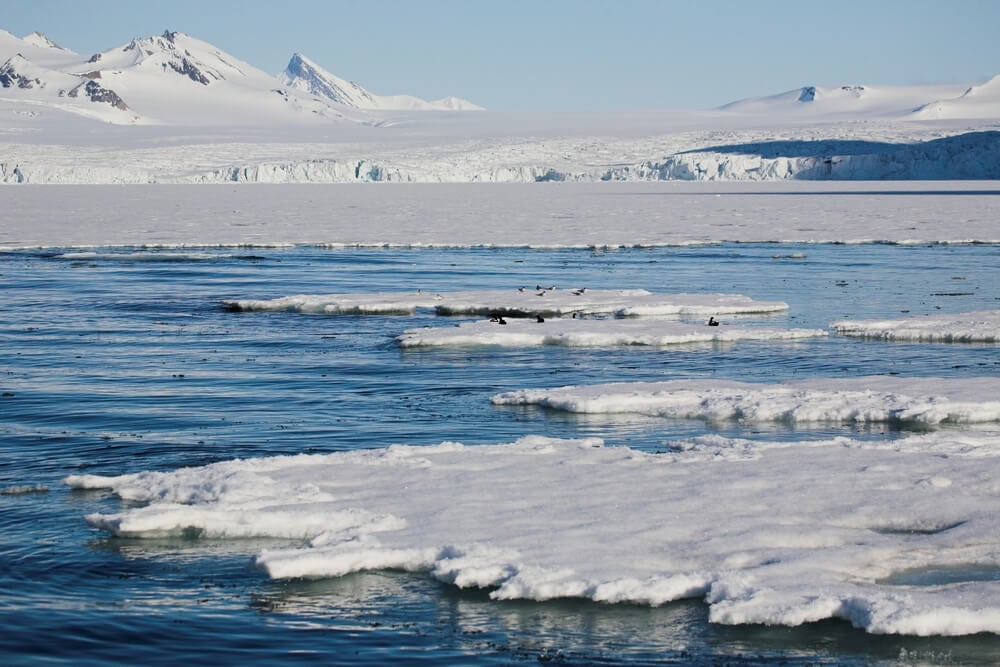
Early climate models developed by government scientists in the late 1970s, including a 1979 report commissioned by the National Academy of Sciences, projected that polar regions would warm at a disproportionately faster rate than the global average as greenhouse gases accumulated. The prediction was treated as a distant hypothetical at the time.
The Arctic is now documented to be warming nearly four times faster than the global average, a phenomenon scientists call Arctic amplification.
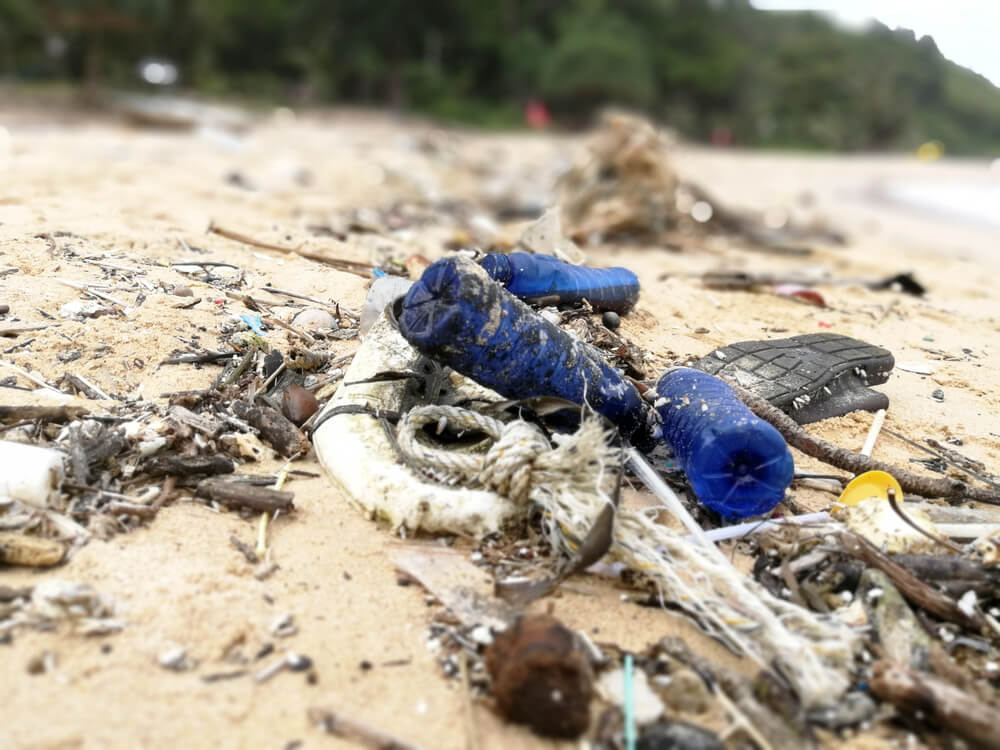
Plastic Debris Would Accumulate in the Oceans
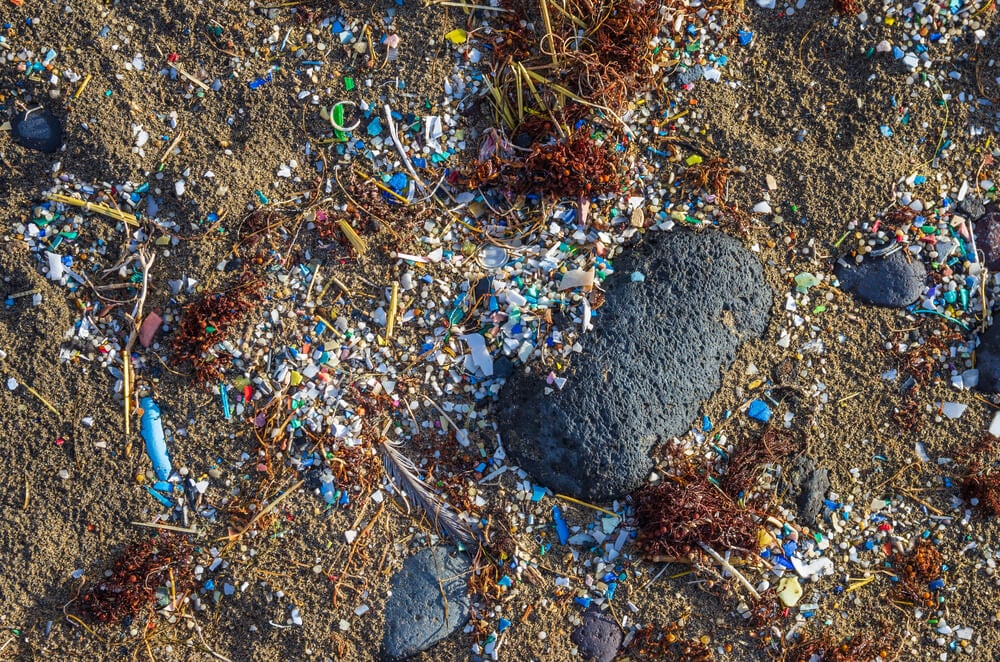
Oceanographers first documented significant concentrations of plastic particles in the North Atlantic in a 1972 study published in Science, warning that the material’s durability meant it would persist in marine environments indefinitely. The finding drew little public attention at the time, as plastic production was still expanding rapidly.
The Great Pacific Garbage Patch, now estimated to cover an area three times the size of France, is a direct legacy of the accumulation first measured fifty years ago.
Energy Efficiency Would Become a National Security Issue

Following the 1973 oil embargo, policy analysts argued that the country’s low fuel-efficiency standards left it dangerously exposed to future supply shocks and foreign price manipulation. The auto industry lobbied hard against the resulting 1975 Corporate Average Fuel Economy standards, calling them unworkable.
Those standards, tightened repeatedly since, are now credited with saving hundreds of billions of gallons of fuel and remain a central tool in reducing dependence on imported oil.
When Caution Looked Like Overreaction
Nearly every warning on this list was met, at the time, with some version of the same argument: that the scientists sounding the alarm were exaggerating, that the economic cost of acting was too high, or that the problem would resolve itself. In almost every case, the people making those counterarguments had a financial interest in being right.
What separates the warnings that came true from ordinary doomsaying is not tone or urgency but evidence, and evidence takes time to accumulate past the point where it can be argued away. The 1970s produced an unusually large body of environmental data all at once, and the decades since have mostly been spent discovering how much of it was correct.
More from Go2Tutors!

- The Romanov Crown Jewels and Their Tragic Fate
- 13 Historical Mysteries That Science Still Can’t Solve
- Famous Hoaxes That Fooled the World for Years
- 15 Child Stars with Tragic Adult Lives
- 16 Famous Jewelry Pieces in History
Like Go2Tutors’s content? Follow us on MSN.