27 Saturday Morning Habits Nobody Grows Up With Anymore
Saturday mornings used to run on a fixed schedule set by television networks, print newspapers, and a handful of local businesses that all opened and closed at predictable hours. On-demand everything has quietly dissolved that shared rhythm, and a specific set of childhood rituals went with it.
Waking Up Early for Cartoons

Children once set their own alarms on the one day of the week nobody made them, specifically to catch the start of network cartoon blocks that aired at a fixed time and were gone if missed. Streaming services made cartoons available at any hour on any day, removing the entire premise of racing downstairs before a specific broadcast slot.
The shared cultural experience of an entire generation watching the same episode at the same moment on a Saturday has largely disappeared along with it.
Reading the Newspaper Comics Section

Families once split the Saturday newspaper into sections at the breakfast table, with children claiming the comics page before anyone else could read it first. Print newspaper subscriptions have declined so steeply that many households no longer receive a physical paper at all.
Comic strips still exist but are now read individually online rather than shared as a physical section passed around a table.
Watching Live-Action Saturday Morning Shows

Beyond animated cartoons, networks filled Saturday mornings with a rotating slate of live-action shows and educational programming aimed specifically at that time slot, a format that required appointment viewing to catch. The entire concept of a dedicated Saturday morning programming block was phased out by major networks by the early 2010s as children’s viewing shifted to cable channels and streaming.
Saturday morning as a distinct television programming category effectively no longer exists.
Going to a Video Rental Store
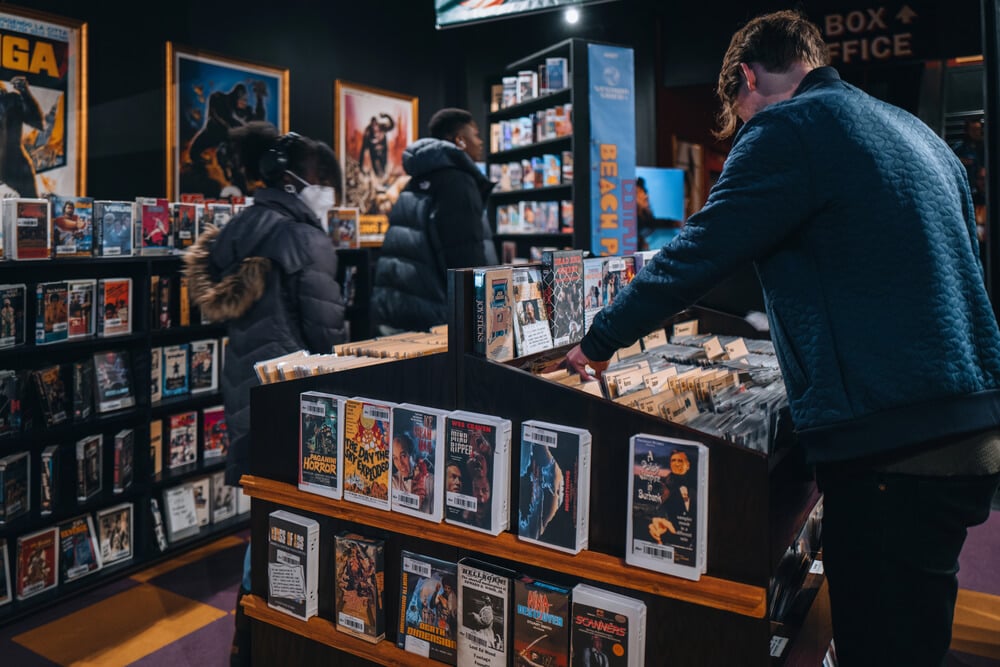
Weekend movie nights often started with a family trip to a video rental store on Friday or Saturday, browsing physical shelves and reading the back of a box before choosing a movie. Streaming services eliminated the need for physical rental almost entirely over the course of the 2010s, and most major rental chains closed their remaining stores by the middle of that decade.
Children today have largely never experienced the specific ritual of returning a physical tape or disc before a due date.
Checking a Physical TV Guide

Households once kept a printed TV guide or newspaper listing on hand specifically to plan out a Saturday morning viewing schedule across multiple channels airing different shows at overlapping times. Digital program guides built into cable boxes and, later, streaming interfaces made the printed guide unnecessary.
TV Guide magazine itself shifted away from its weekly listings format as digital guides took over the function entirely.
Getting an Allowance in Cash on Saturday

Many households paid a child’s weekly allowance in physical cash on a set day, often Saturday, tied to completed chores from the preceding week. Digital banking apps designed for children and teenagers have shifted much of this exchange toward automatic transfers rather than a physical handoff.
The specific ritual of counting out coins and small bills at a kitchen table has become far less common as family finances move increasingly cashless.
Going to the Library for a Weekly Book Return

Weekly library trips were a common Saturday fixture for families with young readers, timed around a standard two-week checkout period that meant a return or renewal was often due around the same time each cycle. Digital library apps now allow renewals and even full e-book checkouts without a physical visit at all.
Libraries remain heavily used, but the specific Saturday morning errand built around a due-date deadline has become less central to how many families interact with them.
Watching Saturday Morning Wrestling or Sports Recaps

Local and syndicated television stations once filled Saturday morning time slots with wrestling programming, sports highlight shows, or regional recap programs that aired at a fixed and often odd hour before switching to cartoons later in the morning. The rise of dedicated sports networks and on-demand streaming eliminated the need for these fixed weekly recap slots.
Sports content is now available continuously rather than compressed into a specific weekend broadcast window.
Going to a Physical Bank Branch
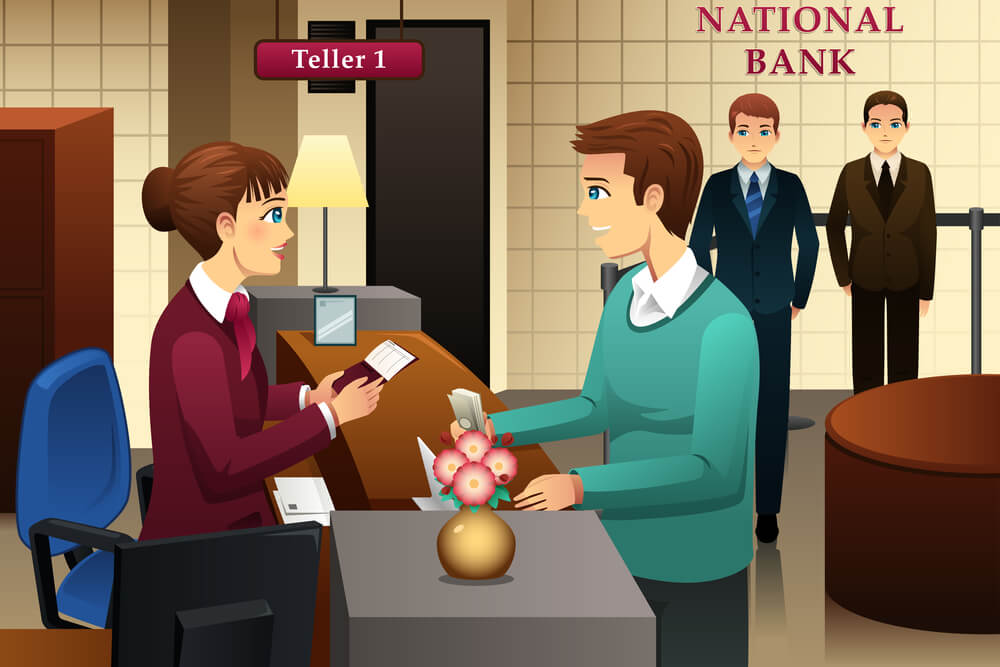
Families with children sometimes made a Saturday morning trip to a bank branch specifically to deposit allowance money or coins collected throughout the week into a savings account passbook. Online and mobile banking have made in-person branch visits far less necessary for routine transactions like small deposits.
Many bank branches have reduced Saturday hours or closed entirely as foot traffic for basic transactions declined.
Reading Printed Sale Circulars
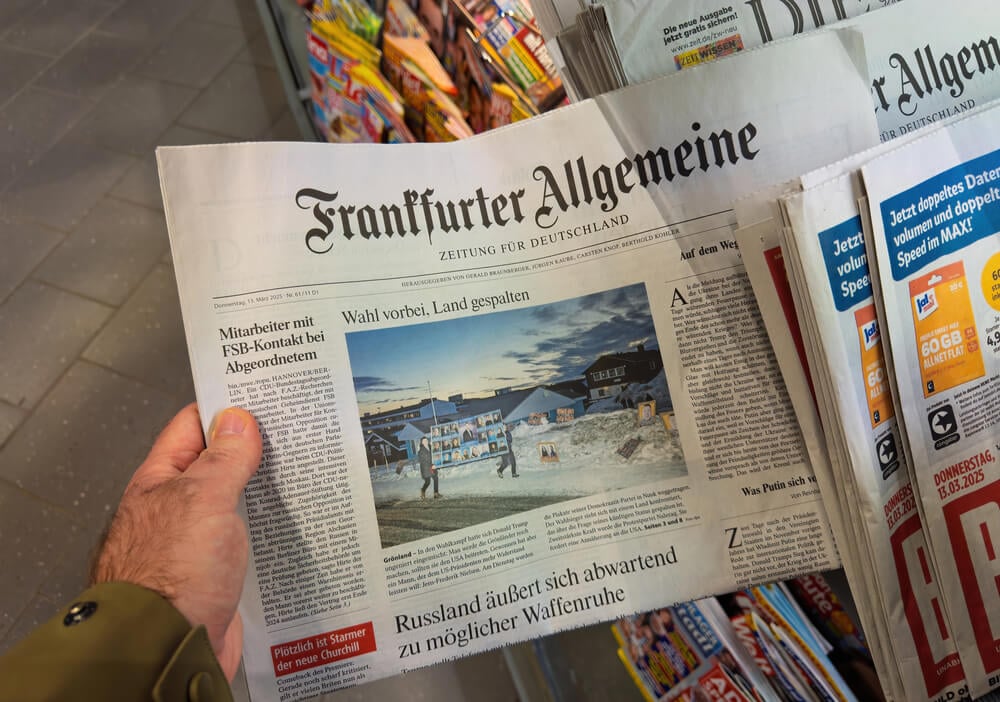
Saturday morning newspapers once arrived stuffed with printed sale circulars and coupon inserts from local and national retailers, prompting many households to sit down and plan weekend shopping trips around printed deals. Digital coupon apps and retailer email lists have replaced most physical circulars.
The specific ritual of clipping paper coupons at a kitchen table has become uncommon outside of a smaller group of dedicated couponing enthusiasts.
Going to a Physical Arcade

Weekend arcade visits were a common activity for children and teenagers for decades, feeding quarters into cabinet games at a dedicated storefront that was often busiest on Saturday mornings and afternoons. Home console gaming and later mobile gaming reduced foot traffic at standalone arcades so significantly that most independent arcades closed by the 2000s.
Arcade-style gaming still exists but has largely shifted to novelty “barcade” venues rather than a routine weekend habit for most families.
Renting Skates or Bikes From a Local Shop
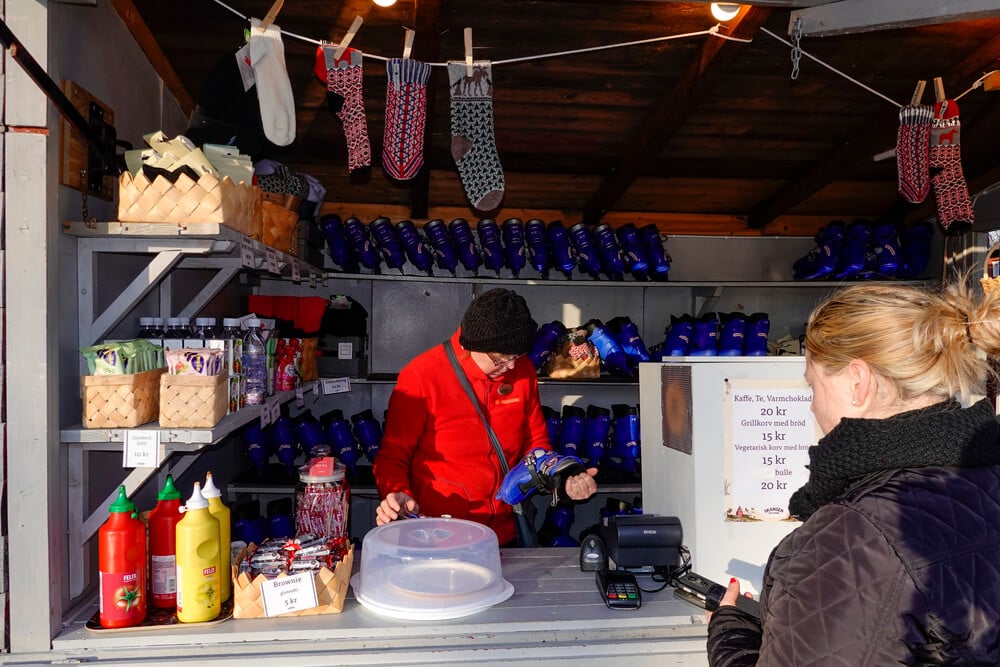
Some neighborhoods supported small shops that rented roller skates, bicycles, or sporting equipment specifically for weekend use, a common Saturday morning stop for families without their own equipment. The declining number of independent sporting goods shops, combined with cheaper big-box retail purchase options, made short-term rental less common for everyday recreational equipment.
Renting gear for a single weekend outing has become far less routine than simply owning inexpensive equipment outright.
Doing Chores Before Being Allowed to Watch Television

A common household rule tied weekend television privileges directly to completing a specific list of Saturday morning chores first, creating a fixed sequence many children followed before ever turning on a screen. The proliferation of personal devices with unrestricted access has made the single household television, and the single point of parental control it represented, largely obsolete in many homes.
The specific negotiation over chores-before-cartoons has become one household rule among many rather than the default structure of the entire morning.
Going to Saturday Morning Sports Practice as a Rite of Passage

Youth sports leagues once concentrated the bulk of practices and games specifically on Saturday mornings, making it one of the few fixed, universal commitments shared across most families in a given neighborhood. Expanded travel league schedules and weekday evening practice slots have spread youth sports commitments across the entire week rather than concentrating them on a single shared morning.
The specific cultural image of an entire neighborhood converging on a field at the same Saturday morning hour has become less common as scheduling has fragmented.
Getting a Haircut at a Walk-In Barbershop

Saturday mornings were a traditional peak time for walk-in barbershop visits, often involving a wait among other customers and no appointment needed. Online booking systems at most modern salons and barbershops have shifted the experience toward scheduled appointments rather than a first-come, first-served wait.
The specific social experience of waiting in a crowded Saturday morning barbershop has become less common as booking has moved online.
Listening to a Local Radio Request Show

Local radio stations commonly aired a Saturday morning call-in request show, where listeners phoned in to request a specific song or dedicate one to a friend or family member on air. Streaming music services eliminated much of the appeal of waiting for a requested song to air at an uncertain time.
Local radio still exists, but the specific ritual of calling in a Saturday morning request has become rare outside of smaller community stations.
Going to a Garage Sale Circuit
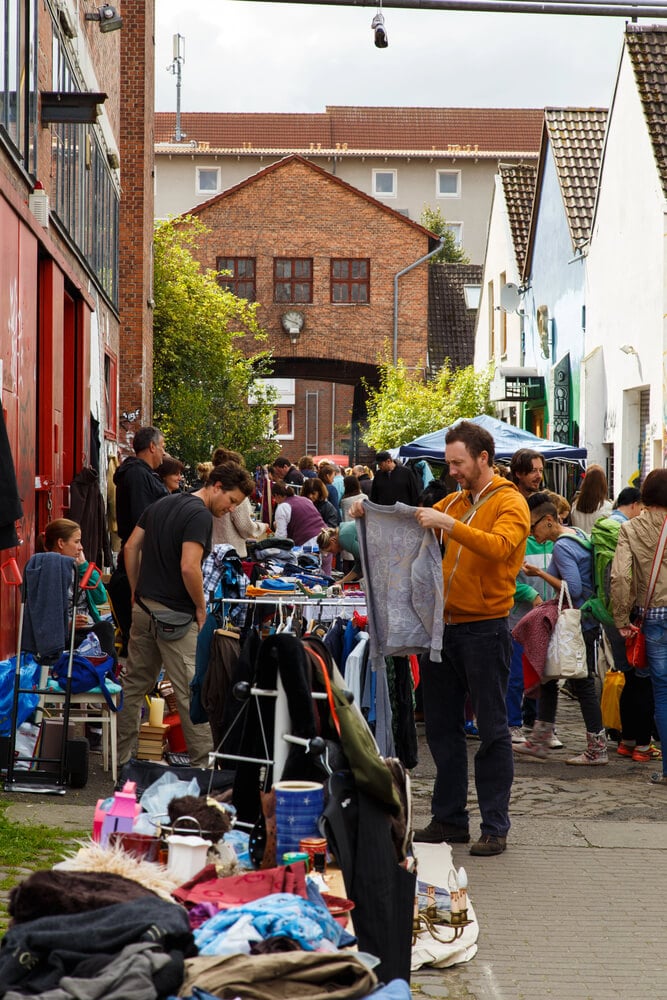
Families in many neighborhoods spent Saturday mornings driving a planned route between multiple garage and yard sales, often working from a hand-drawn or newspaper-listed map of addresses. Online marketplace apps have shifted much of this secondhand shopping online, allowing buyers to browse listings and arrange pickup without a dedicated weekend circuit.
Garage sales still happen but attract a smaller and more specialized crowd than the broader Saturday morning tradition once did.
Doing Homework Only After Cartoons Ended

Many households enforced an informal rule that homework could wait until the fixed Saturday morning cartoon block ended, creating a shared time boundary that structured an entire morning around a broadcast schedule rather than a clock. Without a fixed programming block to mark the transition, many families have shifted toward more flexible or individually negotiated homework schedules.
The specific cultural marker of “cartoons are over, time for homework” no longer applies when cartoons never really end.
Watching Saturday Morning Infomercials Before Cartoons Started

Many local television stations filled the earliest Saturday morning hours, before children’s programming began, with paid infomercials for household products, exercise equipment, and cleaning tools. Children who woke up too early for cartoons often ended up watching these programs by default while waiting for the actual children’s block to start.
Streaming eliminated both the early time slot and the concept of programming determined entirely by a broadcast schedule rather than viewer choice.
Going to a Photo Development Counter
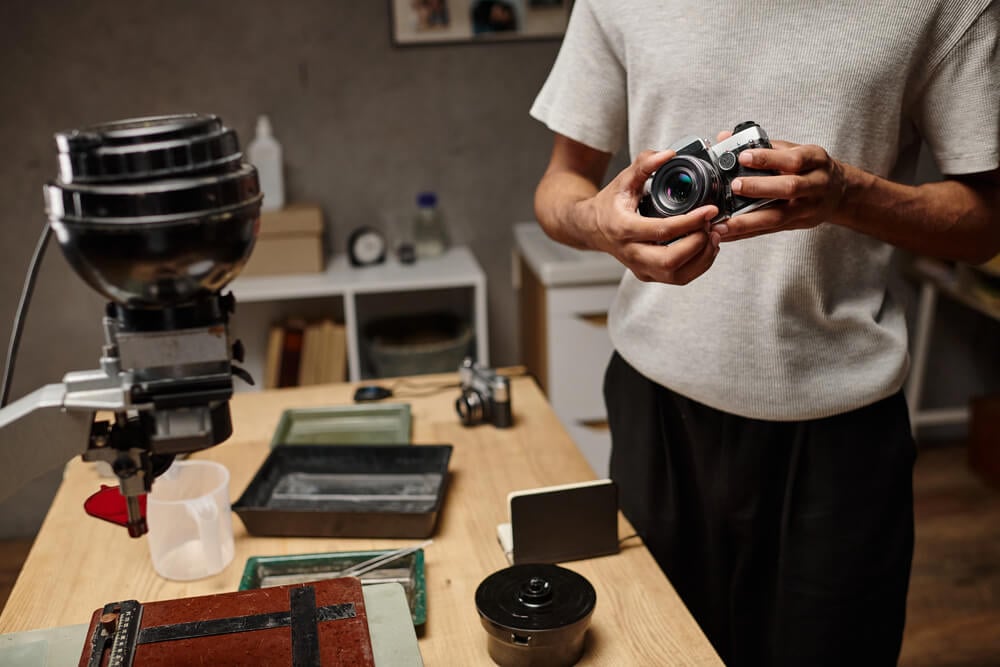
Families who had taken photos over the preceding week often made a Saturday morning trip to drop off film for one-hour development, then ran other errands before returning to pick up the printed photos. Digital cameras and smartphones eliminated the entire film development process for the vast majority of consumers by the mid-2000s.
The specific anticipation of waiting to see how a roll of film turned out has largely disappeared from family life.
Checking a Physical Mailbox for a Weekend Delivery
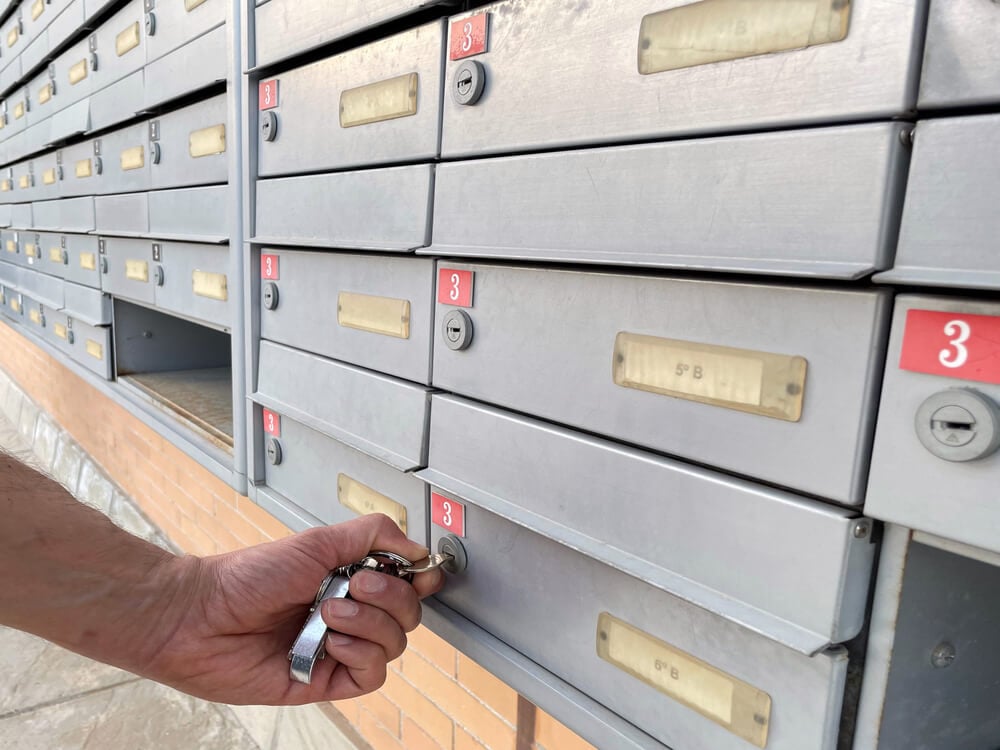
Saturday mail delivery once carried a specific anticipation for children waiting on a catalog order, a pen pal letter, or a subscription magazine that reliably arrived on the weekend. Online tracking and same-day digital notifications have replaced much of the surprise element of checking a physical mailbox.
Saturday mail delivery itself has also faced repeated proposed cuts at the federal level, further reducing its role in a family’s weekend routine.
Watching a Weekly Recorded Show on a VCR
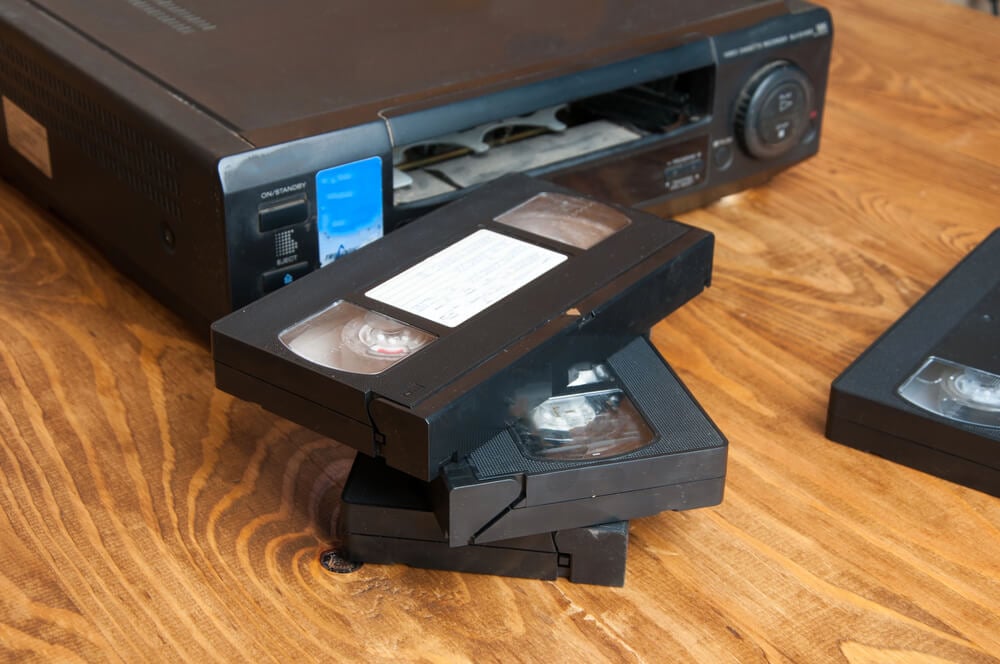
Households that used a VCR to record a favorite Saturday show airing at an inconvenient time developed an entire routine around setting timers, labeling tapes, and rewinding before the next recording. Digital video recorders and later on-demand streaming eliminated the need for any of these steps entirely.
An entire set of small technical skills, from programming a VCR clock to properly rewinding a tape, has become functionally obsolete.
Getting Dropped Off at a Mall Without a Phone

Teenagers were often dropped off at a local mall for a few unsupervised Saturday hours with no way to check in beyond a payphone or a prearranged pickup time. Smartphones have made constant check-ins the default expectation for supervised outings.
The specific independence of being genuinely unreachable for a few hours has become rare for most teenagers today.
Watching Saturday Morning Public Television Educational Blocks

Public television stations historically dedicated Saturday morning time slots to educational children’s programming distinct from commercial network cartoons, often featuring science, nature, or literacy-focused content. Streaming platforms have absorbed most of this educational programming into on-demand libraries rather than a fixed weekly broadcast slot.
The specific pairing of “Saturday morning” with “educational television” as a cultural shorthand has faded as the schedule dissolved.
Doing a Weekly Family Grocery Run as a Group Outing

Many families treated the Saturday grocery trip as a shared outing involving the whole family rather than a solo errand, often paired with a small reward like a treat from the store for children who behaved well during the trip. Grocery delivery and pickup services have made it increasingly possible to avoid the in-store trip altogether.
The specific childhood memory of pushing a cart through aisles as a Saturday family activity has become less universal as delivery options expand.
Watching a Local Weather Forecast Before Planning the Day

Families once checked a local Saturday morning weather segment specifically to plan outdoor activities for the day, often the only reliable forecast source available before heading out. Smartphone weather apps now provide continuously updated forecasts checked individually rather than as a shared household moment in front of the television.
The specific ritual of the whole family watching the weather segment together before deciding on a day’s plans has largely disappeared.
Calling a Friend’s Landline to Make Weekend Plans

Making weekend plans as a child once required calling a friend’s home landline and often talking to a parent first before being connected, a small but universal social ritual for an entire generation. Personal cell phones and texting eliminated both the shared family phone line and the specific etiquette that came with it.
An entire set of small social rules, from asking politely for a friend to come to the phone to remembering not to call too early, has largely disappeared with it.
The Morning That Used to Belong to a Schedule

What ties all of these habits together is not nostalgia for any specific activity but the disappearance of a shared external clock that used to structure a Saturday morning for nearly everyone at once. A broadcast schedule, a store’s open hours, or a weekly due date used to impose the same rhythm on millions of households simultaneously, whether or not anyone actually preferred it that way.
On-demand access solved a real problem, letting people watch, shop, and communicate exactly when they want rather than when a network or a store decided. What it quietly removed was the sense of a specific morning belonging to everyone at the same time, which is a strange thing to miss and an even stranger thing to explain to a child who has never experienced it.
More from Go2Tutors!

- The Romanov Crown Jewels and Their Tragic Fate
- 13 Historical Mysteries That Science Still Can’t Solve
- Famous Hoaxes That Fooled the World for Years
- 15 Child Stars with Tragic Adult Lives
- 16 Famous Jewelry Pieces in History
Like Go2Tutors’s content? Follow us on MSN.