Famous Brands That Failed in Other Countries
Big companies spend millions building their reputation at home. They craft perfect logos, create catchy slogans, and win over loyal customers who would never dream of switching to a competitor.
Everything seems golden until they decide to take their show on the road and expand internationally. That’s when things can go spectacularly wrong.
What works in New York might bomb Tokyo. A name that sounds cool in English could mean something embarrassing in Spanish.
Let’s look at some major brands that learned this lesson the hard way.
Pepsi in China
Pepsi walked into China with confidence and a slogan that had worked wonders back home. “Come alive with the Pepsi Generation” had resonated with American youth for years.
The marketing team translated it directly into Chinese without checking with actual Chinese speakers first. Their translation ended up telling Chinese consumers that Pepsi would bring their ancestors back from the dead.
You can imagine the confusion when people thought they were accidentally buying some kind of supernatural beverage. The company had to completely redo their entire marketing campaign, and their big entrance into China turned into an expensive mess.
Chevrolet Nova in Spanish-speaking countries
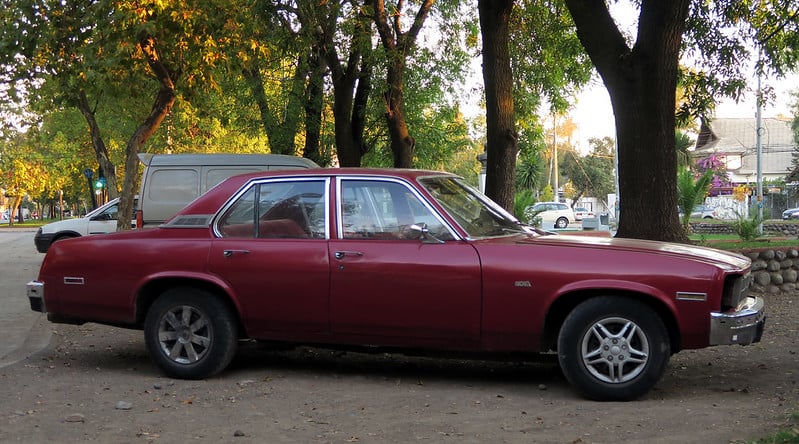
General Motors thought they had a winner with the Chevrolet Nova. The car sold decently in the United States, so executives figured it would do just as well in Mexico and other Spanish-speaking markets.
Nobody in the boardroom apparently spoke Spanish well enough to notice the problem. “No va” translates to “it doesn’t go” or “it won’t run.”
Try walking into a dealership and asking to buy a car that literally advertises it won’t start. Sales tanked immediately, and the company eventually gave up and rebranded the vehicle.
Gerber baby food in Africa

Gerber is practically synonymous with baby food in America. Their jars feature an adorable baby face on every label, which has become one of the most recognizable images in grocery stores.
When they expanded into parts of Africa, they used the exact same packaging design. In many African countries, products show a picture of what’s actually inside the container.
This helps shoppers know what they’re buying, especially in areas where not everyone reads fluently. Parents saw the baby face on the jar and were absolutely horrified, assuming the worst about what might be inside.
Walmart in Germany

Walmart is the retail giant that conquered America with low prices and massive stores. German expansion seemed like a natural next step.
They bought existing German chains and tried copying their American playbook exactly. German shoppers thought the super-friendly greeters were bizarre and intrusive.
Having someone enthusiastically welcome you at the door isn’t charming in Germany—it’s weird. Germans also prefer bagging their own groceries and found it uncomfortable when employees tried to do it for them.
Add in the fact that German discount chains already offered better prices, and Walmart never stood a chance. They lost hundreds of millions before finally giving up in 2006.
Starbucks in Australia
Starbucks had conquered markets everywhere from Japan to the United Kingdom, so Australia seemed like it would be a breeze. The coffee chain opened dozens of locations across Australian cities really quickly.
They completely misjudged how serious Australians are about their coffee. Australians already had neighborhood cafés serving proper espresso drinks that put Starbucks to shame.
The sweeter, milkier Starbucks drinks tasted like dessert to people used to strong, quality coffee. Within a few years, Starbucks had shut down more than 60 locations and retreated to just a few spots where tourists might wander in.
Kellogg’s in India
Kellogg’s tried convincing Indian families to ditch their traditional hot breakfasts for cold cereal. The company marketed corn flakes as a modern, convenient option for busy families.
Most Indians took one look and said no thanks. Eating cold cereal with milk seemed unappealing when you’re used to warm parathas or dosas in the morning.
Cold cereal also costs way more than traditional breakfast foods. Why would anyone pay premium prices for something that seems less filling and less tasty than what grandma makes?
American Airlines in Mexico
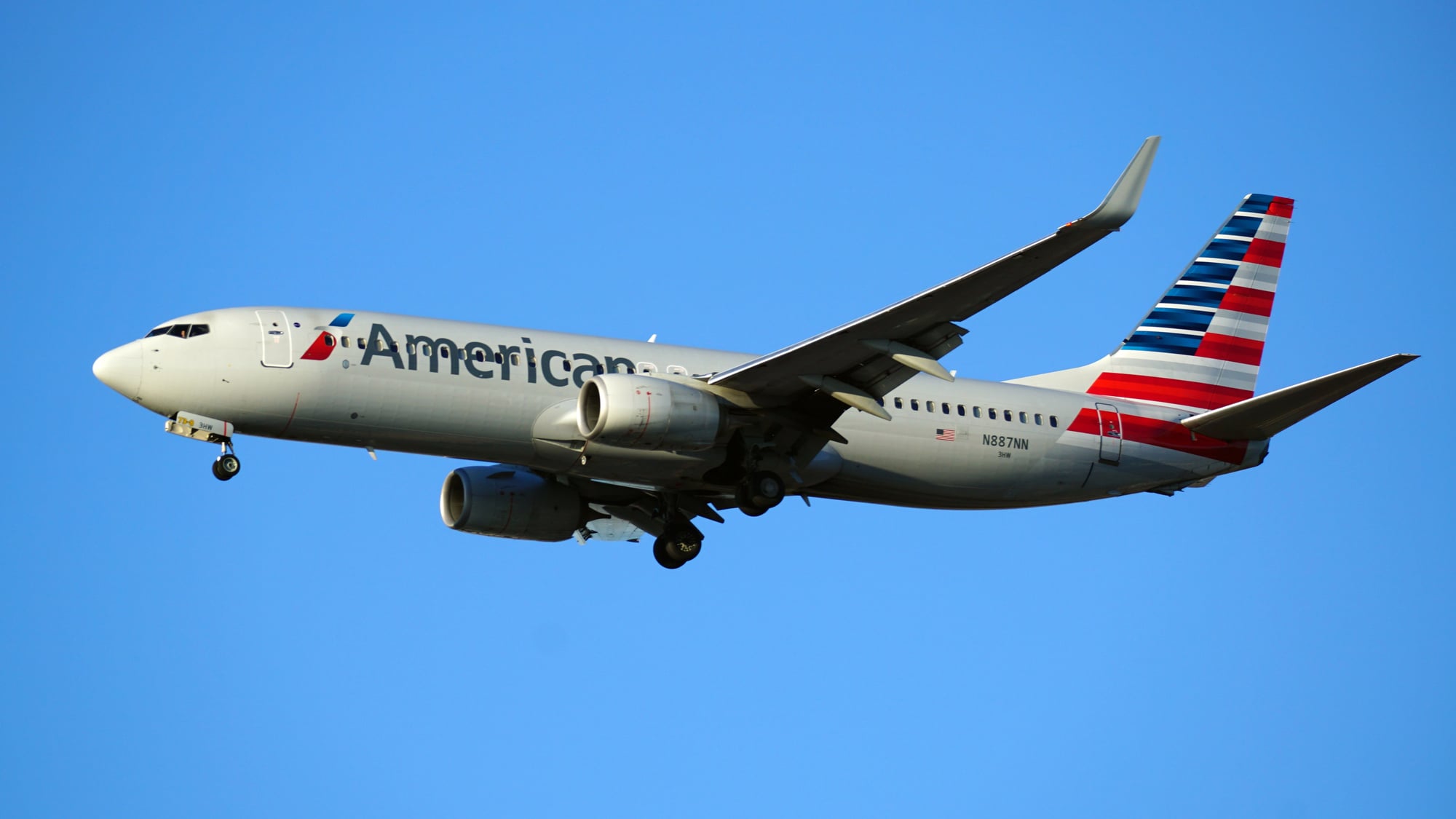
American Airlines wanted to show off their fancy new leather seats on flights to Mexico. They created a campaign with the slogan “Fly in Leather.”
In English, it sounds luxurious and comfortable. When they translated it to Spanish for the Mexican market, it became “Vuela en Cuero.”
Unfortunately for American Airlines, this phrase sounds a lot like slang for flying without clothes on. The airline had accidentally invited Mexican passengers to fly in the buff.
Someone caught the error pretty quickly, but not before it became legendary in marketing classes.
HSBC global marketing campaign
HSBC bank spent millions on a campaign built around the tagline “Assume Nothing.” The idea was to encourage customers to keep an open mind about different cultures and banking practices around the world.
When they rolled it out internationally, translators in different countries turned it into something completely different. In several markets, the slogan came out meaning “Do Nothing” or basically told customers to expect nothing from the bank.
Telling potential customers that your bank does nothing isn’t exactly a winning strategy. HSBC had to spend another $10 million just to clean up the mess and start over.
Tesco in the United States

British supermarket giant Tesco launched Fresh & Easy stores across the western United States. The company had done research and felt confident their smaller store format would work great.
Americans took one look at the cramped aisles and immediately felt claustrophobic. We’re used to giant supermarkets where you can fit a small car down the aisle.
The weird mix of British products nobody recognized didn’t help either. Then Tesco made everything self-checkout only, which frustrated people who actually wanted to talk to a cashier.
After losing over a billion dollars, Tesco admitted defeat and sold off everything.
Puffs tissues in Germany

Procter & Gamble markets their facial tissues as Puffs in the United States. The brand has a soft, friendly image that appeals to American consumers.
When they tried selling Puffs in Germany using the same name, German shoppers wouldn’t touch them. The word “puff” in German slang refers to a brothel.
Nobody wants to buy tissues that share a name with something inappropriate. The company eventually figured out why their sales were terrible and rebranded for Germany, but they’d already wasted a bunch of money and time.
Home Depot in China

Home Depot thought Chinese consumers would love the do-it-yourself culture that made them huge in America. They opened big warehouse stores across China packed with tools and supplies.
Turns out Chinese shoppers had zero interest in spending their weekends doing home repairs. Most people in Chinese cities just hire someone to fix things instead of doing it themselves.
City apartments are also tiny, so where would you even store all those tools? The whole concept of wandering around a hardware store for fun on Saturday didn’t translate at all.
Home Depot closed everything by 2012.
Best Buy in Europe and China
Best Buy had dominated American electronics retail for decades. Expanding into Europe and China seemed obvious.
European shoppers already had their own electronics stores that offered the same stuff for less money. In China, everyone was already buying electronics online because it was cheaper and more convenient.
Best Buy’s huge stores with expensive rent couldn’t compete with the prices on Chinese e-commerce sites. The company pulled out of Europe in 2011 and China in 2014 after realizing they were just throwing money away.
Gap in France

Gap is everywhere in America and seemed perfectly positioned to win over fashion-conscious France. The company opened stores in Paris expecting French shoppers to love their classic American casual style.
French consumers found Gap’s clothes boring and plain compared to what they could get from European brands. The prices seemed way too high for basic t-shirts and jeans that looked mass-produced.
French people generally prefer clothing that’s more fitted and distinctive, not the relaxed, everybody-looks-the-same style Gap offers. After years of struggling, Gap closed most of their French stores.
eBay in China

eBay was crushing it with online auctions when they decided to conquer China. They bought a local auction site and expected to dominate quickly.
Chinese shoppers had different expectations that eBay completely misunderstood. Taobao lets people list items for free while eBay charged fees.
Chinese buyers also wanted to chat directly with sellers through instant messaging, which eBay’s platform didn’t really support. Taobao made shopping feel more social and interactive, which Chinese users loved.
eBay eventually admitted they’d lost and pulled out of China in 2006.
Mattel’s Barbie in the Middle East
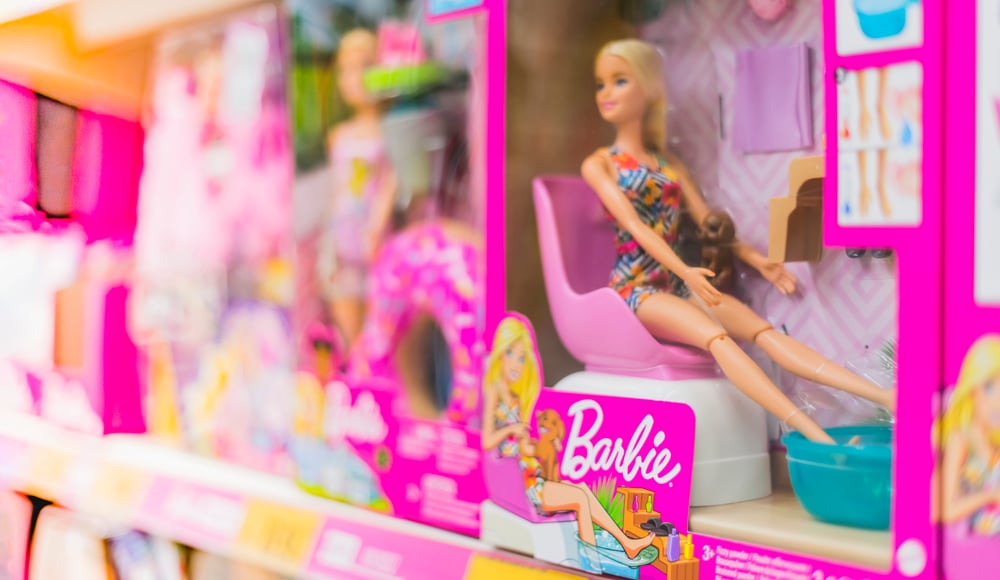
Mattel tried selling regular Barbie dolls in Middle Eastern countries without changing much. The dolls’ outfits and general Western appearance didn’t fit with conservative cultural values in the region.
Many parents found Barbie completely inappropriate for their daughters. The dolls didn’t reflect the standards of modesty that were important to families.
Meanwhile, competitors created dolls specifically designed for Middle Eastern markets that respected local customs and values. Barbie couldn’t compete when cultural fit mattered more than being a famous brand.
Dunkin’ Donuts in India
Dunkin’ Donuts opened stores across India hoping to ride the wave of growing coffee culture. They brought their standard menu of sweet donuts and sugary coffee drinks.
Indian customers weren’t interested in eating donuts for breakfast. The snacks seemed way too sweet compared to savory options like samosas that Indians actually wanted in the morning.
The coffee wasn’t right either—Indians prefer stronger, spicier varieties than the mild stuff Dunkin’ was serving. The company eventually had to completely redo their menu with Indian food just to stay in business.
Ford Pinto in Brazil
Ford launched the Pinto in Brazil with the same name they used everywhere else. The car had already caused problems in America, but Ford figured Brazil would be different.
Nobody bothered checking what “Pinto” actually meant in Brazilian Portuguese before printing all the marketing materials. The word is crude slang that made the car name embarrassing.
Families definitely weren’t interested in driving around in a vehicle with such an unfortunate name. Ford eventually renamed it Corcel, which means horse, and pretended the whole Pinto thing never happened.
Target in Canada
Target’s move into Canada was supposed to be easy money. Canadians already loved shopping at Target when they visited the United States, so bringing stores north seemed perfect.
Target rushed everything and opened over 100 stores in just two years. The stores had empty shelves everywhere because Target couldn’t get their supply chain working.
Prices were also way higher than in American Target stores, which made Canadian shoppers angry. They’d been expecting the great deals they found across the border.
Within two years, Target had lost billions and closed every single Canadian store, leaving giant empty buildings across the country.
Learning from mistakes
Companies that mess up internationally can bounce back if they’re willing to learn. Many brands eventually figure out that respecting local culture matters more than stubbornly sticking to what worked at home.
McDonald’s serves rice dishes in Asia, Coca-Cola tweaks their formulas for different taste preferences, and Netflix creates shows specifically for different regions. The smartest companies now spend serious time researching before entering new markets, hire local people who actually understand the culture, and stay flexible enough to change course when something isn’t working.
More from Go2Tutors!

- The Romanov Crown Jewels and Their Tragic Fate
- 13 Historical Mysteries That Science Still Can’t Solve
- Famous Hoaxes That Fooled the World for Years
- 15 Child Stars with Tragic Adult Lives
- 16 Famous Jewelry Pieces in History
Like Go2Tutors’s content? Follow us on MSN.