26 Treaties That Redrew Borders in a Single Afternoon
The Treaty of Tordesillas

Signed in 1494 between Spain and Portugal, this treaty drew a single line down the Atlantic Ocean and divided the entire non-European world between the two crowns, with Spain claiming everything to the west and Portugal everything to the east. Neither the Americas nor any of the affected peoples had a voice in the negotiation.
The line’s eastward placement is why Brazil, uniquely in South America, speaks Portuguese today.
The Peace of Westphalia

Two treaties signed in October 1648, at Münster and Osnabrück, ended the Thirty Years’ War and rearranged the political map of Central Europe in a single stroke. The agreements recognized the independence of the Dutch Republic and Switzerland and confirmed the fragmented sovereignty of hundreds of small German states.
It is often cited as the origin point of the modern idea of national sovereignty.
The Treaty of Utrecht
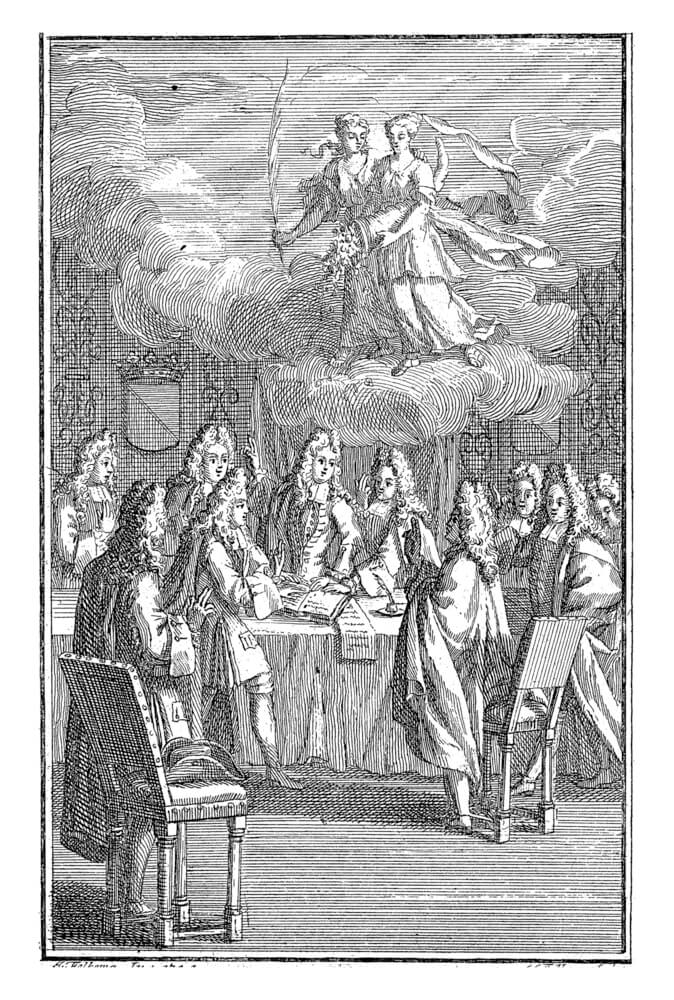
A series of agreements signed in 1713 ended the War of the Spanish Succession and redrew territories from Gibraltar to Newfoundland in the process. Britain gained Gibraltar and Minorca from Spain and Acadia and Newfoundland from France, cementing its rise as a global naval power.
Spain kept its throne under a Bourbon king but lost its European territorial holdings outside Iberia.
The Treaty of Paris (1763)
This 1763 treaty ended the Seven Years’ War and handed nearly all of French Canada to Britain in exchange for France keeping its sugar-rich Caribbean islands, a trade French negotiators considered the better deal at the time. Spain ceded Florida to Britain but received Louisiana from France as compensation.
The map of North America changed more in this single signing than in decades of prior colonial skirmishing.
The Treaty of Paris (1783)

Signed in 1783, this treaty ended the American Revolutionary War and recognized the independence of the United States, with borders stretching from the Atlantic to the Mississippi River. Britain also ceded Florida back to Spain as part of the broader settlement.
Negotiators sketched borders using maps that were, in places, notoriously imprecise, sowing boundary disputes that lingered for decades.
The Congress of Vienna Final Act
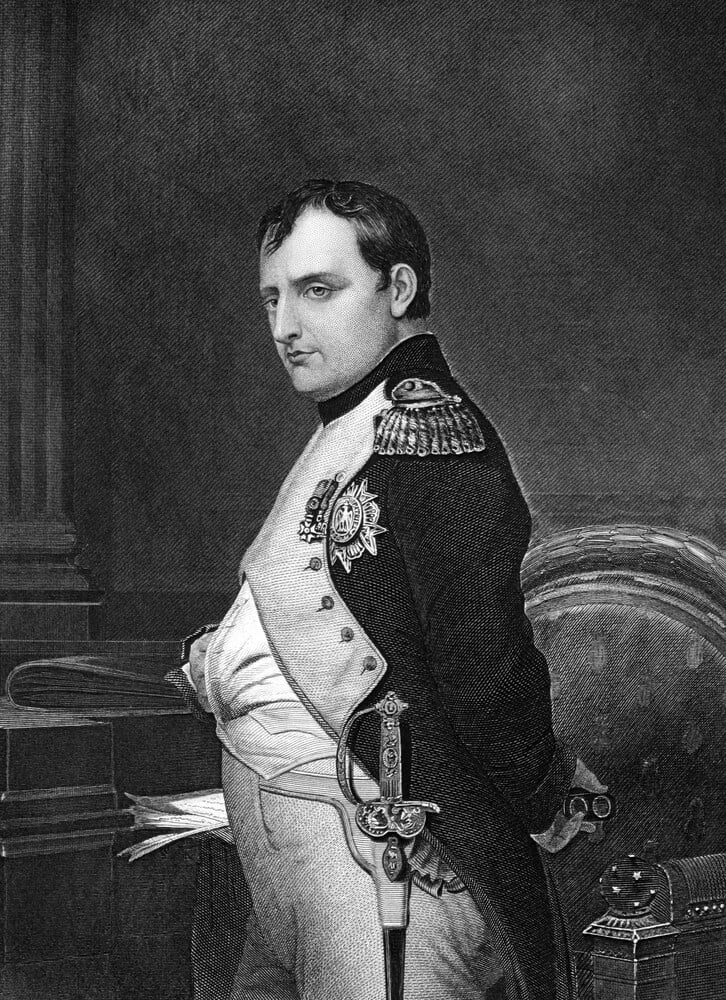
Concluded in June 1815 after months of negotiation among Europe’s great powers, the Final Act redrew the continent following Napoleon’s defeat, redistributing territory from Poland to the Rhineland. Formal ratification consolidated changes that reshaped dozens of borders simultaneously.
It is often credited with producing a rough balance of power that held, with interruptions, for a century.
The Treaty of Guadalupe Hidalgo

Signed in February 1848, this treaty ended the Mexican-American War and transferred more than half of Mexico’s prewar territory to the United States, including present-day California, Nevada, Utah, and much of Arizona and New Mexico. Mexico received a payment in exchange, a detail that did little to soften the scale of the loss.
The new border split communities that had lived under Mexican rule just weeks earlier.
The Alaska Purchase Treaty

Signed in March 1867, this brief agreement transferred Alaska from the Russian Empire to the United States for $7.2 million, a sum widely mocked at the time as “Seward’s Folly.” Russia’s motives included concern that it could not defend the territory in a future conflict with Britain.
The signing added over 600,000 square miles to U.S. territory in a single document.
The Treaty of San Stefano
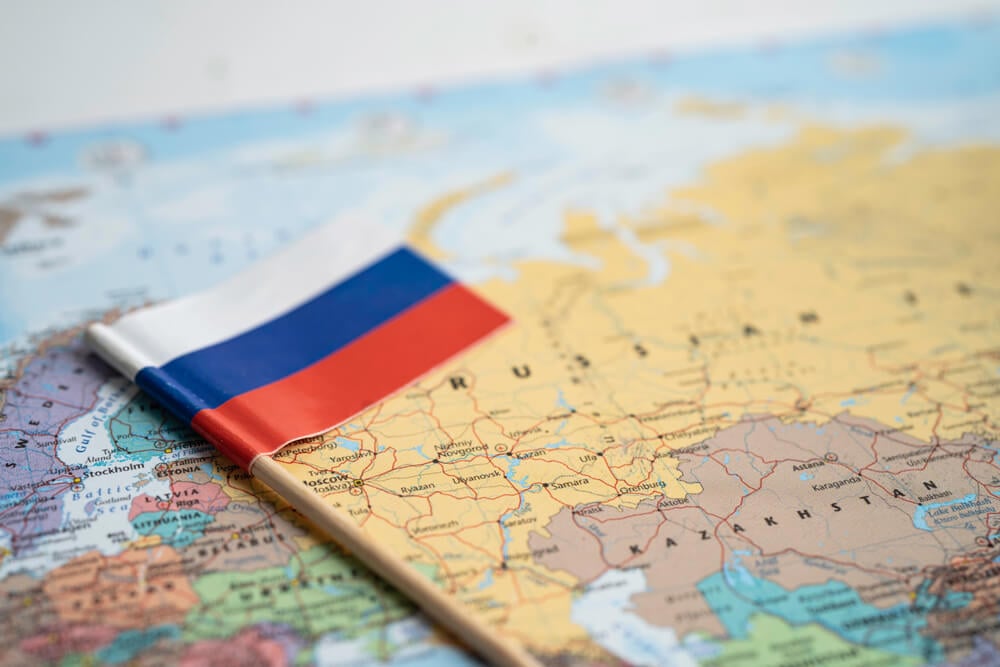
Imposed by Russia on the defeated Ottoman Empire in March 1878, this treaty created a large autonomous Bulgaria and stripped away substantial Ottoman territory in the Balkans. Other European powers, alarmed at Russia’s gains, forced a revision within months at the Congress of Berlin.
The original treaty nonetheless briefly redrew Balkan borders far more dramatically than what ultimately stood.
The Treaty of Berlin (1878)

Negotiated over several weeks but formalized in a single signing in July 1878, this treaty scaled back the Bulgaria created at San Stefano and granted full independence to Serbia, Montenegro, and Romania. Austria-Hungary was authorized to occupy Bosnia and Herzegovina, planting the seeds of later Balkan tensions.
The settlement reshuffled Balkan borders that had barely settled from the previous treaty.
The Treaty of Nanking

Signed in August 1842 aboard a British warship, this treaty ended the First Opium War and ceded Hong Kong Island to Britain outright. China was also forced to open several ports to foreign trade under terms it had little power to resist.
The cession of Hong Kong would not be reversed for over 150 years.
The Treaty of Shimonoseki

Signed in April 1895, this treaty ended the First Sino-Japanese War and forced China to recognize Korean independence while ceding Taiwan and the Penghu Islands to Japan. The Liaodong Peninsula was also initially ceded before European pressure forced Japan to return it shortly afterward.
The treaty marked Japan’s emergence as a major imperial power in East Asia.
The Treaty of Portsmouth
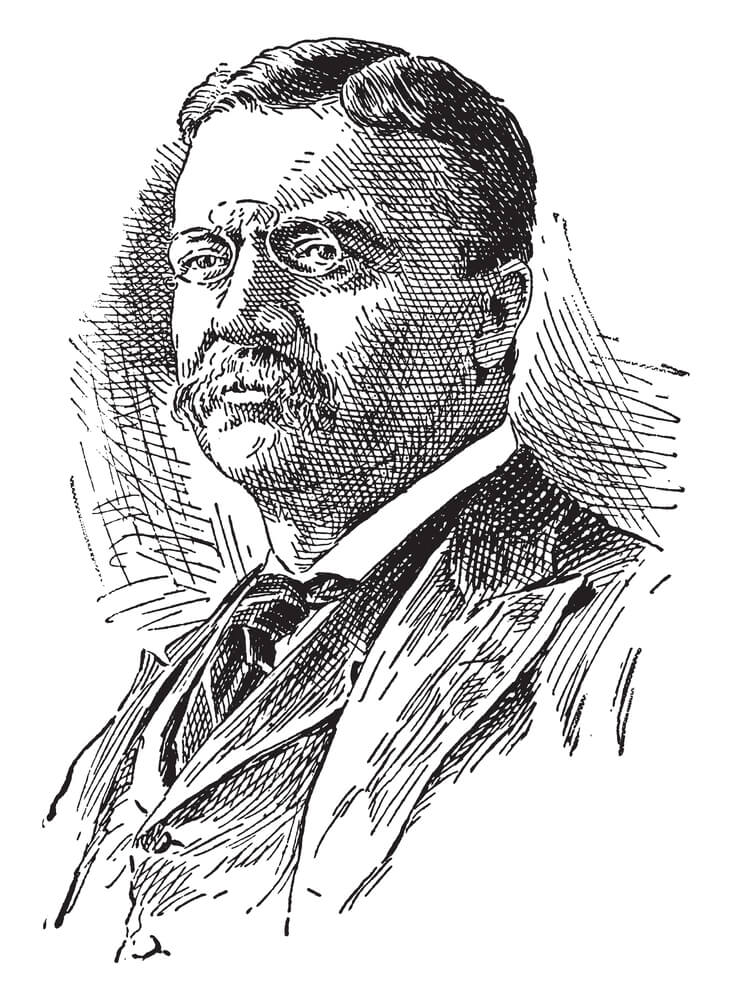
Signed in September 1905 and brokered by U.S. President Theodore Roosevelt, this treaty ended the Russo-Japanese War and transferred the southern half of Sakhalin Island from Russia to Japan. Roosevelt won the Nobel Peace Prize for his mediation efforts.
Russia’s defeat and the terms of the treaty contributed to unrest that would eventually feed into the 1917 revolutions.
The Treaty of Versailles
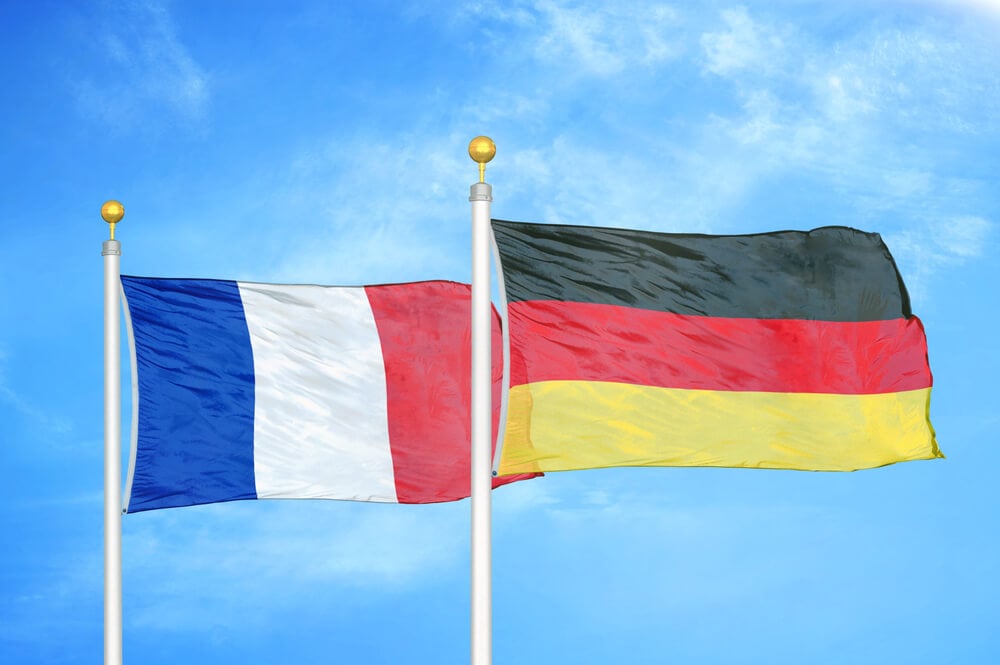
Signed in June 1919, this treaty formally ended the First World War and forced Germany to cede Alsace-Lorraine to France, hand territory to the reconstituted Poland, and give up all of its overseas colonies. The territorial clauses alone redrew borders across Europe and Africa.
The treaty’s harsh terms are frequently cited among the causes of the resentment that fed the rise of Nazism in the following decades.
The Treaty of Saint-Germain-en-Laye
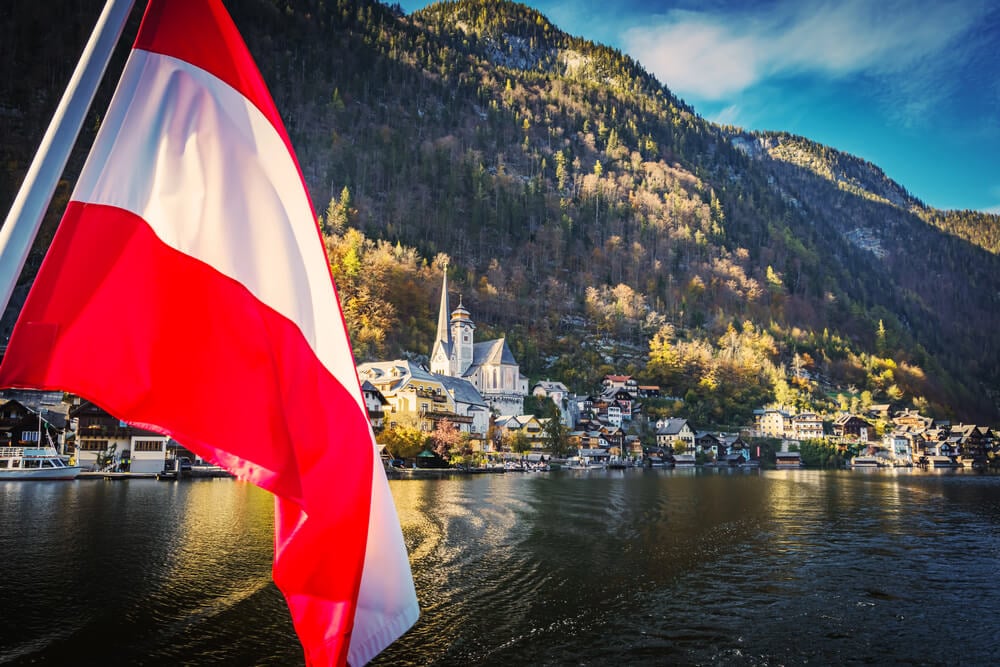
Signed in September 1919, this treaty formally dissolved the Austro-Hungarian Empire and recognized Austria as a small, separate republic. It also confirmed the independence of Czechoslovakia and transferred South Tyrol to Italy.
A vast multiethnic empire was reduced to a modest landlocked state through a single document.
The Treaty of Trianon

Signed in June 1920, this treaty formalized Hungary’s territorial losses following the collapse of Austria-Hungary, stripping the country of roughly two-thirds of its prewar territory and a similar share of its population. Neighboring Romania, Czechoslovakia, and the new Yugoslav state absorbed the bulk of the lost land.
The treaty remains a sensitive subject in Hungarian politics to this day.
The Treaty of Neuilly

Signed in November 1919, this treaty forced Bulgaria to cede territory to Greece, Romania, and the new Yugoslav kingdom, cutting off Bulgaria’s direct access to the Aegean Sea. Bulgaria also had to pay reparations and drastically reduce the size of its military.
The loss of coastline reshaped Bulgarian trade routes for a generation.
The Treaty of Sèvres
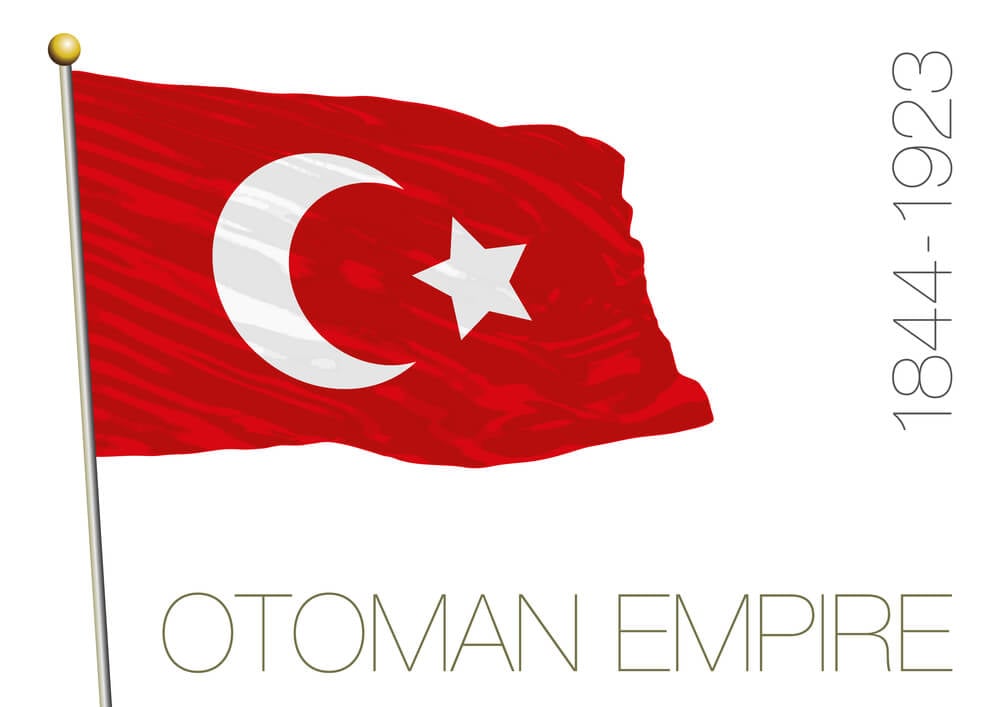
Signed in August 1920, this treaty attempted to partition the defeated Ottoman Empire among the victorious Allied powers, carving out zones of influence across Anatolia and the Middle East. Turkish nationalist forces under Mustafa Kemal Atatürk rejected the settlement outright and fought to overturn it.
The treaty was ultimately superseded and never came into full effect.
The Treaty of Lausanne

Signed in July 1923, this treaty replaced the failed Treaty of Sèvres and recognized the borders of the new Turkish republic largely as Atatürk’s forces had secured them on the battlefield. It also mandated a large-scale, mutual population exchange between Greece and Turkey based on religion.
The settlement remains the legal basis for much of modern Turkey’s borders.
The Treaty of Rapallo (1920)
Signed in November 1920 between Italy and the newly formed Kingdom of Serbs, Croats, and Slovenes, this treaty settled competing claims over the Istrian peninsula and the city of Fiume. Italy gained Istria while Fiume was designated a free city, a status that lasted only a few years before Italy annexed it outright.
The negotiations resolved a dispute that had nearly triggered renewed conflict in the region.
The Treaty of Fez

Signed in March 1912, this treaty established a French protectorate over most of Morocco, ending the country’s formal independence with a single sultan’s signature obtained under significant diplomatic and military pressure. Spain separately administered smaller protectorate zones in the north and south.
The document reshaped North African colonial boundaries for the following four decades.
The Treaty of Waitangi
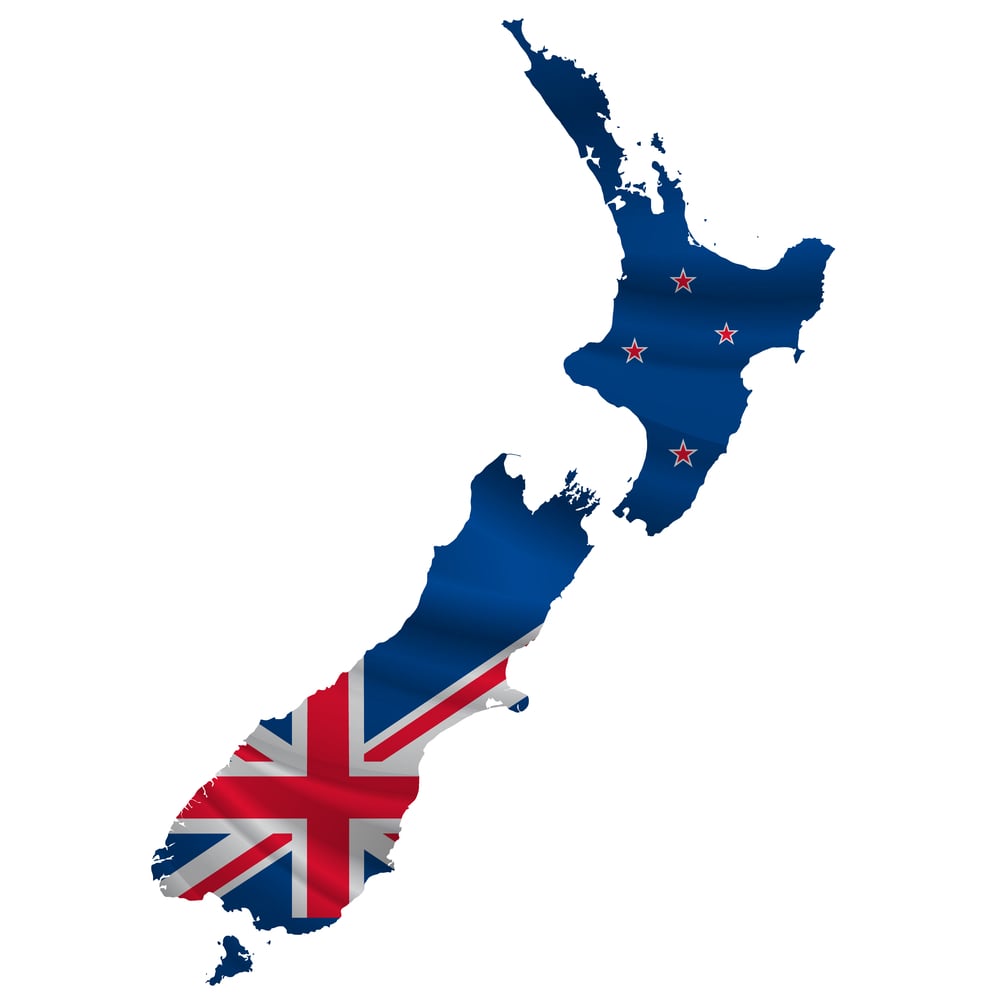
Signed in February 1840 between the British Crown and a number of Maori chiefs in New Zealand, this treaty established British sovereignty over the islands while promising to protect Maori land rights. Differences between the English and Maori-language versions of the text created disputes that persist in New Zealand law and politics today.
The signing itself, however, changed New Zealand’s legal status virtually overnight.
The Gadsden Purchase Treaty

Signed in December 1853, this treaty transferred a strip of land in present-day southern Arizona and New Mexico from Mexico to the United States for $10 million, primarily to secure a viable southern railway route. It was among the final adjustments to the U.S.-Mexico border following the larger cessions of the 1840s.
The purchase settled boundary questions left ambiguous by the earlier Treaty of Guadalupe Hidalgo.
The Treaty of Adrianople

Signed in September 1829, this treaty ended a war between Russia and the Ottoman Empire and granted autonomy to Serbia while expanding Russian territory along the Black Sea coast. It also recognized the effective independence of Greece, which had been fighting for its freedom for years.
The settlement marked a significant contraction of Ottoman authority in the Balkans and Caucasus.
The Treaty of Bucharest (1913)

Signed in August 1913, this treaty ended the Second Balkan War and redistributed territory among Serbia, Greece, Romania, and Montenegro at Bulgaria’s expense, after Bulgaria had attacked its former allies. The rapid territorial losses left Bulgaria embittered heading into the First World War just a year later.
The settlement is a textbook case of a quick document undoing months of costly fighting.
The Durand Line Agreement

Signed in November 1893 between British colonial administrator Mortimer Durand and Afghan Emir Abdur Rahman Khan, this agreement fixed a border between British India and Afghanistan that still separates Afghanistan and Pakistan today. The line was drawn largely without consulting the ethnic groups whose territories it divided.
It remains a source of dispute between Kabul and Islamabad more than a century later.
Ink and Consequence

What connects these documents is not their content but their pace. Years of conflict, colonization, or negotiation could compress into a single afternoon of signatures, and the people living inside the newly drawn lines rarely had a say in where the pen stopped.
Borders drawn this quickly often carried consequences that outlasted the diplomats who drew them by generations.
The speed of these agreements is also their weakness. A line drawn in an afternoon, without deep local input, tends to leave behind exactly the kinds of grievances that produce the next treaty.
Looking at this list end to end is less a tour of diplomatic triumphs than a map of unfinished business, passed from one generation of negotiators to the next.
More from Go2Tutors!

- The Romanov Crown Jewels and Their Tragic Fate
- 13 Historical Mysteries That Science Still Can’t Solve
- Famous Hoaxes That Fooled the World for Years
- 15 Child Stars with Tragic Adult Lives
- 16 Famous Jewelry Pieces in History
Like Go2Tutors’s content? Follow us on MSN.