14 Times the Wrong Product Became a Company’s Biggest Seller
Companies often launch products with specific visions and expectations, carefully researching market needs and investing heavily in development. Yet sometimes, the marketplace has different ideas. A side project or accidental innovation can unexpectedly outshine the intended flagship product, completely transforming a company’s trajectory.
Here is a list of 14 fascinating examples of companies whose biggest commercial successes came from products they never intended to be their main offering.
Play-Doh
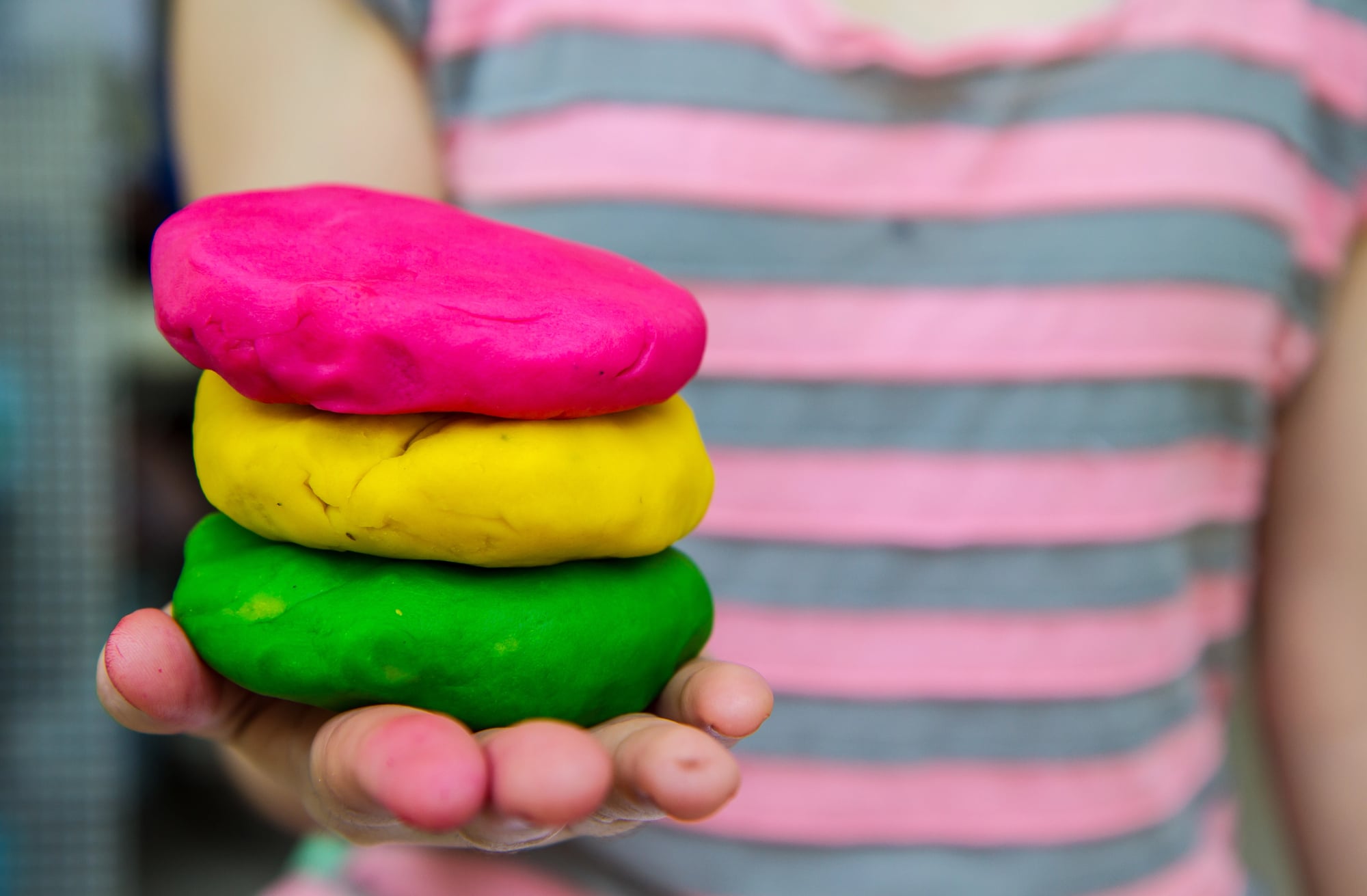
The colorful modeling compound beloved by children worldwide started as something entirely different. In the s, Kutol Products manufactured a wallpaper cleaner that removed soot from walls.
When heating systems evolved and vinyl wallpaper became washable, demand plummeted. The company was saved when a nursery school teacher discovered that the non-toxic putty made excellent modeling clay for children.
Rebranded as Play-Doh in , the accidental toy has sold over billion cans, far outpacing the original cleaning product.
Viagra
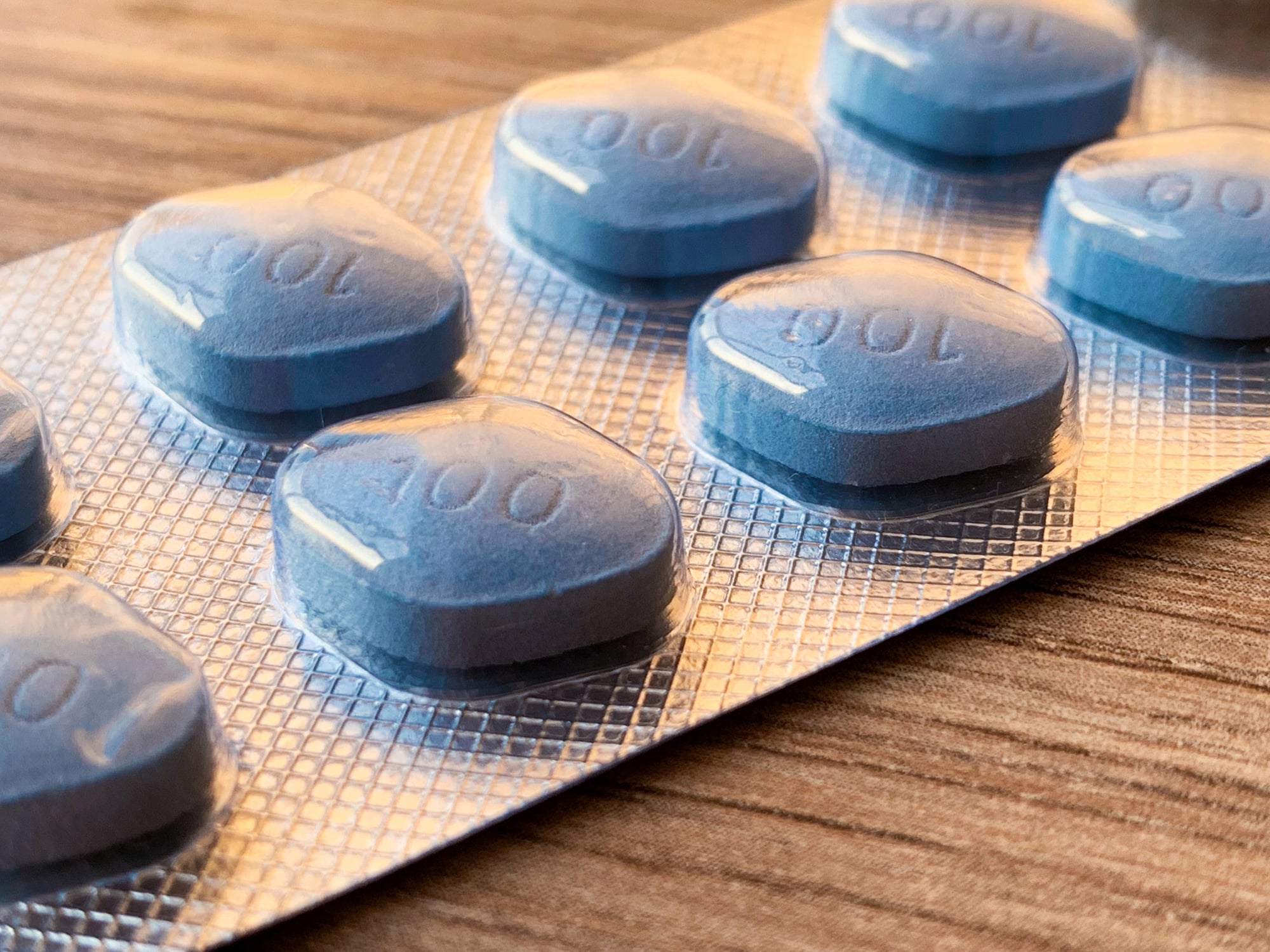
Pfizer scientists initially developed sildenafil citrate as a treatment for hypertension and angina. During clinical trials, researchers noticed an unexpected side effect that had nothing to do with heart disease.
The medication proved ineffective for its intended purpose but excelled at treating erectile dysfunction. Launched as Viagra in , it became one of the fastest-selling drugs in history, generating billions in revenue and transforming Pfizer’s fortunes.
Bubble Wrap
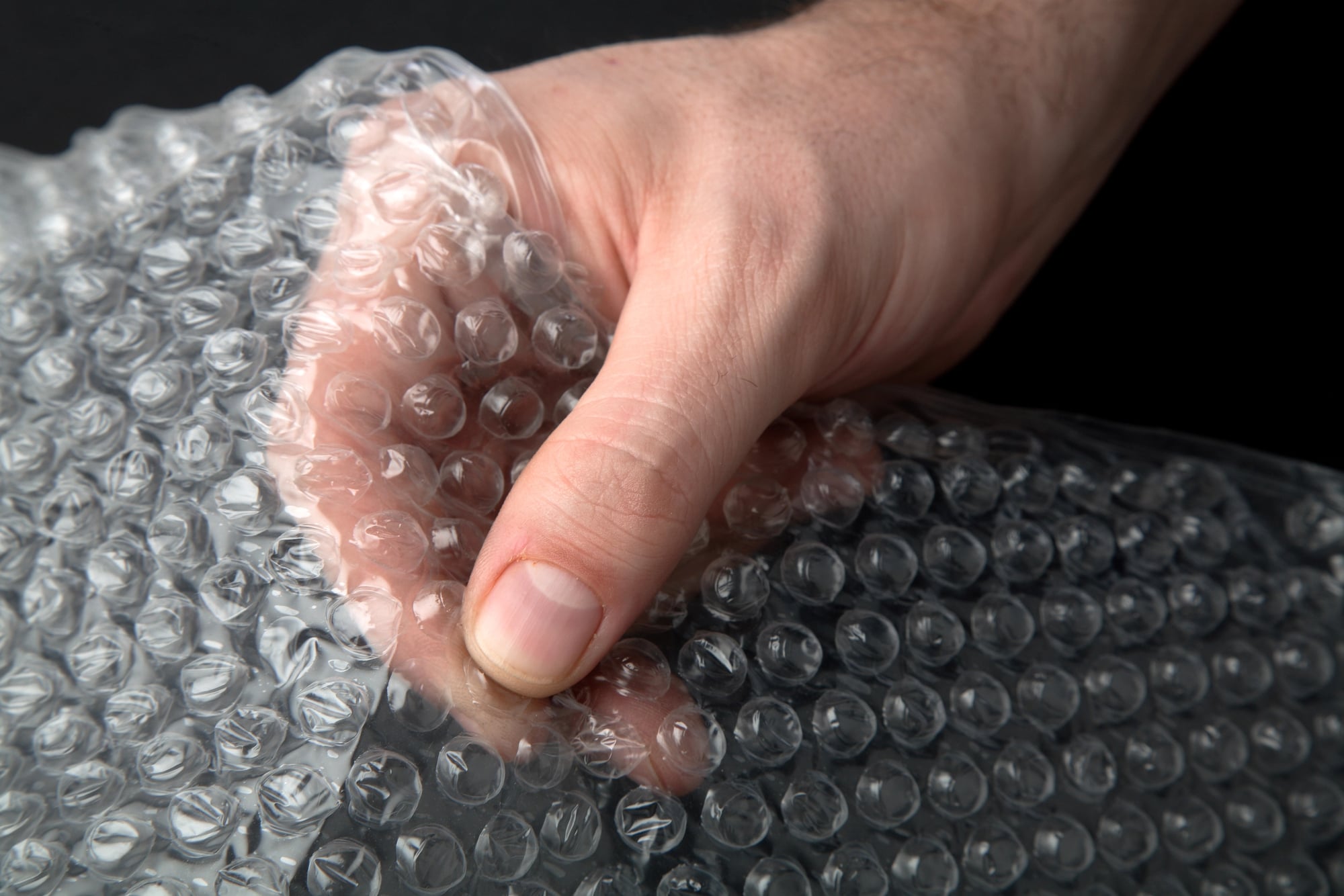
Engineers Alfred Fielding and Marc Chavannes were attempting to create a textured wallpaper in . They sealed two shower curtains together, creating a pattern of air bubbles they thought would make trendy wall coverings.
The wallpaper idea flopped completely, but they eventually realized their creation made excellent packaging material. Sealed Air Corporation was founded to market their invention, and Bubble Wrap became a shipping staple generating hundreds of millions in annual revenue.
Coca-Cola
When Atlanta pharmacist John Pemberton created his medicinal syrup in , he marketed it as a patent medicine that could cure various ailments including morphine addiction, indigestion, and headaches.
The carbonated version was sold as a fountain drink almost as an afterthought. Pemberton’s medicinal ambitions were quickly forgotten as people simply enjoyed the refreshing beverage.
The company sold just gallons in its first year but now sells approximately billion servings daily around the world.
Post-it Notes

M scientist Spencer Silver spent years trying to promote his “low-tack” adhesive within the company, but nobody could find a practical application. The breakthrough came when colleague Art Fry needed bookmarks that wouldn’t fall out of his hymnal.
The repositionable notes were initially met with skepticism and almost canceled before market testing. Today, Post-it Notes are among M’s most recognized products, with billions sold annually in over countries.
Kleenex
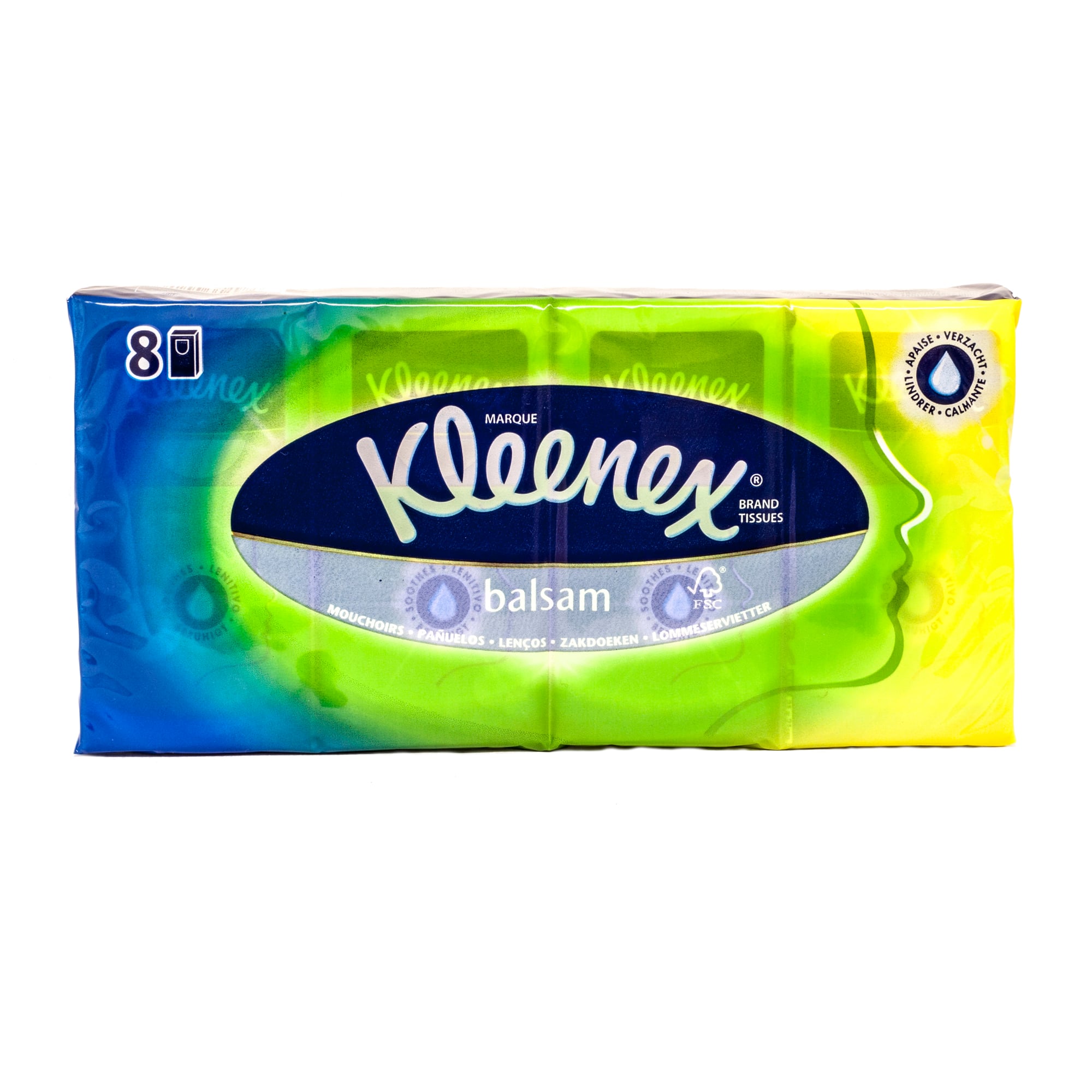
Kimberly-Clark originally developed Kleenex as disposable cold cream removers for women’s makeup routines in the s. The company was surprised when surveys revealed that many customers were using the soft tissues to blow their noses instead.
This consumer-driven insight prompted a marketing shift, and Kleenex was rebranded as disposable handkerchiefs. The repositioning propelled the product to become the company’s most successful offering and a household name synonymous with facial tissues.
WD-40
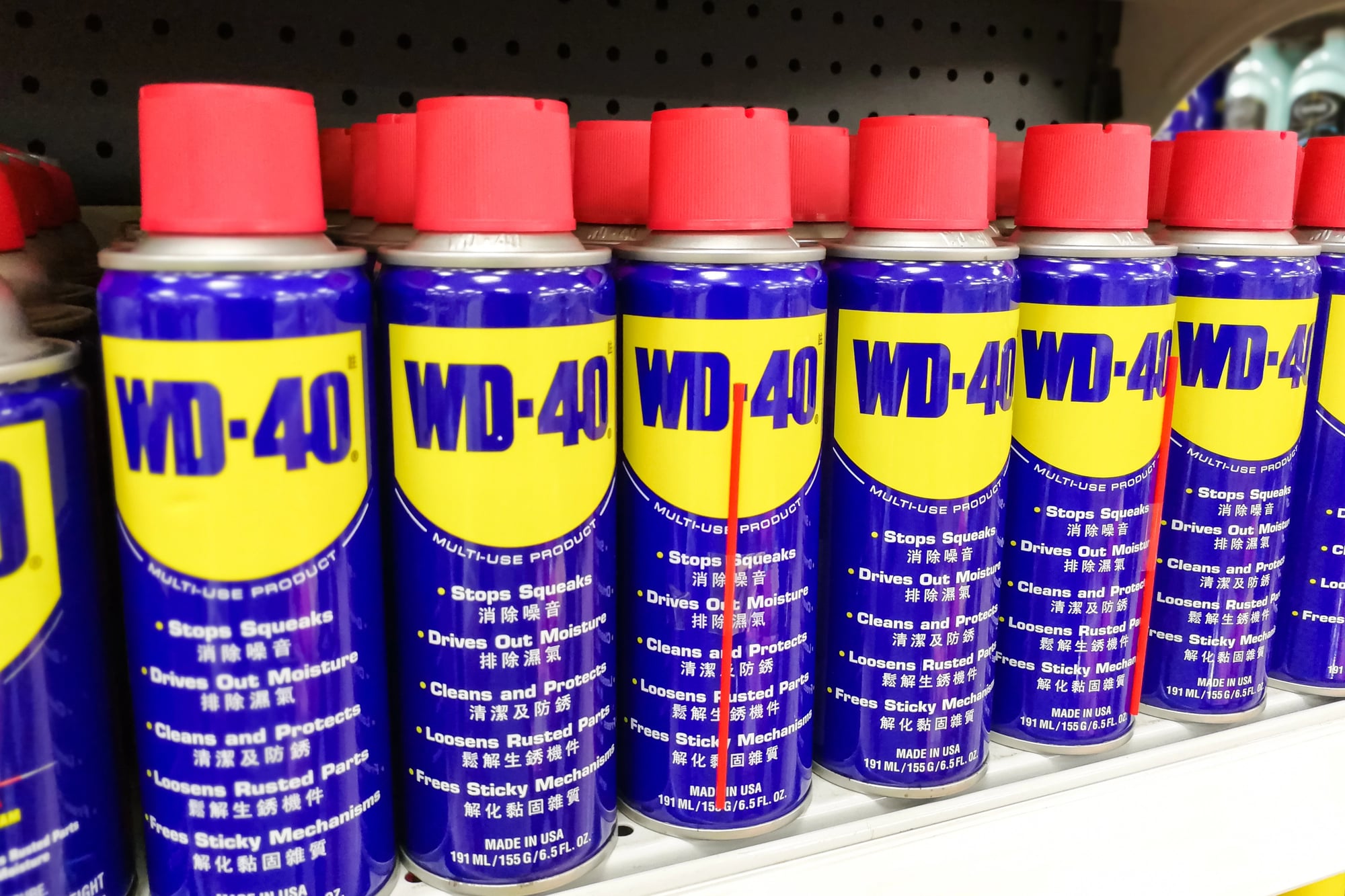
The Rocket Chemical Company created WD-40 in as a specialized formula to prevent corrosion on Atlas missile parts. The name itself reflects its original purpose: Water Displacement, th formula.
The company had no plans to sell it to consumers until employees began sneaking cans home for household uses. Eventually released to the public in , WD-40 became so successful that the company changed its name to match its star product.
Today, it’s used in approximately % of American households.
Silly Putty
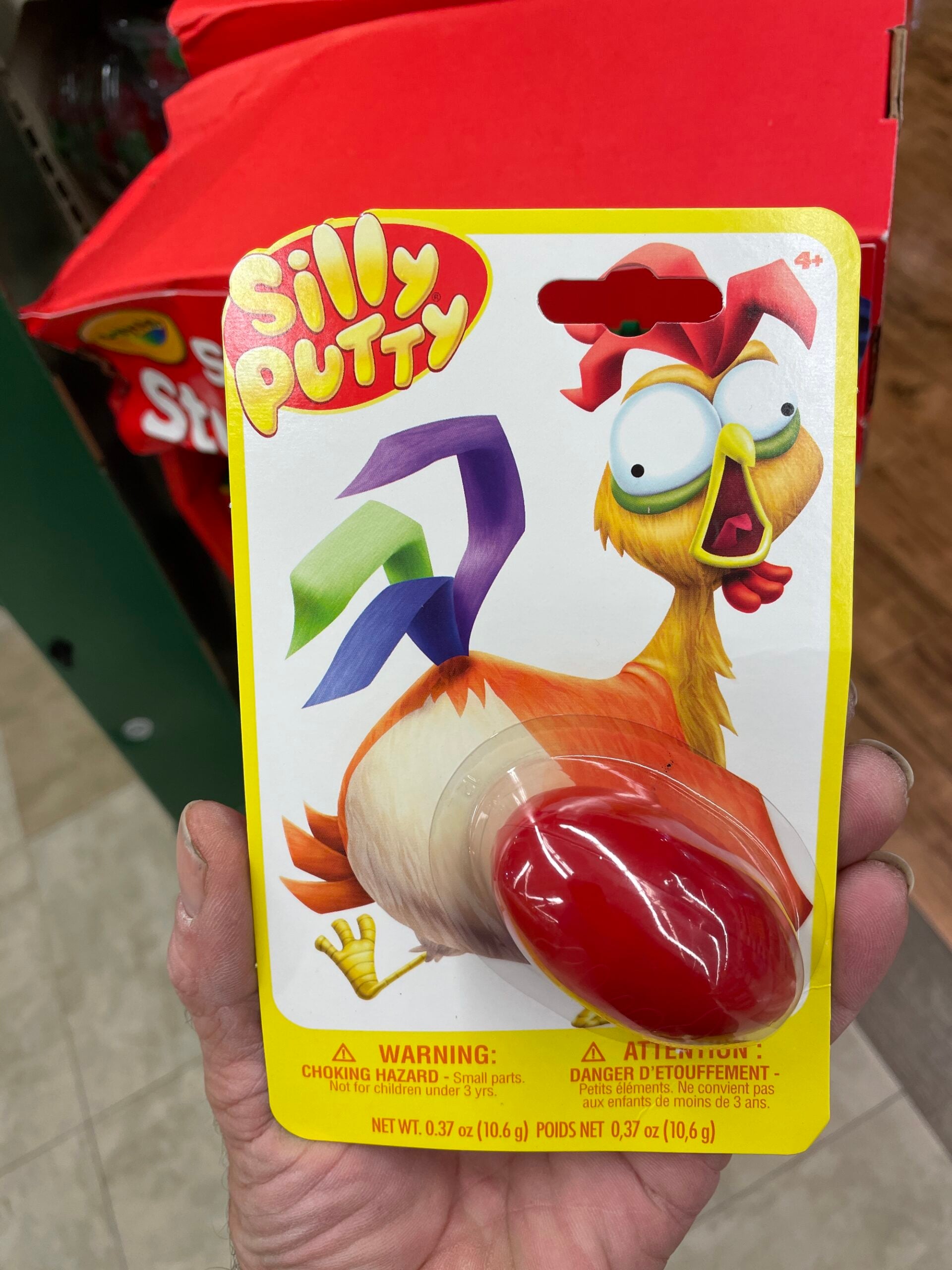
During World War II, the U.S. government tasked engineers with creating a synthetic rubber substitute due to natural rubber shortages. James Wright combined boric acid and silicone oil, producing a stretchy substance that bounced but failed as a rubber replacement.
The government abandoned the project until toy store owner Peter Hodgson saw its potential as a novelty item. Packaged in plastic eggs, Silly Putty became a sensation, selling over million units and far outpacing any practical applications.
Listerine
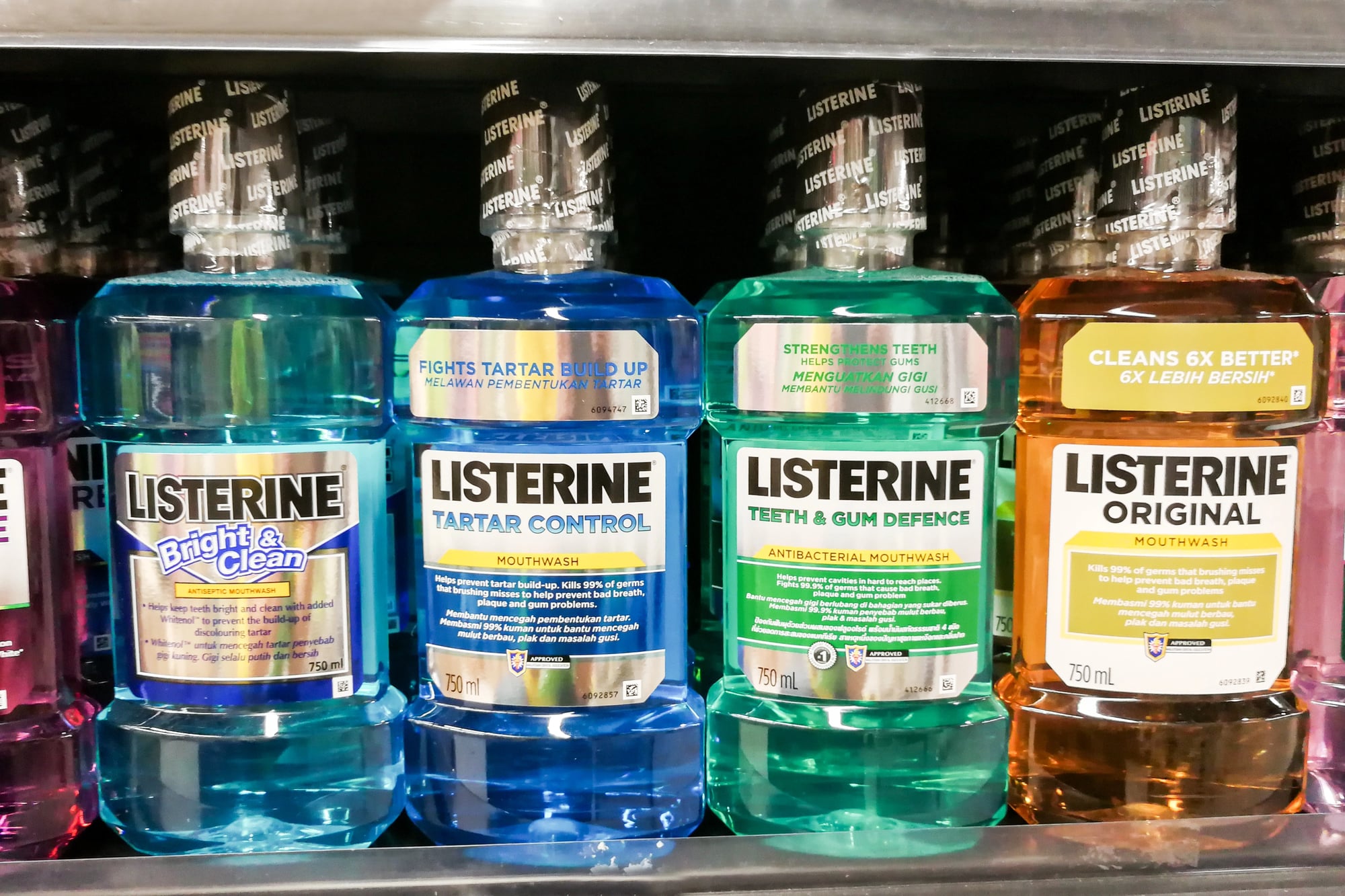
Developed in by Dr. Joseph Lawrence, Listerine was initially marketed as a powerful surgical antiseptic and an all-purpose household cleaner. For decades, the company struggled to find widespread adoption for the product.
The turning point came in the s when they rebranded it as a solution for chronic halitosis (bad breath). Sales skyrocketed by over % in just seven years, transforming a modest antiseptic into an essential personal care product that generates billions in revenue.
Avon

David H. McConnell was a traveling book salesman who offered small perfume samples as incentives to potential female customers. He quickly noticed that many women were more interested in his fragrances than his books.
In , he founded the California Perfume Company, which eventually became Avon. The company transformed from a side hustle into a global beauty empire with millions of representatives worldwide, leaving its literary beginnings far behind.
Cornflakes
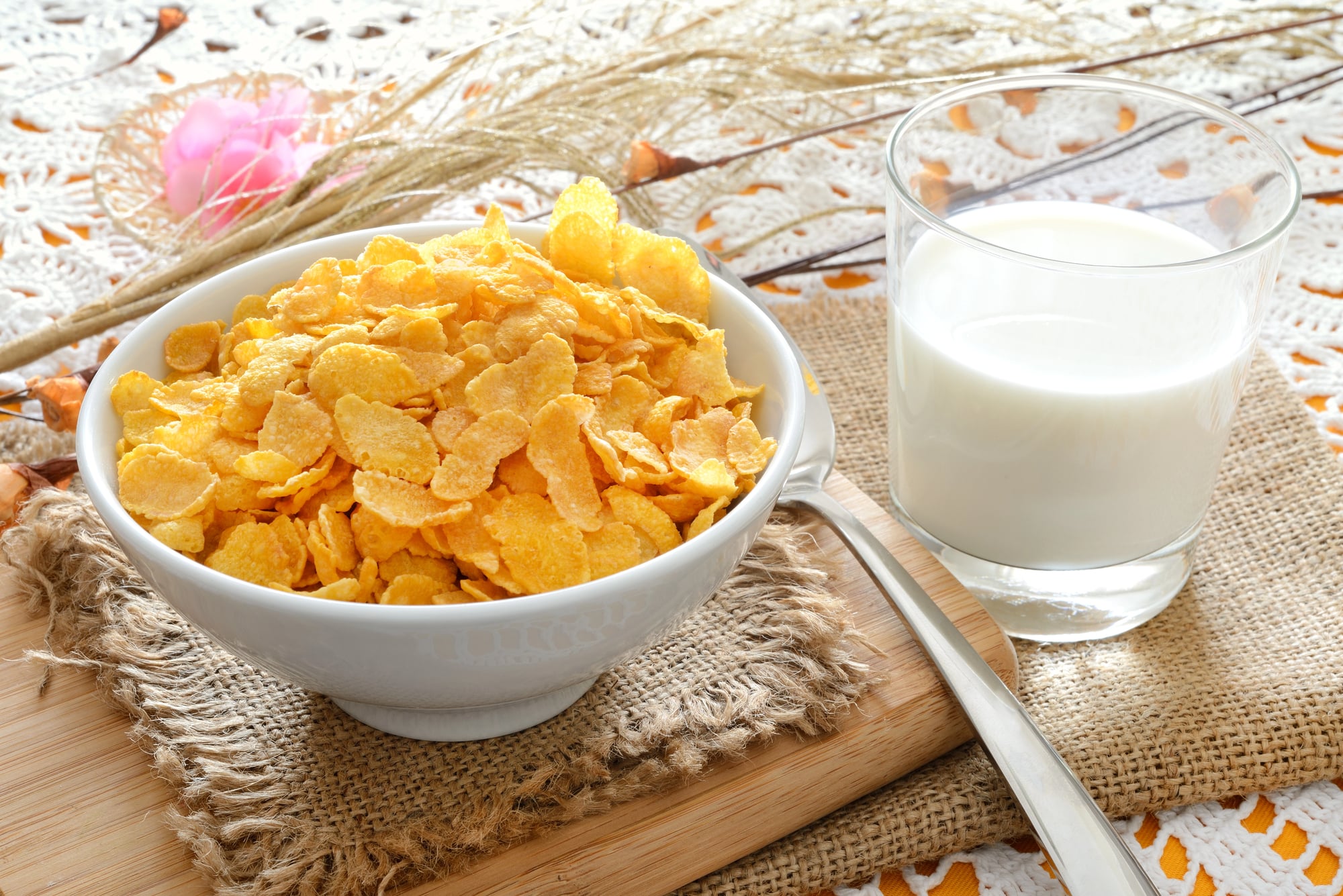
Dr. John Harvey Kellogg ran a sanitarium in Battle Creek, Michigan, where he developed special foods for patients as part of his health regimen. In , he accidentally left some cooked wheat sitting out, which went stale.
Rather than waste it, he processed it anyway, creating flakes that could be toasted. His brother Will later switched to corn and added sugar, marketing the product to the general public.
What began as a health food accident became a breakfast empire that has sold billions of boxes worldwide.
Botox

Botulinum toxin was initially developed as a medical treatment for eye muscle disorders like strabismus. During trials in the s, ophthalmologist Dr. Jean Carruthers noticed that patients receiving injections had reduced facial wrinkles.
This observation led to cosmetic applications that eventually overshadowed the original medical use. Today, Botox generates over billion annually, with cosmetic procedures accounting for the majority of its revenue.
Frisbee

The Frisbee began as pie plates from the Frisbie Pie Company of Connecticut. Yale students discovered that the empty tins could be tossed and caught, shouting “Frisbie!” as a warning to those who might be hit.
The Wham-O toy company refined the concept into a plastic disc in , slightly changing the spelling. The recreational flying disc vastly outperformed its humble origins, selling over million units and spawning multiple sports leagues.
Matches
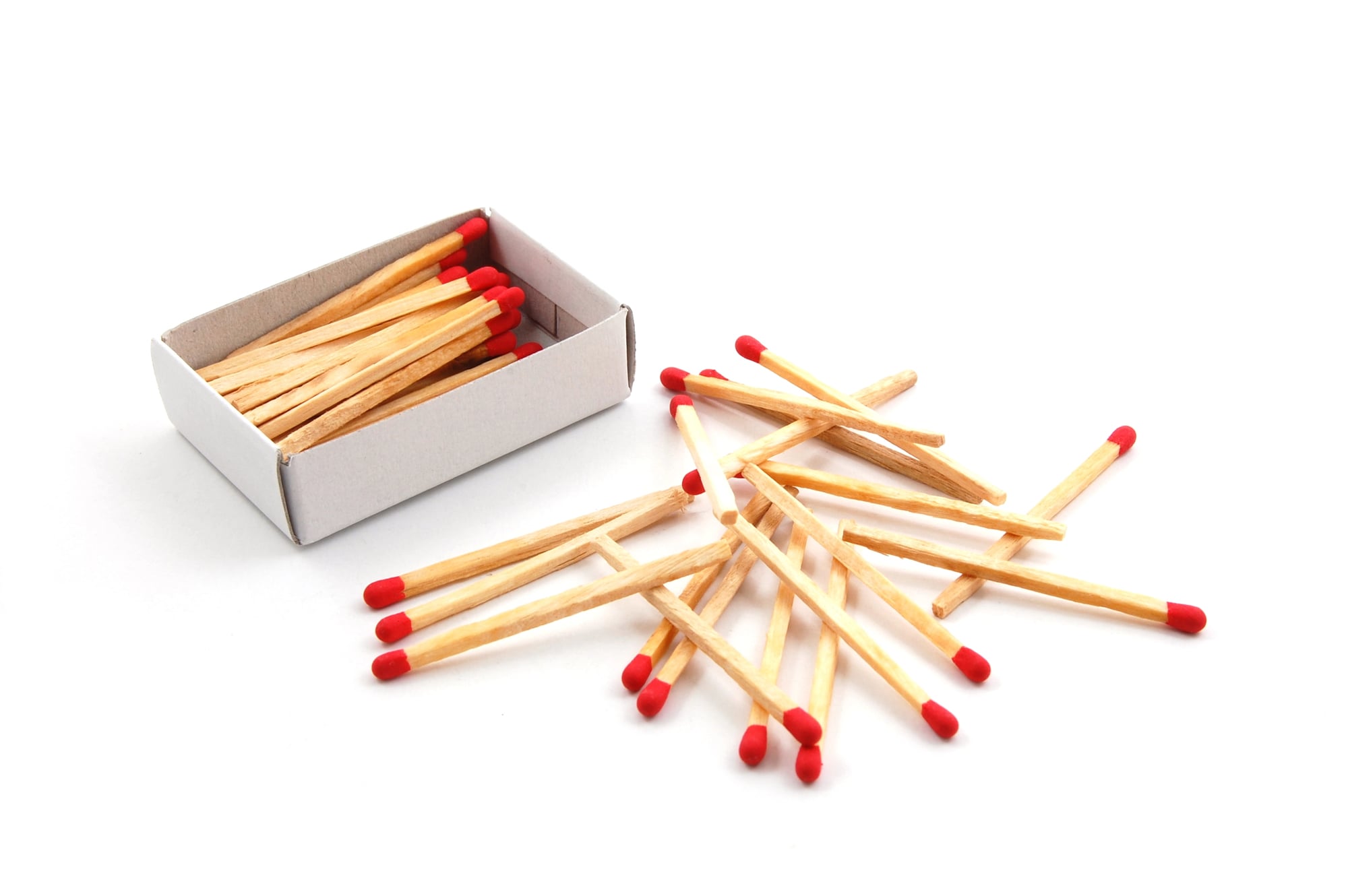
In , English chemist John Walker was stirring a mixture with a wooden stick when he later noticed the dried substance on the stick ignited when scraped against the floor. Walker had been working on developing better firearms, not creating a new way to start fires.
His accidental discovery led to the first friction matches, which he called ‘Congreves.’ The match industry eventually grew to produce trillions of units annually, completely overshadowing Walker’s original work.
The Final Twist

What these products demonstrate is the unpredictable nature of innovation and consumer preferences. Many of today’s most successful products weren’t planned successes but rather happy accidents or market-driven pivots.
Companies that remained flexible enough to recognize and embrace unexpected opportunities often found their greatest successes in places they never thought to look. The lesson for businesses is clear: sometimes your customers know better than you do what your best product really is.
More from Go2Tutors!

- The Romanov Crown Jewels and Their Tragic Fate
- 13 Historical Mysteries That Science Still Can’t Solve
- Famous Hoaxes That Fooled the World for Years
- 15 Child Stars with Tragic Adult Lives
- 16 Famous Jewelry Pieces in History
Like Go2Tutors’s content? Follow us on MSN.