27 Products Pulled From Shelves for Safety Reasons
Every recall tells the same basic story twice: first, a product reaches millions of people before anyone fully understands what’s wrong with it, and second, someone eventually has to explain why it took so long to notice. The scale, the excuses, and the fallout are what make each case different.
Tylenol Capsules
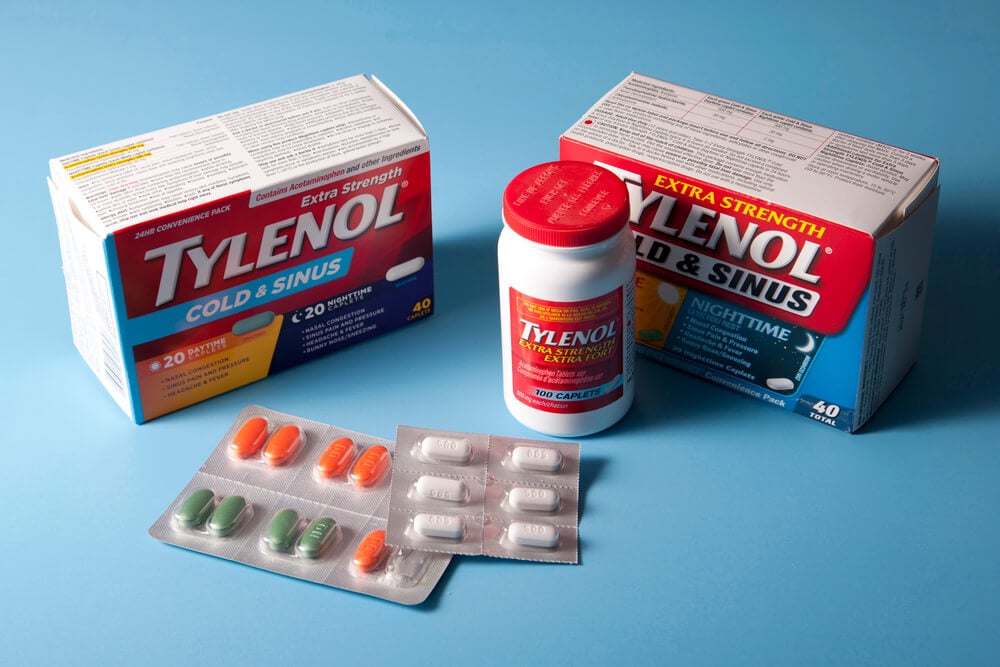
In 1982, seven people in the Chicago area died after taking Extra-Strength Tylenol capsules that had been laced with cyanide after leaving the factory. Johnson & Johnson pulled roughly 31 million bottles nationwide within days, an unusually fast response for the era, and relaunched the product in tamper-resistant packaging.
The case never resulted in an arrest, but it permanently changed how over-the-counter medication is sealed in the United States.
Ford Pinto
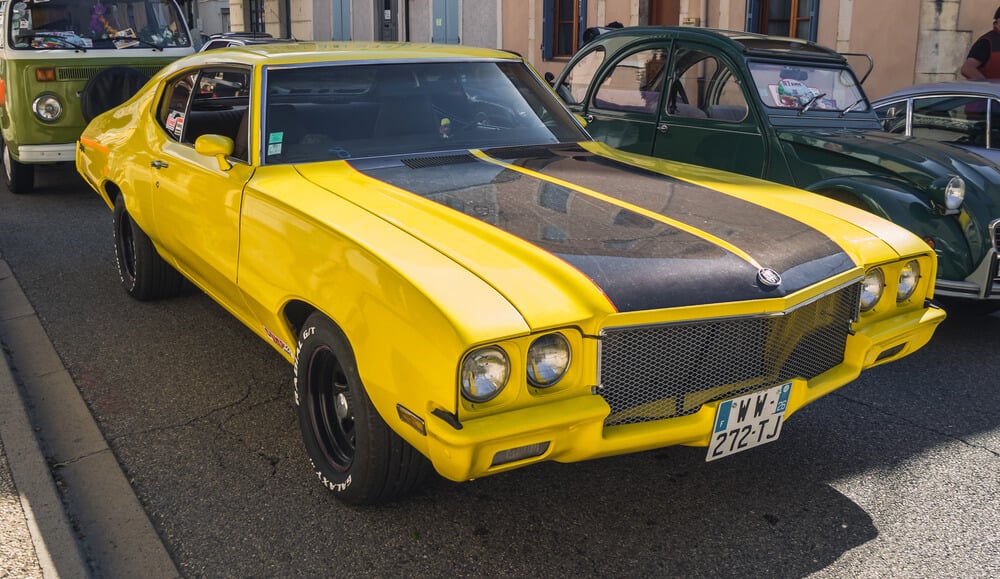
Ford recalled 1.5 million Pinto sedans in 1978 after regulators confirmed that a rear-mounted fuel tank could rupture and ignite in low-speed collisions. Internal company memos later surfaced showing Ford had calculated it would be cheaper to pay potential lawsuits than to redesign the tank.
At least 27 deaths were eventually linked to the defect before the recall was issued.
Firestone Tires on Ford Explorers
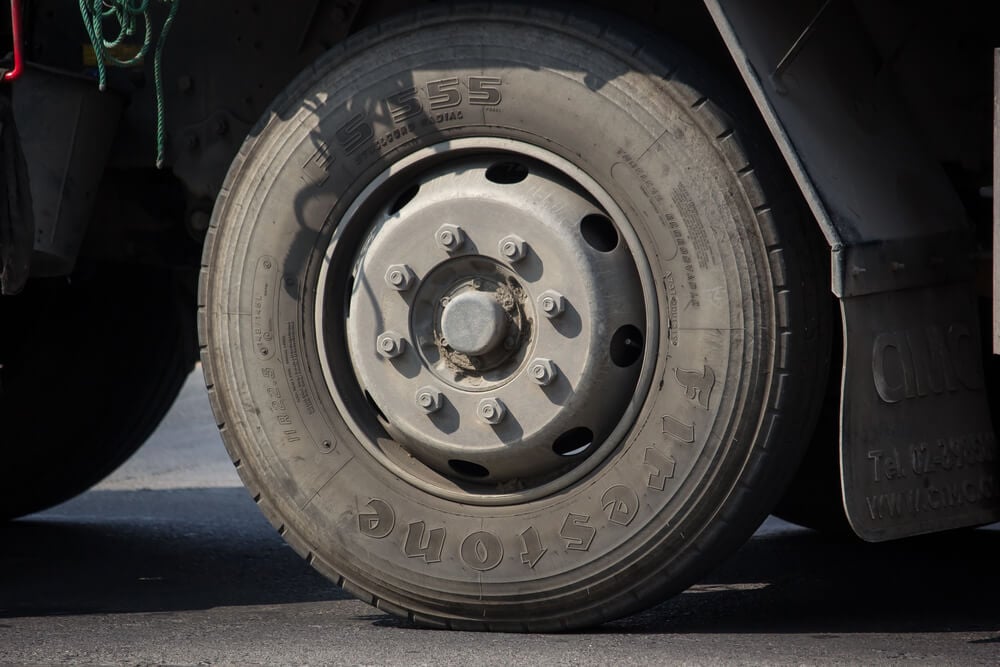
Firestone recalled 6.5 million tires in 2000 after tread separation on Ford Explorer SUVs was linked to hundreds of rollover crashes. Federal investigators eventually tied the defect to at least 46 deaths between 1997 and 2000.
The scandal was severe enough that it contributed to the resignation of Ford’s chief executive and led to new federal reporting requirements for vehicle defects.
Takata Airbags
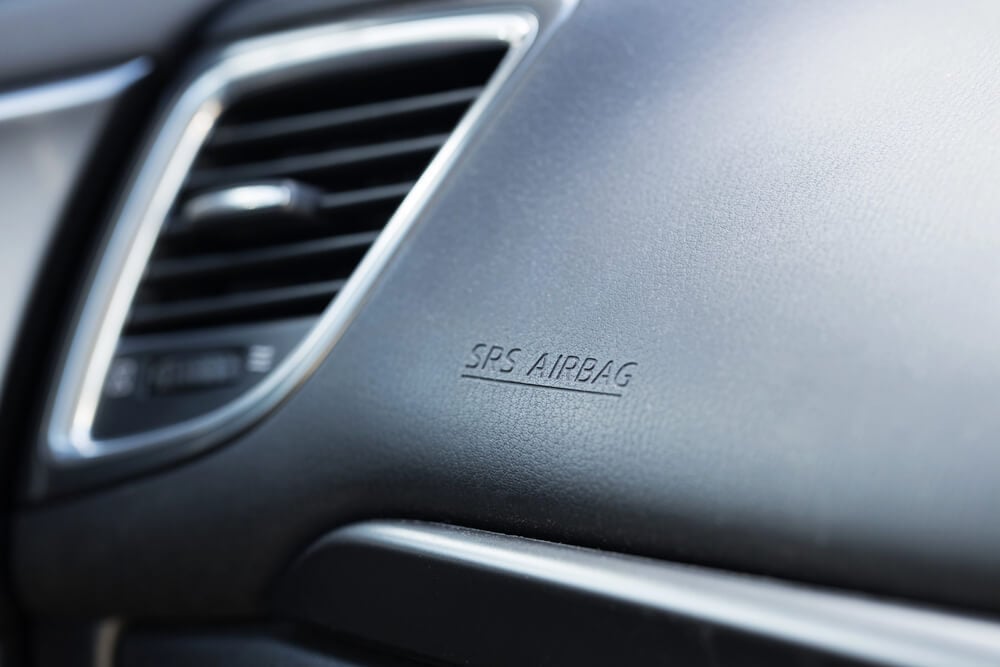
Starting in 2013 and expanding for years afterward, automakers recalled roughly 67 million Takata airbag inflators in the United States after the company’s ammonium nitrate propellant was found to degrade with heat and humidity, causing the airbags to explode and spray metal fragments at occupants. The recall eventually covered 19 automakers and 34 vehicle brands, making it the largest and most complex safety recall in American history.
Takata had known about the defect internally for years before regulators forced action.
Vioxx
Merck voluntarily withdrew its blockbuster arthritis drug Vioxx from the market in 2004 after a clinical trial confirmed it roughly doubled the risk of heart attack and stroke with long-term use. The company had continued marketing the drug even as internal researchers flagged cardiovascular concerns years earlier.
Vioxx had been taken by an estimated 20 million Americans before the withdrawal, and the resulting litigation cost Merck billions of dollars in settlements.
Baycol

German pharmaceutical company Bayer withdrew its cholesterol drug Baycol, also sold as Lipobay, in 2001 after it was linked to a rare and often fatal muscle-wasting condition. The drug was tied to at least 31 deaths in the United States and dozens more internationally, many in patients also taking a common cholesterol combination therapy that Bayer had continued to promote despite warnings.
The withdrawal cost the company hundreds of millions of dollars.
Rely Tampons
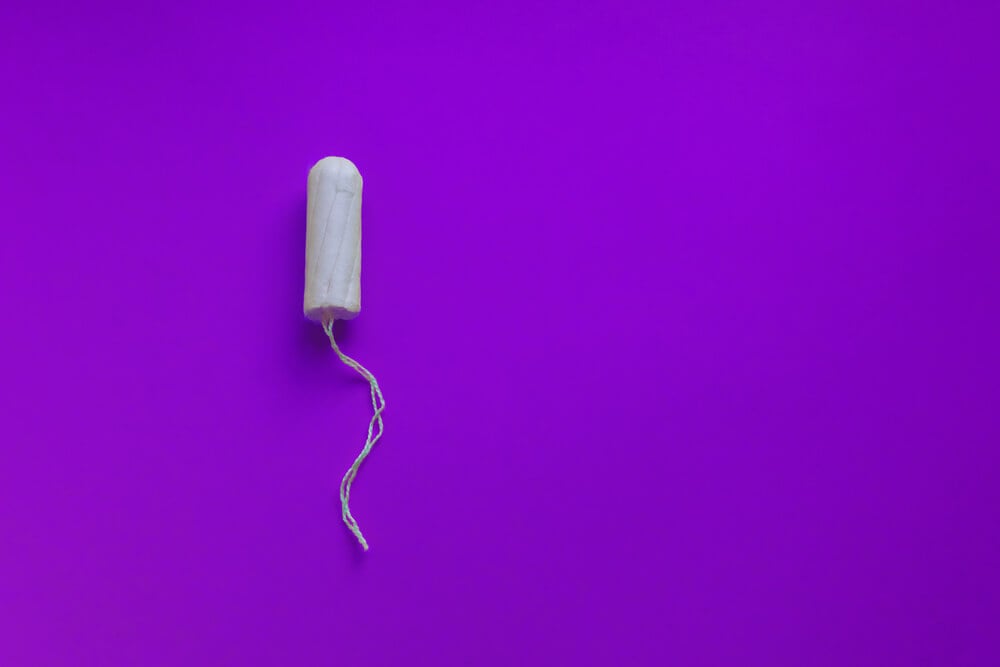
Procter & Gamble pulled its Rely tampon brand from shelves in 1980 after its unusually absorbent synthetic materials were linked to a spike in toxic shock syndrome cases, including several deaths. The product had been marketed heavily on its ability to be worn longer than competitors.
The outbreak led the FDA to mandate warning labels on all tampon packaging regarding toxic shock risk.
Lawn Darts
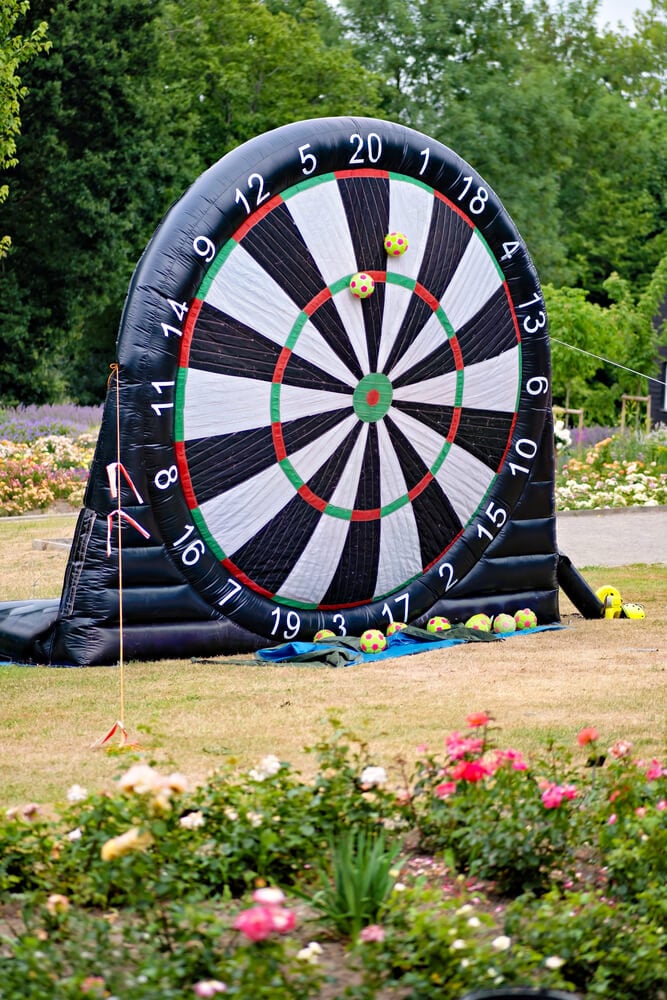
The Consumer Product Safety Commission banned the sale of lawn darts in the United States in 1988 after the heavy, pointed weighted darts caused a string of serious injuries and at least three child deaths from falls onto the head. Manufacturers had marketed the game as a backyard alternative to horseshoes for over a decade despite mounting injury reports.
The ban remains one of the CPSC’s most cited examples of a product deemed too dangerous to exist in any form.
Aqua Dots

Spin Master recalled roughly 4.2 million units of the Aqua Dots craft toy in 2007 after discovering that the beads’ coating metabolized into a chemical relative of the date-rape drug GHB when swallowed, causing several children to fall into comas. The toy had been one of the year’s top-selling holiday items before the recall.
It was rebranded and reformulated before returning to shelves.
Buckyballs Magnetic Desk Toys
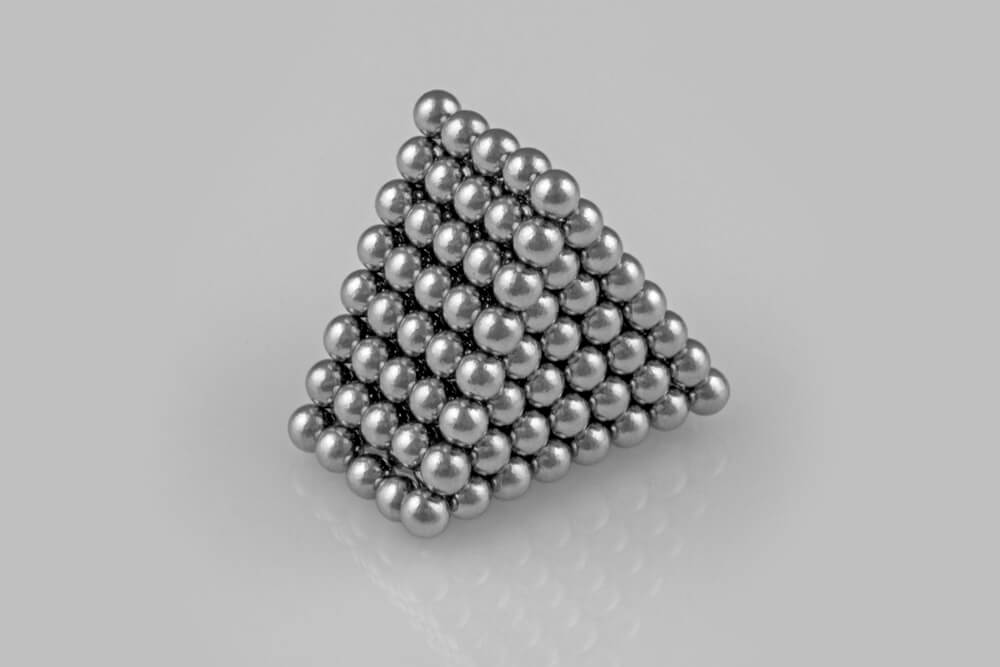
The Consumer Product Safety Commission took the rare step of suing manufacturer Maxfield & Oberton in 2012 to force a recall of Buckyballs, tiny rare-earth magnet sets marketed to adults, after repeated cases of children swallowing multiple magnets that then attracted each other inside the digestive tract, requiring emergency surgery. The company had resisted a voluntary recall for years.
The case established a legal precedent allowing the CPSC to pursue a company’s founder personally when a product is deemed an ongoing hazard.
Fisher-Price Rock ‘n Play Sleeper
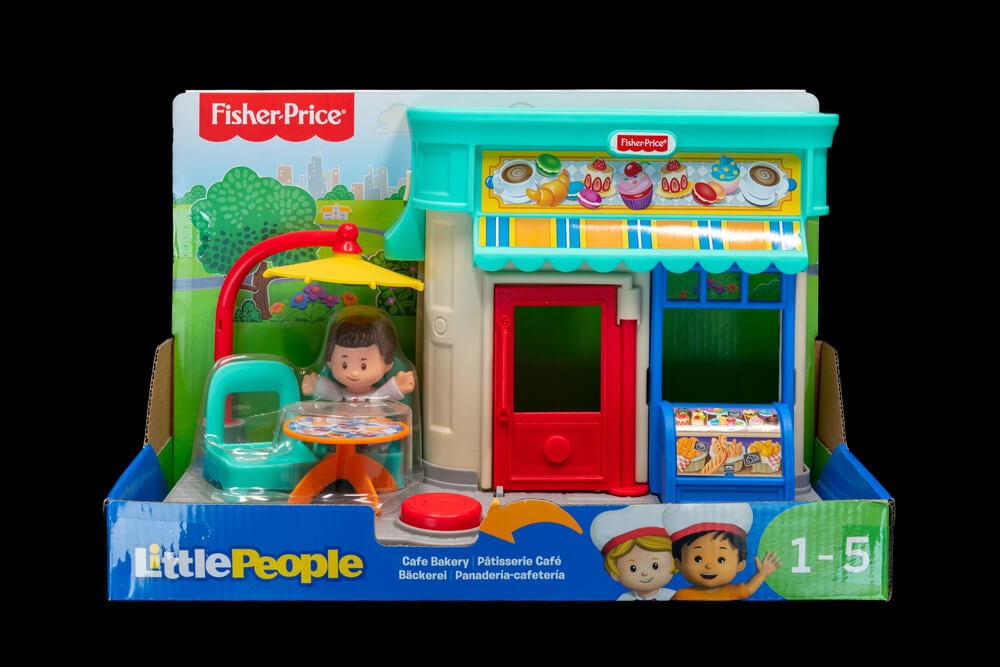
Fisher-Price recalled 4.7 million Rock ‘n Play inclined infant sleepers in 2019 after Consumer Reports documented at least 32 infant deaths linked to the product’s design, which allowed babies to roll into unsafe sleeping positions. Regulators had known about fatalities for years before the recall was announced.
The incident prompted a federal law banning the sale of inclined sleep products for infants under five months old.
Drop-Side Cribs
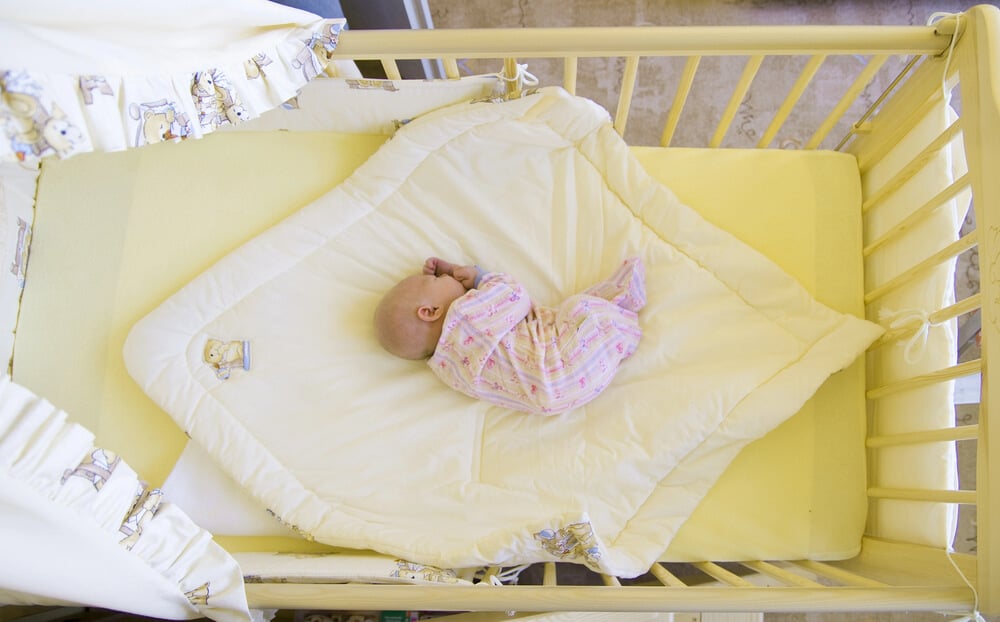
Federal regulators banned the manufacture and sale of drop-side cribs in the United States in 2011 after the sliding side rails were linked to dozens of infant suffocation and strangulation deaths when hardware failed or wore loose over time. More than 11 million cribs had been recalled across multiple manufacturers in the years leading up to the ban.
It marked the first major overhaul of federal crib safety standards in nearly three decades.
Baby Walkers on Wheels
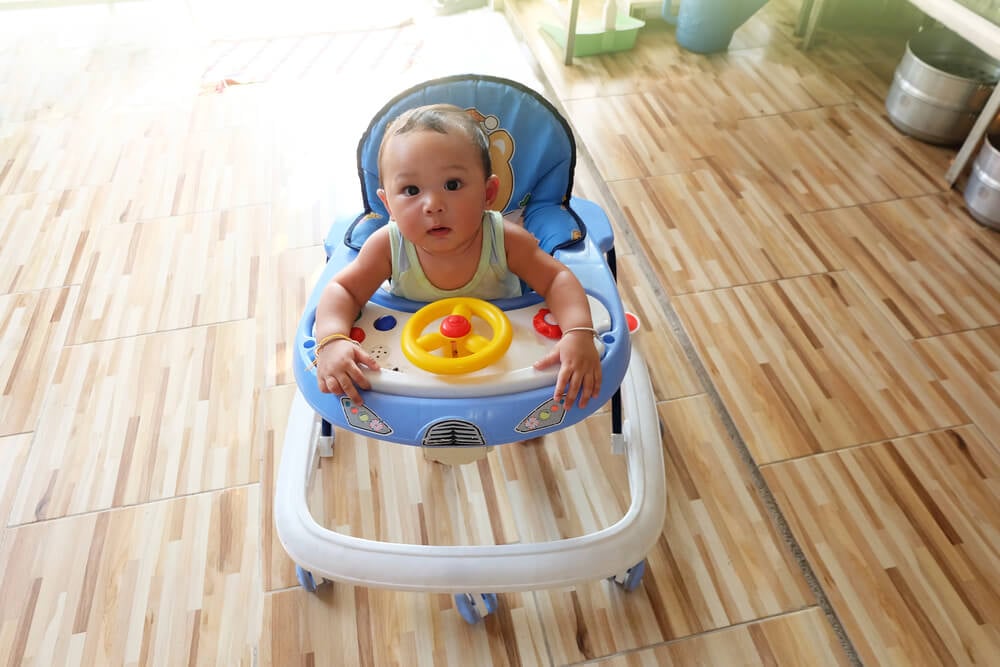
Wheeled infant walkers were linked to tens of thousands of emergency room visits annually through the 1980s and 1990s, primarily from falls down stairs, prompting Canada to ban their sale outright in 2004. The United States instead required new safety standards in 2010 mandating that walkers be too wide to fit through a standard doorway.
Injury rates from the product dropped sharply after the redesign took effect.
Jack in the Box Hamburgers
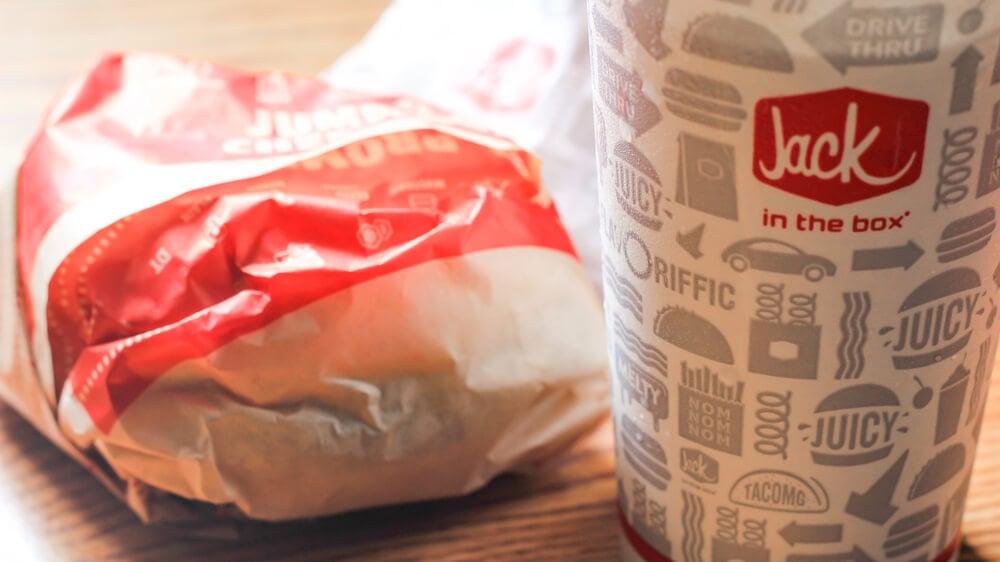
Jack in the Box pulled undercooked hamburger patties from its menu nationwide in 1993 after an E. coli outbreak traced to four West Coast locations killed four children and sickened hundreds of others. The company had been cooking patties below the temperature recommended by Washington state health officials at the time.
The outbreak led directly to federal adoption of the Hazard Analysis and Critical Control Points system now used across the meat industry.
Odwalla Apple Juice

Odwalla recalled its unpasteurized apple juice products in 1996 after an E. coli outbreak linked to the juice killed a toddler and sickened more than sixty people across several states. The company had marketed its unpasteurized process as a selling point for freshness.
The incident pushed the juice industry toward near-universal pasteurization and led the FDA to require warning labels on any remaining unpasteurized juice products.
Peanut Corporation of America Peanut Butter
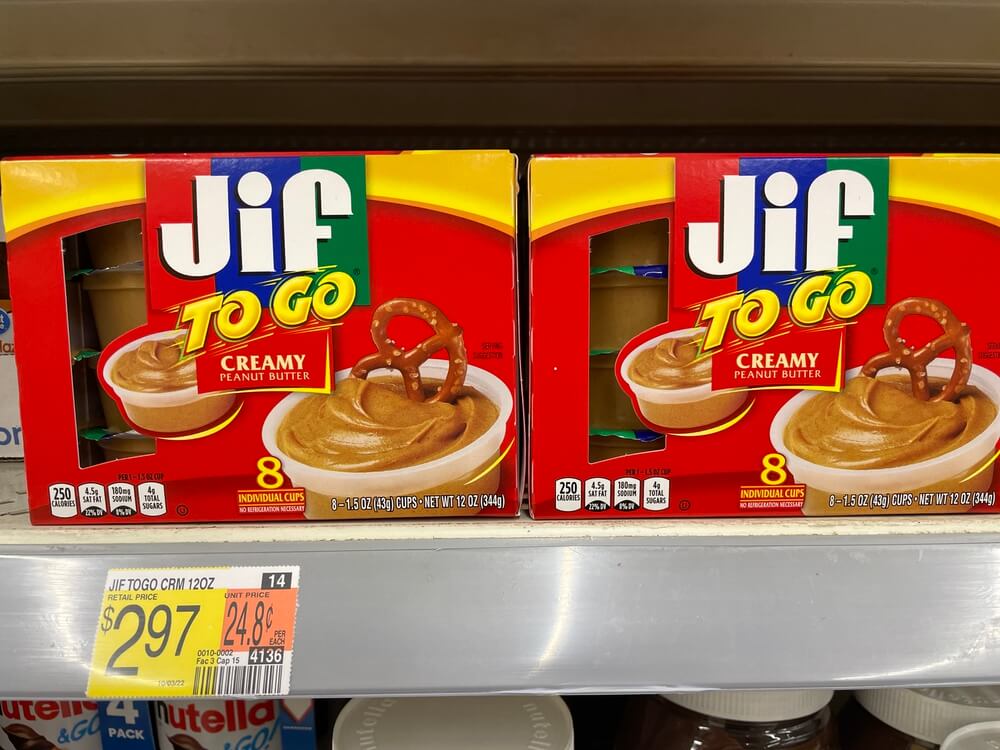
A salmonella outbreak traced to a Georgia peanut processing plant in 2008 and 2009 killed at least nine people and sickened over 700, leading to one of the largest food recalls in American history, covering peanut butter and paste used in thousands of other products. Internal records later showed the company had shipped products it knew had tested positive for salmonella.
The plant’s owner was eventually sentenced to 28 years in prison, among the harshest penalties ever handed down in a food safety case.
Blue Bell Ice Cream
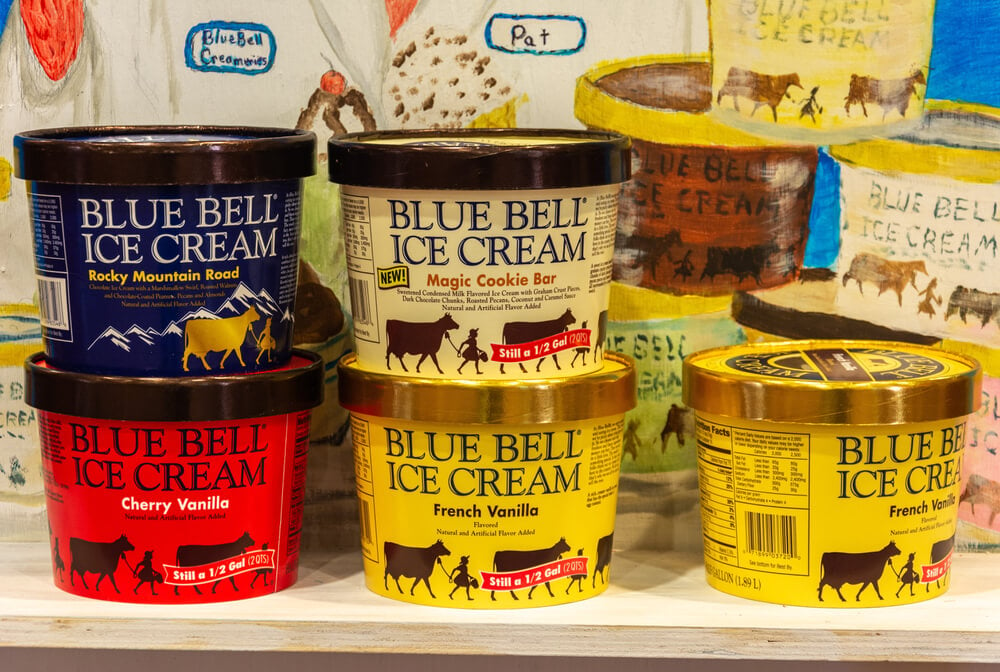
Blue Bell Creameries recalled all of its products nationwide in 2015 after a listeria outbreak traced to its manufacturing plants was linked to three deaths in Kansas. It was the first recall in the company’s more than 100-year history.
Investigators found the company had detected listeria in its plants years earlier without informing regulators or halting production.
Chinese-Manufactured Toys With Lead Paint

Mattel recalled nearly a million toys in 2007, including popular Sesame Street and Dora the Explorer figures, after discovering that a Chinese subcontractor had used lead-based paint in violation of safety standards. Additional recalls that year pushed the total above 20 million units globally.
The scandal prompted Congress to pass the Consumer Product Safety Improvement Act of 2008, tightening lead limits on all children’s products sold in the country.
Samsung Galaxy Note 7
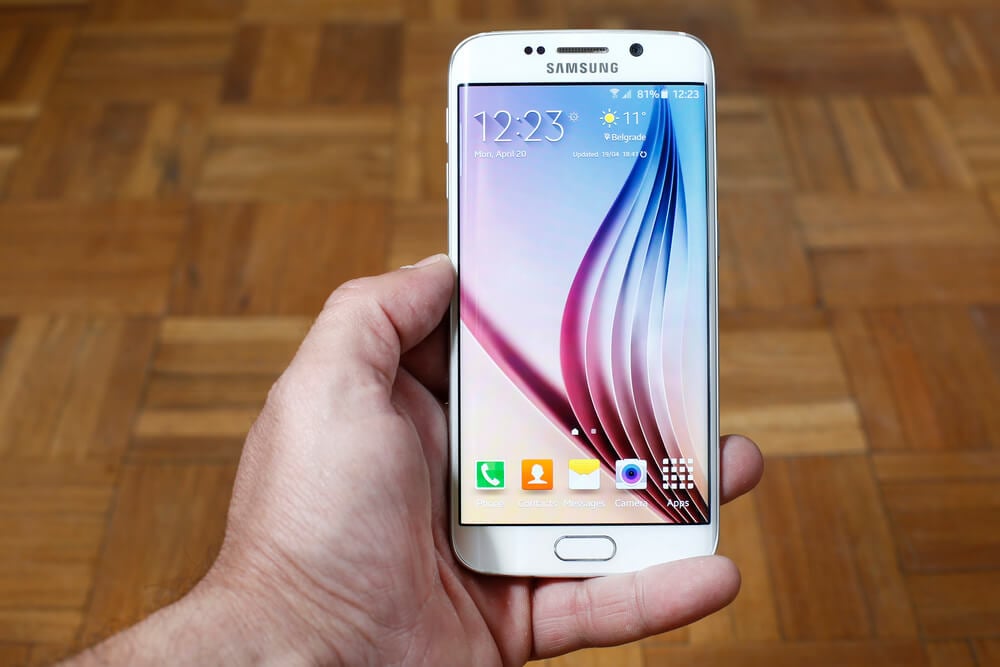
Samsung recalled all 2.5 million Galaxy Note 7 smartphones sold worldwide in 2016 after faulty battery design caused dozens of devices to catch fire or explode, including incidents on commercial flights. A rushed replacement batch turned out to have the same defect, forcing a second global recall.
Airlines banned the phone from flights entirely, and the failure cost Samsung an estimated $5 billion.
Zantac and Ranitidine Heartburn Medication
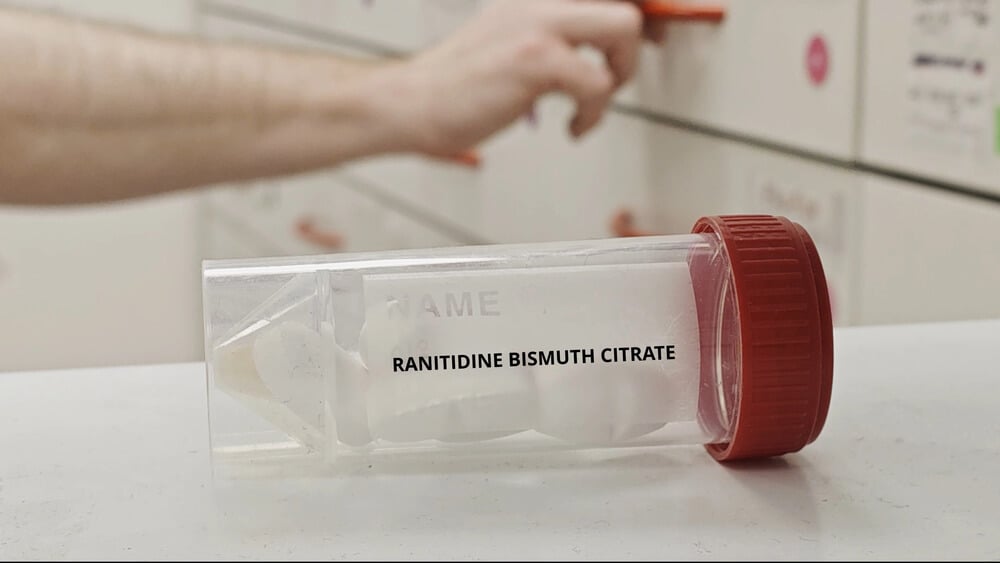
The FDA requested the withdrawal of all ranitidine products, sold under brand names including Zantac, in 2020 after testing found the drug could form NDMA, a probable human carcinogen, especially when stored at higher temperatures over time. The medication had been one of the most widely used heartburn treatments for over three decades.
Thousands of lawsuits followed alleging manufacturers knew of the contamination risk years before the recall.
Contac and Related Cold Medicines Containing Phenylpropanolamine
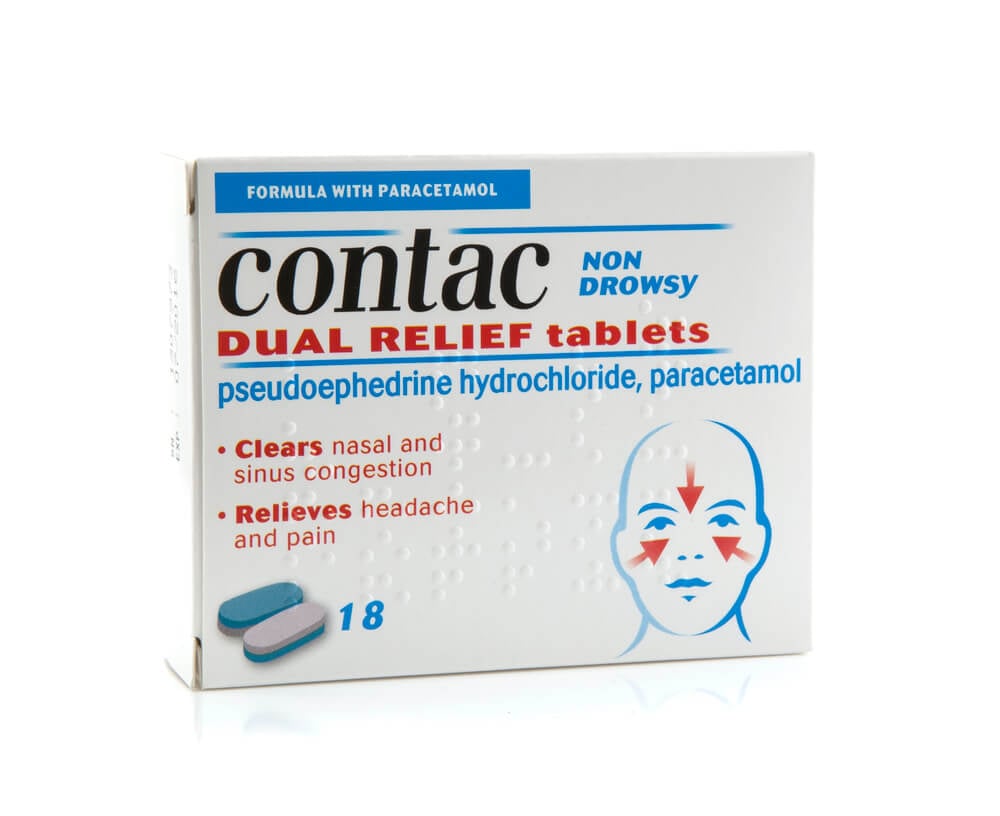
Manufacturers pulled dozens of over-the-counter cold and diet products containing phenylpropanolamine from shelves in 2000 after a Yale study linked the common decongestant ingredient to an increased risk of hemorrhagic stroke, particularly in women. The ingredient had been used safely by generations of consumers with no prior red flags in routine testing.
The FDA formally reclassified it as unsafe shortly after the study’s release, forcing reformulation industry-wide.
Romaine Lettuce
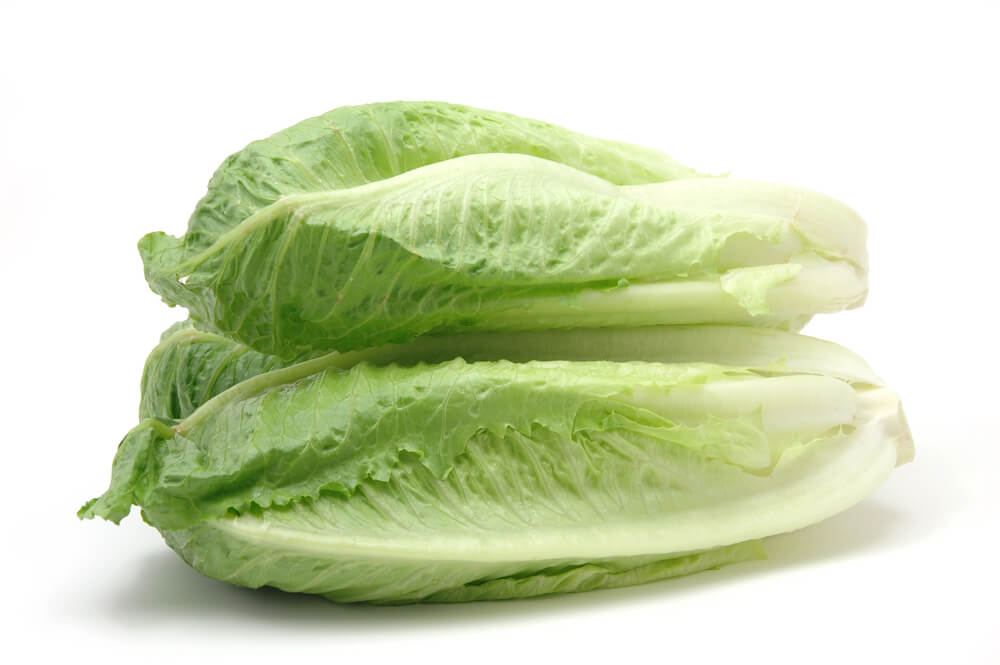
Multiple nationwide E. coli outbreaks tied to romaine lettuce grown near Yuma, Arizona, led to a series of unprecedented blanket warnings in 2018 telling consumers to avoid all romaine regardless of source or brand. One outbreak sickened over 200 people across 36 states and was linked to contaminated irrigation canal water near a cattle feedlot.
The episode pushed the leafy greens industry to adopt new traceability labeling so future outbreaks could be isolated to specific growing regions.
Chinese Drywall
Homeowners across the Gulf Coast and Southeast reported corroded wiring, blackened metal fixtures, and a persistent sulfur odor in newly built homes starting around 2009, eventually traced to defective drywall imported from China during the housing boom. The material was found to emit corrosive gases that also caused respiratory complaints among residents.
Remediation for affected homes often required gutting entire houses to the studs, and the litigation remains one of the largest construction defect cases in American history.
GM Ignition Switches
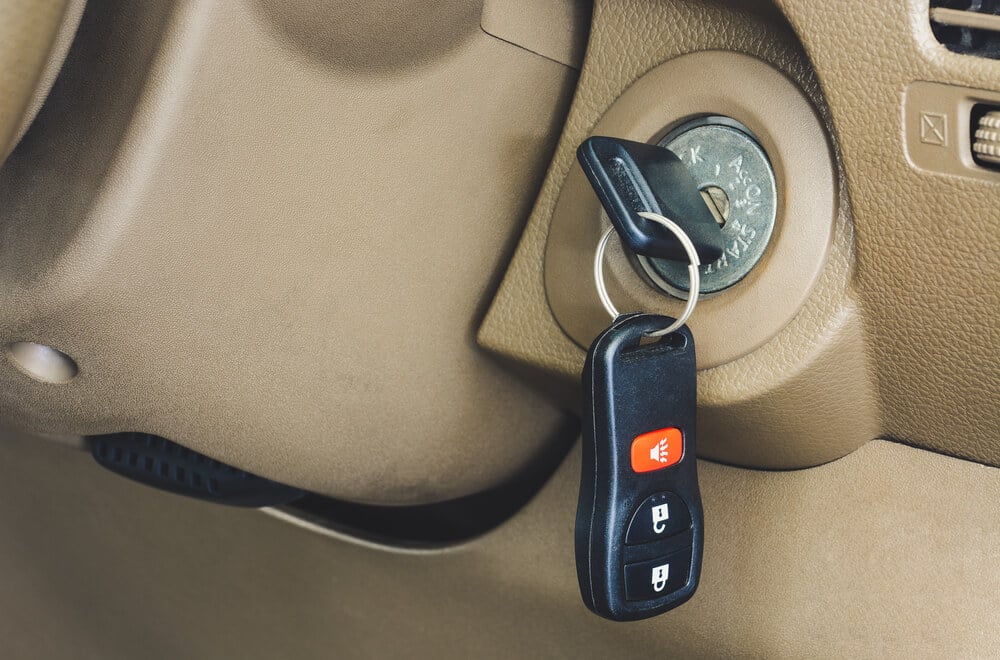
General Motors recalled roughly 30 million vehicles worldwide starting in 2014 after acknowledging that a faulty ignition switch could slip out of position while driving, cutting power to the airbags and other safety systems. Internal investigators found GM engineers had known about the defect for over a decade without escalating it.
The scandal was tied to at least 124 deaths and led to a $900 million settlement with the Department of Justice.
Volkswagen Diesel Vehicles

Volkswagen recalled and bought back hundreds of thousands of diesel vehicles beginning in 2015 after the EPA discovered the company had installed software specifically designed to cheat emissions tests, allowing cars to pollute far above legal limits during normal driving. Roughly 590,000 U.S. vehicles were affected.
The scandal, known as Dieselgate, ultimately cost Volkswagen more than $30 billion globally in fines, buybacks, and settlements.
Similac and Other Powdered Infant Formula
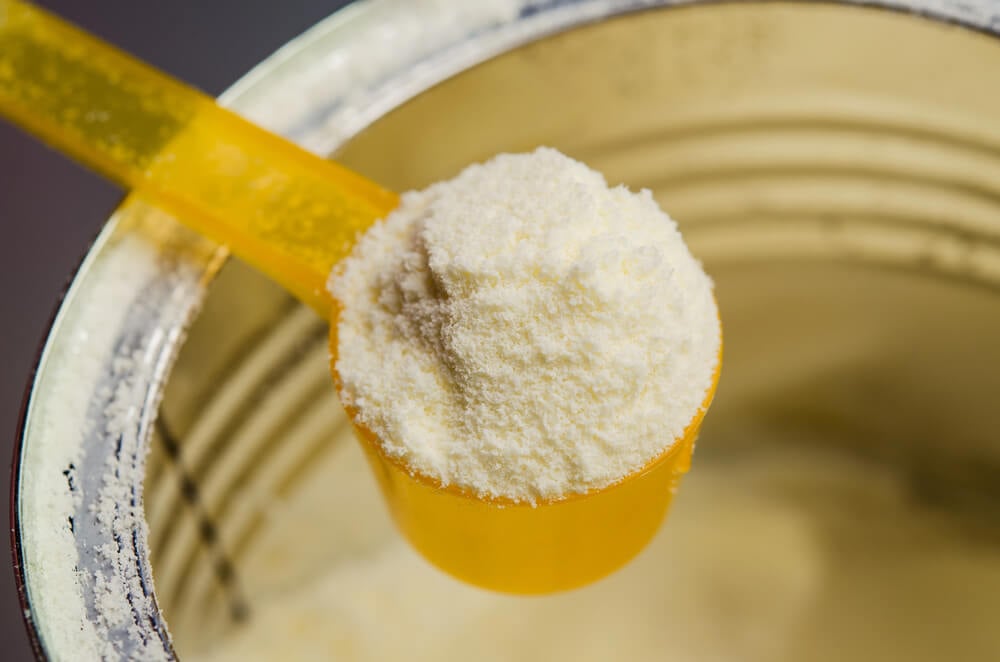
Abbott Nutrition recalled several major infant formula brands in 2022 after contamination at a Michigan manufacturing plant was linked to bacterial infections in multiple infants, including at least two deaths. The recall triggered a nationwide formula shortage that lasted for months as the affected plant remained closed for remediation.
Congressional investigations later found the company had received prior complaints about the facility’s sanitation.
Peloton Tread+ Treadmills
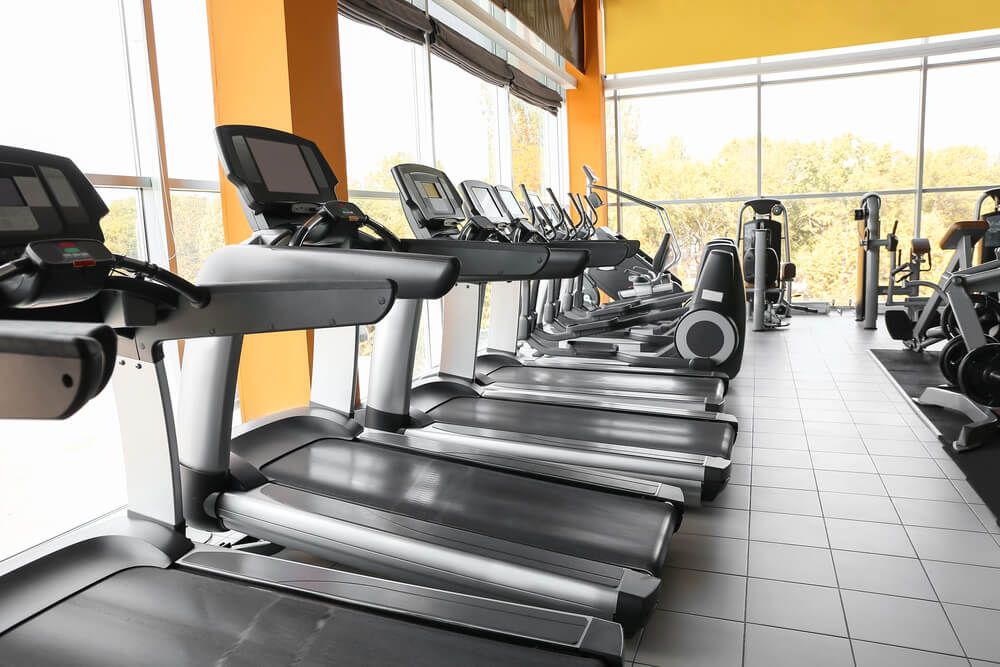
Peloton recalled its Tread+ treadmill in 2021 after regulators documented dozens of incidents in which small children and pets were pulled underneath the machine’s rear roller, resulting in one child’s death. The company initially resisted the recall for months, publicly disputing the safety commission’s findings before reversing course.
The dispute became a rare public standoff between a major consumer brand and federal safety regulators.
When the Warning Comes Too Late
Almost every product on this list passed some form of testing before it reached a shelf, which is part of what makes each case unsettling: the failure wasn’t a lack of process, but a process that missed something, ignored something, or was overridden by a business calculation about cost. The pattern repeats across drug companies, automakers, toy manufacturers, and food processors with almost mechanical regularity.
What changes after each recall is rarely the underlying incentive to launch fast and fix problems later. What changes is a specific rule, aimed at a specific defect, that closes one door while leaving the general shape of the risk intact for the next unproven product already on its way to market.
More from Go2Tutors!

- The Romanov Crown Jewels and Their Tragic Fate
- 13 Historical Mysteries That Science Still Can’t Solve
- Famous Hoaxes That Fooled the World for Years
- 15 Child Stars with Tragic Adult Lives
- 16 Famous Jewelry Pieces in History
Like Go2Tutors’s content? Follow us on MSN.