26 Famous Images That Were Set Up Rather Than Captured
The idea of a photograph as an unedited slice of a spontaneous moment is mostly a marketing story. Many of history’s most iconic images, including several treated for decades as pure documentary evidence, were staged, restaged, posed, or arranged in ways that complicate the “decisive moment” mythology built around them.
None of this necessarily makes an image dishonest. Some restagings occurred because the original moment happened too fast to capture, while others were composed for artistic or propaganda purposes from the start. What follows is a look at the gap between what these photographs show and how they actually came to exist.
Raising the Flag on Iwo Jima
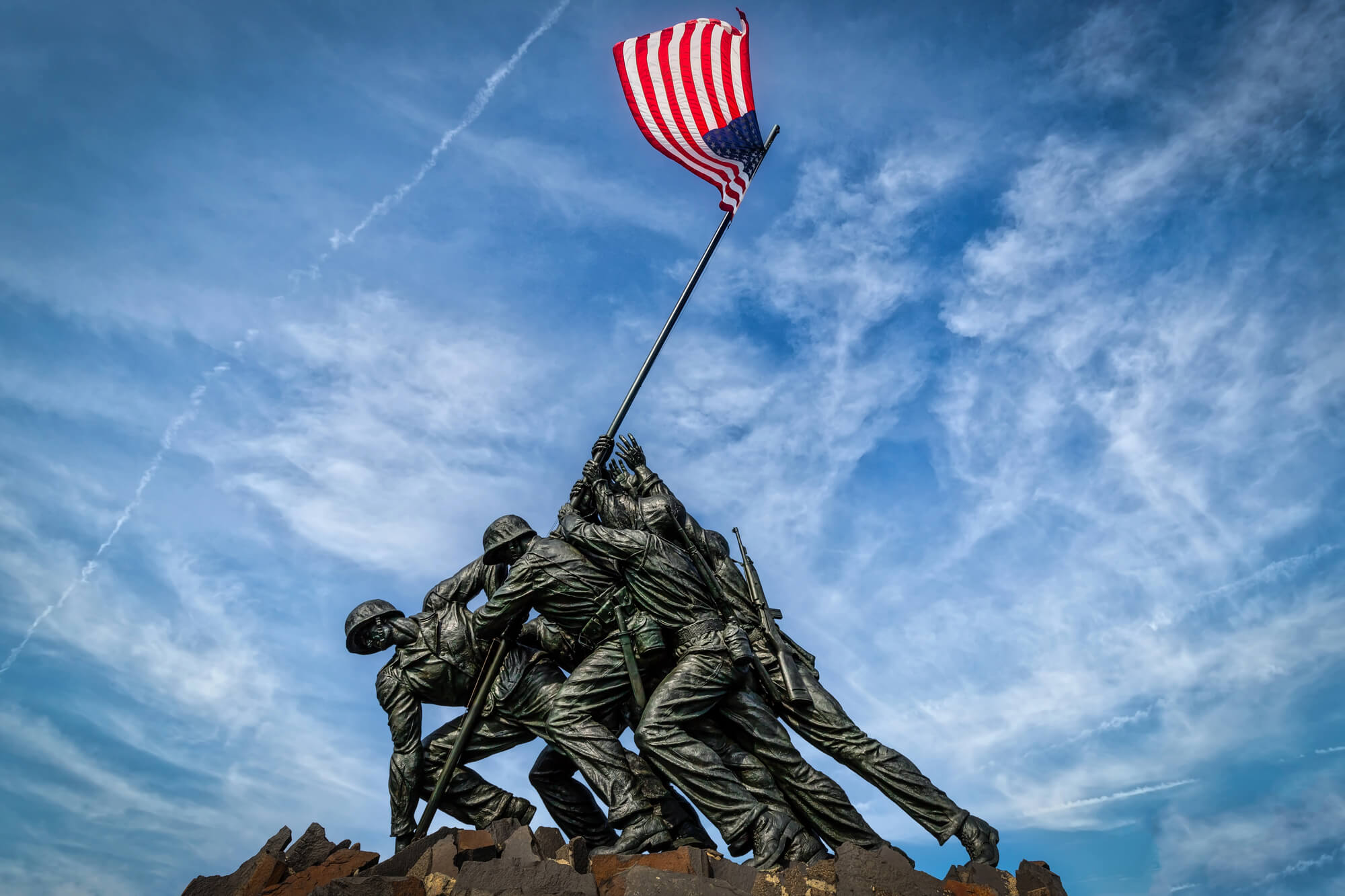
Joe Rosenthal’s 1945 photograph of Marines raising an American flag on Mount Suribachi shows a second, larger flag-raising staged specifically to replace an earlier, smaller flag that had already been raised and photographed minutes earlier. The image was not fabricated or acted out for the camera in the sense of a false event, since the second flag genuinely was being raised as part of a real military logistics decision, but it was not the historic first flag-raising many assumed it depicted.
The distinction fueled decades of public confusion and formal inquiries into which flag-raising the photograph actually showed.
V-J Day in Times Square
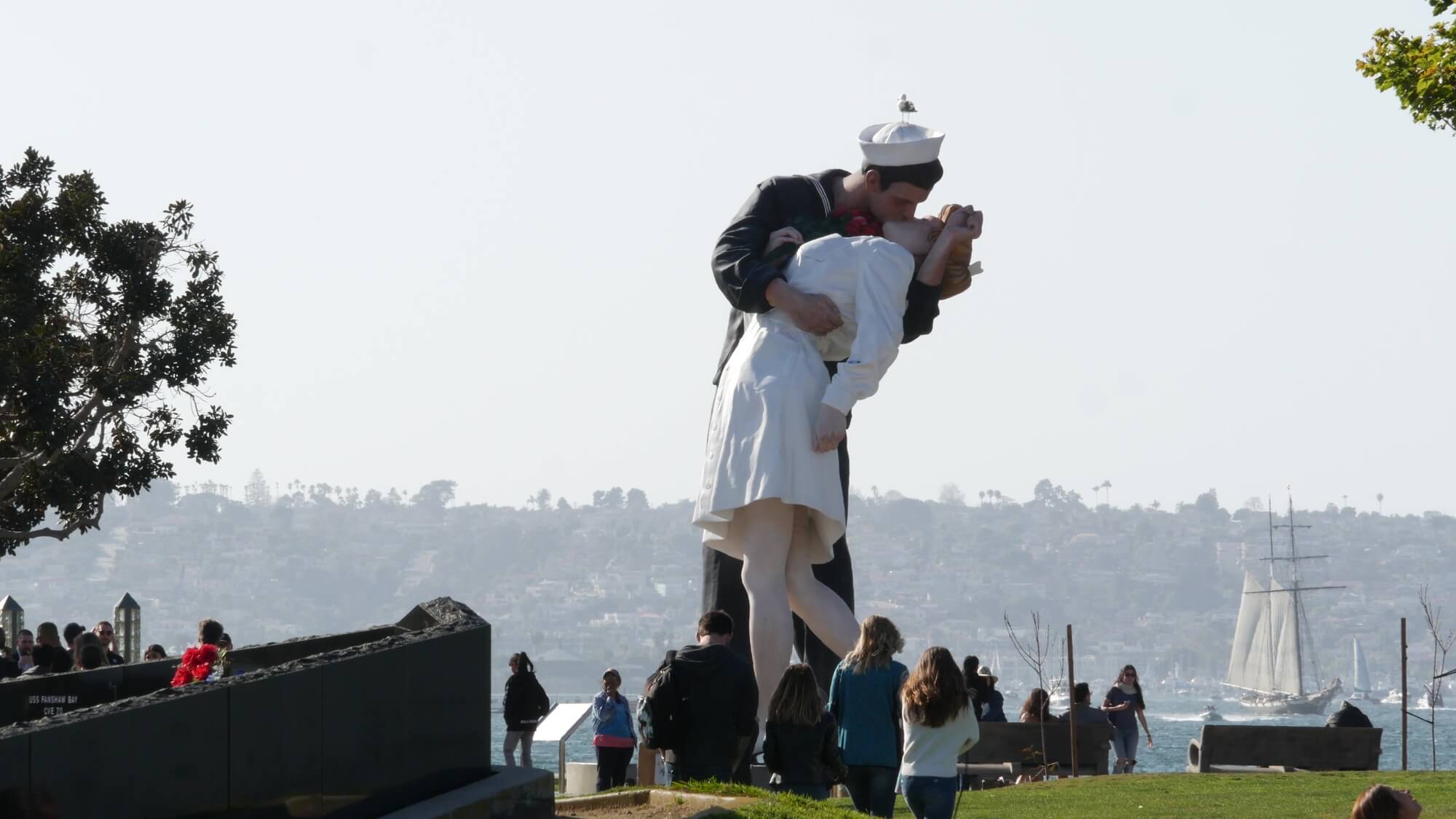
Alfred Eisenstaedt’s 1945 photograph of a sailor kissing a woman in Times Square during celebrations marking the end of World War II depicted a spontaneous encounter between two strangers rather than a posed portrait, but Eisenstaedt took multiple frames of the moment as it unfolded, selecting the most compositionally striking result for publication. Neither participant was formally arranged by the photographer beforehand, though the specific published frame was chosen from several taken in quick succession.
Decades of research have gone into identifying the actual participants, with competing claims persisting for years.
The Loch Ness Monster “Surgeon’s Photograph”
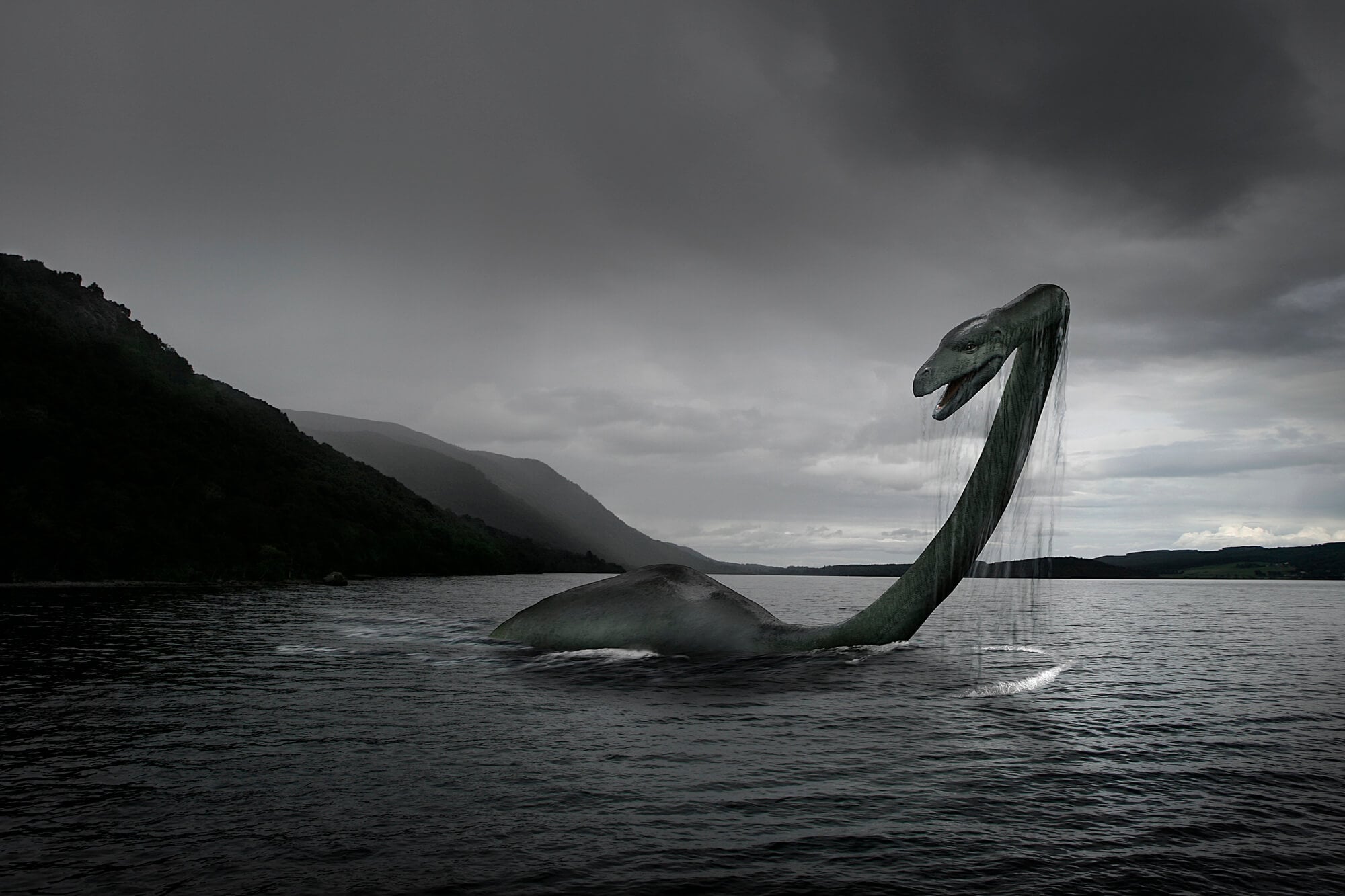
This widely circulated 1934 image, long presented as credible evidence of the purported Loch Ness creature, was revealed decades later, through a 1994 confession from one of the conspirators, to have been staged using a small model attached to a toy submarine. The hoax had been maintained for sixty years before the full story of its fabrication became public.
It remains one of the most consequential staged photographs in the history of purported paranormal evidence.
Migrant Mother
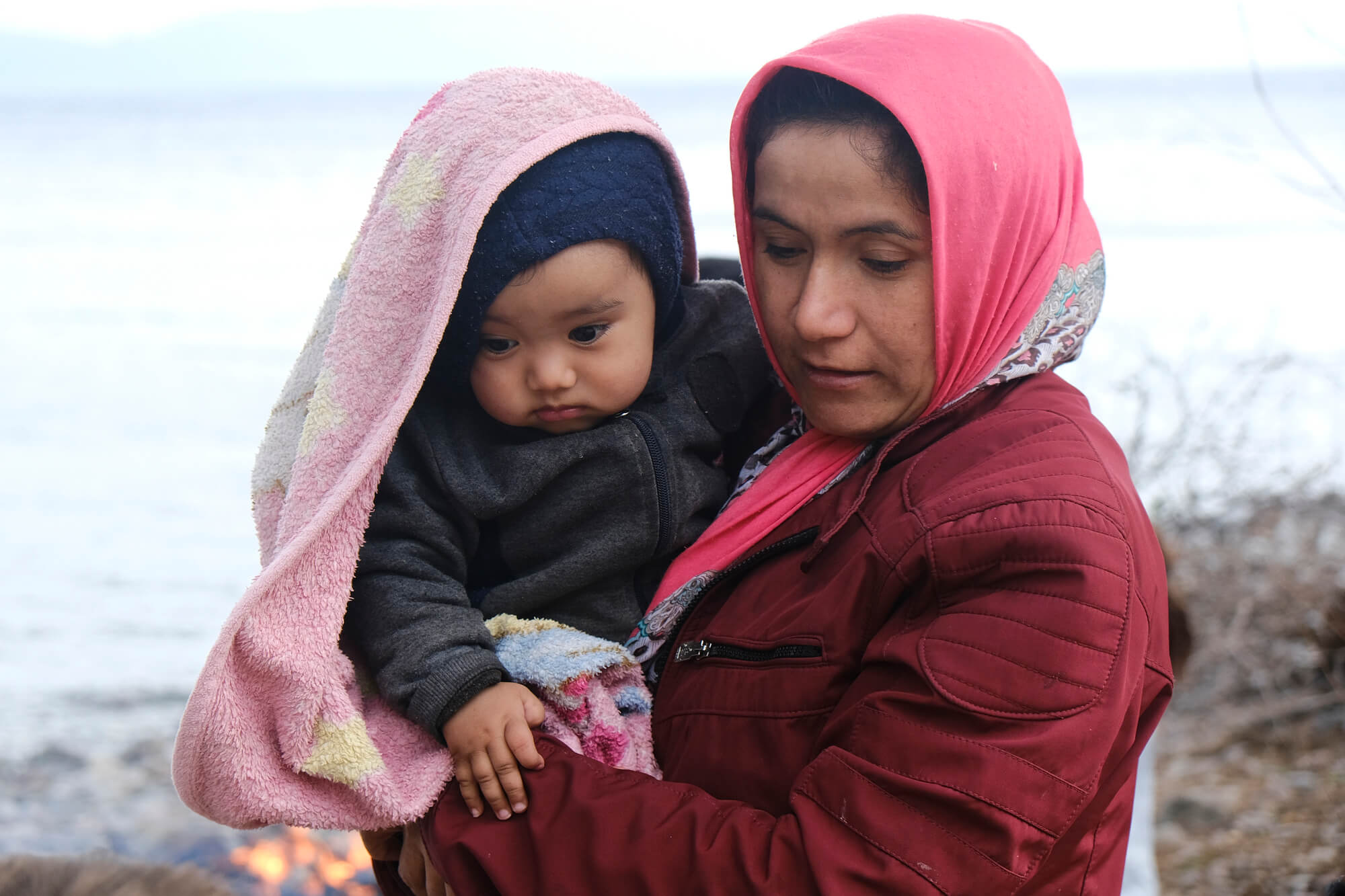
Dorothea Lange’s 1936 photograph of Florence Owens Thompson, one of the most recognized images from the Great Depression, was not staged in the sense of an invented scene, but Lange did direct aspects of the composition during a brief roadside encounter, asking Thompson to adjust her position and children for several frames before selecting the final image. Thompson later expressed mixed feelings about the photograph’s use and the fact that she never profited from its widespread reproduction.
The image is now understood as a directed documentary portrait rather than a purely candid snapshot.
Lunch Atop a Skyscraper
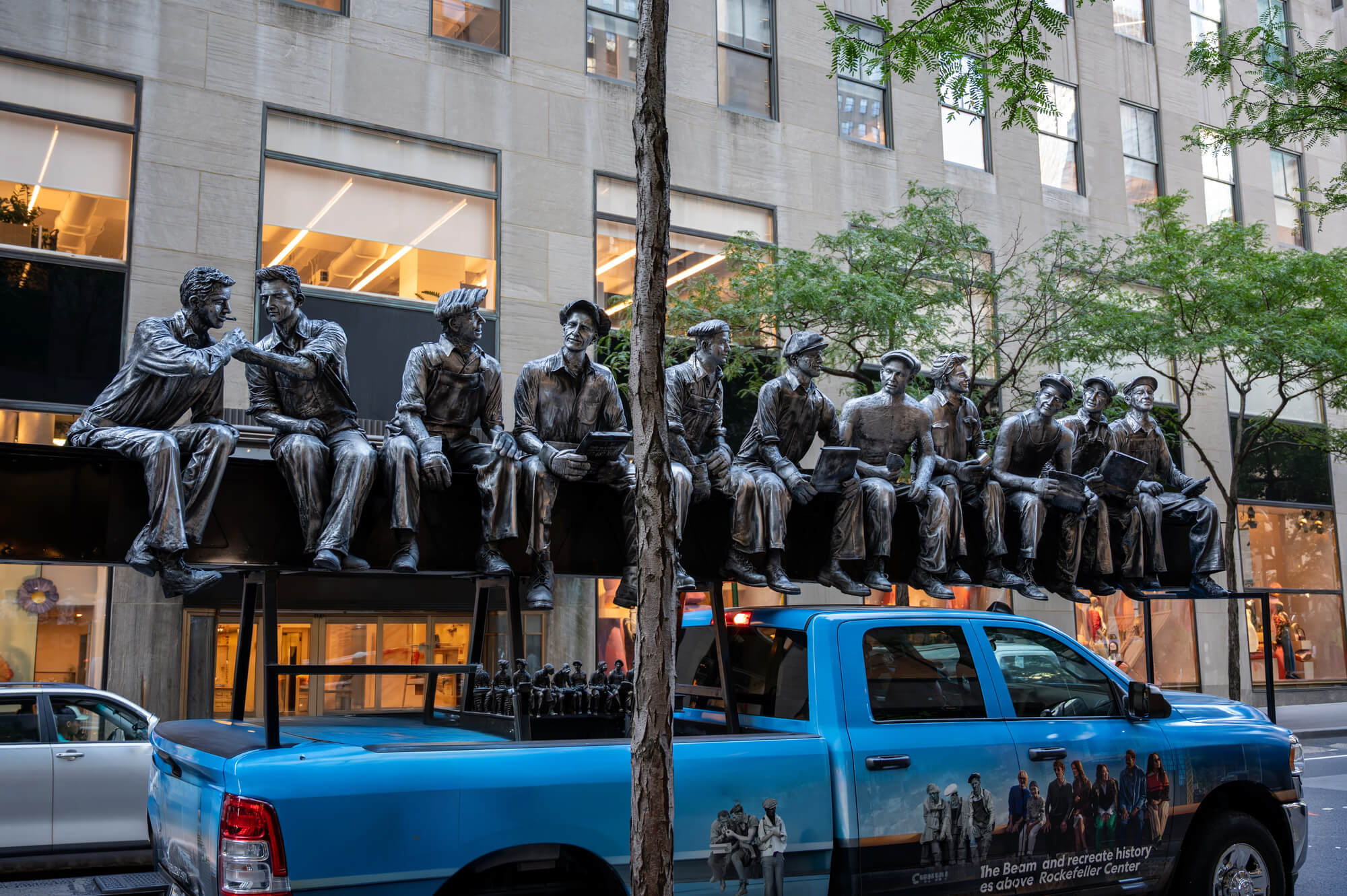
The famous 1932 photograph of construction workers eating lunch on a steel beam high above New York City during the construction of Rockefeller Center was a promotional image arranged by the building’s publicity department rather than a candid capture of an ordinary workday. The photographer’s identity was disputed for decades, and evidence suggests the scene, while using real construction workers and a real height, was specifically composed for publicity purposes.
Its status as a promotional photograph rather than photojournalism is now well documented.
The Falling Soldier
Robert Capa’s 1936 photograph, purporting to show a Spanish Civil War militiaman at the exact moment of being fatally shot, has faced sustained scholarly controversy for decades over whether the moment was staged during a training exercise rather than actual combat. Researchers have never reached full consensus, though significant evidence, including questions about the specific location and circumstances, has raised serious doubts about its authenticity as a genuine combat casualty photograph.
It remains one of the most debated images in the history of war photography.
Che Guevara’s “Guerrillero Heroico”
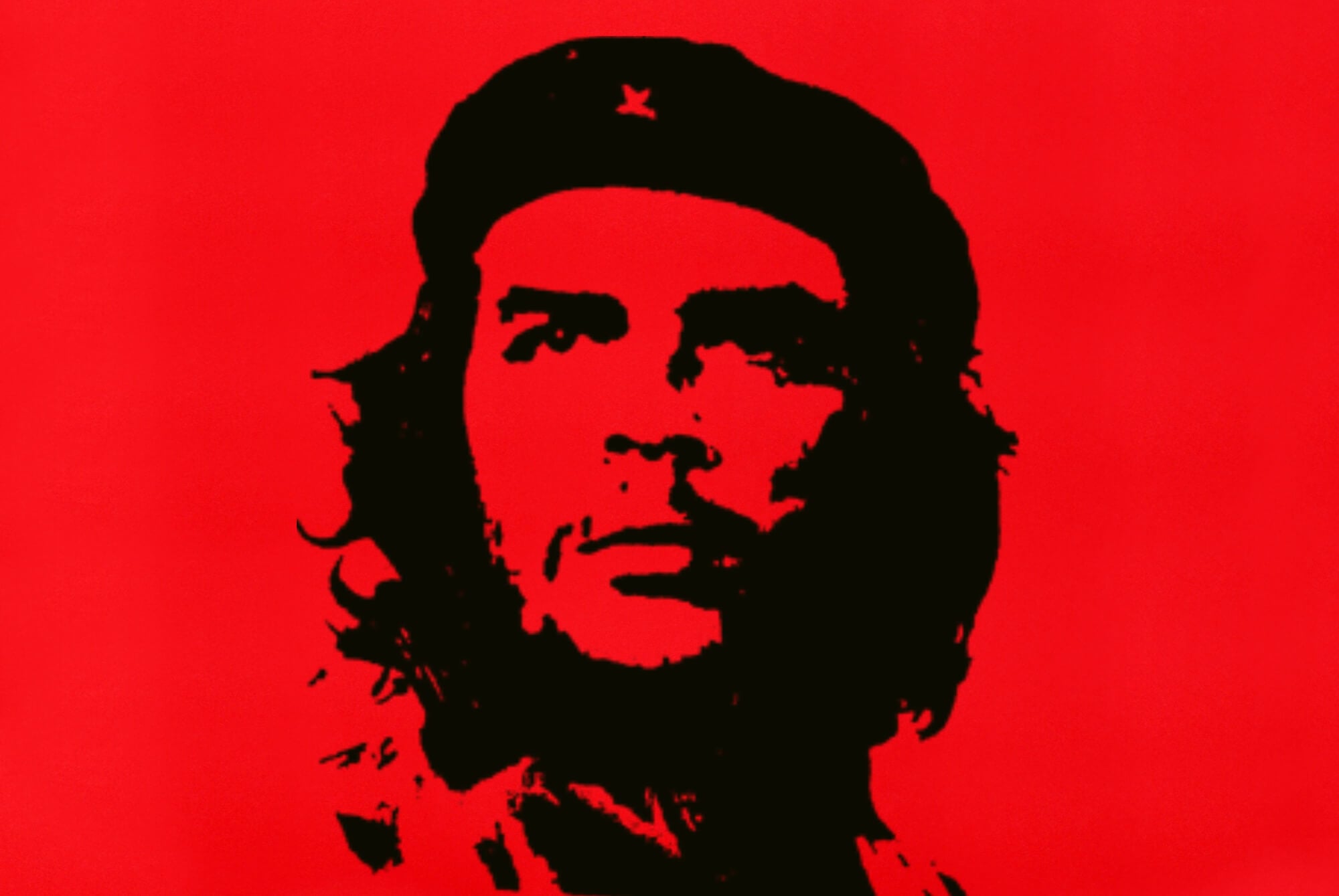
Alberto Korda’s 1960 photograph of Che Guevara, one of the most widely reproduced images in photographic history, was taken during a public memorial event rather than a formal portrait sitting, but the specific frame that became iconic was selected and cropped by Korda from a wider, more casual scene captured that day. The image’s transformation into its now-famous cropped form involved deliberate editorial choices well beyond a simple candid capture.
Korda never received compensation for the image’s massive commercial reproduction for most of his life.
Einstein Sticking Out His Tongue
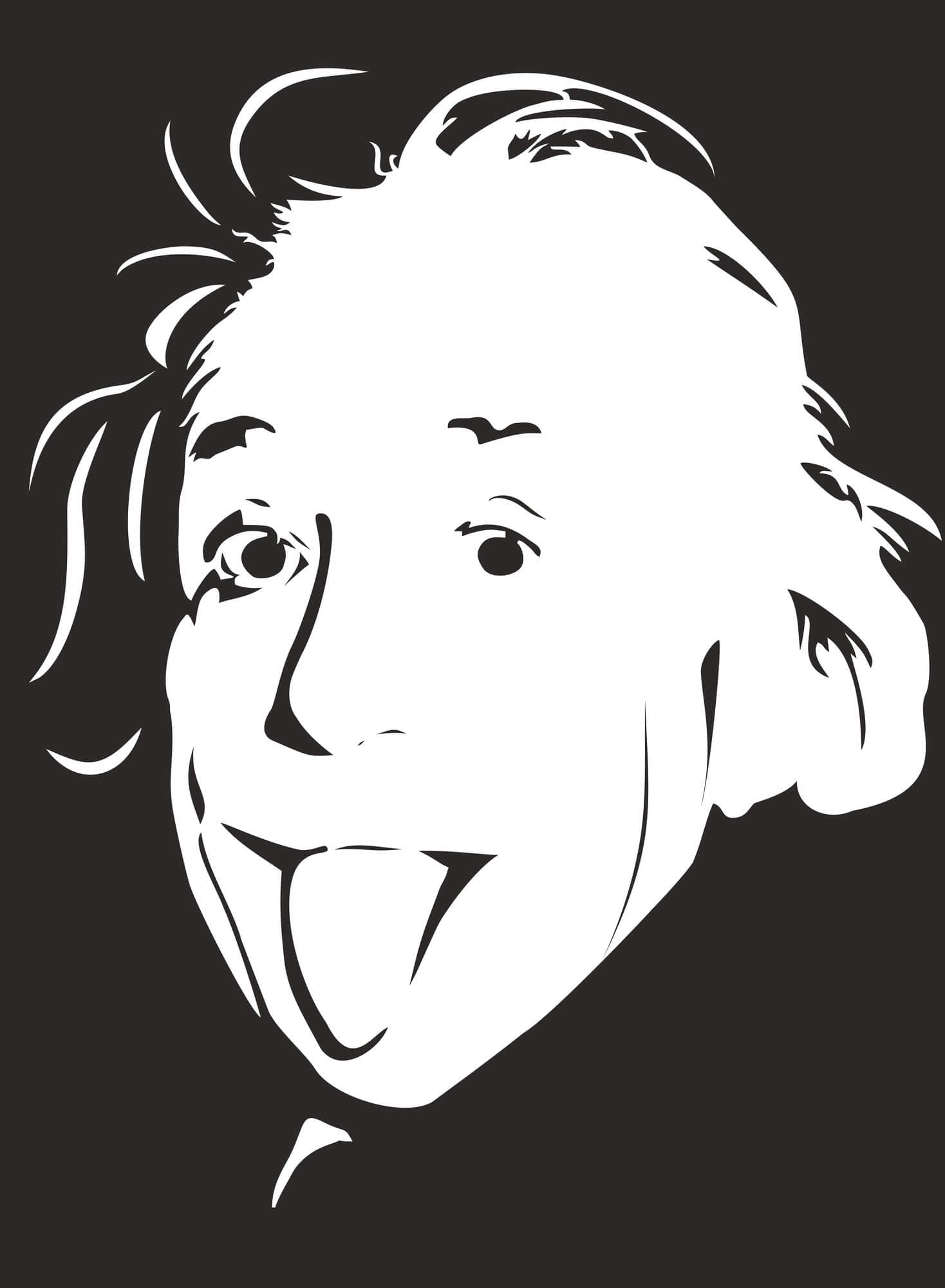
The widely reproduced 1951 photograph of Albert Einstein sticking out his tongue was taken by a press photographer as Einstein was leaving his birthday celebration, prompted when the photographer asked him to smile one more time for the camera after repeated requests throughout the evening. Einstein’s gesture was a genuine, spontaneous reaction rather than a directed pose, though the circumstances leading up to it involved a deliberately engineered photo opportunity.
Einstein reportedly liked the resulting image enough to request prints for his own personal use.
The Terror of War
Nick Ut’s 1972 photograph of children fleeing a napalm attack during the Vietnam War, including a severely injured girl, was not staged, but its publication involved editorial decisions about cropping and context that shaped how the moment was understood by audiences. The photograph’s authenticity as a captured, unstaged moment of real suffering has never been seriously disputed, distinguishing it from several other entries on this list.
It is included here specifically to illustrate the contrast between genuinely spontaneous war photography and more deliberately arranged images from the same era.
Tank Man
The 1989 photograph of an unidentified man standing before a column of tanks near Tiananmen Square was an unplanned, spontaneous act captured by multiple photographers who happened to be positioned at nearby hotel balconies. Unlike several other entries on this list, no staging or arrangement was involved on the photographers’ part, though the specific angle and framing varied significantly between the different photographers who captured the moment simultaneously.
Its inclusion here highlights how even genuinely spontaneous images can still involve significant editorial choices in which version becomes iconic.
The Hindenburg Disaster
Sam Shere’s 1937 photograph capturing the German airship Hindenburg engulfed in flames during its landing attempt in New Jersey was a genuinely unplanned, real-time capture of an unfolding disaster rather than a staged image. Its inclusion on lists of manipulated photography sometimes stems from confusion with later dramatized recreations used in films and documentaries, rather than the original photograph itself.
The original image remains authenticated as a real-time disaster photograph.
Buzz Aldrin’s Bootprint
The widely reproduced photograph of Buzz Aldrin’s bootprint on the lunar surface during the 1969 Apollo 11 mission was a deliberately composed image, taken specifically to document soil texture and the effects of the astronaut’s boot for scientific analysis rather than as a candid documentary moment. NASA’s mission planning explicitly included instructions for astronauts to capture this type of documentation shot.
Its scientific purpose is well documented, distinguishing it from images staged for purely aesthetic or promotional reasons.
The Kiss by the Hotel de Ville
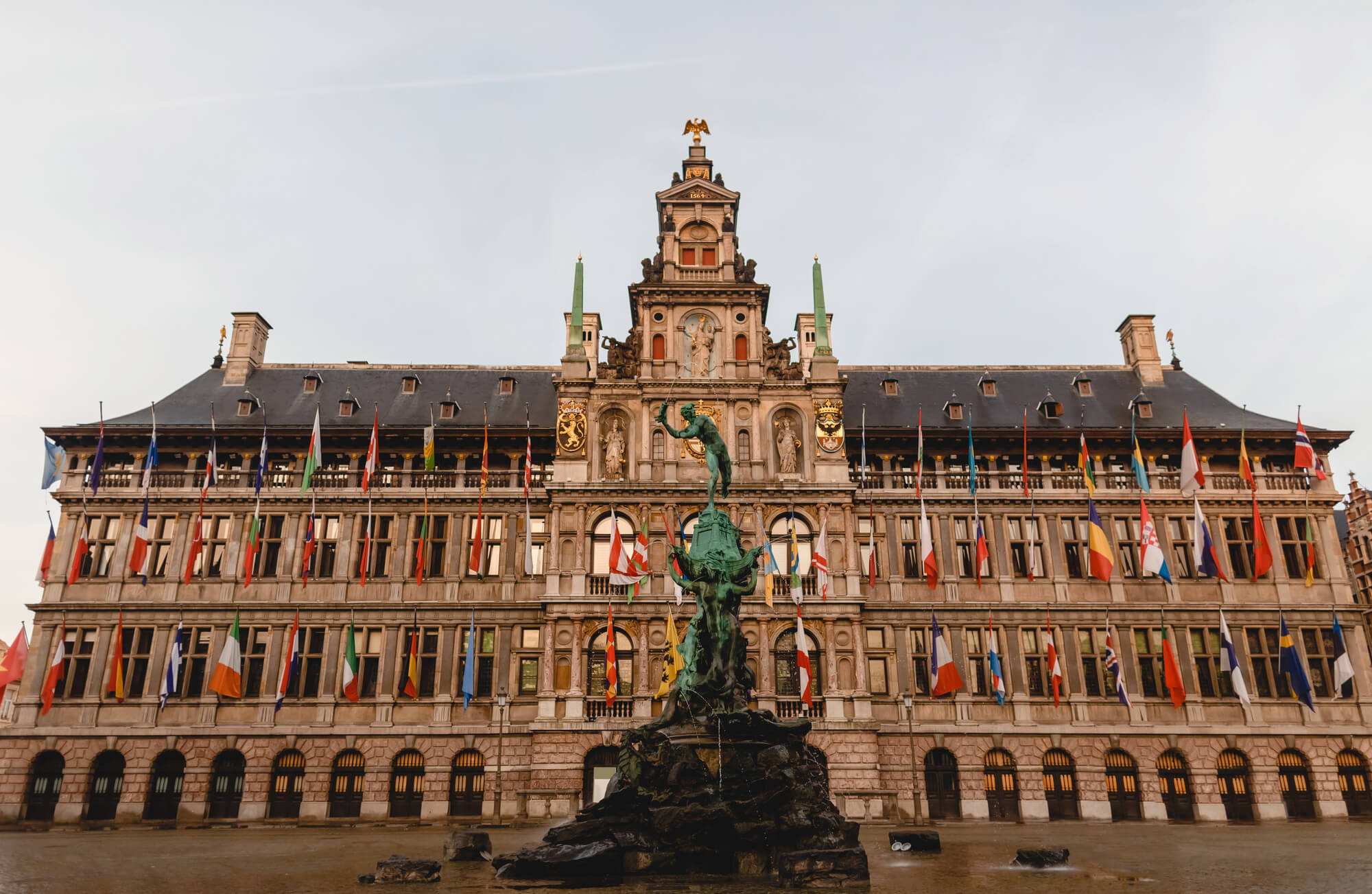
Robert Doisneau’s 1950 photograph of a couple kissing on a Paris street was revealed decades later, following a lawsuit in the 1990s brought by a person who mistakenly believed she was depicted in the image, to have been a staged scene using hired actors that Doisneau directed for a magazine assignment. Doisneau had kept the arrangement largely private for most of his life, allowing the image to be widely perceived as a candid street photograph for decades.
The revelation significantly altered the image’s reputation as a spontaneous symbol of Parisian romance.
Marilyn Monroe’s Subway Grate Photo
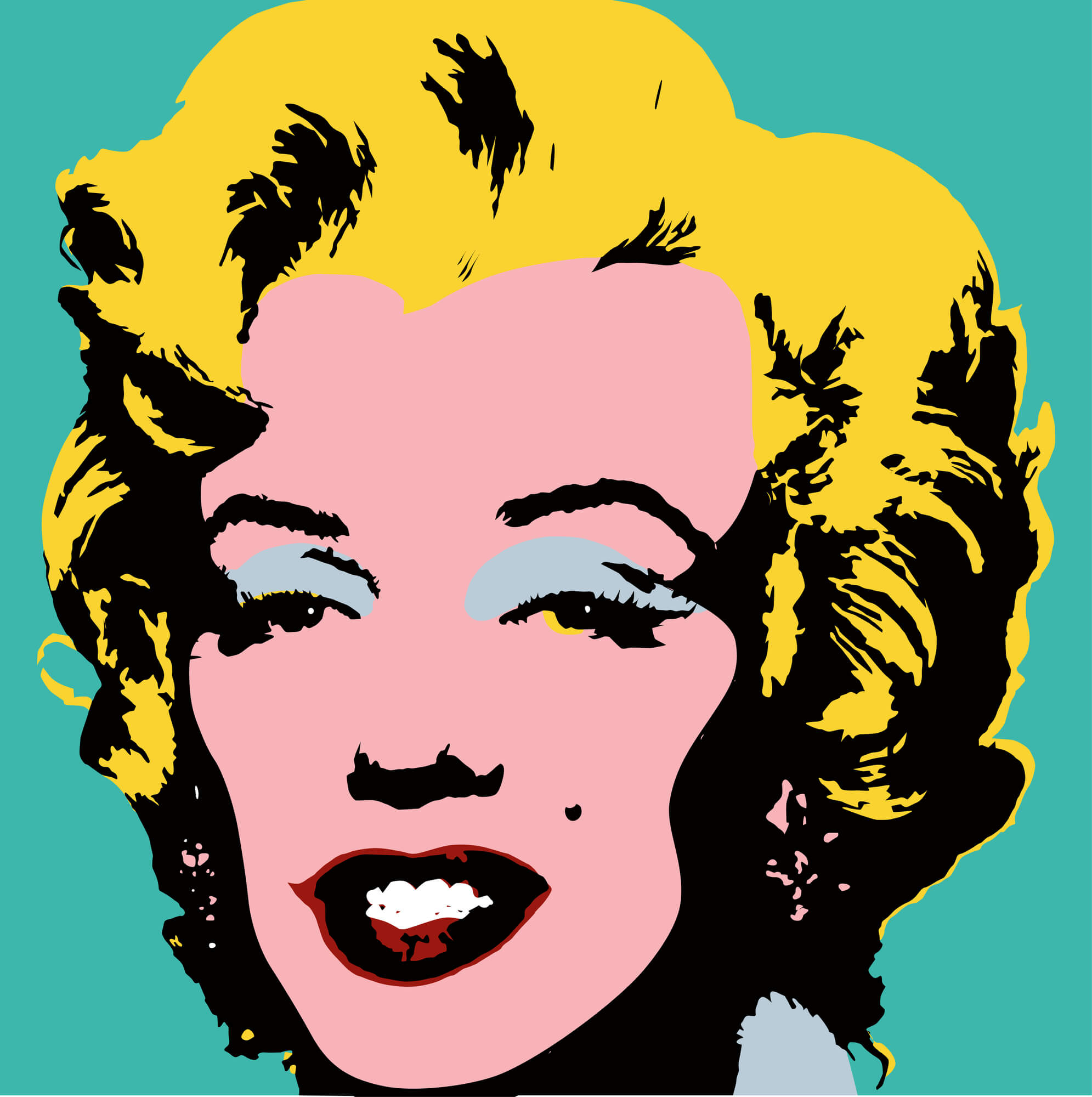
The famous image of Marilyn Monroe with her dress billowing over a subway grate, from the 1955 film “The Seven Year Itch,” was an entirely staged publicity event, with a large crowd of photographers and onlookers specifically assembled for repeated takes of the scene on a closed New York City street. It originated as a film promotional stunt rather than any form of candid photography.
Its status as a deliberately engineered media spectacle was well known even at the time it was taken.
Napoleon Crossing the Alps
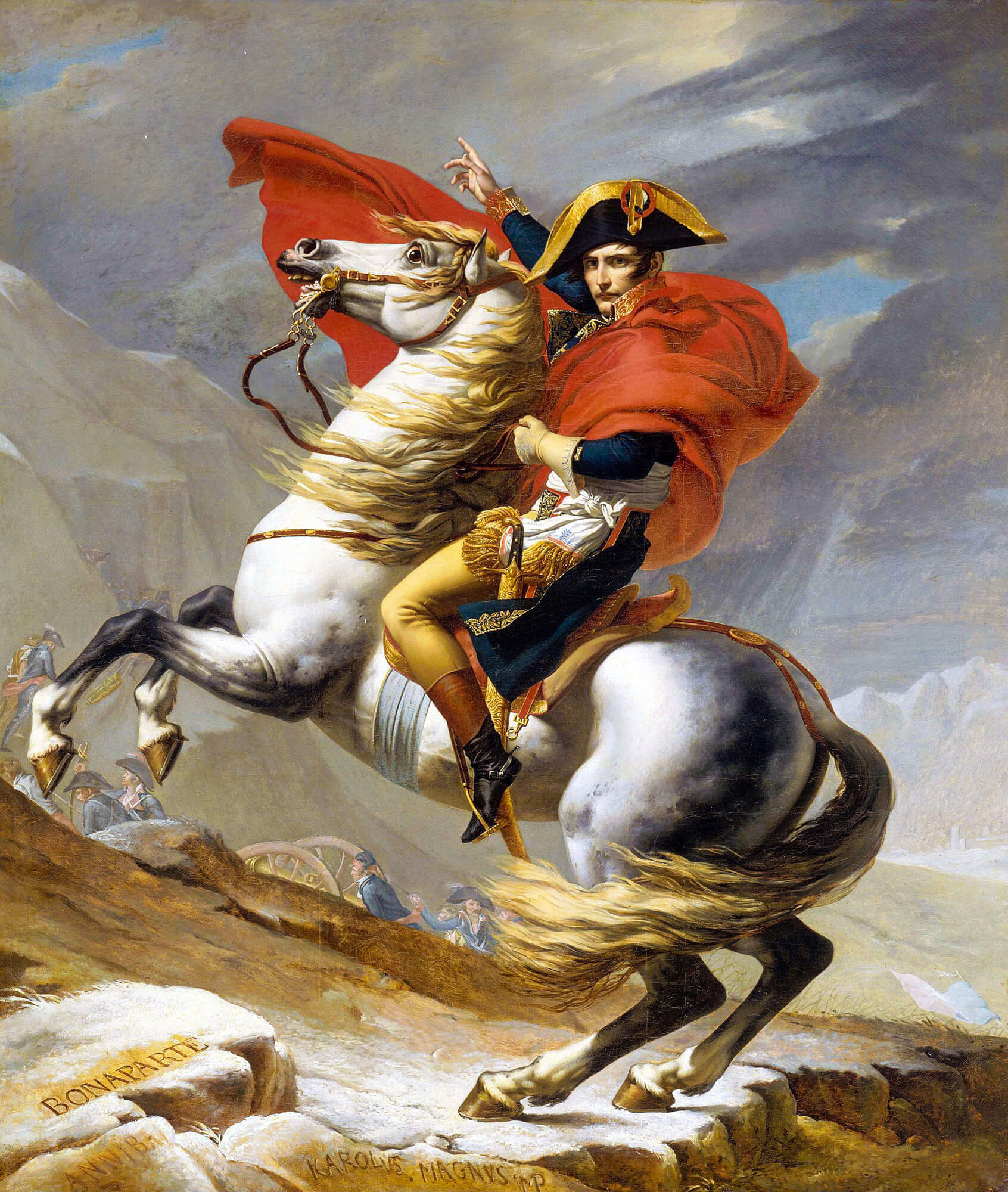
While a painting rather than a photograph, Jacques-Louis David’s 1801 depiction of Napoleon dramatically crossing the Alps on a rearing horse was commissioned specifically as propaganda, and historical accounts indicate Napoleon actually made the crossing on a mule under much less dramatic conditions. The painting is frequently cited alongside staged photographs as an early example of deliberately constructed visual propaganda.
Its inclusion here reflects how the impulse to stage a more dramatic version of an event predates photography itself.
The Bay of Pigs Aftermath Photographs
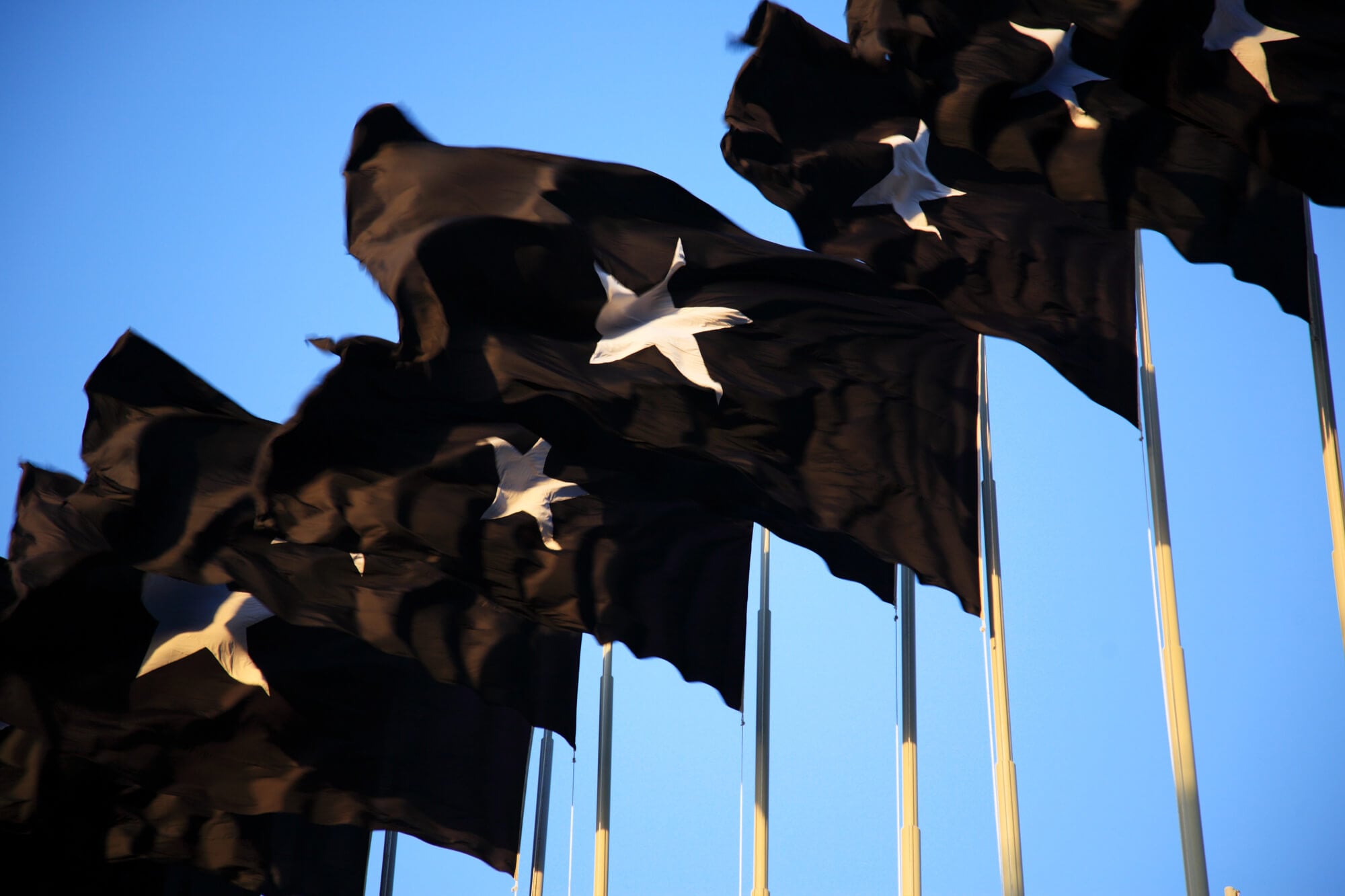
Certain widely circulated images from the aftermath of the 1961 Bay of Pigs invasion in Cuba were arranged by Cuban government officials for propaganda purposes before being distributed to international press outlets. Photographers were given controlled access to specific scenes and subjects rather than being permitted to document events independently.
The arranged nature of the coverage significantly shaped international understanding of the failed invasion’s aftermath.
The Death of Marat Recreation Photographs
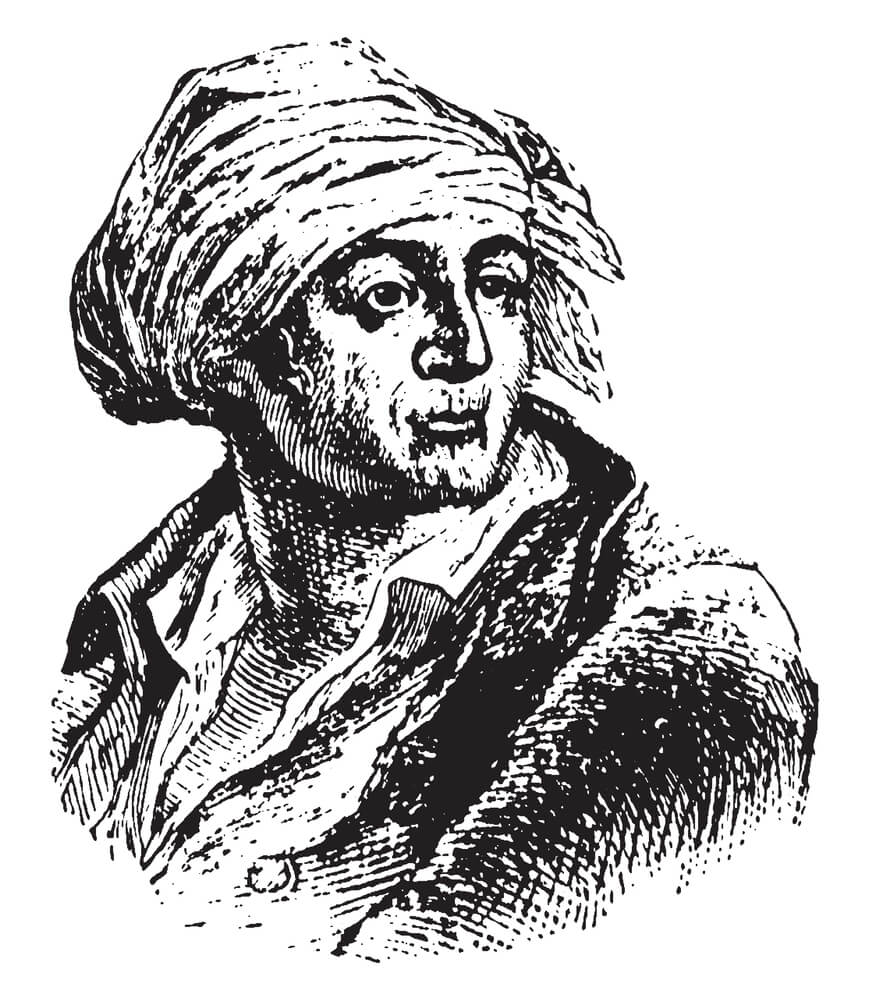
Early twentieth-century photographers occasionally recreated Jacques-Louis David’s famous 1793 painting of the assassinated revolutionary Jean-Paul Marat using posed live models in period costume for artistic and educational purposes. These photographic recreations were explicitly presented as staged historical tableaus rather than any claim to documentary authenticity.
They represent an early tradition of photography deliberately imitating painted historical scenes.
Diane Arbus’s Twins
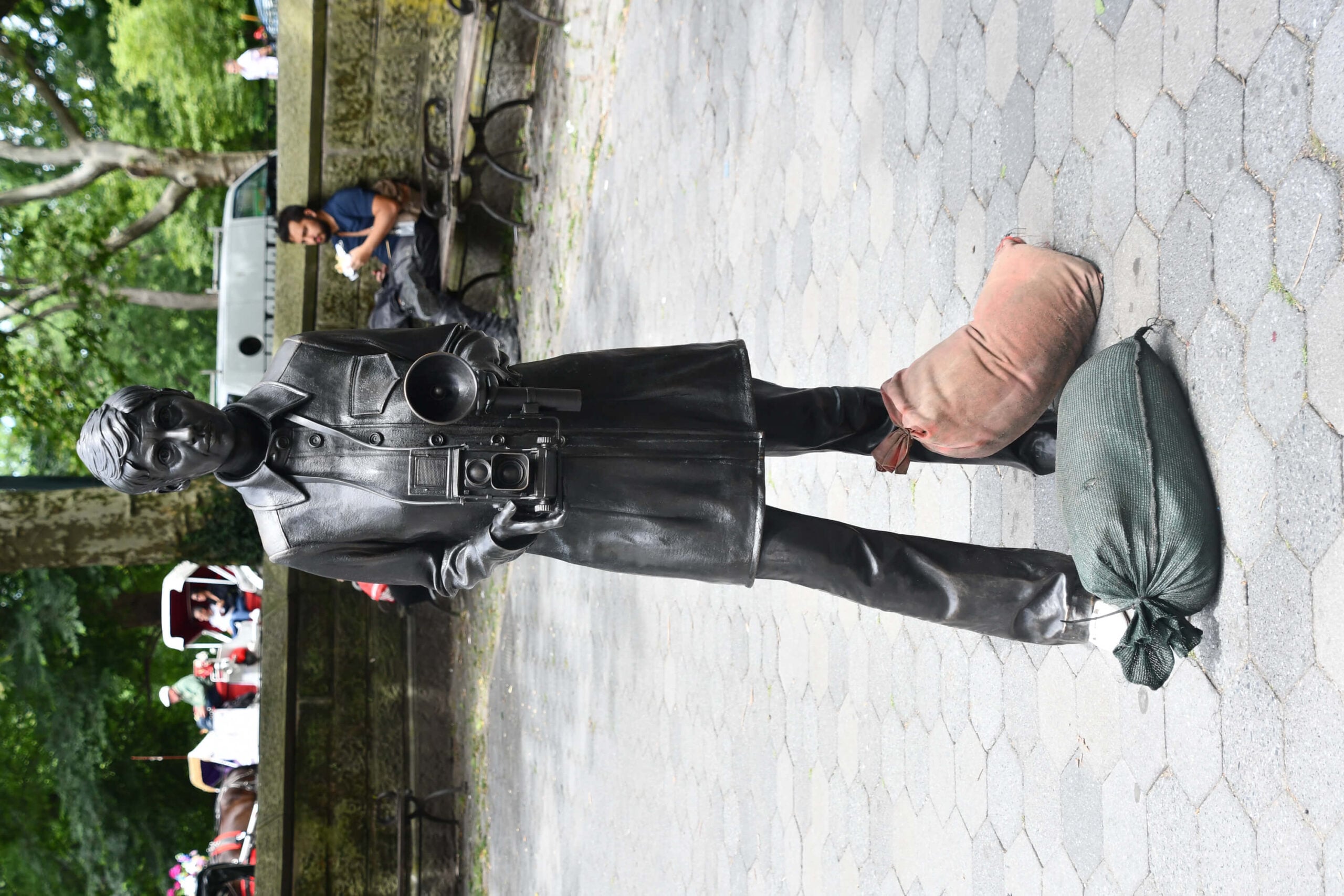
Diane Arbus’s widely reproduced 1967 photograph of twin sisters was the result of a deliberately directed portrait session in which Arbus specifically requested the girls stand in a particular pose and expression, rather than a candid capture of a spontaneous moment. Arbus was known for extensively directing her subjects despite the raw, seemingly unposed quality often attributed to her work.
The image’s unsettling effect is now understood by critics as a product of careful direction rather than pure documentary chance.
Winston Churchill’s “The Roaring Lion”
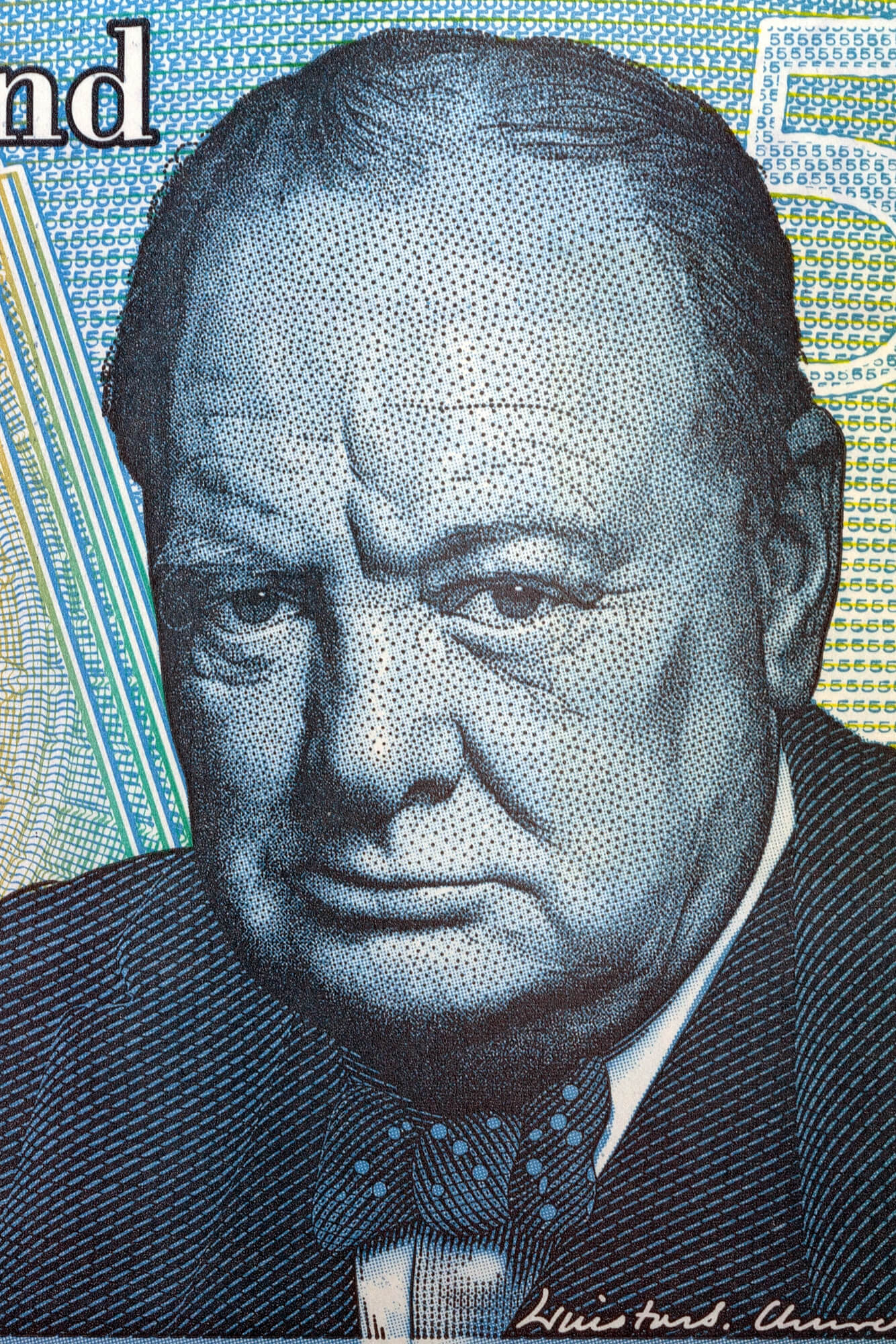
Yousuf Karsh’s iconic 1941 portrait of Winston Churchill, showing his famously defiant scowl, resulted from Karsh deliberately removing an object Churchill had been holding just before taking the photograph, provoking the irritated expression that became the image’s defining feature. Karsh later confirmed this account of the sitting himself.
The now-famous expression was therefore a directly provoked reaction rather than Churchill’s natural resting demeanor.
The First Thanksgiving Illustrations

Numerous widely reproduced nineteenth and twentieth-century illustrations depicting the “first Thanksgiving” were created as staged historical tableaus long after the actual seventeenth-century event, based on artistic imagination and later cultural mythology rather than any contemporary documentation. No firsthand visual record of the original 1621 gathering exists.
These later illustrations shaped generations of popular understanding of an event with a much thinner factual record than the widely circulated imagery would suggest.
Farm Security Administration Staged
Beyond “Migrant Mother,” numerous other Depression-era photographs commissioned by the U.S. Farm Security Administration during the 1930s involved photographers directing subjects, arranging props, or selecting specific compositions to reinforce particular political and economic narratives about rural poverty. The program’s photographers frequently acknowledged this directorial approach as part of their documentary method rather than concealing it.
The tension between the program’s advocacy goals and its documentary claims remains a significant subject of photographic history scholarship.
The Cottingley Fairies
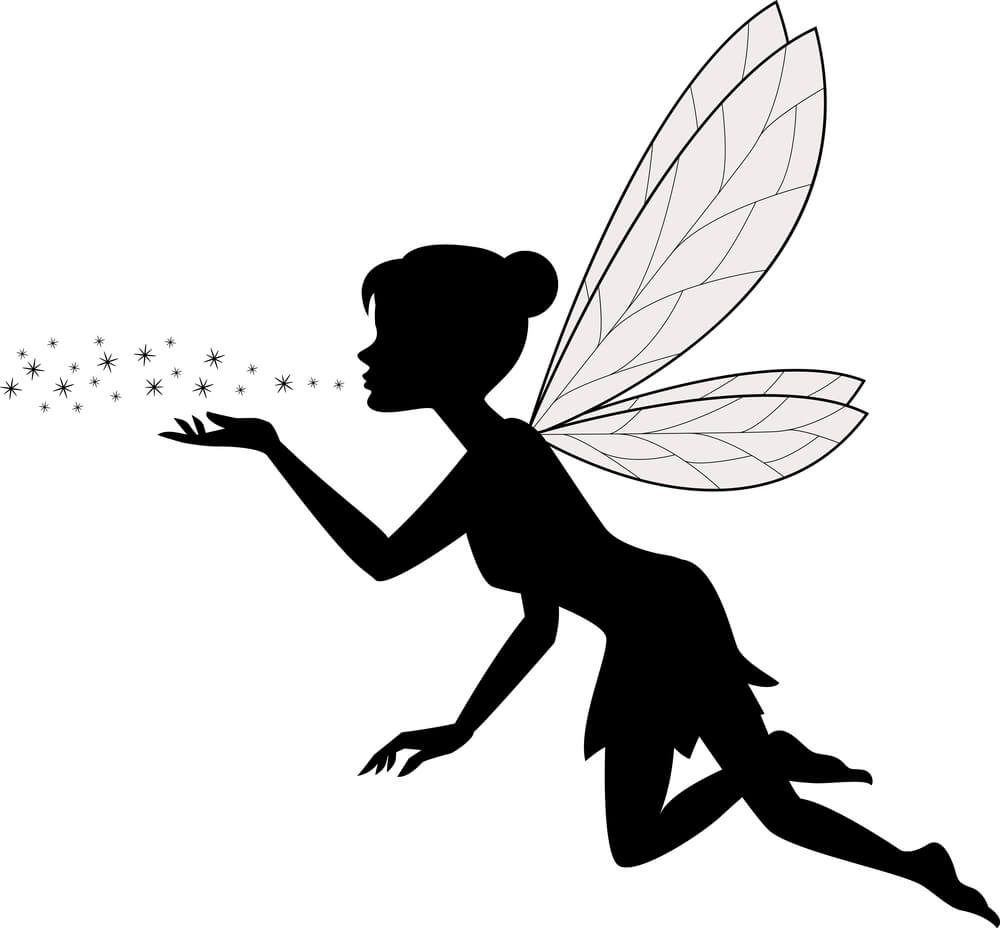
A series of photographs taken in 1917 by two young English girls, purporting to show them interacting with fairies, were later confirmed by one of the photographers herself, decades afterward, to have been staged using paper cutouts. The images were taken seriously by some public figures at the time, including author Arthur Conan Doyle, before eventually being widely understood as an elaborate hoax.
The full confirmed confession did not come until the late twentieth century, decades after the photographs were first taken.
Yalta Conference Photographs
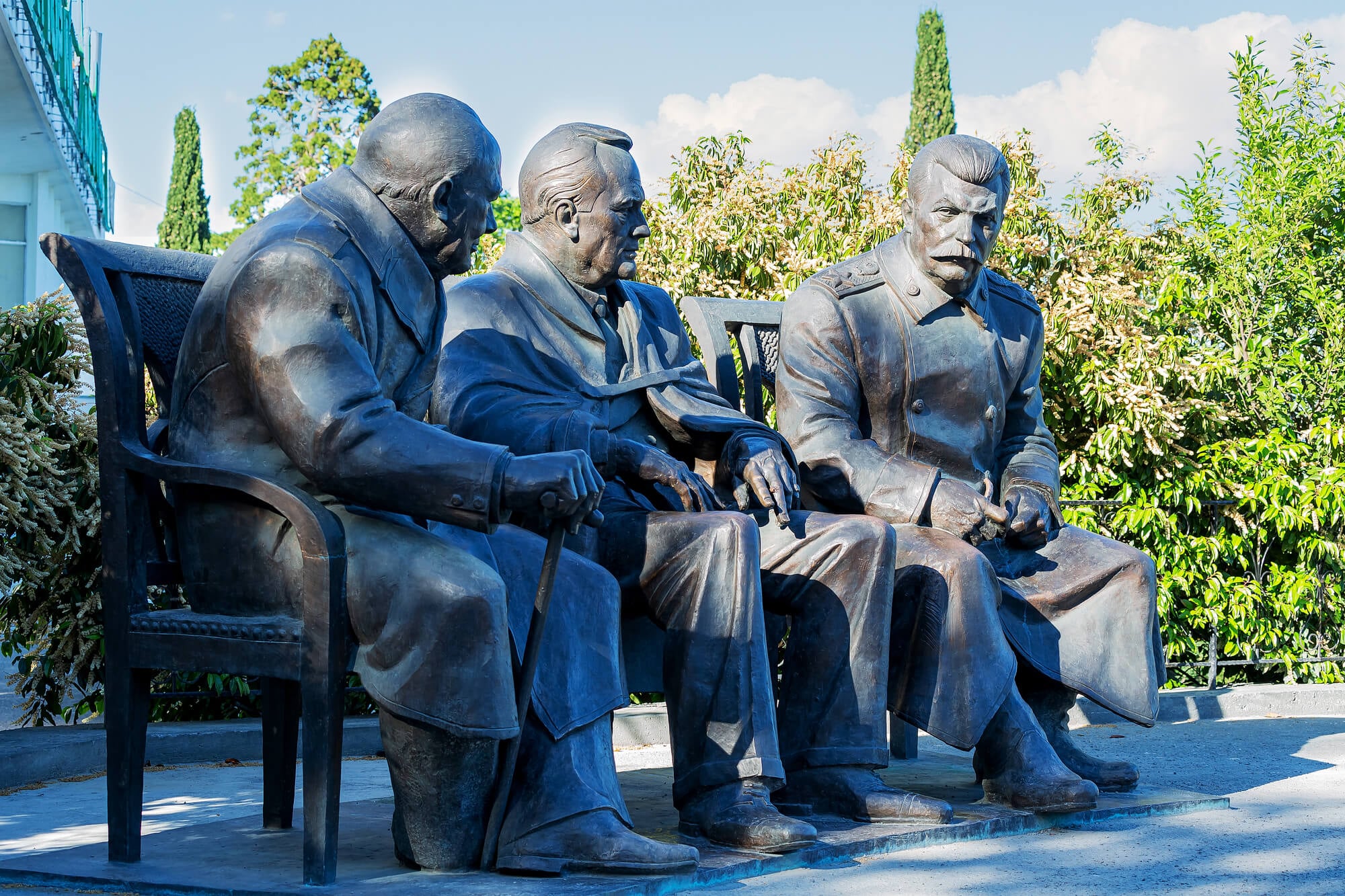
Certain widely circulated photographs from the 1945 Yalta Conference between Allied leaders were carefully arranged by government press officials to project specific images of unity and health among the three leaders, particularly obscuring the visibly declining physical condition of President Franklin Roosevelt at the time. Access for photographers was tightly controlled to manage the resulting public image.
The gap between the polished official photographs and Roosevelt’s actual health became more apparent only in later historical accounts.
Stalin’s Edited Photographs
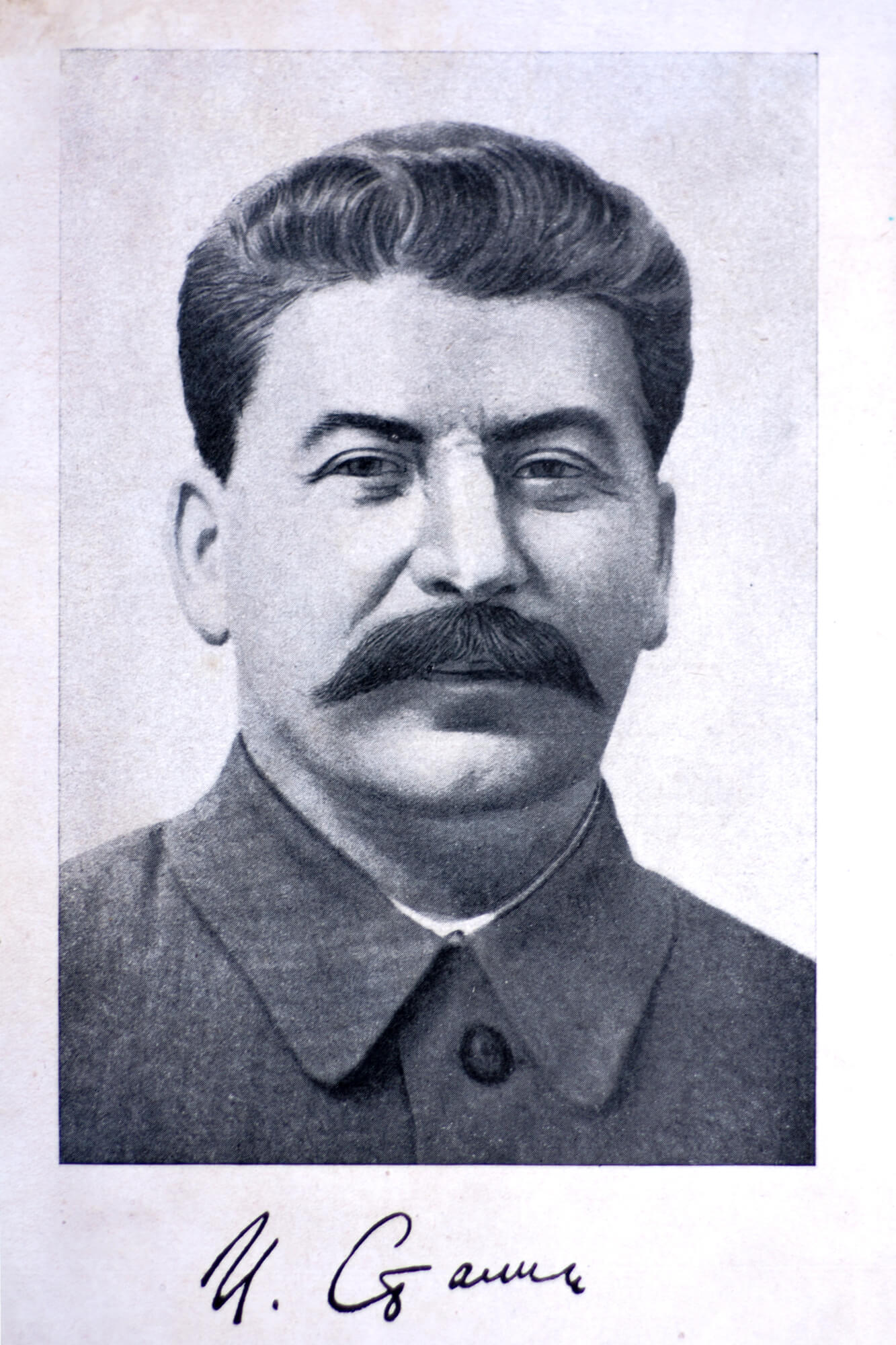
Soviet authorities under Joseph Stalin routinely staged and, more distinctively, retroactively altered official photographs to remove purged or disfavored political figures from images where they had originally appeared, creating an entirely fabricated visual historical record. This practice extended beyond simple staging into systematic photographic manipulation carried out as official state policy for decades.
Historians studying Soviet-era photography have documented numerous specific instances where individuals were physically erased from the historical photographic record.
Neil Armstrong’s Apollo 11 Portrait
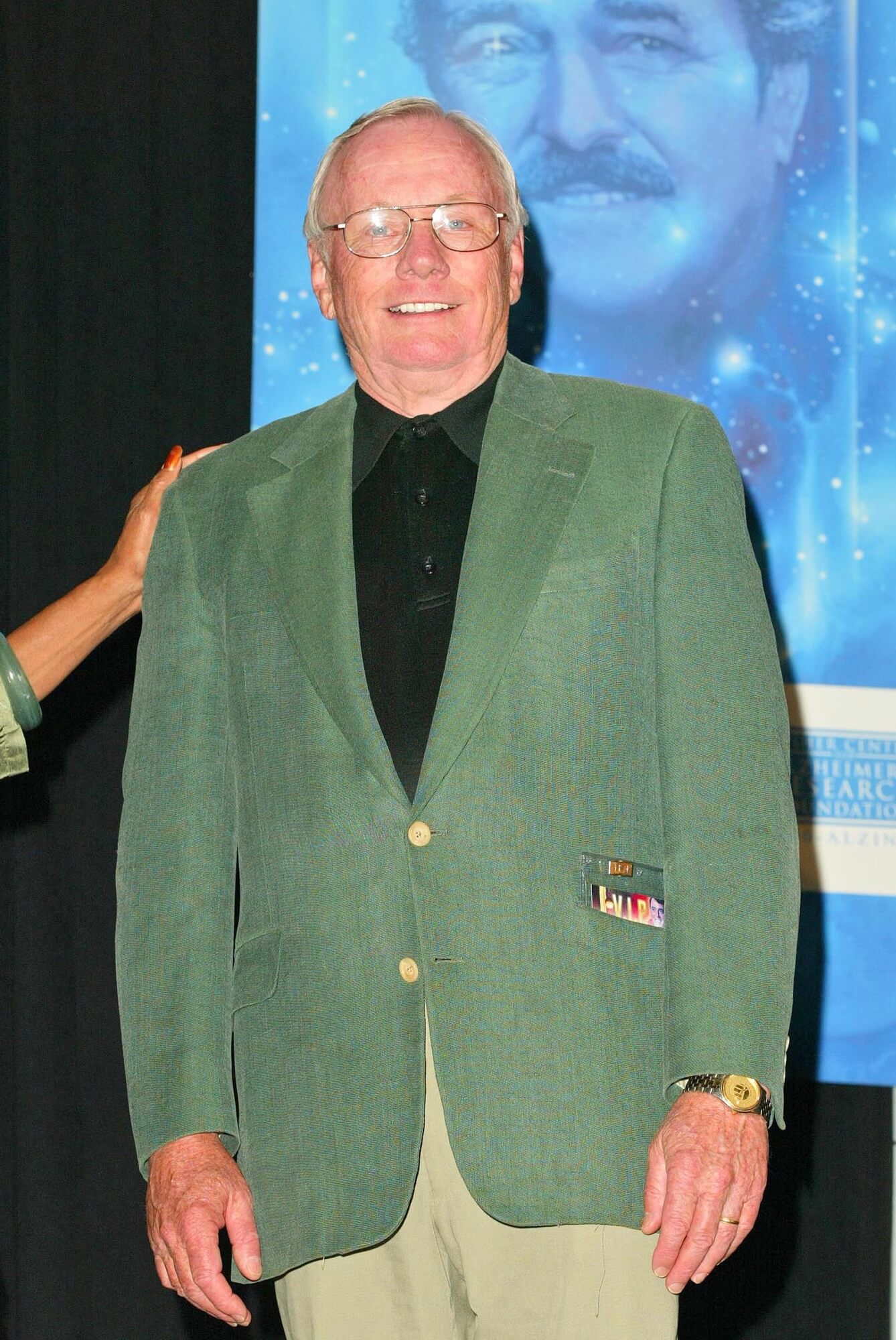
The well-known photograph often assumed to show Neil Armstrong on the lunar surface during the 1969 moon landing actually shows Buzz Aldrin, since Armstrong was the one operating the mission’s primary camera for most of the moonwalk and appears in very few clear photographs himself. This was a function of assigned mission photography roles rather than any staging, but it has caused persistent public confusion for decades about which astronaut appears in the mission’s most famous imagery.
The confusion illustrates how documentary accuracy can be undermined by simple assumption rather than deliberate manipulation.
The Storming of the Winter Palace Recreation
The dramatic, widely circulated imagery associated with the 1917 Bolshevik storming of the Winter Palace in Petrograd largely derives not from contemporary photographs, since the actual event was comparatively low-key, but from a massive 1920 theatrical reenactment staged for propaganda and commemorative purposes, footage and photographs of which were later presented in some contexts as if depicting the original event. The reenactment involved thousands of participants and was deliberately more dramatic than the actual 1917 events.
The conflation of the staged recreation with genuine historical documentation has shaped popular visual memory of the Russian Revolution for a century.
What Staging Doesn’t Erase
None of this means these images are worthless as historical documents, or that every photographer involved was acting in bad faith. Directing a subject, waiting for a better angle, or restaging a moment that happened too quickly to capture the first time are all long-standing practices within photography, not necessarily deceptions.
What changes is the claim being made about the image afterward. A photograph presented as an unmediated slice of reality, when it was actually composed, directed, or reenacted, asks something different of its viewer than one presented honestly as a constructed scene. The difference rarely shows up in the frame itself; it shows up in what the audience was told to believe about it.
More from Go2Tutors!

- The Romanov Crown Jewels and Their Tragic Fate
- 13 Historical Mysteries That Science Still Can’t Solve
- Famous Hoaxes That Fooled the World for Years
- 15 Child Stars with Tragic Adult Lives
- 16 Famous Jewelry Pieces in History
Like Go2Tutors’s content? Follow us on MSN.



