The 15 Most Densely Populated Cities In The World
Living space has become a premium commodity in cities around the globe. When millions of people squeeze into relatively small geographic areas, the result is urban density that can feel overwhelming to visitors and residents alike.
These aren’t just crowded places — they’re intricate ecosystems where every square foot serves a purpose, where vertical living has become an art form, and where the rhythm of daily life moves at a pace that smaller cities can barely comprehend.
Manila
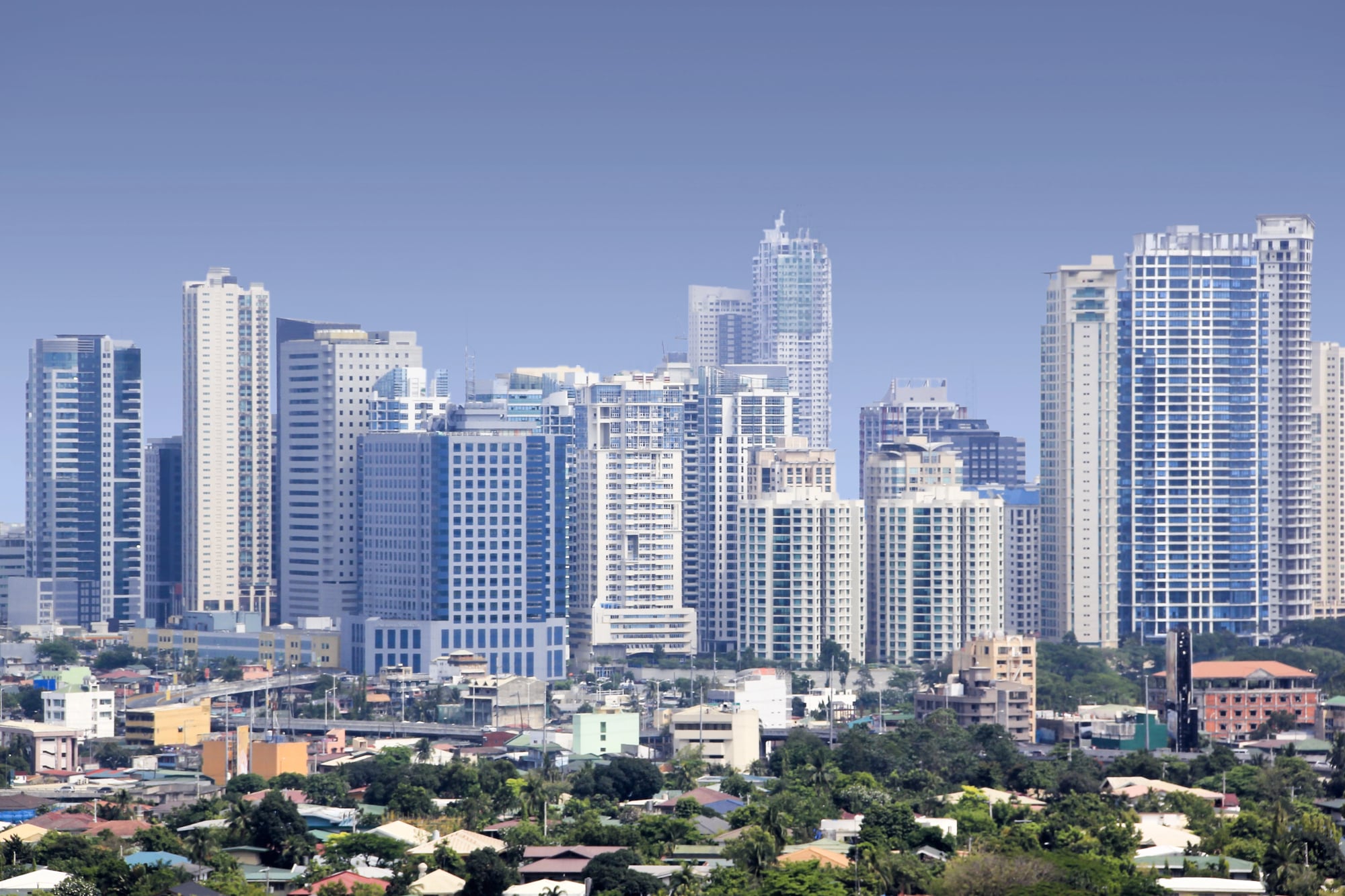
Manila packs more than 1.7 million people into just 15 square miles. The math is staggering.
The streets never empty, and finding personal space requires genuine effort. It’s certainly not for people who are allergic to lots of people!
Pateros
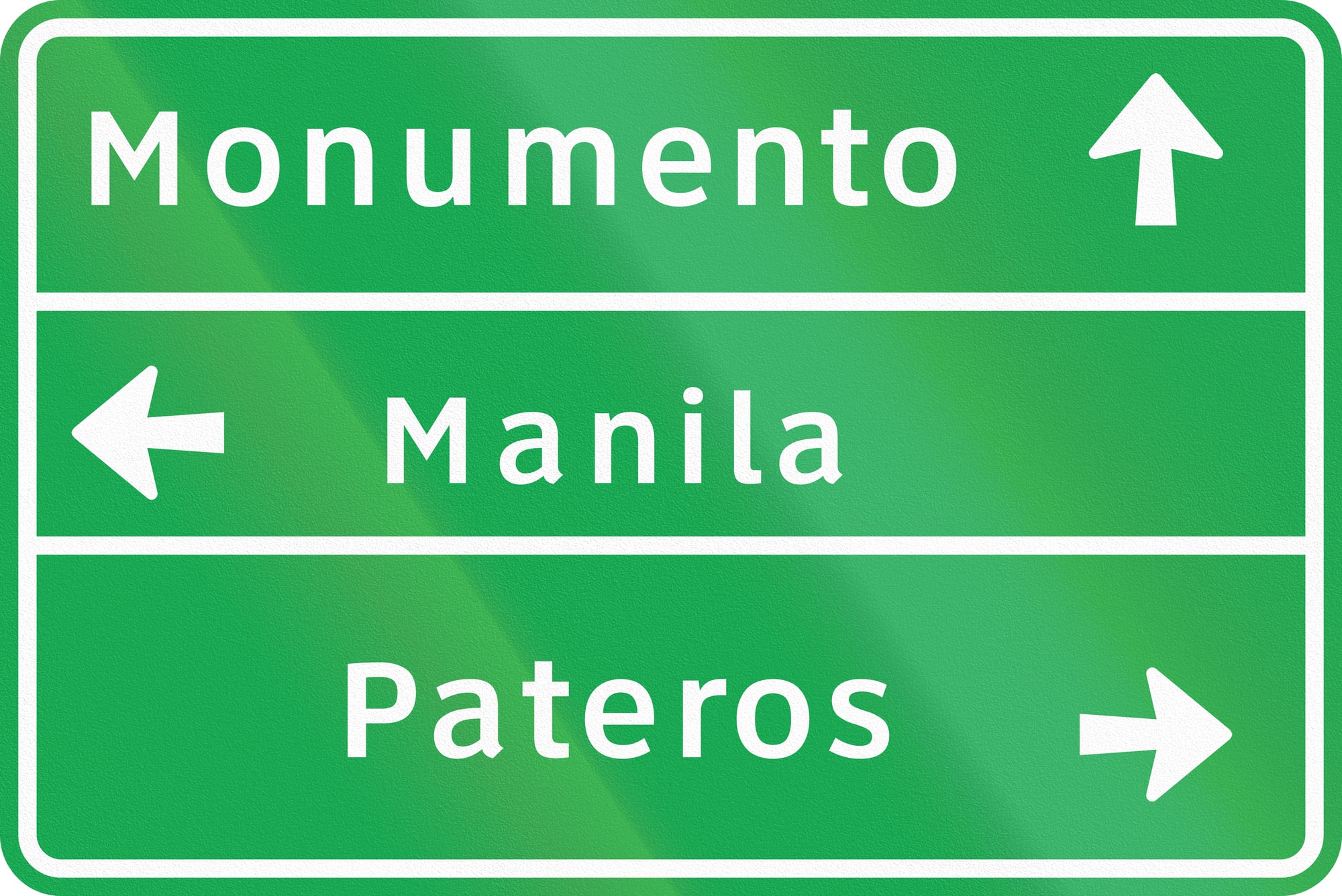
This small city in the Philippines squeezes roughly 64,000 people into less than 4 square miles.
Pateros feels like a neighborhood that accidentally became a city, where everyone knows everyone and privacy is a luxury few can afford.
Mandaluyong
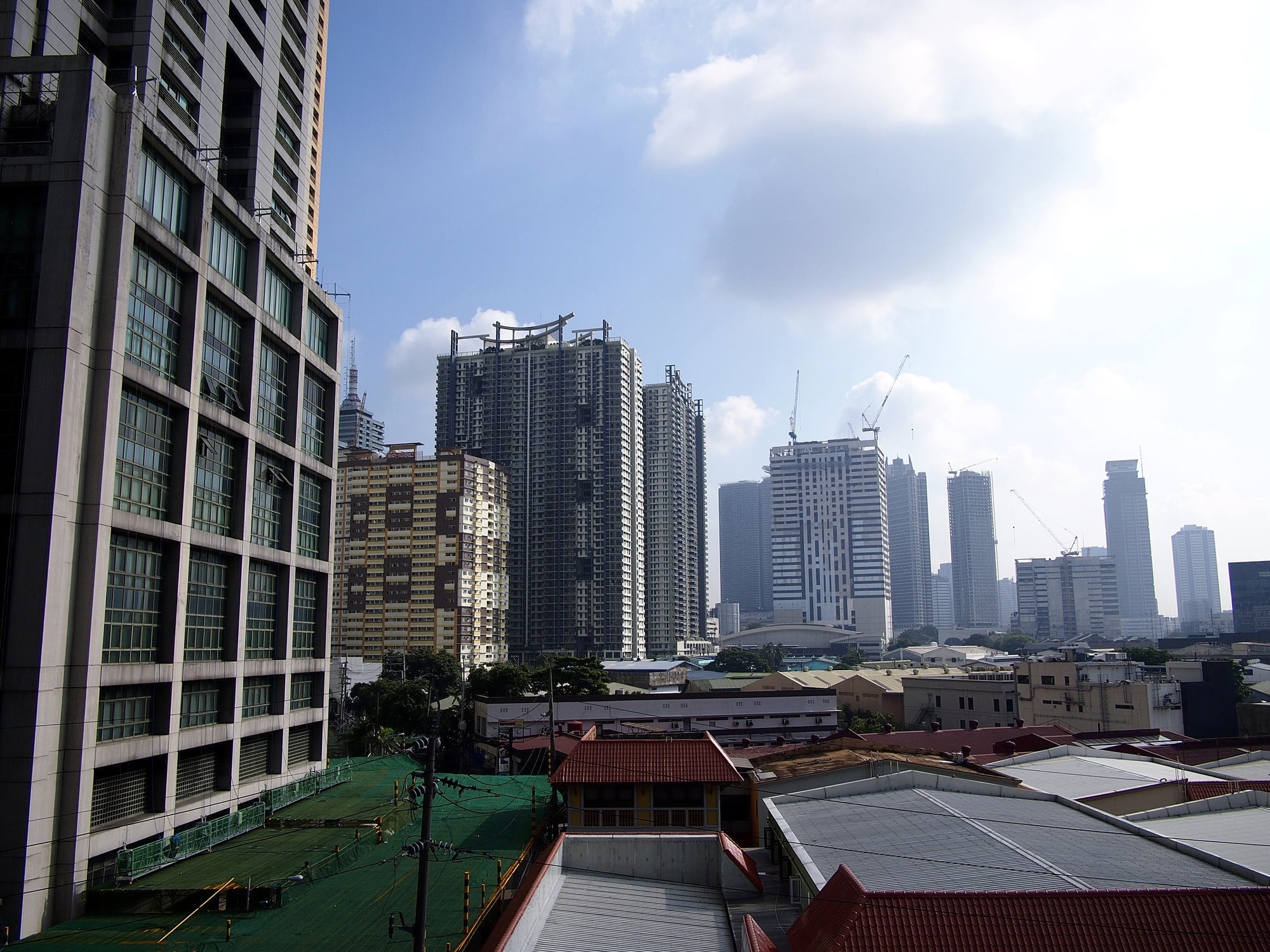
The density here grows from a peculiar urban evolution — what started as suburban sprawl eventually had nowhere to go but up, and so the city began folding in on itself like an origami crane that ran out of paper.
People adapt to tight quarters in ways that surprise outsiders (the neighbor’s morning routine becomes part of your own soundtrack, whether you want it or not).
And yet there’s something almost choreographed about how pedestrians navigate the narrow sidewalks: a dance everyone learns without being taught. The city doesn’t apologize for its compactness.
Mumbai
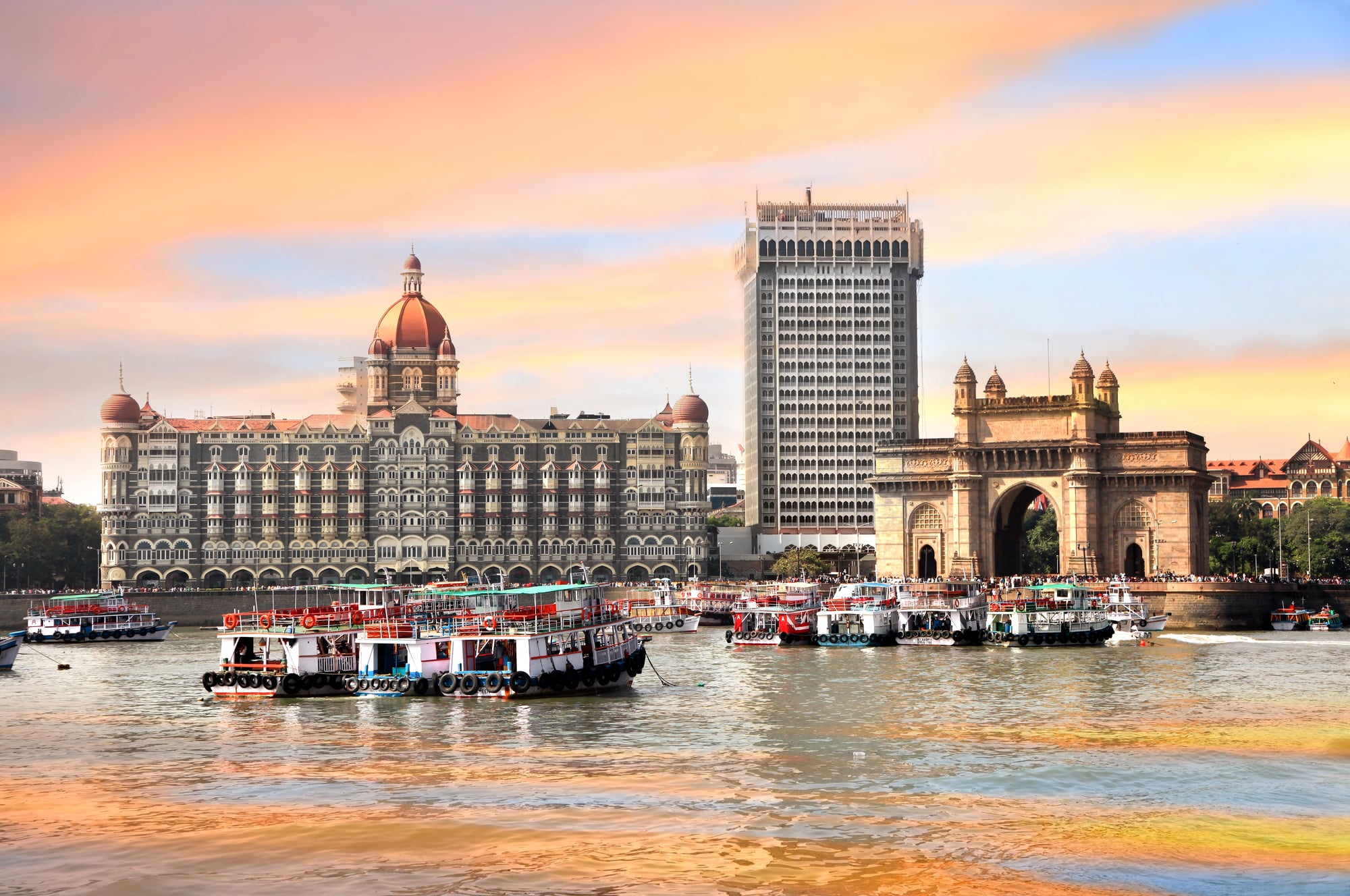
Mumbai doesn’t accommodate 12.4 million people — it absorbs them. The city operates on a different understanding of space entirely.
Every bit of space serves multiple purposes throughout the day.
The trains alone tell the story. During rush hour, passengers hang from doors because fitting inside stopped being the goal long ago.
People commute for hours daily, and somehow the city keeps functioning.
Dhaka
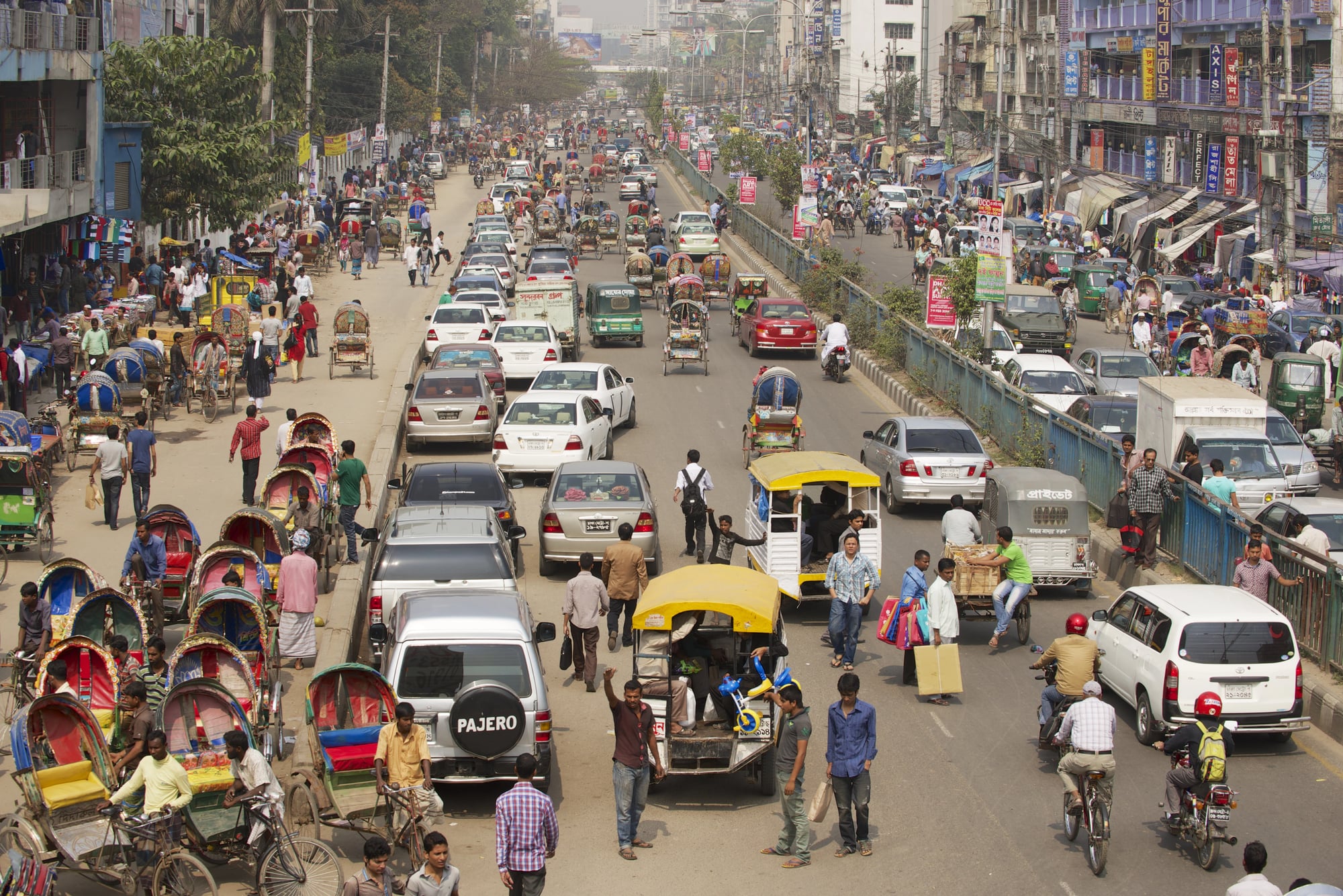
Dhaka proves that infrastructure is optional when human determination is infinite, though the 22 million residents might argue with that assessment (and they’d probably win the argument since they live it every single day).
The city spreads across roughly 120 square miles, but the density concentrates in pockets that defy what most urban planners would consider sustainable — yet somehow it sustains itself anyway.
So the morning commute becomes a test of patience that would humble anyone accustomed to suburban traffic jams. But there’s a rhythm to the chaos: vendors know exactly when office workers need their morning tea, rickshaw drivers navigate streets that seem impossible, and the whole system operates on timing that exists nowhere except in the collective memory of people who’ve made this work for decades.
Caloocan

Think of density as water finding its level — except here, the water never stops rising. Caloocan houses 1.6 million people in 21 square miles, and the city has learned to make vertical what other places spread horizontal.
The architecture tells stories about families who started with small plots and built upward as children married and needed space, creating these improvised apartment buildings that look chaotic from the outside but make perfect sense to the people who live there.
Bnei Brak
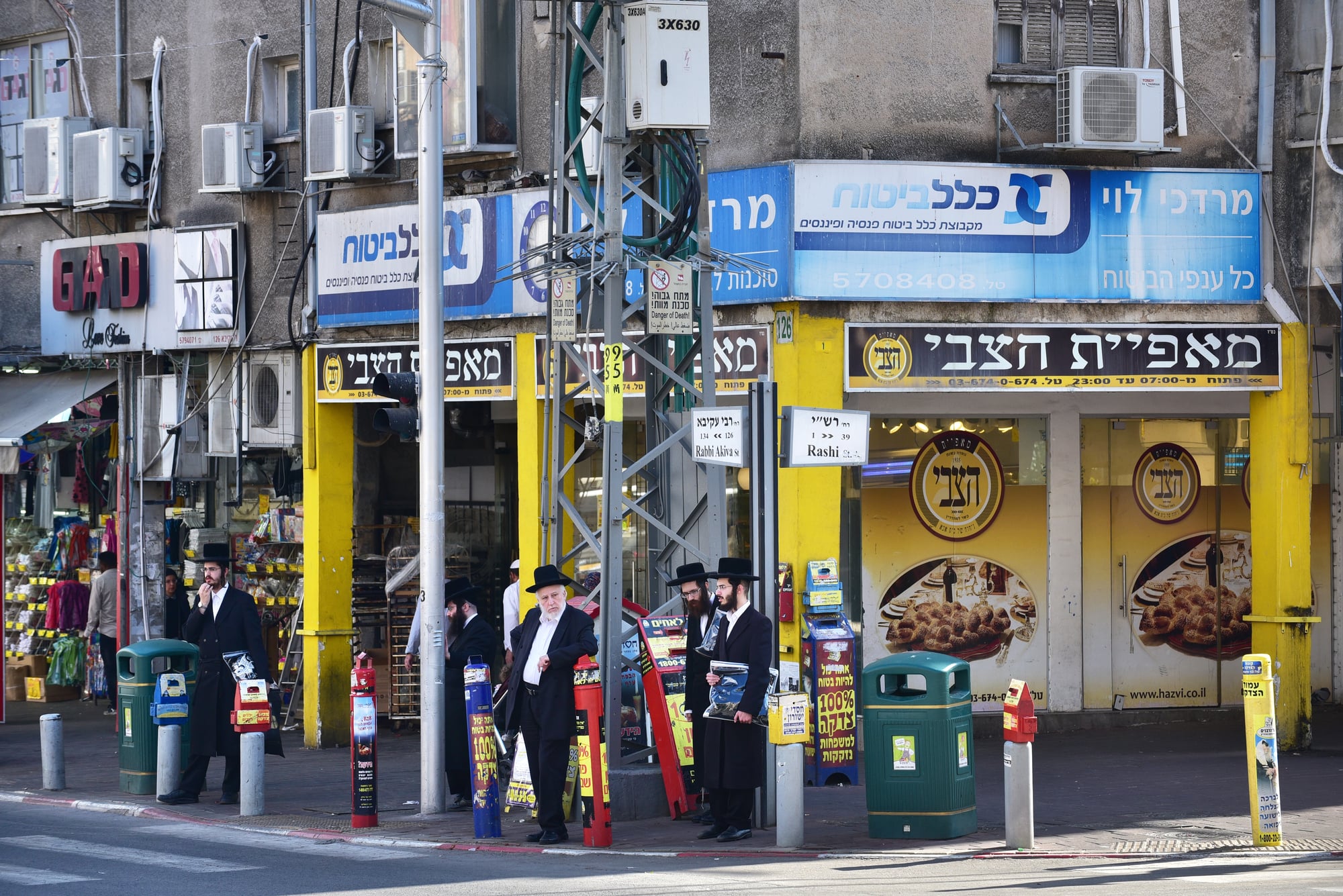
Orthodox families in Bnei Brak average seven children. Simple math explains the rest.
This Israeli city has adapted its infrastructure around religious life and large families, creating a density that serves its community’s specific needs.
The city works because everyone shares similar daily rhythms and priorities.
Levallois-Perret
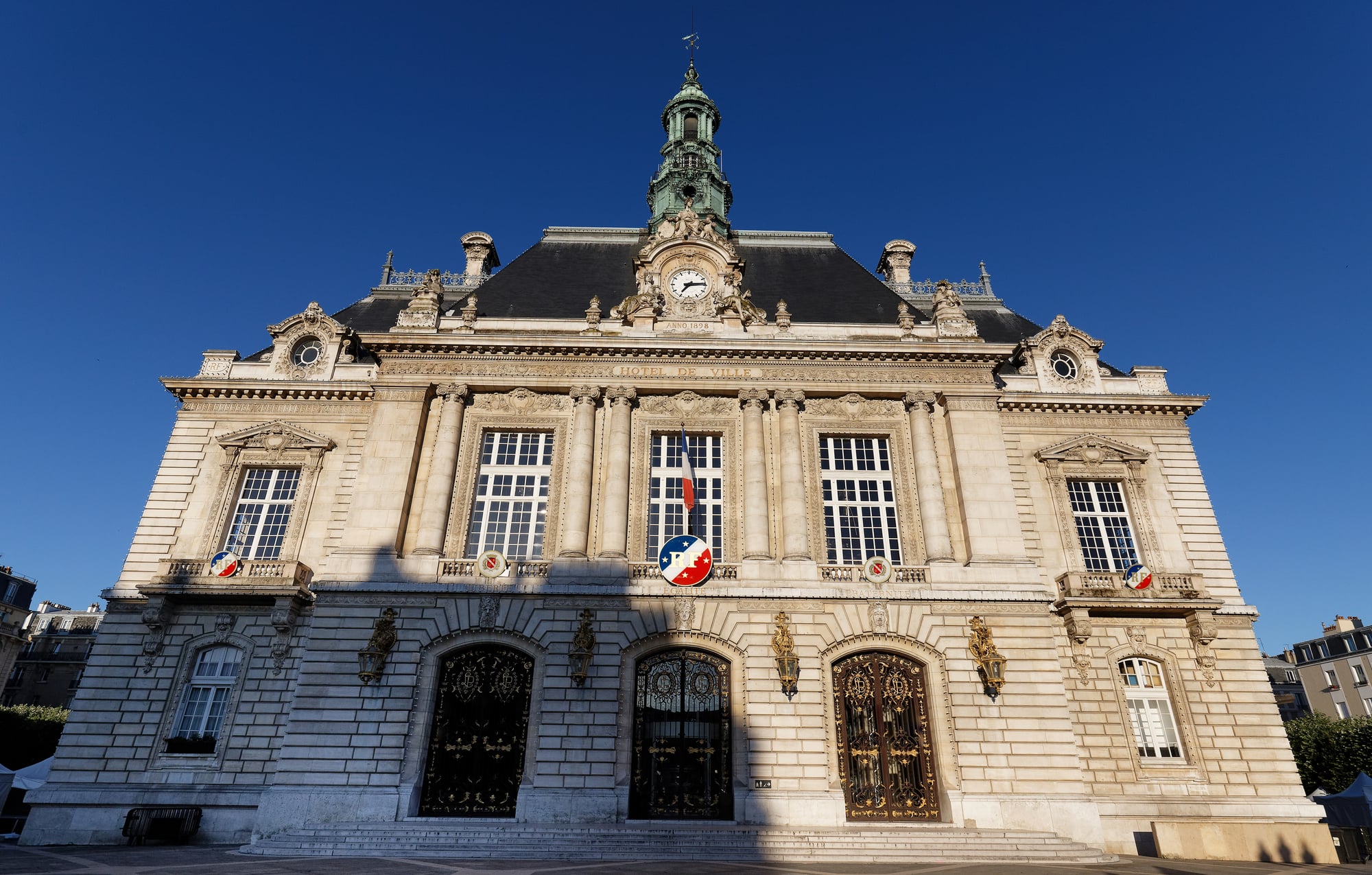
Paris pushed its overflow across the Seine, and Levallois-Perret caught it all in just 0.9 square miles, which means that roughly 64,000 people have learned to live in a space smaller than most American suburbs can imagine (and somehow they’ve managed to keep it feeling like a neighborhood rather than a human filing cabinet).
The city maintains its character despite the pressure — cafes still have regular customers, local shops know their clientele, and the mayor probably recognizes half the residents by sight.
And yet the density creates its own opportunities: everything you need sits within walking distance, commutes to central Paris take minutes instead of hours, and social connections form naturally when you can’t help but run into the same people repeatedly.
Guttenberg

This New Jersey town fits 11,000 people into 0.19 square miles. The Hudson River blocks eastward expansion, so Guttenberg built up and filled in every available space.
Most residents can walk across the entire city in under ten minutes. The post office probably delivers mail to the same few blocks all day.
Saint-Josse-Ten-Noode
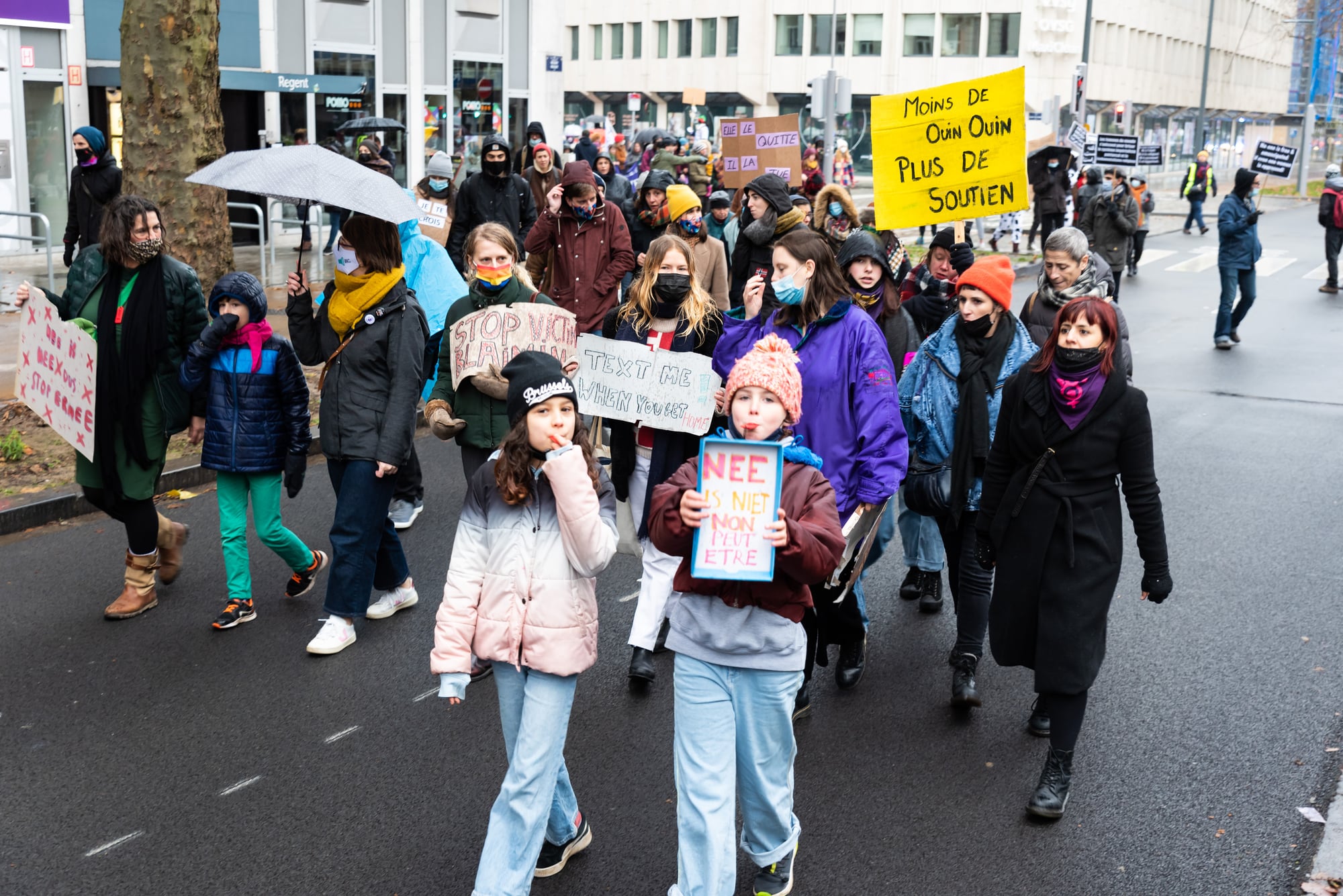
Brussels created this tiny municipality that became a magnet for immigrants and young professionals, and the result is 27,000 people sharing 0.44 square miles in what feels less like urban planning and more like a social experiment that somehow succeeded.
The neighborhood (because calling it a city feels overly formal) operates on pedestrian logic — everything happens at street level, every corner serves multiple purposes throughout the day, and the local economy runs on businesses that could fit inside a typical American living room.
But Saint-Josse-ten-Noode proves that density doesn’t require anonymity: the butcher still recommends cuts based on family size, the café owner knows which customers take sugar, and community meetings happen in spaces that double as dance studios on weekends.
Le Pré-Saint-Gervais
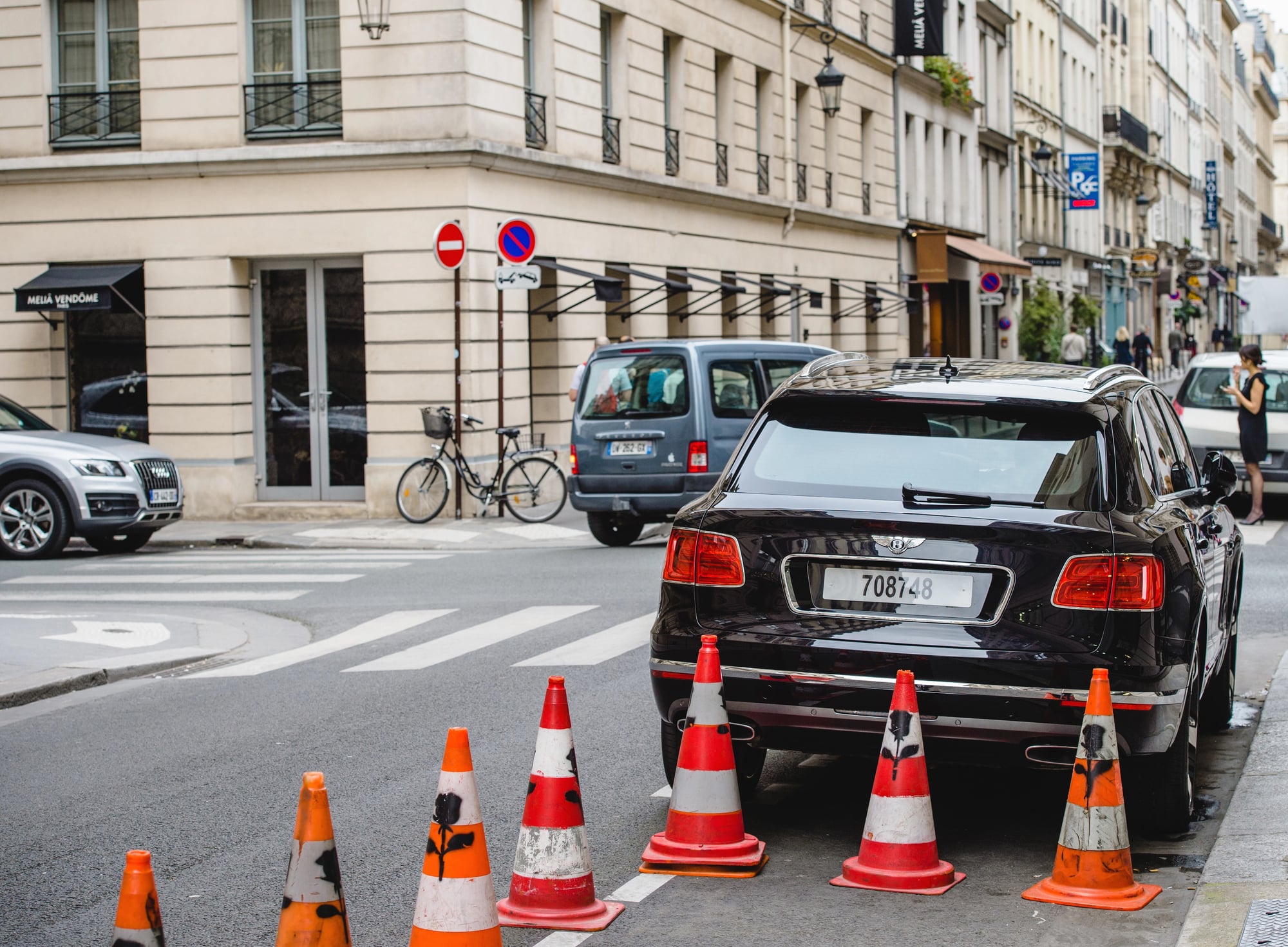
Paris suburbs don’t sprawl — they concentrate. Le Pré-Saint-Gervais demonstrates this perfectly by housing 18,000 people in 0.27 square miles without feeling cramped.
The city maintains tree-lined streets and small parks despite the density. French urban planning has figured out how to preserve neighborhood character even when space is scarce.
Maslak
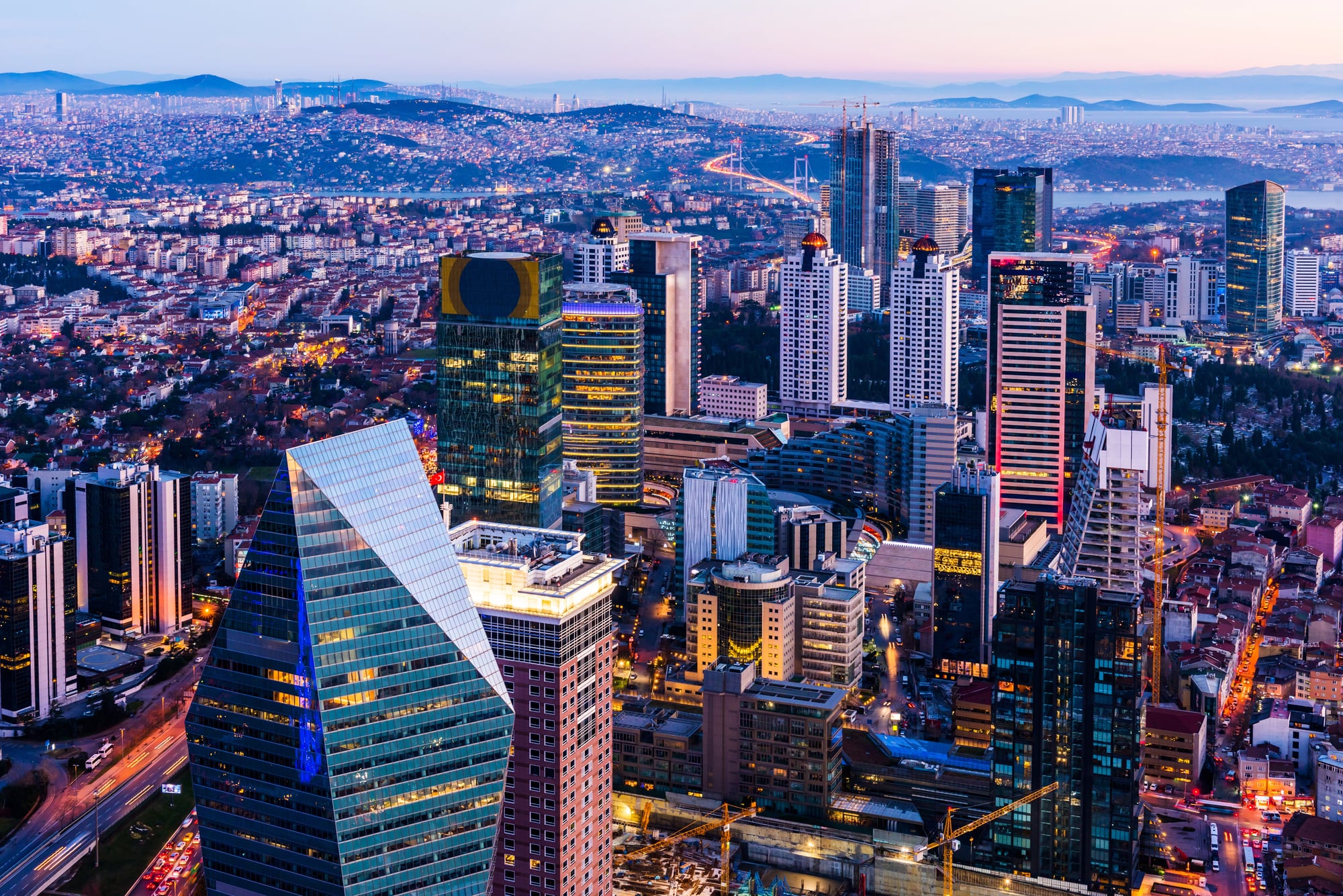
Istanbul’s business district decided to become residential too, and Maslak absorbed the overflow with characteristic Turkish adaptability — which means that glass office towers share blocks with apartment buildings that house families who’ve lived in the neighborhood since before the economic boom transformed everything around them (though somehow the local tea houses survived the transition).
The density creates its own weather patterns: morning commutes flow in multiple directions as residents head to jobs throughout the city while office workers arrive from quieter neighborhoods.
And yet the evening rhythm reverses this choreography, turning Maslak into a place where business suits and traditional dress share the same sidewalks, where rooftop restaurants serve both power lunches and family dinners, and where the call to prayer echoes between buildings designed by international architects.
Vincennes
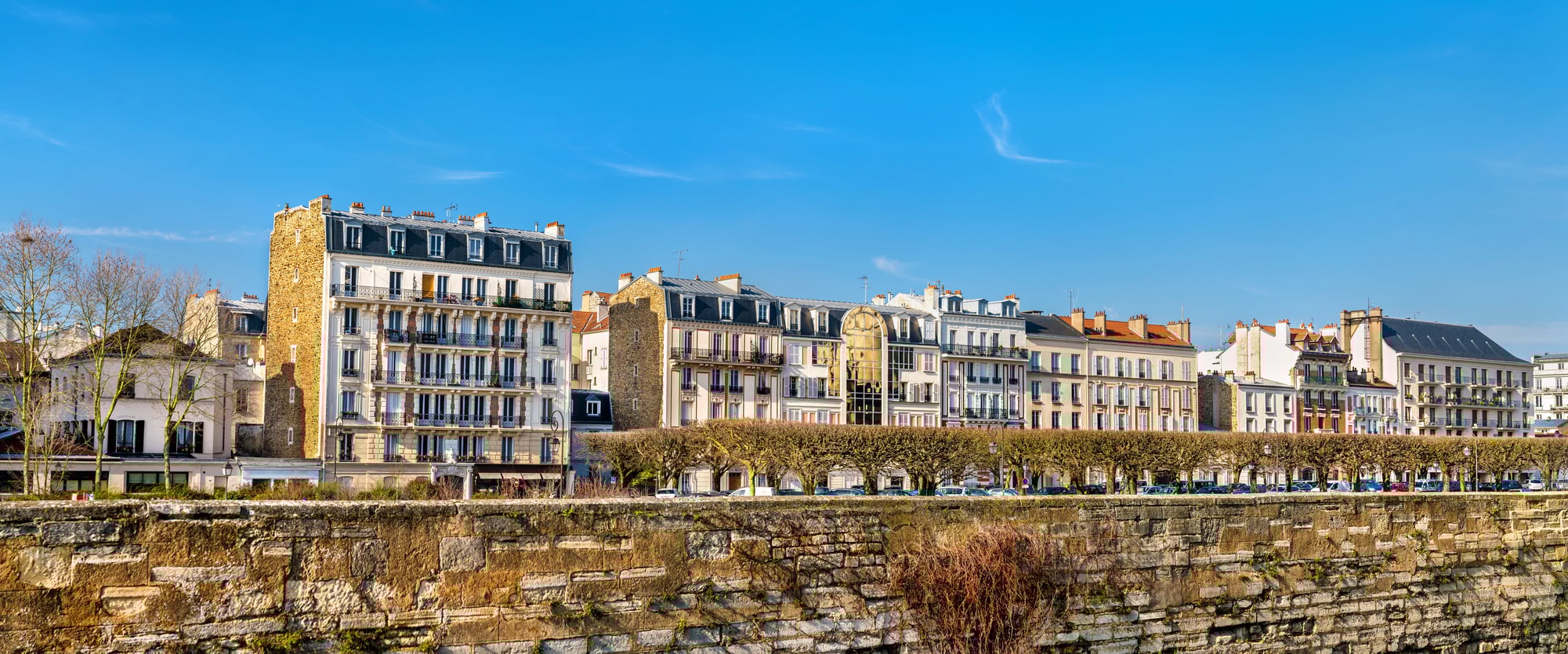
Vincennes took the leftover space between Paris and the Bois de Vincennes and turned it into a functioning city. The result is 49,000 people in 0.67 square miles, and somehow it still feels livable.
The city benefits from careful French planning that prioritizes pedestrians and public spaces. Even dense neighborhoods need places for people to pause.
Saint-Mandé
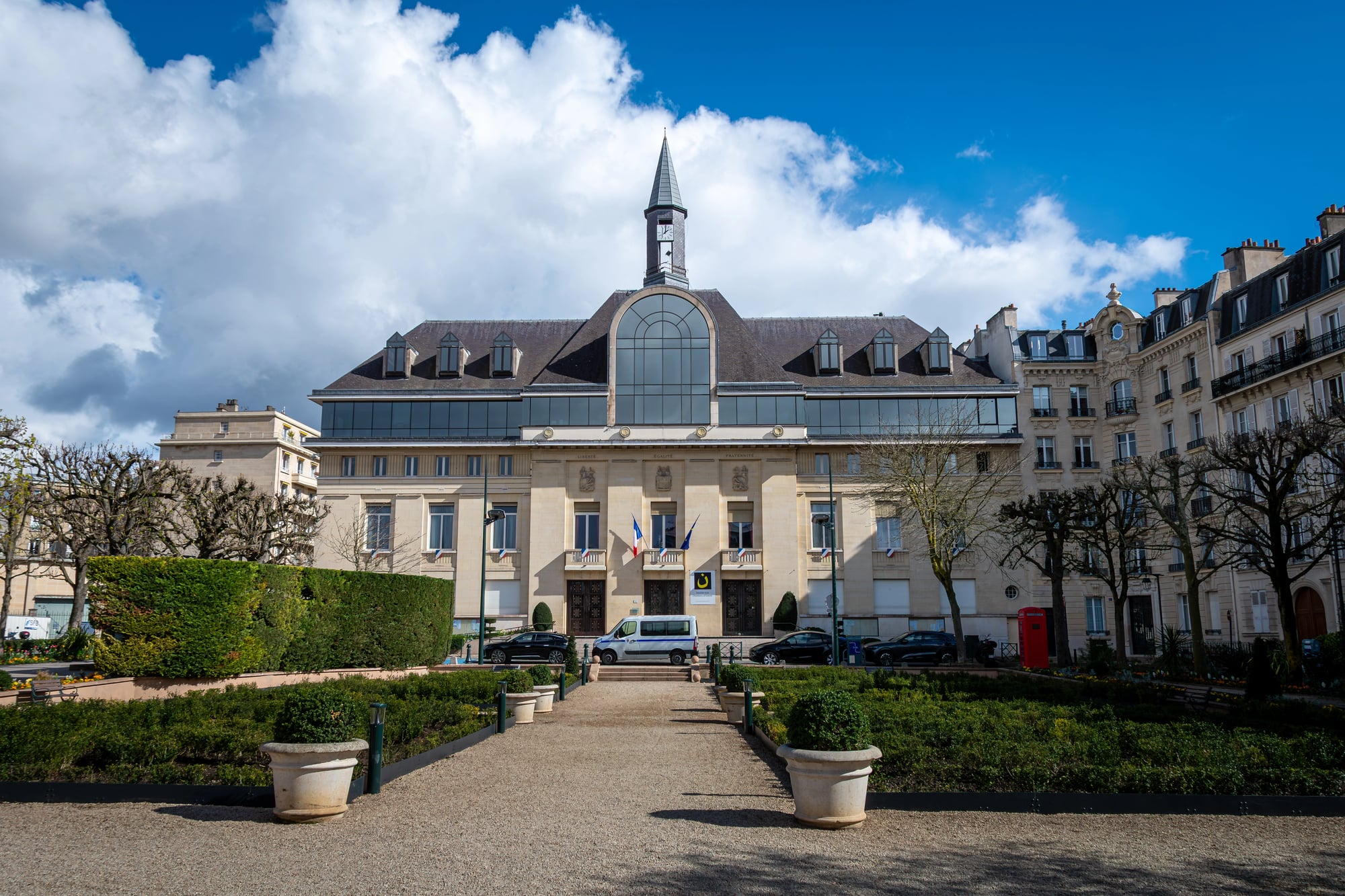
This Parisian suburb houses 22,000 people in 0.36 square miles, but the clever urban design makes it feel larger than the numbers suggest (partially because French architects understand that density becomes oppressive only when it ignores human psychology, and partially because residents have learned to treat public spaces as extensions of their private ones).
The tree-canopied streets create natural gathering spots where neighbors stop to chat without planning to, where children play games that spill from sidewalks into small parks, and where the evening stroll becomes a social ritual that connects people across generations.
So the city maintains its village character despite housing more people per square mile than most major metropolitan areas — which proves that density is really about design, not just mathematics.
Île-Saint-Denis
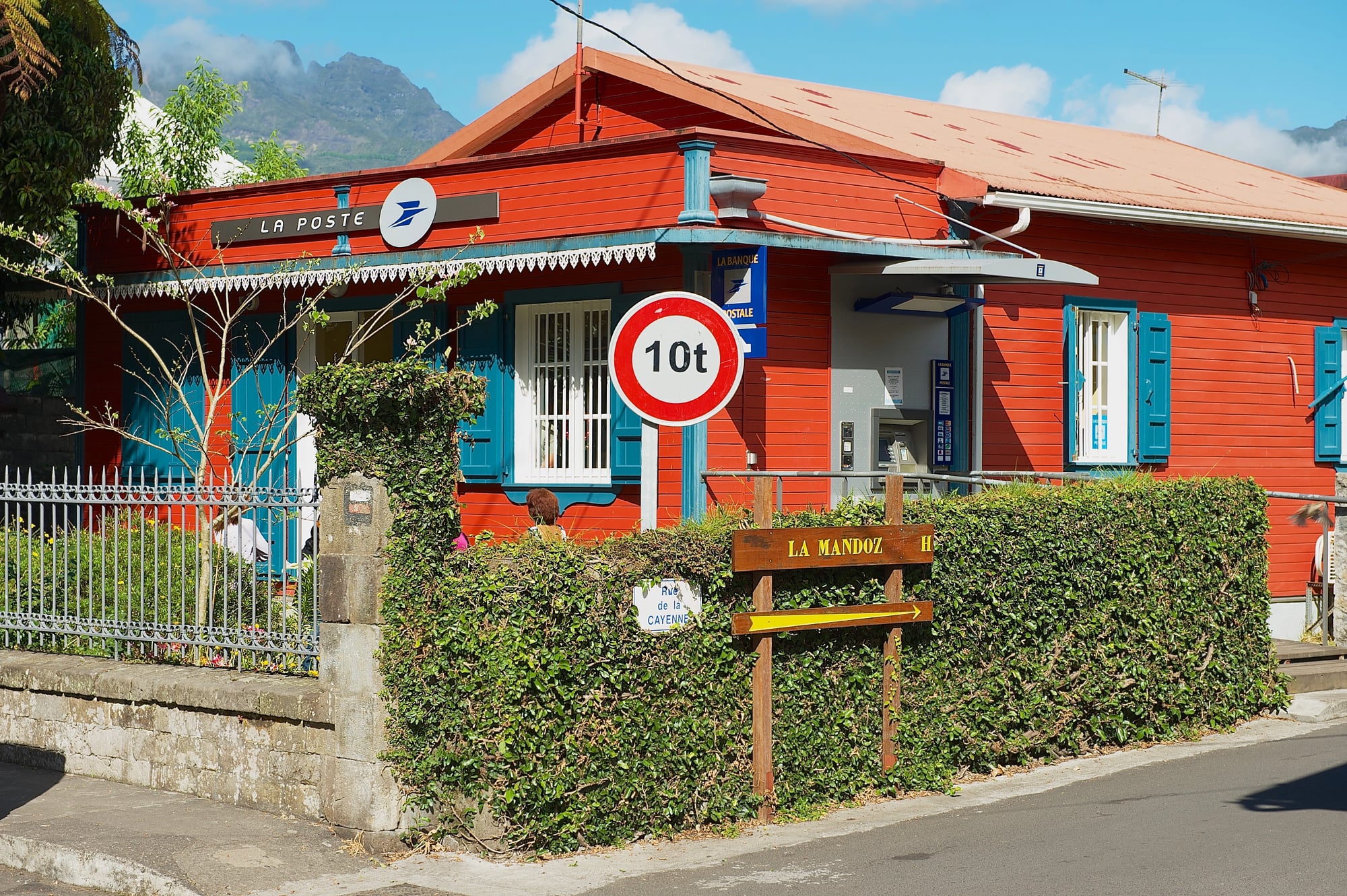
Islands force creativity in urban planning. Île-Saint-Denis packs 8,000 people onto 0.22 square miles surrounded by the Seine, creating a community that operates more like an extended neighborhood than a separate municipality.
The geographic constraints actually benefit residents. Everything stays walkable, local businesses thrive because residents can’t easily shop elsewhere, and the island identity creates social bonds that mainland suburbs often lack.
Where Numbers Meet Humanity

These cities prove that density isn’t just about mathematics — it’s about adaptation. Each place on this list has found ways to make crowded living work, whether through ingenious architecture, community cooperation, or urban design that prioritizes people over vehicles.
The residents aren’t just surviving in small spaces; they’re creating vibrant communities that many sprawling suburbs struggle to match.
More from Go2Tutors!

- The Romanov Crown Jewels and Their Tragic Fate
- 13 Historical Mysteries That Science Still Can’t Solve
- Famous Hoaxes That Fooled the World for Years
- 15 Child Stars with Tragic Adult Lives
- 16 Famous Jewelry Pieces in History
Like Go2Tutors’s content? Follow us on MSN.



