30 Scientific Discoveries Made Completely by Accident
Most people imagine scientific breakthroughs as the result of careful planning and relentless focus. Yet some of history’s most transformative discoveries arrived unannounced, discovered by researchers who were chasing something else entirely or simply paying attention when fortune smiled.
These serendipitous moments remind us that curiosity and careful observation are as important as any research agenda. When a scientist notices something unexpected—a contaminated petri dish, a melted candy bar, an inexplicable noise—the ability to pause and ask “what’s happening here?” can change the world.
Penicillin
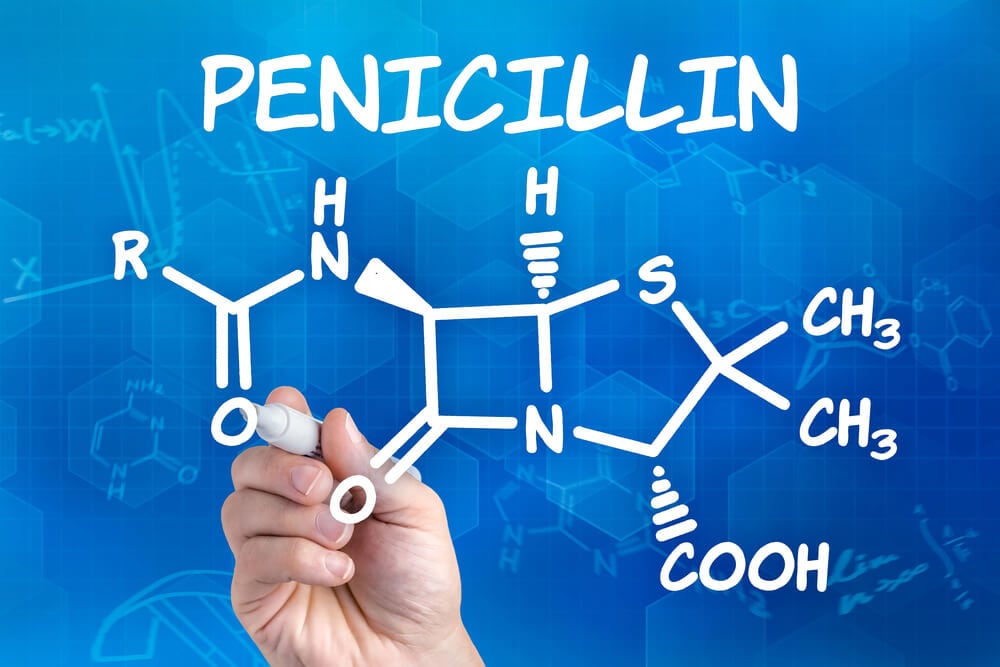
In 1928, Alexander Fleming returned from vacation to find that one of his bacterial cultures had been contaminated by mold. Rather than discard it, he observed that the mold had killed all surrounding bacteria.
The mold, Penicillium notatum, produced the first true antibiotic. Fleming published his findings but spent years struggling to purify penicillin until Oxford researchers took up the work during World War II, eventually creating the first mass-produced antibiotic that saved millions of lives.
X-Rays
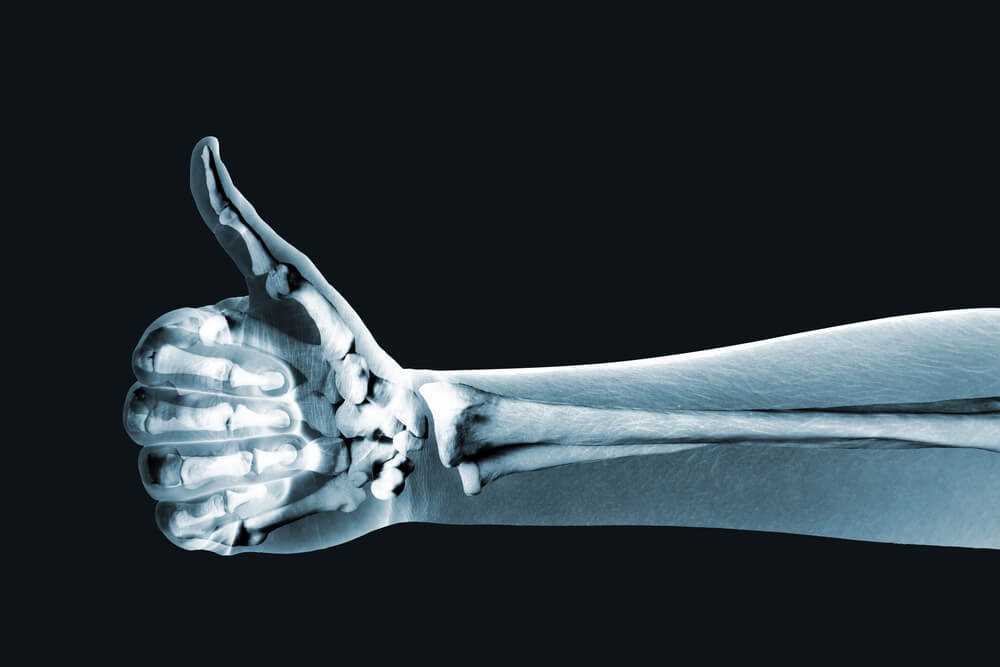
Wilhelm Röntgen was experimenting with cathode ray tubes in 1895 when he noticed a fluorescent screen glowing across the room—despite a solid barrier blocking the rays. He discovered a new form of invisible radiation that could pass through soft tissue but not bone, revealing the hidden structures inside the body.
His accidental observation earned him the first Nobel Prize in Physics and revolutionized medical diagnostics overnight.
The Microwave Oven

In 1945, engineer Percy Spencer was working with a magnetron—a device that generates microwaves for radar equipment—when he noticed a chocolate bar melting in his pocket. Intrigued rather than annoyed, he deliberately aimed the magnetron at popcorn kernels and watched them pop.
Within months, Raytheon filed a patent for the first microwave oven, and today over 90 percent of American households own one.
Post-It Notes

In 1968, chemist Spencer Silver at 3M was trying to develop the world’s strongest adhesive. Instead, he created a weak, pressure-sensitive adhesive that barely stuck to anything—a failure by all accounts.
Six years later, his colleague Art Fry needed a bookmark that wouldn’t damage his hymnal. He realized Silver’s “failed” adhesive was perfect for the task, leading to Post-it Notes, one of the most ubiquitous office supplies ever invented.
Velcro
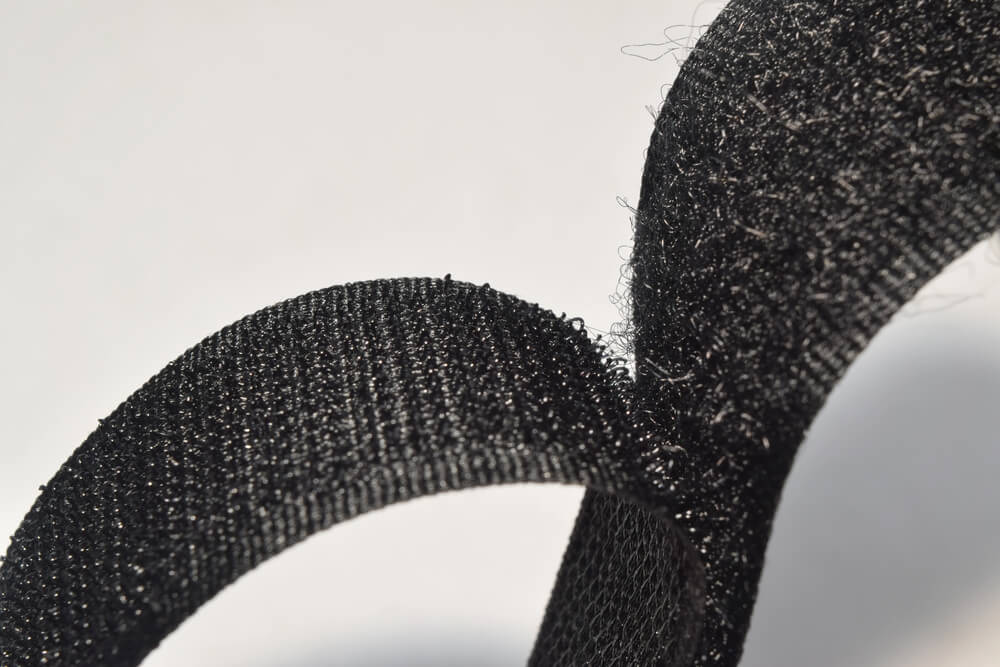
In 1941, Swiss engineer George de Mestral returned from a hunting trip in the Jura mountains annoyed by burrs clinging to his clothes and his dog’s fur. Under a microscope, he examined the burr’s tiny hooks and realized they could be replicated to create a fastener.
He spent years perfecting the material, eventually creating Velcro—hook-and-loop fasteners that became indispensable in everything from shoes to spacesuits.
Super Glue
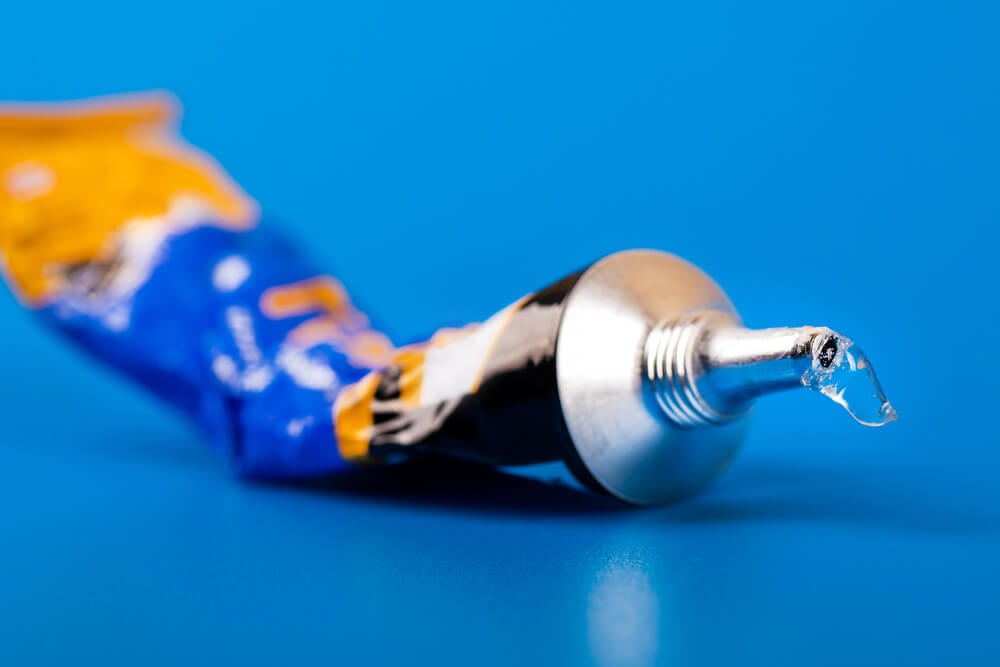
Dr. Harry Coover was attempting to create clear plastic gun sights during the 1950s when he accidentally discovered a substance called cyanoacrylate. Rather than disposing of this “failed” experiment, he recognized its extraordinary adhesive properties.
Super Glue emerged from a compound he initially considered useless, and it has since become one of the world’s most powerful adhesives.
The Implantable Pacemaker
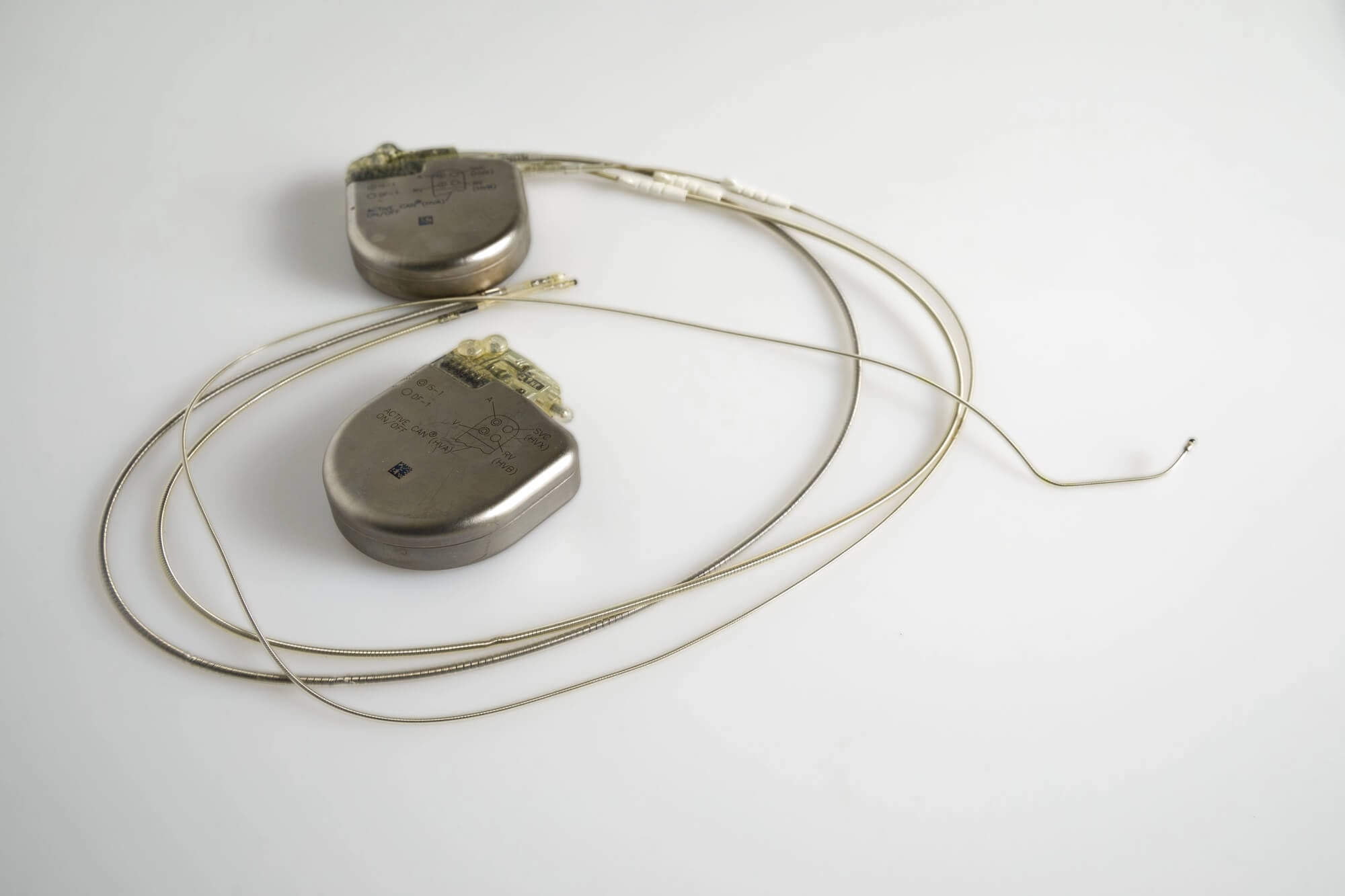
In 1956, American engineer Wilson Greatbatch installed the wrong resistor into a heart rhythm recording device he was building. Instead of recording, the device emitted electrical pulses that mimicked a heartbeat.
Recognizing the potential, he designed the first implantable pacemaker, a device that has now extended the lives of millions of people with cardiac arrhythmias.
Teflon
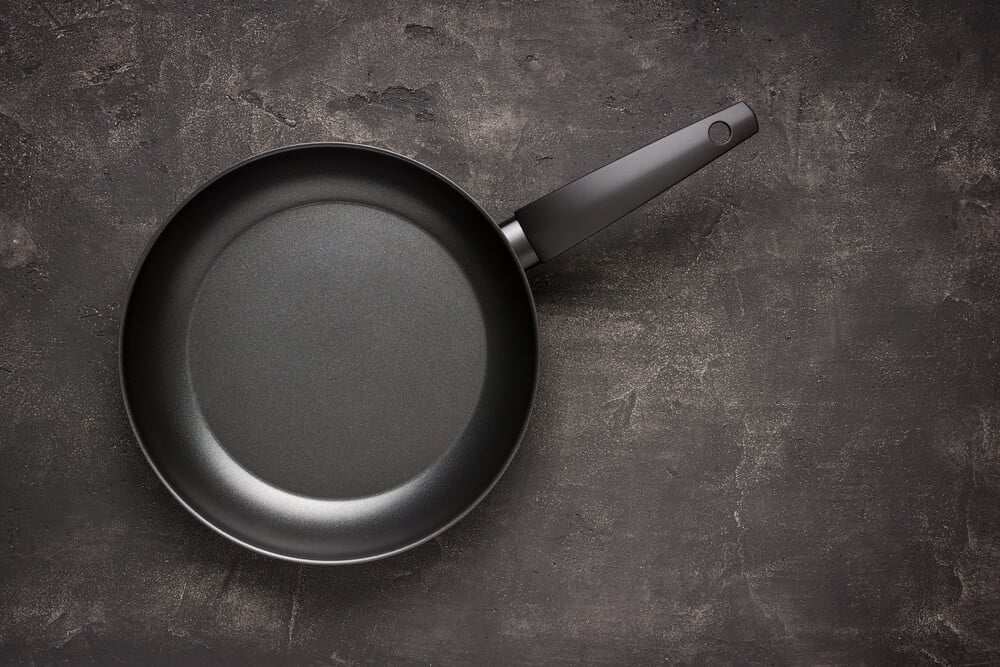
In 1938, chemist Roy Plunkett was attempting to create a new refrigerant at DuPont when he noticed that the tetrafluoroethylene gas he was working with had mysteriously vanished. Upon investigation, he found a white, slippery polymer coating the inside of his container.
This accidental discovery became Teflon, a material so slippery it barely sticks to anything and now coats cookware, spacecraft, and medical devices worldwide.
Vulcanized Rubber
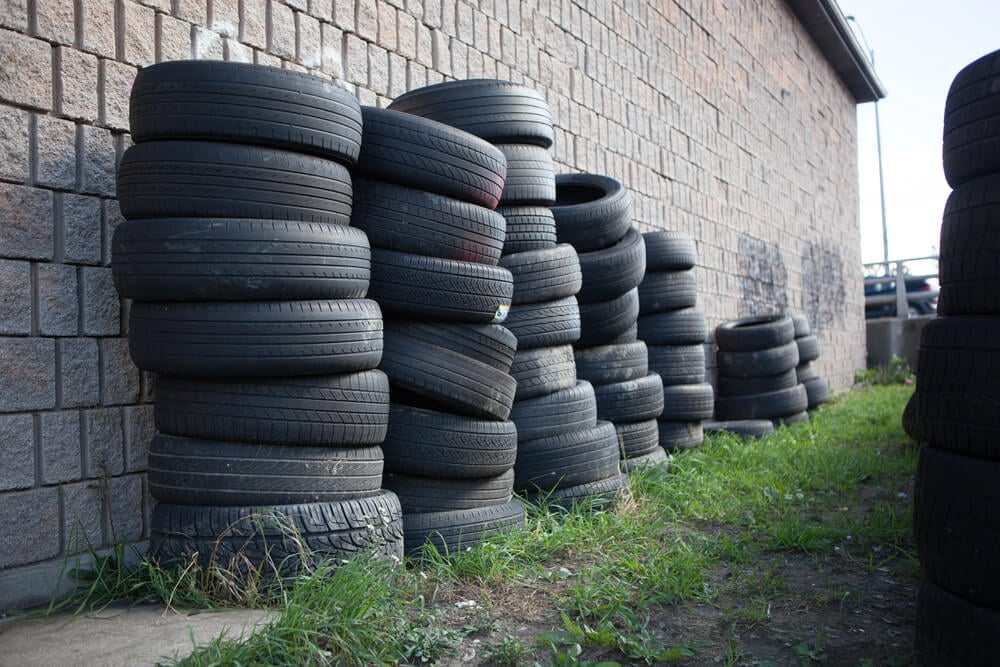
In the 1830s, Charles Goodyear was experimenting with ways to improve rubber’s durability when he accidentally dropped a mixture of rubber and sulfur on a hot stove. Instead of ruining the compound, the heat created vulcanized rubber—a far stronger, more resilient material.
This accidental discovery launched Goodyear’s career and made rubber practical for countless industrial applications.
Safety Glass
In 1903, French chemist Édouard Bénédictus accidentally dropped a glass flask that had been coated with cellulose nitrate, a plastic solution used in dry-cleaning research. The glass shattered but remained intact, held together by the dried plastic film.
Years later, after reading about facial injuries caused by windshields in automobile accidents, he commercialized his discovery as laminated safety glass.
The Papanicolaou Smear Test
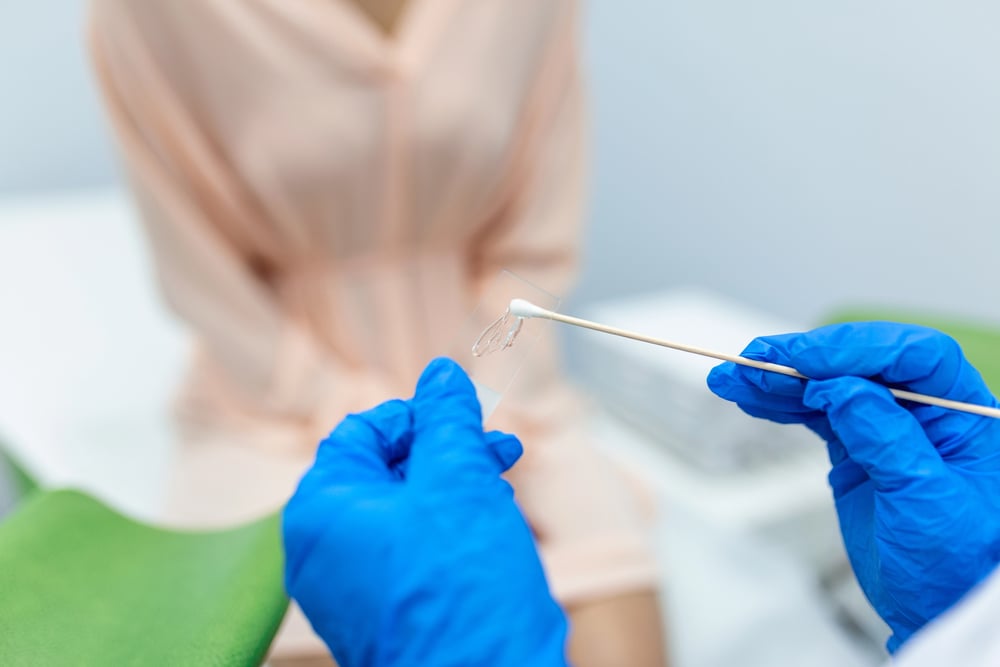
In the 1920s, Greek cytologist Georgios Papanicolaou was conducting routine research when he examined a vaginal smear under the microscope and noticed abnormal cells that appeared to be cancerous. He immediately recognized that this simple test could detect uterine and cervical cancer in its early stages, long before symptoms appeared.
His accidental observation has since saved countless lives.
Quinine
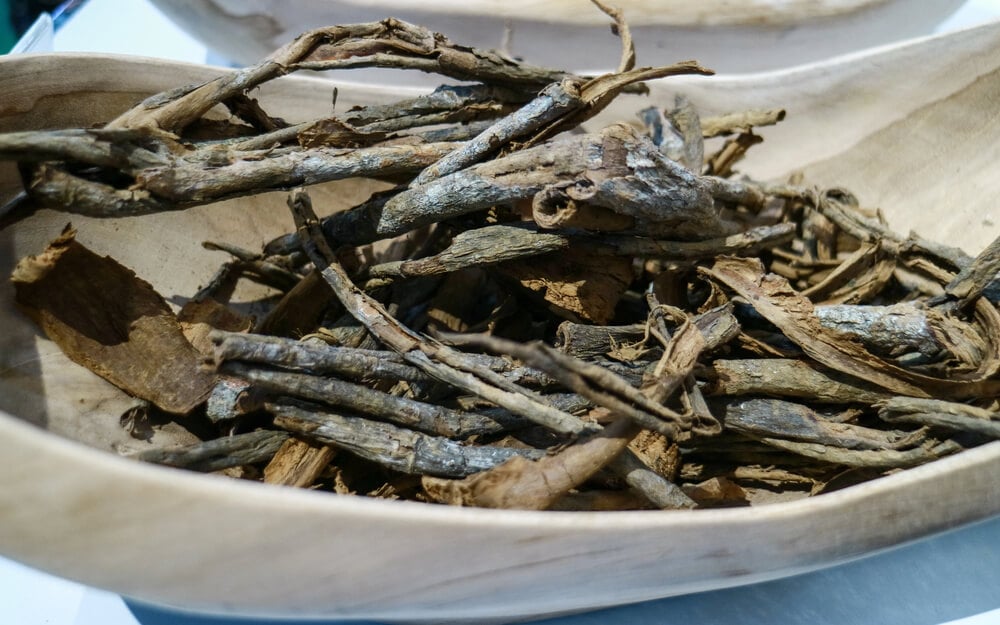
In the 17th century, fever-stricken Spanish colonists in Peru stumbled upon local indigenous remedies using the bark of cinchona trees. The active compound, quinine, became the first effective treatment for malaria—a disease that had killed millions.
This chance encounter with traditional medicine, later investigated and verified through scientific analysis, changed the course of medical history.
Radioactivity
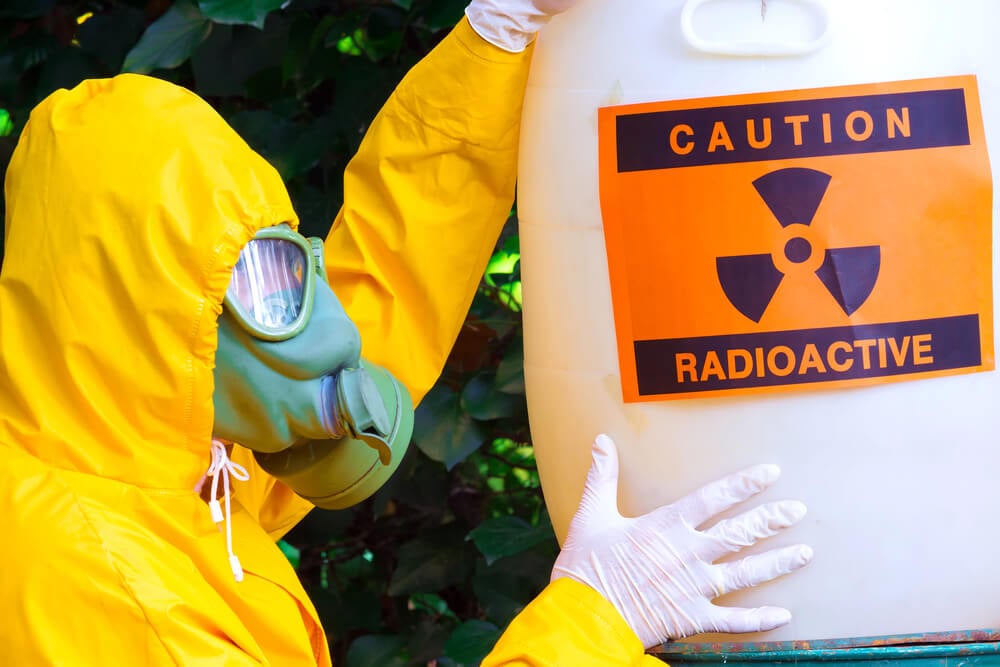
Henri Becquerel was studying phosphorescent materials in 1896 when he set aside a uranium crystal in a darkened drawer, intending to resume experiments the next day. When he retrieved it days later, he discovered that the crystal had spontaneously exposed a nearby photographic plate, even in darkness.
This observation led to the discovery of radioactivity, fundamentally transforming physics and chemistry.
The Cosmic Microwave Background Radiation

In 1964, radio astronomers Arno Penzias and Robert Wilson were using a large antenna at Bell Labs to study satellite communications when they detected a persistent background noise that they couldn’t eliminate. Puzzled, they eventually learned they had discovered the cosmic microwave background—radiation leftover from the Big Bang itself.
This accidental finding provided compelling evidence for the Big Bang theory and reshaped our understanding of the universe’s origins.
Chocolate Chip Cookies

In 1930, Ruth Graves Wakefield was baking cookies at her Toll House Inn in Massachusetts when she ran out of baker’s chocolate. She substituted broken pieces of Nestlé semi-sweet chocolate, expecting them to melt and create chocolate cookies.
The pieces softened but held their shape, accidentally creating Toll House chocolate chip cookies, which became one of America’s most beloved desserts.
Silly Putty
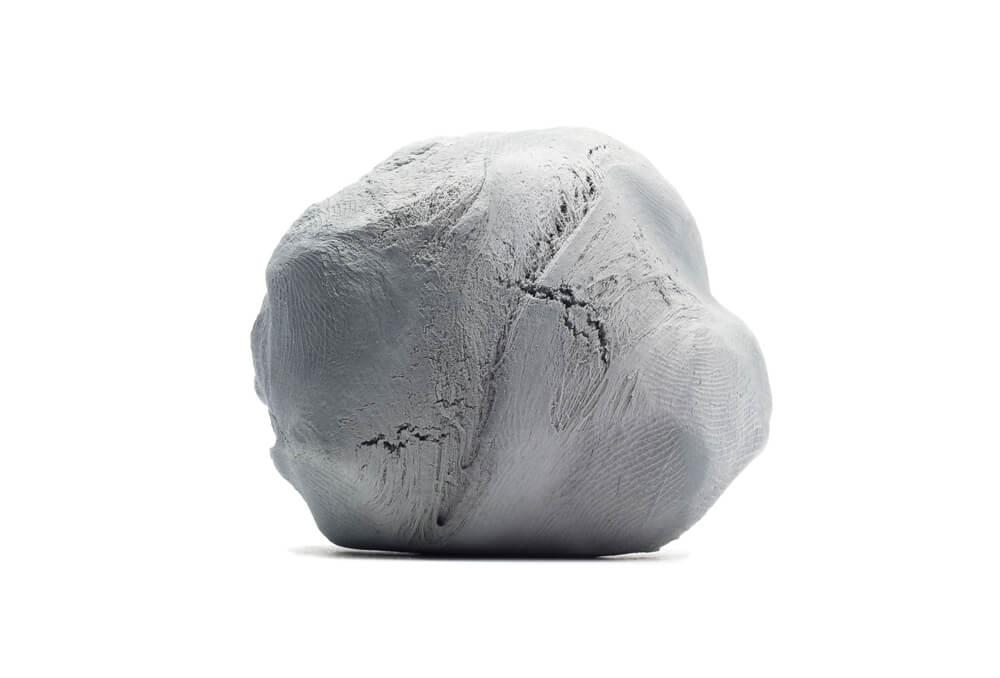
During World War II, engineer James Wright at General Electric was trying to create an inexpensive synthetic rubber substitute when he mixed boric acid with silicone oil. The resulting material was stretchier and bouncier than rubber, had unusual properties, and could copy newspaper ink when pressed against print.
Though useless for military purposes, the government shared his discovery with scientists worldwide; years later, businessman Peter Hodgson recognized its potential as a novelty toy and launched Silly Putty.
The Popsicle

An 11-year-old Frank Epperson accidentally invented the popsicle in 1905 when he left a cup of powdered soda mixed with water outside overnight on his porch with a stirring stick inside. The mixture froze solid, creating a frozen treat on a stick.
Epperson eventually patented his “Epsicles,” though his children’s mispronunciation—”Pop’s sicles”—inspired the name that eventually stuck.
Corn Flakes
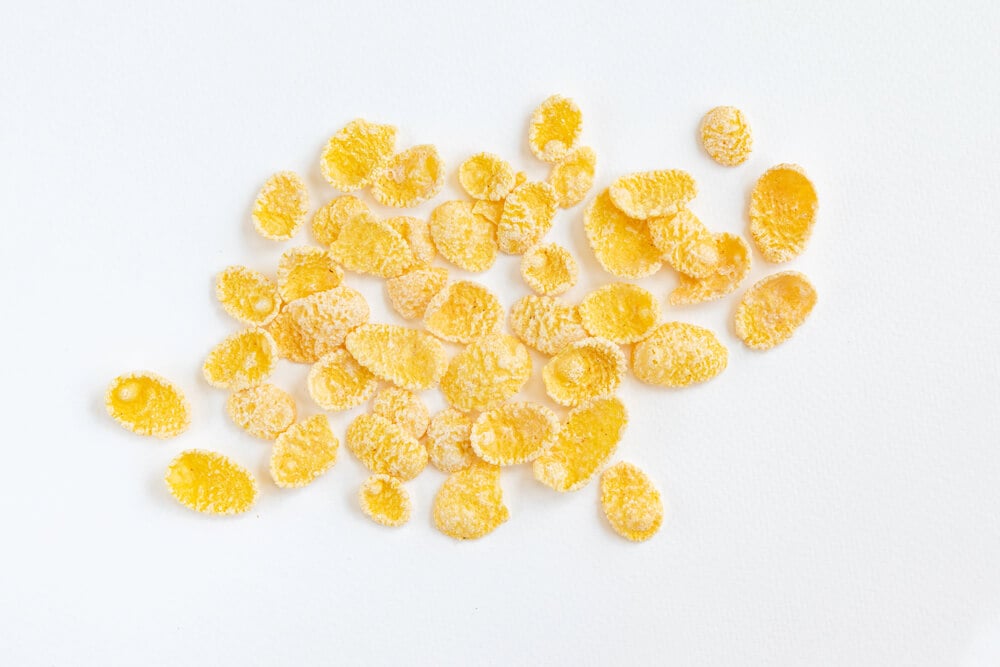
In the 1890s at the Battle Creek Sanitarium, brothers John and Will Kellogg accidentally left a batch of wheat-based cereal dough out to ferment. Rather than discard it, they ran the fermented dough through rollers to create sheets, which flaked off when toasted.
The resulting crispy flakes were a hit, and after experimenting with corn, the brothers created Kellogg’s Corn Flakes, one of the world’s most successful breakfast cereals.
Saccharin
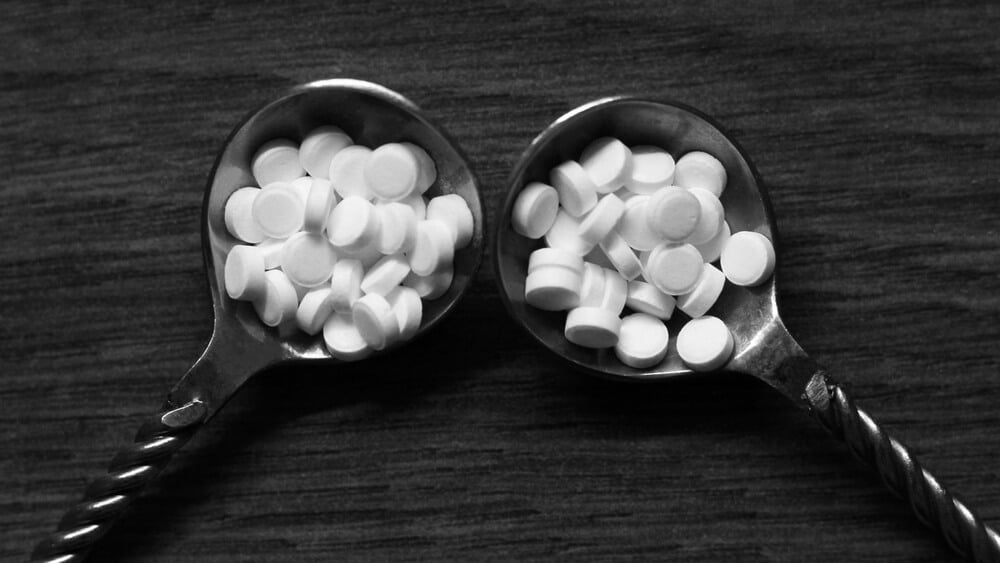
In 1879, Russian chemist Constantin Fahlberg was working in his mentor Ira Remsen’s laboratory when he happened to taste a chemical residue on his hands—an incredibly risky practice that led to his discovery of saccharin’s extraordinary sweetness. This accidental tasting led to the development of the first widely used artificial sweetener, though not before decades of controversy about its safety.
Pulsars

In 1967, graduate student Jocelyn Bell noticed an unusual repeating radio signal while scanning astronomical data. Though initially dismissed as instrument noise, she investigated and discovered pulsars—rapidly rotating neutron stars that emit beams of radiation.
This accidental discovery earned her colleagues the Nobel Prize in Physics and opened an entirely new field of astrophysics.
Plastic Wrap
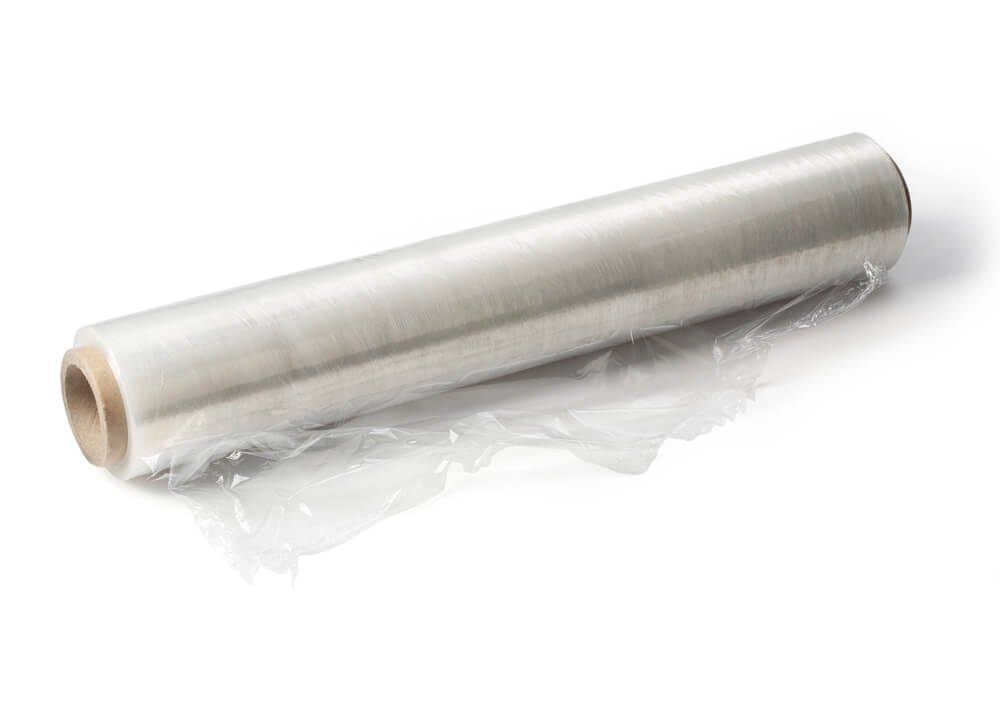
In 1933, Ralph Wiley, a lab technician at Dow Chemical, was cleaning equipment used for dry-cleaning research when he found a stubborn film of polyvinylidene chloride that wouldn’t wash off. Instead of discarding it, he recognized its potential.
The military first used this “Saran” to protect fighter planes; eventually, Dow developed it into the household plastic wrap that appears on nearly every kitchen shelf.
The Ice Cream Cone

At the 1904 St. Louis World’s Fair, an ice cream vendor ran out of bowls. An adjacent waffle pastry vendor named Ernest Hamwi rolled his zalabia—a thin, crispy pastry from his native Syria—into a cone shape to hold the ice cream.
This improvised solution caught on instantly, and the ice cream cone has been iconic ever since, though several vendors claimed credit for the invention.
Stainless Steel

In 1913, metallurgist Harry Brearley observed that a sample of chromium steel he had discarded remained rust-free despite prolonged exposure to the elements. Investigating this anomaly, he determined that chromium alloys resisted corrosion far better than ordinary steel.
Initially calling it “rustless steel,” the material eventually became known as stainless steel and revolutionized construction, medicine, and countless other industries.
Nylon

Wallace Carothers, working at DuPont in the 1930s, was studying the structure of polymers when his research team discovered a new synthetic fiber through careful experimentation. While not strictly accidental, their serendipitous observation of a small fiber’s properties led to the development of nylon, announced to the world in 1938.
The first synthetic fiber became a revolution in textiles, and nylon stockings became a cultural phenomenon.
Dynamite

Alfred Nobel was experimenting with the explosive compound nitroglycerin in the 1860s when he accidentally discovered that mixing it with diatomaceous earth created a paste that was far safer to handle and transport than liquid nitroglycerin. This accidental discovery allowed for practical commercial use of nitroglycerin, and he patented it as dynamite, which ironically led to his vast fortune despite his pacifist beliefs.
Anesthesia

The anesthetic properties of ether and nitrous oxide were discovered largely by accident when chemists noticed intoxicating effects during their work. The shift from using these compounds recreationally to recognizing their medical potential came through observation and experimentation in the mid-1800s, eventually transforming surgery from an ordeal of unimaginable pain into a manageable procedure.
Carbon Monoxide Detectors

Early research into carbon monoxide’s properties was largely accidental, but the development of reliable detection methods came from scientists noticing unexpected chemical reactions during unrelated experiments. The modern carbon monoxide detector evolved from these chance observations, becoming an essential safety device that detects colorless, odorless gas that kills hundreds of people annually in developed nations.
Insulin
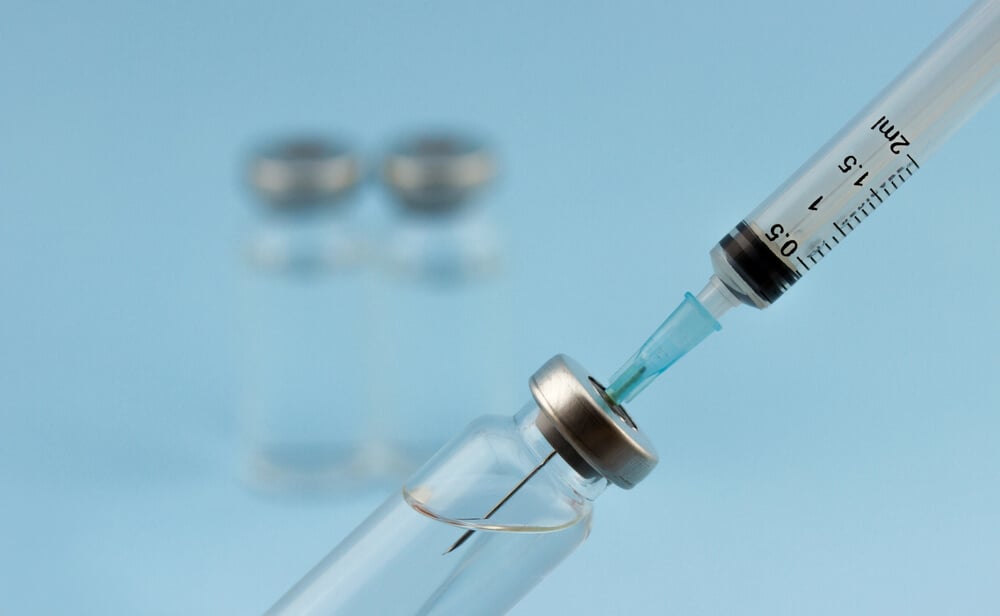
While Frederick Banting and Charles Best were conducting planned experiments on the pancreas in the early 1920s, their research yielded an unexpected breakthrough: they discovered how to isolate and extract insulin from pancreatic tissue. Although methodical, their discovery came as they investigated questions about blood sugar regulation, leading to the development of insulin therapy that transformed diabetes from a death sentence to a manageable condition.
The Slinky
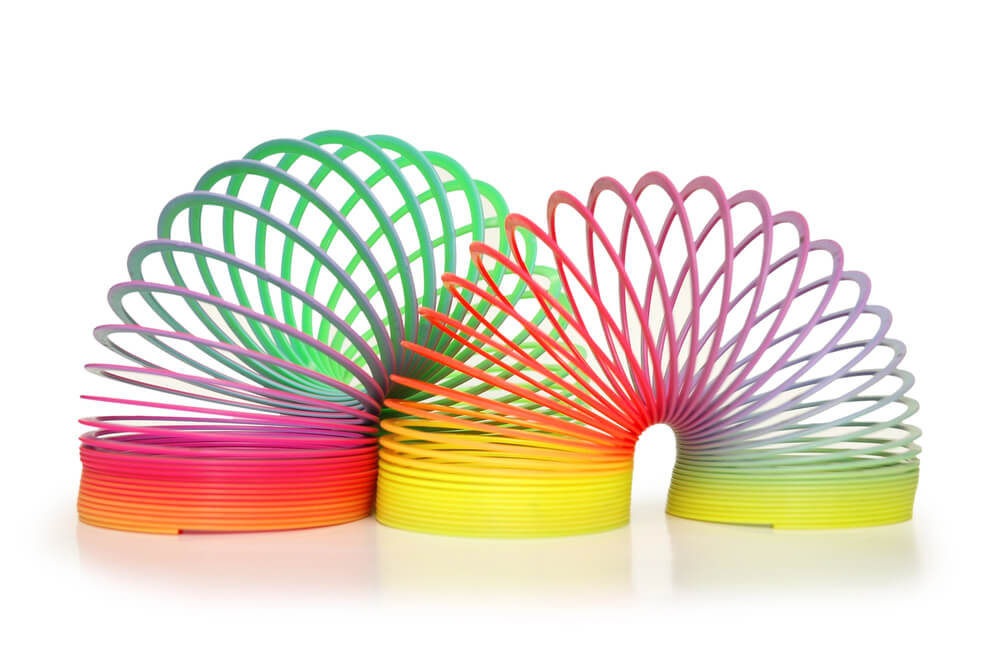
Richard James, a naval engineer, accidentally knocked over a pile of tensioned coil springs while working in 1943. He observed how the springs “walked” down the stairs in a mesmerizing fashion.
Rather than seeing this as a problem, he refined the design and marketed it as a toy, creating one of the 20th century’s most iconic playthings.
Lactulose
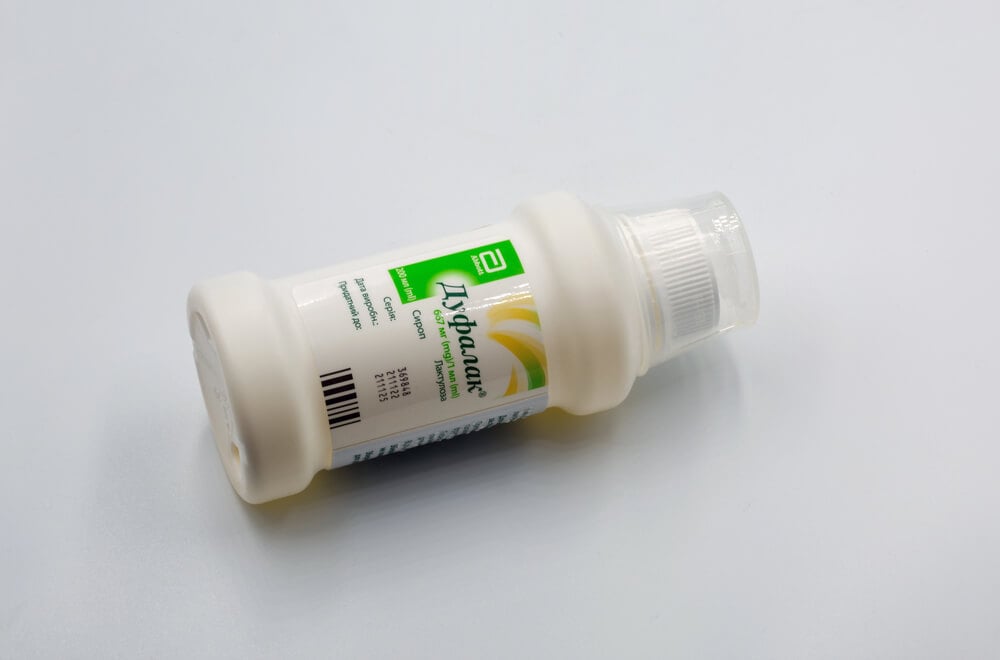
In 1933, researchers accidentally discovered that a byproduct of milk processing had unexpected therapeutic properties for digestive health. This accidental observation led to the development of lactulose, a compound used to treat constipation and certain liver conditions, demonstrating how industrial waste could become a valuable pharmaceutical.
Serendipity in Science

The pattern across these discoveries reveals something fundamental about human progress: breakthrough discoveries often emerge not from rigid adherence to a single path, but from the flexibility to recognize when the unexpected deserves investigation. The scientists who benefited from serendipity shared one trait—they paid attention and refused to dismiss anomalies as mere noise.
A contaminated petri dish, a melted candy bar, or an unexplained sound could have been ignored. Instead, these moments of apparent failure became doorways to transformation, reminding us that the most important scientific instrument remains the attentive human mind.
More from Go2Tutors!

- The Romanov Crown Jewels and Their Tragic Fate
- 13 Historical Mysteries That Science Still Can’t Solve
- Famous Hoaxes That Fooled the World for Years
- 15 Child Stars with Tragic Adult Lives
- 16 Famous Jewelry Pieces in History
Like Go2Tutors’s content? Follow us on MSN.



