28 Family Car Rituals From Before Screens Took Over
Long car trips used to run on nothing but boredom, snacks, and whatever games a family invented to survive the miles between rest stops. There was no seatback monitor and no tablet passed to the back seat, just a set of rituals that got repeated so often they became tradition without anyone deciding they should.
The License Plate Game
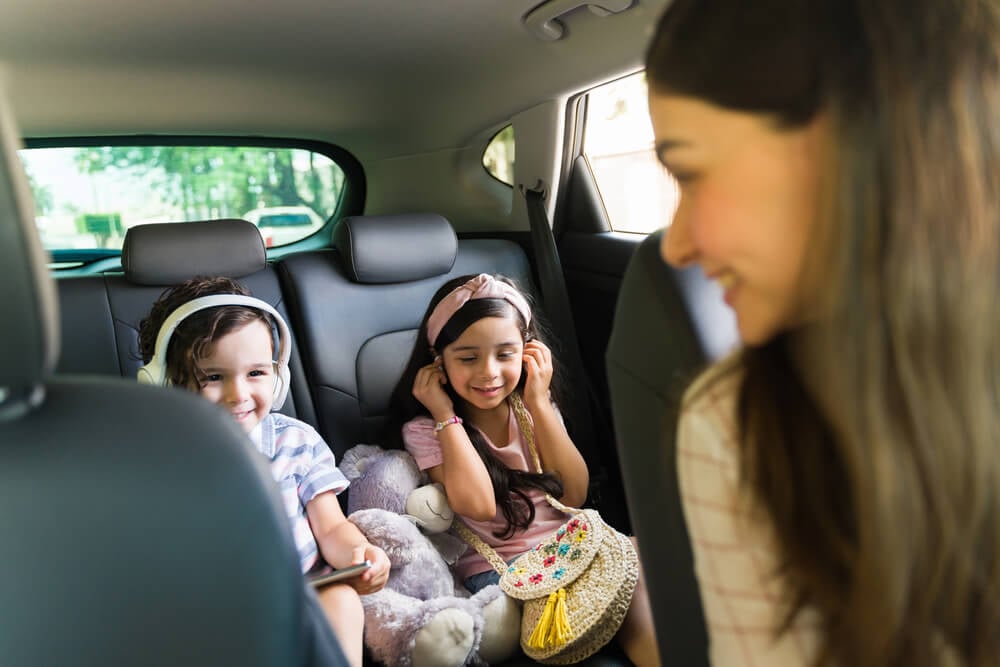
Someone in the back seat would keep a running tally of how many different state license plates the car had spotted, sometimes on an actual printed checklist bought at a gas station. Alaska and Hawaii were the trophies, since spotting either one usually meant the family had been driving for days rather than hours.
Arguments over whether a plate glimpsed for half a second actually counted were as much a part of the tradition as the game itself.
Punch Buggy
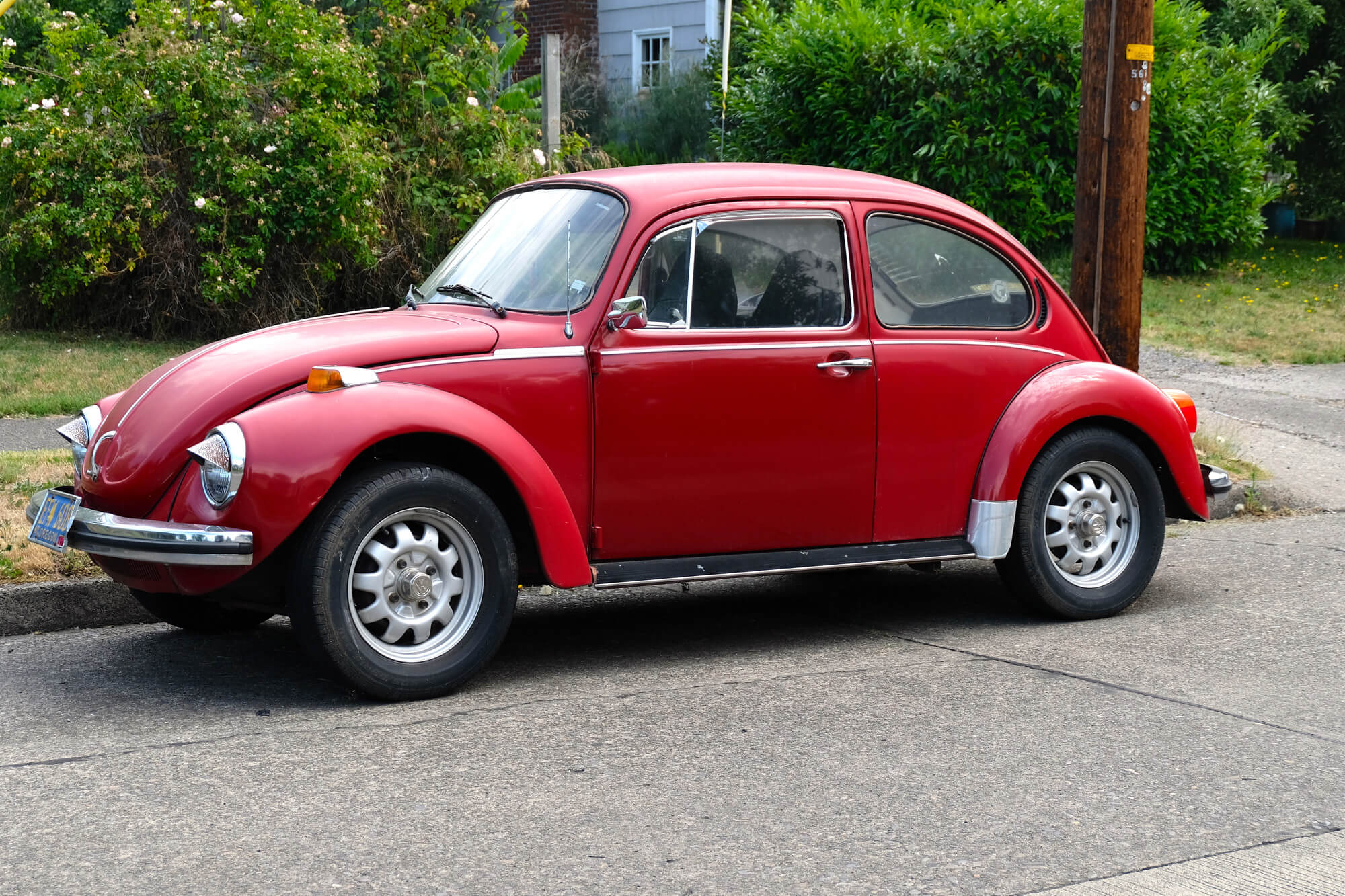
Spotting a Volkswagen Beetle earned the spotter the right to punch a sibling’s arm while shouting the car’s color, a rule set that varied wildly by family and was enforced with total confidence regardless of consistency. Some households added a no-punch-backs rule; others allowed a counter-punch if the color was wrong.
The game largely faded as the original Beetle became rare on American roads before Volkswagen’s later redesigns brought a brief revival.
The Sing-Along Tape
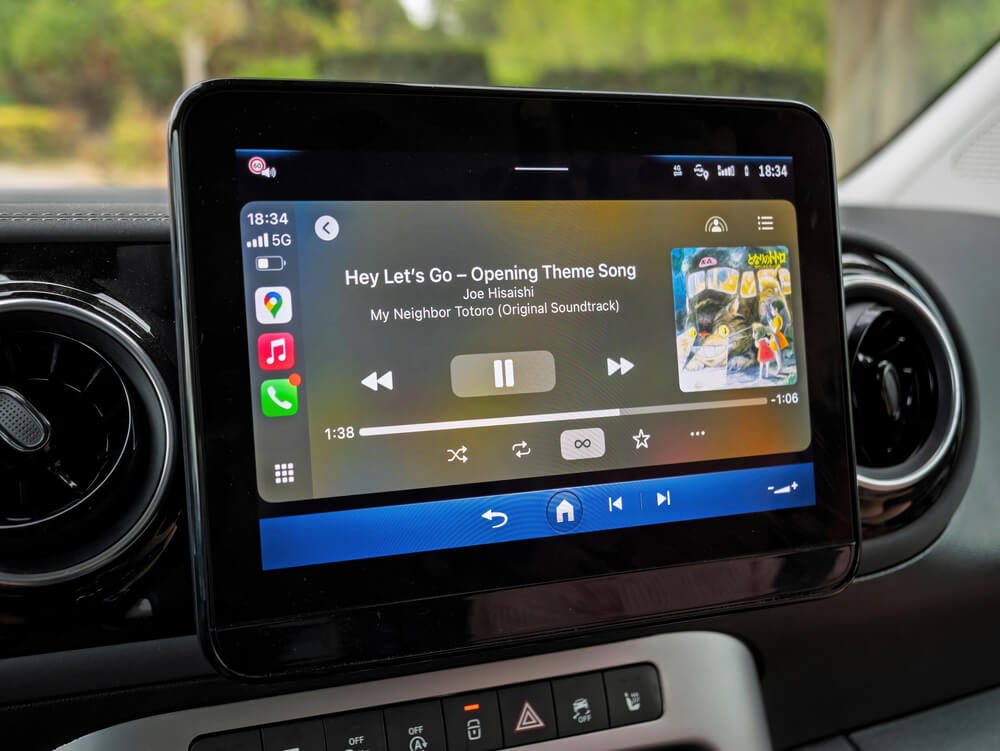
Every family seemed to have one cassette, later one CD, that got played on a loop for an entire road trip regardless of how many times everyone had already heard it. Parents in the front seat usually pretended to tolerate it far longer than they actually did before the tape got quietly “lost” somewhere around hour six.
Kids in the back rarely noticed, since they had the lyrics memorized well before the trip had even begun.
Counting Cows
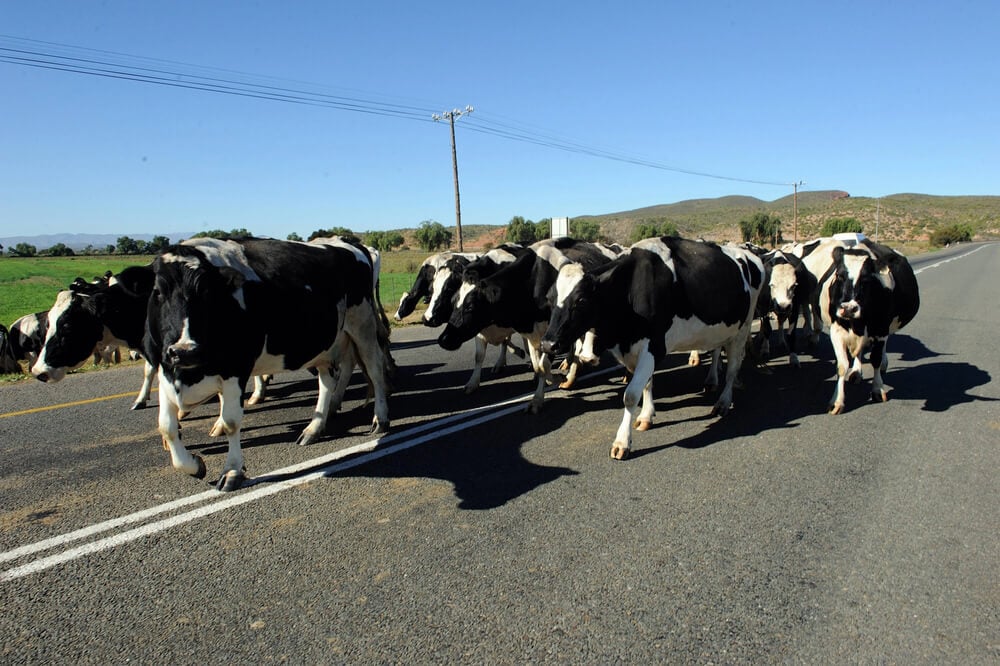
On rural highway stretches, kids would count cows out loud on their side of the car, racing to see who could rack up the highest total by the time the car passed a graveyard, which by an unspoken rule wiped a player’s count back to zero. The game required almost no equipment and could stretch for hours, which made it a favorite for parents desperate for quiet.
A single cemetery sighting could undo twenty minutes of careful counting in an instant.
The Paper Road Atlas
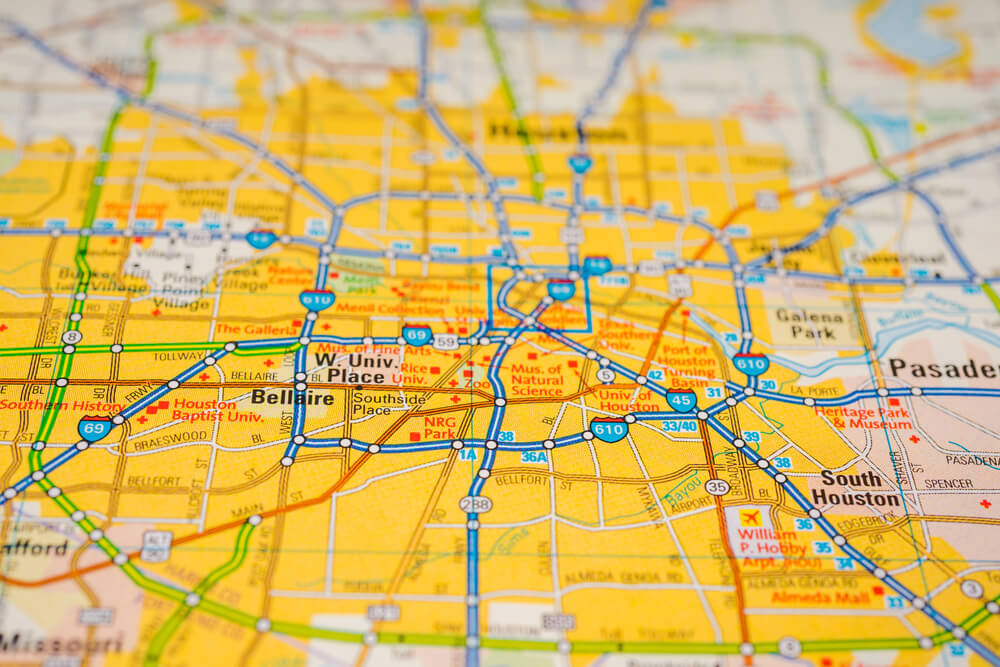
Someone, usually a parent, kept a thick spiral-bound road atlas on the dashboard or in the door pocket, tracing the day’s route with a finger before every trip began. Kids sometimes got assigned as the official navigator, holding the atlas open on their lap and calling out upcoming exits from a paper map rather than a screen.
Coffee stains and torn corners marked the pages for whichever state got visited most often.
Are We There Yet
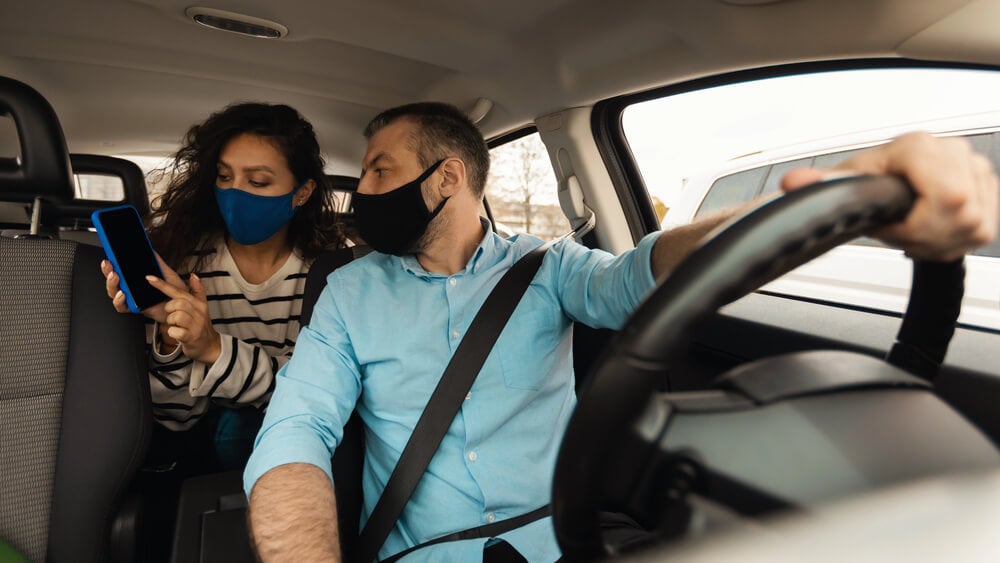
The question got asked so often on every family trip that it became a running joke parents would repeat back sarcastically for years afterward. Some parents developed a stock answer, like naming a landmark still an hour away, purely to buy a little more silence.
The phrase became such a universal shorthand for road trip restlessness that it eventually became the title of movies and greeting cards.
The Cooler in the Back
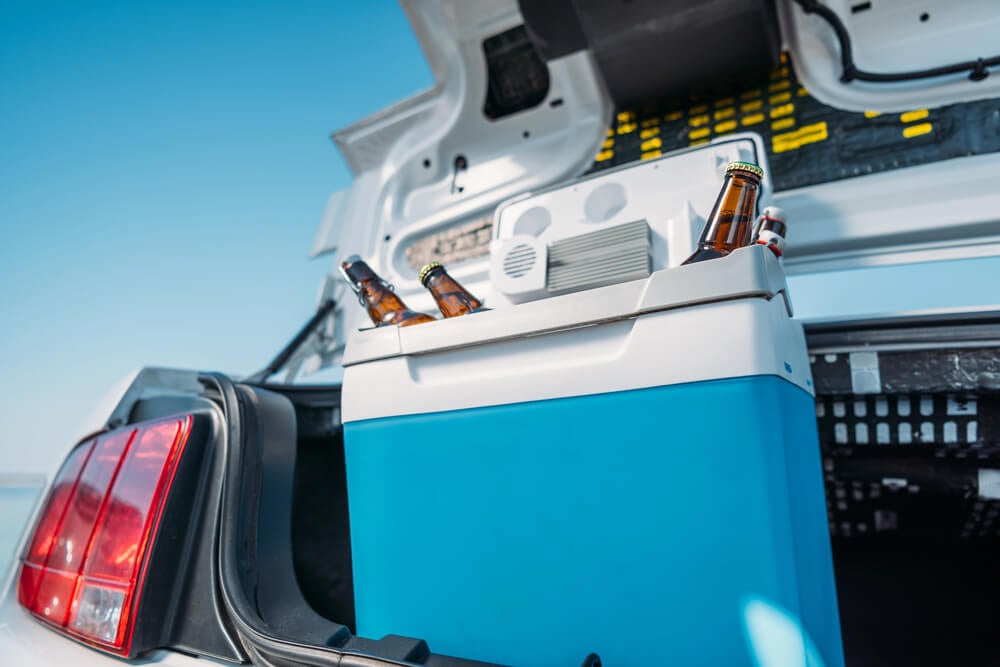
Before gas station snacks became the default, most families packed a cooler loaded with sandwiches, juice boxes, and whatever fruit had survived the drive without bruising. Opening the cooler at a rest stop was treated as its own small event, with kids negotiating over who got which sandwich.
The ice inside usually turned to lukewarm water by the halfway point, which nobody seemed to mind as much as it probably deserved.
Slug Bug Silence Rule
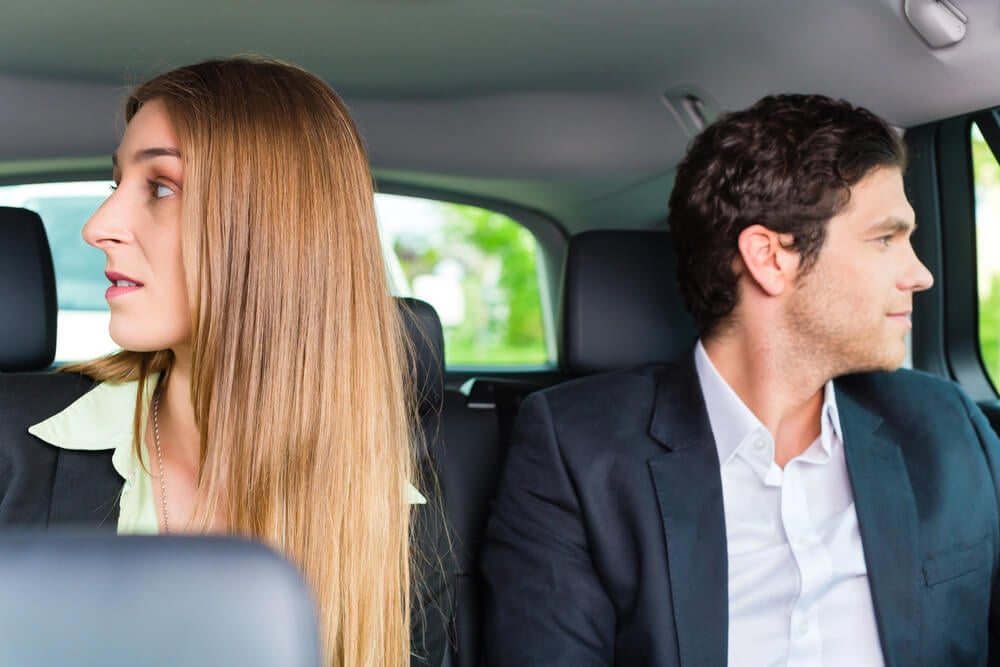
In households that played a version of the Volkswagen spotting game, some added a “silent” variant where the first person to see a Beetle had to stay quiet and simply point, with points awarded only if a sibling failed to notice in time. This version rewarded patience over speed, a rare quality in most versions of the car games kids played.
It also produced its own arguments, since a silent point was much harder for other siblings to verify after the fact.
The Alphabet Game
Players scanned road signs, billboards, and license plates for letters in order, trying to be the first to spot a full alphabet from A to Z before reaching the destination. Certain letters, particularly Q, X, and Z, turned into genuine bottlenecks that could stall a player for an entire state.
A well-placed sign for a gas station or a fast food chain often became the only hope of finishing the game at all.
Rolling Down the Windows for Toll Booths
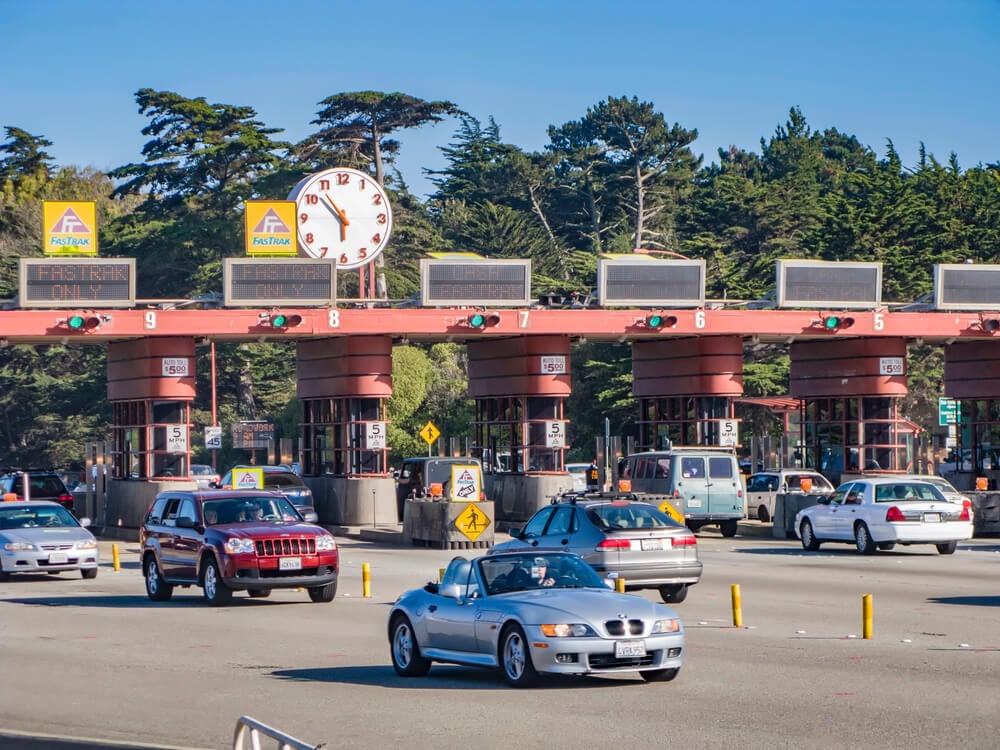
Before automated toll systems became standard, someone in the front seat had to roll down the window, dig through a cup holder or glove compartment for exact change, and hand coins to a toll booth attendant. Kids often got assigned the job of counting out coins in advance so the car wouldn’t hold up the line.
The ritual disappeared almost overnight once electronic toll transponders became widespread.
The CB Radio Check-In
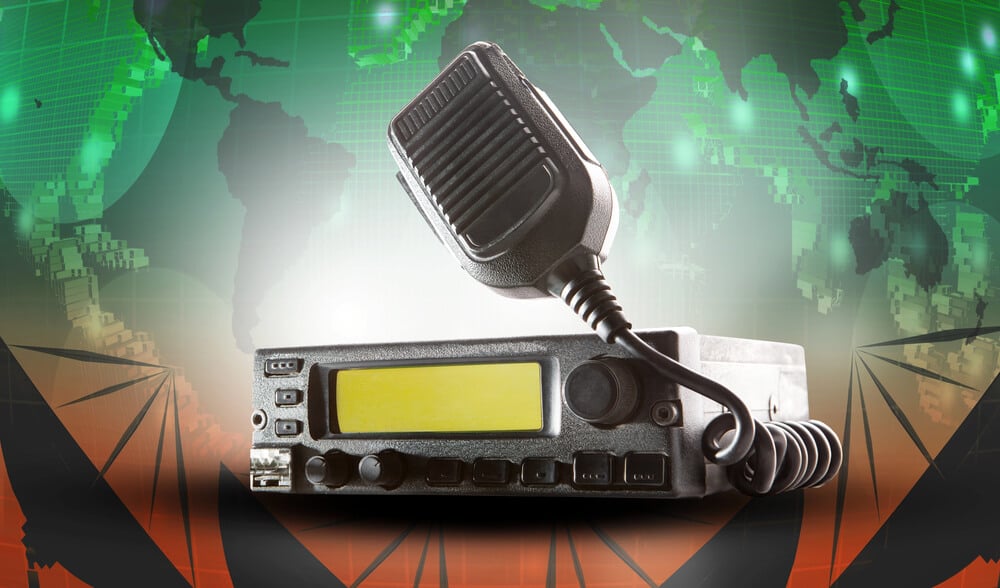
Families driving in a caravan with relatives sometimes kept a CB radio running in each car, checking in periodically to coordinate rest stops or warn about traffic ahead. Kids loved learning trucker slang and radio codes, even if they rarely had a real reason to use them.
The practice mostly disappeared once cell phones made a simple call far easier than adopting a radio handle.
Drawing on the Fogged-Up Window
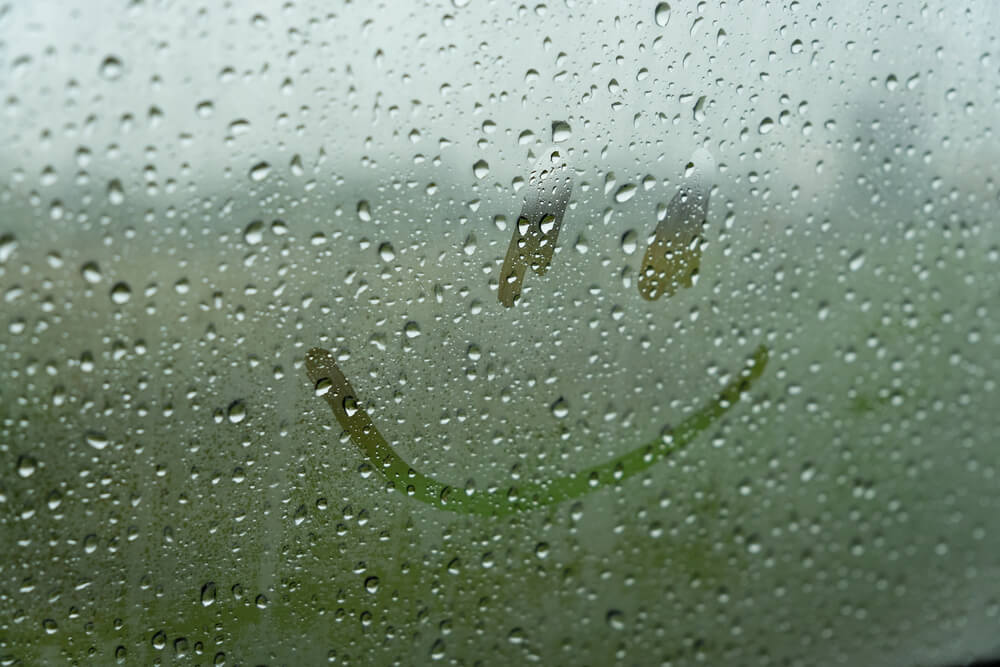
On cold mornings, kids would draw pictures or write messages in the condensation that formed on the inside of a car window, usually erased within minutes by the defroster. It required no supplies and no permission, just a finger and a window that happened to fog up at the right moment.
Parents occasionally discovered less flattering messages about a sibling written on the glass hours after the fact.
The Mad Libs Book
A dog-eared Mad Libs booklet, often bought specifically for a long drive, got passed around the back seat as kids supplied nouns and adjectives without knowing the story they’d end up filling in. Reading the finished, often nonsensical story out loud became the actual reward, usually met with more laughter than the joke technically earned.
A single booklet could stretch across an entire vacation if rationed carefully.
The Rest Stop Sprint

Every rest stop turned into a small race, with kids bolting from the car the moment it stopped moving to claim a specific picnic table or playground equipment before a sibling could get there first. Parents used the stop as a chance to stretch, check the paper map, and refill the cooler with fresh ice.
The stops rarely lasted more than fifteen minutes, but they were treated as the highlight of a day spent otherwise sitting still.
The Travel Bingo Cards
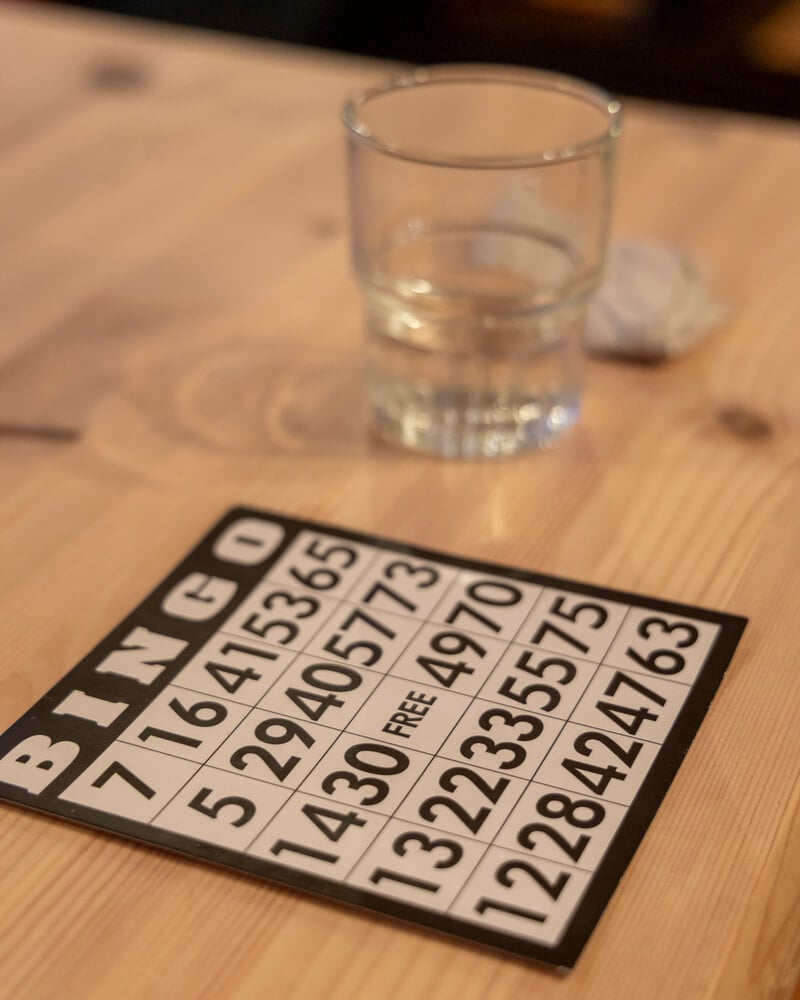
Printed bingo cards with pictures of cows, water towers, and specific road signs gave kids a structured version of the window-watching games, with a small prize sometimes waiting for whoever called bingo first. The cards were reusable across multiple trips, kept in a glove compartment folder alongside the paper atlas.
Some families made their own versions by hand rather than buying a printed set.
Twenty Questions
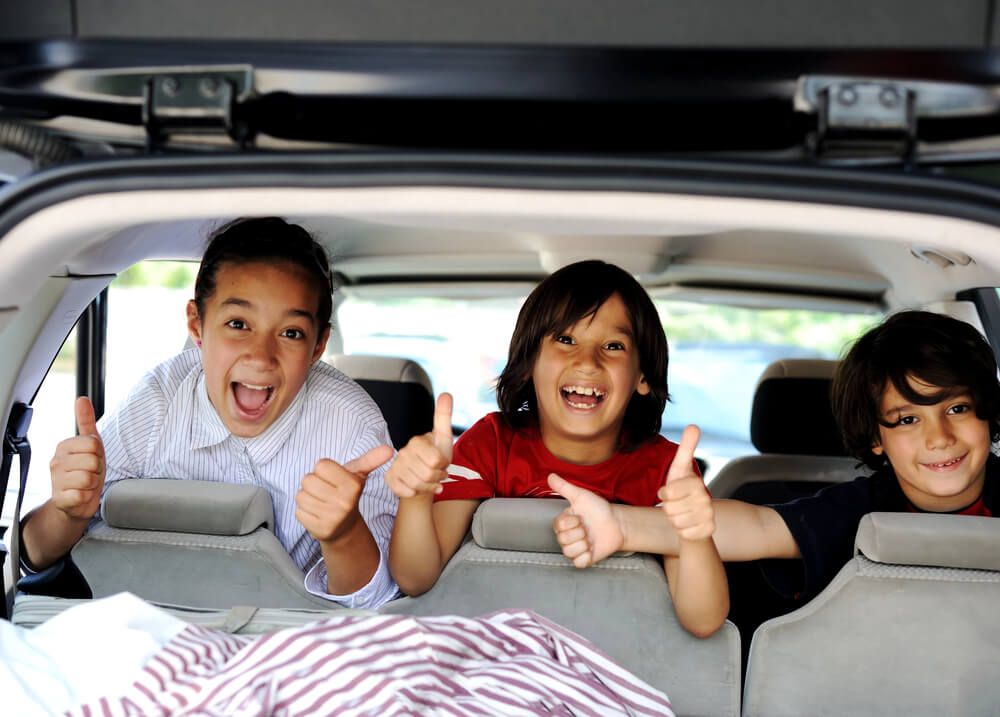
With no screen to fall back on, a simple guessing game like Twenty Questions could fill an entire hour, with one player thinking of a person, place, or thing and everyone else narrowing it down through yes-or-no questions. The game required nothing but attention, which made it a natural fit for a car with no other entertainment available.
A well-chosen answer could stump the entire back seat until the very last question.
The Family Trivia Quiz
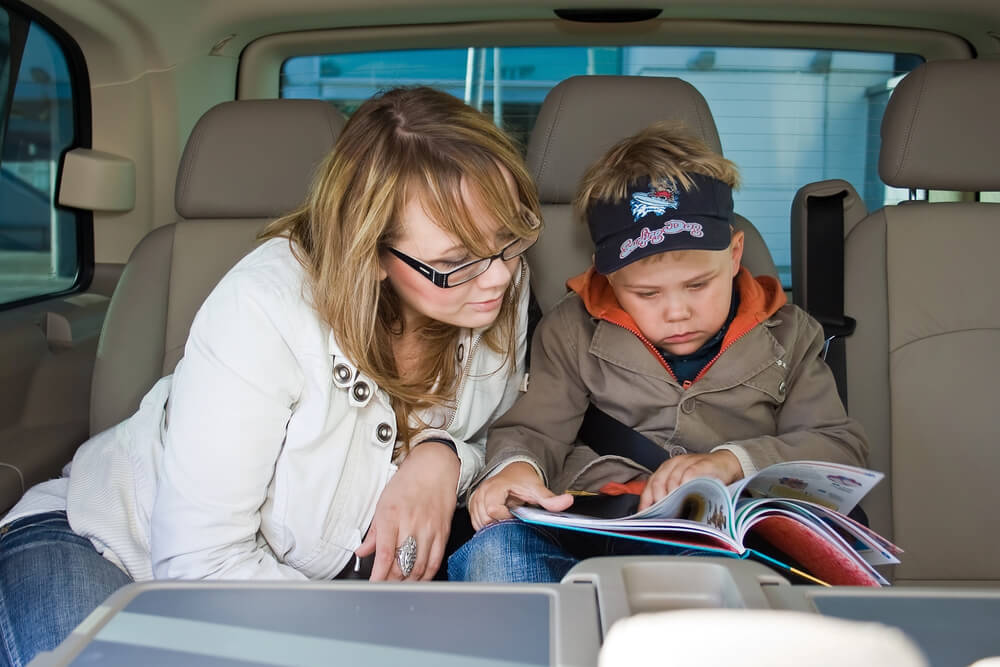
Some parents kept a running list of trivia questions, either memorized or written on an index card, quizzing kids on state capitals or historical dates to pass the time on longer drives. It doubled as an unofficial homework session disguised as a car game, something kids rarely objected to since the alternative was silence.
A correct answer sometimes earned a small reward at the next gas station.
Naming the Radio Static
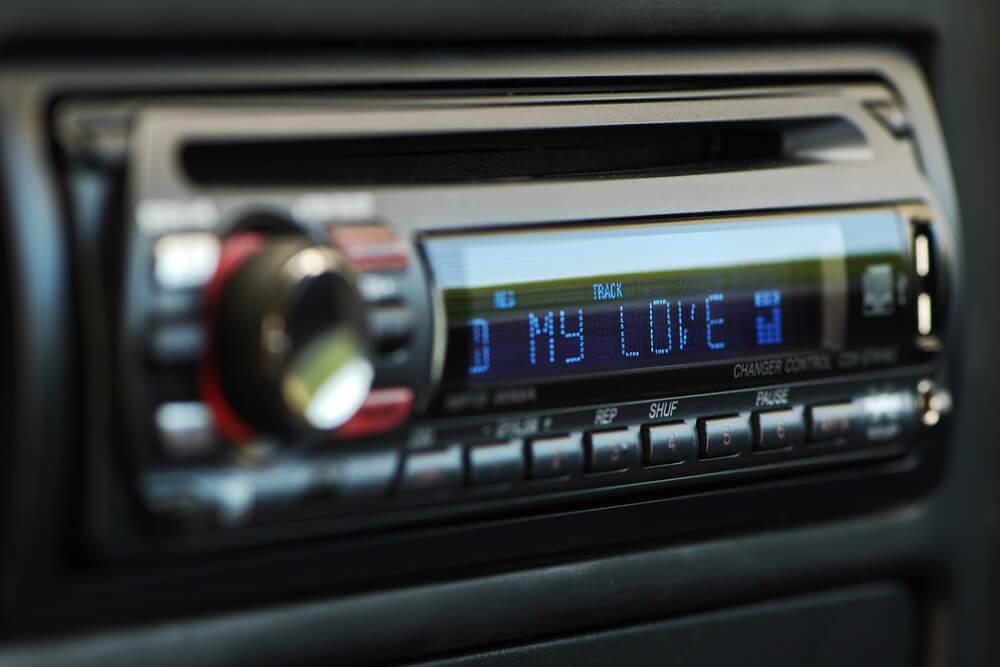
When a radio signal faded out between stations, families developed their own rituals around it, whether that meant scanning through static in search of a clearer station or simply turning the dial off and switching to a cassette instead. Kids often took charge of the tuning knob, treated as a genuine responsibility rather than a chore.
Losing a favorite station to static partway through a song counted as a minor tragedy at the time.
The Backseat Pillow Fort
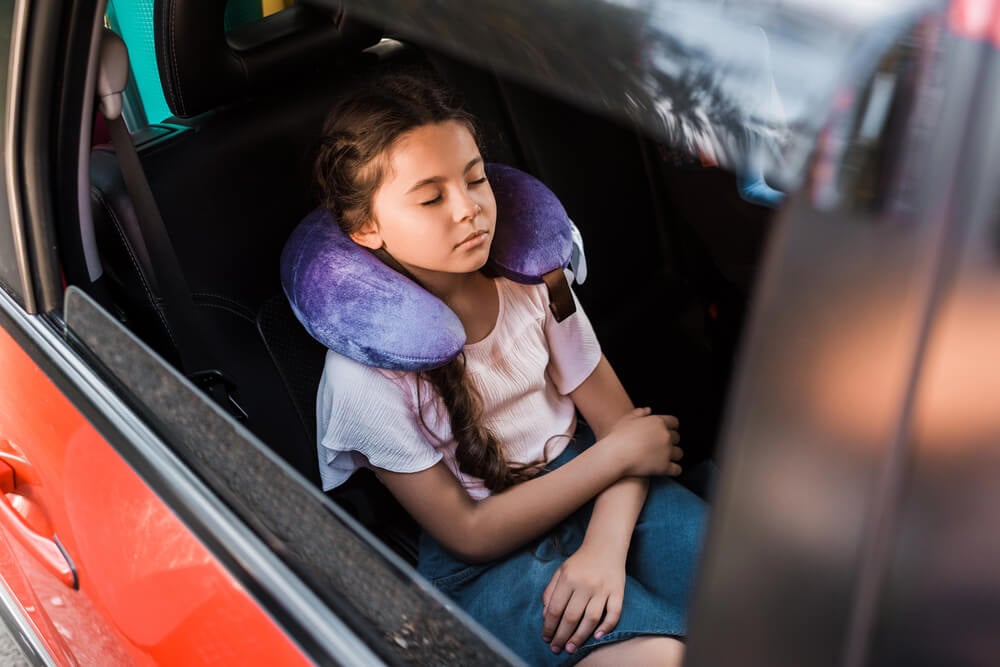
On overnight drives, kids built makeshift forts out of pillows and blankets across the back seat, usually with strict, ever-changing rules about which sibling’s territory ended where. Parents in the front seat mostly ignored the construction unless it began blocking the rearview mirror.
The fort rarely survived a sharp turn, collapsing into a pile that had to be rebuilt at the next stretch of straight highway.
The Gas Station Postcard
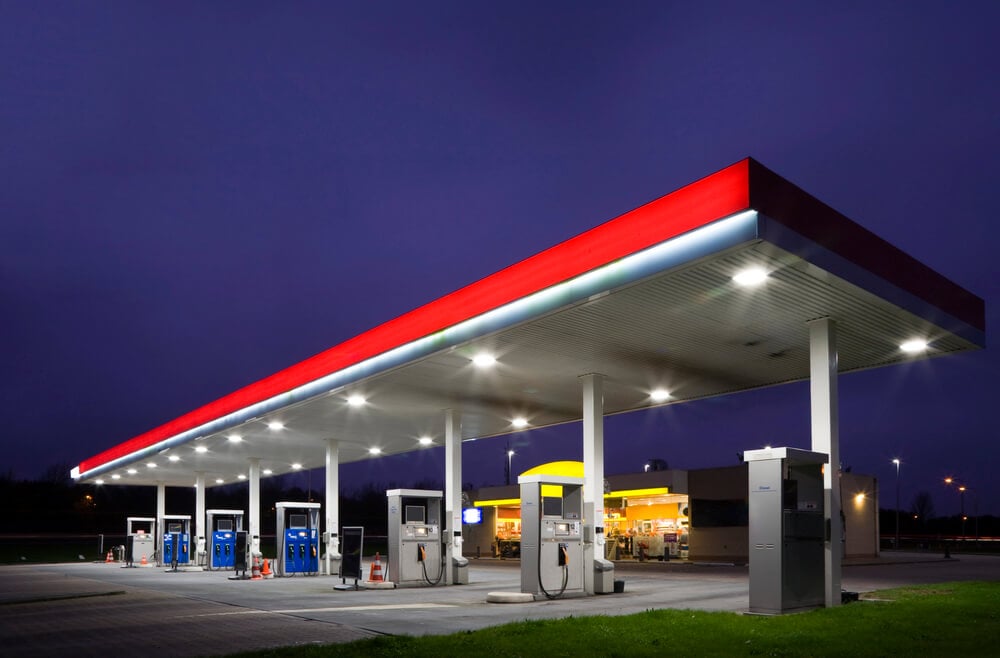
At certain stops, kids were allowed to pick out one postcard from a spinning rack, meant to be written and mailed to a friend or grandparent back home describing the trip so far. The postcards often arrived home before the family did, giving grandparents a preview of the vacation.
Buying the stamp at the same gas station counter became part of the same small ritual.
The Designated Snack Passer
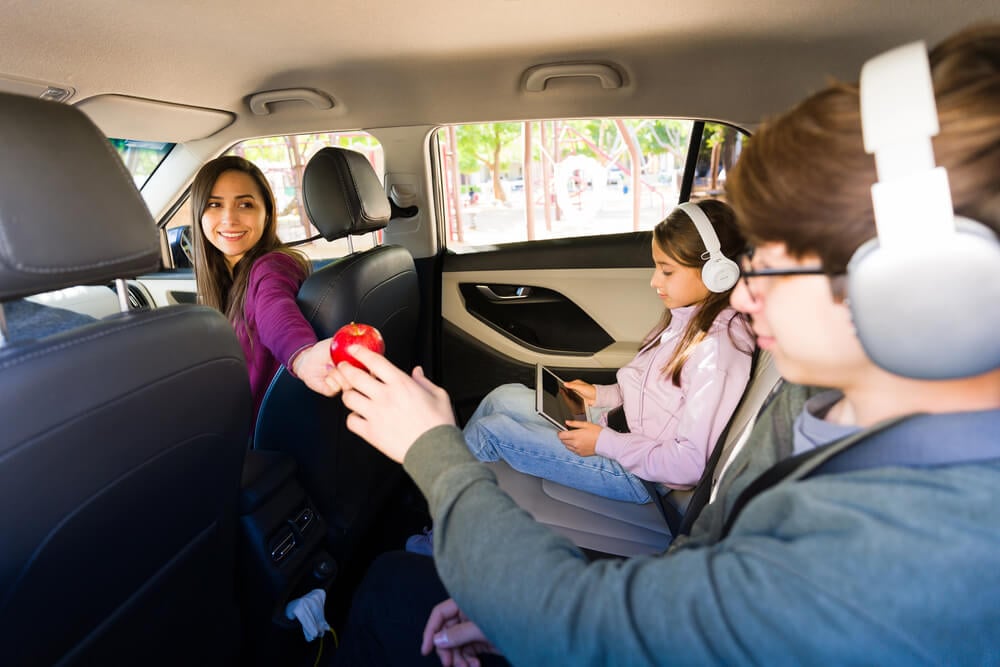
One kid, usually seated in the middle, took on the unofficial job of passing snacks and drinks back and forth across the seat, negotiating fairly or unfairly depending on the day. The role came with a strange amount of authority for something so minor, since it meant controlling who got the last of the good snacks.
Disputes over snack distribution could rival any argument over the radio dial.
The Highway Sign Countdown
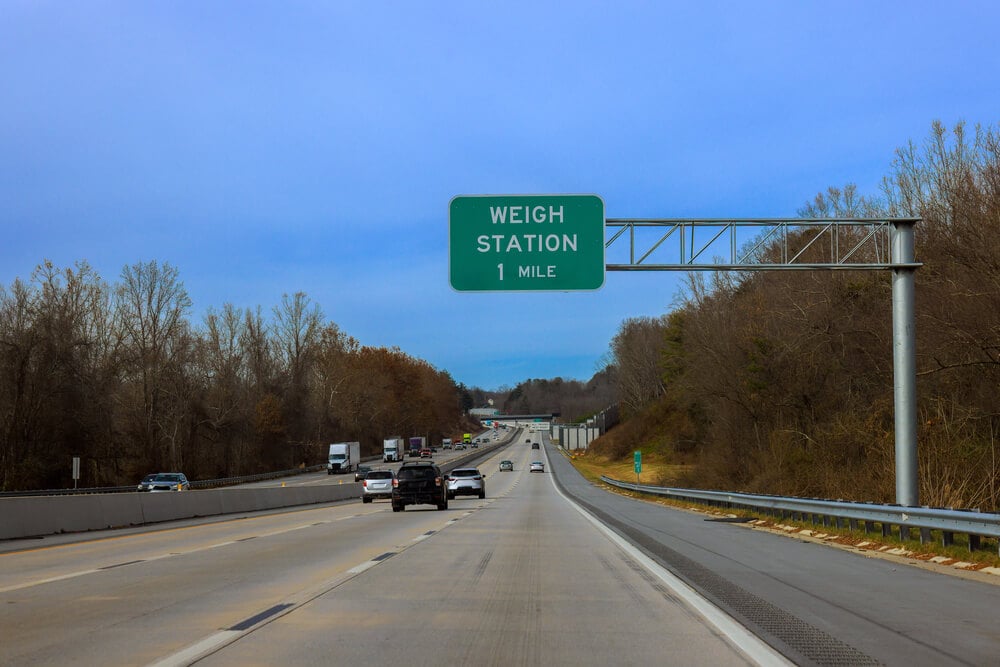
Billboards advertising an upcoming attraction, often a roadside novelty or a fireworks store, would count down the remaining miles in a series of signs, and kids tracked the countdown out loud as each one passed. The anticipation built by a dozen consecutive signs sometimes exceeded whatever the actual attraction turned out to be.
Missing one sign in the sequence, obscured by a passing truck, was treated as a minor crisis by whoever was counting.
The Car Sickness Remedy Ritual
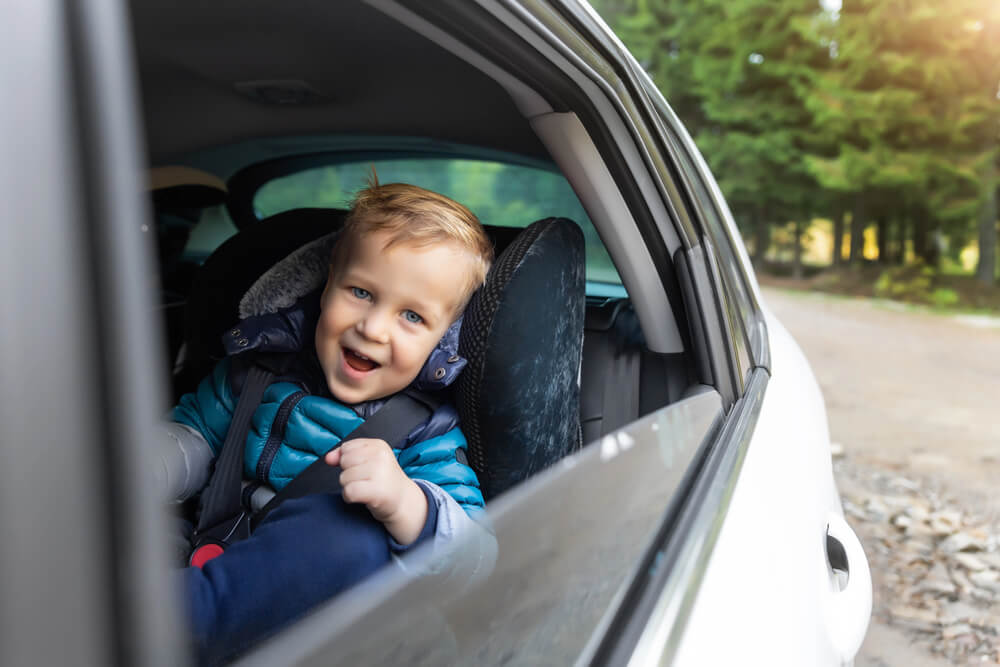
Families with a car-sickness-prone kid developed their own specific remedy, whether that meant a window cracked at a certain angle, a particular seating position, or a stick of gum handed over before the car even left the driveway. The ritual got repeated automatically on every trip without anyone needing to be reminded.
A forgotten remedy usually meant an unplanned stop somewhere along the route.
The Odometer Milestone Watch
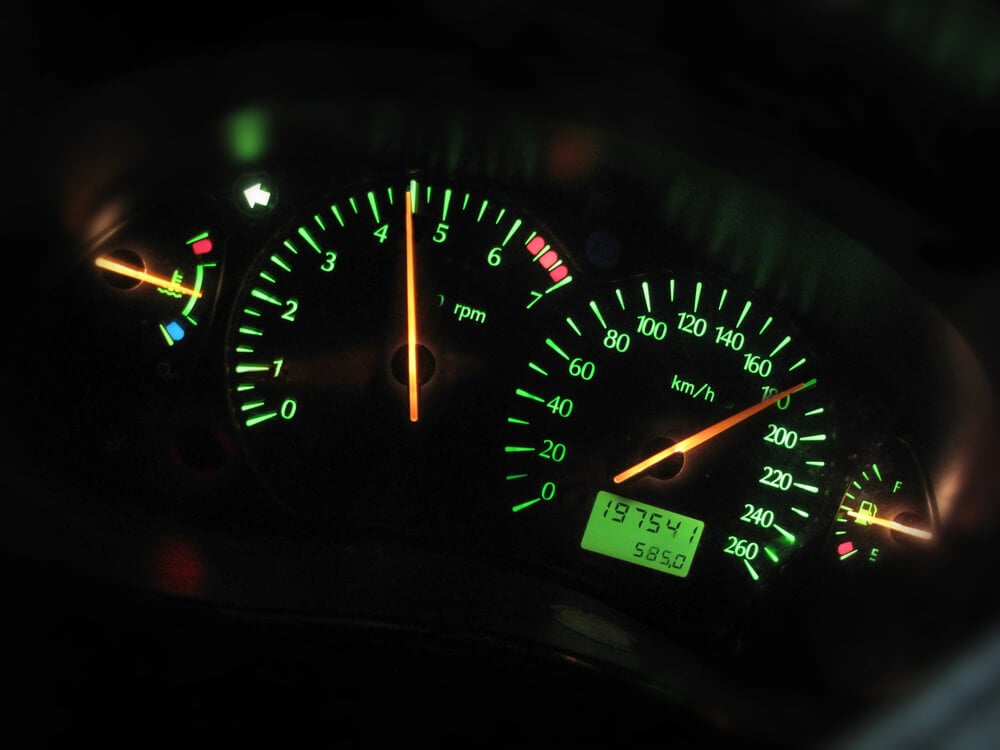
Kids kept an eye on the odometer for round numbers, announcing loudly when the mileage was about to roll over to a clean hundred thousand or a satisfying string of matching digits. The moment itself lasted less than a second, but the anticipation leading up to it could occupy several minutes of a long drive.
Missing the exact rollover because of a blink counted as a genuine disappointment.
The Sunroof Star Count
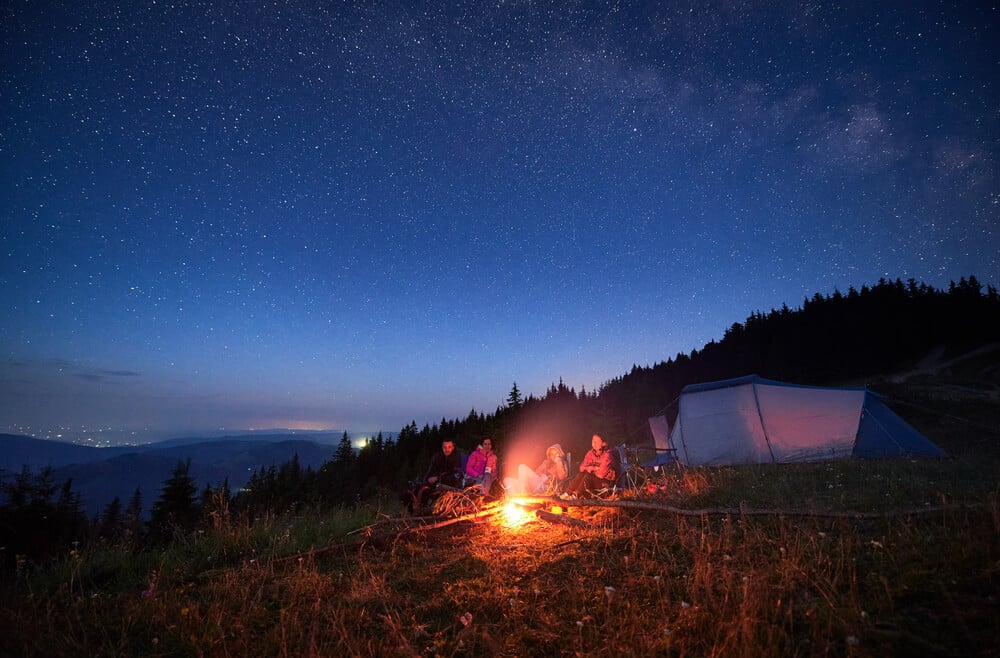
On clear nights, kids would tilt their heads back to count stars through a sunroof or rear window, sometimes turning it into a competition and sometimes just using it as a quiet way to pass the last stretch of a long drive home. Parents occasionally used the moment to point out a real constellation, if they happened to know one.
The game required a dark enough highway, which made it a rarer treat than the daytime car games.
The Rotating Front Seat Privilege
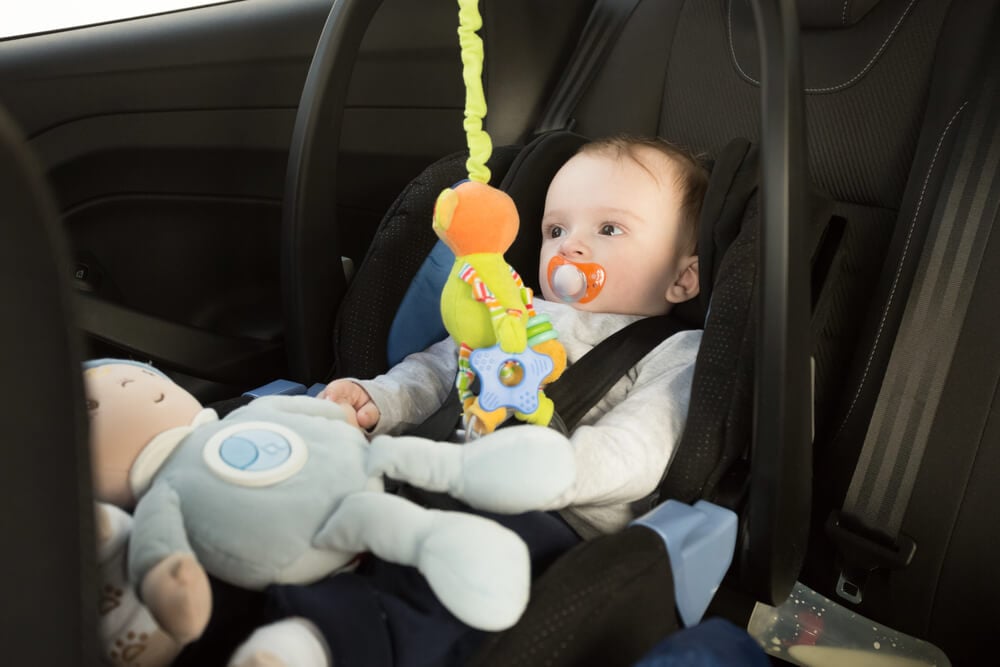
Families with more than two kids often kept a strict rotation for who got to sit in the front passenger seat, tracked carefully enough to avoid arguments over whose turn it actually was. The privilege came with unofficial duties, like holding the paper map or controlling the radio.
A missed turn in the rotation could derail an entire day’s mood before the car had even left the driveway.
The End-of-Trip Song
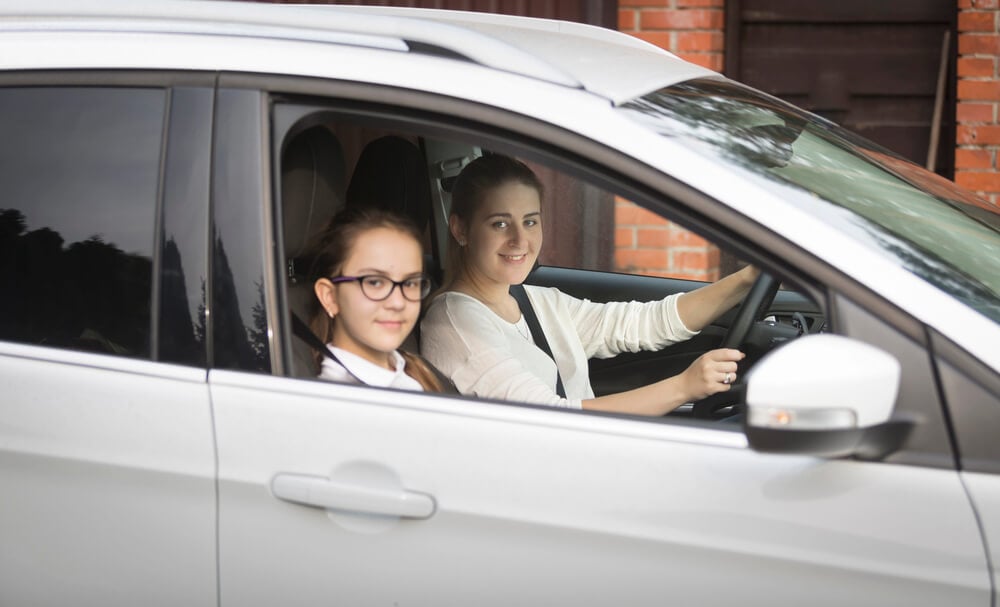
Some families had an unofficial song that played as the car pulled into the driveway at the end of a long trip, marking the moment as clearly as any spoken announcement that the drive was finally over. It wasn’t planned so much as it became tradition after happening to play at the right moment once and getting repeated on purpose afterward.
Hearing that song anywhere else, years later, could bring the entire trip back instantly.
The Glove Compartment Treasure Hunt
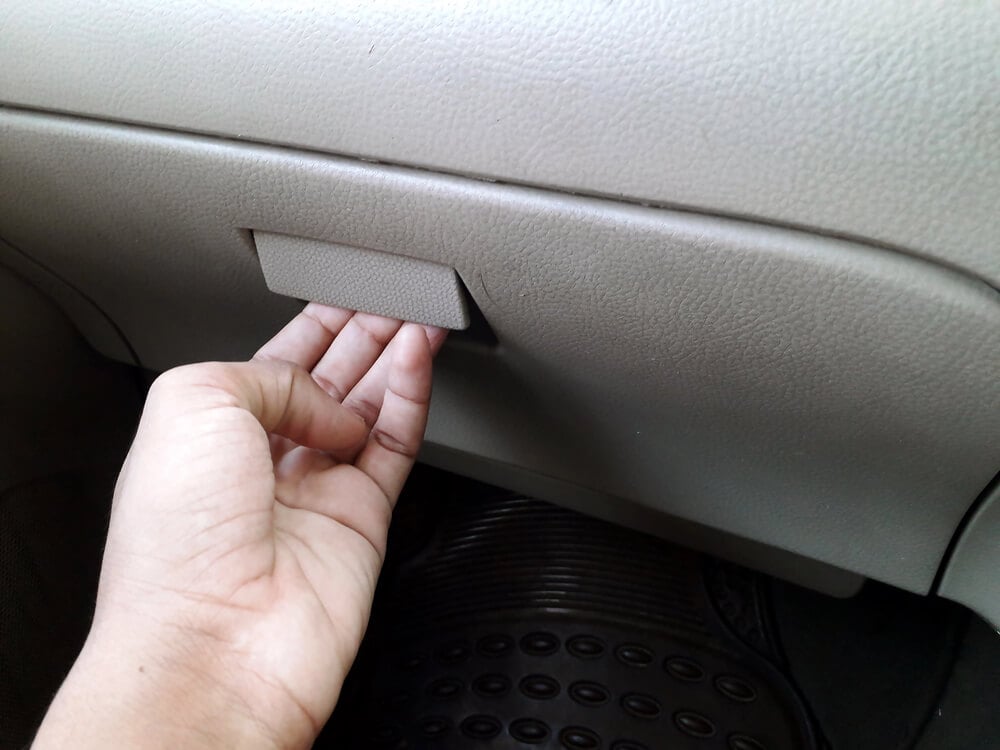
Kids treated the glove compartment as a small trove of mystery, digging through old maps, napkins, and a spare pair of sunglasses whenever boredom set in. Parents rarely organized it, which meant every trip through the compartment turned up something half-forgotten from a previous drive.
Finding an old parking receipt or a faded gas station receipt became its own tiny form of entertainment.
What the Boredom Was Actually For
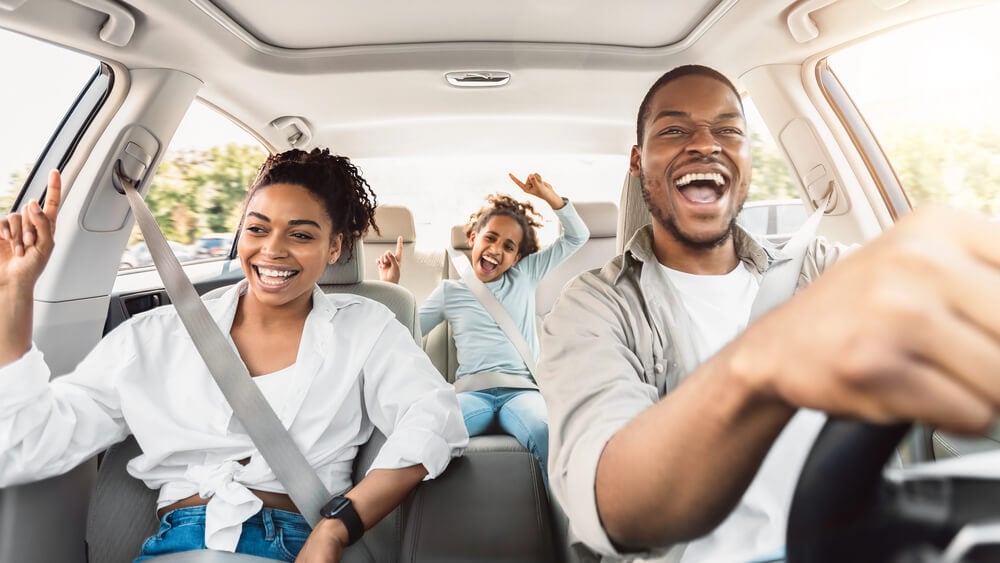
None of these rituals required much planning, and that was the entire point. A family with nothing but a windshield and a few hours to fill would default to whatever game or habit had worked the last time, and the repetition is what turned an ordinary drive into a memory worth keeping.
Screens didn’t replace these rituals so much as remove the need for them, and something got lost in that trade even if the trips themselves got quieter. The boredom was doing real work, forcing a car full of people to actually talk to each other, and that’s the part no tablet has ever managed to replicate.
More from Go2Tutors!

- The Romanov Crown Jewels and Their Tragic Fate
- 13 Historical Mysteries That Science Still Can’t Solve
- Famous Hoaxes That Fooled the World for Years
- 15 Child Stars with Tragic Adult Lives
- 16 Famous Jewelry Pieces in History
Like Go2Tutors’s content? Follow us on MSN.