17 Short-Lived Moments in Media History That Left a Lasting Mark
Throughout the evolution of media and entertainment, certain fleeting moments have managed to fundamentally alter the landscape despite their brevity. These cultural flashpoints may have been short-lived, but their impact continues to reverberate through our society and media consumption habits.
Here is a list of 17 brief media moments that transformed how we consume content, communicate, and understand the world around us.
The War of the Worlds Broadcast
Orson Welles’s 60-minute 1938 radio dramatization of H.G. Wells’s science fiction novel of Martian invasion frightened the entire nation into thinking it was under real Martian attack. A single night’s broadcast entirely changed the audience’s perception of media credibility, and it initiated new government regulations over simulated news on the radio.
The incident also showed the enormous influence the new broadcast medium had over shaping mass psychology and became a now-classic case study taught across communication curriculums as of the present.
The Kennedy-Nixon Debate

The first televised presidential debate in 1960 between John F. Kennedy and Richard Nixon lasted only an hour but forever changed how political campaigns approach media. Kennedy appeared relaxed and telegenic while Nixon looked pale and uncomfortable, creating a stark contrast for viewers that many historians believe tipped the election.
Radio listeners thought Nixon had won the debate, while television viewers favored Kennedy—revealing the transformative power of visuals in political communication.
The Max Headroom Incident
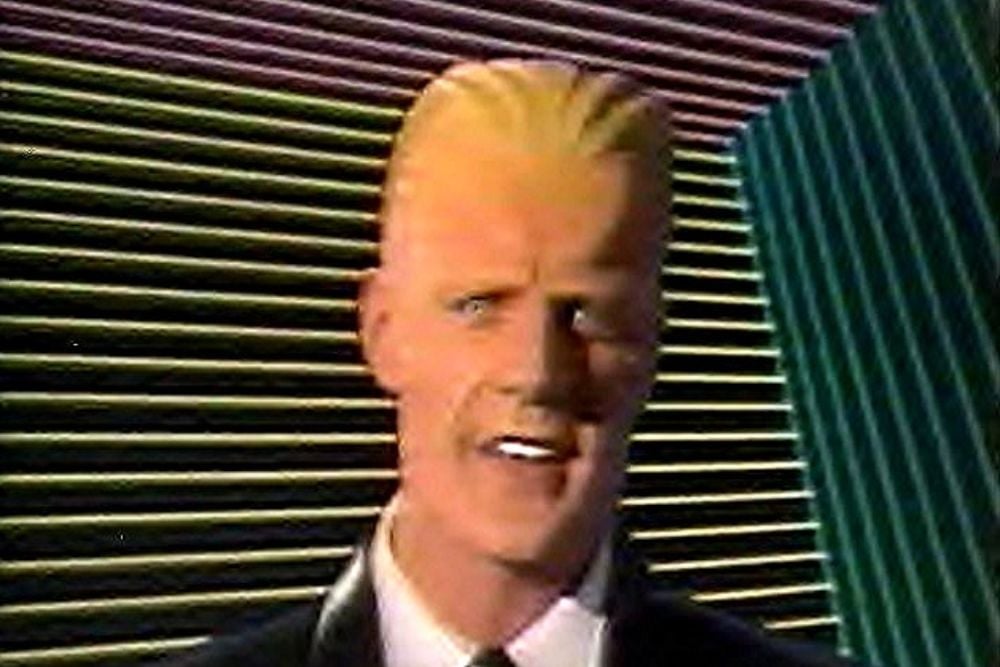
For just 90 seconds in 1987, an unknown person wearing a Max Headroom mask hijacked the broadcast signal of two Chicago television stations. The bizarre, unauthorized transmission featured distorted audio and strange imagery before engineers regained control.
This brief signal intrusion highlighted vulnerabilities in broadcast technology and has become one of the most infamous examples of media hacking, maintaining an almost mythical status as the perpetrators were never identified.
The Janet Jackson Super Bowl Moment

Justin Timberlake’s exposure of Janet Jackson’s breast during the 2004 Super Bowl halftime show lasted only 9/16ths of a second but triggered immediate FCC regulatory changes. This brief ‘wardrobe malfunction’ led to the implementation of broadcast delays for live events and fines against CBS.
The incident also directly inspired the creation of YouTube, as co-founder Jawed Karim wanted an easy way to find the controversial clip online.
The First YouTube Video

‘Me at the Zoo’ runs a mere 18 seconds but marked the beginning of the world’s largest video-sharing platform when uploaded in April 2005. This simple clip of co-founder Jawed Karim at the San Diego Zoo initiated a platform that would transform how we create and consume media.
The brief video now serves as a historical artifact with over 266 million views, representing the modest origins of a service that would eventually disrupt traditional entertainment models.
The Numa Numa Video

Gary Brolsma’s 1-minute, 39-second webcam performance of ‘Dragostea Din Tei’ in December 2004 became one of the internet’s first viral sensations. This homemade clip of enthusiastic lip-syncing preceded YouTube’s launch but demonstrated the internet’s power to create overnight celebrities.
The video established a template for authentic, unpolished content that would become the backbone of social media entertainment and influencer culture.
The First Reality TV Elimination

When Survivor contestant Richard Hatch orchestrated the first major alliance-based elimination in 2000, reality television competition was forever transformed. This strategic moment demonstrated that reality shows could be more than just documenting strangers living together.
Hatch’s approach created the blueprint for competitive reality TV, establishing a format that has dominated programming schedules for over two decades.
The Ellen Coming Out Episode

The ‘Puppy Episode’ of Ellen in 1997 lasted just 30 minutes but represented a watershed moment for LGBTQ+ representation in mainstream media. Ellen DeGeneres’s decision to have her character come out simultaneously with her real-life announcement generated massive ratings and national conversation.
This single episode broke significant barriers despite intense controversy and advertiser pullouts, paving the way for more inclusive storytelling in entertainment.
The First Banner Ad

The 1994 rectangular HotWired.com advertisement that queried ‘Have you ever clicked your mouse right HERE?’ achieved a click-through rate of 44% and launched the digital advertising industry. AT&T’s innovative banner ad established a model for profitability that would in turn support most of the internet.
The deceptively simple design element significantly changed the methods businesses engaged in digital marketing and the methods online content was presented to users.
The Zapruder Film
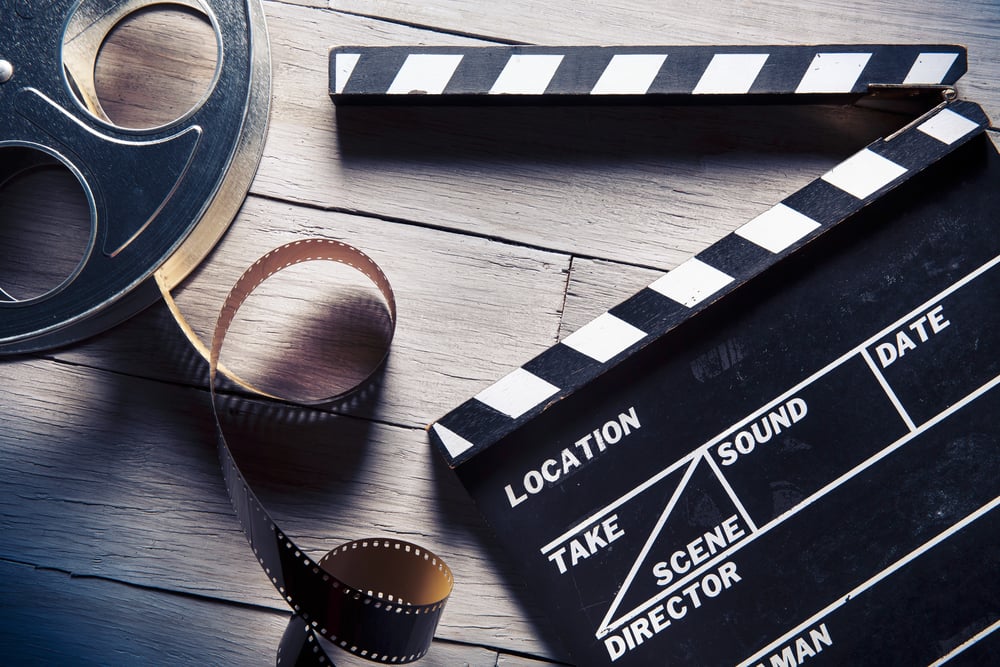
Abraham Zapruder’s 26.6-second home movie, which captured President Kennedy’s assassination in 1963, permanently altered how media documentation influences history. This brief amateur footage became crucial evidence and changed expectations about visual documentation of major events.
The film established the concept of the ‘citizen journalist’ decades before smartphones made such documentation commonplace.
The Buggles on MTV
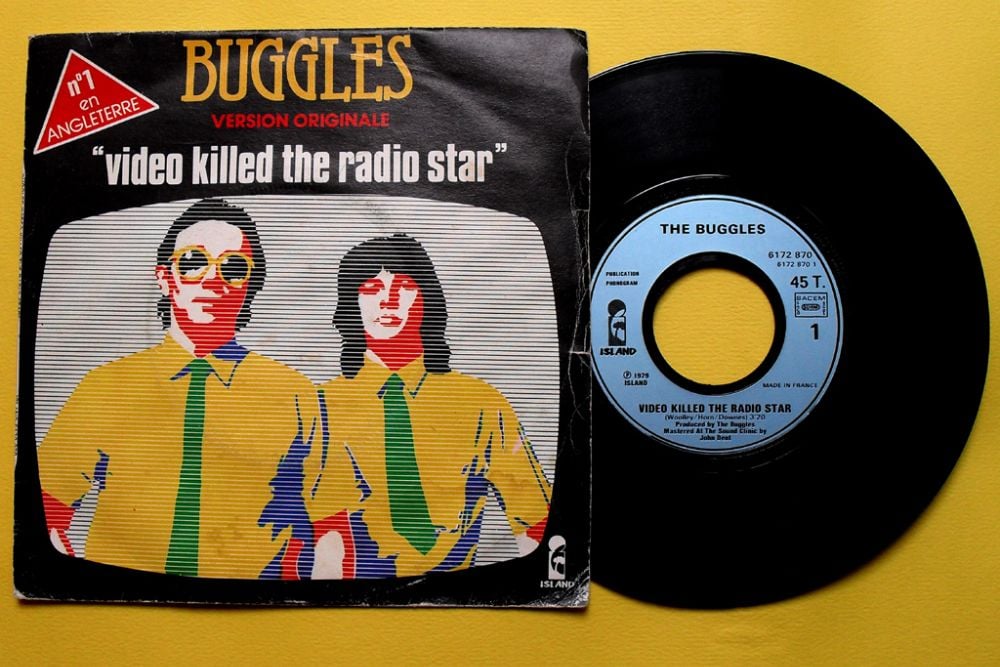
‘Video Killed the Radio Star’ by The Buggles played for just 3 minutes and 25 seconds as MTV’s first broadcast music video in 1981. This inaugural selection symbolically announced a new era in music consumption and marketing.
The channel’s launch transformed artists into visual brands and established music videos as essential promotional tools, fundamentally changing how audiences experienced popular music.
The First TV Commercial

The 10-second Bulova Watch Company advertisement that aired before a Brooklyn Dodgers-Philadelphia Phillies baseball game in 1941 cost only $9 but launched the television advertising industry. This primitive spot featuring a watch face and the phrase ‘America runs on Bulova time’ established television as a viable advertising medium.
The brief commercial created the model for what would become a multi-billion dollar industry that shaped consumer culture for generations.
The ‘Daisy’ Political Ad
Lyndon Johnson’s notorious campaign commercial, which showed a little girl counting daisy petals before a nuclear bomb went off, aired just once in September 1964 but revolutionized political advertising. The 60-second commercial never once uttered the name of opposing candidate Barry Goldwater but effectively painted him as dangerous.
The commercial made emotional appeals and veiled accusations the standard for political campaigns, and they continue to dominate contemporary election season.
The First Netflix Original
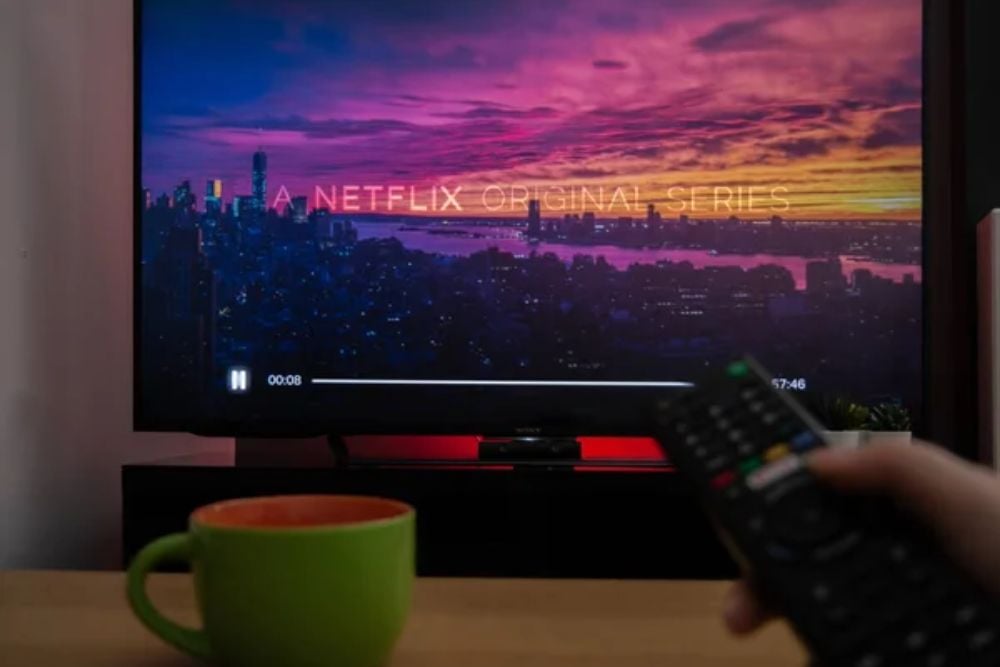
When all 13 episodes of ‘House of Cards’ were released simultaneously on February 1, 2013, viewers could experience the entire season at their own pace. This release strategy lasted just one day but upended traditional television distribution models by encouraging binge-watching.
Netflix’s decision to release the complete season at once shifted audience expectations and forced traditional networks to reconsider scheduling approaches for their own content.
The Announcement of the iPhone

Steve Jobs’ 80-minute presentation introducing the first iPhone in 2007 completely transformed consumer technology expectations and mobile communications. This single product launch announcement merged separate devices into one revolutionary package and established touchscreen interfaces as the future of personal technology.
The presentation introduced a device that would not only disrupt the telephone industry but fundamentally change how we access media, navigate our world, and document our lives.
The Arab Spring Tweets
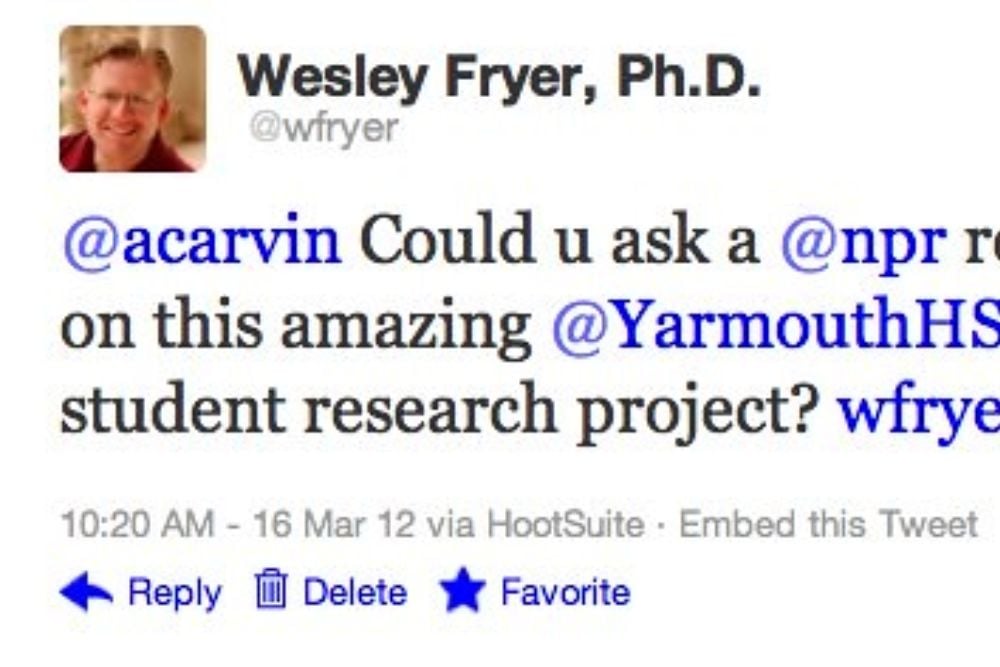
Mohamed Bouazizi’s self-immolation in Tunisia in December 2010 sparked protests that were organized and documented through social media, particularly Twitter. These brief 140-character messages coordinated demonstrations across multiple countries and allowed citizen journalists to bypass state-controlled media.
The revolutionary power of these simple posts demonstrated social media’s capacity to facilitate political movements and reshape information flow during critical events.
The Black Mirror Interactive Episode
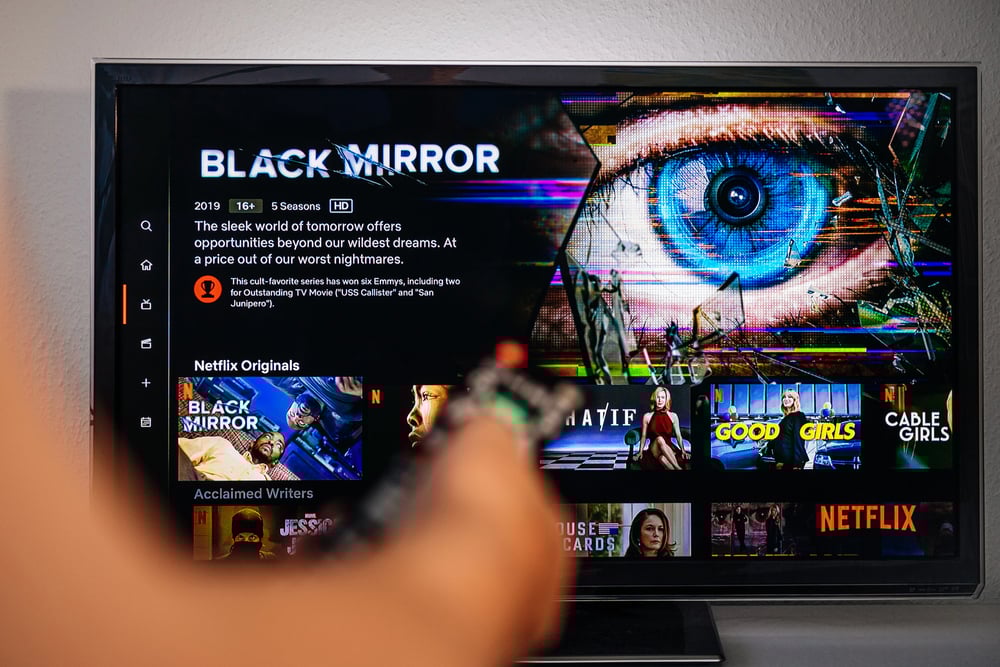
Netflix’s ‘Bandersnatch’ episode of Black Mirror in 2018 introduced mainstream interactive storytelling, allowing viewers to make decisions affecting the narrative’s outcome. This experimental format blurred the line between passive viewing and active participation in narrative media.
Though brief in runtime compared to traditional series, this innovative approach established a new direction for streaming content that continues to inspire experiments in audience agency and storytelling structure.
The Ripples Through Time

These fleeting instants in the history of media illustrate how radical change needn’t always mean prolonged exposure or evolution. Often the most enduring changes in how we talk, how we play, and how we see the world arise out of ephemeral moments that identify something fundamental to technological potential or human existence.
Their enduring significance serves as a reminder that, as in life, so in media: that meaning isn’t quantified by length but by the depth and scope of effects that endure after the moment is gone.
More from Go2Tutors!

- The Romanov Crown Jewels and Their Tragic Fate
- 13 Historical Mysteries That Science Still Can’t Solve
- Famous Hoaxes That Fooled the World for Years
- 15 Child Stars with Tragic Adult Lives
- 16 Famous Jewelry Pieces in History
Like Go2Tutors’s content? Follow us on MSN.



