32 Snacks Sold in Cafeterias That Would Never Pass Today
School cafeterias used to sell food that would set off alarms in a modern nutrition guideline meeting, stocked in vending machines and lunch lines with a level of sugar, fat, and food coloring nobody questioned at the time. These are the snacks that defined a generation of lunch trays before wellness policies quietly rewrote what a school was allowed to serve.
Ecto Cooler
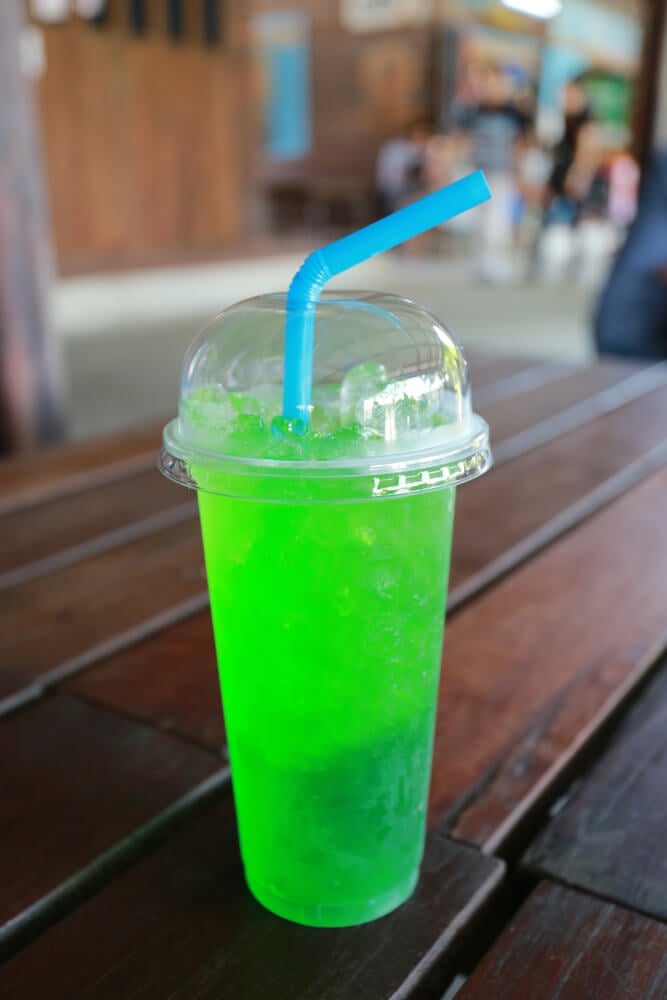
This bright green juice drink, tied to a popular animated movie franchise, was a lunchbox staple loaded with sugar and marketed directly at kids through cartoon branding. Its artificial coloring and citrus-adjacent flavor made it an instant favorite, though the drink itself contained barely any actual fruit content.
It was discontinued in 2001 before returning briefly as a nostalgia release decades later.
Hostess Fruit Pies
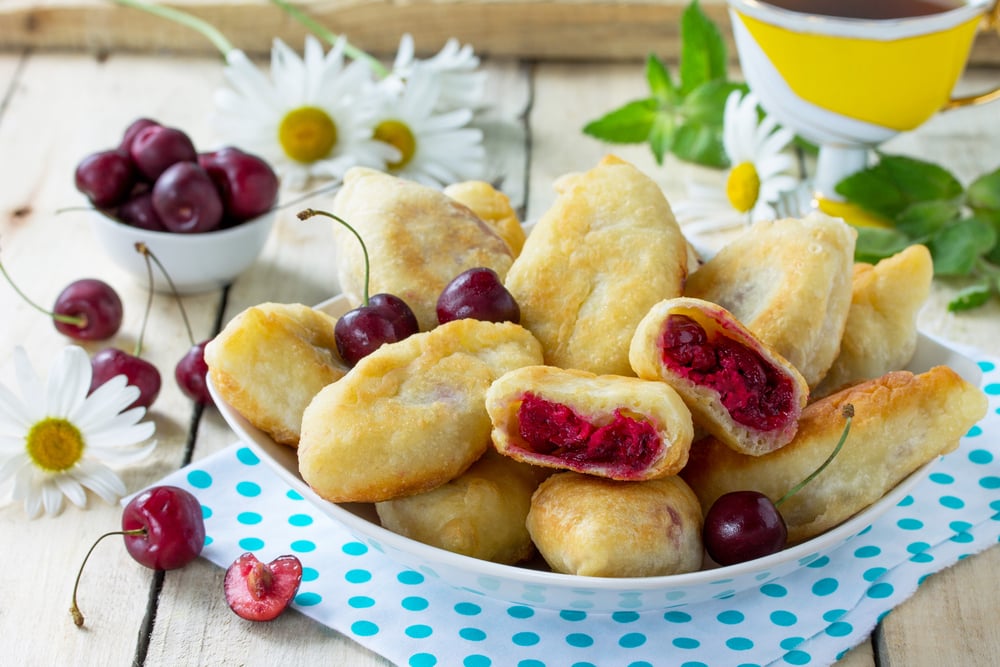
Deep-fried, sugar-glazed pastries filled with fruit filling were a common à la carte cafeteria purchase, offering far more sugar and fat per serving than a typical dessert would be allowed today. Students could buy them individually wrapped for pocket change, often alongside a carton of chocolate milk.
Their deep-fried preparation alone would disqualify them from most modern school food programs.
Little Debbie Star Crunch
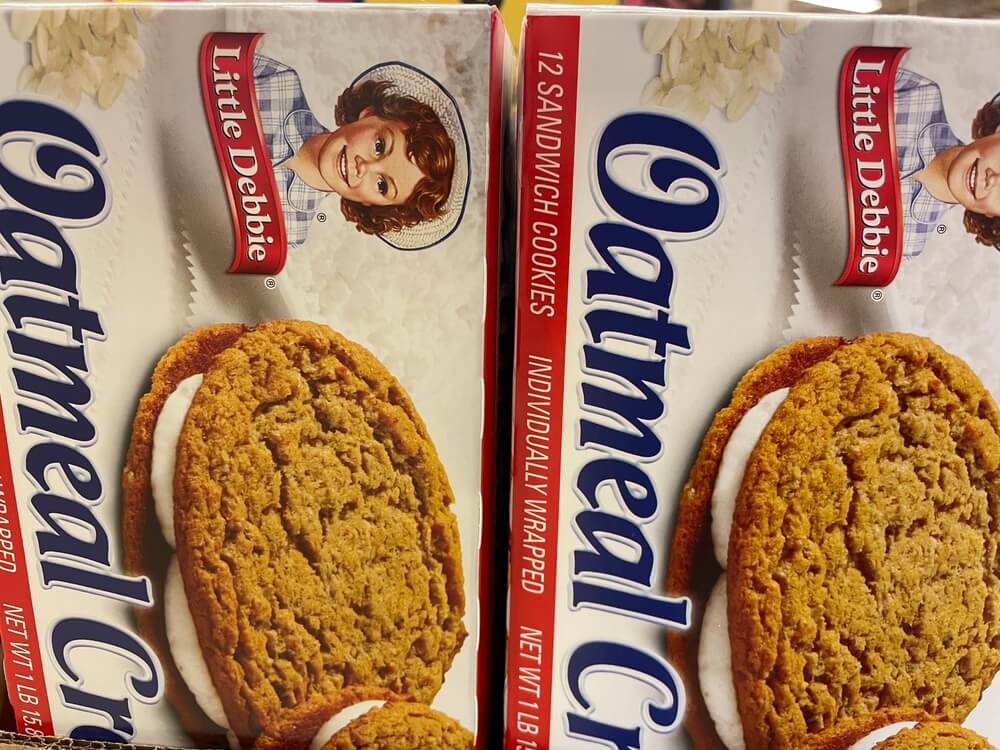
This chewy, marshmallow-and-caramel snack coated in crisped rice was a common vending machine option, prized for how long it could be stretched out during a short lunch period. Its ingredient list leaned heavily on corn syrup and hydrogenated oils that later nutrition standards specifically targeted.
It remains available on regular grocery shelves, just no longer inside a school building.
Ding Dongs
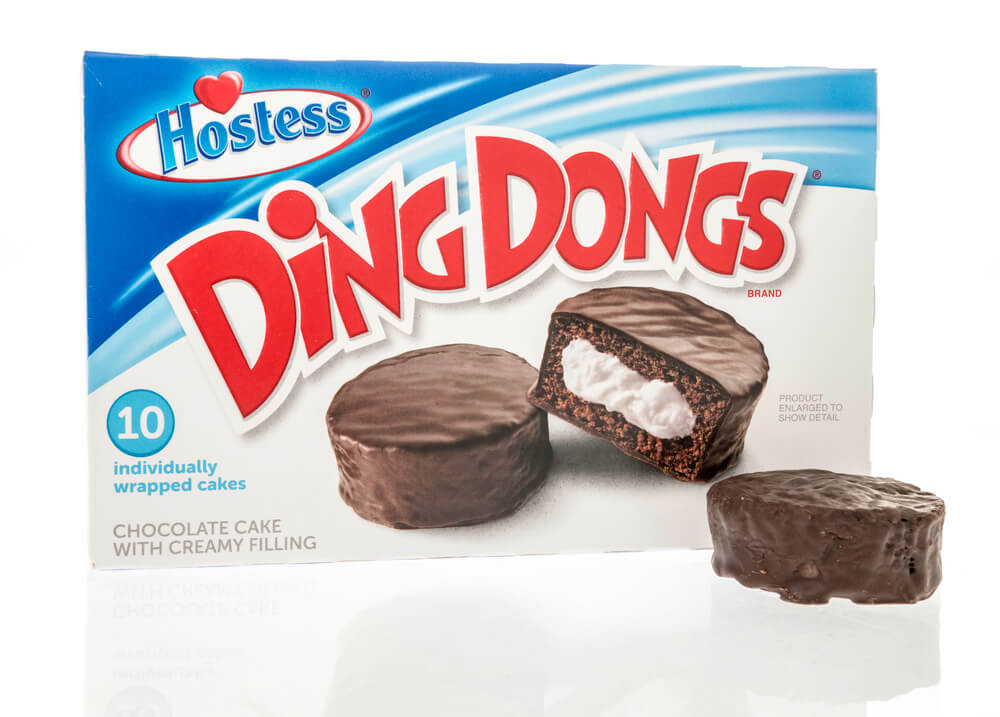
These chocolate-coated cakes with a creamy filling came individually wrapped in foil, a format that made them easy to sell from a cafeteria snack rack without refrigeration. Their combination of saturated fat and added sugar made them an easy target once school nutrition guidelines tightened in the 2010s.
The foil wrapper itself became a small ritual, peeled off in one careful motion to avoid losing any filling.
Big League Chew
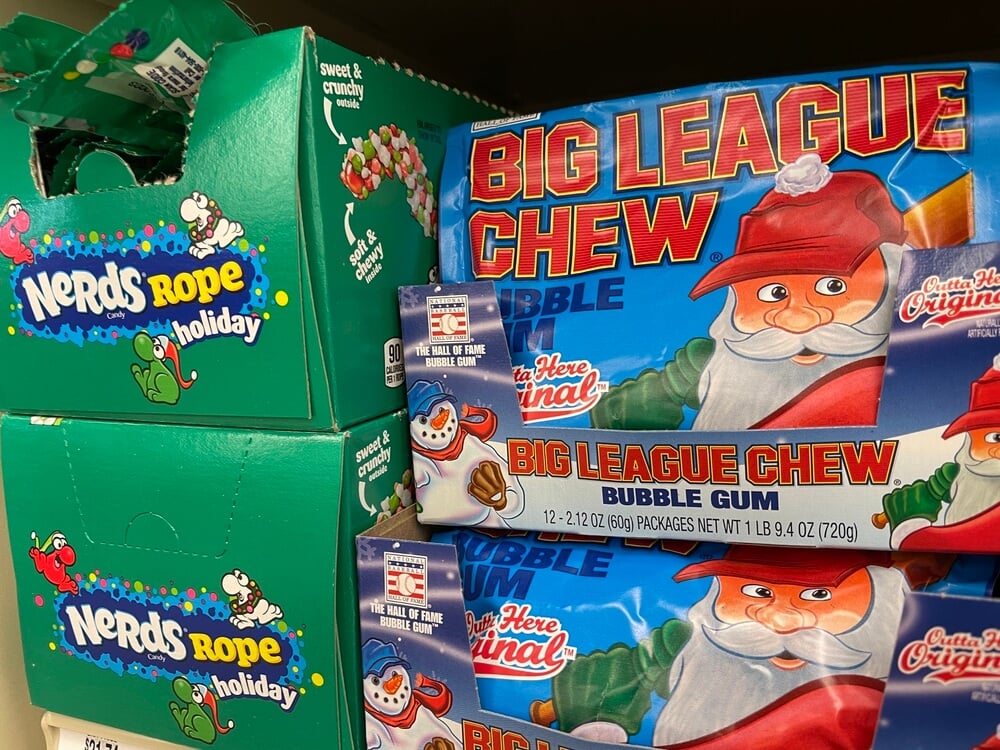
Sold as shredded bubble gum packaged to resemble a pouch of chewing product favored by professional sports players, this candy let kids stuff their cheeks with a handful at once rather than one piece at a time. Cafeterias and school stores carried it as a novelty item well before sugar content became a serious point of scrutiny.
Its packaging leaned into the sports theme so heavily that some schools eventually restricted it separately for resembling an adult product a little too closely.
Hi-C Flashin’ Fruit Punch
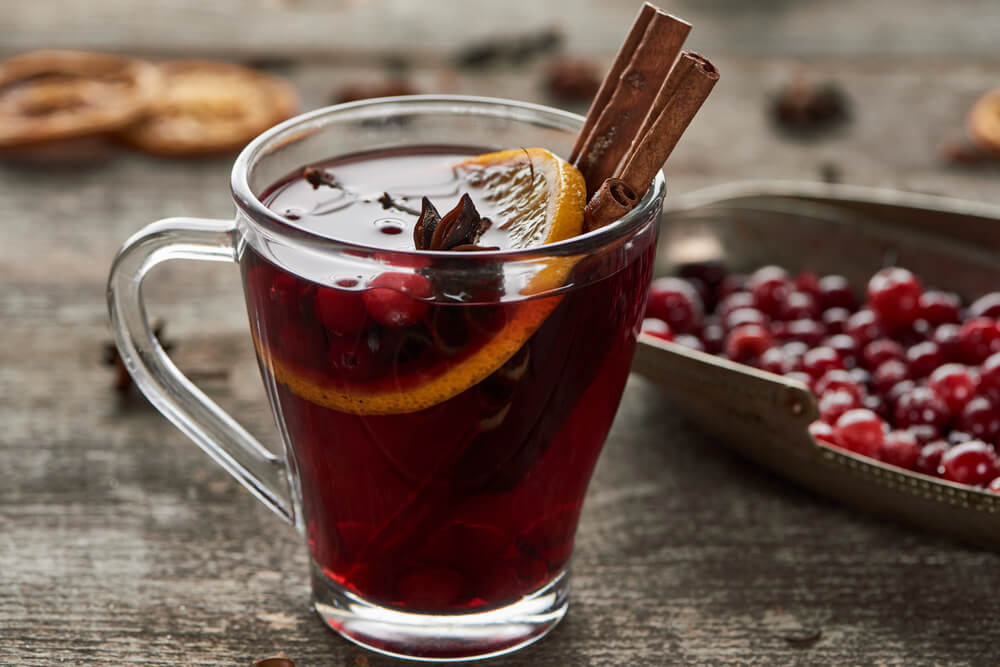
This heavily sweetened juice drink came in single-serving pouches that were a lunch tray staple for years, containing a fraction of a percent of actual juice despite its fruit branding. Its bright red coloring came from artificial dye rather than any real fruit source.
Later reformulations reduced sugar content substantially once schools began requiring closer scrutiny of beverage ingredients.
Bugles
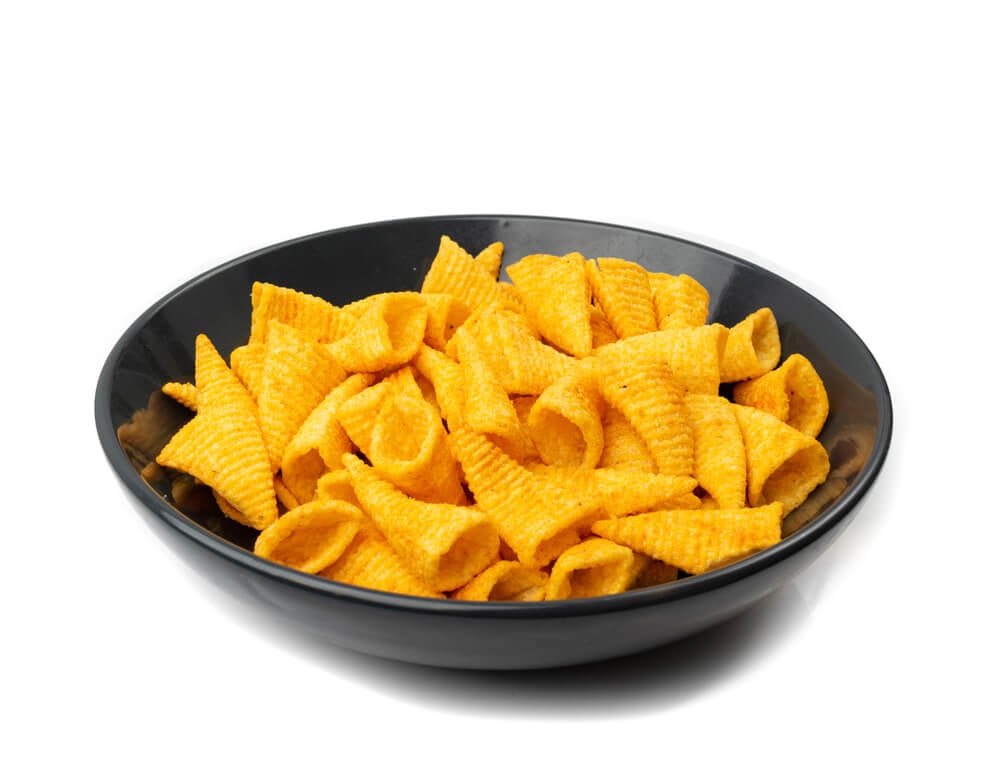
These corn-based, cone-shaped chips were sold in small bags through vending machines, often marketed with a novelty appeal of wearing one on a fingertip before eating it. Their high sodium and fat content per serving made them an easy target once schools began limiting salty snack options.
The shape itself, more than the flavor, was what made them memorable to most kids.
Ring Pops
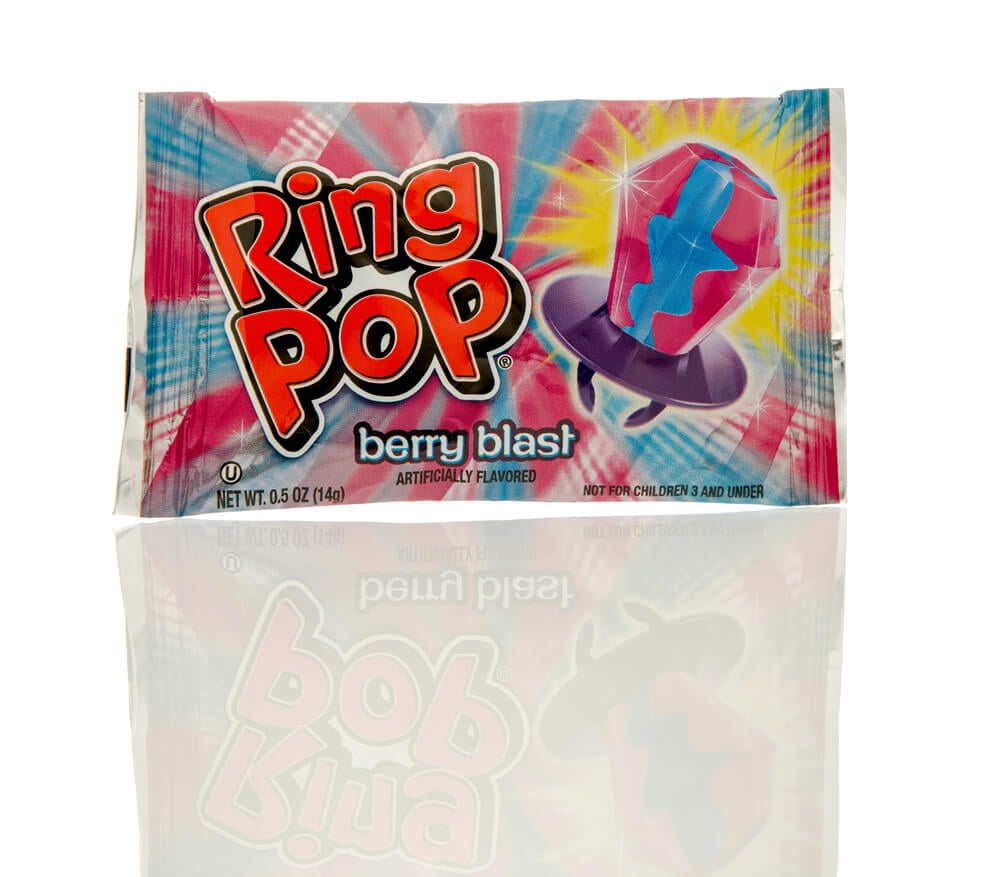
This hard candy shaped like a giant plastic ring was sold at some school stores and cafeteria checkout lines, prized as much for the toy-like ring itself as for the candy. Its slow-dissolving format meant kids could make one last through an entire class period, something teachers were rarely thrilled about.
Later school policies targeting candy sales during instructional hours effectively ended its presence in most buildings.
Suzy Q’s
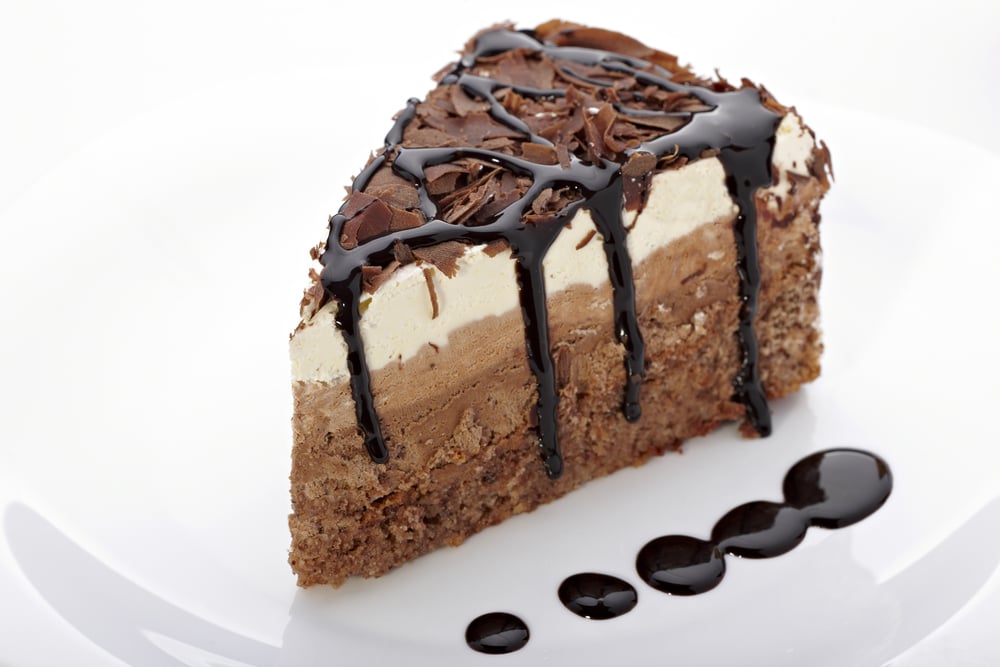
These oblong, cream-filled cakes offered a denser, richer alternative to a Twinkie, sold individually wrapped from the same snack racks as other Hostess products. Their combination of cake and filling packed a calorie count well above what later nutrition standards allowed for an à la carte item.
They are still sold commercially, just no longer through a school cafeteria line.
Wax Bottles
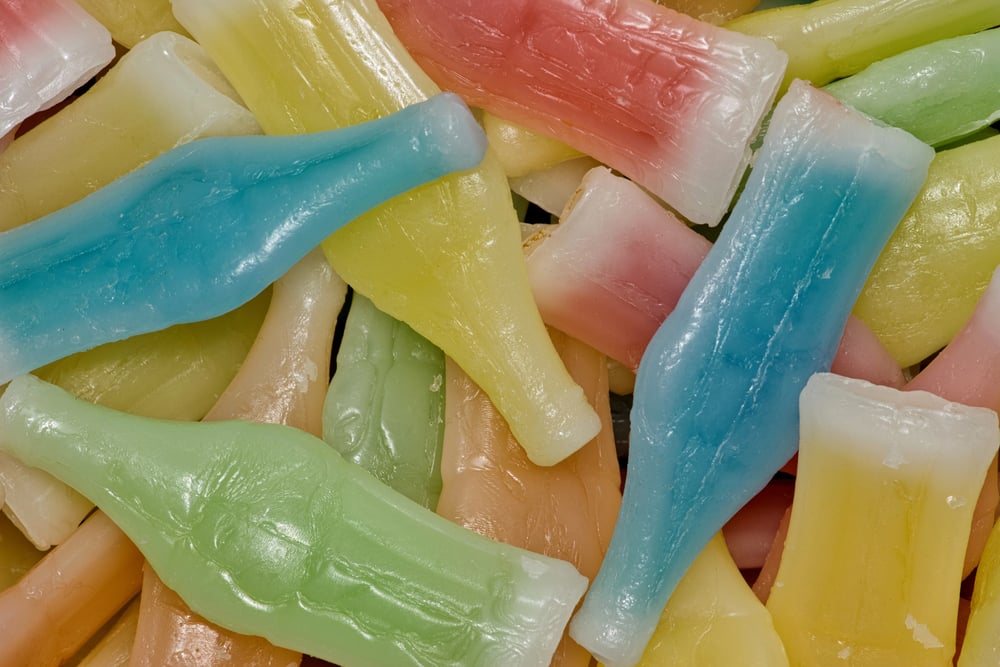
Small wax containers filled with a few drops of sugary liquid, meant to be bitten open and drained before the wax itself was sometimes chewed like gum, were a novelty candy sold at some school stores. The wax itself raised enough safety and choking concerns that most schools phased the product out entirely by the 1990s.
Kids often collected the empty wax shapes rather than throwing them away immediately.
Pop Rocks
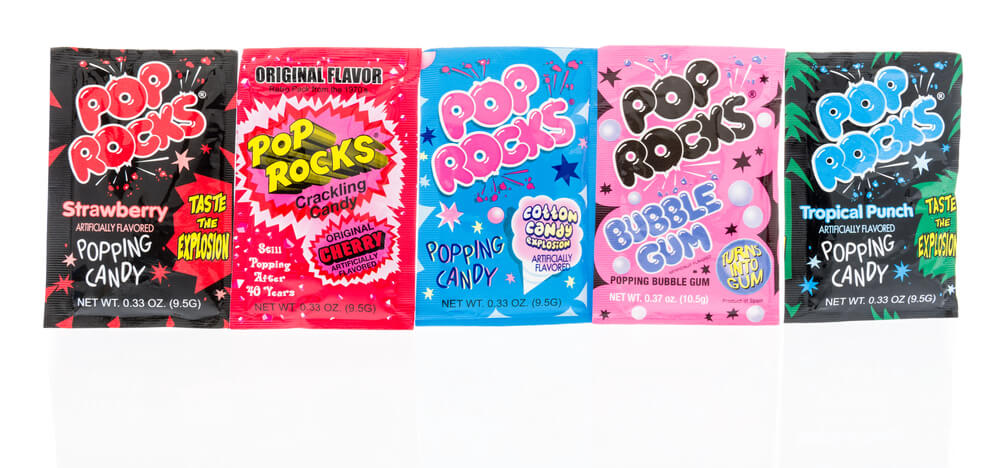
This candy, which crackled and popped on the tongue due to pressurized carbon dioxide trapped inside the sugar crystals, was sold in small packets through school stores and vending areas. An urban legend claiming it could cause a stomach injury when combined with soda followed the product for years, despite being thoroughly debunked.
Its novelty appeal made it one of the more frequently confiscated candies in classrooms.
Zebra Cakes
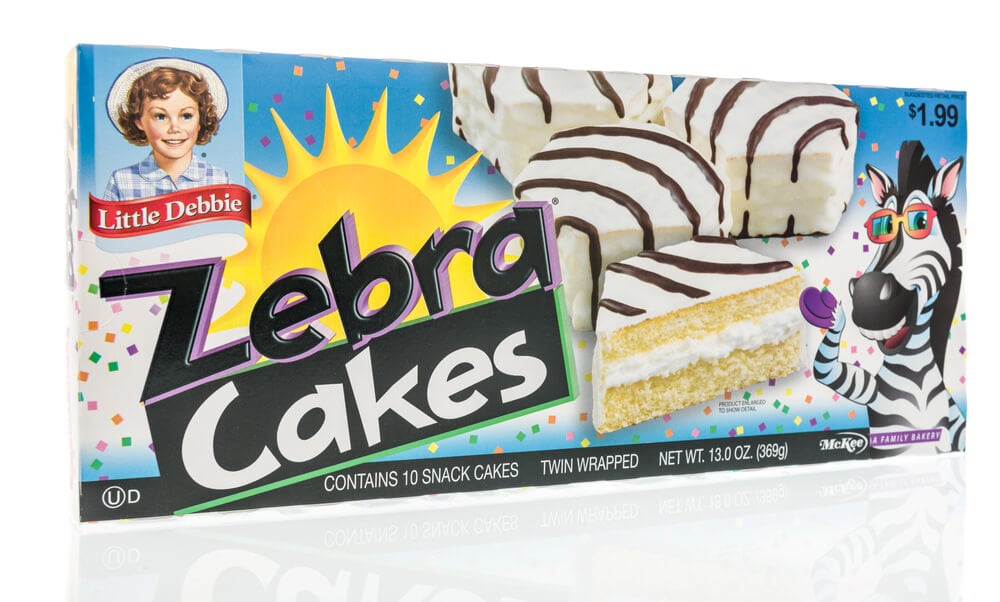
These striped, cream-filled snack cakes were a Little Debbie staple in vending machines, offering a sugar and fat profile similar to other packaged cakes of the era. Their bright white icing with dark stripes made them instantly recognizable from across a cafeteria.
They remain a grocery store item today, just removed from most school nutrition programs.
Fruit Roll-Ups
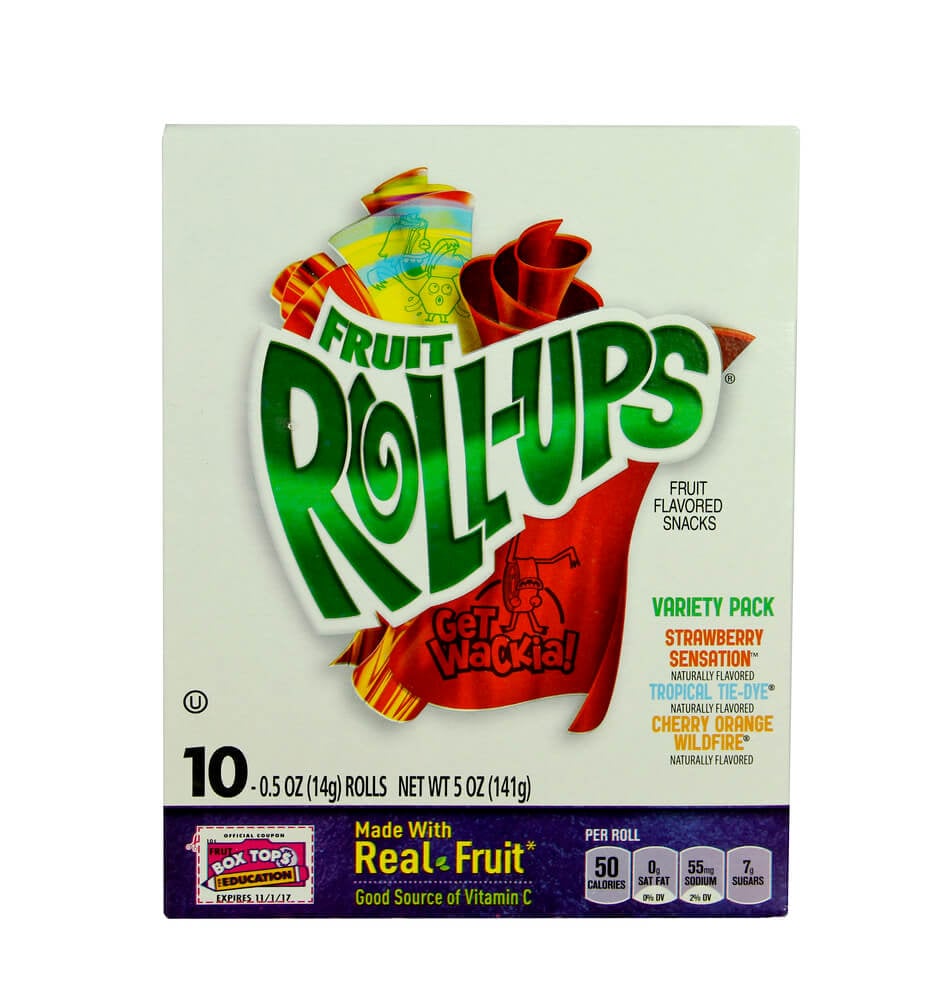
These thin, fruit-flavored sheets rolled around a sheet of plastic backing were marketed as a fruit snack despite containing minimal actual fruit content and a significant amount of added sugar. Cafeterias sold them individually as an easy grab-and-go dessert option for years.
Later labeling requirements forced a closer look at how “fruit” could legally be used to describe a mostly sugar-based product.
Cheetos Paws
A shaped variant of the standard cheese puff, designed to look like a small paw print, was sold in vending machines alongside standard bagged chips. Its sodium content matched other cheese-flavored snacks of the era, which later fell under stricter school vending guidelines.
The paw shape was largely a marketing gimmick rather than any change to the underlying snack.
Now and Later
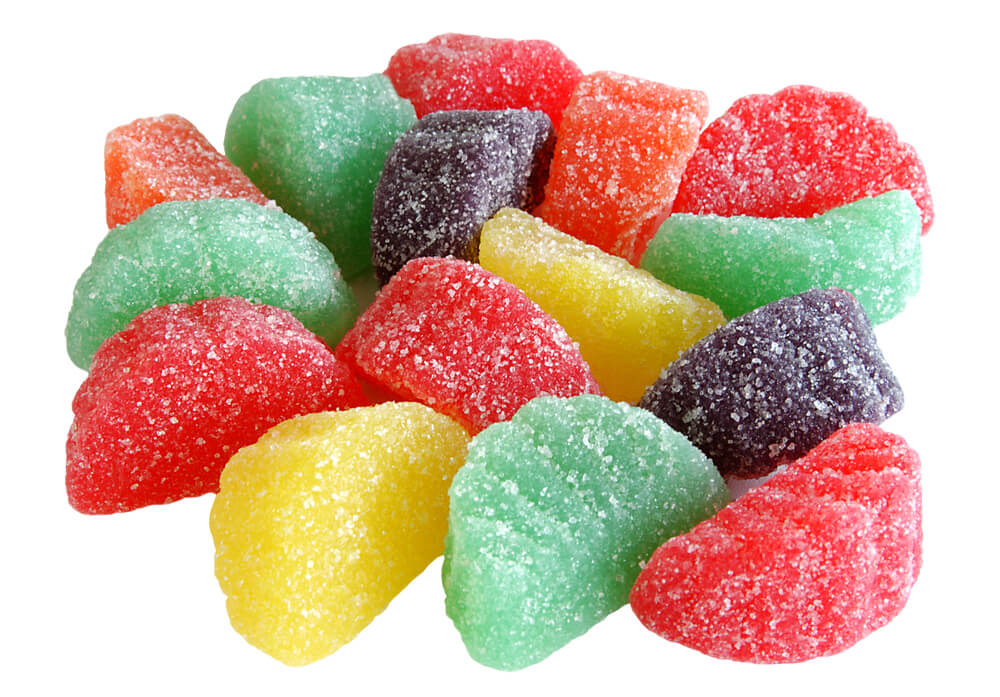
This chewy, fruit-flavored candy came in individually wrapped squares sold at school stores, known for a texture firm enough to last through an entire class period if rationed carefully. Its long shelf life and cheap unit cost made it a common bulk purchase for school fundraisers as well as direct sales.
Some flavors were eventually reformulated after concerns were raised about certain artificial coloring agents.
Andy Capp’s Hot Fries
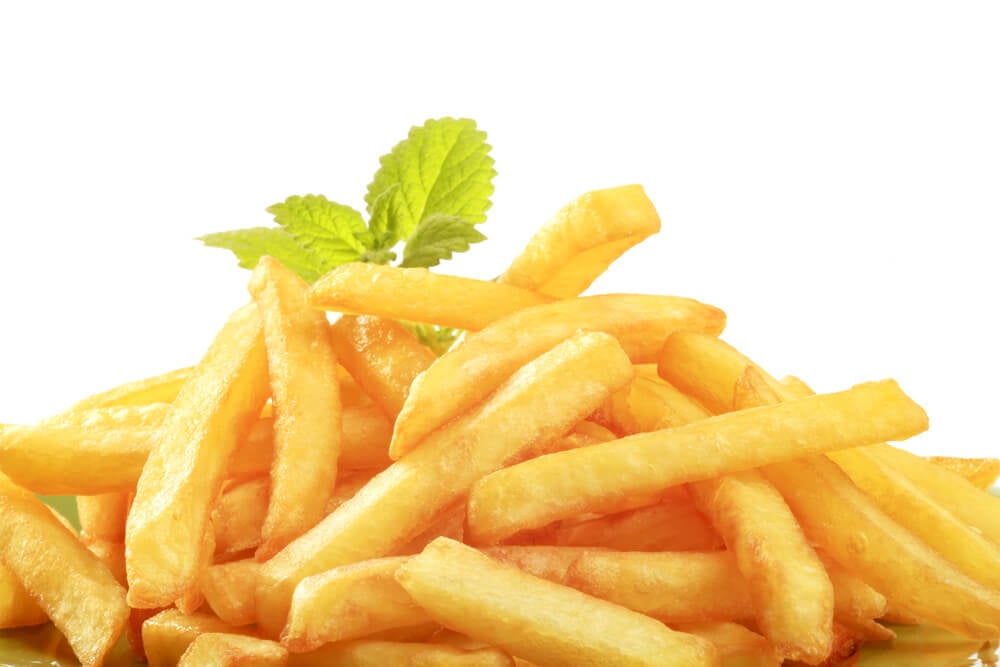
These extra-spicy, cheese-puff-textured corn snacks were sold in small bags through vending machines, known for a heat level that far exceeded most other cafeteria snack options. Their high sodium content made them one of the more frequently cited examples when schools began reviewing vending machine contracts.
The bright red bag made them instantly recognizable on any snack rack.
Astro Pops
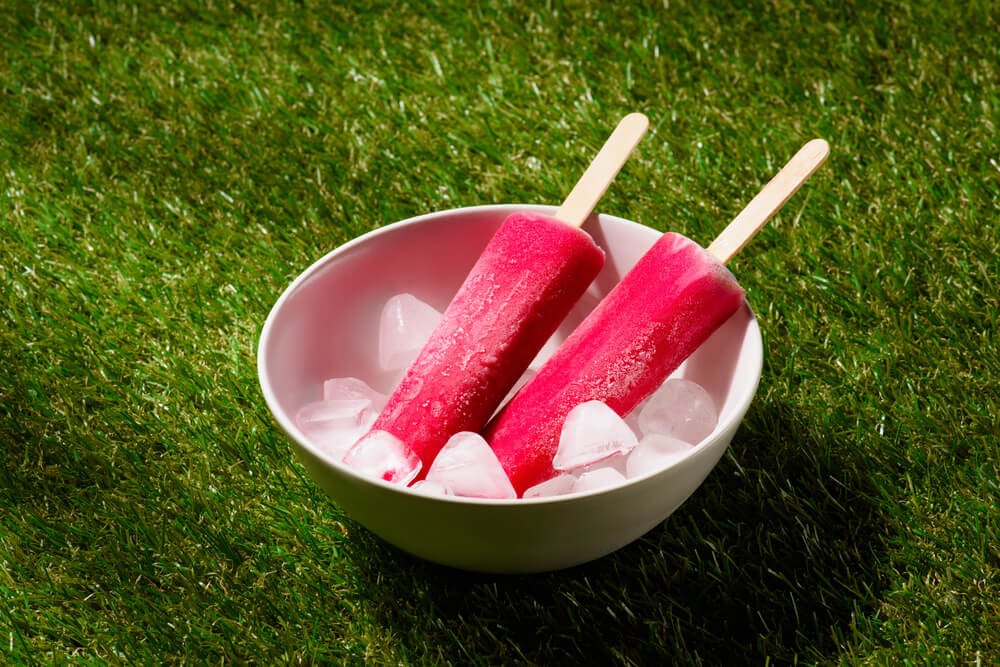
This tall, layered, cone-shaped lollipop was sold at school stores for its novelty shape as much as its flavor, taking far longer to finish than a standard piece of hard candy. Its size and shape occasionally caused concern among teachers worried about choking hazards during class time.
The original manufacturer discontinued the classic shape for a period before a revival brought it back to some retail shelves.
Chocolate Milk with Added Syrup
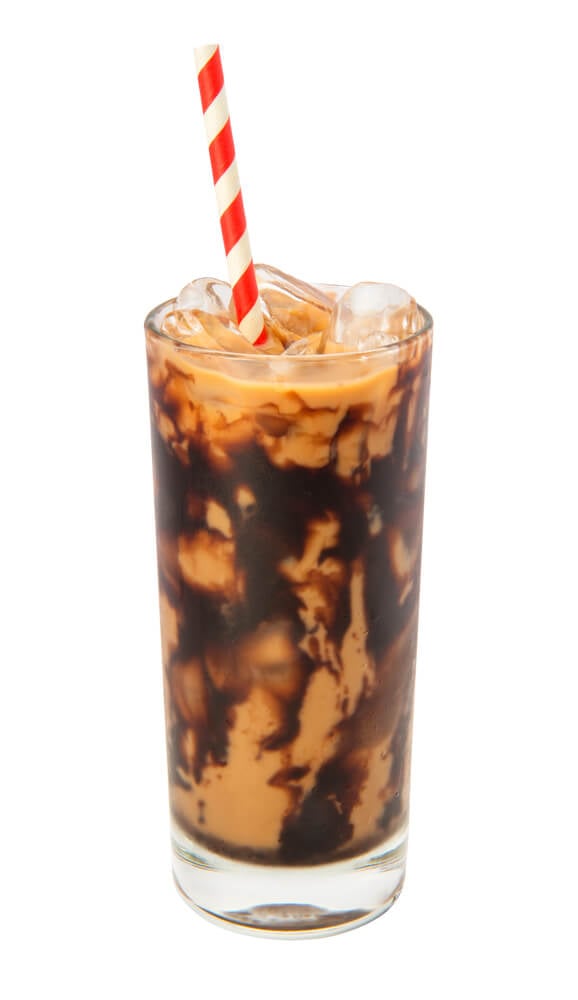
Beyond the standard chocolate milk carton, some cafeterias offered a squeeze bottle of chocolate syrup at the beverage station, letting kids add extra sugar on top of an already sweetened drink. This self-serve syrup station largely disappeared once schools began tracking added sugar content in beverages served alongside meals.
A carton of plain milk doctored with several extra pumps of syrup was common enough to be considered normal at the time.
Combos
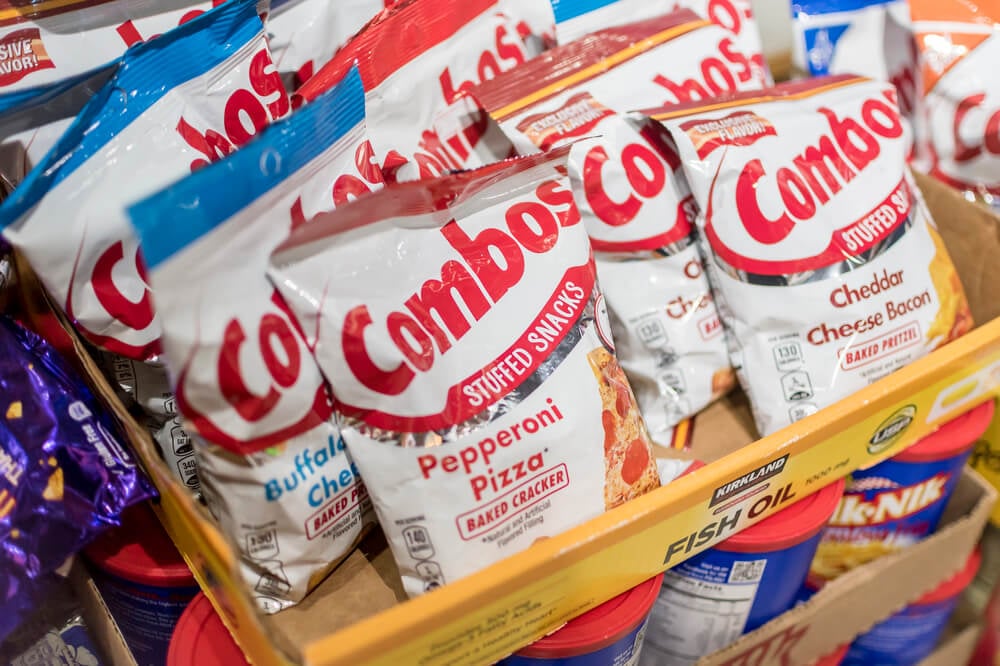
These pretzel or cracker shells filled with a cheese or pizza-flavored paste center were a vending machine staple, offering a salty, calorie-dense snack in a shelf-stable format. Their sodium content per serving matched or exceeded many chip products that later faced vending restrictions.
The filled-shell format made them stand out from standard bagged chips on any snack rack.
Jolly Rancher Stix
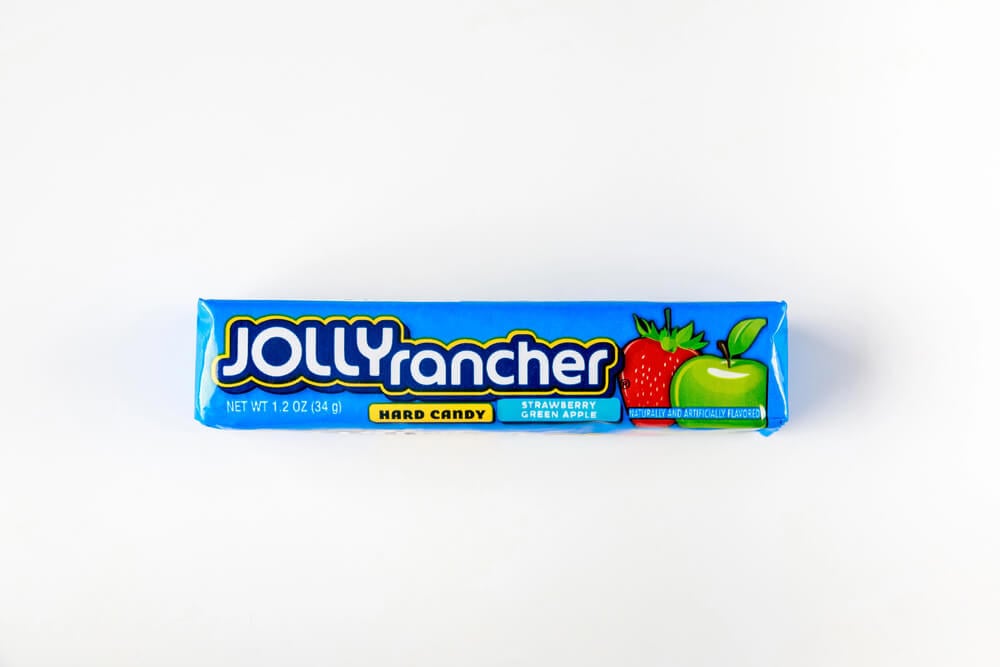
A chewy, stick-shaped variant of the classic hard candy brand was sold through school stores, offering the same intense fruit flavoring in a softer, longer-lasting format. Its high sugar content per piece matched the standard hard candy version.
The stick shape made it easier to share a single piece among friends, splitting it in half at the perforated middle.
Kool-Aid Bursts
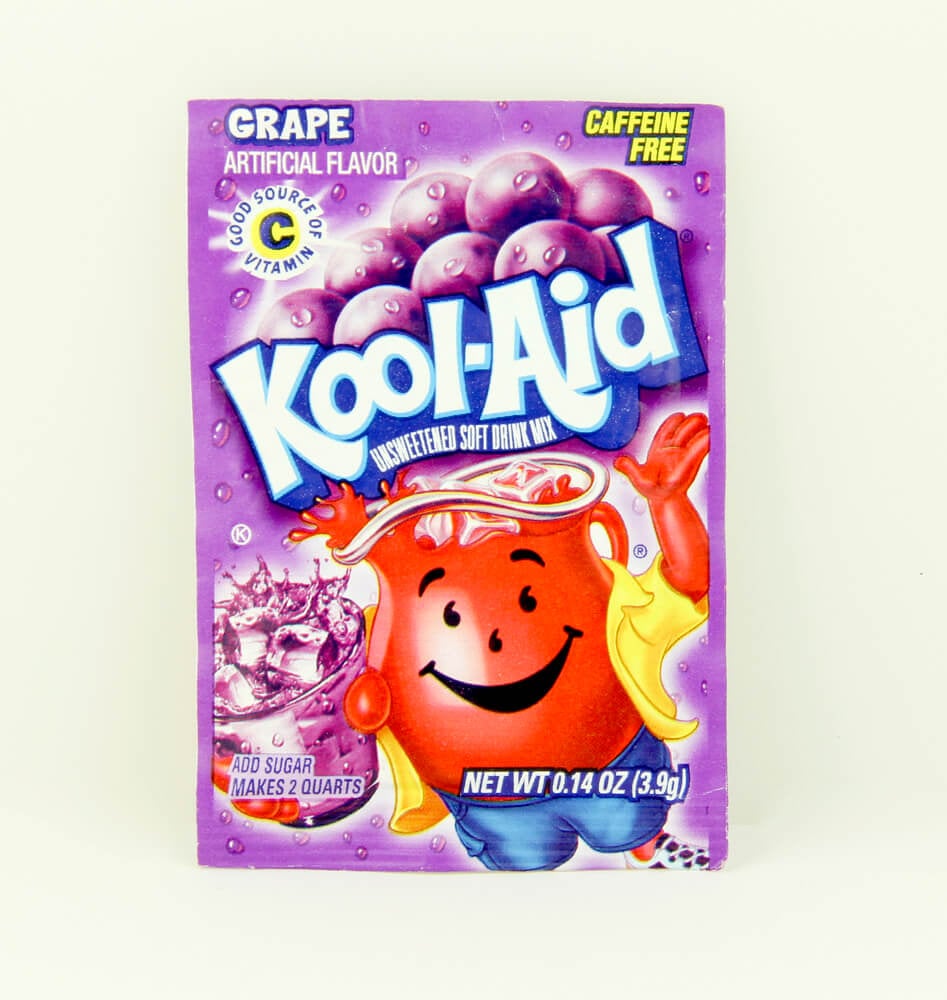
These small, brightly colored bottles of pre-mixed Kool-Aid were sold as a grab-and-go beverage option, containing a level of added sugar and artificial dye that later beverage guidelines specifically targeted. Their compact, resealable bottle made them a popular lunch tray purchase compared to a standard juice box.
Several of the original flavors were later reformulated to remove specific dyes following public pressure.
Chex Mix Bold Party Blend
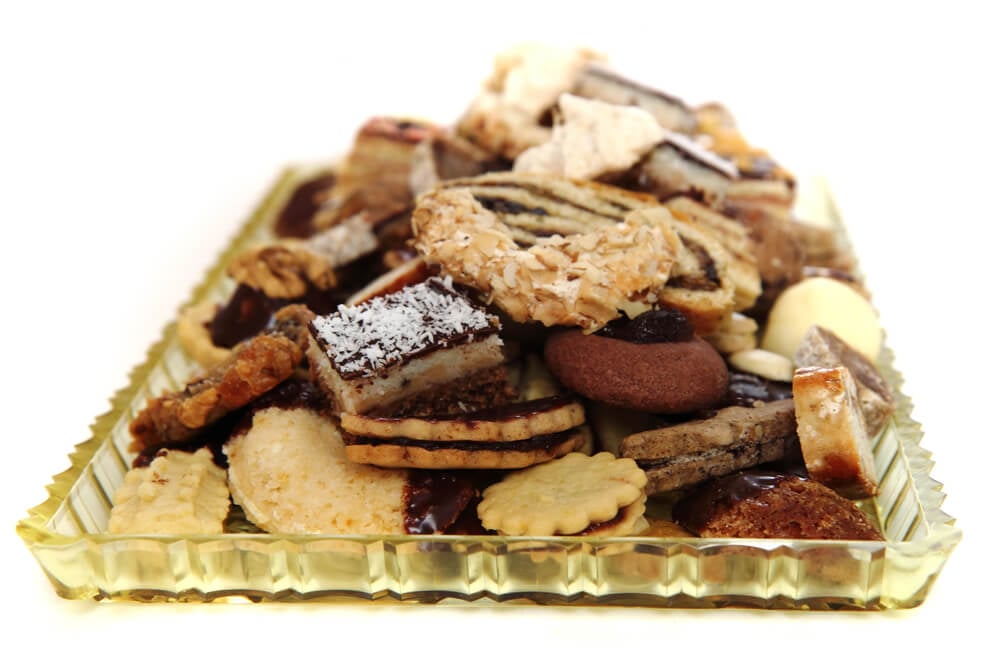
A spicier variant of the standard snack mix was sold in individual bags through vending machines, distinguished by a seasoning blend heavier on sodium than the standard version. Its bold flavoring made it popular among older students looking for something outside the usual sweet snack options.
The individual bag format made portion control largely theoretical, since most students finished the entire bag in one sitting.
Munchos
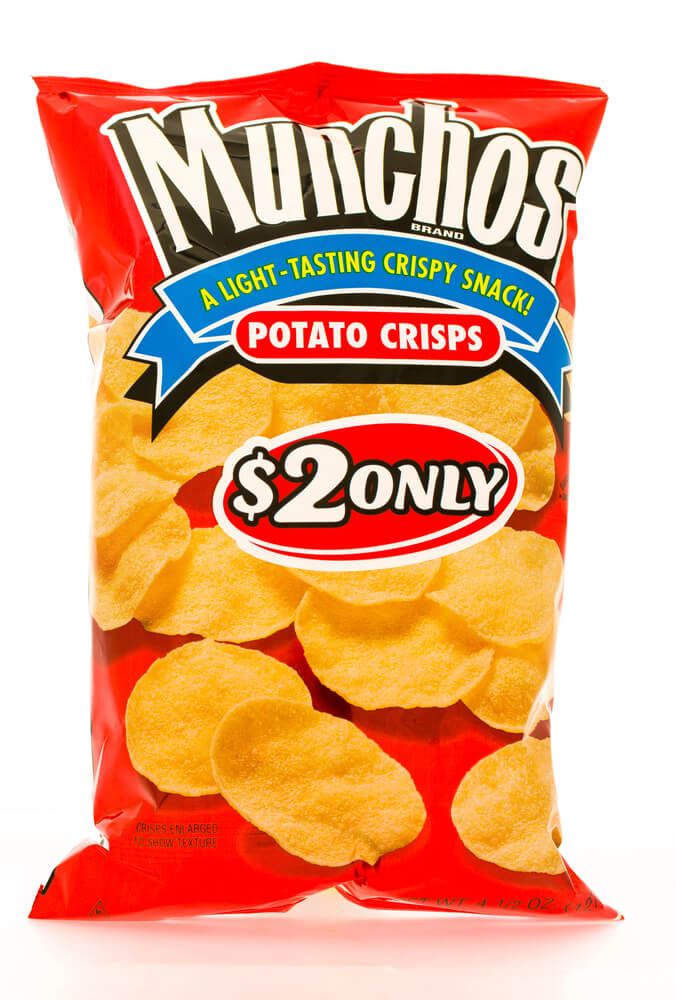
These thin, crisp potato snacks offered a different texture from a standard chip, sold in small bags through the same vending channels as other salty snacks. Their high fat content per serving, achieved through a specific frying process, made them a target once schools began restricting fried snack options.
The brand persisted on regular retail shelves well after its school presence ended.
Nerds Rope
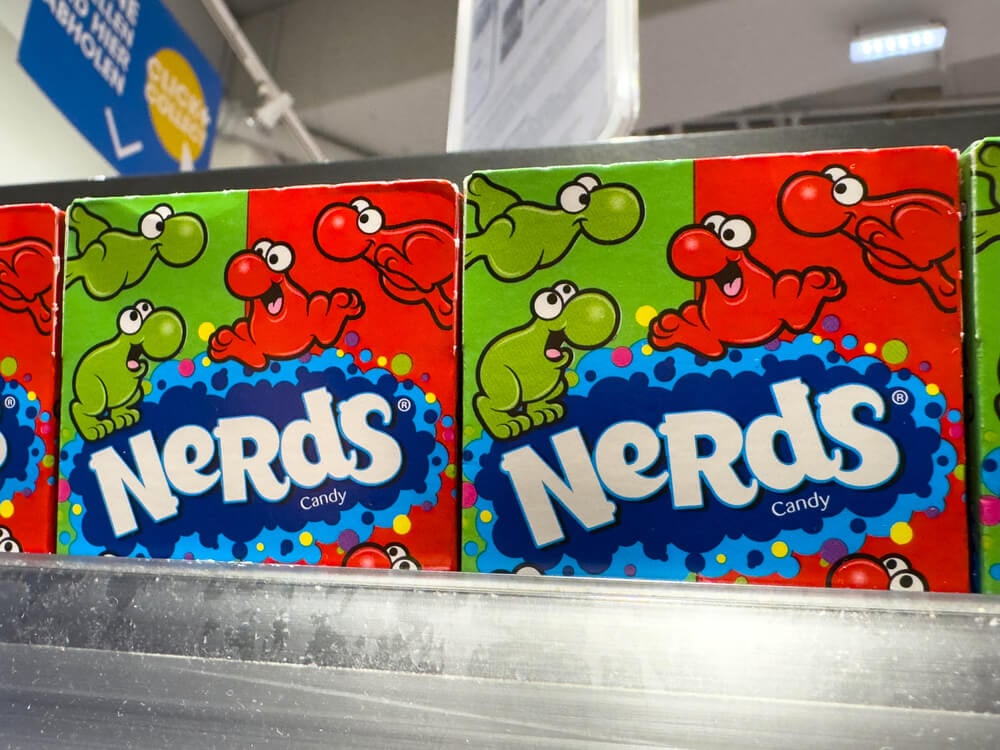
A rope-shaped gummy candy coated in the brand’s signature tiny, crunchy candy pieces was sold at school stores, offering a longer-lasting alternative to the standard boxed version of the candy. Its combination of gummy and hard candy textures made it a favorite despite an extremely high sugar content per serving.
The rope format made it easy to share by tearing off a piece for a friend.
Twinkies
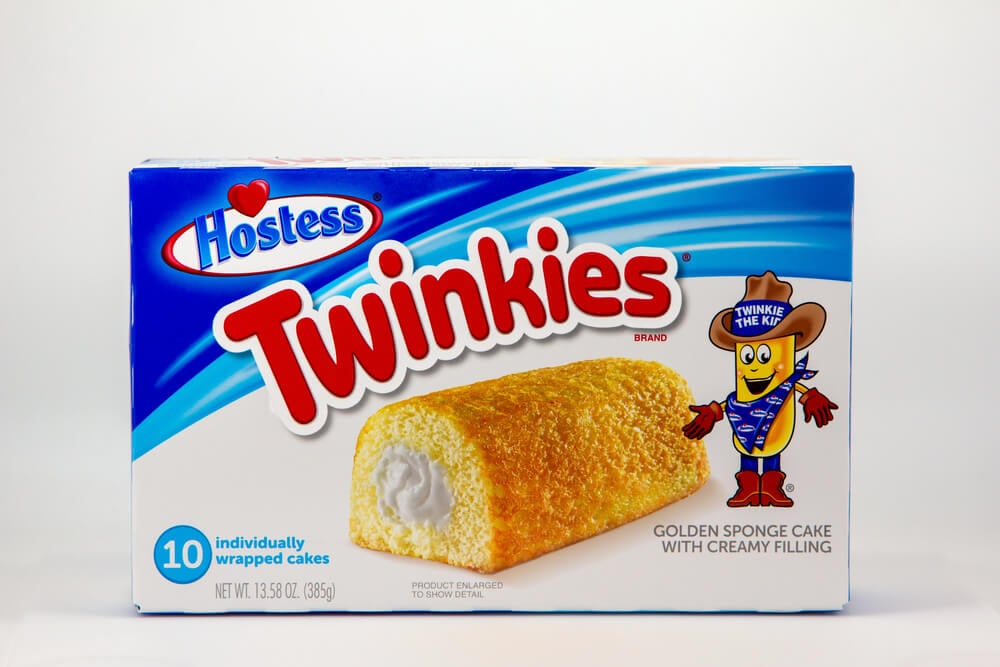
Perhaps the most iconic cafeteria snack cake, this golden sponge cake with a cream filling became a cultural shorthand for processed snack food long before nutrition labeling made its ingredient list a talking point. A well-known myth claimed the product had an almost indefinite shelf life, though its actual expiration window was closer to a few weeks.
It survived a company bankruptcy and brand sale in the 2010s and remains on grocery shelves today, just not on a lunch tray.
Cracker Jack
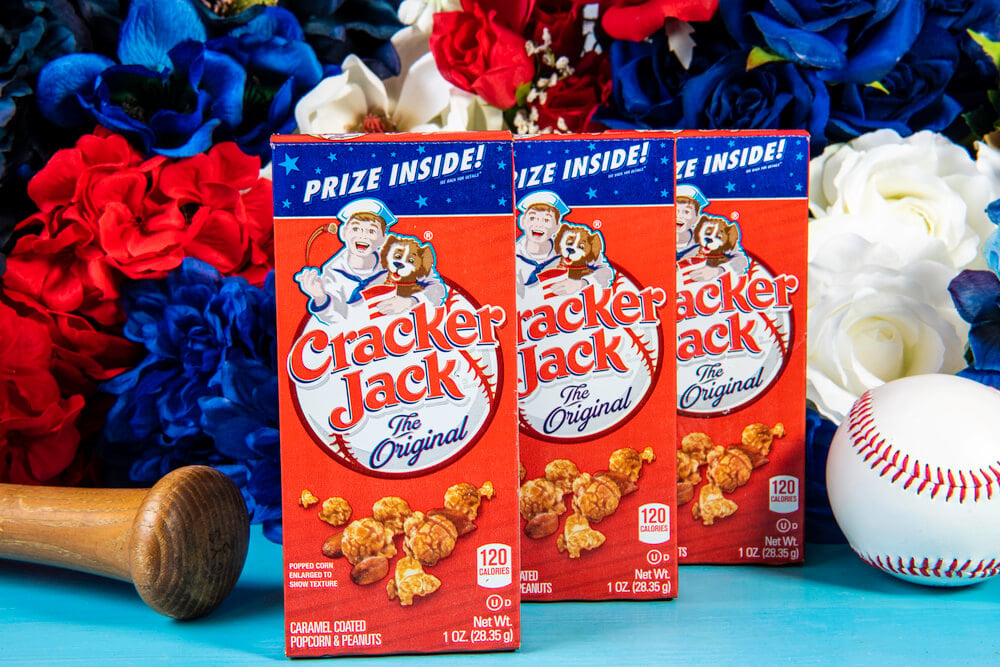
This caramel-coated popcorn and peanut mix, packaged with a small toy prize inside, was sold at some cafeterias as a novelty snack long associated with American sports stadiums. Its sugar coating and small prize made it popular enough that kids sometimes traded the toys separately from the snack itself.
Later versions replaced physical toy prizes with paper temporary tattoos due to choking concerns.
Screaming Yellow Zonkers
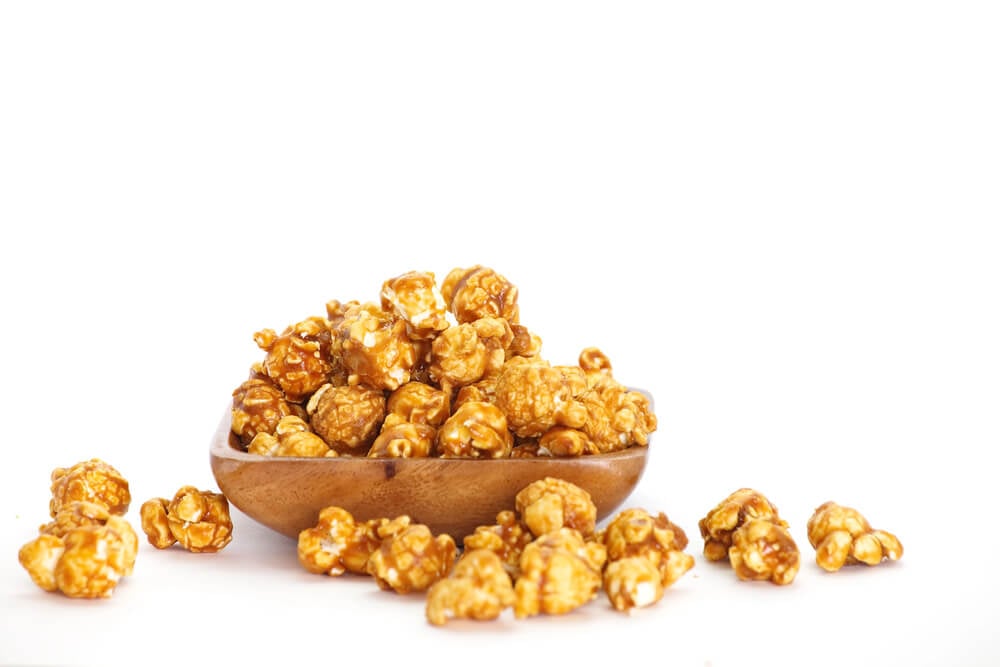
This caramel-coated popcorn snack, sold in a bright yellow bag with an intentionally strange brand name, was a short-lived cafeteria and vending machine item known more for its packaging than its actual flavor. Its high sugar coating placed it firmly in the category later targeted by school nutrition reform.
The brand was eventually discontinued entirely, making surviving bags a minor nostalgia collectible today.
Choco Tacos
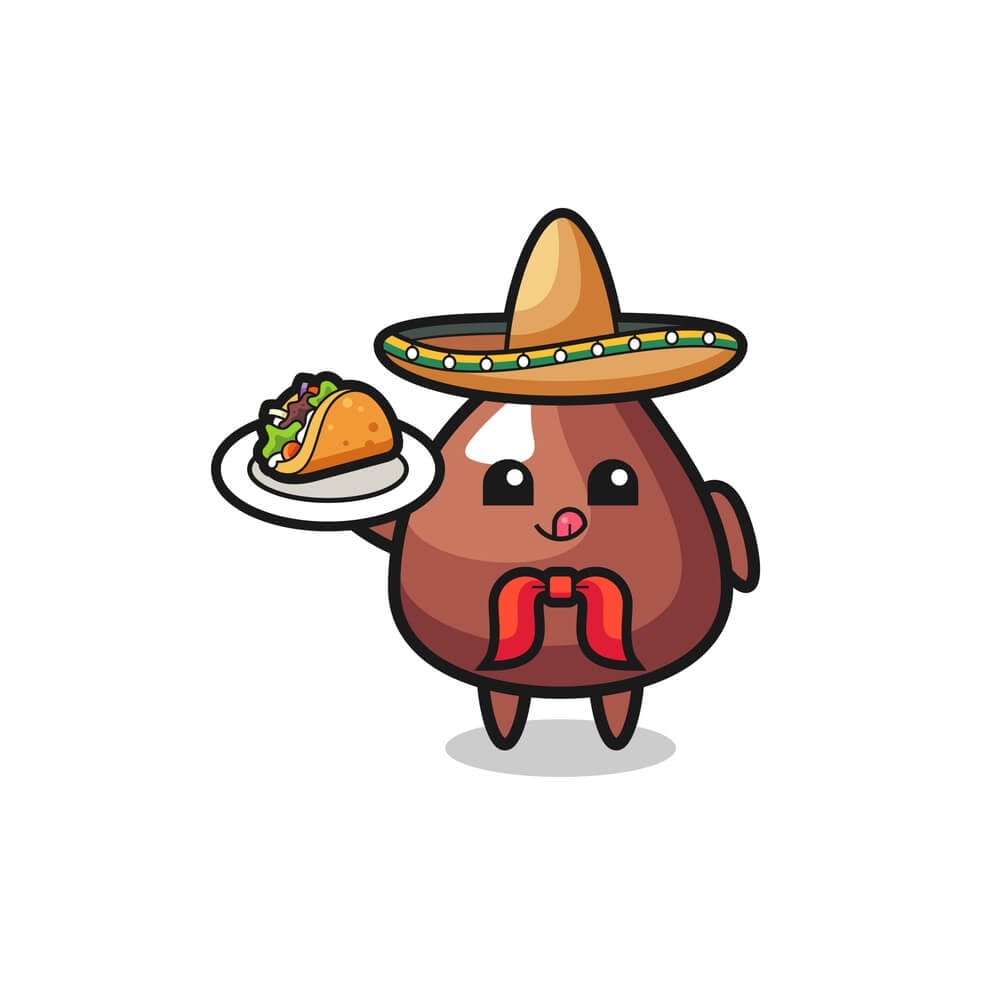
This taco-shaped ice cream treat, made of a waffle cone shell filled with ice cream and dipped in a chocolate coating, was sold from cafeteria freezers as a specialty dessert option. Its high fat and sugar content per serving made it an easy target once à la carte dessert sales came under closer review.
The product was discontinued by its original manufacturer in 2022, ending a run that stretched back to the 1980s.
Cosmic Brownies
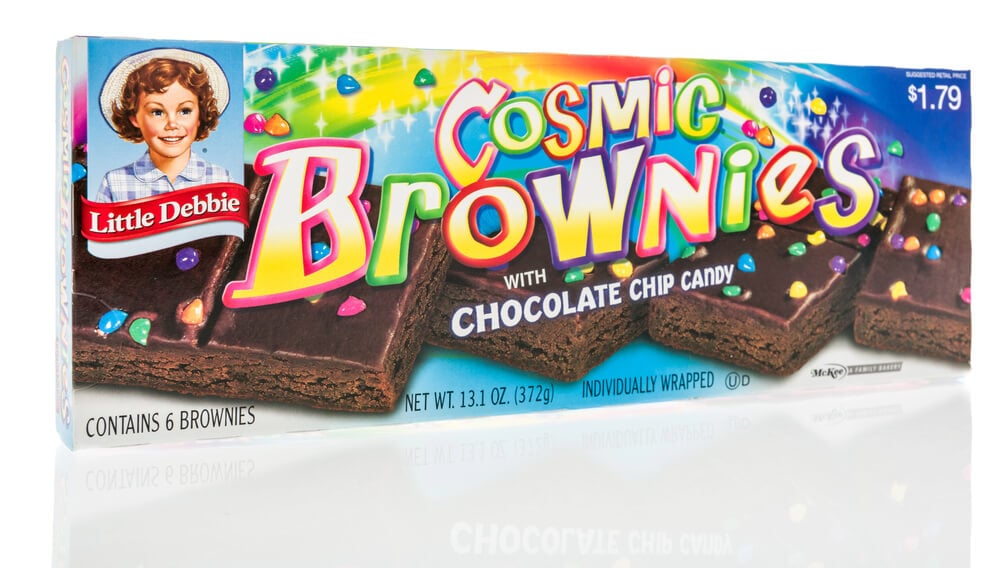
These fudge brownies topped with a thick layer of chocolate icing and rainbow sprinkles were sold individually wrapped through vending machines and à la carte lunch lines. Their calorie and sugar content per serving far exceeded what later school dessert guidelines allowed for a single purchase.
The bright, candy-covered topping made them one of the most visually distinctive items on any snack rack.
Push Pops
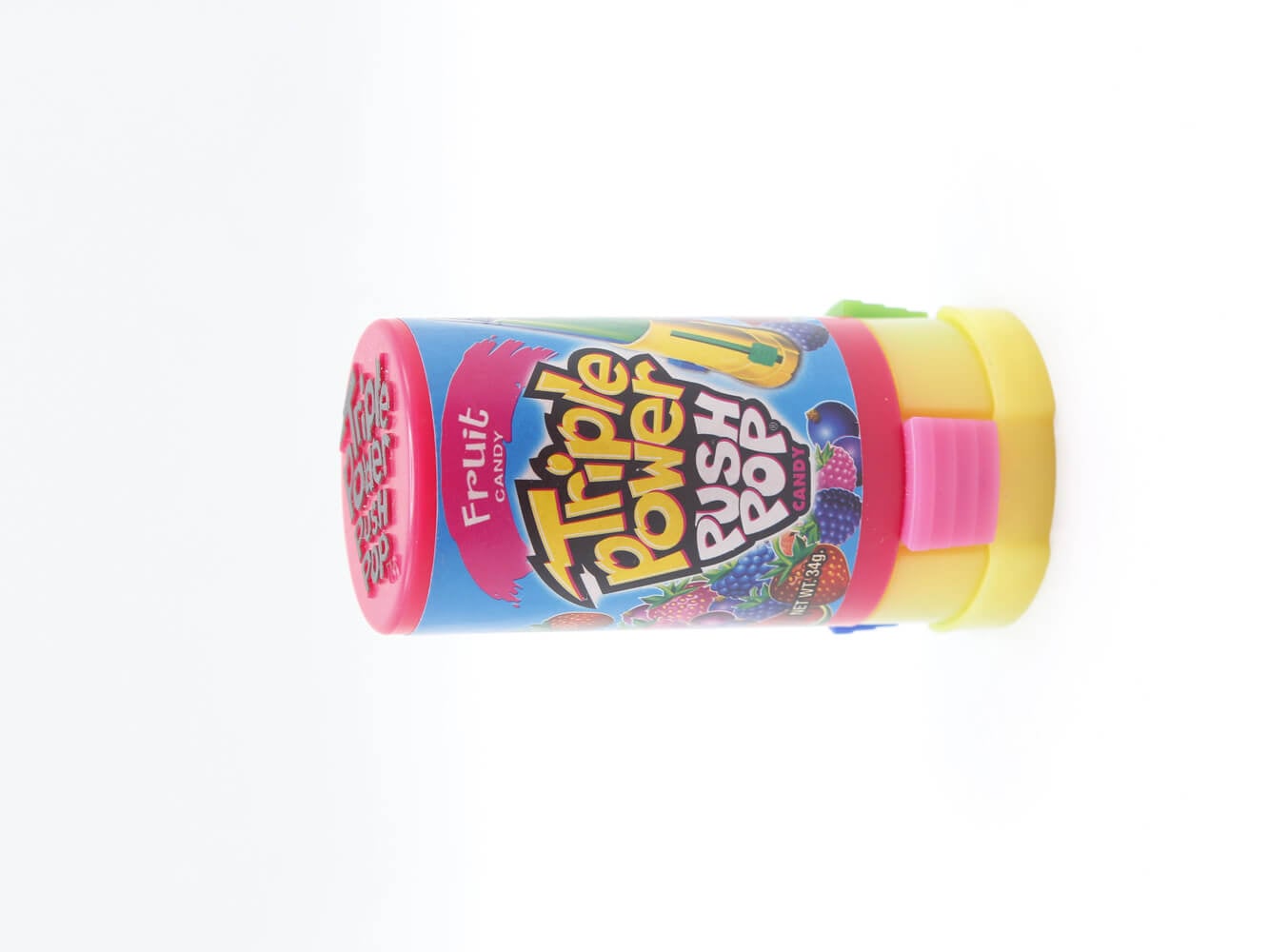
This lollipop, dispensed by pushing candy up through a plastic tube rather than unwrapping it, was sold at school stores as a mess-free alternative to a standard sucker. Its resealable design meant kids often saved half for later, tucking the tube into a pocket for the rest of the school day.
The format made it one of the more frequently confiscated candies during class time, since it was easy to conceal.
Bubblicious
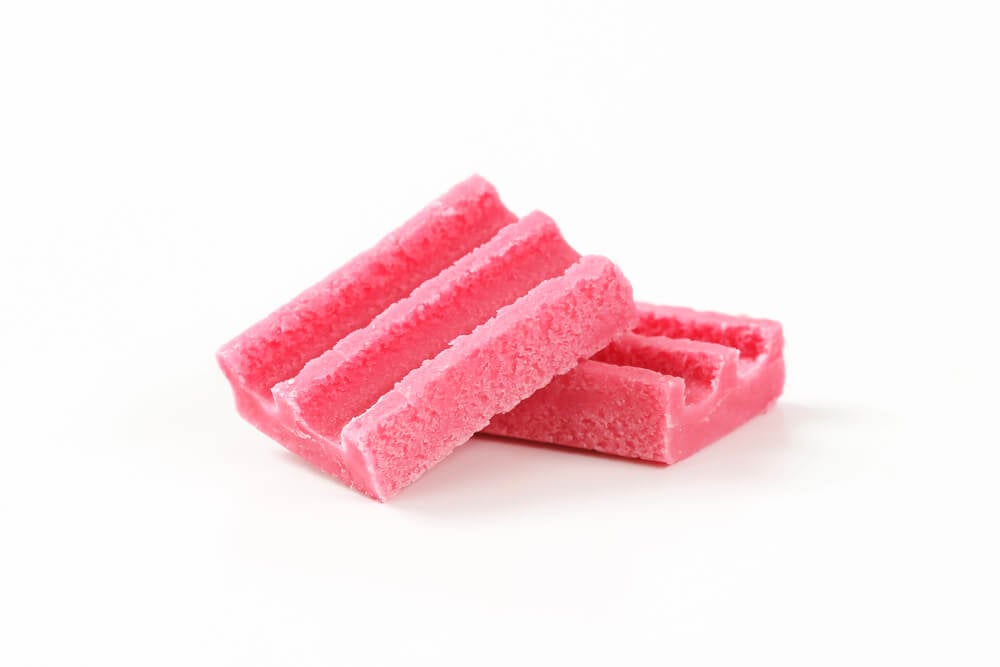
This extra-soft bubble gum, marketed specifically around its bubble-blowing size and durability, was sold individually at school stores in wrapped chunks. Its high sugar content and the sheer amount of gum chewing it encouraged made it an easy target once schools began restricting gum sales entirely.
Several flavors leaned into artificial fruit profiles that bore little resemblance to any actual fruit.
Warheads
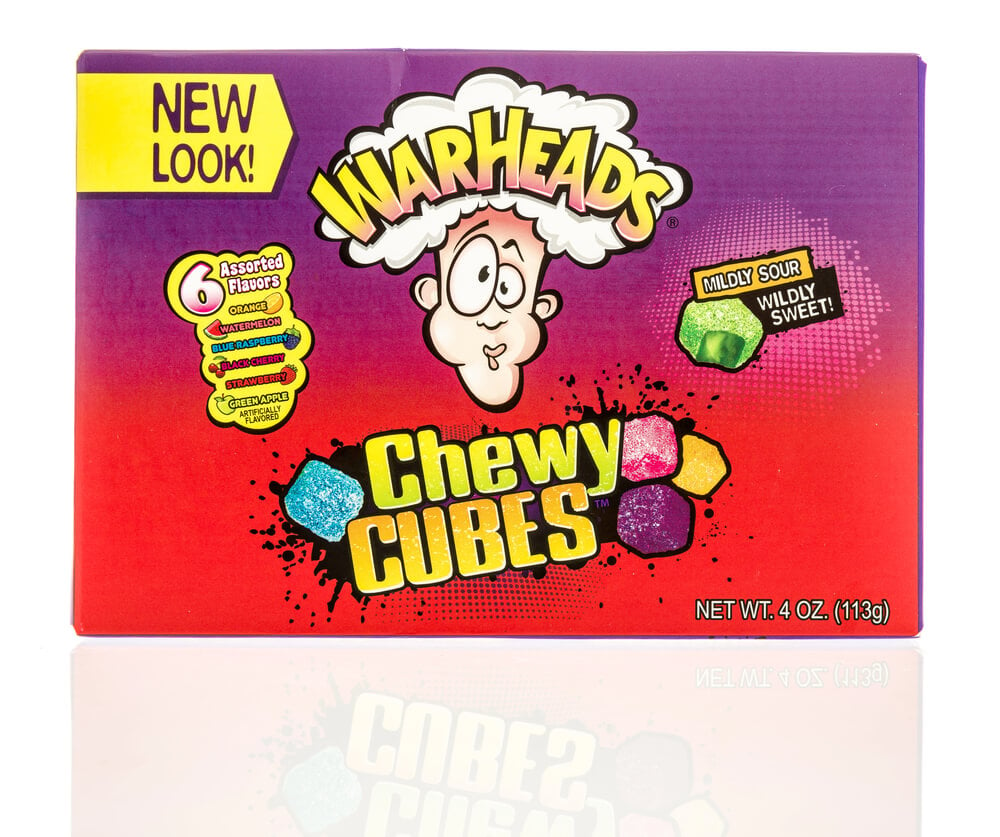
These intensely sour hard candies were sold at school stores, known for a flavor so strong that reactions to eating one became a genuine form of playground entertainment. Their extreme sourness came from a heavy citric acid coating that some schools cited as a reason for limiting sales, alongside general sugar content concerns.
A milder, less sour reformulation followed years later aimed at a younger audience.
What Got Left on the Tray

Every one of these snacks disappeared for the same basic reason: someone eventually measured what was actually in them and decided a school cafeteria wasn’t the right place to sell it. The change didn’t happen all at once, but rather through a slow accumulation of nutrition standards that finally caught up to a food supply built for shelf life and flavor rather than anything resembling a balanced meal.
What’s interesting is how much affection survives the removal. Almost nobody defends the actual nutrition profile of these snacks, yet the memory of buying one with lunch money still carries a specific kind of warmth that a modern, compliant substitute rarely earns.
The cafeteria changed for good reason, but it clearly took something with it.
More from Go2Tutors!

- The Romanov Crown Jewels and Their Tragic Fate
- 13 Historical Mysteries That Science Still Can’t Solve
- Famous Hoaxes That Fooled the World for Years
- 15 Child Stars with Tragic Adult Lives
- 16 Famous Jewelry Pieces in History
Like Go2Tutors’s content? Follow us on MSN.