27 Historical Photos Held Back for Decades Before Release
Some images are dangerous the moment they exist. Governments, institutions, and even the photographers themselves have sat on pictures for years, sometimes generations, before the public ever saw them.
The reasons vary: military secrecy, personal grief, legal caution, or plain embarrassment. In every case, the delay itself became part of the photograph’s story, changing how it was understood once it finally reached daylight.
The Zapruder Film of the Kennedy Assassination
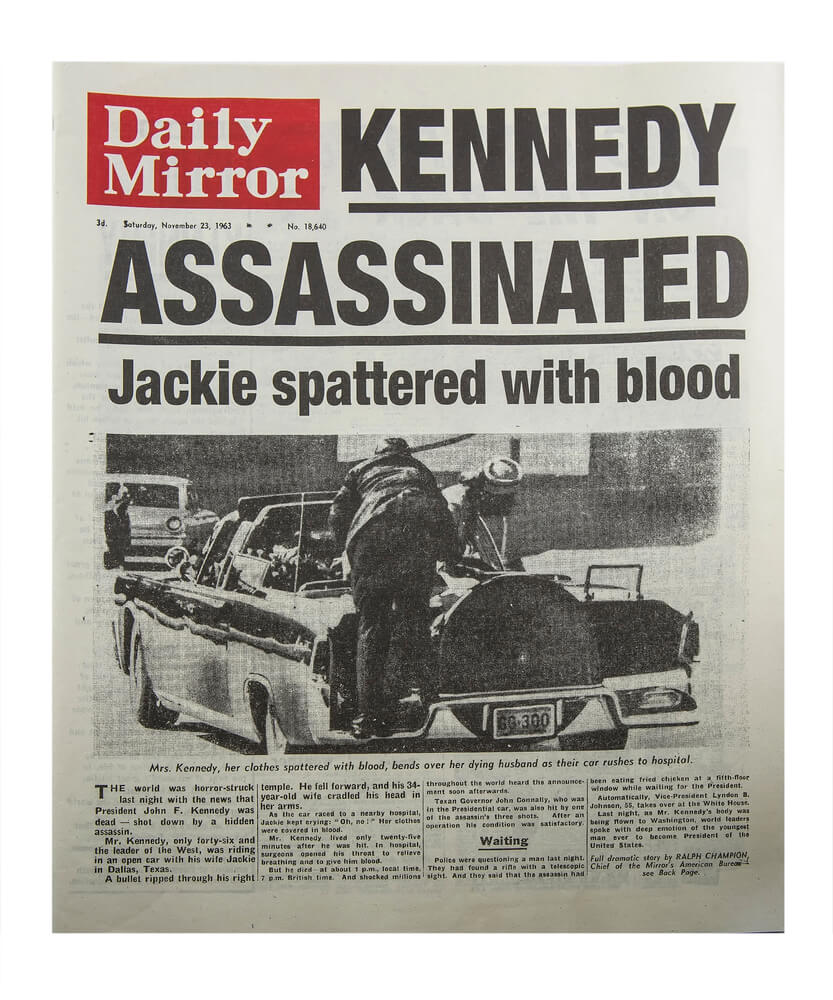
Abraham Zapruder’s home-movie footage of President Kennedy’s assassination in Dallas was acquired by Life magazine within days and restricted from full public broadcast for more than a decade. Only isolated frames appeared in print during the 1960s, feeding endless speculation about what the missing footage actually showed.
The complete film was not broadcast on American television until 1975, when Geraldo Rivera aired it on the late-night program Good Night America. Its delayed release reshaped public skepticism about the official investigation into the shooting.
Dorothea Lange’s Japanese American Internment Photographs
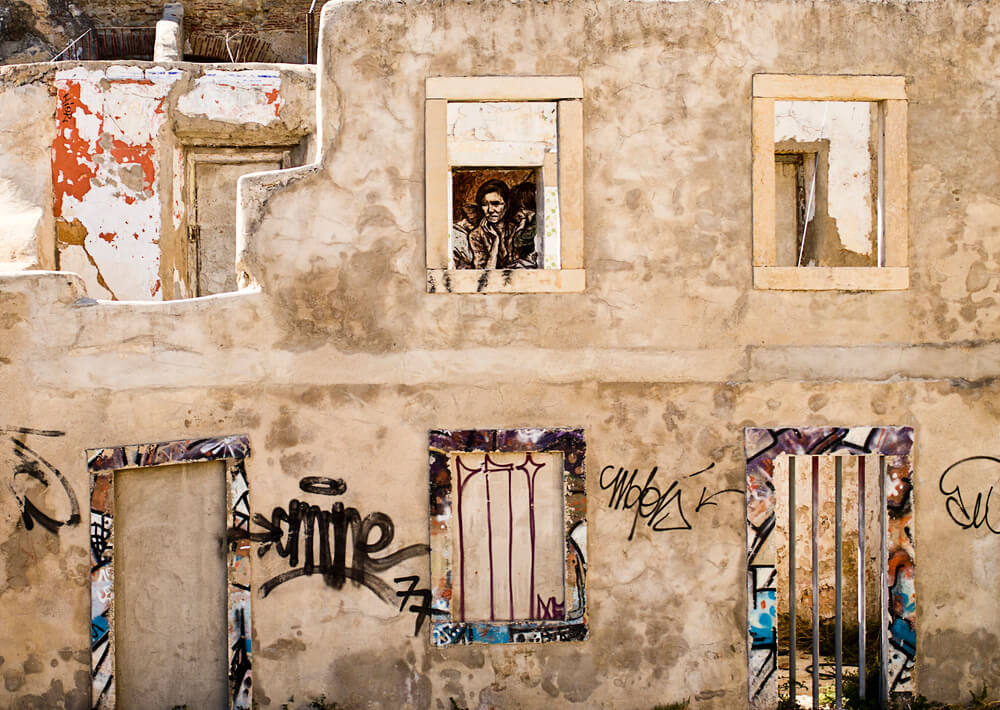
Dorothea Lange was hired by the War Relocation Authority in 1942 to document the removal of Japanese Americans to incarceration camps, but the federal government judged her images too damning to release. Officials impounded the photographs and placed them under embargo for thirty years, banning her from even photographing barbed wire or armed guards.
The collection was not shown publicly until 1972, in the traveling exhibition Executive Order 9066. By then, Lange herself had been dead for seven years and never saw her own work reach an audience.
Yosuke Yamahata’s Nagasaki Photographs
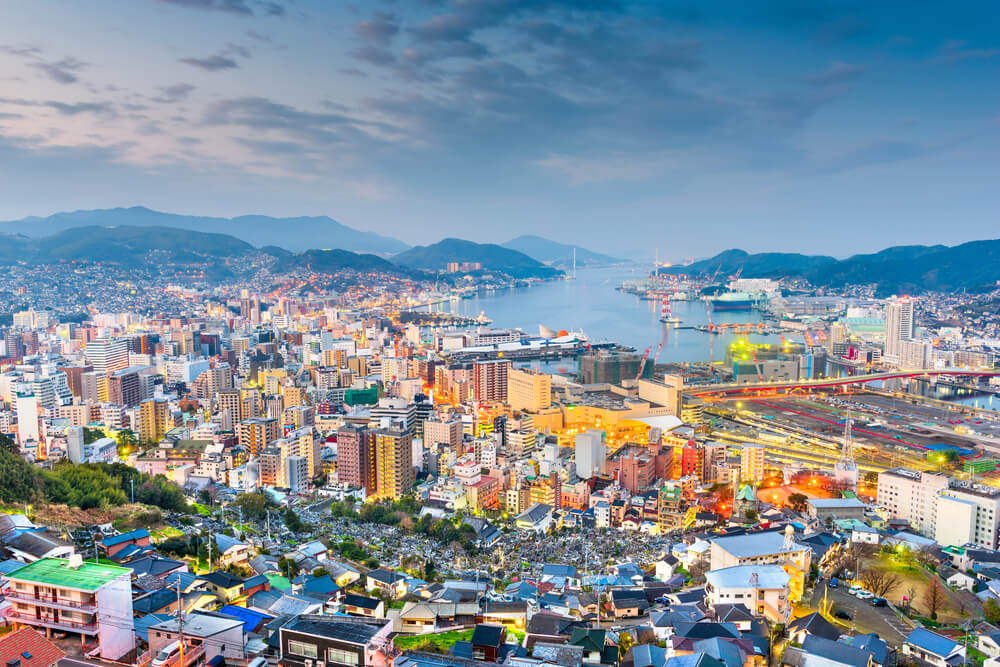
Japanese military photographer Yosuke Yamahata entered Nagasaki the day after the atomic bombing in August 1945 and produced one of the only extensive photographic records of the immediate aftermath. Occupation authorities censored the images, and most of the roll went unpublished for years under restrictions on material depicting the bomb’s human toll.
A significant selection did not appear in an American publication until Life magazine printed them in 1952, seven years after they were taken. The delay meant an entire generation formed its understanding of the bombing from a handful of officially approved images instead of Yamahata’s ground-level record.
United States Military Footage of Hiroshima and Nagasaki
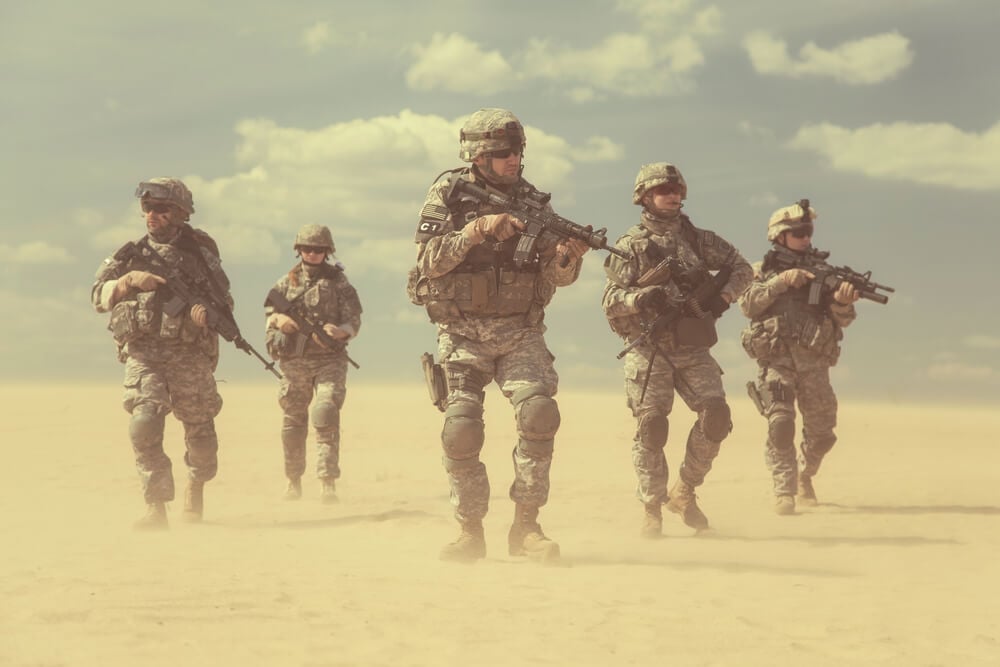
Beyond still photography, American military and captured Japanese newsreel crews shot extensive film of the human devastation in both bombed cities. That footage was seized and classified almost immediately, and for twenty-five years the public saw only a narrow set of approved images: a mushroom cloud, flattened buildings, an empty landscape.
The footage was not compiled and broadcast until the 1970 documentary “Hiroshima-Nagasaki, August 1945,” which drew on material the Pentagon had kept locked away since the war’s end. Historians have argued the suppression shaped decades of sanitized public memory about the bombings.
Diane Arbus’s Unpublished Negatives
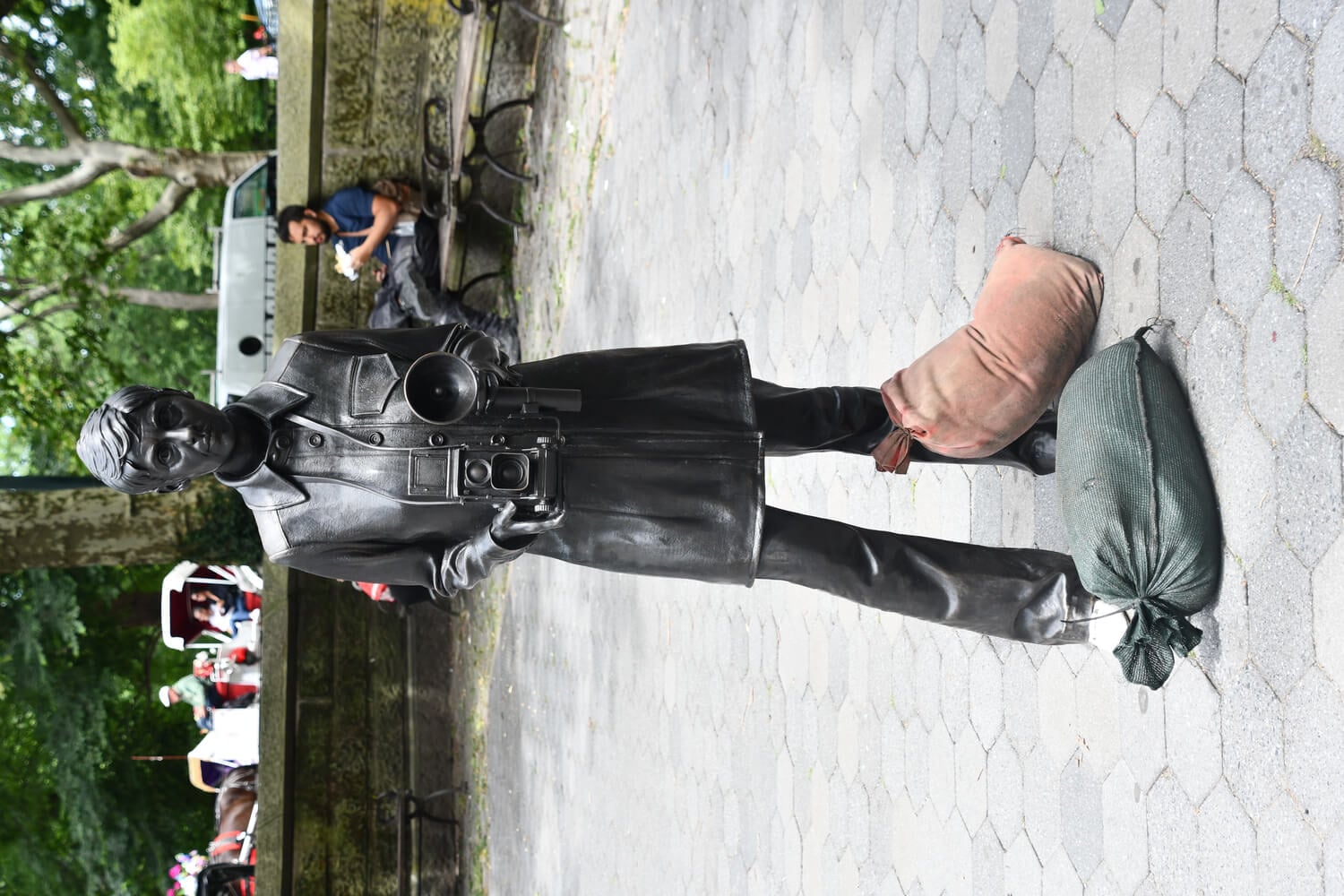
When photographer Diane Arbus died in 1971, she left behind a far larger body of work than the public had ever seen, including thousands of negatives and contact sheets she had never printed or exhibited. Her estate managed access carefully for years, releasing images gradually through curated retrospectives rather than a single disclosure.
Major holdings did not reach wide museum audiences until retrospectives decades after her death, most notably a large 2003 exhibition. The slow release meant critical reassessment of her work continued to shift for a generation after she was gone.
The 1946 V-2 Rocket Photograph of Earth
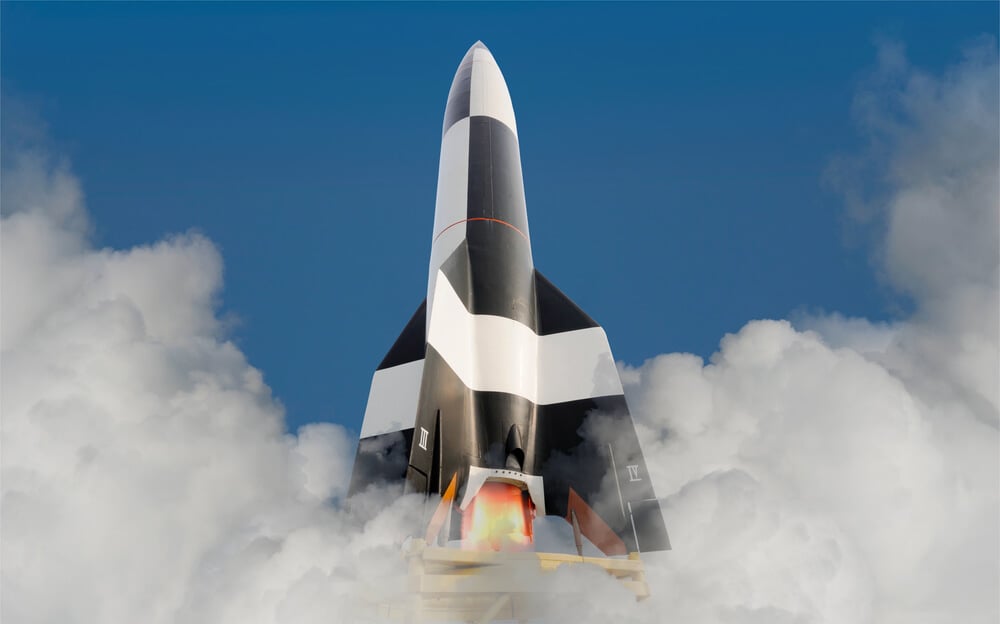
In October 1946, a modified camera bolted to a captured German V-2 rocket launched from White Sands, New Mexico, captured the first photograph of Earth taken from beyond the stratosphere. The image showed the planet’s curvature more than a decade before the space age formally began, yet it received little public attention at the time compared to the orbital photography that followed years later.
It sat largely overlooked in military archives before historians of spaceflight rediscovered its significance. Today it is recognized as the true origin point of Earth photography from space, decades ahead of its recognition.
Berenice Abbott’s “Changing New York” Negatives
Photographer Berenice Abbott documented New York City’s rapidly transforming architecture and street life throughout the 1930s under a Federal Art Project commission, but her published collection captured only a fraction of what she shot. Thousands of additional negatives remained in archival storage, uncatalogued and unseen by the public for decades.
Curators continued to surface previously unpublished frames from the project in exhibitions well into the later twentieth century. Each rediscovery added new detail to a city that had since been demolished and rebuilt beyond recognition.
Thomas Harvey’s Photographs of Einstein’s Brain
After performing Albert Einstein’s autopsy in 1955, pathologist Thomas Harvey secretly removed the brain, photographed it from multiple angles, and sectioned it into 240 blocks. He kept the photographs hidden for decades, reportedly intending to write a book about them himself, and the images sat in storage in a New Jersey home even after his death in 2007.
Researchers eventually tracked down the photographs and, in 2010, Harvey’s family donated them to the National Museum of Health and Medicine. Scientists did not begin formally analyzing the images until 2011, more than half a century after they were taken.
Raw Footage From Nazi Concentration Camp Liberations
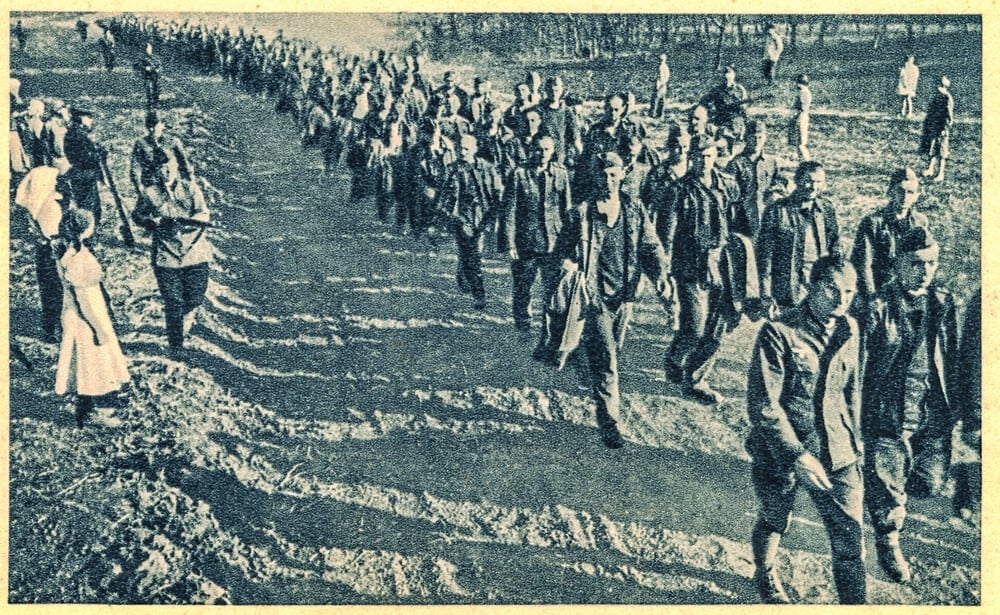
Allied military film crews shot extensive footage inside liberated concentration camps in 1945, capturing conditions in far more graphic detail than most wartime audiences ever saw. Much of the rawest material was held back from theatrical newsreels and used instead as evidence at the Nuremberg trials, where it remained largely confined to courtroom viewings.
Full uncut versions of some reels were not assembled for public documentary release until years later, as archivists worked through military film vaults. The gap between filming and release shaped how the Holocaust was visually understood by the postwar public for a generation.
Documentation From the Tuskegee Syphilis Study

For forty years, U.S. Public Health Service researchers tracked syphilis-infected Black men in Alabama without treating them, keeping detailed photographic and written records of the study’s progress that never left government files. The documentation remained internal until a whistleblower’s leak led the Associated Press to expose the study in 1972.
Only then did the photographs and records supporting decades of medical observation reach public scrutiny. The revelation led directly to the creation of modern rules governing informed consent in American medical research.
The Sealed Kennedy Autopsy Photographs
Photographs taken during President Kennedy’s autopsy at Bethesda Naval Hospital were placed under strict government control almost immediately, accessible only to a small number of authorized researchers. Congress did not mandate broader declassification of assassination-related material until the JFK Records Act of 1992, and some autopsy images remained restricted well after that law took effect.
Researchers who did gain access were required to view prints under supervision rather than obtain their own copies. The decades-long restriction fueled conspiracy theories that a full, unfettered release might otherwise have addressed.
Ron Haeberle’s Personal Photographs From My Lai
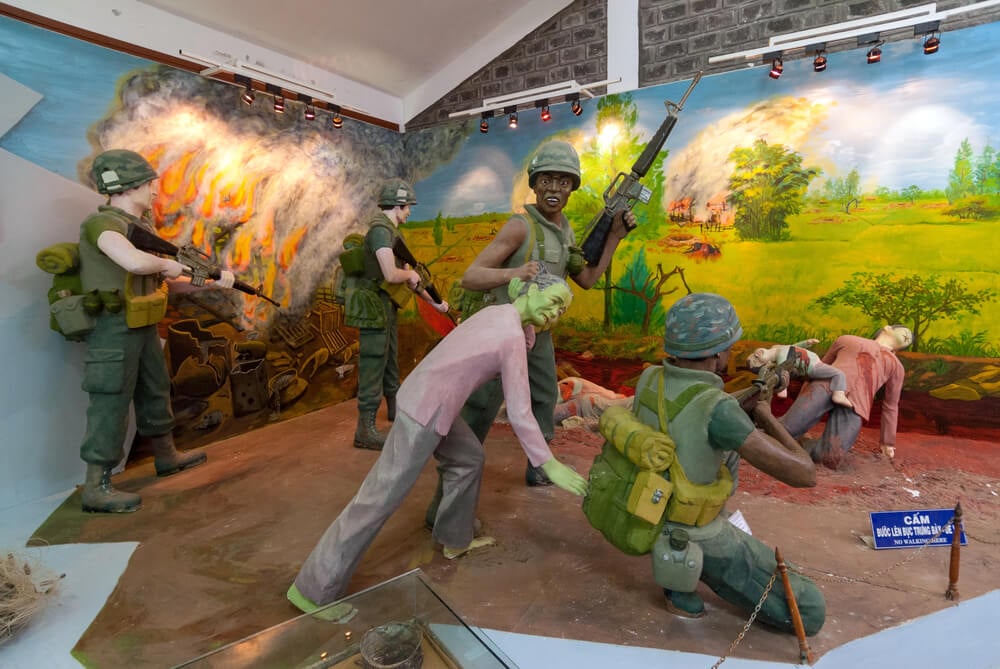
Army photographer Ron Haeberle documented the 1968 massacre of Vietnamese civilians at My Lai using both his military-issued camera and his own personal camera loaded with color film. He turned over the black-and-white military photographs but held back his personal color images for roughly a year before Life magazine published a selection in December 1969.
Additional photographs from his own collection continued to surface in interviews and archives for decades afterward. Each new release added detail that official military photography had never been intended to capture.
The Original NASA Apollo 11 Broadcast Tapes
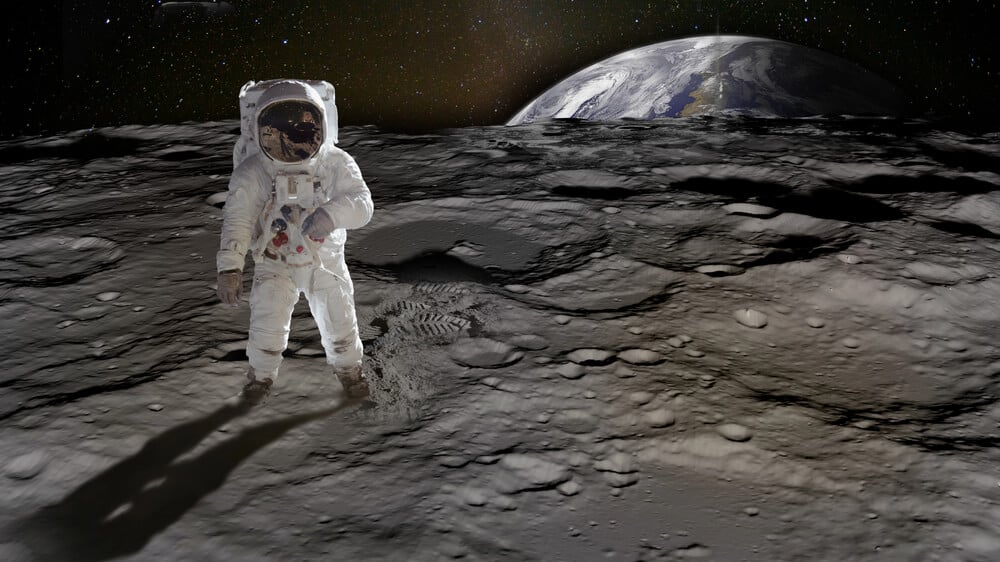
The highest-quality video recordings of the first Moon landing in 1969 were recorded onto data tapes that NASA later erased and reused amid a shortage of blank tape stock, leaving only lower-quality broadcast copies in wide circulation for decades. A team searching for the original tapes in the 2000s could not locate them and concluded they were almost certainly gone for good.
In 2009, NASA released a digitally restored version built from the best surviving broadcast-quality recordings instead, effectively replacing footage the public had waited forty years to see improved. The restoration remains the closest available substitute for tapes that are presumed permanently lost.
Evidence Photographs From Bloody Sunday
British paratroopers shot and killed unarmed civilians during a civil rights march in Derry, Northern Ireland, in 1972, and photographic evidence gathered in the aftermath became central to the disputed question of what had actually happened. Much of that material remained restricted or contested for decades, as an initial 1972 inquiry was widely viewed as a whitewash.
A second inquiry, the Saville Inquiry, did not review the full body of photographic and forensic evidence publicly until it ran from 1998 to 2010. Its final report contradicted the original 1972 findings and led to a formal government apology.
Guantanamo Bay Detainee Photographs
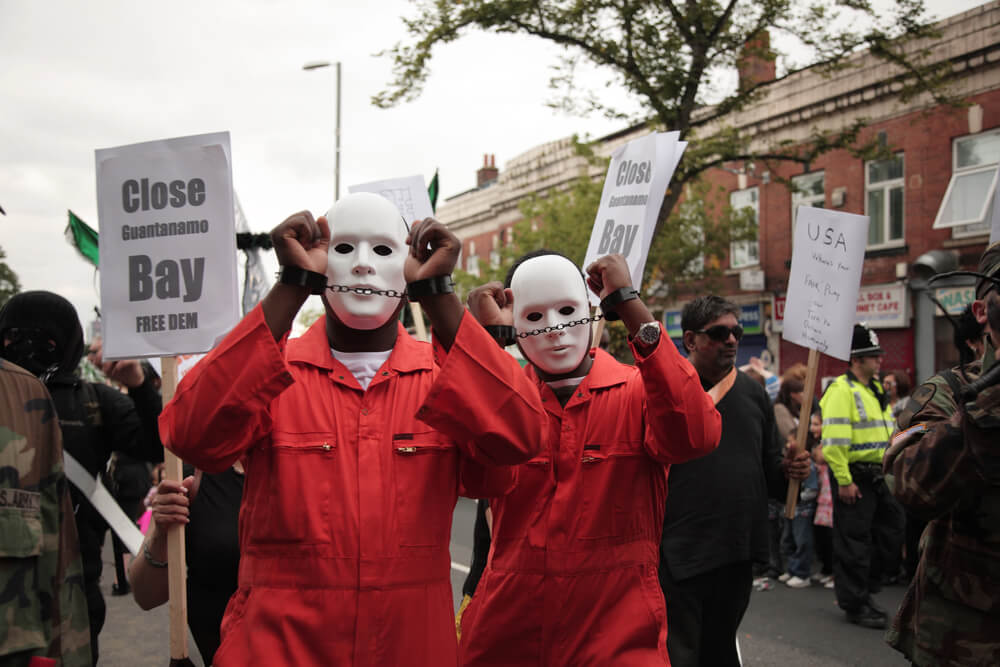
Photographs documenting conditions and detainees at the Guantanamo Bay detention facility, opened in 2002, were classified by the U.S. government for years, with only heavily redacted or approved images released to press pools. Civil liberties organizations pursued Freedom of Information Act lawsuits for over a decade seeking broader release of the material.
Courts ordered periodic releases of additional images throughout the 2010s, though many photographs remain withheld on national security grounds even now. Each incremental release has continued to reshape public understanding of the facility’s early years.
The CIA’s “Family Jewels” Photographs and Documents
In 1973, the CIA’s director ordered staff to compile an internal report documenting decades of agency abuses, including surveillance photographs and records of illegal domestic operations. Known internally as the “family jewels,” the compiled material was classified and kept from public view for thirty-four years.
The CIA finally released a redacted version in 2007, revealing operations the agency had kept hidden since the Eisenhower era. The release remains one of the largest voluntary disclosures of self-incriminating intelligence material in American history.
FBI Surveillance Photographs of Martin Luther King Jr.
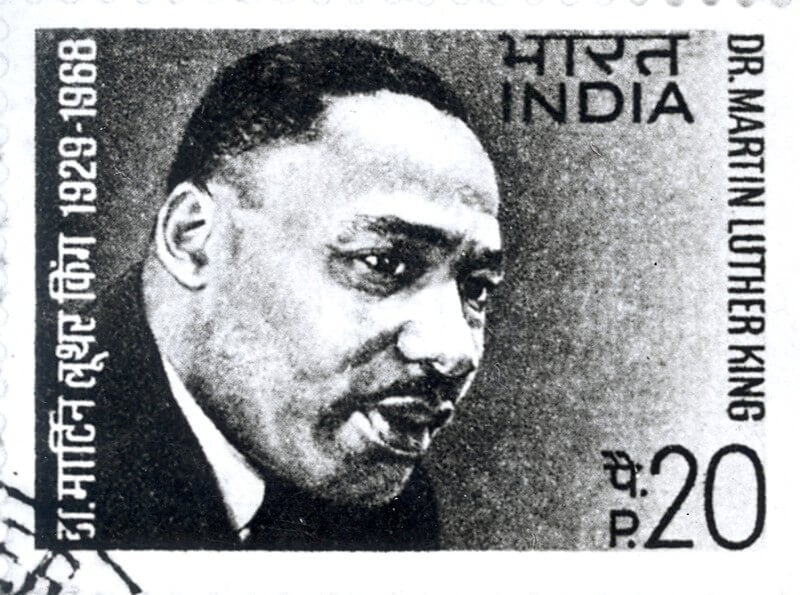
The FBI conducted extensive surveillance of Martin Luther King Jr. throughout the 1960s, compiling photographs and recordings as part of a campaign to discredit the civil rights leader. Much of that material was sealed by court order following King’s assassination, with some files placed under restrictions extending decades into the future.
Portions have been released gradually through archival transfers and court rulings, but significant elements of the collection remain under seal even today. Historians studying the civil rights era have had to work around gaps that federal restriction created and, in some cases, still enforces.
Robert Ballard’s Titanic and Submarine Photographs
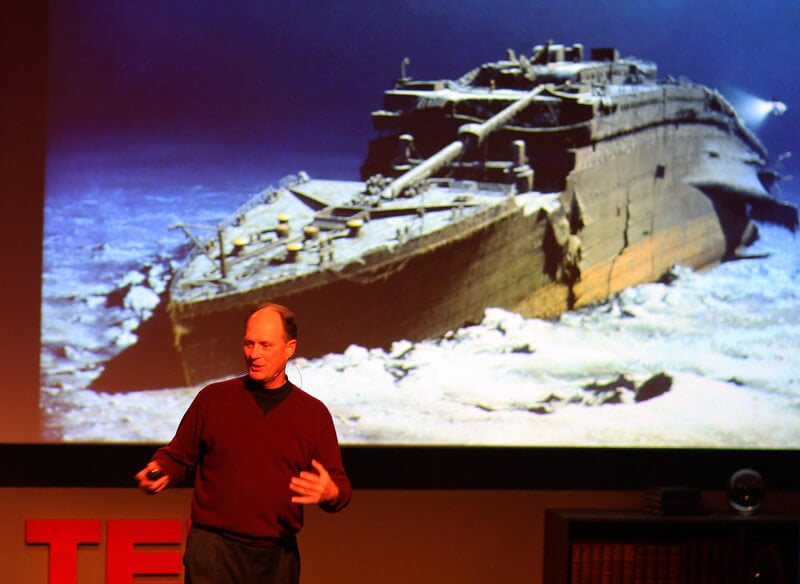
Oceanographer Robert Ballard’s celebrated 1985 discovery of the Titanic wreck was, by his own later account, a cover story for a classified U.S. Navy mission to photograph the sunken nuclear submarines USS Thresher and USS Scorpion. Ballard was permitted to search for the Titanic only after completing the Navy’s confidential objectives, and the true purpose of his expedition was not declassified for years.
The connection between the world’s most famous shipwreck discovery and a secret Cold War submarine investigation only became widely known long after the fact. It reframed a moment of maritime history as an intelligence operation in disguise.
Marilyn Monroe’s Sealed Case File Photographs
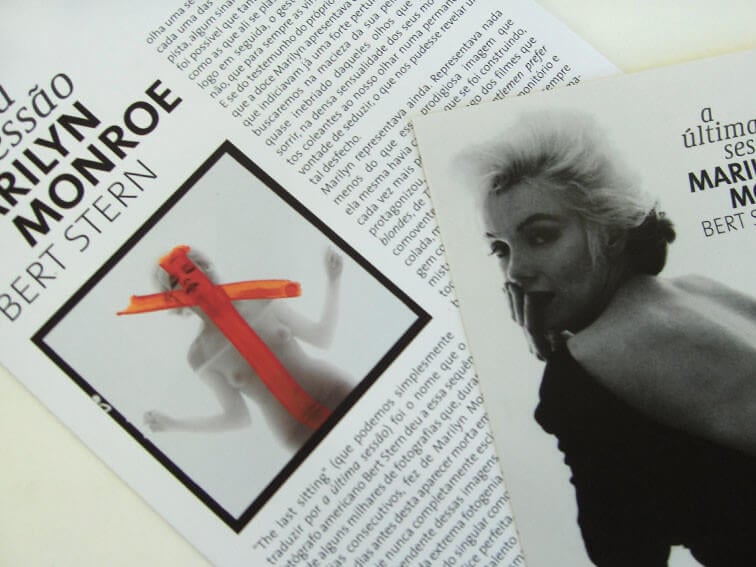
Photographs and records from the 1962 investigation into Marilyn Monroe’s death were placed under restricted access by Los Angeles County authorities, citing ongoing scrutiny of the case. Portions of the file remained sealed or difficult to access for decades, feeding persistent public speculation about the circumstances of her death.
Later reviews and partial releases through the 1980s and beyond gradually opened more of the record to researchers and journalists. Even so, some material connected to the case has never been fully released to the public.
Bletchley Park and the Ultra Program
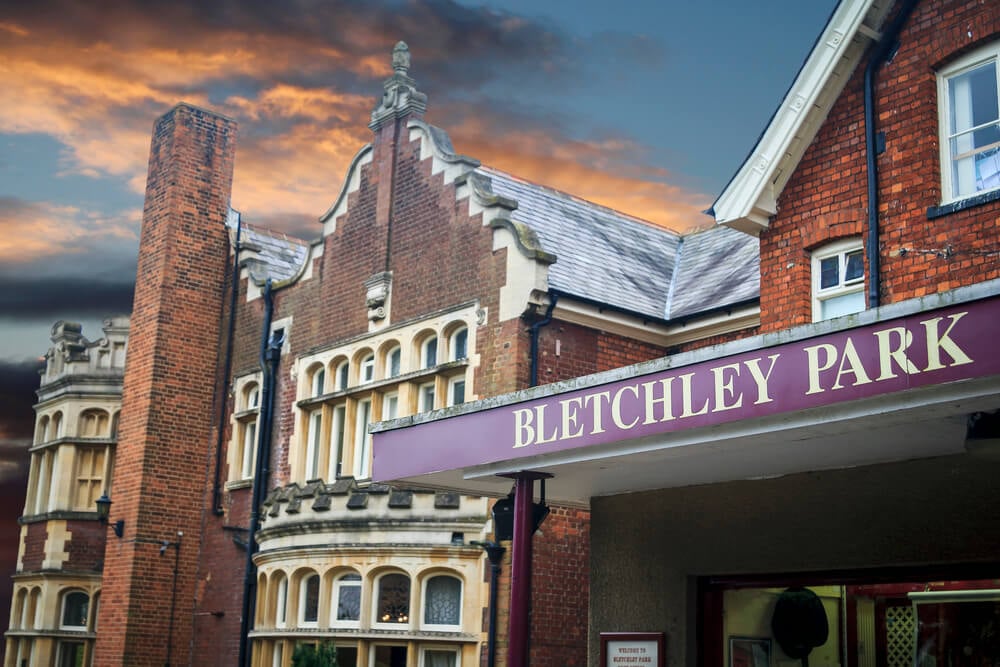
Britain’s codebreaking operation at Bletchley Park, which cracked German military ciphers during the Second World War, remained one of the most closely guarded secrets of the twentieth century. Photographs of the site, its machines, and the people who worked there were classified under the Official Secrets Act, and veterans were legally barred from discussing their work.
The program, known as Ultra, was not officially acknowledged until 1974, nearly thirty years after the war ended. Many of the codebreakers had died without ever being publicly credited for work historians now consider decisive to the Allied victory.
CIA Photographs of the U-2 Program and Area 51
The CIA developed and tested the U-2 spy plane at a remote Nevada test site starting in 1955, and photographs of both the aircraft and the facility remained tightly classified for decades. The government would not even officially acknowledge the existence of the site, widely known by its nickname Area 51, until a Freedom of Information Act request forced a formal admission in 2013.
That acknowledgment came nearly sixty years after the site began operating. The long silence helped fuel decades of unrelated speculation that filled the vacuum left by official secrecy.
Personal Photographs From the 1914 Christmas Truce
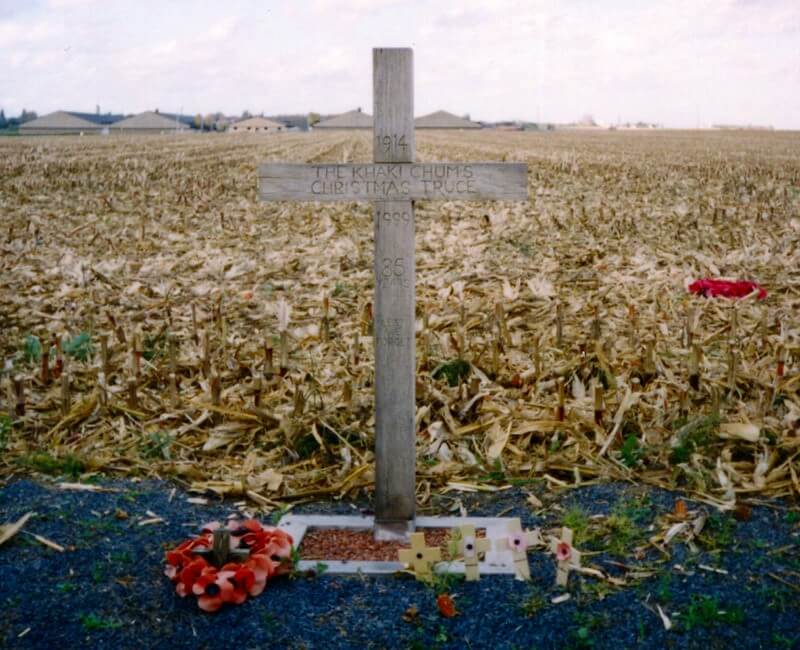
During an unofficial ceasefire on the Western Front in December 1914, soldiers from opposing armies met in no-man’s-land, and some carried personal cameras to document the encounter, in direct violation of military regulations. Commanders on both sides confiscated cameras and film where they could, and soldiers who kept their photographs risked disciplinary action if discovered.
Many of the surviving images did not surface publicly until family collections and private albums were donated to archives decades later. The scattered, delayed release means a complete photographic record of the truce has never been assembled.
Photographic Records From Ireland’s Magdalene Laundries
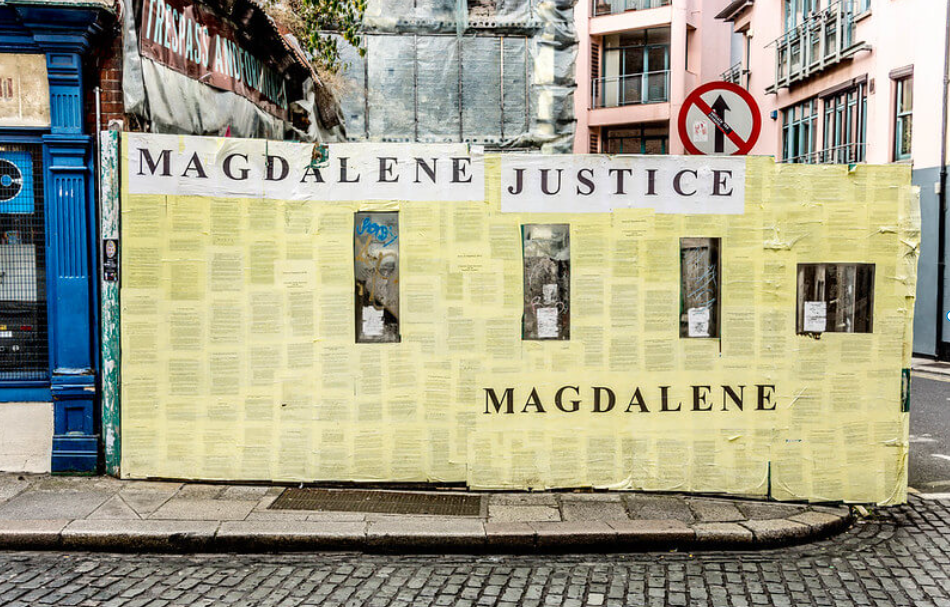
Church-run institutions in Ireland known as Magdalene Laundries confined thousands of women and girls to unpaid labor from the nineteenth century through 1996, and photographic and administrative records of the institutions were held by religious orders with little outside access. Survivors and researchers pushed for decades to obtain documentation confirming conditions inside the laundries.
A state-commissioned investigation did not gain meaningful access to the fuller record until the early 2000s, and some records remain incomplete or withheld today. The delay in disclosure became a central grievance in Ireland’s eventual formal apology to survivors in 2013.
Photographs of the Chernobyl Cleanup
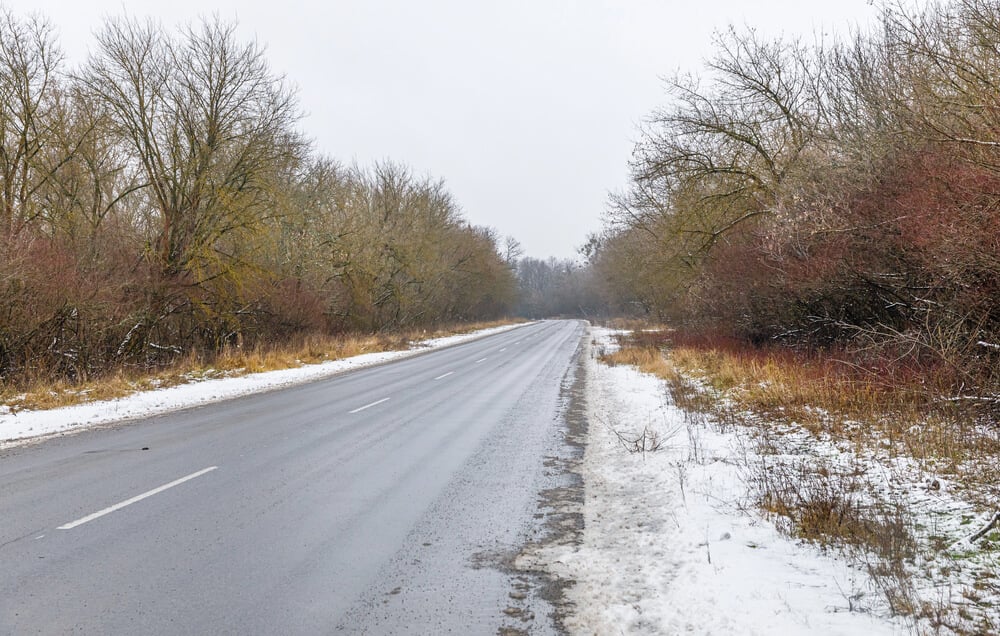
Soviet authorities restricted photography and reporting from the site of the 1986 Chernobyl nuclear disaster, releasing only limited, carefully controlled images of the response effort to the outside world. The true scale of the cleanup, carried out by hundreds of thousands of workers known as liquidators, remained largely undocumented in public view for years under state secrecy.
Fuller photographic records did not emerge until the loosening of Soviet censorship policy in the late 1980s. Even decades later, new images from private collections continue to surface, adding detail the state never intended to share.
Photographs of the Windscale Fire
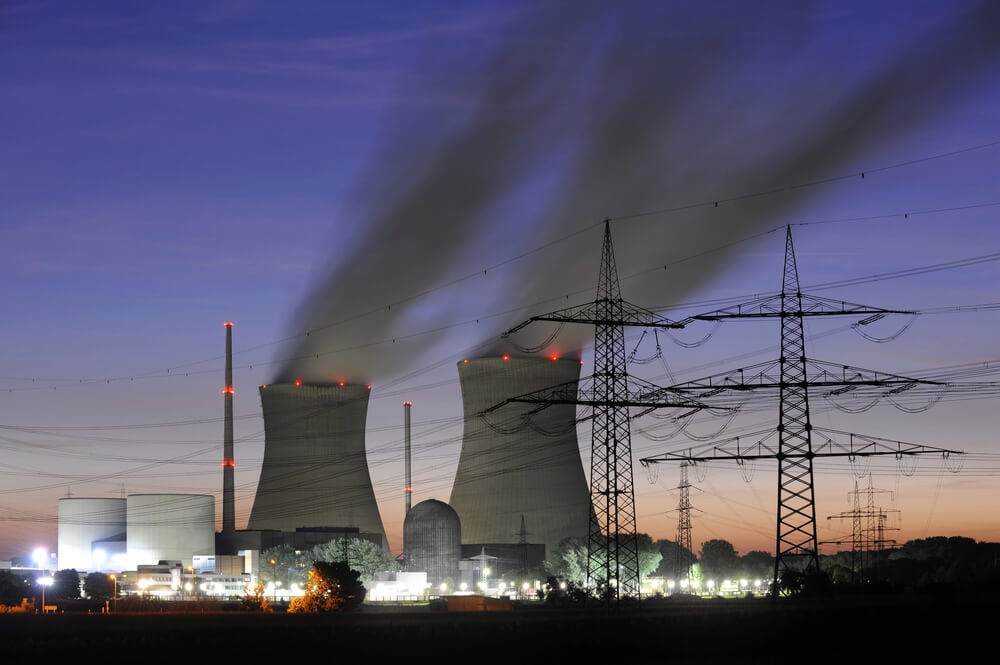
A fire at Britain’s Windscale nuclear facility in 1957 released radioactive material across the surrounding countryside in what remains the country’s worst nuclear accident, but the government suppressed photographic and technical documentation of the event under the Official Secrets Act. Officials feared the political damage of a full public accounting during the early nuclear era.
The government did not release the complete report and supporting material until 1988, more than three decades after the fire occurred. The delay meant an entire generation grew up without knowing the true severity of what had happened.
Photographic Evidence of the Katyn Massacre
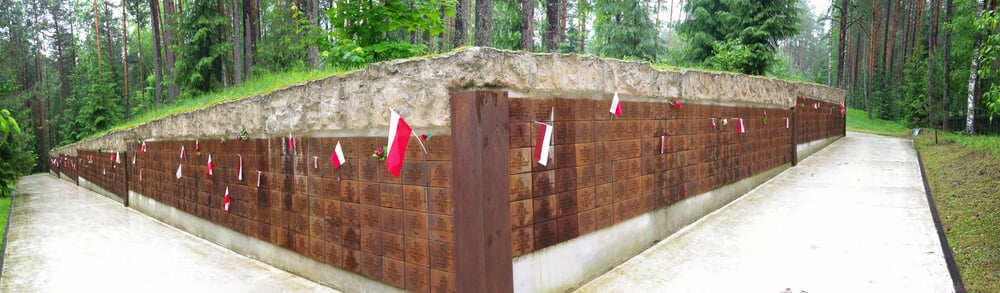
Soviet forces executed thousands of Polish military officers and civilians in the Katyn Forest in 1940, then spent decades blaming Nazi Germany for the killings and suppressing any documentation suggesting otherwise. Photographic and forensic evidence contradicting the official Soviet account existed but was withheld from public and even from most historians within the Eastern Bloc.
Soviet leader Mikhail Gorbachev did not formally acknowledge Soviet responsibility until 1990, fifty years after the massacre. The admission finally allowed long-suppressed evidence to be examined openly for the first time.
Photographs From the Paris Crash Scene
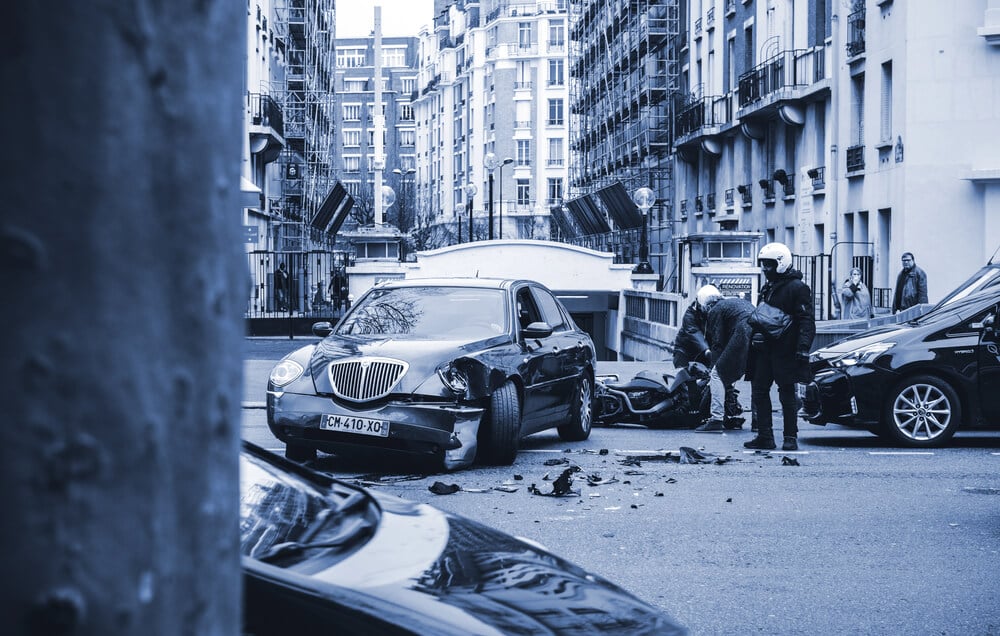
Photographs taken by press photographers at the scene of the 1997 car crash that killed Princess Diana became the subject of immediate legal action, with French authorities invoking strict privacy laws to prevent their publication. Several photographers were charged, and courts ordered many of the images sealed rather than released to any outlet.
French privacy statutes kept the bulk of the material out of public circulation for years after the crash, far longer than in cases involving public figures elsewhere. Some images connected to the case remain legally restricted from publication even now, nearly three decades later.
The Truth Behind Every Delay

What connects these images is not their subject matter but the machinery that kept them out of sight: classification stamps, grieving estates, embarrassed institutions, and simple bureaucratic inertia. A photograph does not need to be destroyed to be silenced; it only needs to sit in a drawer long enough for the moment it captured to pass out of living memory.
In nearly every case here, someone made a deliberate choice that the public was not yet ready, or not yet entitled, to see what the camera had already recorded. The delay itself is now part of the historical record, a measure of how long institutions can hold their breath before a picture becomes impossible to keep contained.
Looking at these images today means seeing them twice: once for what they show, and once for what it cost to finally let them out.
More from Go2Tutors!

- The Romanov Crown Jewels and Their Tragic Fate
- 13 Historical Mysteries That Science Still Can’t Solve
- Famous Hoaxes That Fooled the World for Years
- 15 Child Stars with Tragic Adult Lives
- 16 Famous Jewelry Pieces in History
Like Go2Tutors’s content? Follow us on MSN.