16 Jobs That Existed for Only One Decade
The working world occasionally produces jobs with incredibly brief lifespans—positions that emerge from very specific circumstances and disappear almost as quickly as they arrived. These aren’t careers that evolved or got replaced by better technology, but jobs that existed because of unique, short-lived situations that created temporary employment needs lasting roughly a decade or less.
These occupations represent snapshots of very particular moments in history when unusual circumstances created work. Here’s a list of 16 jobs that truly had brief runs before vanishing completely.
Y2K Bug Tester

Between 1995 and 2000, companies scrambled to hire specialized testers who could identify computer systems that might crash when dates flipped from 1999 to 2000. These tech detectives tested everything—mainframes, embedded systems, you name it—hunting for date-related programming glitches that could spell disaster.
The millennium came and went without the predicted chaos, though, and by 2001 Y2K testing had become as obsolete as dial-up internet.
Dot-Com Stock Option Consultant

The internet boom years of 1998 to 2001 spawned a unique breed of consultant who helped startup employees make sense of their stock option packages. These financial guides explained the maze of vesting schedules, tax implications, and timing strategies for exercising options in wildly volatile tech stocks.
When the dot-com bubble burst, it took most of these consultants down with it—along with the stock options they’d been managing.
Like Go2Tutors’s content? Follow us on MSN.
Anthrax Mail Inspector

The 2001 anthrax attacks created an immediate need for postal inspectors trained specifically to spot suspicious mail and test for biological threats. From 2001 to 2004, these specialists worked with detection equipment and protocols developed exclusively for anthrax screening.
Enhanced general security measures eventually absorbed their duties, making dedicated anthrax inspectors unnecessary by 2005.
Hurricane Katrina Claims Adjuster

Insurance companies recruited thousands of specialized adjusters between 2005 and 2007 to tackle the overwhelming flood of Hurricane Katrina damage claims. These experts developed deep knowledge of flood damage assessment, wind damage classification, and the complex regulations that applied specifically to this disaster.
Most positions disappeared by 2008 once the bulk of Katrina claims had been processed and settled.
Dance Marathon Referee

The dance marathon craze that swept through the early 1930s required dedicated referees to monitor contestants during these brutal endurance competitions. These officials spent their days watching for rule violations, tracking time, and trying to keep participants safe during events that could stretch on for weeks.
Public opinion turned against these marathons by the late ’30s due to serious health concerns, effectively ending the career of dance marathon referees everywhere.
Like Go2Tutors’s content? Follow us on MSN.
Swine Flu Screening Coordinator

The 2009 H1N1 pandemic created temporary positions for coordinators who managed temperature screening programs at schools and businesses. These health-focused workers tracked symptoms, coordinated with local health authorities, and implemented protocols designed specifically for swine flu prevention.
Once the pandemic faded in 2010, so did the need for dedicated H1N1 coordinators.
Digital TV Transition Helper

Community organizations and electronics retailers employed helpers from 2008 to 2009 to assist elderly and low-income residents with the switch from analog to digital television broadcasting. These patient guides explained converter boxes, helped with installations, and processed government voucher programs that made the transition affordable.
The changeover was completed in 2009, instantly making these helper positions obsolete.
Mortgage Modification Specialist

The 2008 financial crisis generated jobs for specialists who guided homeowners through government mortgage modification programs between 2009 and 2012. These counselors mastered the intricate requirements of programs like HARP and HAMP, helping desperate families restructure their loans to avoid foreclosure.
When most of these programs wound down by 2012, the specialized counselors found themselves out of work too.
Like Go2Tutors’s content? Follow us on MSN.
iPad Launch Specialist

Apple retail stores hired dedicated specialists in 2010 whose sole job was handling the iPad launch—demonstrating the device and explaining its revolutionary capabilities to fascinated customers. These employees received intensive training on what was essentially the first mainstream tablet computer.
Within twelve months, regular Apple store staff had absorbed these responsibilities, making iPad specialists as outdated as the original iPad itself.
Gulf Oil Spill Claims Processor

The 2010 Deepwater Horizon disaster created a temporary workforce of claims processors who handled compensation requests from affected businesses and individuals. From 2010 to 2012, these workers navigated the specific documentation requirements and damage categories related to oil spill impacts across the Gulf Coast.
The claims facility shut down in 2012, taking these specialized positions with it.
Google+ Community Manager

Companies hired community managers from 2011 to 2013 specifically for Google’s social network attempt, Google+. These digital strategists developed tactics unique to the platform’s circle-based sharing system while building followings using Google+ specific features.
Google+ never caught on with users, though, and most companies had abandoned dedicated Google+ management by 2014.
Like Go2Tutors’s content? Follow us on MSN.
Healthcare.gov Navigator

The Affordable Care Act created navigator positions from 2013 to 2015 to help people sign up for health insurance through the notoriously troubled Healthcare.gov website. These specialists learned the complex enrollment process inside and out—particularly valuable during the site’s early technical disasters.
System improvements and streamlined enrollment processes reduced the need for specialized navigators by 2016.
Pokémon GO Safety Coordinator
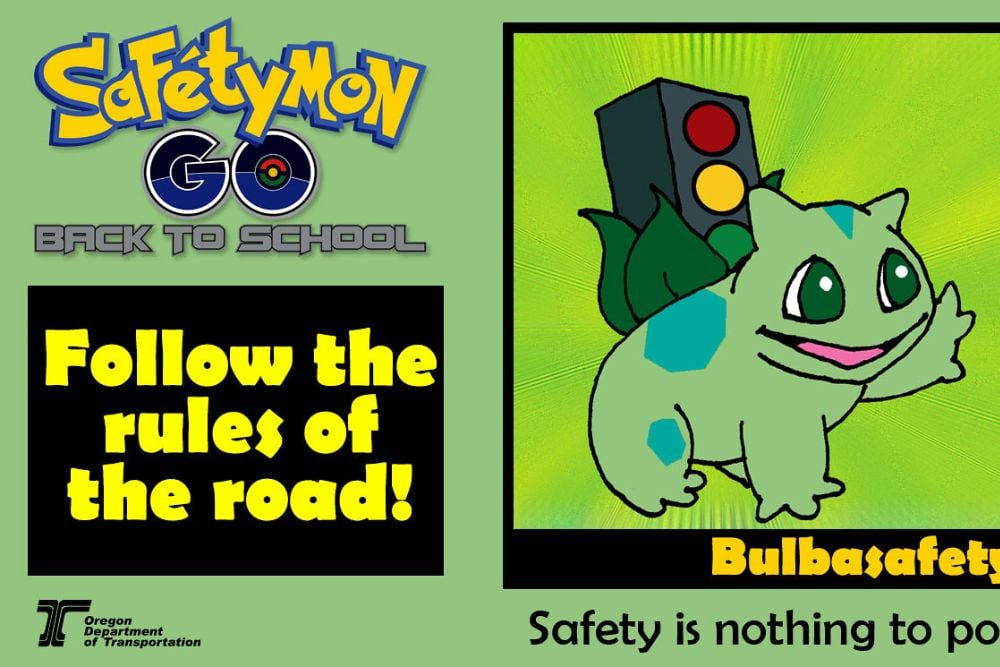
During the 2016 Pokémon GO phenomenon, some businesses and parks hired coordinators to manage the sudden influx of players and prevent accidents or trespassing incidents. These positions lasted roughly from 2016 to 2017, focusing on crowd control and safety issues that nobody had anticipated with augmented reality gaming.
The initial craze cooled off pretty quickly, eliminating the need for dedicated Pokémon GO management.
Hula Hoop Quality Inspector

The hula hoop explosion of 1958-1959 created temporary manufacturing jobs that included quality control inspectors who tested hoop flexibility, durability, and safety standards. These workers examined thousands of plastic hoops daily during what turned out to be a brief but incredibly intense manufacturing boom.
The fad fizzled out by 1960, eliminating these inspection positions along with most hula hoop production lines.
Like Go2Tutors’s content? Follow us on MSN.
Radium Dial Painter

From 1917 to 1926, hundreds of workers—mostly young women—painted watch dials with radium-based luminous paint to make timepieces glow in the dark. These painters used fine brushes and were told the radium was harmless; supervisors even encouraged them to lick their brushes to maintain sharp points.
The devastating health consequences became undeniable by the mid-1920s, leading to landmark lawsuits and the complete elimination of this deadly job by 1927.
Victory Garden Inspector

World War II generated employment for government inspectors who visited backyard Victory Gardens from 1942 to 1945, providing agricultural advice to maximize vegetable production for the war effort. These advisors helped ordinary citizens contribute to food security by growing vegetables in residential areas across America.
The program ended abruptly when the war concluded—making this occupation truly exclusive to the wartime years.
When Moments Create Careers

These ultra-brief careers show how quickly modern circumstances can create entirely new types of work that vanish almost overnight. Each job filled a genuine need during its short existence, employing people who had to quickly master completely new skills for roles that might not exist a year later.
The workers who took these positions often became experts in fields that ceased to exist, carrying unique experience into whatever came next. Their stories highlight how adaptation and flexibility have become essential survival skills in our rapidly changing economy.
More from Go2Tutors!

- 16 Restaurant Chains That Went Too Fast
- 12 Things Sold in the 80s That Are Now Illegal
- 15 Strange Things People Have Tried to Ban (And Failed)
- 16 Collectibles People Tossed Out Too Soon
- 17 Myths from Your Childhood That Were Actually Based on Real Things
Like Go2Tutors’s content? Follow us on MSN.