29 Musicians Who Quit at the Top
Most careers in music end with a slow fade: declining sales, shrinking venues, a final album nobody buys. These artists took a different exit.
They walked away while the audience was still growing, the reviews were still glowing, or the checks were still getting bigger, and in doing so left behind some of the most talked-about disappearances in modern music.
Peter Green
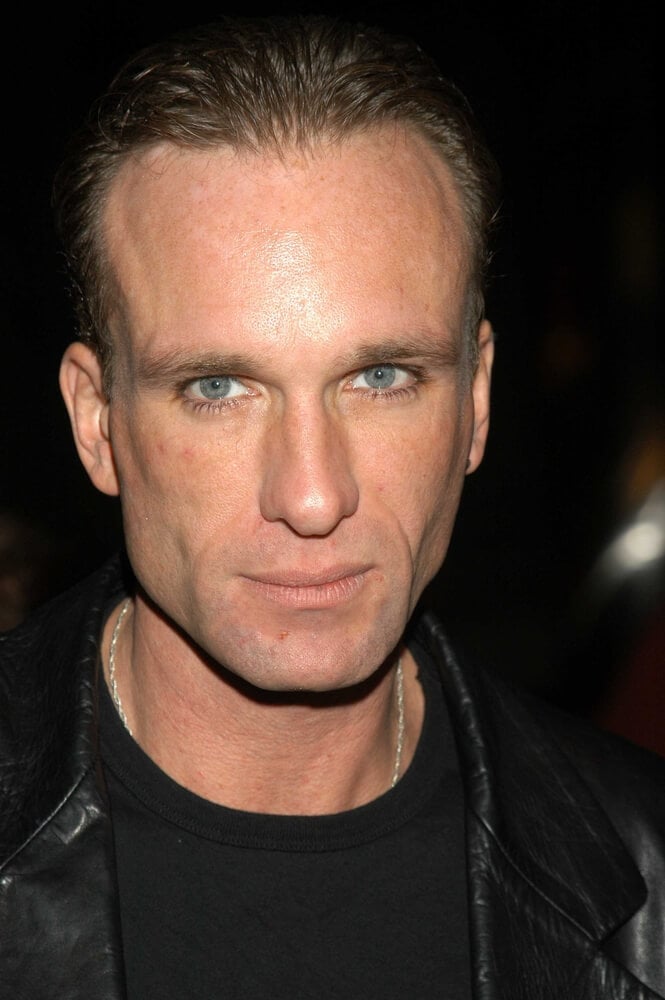
Peter Green founded Fleetwood Mac and wrote much of its early blues-rock material before leaving the band in 1970, right as the group was becoming one of Britain’s most successful acts. He stepped away from the music industry almost entirely for years afterward, and the band he left went on to become one of the best-selling groups of all time without him.
Syd Barrett
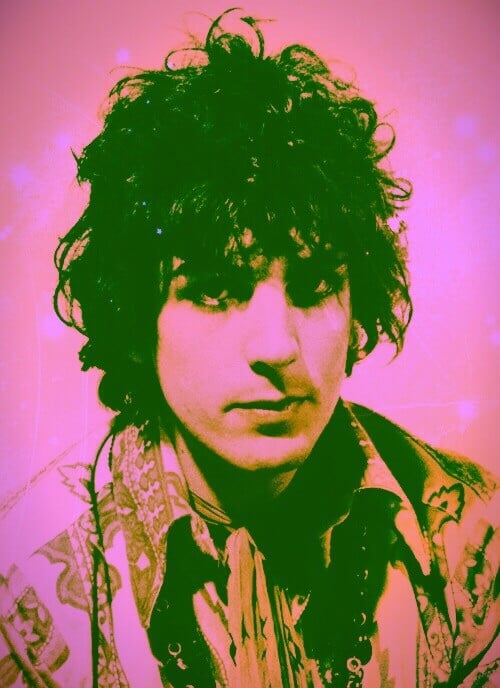
Syd Barrett co-founded Pink Floyd and wrote most of the band’s early material, including its debut album, before his bandmates eased him out of the lineup in 1968 as the group’s profile was rising fast. He recorded two solo albums shortly after, then withdrew from public life almost completely for the rest of his life.
Cat Stevens
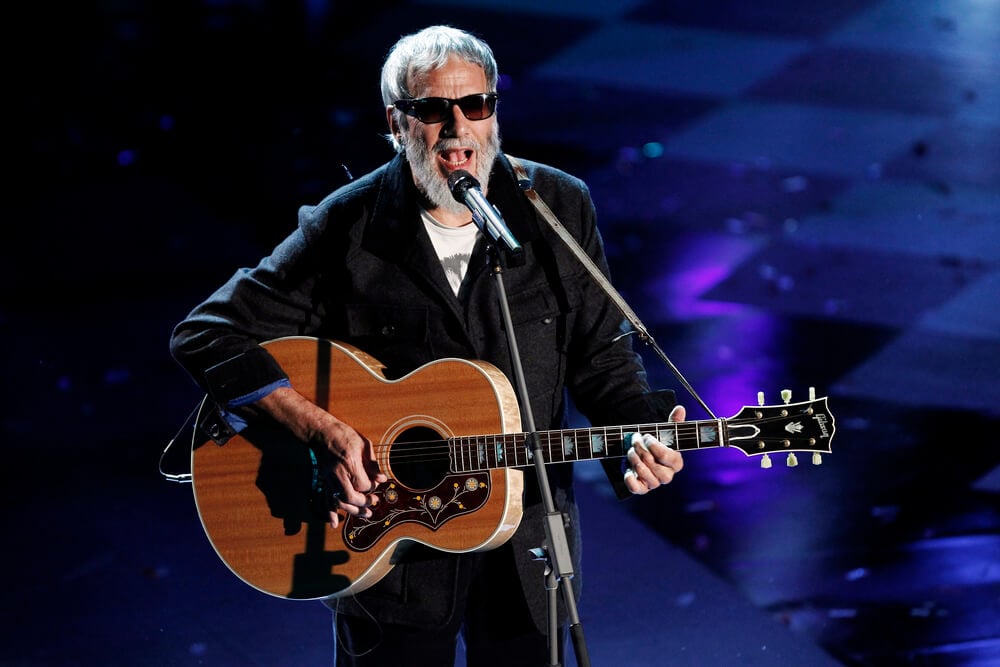
Cat Stevens had a run of major hit albums through the early 1970s before converting to Islam, adopting the name Yusuf Islam, and stepping away from his pop career entirely by the end of the decade. He didn’t return to secular music recording for roughly three decades, one of the most complete voluntary exits in mainstream pop history.
Terry Jacks

Terry Jacks scored a massive global hit with “Seasons in the Sun” in 1974, one of the best-selling singles of the decade, then largely walked away from the music industry not long afterward. He shifted his focus toward environmental activism, a cause he has remained associated with far longer than his brief run as a pop star.
Jeff Mangum
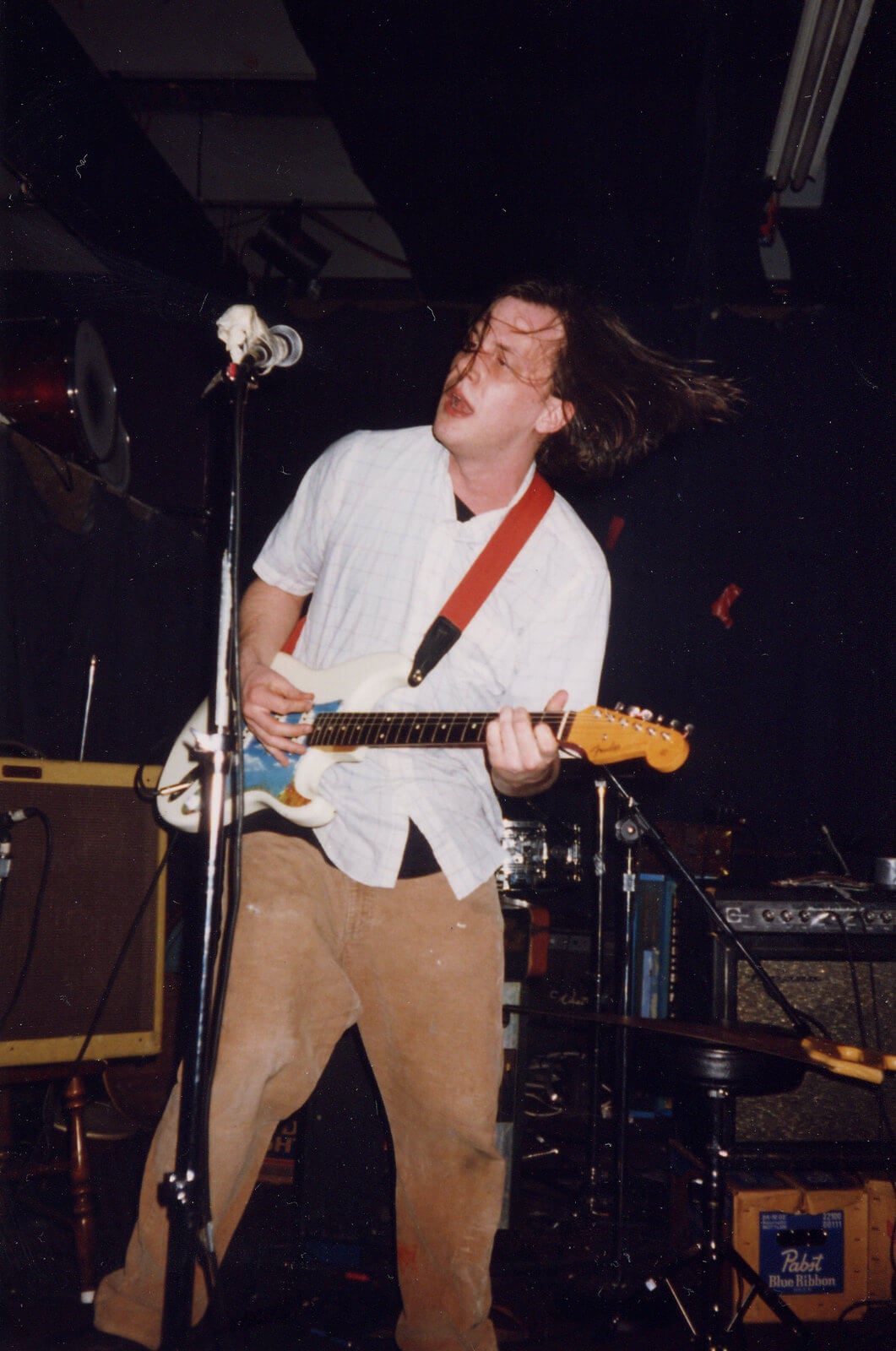
Jeff Mangum led Neutral Milk Hotel through the release of “In the Aeroplane Over the Sea” in 1998, an album that grew into one of the most acclaimed indie rock records of its era. Shortly after its release, Mangum stopped performing and largely disappeared from public music-making for over a decade.
Lauryn Hill

Lauryn Hill’s “The Miseducation of Lauryn Hill” was a critical and commercial phenomenon in 1998, sweeping major awards and cementing her as one of the defining voices in music. She released no proper studio follow-up in the decades that followed, retreating from the industry even as the album’s reputation only grew.
Poly Styrene
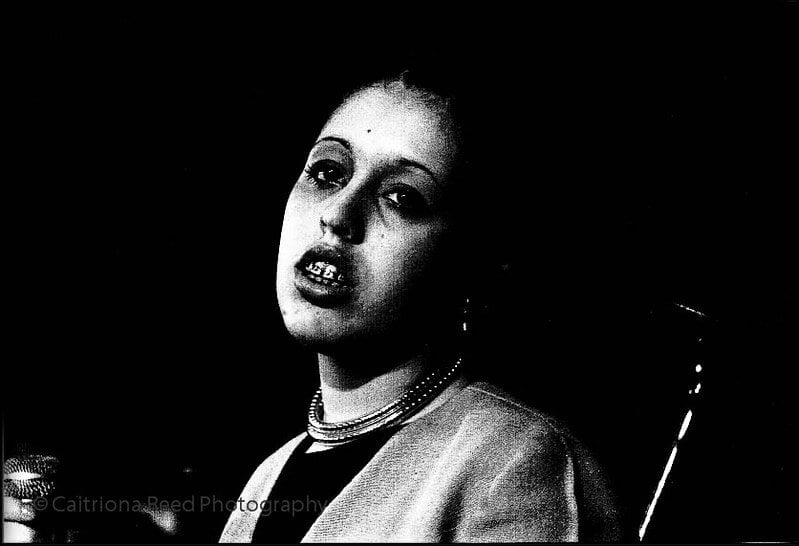
Poly Styrene fronted X-Ray Spex and became one of the defining voices of British punk with the band’s sole studio album in 1978, released at the height of the genre’s cultural moment. She left the band and the music industry shortly after, joining the Hare Krishna movement and stepping back from the spotlight she had just helped define.
Bill Withers
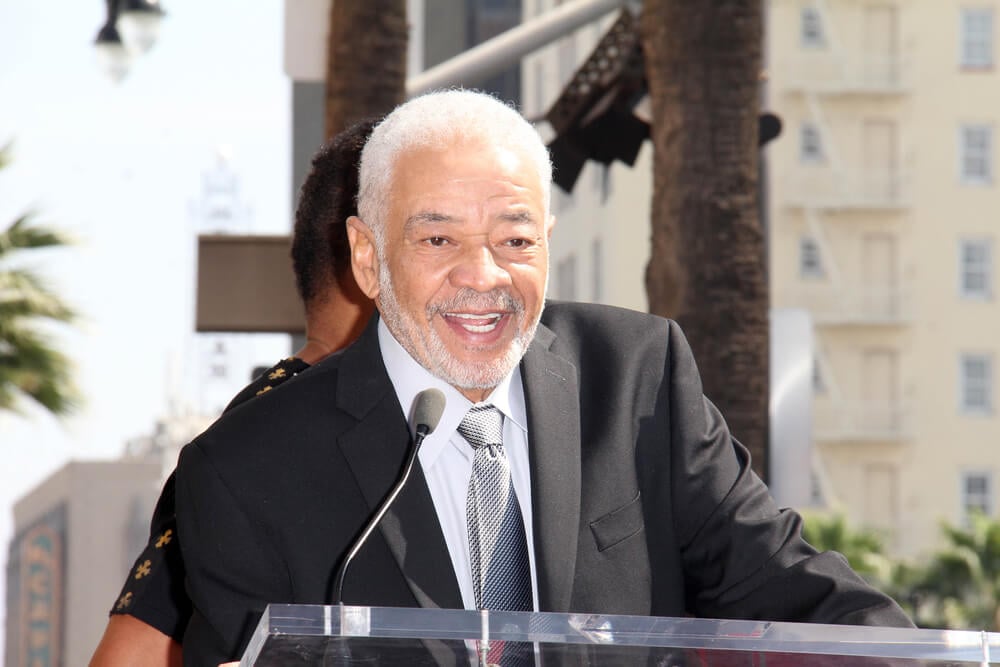
Bill Withers had a run of major hits through the 1970s, including songs that remain radio staples decades later, before effectively retiring from the recording industry by the early 1980s after growing frustrated with label interference. He spent the following decades almost entirely out of the public eye, turning down opportunities to return despite his catalog’s enduring popularity.
Steve Perry
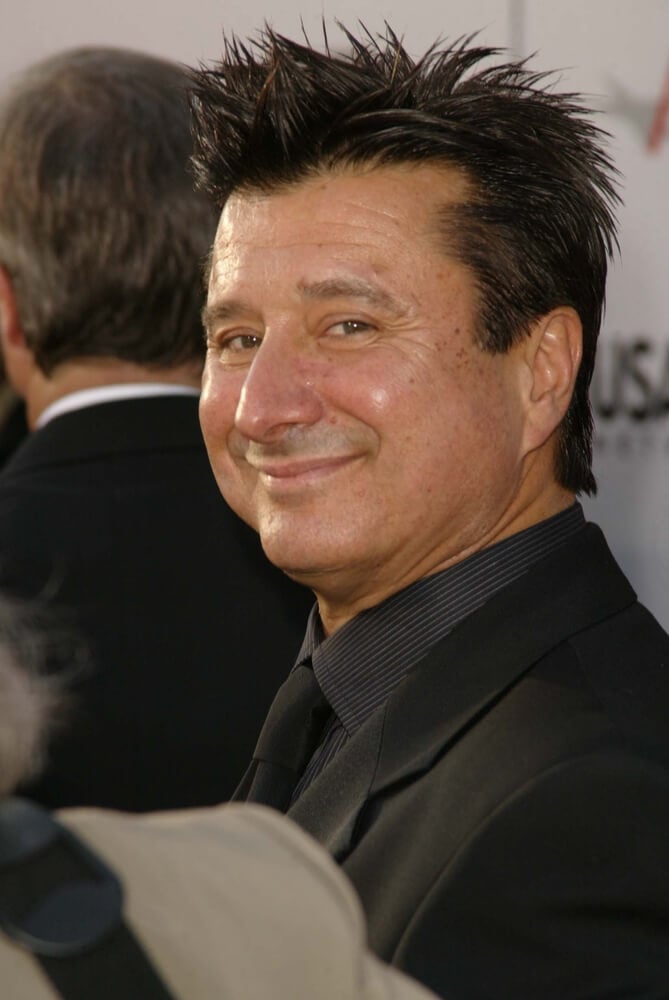
Steve Perry fronted Journey through its most commercially successful years before leaving the band in the late 1980s, at a point when the group was still selling out arenas. He released only sporadic solo material afterward and largely stepped back from an active performing career for decades.
Rick Astley
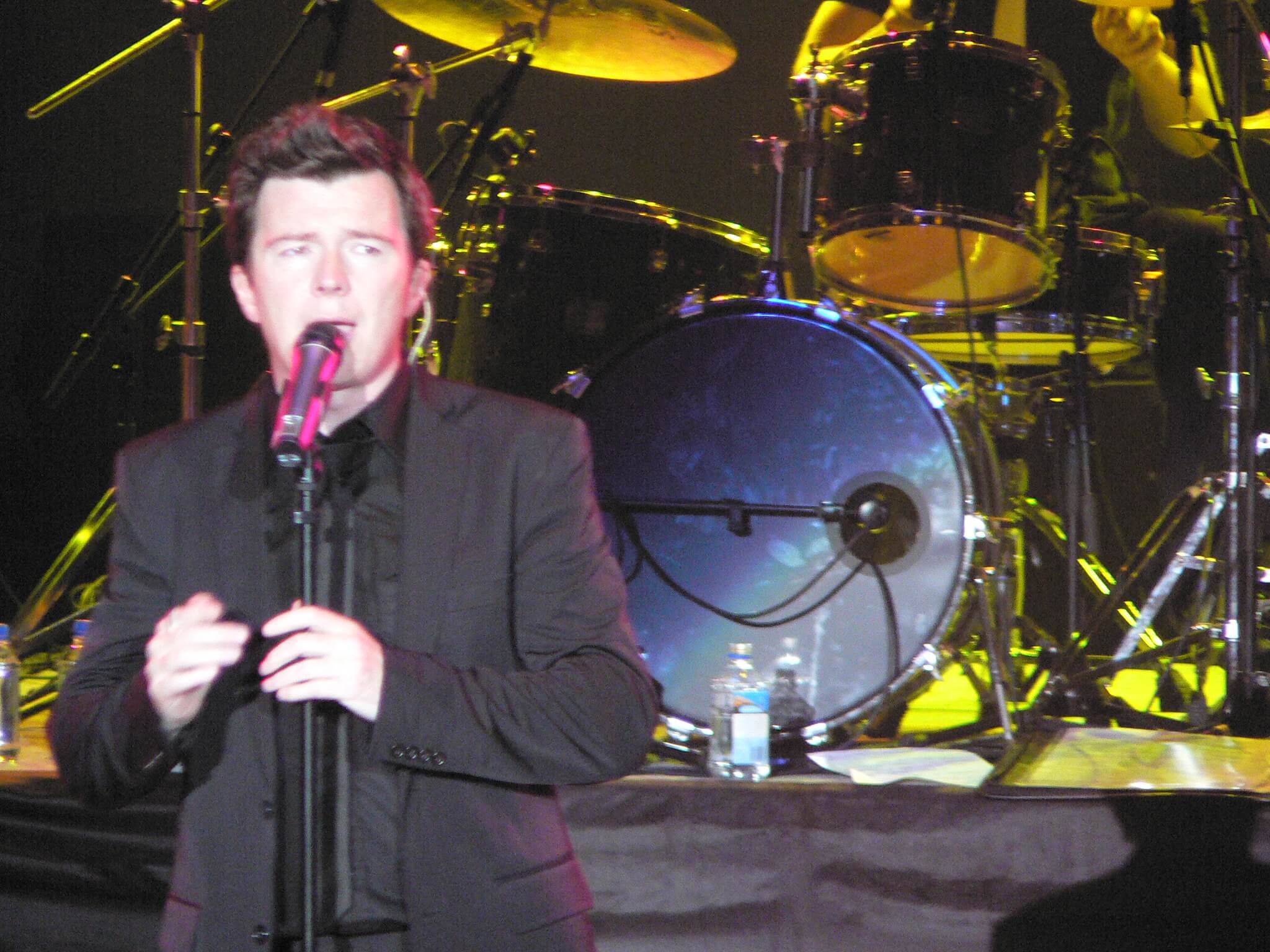
Rick Astley was one of the biggest pop stars in the world in the late 1980s before walking away from the industry in the early 1990s to focus on family life, turning down a reported major label deal to do it. He didn’t return to regular touring and recording until years later, well after his initial fame had cooled.
Grace Slick
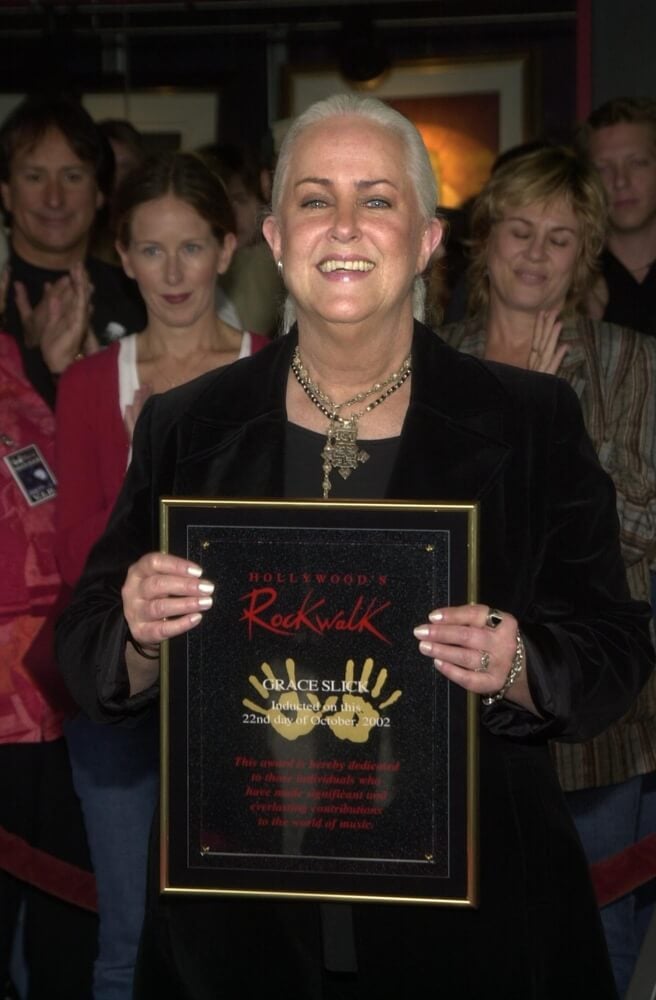
Grace Slick fronted Jefferson Airplane and later Jefferson Starship through decades of major commercial success before formally retiring from performing in 1989. She has stated publicly that she didn’t want to be an aging rock performer on stage, and she has stuck to that retirement ever since.
Dr. Dre
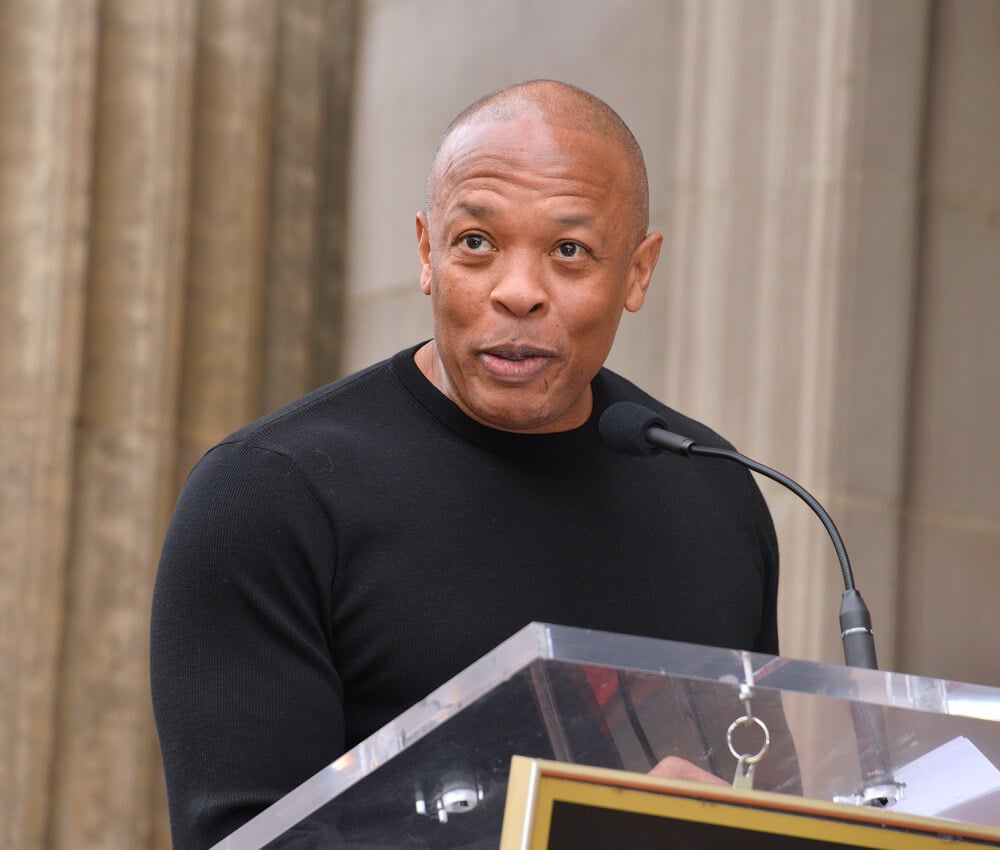
Dr. Dre helped define West Coast hip-hop as a performer before largely stepping back from being a rapper himself after his 1999 album “2001,” instead focusing on production and business ventures. That pivot away from performing at the peak of his own solo career reshaped the rest of the music industry through the artists and technology companies he built afterward.
Andre 3000
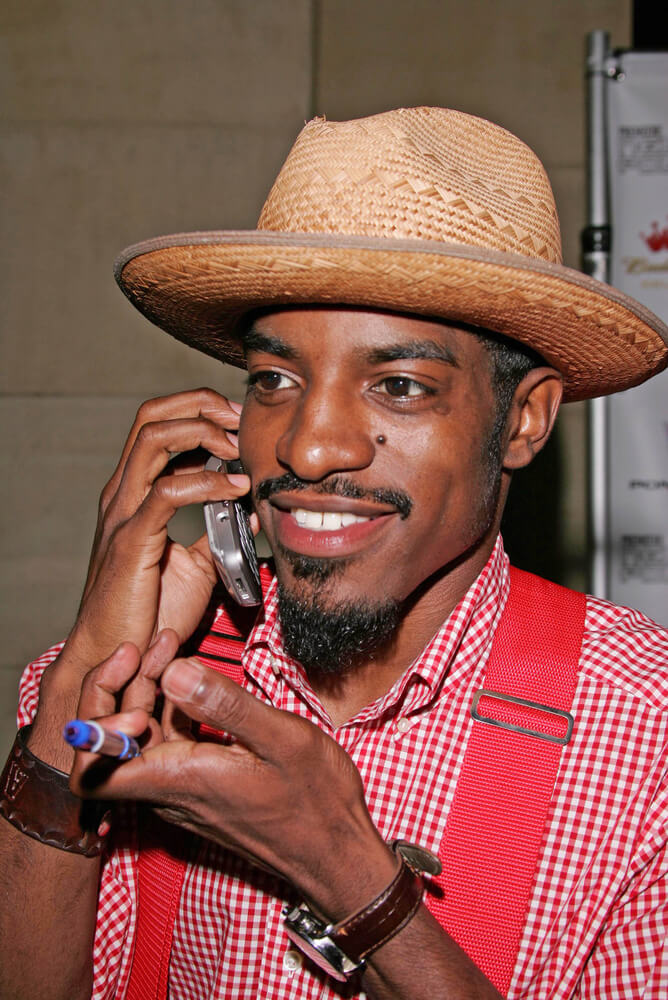
Andre 3000 co-led OutKast to some of the biggest commercial and critical success in hip-hop history before largely stepping back from rapping for over a decade. When he resurfaced with new music, it was an instrumental flute album rather than the rap verses that had made him famous.
Frank Ocean
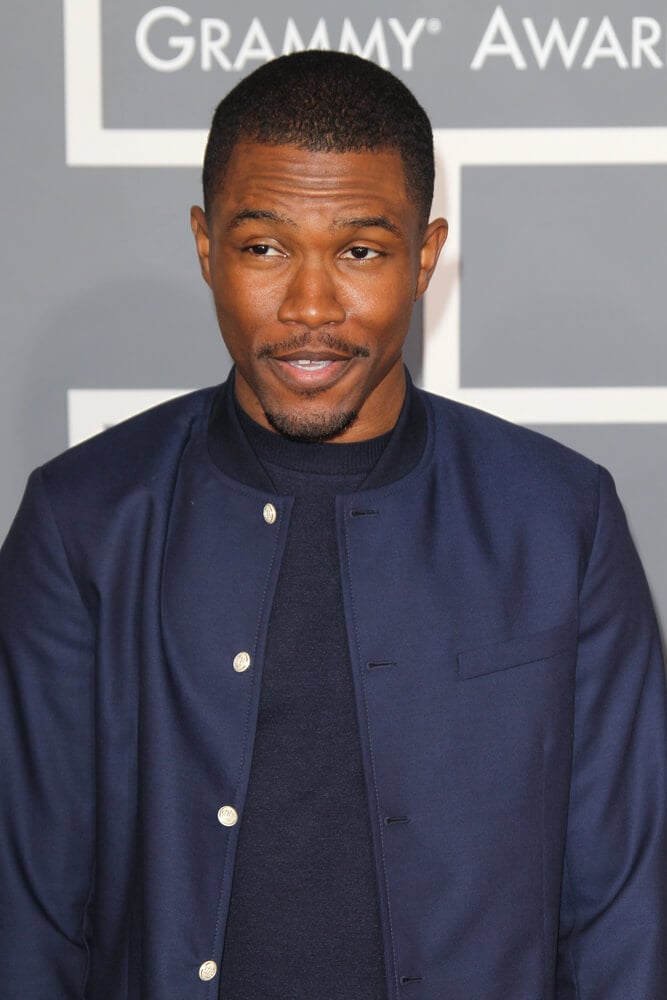
Frank Ocean released “Blonde” in 2016 to some of the strongest reviews of his career, then largely withdrew from touring and new music releases for years afterward. His absence from the industry became a running topic of speculation among fans who expected a quick follow-up that never arrived on any predictable schedule.
D’Angelo

D’Angelo’s “Voodoo” was a critical and commercial success in 2000 that cemented him as one of the most influential voices in neo-soul, and he then largely disappeared from public music-making for fourteen years. He resurfaced with “Black Messiah” in 2014, but the gap remains one of the longest voluntary absences by a major artist between acclaimed albums.
Kate Bush
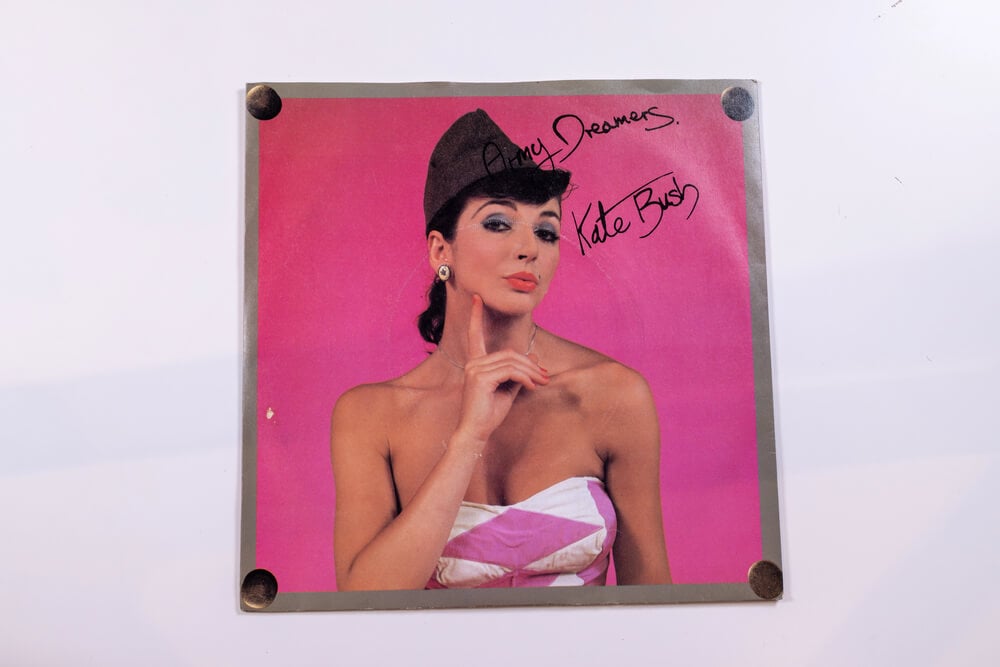
Kate Bush had already built a major career by the mid-1980s before taking a twelve-year gap between studio albums, retreating from touring and public performance almost entirely during that stretch. Her return decades later, driven partly by a song’s unexpected viral resurgence, only reinforced how completely she had stepped away in the interim.
David Byrne
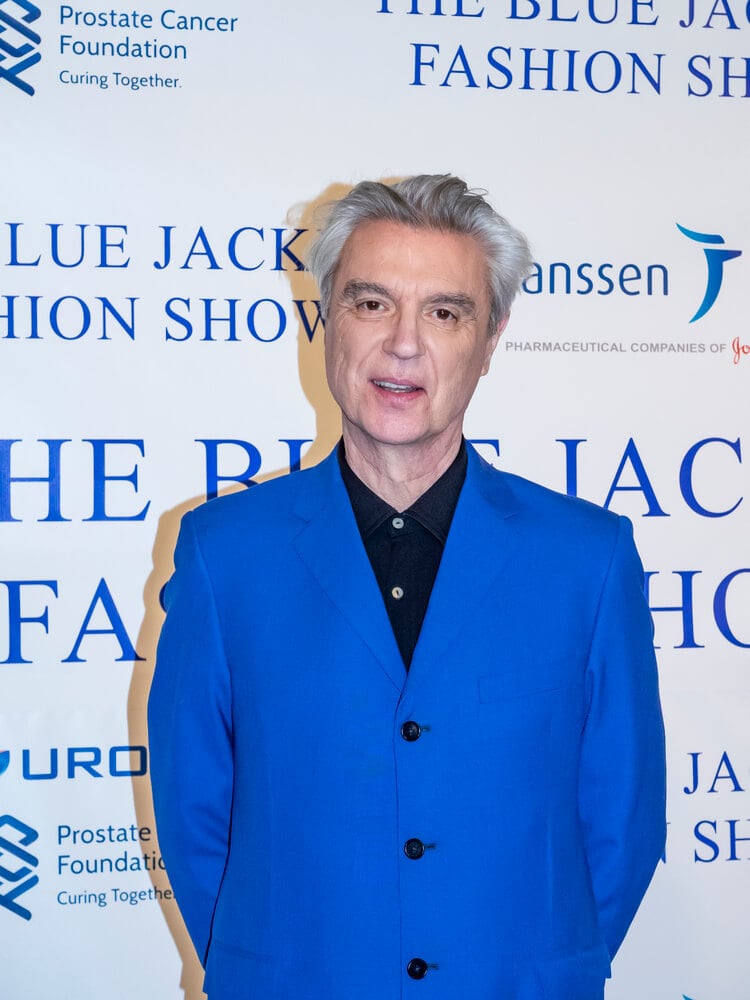
David Byrne led Talking Heads through their most celebrated commercial and critical period before the band effectively stopped functioning as an active unit by the early 1990s. Byrne moved into solo work and various other projects, and the band never again toured or recorded together as its classic lineup.
George Michael
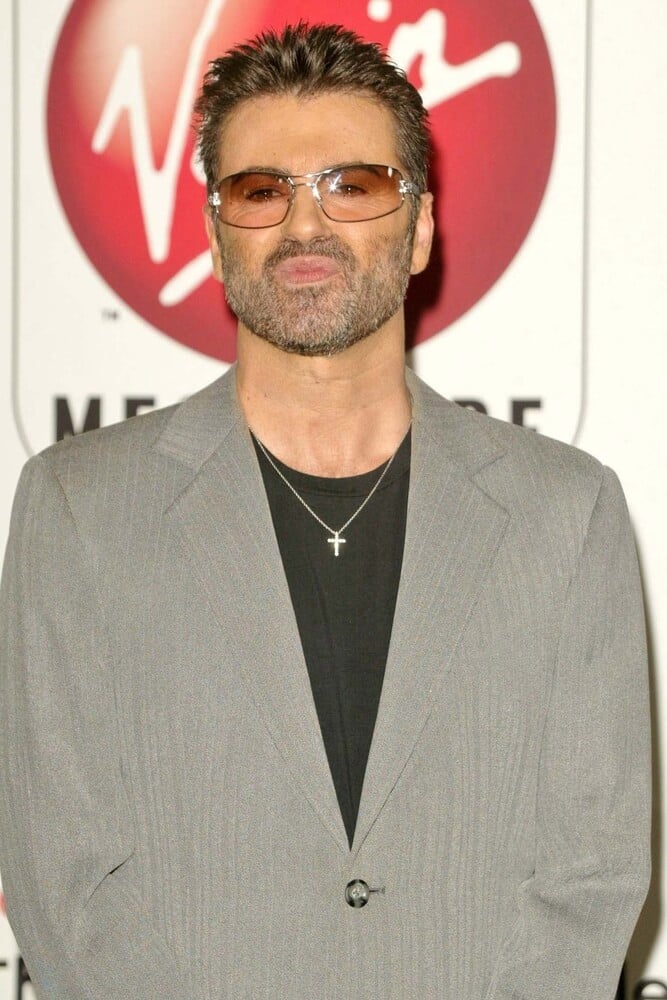
George Michael was among the best-selling solo artists in the world following “Faith” before entering a prolonged legal dispute with his record label that led him to step back from major releases for years. That standoff, waged while he was still near the height of his commercial power, cost him momentum he never fully recovered.
Zayn Malik

Zayn Malik left One Direction in 2015 while the group was still one of the best-selling acts in the world, walking away from arena tours and guaranteed commercial success to pursue a solo career on his own terms. The departure marked one of the most high-profile exits from a group at the peak of its popularity in recent pop history.
Robbie Robertson
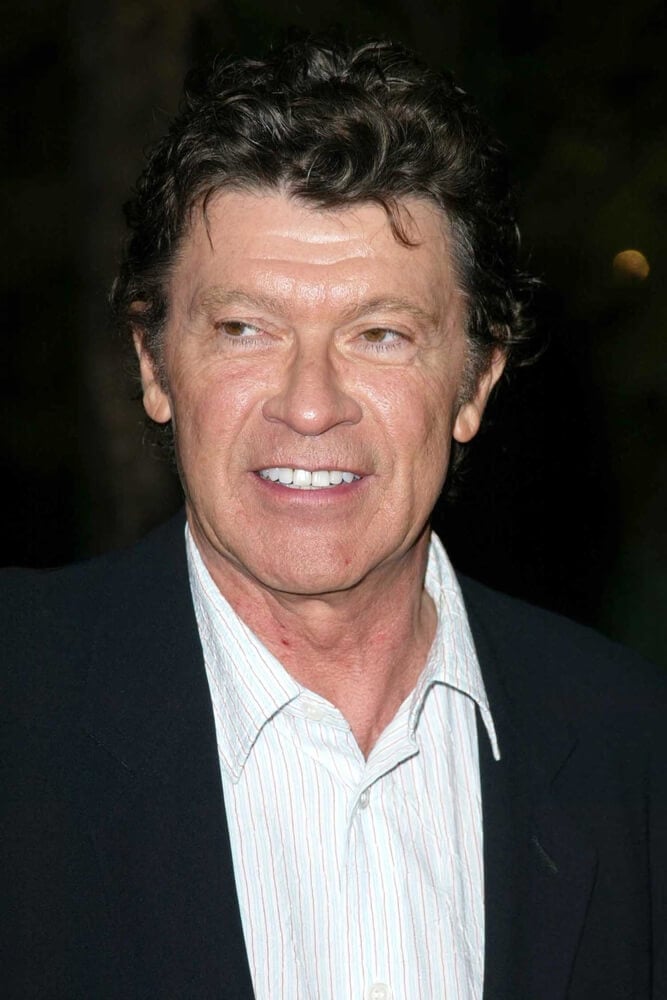
Robbie Robertson led The Band through years of critical acclaim before orchestrating the group’s farewell in 1976 with “The Last Waltz,” a star-studded concert conceived explicitly as their final show together. He pushed for the band to stop touring while it was still creatively and critically respected rather than let it decline.
Steely Dan

Walter Becker and Donald Fagen stopped touring as Steely Dan in 1974, at the height of the band’s commercial success, choosing to become a studio-only project rather than continue performing live. The band eventually stopped recording entirely by the early 1980s before reuniting years later, but its choice to abandon touring at its peak remains a notable break from how most successful acts operate.
Debbie Harry
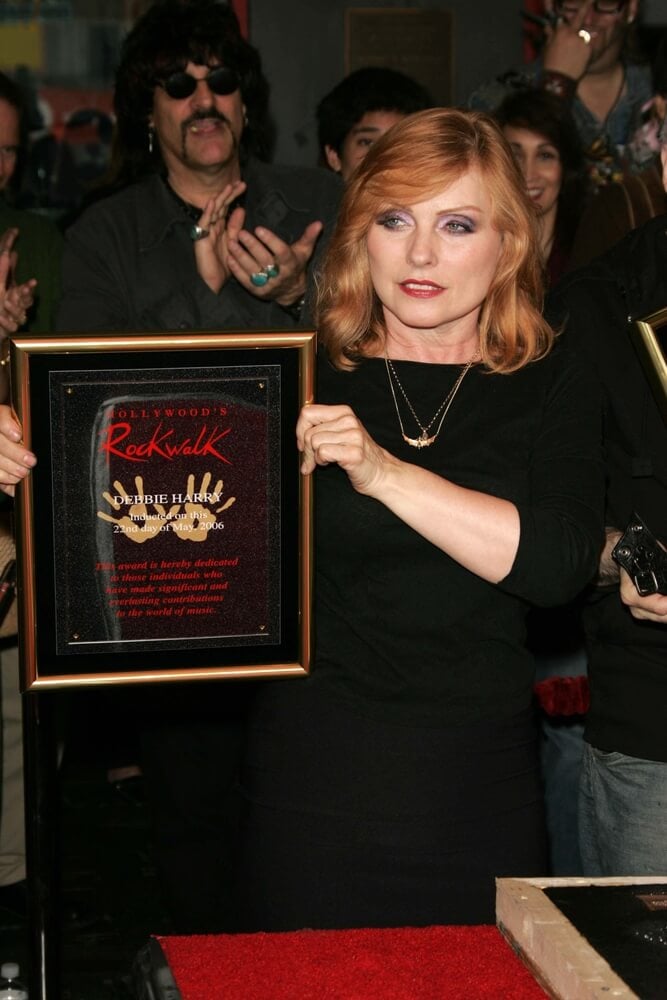
Debbie Harry fronted Blondie through its run of major hits before the band broke up in 1982, driven partly by her decision to step back from touring to care for guitarist and partner Chris Stein through a serious illness. The band’s dissolution came directly at the peak of its commercial success rather than after any decline.
Kevin Shields
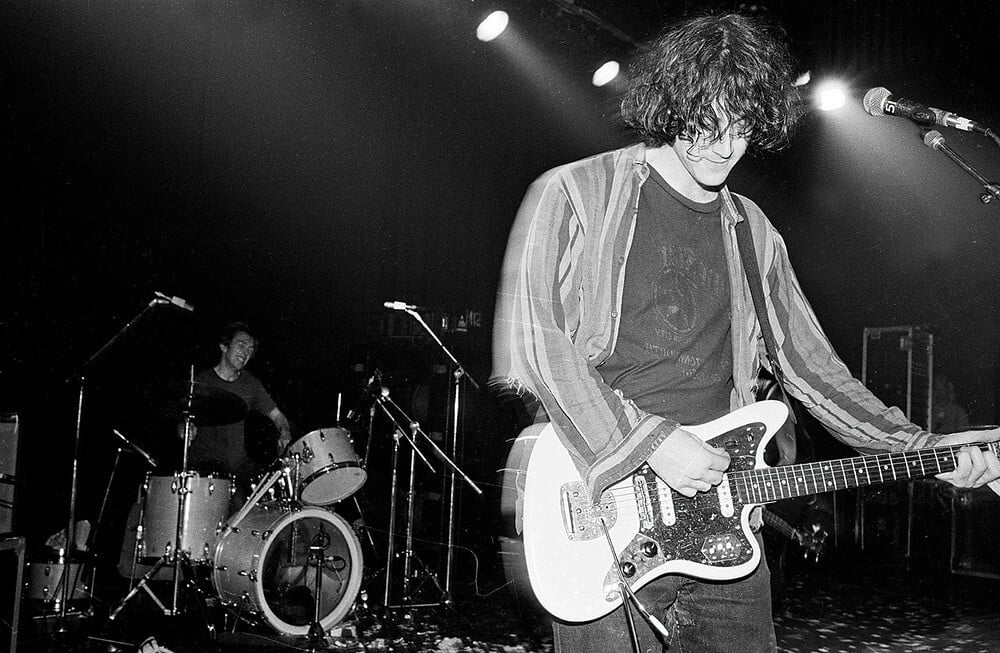
Kevin Shields led My Bloody Valentine to widespread acclaim with 1991’s “Loveless,” an album now considered a landmark of shoegaze, before going more than two decades without releasing another record under the band’s name. That gap between critically defining work and its follow-up remains one of the longest in modern rock.
Beth Gibbons

Beth Gibbons fronted Portishead through the band’s rise as one of the defining acts of 1990s trip-hop before the group went years at a time without releasing new music. Gibbons pursued only occasional outside projects during those gaps, largely stepping back from the kind of visibility the band’s early success had brought her.
Terence Trent D’Arby

Terence Trent D’Arby’s 1987 debut album was a massive critical and commercial success that drew comparisons to major soul and rock icons of the past, but he grew increasingly disillusioned with the industry that had built him up. He eventually changed his name to Sananda Maitreya and stepped almost entirely outside the mainstream music business.
The Police

The Police broke up in 1986 not long after “Synchronicity” made them one of the biggest bands in the world, with internal tension among the members outweighing the commercial momentum they still had. The band’s split at that particular moment, rather than during any decline, is frequently cited as one of rock’s cleaner exits at the top.
Rage Against the Machine
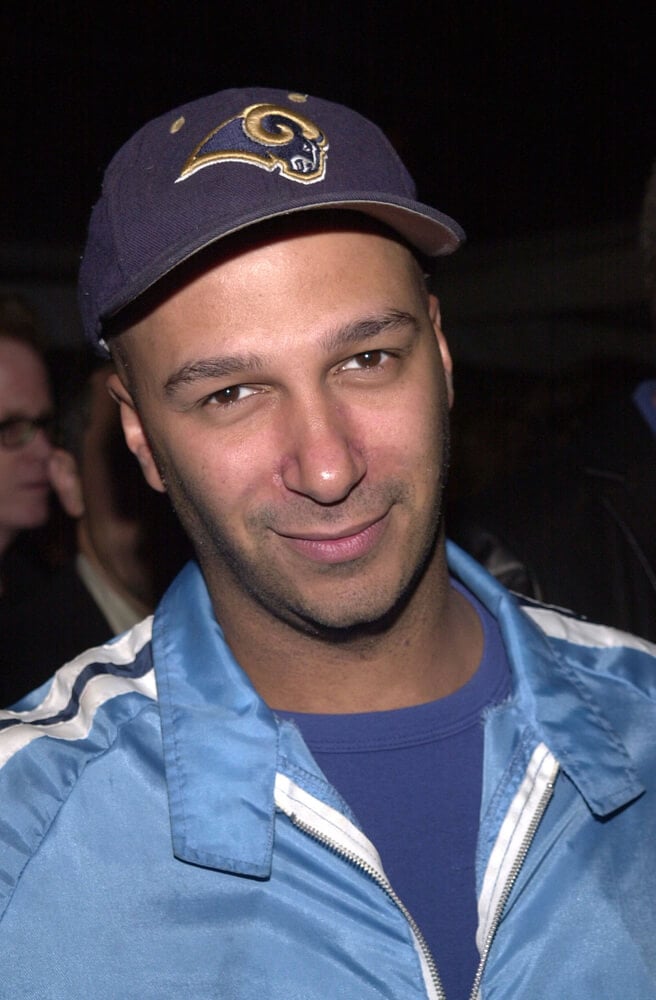
Rage Against the Machine broke up in 2000 following “The Battle of Los Angeles,” an album that had extended the band’s run of both commercial success and political influence. The split came while the band was still filling arenas, and it took years before the members regrouped for occasional reunion tours.
The White Stripes

Jack White and Meg White dissolved The White Stripes in 2011, citing a wish to preserve what had made the band special rather than let it decline, well after the group had become one of the defining rock acts of the 2000s. The breakup came with no prior warning of trouble, catching much of their audience by surprise.
LCD Soundsystem

James Murphy broke up LCD Soundsystem in 2011 with a sold-out farewell concert at Madison Square Garden, ending the band right after “This Is Happening” had cemented it as a critical and commercial highlight of the era. The band eventually reunited years later, but the original farewell remains one of the most deliberately staged exits at a career peak in recent memory.
Walking Away on Purpose

There’s a particular kind of nerve required to leave while people are still asking for more. The music industry runs on momentum, and stepping off it voluntarily, rather than being pushed off by declining sales or dwindling crowds, goes against nearly every incentive built into how the business works.
What connects these very different exits isn’t burnout or failure. It’s a moment where an artist looked at continued success and decided it wasn’t worth what it would cost to keep chasing it, and then, unlike almost everyone else in their position, actually stopped.
More from Go2Tutors!

- The Romanov Crown Jewels and Their Tragic Fate
- 13 Historical Mysteries That Science Still Can’t Solve
- Famous Hoaxes That Fooled the World for Years
- 15 Child Stars with Tragic Adult Lives
- 16 Famous Jewelry Pieces in History
Like Go2Tutors’s content? Follow us on MSN.