30 Ancient Cities Rewritten by Later Discoveries
History books get revised more often than people assume, and nowhere is that clearer than in archaeology. A single excavation can turn a city from legend into fact, or from a footnote into the center of an entire civilization’s story.
The following places were all, at some point, badly misunderstood, until new evidence forced historians to start over. Some were dismissed as myth until someone dug in the right spot.
Others were assumed to be minor outposts until their true scale emerged from the ground. Each entry here represents a moment when the accepted version of the past quietly became wrong.
Troy
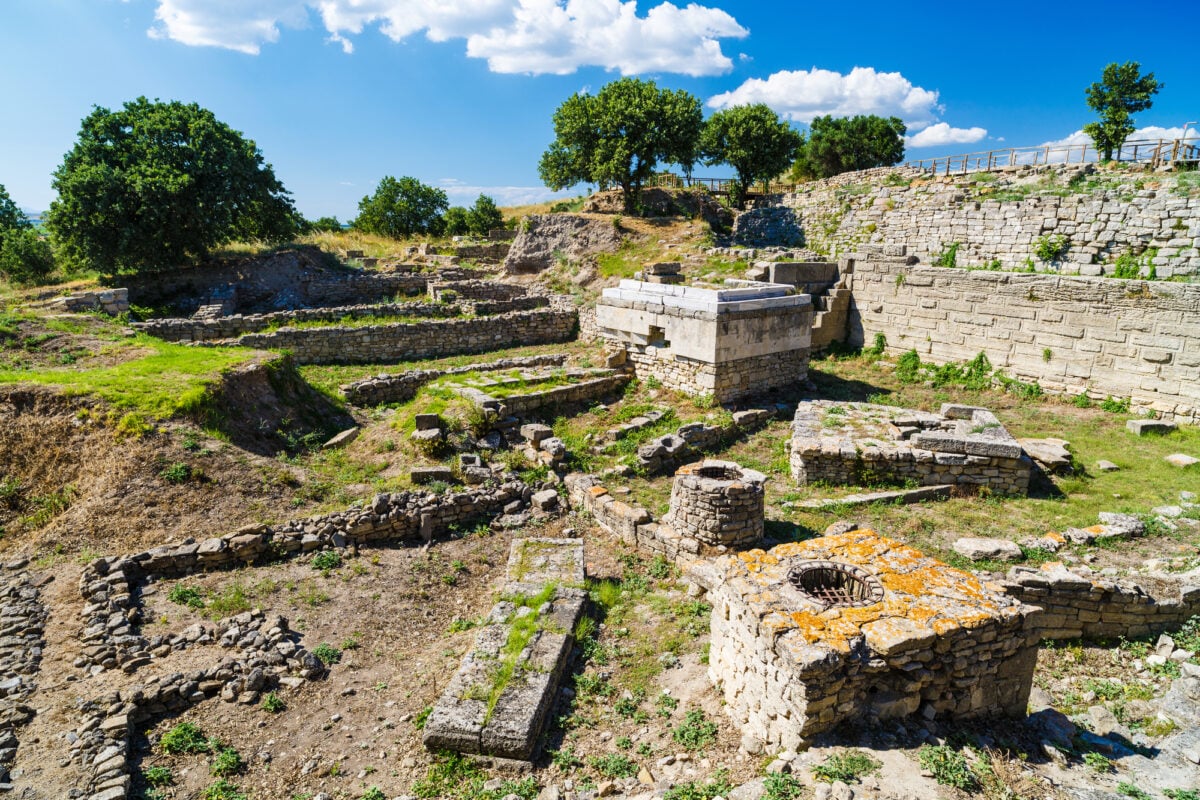
For centuries, Troy was treated as a purely literary setting from Homer’s epics, with no serious expectation that it corresponded to a real place. Heinrich Schliemann’s excavations at Hisarlik in the 1870s revealed multiple layered cities stacked atop one another, proving a real settlement had existed on the site for thousands of years.
Later archaeologists identified at least nine distinct building phases, and ongoing excavation has continued to revise which layer, if any, matches the war described in the Iliad. The find transformed Troy from a symbol of poetic invention into a genuine, if still debated, archaeological puzzle.
Pompeii
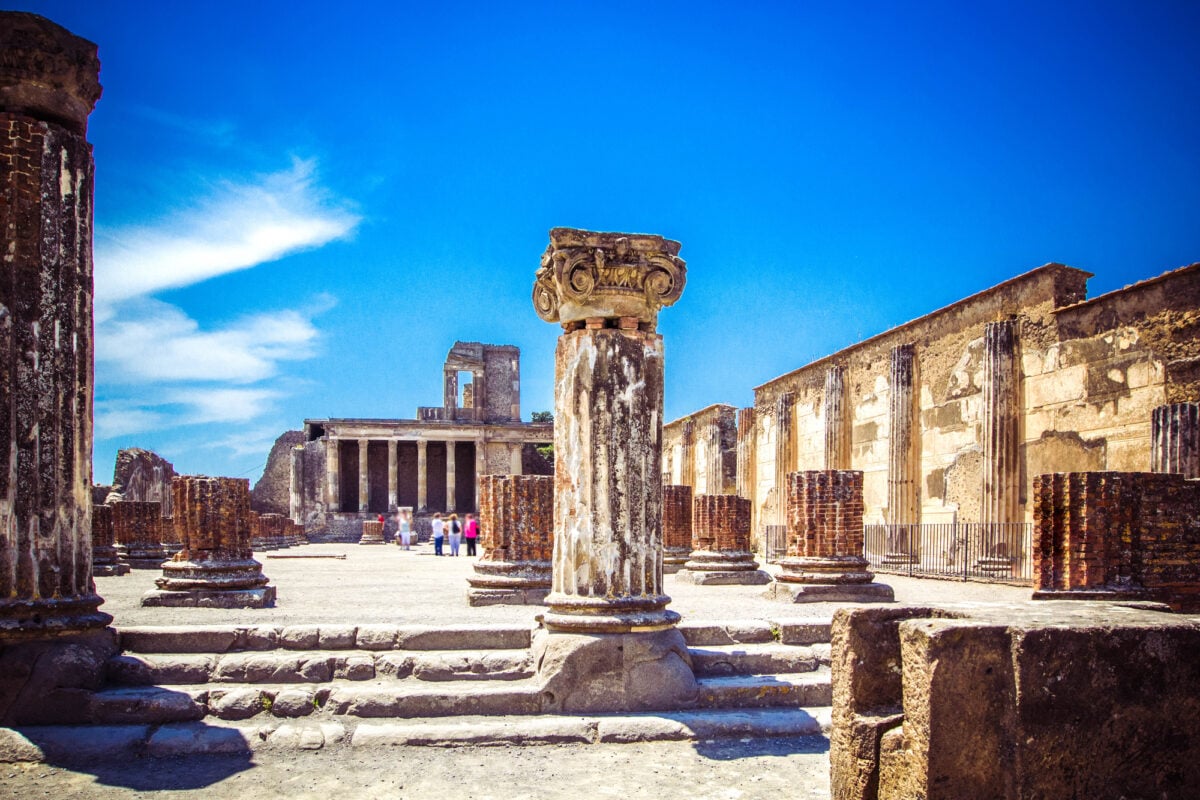
Before its rediscovery, Pompeii existed mainly as a name in Roman written sources, its exact location and condition unknown for over a millennium. Systematic excavation beginning in the eighteenth century revealed a city frozen by the eruption of Mount Vesuvius in 79 CE, with buildings, artwork, and even food preserved in remarkable detail.
The find rewrote assumptions about everyday Roman life, revealing sophisticated plumbing, vividly decorated homes, and thriving commercial districts that written histories had barely described. Excavation continues today, and new sections uncovered in recent years still regularly force updates to what historians thought they knew about the city’s final hours.
Machu Picchu
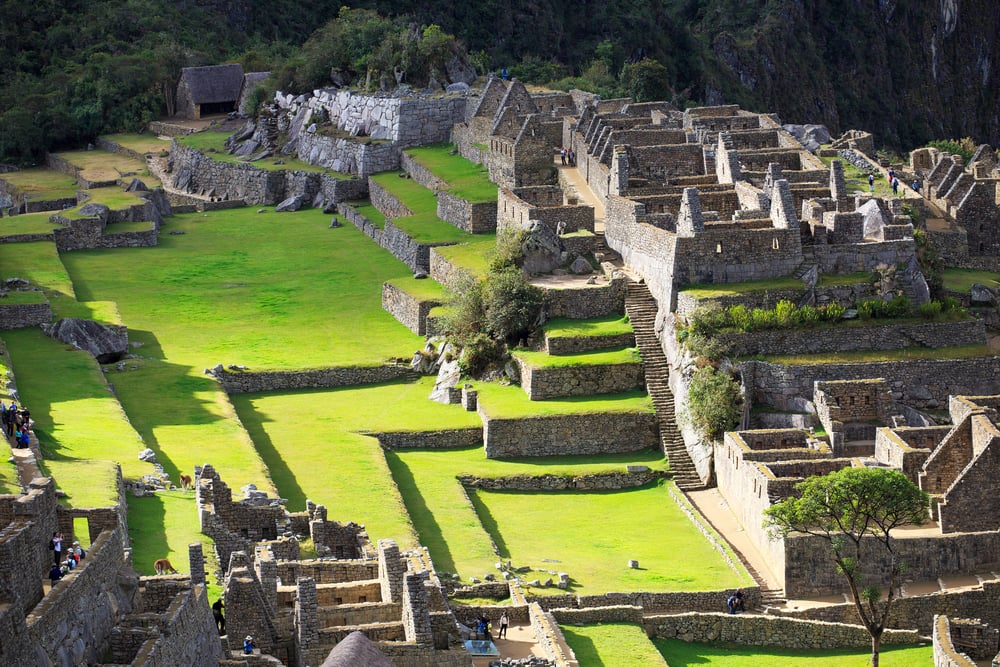
When American explorer Hiram Bingham brought Machu Picchu to international attention in 1911, he initially proposed it was the lost Inca city of Vilcabamba, the empire’s final refuge from Spanish conquest. Later research identified a different site as Vilcabamba and reinterpreted Machu Picchu instead as a royal estate built for the Inca emperor Pachacuti.
Continued study has further revised understanding of its function, suggesting it combined religious, agricultural, and administrative roles rather than serving a single purpose. Each new survey of the site has pushed historians further from Bingham’s original theory.
Great Zimbabwe
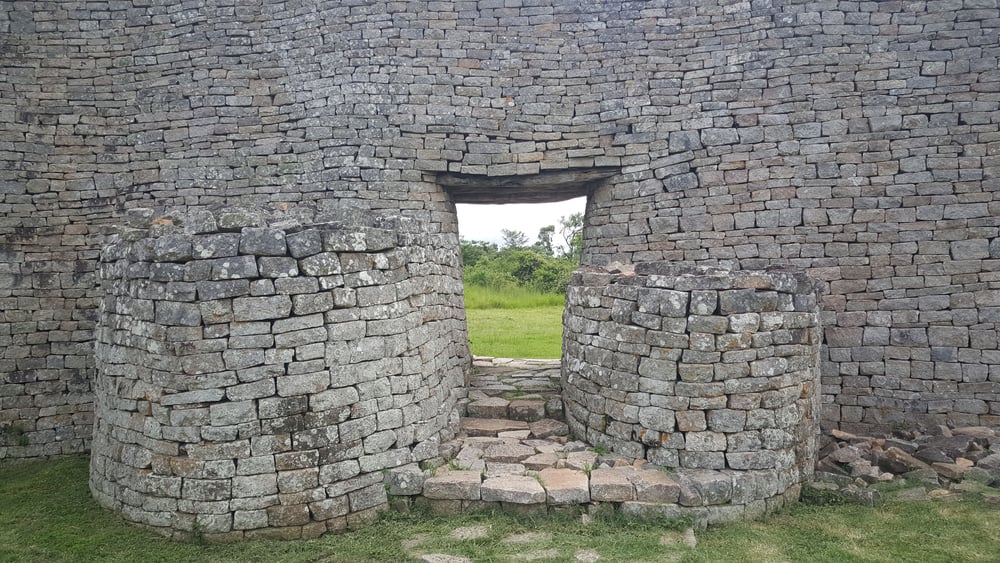
European colonial authorities in southern Africa spent decades insisting that the massive stone ruins of Great Zimbabwe were too sophisticated to have been built by indigenous Africans, attributing them instead to Phoenicians or other outside civilizations. Twentieth-century archaeological work definitively established that the complex was built and expanded by ancestors of the Shona people beginning around the eleventh century.
The site’s true origin was so politically inconvenient to colonial rule in Rhodesia that the government actively suppressed the archaeological findings for years. Its confirmed African origin later gave the modern nation of Zimbabwe its name.
Nineveh
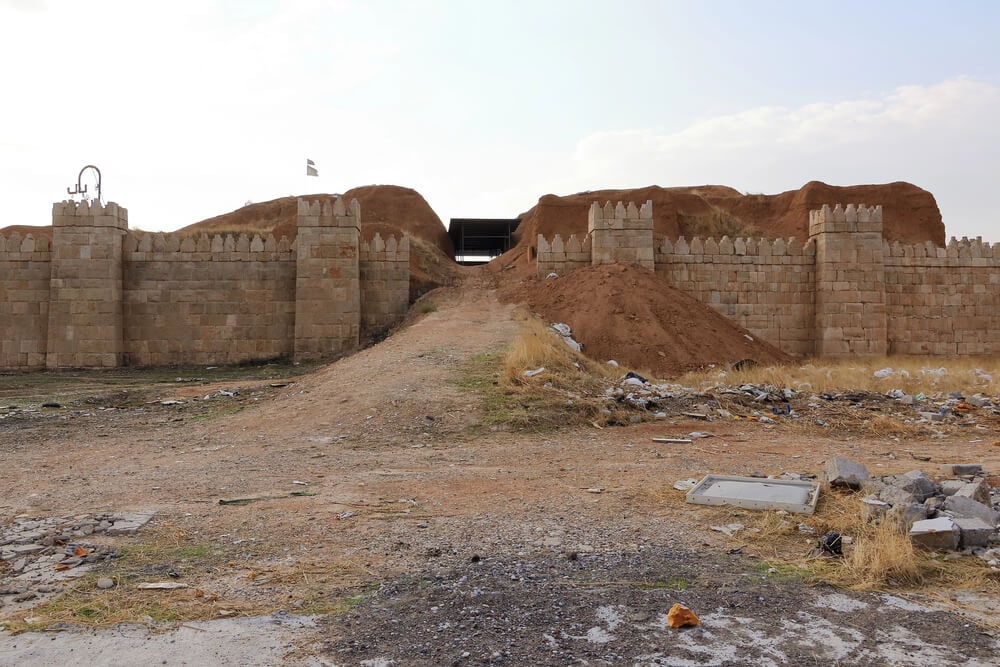
The Assyrian capital of Nineveh was known only through biblical and classical references until nineteenth-century excavations near modern Mosul uncovered its full extent. Archaeologists found immense palace complexes and the remains of King Ashurbanipal’s library, containing tens of thousands of cuneiform tablets. The discovery transformed Assyria from a shadowy biblical antagonist into one of the best-documented civilizations of the ancient Near East.
Tablets recovered from the site continue to be translated today, periodically revealing details that adjust the broader timeline of Mesopotamian history.
Ur
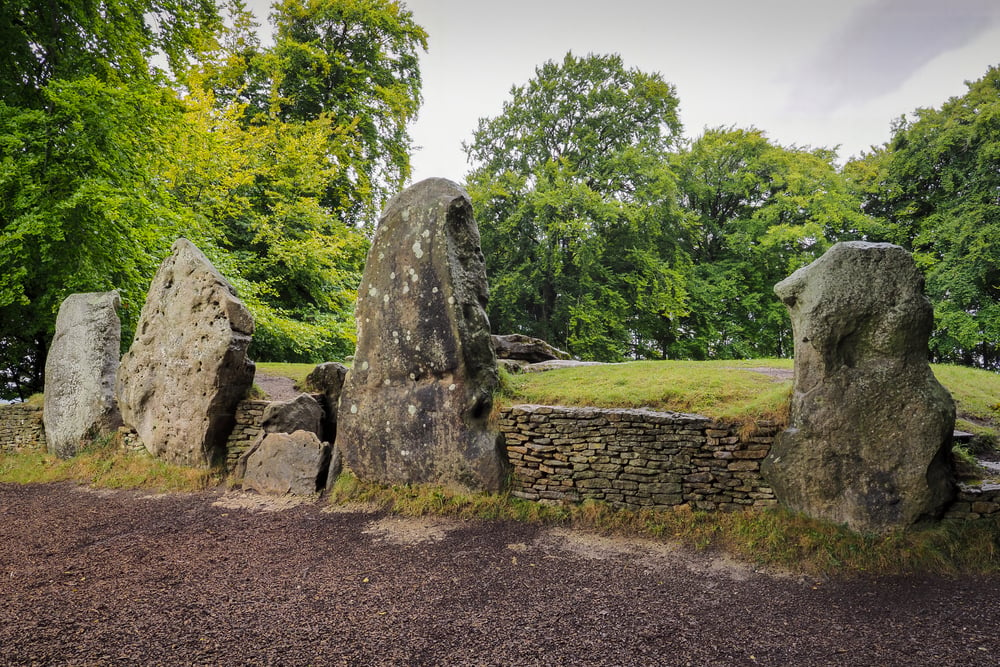
Excavations at Ur in the 1920s and 1930s, led by archaeologist Leonard Woolley, revealed a Sumerian city far more advanced than previously assumed, including elaborate royal tombs filled with gold artifacts and evidence of ritual burial practices. The find pushed back the known sophistication of urban civilization in Mesopotamia by centuries. Woolley also identified thick sediment layers he controversially linked to a catastrophic flood, fueling decades of debate about connections to flood narratives in later religious texts.
The scale of the discovery repositioned Sumer as a foundational civilization rather than a minor precursor to Babylon.
Knossos
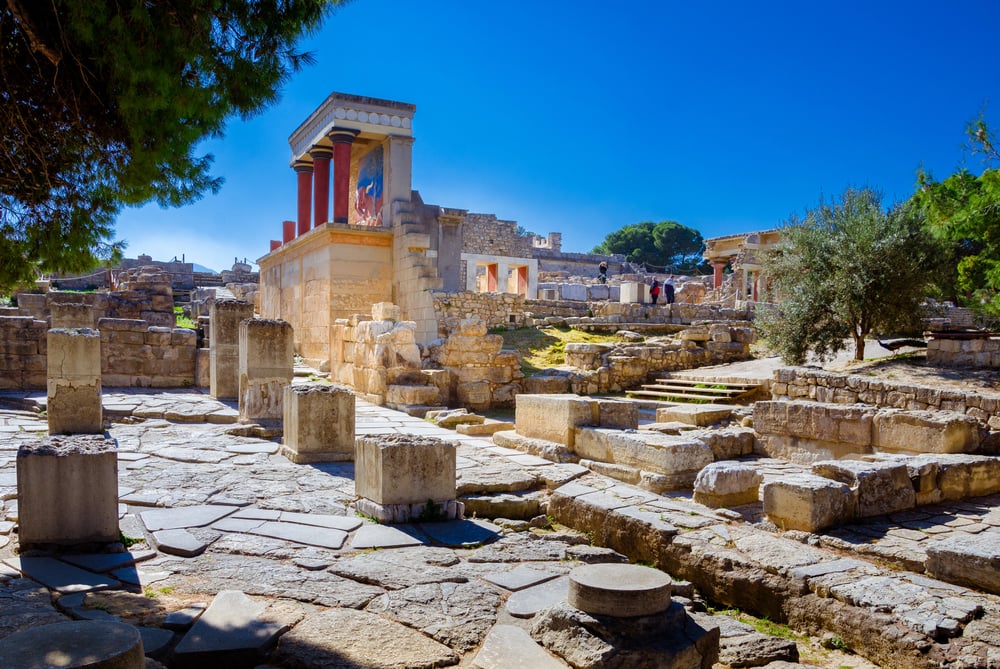
Before Arthur Evans began excavating on Crete in 1900, the Minoan civilization was known only through Greek myths about King Minos and the labyrinth. Evans’s excavation of the palace complex at Knossos revealed an entire Bronze Age civilization, complete with elaborate frescoes, advanced plumbing, and a distinct writing system. His reconstruction methods have since drawn criticism for being speculative, but the underlying discovery confirmed that the mythical Minoan world had a genuine historical basis.
The find pushed the known history of complex Aegean civilization back by roughly a thousand years.
Mohenjo-daro
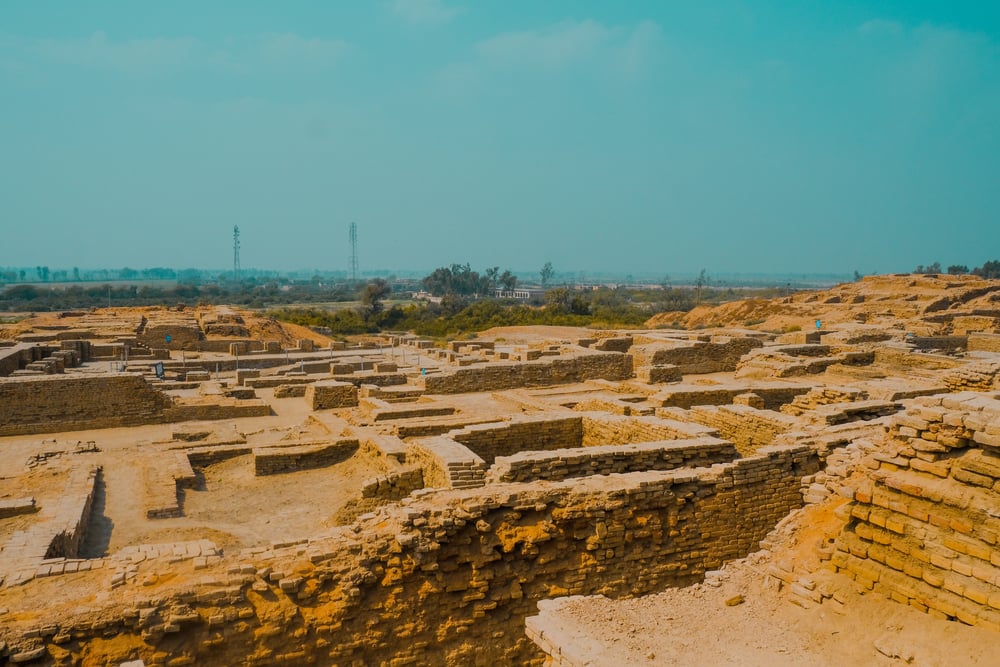
Excavated in the 1920s, Mohenjo-daro revealed a city of the Indus Valley Civilization with grid-planned streets, standardized brick sizes, and covered drainage systems more advanced than many cities built thousands of years later. Its discovery, alongside the nearby site of Harappa, revealed an entire civilization that had gone almost completely unrecorded in surviving historical texts.
The Indus script found throughout the site remains undeciphered today, meaning much of what the city’s own residents recorded about themselves is still inaccessible. Its scale forced historians to recognize a third major Bronze Age civilization alongside Egypt and Mesopotamia.
Petra

Long known to local Bedouin populations, Petra was reintroduced to European scholarship in 1812 by Swiss explorer Johann Ludwig Burckhardt, who described a city carved directly into rose-colored sandstone cliffs. Later excavation revealed the Nabataean civilization’s sophisticated water management system, including dams, cisterns, and channels that allowed a desert city to thrive as a major trade hub.
The complexity of that infrastructure was not fully appreciated until systematic archaeological survey in the twentieth century. What was once viewed as a picturesque ruin is now understood as an engineering achievement built to control a hostile environment.
Angkor
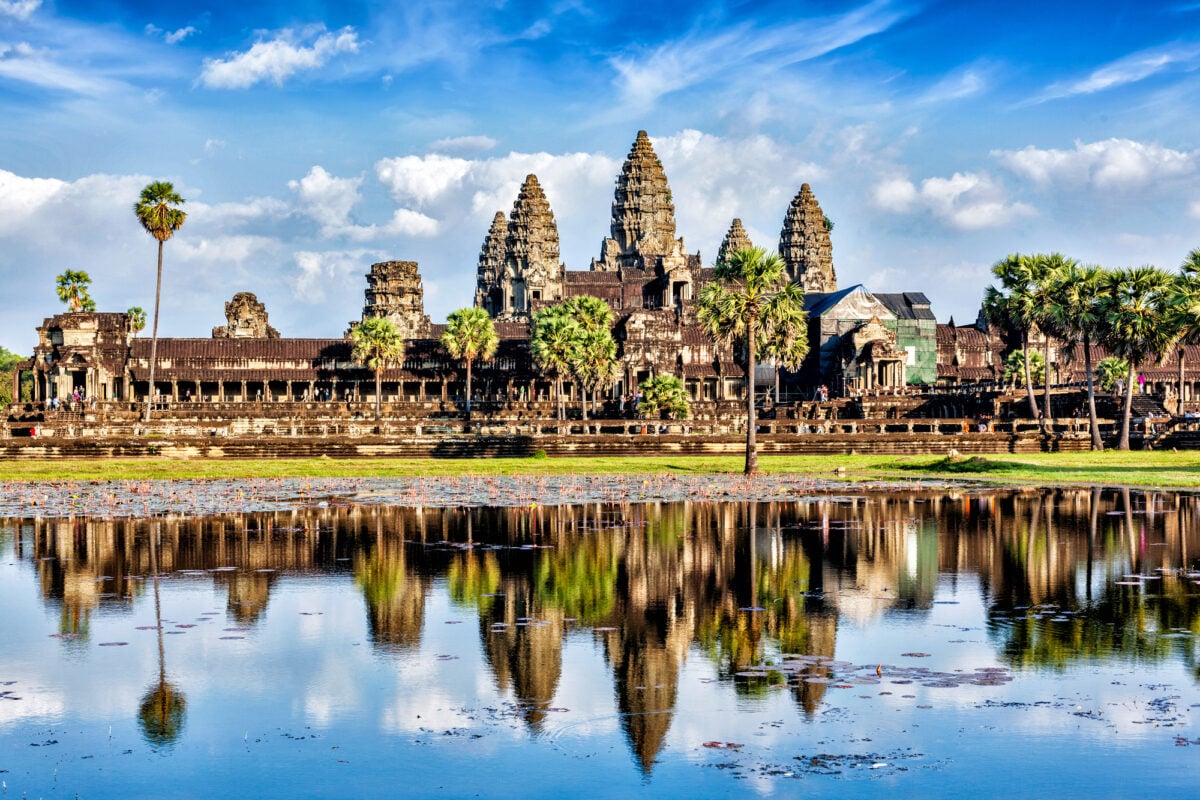
Although never fully abandoned by local populations, Angkor was reintroduced to Western audiences by French naturalist Henri Mouhot in the 1860s, who described it in terms suggesting a lost civilization. Twenty-first century airborne LIDAR surveys revealed that the visible temple complexes represented only a fraction of a vastly larger urban network, including sprawling residential grids and water infrastructure hidden beneath dense forest.
The surveys established Angkor as likely the largest pre-industrial urban settlement on Earth, far larger than earlier estimates suggested. The finding fundamentally revised how historians understand the scale the Khmer Empire achieved.
Caral
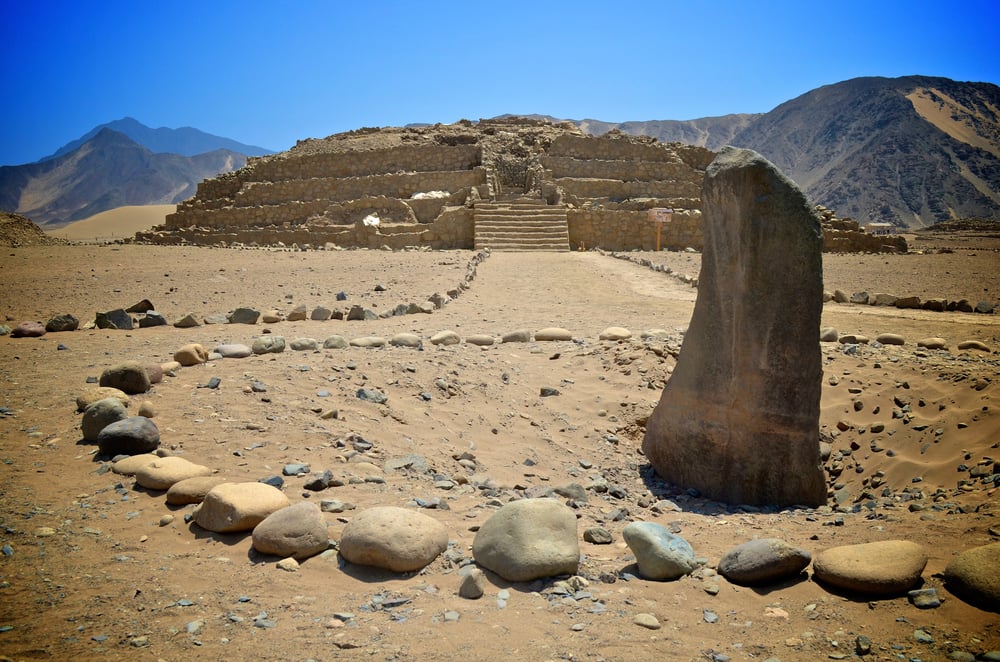
Discovered to be far older than initially believed, the Peruvian city of Caral was dated through the 1990s and early 2000s to roughly 2600 BCE, making it the oldest known city in the Americas. Its age predates the rise of Andean cultures like the Moche and Nazca by well over a thousand years, pushing back the entire timeline of complex society in South America.
The city shows no evidence of defensive walls or weapons, challenging assumptions that early urban centers required warfare to organize large populations. Its discovery reshaped the accepted narrative of how and when civilization emerged in the Andes.
Göbekli Tepe
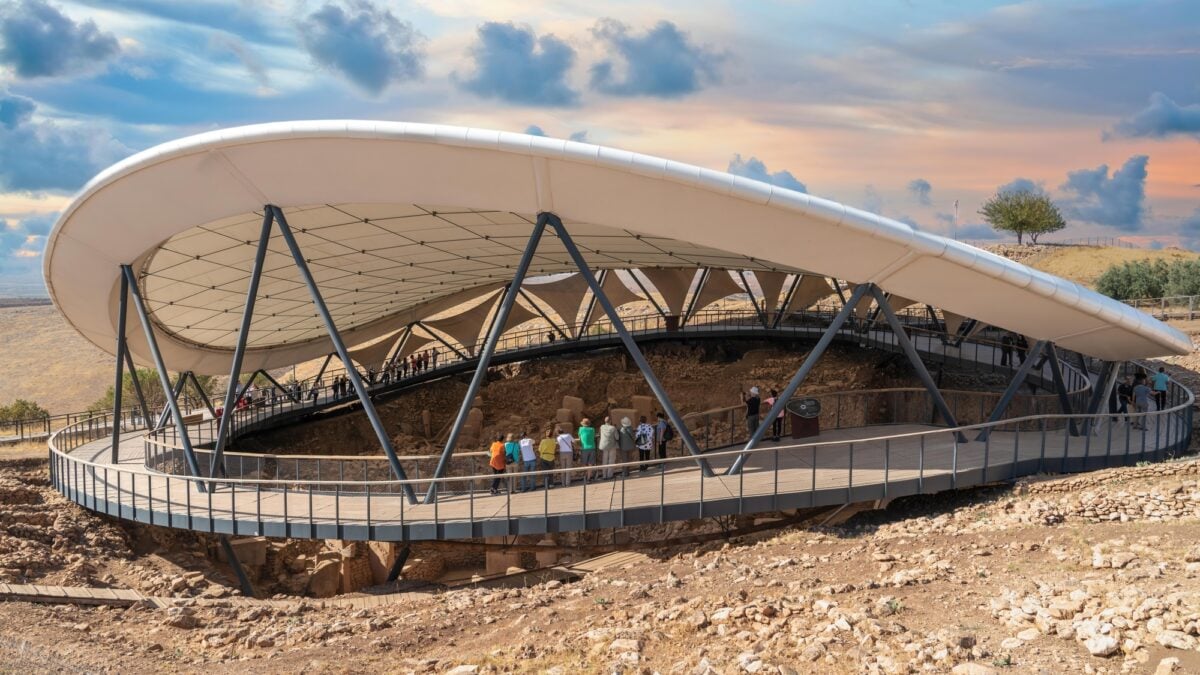
Excavations beginning in the 1990s at Göbekli Tepe in southeastern Turkey uncovered massive carved stone pillars dating back roughly 11,000 years, predating Stonehenge by about six thousand years and Egypt’s pyramids by far. The site was built by hunter-gatherers before the development of agriculture, contradicting the long-held assumption that farming was a prerequisite for large-scale monumental construction.
Some archaeologists now argue the need to gather and feed workers at sites like this may have helped drive the shift toward agriculture, rather than the reverse. The discovery forced a fundamental rethinking of the sequence historians assumed civilization followed.
Cahokia
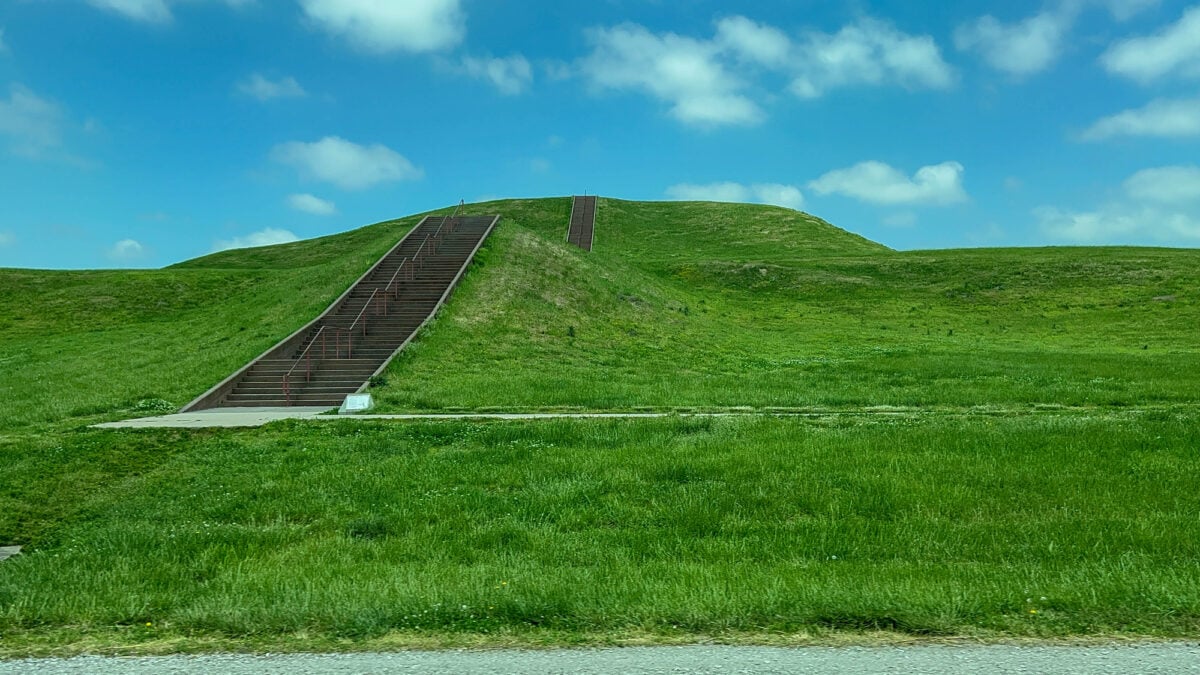
Located near modern St. Louis, the Mississippian city of Cahokia was, at its peak around 1100 CE, likely home to more people than London at the time, a fact that took decades of excavation to establish. Nineteenth-century American observers frequently assumed the massive earthen mounds at the site must have been built by some vanished, non-Native civilization, a theory long since discredited by archaeological consensus.
Continued excavation has revealed a complex urban center with plazas, residential districts, and evidence of long-distance trade networks. Its scale remains largely unknown to the American public despite ranking among the largest pre-Columbian cities north of Mexico.
Teotihuacan
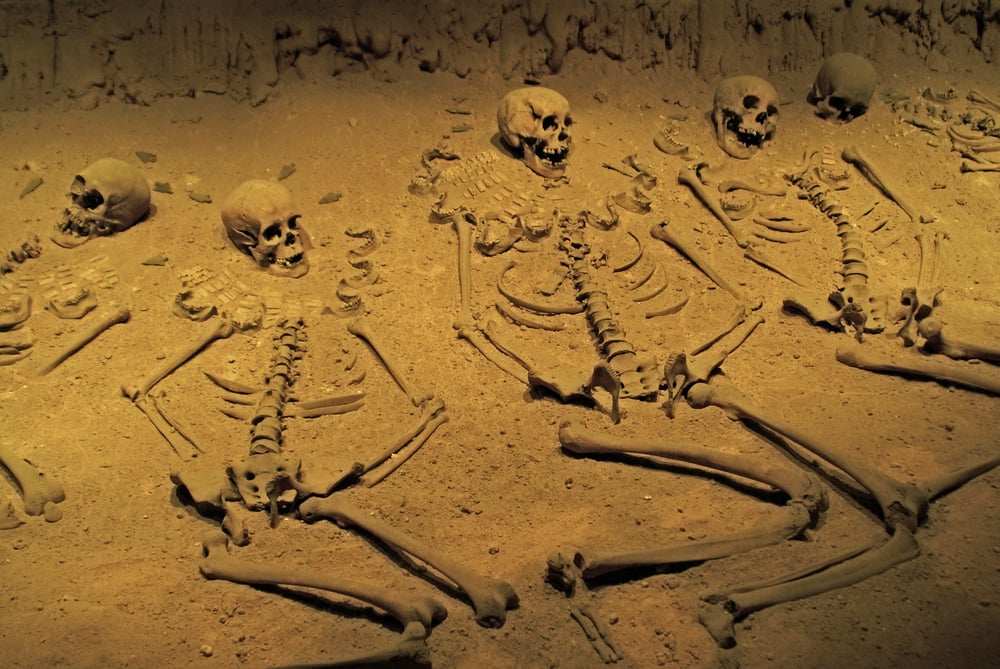
For centuries, the massive city of Teotihuacan near modern Mexico City was assumed by the Aztecs themselves to have been built by giants or gods, since it had already been abandoned for centuries by the time they encountered it. Modern archaeology has established that the city was constructed by a civilization whose identity remains disputed, and it was not built by the Aztecs at all.
At its height around 500 CE, it may have housed over 100,000 residents, making it one of the largest cities in the world at that time. Ongoing excavation of tunnels beneath its pyramids continues to reveal new details about a culture that left no confirmed written language behind.
Herculaneum
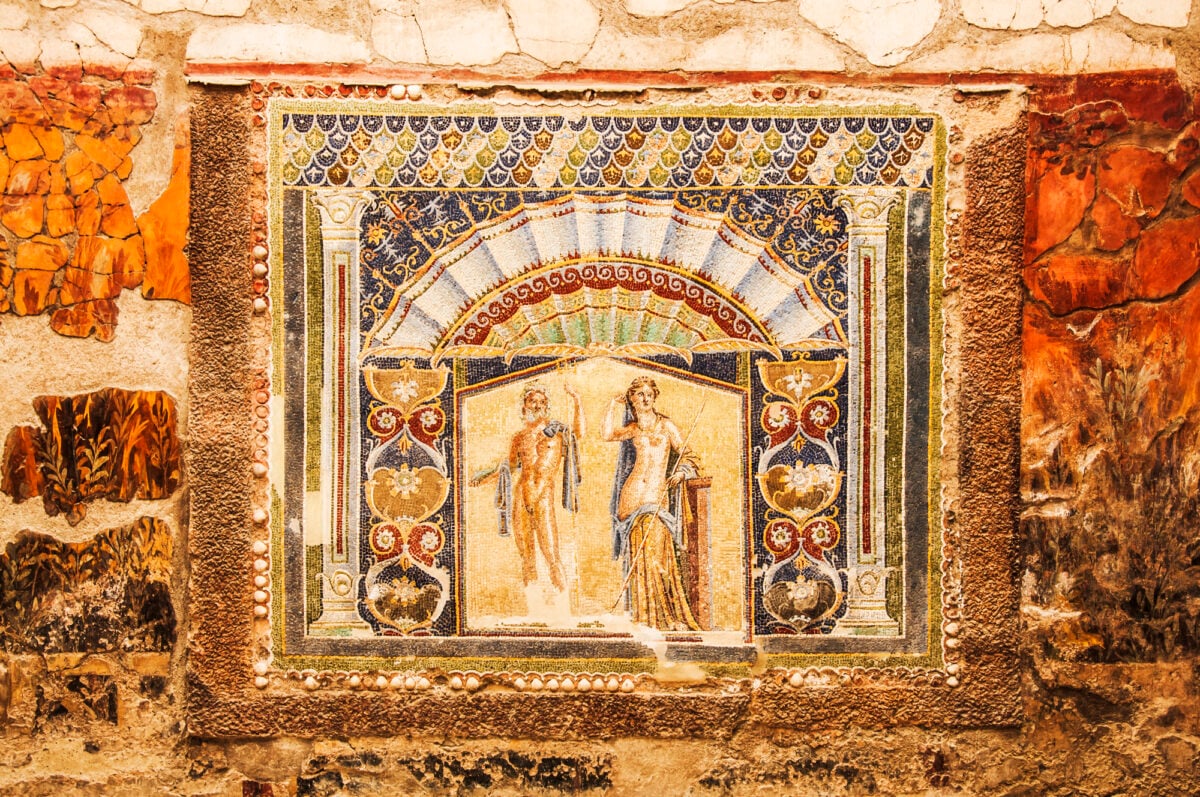
Buried alongside Pompeii by the same 79 CE eruption, Herculaneum was preserved even more completely due to the pyroclastic material that encased it, including an extensive library of carbonized papyrus scrolls found in a single villa. For centuries, those scrolls were considered unreadable, since unrolling them destroyed the fragile carbonized material. Beginning in 2023, researchers using artificial intelligence to analyze CT scans of the still-rolled scrolls began recovering legible text without physically opening them.
Each scroll deciphered this way adds previously unknown philosophical writing to the historical record, nearly two thousand years after it was sealed away.
Çatalhöyük
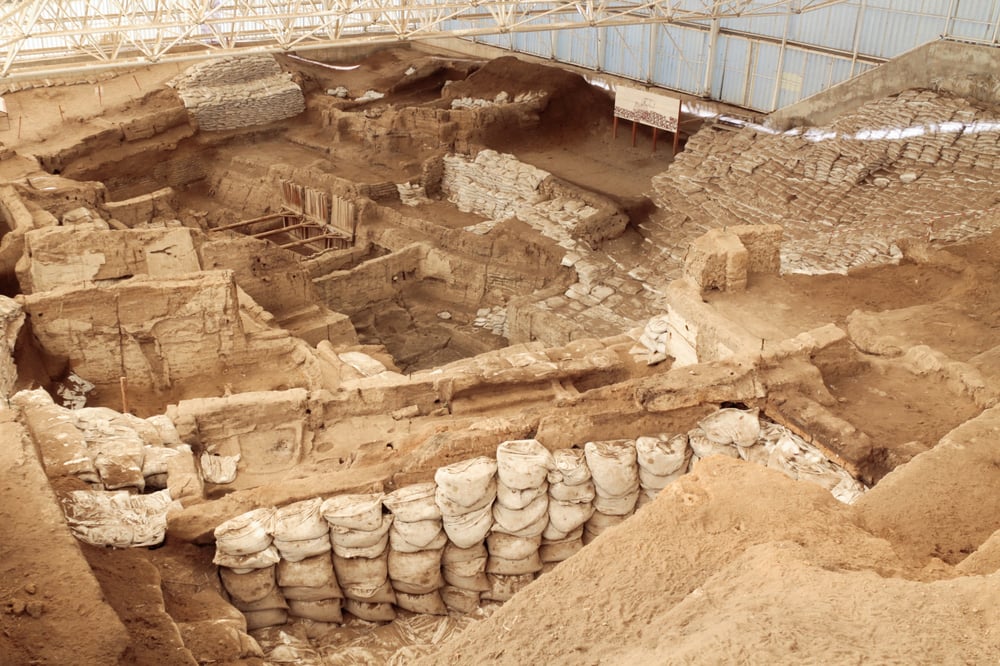
Excavations at Çatalhöyük in central Turkey, beginning in the 1960s, revealed one of the earliest known large agricultural settlements, dating to roughly 7500 BCE. The site’s unusual construction, with densely packed homes entered through rooftop openings rather than street-level doors, forced archaeologists to reconsider what a Neolithic settlement could look like before cities in the conventional sense existed.
Excavators found little evidence of centralized political authority or significant social hierarchy, challenging assumptions about how early large communities organized themselves. The site remains one of the key reference points for understanding the earliest transition to settled life.
Sanxingdui
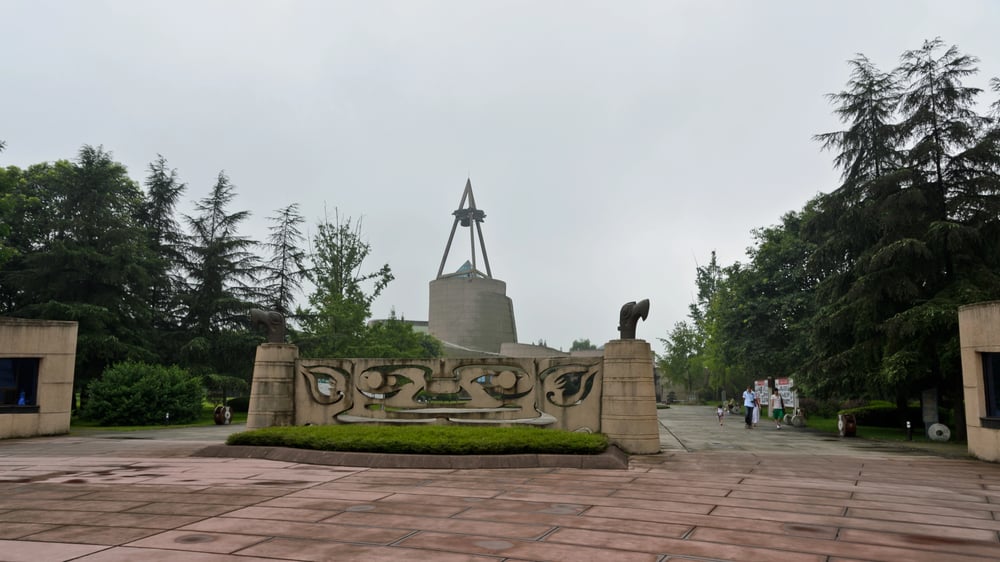
Farmers in Sichuan province accidentally uncovered the Sanxingdui site in 1929, but its true significance was not understood until systematic excavation began in 1986, revealing enormous bronze masks and figures unlike anything previously found in China. The artifacts belonged to a Bronze Age culture with no clear connection to the traditional dynastic narrative centered on the Yellow River valley.
Additional pits discovered as recently as 2019 and 2021 continue to yield objects that complicate the standard timeline of early Chinese civilization. Researchers still debate how this distinct culture related to, or existed alongside, the dynasties long treated as the sole origin point of Chinese history.
Nan Madol
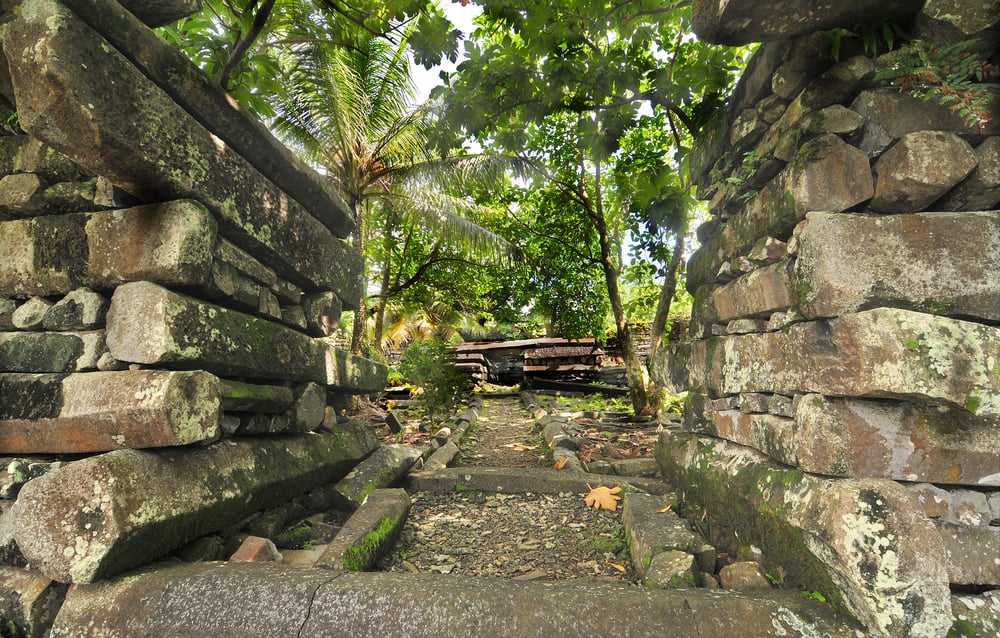
Built on a series of small artificial islets off the coast of Pohnpei in Micronesia, Nan Madol consists of massive basalt structures whose construction methods remain only partly understood. Early Western observers who encountered the ruins struggled to explain how a Pacific island culture had moved and stacked columns weighing many tons without draft animals or metal tools.
Modern archaeological study has clarified aspects of the construction process while confirming the site functioned as a political and ceremonial center for the Saudeleur dynasty starting around 1200 CE. Its scale continues to reshape assumptions about the organizational capacity of pre-contact Pacific Island societies.
The Maya Cities
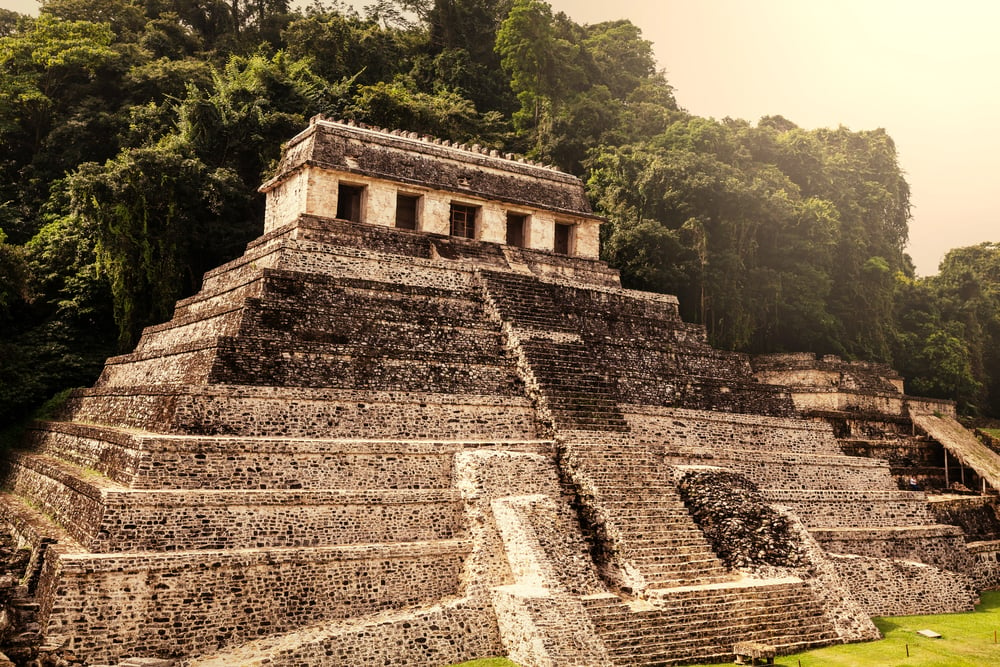
For much of the twentieth century, scholars described Classic Maya civilization as a peaceful society governed by astronomer-priests focused on calendars and stargazing. The decipherment of Maya hieroglyphic writing, advanced significantly by Soviet linguist Yuri Knorozov starting in the 1950s and continuing through later decades, revealed detailed dynastic histories full of warfare, political rivalry, and dramatic power struggles between competing city-states.
The shift completely overturned the earlier, more romanticized picture historians had constructed largely from guesswork. Cities like Palenque, Tikal, and Copán are now understood as fiercely competitive kingdoms rather than tranquil ceremonial centers.
Tenochtitlan
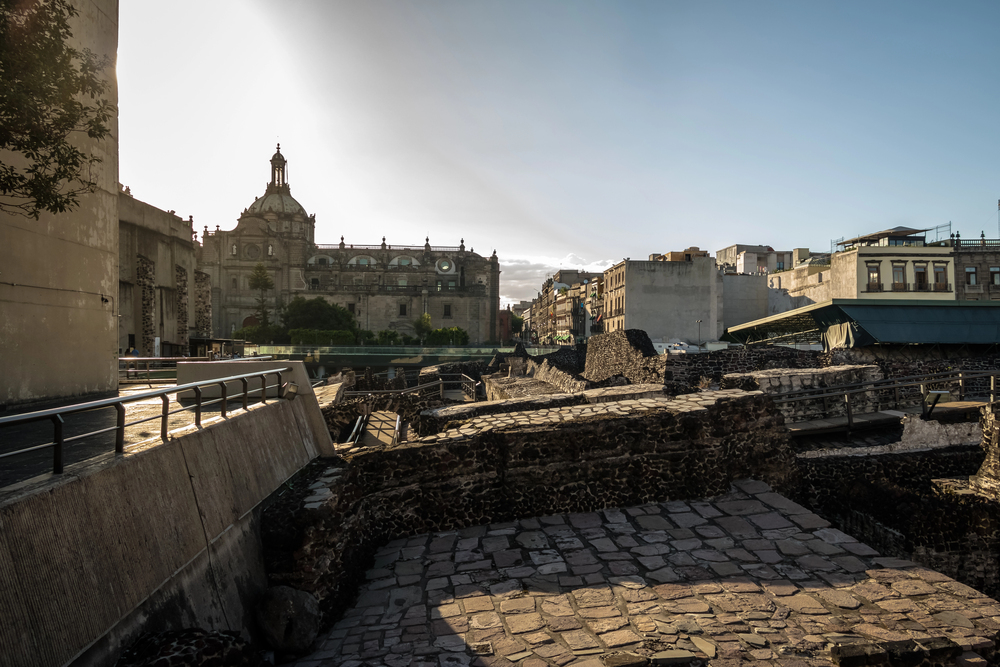
Early Spanish accounts of the Aztec capital Tenochtitlan were often dismissed by later historians as exaggerated propaganda meant to justify the scale of Spanish conquest. Modern excavations beneath Mexico City, particularly the 1978 discovery of the Templo Mayor complex, confirmed that the city’s true scale matched or exceeded many of the original Spanish descriptions.
Archaeologists have continued to uncover new sections of the ceremonial precinct in the decades since, each find adding to a city that was largely destroyed and built over following the conquest. The excavations effectively vindicated accounts that had spent centuries being treated with skepticism.
Skara Brae

A severe storm in 1850 stripped away sand dunes on Scotland’s Orkney mainland, exposing a Neolithic village that had been buried and preserved for roughly five thousand years. The find revealed stone furniture, storage boxes, and drainage systems built without metal tools, offering an unusually intact picture of Stone Age domestic life.
Radiocarbon dating later established the settlement predated both Stonehenge and the Great Pyramid of Giza. Its preservation gave archaeologists a rare direct look at how ordinary Neolithic families actually lived, rather than relying solely on monumental structures.
The Indus Valley Sites of Dholavira and Rakhigarhi

While Mohenjo-daro and Harappa introduced the Indus Valley Civilization to the world, later excavations at sites like Dholavira and Rakhigarhi have continued to expand and revise its known boundaries. Rakhigarhi, in particular, has proven to be larger by area than either of the two originally famous sites, suggesting the civilization’s true center may lie further east than long assumed.
Genetic analysis of skeletal remains from Rakhigarhi, published in the early 2020s, has also reshaped debates about the population’s origins and their relationship to later South Asian populations. Each new excavation continues to shift where historians place the civilization’s political and cultural core.
Babylon
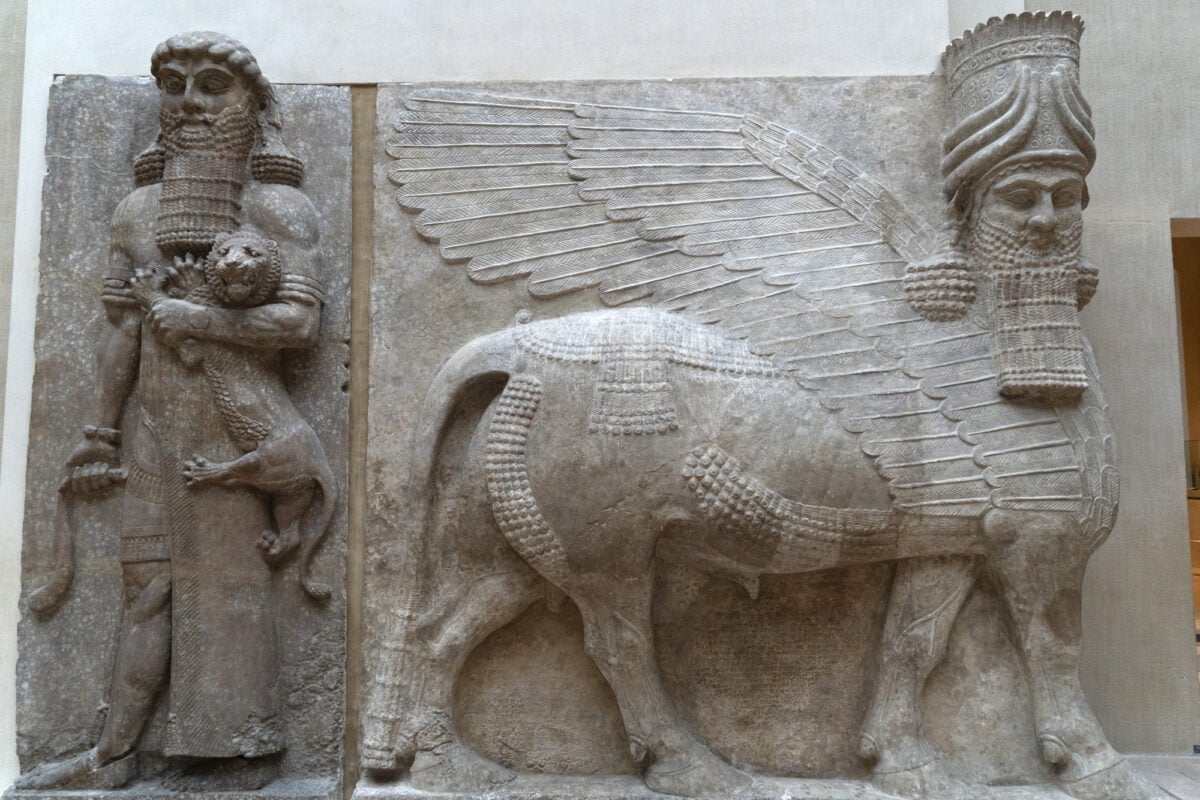
German archaeologist Robert Koldewey’s excavations of Babylon in the early twentieth century revealed the true scale of structures like the Ishtar Gate, which was reconstructed using original glazed bricks and now stands in a Berlin museum. More recent scholarship has challenged the long-held assumption that the legendary Hanging Gardens were located in Babylon at all.
Historian Stephanie Dalley has argued the gardens were more likely built at Nineveh under the Assyrian king Sennacherib, and that ancient sources conflated the two cities. If correct, one of the ancient world’s most famous wonders may have been misattributed to the wrong city for roughly two thousand years.
L’Anse aux Meadows
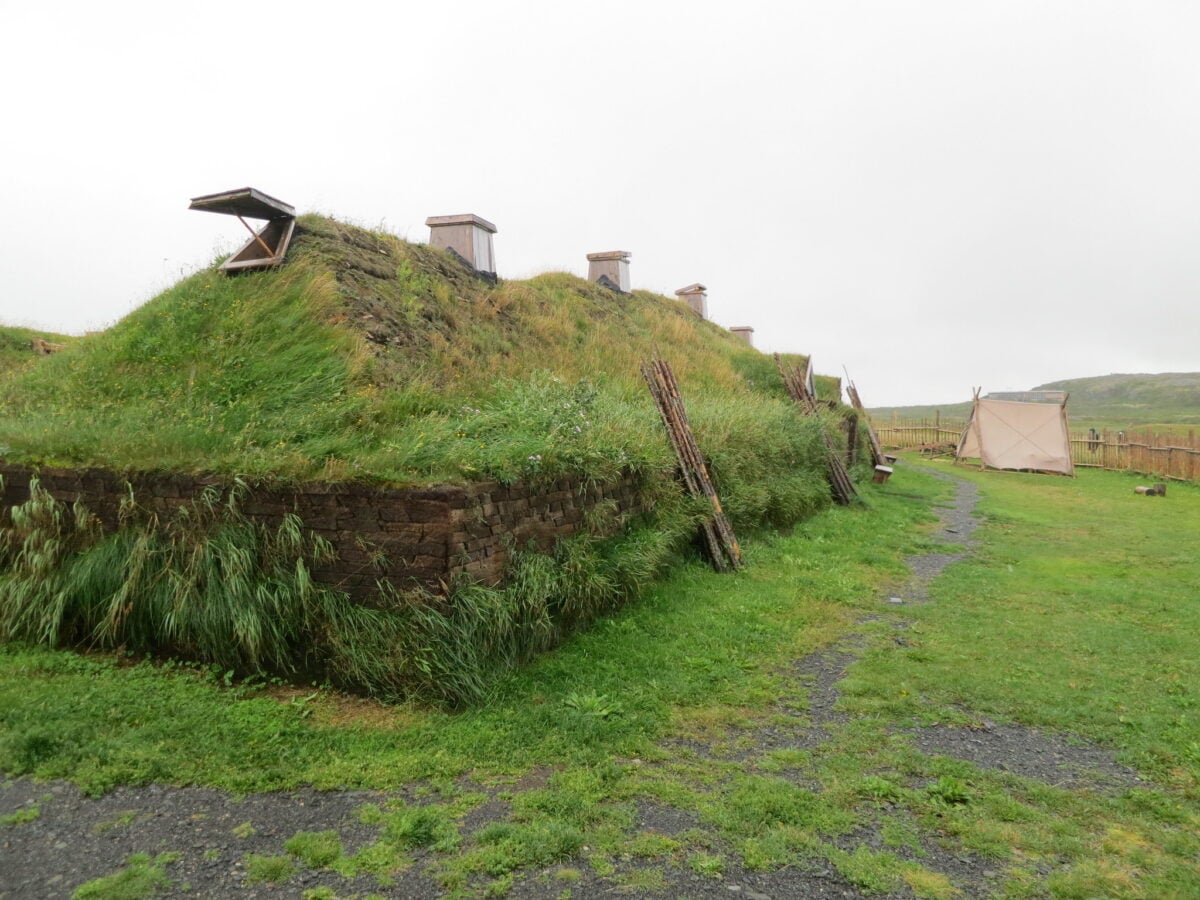
For centuries, Norse sagas describing a westward voyage to a land called Vinland were treated as folklore rather than historical record. The 1960s excavation of a Norse settlement at L’Anse aux Meadows in Newfoundland provided the first solid archaeological proof that Vikings had reached North America roughly five hundred years before Columbus.
The find confirmed that at least part of the sagas reflected genuine historical events rather than invention. Later carbon dating in 2021 pinpointed activity at the site to the year 1021, giving historians an unusually precise anchor point for the earliest confirmed European presence in the Americas.
Akrotiri
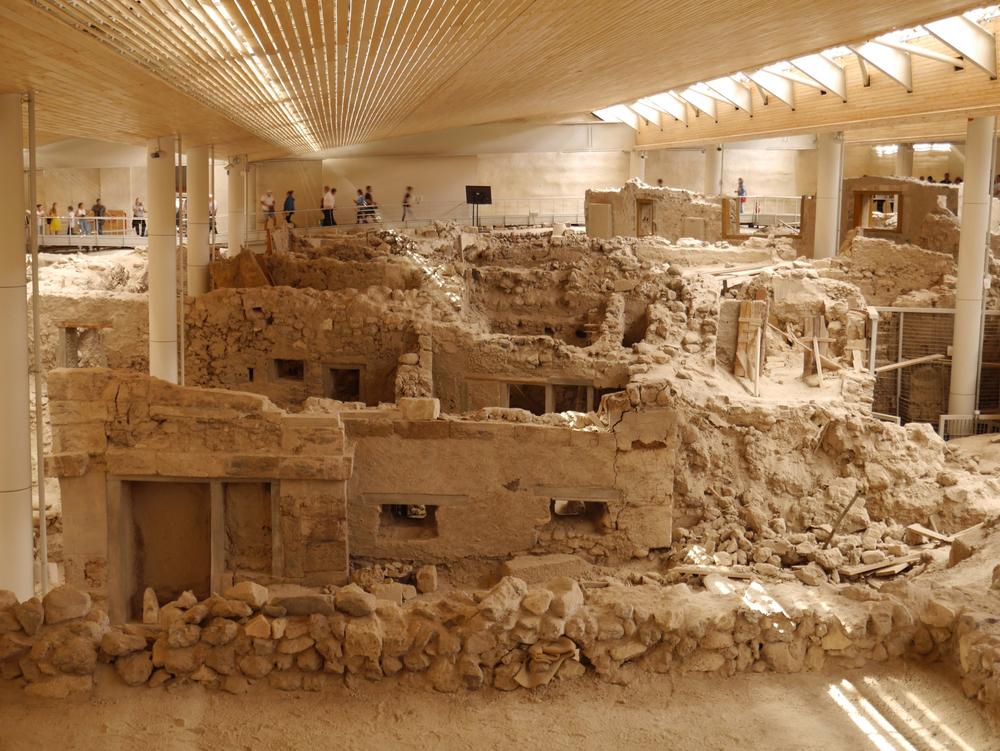
Buried by a massive volcanic eruption on the island of Thera, now Santorini, sometime in the second millennium BCE, the Minoan settlement of Akrotiri was excavated beginning in 1967 and found remarkably preserved beneath layers of ash. The town’s sophisticated multi-story buildings and vivid wall paintings revealed a level of urban planning and artistic achievement that surprised archaeologists studying a site outside Crete itself.
The eruption’s date and scale have also been linked by some researchers to ancient accounts describing a sudden and catastrophic vanished civilization. While direct connections to the Atlantis legend remain speculative, the discovery reshaped understanding of the Minoan world’s geographic reach.
Xi’an and the Terracotta Army

In 1974, farmers digging a well near Xi’an, China, accidentally uncovered fragments of a life-sized clay soldier, leading to the discovery of an entire buried army of thousands of individually detailed terracotta figures. The find revealed the true scale of the mausoleum built for Qin Shi Huang, China’s first emperor, and the resources he commanded to construct it.
Excavation of the surrounding complex continues today, and large sections, including the emperor’s actual tomb, remain deliberately unexcavated using current technology. What began as an accidental discovery reshaped historians’ understanding of the founding Qin dynasty’s power and ambition.
Chan Chan
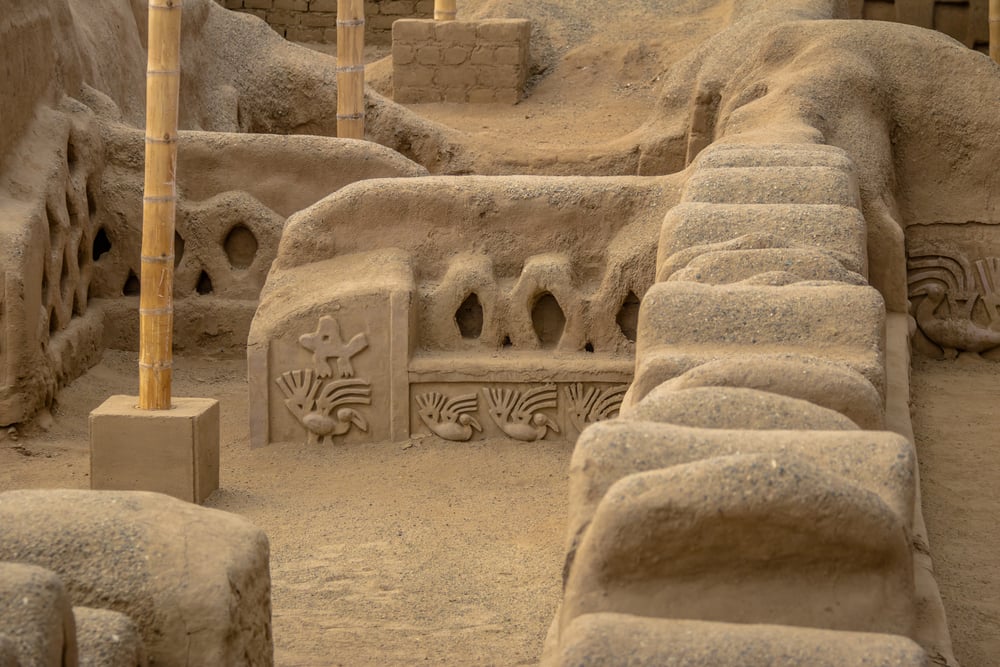
The Chimu civilization’s capital of Chan Chan, on Peru’s northern coast, was long overshadowed in popular understanding by the later Inca Empire that eventually conquered it. Archaeological survey established Chan Chan as the largest adobe brick city built in the pre-Columbian Americas, with an urban core covering several square miles and housing tens of thousands of residents.
Its elaborate walled compounds revealed a highly stratified society with sophisticated water management adapted to an arid coastal environment. The scale of the discovery repositioned the Chimu as a major Andean power in their own right, rather than merely a predecessor absorbed by the Inca.
Timbuktu
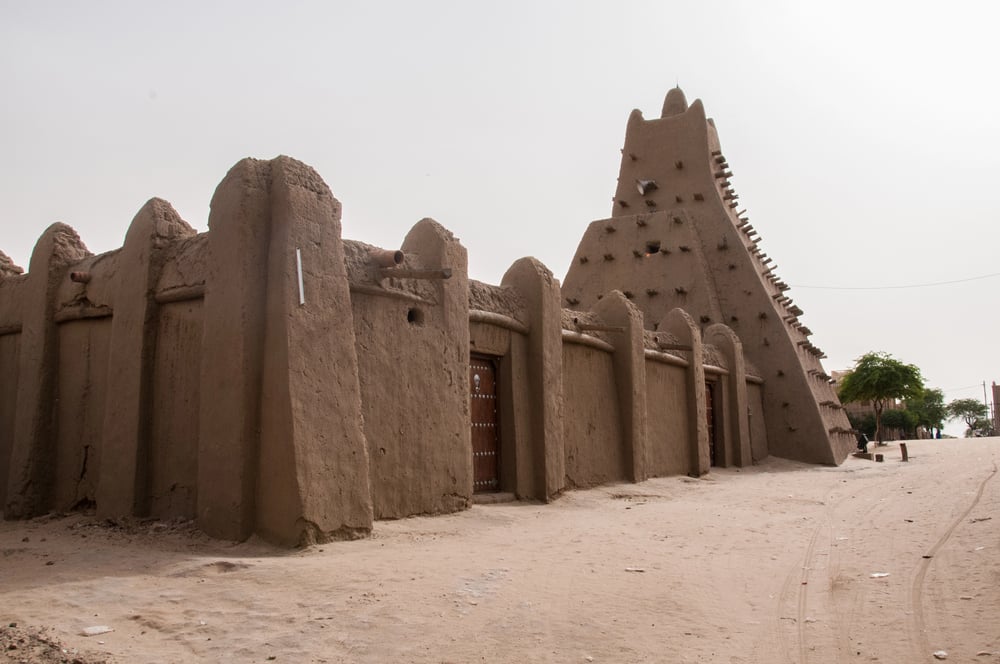
Western accounts of West Africa long portrayed the region as lacking a written intellectual tradition prior to European contact. The rediscovery and preservation of hundreds of thousands of manuscripts in Timbuktu, many dating back to the thirteenth through sixteenth centuries and covering subjects from astronomy to law, directly contradicted that assumption.
Efforts to catalog and digitize the manuscripts intensified after extremists threatened to destroy them during a 2012 occupation of the city, during which local residents smuggled thousands of texts to safety. The manuscripts collectively established Timbuktu as a major center of scholarship whose intellectual output had simply gone unrecognized outside the region for centuries.
Jericho
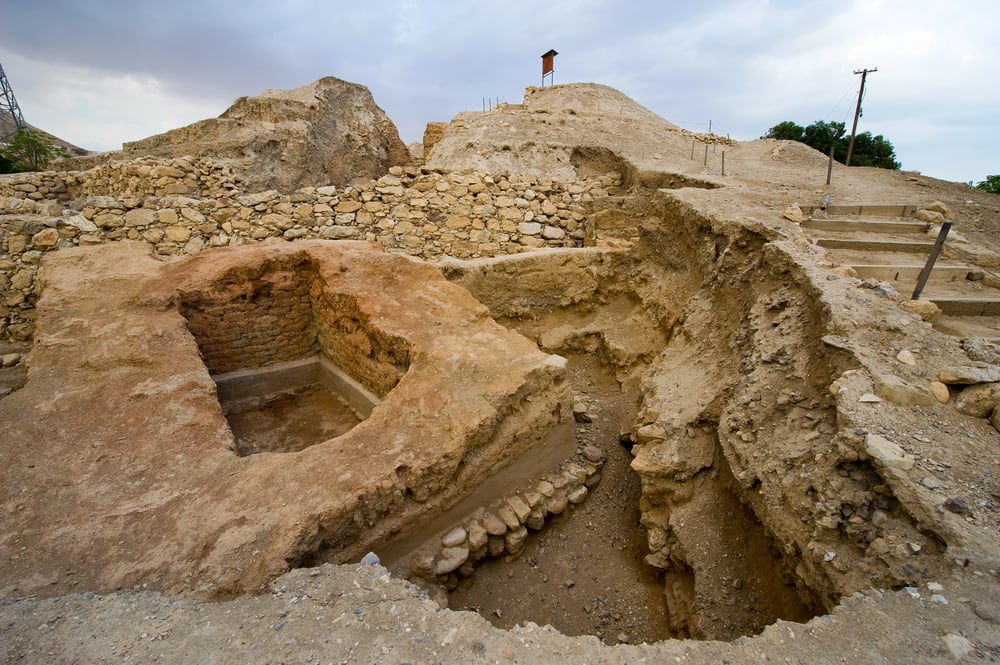
Long identified with the biblical account of walls collapsing under Joshua’s siege, Jericho’s archaeological importance turned out to rest on something far older. Excavations led by Kathleen Kenyon in the 1950s established that Jericho’s fortifications dated back roughly 11,000 years, making it one of the oldest known walled settlements on Earth, long before the era described in the biblical narrative.
The dating effectively decoupled the site’s archaeological significance from the specific story most associated with its name. Jericho is now studied primarily as evidence of some of humanity’s earliest steps toward permanent settlement, independent of the later legend built around it.
Palmyra
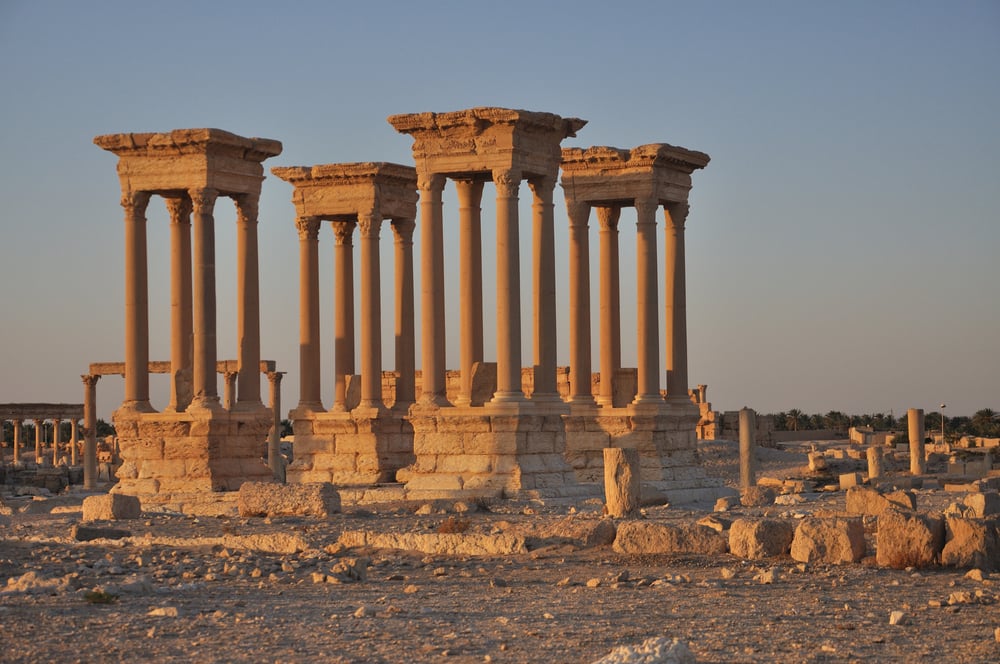
Ancient writers described Palmyra as a wealthy caravan city in the Syrian desert, but the full extent of its role in Silk Road trade was not established until extensive excavation throughout the twentieth century. Archaeologists uncovered colonnaded streets, temples, and funerary towers revealing a cosmopolitan culture blending Roman, Persian, and local Semitic influences into a distinct artistic style.
The city’s significance was tragically reaffirmed when militants destroyed key monuments during Syria’s civil war in 2015, prompting a wave of renewed scholarly and public attention to what had been lost. Ongoing reconstruction and digital preservation efforts have since worked to document a city whose importance many outside specialist circles had underestimated until its destruction made headlines.
What the Ground Remembers
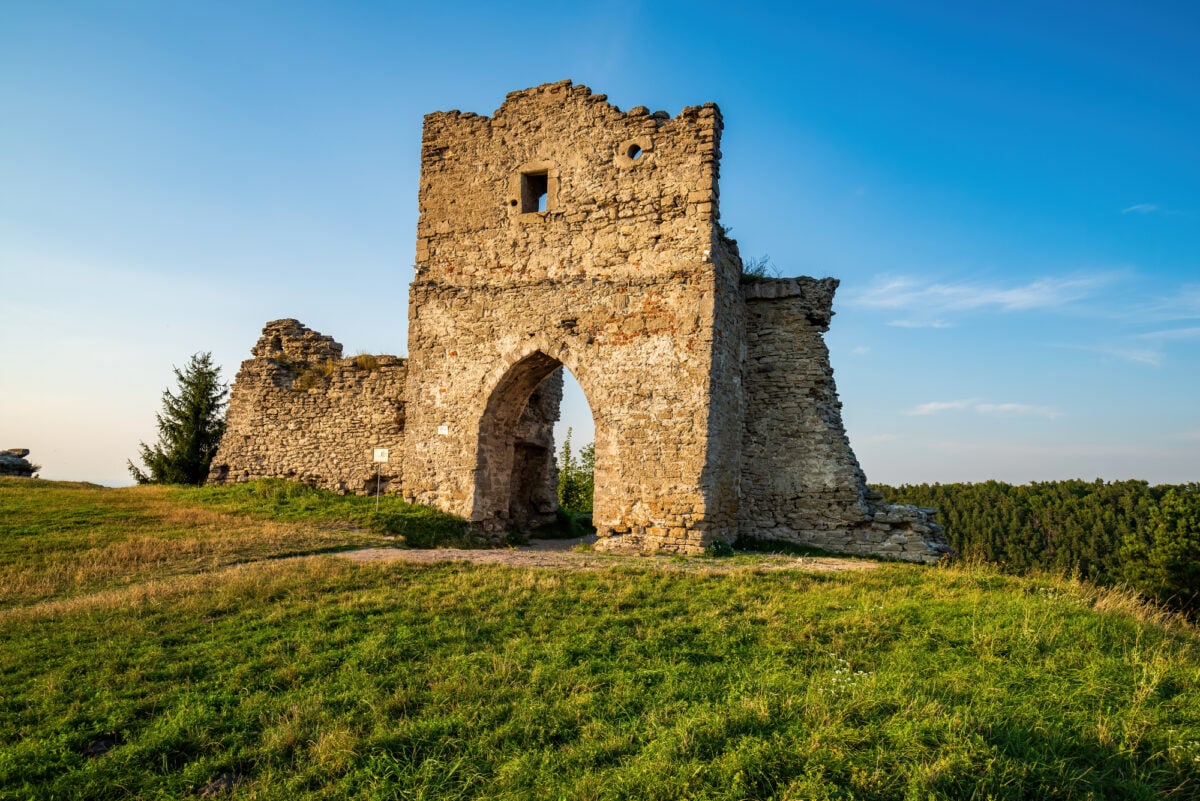
Every city on this list was, at some point, wrong in the public imagination: too small, too mythical, too primitive, or attributed to the wrong people entirely. The ground itself turned out to be a more reliable narrator than the written record, holding evidence that contradicted assumptions long after those assumptions had calcified into accepted fact.
What makes this pattern uncomfortable is how confidently each error was once held. Historians did not doubt Great Zimbabwe’s true builders by accident, and no one assumed Göbekli Tepe’s age out of ignorance so much as certainty about how civilization was supposed to unfold. The lesson is not that history is unreliable, but that it is always provisional, waiting for the next shovel to go into the ground.
More from Go2Tutors!

- The Romanov Crown Jewels and Their Tragic Fate
- 13 Historical Mysteries That Science Still Can’t Solve
- Famous Hoaxes That Fooled the World for Years
- 15 Child Stars with Tragic Adult Lives
- 16 Famous Jewelry Pieces in History
Like Go2Tutors’s content? Follow us on MSN.