Worst Food Photography Mistakes Of All Time
Taking food photos should be simple. Point the camera at something edible, press the button, post it online.
Yet somehow, millions of people manage to make their meals look like crime scenes or science experiments gone wrong. The gap between expectation and reality in food photography has become so wide that entire subreddits exist to document the carnage.
These aren’t just minor missteps or beginner errors. These are the legendary disasters that make you wonder if the photographer had ever seen food before, let alone eaten it.
The kind of shots that turn a perfectly good burger into something that belongs in a horror movie.
Using your phone’s built-in flash
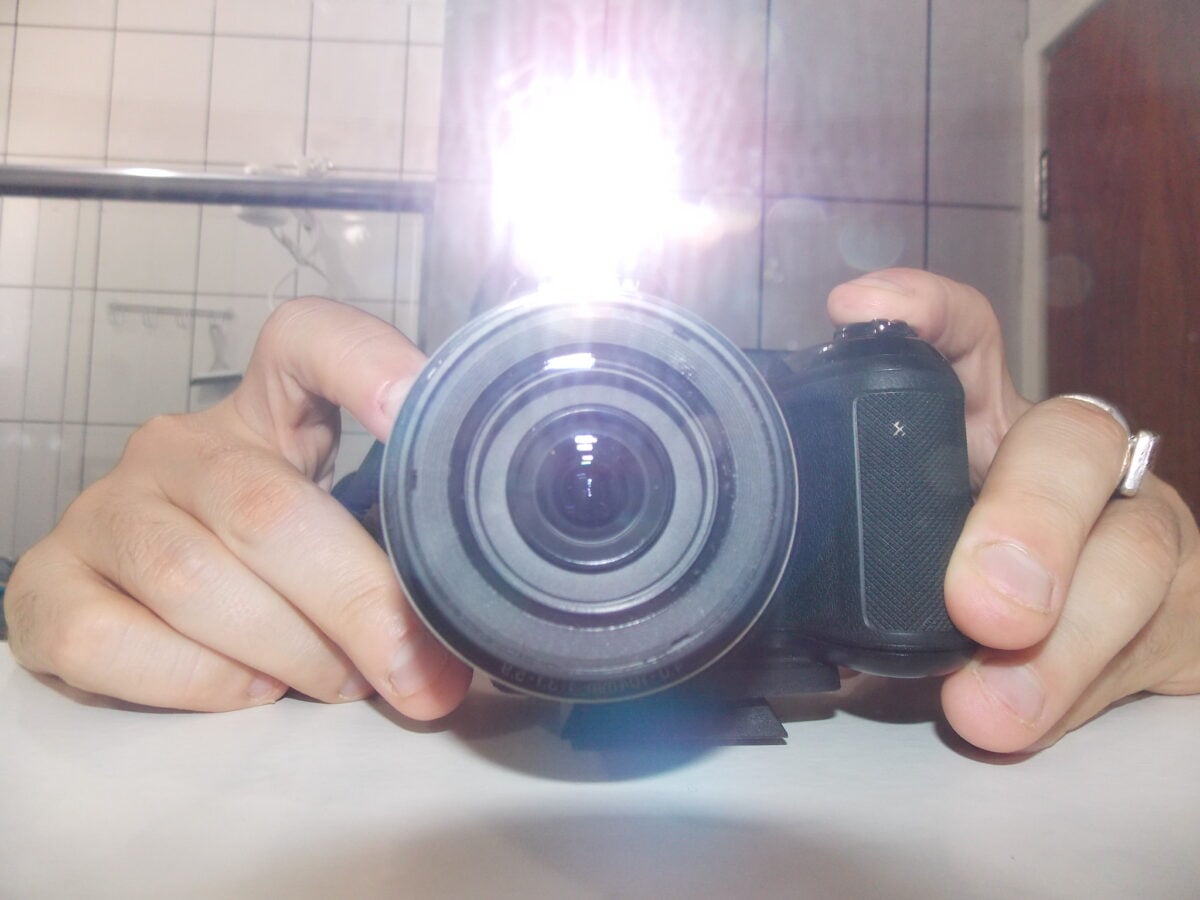
The flash makes everything look dead. Your beautifully grilled steak becomes gray meat under fluorescent lighting at a gas station deli.
The golden crust on your homemade bread turns into something that looks like it was excavated from an ancient tomb.
Shooting in complete darkness
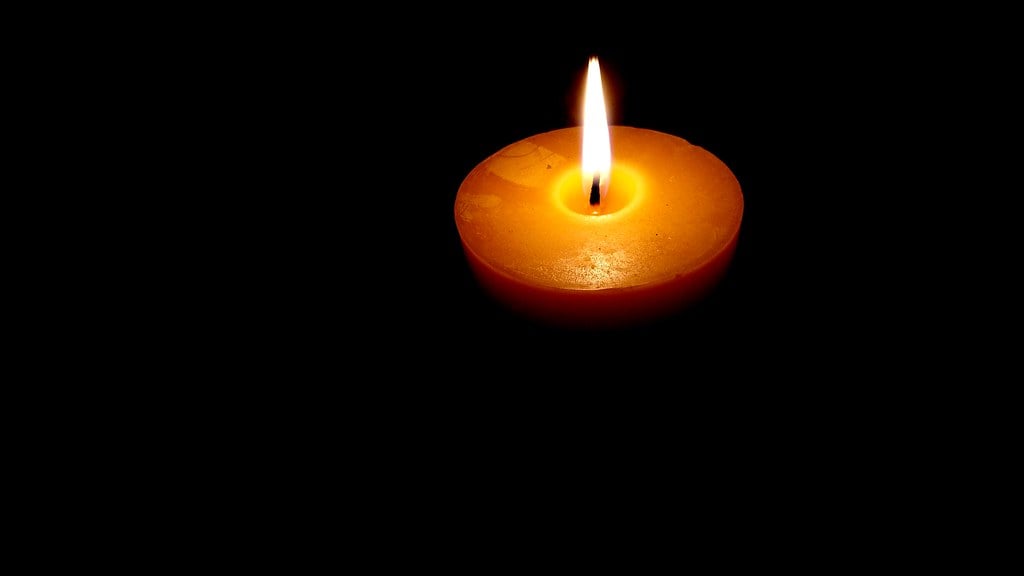
So you decided to photograph your dinner at 11 PM with all the lights off because “mood lighting” sounded artistic. The result looks like someone dropped food into a cave and tried to document it with a dying flashlight.
And yet people keep doing this, as if darkness somehow makes mediocre cooking look mysterious instead of just invisible.
Forgetting to clean the plate
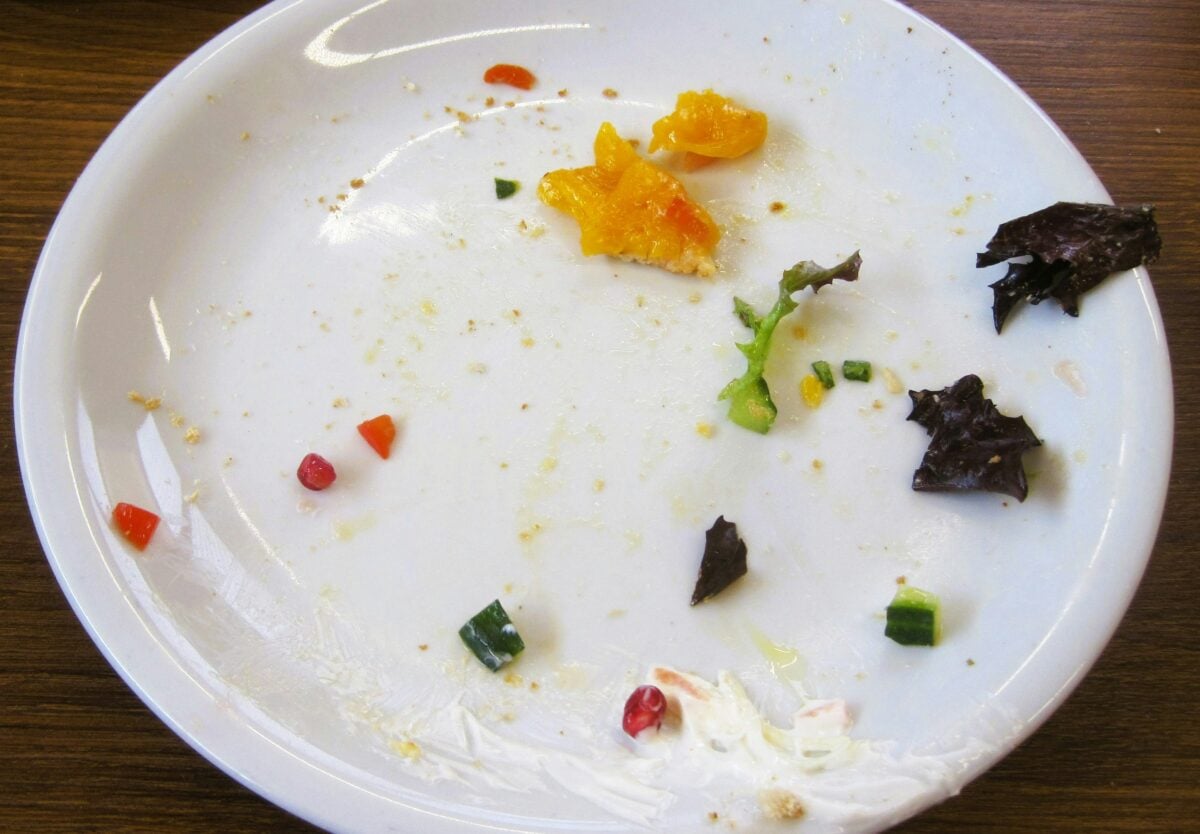
There’s something deeply unsettling about food photography that includes evidence of previous meals — like finding a hair in your soup, but the hair is last Tuesday’s marinara sauce smeared across the rim of the plate (and it’s been there long enough to develop its own ecosystem, complete with what appears to be a small civilization of crumbs that have taken up permanent residence). So you end up with this beautiful risotto that looks like it was served in a daycare cafeteria.
The eye goes straight to that crusty bit of something unidentifiable. But here’s the thing that really gets you: the photographer clearly spent time arranging the fresh food, adjusting angles, maybe even adding garnishes — then completely ignored the fact that their canvas looked like it had been through a food fight.
Taking pictures from directly above
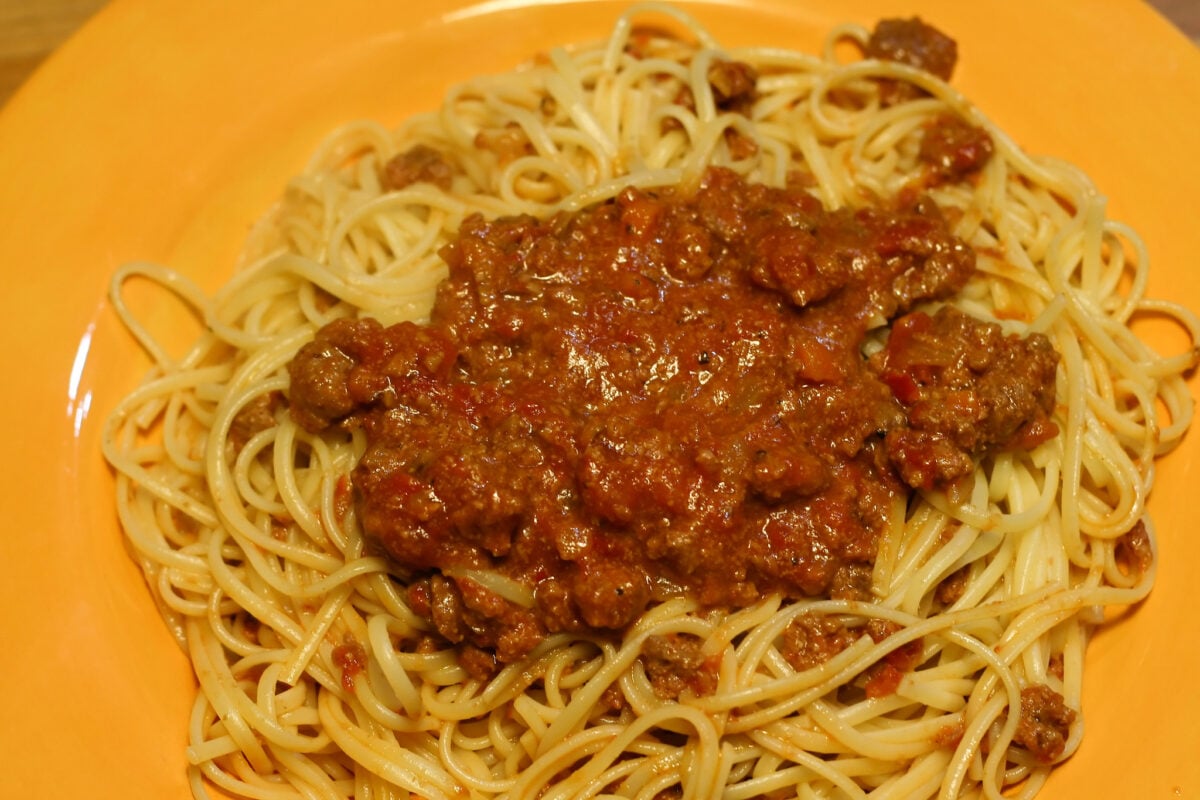
Every food blogger discovered overhead shots at the same time. Now your feed looks like satellite images of various lunch plates.
The angle that works for flat-lay styling doesn’t work for a towering burger or a bowl of soup, but that doesn’t stop anyone. A stack of pancakes becomes a sad circle.
Soup turns into a mysterious brown void. Height disappears, texture vanishes, and everything looks like it was run over by something heavy.
Oversaturating the colors
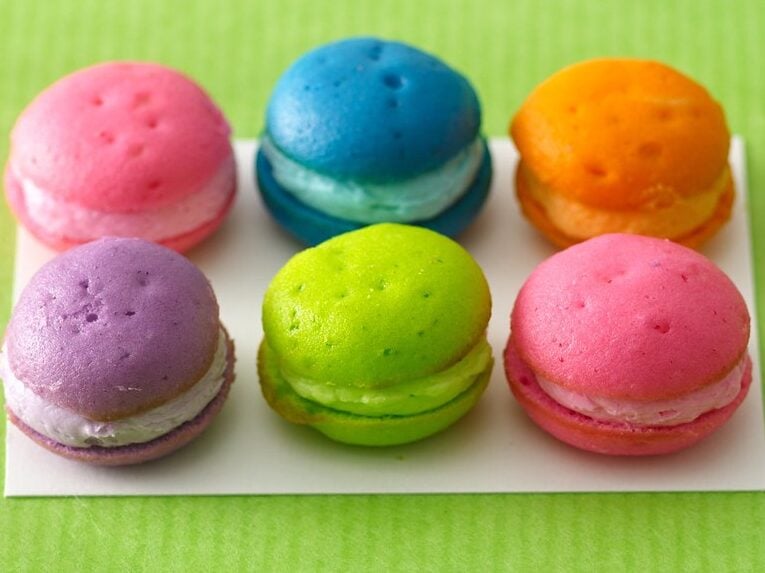
There’s a moment in every food photographer’s journey where they discover the saturation slider, and it’s like watching someone find a loaded weapon. Suddenly, tomatoes aren’t just red — they’re screaming, fire-engine, alien-blood red that hurts to look at directly.
The basil leaves glow with an intensity that suggests they might be radioactive. This is how normal spaghetti marinara ends up looking like it was prepared in a laboratory using chemicals that don’t exist in nature.
The colors become so aggressive they seem to vibrate off the screen, which might explain why looking at these photos makes your eyes water — not from hunger, but from the visual assault.
Including dirty kitchen backgrounds
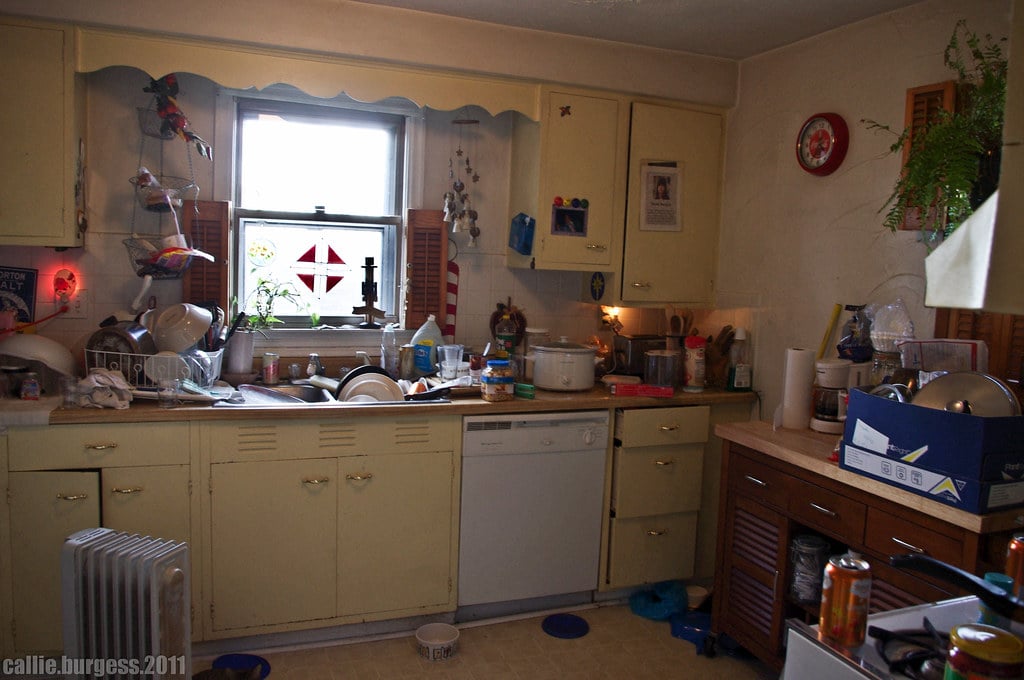
The background tells a story. Unfortunately, that story is usually about someone who gave up on life somewhere around the third day of dishes piling up.
Your beautiful homemade pizza gets photographed with a sink full of crusty pans lurking behind it like some kind of domestic tragedy.
Using props that make no sense
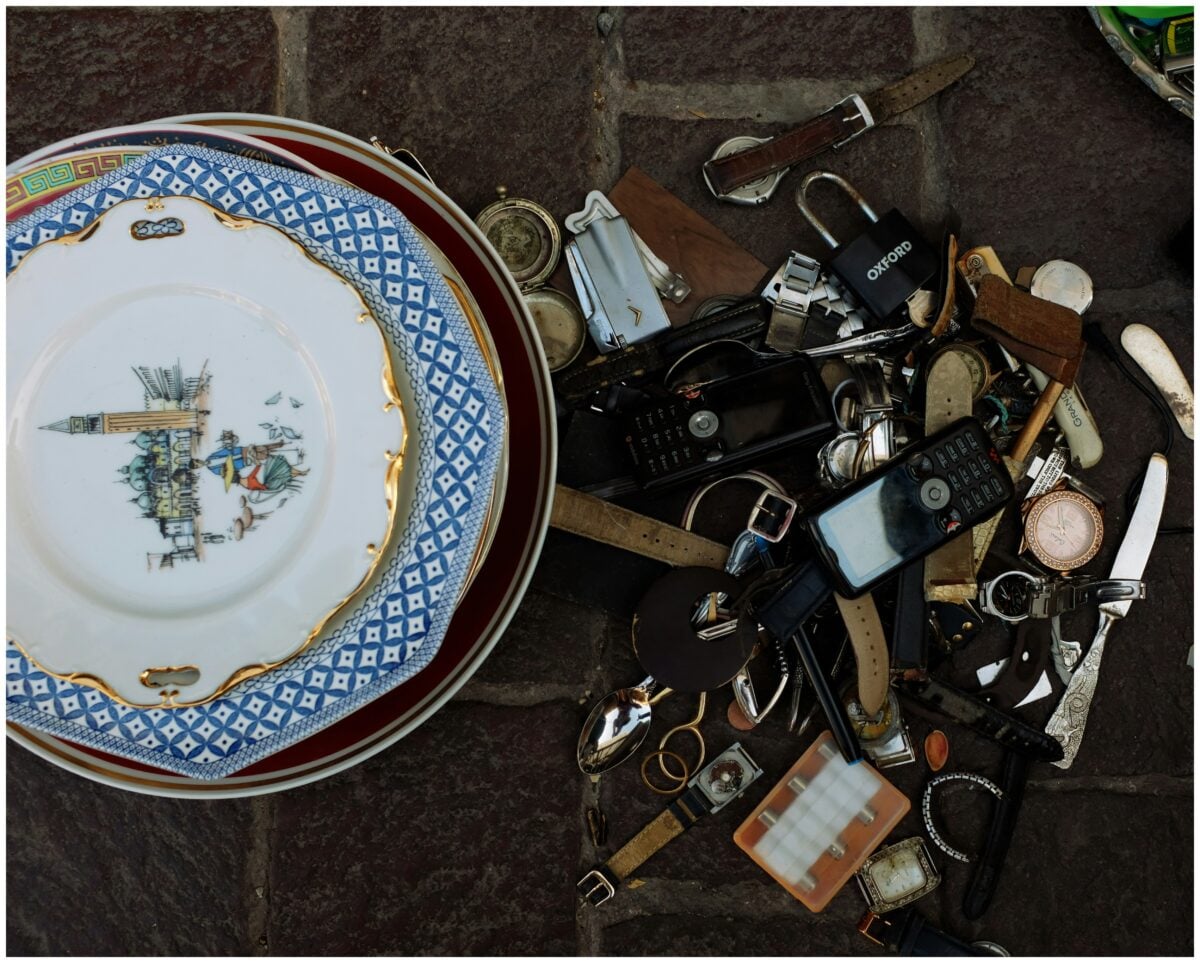
A perfectly good salad gets surrounded by vintage typewriters, toy dinosaurs, and someone’s grandmother’s reading glasses. The props are supposed to create atmosphere, but instead they create confusion.
Why is there a small cactus next to the mac and cheese? What does that antique key have to do with tacos?
The food becomes secondary to whatever random objects were lying around the house that day.
Shooting blurry photos
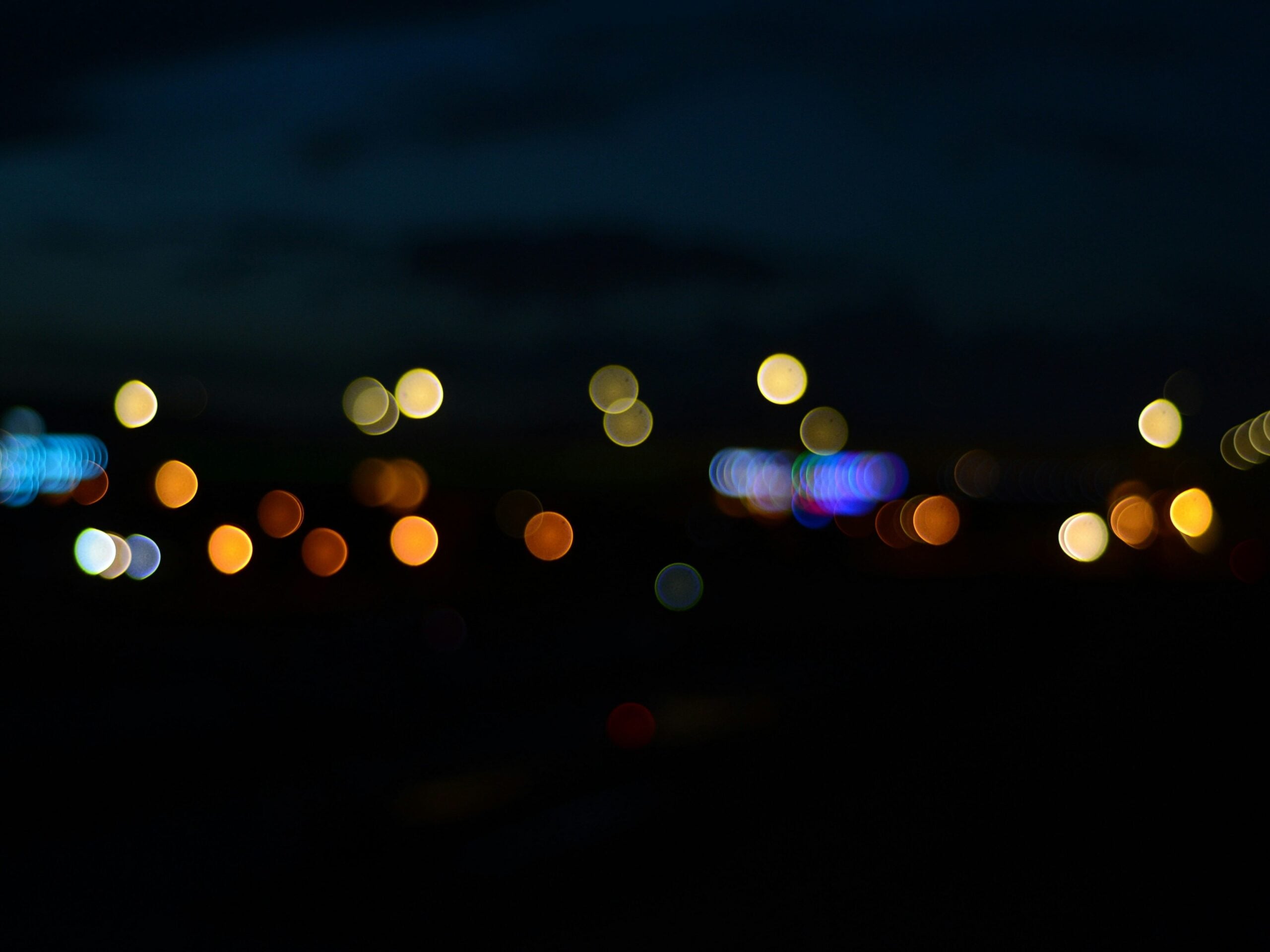
Focus matters more in food photography than almost anywhere else (because when something’s going to be consumed, people want to see exactly what they’re getting into, and blurry food has this unfortunate tendency to look like it might be moving on its own). The difference between sharp and soft can be the difference between “I want to eat that” and “I think I need to call a health inspector.”
And yet somehow, in an age where phone cameras can focus automatically, people still manage to photograph their dinner in a way that suggests it was taken during an earthquake. Everything becomes abstract.
That chocolate cake could be a mud pie, could be a small brown animal, could be anything really. But the truly puzzling part is that these photos still get posted — as if the photographer looked at their blurry masterpiece and thought, “Yes, this accurately represents my culinary achievement.”
Making the food look tiny
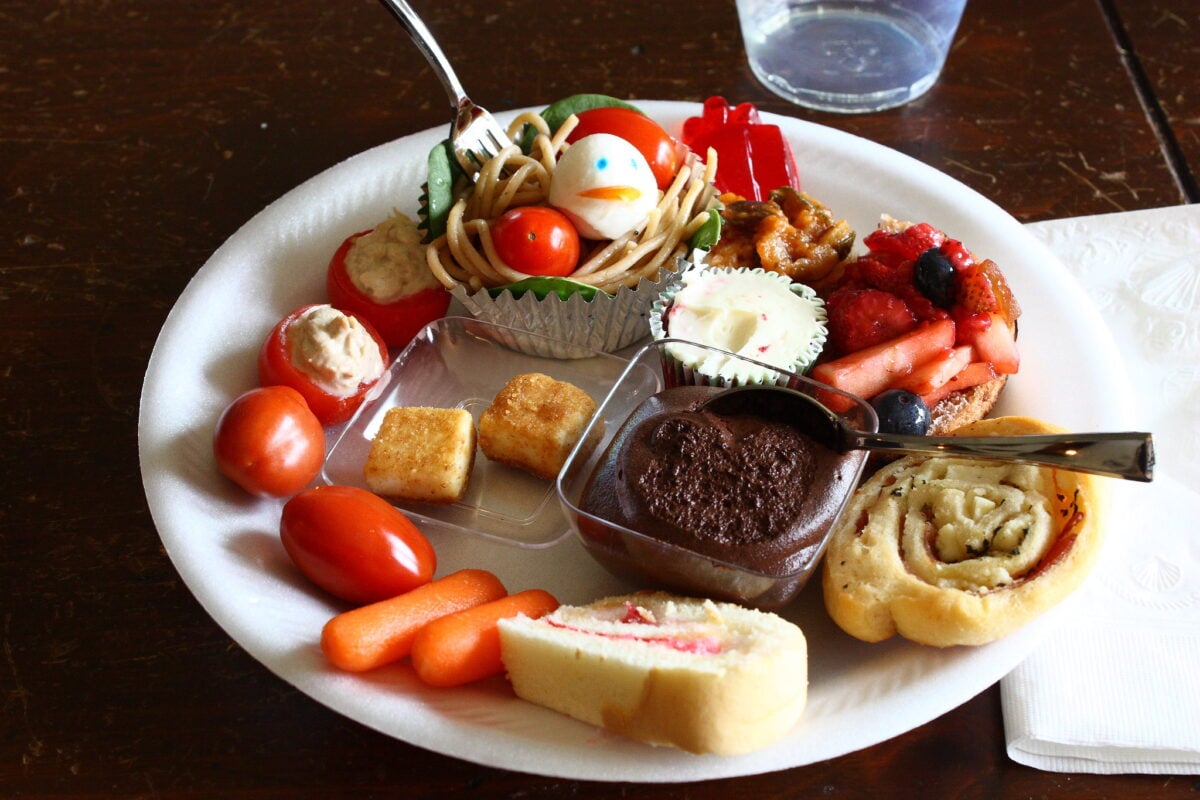
Scale is everything. A burger that fills the frame looks substantial and satisfying.
The same burger photographed from across the room looks like something you might find in a dollhouse. The portion appears sad and insufficient, no matter how much food is actually there.
Context clues make this worse. A dinner plate that looks enormous makes the food look like an appetizer for ants.
Photographing food that’s already cold
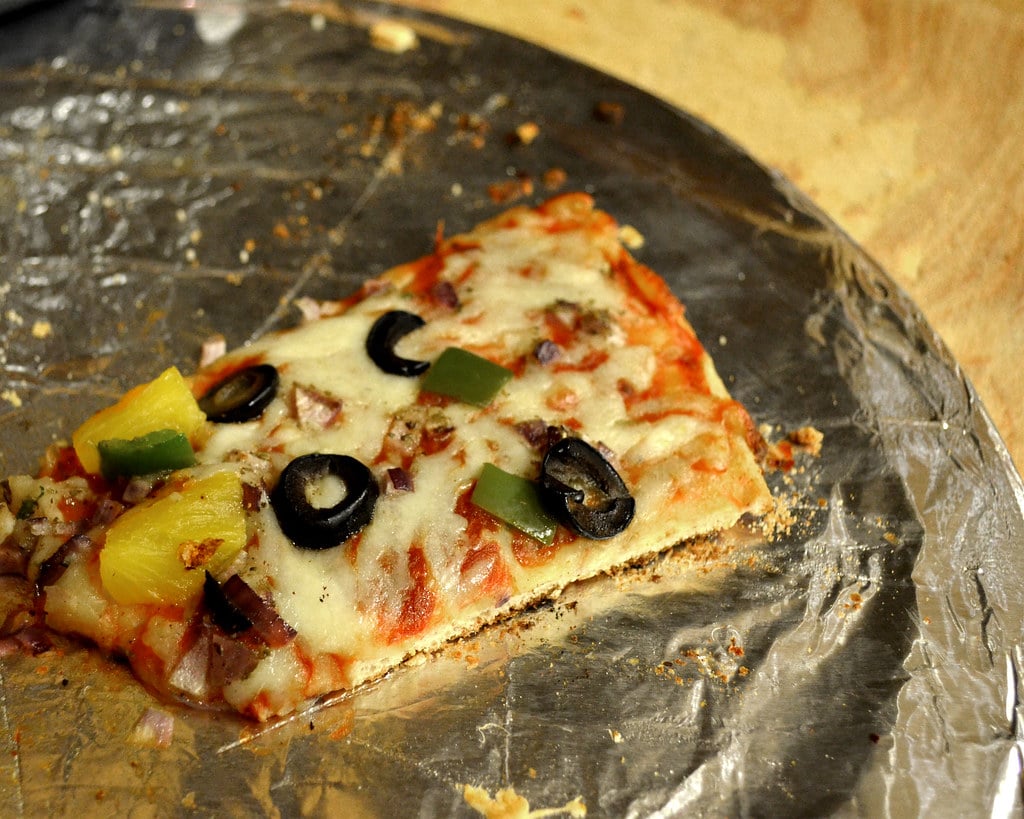
Cold food has a look. Cheese that’s supposed to be melted sits there in solid, unappetizing lumps.
Steam is nowhere to be found. Everything appears to have given up, which makes sense because it probably has.
The window between hot food and good photos is small, but people keep missing it while they rearrange garnishes and adjust lighting that was never going to work anyway.
Using terrible filters
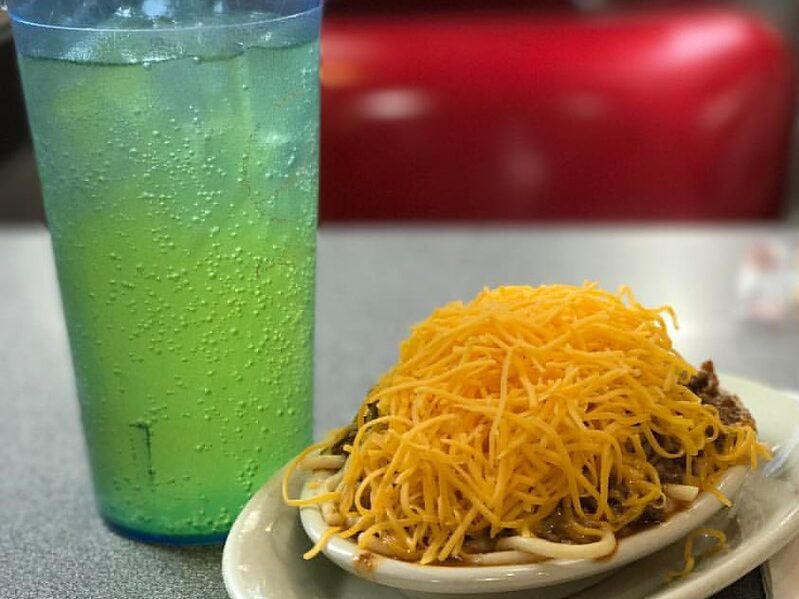
Instagram filters were not designed with food in mind. The sepia tone that makes your vacation photos look vintage makes your sandwich look like it’s been sitting in a dusty attic for forty years.
The black and white filter strips away the very thing that makes food appealing — its color. But the real tragedy is the beauty filter accidentally left on, which somehow smooths out the texture of everything until your pizza looks like it was made from plastic.
Cutting off important parts of the dish
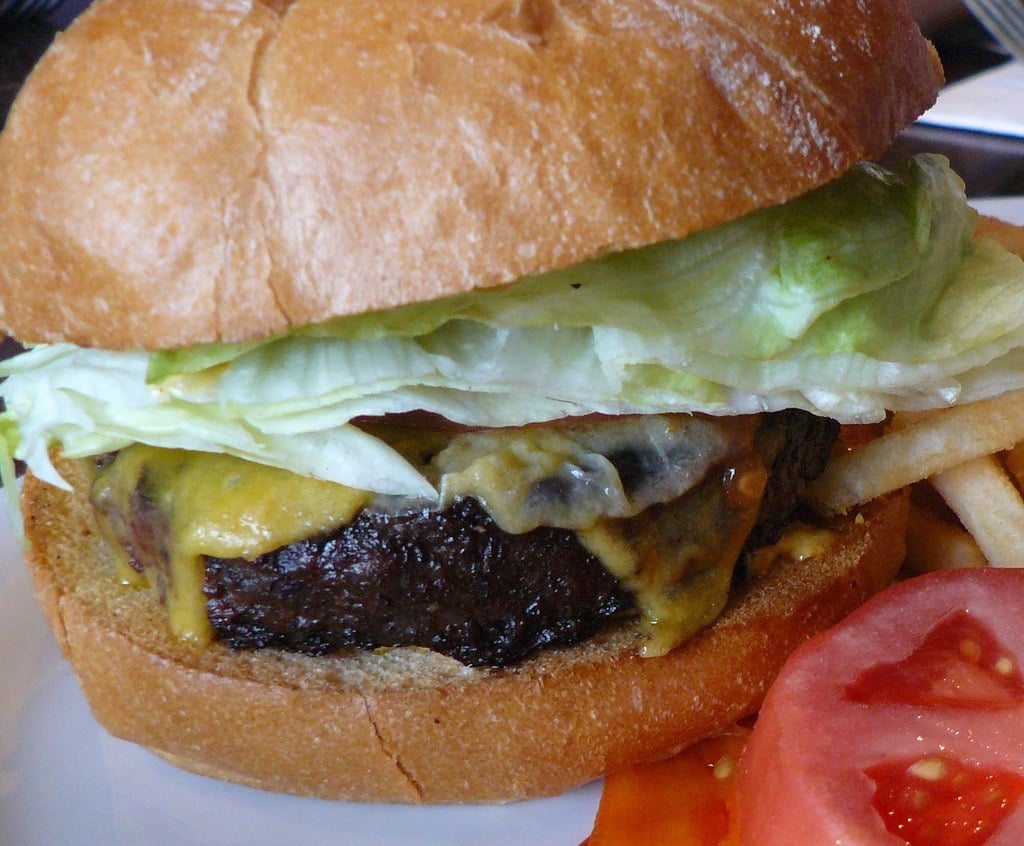
Framing matters, and somehow people keep discovering this the hard way. Half the burger disappears from the frame, creating the impression that someone took a bite out of the photo itself.
Pasta gets cropped so aggressively that you can’t tell if it’s spaghetti or some kind of abstract art installation. The most important elements — the golden-brown crust, the perfectly melted cheese, the garnish that took fifteen minutes to arrange — vanish into the void beyond the frame’s edge.
Getting the white balance completely wrong
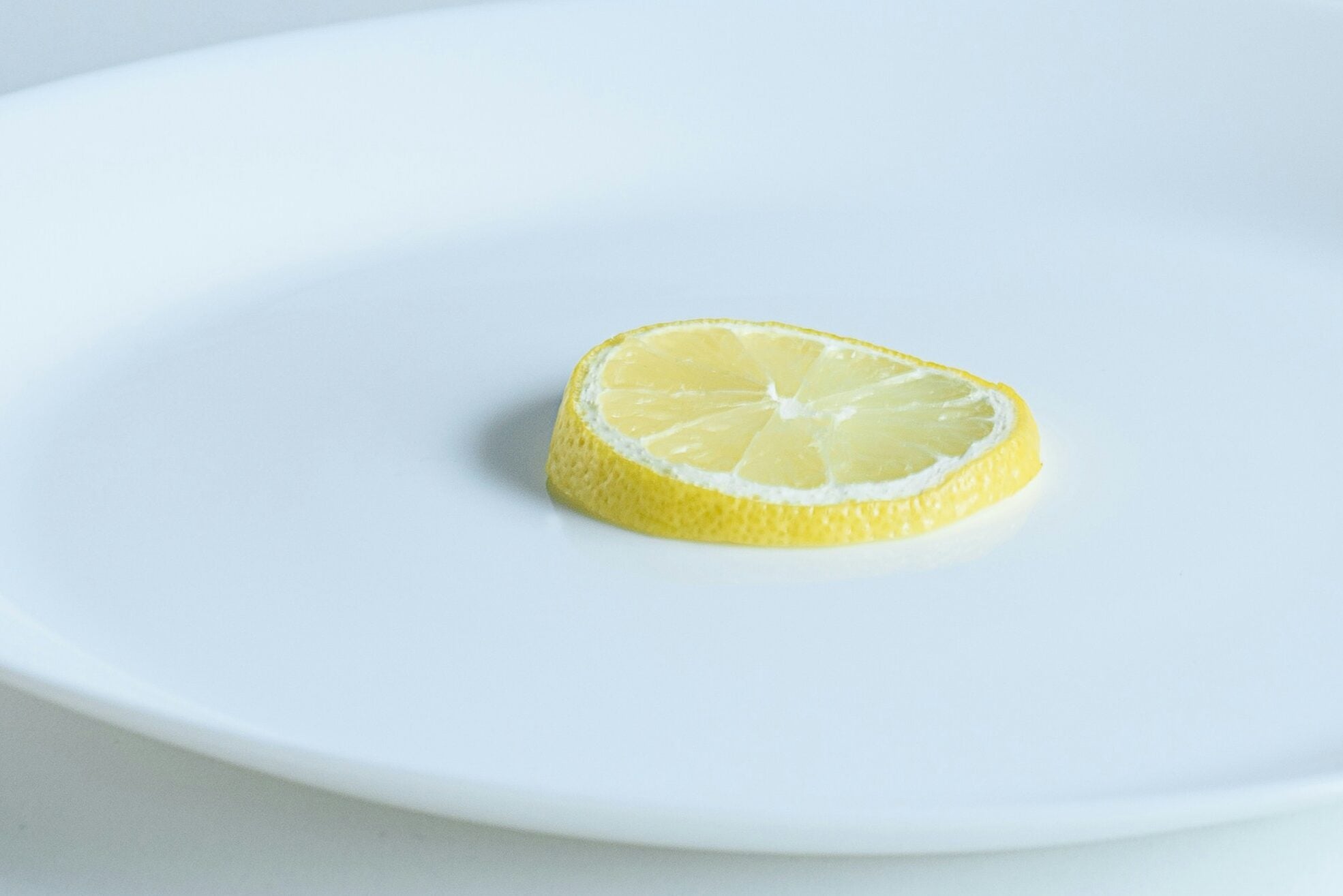
Color temperature can make or break a food photo. Get it wrong, and your morning coffee looks blue enough to clean toilets with, while your pancakes take on the sickly yellow-green hue of something that should probably be quarantined.
White balance problems turn appetizing meals into medical specimens. Nothing looks edible when it’s glowing with the wrong kind of light.
Not wiping off condensation
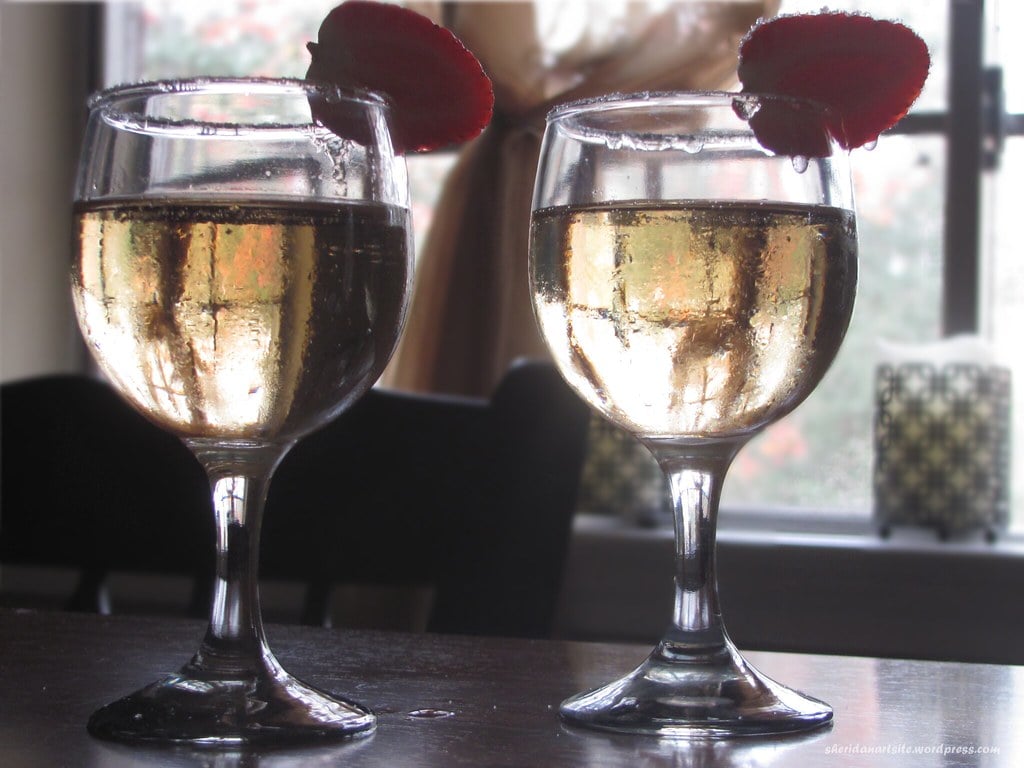
Water droplets sound appealing in theory. Fresh vegetables with morning dew, a cold drink on a hot day.
But condensation on camera lenses or glass surfaces just makes everything look like it was photographed through a shower door during a very disappointing meal. The effect adds nothing except the suggestion that someone was cooking in a sauna or forgot how humidity works.
Pictures worth a thousand regrets
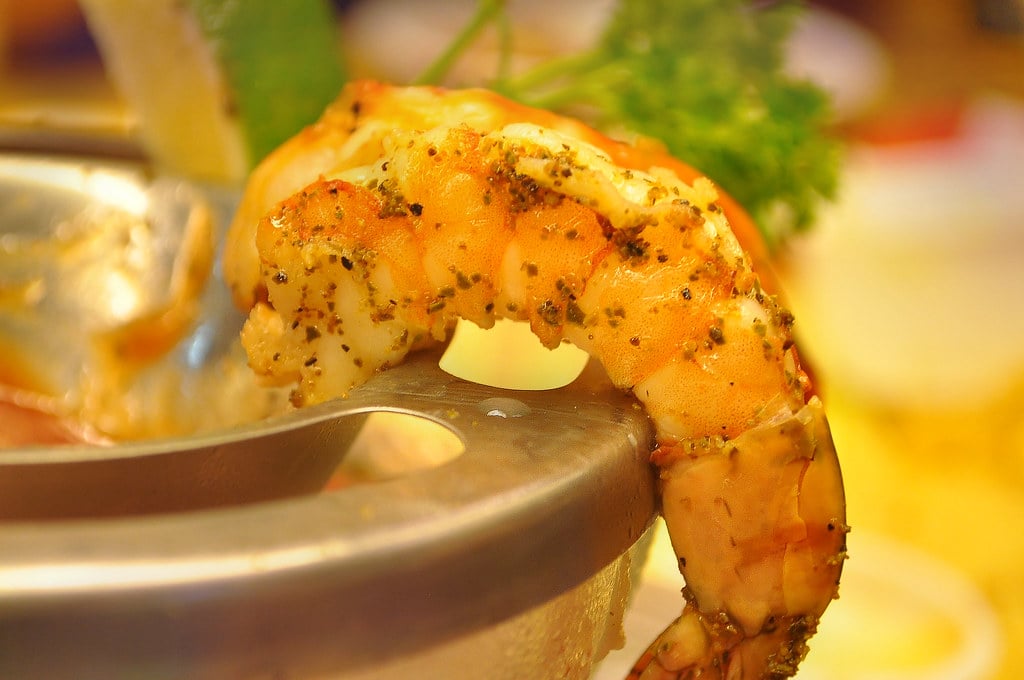
Food photography reveals something fundamental about human optimism — the gap between what people think they’ve captured and what actually ended up in the frame. These legendary mistakes live on because someone, somewhere, looked at their blurry, oversaturated, poorly lit photo and thought it was worth sharing with the world.
That persistence, misguided as it might be, deserves something close to respect. After all, the worst food photos often come from the best intentions: someone was proud of what they cooked, excited to share it, convinced they’d captured something special.
They were wrong, but they were wrong with enthusiasm, and that counts for something.
More from Go2Tutors!

- The Romanov Crown Jewels and Their Tragic Fate
- 13 Historical Mysteries That Science Still Can’t Solve
- Famous Hoaxes That Fooled the World for Years
- 15 Child Stars with Tragic Adult Lives
- 16 Famous Jewelry Pieces in History
Like Go2Tutors’s content? Follow us on MSN.