27 Dance Styles With Centuries of History
Long before choreography was filmed or notated, dance carried the weight of ritual, courtship, storytelling, and protest. These 27 styles have survived empires, colonization, and changing fashion, and most are still performed today in something close to their original form.
What makes them remarkable is not just age but continuity. Each one has been passed body to body, teacher to student, for generations without a written score to rely on.
Flamenco
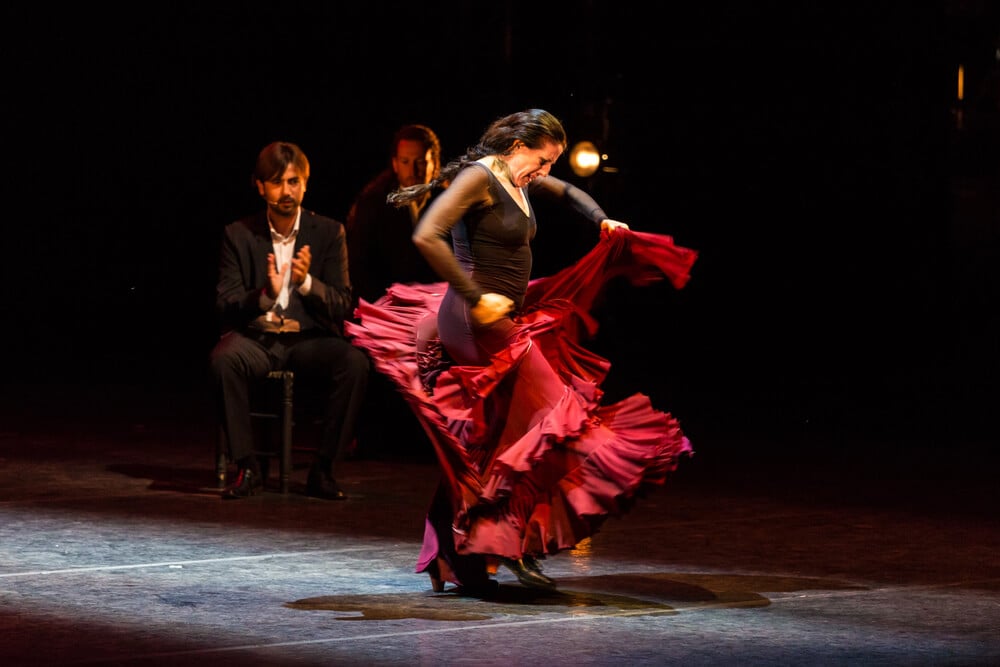
Flamenco developed in Andalusia in southern Spain over several centuries, shaped by the overlapping traditions of Romani, Moorish, Jewish, and Castilian communities who lived in the region under shifting rule. Its earliest documented performances date to the late eighteenth century, though oral tradition places its roots well before that.
The dance is built around palmas, or hand claps, and zapateado footwork that functions as a second percussion instrument alongside the guitar. UNESCO added flamenco to its list of Intangible Cultural Heritage in 2010, formally recognizing what practitioners had long known.
Ballet
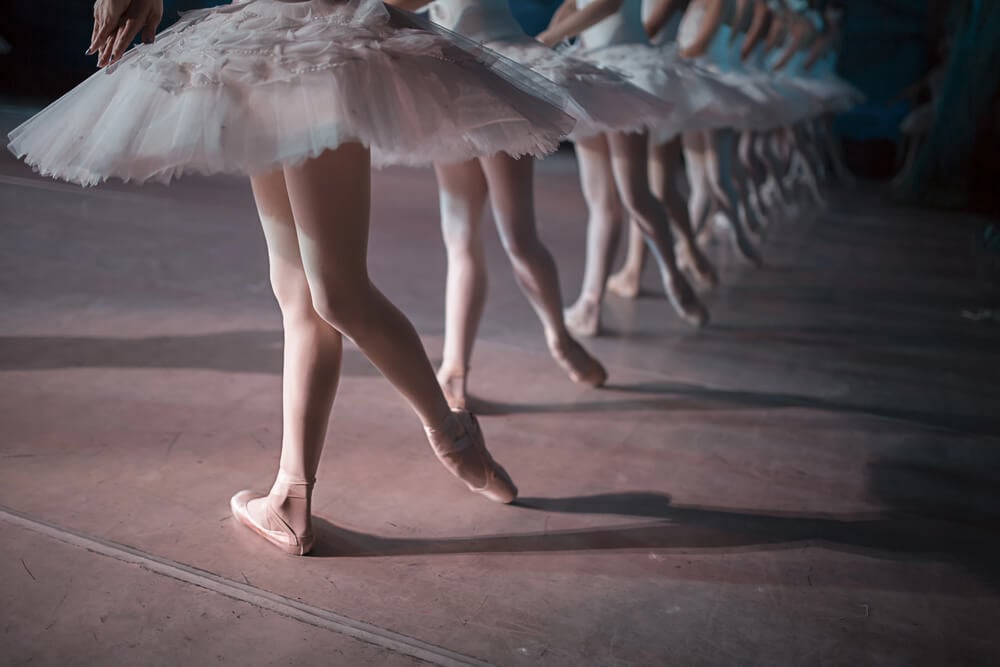
Ballet began in the fifteenth-century Italian courts as an extension of elaborate wedding and state pageantry, then crossed into France when Catherine de’ Medici brought Italian dance masters to the French court. Louis XIV, an enthusiastic performer himself, founded the Académie Royale de Danse in 1661, the first institution to formalize its vocabulary and technique.
Many of the French terms still used in ballet studios worldwide, like plié and arabesque, date directly to that period. The five basic foot positions taught to beginning students today were codified over three hundred years ago.
Waltz
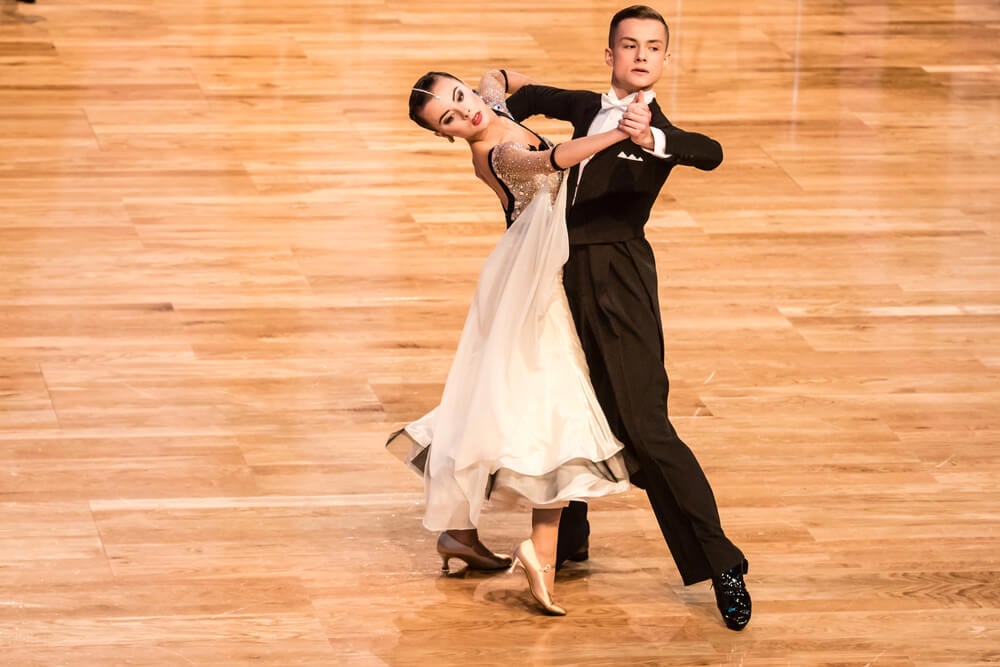
The waltz emerged from folk dances in Austria and Bavaria in the mid-eighteenth century, scandalizing polite society because it was the first popular ballroom dance in which couples held each other in a closed embrace. Its rise coincided with the loosening of formal court dance customs across Europe, and by the early nineteenth century it had become the dominant dance of Viennese ballrooms.
Composers including Johann Strauss II built entire careers writing music specifically for it. The dance’s three-quarter time signature became so associated with the form that “waltz time” is still used as shorthand for the meter itself.
Kathak
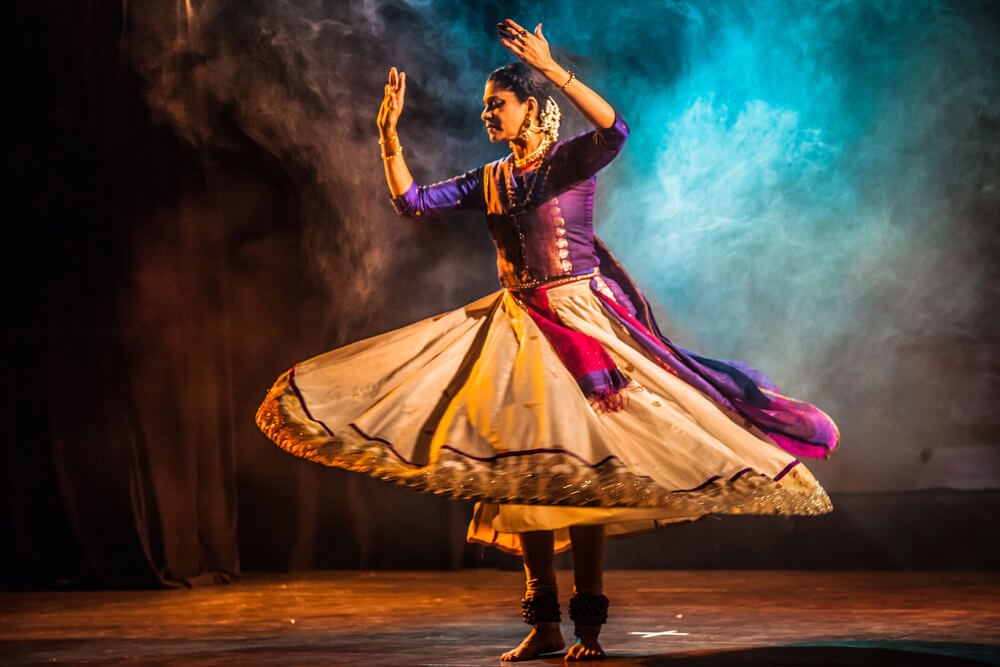
Kathak traces its origins to storytellers in northern India who used rhythmic footwork, spins, and expressive gesture to narrate religious epics in temple courtyards. Its name comes from the Sanskrit word for story.
Over centuries it absorbed influences from Mughal court culture, developing a more secular, technically intricate style alongside its temple traditions. A skilled Kathak dancer can execute more than a hundred precise ankle bell strikes in a single rhythmic cycle, a technique still taught through oral repetition rather than written notation.
Bharatanatyam
Bharatanatyam originated in the temples of Tamil Nadu, where it was performed by devadasis, women dedicated to temple service, as an offering to deity rather than public entertainment. Sculptural evidence of its poses appears on temple walls dating back over a thousand years.
The form nearly disappeared in the early twentieth century under colonial-era restrictions before being deliberately revived and reframed as a performing art. Its intricate hand gestures, called mudras, each carry specific symbolic meaning drawn from ancient dance treatises.
Odissi
Odissi developed in the temples of Odisha in eastern India and is distinguished by its sculptural tribhangi pose, a three-bend stance that mirrors classical Indian temple carvings. Like Bharatanatyam, it was performed by temple dancers for centuries before colonial policy suppressed the tradition.
It was reconstructed in the mid-twentieth century by scholars and practitioners working from surviving temple sculpture and fragmentary texts. Its movements are often described as fluid and lyrical, in deliberate contrast to the sharper geometry of other classical Indian forms.
Kabuki Dance
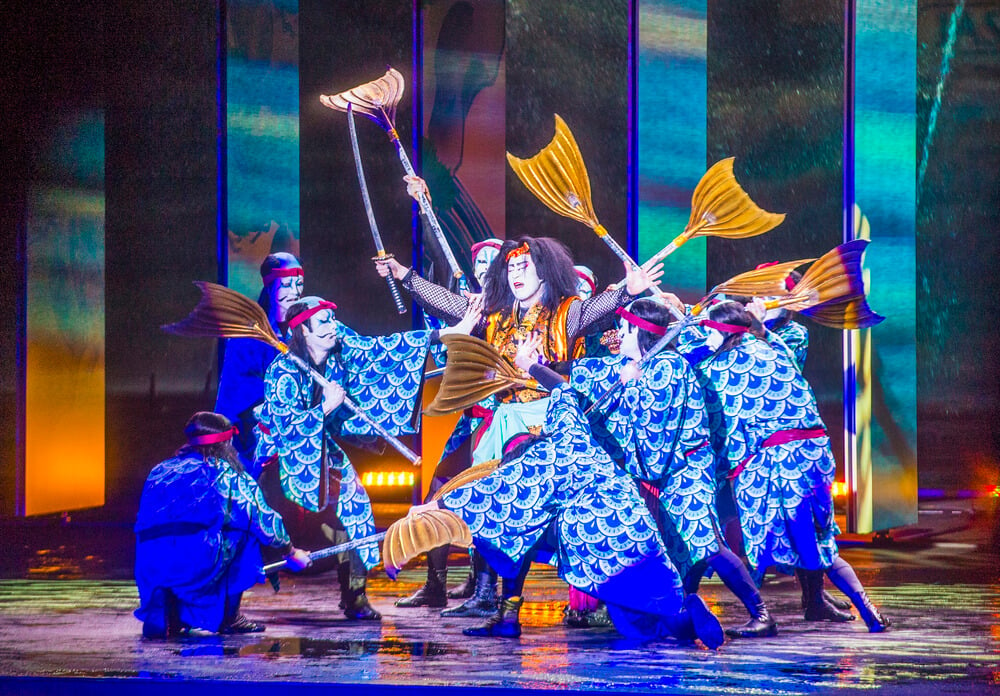
Kabuki dance emerged in early seventeenth-century Japan, originally performed by a female troupe before the shogunate banned women from the stage and the form became the exclusive domain of male performers, including specialists who spent entire careers portraying female roles. Its exaggerated poses, called mie, freeze the performer at a moment of dramatic tension, often accompanied by a sharp clack of wooden clappers.
The tradition has been passed down through specific acting families for over a dozen generations. UNESCO recognized kabuki as Intangible Cultural Heritage in 2005.
Noh Dance
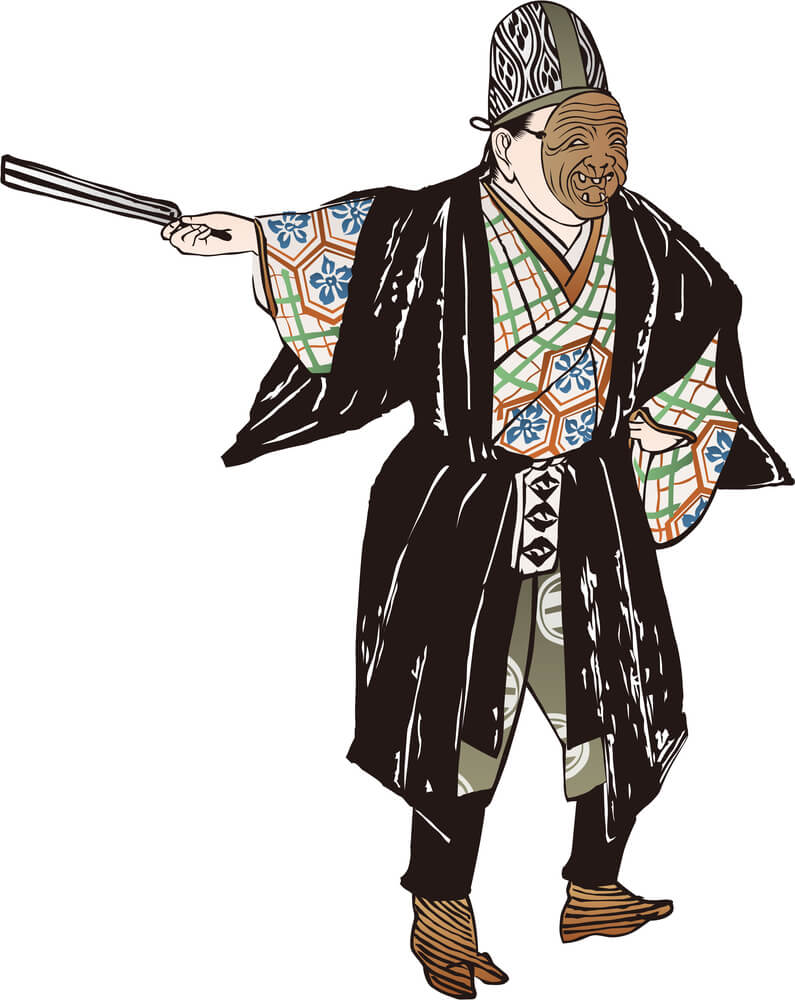
Noh dance is one of the oldest continuously performed theatrical traditions in the world, dating to fourteenth-century Japan under the patronage of the shogunate. Its movements are deliberately slow and minimal, built around stillness rather than spectacle, with performers wearing carved wooden masks that shift expression depending on the angle of the head.
Many of its plays are still performed using scripts written over six hundred years ago. The tradition’s formal training methods have changed remarkably little since they were first codified.
Irish Stepdance
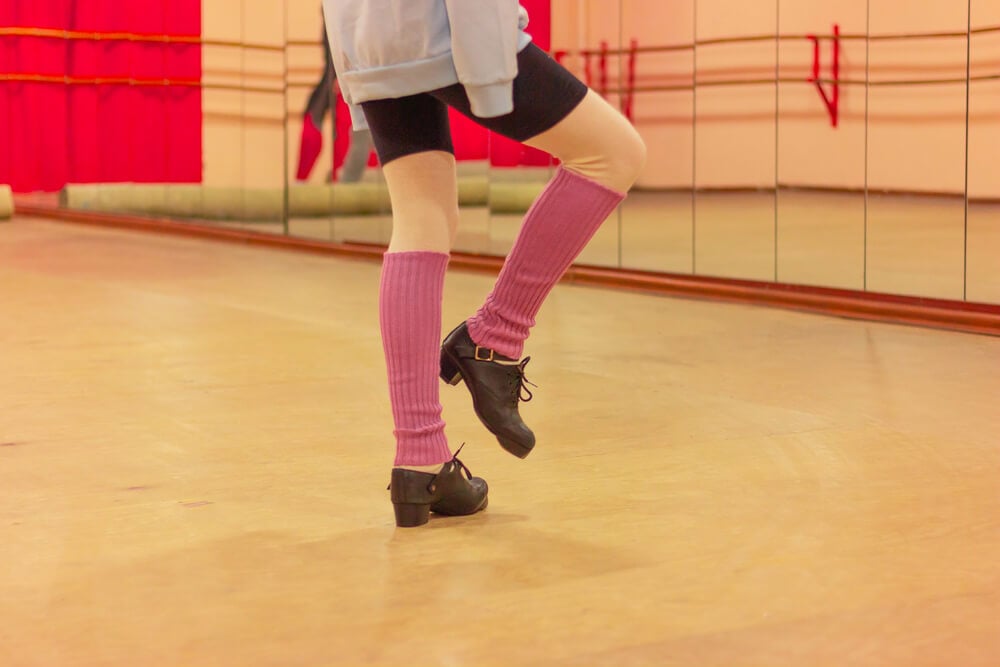
Irish stepdance grew out of village social dances and traveling dance masters who taught set steps across rural Ireland from at least the eighteenth century onward, with roots that likely extend further back. Its rigid upper-body posture is often attributed to British colonial-era restrictions on public gatherings, which encouraged dancers to keep their arms still while performing in tight spaces.
The tradition remained largely a folk practice until international stage productions brought it to mainstream global audiences in the 1990s. Competitive stepdance today still uses scoring and step categories that trace back to nineteenth-century feis competitions.
Morris Dance
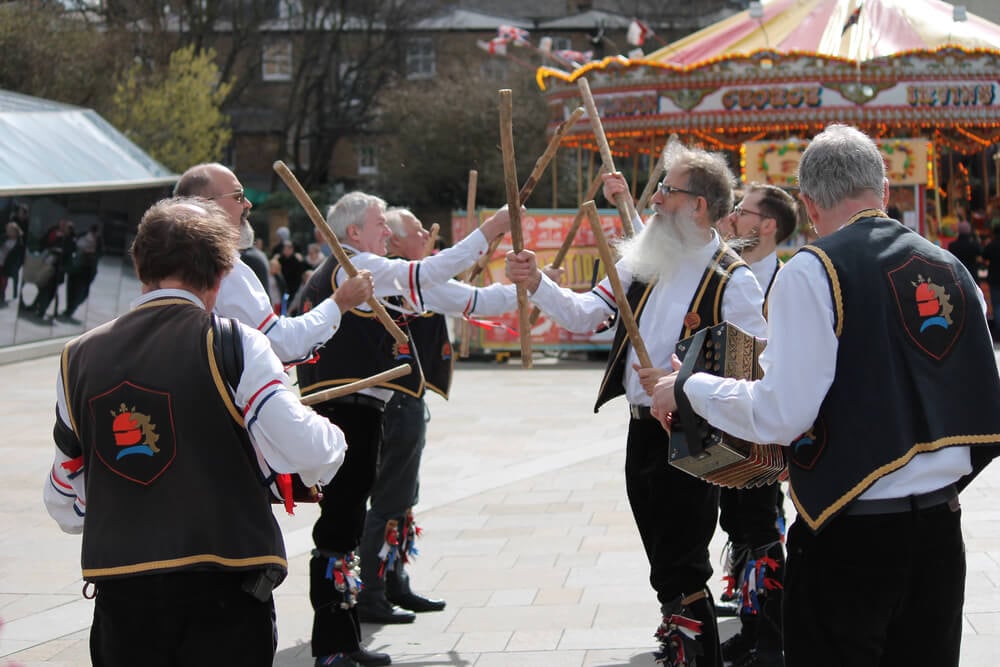
Morris dance has been documented in England since at least the fifteenth century, performed by teams of dancers using sticks, handkerchiefs, and bells strapped to their shins. Its exact origins are debated, with theories ranging from medieval court entertainment to older agricultural fertility rituals.
The dance nearly vanished in the early twentieth century before folklorists actively revived it by tracking down and recording elderly practitioners in rural villages. Modern Morris sides still perform many of the same tunes and step patterns those collectors documented over a century ago.
Scottish Highland Dance
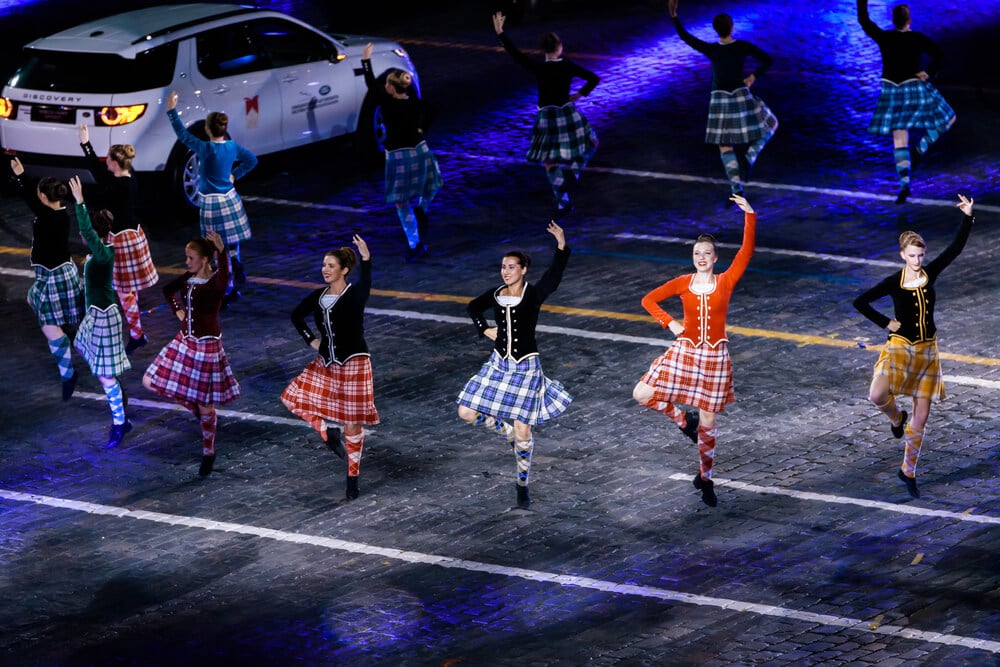
Highland dance developed among Scottish clans, with some steps traditionally said to have been performed by warriors over crossed swords before or after battle. Its athletic, precise footwork became formalized in the nineteenth century when Queen Victoria’s enthusiasm for Highland culture helped turn regional dances into competitive events at Highland games.
Dancers train for years to master the controlled leaps and turned-out positions the style demands. Many of its dances are still performed in full military-style regalia at competitions today.
Capoeira
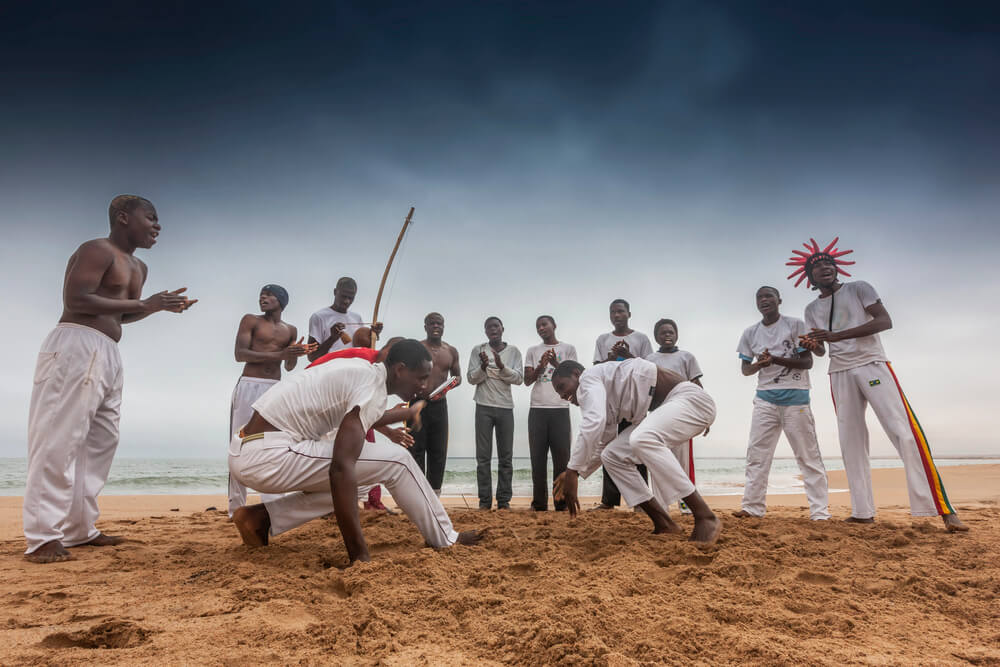
Capoeira developed among enslaved Africans in colonial Brazil, blending dance, music, and martial art into a single practice that could be disguised as recreation when direct combat training was forbidden. Its roots draw on West and Central African movement traditions brought by enslaved people, adapted over generations into the form practiced today.
Practitioners perform within a circle called a roda, moving to the rhythm of a berimbau, a single-string percussion bow. It was outlawed in Brazil for decades before being formally recognized as a national cultural practice in the twentieth century.
Hula
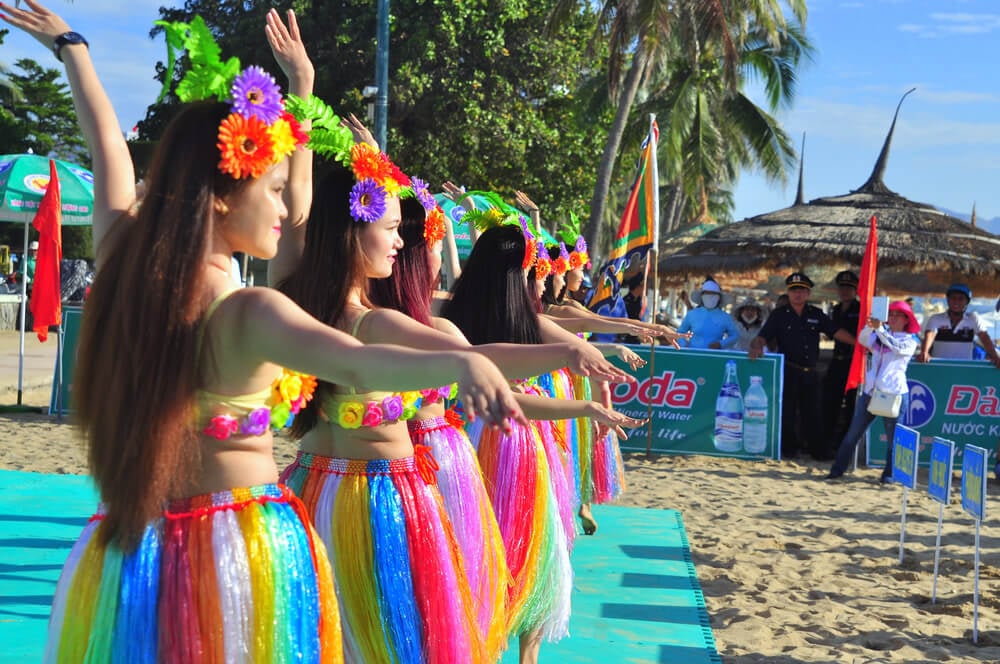
Hula developed in the Hawaiian Islands as a way to preserve genealogy, mythology, and history in a culture that relied on oral rather than written record-keeping. Missionaries suppressed public performance of hula through much of the nineteenth century, viewing its movements as inappropriate, which pushed the tradition into private practice for a generation.
King David Kalākaua actively revived it in the late nineteenth century, reportedly describing it as the heartbeat of the Hawaiian people. Its two main forms, the ancient chant-based hula kahiko and the modern hula ʻauana, are still taught side by side in halau today.
Mazurka
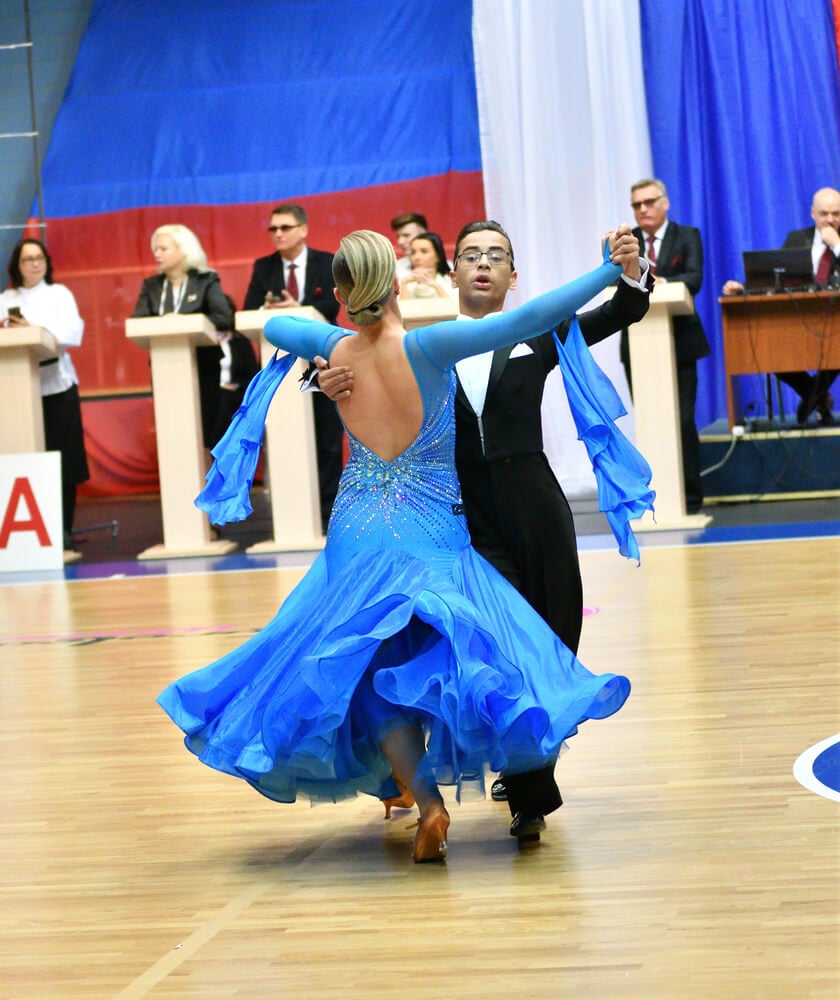
The mazurka originated among Polish peasant communities, likely by the seventeenth century, before spreading through European ballrooms in the nineteenth century after composers including Chopin built classical works around its distinctive triple rhythm. Its accented second beat gives it a lilting, off-balance quality that distinguishes it from the waltz it is often compared to.
The dance traveled with Polish immigrant communities across Europe and the Americas, adapting slightly in each region while retaining its core rhythmic signature.
Minuet
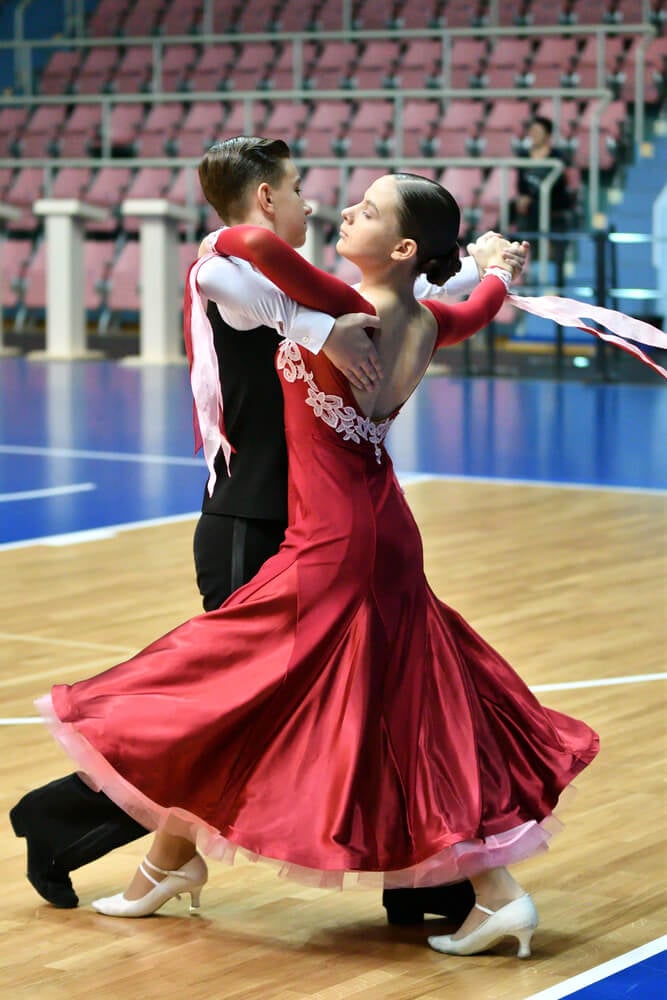
The minuet originated in the French court of Louis XIV in the mid-seventeenth century and became the most formal and prestigious dance in European ballroom culture for well over a century. Its small, measured steps, from which its name derives, were designed to display elegance and restraint rather than athleticism.
Composers from Bach to Mozart wrote minuets as standalone instrumental pieces, embedding the dance’s rhythm into classical music long after it fell out of fashion on the dance floor itself.
Csárdás
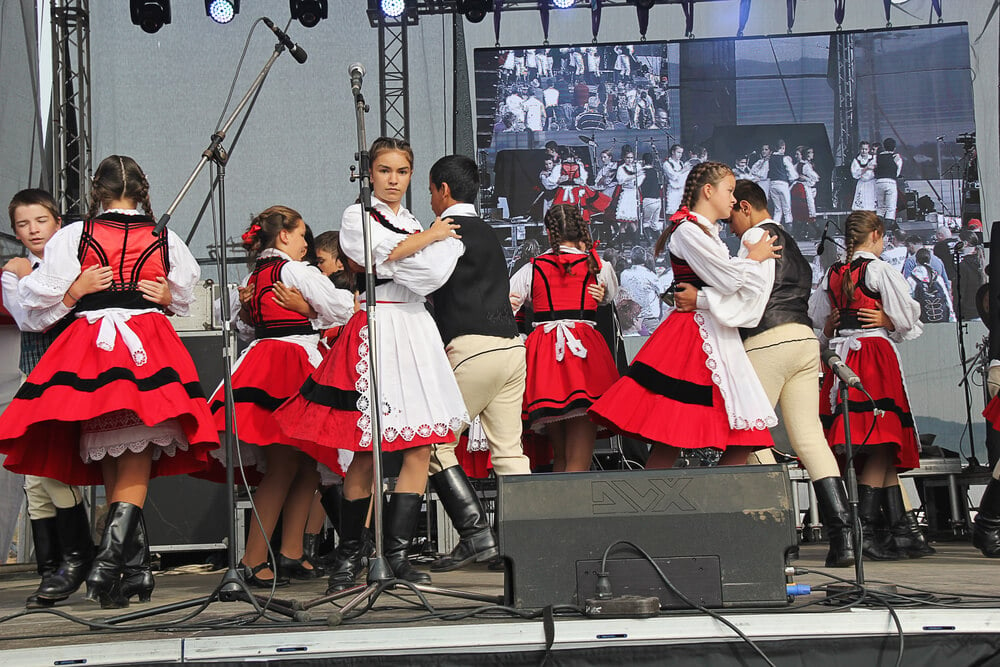
Csárdás developed among Hungarian villagers in the eighteenth century, built around a structure that begins slow and mournful before accelerating into a fast, energetic second section. Its name comes from the Hungarian word for tavern, where the dance was commonly performed.
Composers including Johannes Brahms and Johann Strauss II wrote csárdás-inspired pieces that helped popularize its distinctive tempo shift across European concert halls. It remains a staple of Hungarian folk festivals and wedding celebrations today.
Sardana
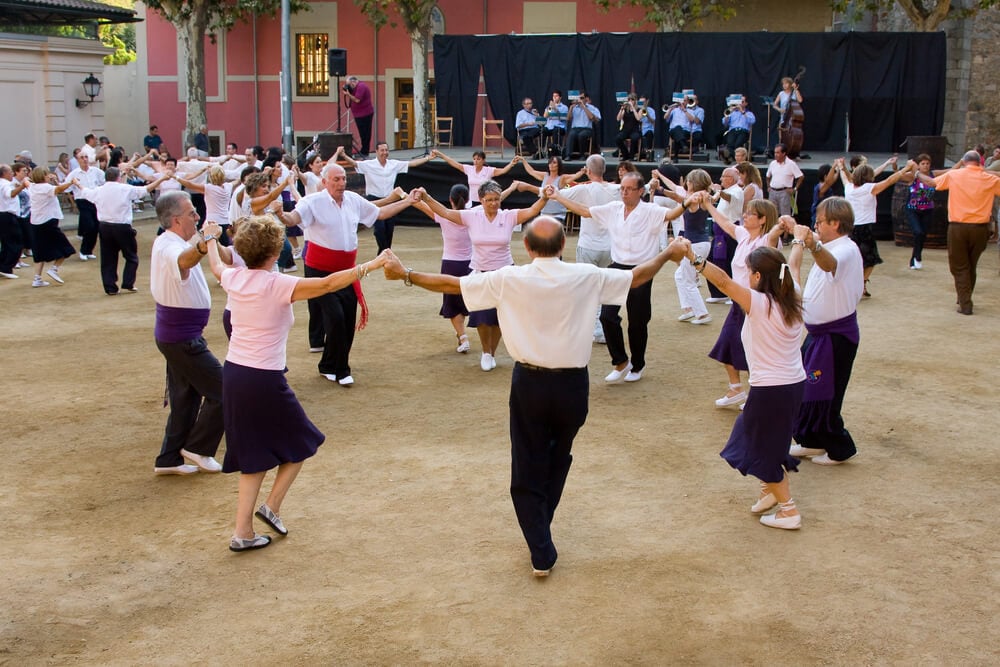
The sardana is a circle dance from Catalonia in northeastern Spain, with roots that scholars trace back several centuries, though its modern standardized form was codified in the nineteenth century. Dancers link hands in a ring and count precise combinations of short and long steps, a structure that requires close attention since a single misstep breaks the pattern for the whole circle.
It became closely tied to Catalan identity, particularly during periods when regional culture faced political suppression. Public sardana gatherings in Barcelona still draw dancers of all ages on weekend evenings.
Tarantella
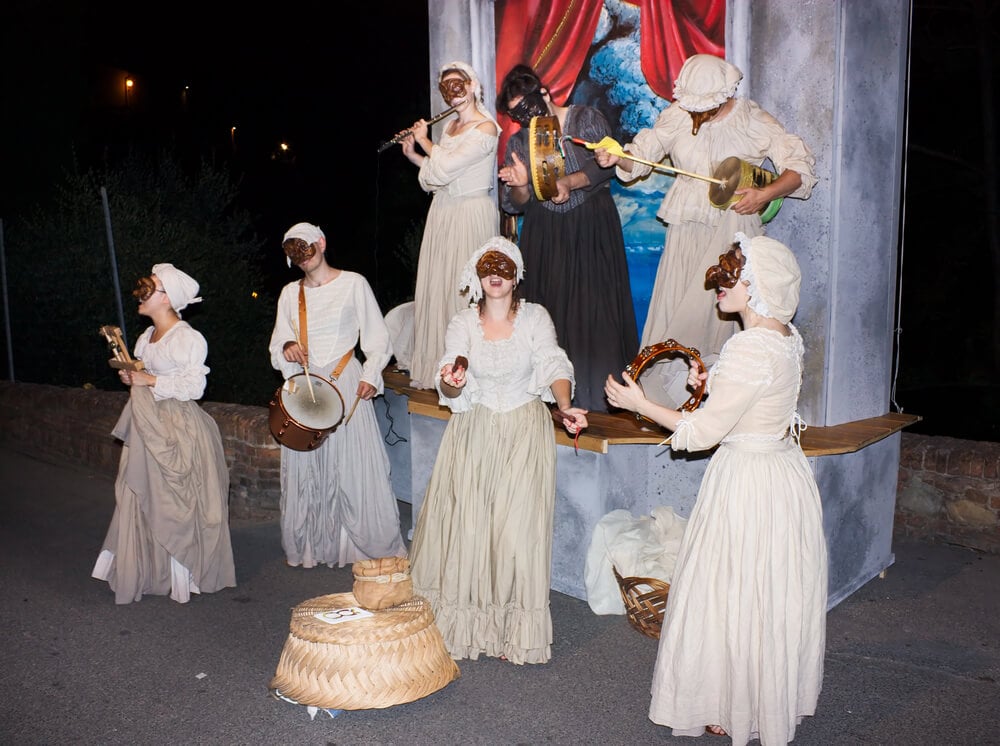
The tarantella takes its name from the southern Italian town of Taranto and is tied to a folk belief, dating to at least the medieval period, that the dance’s frantic spinning could cure the bite of a tarantula spider. Whatever its original medical logic, the dance survived long after the belief faded, becoming a fixture of Italian wedding and festival celebrations.
Its rapid 6/8 rhythm and whirling turns have made it one of the most recognizable folk dance styles associated with Italy internationally.
Sema
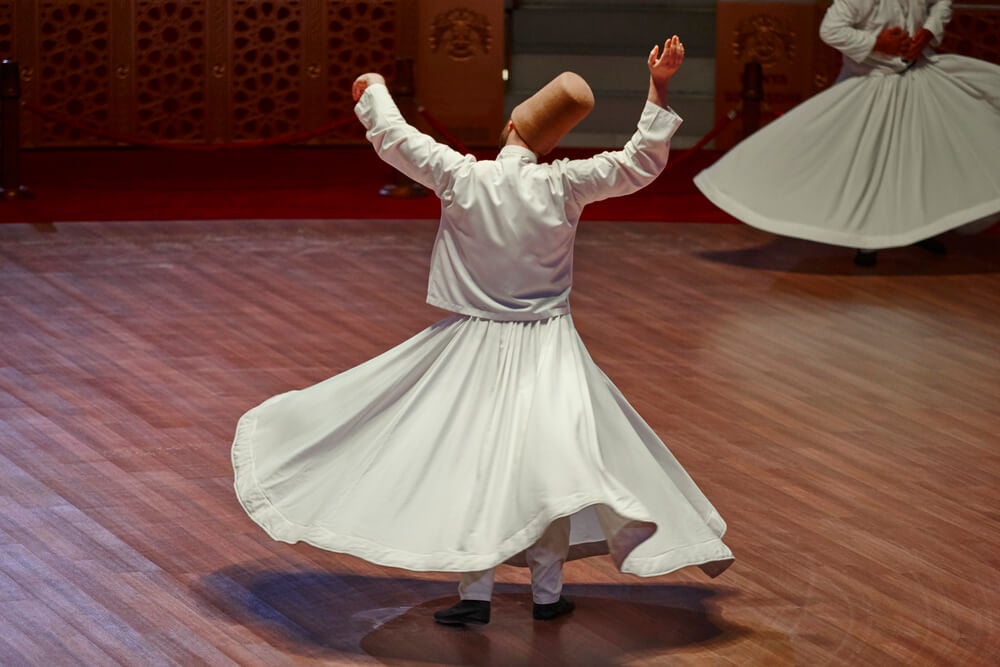
Sema, the ceremony of the Whirling Dervishes, developed among followers of the thirteenth-century Sufi poet Rumi in what is now Turkey. Practitioners spin continuously with one palm raised toward the sky and the other lowered toward the earth, a posture intended to symbolize a channel between the divine and the human.
The practice is considered a form of moving meditation rather than performance, though it has been staged for public audiences for over a century. UNESCO recognized the Mevlevi Sema ceremony as Intangible Cultural Heritage in 2008.
Lion Dance
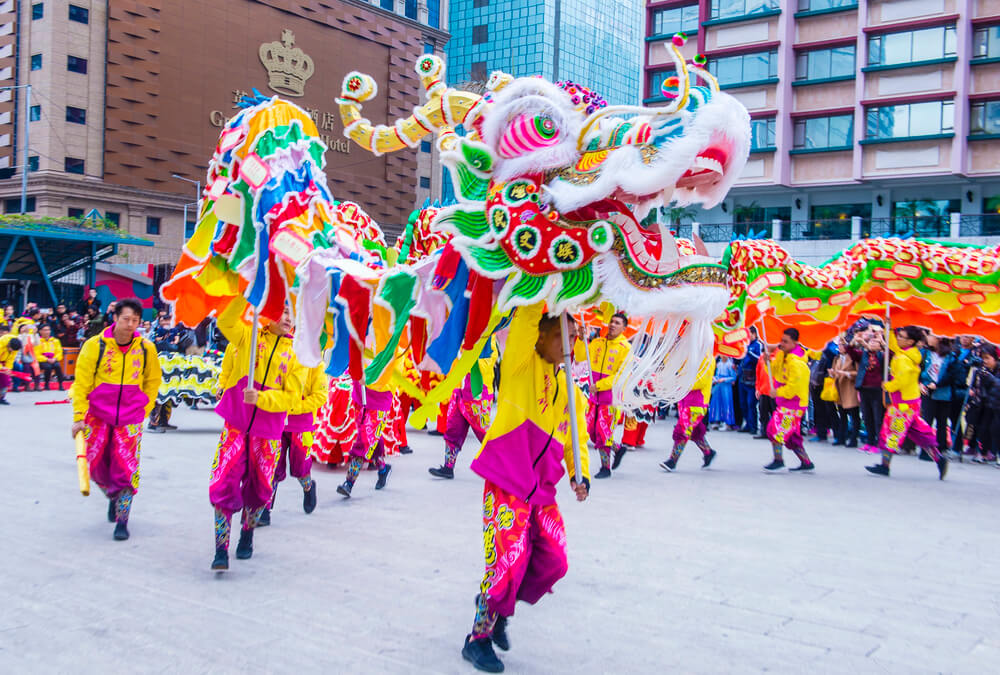
Lion dance has been performed in China for well over a thousand years, traditionally staged during Lunar New Year and other major celebrations to frighten away evil spirits. Two performers work inside a single costume, one controlling the head and the other the body, coordinating tightly enough to mimic the movements of a living animal.
Regional styles vary significantly, with southern Chinese lion dance emphasizing acrobatic leaps between raised platforms. The tradition spread with Chinese diaspora communities and is now performed at celebrations worldwide.
Dragon Dance
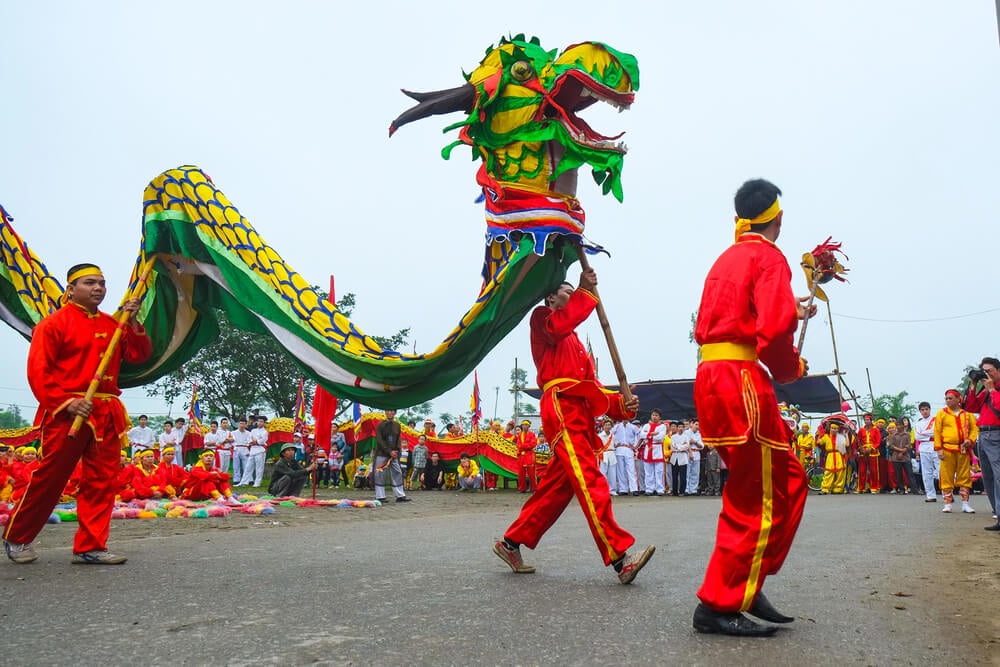
Dragon dance shares deep roots with lion dance in Chinese tradition, with written references to dragon processions dating back roughly two thousand years to rainmaking rituals during periods of drought. A single dragon dance requires a coordinated team, sometimes dozens of performers, holding poles that control the undulating body of a long fabric-and-bamboo dragon.
The synchronized wave-like motion is considered one of the most technically demanding group dance forms in Chinese festival tradition. It remains a centerpiece of Lunar New Year parades globally.
Bon Odori
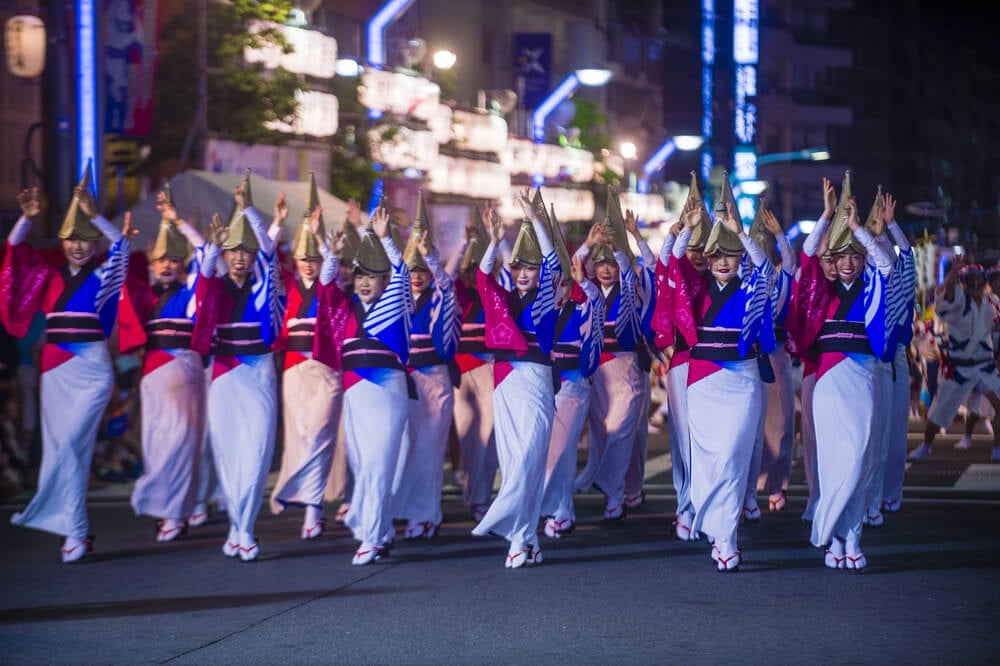
Bon Odori developed alongside Obon, a Japanese Buddhist tradition honoring deceased ancestors, with roots extending back roughly five hundred years. Dancers move in a circle around a raised wooden platform called a yagura, following simple repeated steps designed to be accessible to entire communities rather than trained specialists.
Regional variations differ significantly in music and choreography from one part of Japan to another. The dance remains one of the few traditional Japanese forms still practiced broadly by ordinary people rather than professional performers.
Haka
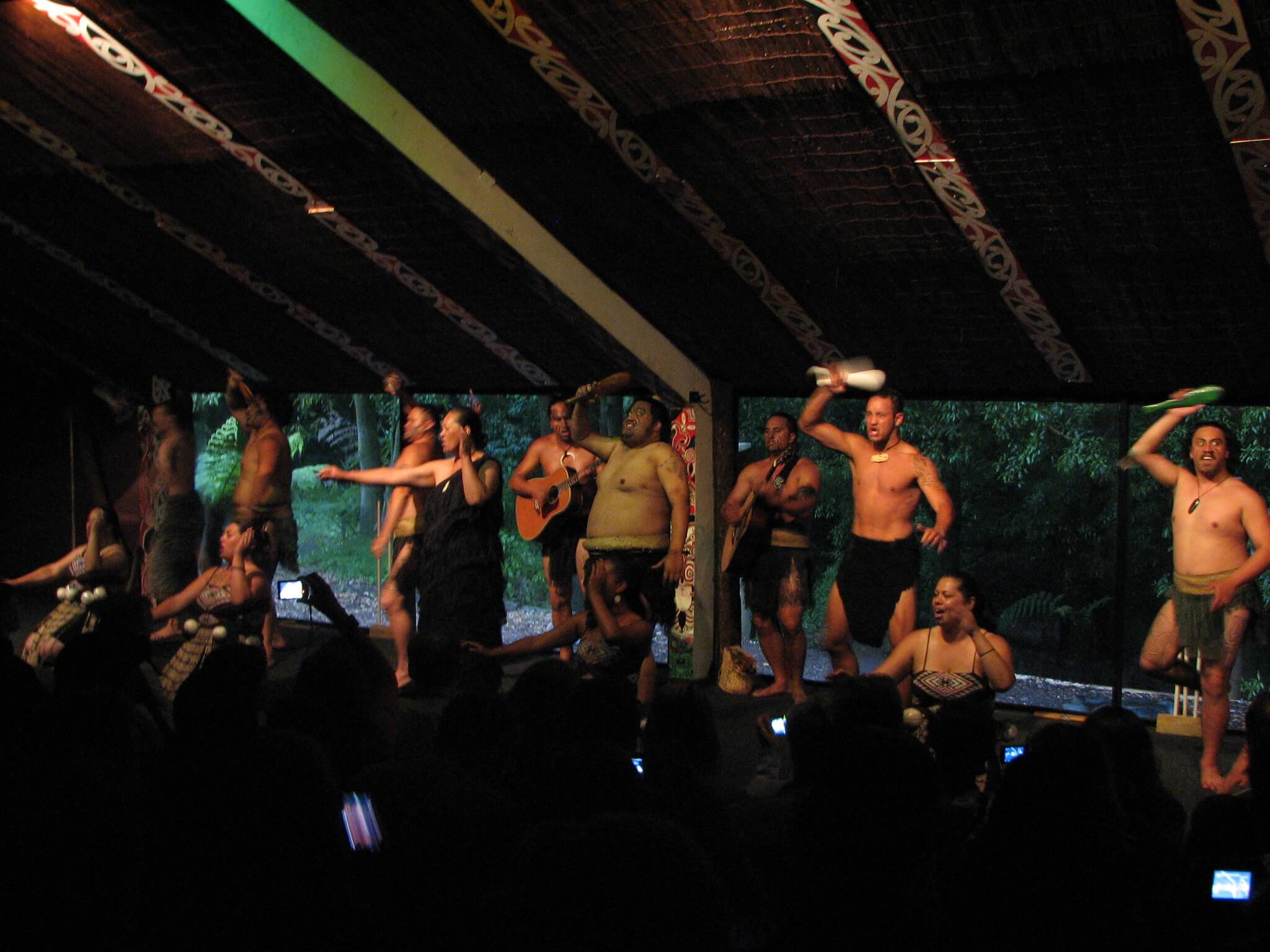
Haka developed among Maori communities in New Zealand as a ceremonial expression used before battle, during welcome ceremonies, and to mark significant occasions, with a history extending back centuries before European contact. It combines forceful, synchronized movement with chanted words, facial expression, and rhythmic foot-stamping.
Different iwi, or tribal groups, maintain distinct haka tied to their own histories and genealogies. Its adoption by New Zealand’s national rugby team brought international attention to a practice that remains, at its core, a serious cultural and spiritual expression.
Legong
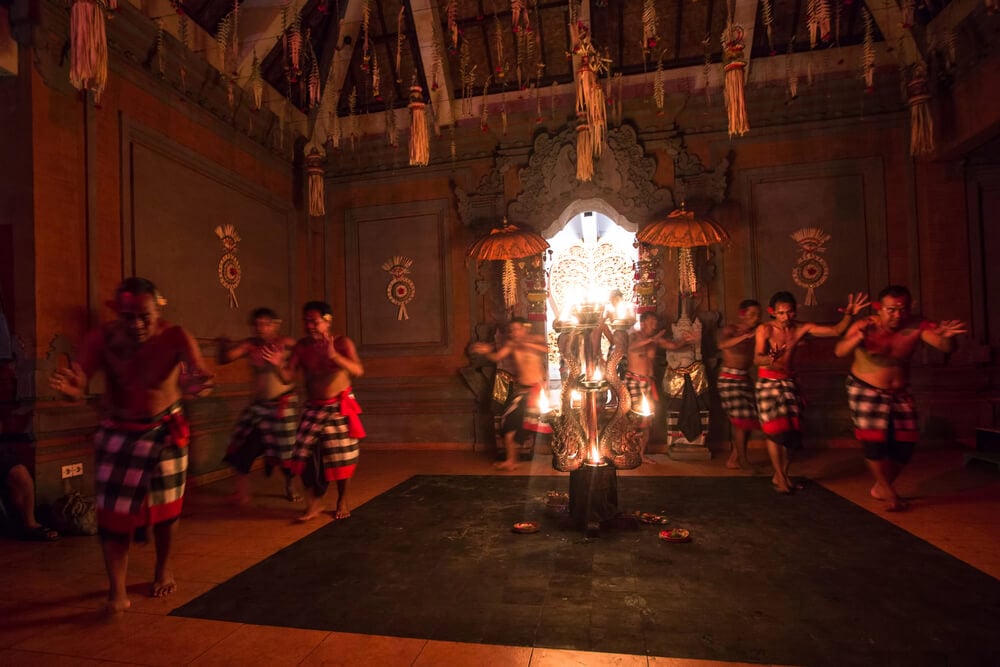
Legong developed in the royal courts of Bali, with its refined, highly stylized form taking shape by at least the nineteenth century, drawing on older Balinese temple dance traditions. It is traditionally performed by very young girls trained from childhood in its precise finger movements and darting eye expressions.
The dance is accompanied by gamelan orchestra music, with dancer and musicians following an intricately synchronized structure. Legong remains central to Balinese temple ceremonies as well as public performance today.
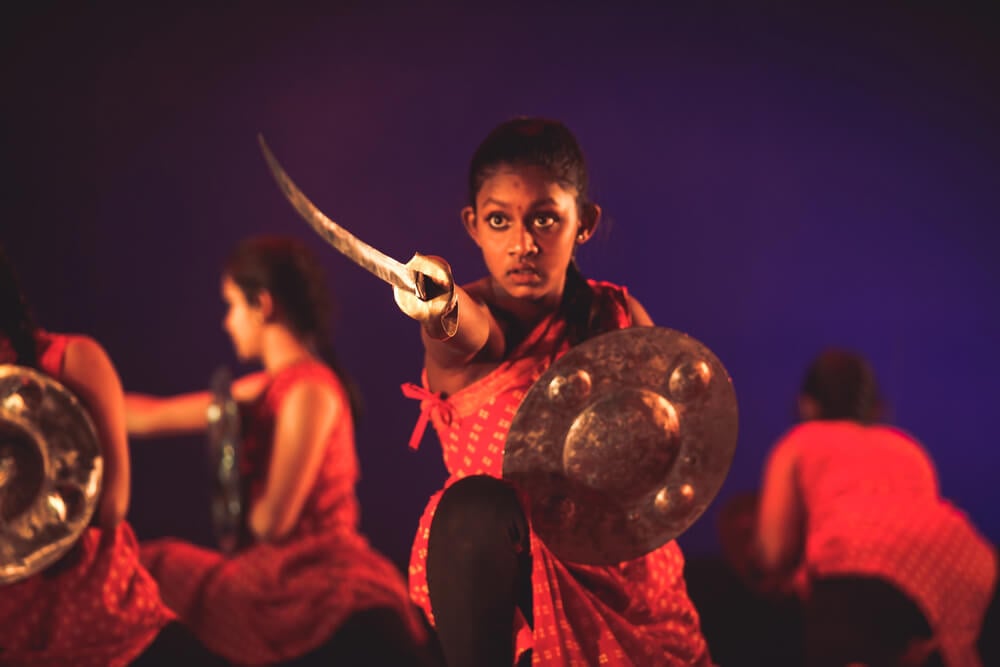
Kandyan Dance
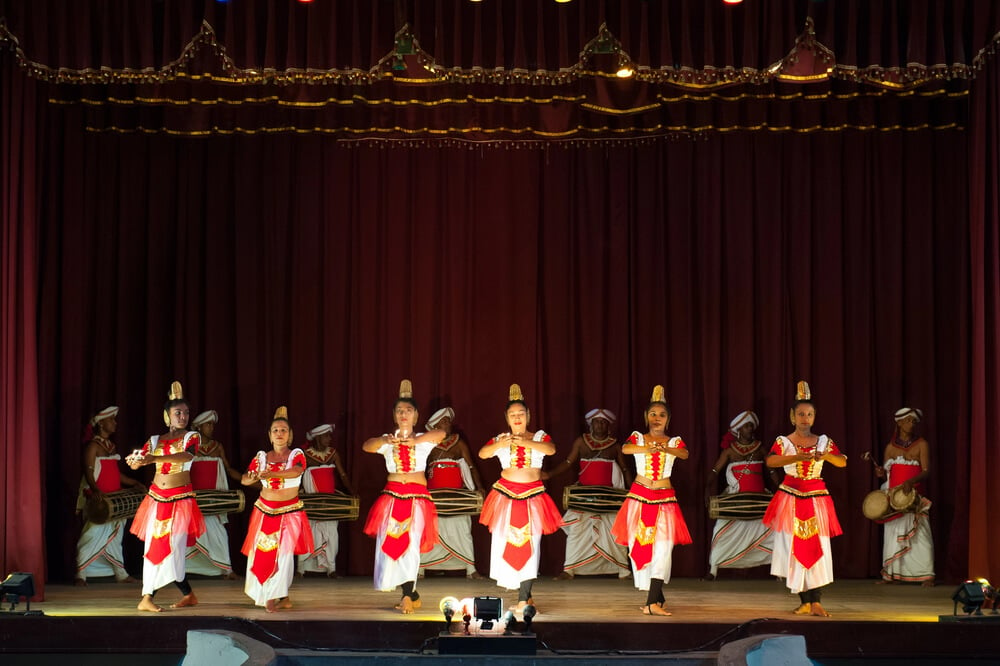
Kandyan dance takes its name from the former royal capital of Kandy in Sri Lanka, where it developed as a ceremonial court tradition with roots extending back several centuries. Performers wear elaborate silver headdresses and ornaments, and the dance traditionally begins with a blessing ritual performed by a lead dancer before the main performance.
It survived periods of colonial rule that actively discouraged local cultural practice. Kandyan dance troupes remain a fixture of Sri Lankan state ceremonies and the annual Esala Perahera festival.
Fandango
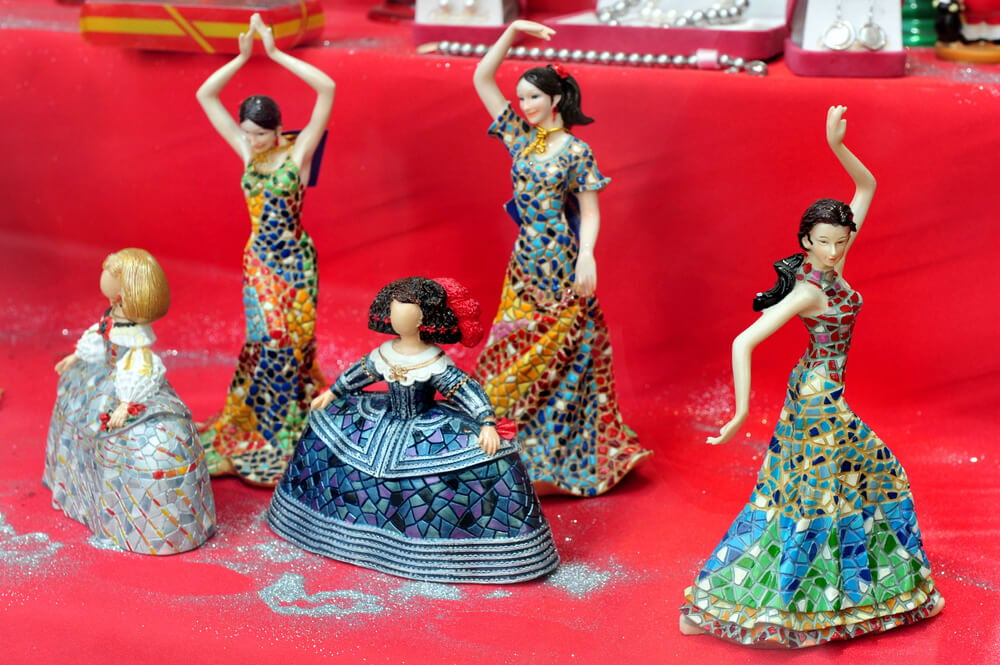
Fandango developed in the Iberian Peninsula by the eighteenth century, danced by couples in a lively triple meter typically accompanied by castanets and guitar. Its exact origins are debated between Spanish and Portuguese folk traditions, and it spread quickly across social classes, eventually appearing in formal court entertainment despite its folk roots.
Composers including Mozart wrote fandango-inspired sections into operatic works, helping carry its rhythm beyond Iberia. Regional variants of the dance are still performed across Spain and Portugal today.
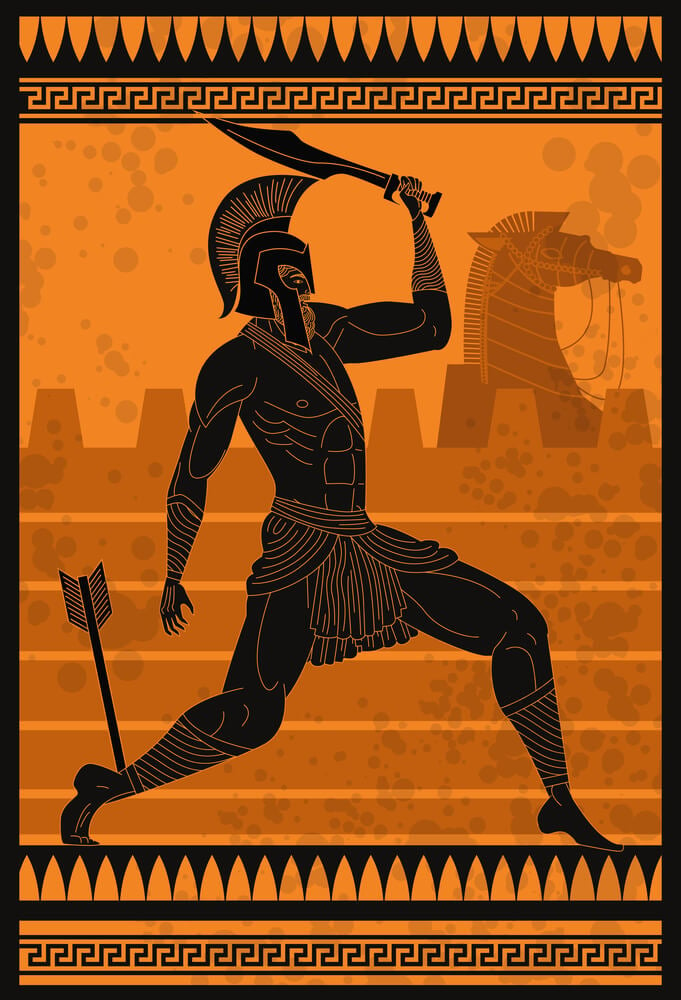
Syrtos
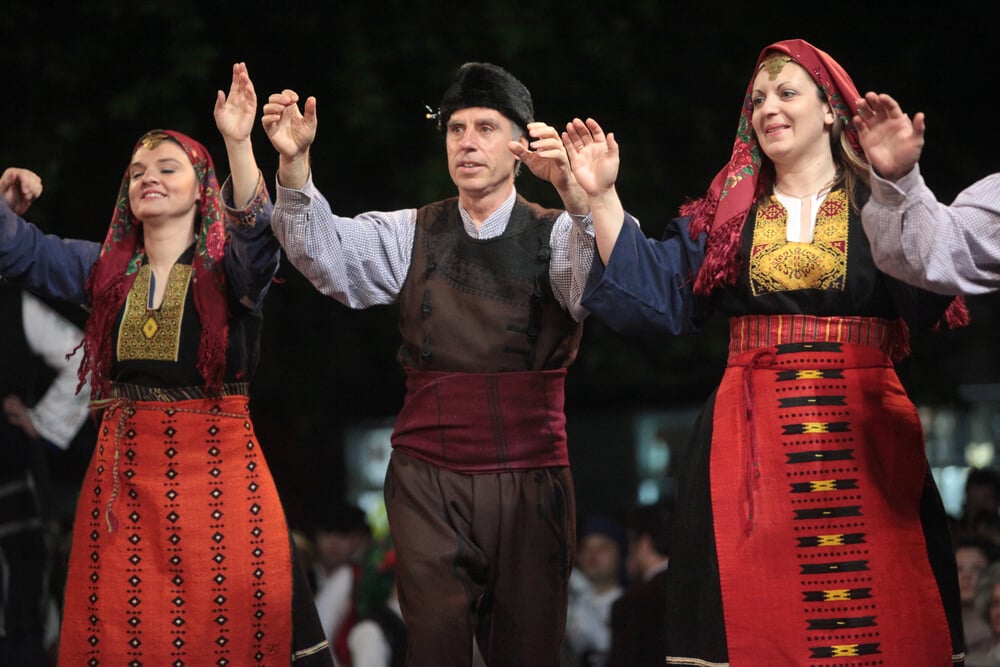
Syrtos is considered one of the oldest surviving folk dances in Greece, with depictions of similar circular group dances appearing on ancient Greek pottery long before written records of the dance’s name exist. Dancers form a chain or open circle, following a lead dancer who performs more elaborate steps and improvisations while the rest of the group maintains a steady basic pattern.
Regional variations exist across the Greek islands and mainland, each with distinct musical accompaniment. It remains one of the most commonly danced forms at Greek festivals and weddings.
The Body as the Archive
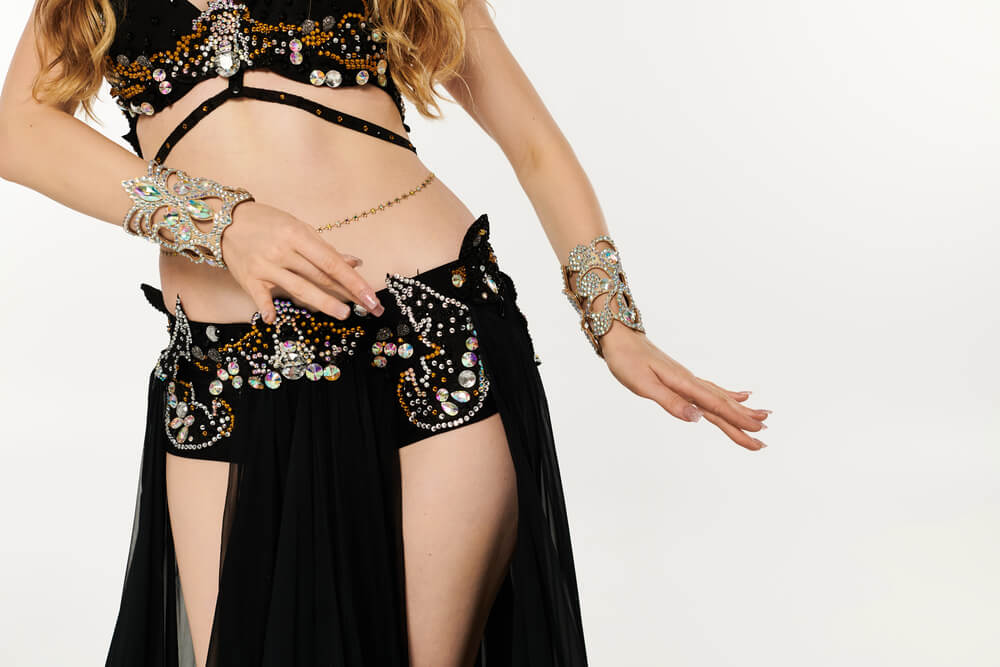
None of these dances survived because someone wrote them down and locked the instructions away. They survived because communities kept dancing them, generation after generation, through periods when doing so was inconvenient, discouraged, or outright forbidden.
The body turned out to be a more durable archive than paper.
That durability is worth noticing now, as more of daily life gets recorded and stored digitally. These traditions are reminders that some knowledge only stays alive through repetition, in person, passed from someone who remembers to someone who is still learning.
More from Go2Tutors!

- The Romanov Crown Jewels and Their Tragic Fate
- 13 Historical Mysteries That Science Still Can’t Solve
- Famous Hoaxes That Fooled the World for Years
- 15 Child Stars with Tragic Adult Lives
- 16 Famous Jewelry Pieces in History
Like Go2Tutors’s content? Follow us on MSN.



