26 Patented Ideas That Never Reached Store Shelves
A patent only proves an idea existed on paper; it says nothing about whether the idea could survive contact with a factory floor, a regulator, or a paying customer. Plenty of genuinely clever inventions cleared every legal hurdle and still never made it into a single home.
Some were too expensive, some were too dangerous, and some simply arrived before the infrastructure existed to support them. What follows is a tour of legitimate, patented technology that stalled somewhere between the drafting table and the retail shelf.
Each one worked, at least in prototype form. None of them ever became a product you could actually buy.
The Brennan Gyroscopic Monorail
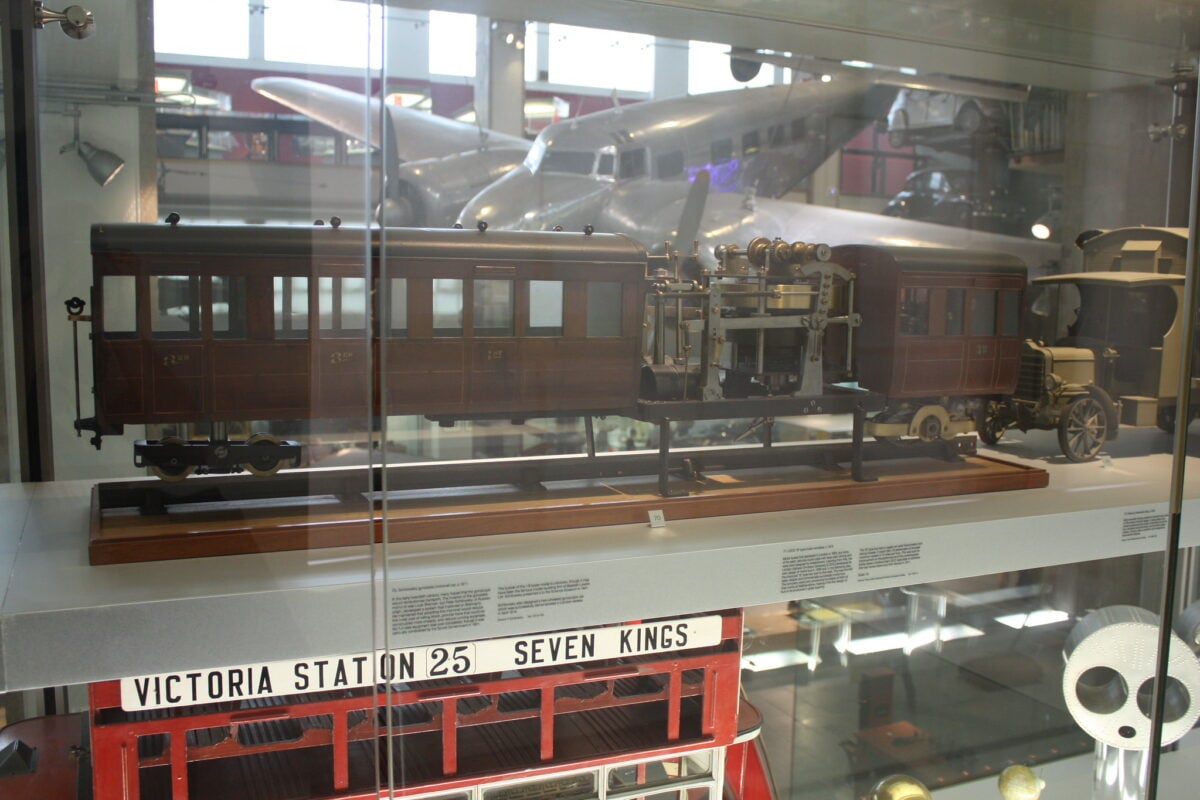
Irish-Australian engineer Louis Brennan patented a monorail system in the early twentieth century that used a pair of internal gyroscopes to keep a single rail car balanced upright, eliminating the need for a second rail entirely. He built a full-scale working prototype and demonstrated it publicly, including to King Edward VII, drawing serious interest from investors and the British military.
Despite the successful demonstrations, the complexity and cost of the gyroscopic stabilization system meant no railway ever adopted it commercially. The monorail concept survived, but every modern version uses simpler balancing methods than Brennan’s original design.
The Taylor Aerocar
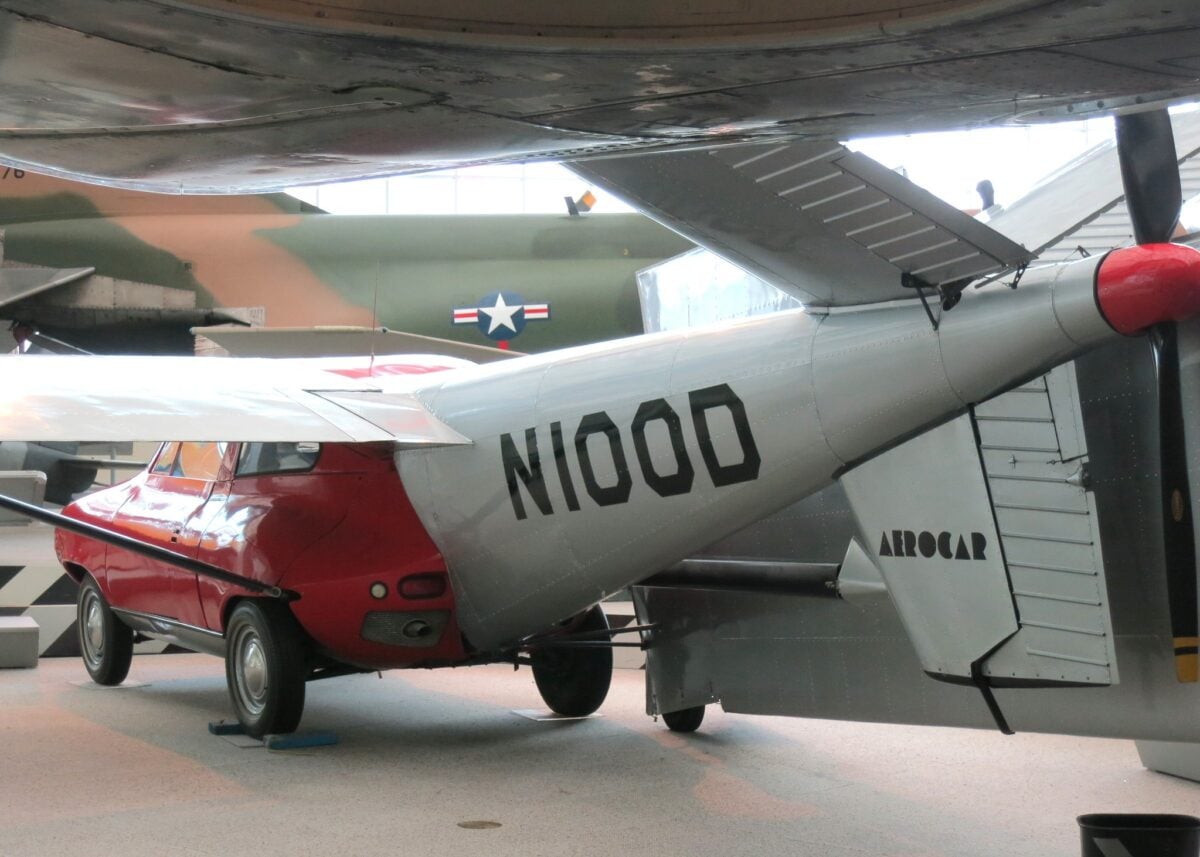
Inventor Moulton Taylor patented and built a genuine flying car in 1949, a vehicle that could drive on public roads and then convert into a small airplane by attaching a detachable wing and tail assembly. The Aerocar received official certification from the Civil Aeronautics Administration, the predecessor to the FAA, proving it was a legitimate, functional design rather than a novelty.
Only six were ever built, and despite interest from major automakers, none moved forward with mass production due to cost and liability concerns. It remains one of the few flying car concepts in history that actually flew and drove exactly as promised.
The Bell Rocket Belt

Bell Aerosystems developed and patented a rocket-powered personal flight device in the early 1960s, capable of lifting a single person into the air using thrust from pressurized hydrogen peroxide. The device worked exactly as advertised and became a sensation at public demonstrations, including an appearance at the 1984 Los Angeles Olympics decades after its development.
Its fatal limitation was flight time of roughly twenty-one seconds, far too brief for any practical transportation use, and the fuel cost per flight was prohibitively high. It never became a consumer product, surviving instead as a recurring spectacle at air shows and stadium events.
The Aérotrain
— Photo by 1000Words
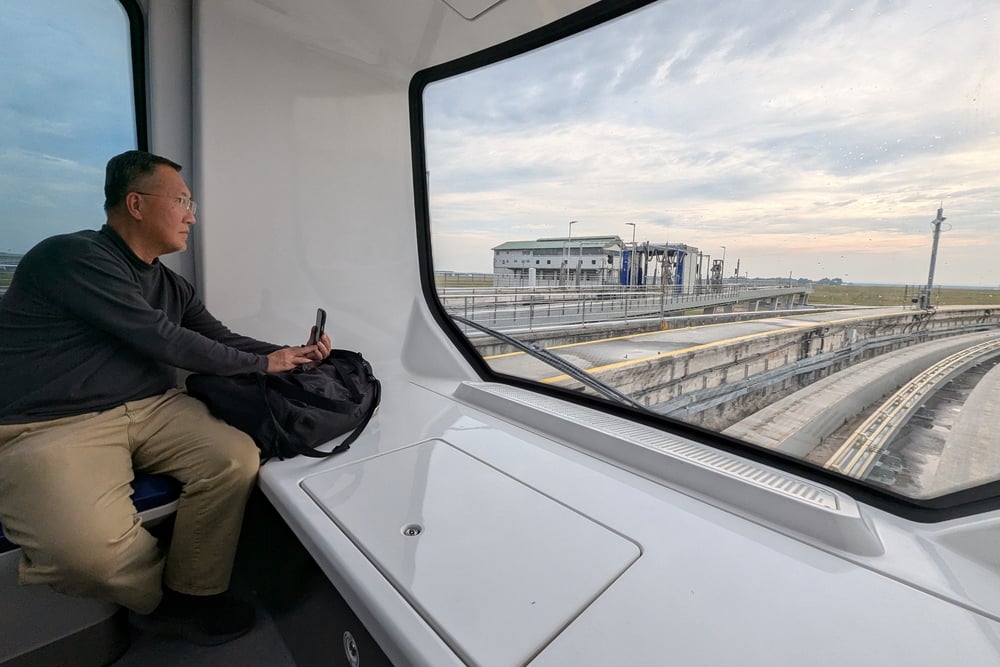
French engineer Jean Bertin patented and developed the Aérotrain, a passenger vehicle that rode on a cushion of air above a raised concrete track, similar in principle to a hovercraft. Prototypes reached speeds exceeding 250 miles per hour during testing between 1965 and 1977, outperforming many conventional trains of the era.
The French government ultimately chose to invest in conventional high-speed rail technology instead, and funding for the Aérotrain program was cancelled before it ever entered commercial service. Sections of its abandoned elevated track still stand in the French countryside today.
Edison’s Cast-Concrete Furniture
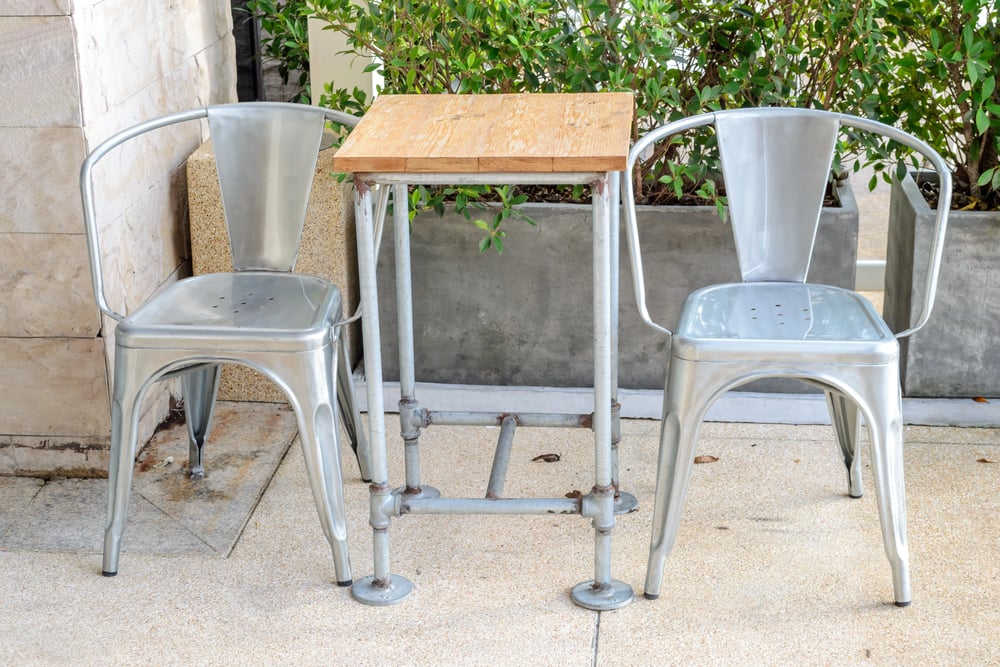
Thomas Edison patented a process for casting entire pieces of furniture, including cabinets, chairs, and even pianos, directly from poured concrete in single molds, part of a broader push into concrete construction in the early 1900s. He envisioned mass-produced, extremely durable furniture affordable to working-class families who could not afford traditional hardwood pieces.
The technical challenges of casting fine detail into concrete without cracking proved difficult to overcome economically, and consumer interest in furniture made from what most people considered a building material never materialized. The furniture line was quietly abandoned, though Edison’s related concrete house designs saw limited construction elsewhere.
Tesla’s Bladeless Turbine

Nikola Tesla patented a turbine design in 1913 that used smooth, closely spaced discs rather than traditional blades, relying on the friction and viscosity of a moving fluid to generate rotation. Tests demonstrated impressive efficiency and a notably compact design compared to conventional turbines of the era.
Manufacturing the discs to the precise tolerances required proved difficult and expensive with the materials available at the time, and no company brought the design to market during Tesla’s lifetime. Modified versions of the concept have since found niche industrial and pumping applications, but it never reached the mainstream commercial success Tesla envisioned.
General Electric’s Hardiman Exoskeleton
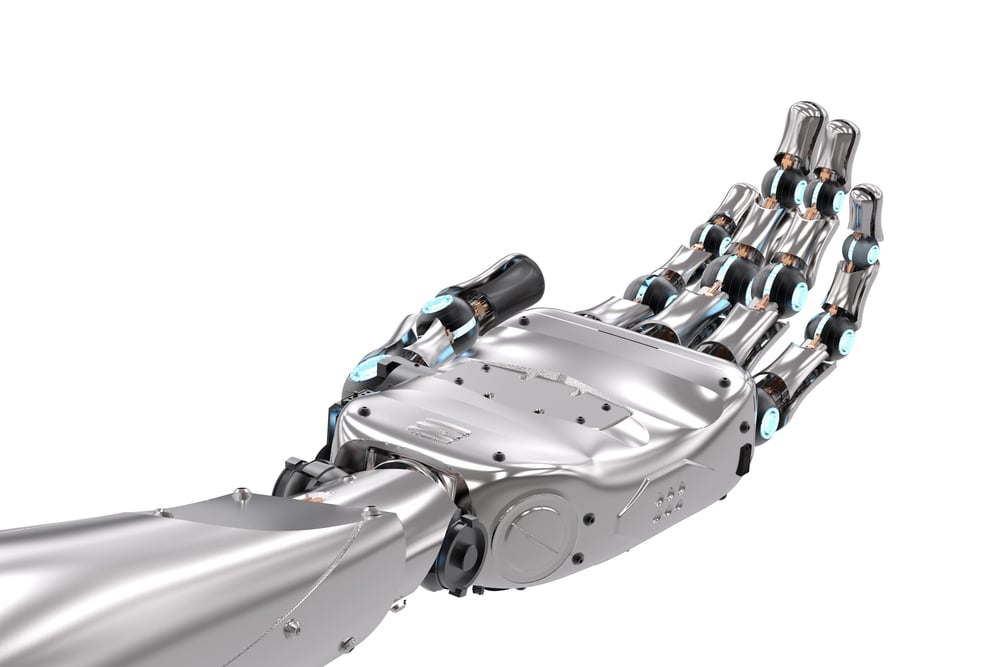
General Electric developed and patented elements of the Hardiman exoskeleton in 1965, a powered suit intended to let a wearer lift several hundred pounds with minimal effort. Engineers discovered that when both mechanical arms operated simultaneously, the suit became dangerously uncontrollable, and only a single arm was ever tested safely.
The project was shelved after the company concluded the technology of the era could not make the full suit both safe and practical. Decades later, Hardiman is widely cited as the conceptual ancestor of modern military and industrial exoskeleton research.
Smell-O-Vision

Inventor Hans Laube patented a system called Smell-O-Vision in the late 1950s, designed to pump specific scents into a movie theater’s ventilation system in sync with on-screen action. It was used commercially exactly once, in the 1960 film “Scent of Mystery,” where technical problems caused scents to arrive late, overlap, or fail to disperse evenly across the auditorium.
Critics mocked the experience, and the film’s poor reception ended any momentum toward wider adoption. No theater chain ever installed the system again, leaving Smell-O-Vision as a single-use footnote in cinema history.
The Dynasphere
— Photo by lennystan
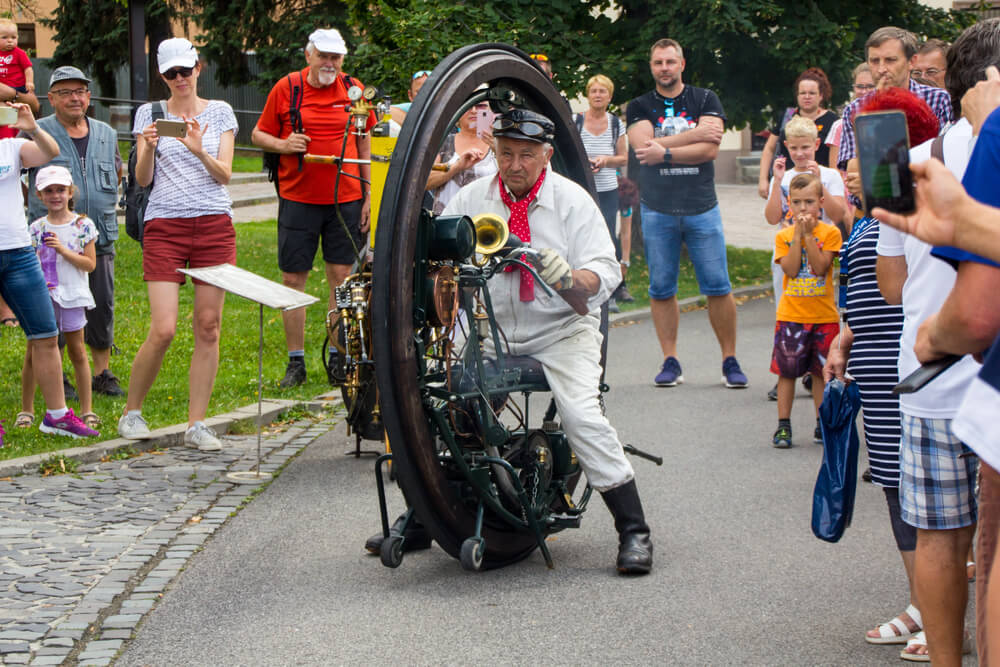
British engineer John Archibald Purves patented and built the Dynasphere in the early 1930s, a large motorized monowheel vehicle that carried its passenger and engine inside a rotating outer ring rather than on a conventional chassis. Working prototypes could reach around 25 miles per hour and drew considerable press attention as a vision of future personal transport.
The design suffered from a phenomenon called “gerbling,” in which the entire cabin would rotate independently of the wheel under braking, throwing the driver around inside. No manufacturer ever pursued production, and the Dynasphere remains a single working curiosity rather than a transportation category.
Tesla’s Wardenclyffe Tower
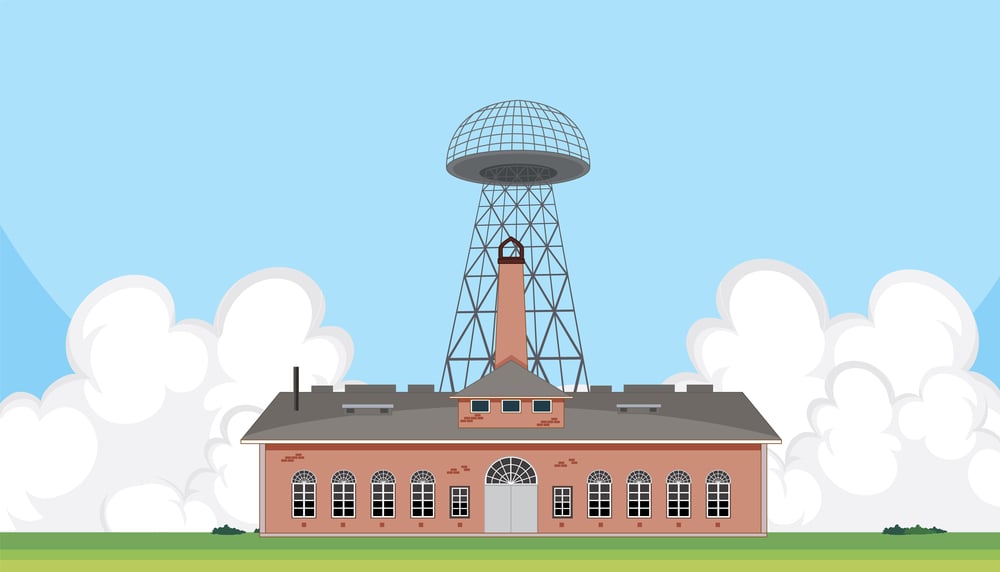
Nikola Tesla secured patents supporting a plan to transmit electrical power wirelessly across long distances, and construction began on the Wardenclyffe Tower in New York in 1901 to demonstrate the concept at scale. Financial backer J. P. Morgan withdrew funding after learning the technology could not easily meter or charge for power delivered wirelessly to individual customers.
Construction stalled permanently, and the tower was eventually demolished for scrap in 1917 to help pay off Tesla’s debts. Wireless power transmission at the scale Tesla envisioned has still not been commercially achieved more than a century later.
Buckminster Fuller’s Dymaxion Car
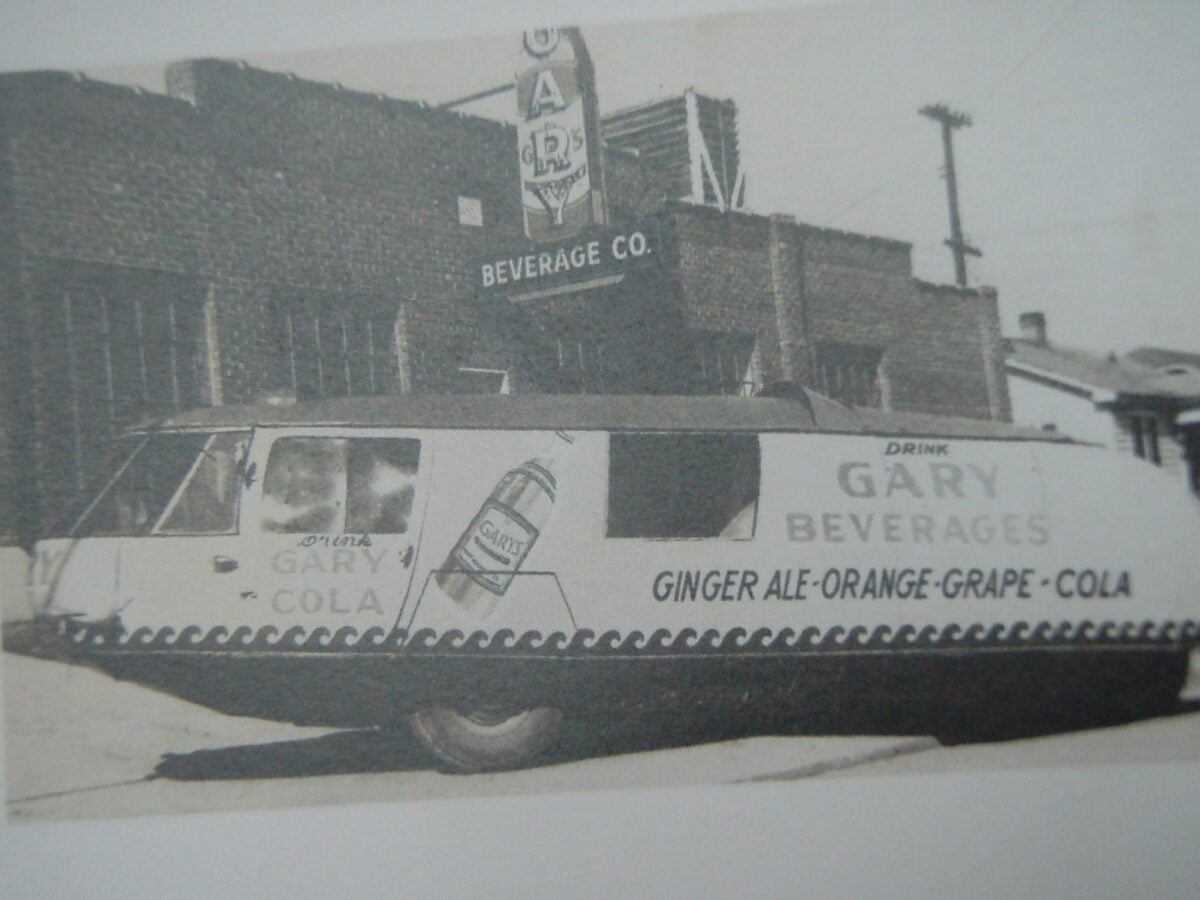
Architect and inventor Buckminster Fuller patented the Dymaxion car in the early 1930s, a three-wheeled vehicle with an aerodynamic teardrop shape designed to carry up to eleven passengers at highway speeds while using far less fuel than contemporary automobiles. Only three prototypes were built before a fatal crash involving one of them at the 1933 Chicago World’s Fair badly damaged public confidence in the design, even though investigators later attributed the crash largely to another vehicle.
Investors who had shown early interest withdrew, and Fuller could not secure the funding needed for production. The Dymaxion’s radical aerodynamic principles influenced later automotive design even though the car itself never reached a single dealership.
The Chrysler Turbine Car
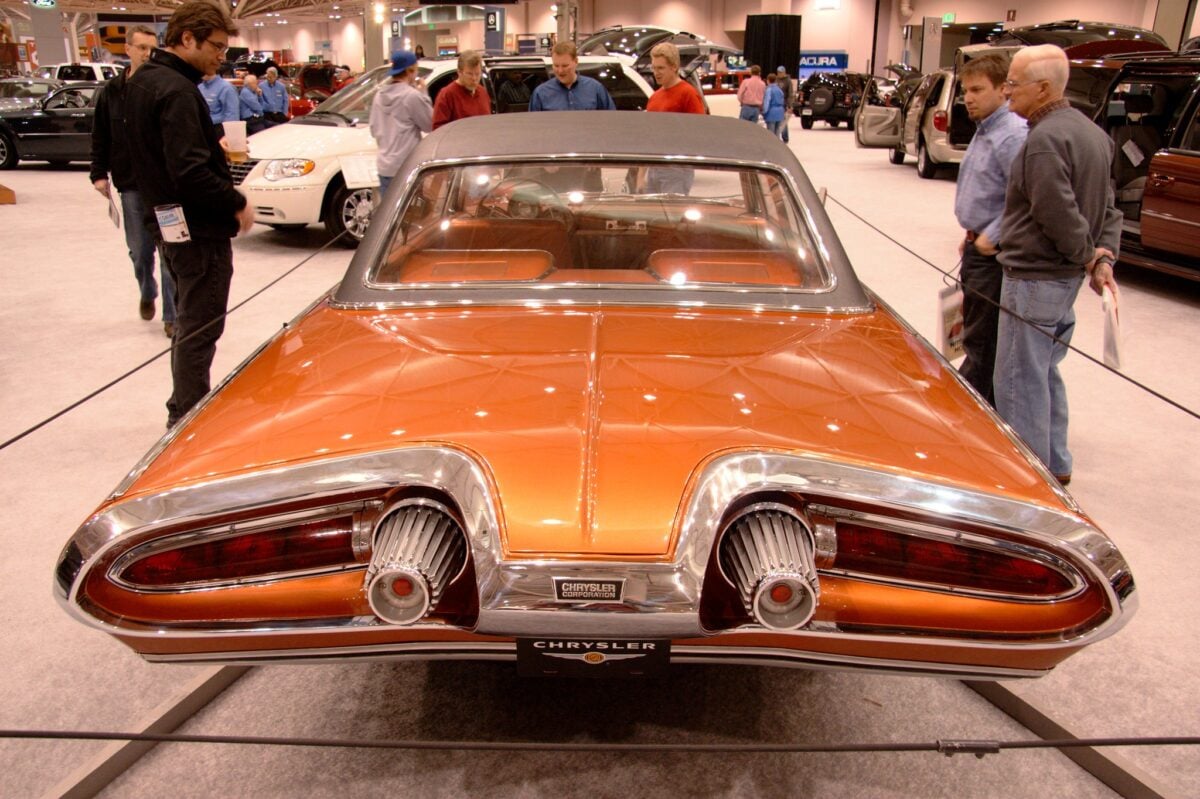
Chrysler patented and developed a passenger car powered by a turbine engine capable of running on a wide range of fuels, from diesel to vegetable oil, and built fifty-five running examples between 1963 and 1964. The company loaned the cars to ordinary American families for extended real-world trials, gathering data on how the unusual vehicles performed outside a laboratory setting.
High production costs and import tariff complications on the Italian-built bodies led Chrysler to cancel the program rather than pursue mass manufacturing. Nearly all the prototypes were later destroyed to avoid ongoing import duties, leaving only a handful in museum collections today.
The Tucker 48
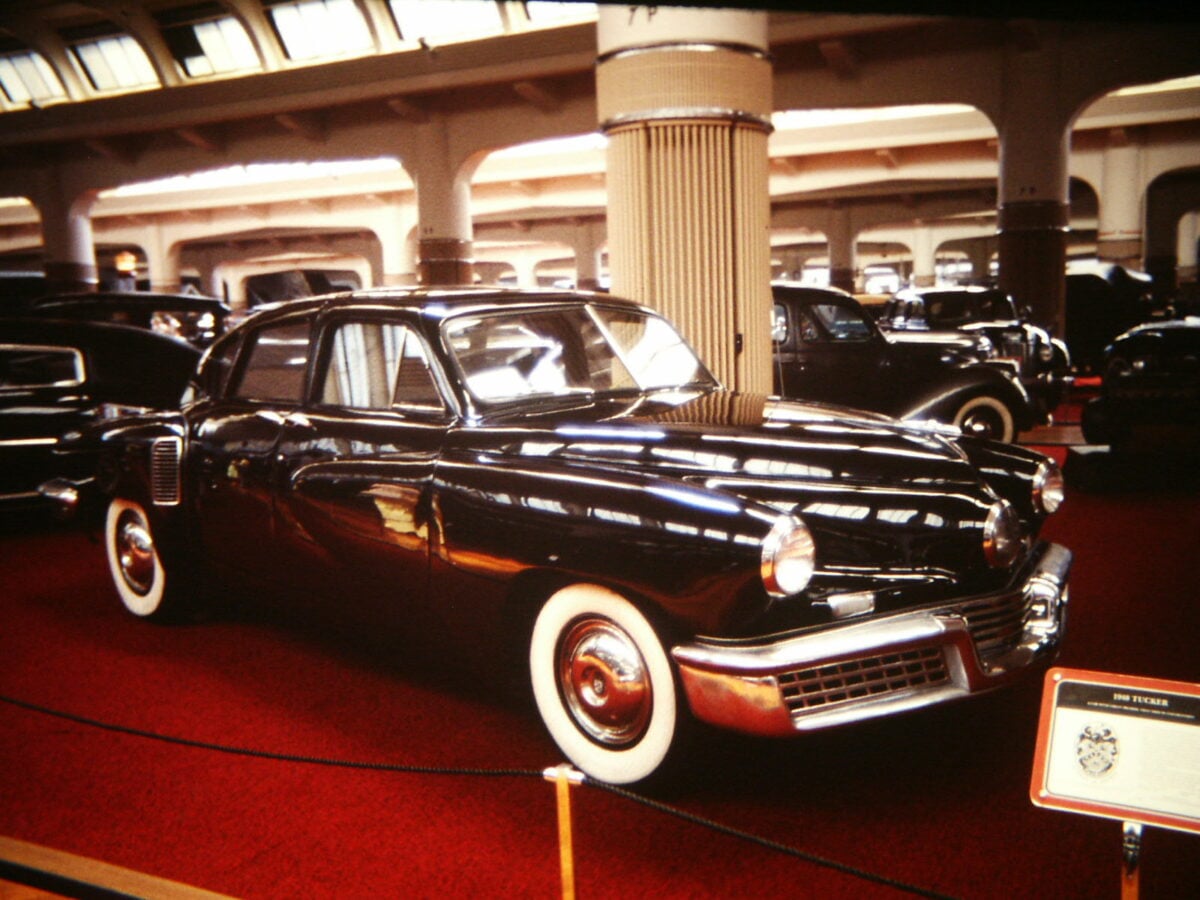
Entrepreneur Preston Tucker patented a series of automotive safety innovations, including a padded dashboard, a pop-out windshield, and a centrally mounted headlight that turned with the steering wheel, incorporating them into his 1948 Tucker sedan. Only fifty-one cars were built before the company collapsed under a barrage of stock fraud allegations, later shown in court to be largely unfounded, but by then the damage to investor confidence was irreversible.
Many of Tucker’s individual safety patents were years, and in some cases decades, ahead of features the rest of the auto industry eventually adopted. The car itself never achieved the volume production Tucker had promised to his original investors.
Bell’s Photophone
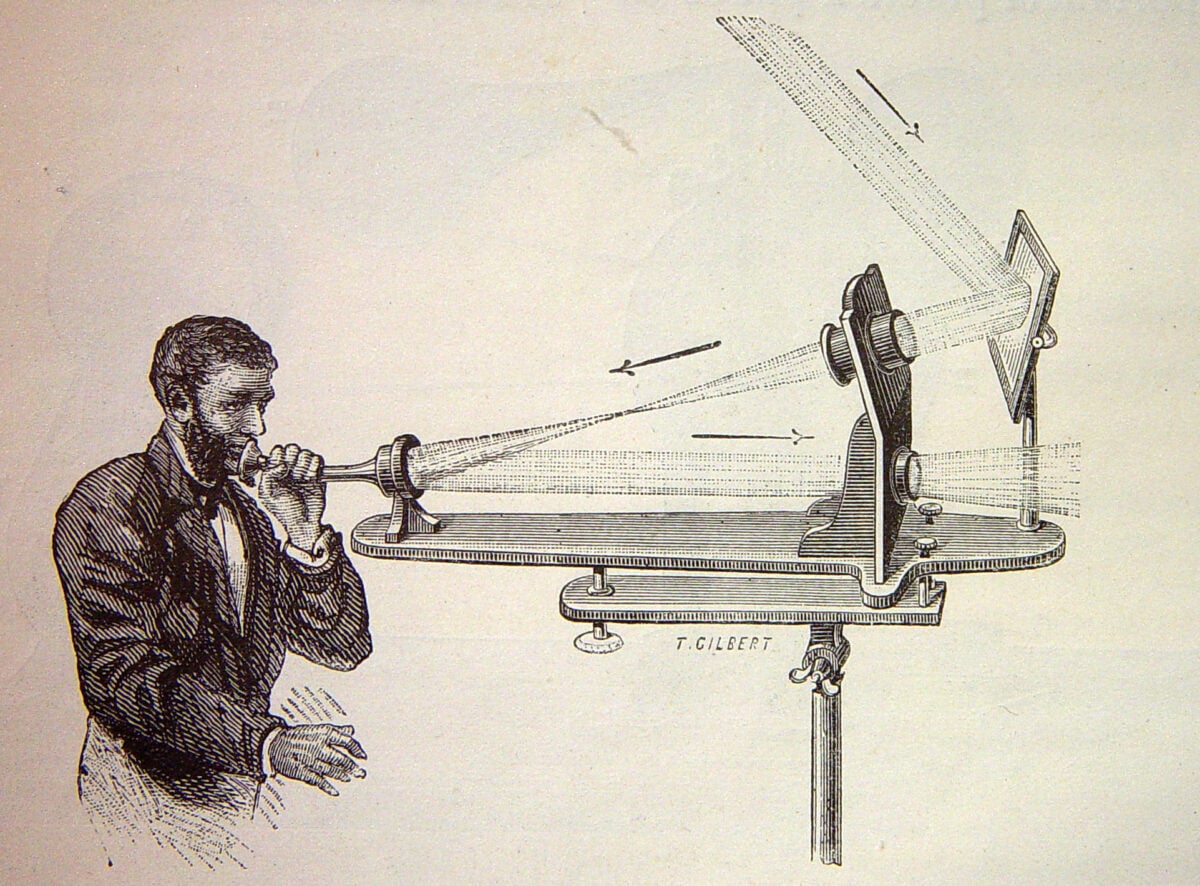
Alexander Graham Bell patented the photophone in 1880, a device that transmitted sound on a beam of light rather than through electrical wires, and considered it his most important invention, ahead of even the telephone. The technology worked reliably in demonstrations but had no practical application in an era without the fiber optic cables or lasers needed to make light-based transmission commercially useful.
It would take roughly a century, and the development of fiber optic technology, before Bell’s underlying principle became the basis of modern telecommunications infrastructure. In his own lifetime, the photophone never became anything a customer could purchase.
Engelbart’s Chorded Keyboard
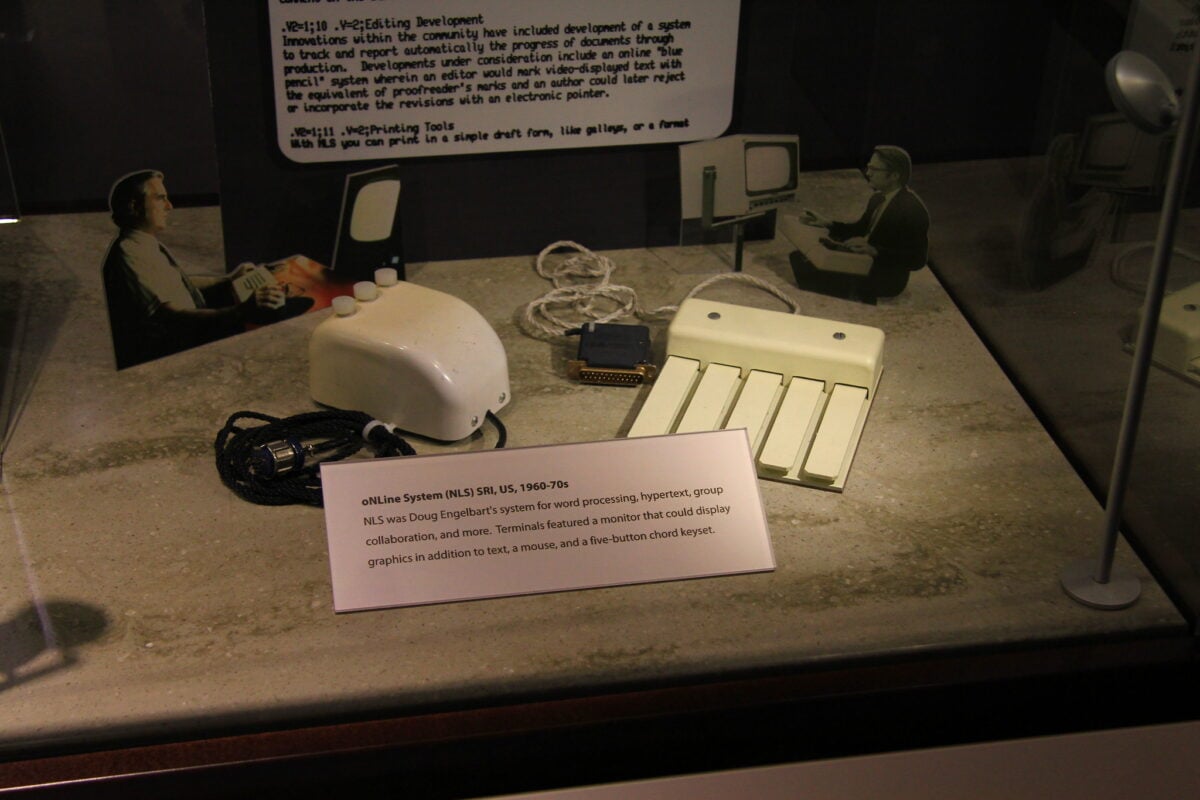
Computing pioneer Douglas Engelbart patented a chorded keyboard as part of his broader work on human-computer interaction, a device that let users type by pressing combinations of just a few keys simultaneously rather than one key at a time. He demonstrated it alongside the far more famous computer mouse during his landmark 1968 presentation, sometimes called “The Mother of All Demos.”
The mouse went on to become a standard piece of computing equipment, but the chorded keyboard never achieved comparable adoption, limited mainly to specialized accessibility and military applications. Most computer users today have never encountered the device Engelbart considered an equally important half of his original interface.
Farnsworth’s Fusor
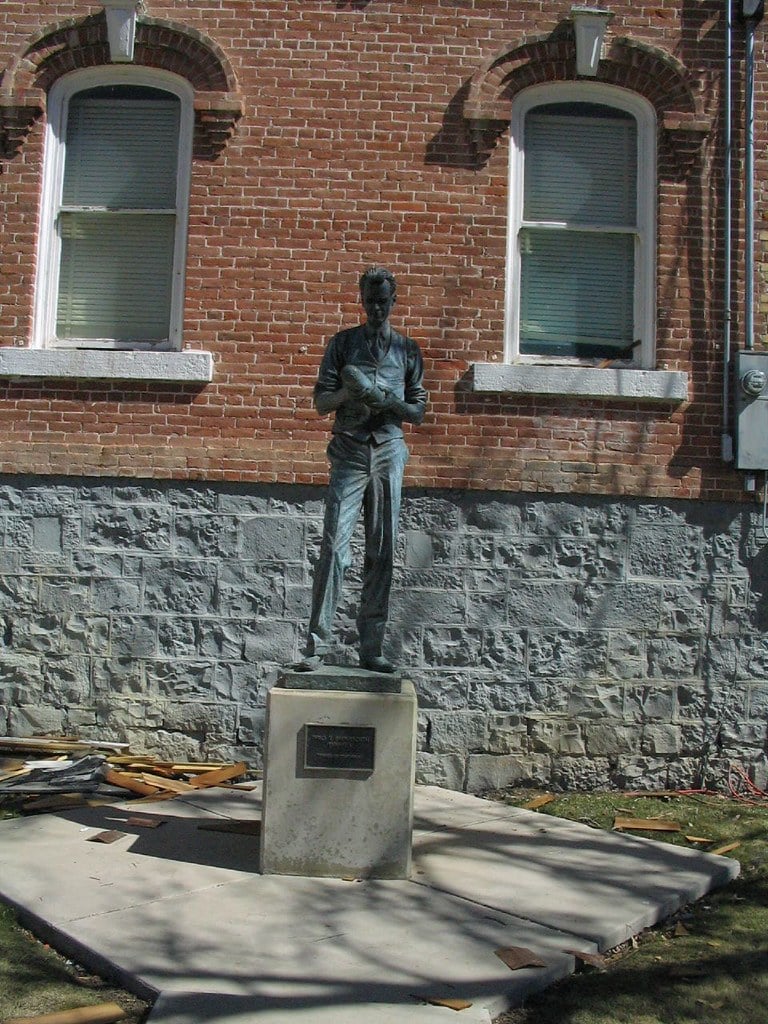
Photo by Ken Lund, via Flickr. Licensed under CC BY-SA 2.0
Television pioneer Philo Farnsworth patented the fusor, a device designed to achieve nuclear fusion using an electric field to accelerate charged particles into a central point. The design successfully produced fusion reactions in laboratory conditions, a genuine scientific achievement, but never came close to generating more energy than it consumed.
Farnsworth’s own company eventually cut funding for continued fusion research in favor of more immediately profitable projects. The fusor remains a respected teaching and hobbyist tool for demonstrating fusion principles, but it has never come close to reaching commercial energy production.
The AT&T Picturephone

AT&T patented and developed video telephone technology through decades of research, unveiling the Picturephone to the public at the 1964 World’s Fair and later attempting a limited commercial rollout in Pittsburgh in the 1970s. The service required a dedicated, expensive line and a bulky terminal, and the small number of other subscribers meant most customers had almost no one to call.
AT&T discontinued the commercial trial after failing to attract enough subscribers to justify the infrastructure costs. Video calling would not become a genuine consumer product until decades later, once the internet made the underlying technology dramatically cheaper.
RCA’s Ultrafax
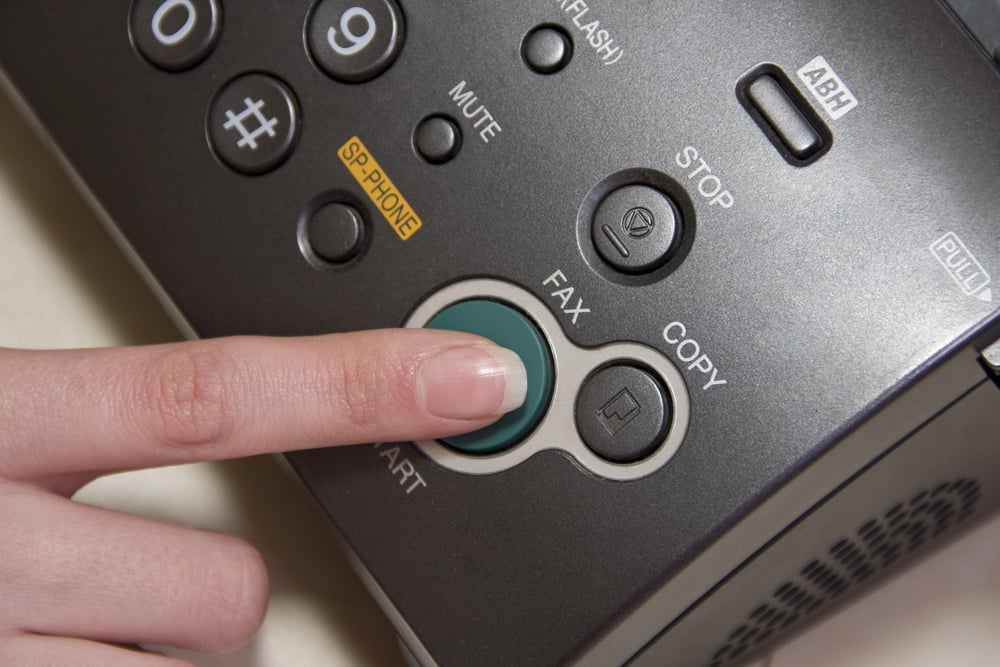
RCA and Eastman Kodak jointly developed and patented Ultrafax in 1948, a system combining television and facsimile technology to transmit entire documents, including whole books, in a matter of seconds. In a public demonstration, the system transmitted the full text of the novel “Gone with the Wind” faster than it could be read aloud.
Despite the impressive speed, the equipment was too expensive and specialized for ordinary business or government use, and no viable customer base emerged. The technology was quietly shelved, decades before the arrival of the far simpler fax machines that eventually became a business standard.
General Motors’ Firebird Concept Cars
General Motors patented turbine engine technology and applied it to a series of Firebird concept cars built during the 1950s, designed with jet-aircraft styling and genuine gas turbine propulsion. The vehicles demonstrated real technical capability at auto shows, generating enormous public excitement about a jet-age future for the automobile.
Turbine engines proved impractical for passenger cars due to poor fuel efficiency at low speeds and extremely high manufacturing costs. None of the Firebird concepts were ever intended for production, and turbine-powered passenger cars never became a viable category for any manufacturer.
The Rotary Rocket Roton
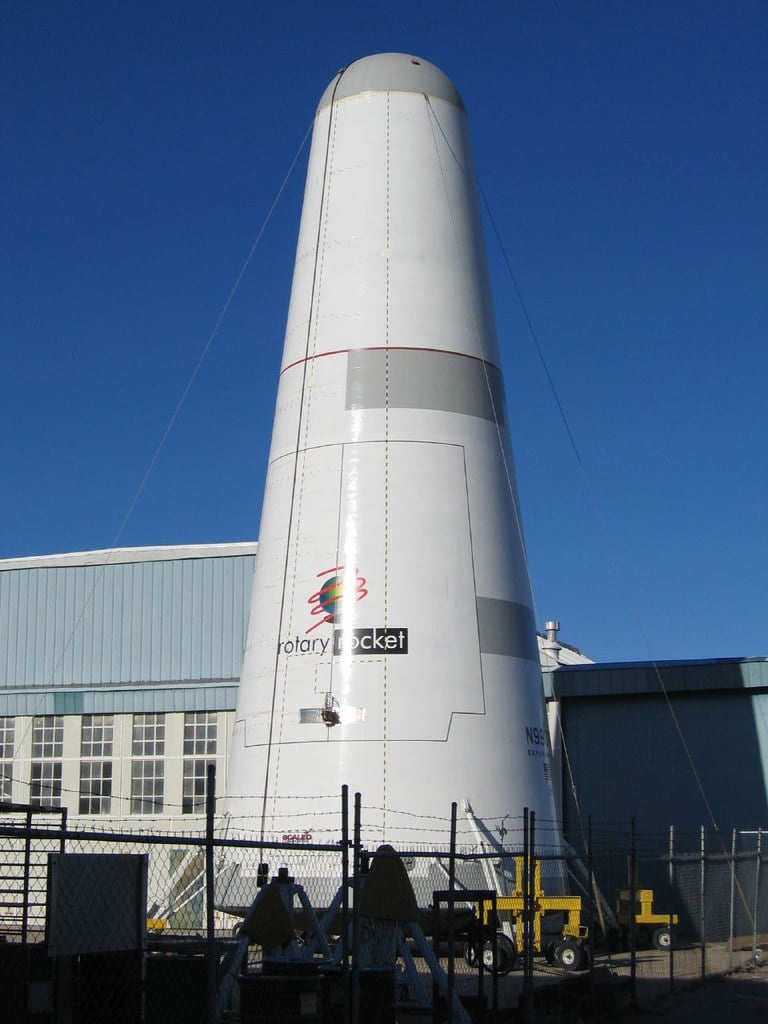
A private aerospace company called Rotary Rocket patented and built the Roton in the late 1990s, an unusual reusable spacecraft concept designed to land using a helicopter-style rotor rather than a traditional runway or parachute. A single working atmospheric test vehicle successfully completed several low-altitude flights in 1999, demonstrating the basic landing concept worked.
The company ran out of funding before ever attempting an orbital launch, and the Roton never carried a payload into space. The prototype now sits on display at the Mojave Air and Space Port, a reminder of a landing method no other spacecraft has since attempted commercially.
De Forest’s Phonofilm
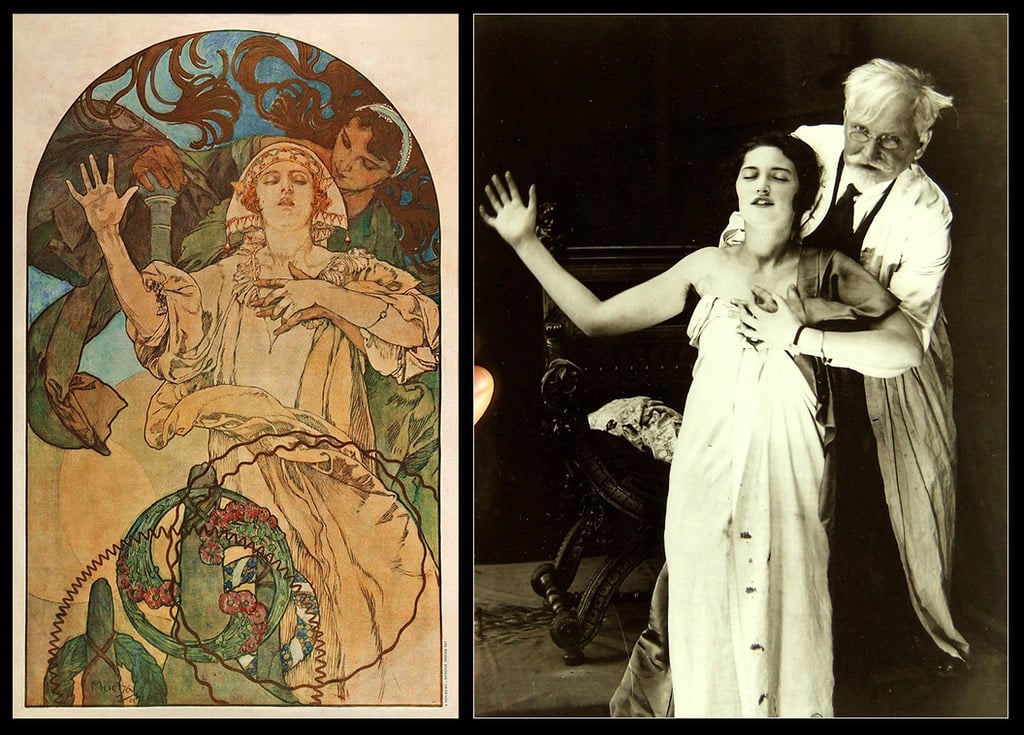
Inventor Lee de Forest patented Phonofilm in the early 1920s, one of the first practical systems for recording sound directly onto motion picture film, years before major studios adopted synchronized sound. Hollywood studios largely ignored the technology, wary of the massive investment needed to convert theaters, and de Forest struggled to find backing to commercialize it at scale.
Warner Bros. instead popularized a competing sound system just a few years later, receiving most of the historical credit for launching the era of talking pictures. De Forest’s original system never reached significant commercial adoption despite predating the technology that made him famous only in retrospect.
The Ford Nucleon
Ford engineers designed and patented conceptual elements for the Nucleon in 1958, a car intended to run on a small onboard nuclear reactor rather than a gasoline engine, with a projected range of thousands of miles between refuelings. The vehicle existed only as a scale model, since the miniaturized reactor technology it depended on did not exist and remains impractical even today.
Engineers at the time acknowledged the shielding required to protect passengers from radiation would likely have made the car impossibly heavy. The Nucleon never progressed beyond a display model, and no manufacturer has since attempted a nuclear-powered passenger car.
Tesla’s Telautomaton

Nikola Tesla patented the telautomaton in 1898, a small radio-controlled boat that he demonstrated at Madison Square Garden, controlling its movements remotely in front of a stunned audience who initially assumed some kind of trick was involved. The demonstration represented one of the earliest practical applications of radio remote control technology, decades ahead of its eventual widespread use.
Tesla attempted to interest the United States military in developing the concept into remote-controlled torpedoes, but officials showed little immediate interest in funding further development. The technology sat largely dormant for decades before radio control became standard in later military and consumer applications.
The Fairey Rotodyne
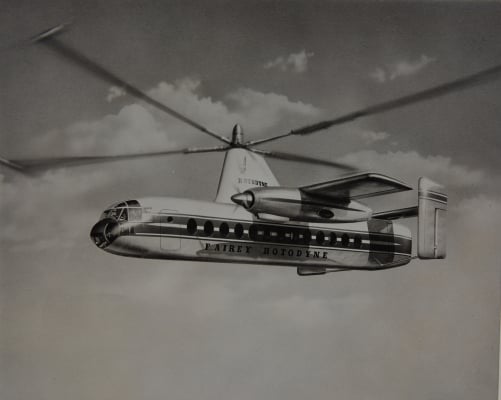
British aerospace company Fairey Aviation patented and developed the Rotodyne in the 1950s, a compound aircraft combining helicopter-style vertical takeoff with a small fixed wing and forward-facing propellers for efficient cruising speed. Several airlines placed initial orders, drawn to its ability to operate from small city-center pads without requiring a full runway.
Complaints about the aircraft’s extremely loud tip-jet rotor system, combined with government funding cuts, led to the cancellation of the program before any commercial deliveries were made. No comparable compound aircraft of its kind has since entered regular passenger service.
The Aeroscraft
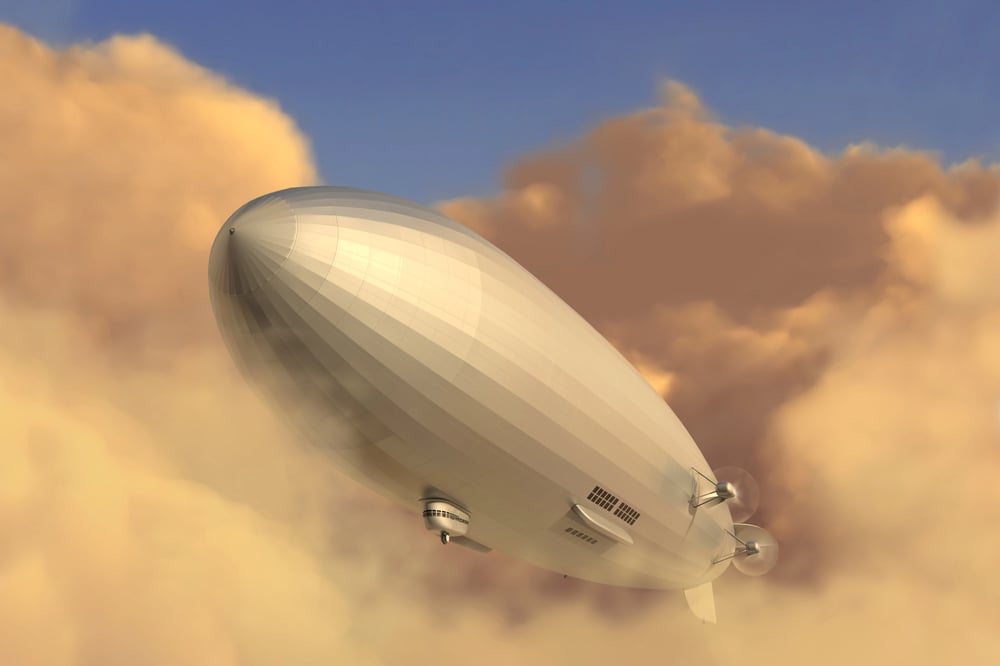
Aeros Corporation patented and built the Aeroscraft in the early 2010s, a rigid airship designed to carry heavy cargo using a variable buoyancy system that let it take off and land without needing ballast or ground crews to hold it down. A prototype completed testing inside a California hangar and demonstrated the buoyancy control system worked as designed.
The company struggled to secure the sustained funding needed to build a full-scale operational version and eventually lost its lease on the hangar housing the prototype. The Aeroscraft remains one of several modern airship cargo concepts that have cleared technical testing without ever reaching commercial deployment.
Preston Tucker’s Combat Car
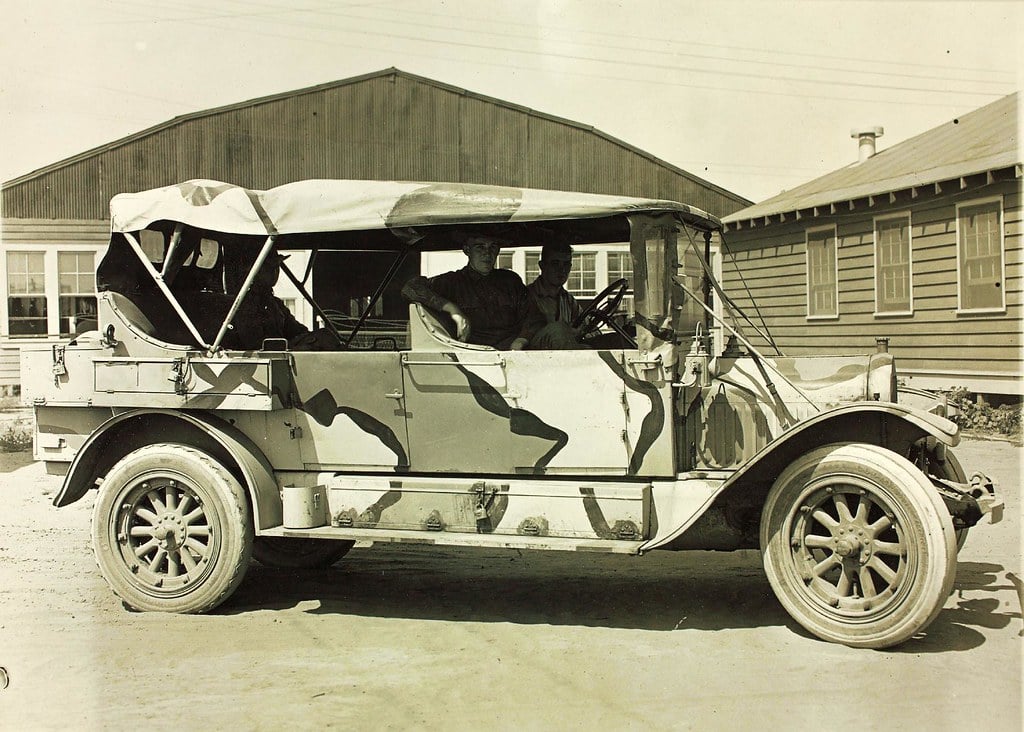
Before his more famous automobile venture, Preston Tucker patented and developed a fast, heavily armed military vehicle in the late 1930s known as the Tucker Combat Car, capable of speeds far exceeding standard military vehicles of the era. The United States military rejected the design, reportedly objecting in part to a gun turret feature it found impractical for the vehicle’s intended role.
Tucker later repurposed the vehicle’s high-speed gun turret technology for aircraft use during the Second World War, finding a market for the underlying innovation even after the original vehicle was turned down. The Combat Car itself never entered military production or any other form of manufacture.
Every Idea Deserves a Second Look

None of the inventions listed here failed because the underlying idea was foolish. Nearly all of them worked exactly as their patents described, and several anticipated technology that arrived decades later once materials, manufacturing, or infrastructure finally caught up.
What they lacked was not ingenuity but timing, and timing turns out to matter as much as engineering when it comes to what ends up in a customer’s hands. That gap between invention and adoption is worth remembering the next time some impossible-sounding concept appears in the news.
A patent proves an idea can exist. Getting it onto a shelf is an entirely separate, and often much harder, achievement.
More from Go2Tutors!

- The Romanov Crown Jewels and Their Tragic Fate
- 13 Historical Mysteries That Science Still Can’t Solve
- Famous Hoaxes That Fooled the World for Years
- 15 Child Stars with Tragic Adult Lives
- 16 Famous Jewelry Pieces in History
Like Go2Tutors’s content? Follow us on MSN.