19 Most Legendary Radio Broadcasts
Radio changed everything.
Before screens took over living rooms and smartphones invaded pockets, voices traveling through the air connected millions of people to the same moment at the same time.
Some broadcasts became cultural touchstones.
Moments so powerful that listeners remembered exactly where they were when they heard them.
These weren’t just news bulletins or entertainment programs.
They were shared experiences that shaped how entire generations understood the world around them.
Here’s a closer look at the moments when radio proved its power to inform, terrify, inspire, and unite.
The Hindenburg Disaster
Herbert Morrison never expected to deliver one of radio’s most emotional moments when he arrived in Lakehurst, New Jersey on May 6, 1937.
The WLS reporter was there to cover the routine landing of the Hindenburg airship.
Then the hydrogen-filled craft burst into flames.
Morrison’s voice cracked as he described the horror unfolding before him.
He eventually broke into sobs as he witnessed 36 people die in less than a minute.
His raw reaction—’Oh, the humanity!’—became permanently linked to the disaster.
When NBC aired it the next day, Americans heard authentic grief transmitted through their speakers.
It proved that radio could capture human emotion in ways print never could.
War of the Worlds
Orson Welles didn’t set out to cause mass panic on October 30, 1938.
His Mercury Theatre adaptation of H.G. Wells’ science fiction novel did exactly that.
The broadcast was structured as breaking news bulletins interrupting a music program.
It reported that Martians had landed in New Jersey and were attacking with heat rays.
Thousands of listeners tuned in late, missed the introduction explaining it was fiction, and genuinely believed America was under alien invasion.
People fled their homes and clogged police phone lines.
The incident demonstrated radio’s unique ability to blur the line between entertainment and reality.
It also made Welles famous overnight.
FDR’s First Fireside Chat
Franklin Delano Roosevelt understood something most politicians didn’t.
Radio could make a president feel like he was sitting in your living room.
On March 12, 1933, just days after taking office during the Great Depression’s darkest hour, Roosevelt addressed the nation about the banking crisis.
His warm, conversational tone was revolutionary for political communication.
Instead of formal speeches filled with complex economic jargon, Roosevelt explained the situation like a neighbor discussing a shared problem.
He restored enough confidence that people actually returned their money to banks.
Radio had turned the presidency into something personal.
Edward R. Murrow’s London Blitz Reports
While bombs fell on London in 1940, Edward R. Murrow stood on rooftops and in streets, describing the German assault for CBS listeners back in America.
His broadcasts brought the conflict into American homes with unprecedented immediacy.
Murrow focused on ordinary people enduring extraordinary circumstances.
Families sheltered in subway tunnels, firefighters battled blazes across the city, and air raid sirens wailed.
He opened each broadcast with ‘This is London,’ a phrase that became synonymous with wartime journalism.
Murrow’s work built American sympathy for the British cause and established the standard for broadcast journalism.
Pearl Harbor Announcement
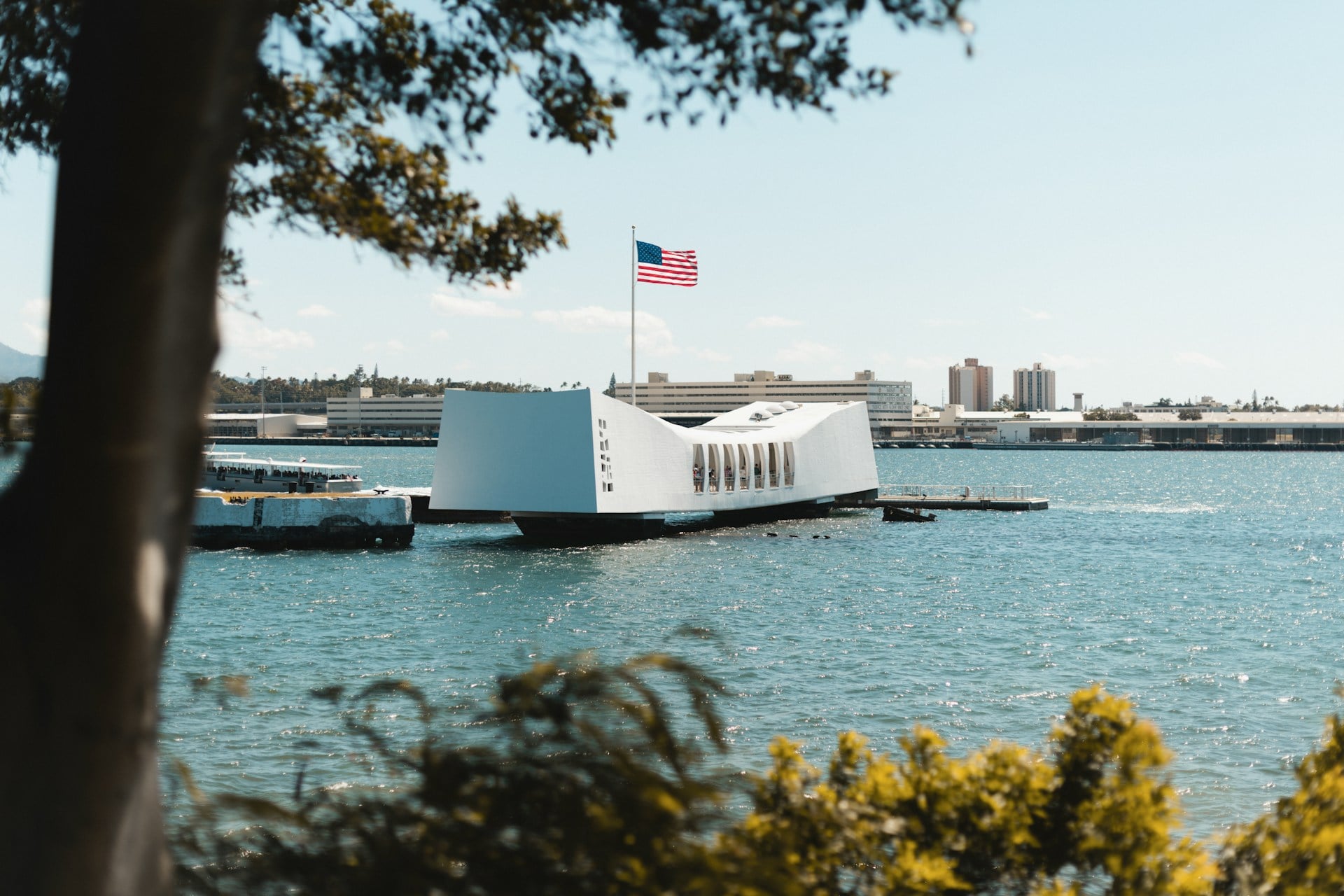
Americans were listening to football games and Sunday afternoon programs on December 7, 1941, when bulletins started interrupting regular broadcasts.
Japanese planes had attacked the U.S. naval base at Pearl Harbor in Hawaii.
As the afternoon progressed, the scale of devastation became clear.
Battleships were sunk, thousands were dead, and America was suddenly thrust into World War II.
Radio stations abandoned their schedules entirely, staying on air with continuous updates.
The medium proved it could function as the nation’s nervous system, transmitting critical information faster than any other form of communication.
Churchill’s Wartime Speeches
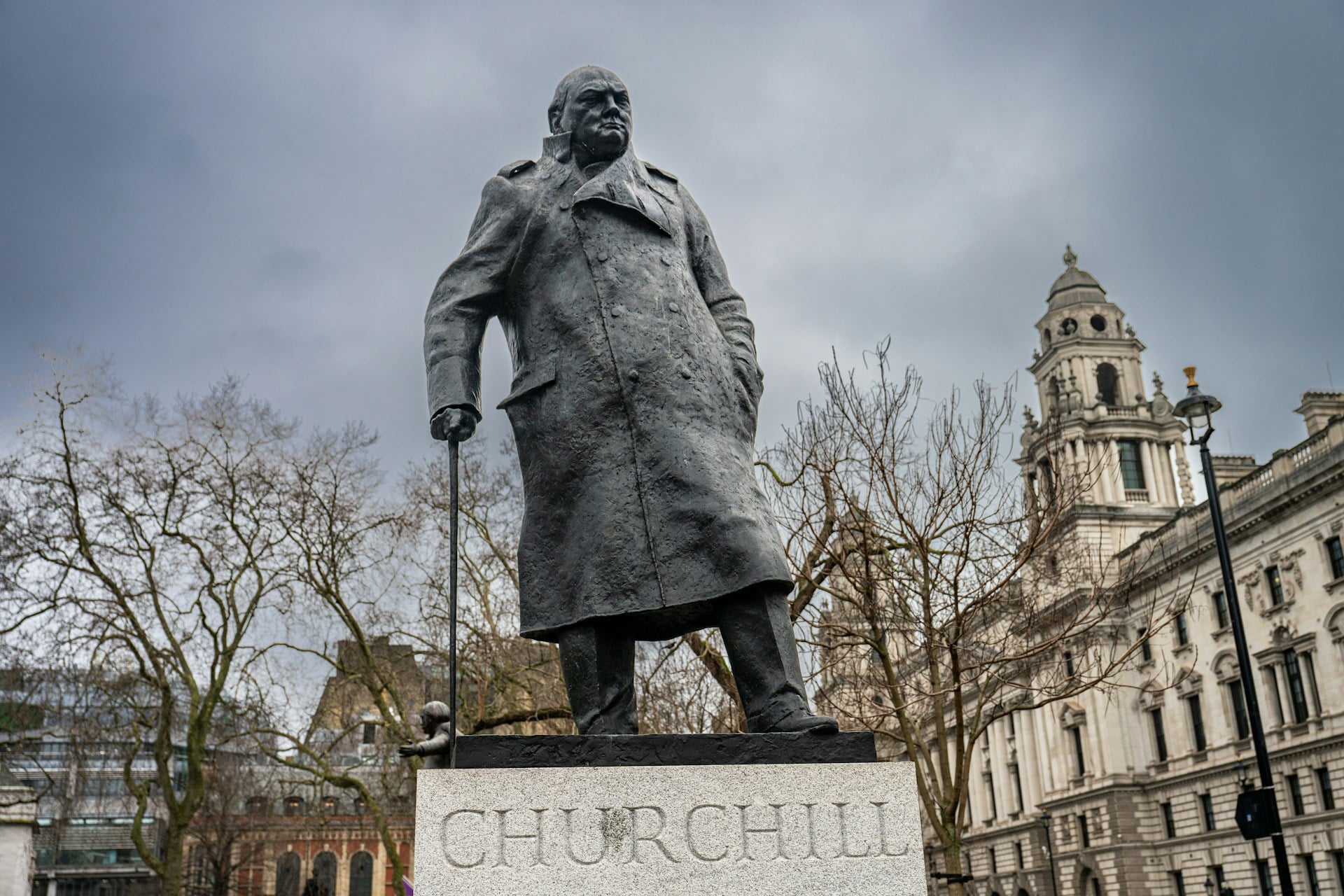
Winston Churchill’s gravelly voice became the sound of British resolve during World War II.
His speeches, broadcast on BBC Radio and rebroadcast to allied nations, combined poetic language with unflinching acknowledgment of the danger Britain faced.
When he promised ‘we shall fight on the beaches,’ listeners heard both defiance and determination.
Churchill understood radio’s intimacy.
He wasn’t addressing crowds but individuals in their homes who needed reasons to keep going.
These broadcasts sustained morale through years of warfare and established Churchill as one of history’s great orators.
The Assassination of JFK
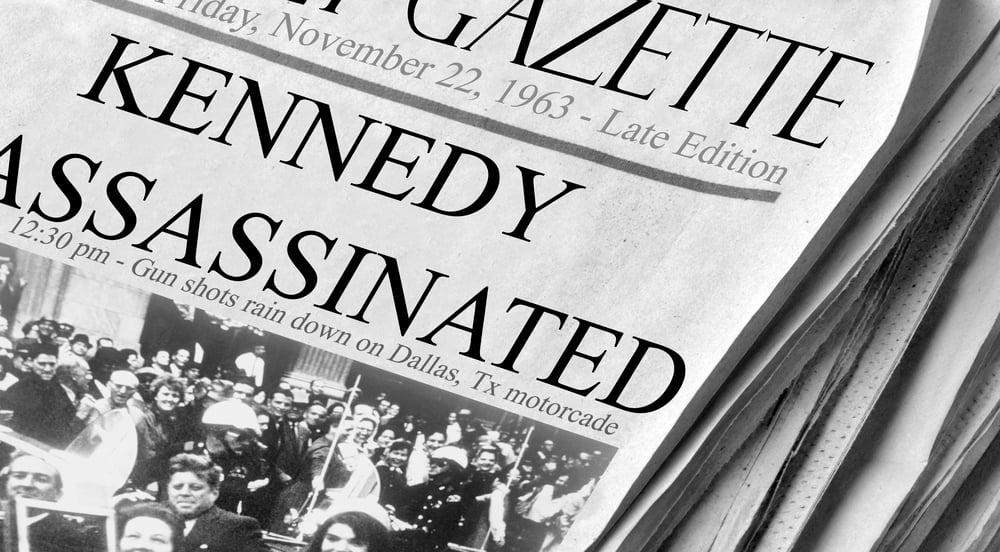
Regular programming on November 22, 1963, gave way to confusion, then confirmation, then collective mourning.
Radio stations across America interrupted their schedules as news came from Dallas that President Kennedy had been shot.
For many Americans, radio delivered the first notification.
Broadcasters struggled to maintain composure while reporting fragmentary details.
Over the following days, radio provided continuous coverage of the investigation and state funeral.
The broadcasts captured a nation trying to process the unthinkable.
They demonstrated radio’s enduring power even as television grew more dominant.
Apollo 11 Moon Landing
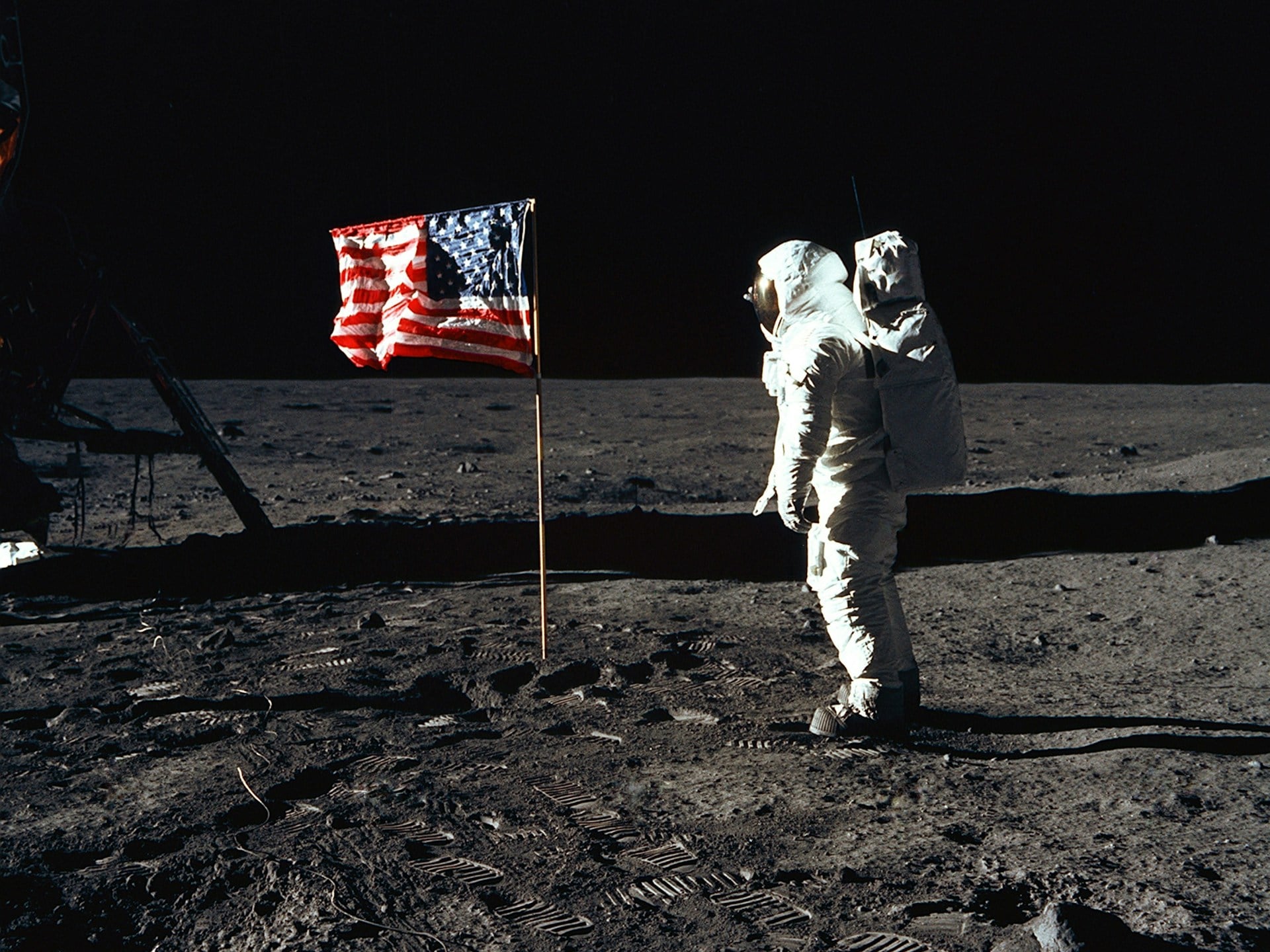
On July 20, 1969, radio carried the scratchy transmissions from a quarter million miles away as Neil Armstrong descended the lunar module’s ladder.
The coverage required listeners to use their imagination.
There were no pictures, just voices, static, and mission control commentary.
Yet millions tuned in, following every technical detail.
When Armstrong announced ‘the Eagle has landed,’ radio audiences experienced the same historical moment as television viewers.
Sometimes the mind’s eye creates more powerful images than any screen.
The Scopes Trial
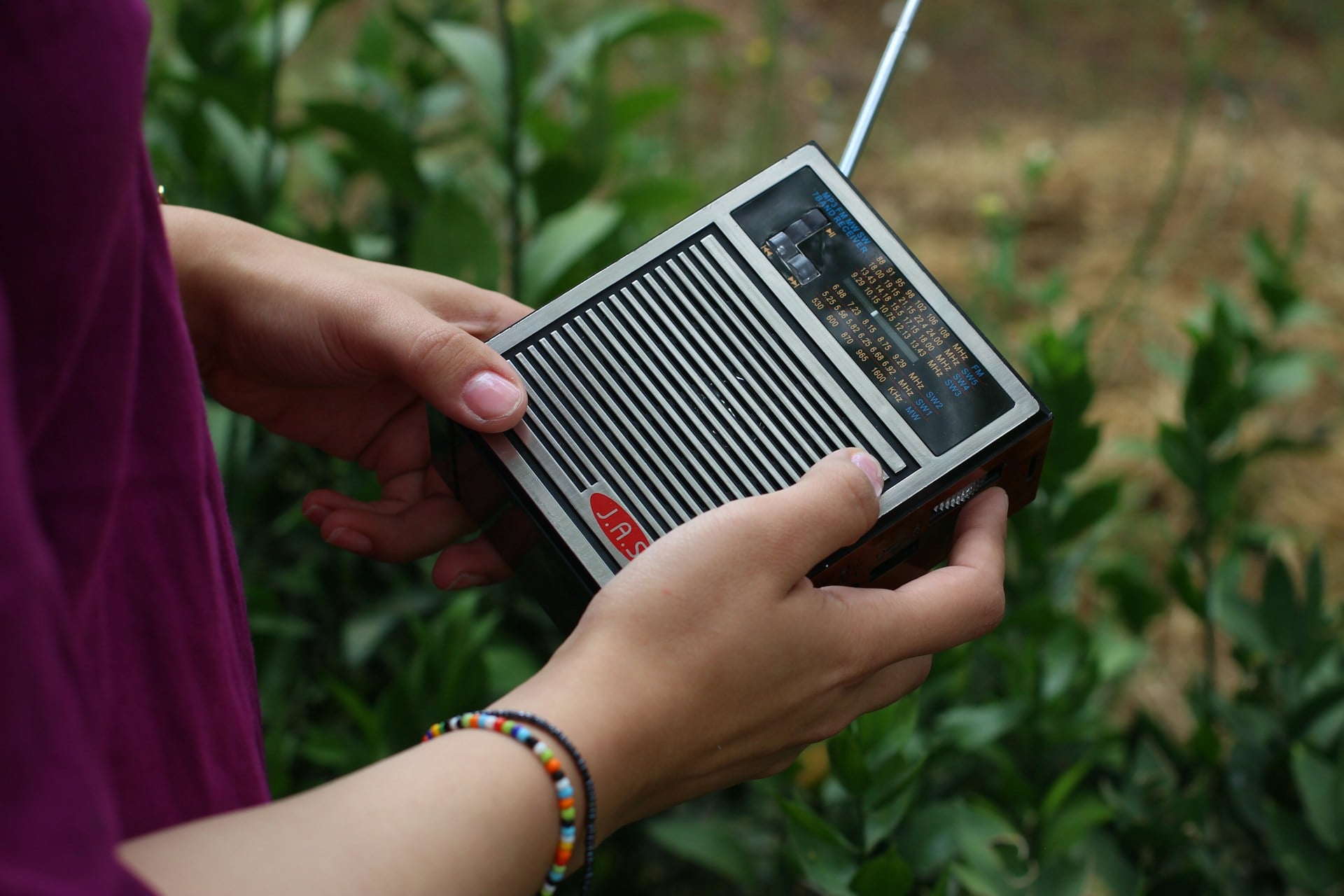
In July 1925, Chicago’s WGN broadcast live coverage of the Scopes ‘Monkey Trial’ from Dayton, Tennessee.
The case centered on whether a teacher could legally discuss evolution.
It became a national sensation, pitting lawyer Clarence Darrow against politician William Jennings Bryan.
Radio transformed a local courtroom proceeding into a cultural event.
It let Americans follow the arguments as they happened.
The broadcast established precedents for covering legal proceedings and showed that radio could make listeners feel like witnesses rather than readers of secondhand accounts.
The Dempsey-Tunney Fight
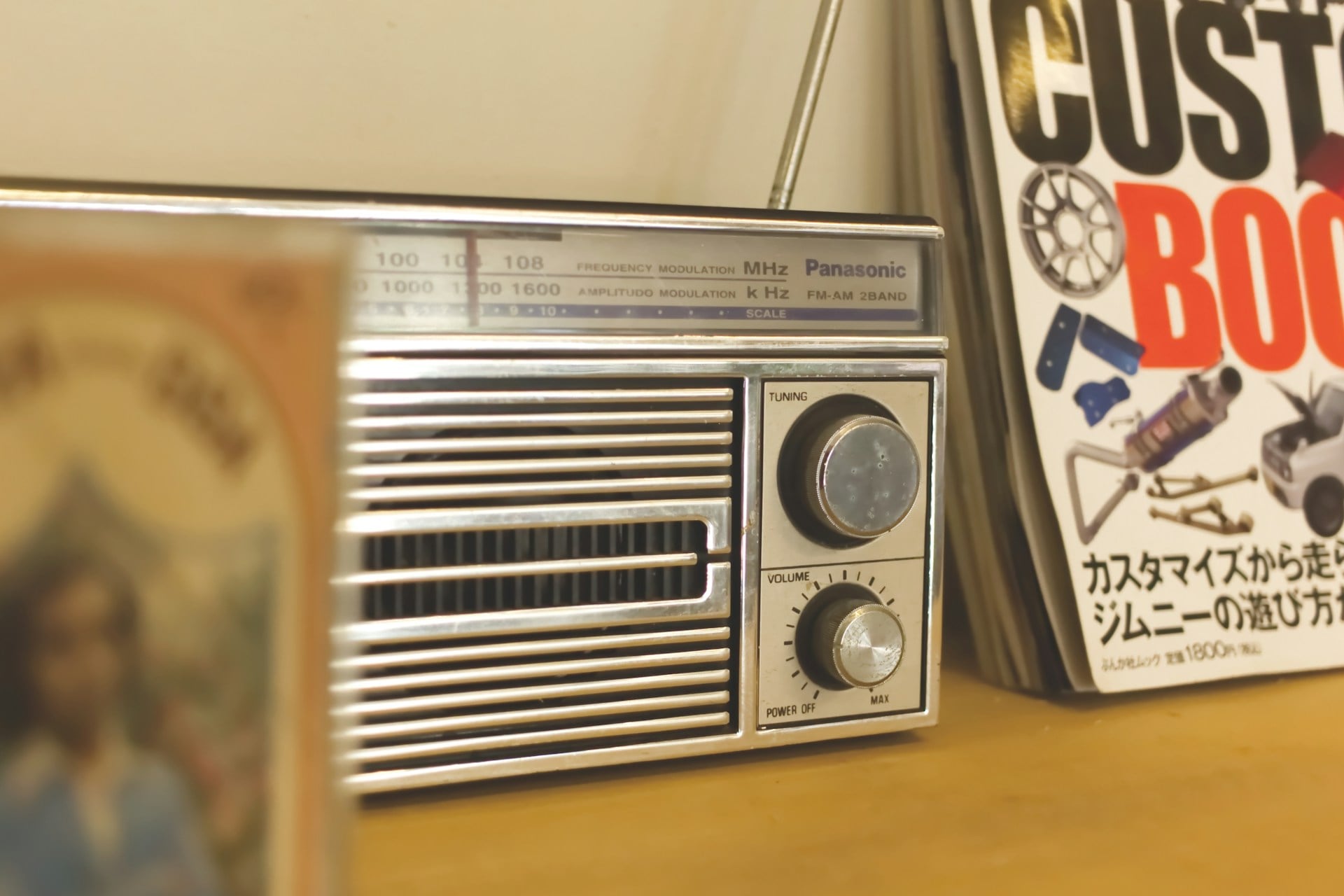
Boxing and radio grew up together.
No fight better demonstrated their partnership than the 1927 heavyweight championship rematch between Jack Dempsey and Gene Tunney.
Broadcast to an estimated 50 million listeners, the September bout became the first true national sports event.
Graham McNamee’s blow-by-blow commentary brought the action alive for audiences gathered around radios everywhere.
The fight’s famous ‘long count’ controversy sparked debates that lasted for years.
Radio had proven it could turn athletic competition into shared drama.
MLK’s ‘I Have a Dream’ Speech
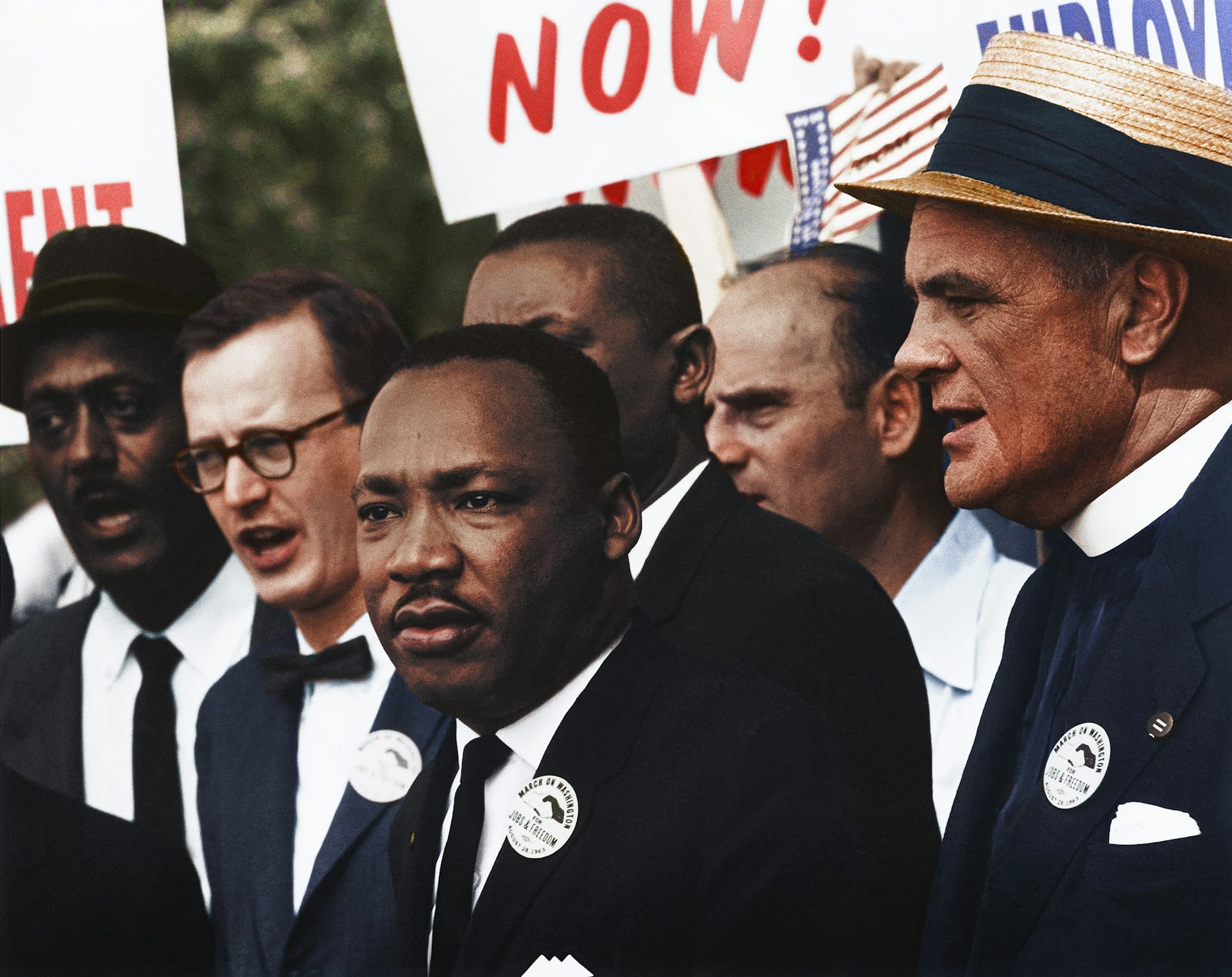
While Martin Luther King Jr. delivered his landmark speech to 250,000 people at the Lincoln Memorial on August 28, 1963, millions more heard it through radio broadcasts.
The speech’s rhythmic cadences were perfectly suited to audio transmission.
King’s message reached far beyond Washington.
Radio stations, particularly those serving Black communities, played and replayed the address.
It became a defining document of the civil rights movement.
The broadcast demonstrated that sometimes the most important thing was simply hearing the words delivered with conviction and hope.
The Invasion of Normandy

On June 6, 1944, radio correspondents waded ashore with Allied troops hitting the beaches of Normandy.
Their reports, sometimes recorded under fire, brought D-Day into homes with visceral immediacy.
Listeners heard sounds of naval bombardment and accounts of soldiers struggling through surf and sand.
The broadcasts balanced military information with human stories.
They made a massive operation comprehensible through individual experiences.
Radio coverage represented the medium’s wartime peak.
Reporters risked their lives to transmit history as it unfolded.
The Titanic Disaster Reports
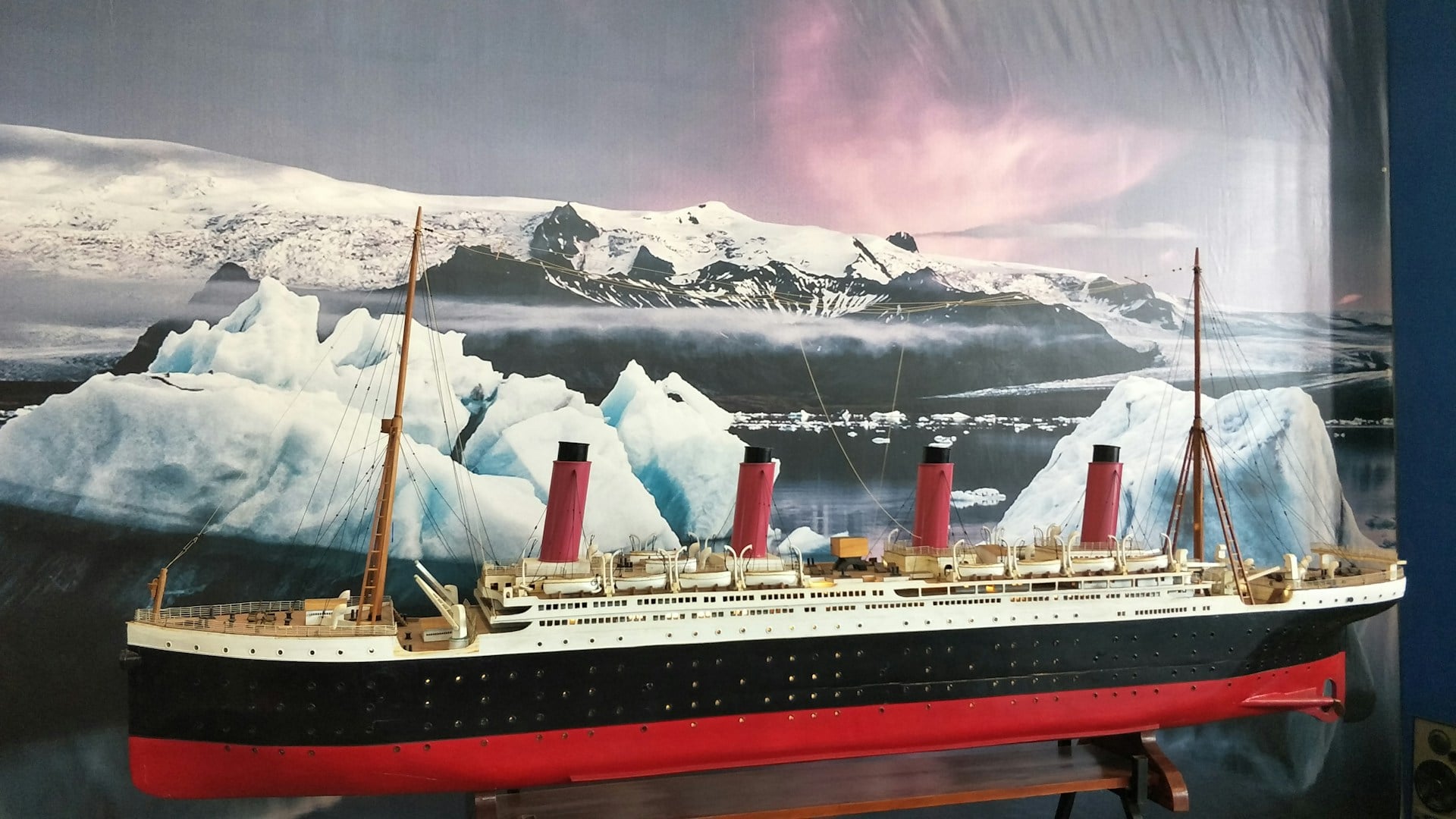
When the Titanic struck an iceberg on April 14, 1912, wireless radio became the primary means of communication and news distribution.
Shore stations picked up distress calls from the sinking ship.
Radio operators relayed information about survivors and casualties.
The disaster demonstrated wireless technology’s life-saving potential and its power as a news medium.
David Sarnoff reportedly stayed at his post for 72 hours relaying survivor lists.
The coverage established radio as essential infrastructure for maritime safety and breaking news.
Howard Hughes’ Around-the-World Flight
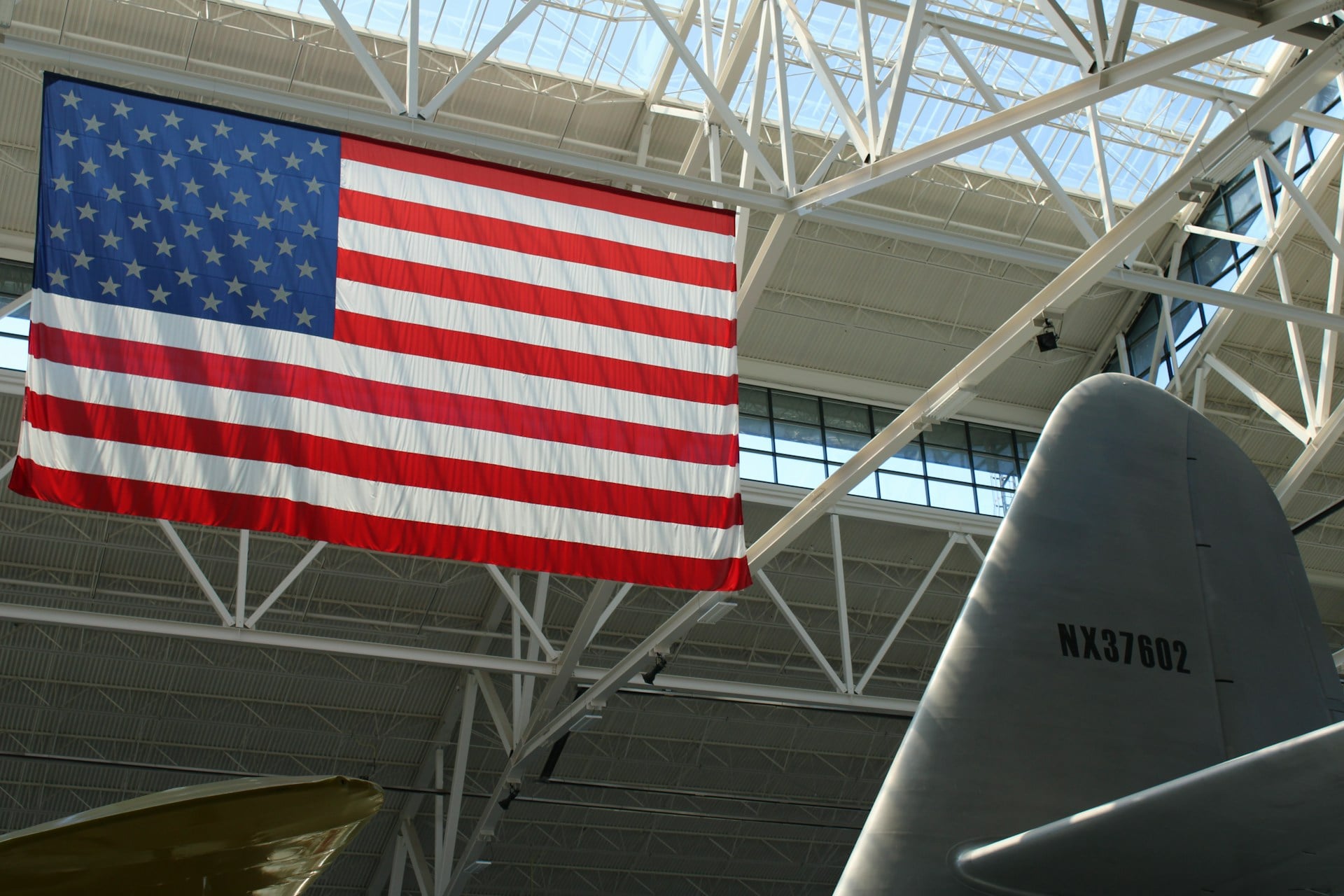
In July 1938, billionaire Howard Hughes completed a record-breaking flight around the world in just 91 hours.
Radio coverage transformed the journey into a serialized adventure.
Updates created suspense and excitement.
Listeners followed the aviator across multiple continents.
They heard reports from various stops as he raced against time and weather.
The coverage demonstrated radio’s ability to create narrative tension around real events.
It turned a technical achievement into compelling entertainment.
The Abdication of Edward VIII
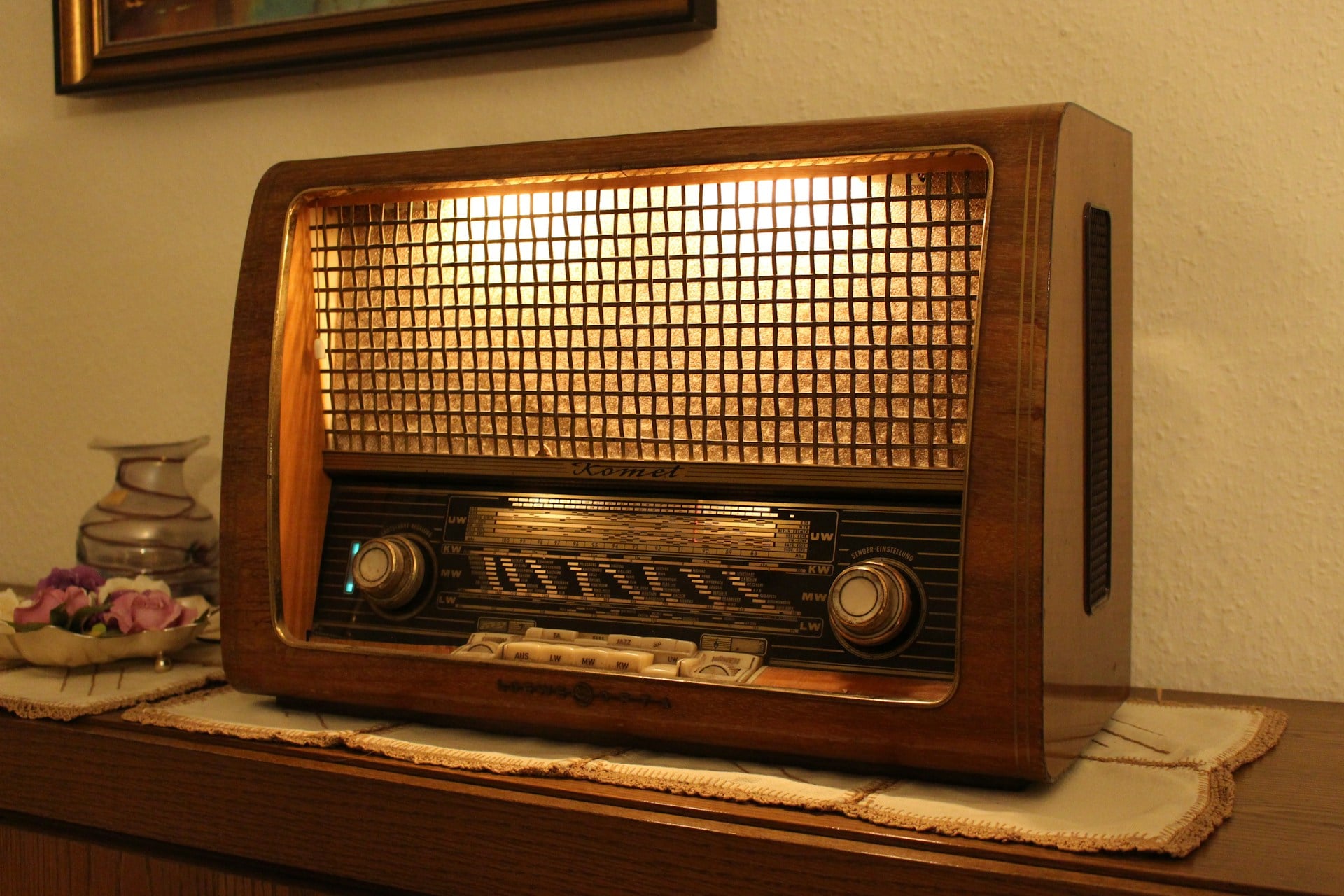
On December 11, 1936, King Edward VIII addressed his former subjects via BBC Radio, explaining his decision to give up the British throne to marry American divorcée Wallis Simpson.
The broadcast was unprecedented.
A monarch spoke directly about a personal decision with enormous constitutional implications.
Edward’s speech was intimate and defensive.
He asked for understanding as he chose love over duty.
Radio made the moment both public and private.
Millions heard a king justify abandoning his crown.
The Fall of Berlin
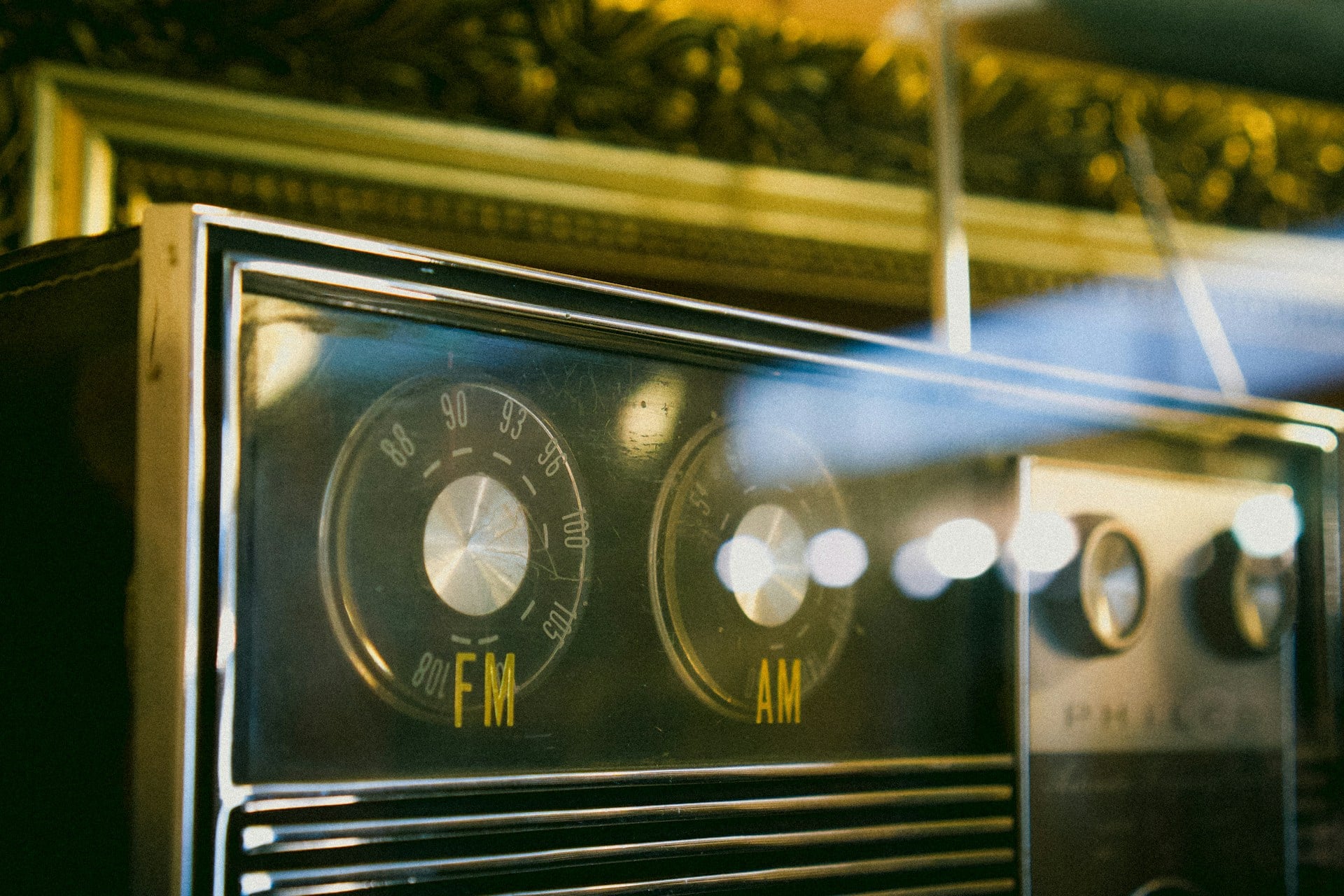
As World War II in Europe reached its climax in April and May 1945, radio correspondents reported on the Soviet assault on Berlin and Nazi Germany’s collapse.
The broadcasts conveyed the chaos of a regime’s final days.
They described Hitler’s death, surrender negotiations, and concentration camp liberations.
For audiences who had followed the war through years of radio coverage, these reports represented the culmination of a long, terrible story.
The immediacy made victory feel real in ways that newspaper headlines couldn’t match.
VE Day Announcement
May 8, 1945, brought the news Europe had awaited for nearly six years.
Germany had surrendered unconditionally.
Radio stations across Allied nations broadcast the victory announcement.
The airwaves filled with celebrations and spontaneous expressions of relief.
Reporters described crowds flooding streets, strangers embracing, and church bells ringing.
Radio provided both information and community.
It made individual celebrations feel connected to a larger collective moment.
The First Super Bowl Broadcast
When the Green Bay Packers faced the Kansas City Chiefs on January 15, 1967, both NBC and CBS broadcast the game simultaneously.
It was a unique arrangement reflecting merger negotiations between competing leagues.
Radio coverage, though overshadowed by television, carried the game to audiences on the move and established patterns that continue today.
The Coronation of Queen Elizabeth II
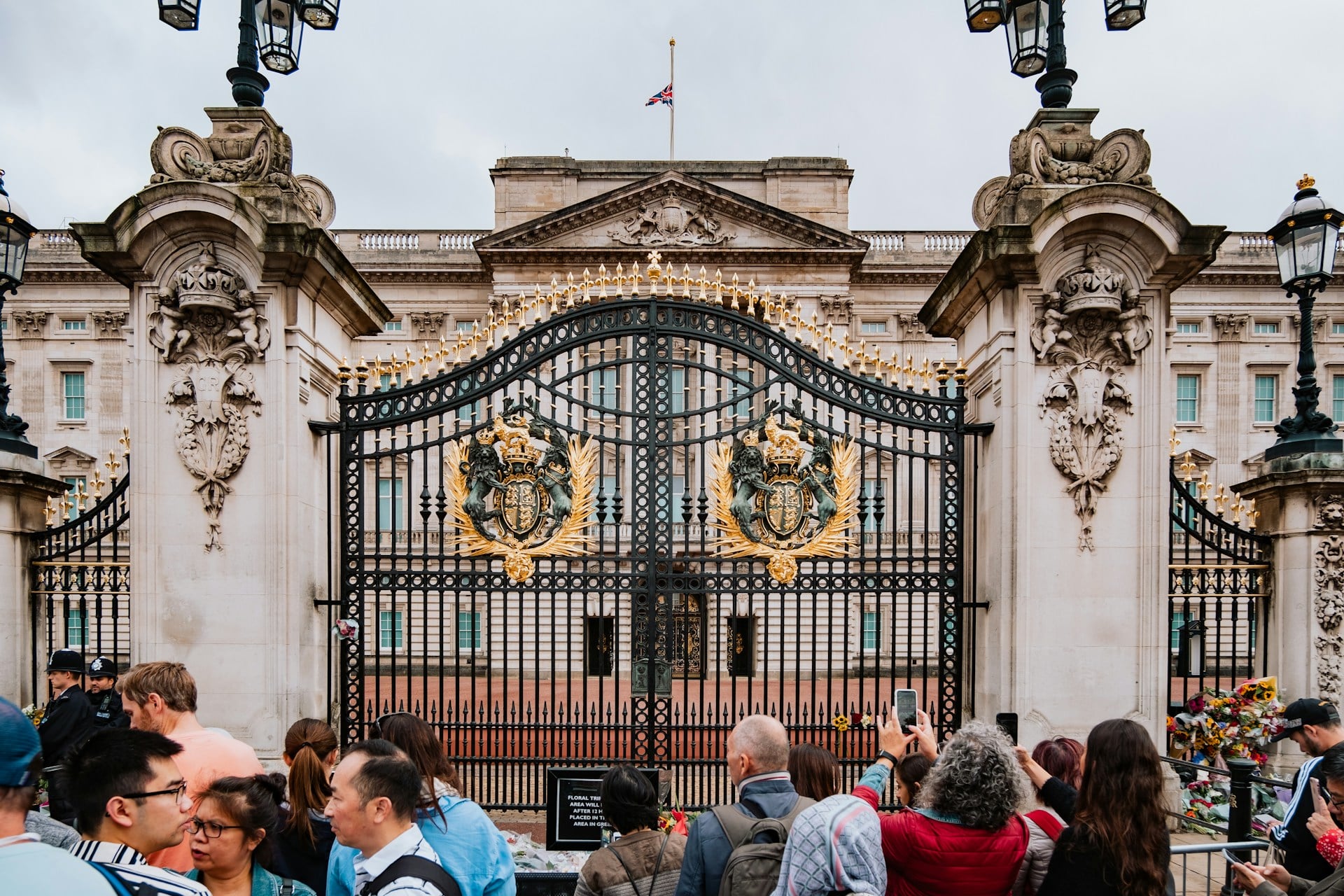
On June 2, 1953, BBC Radio broadcast the coronation of Queen Elizabeth II from Westminster Abbey to a global audience estimated at 277 million people.
While television covered the ceremony for the first time, radio remained many listeners’ primary source.
Why These Voices Still Echo
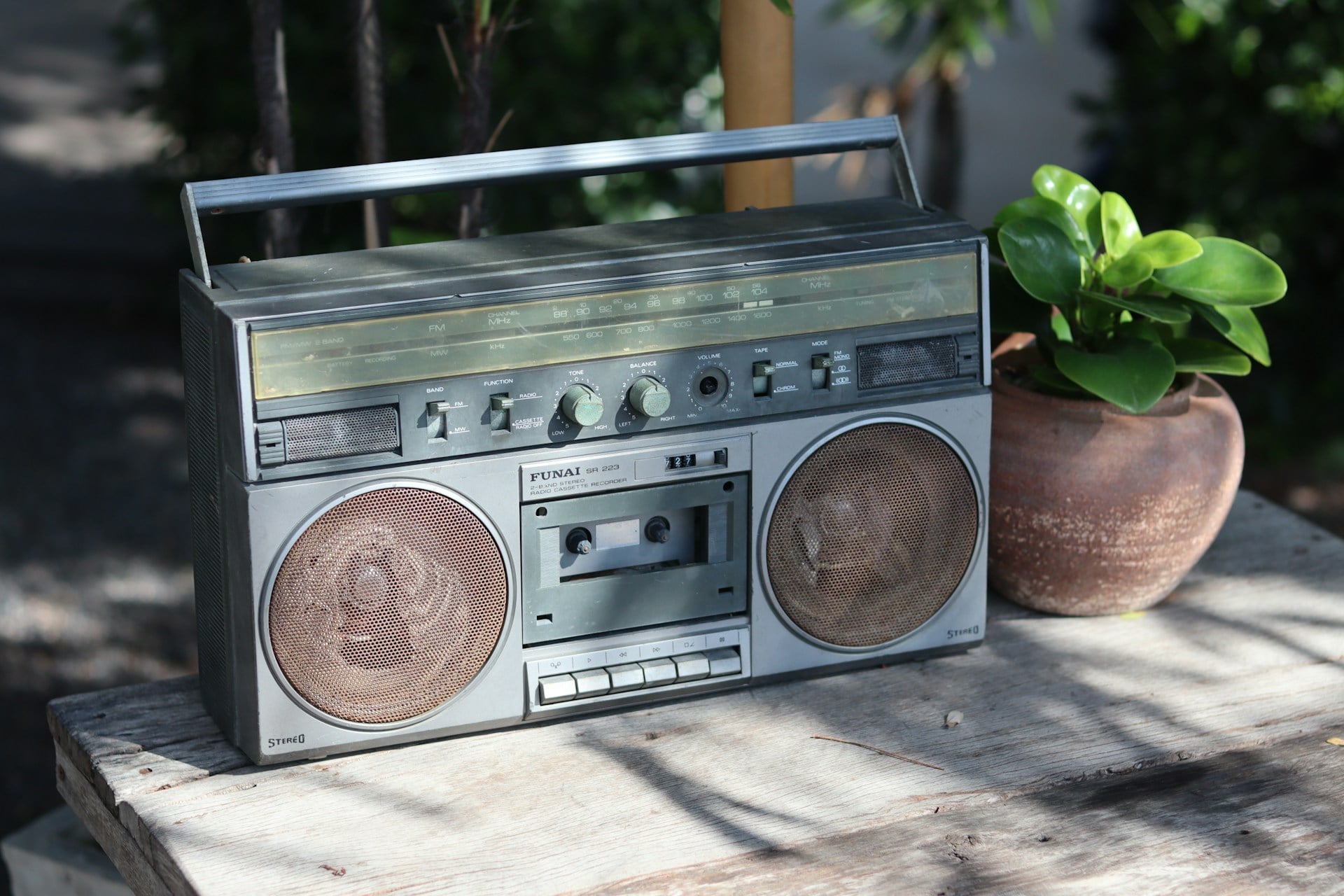
Radio’s golden age belongs to history now.
These broadcasts retain their significance because they capture something more permanent than the technology that carried them.
They represent moments when information, emotion, and shared experience converged through a medium that demanded imagination and attention.
More from Go2Tutors!

- The Romanov Crown Jewels and Their Tragic Fate
- 13 Historical Mysteries That Science Still Can’t Solve
- Famous Hoaxes That Fooled the World for Years
- 15 Child Stars with Tragic Adult Lives
- 16 Famous Jewelry Pieces in History
Like Go2Tutors’s content? Follow us on MSN.