29 After-School Cartoons Kids Planned Their Day Around
Before streaming made every episode available on demand, catching a favorite show meant getting home by a specific time and claiming the good spot on the couch. Syndicated after-school blocks and Saturday morning lineups shaped an entire generation’s daily schedule around thirty-minute windows.
These are the shows that made kids sprint off the school bus.
DuckTales
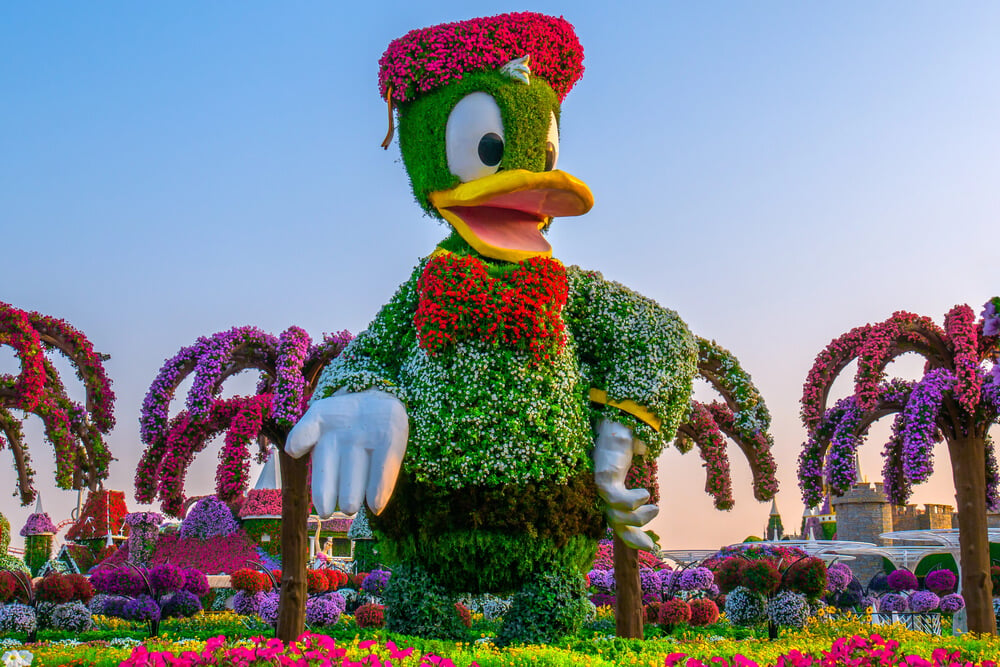
Disney’s 1987 adventure series sent Scrooge McDuck and his nephews chasing treasure across the globe, backed by a theme song that remains instantly recognizable decades later. It helped launch the Disney Afternoon syndication block that would define after-school television for years.
The show’s blend of globe-trotting adventure and genuine stakes set a bar later Disney cartoons were measured against.
Tiny Toon Adventures
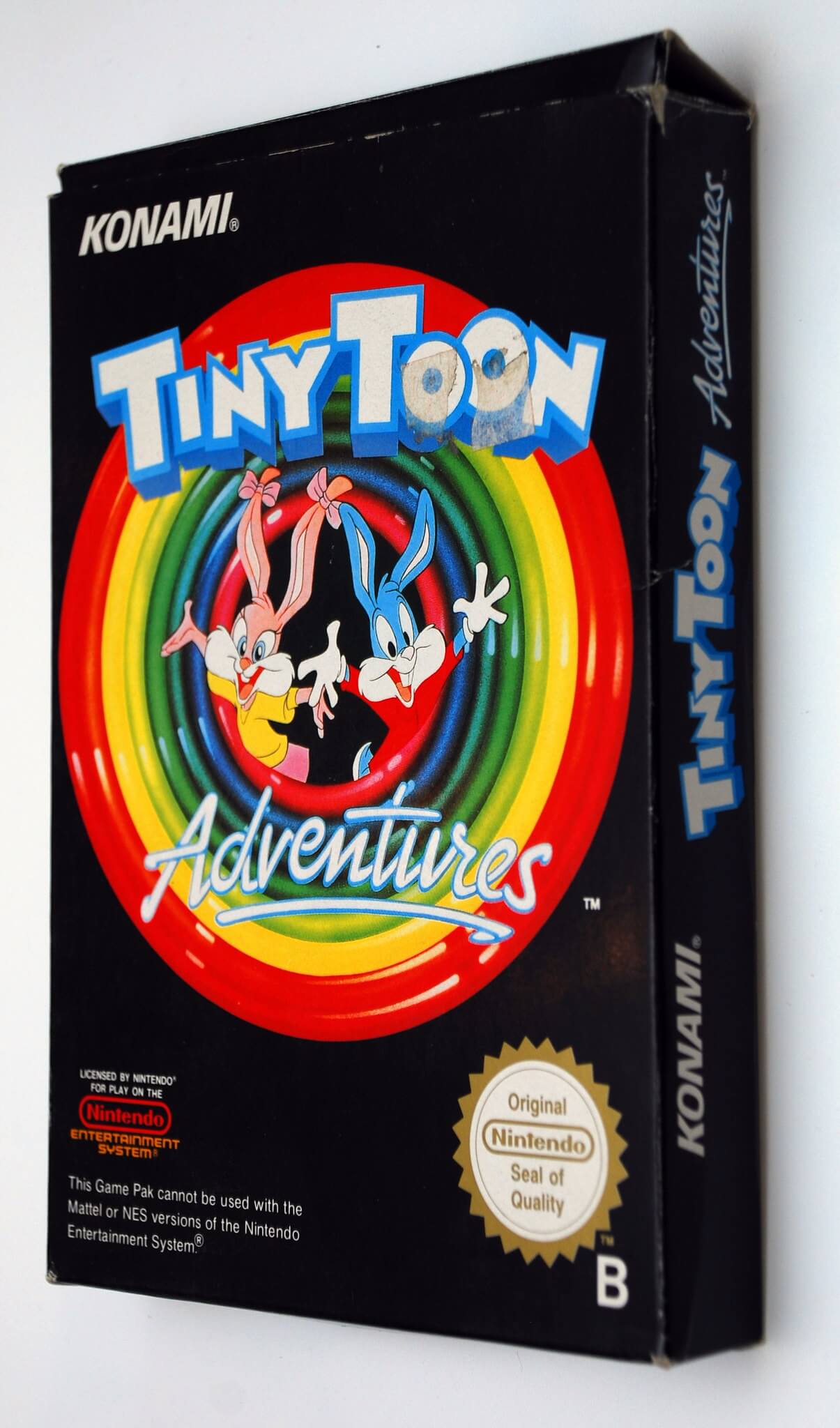
This 1990 Warner Bros. series reimagined classic Looney Tunes characters as students at a cartoon-training school, mixing rapid-fire gags with surprisingly sharp writing aimed at adults as much as kids. It served as a launching pad for the animation team that would go on to create Animaniacs.
Many episodes pushed the boundaries of what a children’s cartoon was expected to reference.
Animaniacs
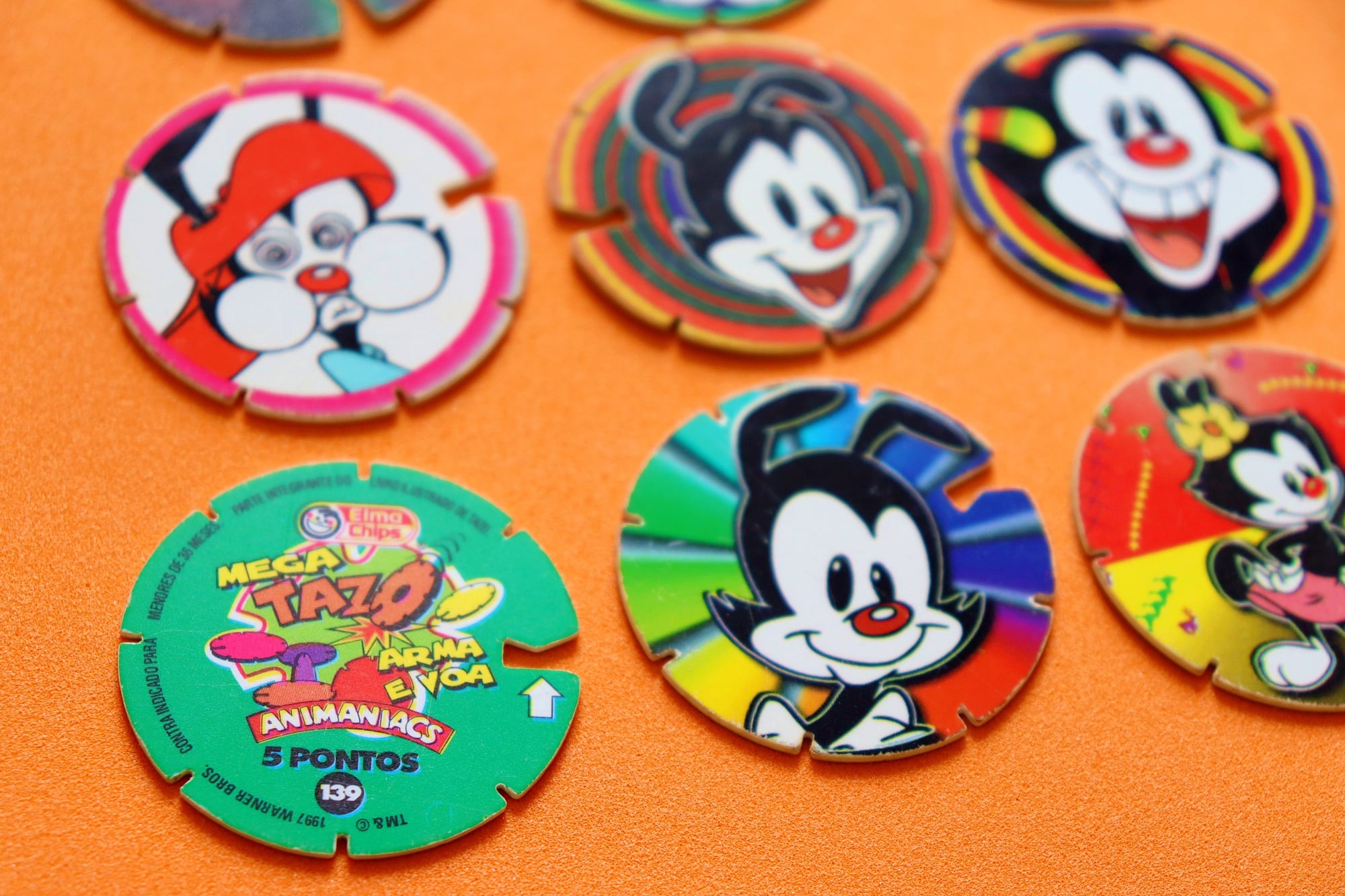
Steven Spielberg’s name attached to this 1993 series signaled a level of ambition beyond typical Saturday-morning fare, and the show delivered with dense pop-culture parody, historical satire, and musical numbers. The Warner siblings’ chaotic energy made it appointment viewing for kids who were only catching half the jokes at the time.
Many of those jokes only landed on rewatch years later.
Rugrats
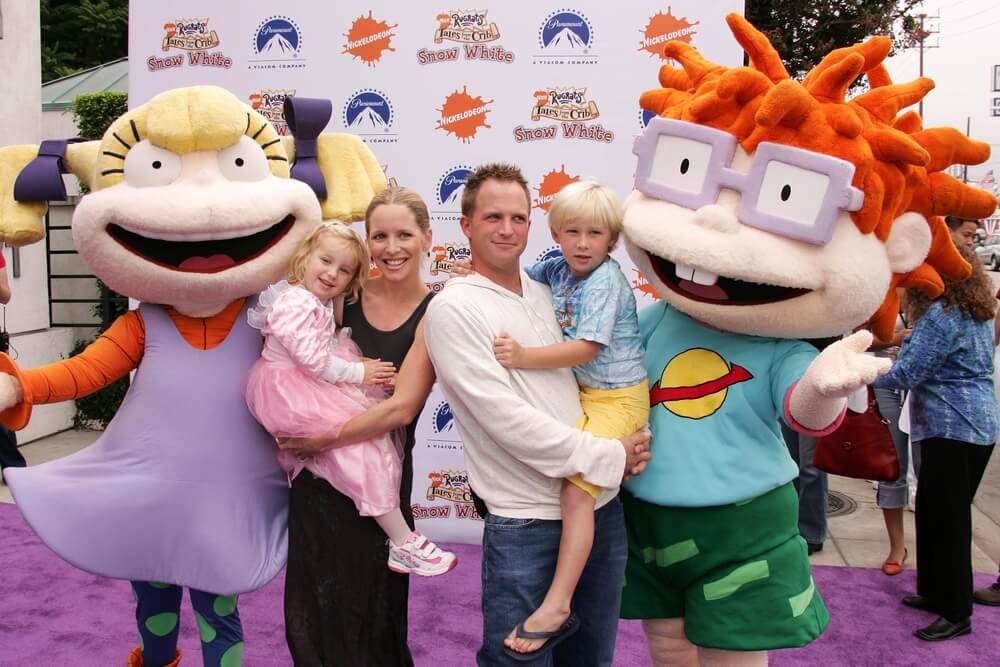
Nickelodeon’s 1991 series told most of its stories from the perspective of a group of toddlers who imagined the adult world in exaggerated, often surreal terms. It became one of the network’s signature shows and helped define the Nicktoons era of the 1990s.
Its mix of genuine emotional stakes and toddler logic set it apart from more straightforward kids’ comedies of the period.
Doug
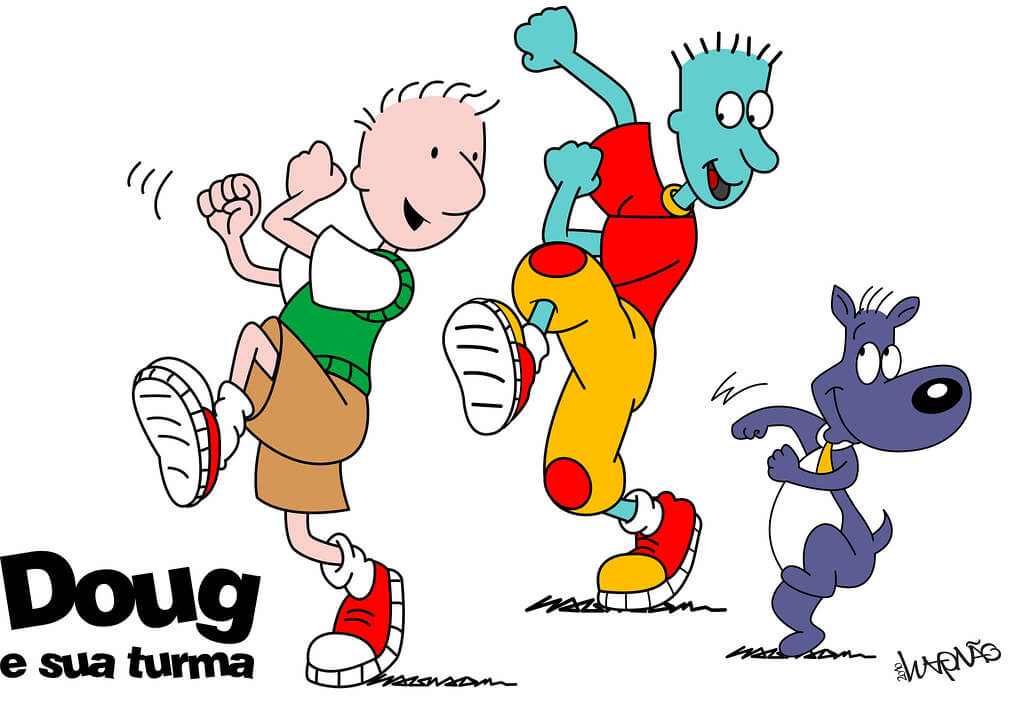
This 1991 series followed an anxious, imaginative middle schooler navigating everyday social pressures, often illustrated through elaborate daydream sequences starring his alter ego. It was one of the original three Nicktoons and later moved to Disney after a network change.
Its grounded, low-stakes storytelling made it feel more relatable than many of its more fantastical contemporaries.
Hey Arnold!
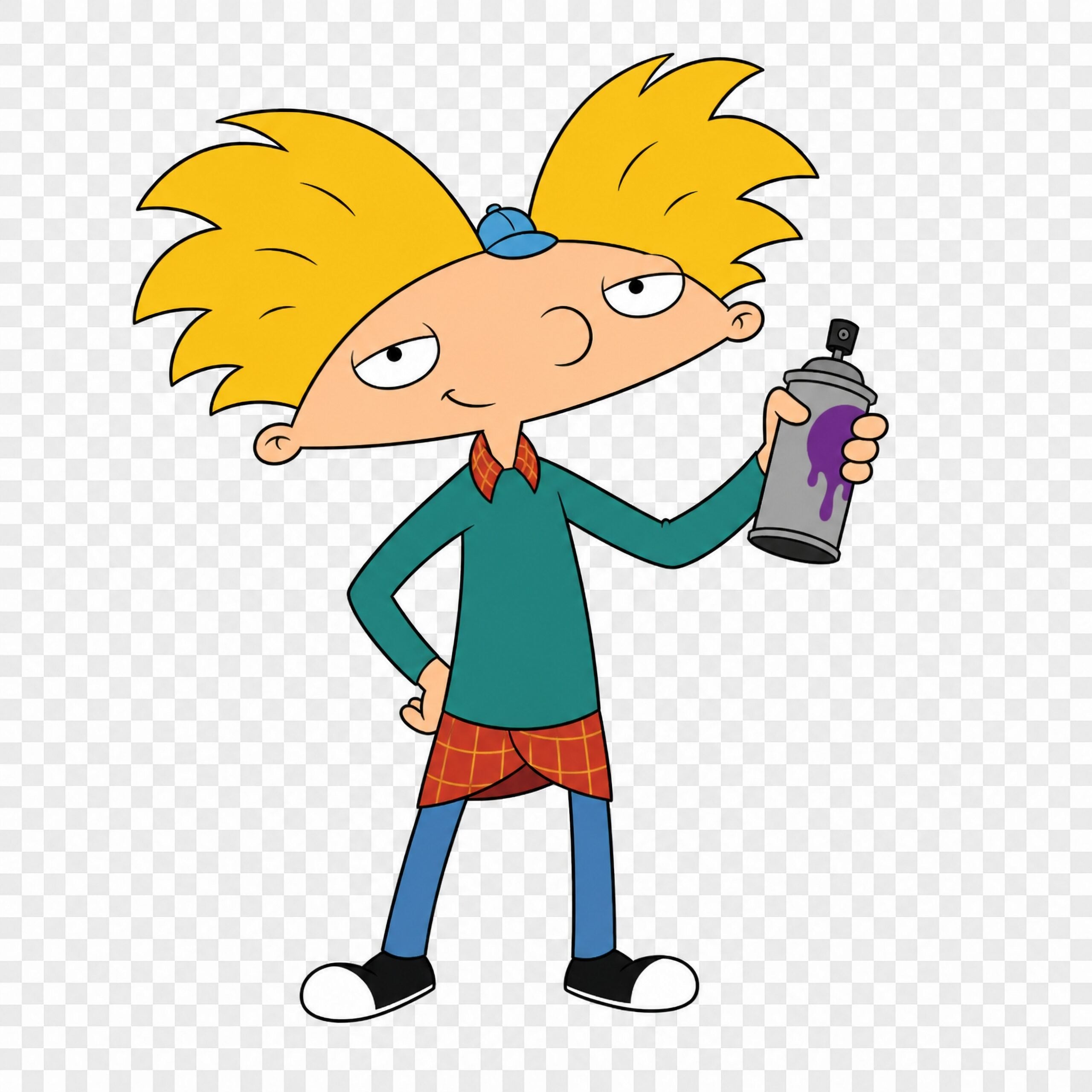
Set in a stylized, gritty city neighborhood, this 1996 series followed a distinctively shaped, oblong-headed fourth grader dealing with issues that skewed noticeably more mature than typical children’s programming, including poverty and family estrangement. Its distinctive visual style and jazz-inflected soundtrack set it apart from other Nicktoons.
Many former viewers cite its emotional range as unusually ambitious for its time slot.
Gargoyles
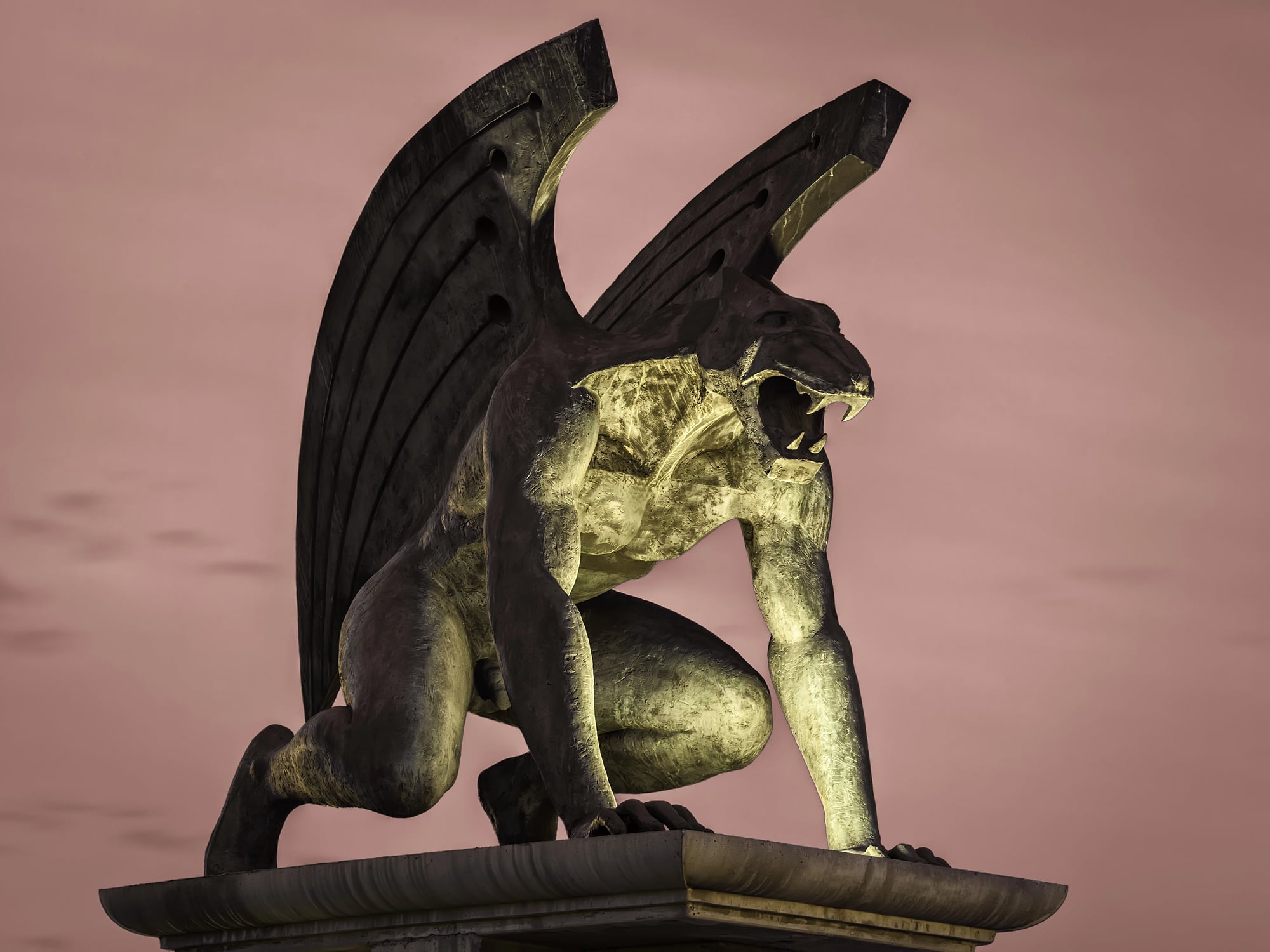
Disney’s 1994 series took a considerably darker tone than most after-school programming, following stone warriors who awaken centuries after being cursed and must adjust to modern New York. Its serialized storytelling, unusual for children’s television at the time, built continuing plots across seasons rather than resetting each episode.
It has since gained a reputation as one of the more ambitious animated dramas of its decade.
Batman: The Animated Series
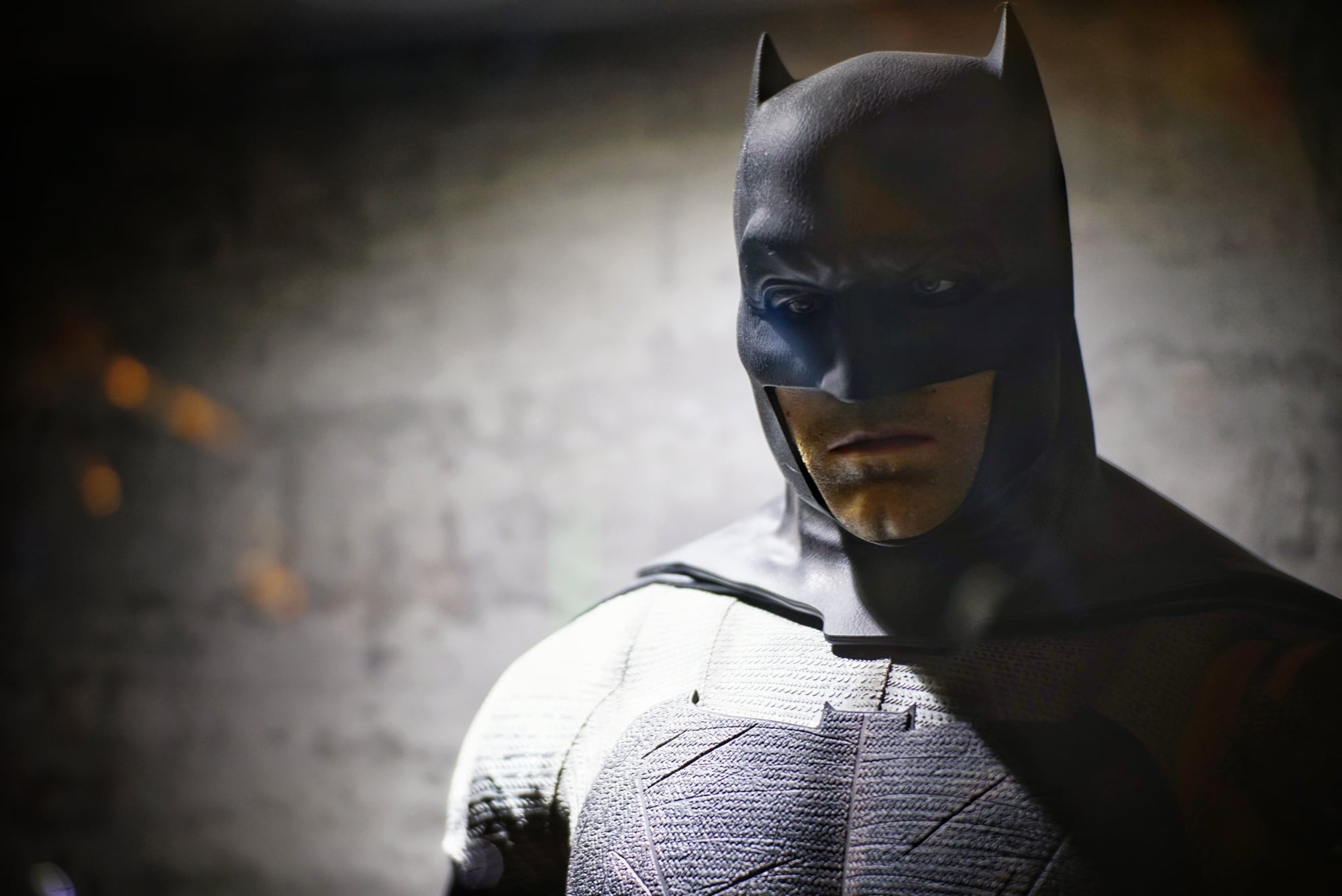
This 1992 series brought a noir-influenced visual style and unusually mature emotional storytelling to a character most kids knew primarily from toy commercials. Its art deco design and restrained color palette distinguished it sharply from other superhero cartoons airing at the same time.
Several of its character interpretations, including its take on Mr. Freeze’s backstory, were later adopted into the broader Batman mythology.
X-Men: The Animated Series
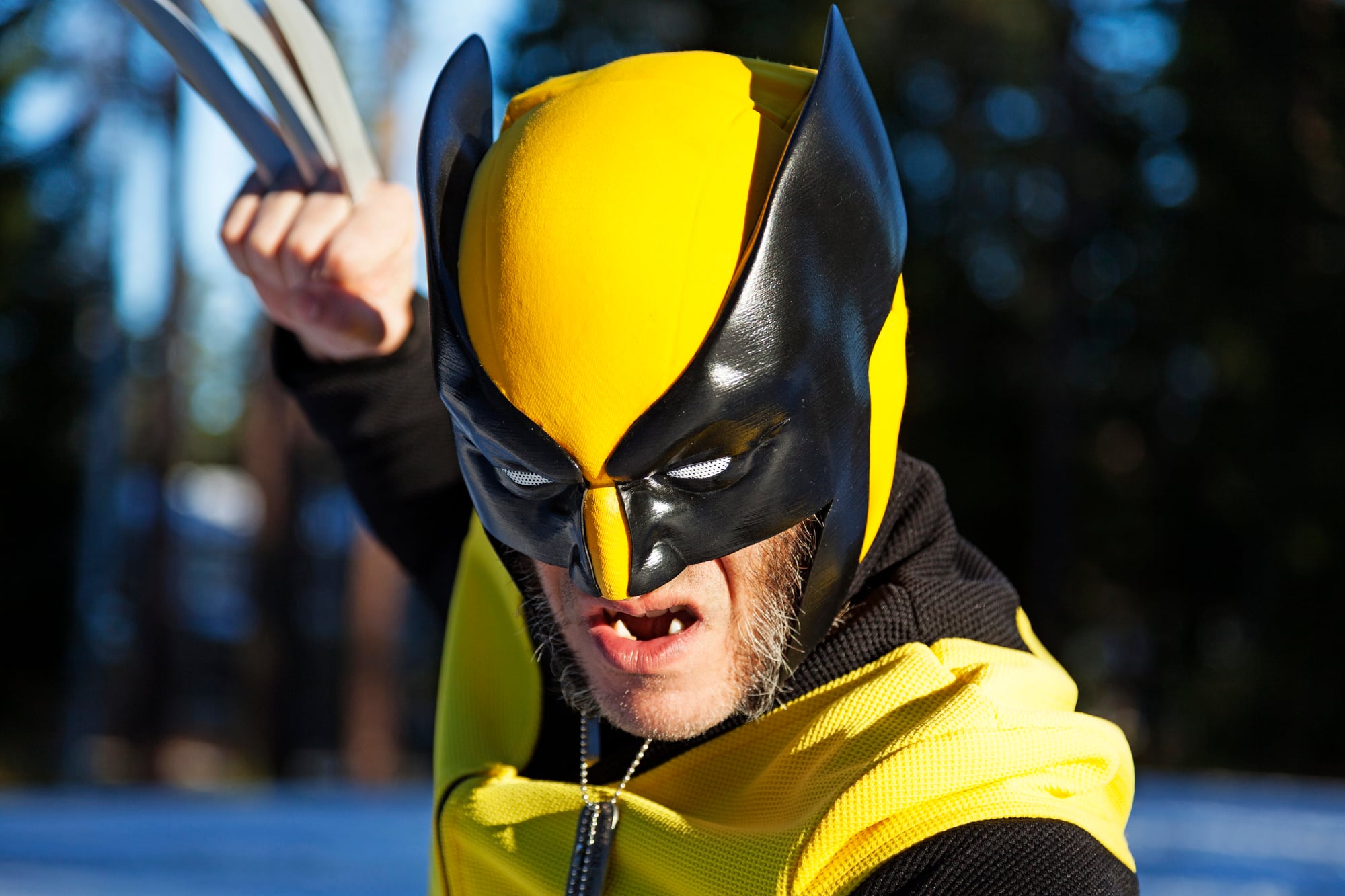
Debuting in 1992, this series adapted long-running comic-book storylines with a seriousness that surprised many viewers used to lighter superhero fare. Its theme song and opening sequence became instantly recognizable to an entire generation.
The show tackled themes of prejudice and persecution more directly than most children’s programming of its era attempted.
Teenage Mutant Ninja Turtles
The 1987 animated series took a comparatively goofy comic-book premise, four mutated turtles trained in martial arts by a rat sensei, and turned it into a multimedia phenomenon spanning toys, a feature film, and a pizza-obsessed pop-culture identity. Its catchphrases entered playground vocabulary almost immediately.
The franchise has been rebooted multiple times since, but the original series remains the reference point for most former fans.
ThunderCats

This 1985 series followed a group of cat-like humanoid heroes fleeing their destroyed home planet, built around a sword-and-sorcery aesthetic distinct from the era’s more common space-adventure cartoons. Its theme song and the hero’s signature battle cry became widely imitated on playgrounds.
The show has been revived more than once in later decades, though the original retains the strongest nostalgic following.
He-Man and the Masters of the Universe

Produced in 1983 largely to support an existing toy line, this series nonetheless built a devoted fan base around its barbarian-fantasy setting and the transformation of a mild-mannered prince into a musclebound hero. Its simple moral lessons, delivered at each episode’s end, became a genre convention imitated across the decade.
The toy line and cartoon’s mutual promotion became a template other franchises later copied.
G.I. Joe: A Real American Hero

This 1983 series turned a military-themed toy line into a sprawling ensemble cartoon following an elite fighting force against a shadowy terrorist organization. Its large rotating cast of characters, each with a distinct specialty, gave kids dozens of favorites to choose from.
The show’s closing public-service announcements became almost as memorable as the episodes themselves.
Transformers
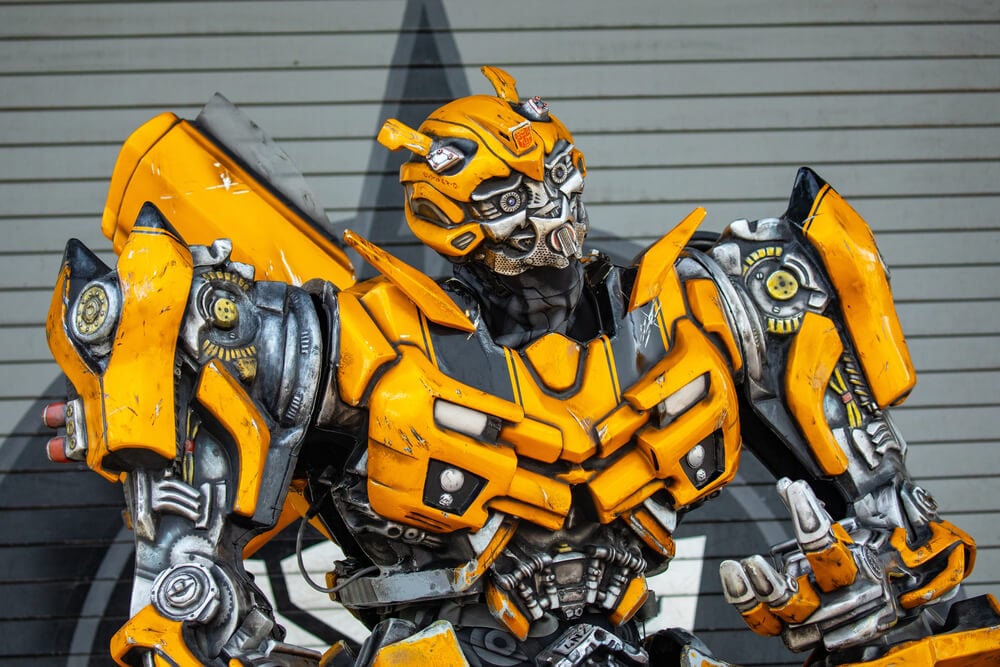
Debuting in 1984, this series introduced sentient alien robots capable of disguising themselves as vehicles, a premise built directly around a new toy line from Hasbro. Its central conflict between heroic and villainous robot factions became one of the most enduring rivalries in children’s animation.
The franchise has since expanded into films and multiple animated reboots, though the original series remains a defining touchstone.
The Real Ghostbusters
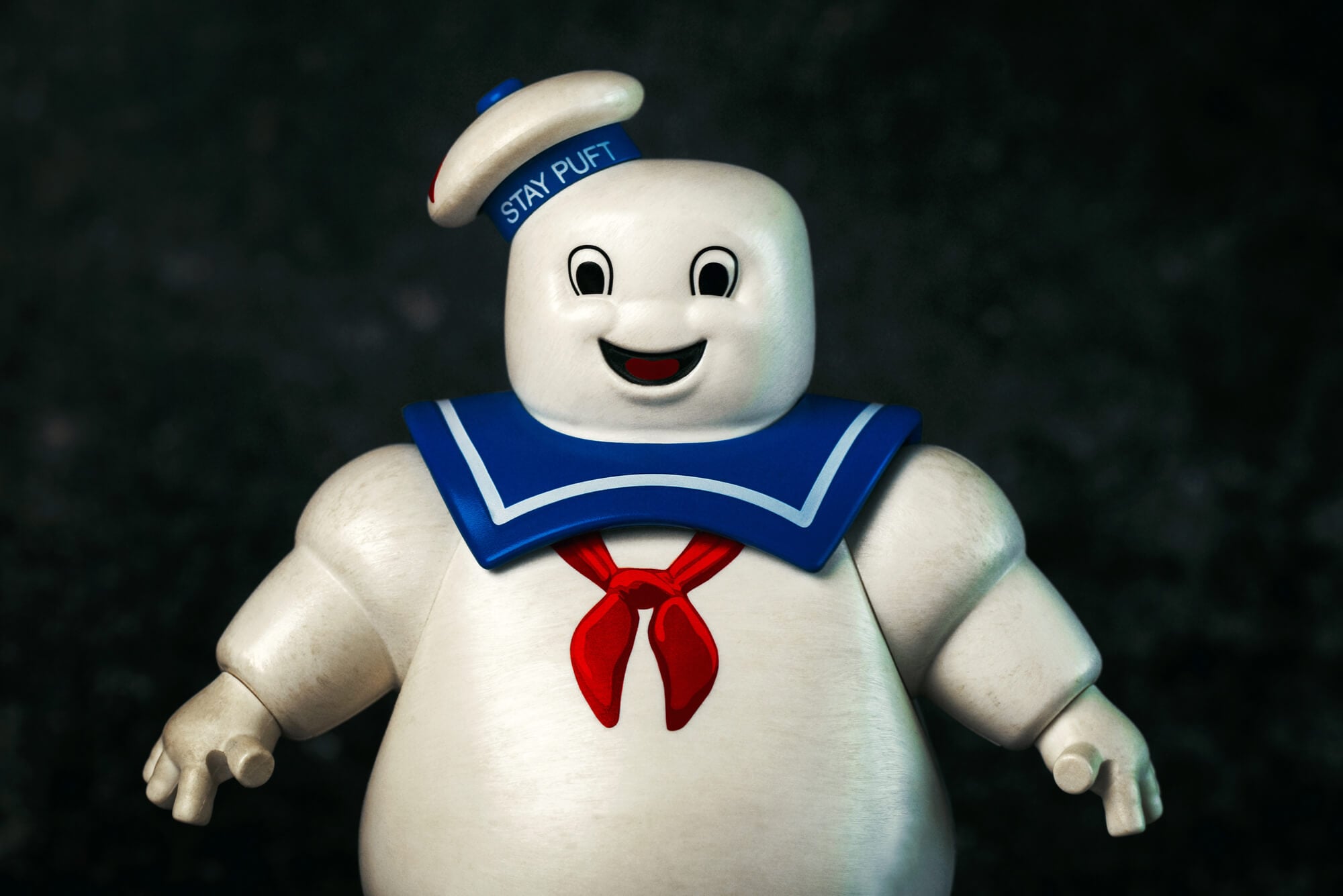
This 1986 animated spinoff of the 1984 film followed the same team of paranormal investigators through a wider range of supernatural threats than the movie’s runtime allowed. Its theme song directly referenced the film’s own famous hook.
The show ran for years longer than the film franchise itself and introduced many kids to the Ghostbusters concept before they ever saw the original movie.
Darkwing Duck
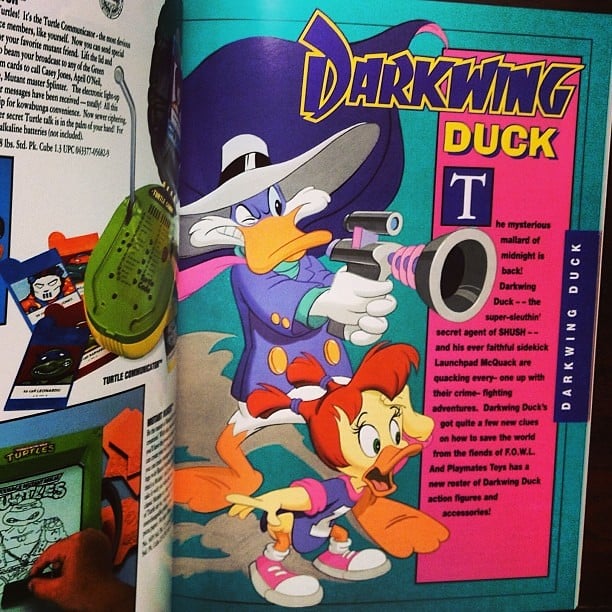
This 1991 Disney series parodied pulp crime-fighter tropes through a self-styled masked vigilante duck who was equal parts heroic and vain. Its exaggerated catchphrases and theme song made it a standout entry in the Disney Afternoon lineup.
The character has retained enough of a following to appear in later Disney projects decades after the original series ended.
Chip ‘n Dale Rescue Rangers
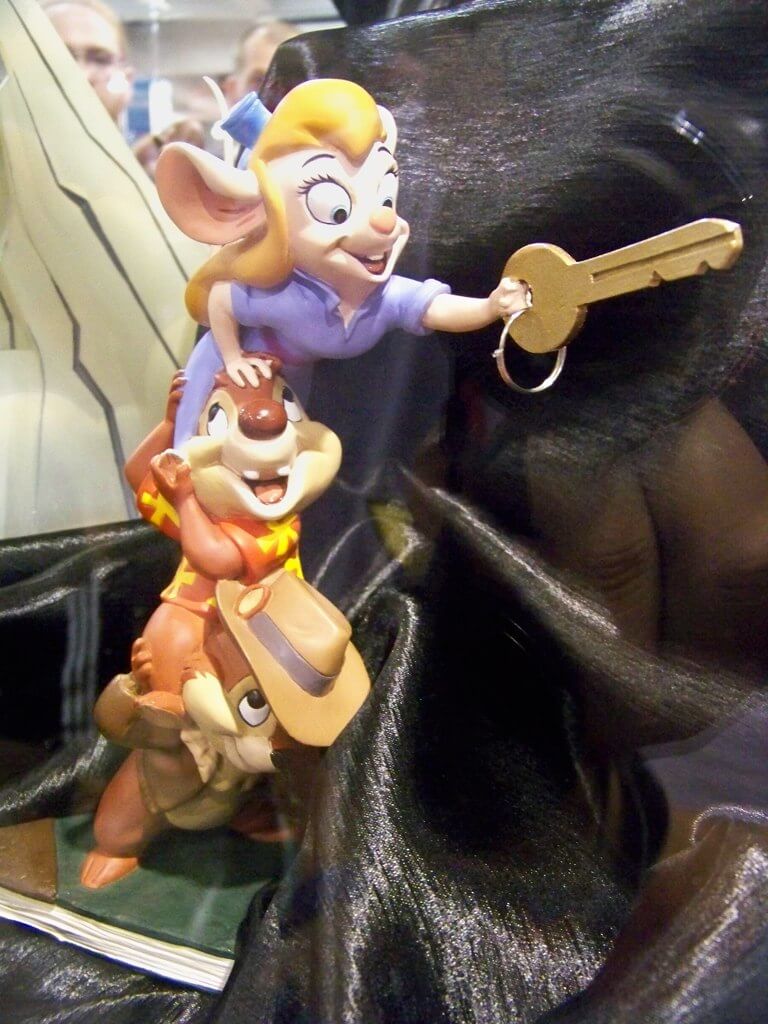
This 1989 series reimagined two classic Disney chipmunks as a detective team solving small-scale mysteries alongside an ensemble of animal allies. Its adventure-serial structure and ensemble dynamic set it apart from more slapstick-driven Disney shorts.
The show returned to wider attention decades later through a live-action film reviving the concept for adult former fans.
TaleSpin
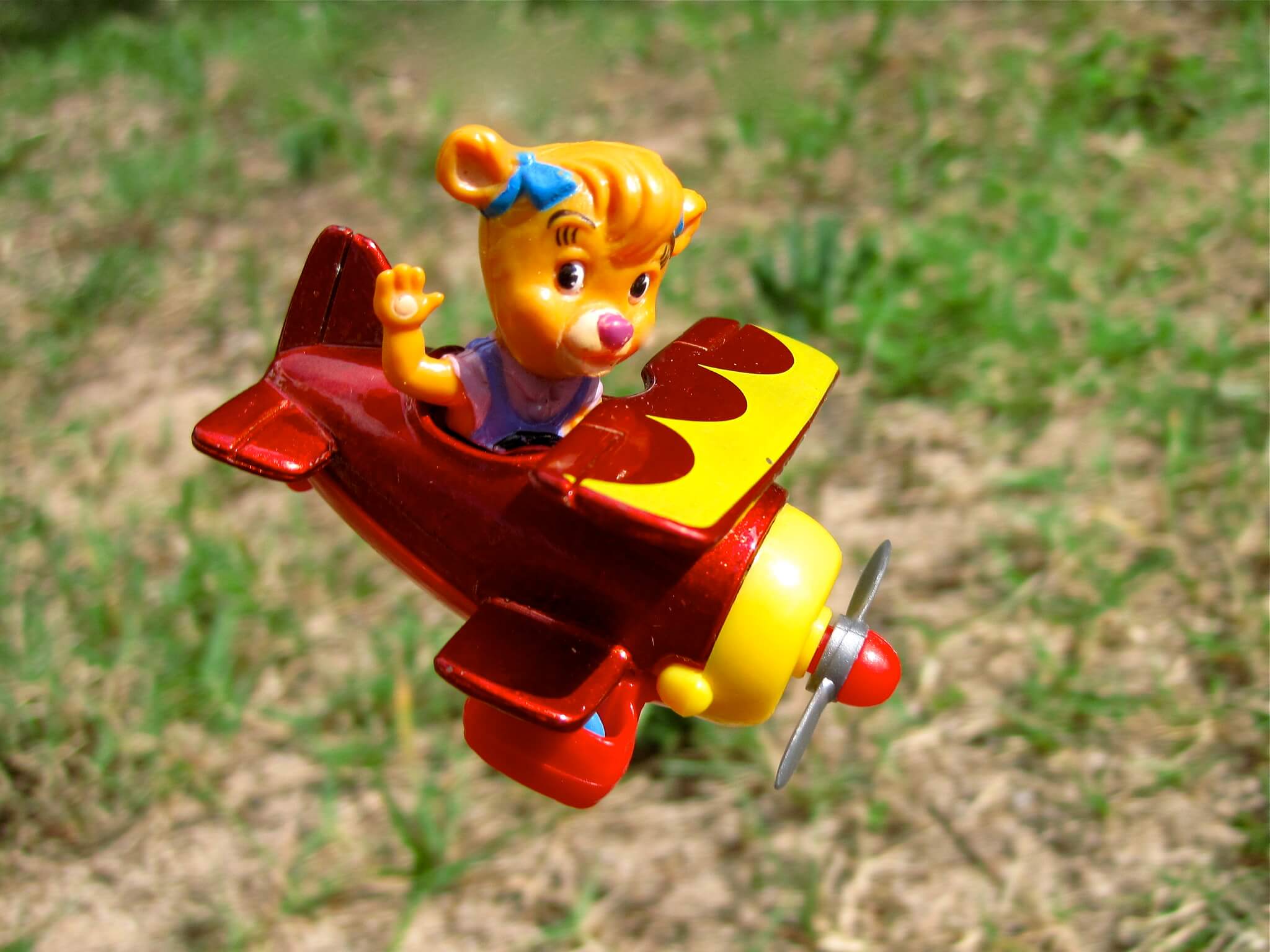
This 1990 series reimagined Jungle Book characters as pilots and adventurers in a stylized, aviation-focused world loosely inspired by 1930s pulp serials. Its blend of genuine adventure plotting and comedic supporting characters made it a standout in the Disney Afternoon block.
The show’s aerial action sequences were notably ambitious for a syndicated children’s cartoon of its era.
Goof Troop
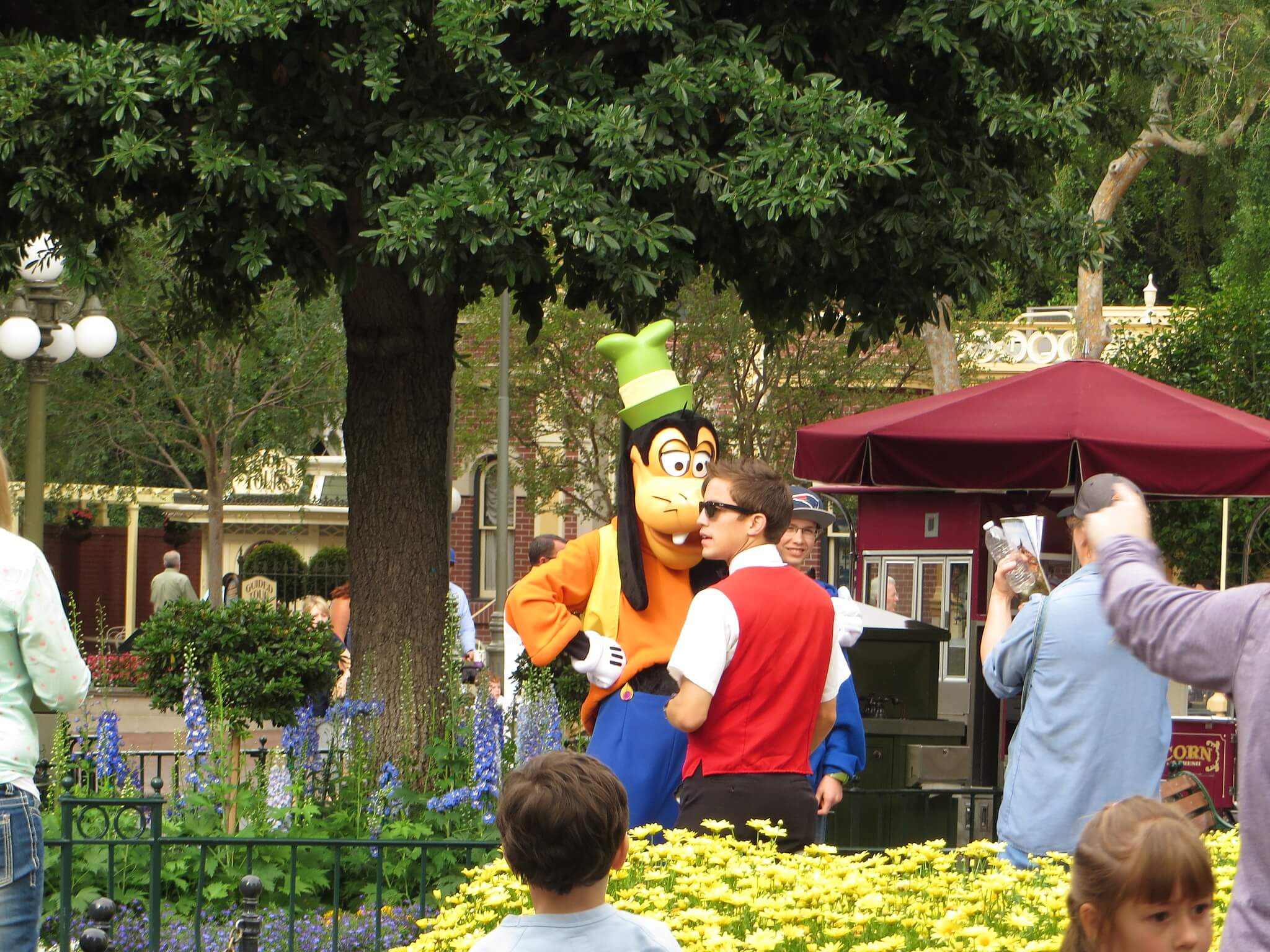
This 1992 series recast Disney’s Goofy as a suburban single father navigating relatable domestic situations alongside his son and next-door neighbors. Its grounded, family-sitcom structure was a departure from the fantasy-adventure format common elsewhere in the Disney Afternoon lineup.
It helped establish Goofy as a character capable of carrying sustained, character-driven storytelling.
Recess
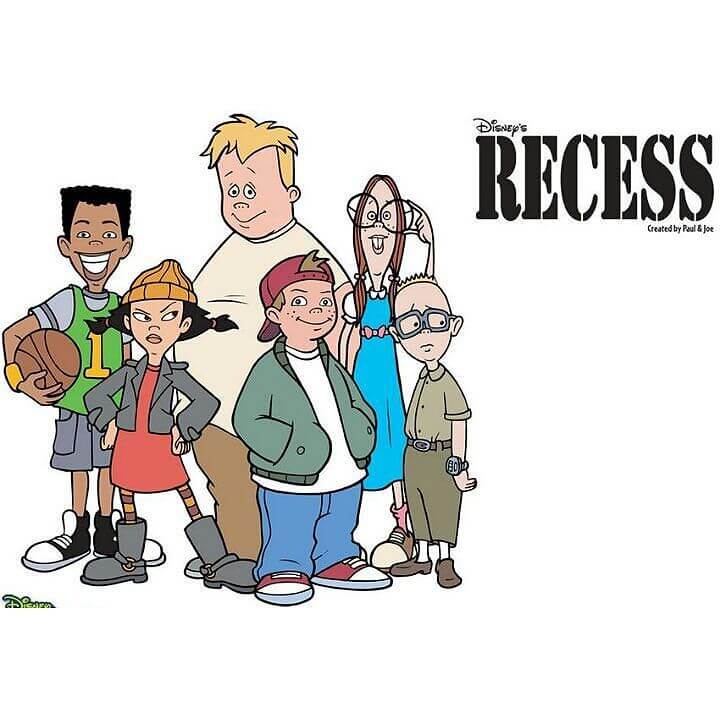
This 1997 series focused entirely on a group of elementary schoolers navigating the social politics of their playground, structured almost like a workplace comedy set among fourth graders. Its detailed playground hierarchy, including named cliques and unofficial rules, resonated strongly with kids living through similar social dynamics themselves.
It remains one of the more grounded entries in the Disney animated catalog of its decade.
Pinky and the Brain
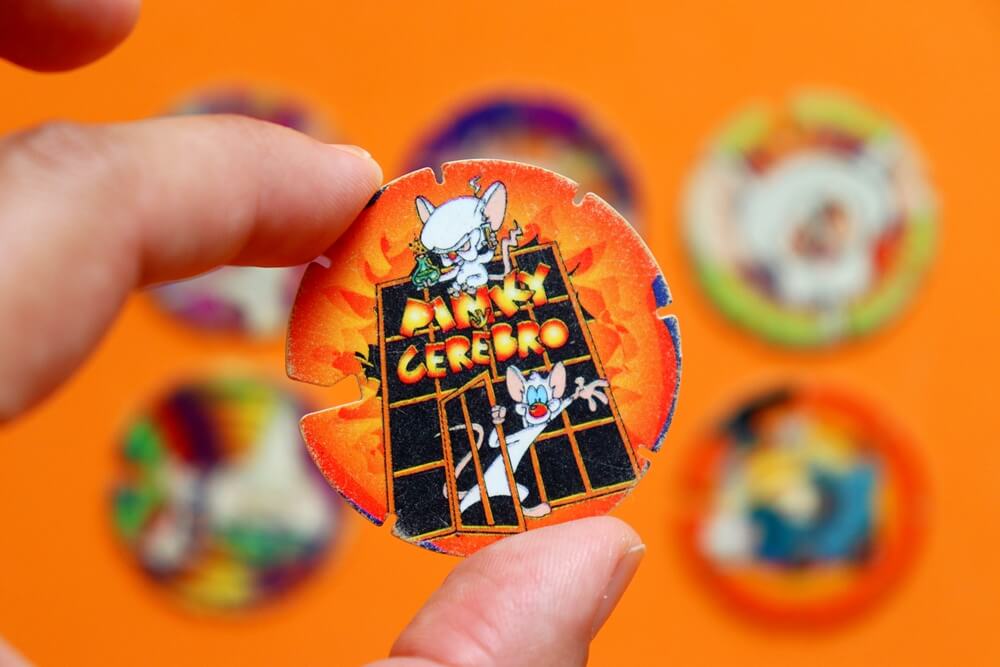
Spun off from Animaniacs into its own series in 1995, this show followed two lab mice, one a genius bent on world domination, through an endless cycle of failed schemes each episode. Its repetitive structure became part of the joke rather than a limitation.
The show’s blend of absurdist comedy and surprisingly literate references gave it crossover appeal well beyond its target age group.
Freakazoid!
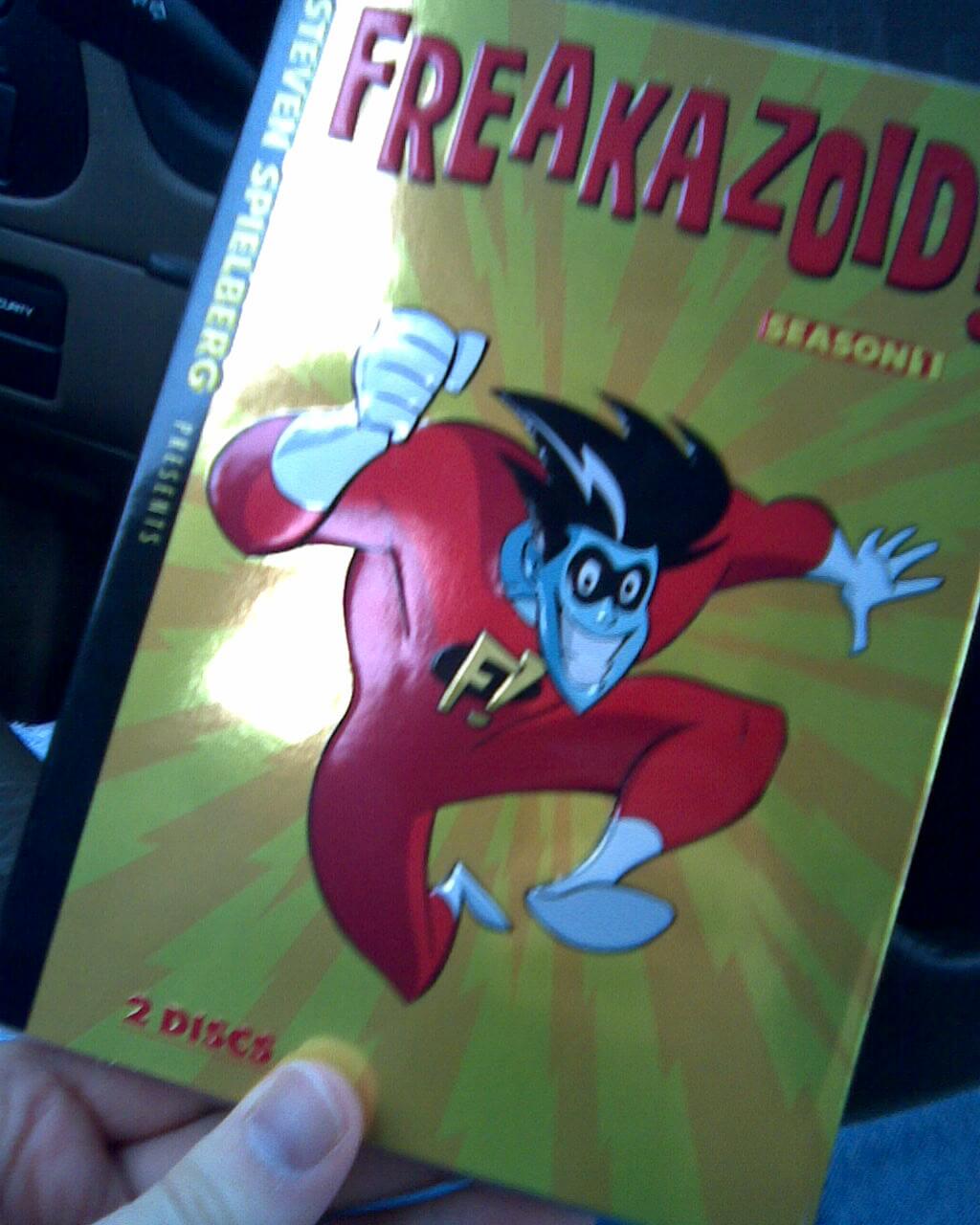
This 1995 series followed a teenager accidentally merged with the internet, granting him erratic superpowers and an even more erratic personality. Its rapid-fire, self-aware humor and willingness to abandon plot logic entirely for a joke made it a cult favorite among older viewers.
Despite a short run, it developed a lasting reputation as one of the more inventive superhero parodies of its decade.
Reboot

This 1994 Canadian series was animated entirely with computer graphics, a technical first for a television series at the time, and was set inside a computer system populated by sentient programs. Its visual novelty made it stand out sharply from the hand-drawn cartoons airing alongside it.
The show’s ambition in blending serialized plotting with early computer animation has earned it retrospective recognition as a technical pioneer.
Sailor Moon
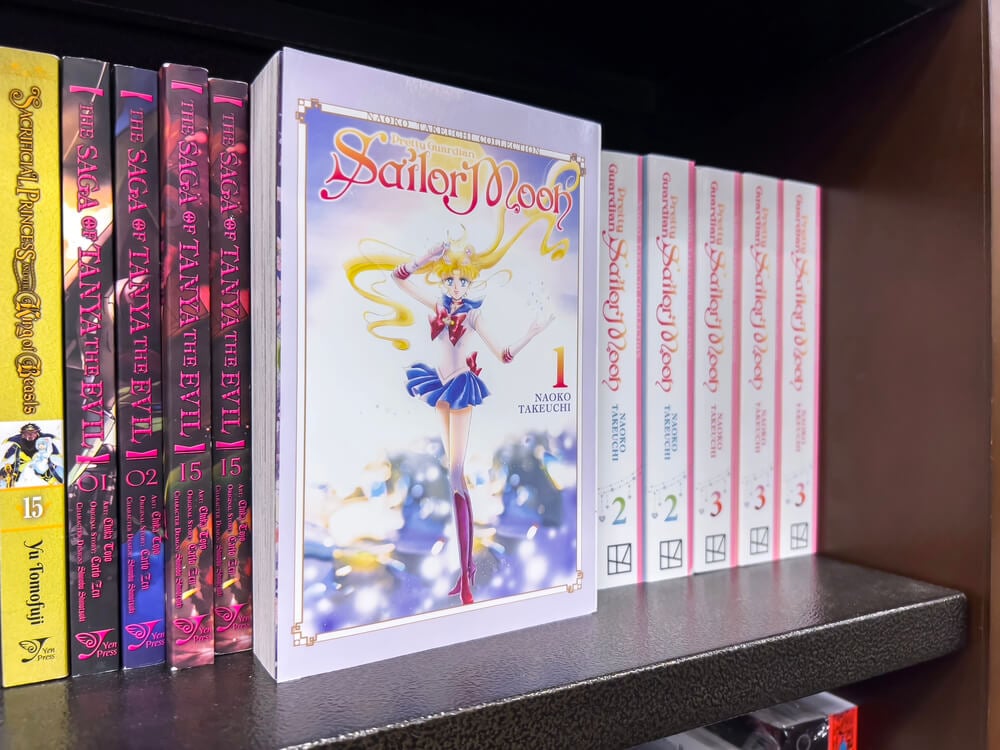
This Japanese series reached international after-school syndication in the 1990s, following a group of teenage girls who transform into costumed warriors to battle supernatural threats. It introduced many Western kids to the magical-girl genre for the first time.
Its blend of team dynamics, romance, and action set a template that influenced numerous animated series that followed.
Digimon: Digital Monsters
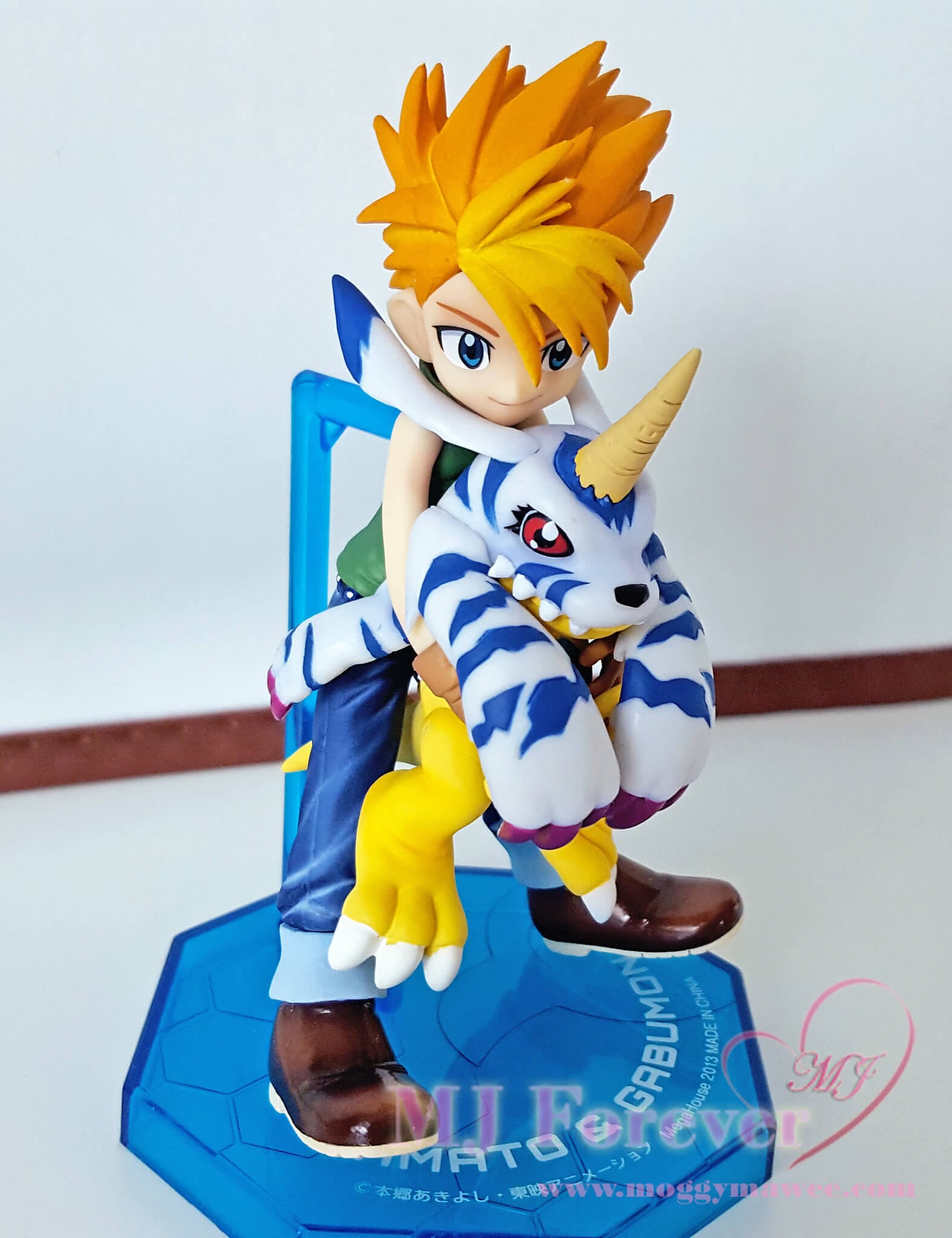
This Japanese series reached international after-school syndication in 1999, following a group of kids transported into a digital world where partner creatures evolved alongside them in battle. It arrived amid intense competition with a similar, better-known creature-collecting franchise and carved out its own devoted following through denser, more serialized storytelling.
Its multi-stage evolution mechanic became one of the more frequently imitated ideas in the genre that followed.
Pokémon
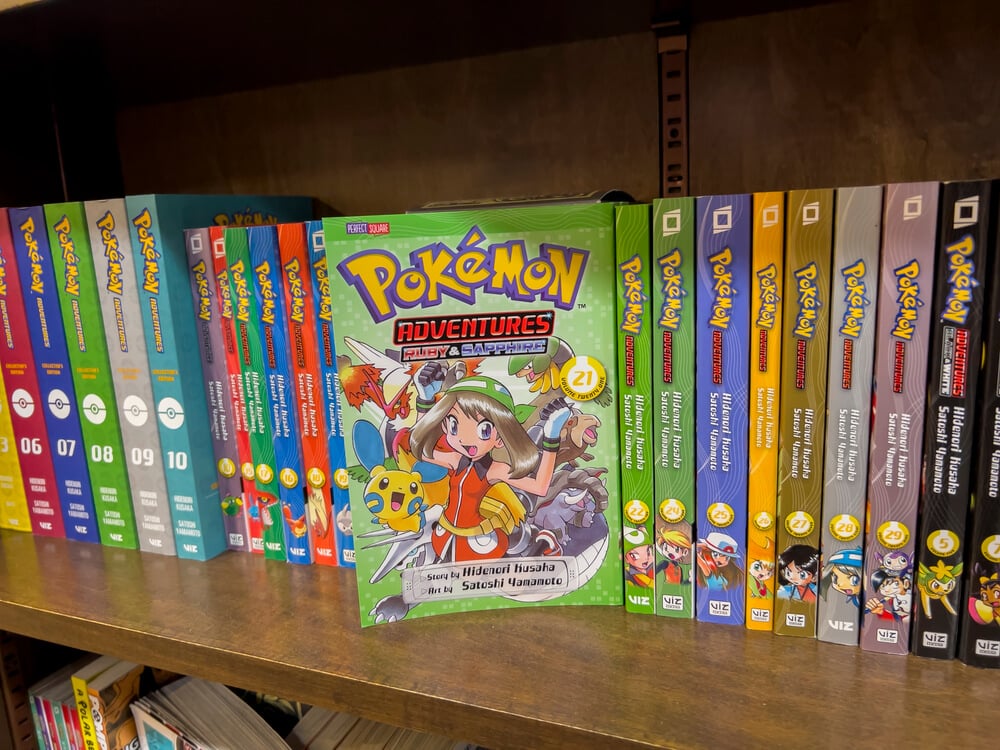
Debuting internationally in 1998 alongside a video game and trading card line, this series followed a young trainer capturing and battling creatures across a stylized world. Its multimedia rollout, spanning games, cards, and television simultaneously, became a model other franchises later tried to replicate.
The theme song and central catchphrase entered playground vocabulary almost immediately after the show’s debut.
Arthur

Based on a book series, this 1996 PBS series followed an anthropomorphic aardvark and his classmates through relatable, low-stakes elementary school situations. Its calm, grounded tone distinguished it from the higher-energy action cartoons airing on commercial networks at the same time.
The show’s long run made it a touchstone across multiple generations of PBS viewers.
The Magic School Bus
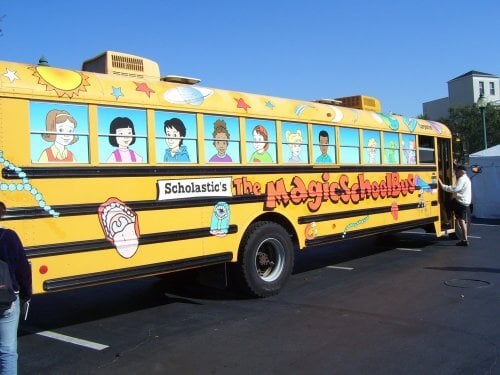
This 1994 PBS series sent a class of elementary schoolers on scientifically themed field trips aboard a bus capable of shrinking, time-traveling, or transforming to fit whatever lesson the episode required. Its blend of genuine science content and adventure-plot structure made it a rare children’s show praised as often by teachers as by kids.
Its theme song remains instantly recognizable to former viewers decades later.
Captain Planet and the Planeteers
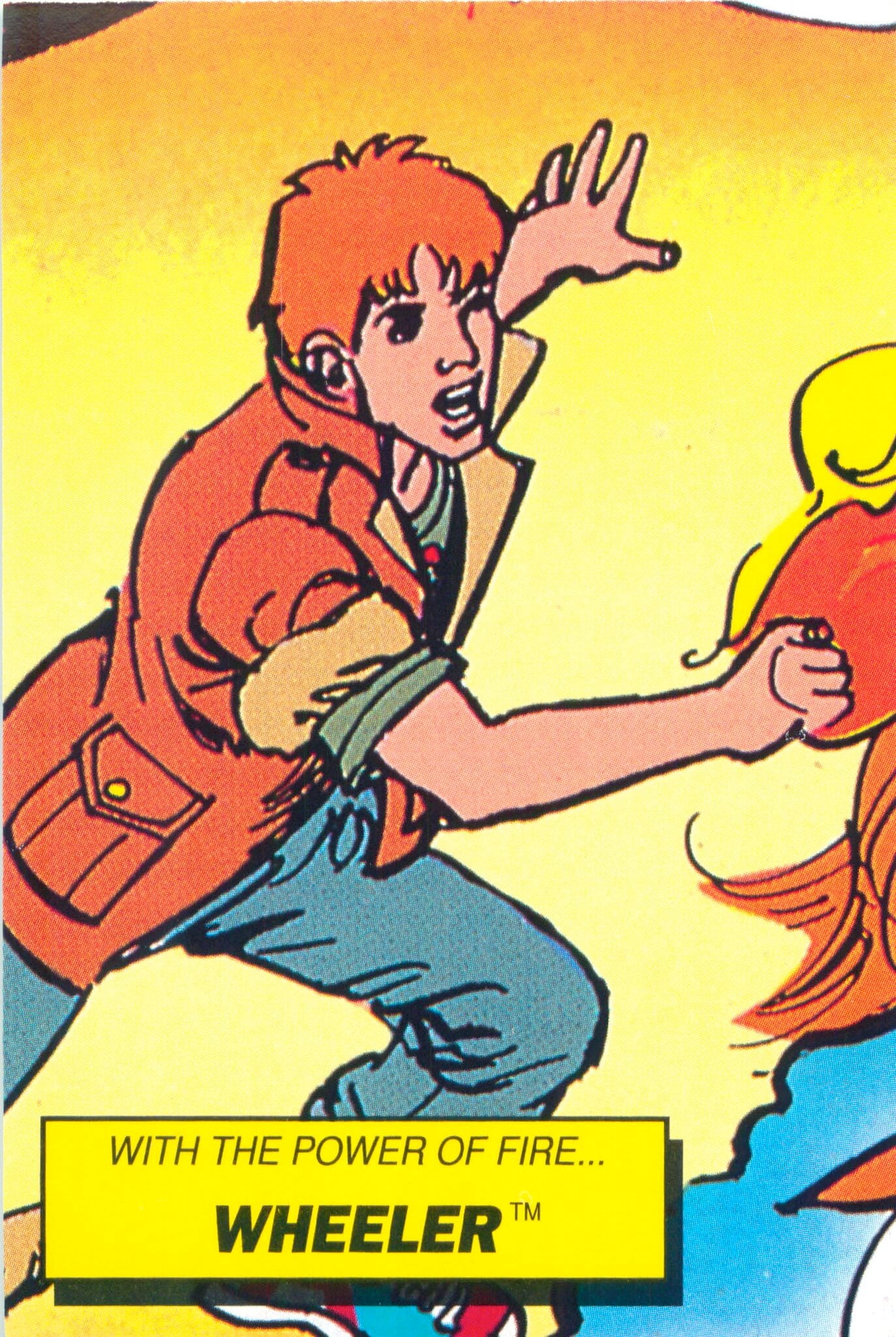
This 1990 series followed five young activists granted elemental powers who could combine their abilities to summon a superhero dedicated to fighting pollution and environmental destruction. Its explicitly educational framing, closing each episode with an environmental tip, was unusually direct even by the standards of the era’s message-driven cartoons.
The show’s earnestness has made it a frequent subject of nostalgic parody in the years since.
The Clock That Ran the Afternoon
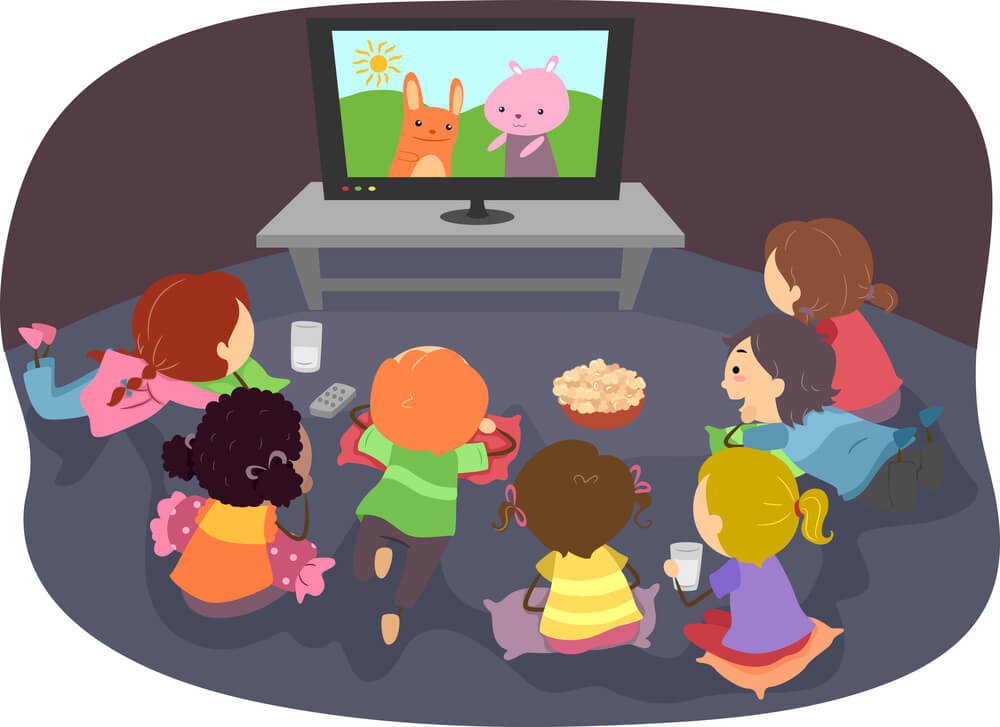
None of these shows were available whenever a kid wanted them. Catching an episode meant being home, in front of a television, at the exact half-hour a local station decided to air it, and missing that window usually meant waiting for a rerun that might not come for weeks.
The scarcity was part of what made the ritual feel significant. That constraint shaped the shows themselves as much as it shaped the kids watching them.
Theme songs were built to be unmissable within the first ten seconds, plots resolved cleanly enough that a missed episode rarely meant losing the thread entirely, and closing catchphrases were repeated often enough to survive a week between viewings. The habit those constraints built is largely gone now, but the shows that ran on it are still the ones former kids remember by name.
More from Go2Tutors!

- The Romanov Crown Jewels and Their Tragic Fate
- 13 Historical Mysteries That Science Still Can’t Solve
- Famous Hoaxes That Fooled the World for Years
- 15 Child Stars with Tragic Adult Lives
- 16 Famous Jewelry Pieces in History
Like Go2Tutors’s content? Follow us on MSN.