27 Sequels Nobody Asked For
Not every successful film needs a second chapter, and studios have spent decades proving that lesson the hard way. The following sequels arrived after their predecessors had already told a complete story, wrapped up a clean ending, or simply run out of places to go. Most were commercial disappointments. All of them raise the same question: who exactly was waiting for this?
Speed 2: Cruise Control
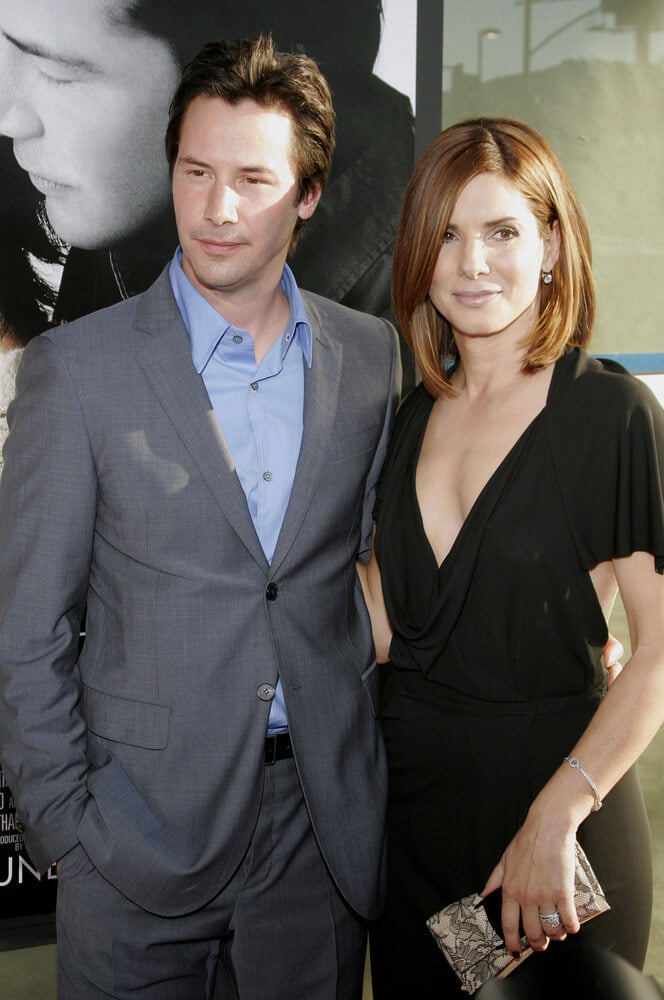
The 1994 original trapped its cast on a bus that could not slow below fifty miles per hour. The 1997 sequel swapped the bus for a cruise ship and dropped Keanu Reeves entirely, replacing him with a new lead opposite Sandra Bullock. Critics and audiences agreed the tension did not survive the change of vehicle, and the film became a byword for unnecessary follow-ups.
Grease 2
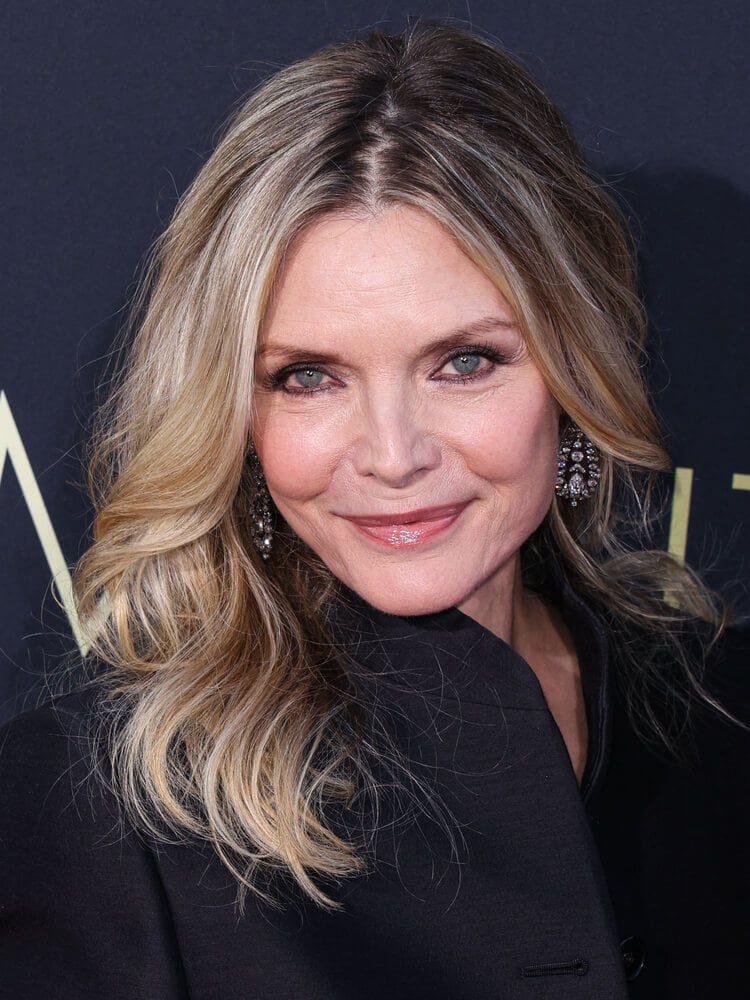
Released four years after the original became one of the highest-grossing musicals of its decade, this 1982 sequel swapped the lead couple for new characters and reversed the gender roles of the central romance. It flopped badly enough to end any further plans for the franchise on film. Michelle Pfeiffer’s early role in it is now its most-cited footnote.
Caddyshack II
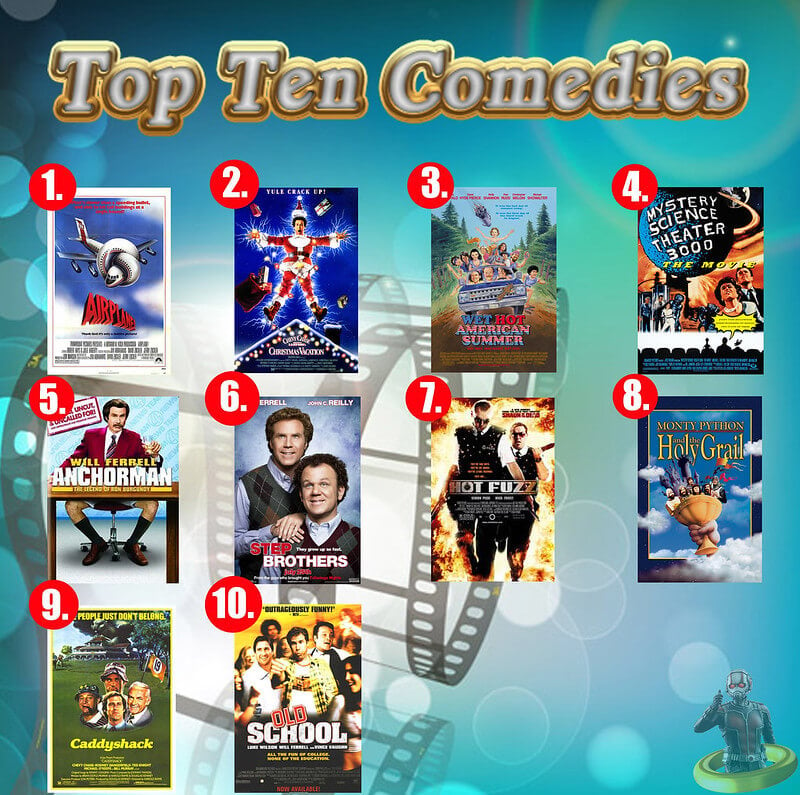
The 1988 follow-up to a beloved 1980 comedy replaced most of the original cast, including Bill Murray, and built its plot around a country-club feud that lacked the first film’s anarchic energy. It was a box-office failure and is now frequently listed among the worst sequels ever produced. Even its poster leaned heavily on nostalgia for a film it otherwise had little in common with.
Weekend at Bernie’s II
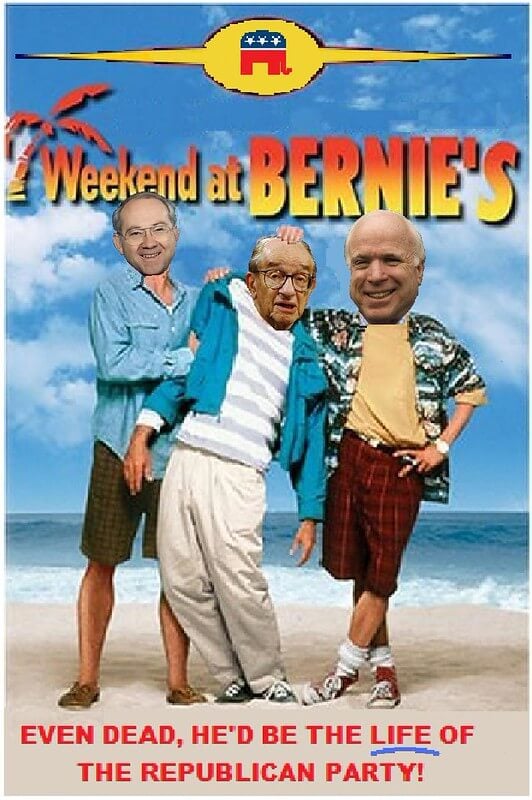
The 1989 original hinged on a single dark joke stretched across a beach weekend. The 1993 sequel tried to extend that joke into voodoo-powered reanimation, a premise that strained even the first film’s already thin internal logic. Reviewers at the time struggled to explain who the sequel was actually for.
Highlander II: The Quickening

The original 1986 film built an entire mythology around immortal swordsmen hiding among humanity. Its 1991 sequel discarded most of that mythology in favor of a science-fiction backstory involving aliens, a change so disliked by fans that later films in the franchise quietly ignored it. Multiple recut versions have since tried to fix the story.
Exorcist II: The Heretic

Released four years after one of the most acclaimed horror films ever made, this 1977 sequel abandoned the grounded dread of the original for psychic visions and telepathic insects. Director John Boorman later acknowledged the finished film did not work. It remains a common answer to the question of the worst sequel to a great film.
The Godfather Part III
Sixteen years after Part II, this 1990 continuation brought back Al Pacino’s Michael Corleone for a final chapter centered on the character’s attempt to legitimize the family business. Its reception was mixed at best, and a 2020 recut with a new ending was released specifically to address longstanding criticism of the original cut.
Basic Instinct 2
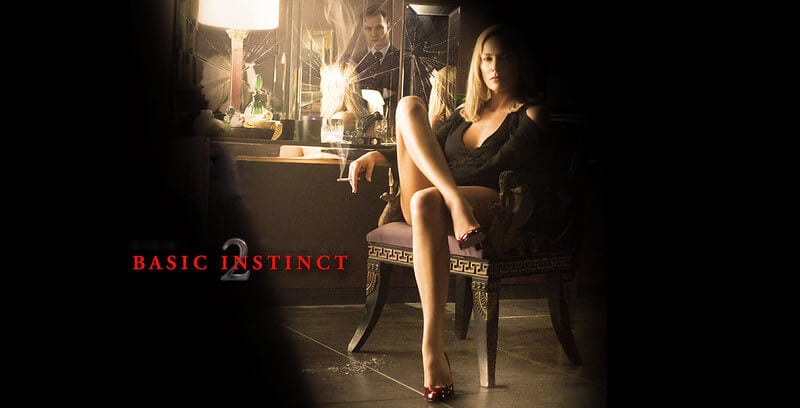
Fourteen years after the 1992 thriller became a cultural flashpoint, this 2006 sequel relocated the story to London and aged its central character forward without recapturing any of the original’s cultural moment. It was a significant box-office failure in the United States. Reviewers largely agreed the premise had nowhere new to go.
Jaws: The Revenge
The fourth film in the shark franchise, released in 1987, centered on a plot in which the same shark family seemingly holds a personal vendetta against the Brody family. The film is now widely regarded as one of the weakest major studio sequels of its decade. Its tagline promising a shark with a grudge became a punchline in its own right.
Son of the Mask
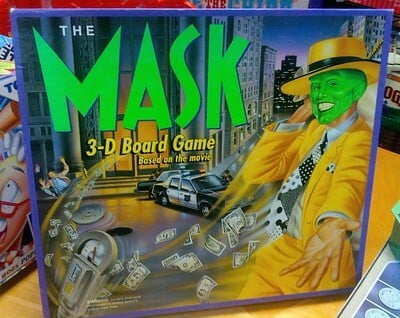
Eleven years after Jim Carrey’s manic 1994 hit, this 2005 sequel replaced him entirely and shifted the story toward a baby with the mask’s powers. It was a critical and commercial failure that effectively ended the franchise. The character’s transformation effects, once a technical showcase, felt dated by comparison.
Miss Congeniality 2: Armed and Fabulous
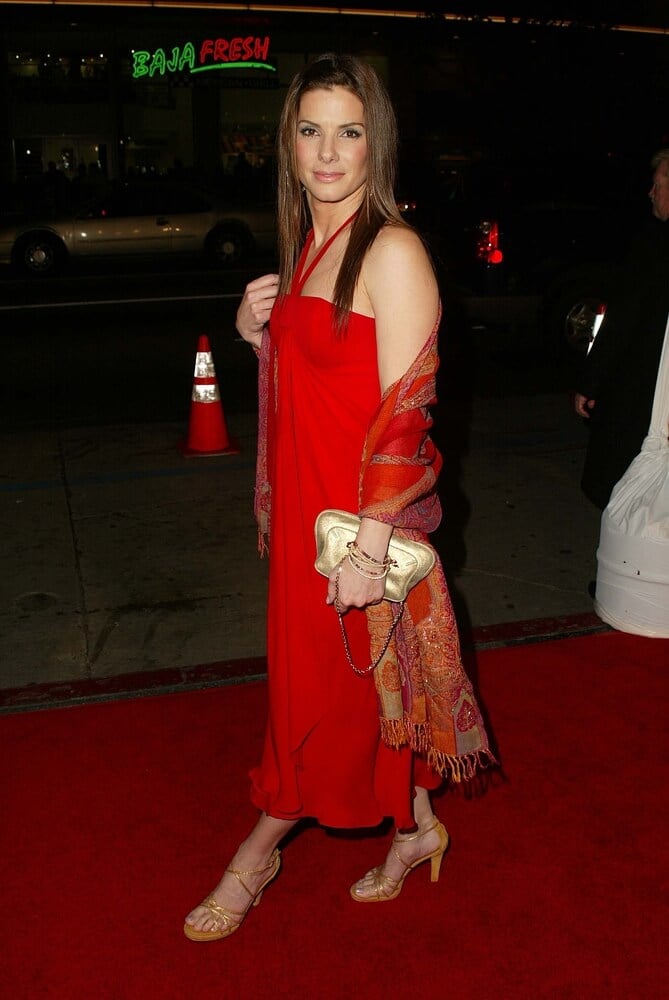
The 2005 sequel to a well-liked 2000 comedy sent Sandra Bullock’s undercover agent to Las Vegas with a new partner and a plot that leaned harder into slapstick than the original’s pageant-world satire. It underperformed at the box office relative to its predecessor. No further sequels followed.
Little Fockers
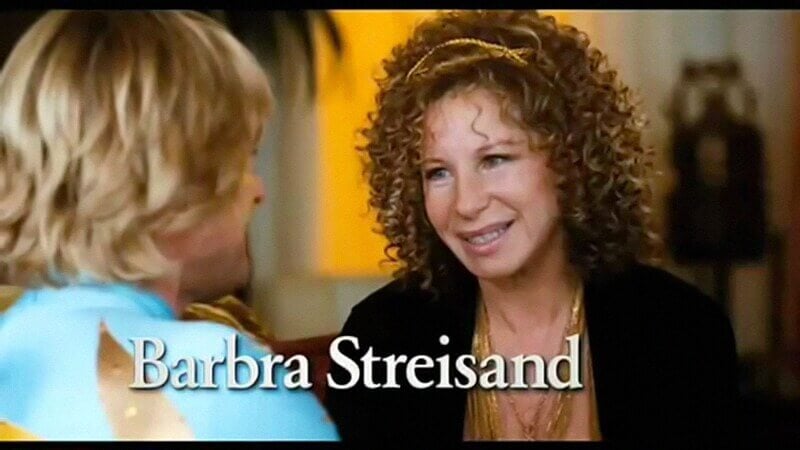
The third film in the Meet the Parents franchise, released in 2010, arrived after the second installment had already closed most of the family’s central conflicts. Reviewers described it as repeating jokes from earlier films with diminishing returns. It remains the franchise’s lowest-rated entry despite strong opening-weekend numbers.
Independence Day: Resurgence
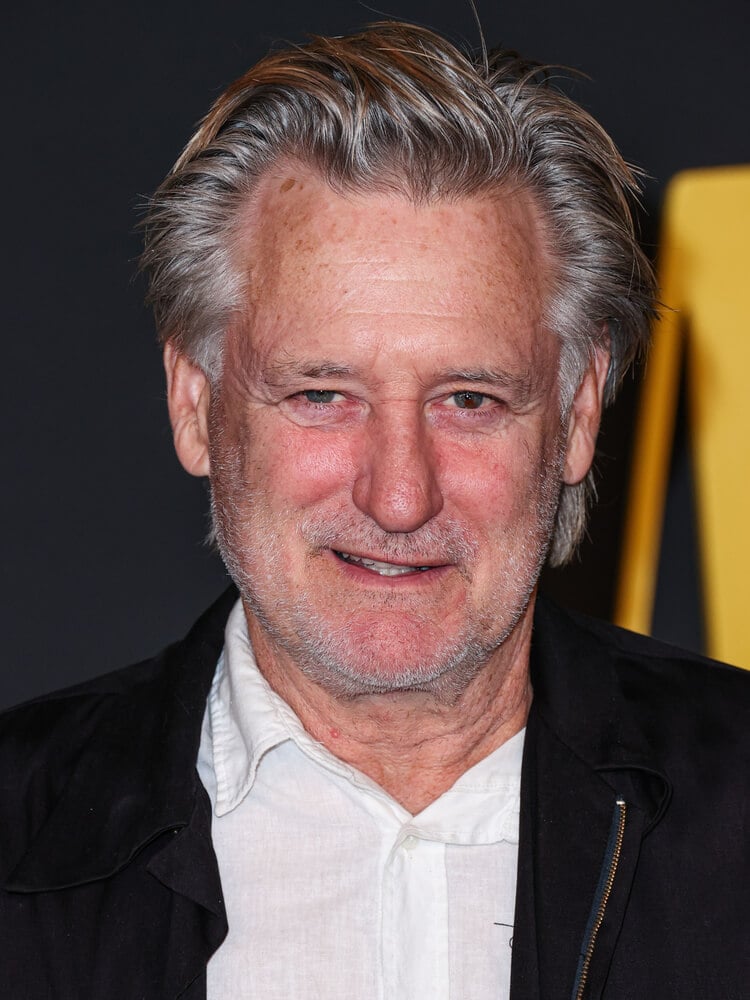
Twenty years after the 1996 original became a defining summer blockbuster, this 2016 sequel returned to the alien-invasion premise with a mostly new cast and a considerably lower box-office result. Audiences largely felt the surprise of the original could not be recreated on demand. Plans for a further sequel were quietly shelved.
Terminator Genisys
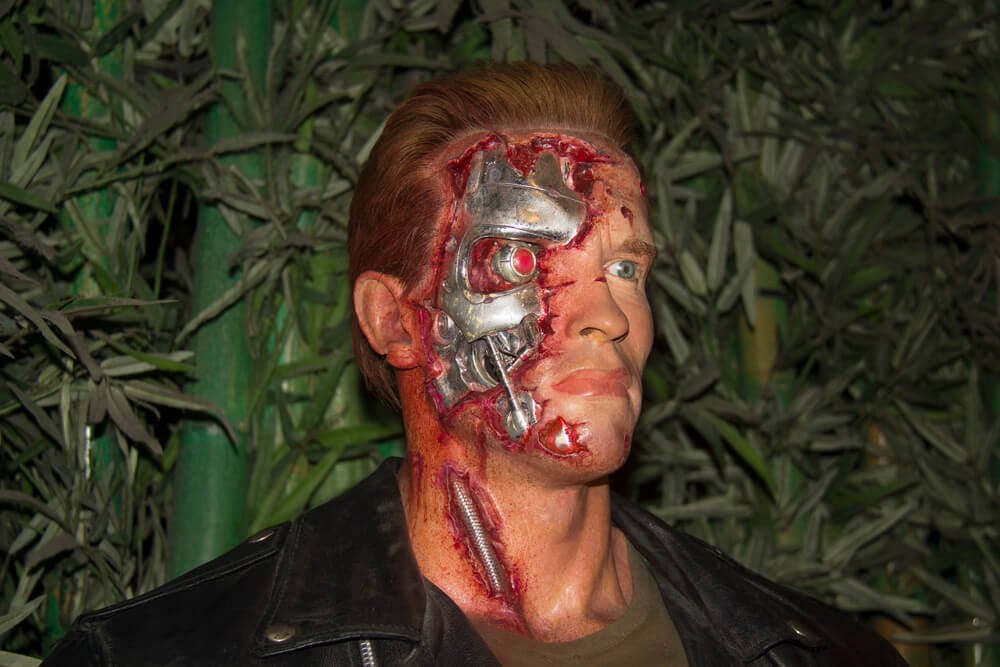
The fifth film in a franchise whose second installment is often cited as one of the best sequels ever made, this 2015 entry attempted to reboot the series’ timeline while still folding in the original cast. Its convoluted plot structure confused many longtime fans. The franchise’s later attempt to course-correct again, Dark Fate, fared little better.
Men in Black II
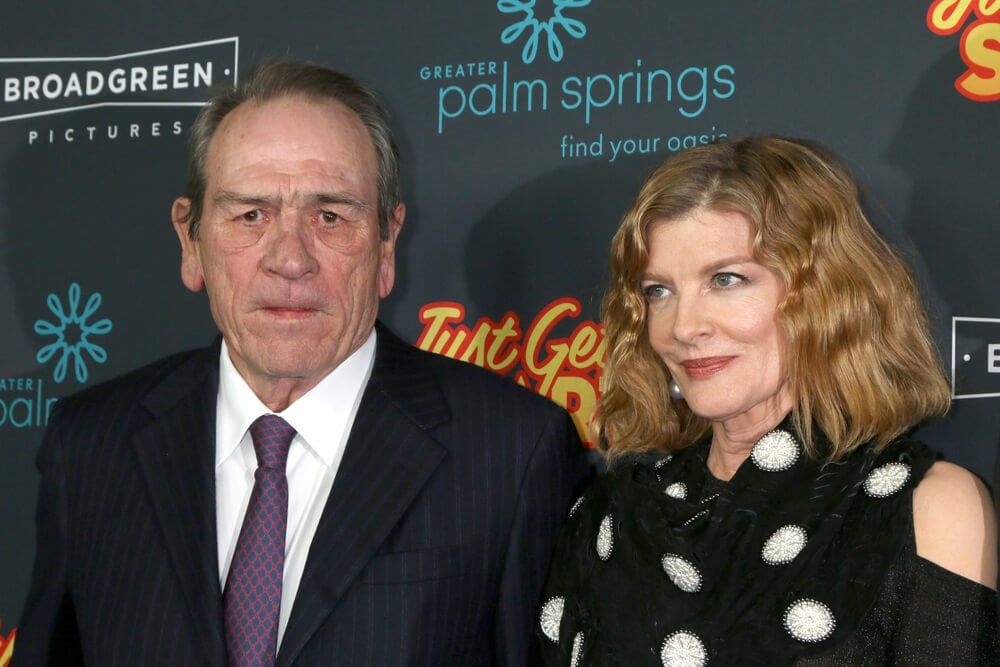
Five years after the original’s tight, self-contained story, this 2002 sequel reset much of the first film’s character growth so it could restage a similar plot. Reviewers at the time noted the sequel felt like a retread rather than a continuation. It remains the shortest and least fondly remembered film in the franchise.
Cars 2
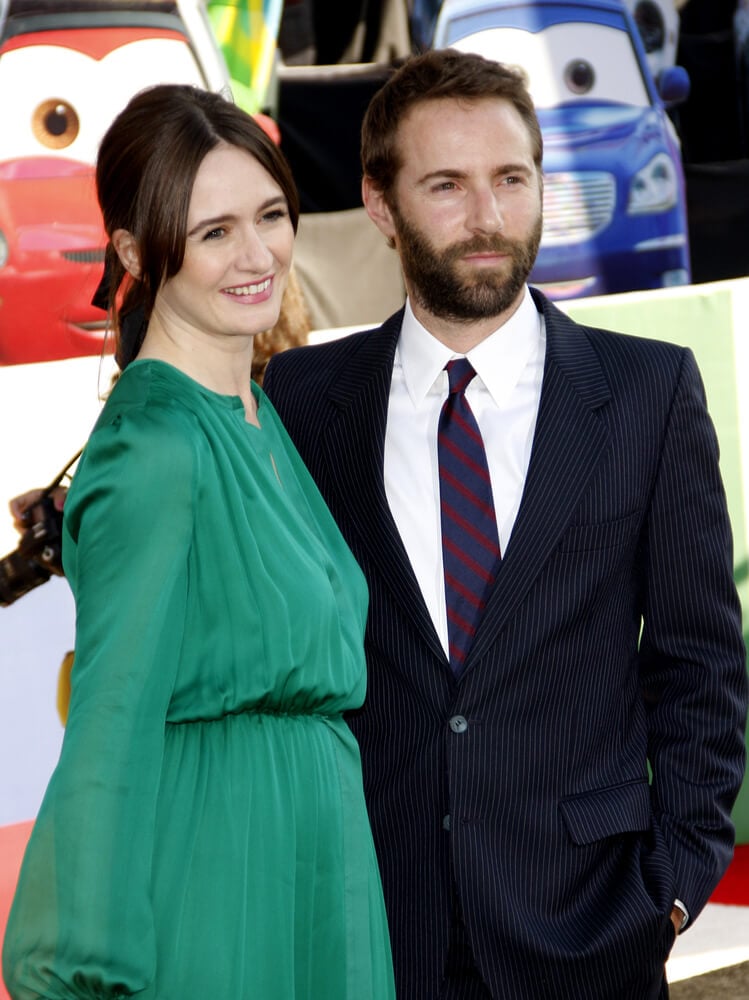
Pixar’s 2011 sequel shifted its focus from the original’s racing protagonist to a supporting comic-relief character, reframing the film as an espionage story. It holds the studio’s lowest critical reception of any film in its catalog to date. Many longtime Pixar fans point to it as the moment the studio’s quality control briefly slipped.
Alien Resurrection
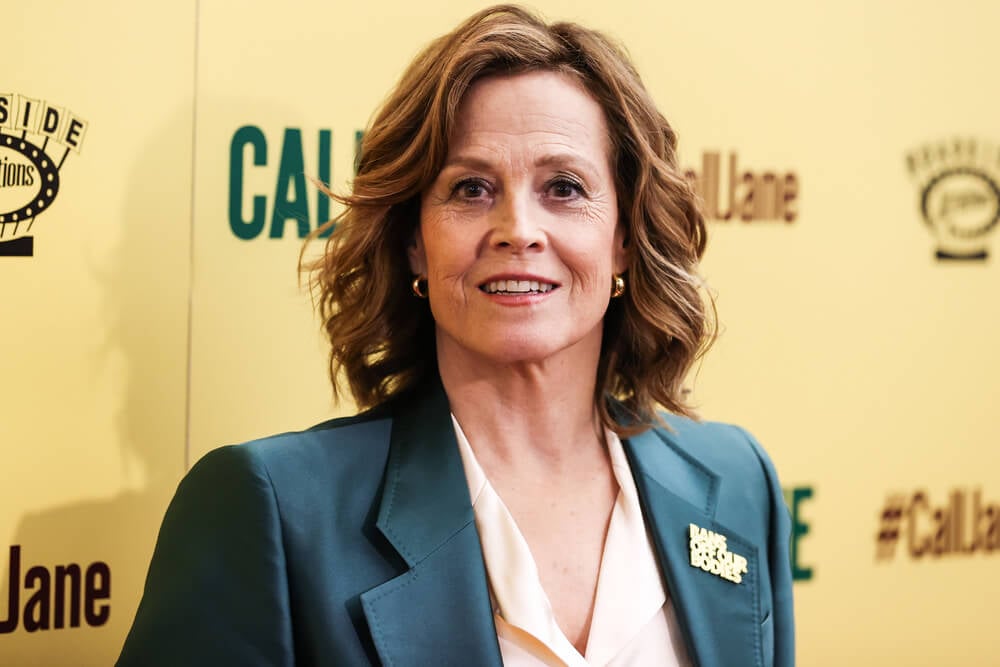
The fourth film in the Alien franchise, released in 1997, brought back Sigourney Weaver’s character via cloning after her apparent death in the previous installment. Its tonal shift toward dark comedy divided longtime fans of the series. The franchise went dormant for years afterward before being rebooted with prequels.
RoboCop 3
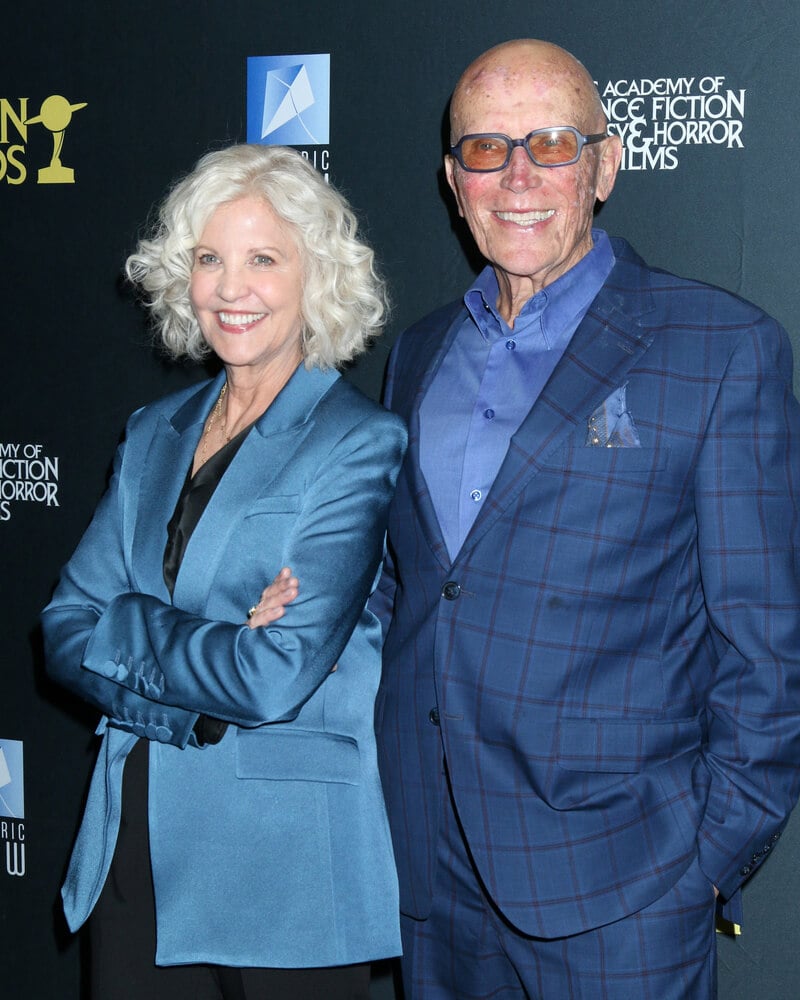
Released in 1993, six years after a sharp satirical original, this third installment softened much of the franchise’s violent satire to secure a more family-friendly rating. The lead role was recast entirely after the original actor declined to return. It performed poorly enough to end the original film series.
Teen Wolf Too
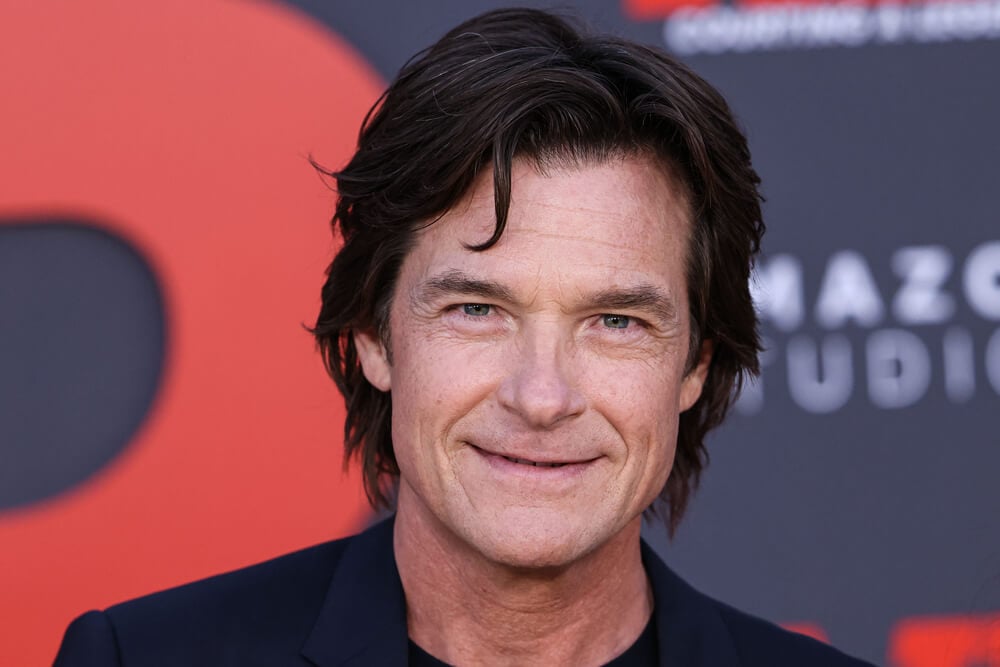
A 1987 sequel to a modestly successful 1985 comedy, this film swapped its high-school werewolf premise for a college boxing setting and replaced Michael J. Fox with a different lead. It was panned on release and is now frequently cited in lists of unnecessary follow-ups. No further films in the series were produced.
Superman IV: The Quest for Peace
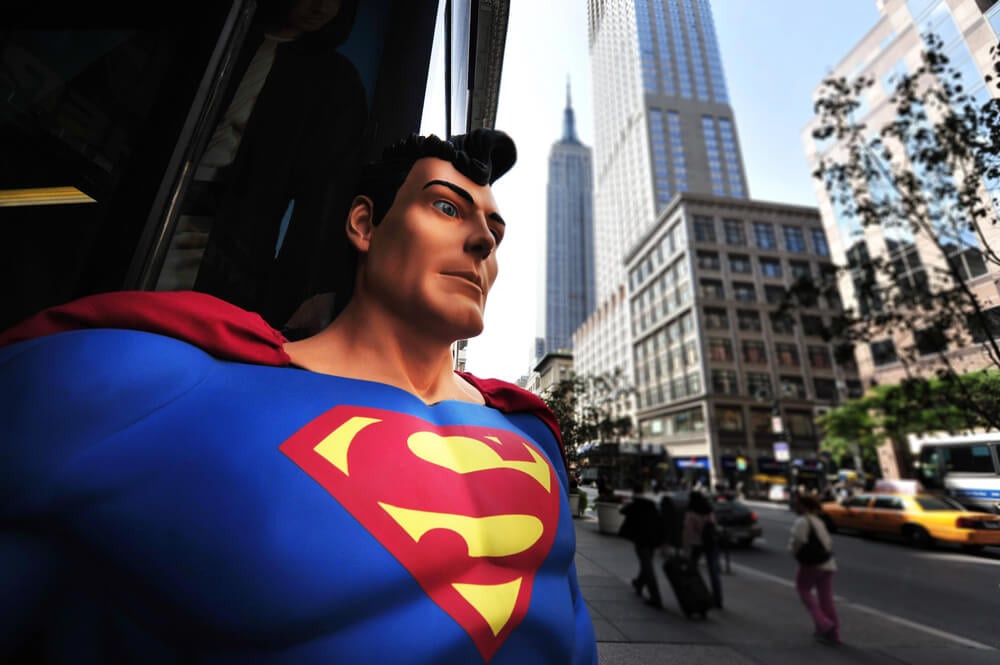
Released in 1987 with a drastically reduced budget compared to its predecessors, this fourth film built its plot around nuclear disarmament and introduced a villain widely mocked for its unconvincing effects. It effectively ended the original Superman film series for nearly two decades. Reshoots and budget cuts left visible gaps in the finished film’s plot.
Escape from L.A.
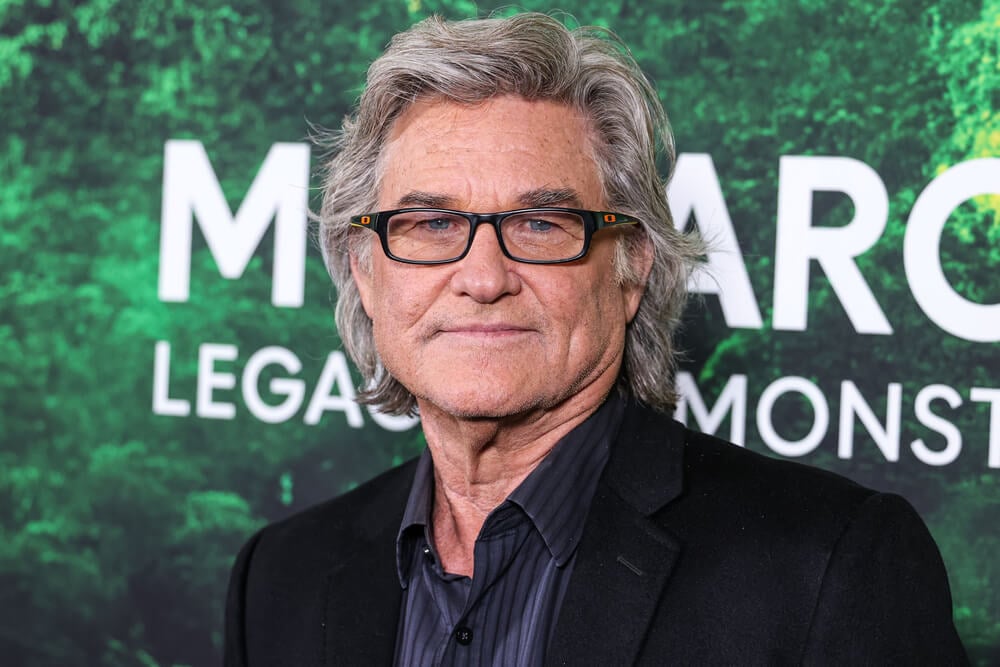
Fifteen years after a lean, influential 1981 original, this 1996 sequel largely restaged the same premise in a new city with a bigger budget and noticeably more digital effects. Many critics felt it repeated the original’s beats without matching its tension. Kurt Russell’s return as the lead was the sequel’s most consistently praised element.
Dirty Dancing: Havana Nights
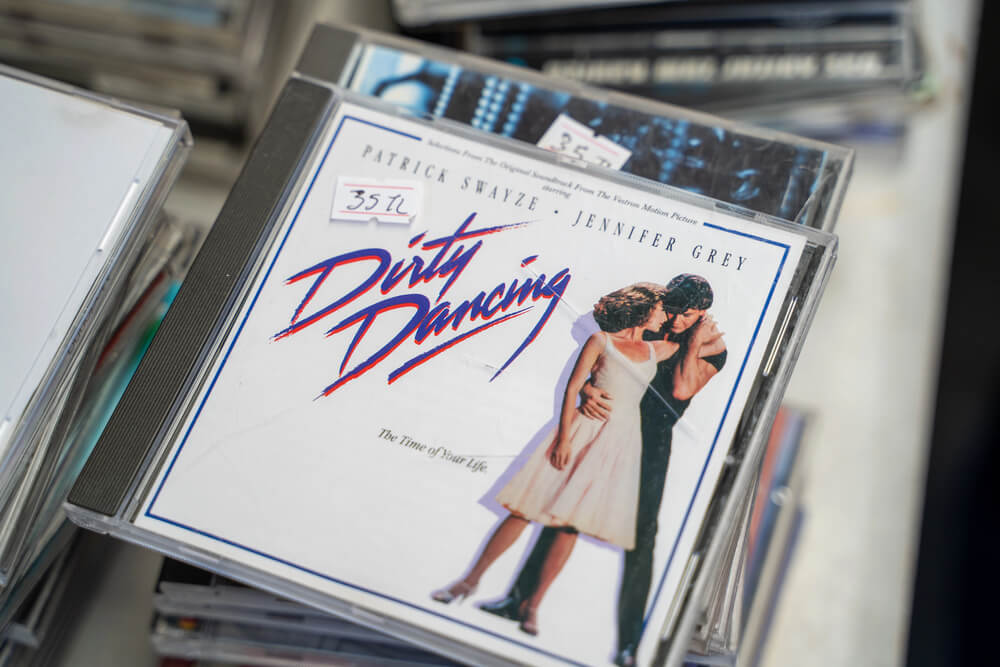
Marketed as connected to the beloved 1987 original despite sharing no characters or storyline, this 2004 film relocated its dance-competition plot to pre-revolution Cuba. Audiences largely treated it as an unrelated film trading on a familiar title. It underperformed relative to the marketing built around the original’s legacy.
Legally Blonde 2: Red White & Blonde
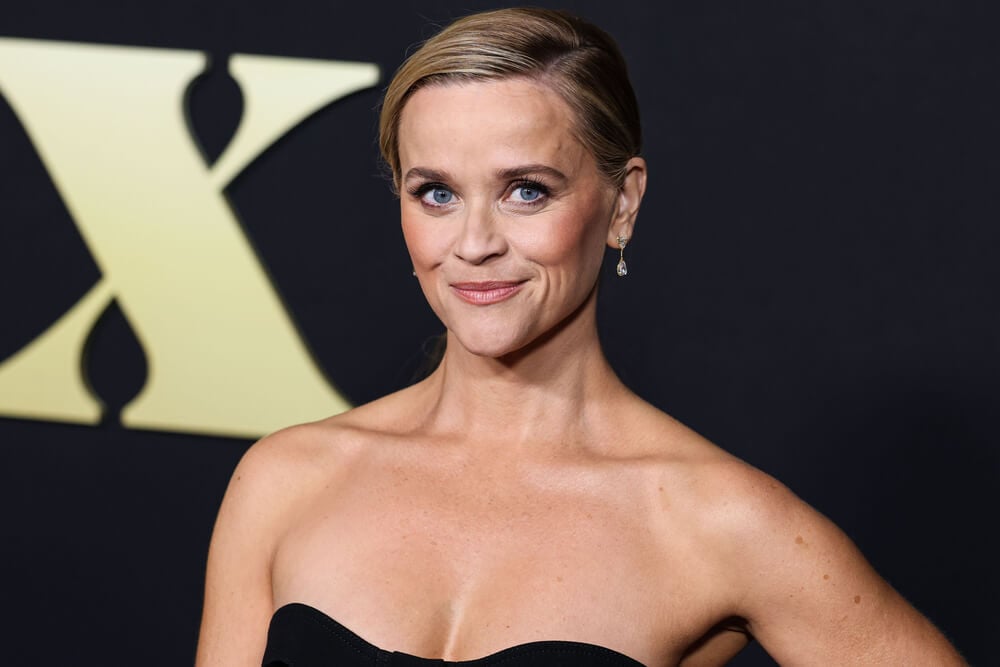
The 2003 sequel sent Reese Witherspoon’s law-school graduate to Washington to lobby Congress, a plot shift that traded the original’s campus setting for political satire. Reviewers felt the follow-up lost the character-driven charm that made the first film work. It remains the only sequel in the franchise to reach theaters.
Cats & Dogs: The Revenge of Kitty Galore
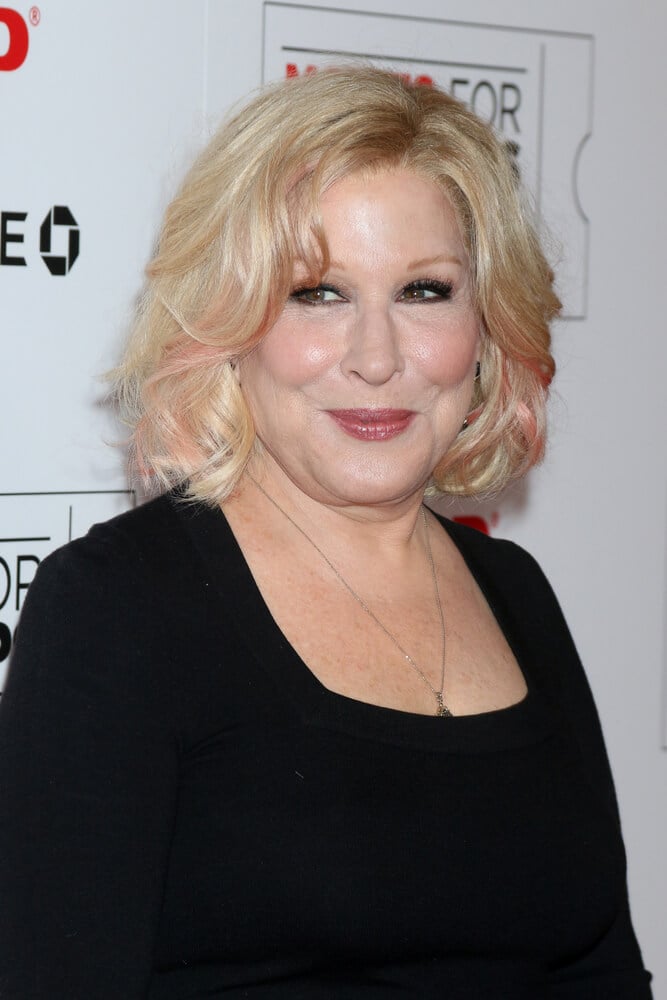
A 2010 sequel to a modestly successful 2001 family comedy, released nine years after the original with an almost entirely new voice cast. It underperformed significantly at the box office. Few viewers outside its target age group were aware a continuation had even been produced.
Garfield: A Tale of Two Kitties
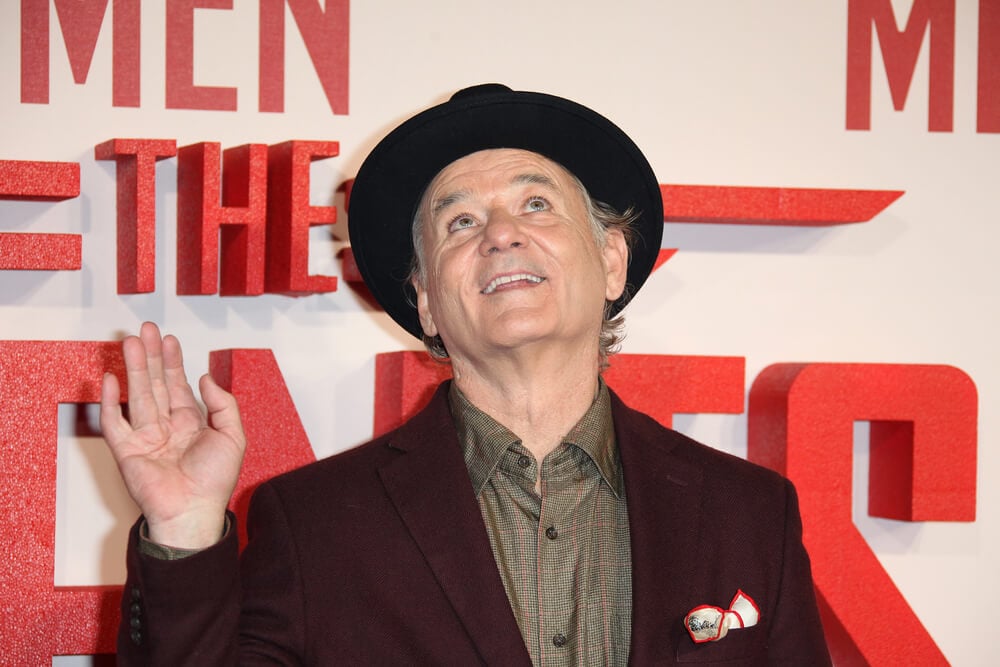
The 2006 sequel to a live-action and animated hybrid comedy sent its titular cat to England for a plot involving a castle and a look-alike animal. It was released to significantly worse reviews than the already mixed original. The franchise moved to direct-to-video and television afterward.
Smokey and the Bandit Part 3
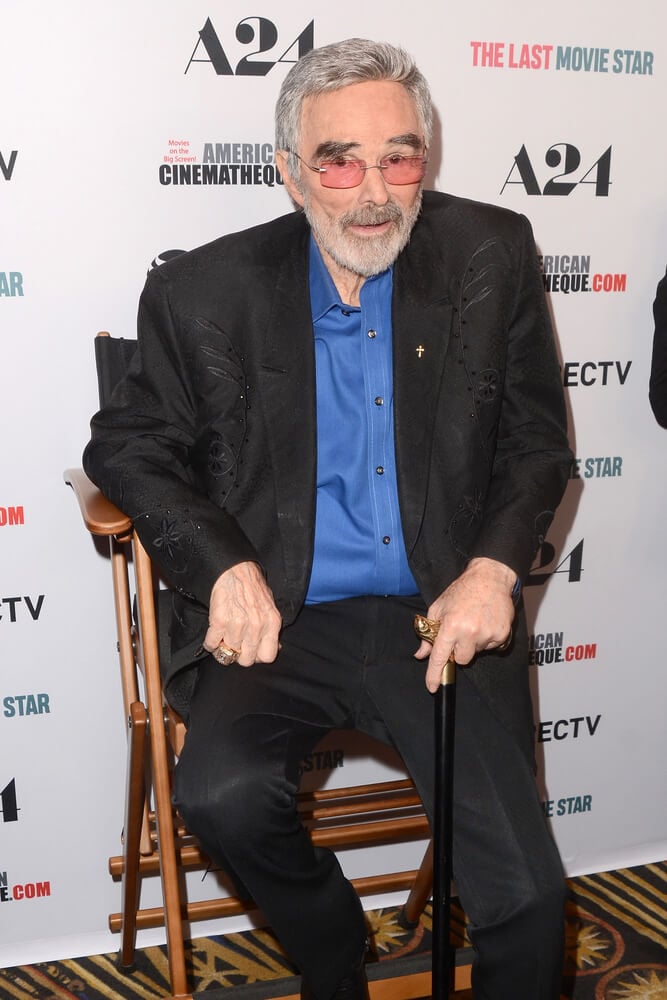
Released in 1983, this third installment in the car-chase comedy series demoted its original lead to a minor cameo role after contract disputes, replacing him with a different actor in a similar role. Audiences largely rejected the switch. It marked the end of the franchise’s theatrical run.
Blues Brothers 2000
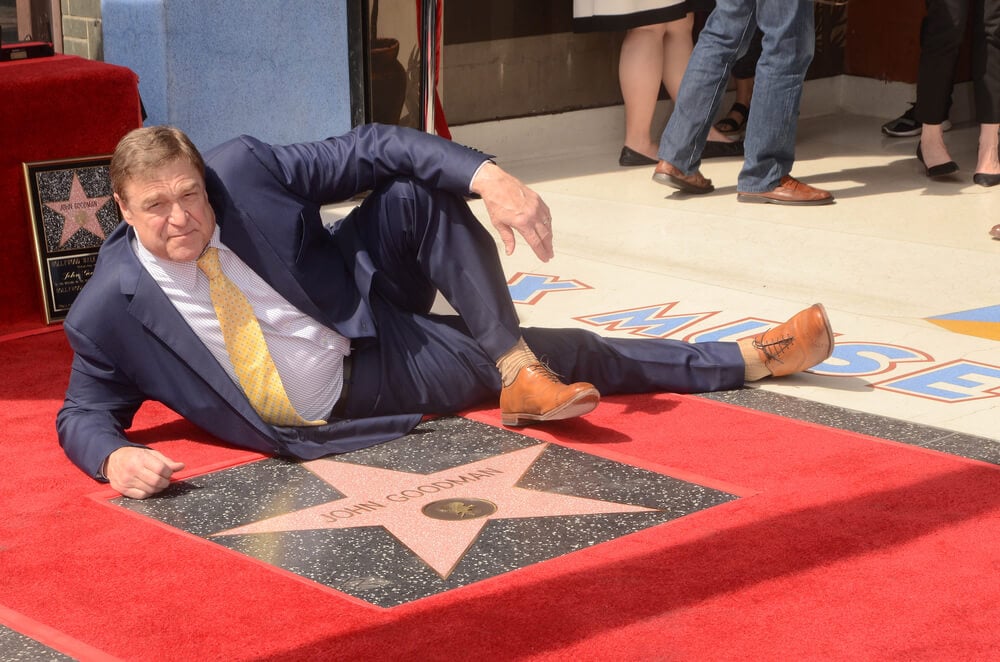
Eighteen years after the original became a cult classic built around its irreplaceable lead performance, this 1998 sequel had to work around the death of one of its two central actors. The resulting film leaned on new cast members and cameo musicians to fill the gap. It could not replicate the original’s box-office or cultural impact.
The Lesson in the Leftovers
Taken together, these films share a pattern more than a genre. Nearly all of them followed an original that told a complete story, closed its central conflict, or depended on a specific cast chemistry that could not be recreated on demand. The sequel existed because the first film made money, not because there was more story left to tell.
What makes the pattern worth noticing is how predictable the failures are in hindsight. A recast lead, a tonal swap toward broader comedy, a plot that undoes the first film’s ending just to manufacture new stakes: these are the recurring warning signs, visible before opening weekend to anyone paying attention. The audience, it turns out, usually knew better than the studio.
More from Go2Tutors!

- The Romanov Crown Jewels and Their Tragic Fate
- 13 Historical Mysteries That Science Still Can’t Solve
- Famous Hoaxes That Fooled the World for Years
- 15 Child Stars with Tragic Adult Lives
- 16 Famous Jewelry Pieces in History
Like Go2Tutors’s content? Follow us on MSN.