Photographs Throughout History That Changed Public Opinion the Moment They Were Published
A single photograph can collapse the distance between what people believe and what actually happened. The camera doesn’t argue or persuade — it simply shows.
And sometimes, what it shows is so undeniable, so shocking, or so moving that entire populations shift their thinking in the space of a day. These images didn’t just capture moments; they created them.
They turned abstract concepts into concrete realities and forced viewers to confront truths they might have preferred to ignore.
The Hindenburg Disaster
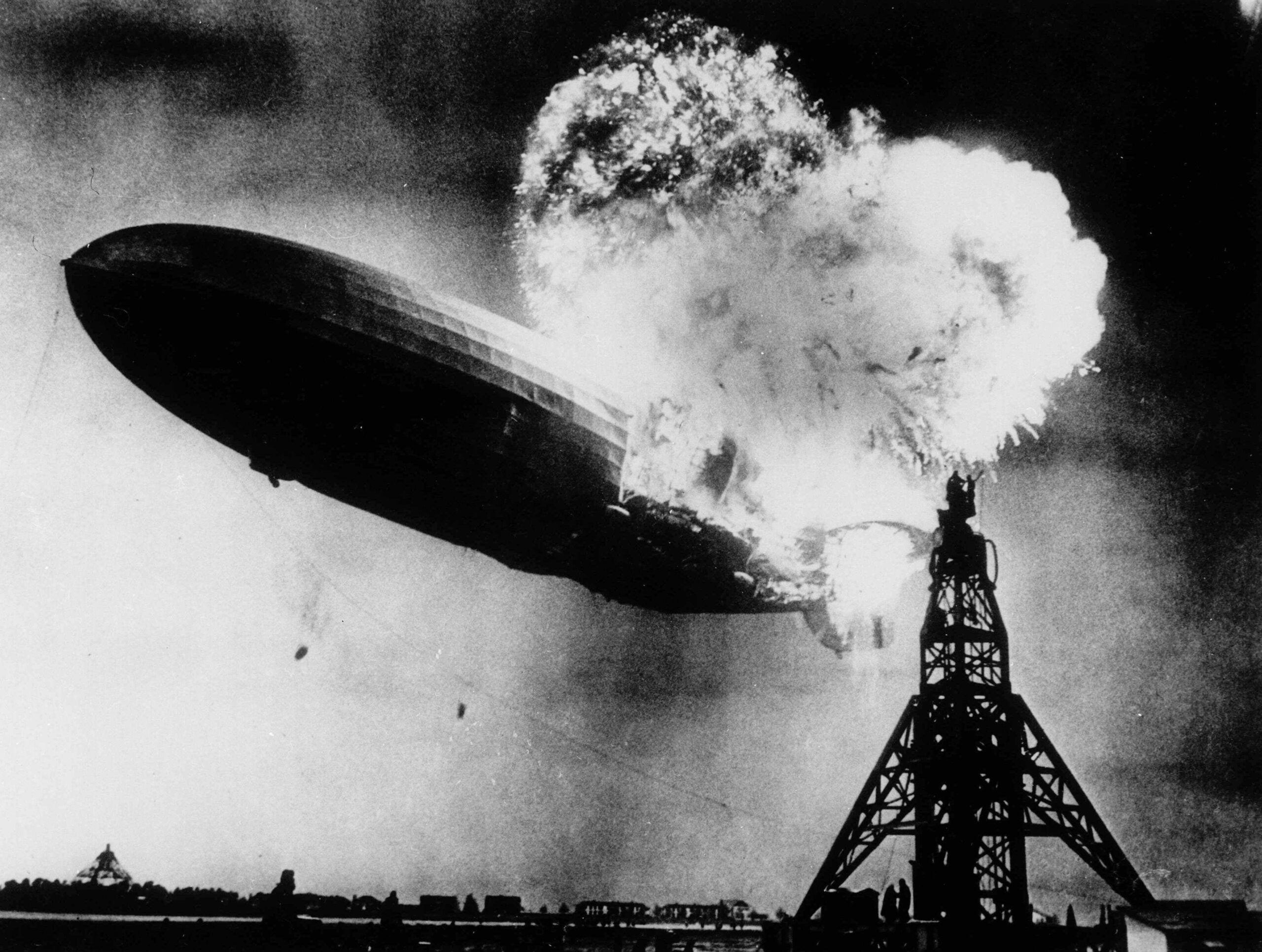
The airship exploded in 37 seconds. The photograph froze it forever.
When the Hindenburg burst into flames at Lakehurst Naval Air Station in 1937, Sam Shere’s camera captured the exact moment when humanity’s faith in airship travel died. The image showed the massive German passenger airship collapsing into a skeleton of fire and metal, passengers and crew trapped inside what had been sold as the future of luxury travel.
Migrant Mother
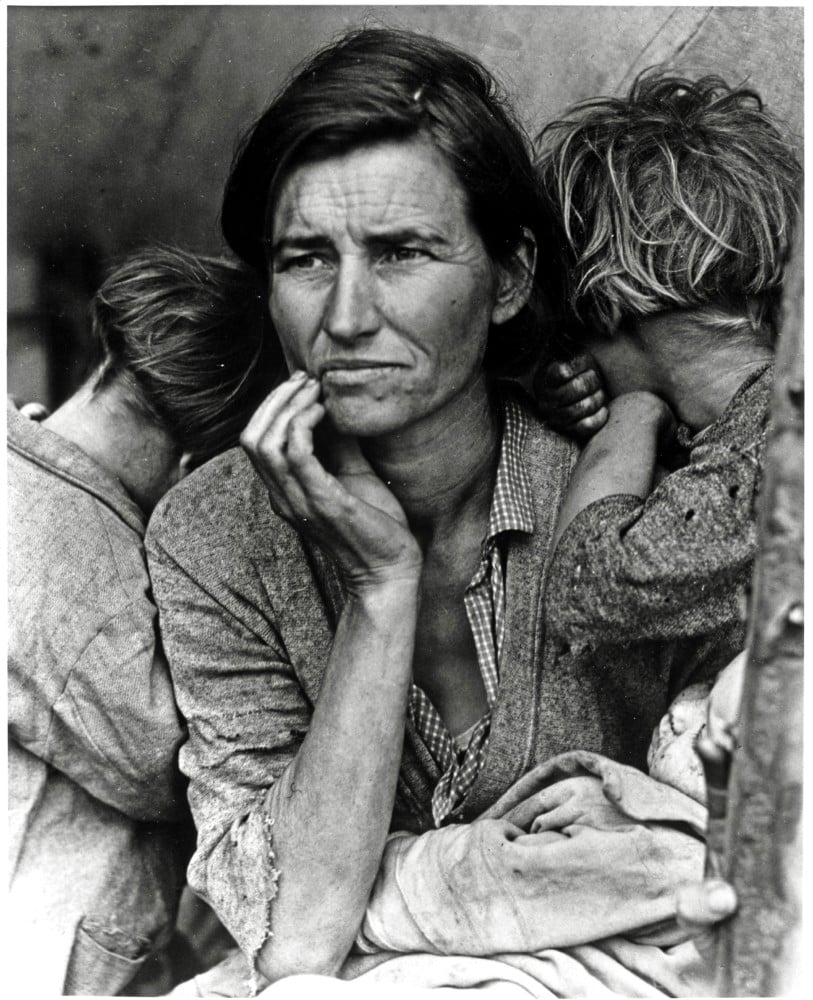
Dorothea Lange found Florence Owens Thompson in a pea-pickers camp in California, surrounded by her children and wearing worry like a second skin. The photograph became the face of the Great Depression — not because it was the most tragic image of the era, but because Thompson’s expression contained something universal (the particular exhaustion of a parent who has run out of options).
So the country finally understood what “economic collapse” actually meant.
Tank Man
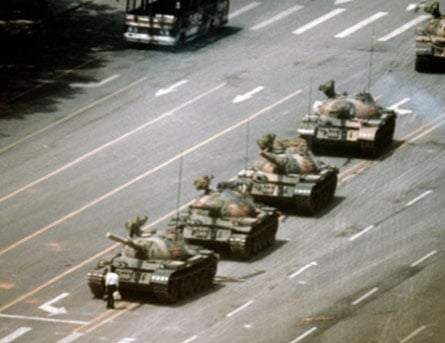
There’s something almost absurd about the geometry of the moment: one man, shopping bags in hand, standing in front of a column of tanks in Tiananmen Square. The image works because it refuses to explain itself — you can’t tell if the man is brave or simply fed up, whether he planned the moment or stumbled into it.
But the photograph converts an abstract concept (individual resistance to state power) into something immediately comprehensible. A person versus a machine. David with shopping bags instead of a sling. The image circulated globally within hours, though it was suppressed within China itself. And it accomplished what political speeches couldn’t: it made the 1989 pro-democracy protests personal rather than ideological.
Birmingham Campaign
The fire hoses knocked children off their feet. The police dogs lunged at teenagers in their Sunday clothes. When photographers captured Birmingham police turning violent force against young civil rights protesters in 1963, the images destroyed any remaining pretense that segregation was a genteel Southern tradition. Bull Connor’s tactics looked exactly like what they were: state-sanctioned brutality against American citizens whose only crime was demanding equal treatment.
The photographs ran in newspapers across the country and internationally. People who had been comfortable with the abstract idea of “separate but equal” found it harder to maintain that comfort when confronted with images of children being attacked for trying to integrate lunch counters.
Napalm Girl
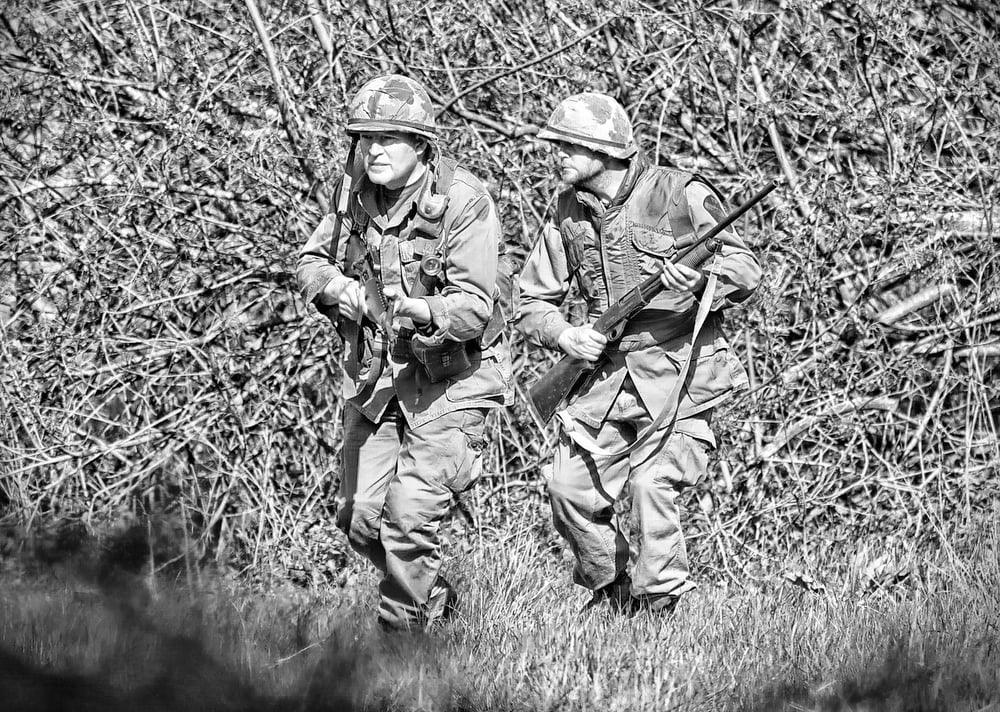
The photograph strips war down to its most basic element: a nine-year-old girl running unclothed down a road, her back burning from napalm, her face twisted in agony. Nick Ut’s image from the Vietnam War didn’t require context or explanation — it simply presented the human cost of military action in terms that couldn’t be rationalized away.
The image ran on front pages globally in 1972. Public opinion about American involvement in Vietnam, already shifting, accelerated its turn against the war. The photograph made abstract policy debates concrete: this is what napalm does to children.
Lunch Counter Sit-ins
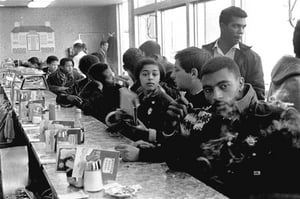
The photographs from Woolworth’s lunch counters told a story that words struggled to capture. Well-dressed Black college students sitting quietly at counters, reading books, while white crowds screamed at them and poured food over their heads.
The contrast was stark: dignity versus rage, calm versus chaos. The images made it impossible to pretend that segregation was anything other than a system designed to humiliate.
The Falling Man
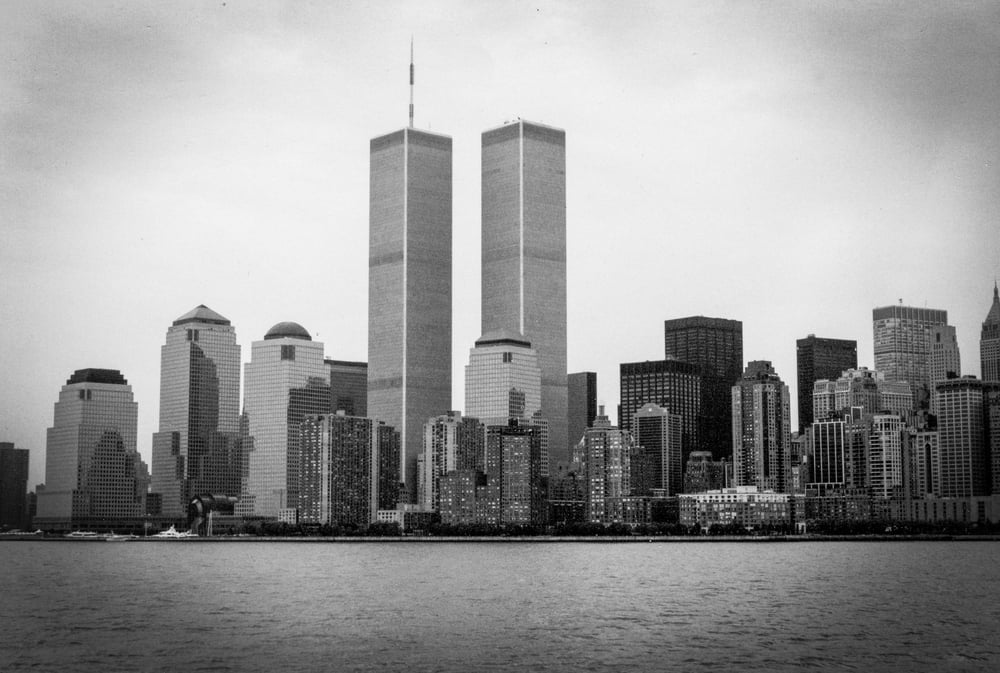
The photograph appeared in newspapers the day after September 11th, then largely disappeared from American media. The image of a man falling from the World Trade Center was too specific, too personal — it converted a national tragedy into an individual’s final moments.
But it also represented something that statistics and footage couldn’t: the impossible choices that the attacks forced on ordinary people. The image was controversial precisely because it was so human. It reminded viewers that behind the abstract numbers — nearly 3,000 dead — were individual people making individual decisions in circumstances no one should face.
Emmett Till’s Open Casket

Mamie Till-Mobley insisted on an open casket funeral for her 14-year-old son. She wanted the world to see what had been done to Emmett Till for allegedly whistling at a white woman in Mississippi.
The photographs from the funeral, published in Jet magazine, showed the results of the beating and torture that killed him. The images circulated through Black communities across the country. People who had heard about lynchings and racial violence finally saw the reality of it. The photographs helped galvanize what would become the civil rights movement.
Kent State Shooting
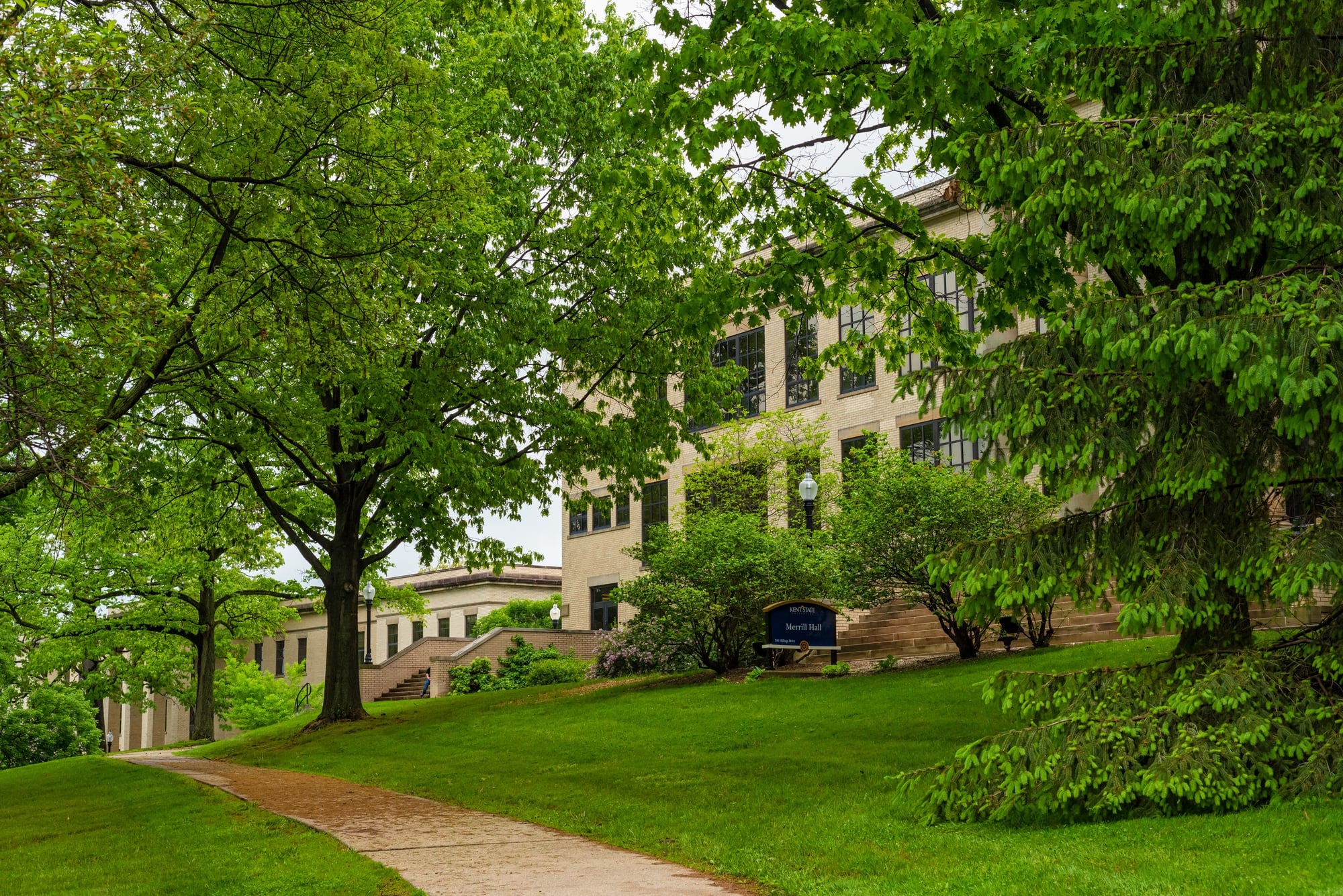
The photograph shows a young woman kneeling over the body of Jeffrey Miller, her arms stretched toward the sky, her mouth open in anguish. John Filo’s image from the Kent State shootings captured the moment when anti-war protests turned deadly — when the National Guard opened fire on unarmed college students.
The image ran in newspapers and magazines across the country. It crystallized growing opposition to both the Vietnam War and the government’s response to dissent at home.
Saigon Execution
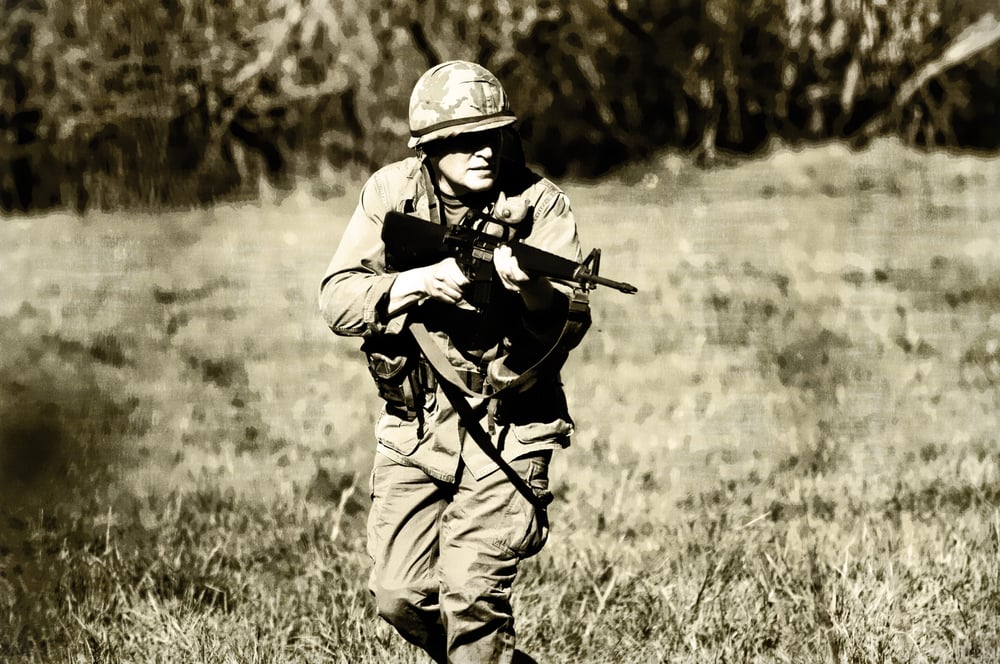
Eddie Adams photographed the exact moment when South Vietnamese General Nguyen Ngoc Loan executed a Viet Cong prisoner on a Saigon street in 1968. The image shows the prisoner at the instant the bullet enters his head — his face contorted, the general’s arm extended, the pistol still in heat.
The photograph won a Pulitzer Prize and fundamentally changed American perceptions of the Vietnam War. It suggested that the side America was supporting wasn’t necessarily more moral than the enemy.
Challenger Explosion
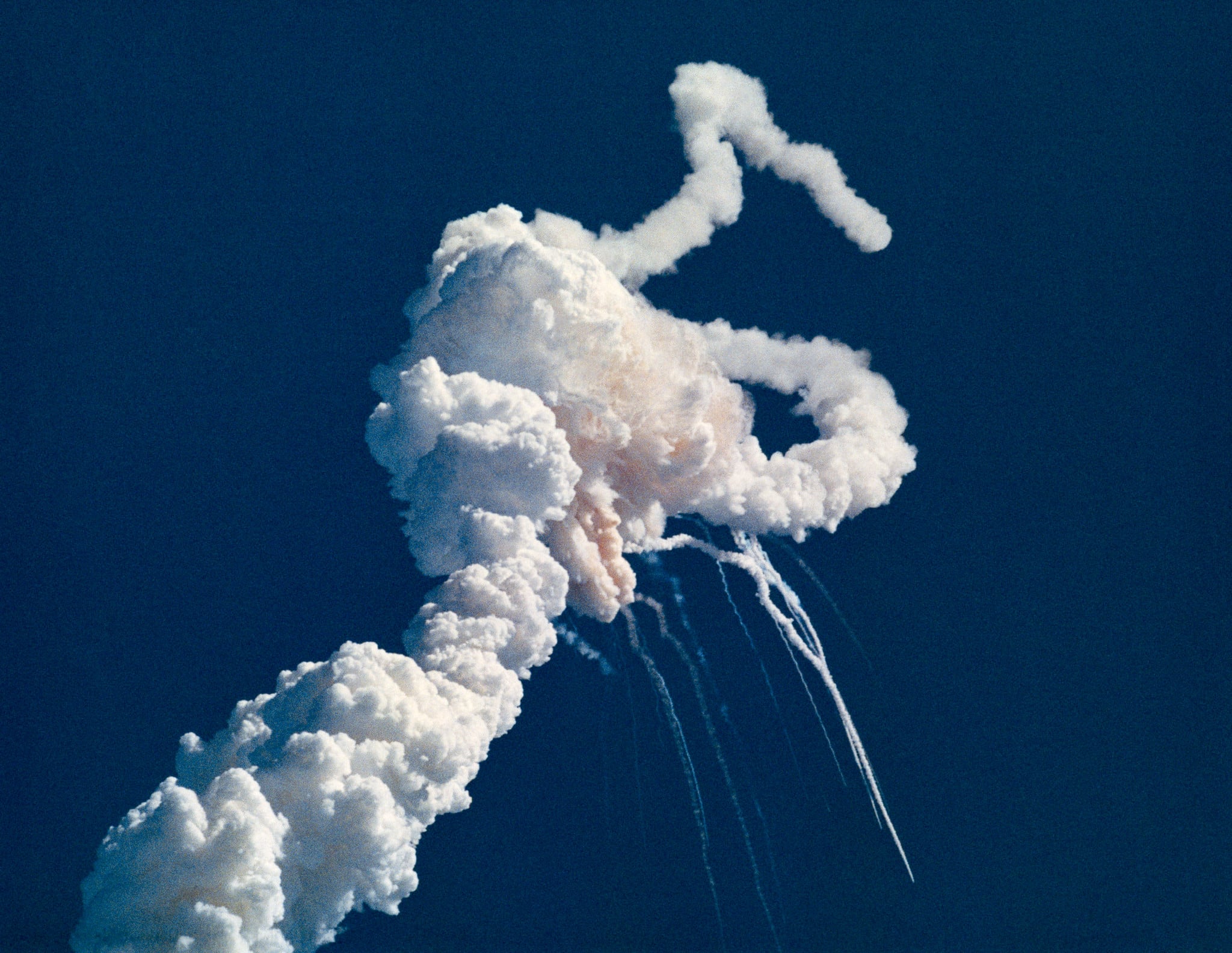
The photograph captured the shuttle breaking apart 73 seconds after launch, its solid rocket boosters continuing to fly while the crew compartment fell toward the ocean. The image represented the end of NASA’s reputation for engineering perfection and the death of seven astronauts, including Christa McAuliffe, who was supposed to be the first teacher in space.
The disaster was broadcast live, but the still photographs that followed crystallized the tragedy. They showed that even America’s most advanced technology could fail catastrophically.
Lynching Postcards

The photographs weren’t taken to change public opinion — they were taken to celebrate. White crowds in the early 20th century photographed lynchings as entertainment, then mailed the images as postcards.
But when these photographs began circulating outside the South, they had the opposite effect of what their creators intended. Northern audiences saw the images and were horrified. The photographs provided undeniable evidence of organized racial terrorism and helped build support for federal anti-lynching legislation.
Hurricane Katrina Aftermath

The photographs from New Orleans after Hurricane Katrina revealed the reality behind the government’s claims that the response was adequate. Images of people stranded on rooftops, bodies floating in floodwater, and desperate crowds at the Superdome made it clear that the disaster was as much about institutional failure as natural forces.
The photographs forced Americans to confront the intersection of race, class, and government competence. They suggested that some citizens mattered less than others.
Abu Ghraib Prison
The photographs from Abu Ghraib prison showed American soldiers torturing and humiliating Iraqi prisoners. The images destroyed any remaining credibility for claims that the invasion of Iraq was a humanitarian mission.
They showed American personnel engaged in exactly the kind of behavior that the war was supposedly intended to stop. The photographs circulated globally and fundamentally changed international perceptions of American moral authority.
Bloody Sunday

The photographs from the Edmund Pettus Bridge in Selma showed state troopers attacking peaceful civil rights marchers with clubs and tear gas. John L., later a congressman, was beaten unconscious.
The images, broadcast on television and printed in newspapers, forced Americans to see the violence required to maintain segregation. The photographs helped build support for the Voting Rights Act of 1965. They made abstract concepts like “voting rights” concrete by showing what happened to people who tried to exercise them.
Afghan Girl
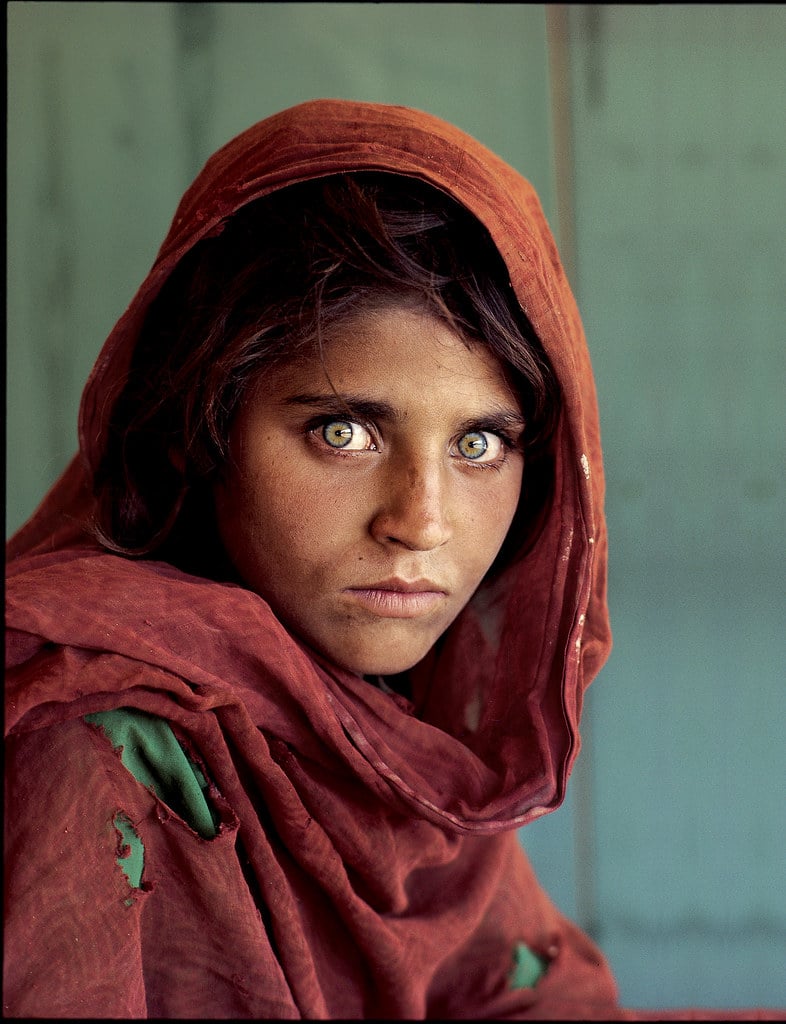
Steve McCurry’s photograph of a 12-year-old refugee appeared on the cover of National Geographic in 1985. Her green eyes, intense and direct, stared out from beneath a red headscarf.
The image became the face of Afghanistan’s refugee crisis and, later, of the country’s suffering under Taliban rule. The photograph worked because it was both specific and universal — clearly one person, but somehow representative of millions. It converted statistics about displaced people into something immediate and personal.
Triangle Shirtwaist Factory Fire
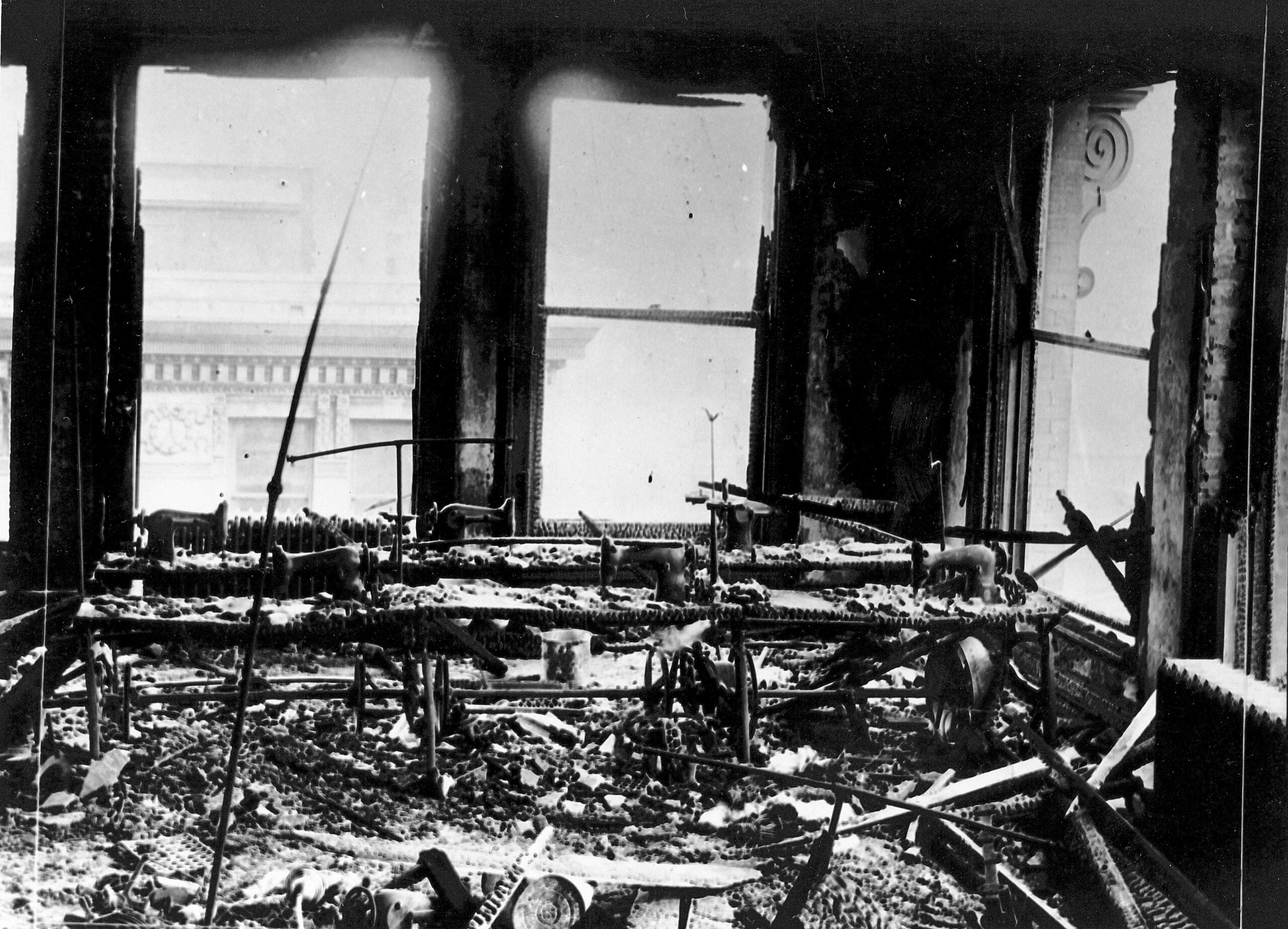
The photographs from the Triangle Shirtwaist Factory fire showed bodies on the sidewalk outside the building — young women who had jumped from the upper floors rather than burn. The images from 1911 revealed the human cost of industrial working conditions and helped build support for workplace safety regulations.
The factory owners had locked the exit doors to prevent workers from taking breaks. When the fire started, 146 people died, most of them young immigrant women.
Thich Quang Duc Self-Immolation

The photograph shows a Buddhist monk burning to death on a Saigon street in 1963, protesting the South Vietnamese government’s oppression of Buddhists. Thich Quang Duc sits in perfect lotus position as flames consume his body, never moving or crying out.
The image shocked the world and undermined American support for the Diem regime. It suggested that the government the U.S. was supporting was so oppressive that people would burn themselves alive in protest.
Dust Bowl Mother
The photograph shows a woman holding her infant child during a dust storm in the 1930s. Her face is covered with a makeshift mask, and dust swirls around them both.
The image captured the environmental catastrophe that drove millions of people from their farms and changed American agriculture forever. The photograph helped build support for federal soil conservation programs and revealed the human cost of poor farming practices.
Liberation of Concentration Camps
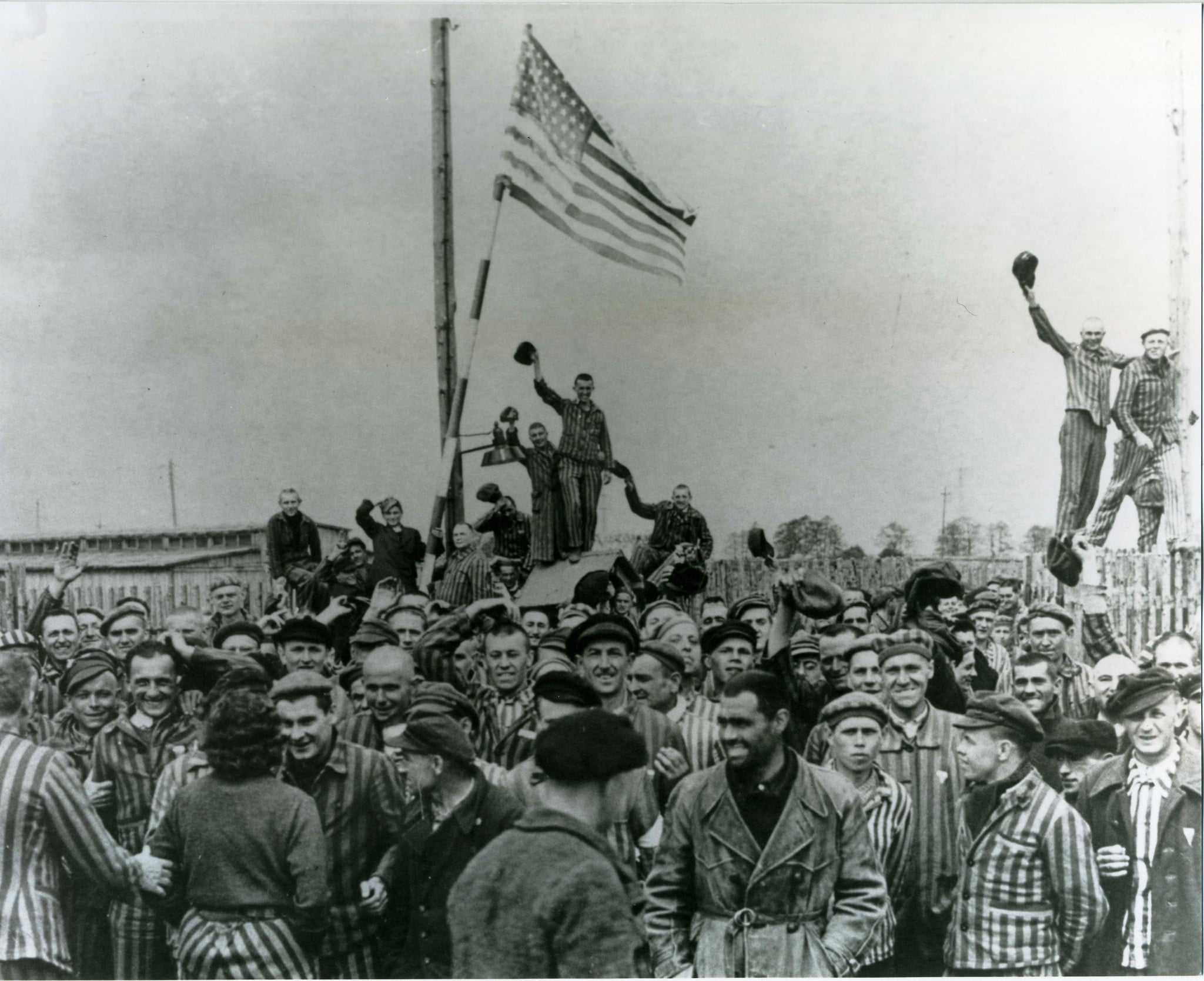
The photographs from Bergen-Belsen, Dachau, and other concentration camps showed what Allied soldiers found when they liberated the camps in 1945. Mountains of bodies, skeletal survivors, evidence of systematic murder.
The images provided undeniable proof of the Holocaust and forced the world to confront the reality of Nazi genocide. The photographs were intentionally distributed by Allied command to counter any future denials of what had happened.
Selma to Montgomery March
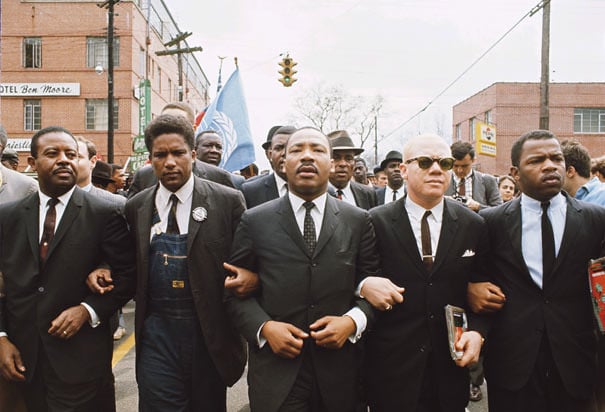
The photographs from the Selma to Montgomery march showed thousands of people walking 54 miles to demand voting rights. The images captured both the determination of the marchers and the violence they faced.
They helped transform a regional protest into a national movement. The march culminated at the Alabama State Capitol, where protesters demanded that the state stop preventing Black citizens from registering to vote.
Little Rock Nine
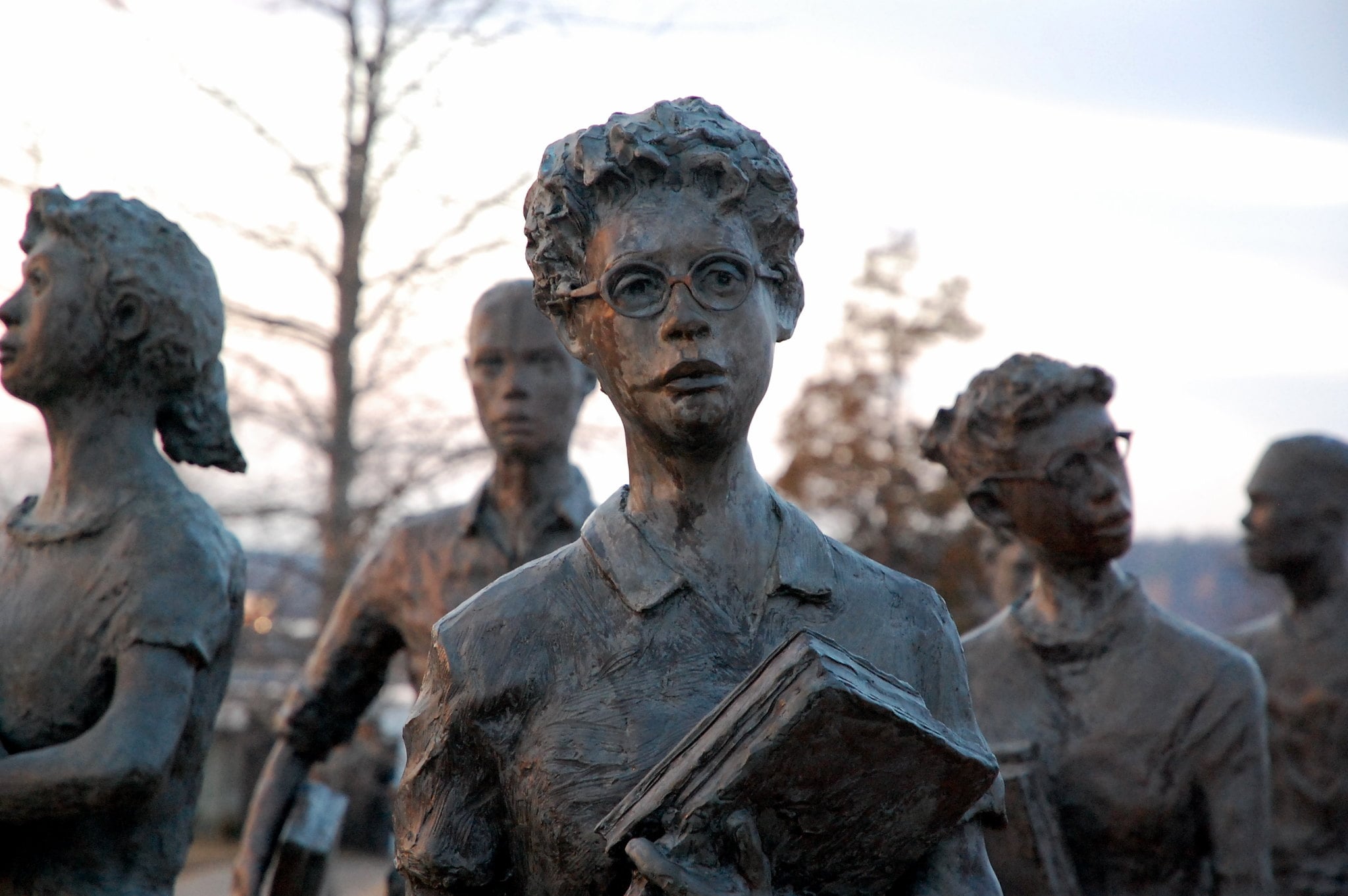
The photographs from Little Rock Central High School showed nine Black teenagers trying to attend school while white crowds screamed at them and National Guardsmen blocked their path. The contrast was stark: children trying to get an education versus adults trying to stop them.
The images forced Americans to see segregation in its most absurd form — grown people terrorizing teenagers for wanting to go to school.
Dorothea Lange’s Depression Photography
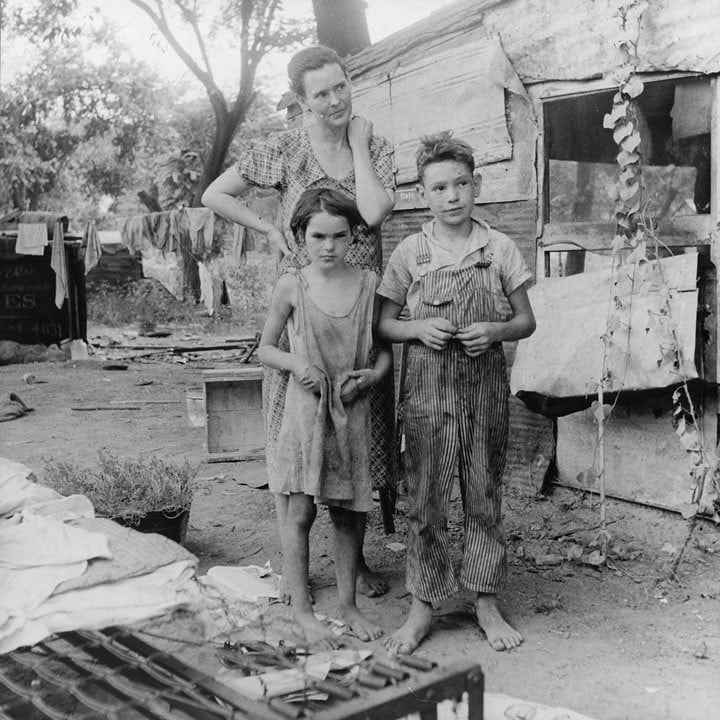
Lange’s photographs from the Great Depression showed poverty without sentimentality. Her images captured the dignity of people who had lost everything and the exhaustion of those who kept trying anyway.
The photographs helped build support for New Deal programs by making economic suffering visible and personal. Her work proved that documentary photography could be both artistic and political — that showing reality clearly was itself a form of advocacy.
When Pictures Stopped the World
These photographs didn’t just record history — they made it. Each image collapsed the distance between what people thought they knew and what was actually happening.
They turned abstract policies into human faces and converted statistics into stories that demanded response. The camera, it turns out, doesn’t just capture truth.
Sometimes it creates the conditions where truth becomes impossible to ignore.
More from Go2Tutors!

- The Romanov Crown Jewels and Their Tragic Fate
- 13 Historical Mysteries That Science Still Can’t Solve
- Famous Hoaxes That Fooled the World for Years
- 15 Child Stars with Tragic Adult Lives
- 16 Famous Jewelry Pieces in History
Like Go2Tutors’s content? Follow us on MSN.



