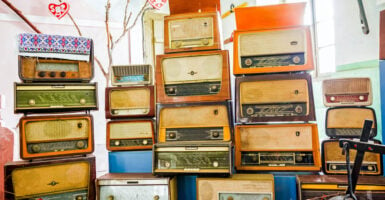
18 Vintage Radios and Stereos Buyers Restore
Old radios and stereo components rarely work straight out of an attic, but a dedicated community of collectors and hobbyists regularly restores them to full function rather than letting them sit as decoration. Pricing on all of these depends heavily on condition, originality of parts, and whether the electronics have been professionally serviced, so identical models can vary enormously in value.
Zenith Trans-Oceanic
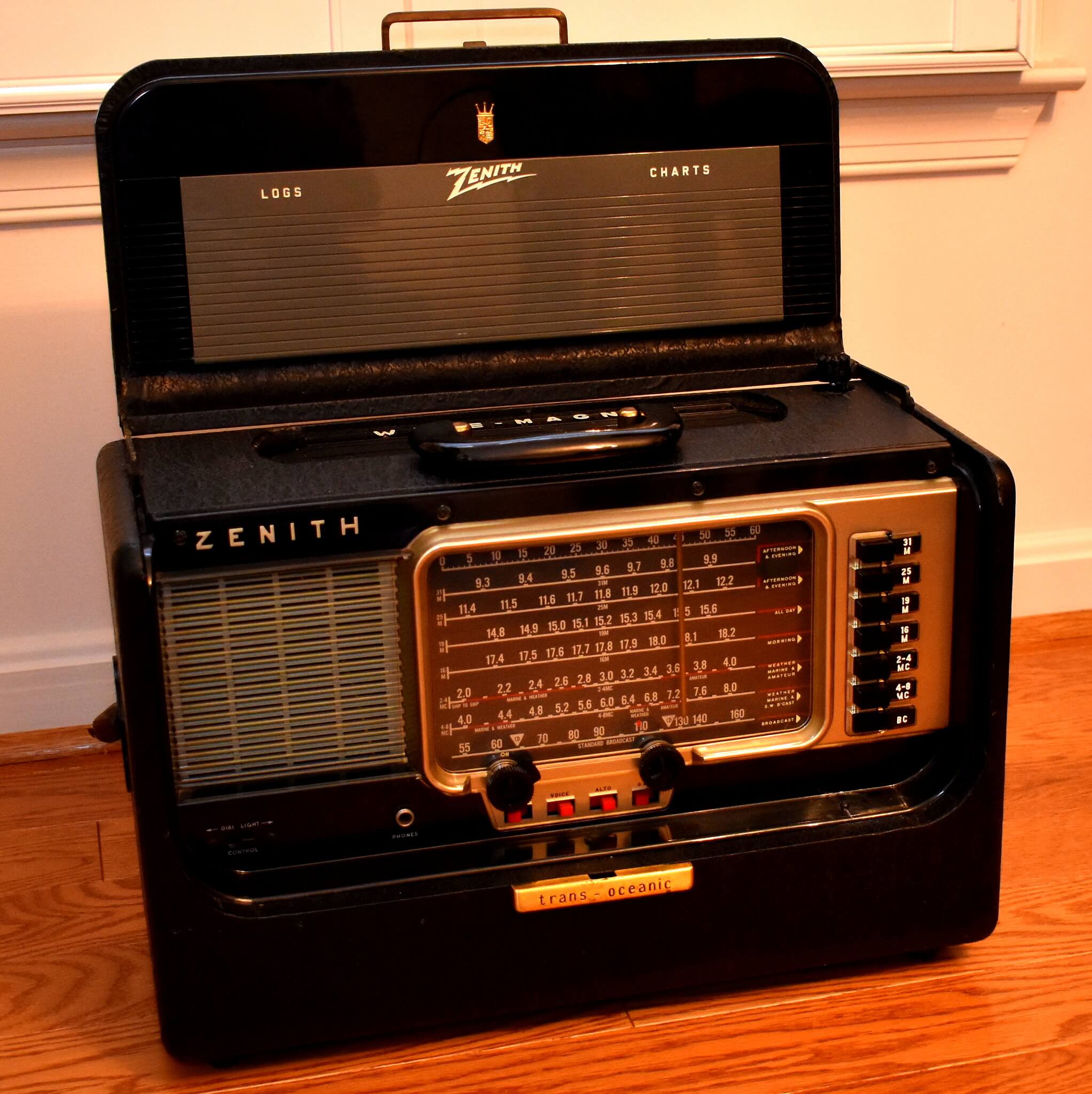
Produced across multiple generations from the 1940s into the 1980s, the Zenith Trans-Oceanic was a rugged, multi-band portable radio marketed toward travelers and explorers who needed to pick up shortwave broadcasts far from home. Later tube models in particular are popular restoration projects because their large chassis makes replacing aging capacitors relatively straightforward.
Working examples in good cosmetic condition regularly sell in the low hundreds of dollars, with rarer early models commanding more.
Philco Cathedral Radio
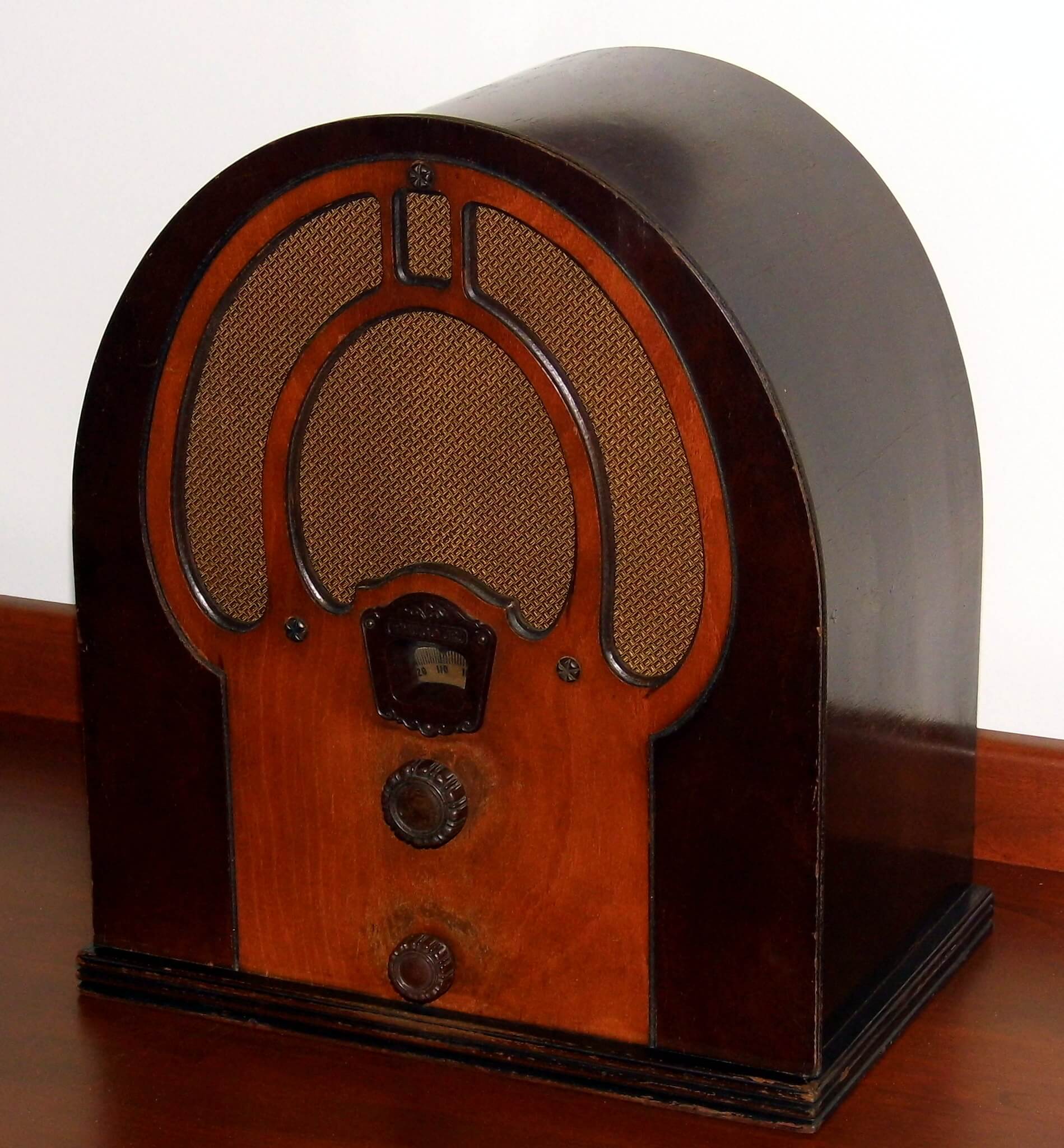
Named for its arched, church-window-shaped wooden cabinet, the Philco cathedral radio was a centerpiece of many 1930s living rooms and remains one of the most recognizable tube radio designs ever produced. Restorers typically need to replace deteriorated wax and paper capacitors, a process hobbyists call “recapping,” before the radio can safely be powered on again.
Well-restored examples with intact original wood veneer can sell for several hundred dollars.
Atwater Kent Model 20 Breadboard
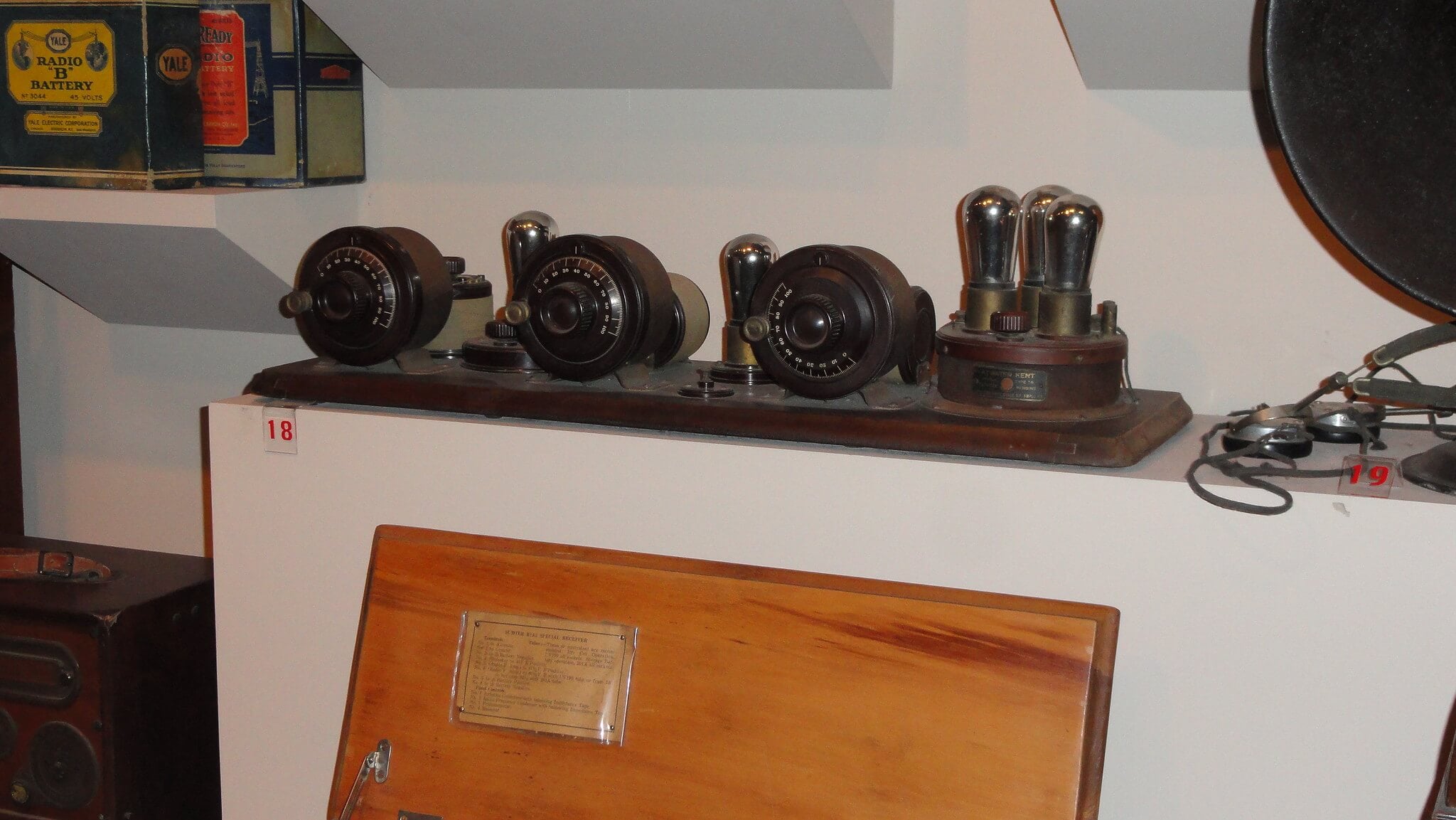
Built in the mid-1920s with its components mounted openly on a wooden board rather than enclosed in a cabinet, the Atwater Kent Model 20 is prized by collectors specifically because its exposed circuitry makes the restoration process visible and educational. It represents an early and relatively affordable entry point into serious radio collecting.
Functional, well-restored examples typically sell in the several-hundred-dollar range depending on completeness of original parts.
Fada 1000 “Bullet” Catalin Radio
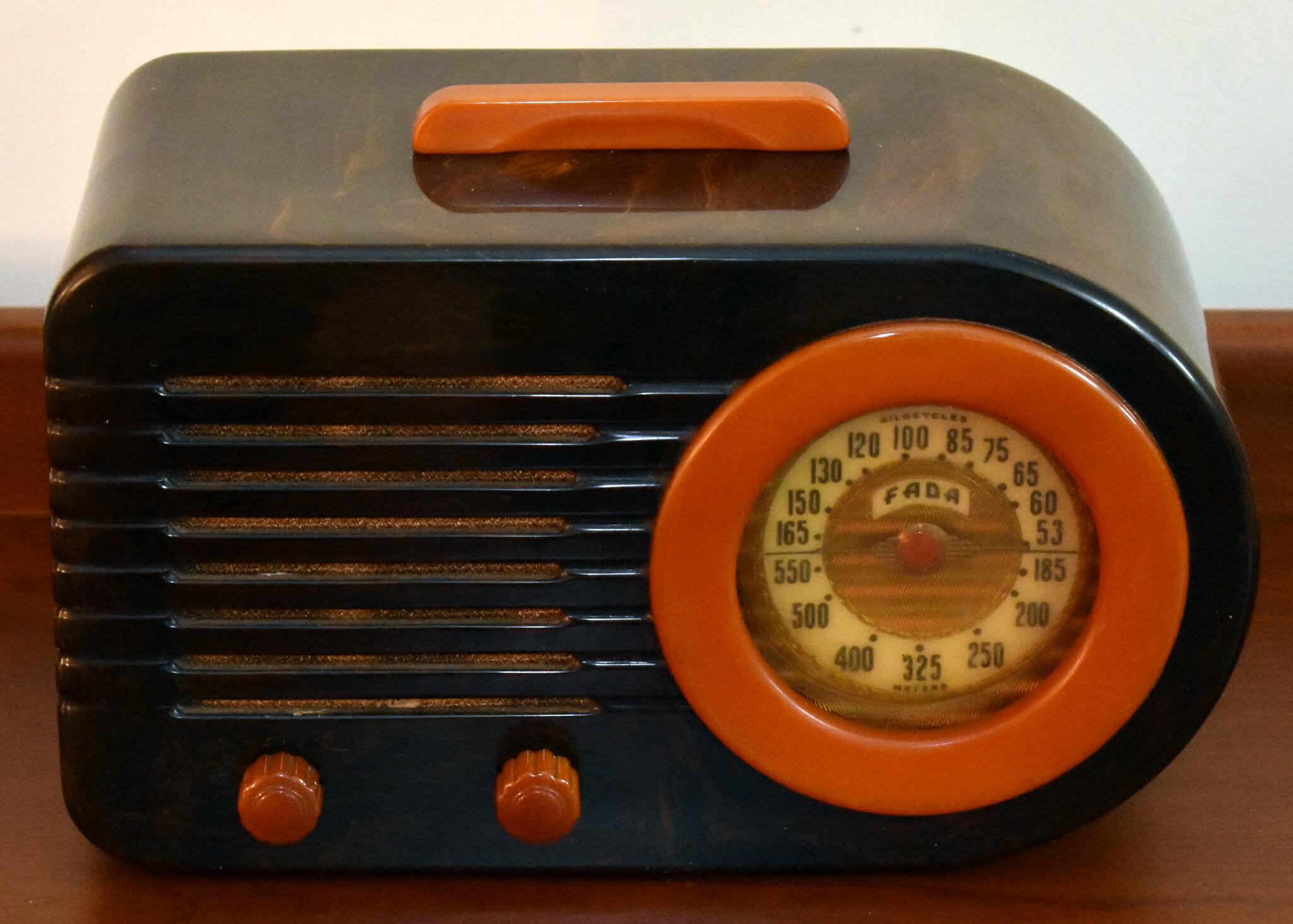
Made from colorful catalin plastic in the mid-1940s, the Fada 1000, nicknamed the “Bullet” for its rounded shape, is among the most collected catalin radios due to its striking marbled colors, which yellow and darken attractively with age. Original catalin cases are prone to cracking and shrinking, so an intact example in vibrant color commands a significant premium over a chipped or faded one.
Prices for pristine, brightly colored examples have reached into the thousands of dollars.
Motorola 5T71 Pixie
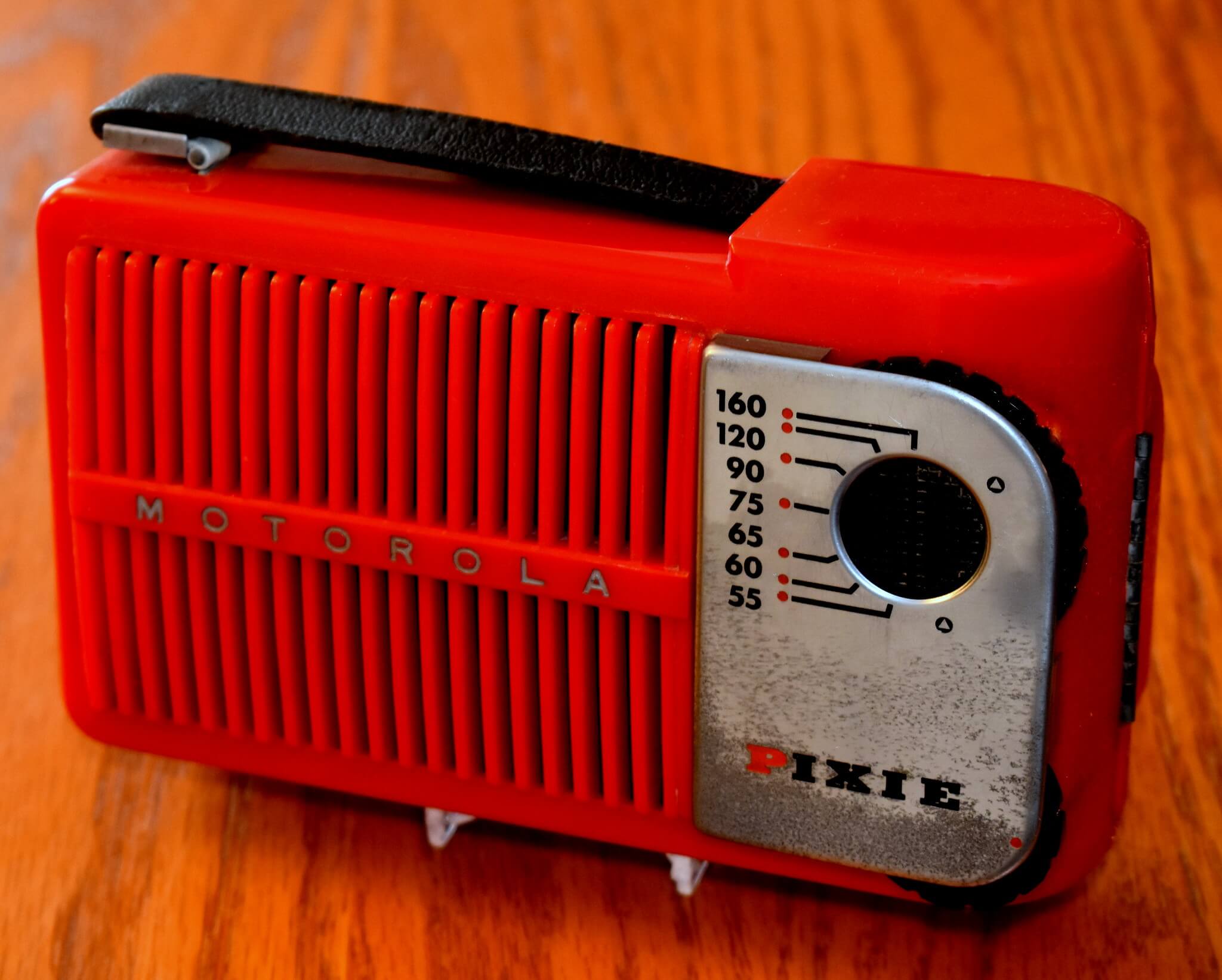
This small catalin table radio from the late 1940s is prized among collectors for its compact size and rich color variations, with rarer colorways like deep red or marbled green fetching far more than common tones. Because catalin is chemically unstable over time, many surviving examples show cracking near the screw mounts that skilled restorers repair using color-matched fillers.
Well-preserved examples in desirable colors can sell well into four figures.
Crosley Pup
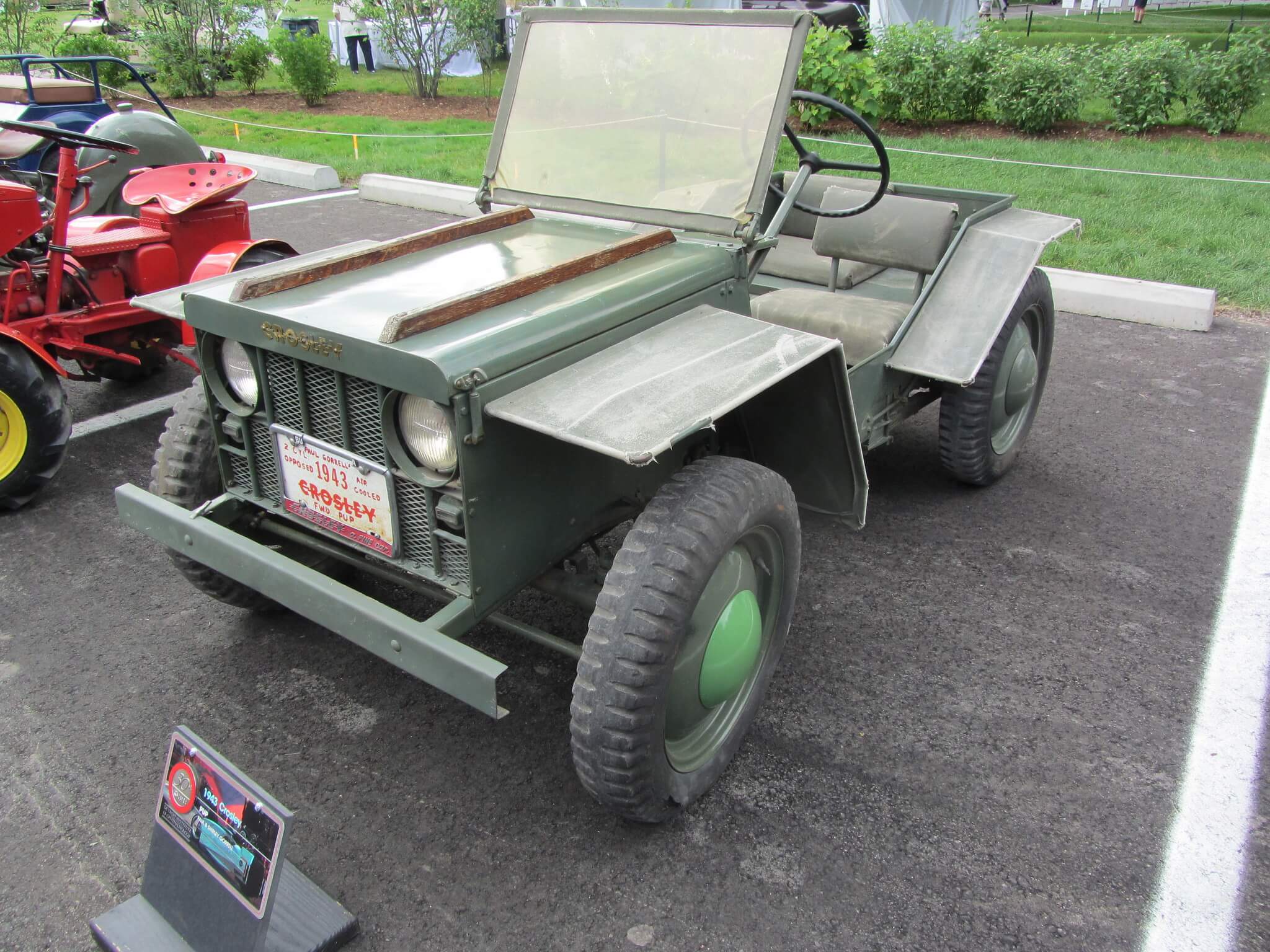
A simple, inexpensive crystal radio from the mid-1920s, the Crosley Pup required no external power and used a basic cat’s whisker detector to pick up broadcasts, making it an accessible entry point for early radio hobbyists at the time and now a popular beginner restoration for collectors. Its simplicity makes it one of the easier vintage sets to get functioning again with only modest electrical knowledge.
Working examples typically sell in the low hundreds of dollars.
Regency TR-1
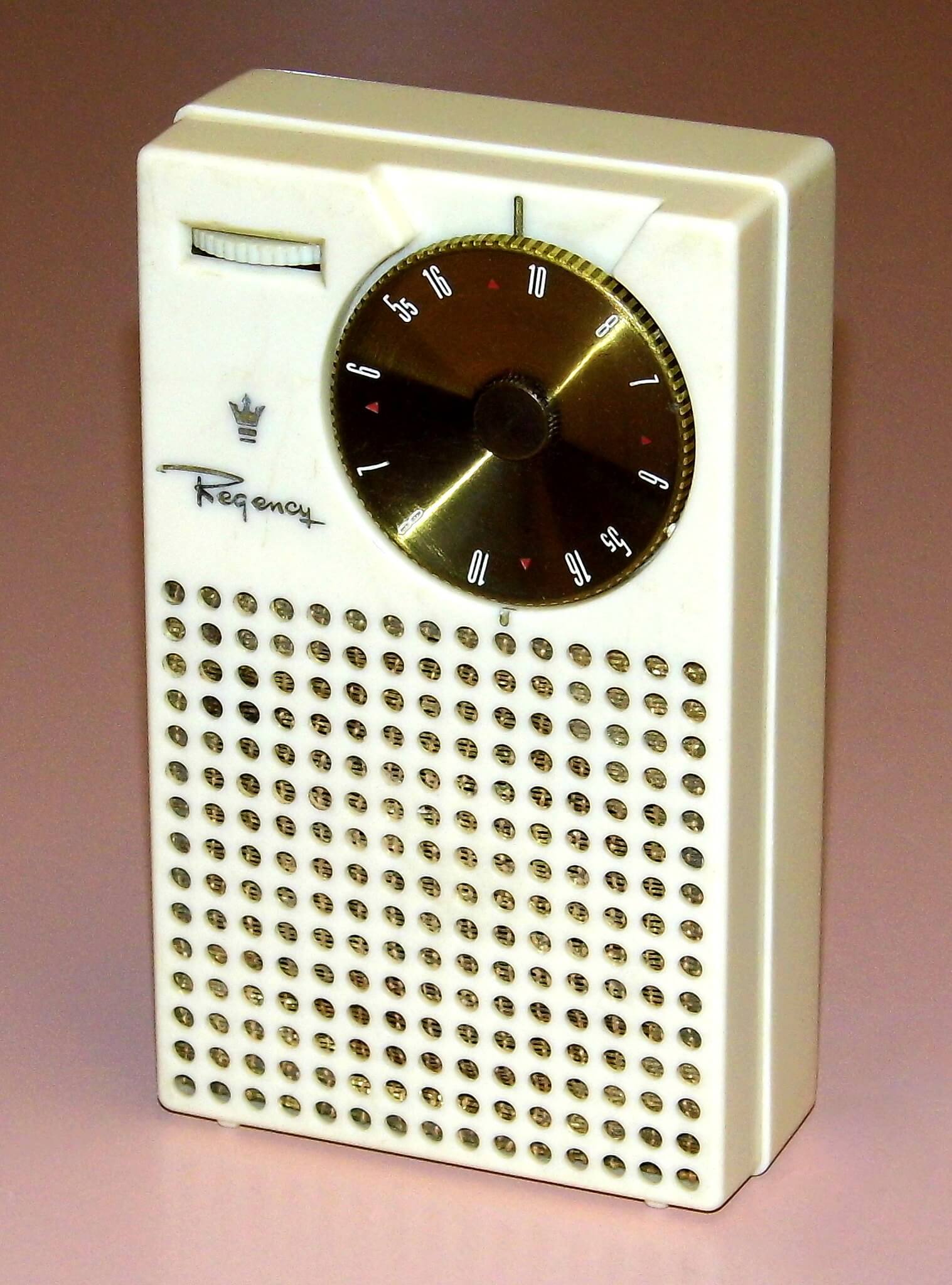
Released in 1954, the Regency TR-1 was the world’s first commercially produced transistor radio, a genuine technological milestone that collectors prize regardless of its relatively simple sound quality by later standards. It was produced in several colors, with rarer shades like gray or lavender commanding higher prices than the more common black and ivory versions.
Working, cosmetically clean examples can sell for several hundred dollars, with rare colors reaching well beyond that.
Zenith Royal 500 Transistor Radio
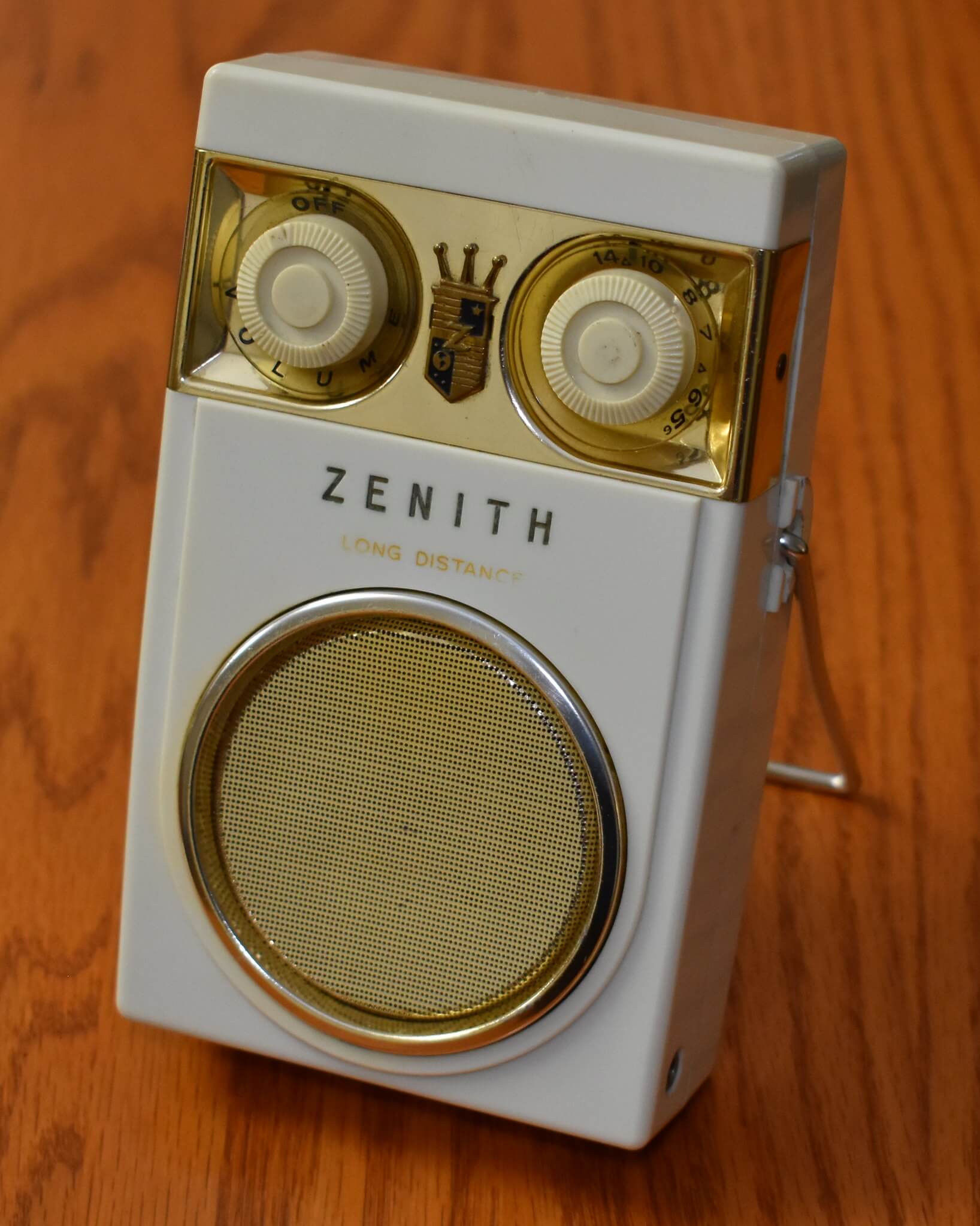
Nicknamed the “Owl Eye” for its distinctive dial design, the Zenith Royal 500 was one of the most popular and well-built transistor radios of the mid-1950s, known for genuinely strong audio performance compared to many contemporaries. Restorers value it for using higher-quality components than many rival brands, which makes long-term repairs somewhat more reliable.
Clean, working examples typically sell in the range of one to two hundred dollars.
Grundig Satellit
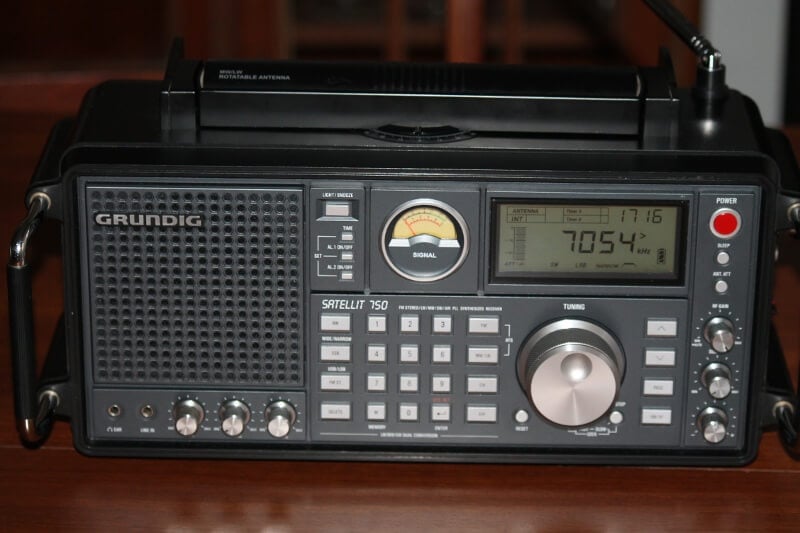
West Germany’s Grundig produced the Satellit line of large, feature-rich shortwave portables from the 1960s through the 1980s, aimed at serious international broadcast listeners and prized today for their build quality and rich analog sound. Later solid-state models are generally easier to restore than the earliest tube-based versions.
Well-maintained examples, particularly the larger multi-band models, can sell for several hundred dollars.
Marantz Model 7 Preamplifier
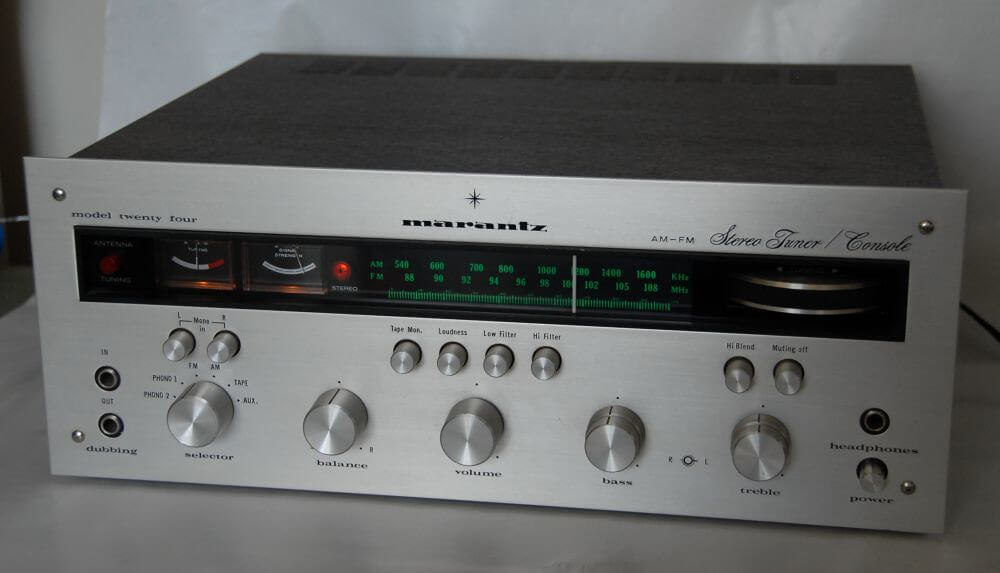
Designed by Saul Marantz and released in 1958, the Model 7 tube preamplifier is considered one of the most significant audio components in hi-fi history for its clean, musical sound reproduction. Genuine originals are frequently counterfeited, so serious buyers typically insist on verification of internal components and serial numbers before restoration.
Authenticated, professionally restored units regularly sell for several thousand dollars.
McIntosh MC275 Amplifier
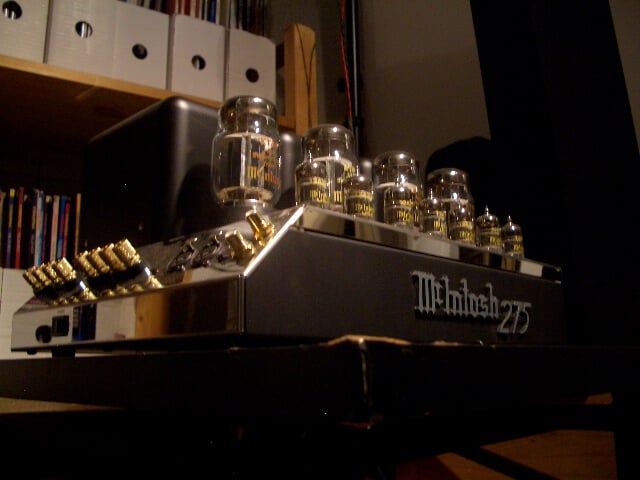
Introduced in 1961, the McIntosh MC275 tube power amplifier became legendary for its robust construction and distinctive blue-lit output meters, and original units remain highly sought after even though McIntosh has reissued modern versions of the design. Original transformers are considered essentially irreplaceable, so restorers work carefully to preserve them while replacing smaller aging components.
Well-restored original units can sell for well over ten thousand dollars.
Fisher 500 Receiver
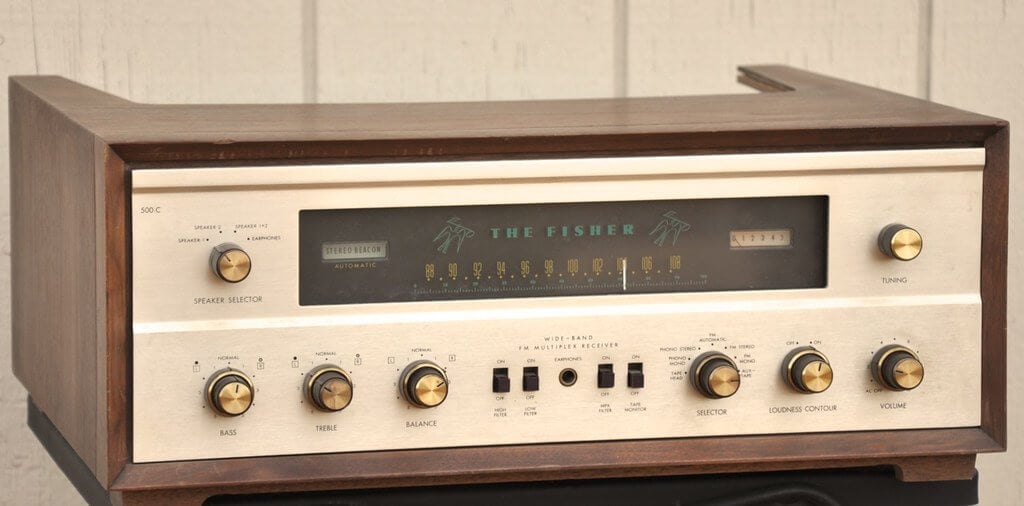
A popular tube-based stereo receiver from the early 1960s, the Fisher 500 combined a radio tuner, preamplifier, and power amplifier in a single wooden-cased unit that was relatively affordable in its day and remains a common, approachable restoration project today. Its widespread original production means parts and service information are comparatively easy to find.
Restored working units typically sell in the low hundreds of dollars.
Pioneer SX-1980 Receiver
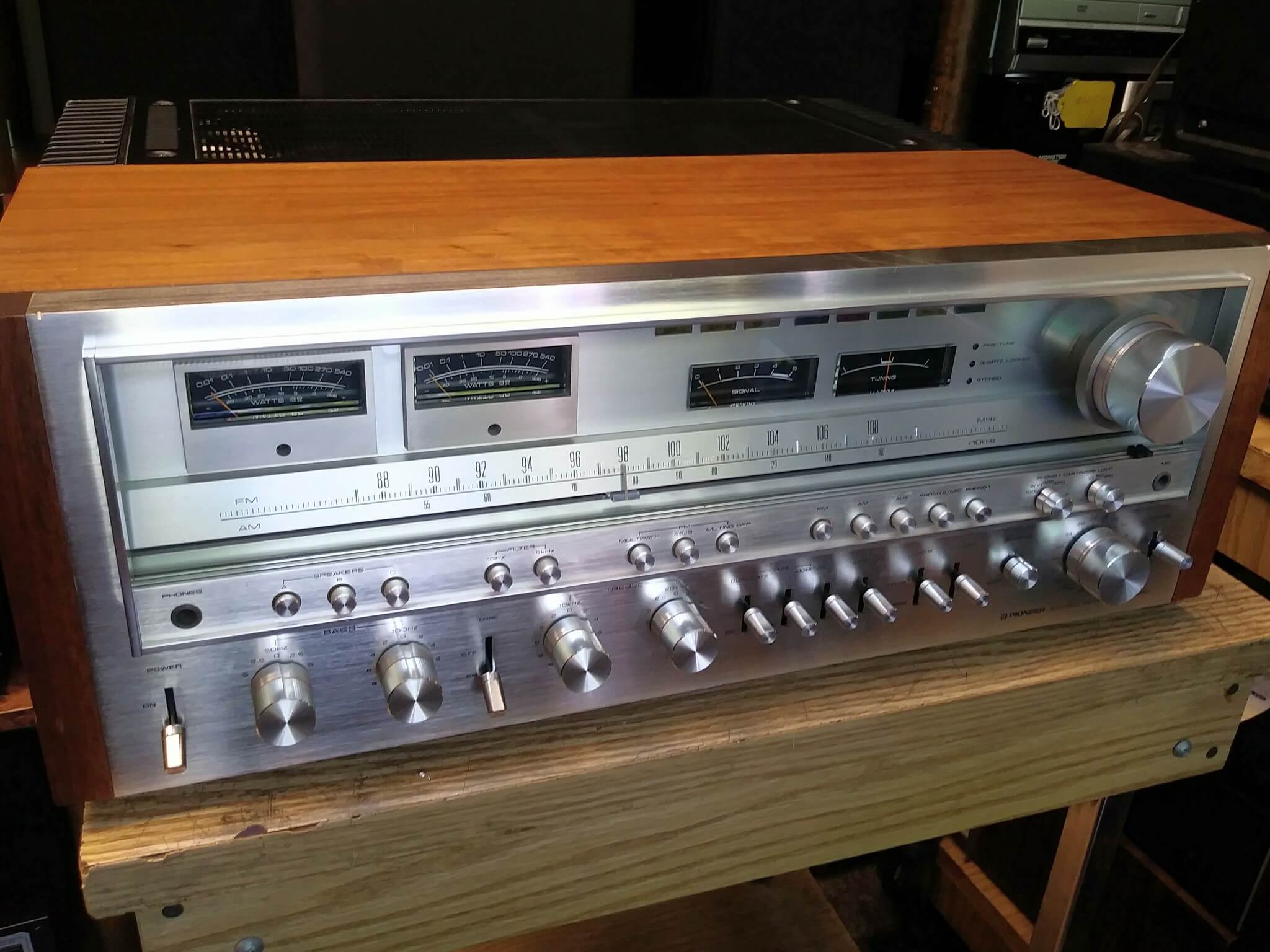
Released in 1978, the Pioneer SX-1980 held the title of the most powerful stereo receiver ever mass-produced for years afterward, weighing over 26 kilograms and delivering substantial output for its era. Its sheer size and component density make full restoration a significant undertaking usually left to experienced technicians.
Fully serviced, working examples have sold for well over two thousand dollars given renewed collector demand for massive vintage receivers.
Technics SL-1200 Turntable
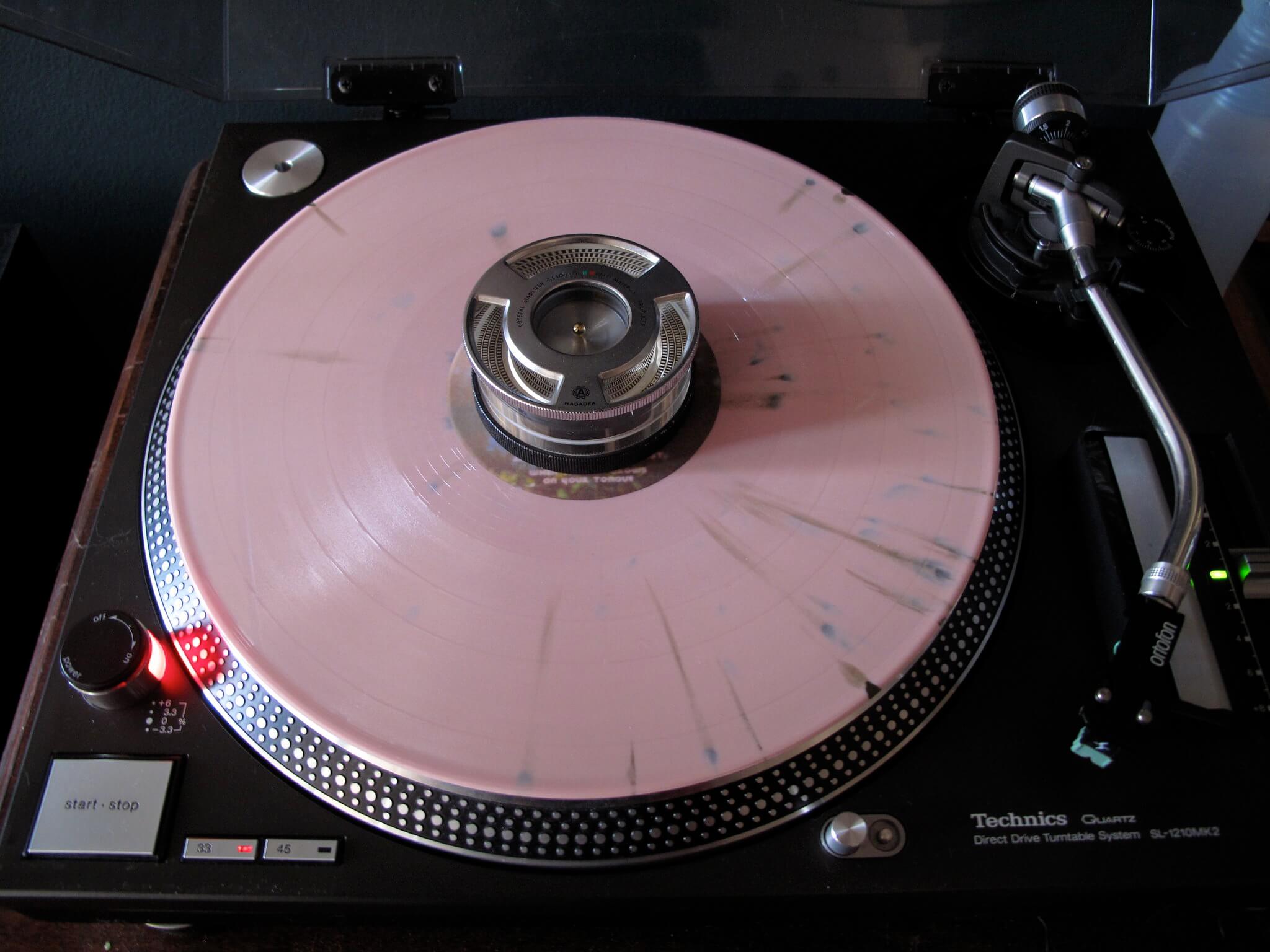
First introduced in 1972 and refined through numerous later versions, the Technics SL-1200 direct-drive turntable became the standard for both audiophiles and DJs due to its exceptional durability and consistent speed accuracy. Its relatively simple, well-documented mechanical design makes it one of the more repairable turntables on the vintage market.
Restored units in good condition typically sell in the several-hundred-dollar range depending on the specific model year.
Garrard 301 Turntable
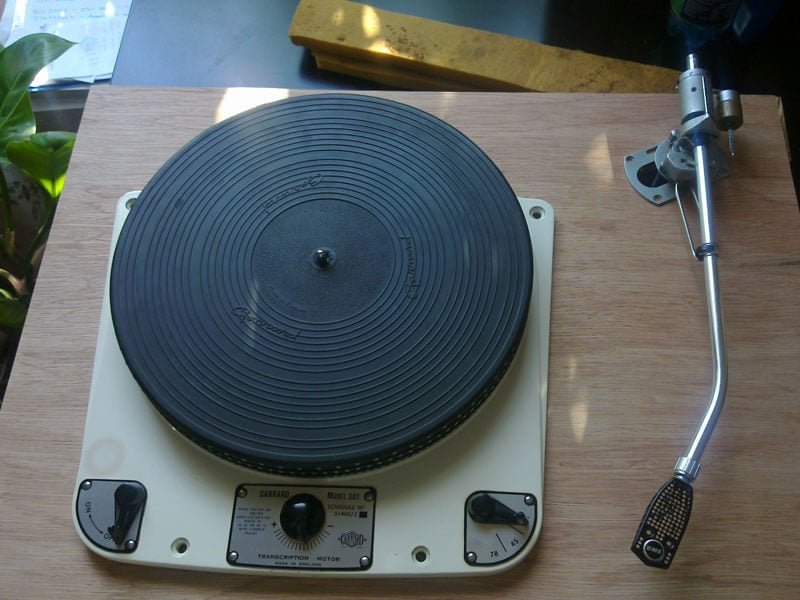
British-built and produced from the 1950s into the 1960s, the Garrard 301 idler-drive turntable is prized by audiophiles for its heavy platter and distinctive sound characteristics compared to modern belt-drive designs. Original units require careful lubrication and bearing restoration to run quietly, a process specialist technicians have built a small industry around.
Fully restored examples regularly sell for well over a thousand dollars.
Thorens TD 124 Turntable
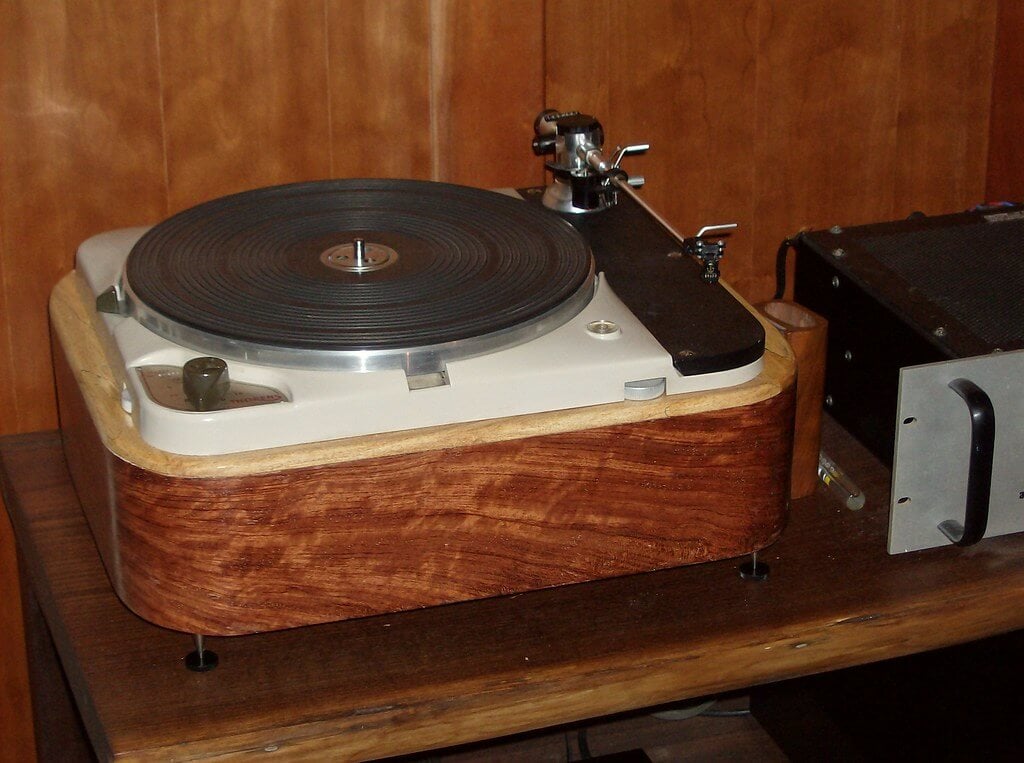
Produced by the Swiss company Thorens beginning in the mid-1950s, the TD 124 combined idler-drive and belt-drive elements in a single design and remains one of the most respected vintage turntables among serious collectors. Its complex suspension and drive system make a full restoration considerably more involved than most other turntables of its era.
Well-restored examples routinely sell for over a thousand dollars.
Sony TC-630 Reel-to-Reel
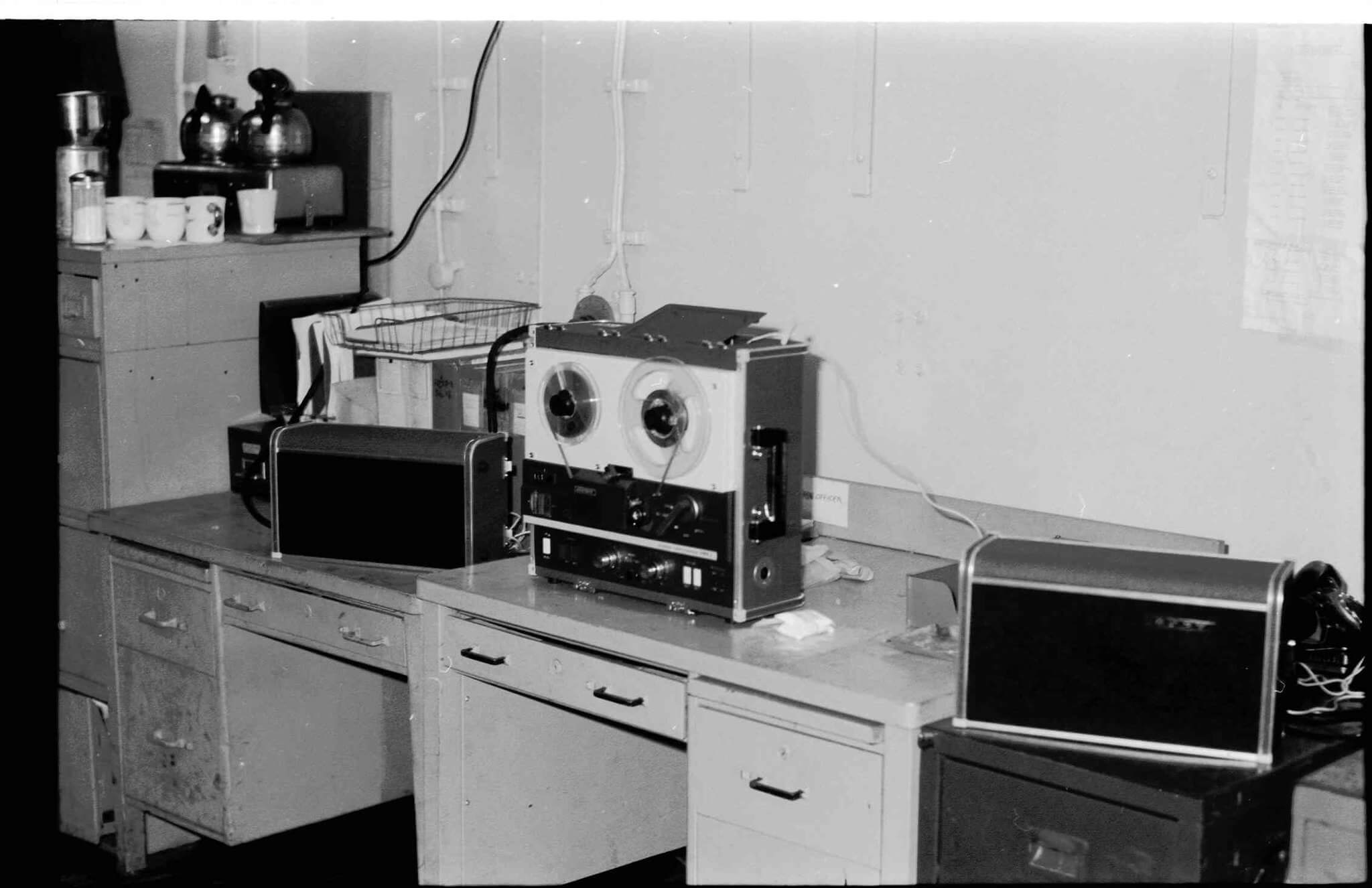
Released in the mid-1960s, the Sony TC-630 was a relatively compact, four-track reel-to-reel tape recorder that brought high-fidelity home recording within reach of serious hobbyists rather than only professional studios. Rubber drive belts inside inevitably degrade over decades and require full replacement before the machine can operate properly again.
Restored, working units typically sell in the low hundreds of dollars.
Nakamichi 1000 Cassette Deck
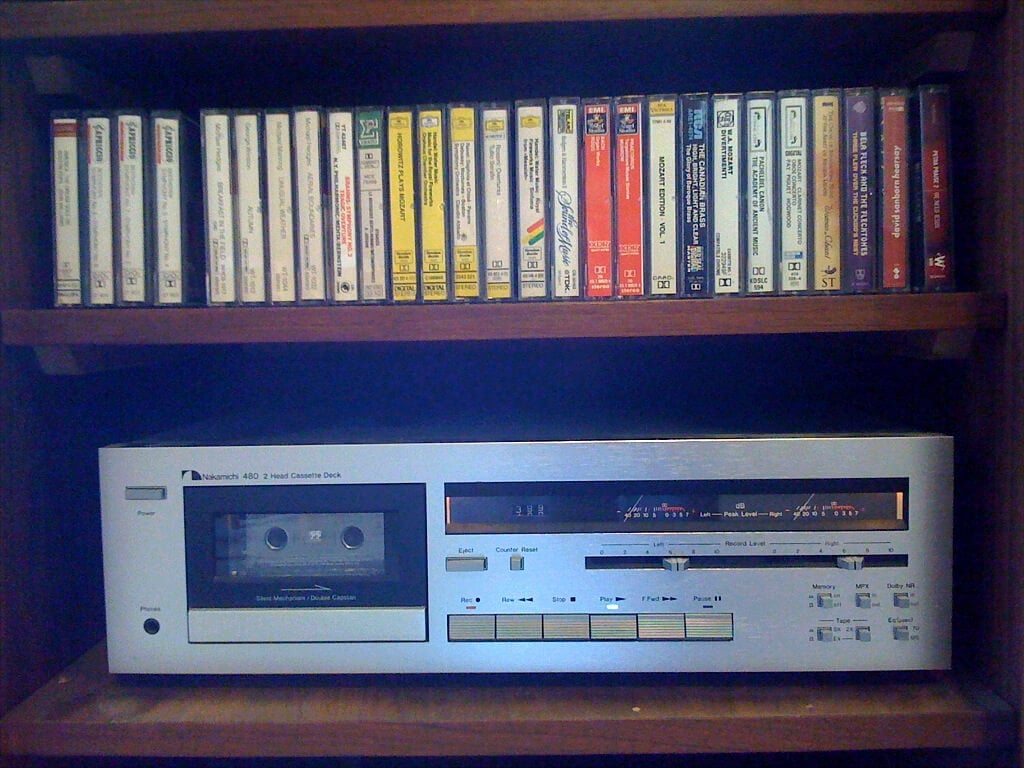
Released in 1973, the Nakamichi 1000 was among the first cassette decks to seriously challenge reel-to-reel tape for genuine audio fidelity, thanks to its precision three-head design and adjustable azimuth controls. Its complex mechanical transport requires specialized knowledge to service correctly, making qualified restoration technicians relatively scarce.
Fully restored units in strong working condition can sell for well over a thousand dollars.
The Sound Worth Rewiring For

None of these machines were designed to last this long, and the fact that so many still can, with a new capacitor here or a replaced belt there, says something about how differently things used to be built. Restoring one is rarely about nostalgia alone.
It’s about the sound itself, warm, imperfect, and genuinely different from anything digital, which is exactly why buyers keep hunting through estate sales and attics for these machines instead of simply buying something new that plays the same songs.
More from Go2Tutors!

- The Romanov Crown Jewels and Their Tragic Fate
- 13 Historical Mysteries That Science Still Can’t Solve
- Famous Hoaxes That Fooled the World for Years
- 15 Child Stars with Tragic Adult Lives
- 16 Famous Jewelry Pieces in History
Like Go2Tutors’s content? Follow us on MSN.