20 Seasonal Superstitions People Once Believed
Before meteorology and modern medicine, people made sense of the turning year through omens, rituals, and small daily precautions meant to keep bad luck at bay. Many of these beliefs sound strange today, but they shaped everyday behavior for centuries and, in scattered pockets, still do.
Washing Your Face in May Dew

English folk belief held that washing your face in the dew collected before sunrise on May 1st would bring beauty and clear skin for the coming year. Young women in particular were said to rise before dawn specifically for this purpose well into the nineteenth century.
Diaries and folklore collections from rural England record the custom persisting in some villages even after most people had stopped taking it literally.
Cast Not a Clout Till May Is Out

The old English saying warned against shedding warm winter clothing, a “clout,” until May had fully ended, reflecting genuine wariness of late frosts that could still strike in early spring. Some folklorists argue “May” in the rhyme actually referred to hawthorn blossom, known as “may,” rather than the calendar month.
Either reading, the saying functioned as practical seasonal caution dressed up as superstition.
Killing the First Swallow of Spring
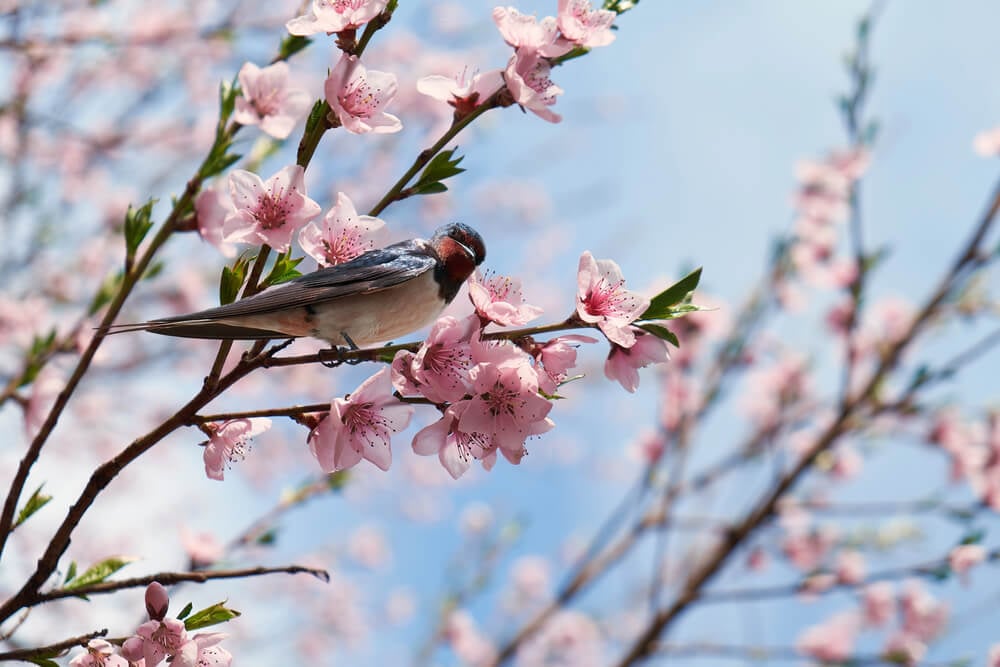
Across parts of rural England, harming the first swallow seen in spring was believed to bring severe bad luck to the household, since the bird’s return was treated as a sign that the harsh season had genuinely passed. Farmers were said to specifically protect swallow nests built under their eaves for this reason.
The belief tied directly into swallows’ real role as a seasonal indicator, since their migration patterns reliably tracked the arrival of warmer weather.
Wearing New Clothes at Easter

The custom of wearing at least one new item of clothing on Easter Sunday was believed to bring good luck for the rest of the year, with failure to do so thought to invite misfortune. The tradition is widely credited with contributing to the modern Easter parade customs still held in cities like New York.
Its origins are often traced to the older symbolic association of Easter with renewal and rebirth after Lent.
St. Swithin’s Day Rain

English folklore held that whatever the weather did on St. Swithin’s Day, July 15th, it would continue for the following 40 days. The legend traces back to the ninth-century bishop Swithin of Winchester, whose remains were reportedly moved indoors against his wishes, triggering weeks of rain as a sign of displeasure.
Meteorologists have found no statistical basis for the 40-day pattern, but the saying remains widely known in Britain today.
Midsummer Fern Seed Invisibility

Folklore across parts of England and Germany held that fern spores, believed to bloom invisibly at midnight on Midsummer’s Eve, could grant invisibility to whoever caught them in a cloth. Because ferns reproduce by spores rather than visible seeds, the belief likely arose from genuine confusion about how the plant reproduced.
The superstition appears directly in Shakespeare’s Henry IV, evidence of how widespread the belief was by the late sixteenth century.
Walking the Midsummer Bonfire

Communities across Scandinavia, Britain, and other parts of Europe lit bonfires on Midsummer’s Eve and walked or leapt around and sometimes through them, believing the smoke and flame offered protection from evil spirits and disease for the coming year. Cattle were sometimes driven between two fires for the same protective purpose.
Versions of the custom, particularly in Scandinavia, persist today as major cultural festivals, even after the original protective belief faded.
Never Cutting an Elder Tree
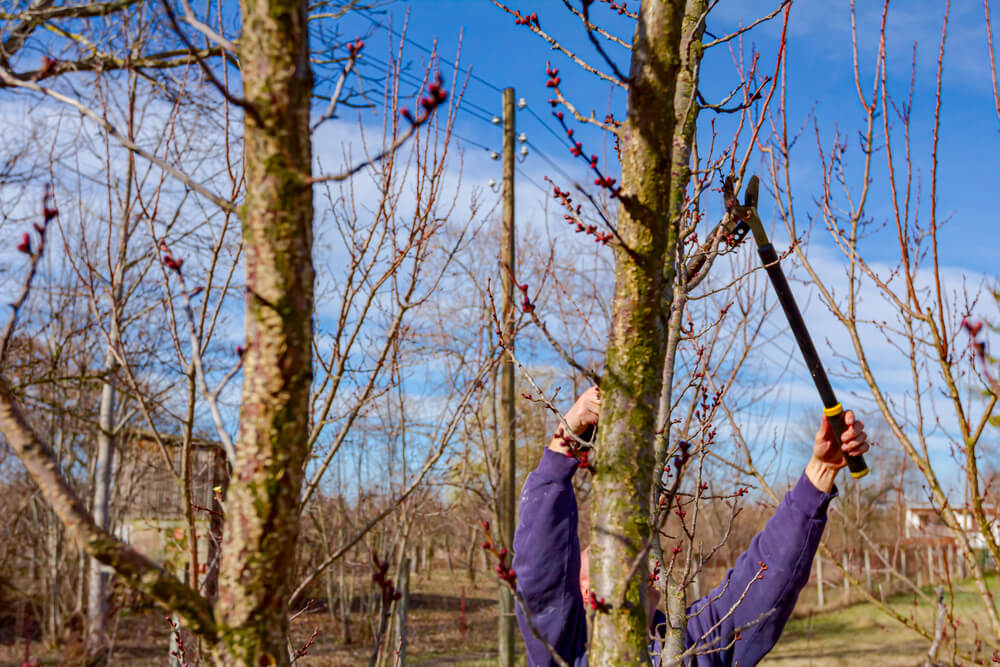
British folklore held that elder trees housed a protective spirit called the Elder Mother, and cutting, burning, or even pruning one without first asking her permission aloud would bring misfortune. Farmers reportedly avoided using elder wood for cradles or furniture for the same reason.
The belief was widespread enough that some rural communities maintained it into the twentieth century, long after most other tree superstitions had faded.
Apple Peel Divination
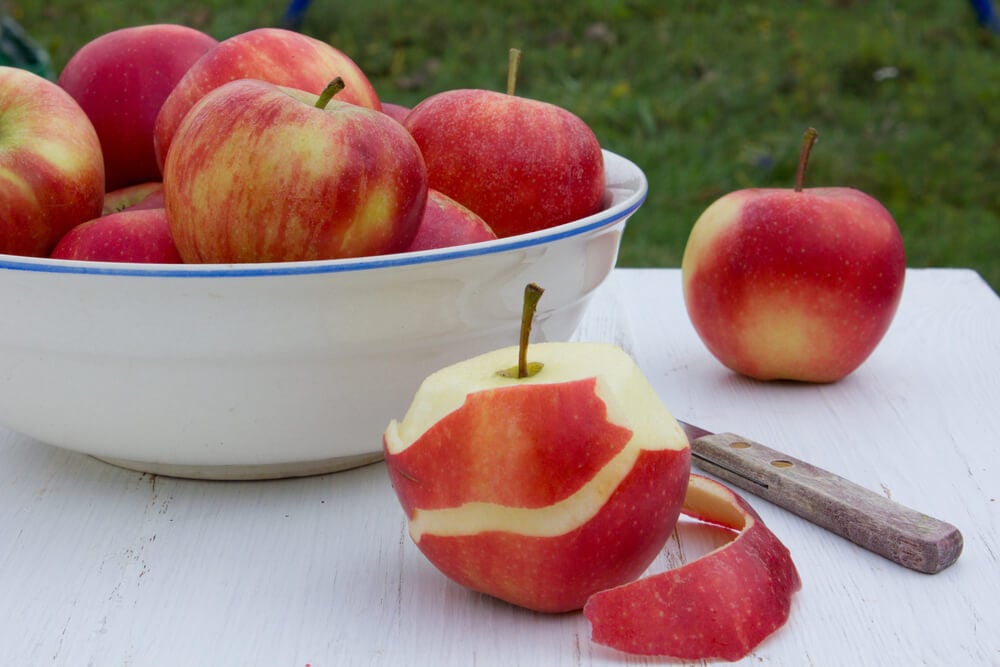
On Halloween, young women in parts of Britain and colonial America would peel an apple in one continuous strip and toss the peel over their shoulder, believing the shape it landed in would reveal the initial of their future spouse. The custom appears in several eighteenth and nineteenth-century folklore collections as one of the most popular Halloween divination games.
It is considered a direct ancestor of the modern practice of apple bobbing at Halloween parties.
Apple Bobbing for Marriage Fortune

Beyond simple party fun, bobbing for apples was originally a divination game, with the first person to successfully bite an apple believed to be the next to marry. Some versions had participants name an apple after a suitor before attempting to bite it, treating success or failure as a genuine romantic omen.
The game’s roots trace to Celtic harvest festivals connected to Samhain, the precursor to modern Halloween.
Blackberries After Michaelmas

English folklore warned against eating blackberries after Michaelmas, September 29th, based on the legend that the Devil, cast out of heaven, landed in a blackberry bush and cursed or spat on the fruit in anger. In practical terms, blackberries do genuinely spoil and turn bitter after the first autumn frosts, which typically arrive around that time.
The superstition effectively encoded a real food-safety observation into a memorable religious story.
Bringing in Crops Before a Blood Moon

In some European farming communities, a reddish “blood moon” during harvest season was viewed as an omen that crops left in the field would spoil or be cursed, prompting farmers to rush the remaining harvest indoors. The reddish color, now understood to result from atmospheric scattering of light during a lunar eclipse, had no actual bearing on crop safety.
The belief nonetheless added urgency to labor during the already time-pressured final weeks of harvest.
First-Footing

In Scotland, the identity of the first person to cross a household’s threshold after midnight on New Year’s was believed to set the tone of luck for the entire year, with a tall, dark-haired man traditionally considered the luckiest visitor. Some households arranged in advance for a favored neighbor to be the “first-foot,” sometimes bearing symbolic gifts of coal, bread, or whisky.
The custom remains actively practiced in parts of Scotland and northern England today.
Leaving the Door Unlocked on Christmas Eve

Folk belief in parts of Europe held that wandering spirits or the souls of the dead traveled on Christmas Eve, and leaving a door unlocked, or a light burning in the window, offered them welcome and warded off misfortune for the household. Some regional variations specifically set out food for these visiting spirits.
The custom shares clear roots with older midwinter beliefs about the thinning boundary between the living and the dead.
Saving the Yule Log Ashes

After burning through the winter solstice, the ashes of the Yule log were traditionally kept rather than discarded, believed in parts of Europe to protect the home from lightning strikes and fire for the coming year. Some households scattered a portion of the ashes over fields, believing it would improve the following year’s crops.
The custom is considered one of the direct folk ancestors of the modern, purely decorative Yule log dessert and candle traditions.
No Laundry on New Year’s Day

In parts of Appalachia and the American South, doing laundry on New Year’s Day was believed to “wash away” a family member for the coming year, an omen serious enough that many households avoided any washing at all on January 1st. Related beliefs discouraged sweeping the house on that day for fear of sweeping out good fortune.
Folklorists have documented the superstition persisting in isolated rural communities well into the twentieth century.
The Groundhog’s Shadow

Introduced to the United States by German-speaking immigrants in Pennsylvania, the belief holds that if a groundhog emerging from hibernation on February 2nd sees its shadow, it retreats underground and winter continues for six more weeks. The custom descends from older European traditions using badgers or hedgehogs as the weather-predicting animal instead.
Punxsutawney Phil, the most famous groundhog performing the ritual, has been doing so since 1887.
Bad Luck for Christmas Decorations Left Up
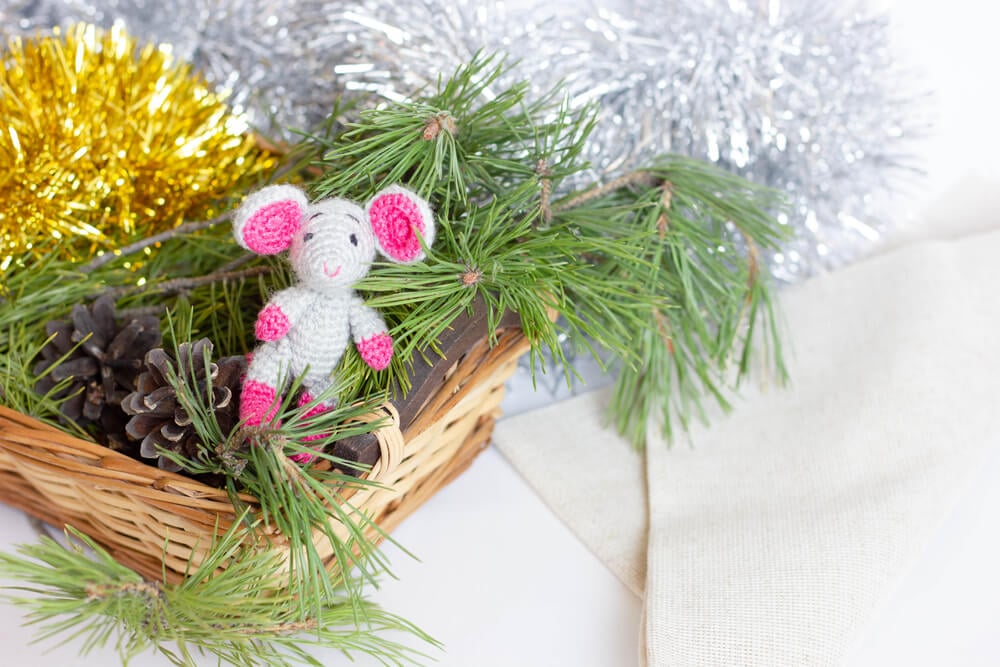
British folklore held that any Christmas greenery left up past Twelfth Night, January 6th, would bring bad luck, since the spirits believed to inhabit evergreen boughs needed to be released back outdoors by that date. Some regional versions specified misfortune for each sprig left hanging.
The belief predates electric lights by centuries and originally applied to holly, ivy, and mistletoe rather than modern decorations.
February Snow Predicting a Fine Summer

An old English weather rhyme claimed that heavy snowfall in February foretold a good summer harvest to come, reflecting farmers’ genuine observation that snow cover could insulate and moisten soil ahead of spring planting. Similar seasonal weather-prediction rhymes were common across European farming communities, functioning as informally transmitted agricultural knowledge.
Some of these sayings have held up reasonably well against modern climate data, even though they were never derived scientifically.
Thunder in Winter as an Omen

Thunder heard during winter months was considered an unusual and significant omen in several European folk traditions, sometimes interpreted as a sign of coming war, unrest, or a harsh late frost. Because thunderstorms are genuinely rare in winter across much of temperate Europe, the event’s unusualness alone was often enough to make it feel supernatural.
Weather diarists in the eighteenth and nineteenth centuries frequently noted winter thunder specifically because of the folk significance attached to it.
Reading the Signs
None of these beliefs survived because they were scientifically accurate. They survived because they gave people a sense of control over a year that genuinely could ruin or save them, long before anyone could actually forecast a storm or a frost.
What’s striking, looking back, is how many of these superstitions were built around real seasonal patterns, migrating birds, spoiling fruit, shifting frost lines, dressed up in language that made the pattern easier to remember and pass on. The magic was often just observation wearing a costume.
More from Go2Tutors!

- The Romanov Crown Jewels and Their Tragic Fate
- 13 Historical Mysteries That Science Still Can’t Solve
- Famous Hoaxes That Fooled the World for Years
- 15 Child Stars with Tragic Adult Lives
- 16 Famous Jewelry Pieces in History
Like Go2Tutors’s content? Follow us on MSN.