Pilots Who Flew Planes Under Bridges
Flying a plane is already risky enough when you stay thousands of feet above the ground. But some pilots decided that wasn’t exciting enough.
They wanted to test their skills, push boundaries, and frankly, do things that made everyone watching hold their breath. These aviators didn’t just fly low.
They flew under bridges, through gaps barely wider than their wings, proving that the line between bravery and recklessness can be incredibly thin.
So who were these daring individuals who turned bridges into flight paths? Let’s meet the pilots who made aviation history by flying where no plane was ever meant to go.
Thomas Fitzpatrick

Thomas Fitzpatrick wasn’t a stunt pilot or a military ace. He was just a guy who made some really questionable decisions after a few drinks.
In 1956, he flew a small plane from New Jersey and landed it on a narrow street in Manhattan to win a bar bet. The kicker? He did it again two years later, just to prove the first time wasn’t luck.
Both times, he threaded his plane through the city’s buildings and under structures at night, which is either impressive or terrifying depending on how you look at it. He got arrested both times, but the fines were surprisingly light considering he basically turned New York City into his personal runway.
Charles Lindbergh

Before Lindbergh became famous for crossing the Atlantic, he was a barnstormer and airmail pilot who wasn’t afraid to fly dangerously close to anything. During his barnstorming days in the 1920s, he regularly flew under bridges and through hangars as part of his act.
These weren’t accidental close calls but deliberate demonstrations of skill that drew huge crowds. Lindbergh understood that people paid to see danger, and he gave them plenty of it before settling down to make a more respectable aviation history.
Max Conrad

Max Conrad held more distance records than most pilots could dream of, but his early flying days were filled with stunts that would make modern safety inspectors faint. He flew under multiple bridges across the Mississippi River during the 1930s and 40s, treating them like gates in an obstacle course.
Conrad had an unusual ability to judge distances and clearances, which served him well both in stunts and later in his record-breaking long-distance flights. He lived to be 83, which is remarkable considering how many times he put his plane where it had no business being.
Jim LeRoy

Jim LeRoy was an aerobatic champion who performed at air shows across the country, and his signature move involved flying impossibly close to the ground at high speeds. While he didn’t specifically target bridges, he did fly under several during his career, including documented passes under small bridge spans during practice runs.
LeRoy’s plane control was so precise that he could fly inverted just feet off the water. Sadly, he died in 2007 during an air show accident, but his contributions to aerobatic flying remain legendary among pilots who push the limits.
Bob Hoover
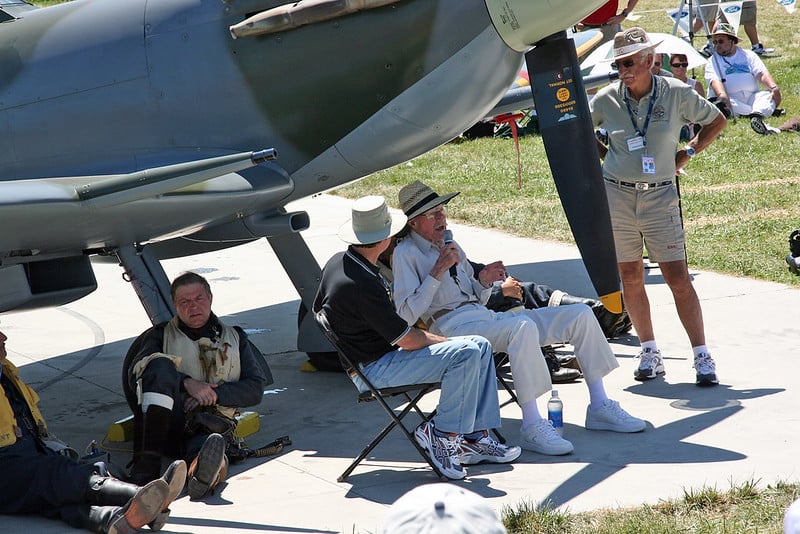
Bob Hoover is often called the greatest pilot who ever lived, and he earned that title through both skill and showmanship. During his air show career, Hoover performed a famous routine where he poured iced tea while doing a barrel roll, but earlier in his career he was known for extremely low-level flying that included passing under bridges.
His control was so smooth that he could fly within feet of structures without creating any noticeable turbulence. Hoover passed away in 2016, but pilots still study his techniques and marvel at his seemingly effortless precision.
Tex Rankin

Tex Rankin ran a flight school and performed aerobatics during the 1930s and 40s, becoming known for flights that seemed to defy both physics and common sense. He flew under the Burnside Bridge in Portland, Oregon, multiple times, treating the structure as just another part of his routine.
Rankin trained thousands of military pilots during World War II, which means his wild flying style somehow translated into teaching others to fly safely. His school produced some of the best aviators of the war, proving that controlled chaos can sometimes be the best teacher.
Trevor Jarvis
Trevor Jarvis made headlines in 2003 when he flew a small plane under London’s Tower Bridge during morning rush hour, an act that was both illegal and incredibly dangerous. Unlike some bridge-flying pilots who did it in remote areas, Jarvis chose one of the world’s busiest cities for his stunt.
He was arrested immediately after landing and lost his pilot’s license, but the footage of his flight went viral long before viral was even a common term. Jarvis claimed he did it to honor his late father, though authorities were not moved by the sentiment.
Jean Batten
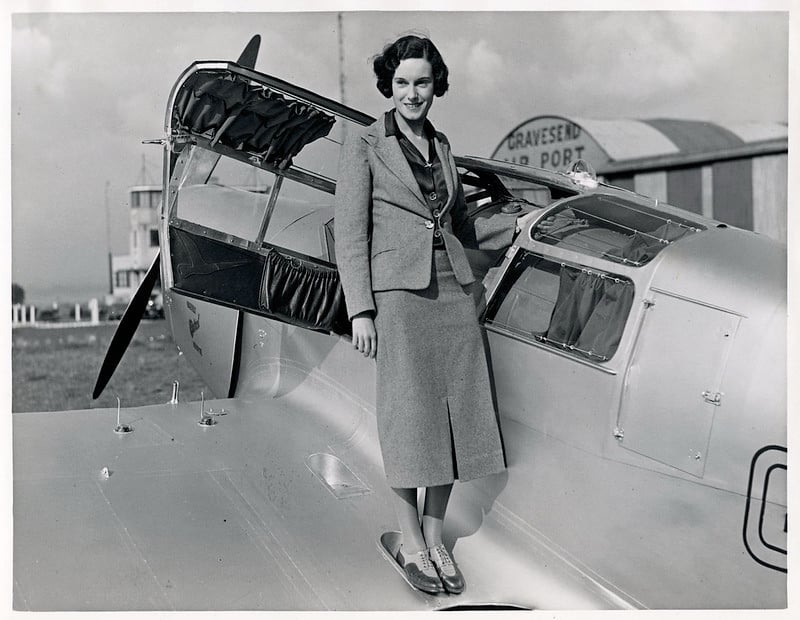
Jean Batten was a pioneering aviator from New Zealand who set multiple long-distance records in the 1930s, but before her famous flights she was known for some risky flying. During training and early barnstorming performances, she flew under railway bridges in her home country, demonstrating the fearlessness that would later help her cross oceans alone.
Batten’s precision and nerve made her one of the most celebrated pilots of her era. She disappeared from public life in her later years, maintaining the mystery that surrounded much of her remarkable career.
Paul Mantz

Paul Mantz was Hollywood’s go-to stunt pilot for decades, performing dangerous flying sequences in movies that required real skill, not special effects. He flew under bridges for several films, including some passes that were so tight the crew thought he wouldn’t make it.
Mantz won an Academy Award for his aviation work in the film industry, but he also competed in air races and set speed records. His career ended in 1965 when a plane broke apart during filming, but his influence on aviation cinematography remains visible in films to this day.
John Lear
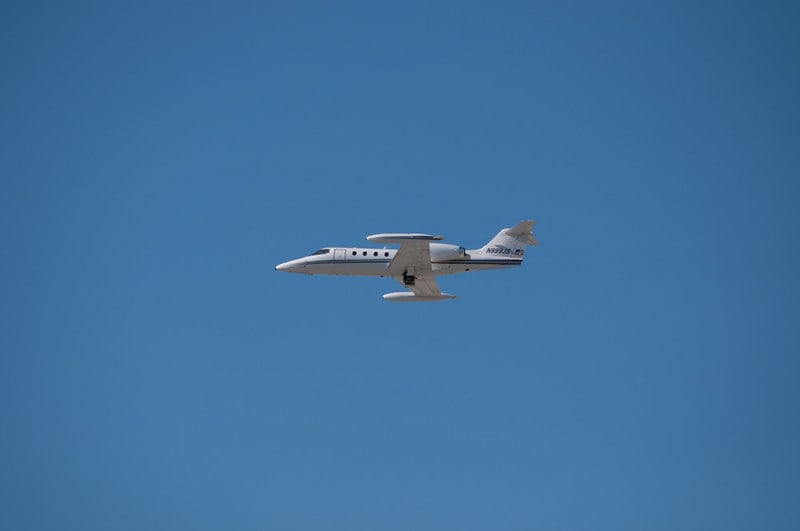
John Lear came from aviation royalty as the son of Learjet founder Bill Lear, and he used his flying skills in ways that often made headlines. During the 1960s and 70s, he performed various low-level stunts including bridge passes, though he later became more famous for setting speed records and his controversial views on conspiracy theories.
Lear held multiple world records and flew over 150 different aircraft types during his career. His later life was marked by strange beliefs about aliens and government cover-ups, which overshadowed his legitimate flying achievements.
Dan Buchanan

Dan Buchanan is a hang glider and ultralight pilot from New Zealand who has flown under more bridges than possibly any other aviator alive. His aircraft of choice is much smaller and slower than traditional planes, which actually makes some of his bridge flights more impressive because he has less margin for error.
Buchanan has flown under bridges in multiple countries, always getting permission first and working with safety teams. His approach to bridge flying is methodical and planned, the complete opposite of the impulsive stunts pulled by earlier aviators.
Eric Clutton
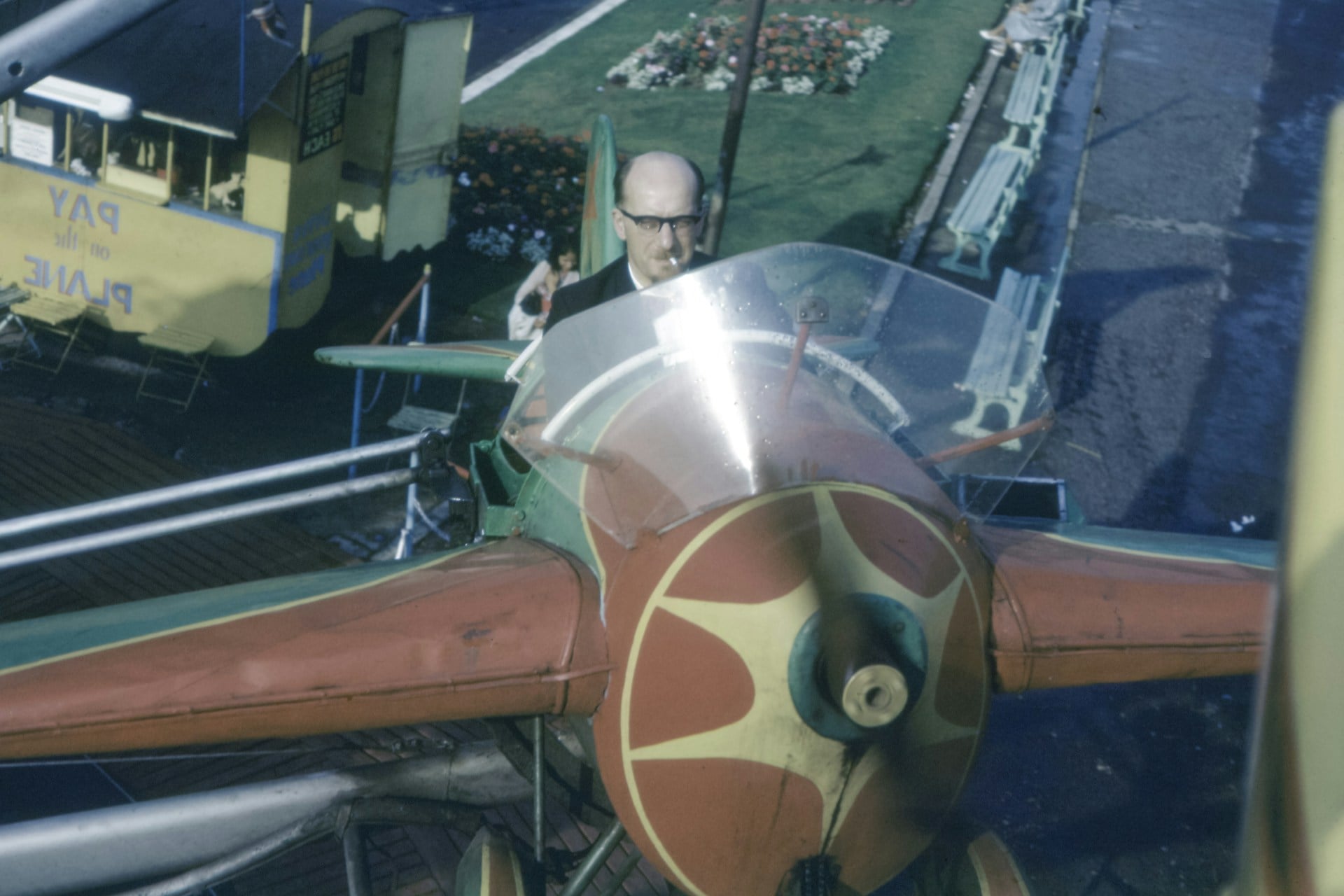
Eric Clutton was a British pilot who designed his own aircraft and used them to perform low-level flying demonstrations throughout the 1960s and 70s. He flew under several bridges across England, treating them as tests of his aircraft designs rather than pure stunts.
Clutton’s planes were known for their precise handling at low speeds, which made them ideal for the kind of flying that most pilots avoided. His contributions to light aircraft design influenced generations of home-built plane enthusiasts who valued maneuverability over speed.
Dave Larson

Dave Larson was part of a group of bush pilots in Alaska who occasionally flew under bridges during the 1970s, though these incidents were usually unplanned reactions to bad weather rather than intentional stunts. Flying in Alaska often meant making split-second decisions about routing, and sometimes going under a bridge was safer than going over it in heavy winds.
Larson’s matter-of-fact approach to what most considered dangerous flying was typical of Alaskan pilots who viewed aviation differently than their counterparts in more settled areas. He logged over 30,000 flight hours in some of the most challenging conditions imaginable.
Mike Bannister
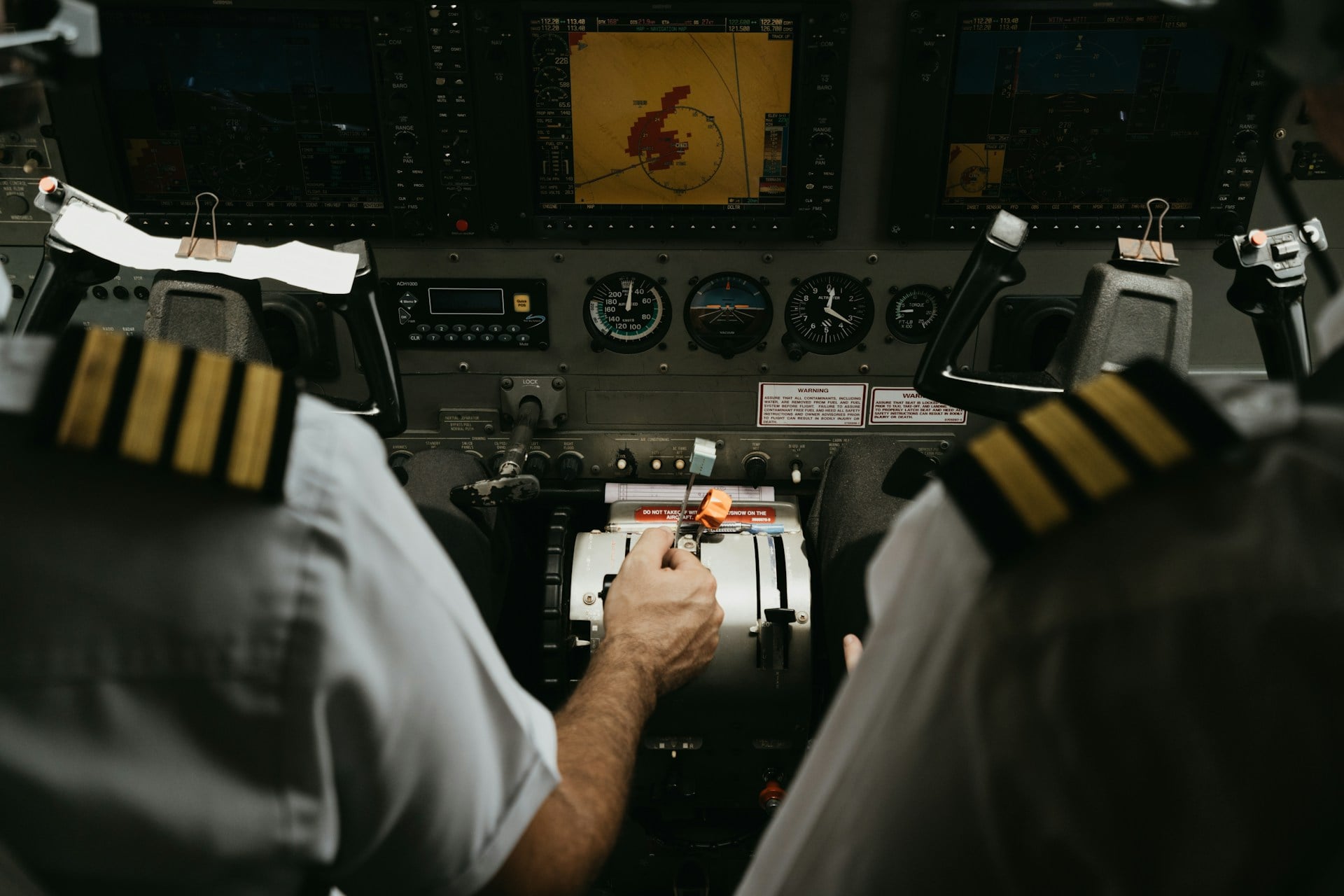
Mike Bannister was a chief Concorde pilot for British Airways, but before flying supersonic passenger jets he had a career in the Royal Air Force that included some very low-level flying. While he never publicly admitted to flying under bridges, fellow pilots from his RAF days have shared stories of training exercises where bridges became unofficial waypoints.
Bannister’s transition from military flying to commercial aviation showed that the skills used in daring maneuvers could translate into the precision needed for passenger safety. He retired after the Concorde’s final flight in 2003, ending an era of aviation in multiple ways.
Yves Rossy
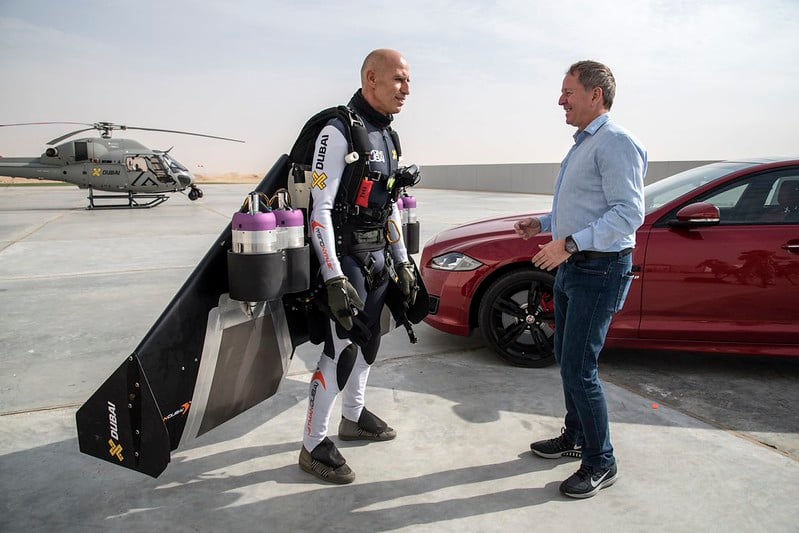
Yves Rossy is known as Jetman because he flies using a wing strapped to his back with jet engines attached. In 2010, he flew under a bridge in Portugal while being filmed for a documentary, becoming one of the few people to accomplish this feat without being inside an aircraft.
Rossy’s flights require incredible body control because he has no cockpit, no instruments, and nothing between him and the ground except his equipment. His bridge flight lasted only seconds but required months of planning and practice runs to ensure he could maintain the exact altitude needed.
Alvin Johnston

Alvin Johnston flew test planes for Boeing – back in 1955, he rolled a brand-new 707 mid-air just to show what it could do. Though it wasn’t near any bridge, his risky flying over Seattle’s boat races matched the bold moves of pilots who skimmed close to structures.
Company bosses were said to be steaming after that stunt, yet no ad ever sold the plane like that roll did. He took tons of new models into the sky, always testing how far they’d go before breaking.
Somehow, he walked away from everyone – even when riding the edge became routine.
Gary Connery
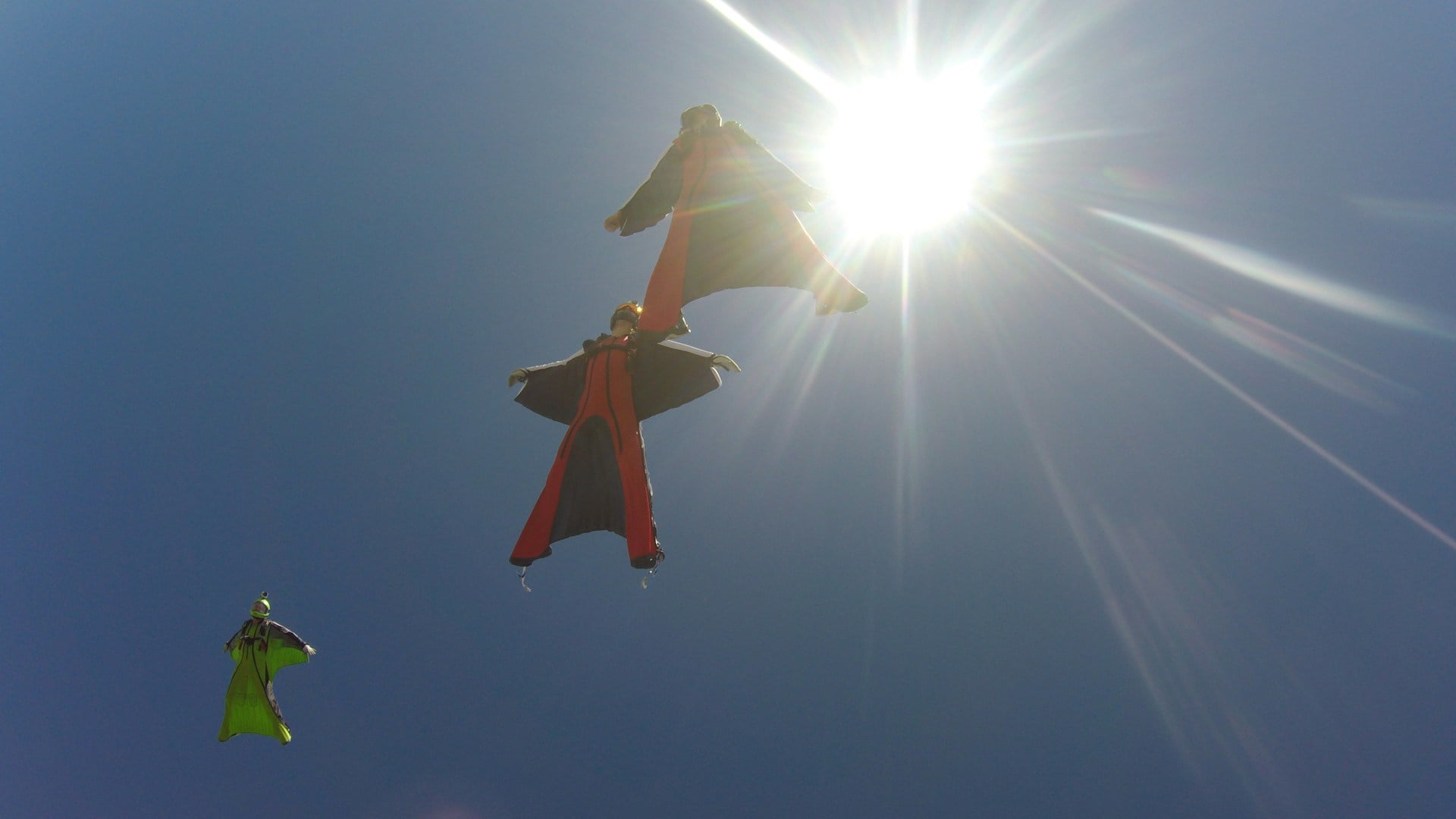
Gary Connery’s a UK stunt performer – jumped out of planes, choppers, even off bridges. Back in 2012, though, he glided beneath London’s Tower Bridge wearing a wingsuit.
That move wasn’t random; it tied into Olympic hype, plus got full approval from local authorities, which made it super uncommon for such an act to go legit. Thanks to his mix of flying know-how and stunt experience, he grasped the dangers and mechanics better than most.
Not long after, he nailed the world’s first parachute-free wingsuit touchdown, showing that zipping under bridges was barely scratching the surface of what he could pull off.
Mike Murphy
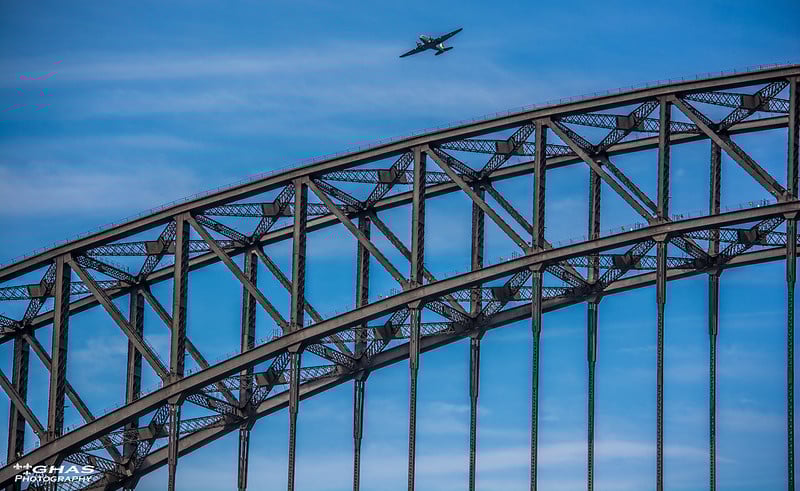
Mike Murphy, an Aussie pilot, zipped under the Sydney Harbour Bridge back in 1947 during his RAAF duty – no permission asked. A huge crowd saw it go down, so his bosses stepped in fast with punishment.
He said someone challenged him to do it, like that excuse never stopped anyone from making dumb moves, anytime, anywhere. People around Sydney still chat about that stunt, even if it’s old news.
Still, his job didn’t end there – he kept piloting planes without further drama.
Where limits got pushed every now then

These pilots were from all sorts of times, flew all kinds of planes, yet one thing tied them – squeezing machines where they didn’t belong. Fame drove some; dares pulled others along, while a handful just wondered what might happen.
Still, each shared a hunger – to gamble it all for moments that broke every rule. Rules today stop most stunts like these, thanks to tech and tighter control – but those old tales stick around.
They whisper about skies once wide open, where flyers set their own lines.
More from Go2Tutors!

- The Romanov Crown Jewels and Their Tragic Fate
- 13 Historical Mysteries That Science Still Can’t Solve
- Famous Hoaxes That Fooled the World for Years
- 15 Child Stars with Tragic Adult Lives
- 16 Famous Jewelry Pieces in History
Like Go2Tutors’s content? Follow us on MSN.