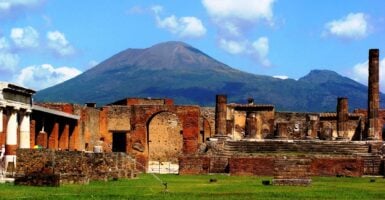
24 Ancient Cities Abandoned and Never Reoccupied
Some cities fall to war or disaster and are eventually rebuilt on the same ground. Others are abandoned so completely that the land simply returns to forest, desert, or jungle, leaving ruins that stayed empty for centuries or millennia.
Angkor, Cambodia
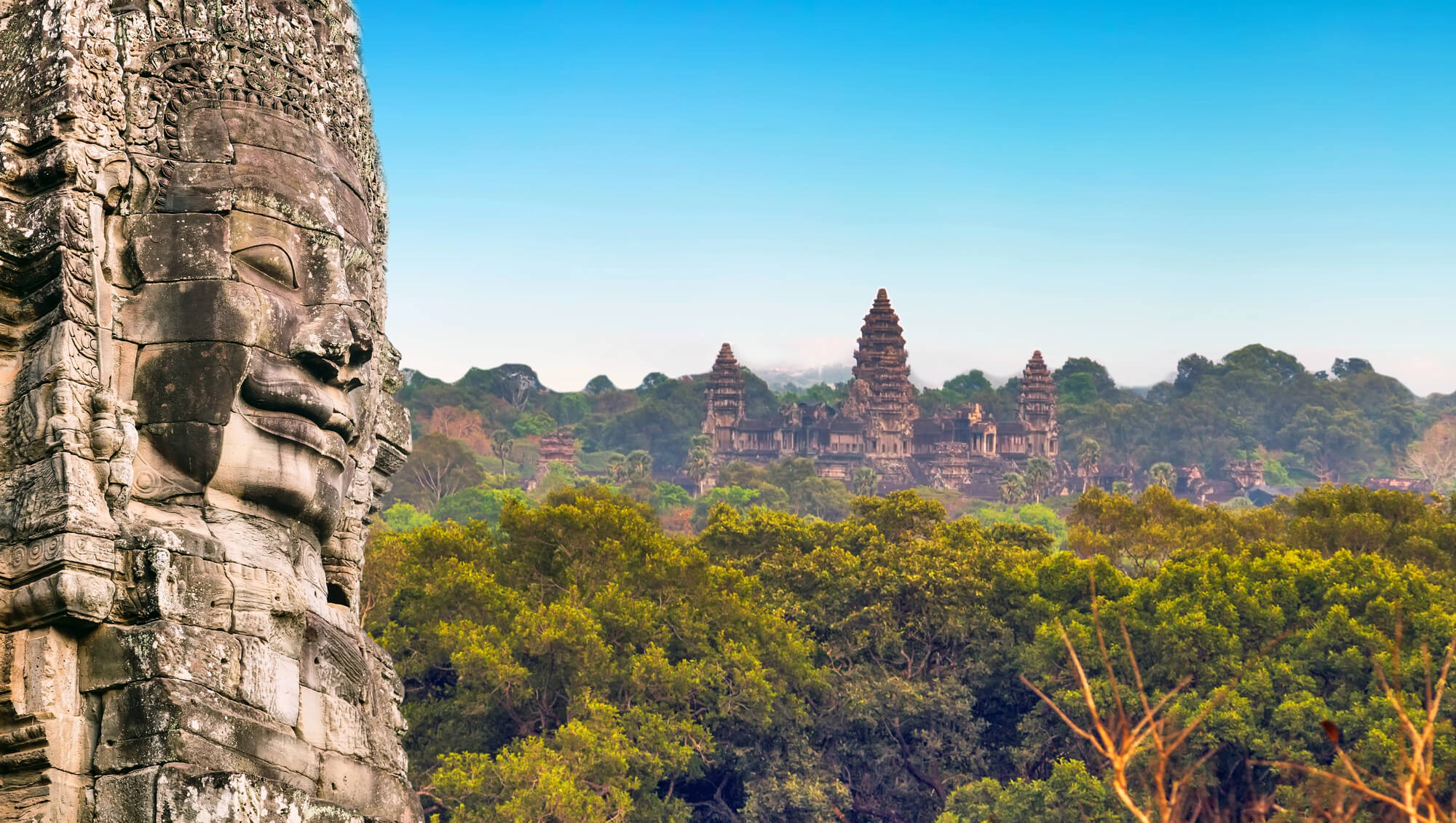
Once the capital of the Khmer Empire and among the largest pre-industrial urban settlements in the world, Angkor was gradually abandoned by the 15th century amid a combination of warfare, shifting trade routes, and possible climate-driven water management failures. The jungle reclaimed most of the city’s infrastructure, leaving its famous temple complexes standing largely alone.
No later civilization rebuilt a city on the same footprint, though the temples themselves remained sites of periodic religious use.
Chan Chan, Peru
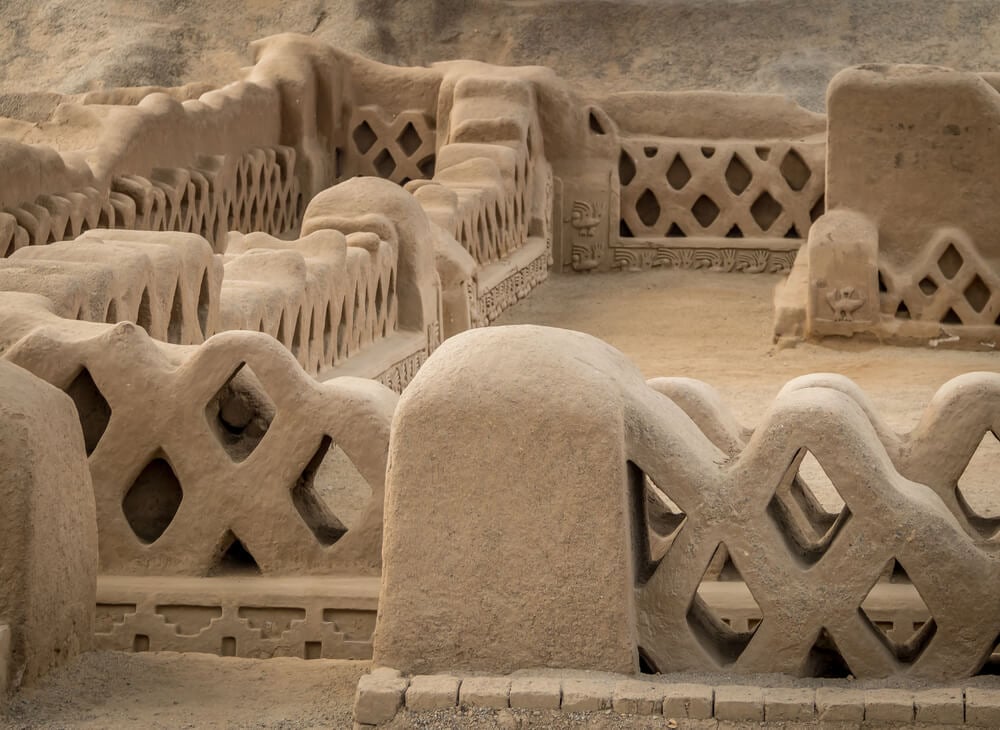
Chan Chan, the capital of the Chimú Empire and the largest adobe city in the pre-Columbian Americas, was conquered by the Inca in the 15th century and subsequently declined as imperial power shifted elsewhere. Spanish colonization further disrupted the region, and the site was never reoccupied as a functioning city.
Its extensive adobe walls, vulnerable to erosion, are now actively threatened by climate change rather than human encroachment.
Great Zimbabwe, Zimbabwe
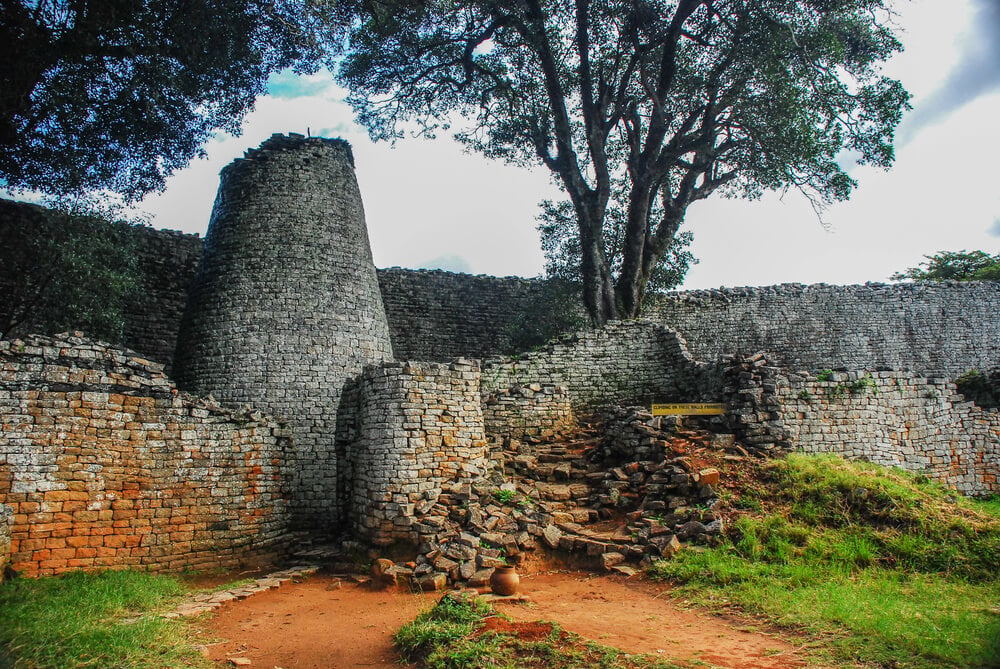
The stone capital of a medieval African kingdom, Great Zimbabwe was abandoned around the 15th century, likely due to a combination of resource depletion and political fragmentation. Unlike many abandoned cities, its distinctive dry-stone architecture required no mortar, which has left substantial structures standing without later habitation ever returning to the site.
The city gave its name to the modern nation of Zimbabwe upon independence.
Copán, Honduras
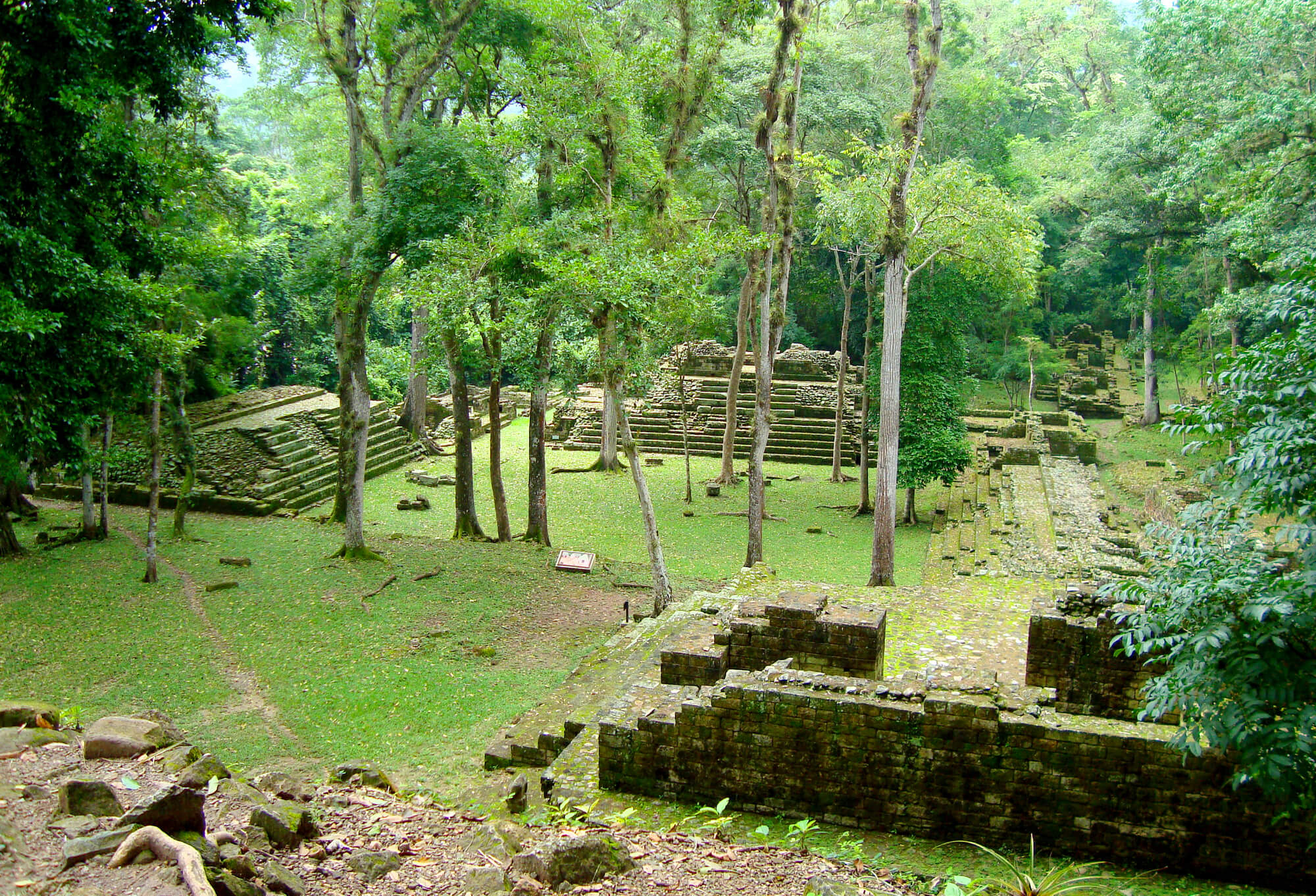
A major Maya city-state, Copán experienced a political collapse around the 9th century CE, part of the broader Classic Maya collapse that emptied numerous lowland cities across the region. Its dynastic monuments and hieroglyphic stairway remained buried under jungle growth for centuries before archaeological excavation.
No subsequent settlement reoccupied the ceremonial core of the site.
Cahokia, United States
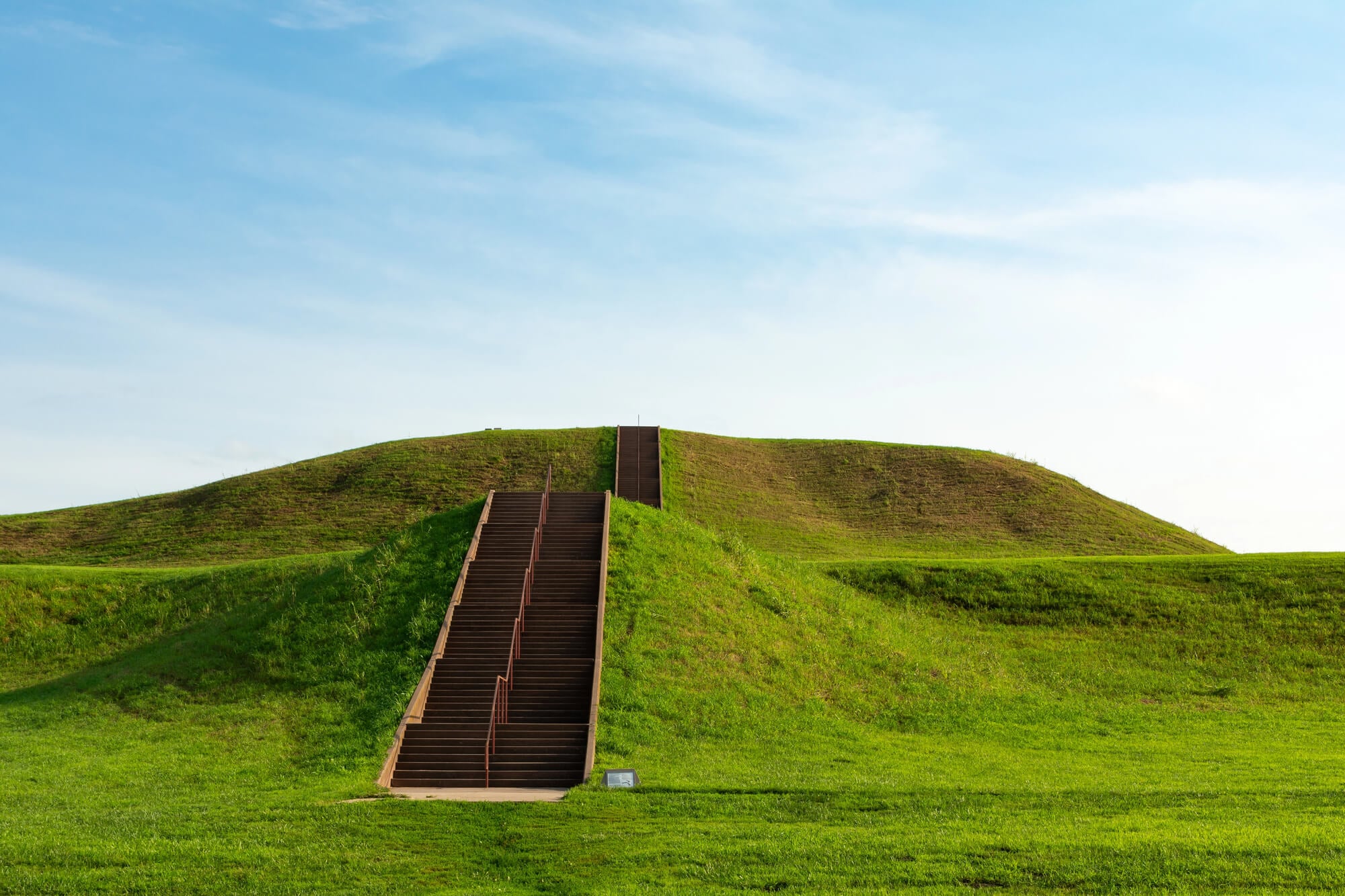
Located near modern St. Louis, Cahokia was the largest pre-Columbian settlement north of Mexico, with a population that may have rivaled contemporary European cities at its peak around 1100 CE. The city was abandoned by the 14th century for reasons still debated among archaeologists, including possible environmental strain and social upheaval.
Its massive earthen mounds survive, but no city was ever rebuilt on the site.
Mohenjo-daro, Pakistan
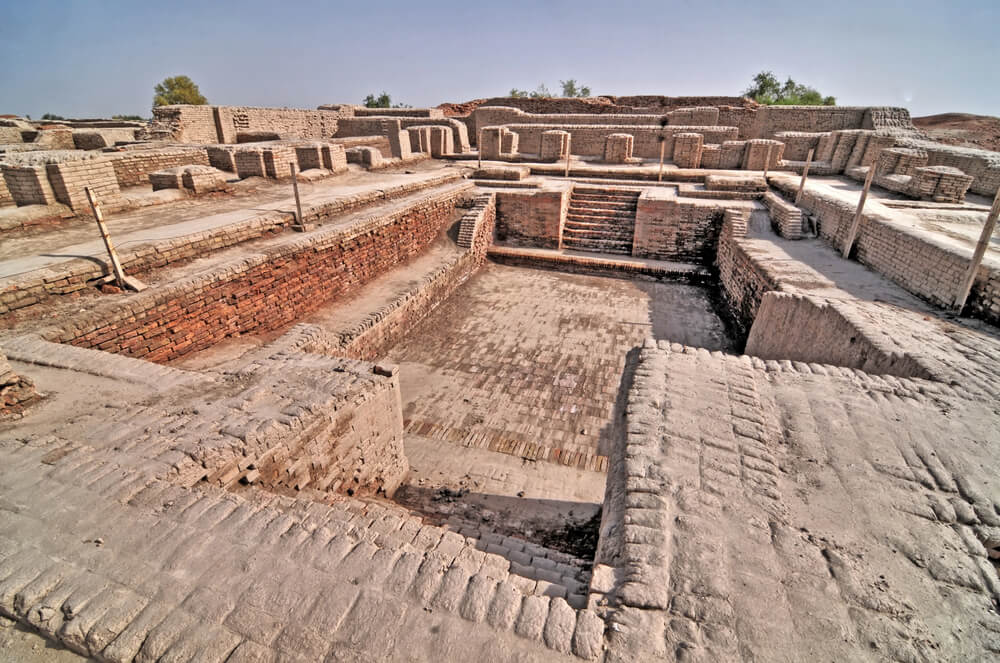
One of the principal cities of the Indus Valley Civilization, Mohenjo-daro was abandoned around 1900 BCE, with theories ranging from river course changes to broader regional climate shifts. The city’s sophisticated urban planning, including an early grid layout and drainage system, remained buried until 20th-century excavation.
It has never been resettled since its ancient decline.
Palenque, Mexico
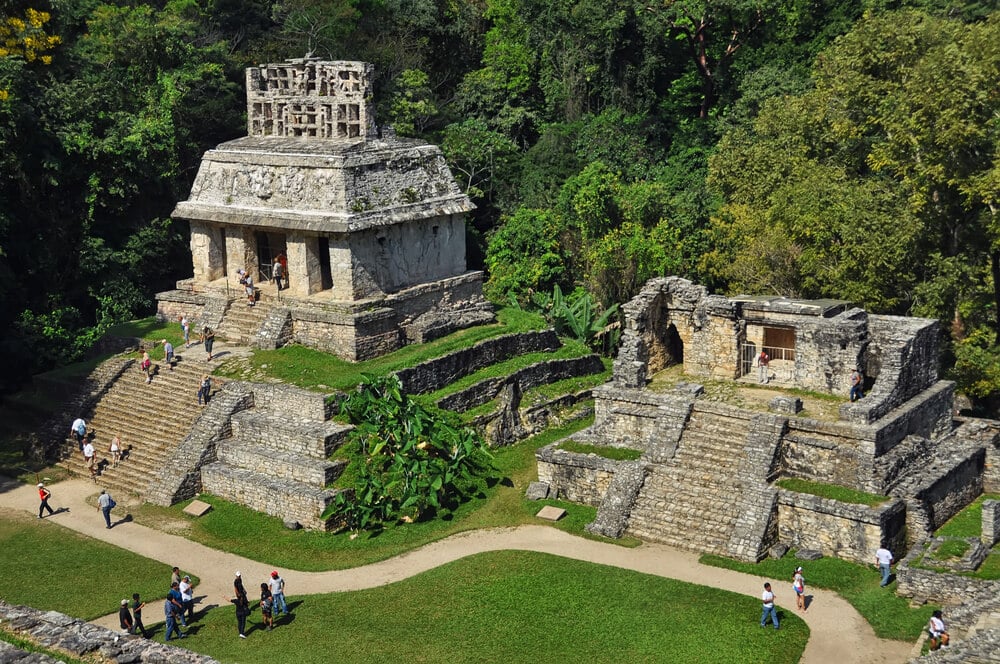
Another major Maya city, Palenque was abandoned during the same broader collapse that emptied Copán and numerous other lowland centers around the 9th century CE. Dense rainforest overtook the site so thoroughly that many of its structures remained unknown to outside researchers until relatively late excavation efforts.
The ceremonial city core has never been reoccupied.
Tikal, Guatemala
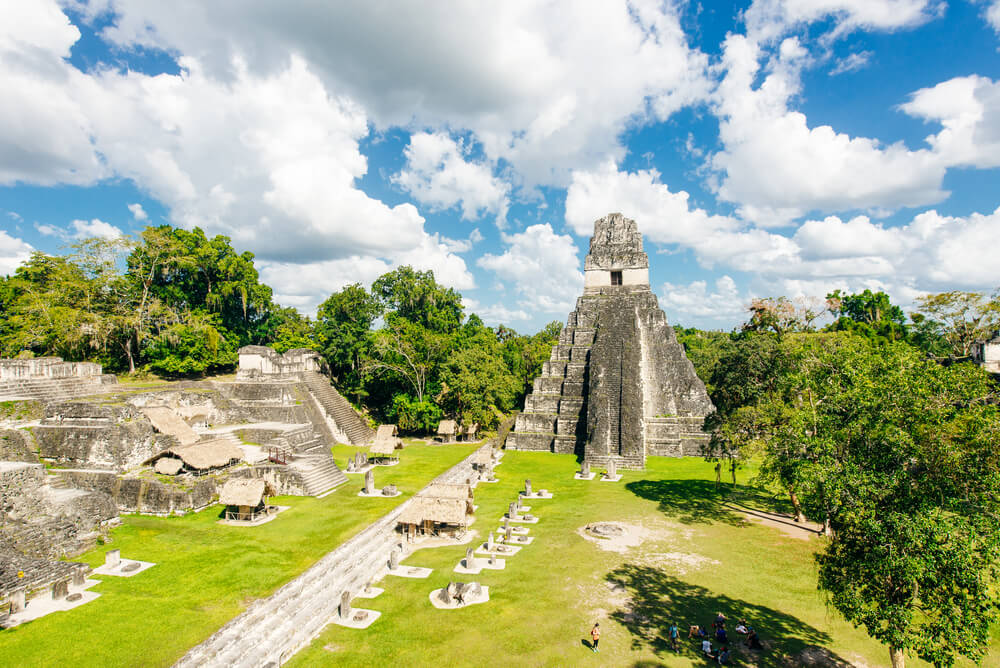
Once one of the most powerful Maya city-states, Tikal was largely abandoned by the end of the 10th century CE, part of the same civilizational collapse affecting the wider Maya lowlands. Its towering temple pyramids were engulfed by jungle for centuries before becoming one of the most extensively excavated Maya sites.
No later settlement was established on its ancient footprint.
Ctesiphon, Iraq
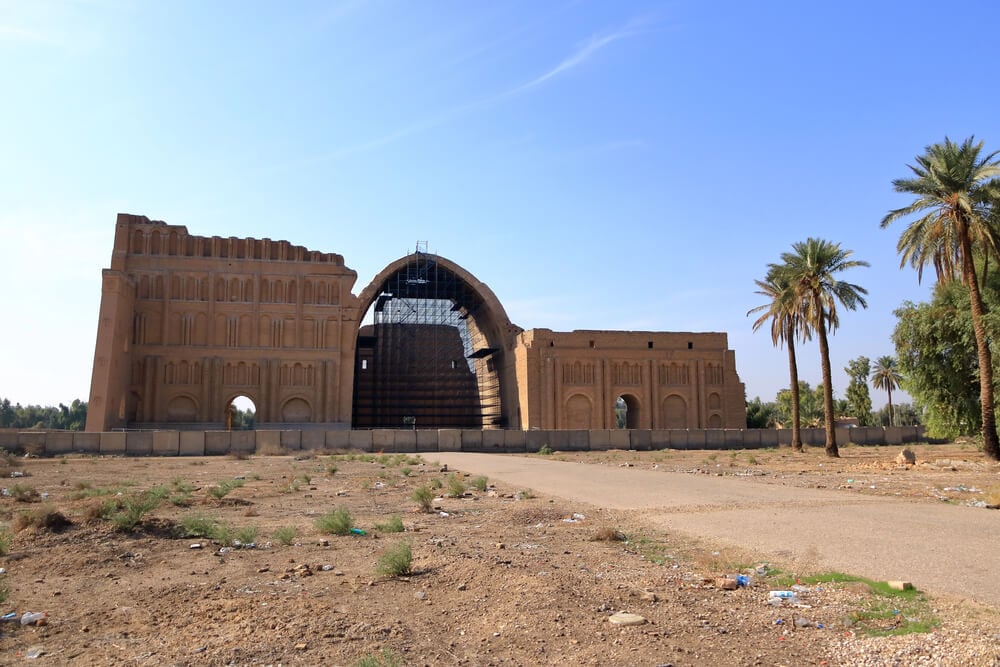
Once the capital of the Parthian and Sasanian Persian empires, Ctesiphon fell to Arab Muslim forces in the 7th century CE and was subsequently abandoned as regional power shifted to newly founded cities including nearby Baghdad. Its massive arch, among the largest surviving brick vaults from antiquity, still stands as nearly the sole major structure remaining on the site.
No city was ever rebuilt on the original location.
Nan Madol, Micronesia
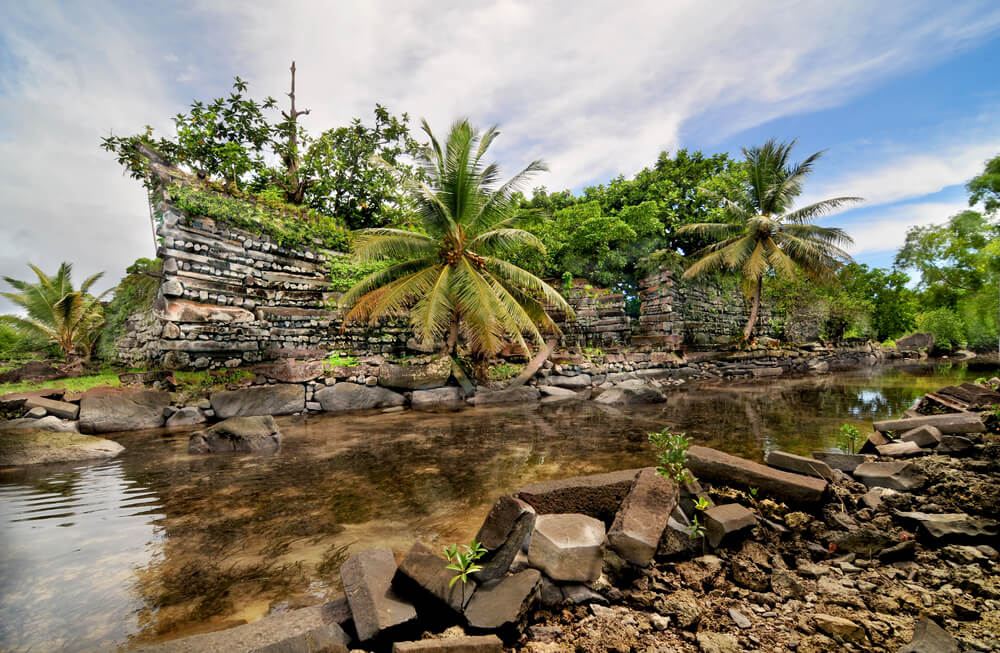
Built on a network of artificial islets off Pohnpei, Nan Madol served as the ceremonial and political center of the Saudeleur dynasty until its decline around the 17th century, likely tied to internal political collapse. Its basalt megalithic architecture, constructed without mortar, has survived largely intact despite the tropical environment.
The site has never been reinhabited as a functioning settlement.
Vijayanagara, India
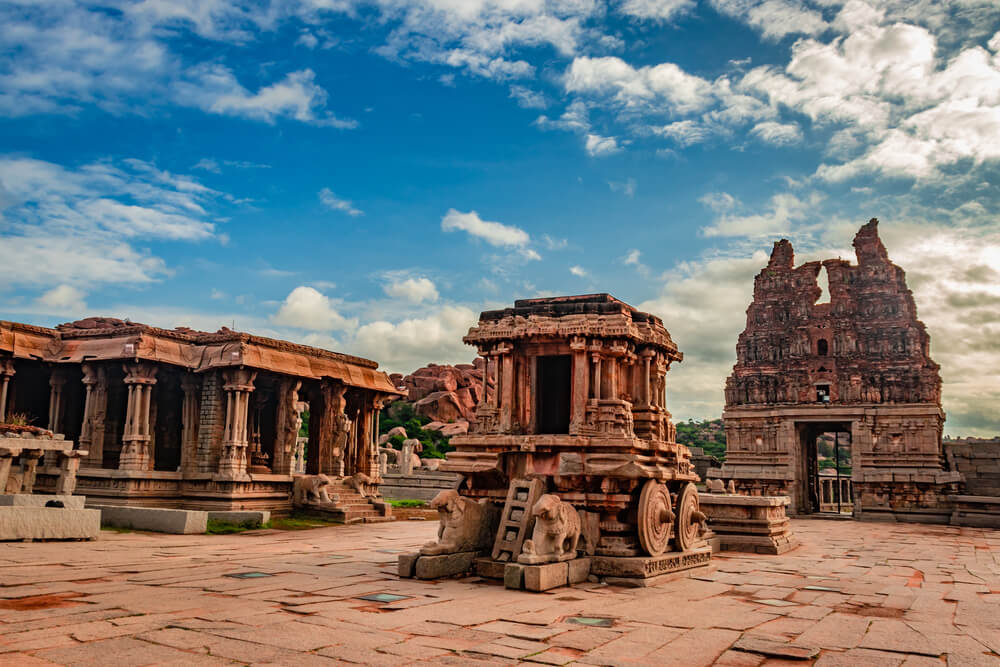
Also known by the name of its central district Hampi, Vijayanagara was the capital of one of medieval India’s largest empires until it was sacked by a coalition of Deccan sultanates in 1565. The city was subsequently abandoned rather than rebuilt, and its extensive ruins now spread across a landscape that never saw substantial resettlement.
The site’s scale makes it one of the largest ruined cities in South Asia.
Fatehpur Sikri, India
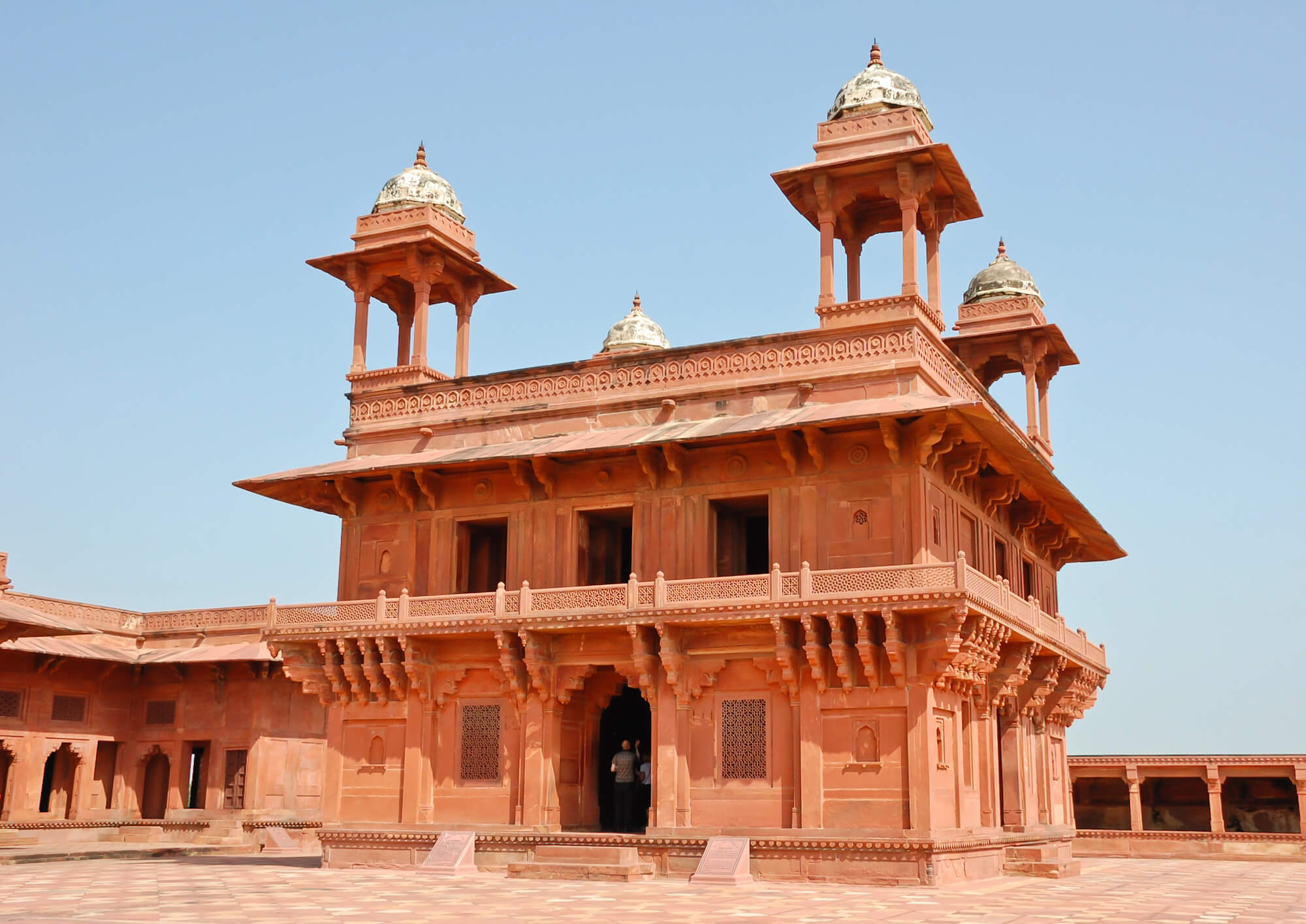
Built by Mughal emperor Akbar in the late 16th century as his capital, Fatehpur Sikri was abandoned within roughly two decades of its construction, largely due to an inadequate water supply for its population. Unlike many abandoned cities, its buildings remain remarkably well preserved because the abandonment happened quickly rather than through prolonged decline and looting.
No subsequent settlement was built over the original city.
Skara Brae, United Kingdom
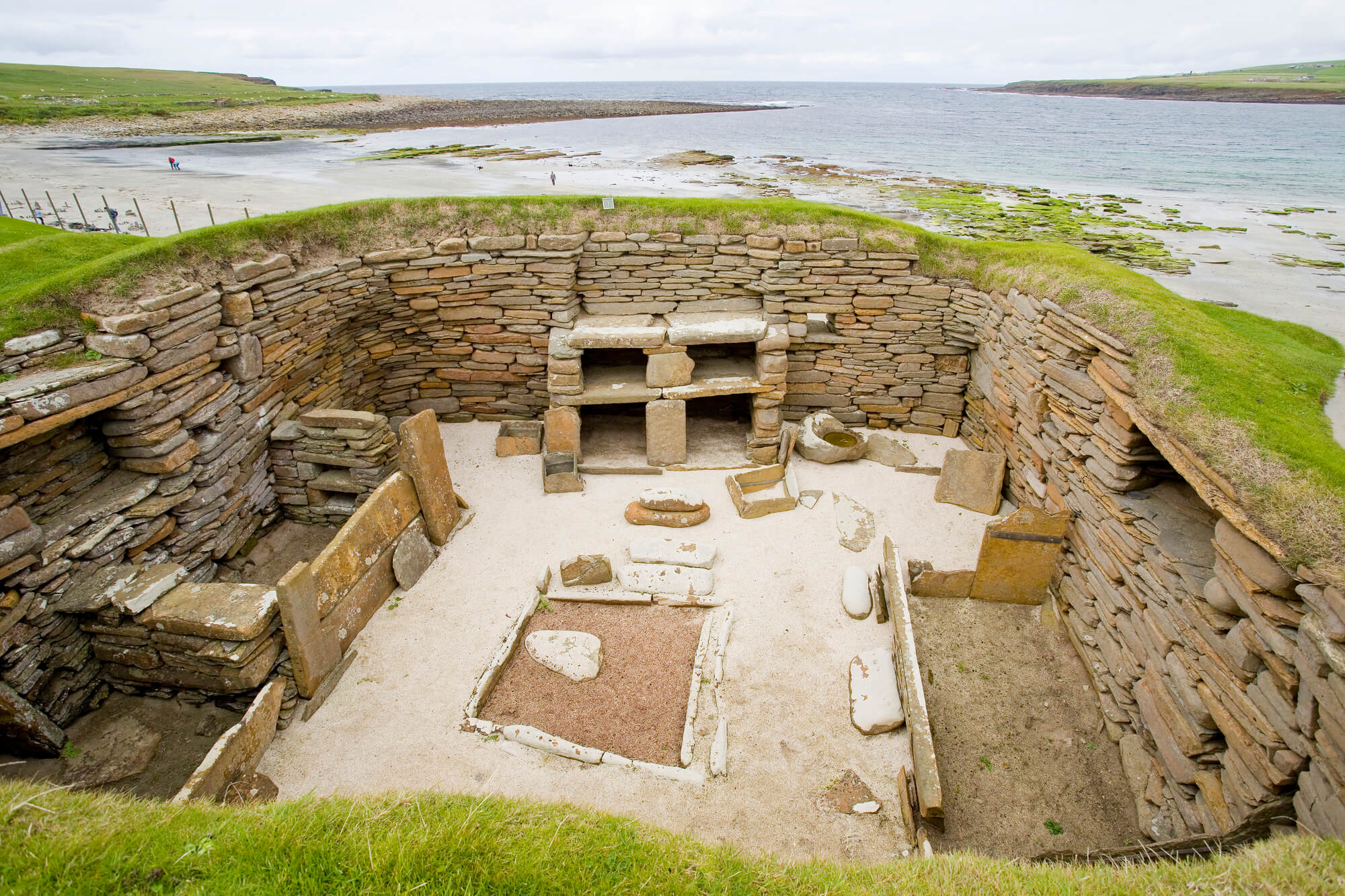
A Neolithic settlement on Scotland’s Orkney Islands, Skara Brae was abandoned around 2500 BCE, likely due to a combination of environmental change and shifting living patterns, and was subsequently buried under sand dunes for millennia. A storm in 1850 uncovered the site, revealing stone furniture preserved in remarkable detail.
It has remained an archaeological site rather than a resettled location ever since its rediscovery.
Persepolis, Iran
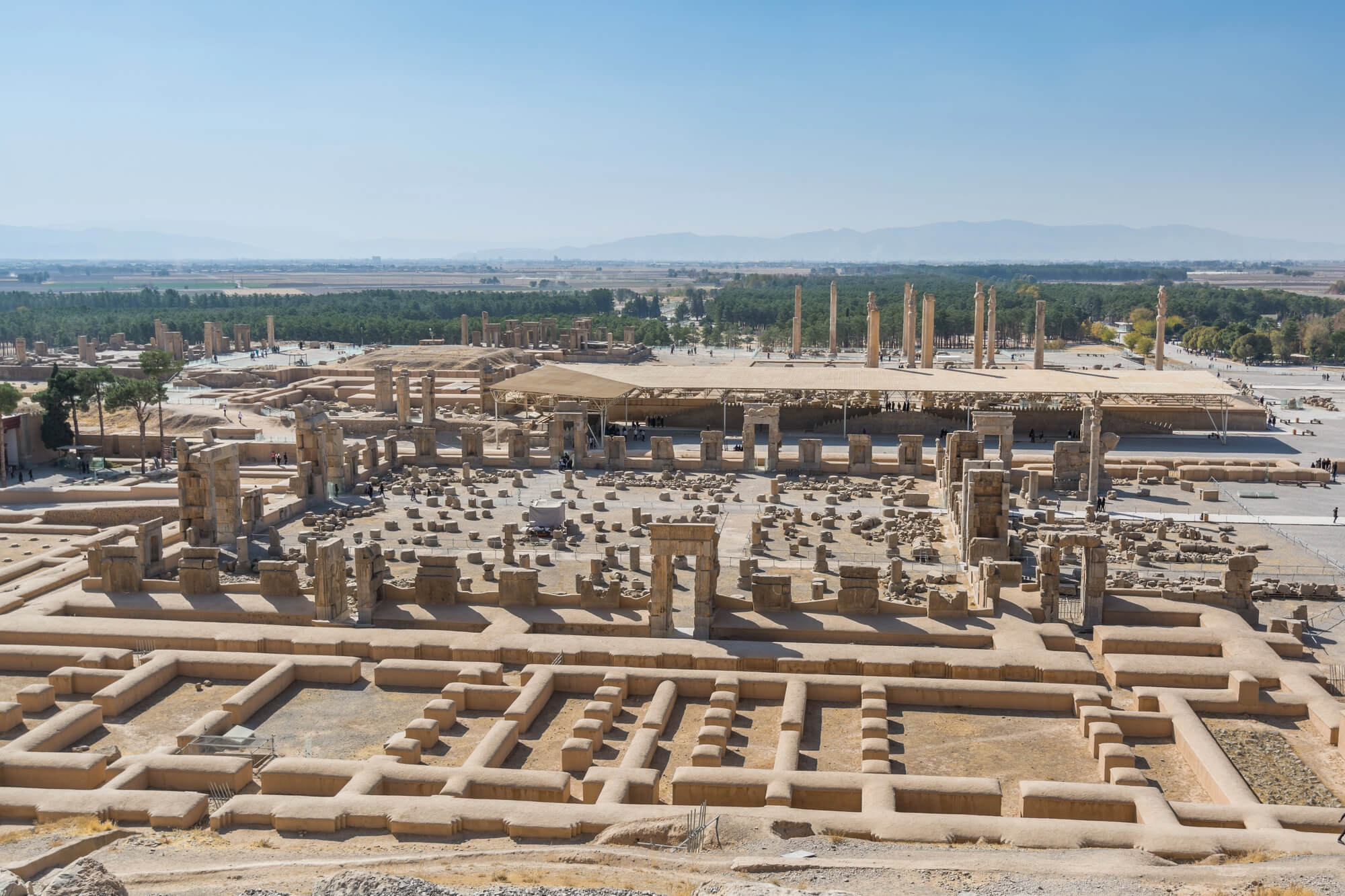
The ceremonial capital of the Achaemenid Persian Empire, Persepolis was destroyed by fire during Alexander the Great’s conquest in 330 BCE, an event ancient sources attribute variously to accident or deliberate reprisal. The city was never rebuilt, and its ruins remained a largely undisturbed monument to Achaemenid power for over two millennia.
Modern Iran has preserved the site as a protected archaeological zone rather than a populated settlement.
Troy, Turkey
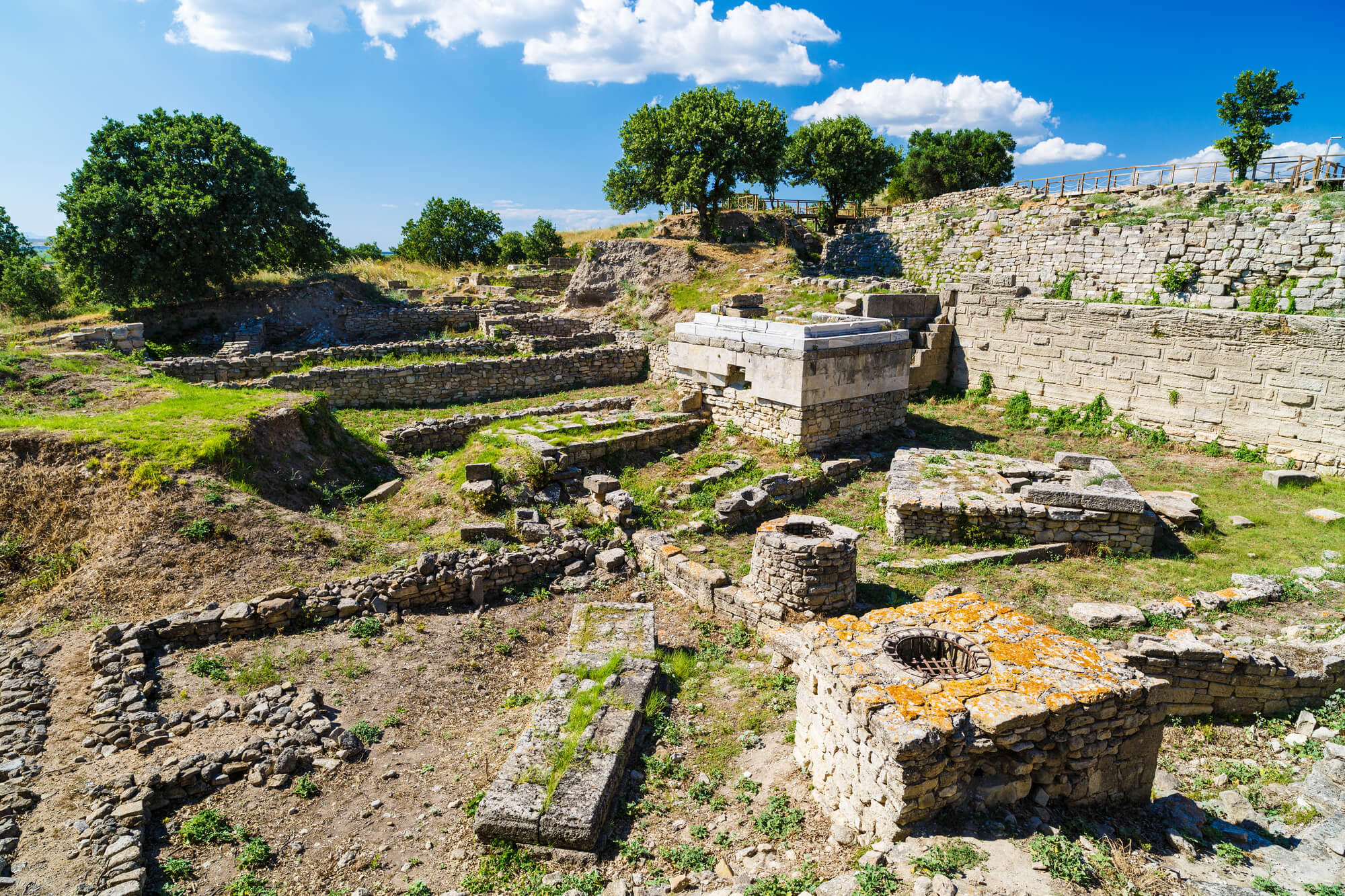
The city famous from Homer’s legend was, in its final historical form, gradually abandoned in late antiquity as trade routes and regional power centers shifted elsewhere in Anatolia. Multiple layers of settlement were built and rebuilt on the site across millennia before its final abandonment, making Troy one of the most extensively excavated multi-layer archaeological sites in the world.
No modern city occupies the ancient site itself.
Sigiriya, Sri Lanka
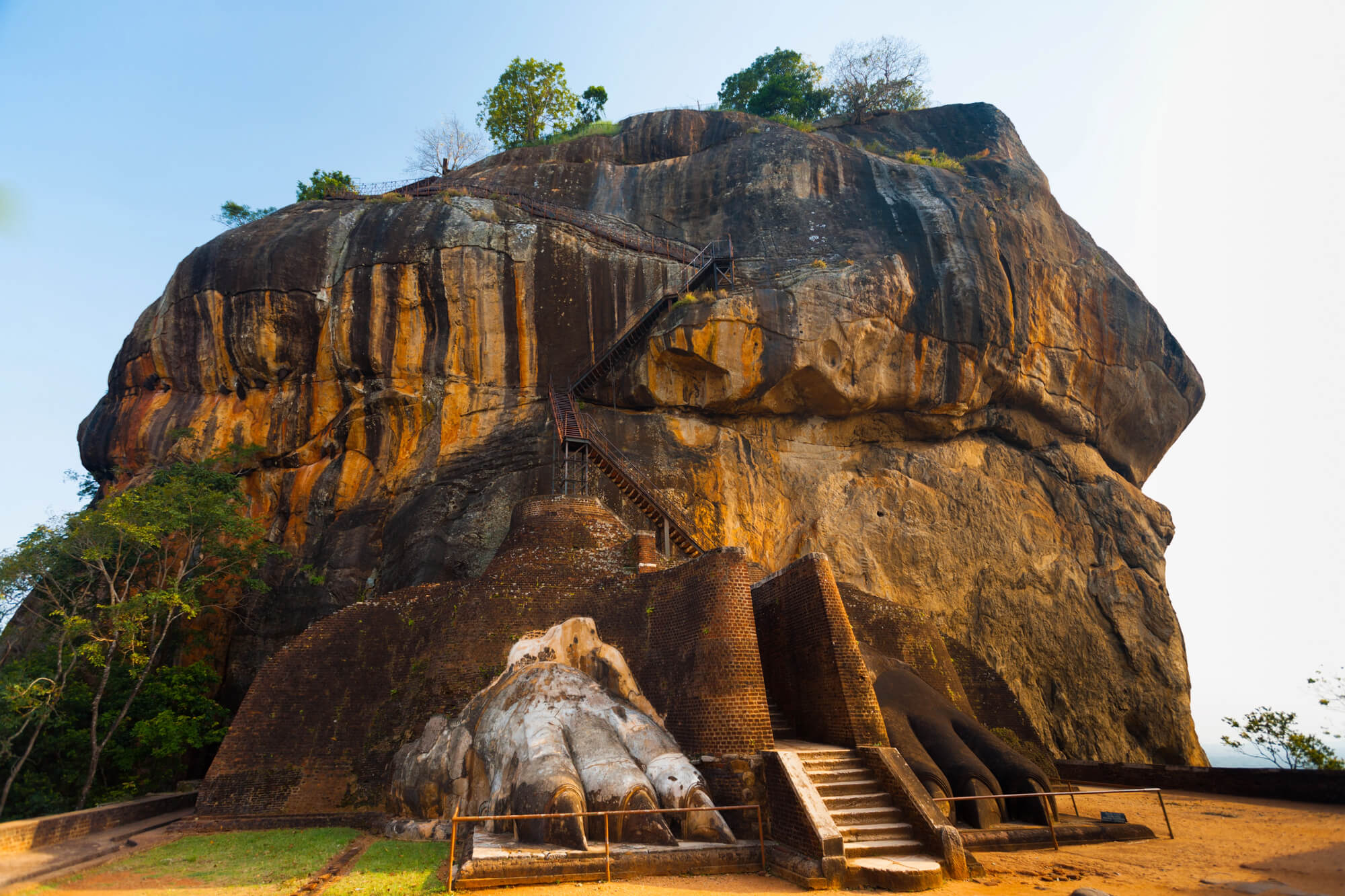
Built atop a dramatic rock outcrop as a fortified palace complex in the 5th century CE, Sigiriya was abandoned as a royal residence after roughly two decades and subsequently used only as a Buddhist monastery before falling into disuse entirely. Its elevated position made permanent resettlement impractical for ordinary habitation.
The site remains an archaeological and tourist destination rather than an inhabited town.
Merv, Turkmenistan
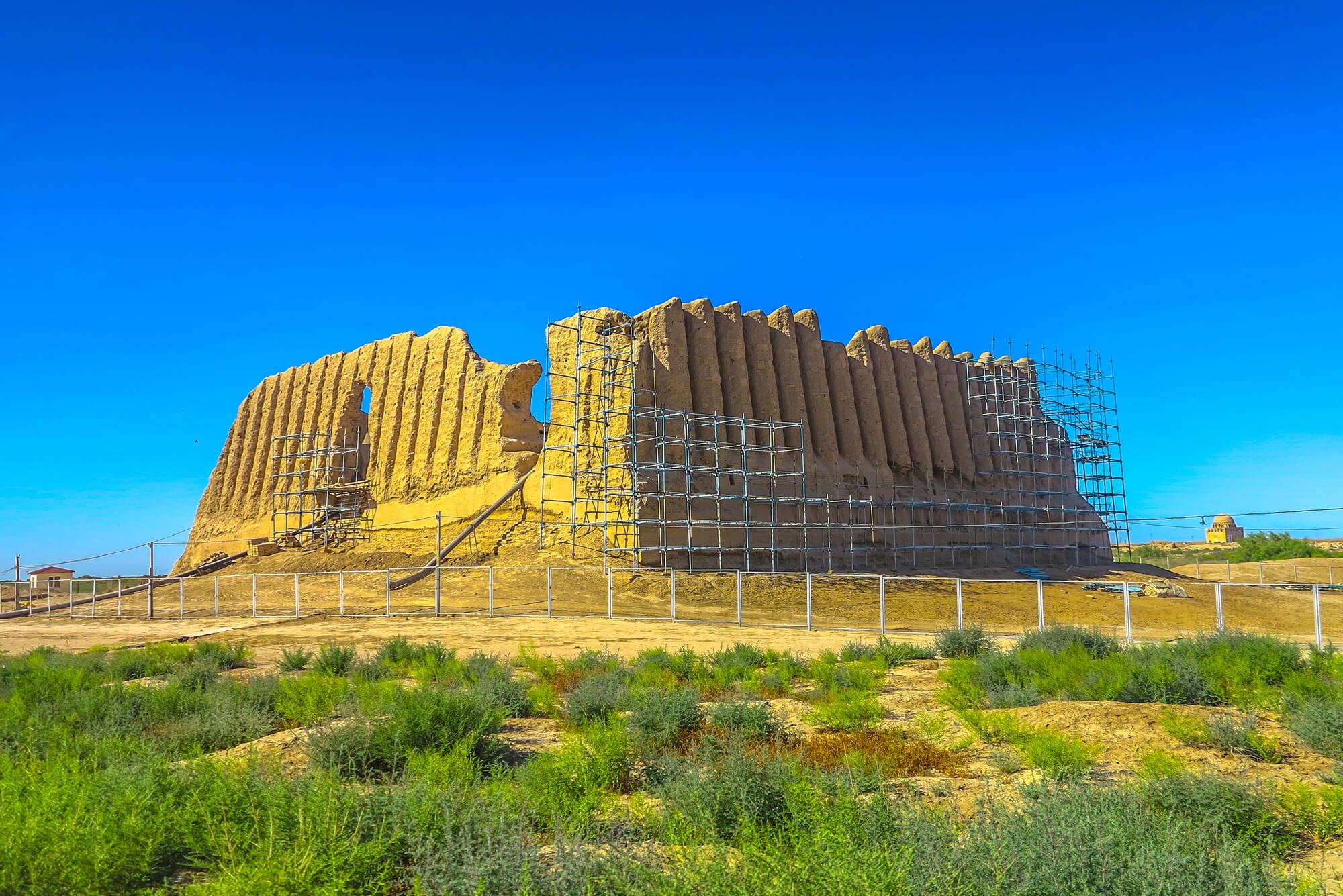
Once one of the largest cities in the world along the Silk Road, Merv was devastated by the Mongol invasion in 1221, an event medieval chroniclers described as one of history’s deadliest single sackings of a city. The city was never rebuilt to its former scale, and its extensive ruins remain largely unoccupied across a wide desert site.
Later settlements in the region were established at some distance rather than directly atop the ancient city.
Leptis Magna, Libya
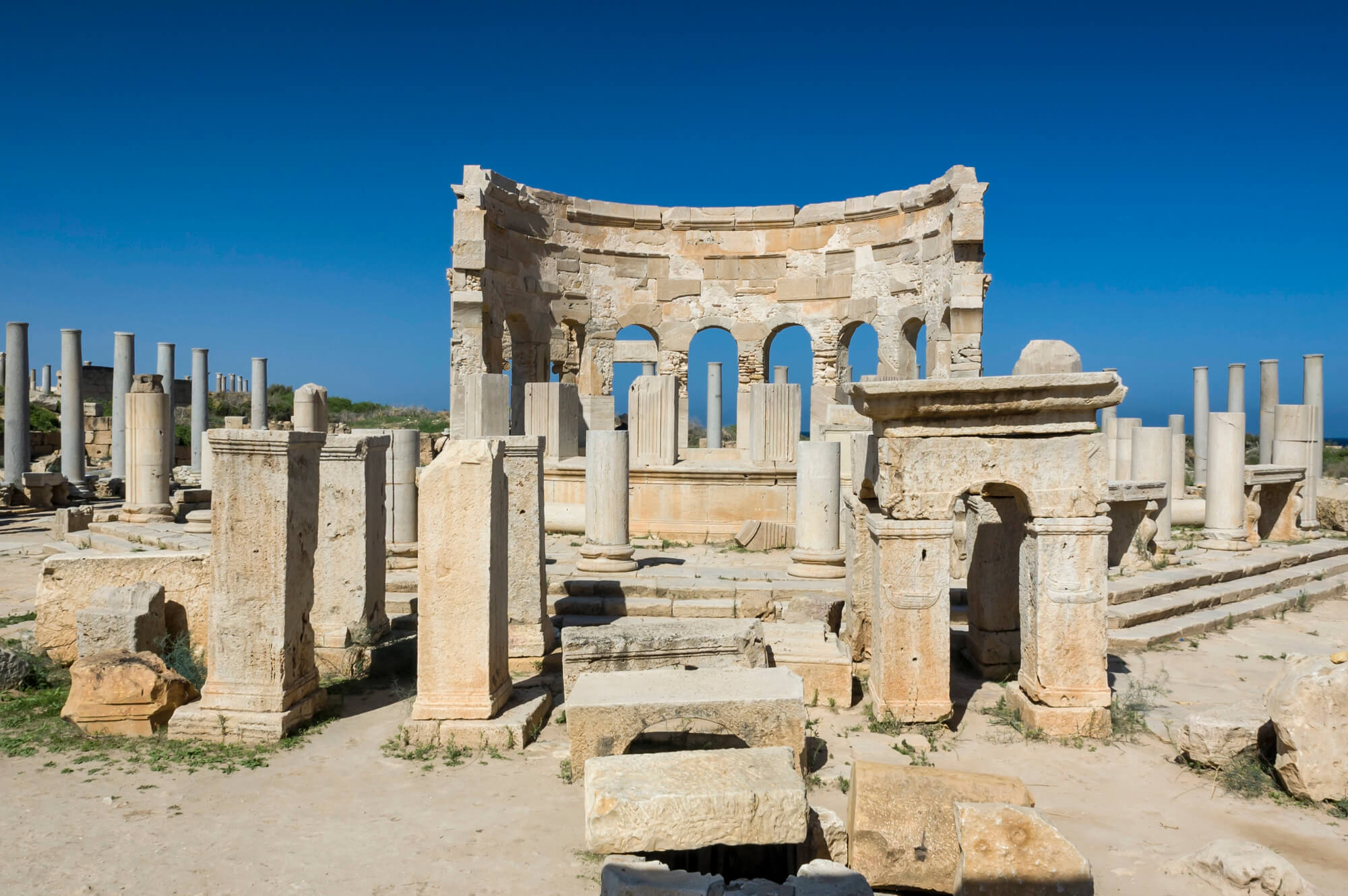
A major Roman city in North Africa, Leptis Magna declined gradually following Vandal and later Arab conquests, with its population dispersing as the city’s infrastructure and trade connections deteriorated. Sand from the surrounding desert eventually buried large portions of the site, preserving its Roman architecture in unusually good condition.
No later city was constructed over the ancient ruins.
Volubilis, Morocco
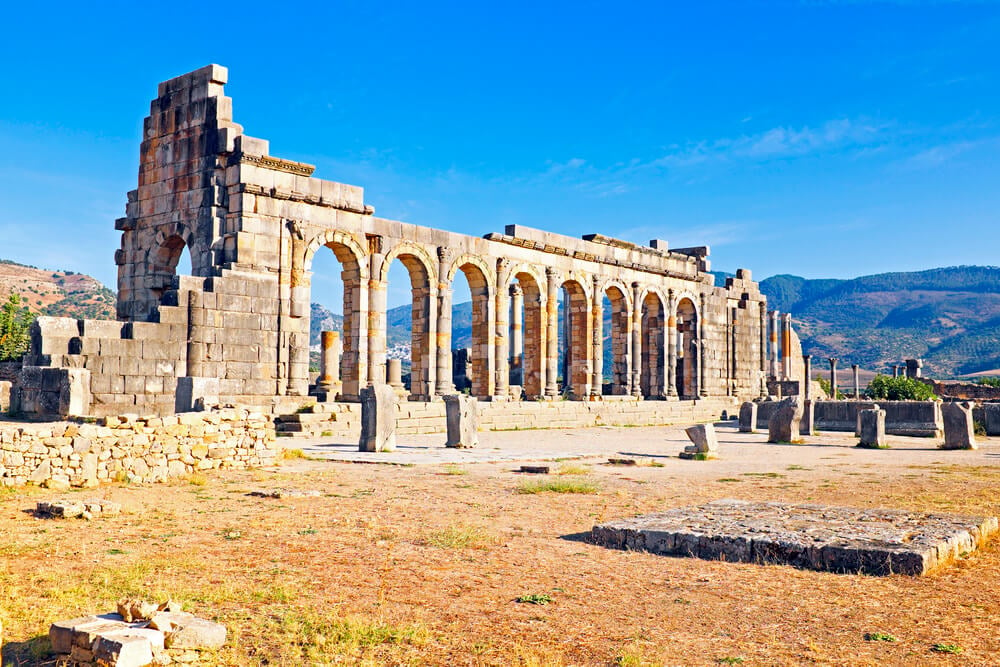
A Roman provincial city in what is now Morocco, Volubilis declined gradually over centuries following the end of Roman administration and the Islamic conquest in the 7th century, with its status as an urban center never recovering. Portions of the site’s stone were later removed for construction elsewhere, but no settlement was rebuilt directly on the ruins.
It remains one of the best-preserved Roman sites in North Africa.
Teotihuacan, Mexico
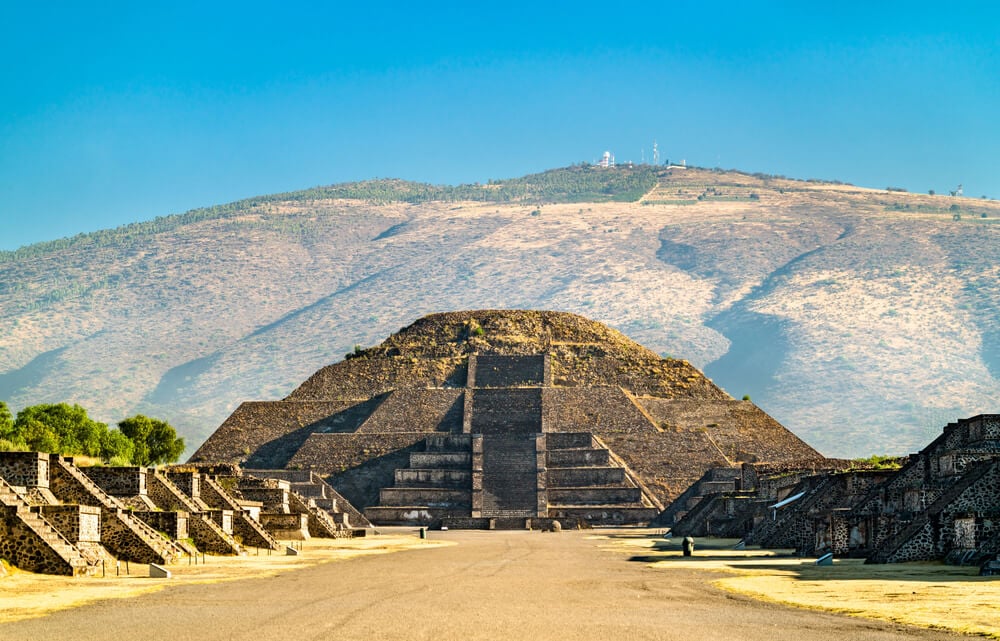
One of the largest cities in the pre-Columbian Americas, Teotihuacan was abandoned around the 7th or 8th century CE following a period of internal upheaval, the causes of which remain debated among archaeologists. Its massive pyramids survived largely intact despite centuries without habitation, later inspiring reverence from the Aztecs, who found the ruins already ancient by the time their own empire rose.
No subsequent city was rebuilt on the same site.
Babylon’s Outer City, Iraq
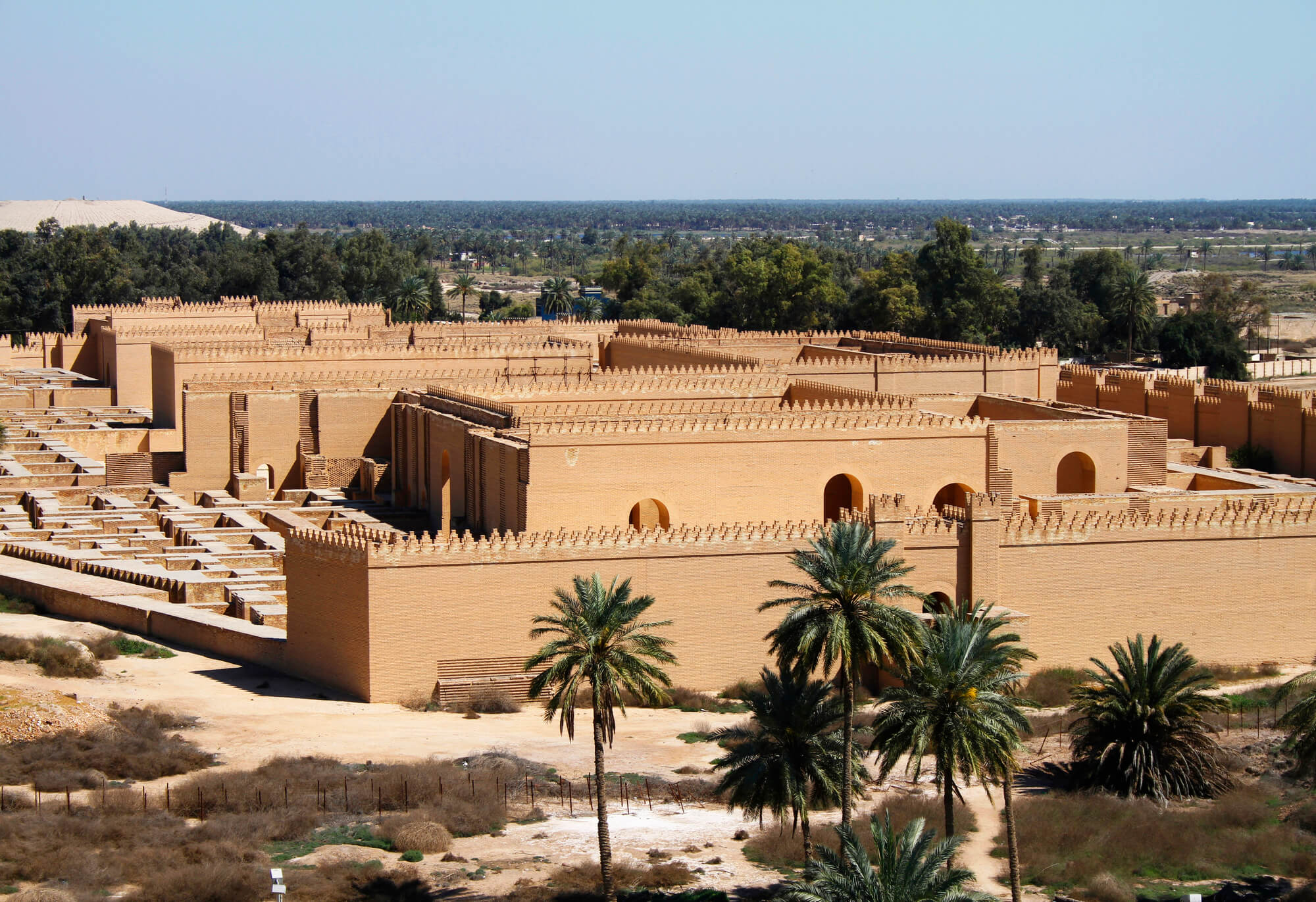
While parts of the broader Babylon region saw later habitation, the ancient city’s core urban center declined steadily after Persian and later Seleucid rule shifted regional power elsewhere, and it was largely deserted by the early centuries CE. Unlike smaller settlements nearby, the original city’s monumental core was never rebuilt to anything resembling its ancient scale.
Modern Iraq has preserved the excavated core as an archaeological site.
Xanadu, China
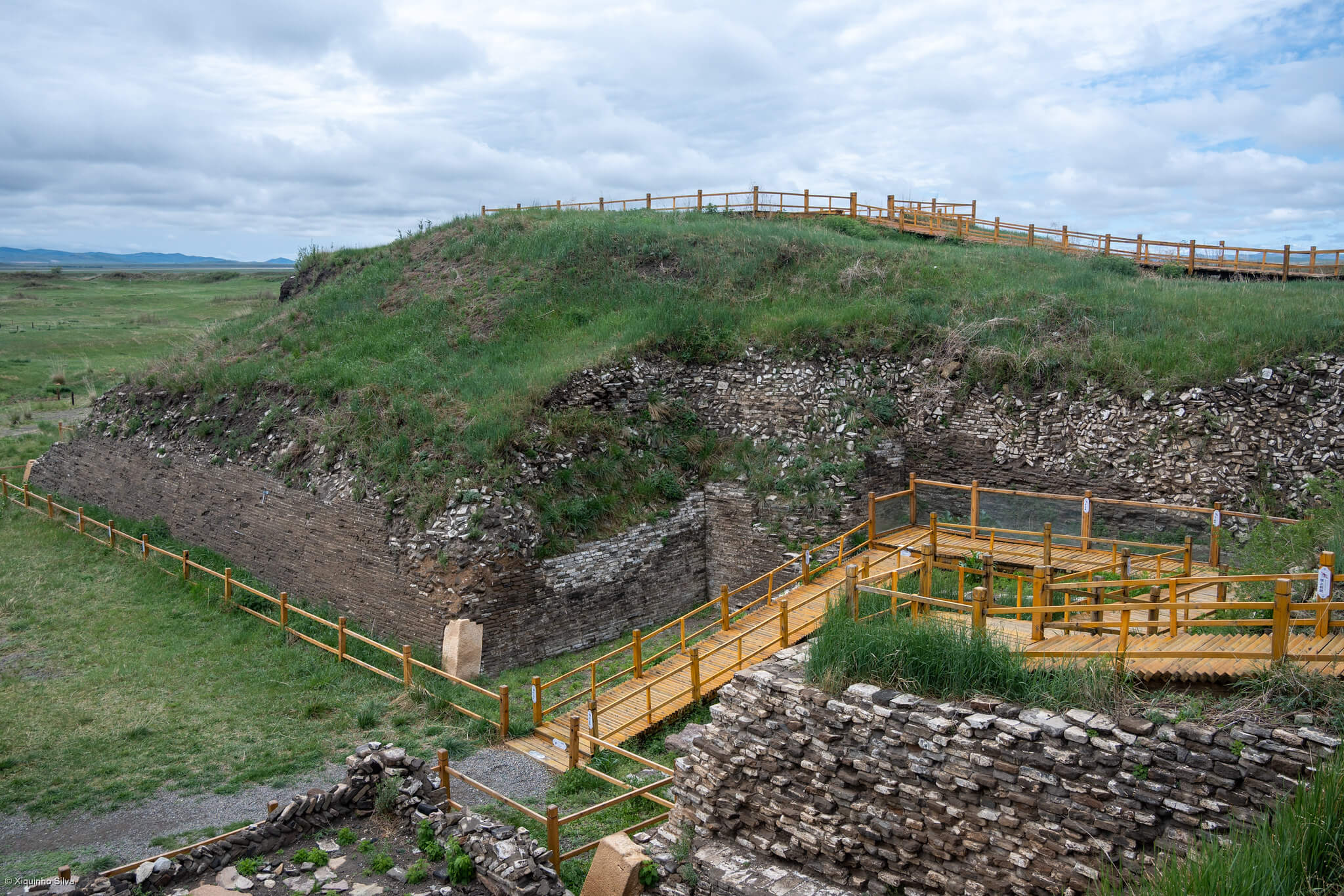
Once the summer capital of Kublai Khan’s Yuan dynasty, Xanadu (Shangdu) was destroyed by Ming dynasty forces in the 14th century and subsequently abandoned as the dynasty that built it collapsed. The city’s grasslands setting meant that, unlike stone ruins elsewhere, comparatively little visible structure survived above ground.
No later Chinese settlement was built directly on the original site.
Derinkuyu’s Surface City, Turkey
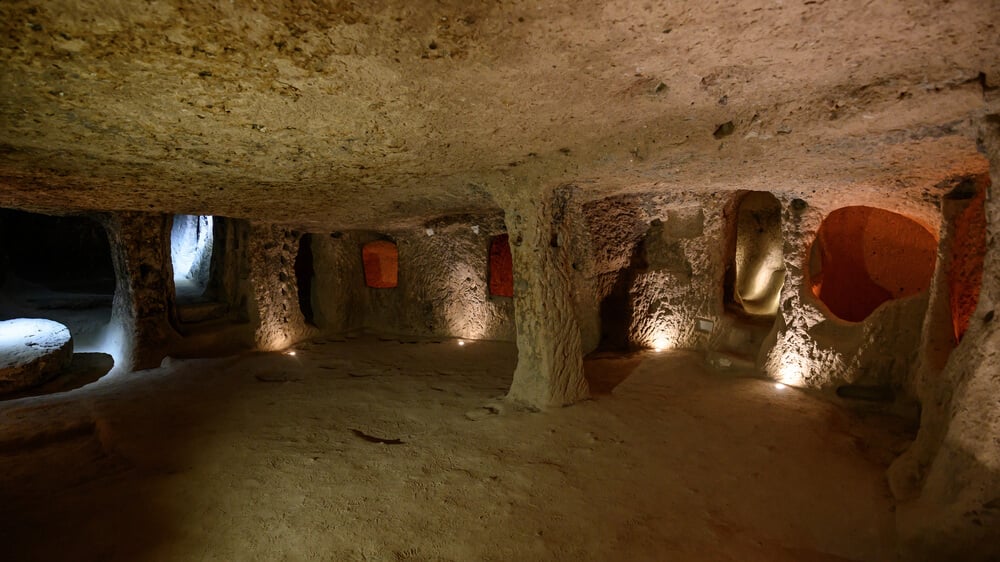
While the underground city at Derinkuyu itself saw periodic reuse as a refuge, the surface settlement associated with it in Cappadocia was largely abandoned as a primary population center once regional stability reduced the need for underground shelter. The surrounding surface town never returned to its earlier scale of habitation.
The underground chambers remain a tourist site rather than an inhabited settlement.
Pompeii’s Original City Footprint, Italy
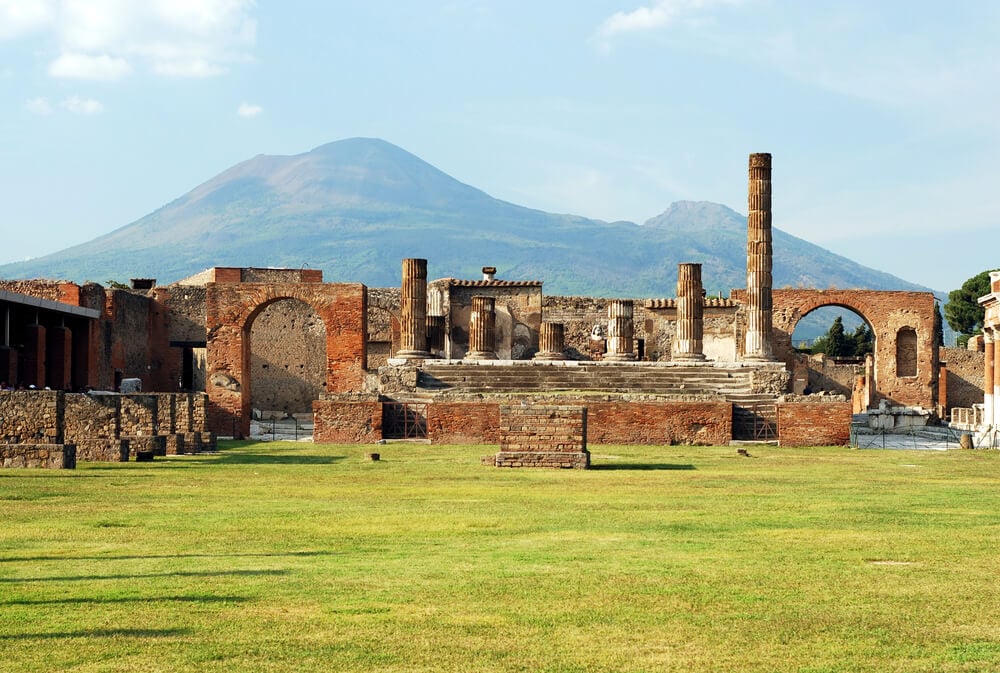
Buried by the eruption of Mount Vesuvius in 79 CE, Pompeii was never rebuilt on its original footprint even after the immediate danger passed, as Roman settlement patterns in the region shifted elsewhere in the following centuries. The city remained largely forgotten until systematic excavation began in the 18th century.
Modern Pompei, the nearby town, is a separate settlement built at a distance rather than atop the buried ruins.
What Emptiness Preserves
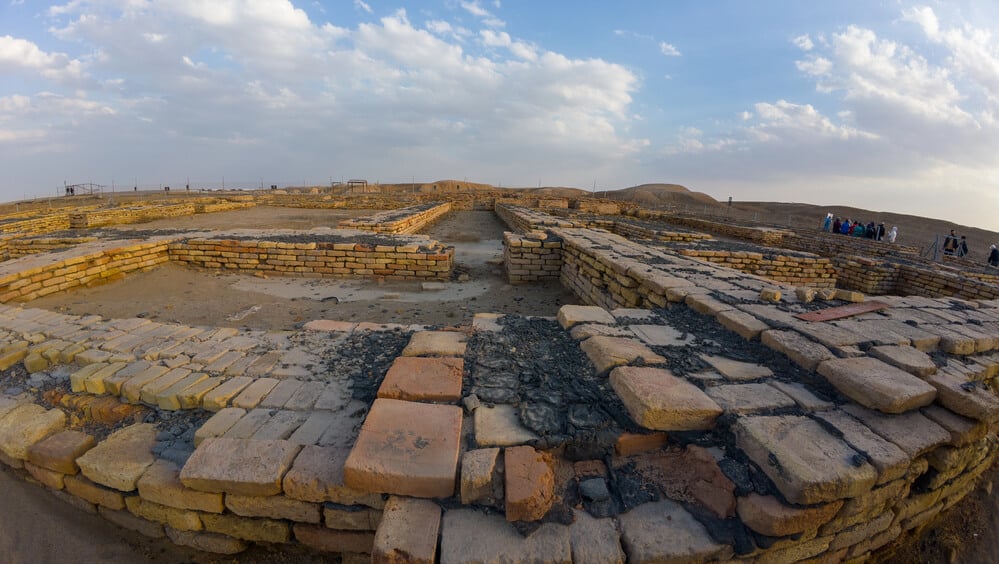
An abandoned city is, in an odd way, a kind of accident of preservation. Cities that stayed continuously inhabited get built over, demolished, and rebuilt every generation, erasing most physical evidence of earlier eras.
Cities that were abandoned outright often survive in far greater architectural detail precisely because no one ever needed the land again. That’s the paradox running through this list: the places history seems to have failed most completely are frequently the ones that tell us the most about how people actually lived, simply because nothing came after to cover it up.
More from Go2Tutors!

- The Romanov Crown Jewels and Their Tragic Fate
- 13 Historical Mysteries That Science Still Can’t Solve
- Famous Hoaxes That Fooled the World for Years
- 15 Child Stars with Tragic Adult Lives
- 16 Famous Jewelry Pieces in History
Like Go2Tutors’s content? Follow us on MSN.