12 Islands No Government Allows Visitors to Land On
Some islands are empty for reasons that have nothing to do with geography — a government decided, and enforced, that no one sets foot there. The restrictions range from protecting isolated peoples to guarding military secrets, but the effect is the same: a landmass sitting in plain sight, permanently off limits.
North Sentinel Island, India
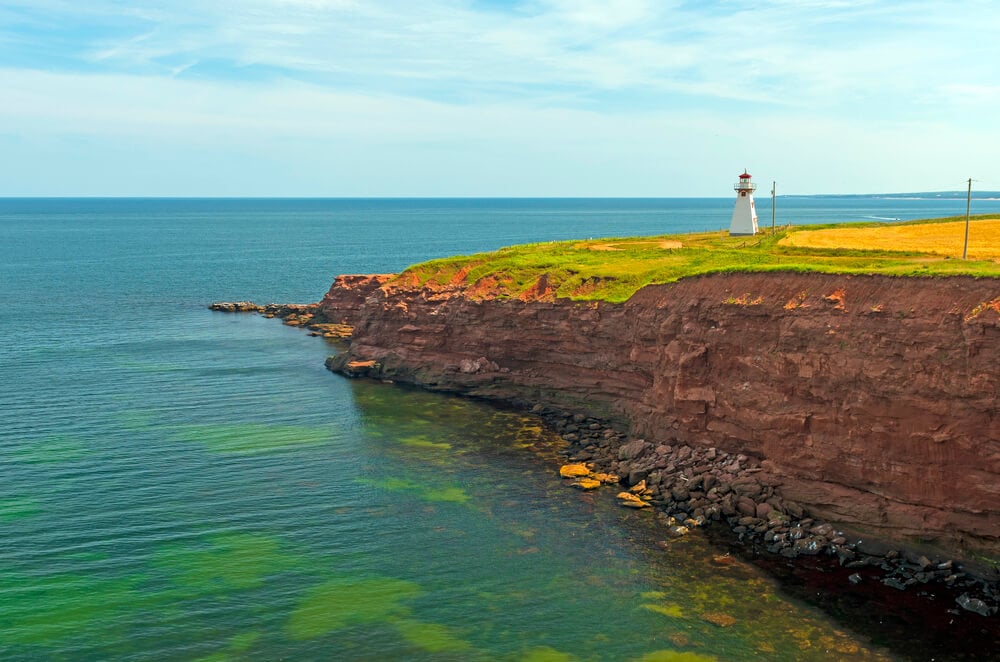
North Sentinel Island in the Bay of Bengal is home to the Sentinelese, an uncontacted indigenous people who have consistently met outsiders with lethal force. India’s Andaman and Nicobar Islands Protection of Aboriginal Tribes Regulation of 1956 prohibits anyone, Indian citizen or foreign national, from entering the island, and the government has declared a several-kilometer exclusion zone around it. In 2005 officials formally suspended even the anthropological contact expeditions that had previously operated under government supervision, extending the prohibition to everyone without exception.
Ilha da Queimada Grande, Brazil
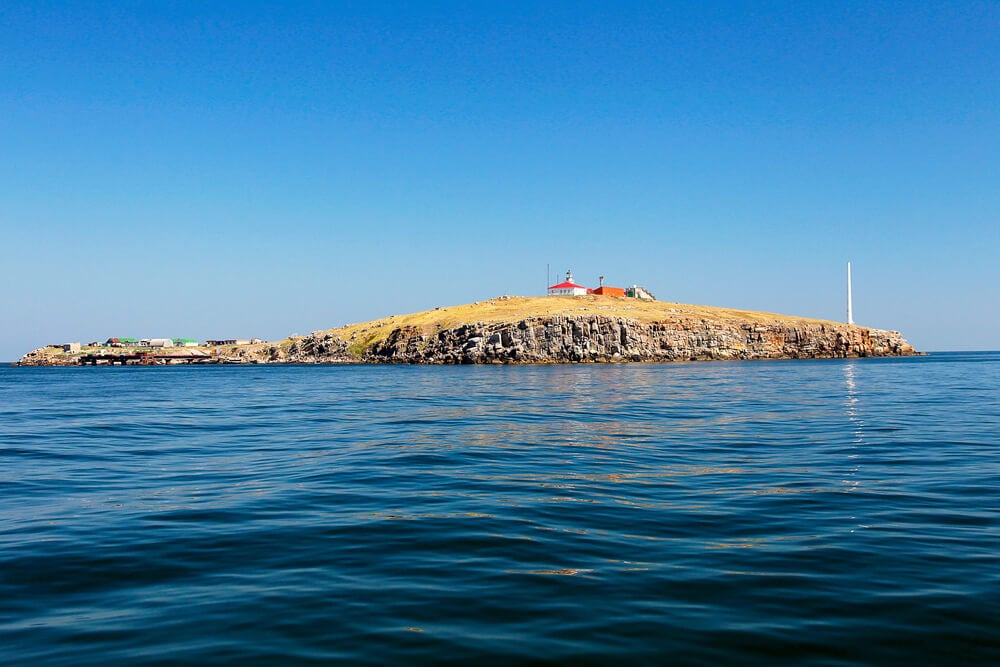
Known widely as Snake Island, this landmass off the coast of São Paulo state hosts one of the world’s densest concentrations of a highly venomous pit viper found nowhere else on Earth. The Brazilian Navy restricts civilian access and typically only permits researchers accompanied by a physician, given the danger of envenomation far from medical care. The restriction functions as a near-total ban in practice, since almost no one qualifies for the narrow exceptions.
Surtsey, Iceland
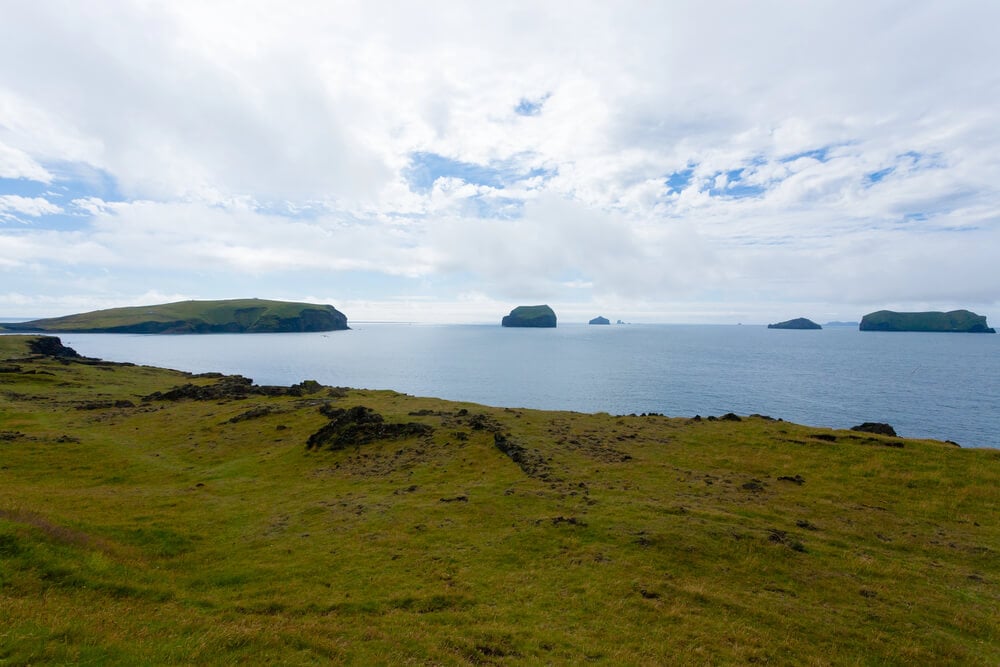
Surtsey rose out of the Atlantic in a volcanic eruption between 1963 and 1967, and Icelandic authorities restricted access from the moment it appeared in order to let scientists observe how life colonizes a landmass with zero prior contact. Only a small number of research scientists are permitted to land, and the island has been maintained as a UNESCO World Heritage Site specifically to preserve that undisturbed natural experiment. Six decades in, the restriction remains fully in force.
Diego Garcia, British Indian Ocean Territory
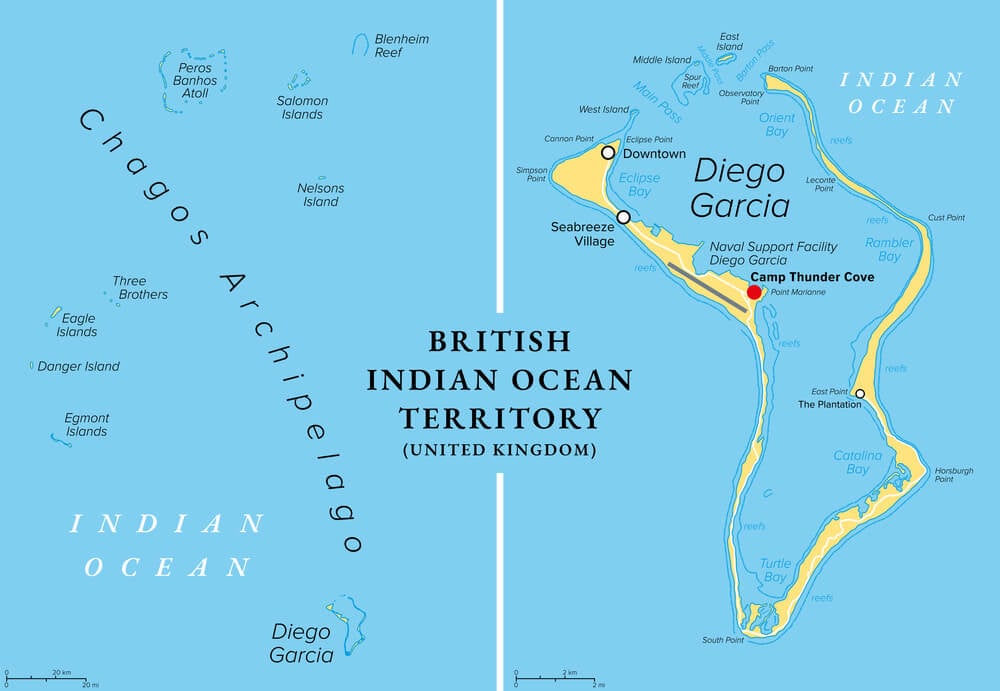
Diego Garcia, the largest island in the Chagos Archipelago, hosts a joint United States and United Kingdom military base and has been closed to civilian landing since the base’s establishment in the 1970s. The island’s former Chagossian inhabitants were removed during that period, a displacement that remains a subject of ongoing legal disputes. Unauthorized landing on the island is treated as a serious security violation by both governments.
Farallon Islands, United States
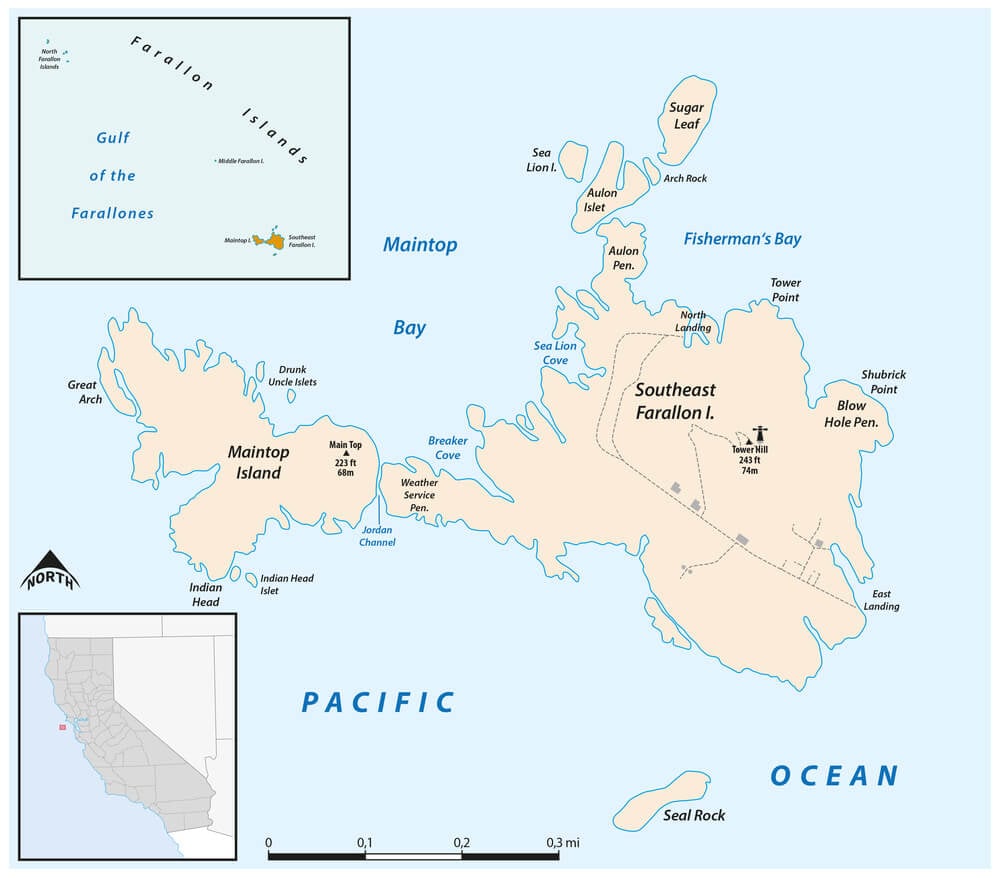
Sitting roughly thirty miles off San Francisco, the Farallon Islands are federally protected as a national wildlife refuge and closed to public landing to safeguard nesting seabird colonies and a resident population of elephant seals. Only researchers with specific federal permits are allowed ashore, and the surrounding waters are similarly restricted during breeding seasons. The islands’ isolation has made them one of the most-studied seabird colonies on the West Coast precisely because human disturbance is kept so low.
North Brother Island, United States
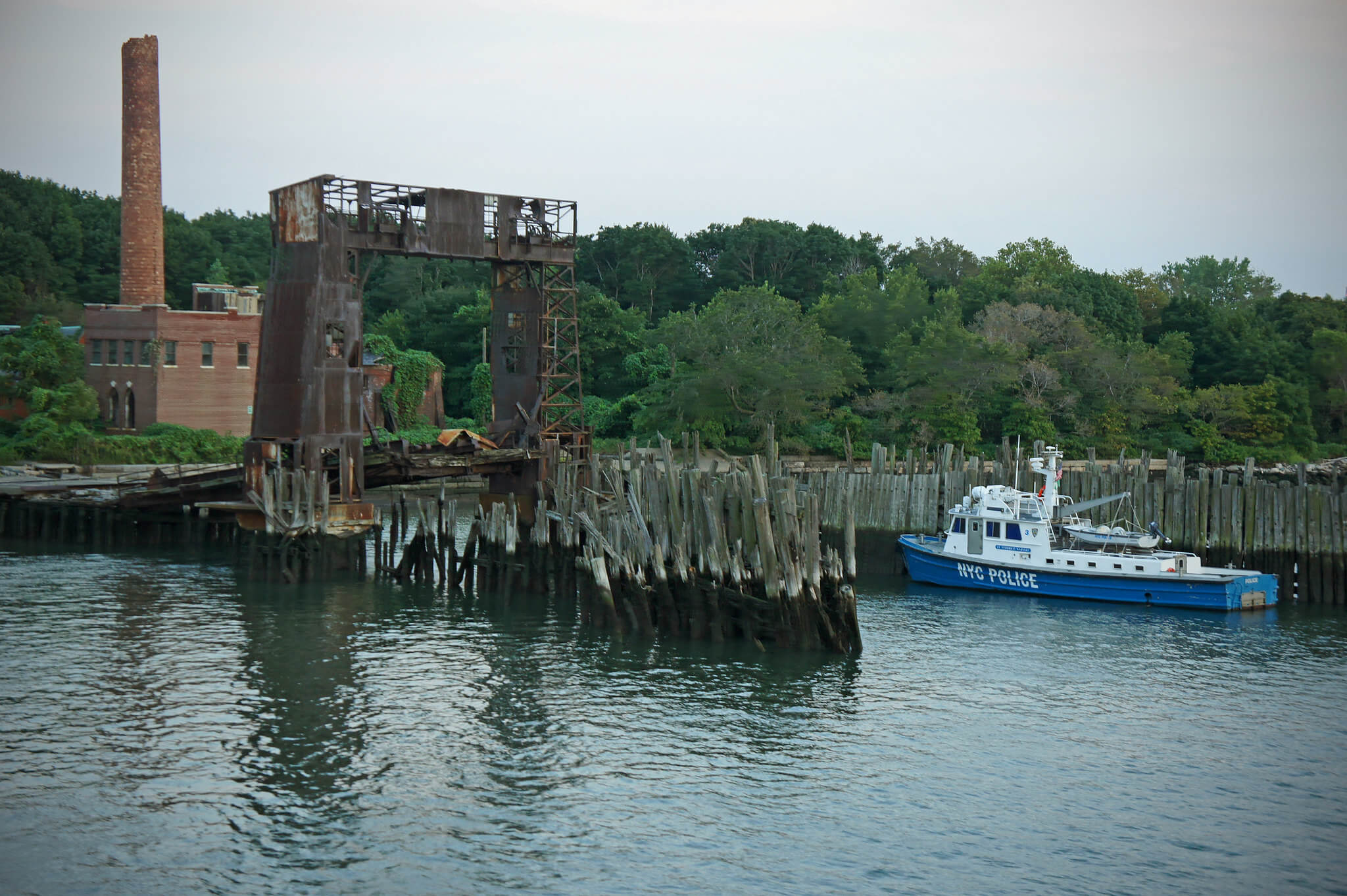
North Brother Island in New York’s East River once held a hospital for infectious disease patients and later housed a drug treatment facility, but it has been abandoned since the 1960s and is now managed by the city’s parks department as a bird sanctuary. Landing is prohibited both to protect nesting herons and egrets and because the island’s structures are considered too hazardous for unsupervised entry. Occasional organized tours have run under close supervision, but general public landing remains barred.
Redonda, Antigua and Barbuda
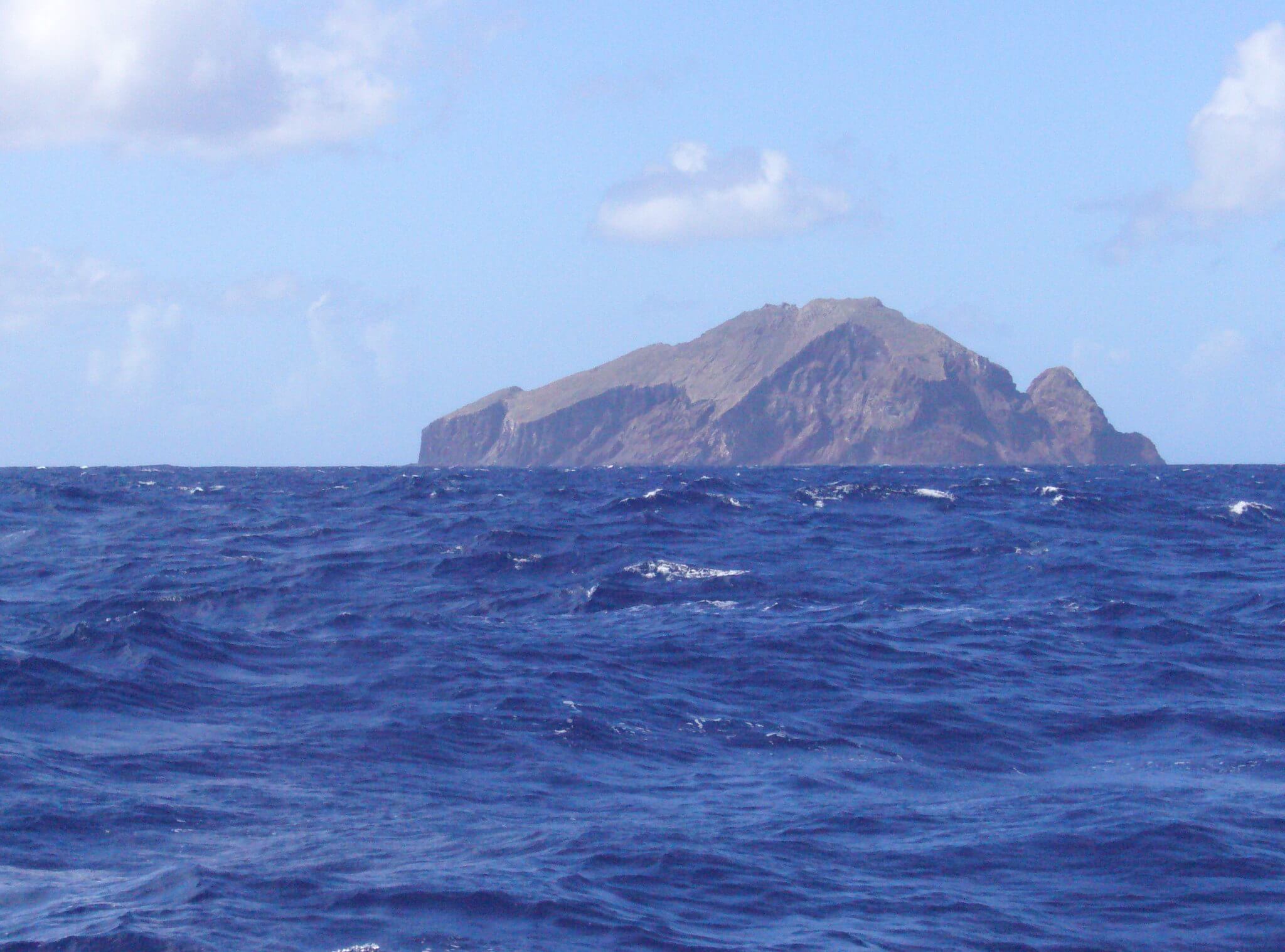
The uninhabited volcanic outcrop of Redonda was stripped bare by a century of guano mining and invasive rats and goats before Antiguan and Barbudan authorities designated it a nature reserve and began an ecological restoration project. Landing is restricted to authorized conservation teams working to reestablish native vegetation and seabird populations. The steep, unstable terrain makes the restriction as much about safety as ecology.
Rat Island, United States
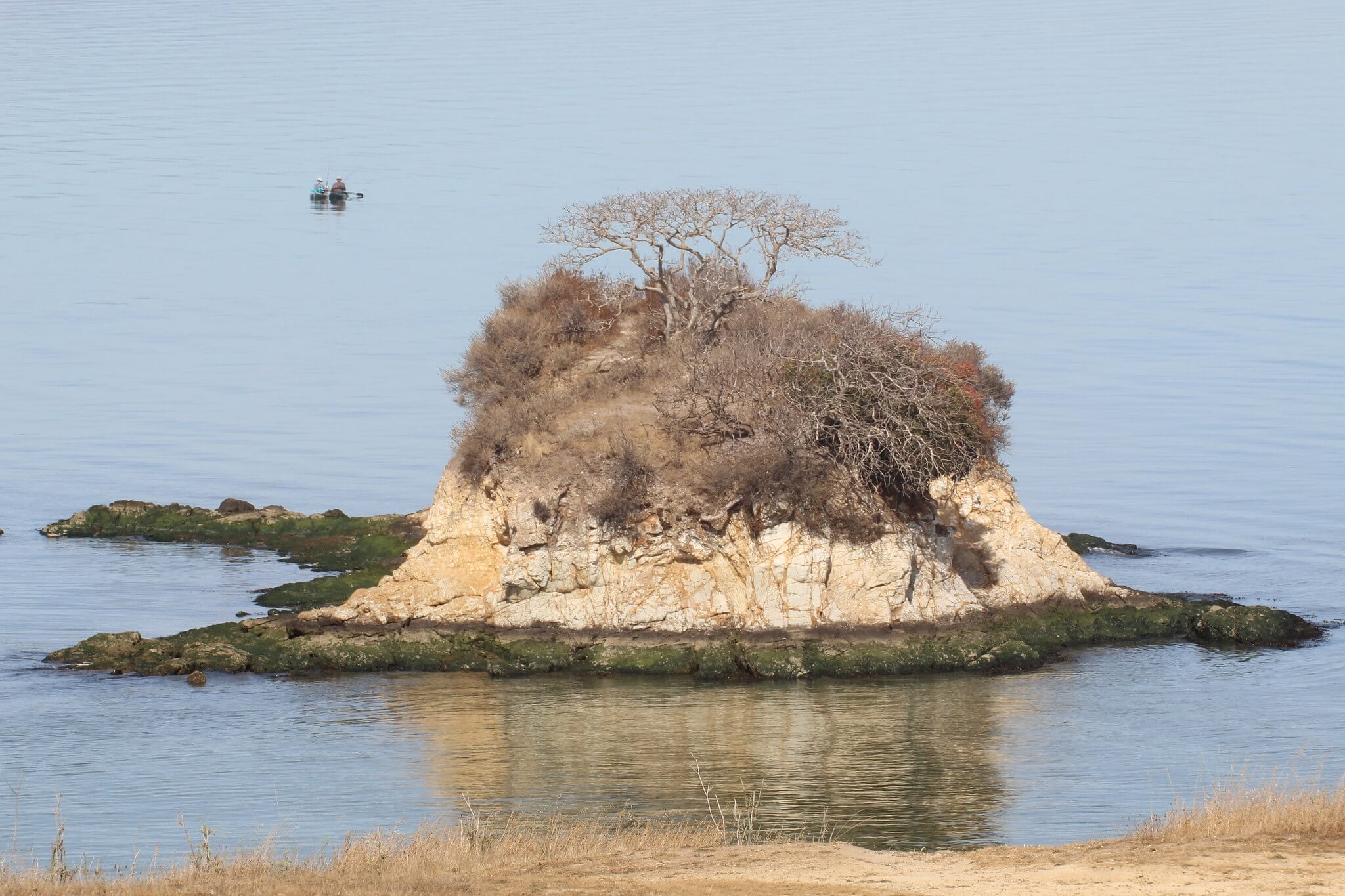
Rat Island in Alaska’s Aleutian chain, renamed Hawadax Island after a successful rodent eradication program, remains closed to general landing as part of federal wildlife refuge management. The island had been overrun by rats introduced from an 18th-century shipwreck, and the restriction now protects the recovering native bird populations that eradication made possible. The U.S. Fish and Wildlife Service permits access only for authorized monitoring work.
Poveglia, Italy
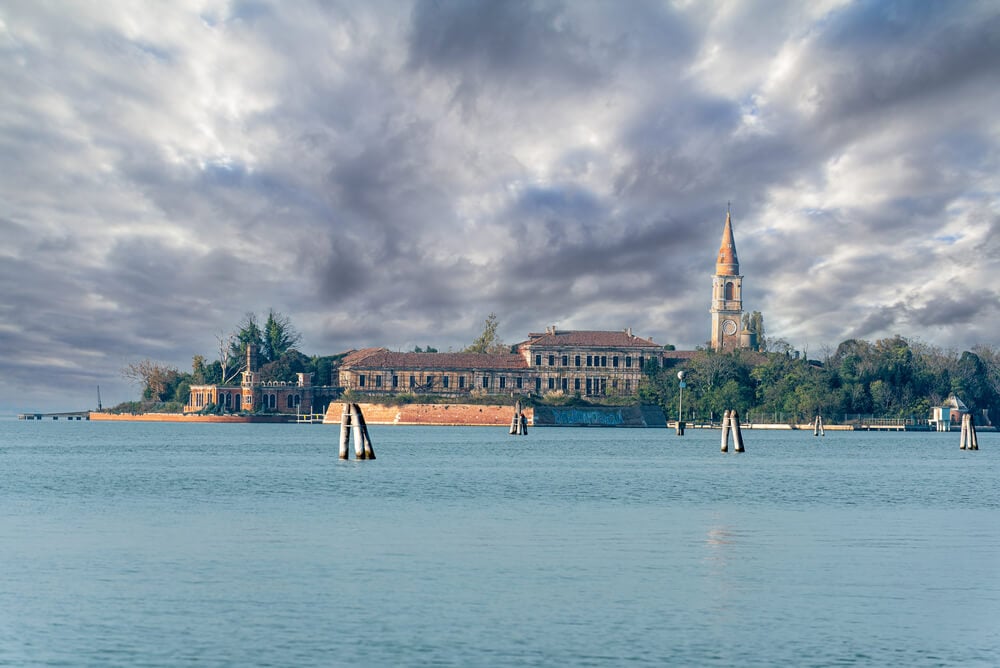
Poveglia in the Venetian Lagoon served historically as a quarantine station and later a psychiatric facility, and Italian authorities have kept it closed to unauthorized visitors for decades, citing structural hazards in the abandoned buildings. Access requires special permission that is rarely granted, effectively barring casual landing despite the island’s fame in popular folklore. A 2014 public auction of a long-term lease drew international attention but did not change the underlying access restrictions.
Niihau, United States
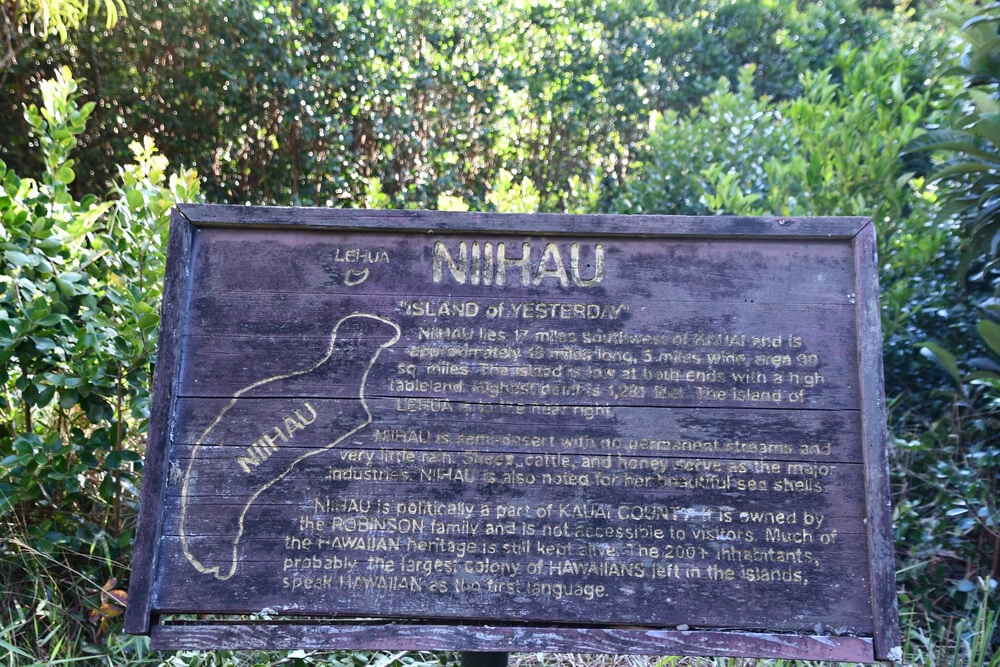
Privately owned by the Robinson family since the 19th century, Niihau in Hawaii operates under a landing restriction that functions with government backing through state and federal land-use law, earning it the nickname “the Forbidden Isle.” Access is limited to island residents, and outside visitors require an invitation, which is granted only rarely. The restriction has preserved a distinct Hawaiian-language community found nowhere else in the state.
Kaho’olawe, United States
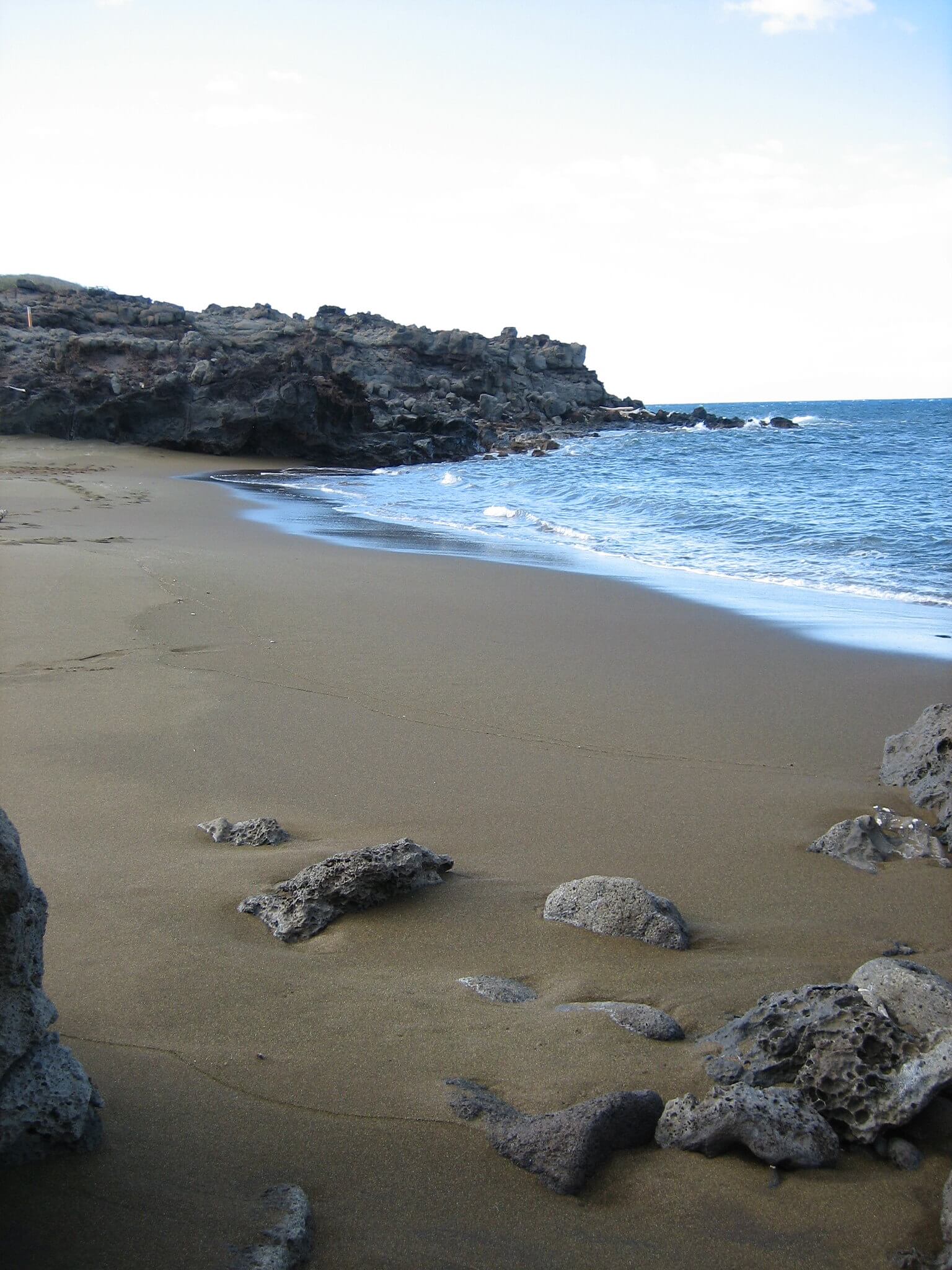
Kaho’olawe, once used for decades as a U.S. Navy bombing range, remains closed to unrestricted public landing because of unexploded ordnance still buried across the island despite a multi-decade cleanup effort. The state of Hawaii now manages it as a reserve, permitting entry only through organized cultural access programs with safety escorts. The scale of the ordnance contamination means a full, unrestricted reopening has no announced timeline.
Protected Seabird Outcrops, Isles of Scilly, United Kingdom
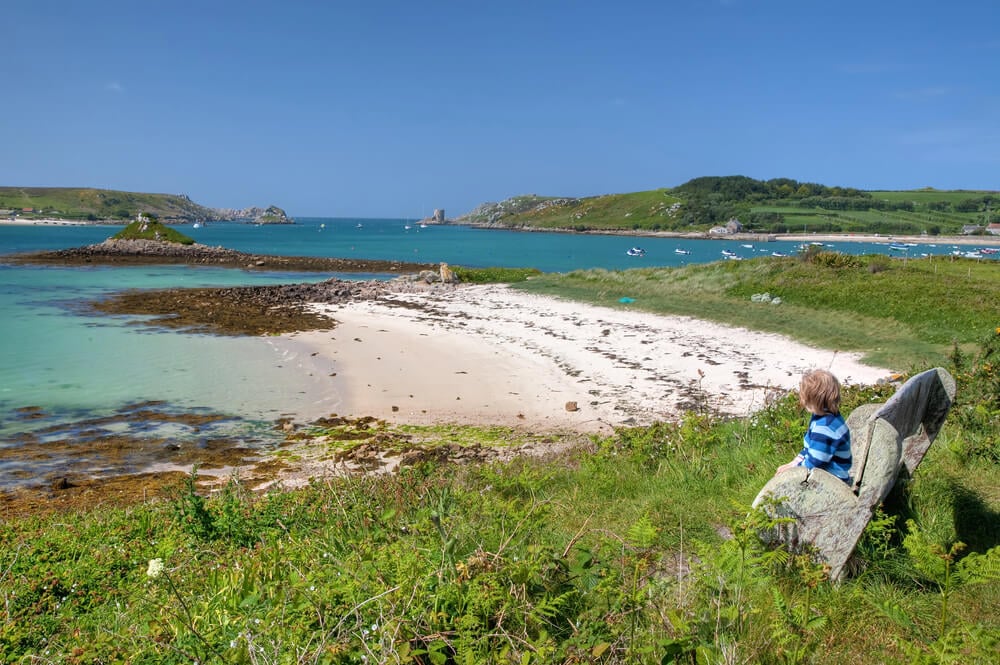
Several small, uninhabited outcrops in England’s Isles of Scilly are designated seabird sanctuaries under UK conservation law, with landing prohibited during nesting season to protect puffin and tern colonies. Enforcement is seasonal rather than permanent on some of these outcrops, but on the most sensitive breeding islands the restriction holds year-round. Local wildlife trusts patrol the surrounding waters during peak season to prevent boats from putting ashore.
Isolation as Policy
What unites these places is not geography but intention. A government looked at an island and decided that the safest, most responsible outcome was to keep people off it entirely — whether to protect an uncontacted people, a fragile ecosystem, or a classified operation.
That kind of restraint is unusual. Most land gets used the moment it’s accessible, so an island that stays empty by law rather than by accident says something about what a country has decided is worth protecting more than access.
More from Go2Tutors!

- The Romanov Crown Jewels and Their Tragic Fate
- 13 Historical Mysteries That Science Still Can’t Solve
- Famous Hoaxes That Fooled the World for Years
- 15 Child Stars with Tragic Adult Lives
- 16 Famous Jewelry Pieces in History
Like Go2Tutors’s content? Follow us on MSN.