Music Genres That Originated by Accident
Music history loves a good origin story. The problem is most of them get tidied up over time, smoothed into something that sounds intentional.
But the truth is messier and more interesting. Some of the most influential sounds in modern music happened because someone broke something, misunderstood an instruction, or just didn’t know what they were doing.
These accidents shaped how millions of people listen to music today. They created entire movements, launched careers, and changed what we think music can sound like.
And none of it was supposed to happen.
Dub: When the Engineer Forgot to Turn Things Back On
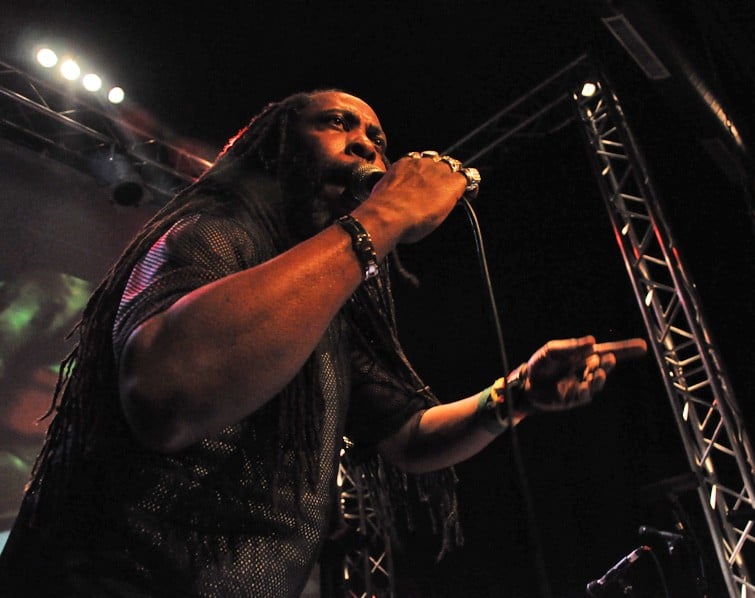
Kingston, Jamaica, 1968. King Tubby was mixing tracks at his studio when he accidentally played a version with most of the vocals stripped out.
The bass and drums sat in the mix, with only fragments of the original song floating through. He kept it.
That mistake became dub music—a genre that treats the mixing board like an instrument. Producers started deliberately stripping songs down, adding echo and reverb in real time, creating soundscapes that felt like you were inside the music itself.
The technique spread everywhere. Without that accidental mix, you wouldn’t have reggae as you know it, or much of electronic music, or half the hip hop production techniques that came later.
Heavy Metal: The Sound of Broken Amplifiers

Guitar amplifiers in the early 1960s weren’t built to be pushed hard. When Link Wray recorded “Rumble” in 1958, he purposely damaged his amp to get a grittier sound.
Other guitarists started doing the same thing, but most were just playing too loud for their equipment to handle. The Kinks recorded “You Really Got Me” in 1964 with an amp that Dave Davies had slashed with a razor blade.
It buzzed and distorted. Their label almost refused to release it. That broken, overdriven sound became the foundation for everything from Led Zeppelin to Black Sabbath to Metallica.
An entire genre built on equipment that was technically malfunctioning.
Ambient Music: A Rainy Afternoon and a Broken Stereo

Brian Eno got hit by a taxi in 1975. While recovering in bed, a friend brought him a record of 18th-century harp music.
He put it on but could barely hear it—one speaker was broken and the volume was stuck too low. Too tired to get up and fix it, he just listened to the music mixing with the sound of rain outside his window.
The combination created something he’d never heard before: music that didn’t demand attention but changed the space around it. He called it ambient music.
That accident in a London apartment led to an entirely new way of thinking about what background sound could do. Airports, restaurants, meditation apps, and countless films now use the principles he stumbled into that rainy day.
Hip Hop: A Broken Turntable in the Bronx

Clive Campbell, better known as DJ Kool Herc, threw a back-to-school party in the Bronx in 1973. He noticed dancers went wild during the short instrumental breaks in funk records.
So he tried to extend those breaks by switching between two copies of the same record. The technique was imperfect.
The records didn’t always sync up cleanly, creating an uneven, stuttering effect. Dancers adapted to it.
Other DJs copied it. That mechanical limitation—the inability to perfectly loop sounds before digital technology existed—created the rhythmic foundation of hip hop.
What started as a workaround for keeping people dancing became the most influential musical movement of the last fifty years.
Shoegaze: When a Journalist Couldn’t See the Band’s Faces

British rock bands in the late 1980s started using so many guitar effects pedals that they spent entire shows looking down at their feet, adjusting settings. The music was loud, layered, and drowning in reverb.
A music journalist wrote a dismissive review calling them “shoegazers” because they stared at their shoes instead of engaging with the audience. The name was meant as an insult.
The bands kept the name. The sound they created—walls of distorted guitars, buried vocals, and hypnotic repetition—became one of the defining sounds of the decade.
My Bloody Valentine, Slowdive, and Ride all emerged from that accidental label.
Grunge: Making Cheap Gear Sound Good

Seattle in the mid-1980s was not a wealthy music scene. Bands played in basements and small clubs with whatever gear they could afford.
The amplifiers were cheap. The guitars were beat up. The recordings happened in budget studios with minimal equipment.
That muddy, distorted sound wasn’t a choice at first. It was all they could manage. But something about it felt raw and honest in a way that the polished rock of the time didn’t.
When “Smells Like Teen Spirit” hit in 1991, that accidentally lo-fi aesthetic became the sound of a generation. Nirvana, Pearl Jam, and Soundgarden made the limitations of broken musicians into a musical statement.
Drum and Bass: A Button Pushed Too Far
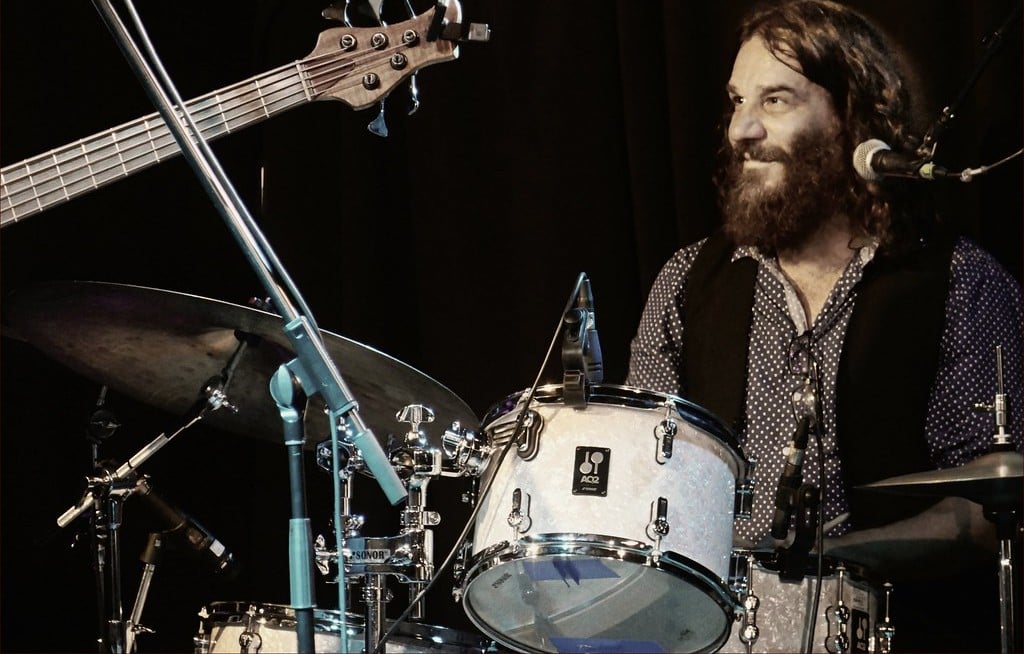
Early 1990s London. Jungle and hardcore techno producers were sampling breakbeats from old funk records. Someone—accounts vary on who—sped up the sample playback far beyond what anyone thought would sound good.
At 160 to 180 beats per minute, the drums sounded frantic, almost inhuman. It shouldn’t have worked.
But in the context of the dark, heavy basslines these producers were using, it created an entirely new energy. Drum and bass emerged from that.
The genre influenced everything from electronic music to pop production to video game soundtracks. All because someone turned a dial further than they were supposed to.
Lo-Fi Hip Hop: When Bad Equipment Became an Aesthetic

Bedroom producers in the 1990s and 2000s couldn’t afford professional recording gear. They sampled old jazz records on cheap equipment, which added hiss, crackle, and a muffled quality to everything they made.
Rather than seeing this as a problem to fix, they leaned into it. The imperfections became part of the appeal—warm, nostalgic, and somehow comforting.
YouTube later amplified this sound through “lofi hip hop radio – beats to relax/study to” streams. What started as a technical limitation became the soundtrack for millions of people trying to focus or unwind.
Punk Rock: The Sound of Not Knowing How to Play
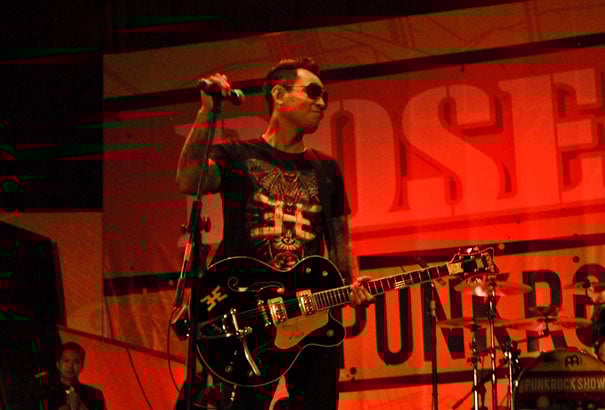
New York and London, mid-1970s. Young people wanted to make music but didn’t have the training or skill that rock bands of the era seemed to require. So they just started anyway.
The Ramones played fast and simple because they couldn’t do anything more complicated. The Clash and the Damned were learning their instruments as they went.
The rawness wasn’t artistic vision—it was all they could manage. That lack of polish became the point.
Punk rock said you didn’t need to know what you were doing to make something that mattered. The accident was that this limitation became more influential than most of the technically proficient music happening at the same time.
Disco: Keeping the Party Going a Little Longer
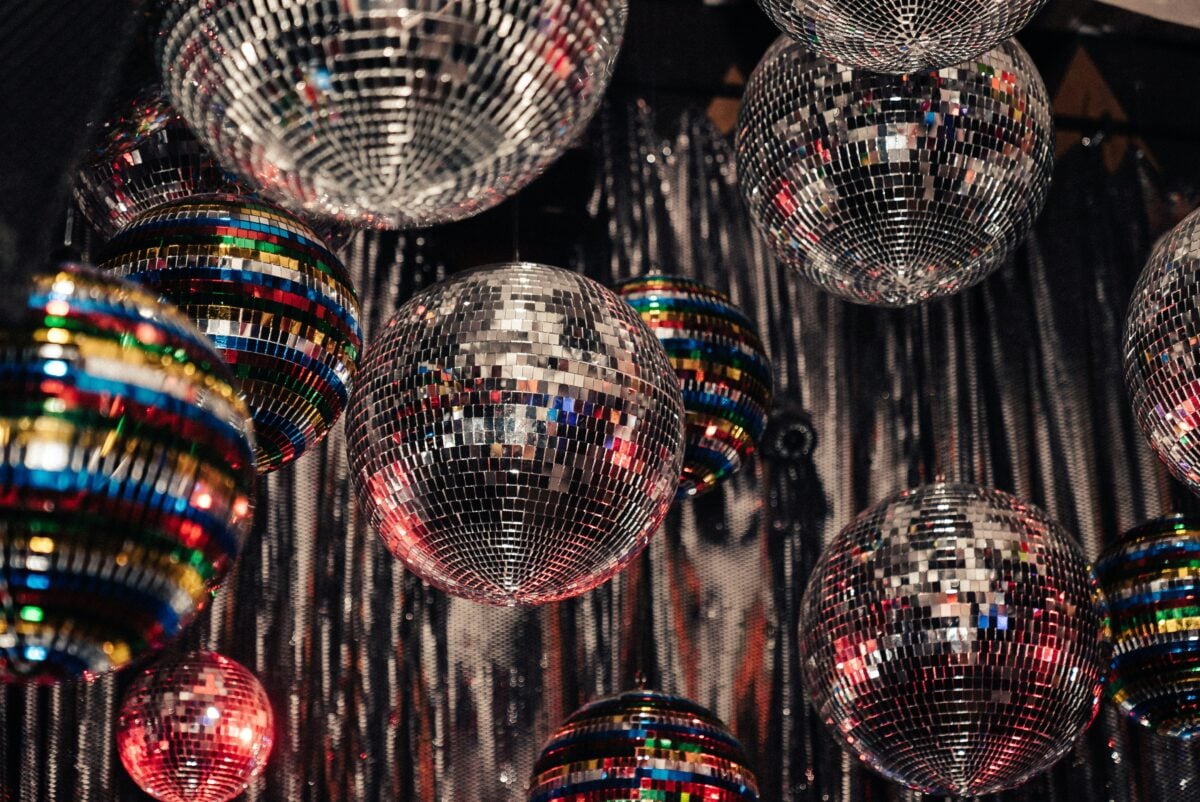
Early 1970s New York City. DJs at dance clubs noticed that when songs ended, the energy on the floor dropped.
People stopped dancing and headed to the bar. The DJ would scramble to get the next record going, but there was always a gap.
DJs started extending the instrumental breaks by looping sections of songs, keeping the beat going without interruption. Producers caught on and started making songs specifically for this purpose—longer, with extended instrumental sections built for dancing.
That technical workaround for maintaining dancefloor momentum became disco. The genre took over the world for a few years and influenced house, techno, and nearly every form of electronic dance music that came after.
Vaporwave: A Joke That Became a Genre

Someone on the internet around 2010 started slowing down 1980s smooth jazz and corporate music, adding glitchy effects and ironic visuals from old ads and Windows 95 error messages. It was meant to be funny—a commentary on consumerism and nostalgia.
People started making more of it. The joke got deeper and weirder.
Artists like Macintosh Plus and Saint Pepsi turned it into something genuinely strange and compelling. Vaporwave wasn’t supposed to be a real genre.
It was internet art that accidentally became music people actually wanted to listen to. Now it influences everything from pop production to fashion to graphic design.
Trap Music: Southern Producers Left Out of the Mainstream

Southern hip hop producers in the early 2000s didn’t have access to the same resources as producers in New York or Los Angeles. They worked with what they had—cheap drum machines, particularly the Roland TR-808, which other producers had moved away from.
They used the 808’s booming bass drums and snappy hi-hats in ways that felt almost excessive. Layered on top of dark, minimal beats, it created a sound that felt threatening and hypnotic.
Atlanta producers like Shawty Redd and DJ Toomp turned that regional sound into trap music, which now dominates mainstream hip hop and pop music worldwide. What started as making do with limited options became the sound of modern music.
Dubstep: Late-Night Studio Experiments Gone Wrong

South London, around 2001. Beatmakers crafting UK garage began messing with slower beats – ones where the kick hit every two counts instead of four – and super deep bass tones that regular speakers just couldn’t handle.
The outcome felt off – bass swayed unevenly, drum patterns clashed unexpectedly, yet somehow it opened up a strange depth. Nobody meant to create that chaos.
Yet when spun in the proper spot at just the moment, it landed harder than any track around.
That random noise turned into dubstep, shaping pop tracks, movie themes, or game audio during the 2010s.
Artists like Skrillex spread it everywhere – started by folks tinkering online when they couldn’t sleep.
When Mistakes Sound Better Than Plans

Many players say their top moments hit when they weren’t even aiming. One flubbed tone that oddly worked.
An error sparking a fresh path. When limits pushed them sideways into wilder choices.
The story of hit tunes doesn’t move step by step from new thing to new thing. Instead, it’s packed with slips, errors, even folks stumbling into creation without meaning to.
These flukes changed the way we hear songs now – whether you notice them or not.
More from Go2Tutors!

- The Romanov Crown Jewels and Their Tragic Fate
- 13 Historical Mysteries That Science Still Can’t Solve
- Famous Hoaxes That Fooled the World for Years
- 15 Child Stars with Tragic Adult Lives
- 16 Famous Jewelry Pieces in History
Like Go2Tutors’s content? Follow us on MSN.