30 Camera Lenses Sitting in Closets Worth Real Money
A dusty camera bag inherited from a parent or grandparent rarely gets opened for more than a nostalgic glance before it goes back on a shelf. Inside, though, manual-focus lenses from the film era have quietly become some of the most sought-after glass on the secondhand market, prized by digital mirrorless shooters who adapt them onto modern cameras for a rendering no software filter can fully copy.
Condition determines almost everything in this market. Fungus, haze, scratched coatings, and sticky aperture blades can cut a price by more than half, while a clean example with smooth focus and a working aperture ring commands a serious premium.
Leica Summicron 50mm f/2 (Rigid or Dual-Range)
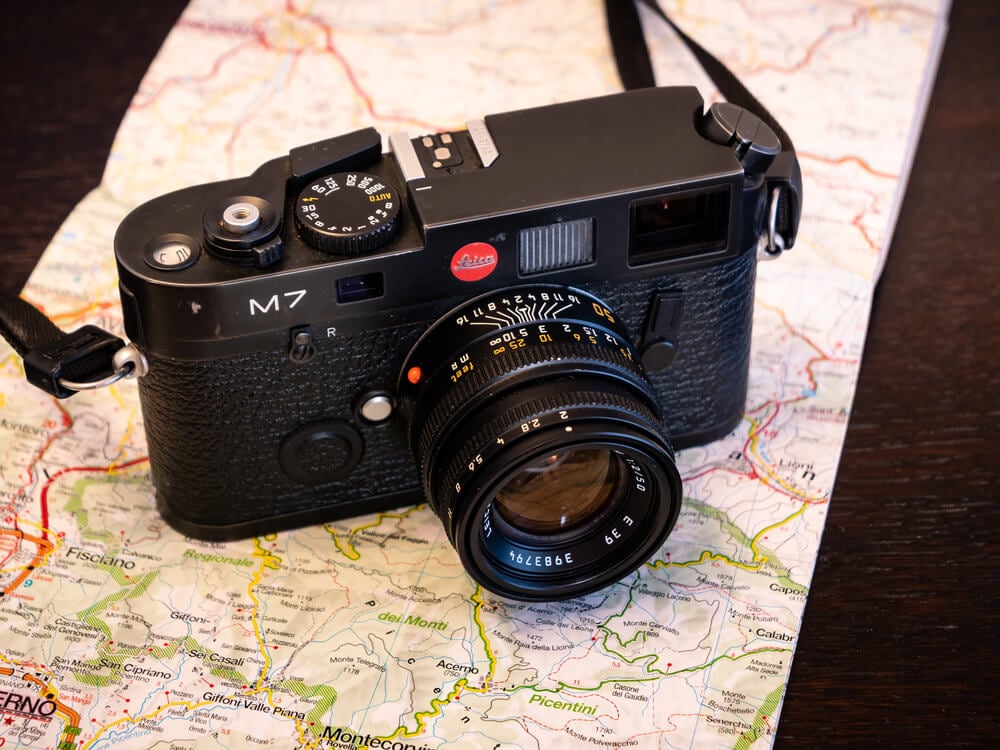
Leica’s early rigid-mount and dual-range Summicron 50mm lenses from the 1950s and 1960s are considered some of the sharpest standard lenses ever built for the rangefinder format. Clean, uncoated-haze examples with matching close-focus goggles for the dual-range version regularly sell for several times what a common Leica lens fetches, with collectors paying extra for original leather cases and caps.
Leica Noctilux 50mm f/1.2
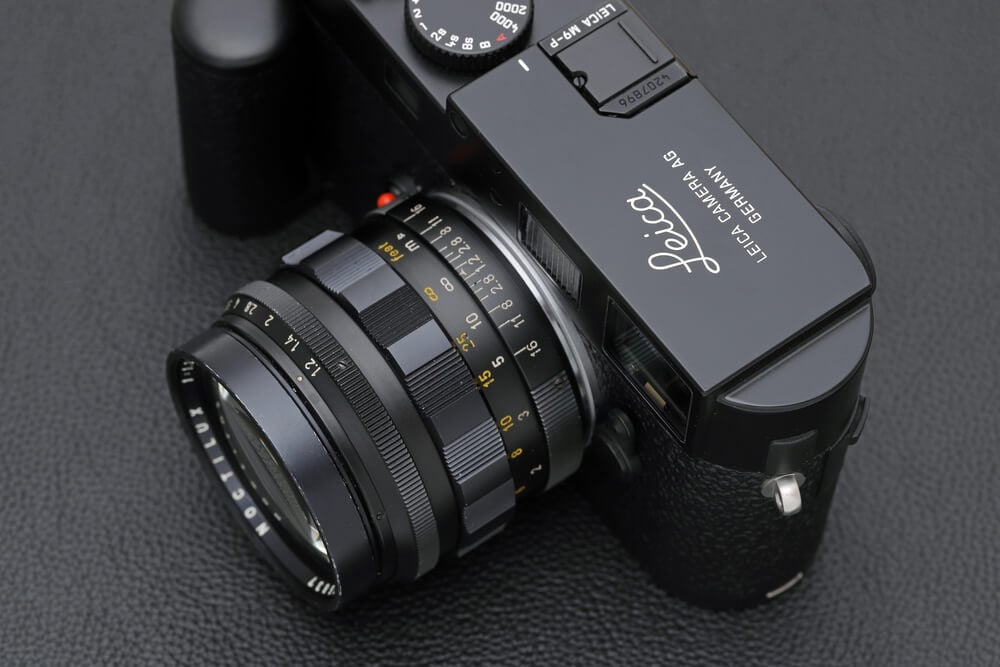
Leica’s first fast Noctilux, produced in the 1960s with a distinctive aspherical element ground by hand, was built in far smaller numbers than later versions and is now one of the most valuable standard lenses Leica ever made. Even well-worn examples draw strong bidding, and pristine copies with original packaging have sold for prices that rival a used car.
Zeiss Contax Planar 50mm f/1.4
Made for the Contax/Yashica mount during Zeiss’s collaboration with Yashica in the 1970s and 1980s, the Planar 50mm f/1.4 built a reputation for a distinctive rendering that later Zeiss designs never quite repeated. Working copies in good mechanical shape are actively hunted by adapter-mount shooters, particularly those from the earlier German-made production runs.
Nikon Noct-Nikkor 58mm f/1.2
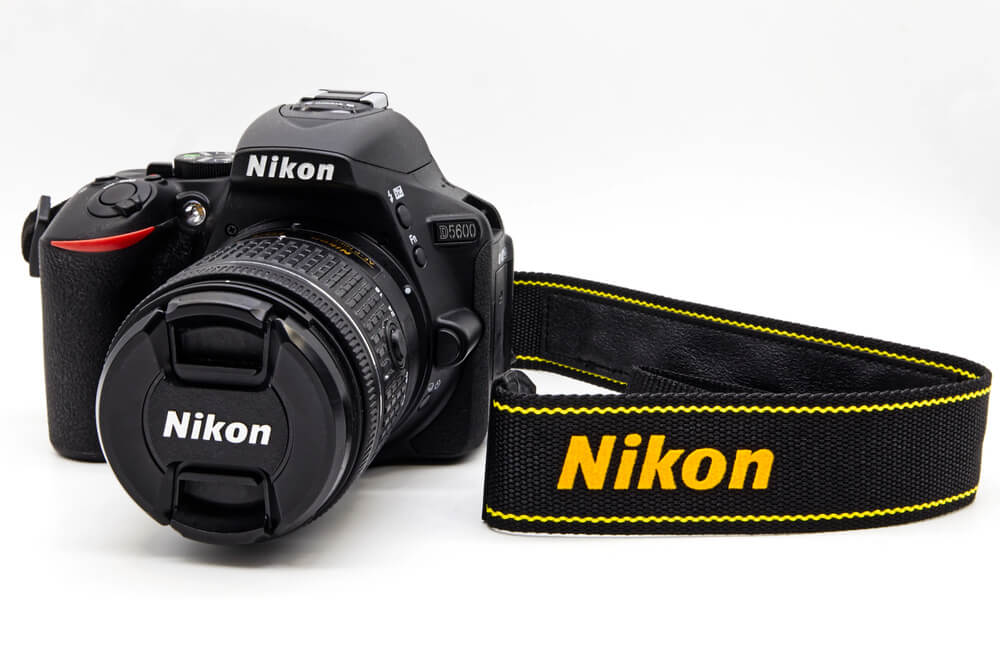
Nikon’s hand-ground aspherical Noct-Nikkor, produced from the late 1970s into the 1990s for available-light and astrophotography use, was manufactured in limited numbers and never fully replaced in Nikon’s manual-focus lineup. A functional example with clean glass is one of the single most valuable Nikkor lenses in circulation, and even cosmetically rough copies still sell well above typical vintage Nikkor prices.
Nikkor 105mm f/2.5 Ai-S
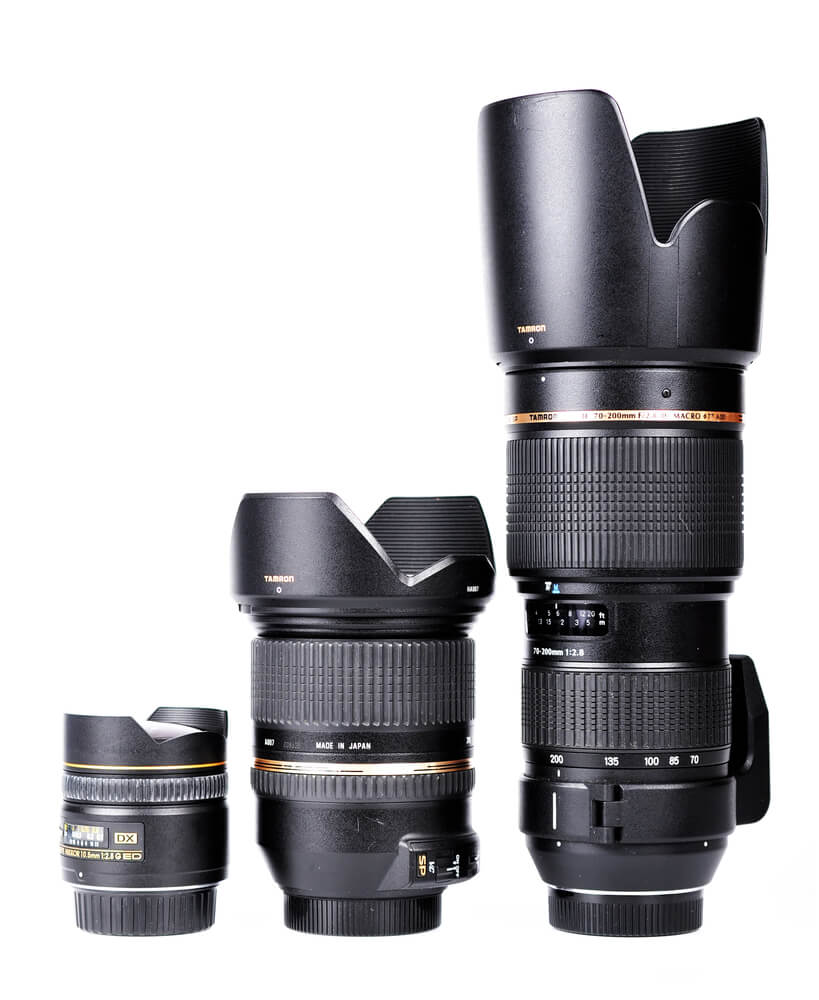
A favorite portrait lens among photojournalists for decades, the 105mm f/2.5 earned its reputation on sharpness and a pleasing background rendering that later autofocus lenses struggled to match. Ai and Ai-S versions in clean condition remain steady sellers, and the older Sonnar-formula pre-Ai version commands an additional premium among collectors who track Nikon’s optical history closely.
Canon FD 55mm f/1.2 Aspherical
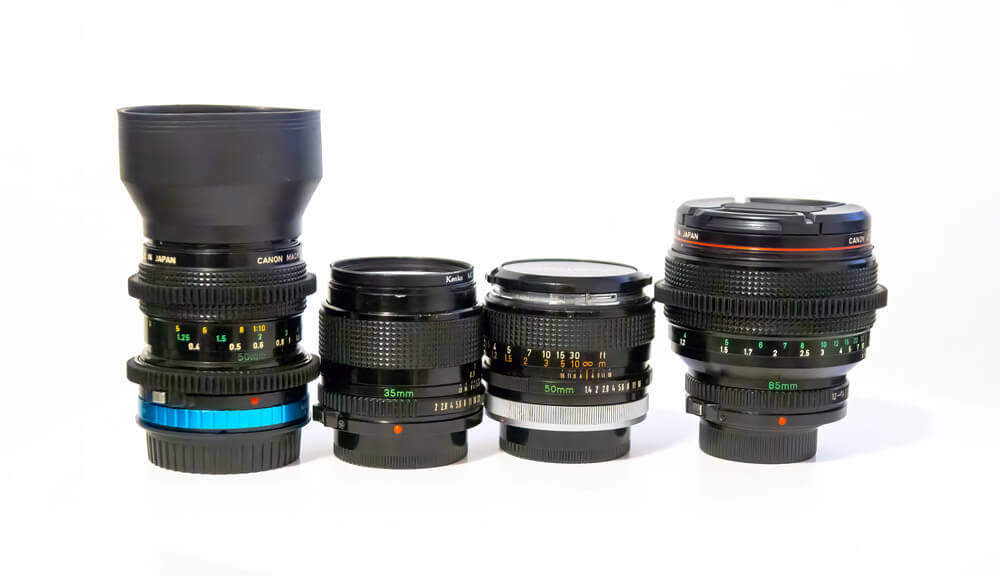
Produced in small numbers during the early 1970s for Canon’s F-1 system, the FD 55mm f/1.2 Aspherical used hand-finished aspherical elements at a time when few manufacturers could mass-produce them reliably. Surviving copies are scarce enough that even lenses with light coating wear draw strong offers from collectors and cinematographers who adapt them for their unusual rendering.
Canon 50mm f/0.95 “Dream Lens”
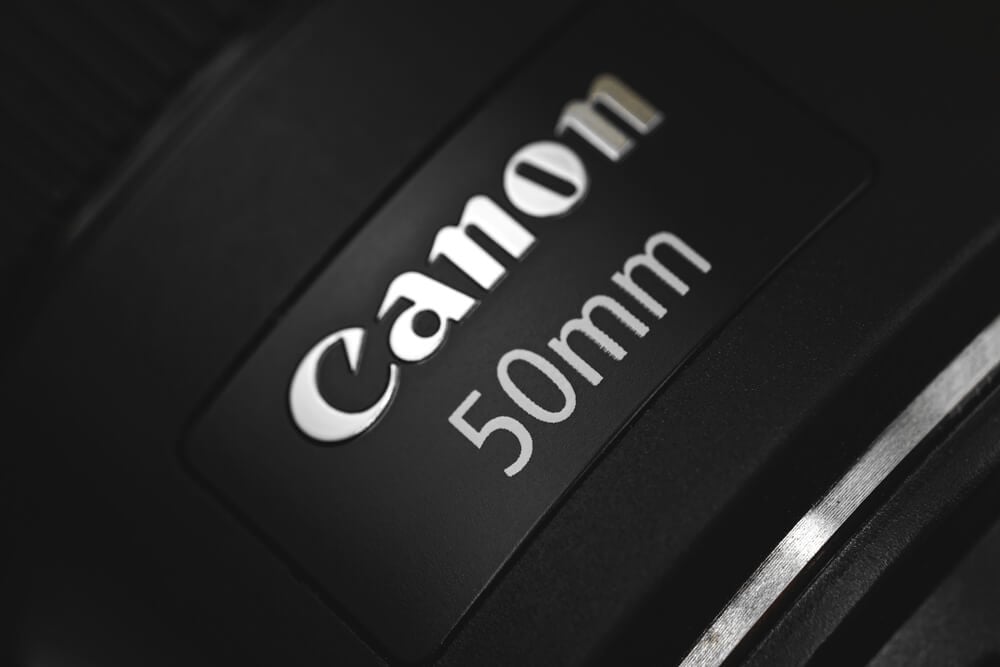
Built for Canon’s rangefinder system in the late 1950s, the 50mm f/0.95 earned its nickname for an aperture wider than most lenses could achieve at the time. Working copies with intact focus helicoids and clean glass are consistently among the higher-value vintage Canon lenses on the secondhand market, with prices climbing further for examples that include the original lens hood and case.
Pentax Super-Takumar 50mm f/1.4 (8-Element)
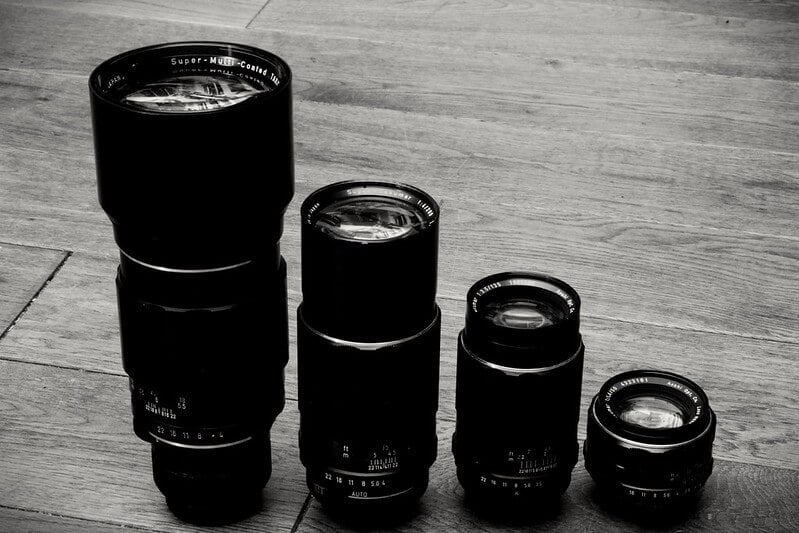
An early version of Pentax’s standard 50mm lens used an eight-element design containing thoriated glass, which gives the lens a faint yellow tint from natural radioactive decay over time. Collectors specifically seek out this early version over later seven-element revisions, and clean, haze-free examples with a smoothly working aperture ring sell well above typical Takumar prices.
Olympus Zuiko 50mm f/1.2
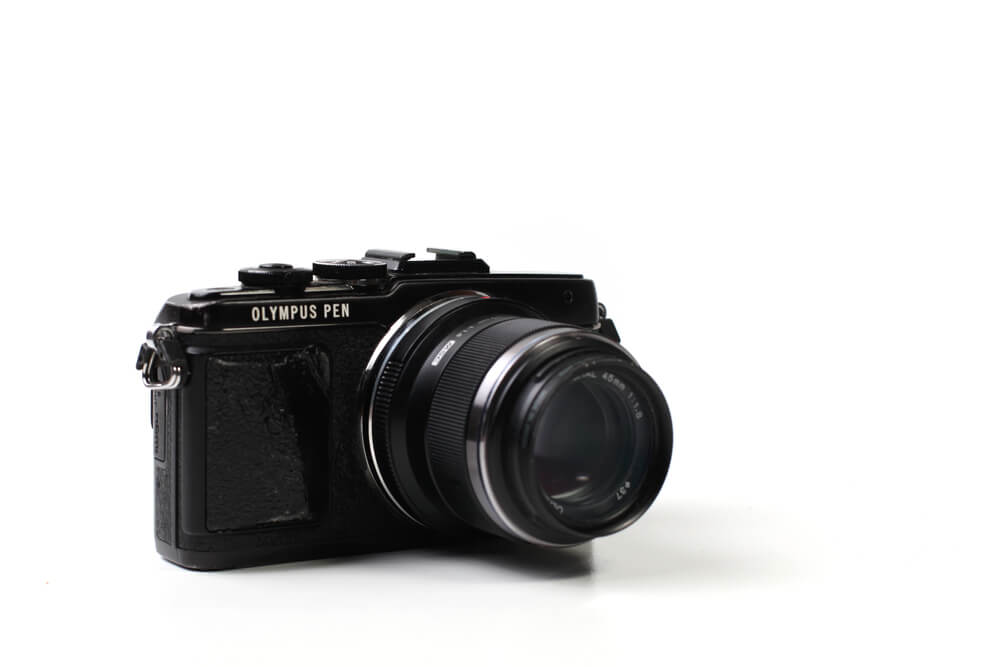
Designed for Olympus’s compact OM-series bodies in the late 1970s, the Zuiko 50mm f/1.2 packed a fast maximum aperture into an unusually small barrel for its era. Clean copies without haze or separation are harder to find than their Nikon or Canon equivalents simply because fewer were produced, which keeps demand and resale prices consistently strong.
Minolta Rokkor-PF 58mm f/1.2
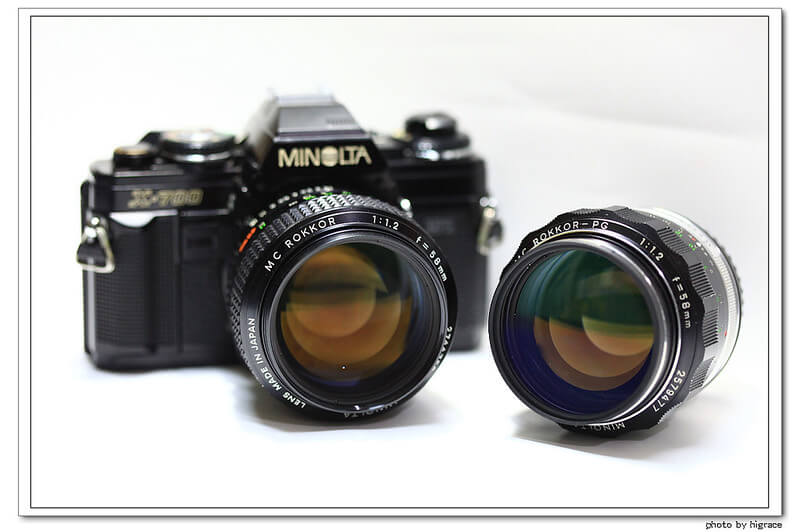
Minolta’s fast standard lens for its early SR-mount cameras used a large seven-element design that produced a soft, glowing rendering wide open. Working copies with smooth focus throw and minimal haze are prized by both collectors of Minolta history and photographers chasing a specific vintage look, and prices have climbed steadily as the lens gained a following online.
Voigtlander Nokton 50mm f/1.5 (Vintage Prominent Mount)
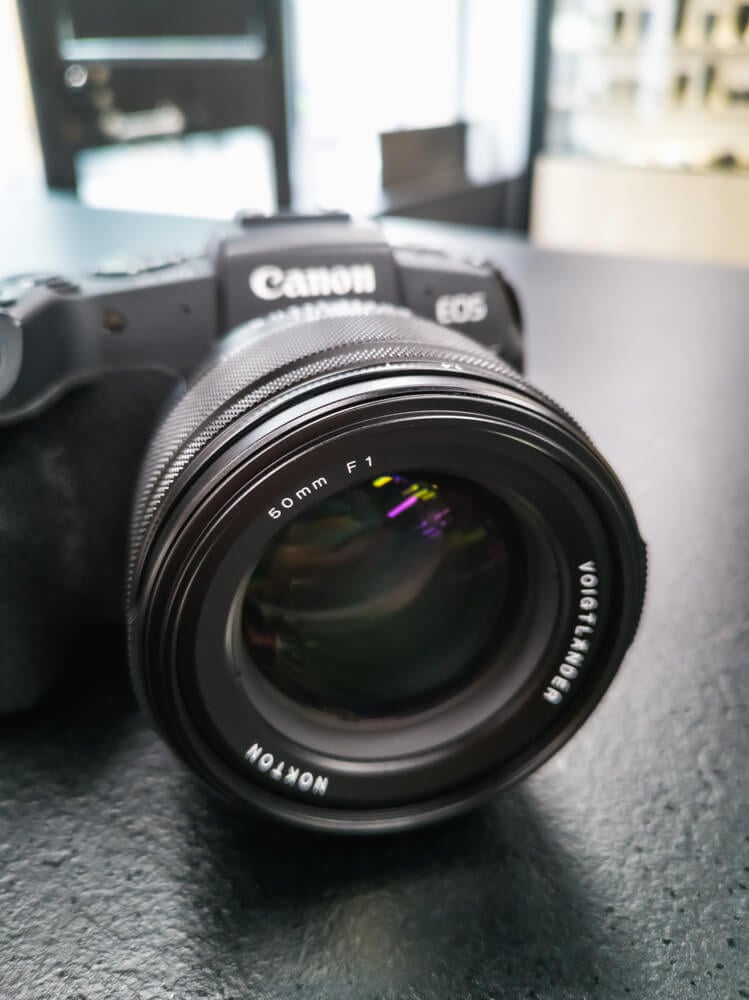
Voigtlander’s original Nokton lenses, built for the company’s Prominent rangefinder system in the 1950s, are considerably older and scarcer than the modern reissues sold under the same name today. Collectors specifically seeking the vintage Prominent-mount version, complete with its original mount adapter, pay a significant premium over the widely available current production.
Contax G 90mm f/2.8 Sonnar
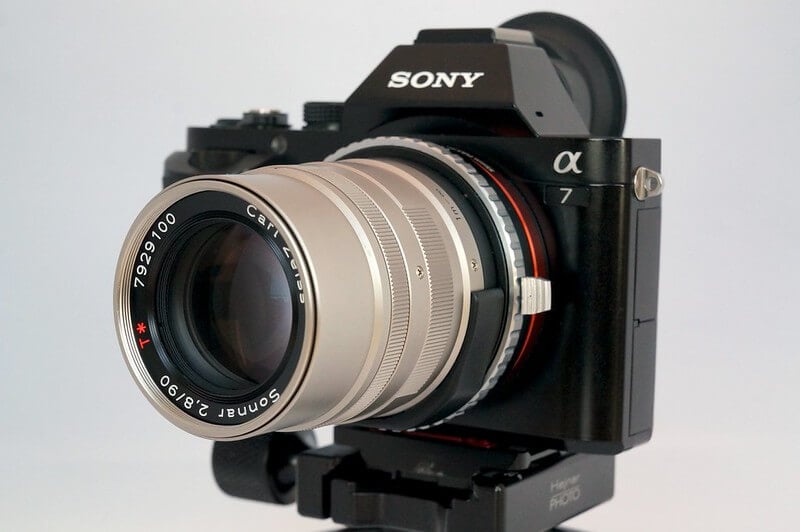
Photo by Chad Kainz, via Flickr, licensed CC BY 2.0
Built for Zeiss’s autofocus Contax G rangefinder system in the 1990s, the 90mm f/2.8 Sonnar is regarded by many collectors as one of the sharpest compact telephoto lenses ever produced for a 35mm rangefinder. Complete kits with the correct G-mount adapter for mirrorless cameras sell briskly, and the lens holds its value better than most other Contax G glass.
Hasselblad Zeiss Planar 80mm f/2.8 CF
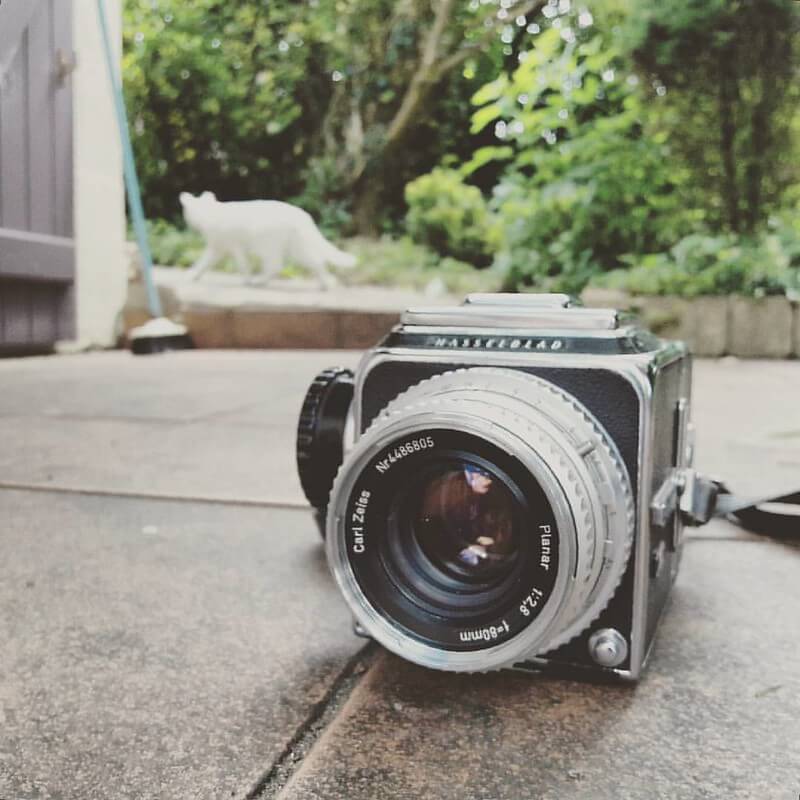
The standard lens bundled with countless Hasselblad V-system medium format cameras, the Zeiss-made Planar 80mm f/2.8 remains in demand among film photographers who value its rendering over its modern equivalents. A clean CF-generation copy with no shutter issues and intact aperture blades routinely sells for a meaningful fraction of an entire vintage Hasselblad kit on its own.
Mamiya Sekor 80mm f/1.9
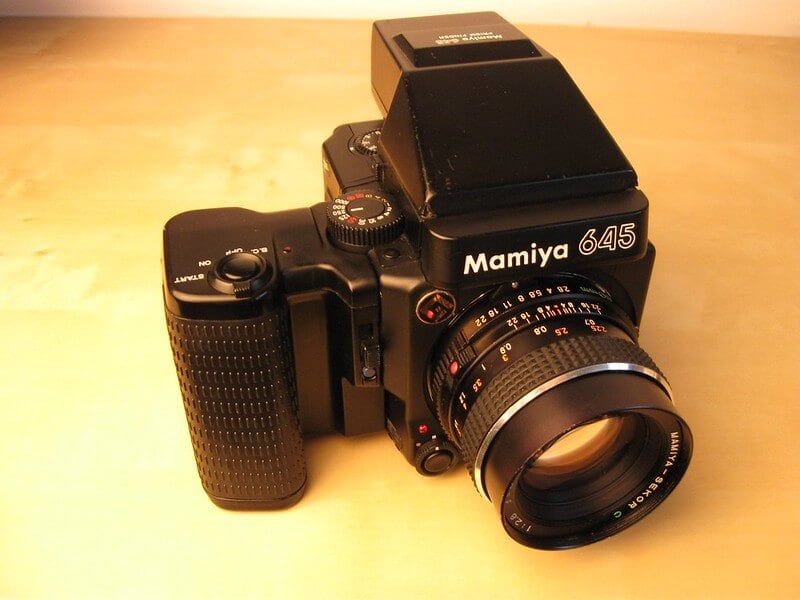
Built for the Mamiya 645 medium format system, the Sekor 80mm f/1.9 was one of the fastest lenses ever produced for that larger film format, giving photographers a shallow depth of field rarely available outside 35mm. Working copies in clean condition are sought after specifically for their unusual speed, and demand has grown as more photographers adapt medium format glass to digital bodies.
Rollei Zeiss Planar 80mm f/2.8 (Twin-Lens Reflex)
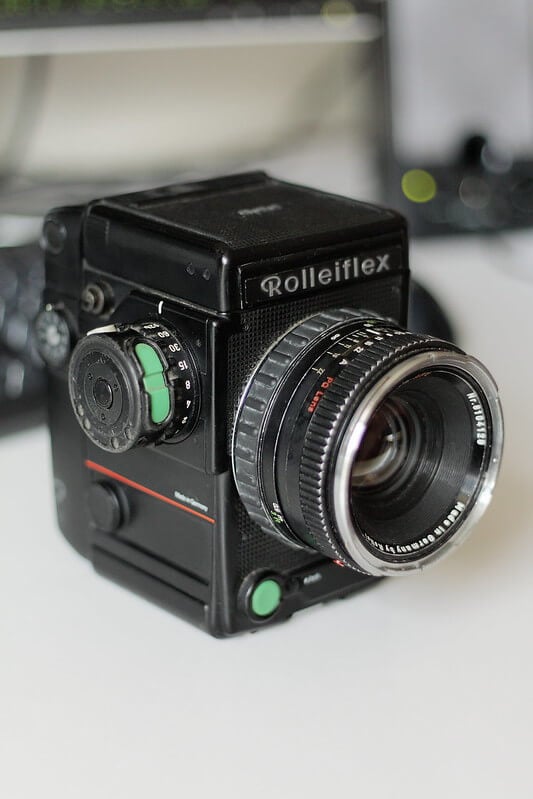
Fitted to the higher-end Rolleiflex twin-lens cameras of the 1950s and 1960s, the Zeiss Planar taking lens is widely credited with the signature look that made Rolleiflex cameras a favorite of documentary and street photographers. A complete camera with a clean, fungus-free Planar lens commands a substantially higher price than the same body fitted with the more common Xenar or Tessar variants.
Canon FL 58mm f/1.2
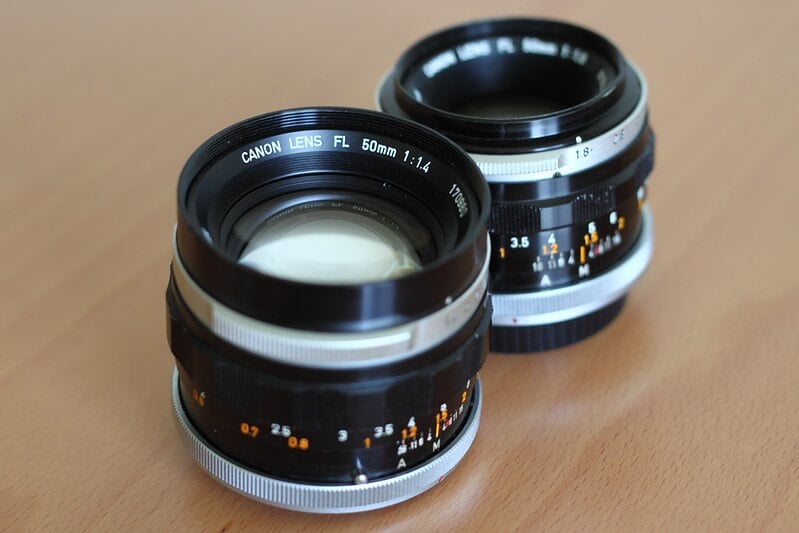
An earlier fast standard lens predating Canon’s later FD mount, the FL 58mm f/1.2 has a distinctive dreamy rendering wide open that has made it popular with videographers seeking a vintage cinematic look. Clean examples with functioning aperture rings are increasingly hard to find in good condition, pushing prices well past what casual sellers typically expect for an old manual lens.
Nikkor-N 24mm f/2.8 (Non-Ai)
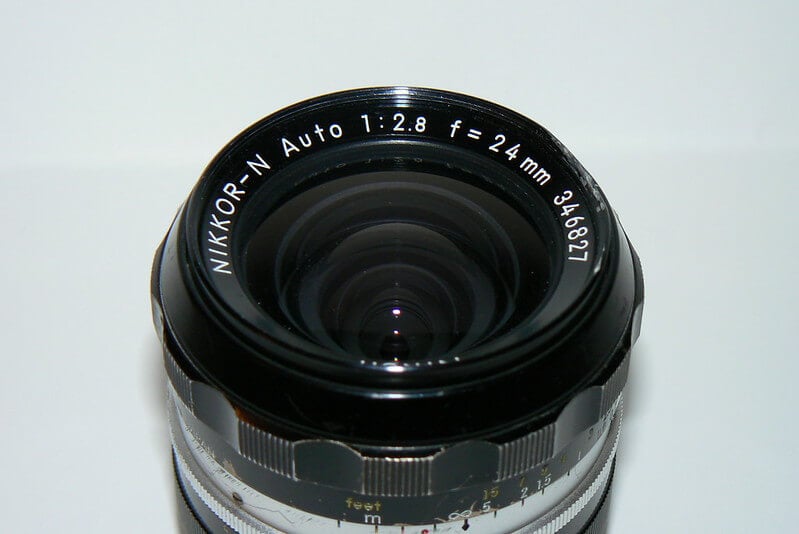
An early wide-angle Nikkor from the pre-Ai era, this lens predates Nikon’s later aperture-indexing system and requires modification or an adapter to mount on newer bodies. Collectors focused on Nikon’s optical lineage from the 1960s and 1970s seek out clean, unmodified examples specifically for their originality, even though later Ai-S versions are more convenient to use.
Asahi Pentax Takumar 6×7 105mm f/2.4
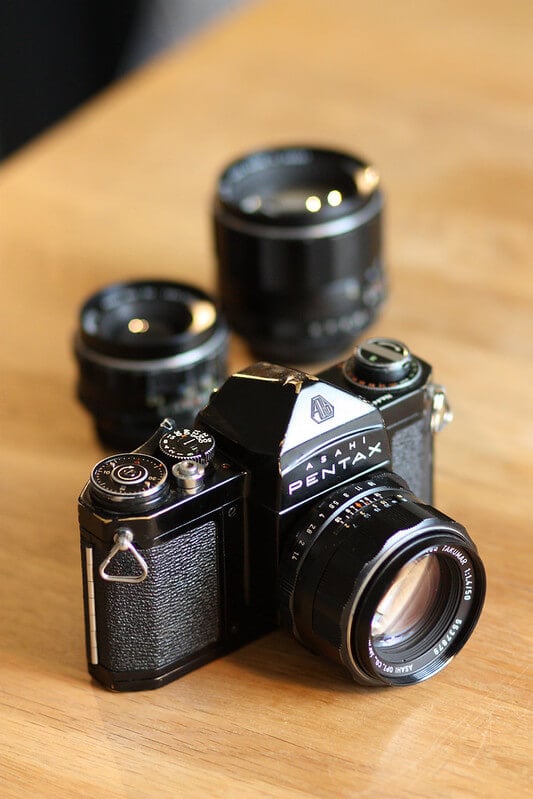
Built for the Pentax 6×7 medium format system, the 105mm f/2.4 became the signature portrait lens for that camera thanks to its combination of speed and the larger negative’s rendering. Clean copies free of fungus are consistently in demand among medium format film shooters, and prices have risen noticeably as interest in film photography has grown.
Konica Hexanon 57mm f/1.2
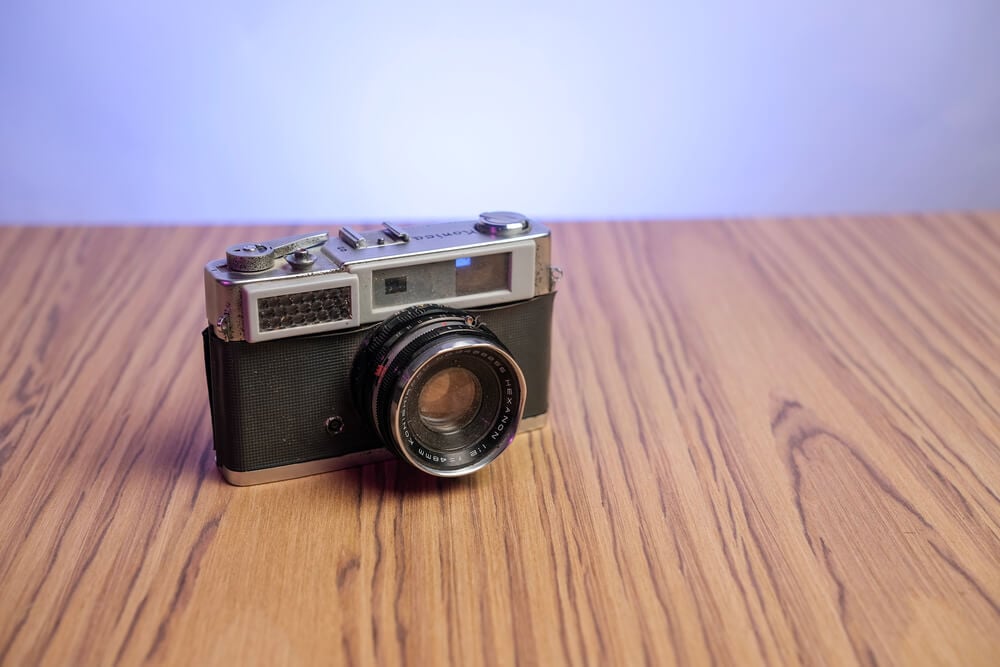
Produced for Konica’s SLR system in the 1970s, the Hexanon 57mm f/1.2 was one of the fastest standard lenses of its era and is far less commonly encountered than comparable Nikon or Canon lenses simply because Konica’s camera market share was smaller. Working examples in clean condition draw dedicated interest from collectors specifically hunting for less common fast primes.
Leica Summilux 35mm f/1.4 (Steel Rim, Pre-ASPH)
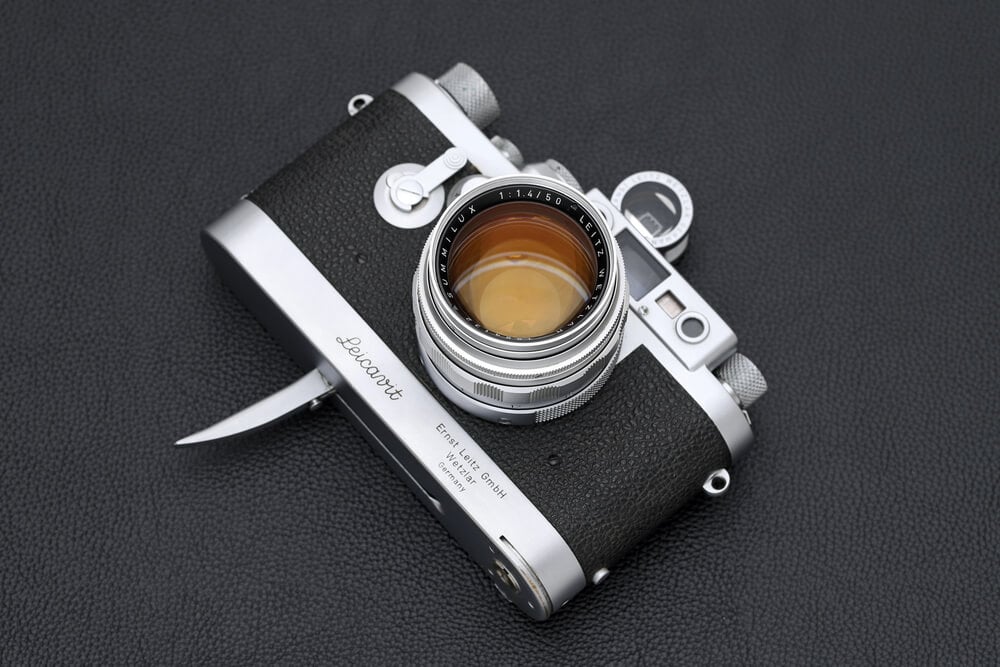
An early steel-rimmed version of Leica’s 35mm f/1.4, produced before the company introduced aspherical elements to the design, is prized by collectors for a rendering distinct from later Summilux versions. Because early production runs were smaller and the lens has become a favorite among Leica specialists, clean examples sell for a substantial premium over later, more common Summilux revisions.
Canon 35mm f/2 (Rangefinder Mount)
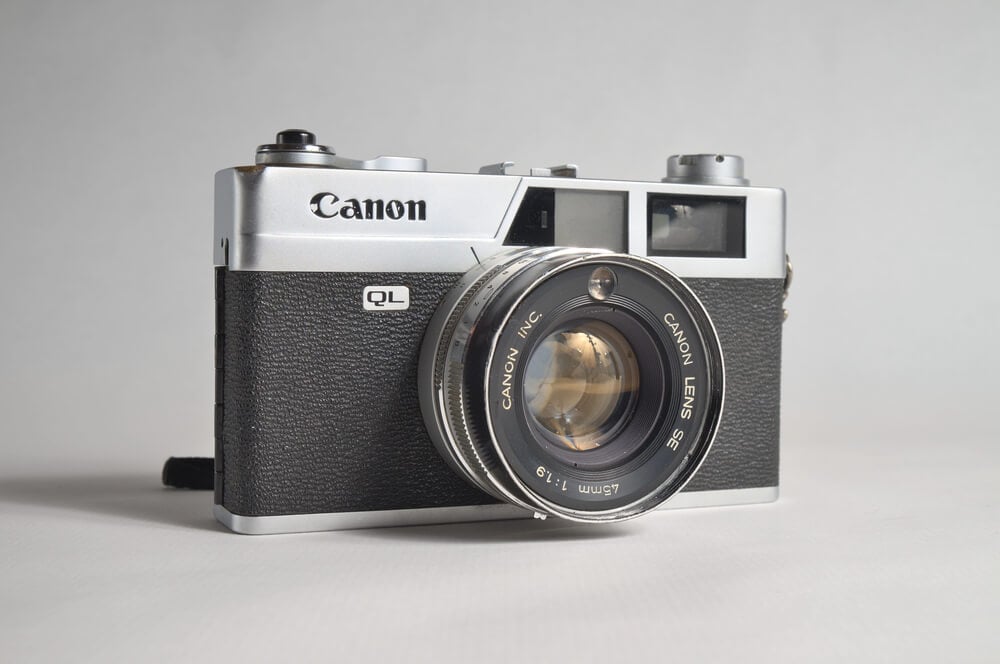
Built for Canon’s 35mm rangefinder cameras in the 1950s, this fast wide-angle lens is often cited among collectors as one of the best values in vintage Canon glass, offering a fast aperture and sharp rendering in a compact barrel. Clean copies with smooth focus helicoids and no fungus are steady sellers on collector marketplaces.
Olympus Zuiko 21mm f/2
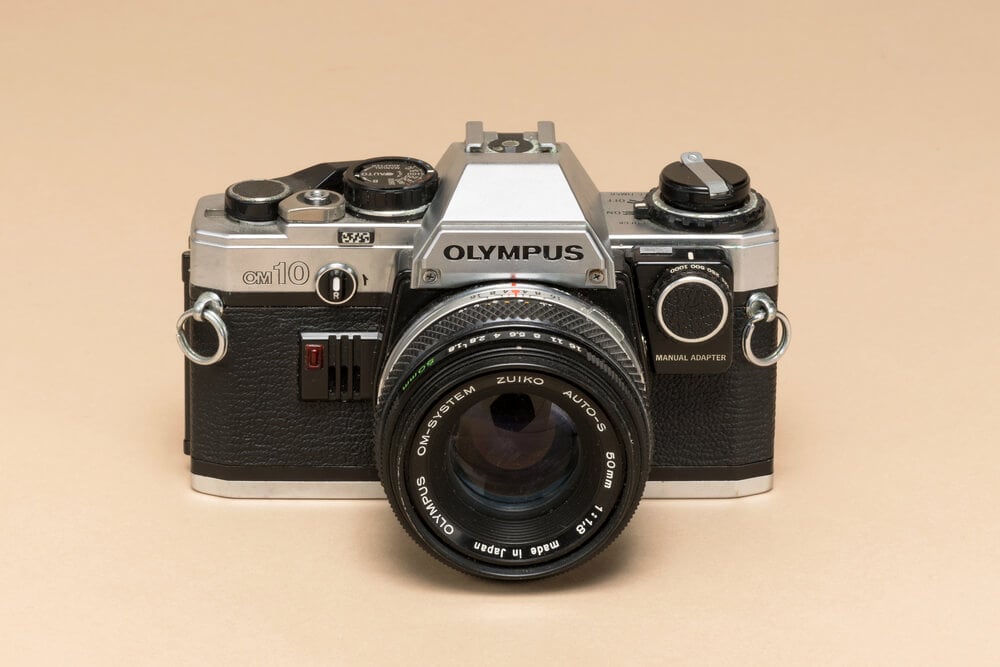
Designed to keep the compact OM-series system genuinely portable, the Zuiko 21mm f/2 packed a fast, wide prime into an unusually small barrel for its focal length. Because Olympus produced fewer units of its faster wide-angle lenses compared to Nikon or Canon, clean examples are harder to source and command noticeably higher prices as a result.
Nikkor 35mm f/1.4 Ai
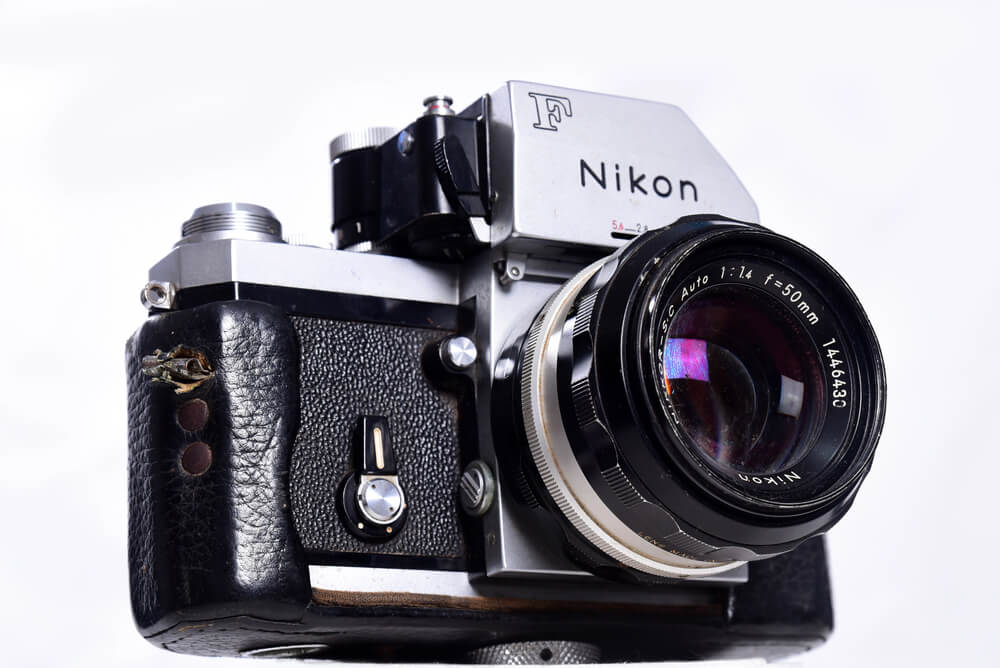
A fast, compact wide-angle lens for Nikon’s manual-focus system, the 35mm f/1.4 Ai developed a reputation for a distinctive rendering when used wide open that later autofocus versions did not fully reproduce. Clean, haze-free copies with intact aperture rings remain consistently in demand among both collectors and photographers who prefer manual glass for video work.
Zeiss Biotar 58mm f/2
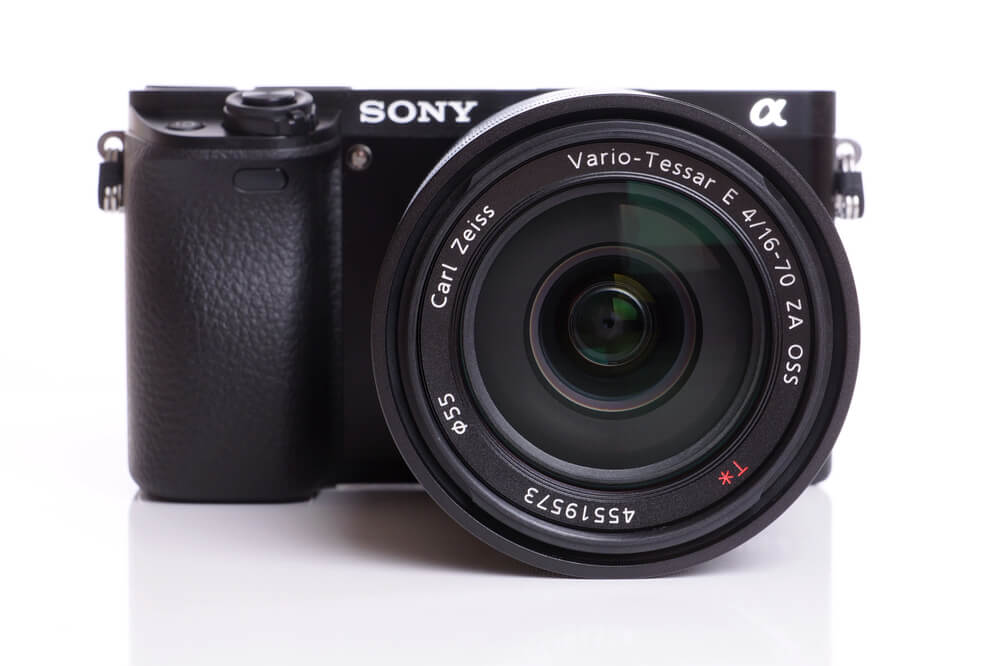
An older design predating most of the lenses on this list, the Zeiss Biotar 58mm f/2 was produced for early East German Exakta-mount cameras and is known for a swirling background effect at wide apertures that has made it a cult favorite among portrait photographers. Clean, uncoated-haze examples in working mounts sell for considerably more than their age and modest specifications would otherwise suggest.
Yashica ML 55mm f/1.2
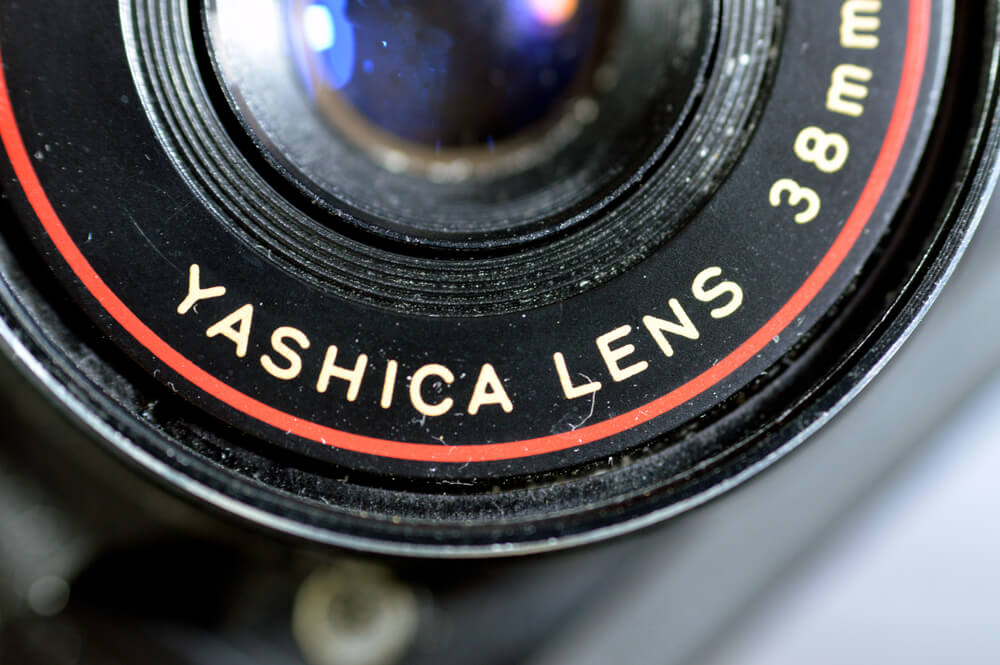
Built for Yashica’s Contax/Yashica-mount SLR system, the ML 55mm f/1.2 offers a fast aperture at a lower typical price point than comparable Zeiss-branded lenses for the same mount, which has made it a favorite entry point for adapter-mount shooters. Clean copies with smooth aperture rings have seen rising demand as more photographers discover the mount’s compatibility with mirrorless cameras.
Fujica Fujinon 55mm f/1.8
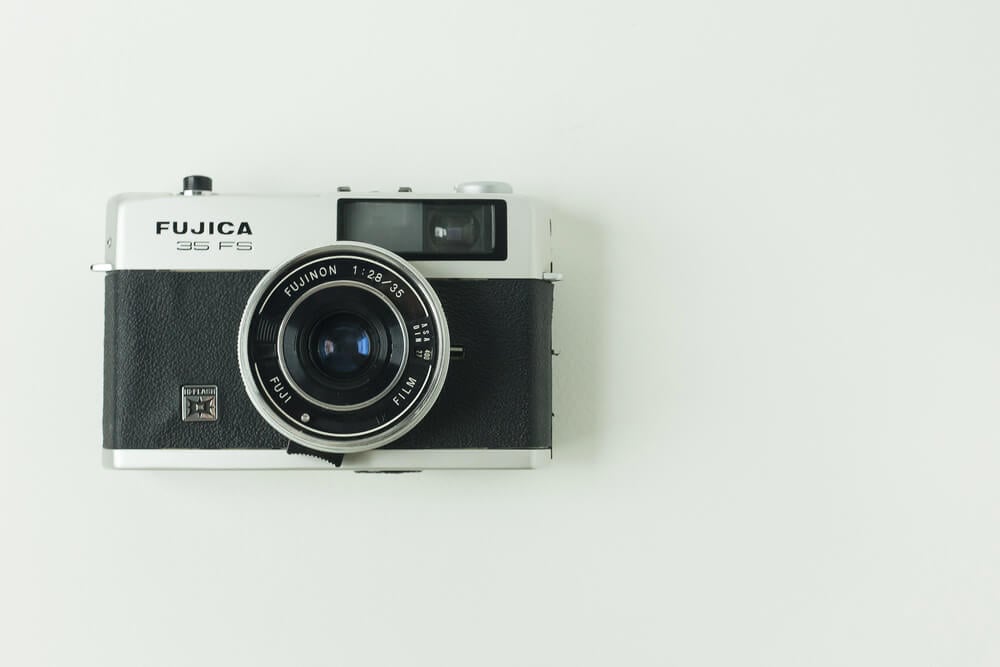
Produced for Fuji’s now-discontinued M42 and X-mount SLR systems of the 1970s, the Fujinon 55mm f/1.8 is less commonly encountered than comparable lenses from larger manufacturers, which keeps demand from collectors specifically building out Fuji’s vintage lineup relatively strong. Working examples with clean glass are considered a solid value among enthusiasts who track lesser-known Japanese optics.
Leica Elmarit 90mm f/2.8
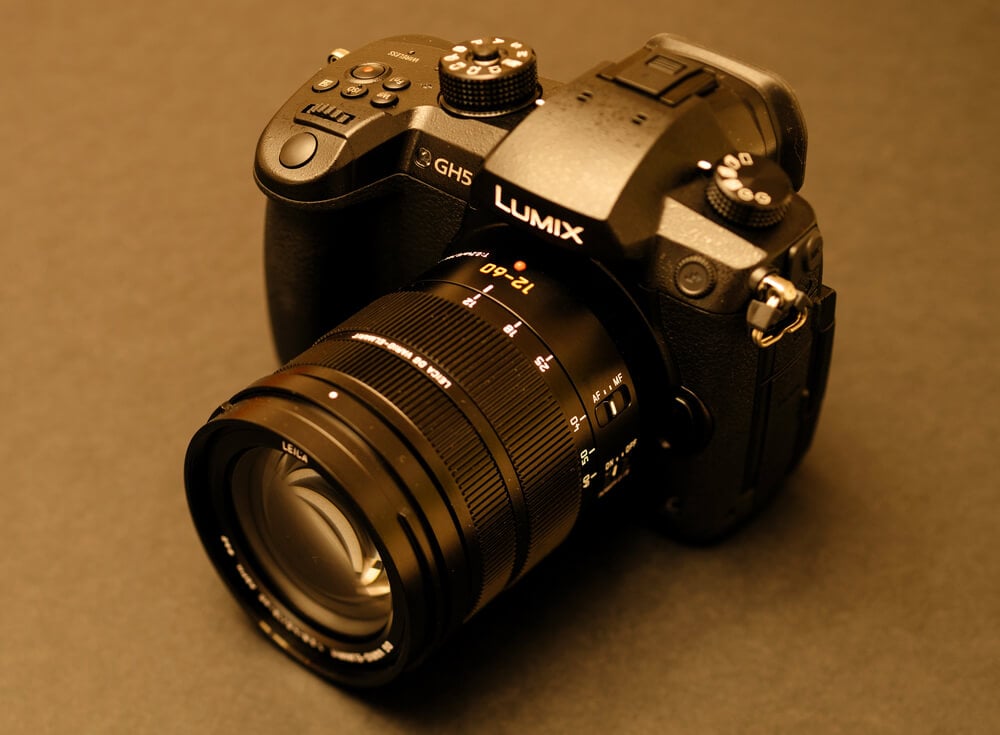
A compact telephoto lens for Leica’s rangefinder system, the Elmarit 90mm f/2.8 was prized for combining a relatively fast aperture with a barrel small enough to carry comfortably alongside a rangefinder body. Later versions with a built-in retractable hood are especially popular, and clean examples with no separation in the rear element group continue to hold strong resale value.
Canon 85mm f/1.2 L (Manual Focus FD)
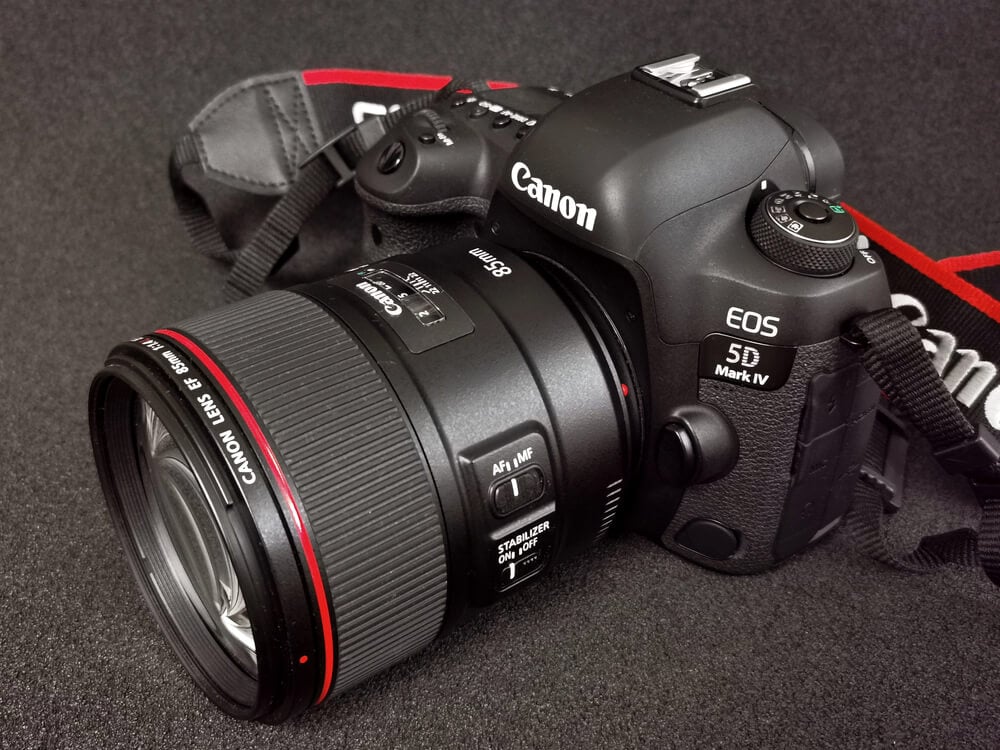
Before Canon’s autofocus 85mm f/1.2 L became a modern portrait staple, the manual-focus FD-mount version built the reputation that carried into the newer lens. Clean copies free of the haze that commonly affects this design are sought after both by collectors and by videographers adapting vintage glass onto modern cinema cameras.
Nikkor 28mm f/2 Ai-S
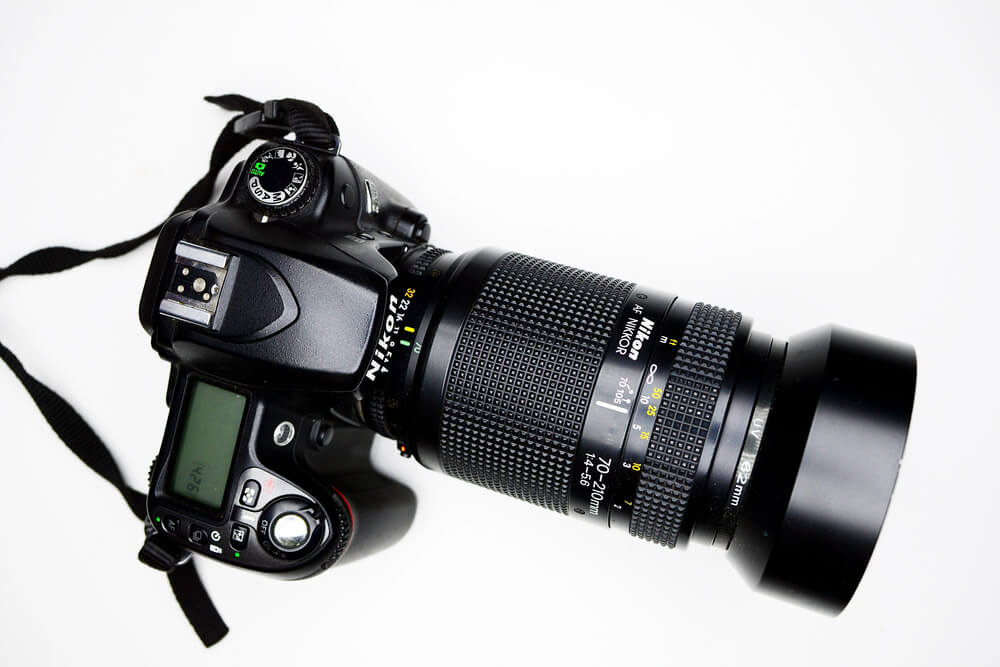
A well-regarded wide-angle lens from Nikon’s manual-focus era, the 28mm f/2 Ai-S built a following for combining a useful focal length with strong close-range performance, an unusual strength for a wide-angle prime of its time. Clean, smoothly functioning examples are a consistent seller among photographers who prefer a compact manual wide-angle over a modern autofocus zoom.
Asahi Pentax SMC Takumar 85mm f/1.9
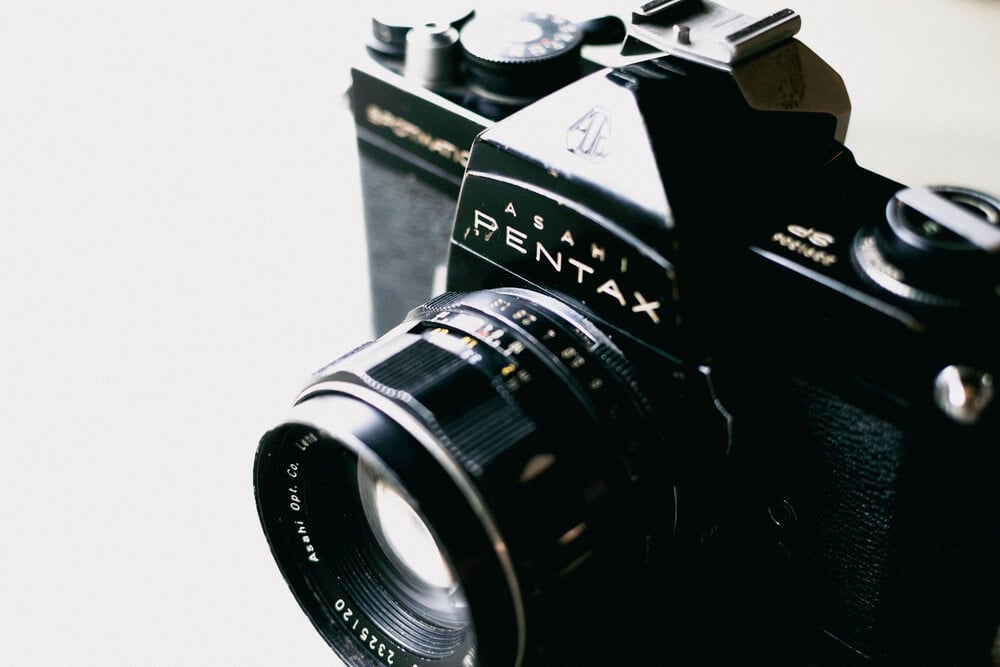
Fitted with Pentax’s early multi-coating technology, the SMC Takumar 85mm f/1.9 offered better resistance to flare than its uncoated or single-coated predecessors while retaining the classic Takumar rendering prized by portrait photographers. Clean, haze-free copies remain in steady demand, particularly among collectors assembling a complete set of Takumar primes.
Grandma’s Camera Bag and What It Is Actually Worth
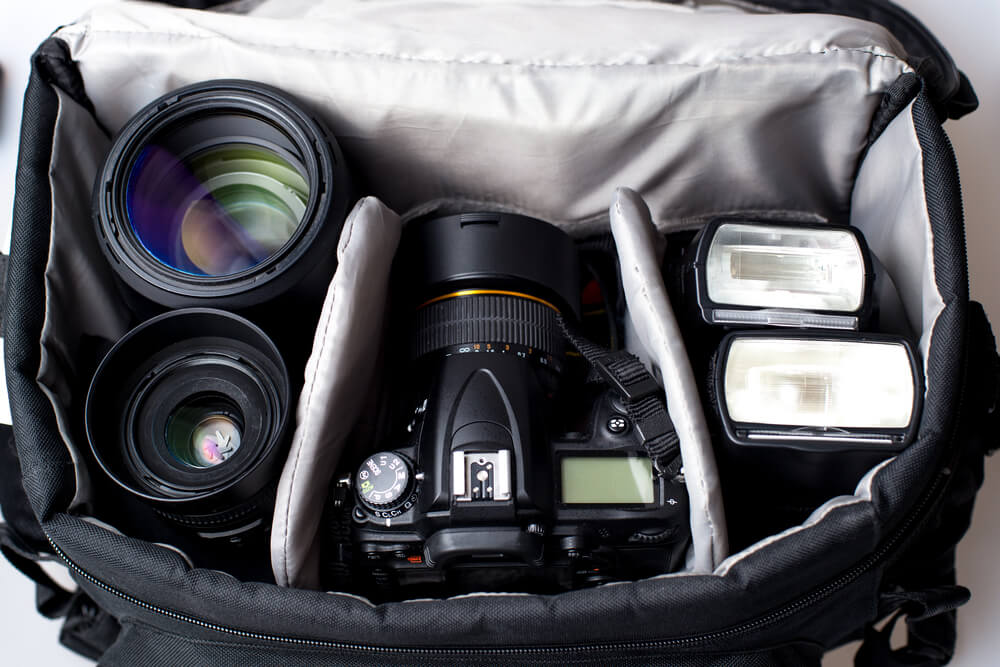
The instinct with an inherited camera bag is to check the camera body first, since it is the largest and most obviously valuable-looking object inside. In this market, that instinct is often backward.
Camera bodies from the film era were produced in far greater numbers than their best lenses, and a common body paired with an exceptional lens will usually sell for less than the lens alone would fetch on its own.
What separates a forgotten drawer find from real money is almost never rarity alone. It is whether decades of storage in a closet, spared from humidity, fungus spores, and a child’s curious fingers on the aperture ring, left the glass exactly as clean as the day it was packed away.
More from Go2Tutors!

- The Romanov Crown Jewels and Their Tragic Fate
- 13 Historical Mysteries That Science Still Can’t Solve
- Famous Hoaxes That Fooled the World for Years
- 15 Child Stars with Tragic Adult Lives
- 16 Famous Jewelry Pieces in History
Like Go2Tutors’s content? Follow us on MSN.