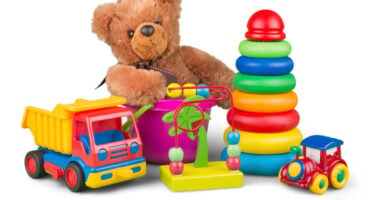
28 Toys That Ruled the Playground and Disappeared
Every generation of kids has a set of toys that felt inescapable for a few years, the kind that showed up at every birthday party and recess period before quietly vanishing from shelves. Some were pulled for safety reasons, others simply lost out to newer competition, and a few disappeared because the specific manufacturing techniques that made them possible stopped being cost-effective.
What they shared was a period of genuine dominance, the kind of popularity current toys rarely reach given how fragmented kids’ attention has become.
Clackers

Two acrylic spheres connected by a string were swung up and down to strike against each other, producing a sharp clacking sound and, with enough skill, a full loop over the top. The hard acrylic material occasionally shattered under stress, sending sharp fragments flying, which led to safety concerns and eventual reformulation or removal from many markets.
Clackers remain one of the most frequently cited examples of a toy pulled largely for safety reasons.
Lawn Darts
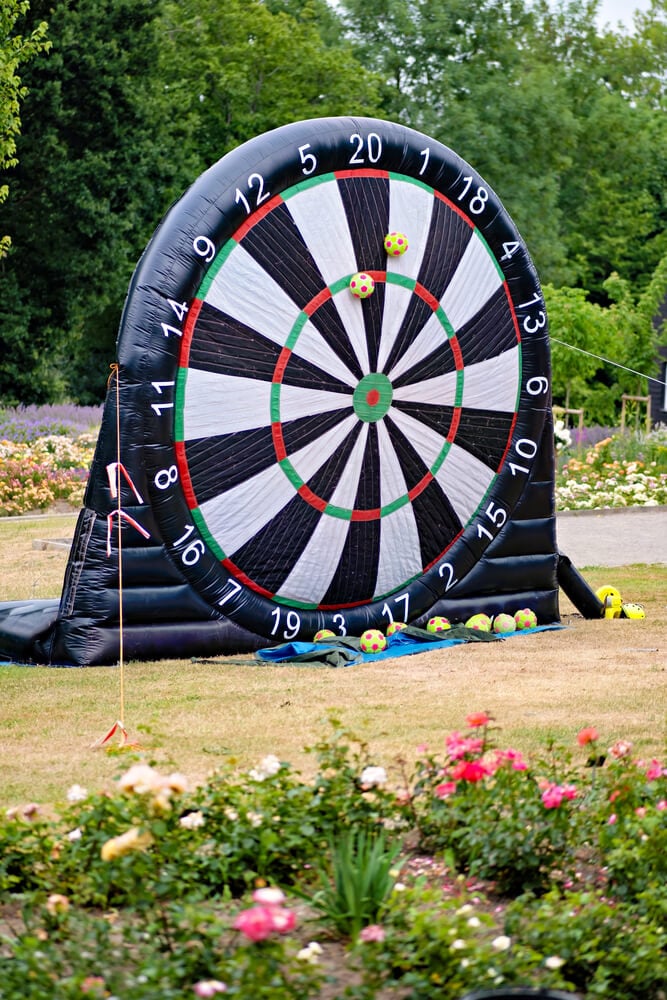
Also sold under the brand name Jarts, this outdoor game involved tossing large, weighted metal-tipped darts at a ground target from a distance. Serious injuries, including some fatalities, led to a formal ban on the metal-tipped version in the United States in 1988.
Softer, blunt-tipped versions later appeared under similar branding, but the original game largely disappeared.
Big Wheel Tricycles
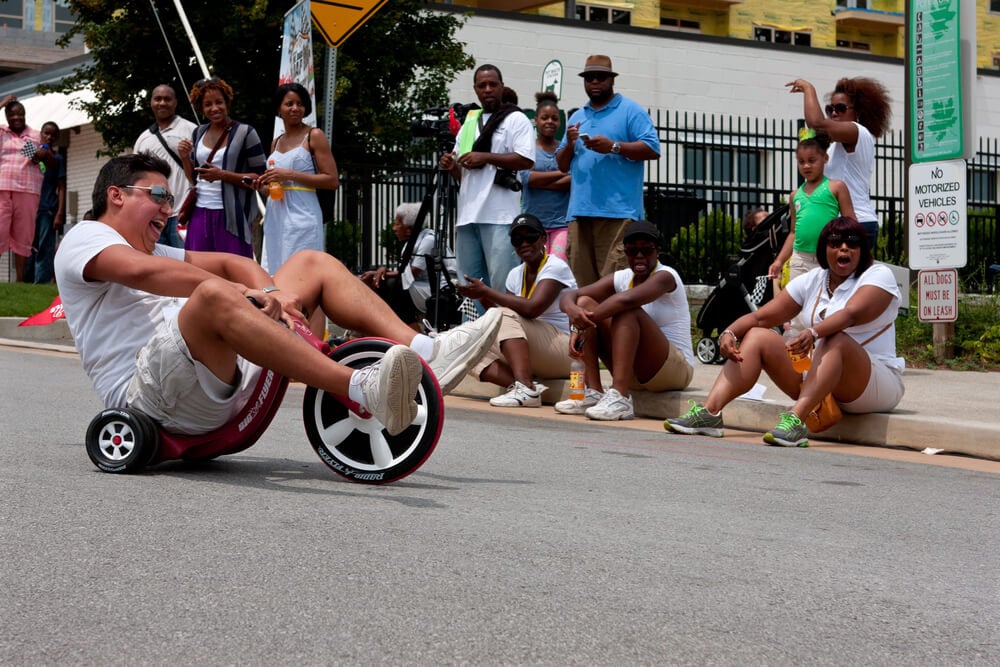
These low-riding plastic tricycles with an oversized front wheel let kids pedal at higher speeds and perform sliding turns that a standard tricycle could not manage. Their design made them a dominant sidewalk toy through the 1970s and 1980s.
Changing outdoor play patterns and a shift toward bicycles at a younger age gradually reduced their presence on driveways and sidewalks.
Sit ‘n Spin
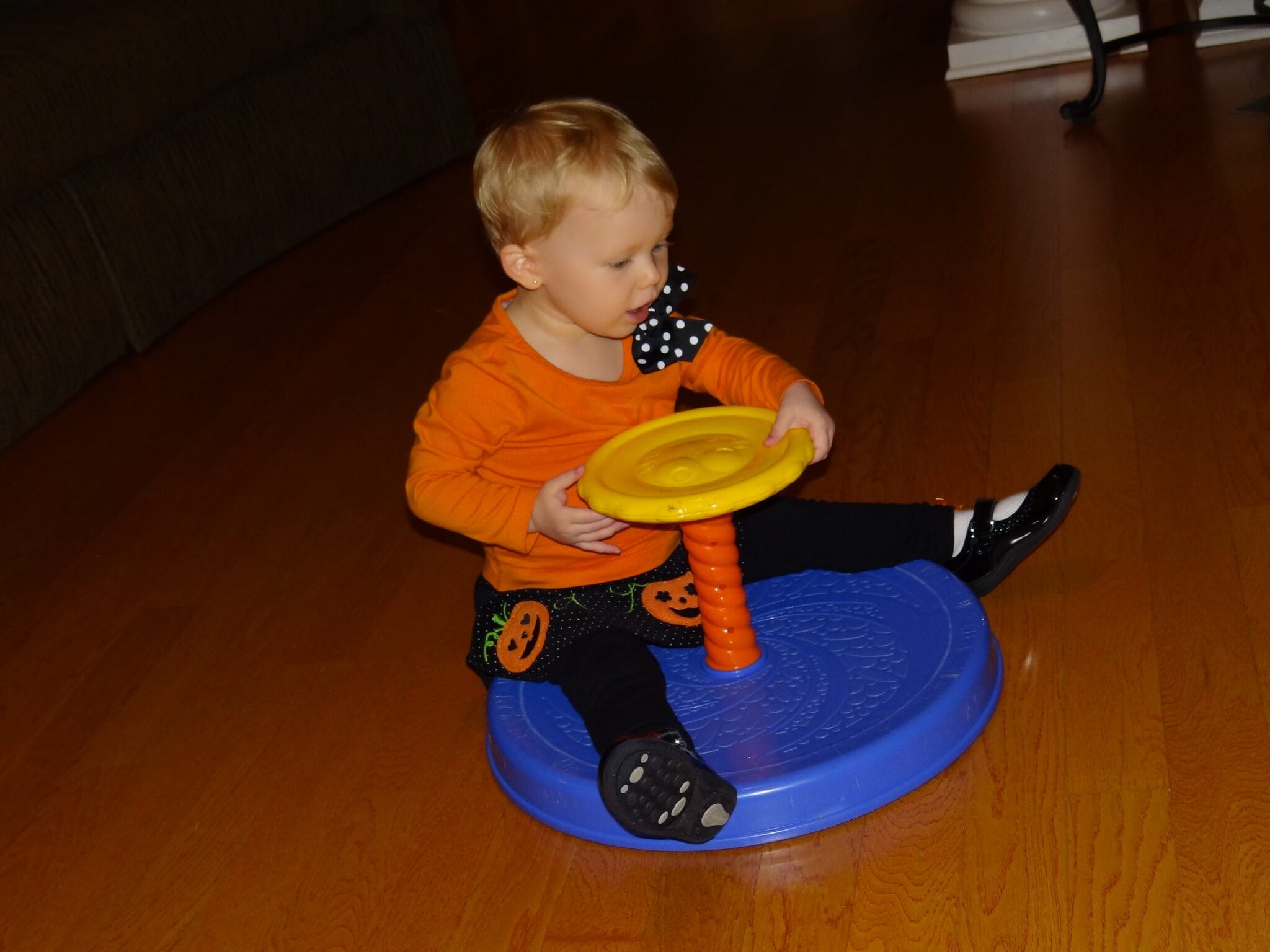
This rotating plastic disc let a seated child spin themselves around by turning a central wheel, doubling as both a toy and, for many kids, a way to induce dizziness on purpose. It remained a staple of home playrooms for years across multiple product generations.
Newer, more elaborate ride-on and interactive toys have largely displaced it from current toy aisles.
Rock’em Sock’em Robots

Two plastic boxing robots faced off in a ring, controlled by hand levers that let players throw punches aimed at knocking the opponent’s head up with a spring-loaded mechanism. The toy’s mechanical simplicity made it durable and easy to manufacture cheaply for decades.
Licensed and electronic competitors eventually crowded it out of most toy store shelves, though nostalgia editions still appear periodically.
Stretch Armstrong
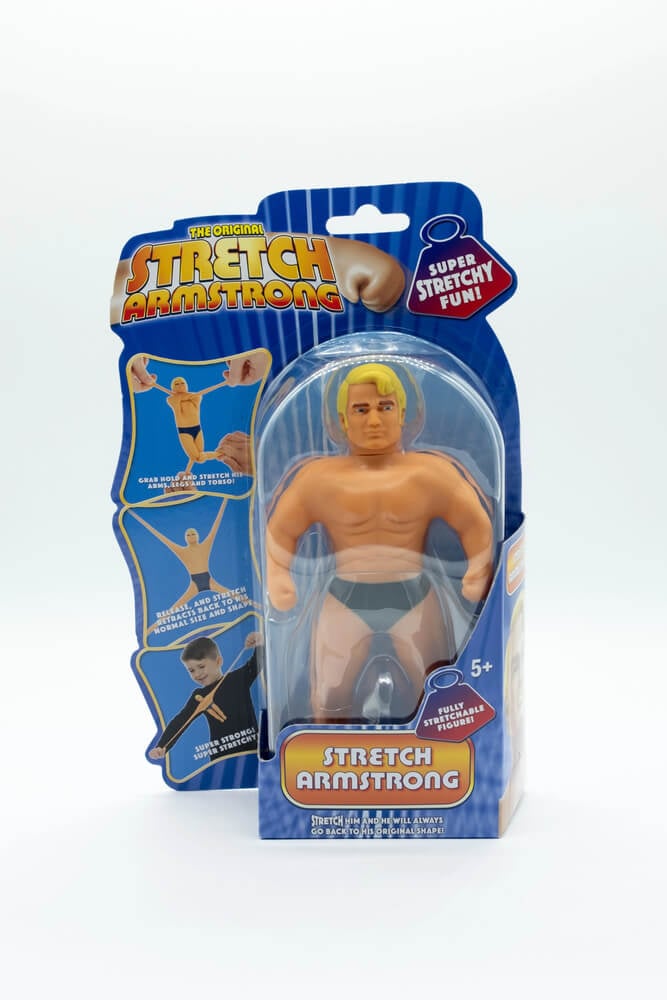
This rubber-skinned action figure was filled with a thick internal gel that let kids stretch his limbs to several times their normal length before he slowly returned to shape. The toy became a playground favorite specifically because of how durable the stretching gimmick proved to be under repeated abuse.
Manufacturing changes and shifting action figure trends reduced its presence on shelves for long stretches between revivals.
Creepy Crawlers Oven

This kit let kids pour liquid plastic into metal molds and bake them in a small electric oven to create rubbery bugs and creatures. The combination of a genuinely hot heating element and young users led to real safety concerns that eventually reshaped the product.
Later, cooler-running versions never quite matched the original’s popularity, and the toy largely faded from mainstream shelves.
Spirograph
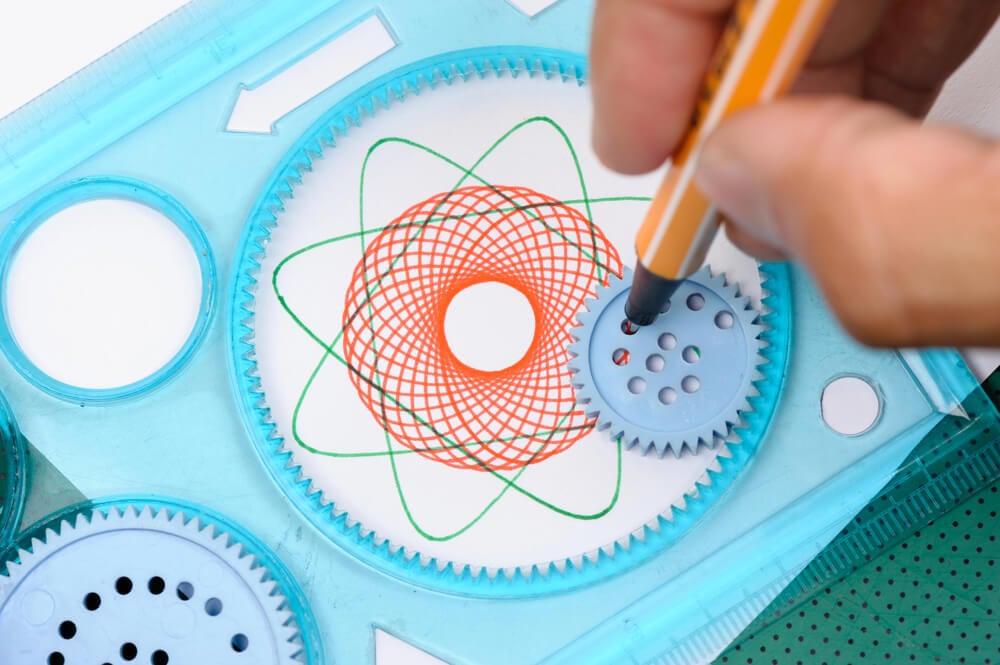
This drawing toy used a set of interlocking plastic gears and rings to produce intricate geometric patterns as a pen traced along the moving pieces. It required a level of patience and fine motor coordination that set it apart from more passive toys of the era.
Digital drawing tools and simpler craft kits eventually displaced it from most toy aisles, though occasional reissues have kept it from disappearing entirely.
Lite-Brite
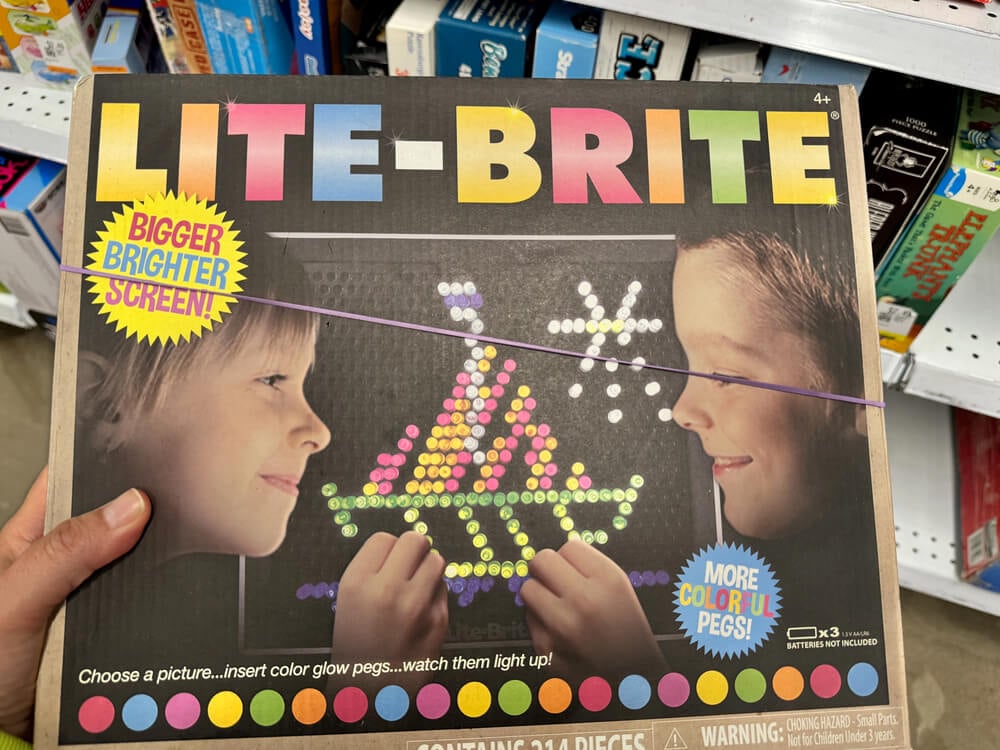
Kids pushed small colored plastic pegs into a backlit pegboard to create a glowing picture, following a printed template or working freehand. The light bulb inside ran warm enough that packaging eventually carried specific safety warnings about handling.
LED-based toys with more built-in interactivity have largely taken its place on modern shelves.
View-Master
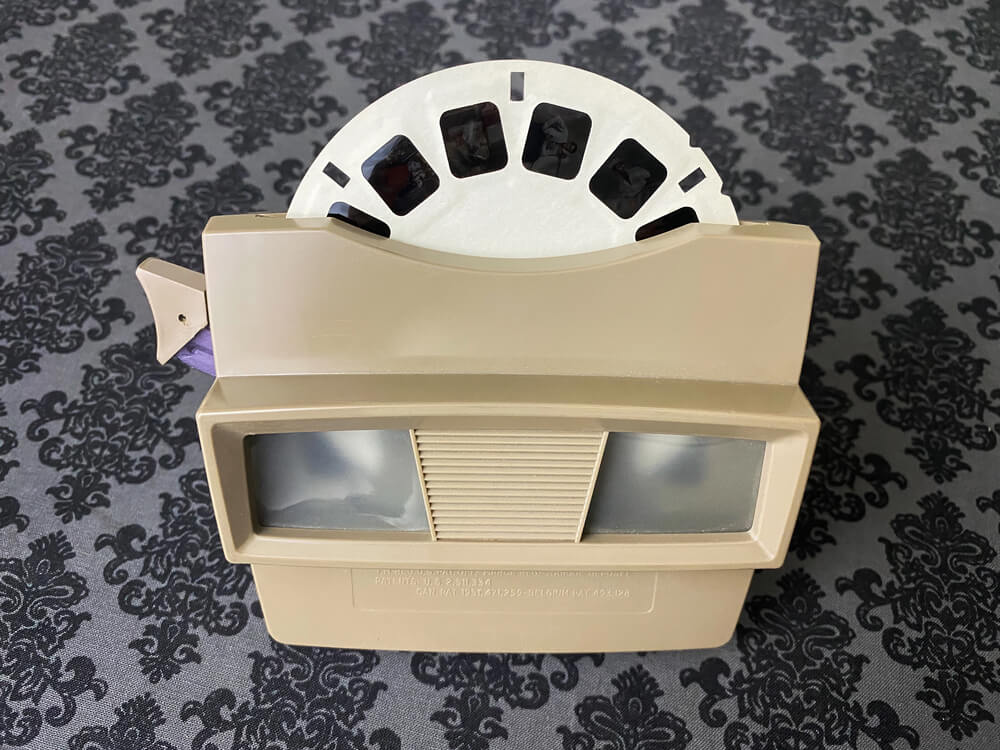
This handheld stereoscopic viewer used circular reels of small film transparencies to create a three-dimensional image when held up to the eyes and clicked forward one frame at a time. Reels covered everything from cartoon characters to real-world travel destinations and nature scenes.
Digital photography and video largely replaced the appeal of a physical reel viewer, though limited novelty versions still exist.
Simon
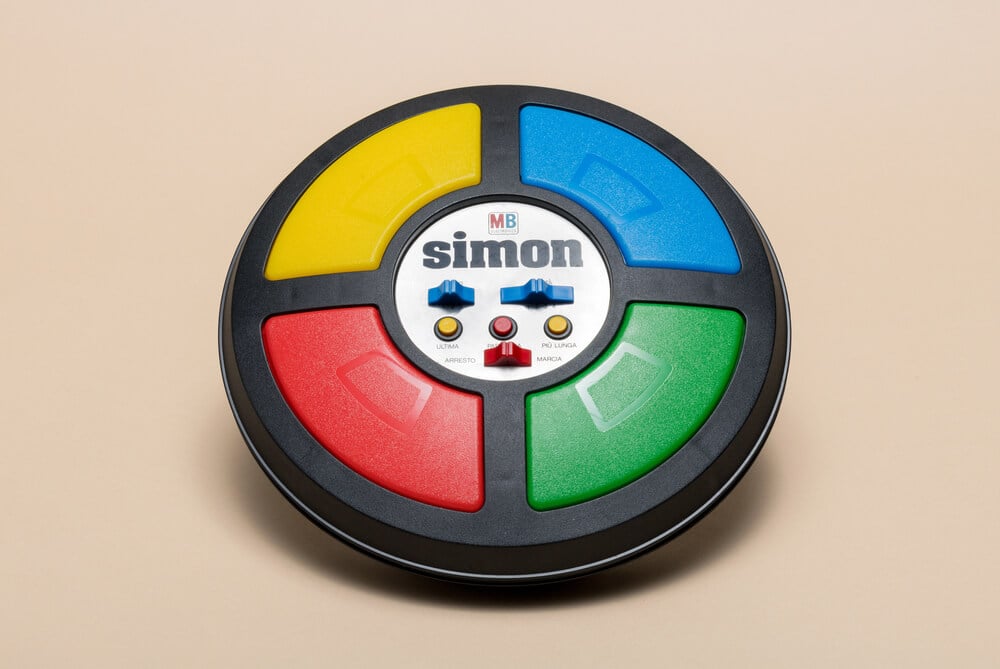
This electronic memory game lit up colored panels in a growing sequence that players had to repeat correctly, with the pattern getting longer each round. It was among the earliest mass-market electronic games to use sound and light as its entire gameplay mechanic.
Smartphone apps and more advanced electronic games have made the original standalone device far less common in stores.
Pogo Stick
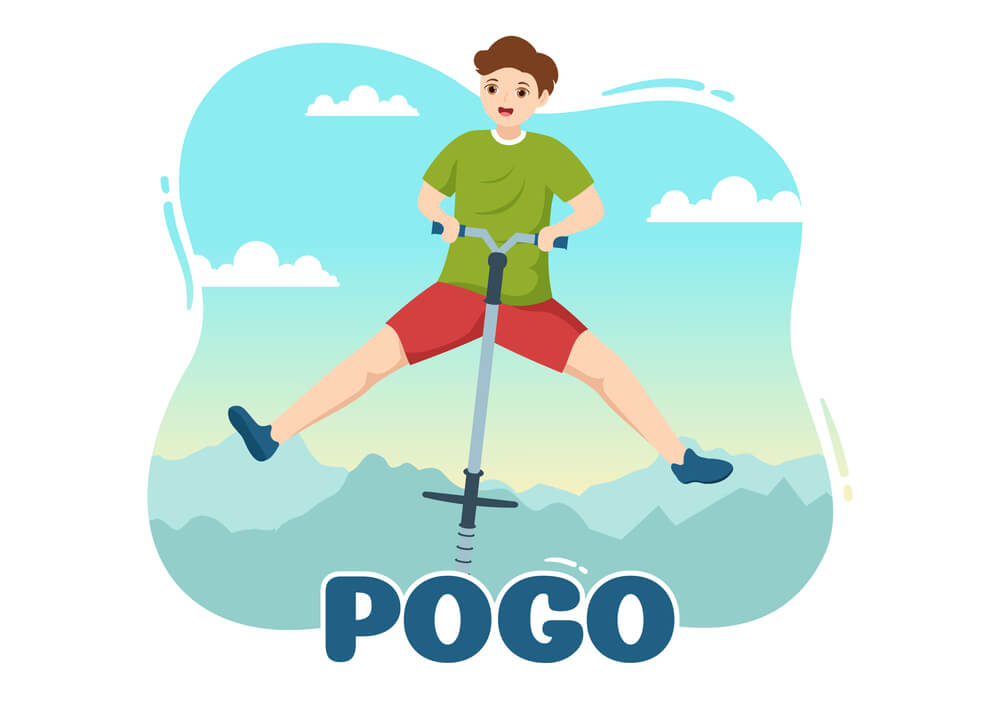
This spring-loaded stick let kids bounce continuously while standing on two small foot pegs, requiring real balance to sustain more than a few hops in a row. It was a genuine test of coordination that made mastering it a point of playground pride.
Liability concerns and a general decline in unstructured outdoor risk-taking have made it a less common sight than it once was.
Slinky
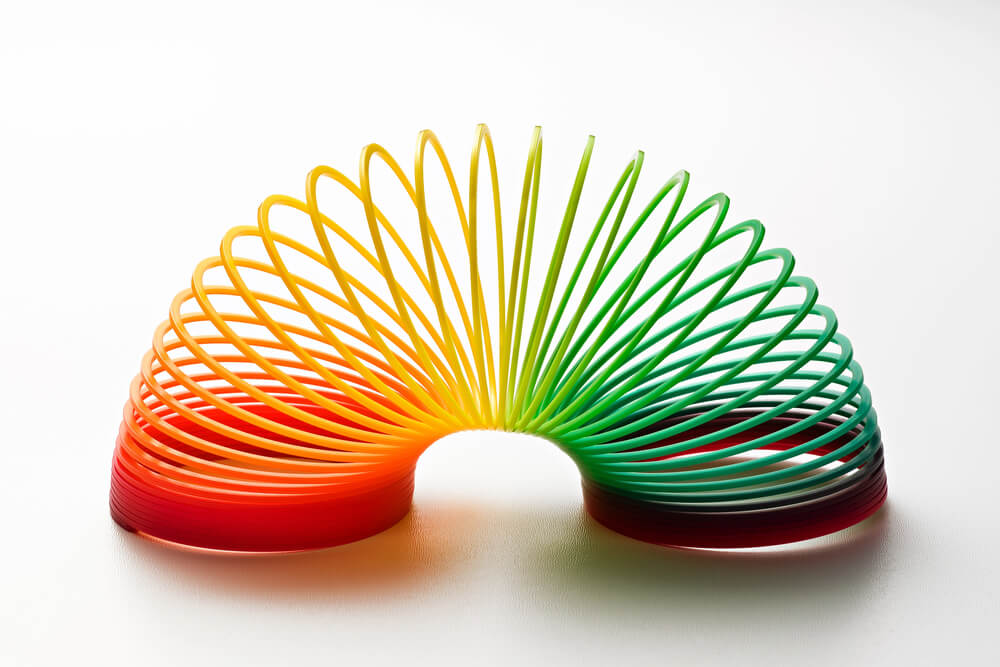
This simple metal coil could walk itself down a staircase step by step under its own weight and momentum, a novelty that made it an instant hit when it launched in the 1940s and kept it popular for decades afterward. Plastic versions later appeared as a cheaper, safer alternative to the original metal coil.
Both versions remain available today, though nowhere near the cultural presence they held during their peak decades.
Hula Hoop

This large plastic ring was spun around the waist, arms, or legs using hip and body movement to keep it airborne without hands. It set off one of the largest toy crazes in American history when it launched in the late 1950s, with tens of millions sold within its first year.
It never fully disappeared, but its status as a dominant playground toy faded once the initial craze passed.
Jacks

This game paired a small set of six-pointed metal pieces with a soft rubber piece that players bounced while scooping up jacks in increasing numbers each round. It required almost no equipment and could be played anywhere with a flat, hard surface.
Video games and structured youth sports absorbed much of the free playground time this game once filled.
Macrbles
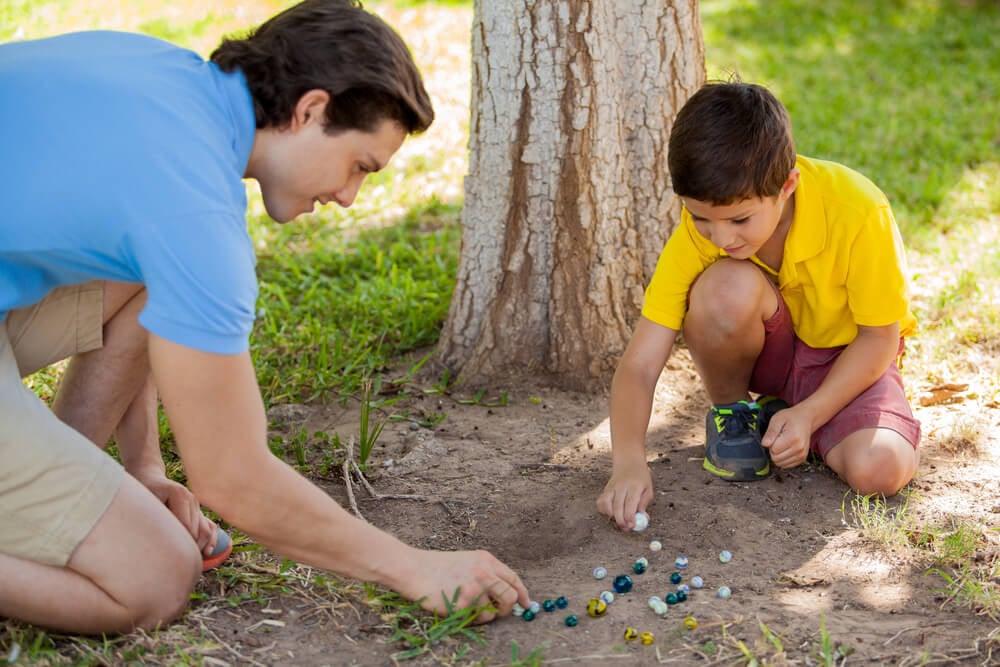
Kids collected and traded small glass or clay spheres in a wide range of colors and patterns, competing in games that involved knocking an opponent’s marble out of a drawn circle. Marble collecting and trading carried almost as much social weight as the games themselves.
Organized youth sports and video games have largely replaced the informal recess time marbles once occupied.
Paper Kites With Wooden Dowels
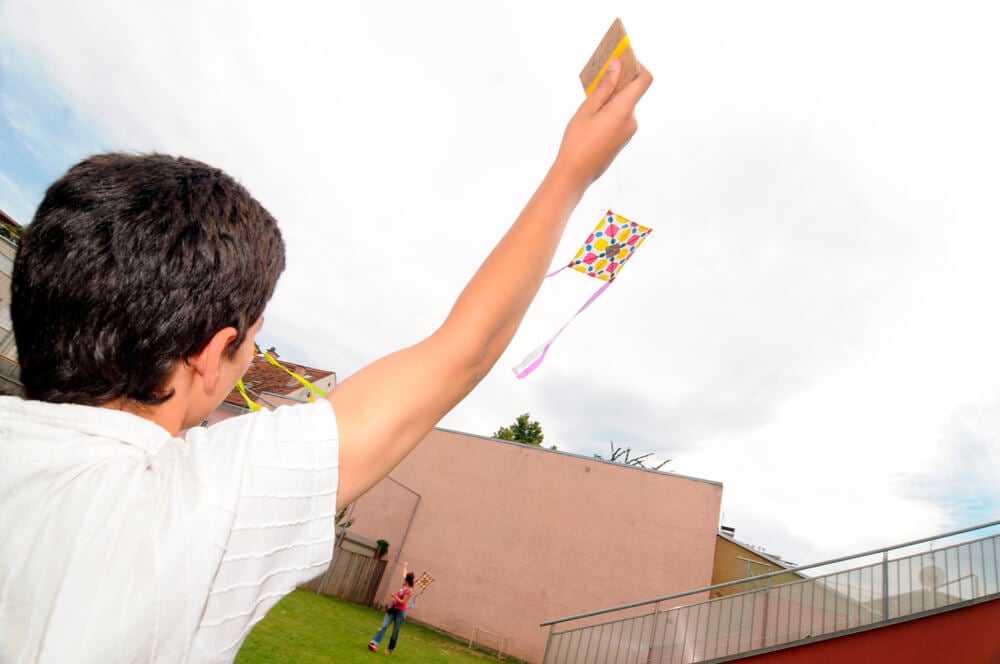
Early kites were built from paper or thin plastic stretched over a simple wooden dowel frame, requiring some skill to assemble and fly successfully in the right wind conditions. Getting one airborne and keeping it there was widely considered a genuine achievement.
Pre-assembled nylon kites with rigid frames have largely replaced the build-it-yourself version for casual flying.
Metal Clamp-On Roller Skates
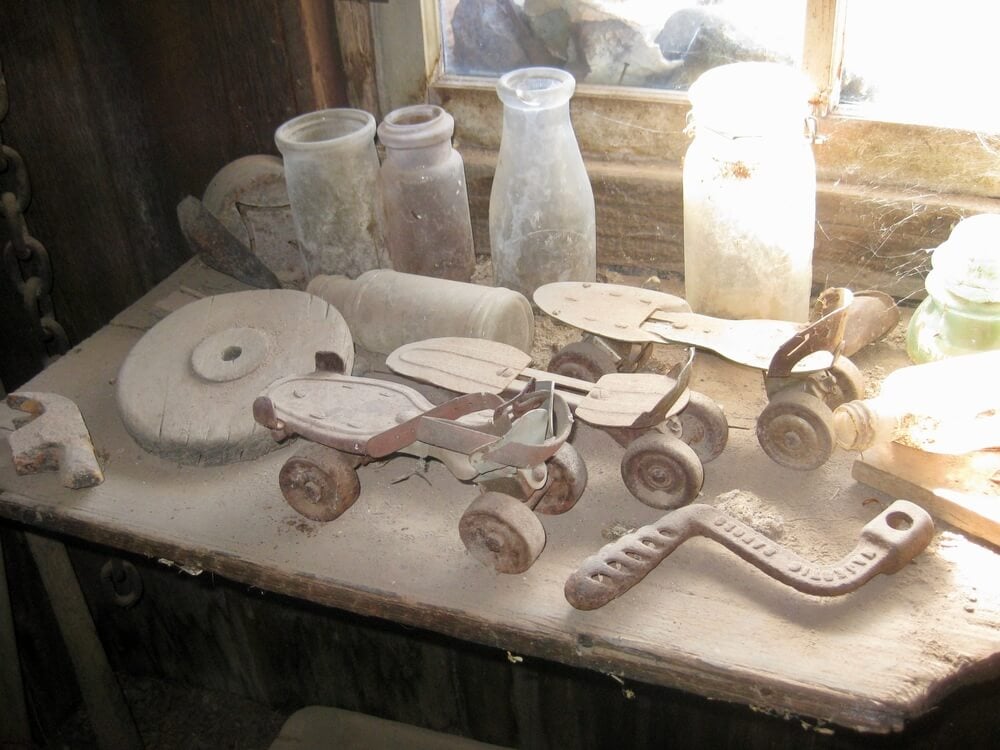
These skates clamped directly onto the sole of a regular shoe using an adjustable metal bracket and a small key, rather than requiring a dedicated skate boot. The clamps could loosen or slip during use, leading to frequent complaints about control and comfort.
Molded skate boots and later inline skates replaced the clamp-on design almost entirely.
Clay-Wheel Skateboards
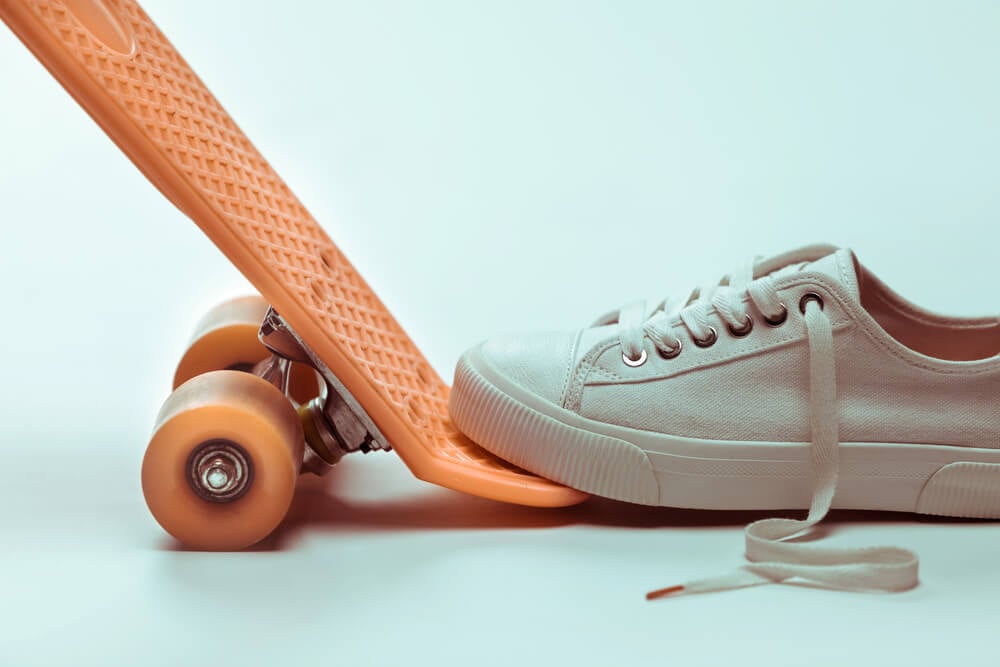
Early skateboards used hard clay composite wheels that offered a rough, unstable ride compared to later designs, making tricks and smooth turns considerably harder to pull off. The introduction of polyurethane wheels in the 1970s improved grip and control dramatically.
Clay-wheel boards quickly became obsolete once the smoother alternative became widely available.
Backyard Trampolines Without Safety Netting

Home trampolines were once sold and installed without any surrounding netting or padding over the metal frame and springs, relying entirely on user caution to avoid injury. Rising injury reports and liability concerns eventually pushed manufacturers toward enclosed designs with padded frames as the standard.
Trampolines without any form of surrounding netting are now difficult to find from major manufacturers.
Double Dutch Jump Rope

This playground game used two ropes turned in opposite directions at once, requiring a jumper to time their entry and rhythm carefully to avoid getting tangled. It demanded real coordination and often built its own set of chants and rhymes specific to a school or neighborhood.
Structured after-school programs and changing recess routines have reduced how often it appears on modern playgrounds.
Pick-Up Sticks

Players dropped a bundle of thin wooden or plastic sticks into a random pile and then took turns removing individual sticks without disturbing the others. The game rewarded a steady hand and careful observation in a way few other simple toys did.
Digital games and more elaborate physical toys have largely crowded it out of typical toy chests.
Wooden Yo-Yo
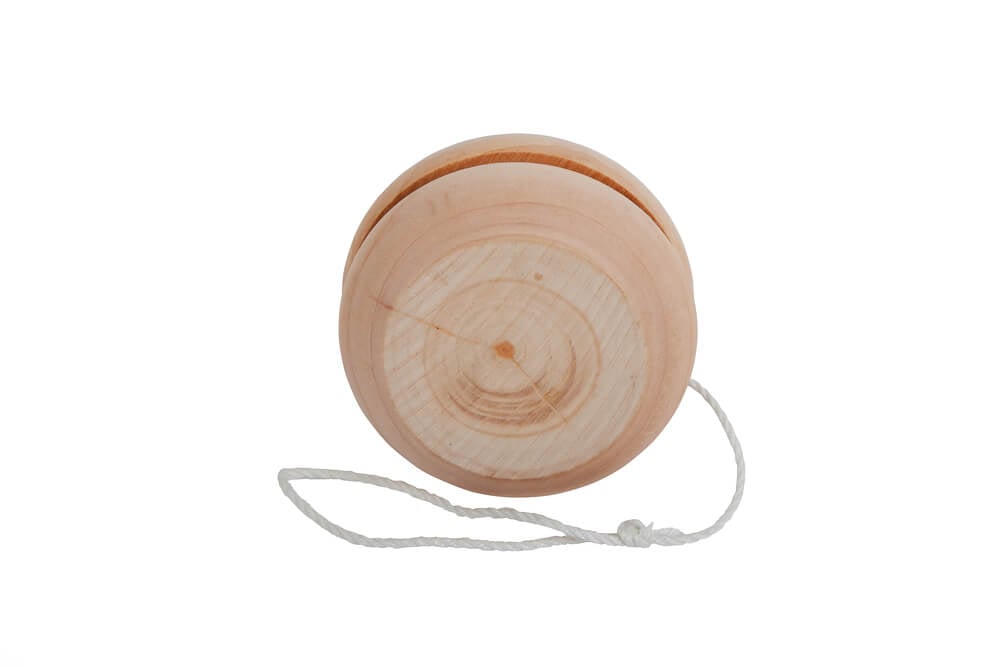
Early yo-yos were carved from solid wood and strung with a simple fixed loop, offering less spin control than later plastic, bearing-equipped designs. Mastering basic tricks required more raw hand-eye coordination than modern responsive models demand.
Plastic and metal yo-yos with more advanced internal mechanisms eventually replaced the wooden originals almost entirely.
Etch A Sketch

This red-framed drawing toy used two knobs to move an internal stylus across a powder-coated screen, creating lines that could only be erased by shaking the entire device clean. Drawing anything beyond basic geometric shapes required real patience and practice.
Digital drawing tablets have largely displaced it as a primary creative toy, though it remains in limited production.
Operation
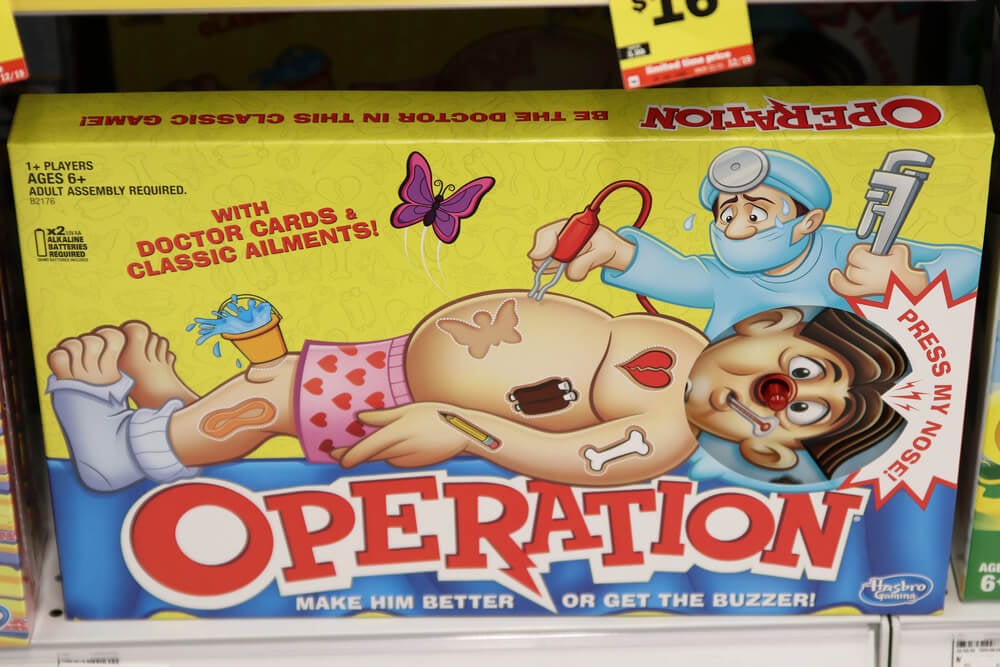
This battery-powered board game challenged players to remove small plastic ailments from cavities in a cartoon patient’s body using tweezers, buzzing loudly and lighting up if the metal tweezers touched the edge. Steady hands were rewarded and shaky ones were punished immediately and audibly.
Newer, more complex board and video games have reduced how central this specific game once was to elementary school game closets.
Mouse Trap
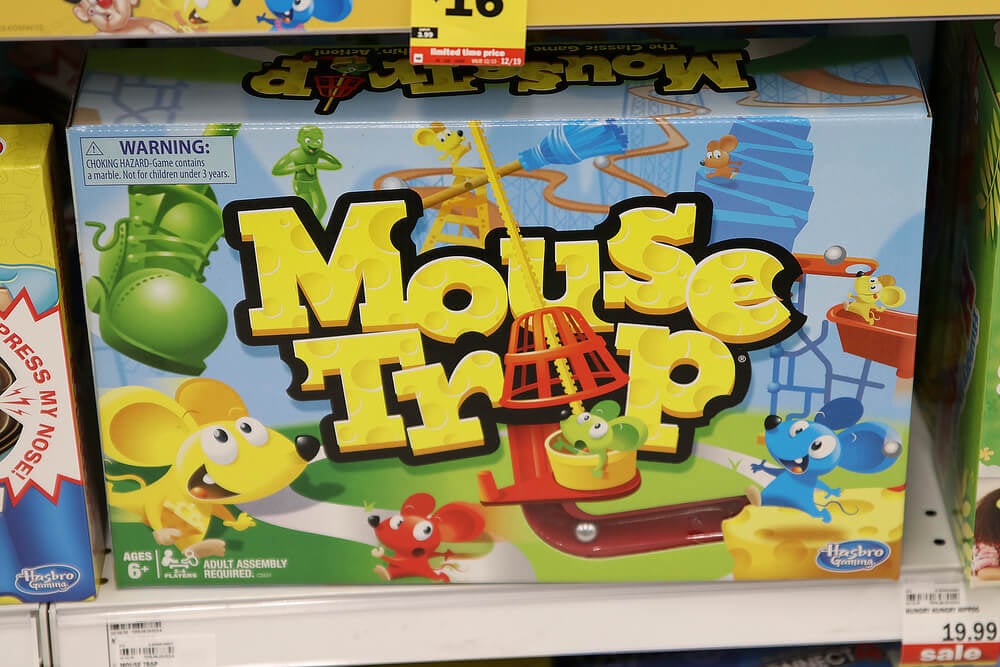
This elaborate board game built a working Rube Goldberg-style contraption piece by piece over the course of play, culminating in a chain reaction that dropped a small cage over an opponent’s game piece. The appeal was mostly in building and watching the mechanism work rather than in strategic gameplay.
More streamlined modern board games have largely replaced it on typical game shelves, though it remains available in updated versions.
Kerplunk

This game involved pulling thin plastic sticks one at a time out of a clear tube filled with marbles, trying to avoid causing marbles to fall through into a tray below. It combined luck and careful physical technique in a simple, visually satisfying format.
Newer tabletop games with more complex mechanics have reduced its once-common presence in family game collections.
Weebles
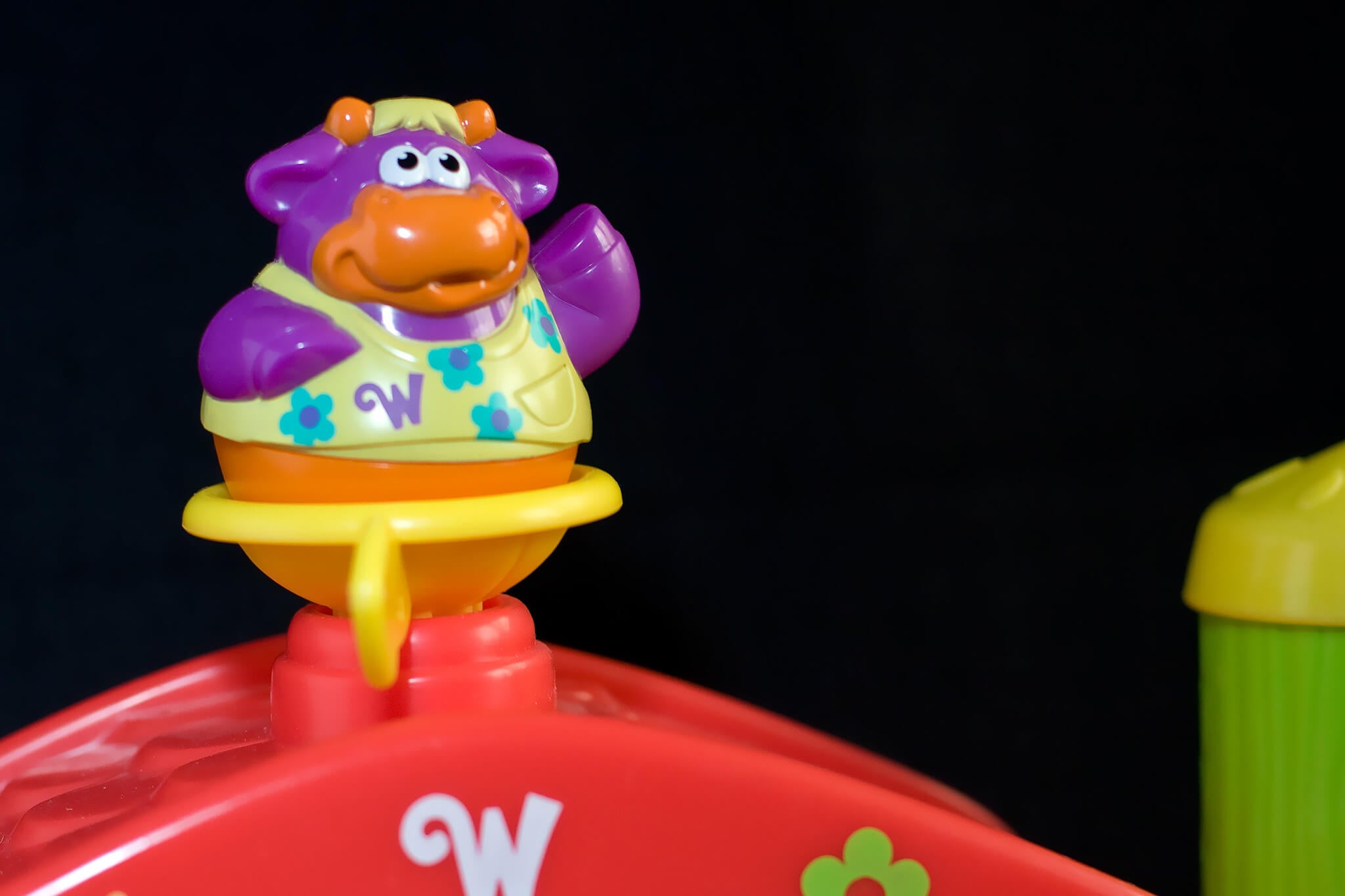
These egg-shaped plastic figures were weighted at the bottom so they would wobble but always return upright no matter how hard they were pushed over, built around the well-known advertising line promising they would not fall down. Their simple physical design made them popular with very young children in particular.
More elaborate character-based toy lines have largely displaced Weebles from mainstream toy aisles.
What Made These Toys Disappear

A handful of these toys were pulled specifically for safety reasons once injury data caught up with their design, and in those cases the disappearance was a deliberate, documented decision rather than a shift in taste. Most of the others simply lost out over time to newer competition, better materials, or manufacturing costs that no longer made sense for a niche product.
None of that makes the memory of dominating a specific playground era any less real. These toys were genuinely everywhere for a stretch of years that felt permanent at the time, which is exactly why so many of them still get recognized on sight decades after the last one rolled off a factory line.
More from Go2Tutors!

- The Romanov Crown Jewels and Their Tragic Fate
- 13 Historical Mysteries That Science Still Can’t Solve
- Famous Hoaxes That Fooled the World for Years
- 15 Child Stars with Tragic Adult Lives
- 16 Famous Jewelry Pieces in History
Like Go2Tutors’s content? Follow us on MSN.