27 Foods That Disappeared From American Tables
Every generation’s kitchen has its casualties — dishes that once showed up at every family dinner and quietly vanished once tastes, budgets, or refrigeration changed. Some fell out of favor for good reason.
Others just lost the popularity contest to something easier. Here are 27 foods that used to be everyday eating in the United States.
Chipped Beef on Toast
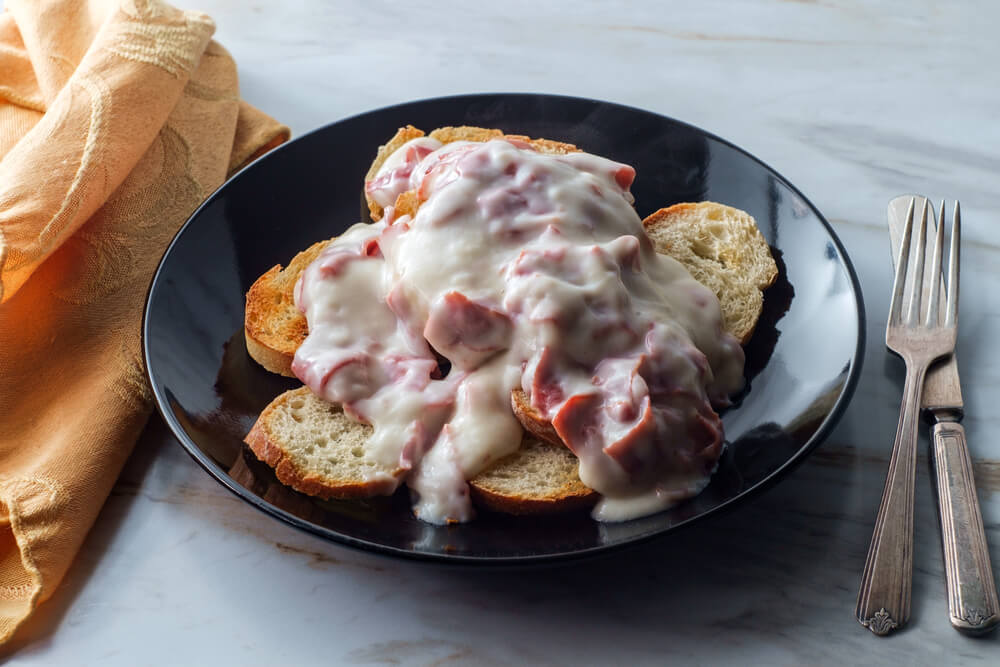
Known in military kitchens as SOS, this dish of dried, salted beef reconstituted in a thick white sauce and poured over toast was a common budget dinner in American homes through the mid-20th century. Its ultra-long shelf life made it a pantry staple before home refrigeration was universal.
It’s now mostly remembered as an armed-forces joke rather than a dinner option.
Mock Apple Pie
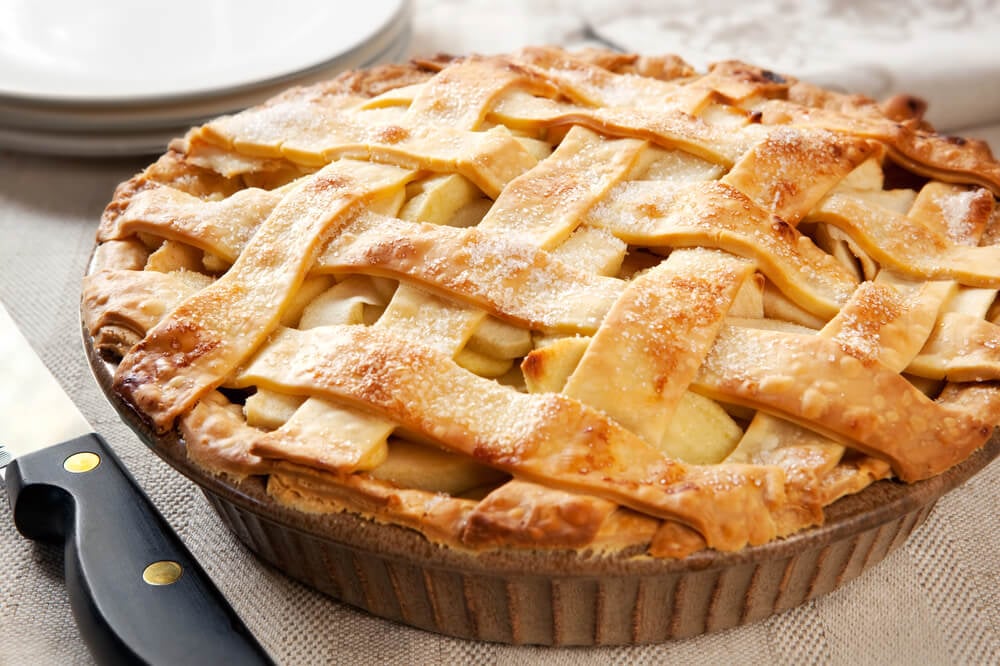
Made from crushed Ritz crackers, sugar, cinnamon, and lemon juice instead of actual apples, this Depression-era dessert relied on the crackers’ texture to mimic cooked fruit when apples were scarce or expensive. The recipe was printed directly on cracker boxes for decades.
It has largely disappeared now that apples are a year-round grocery staple.
Perfection Salad
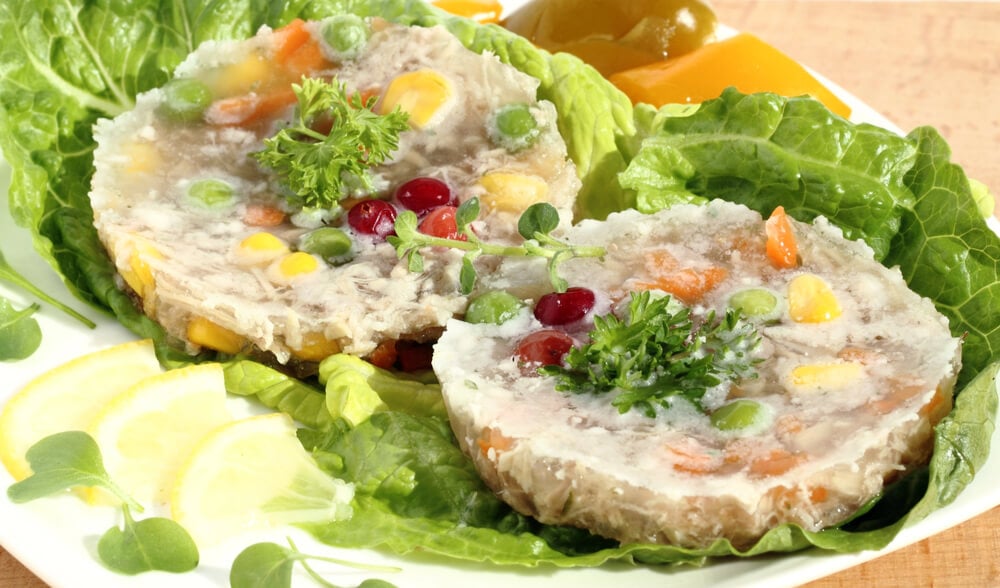
This molded gelatin dish suspending shredded cabbage, celery, and peppers was considered the height of modern entertaining when it debuted in a 1906 recipe contest. Its clean, geometric appearance reflected an era fascinated with kitchen science and convenience.
Congealed vegetable salads of this kind have almost entirely vanished from home cooking.
Liver and Onions
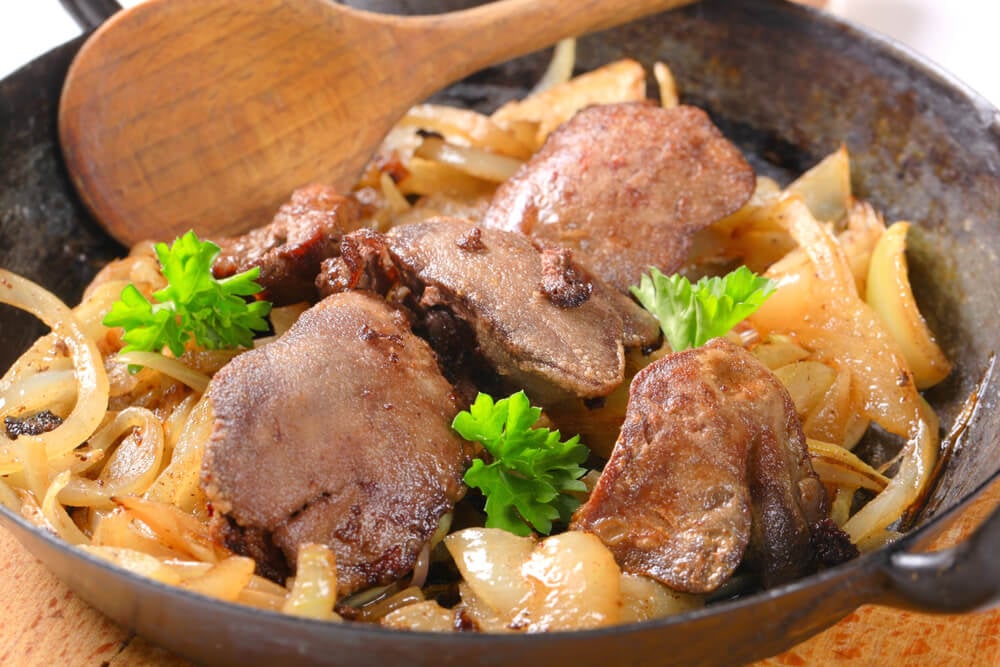
Once a weekly dinner in many households thanks to its low cost and high iron content, this dish of pan-fried liver smothered in caramelized onions was standard family fare through the mid-1900s. Its strong flavor made it a dish parents insisted on more than children requested.
It’s become a rarity as organ meats fell out of everyday rotation.
Head Cheese
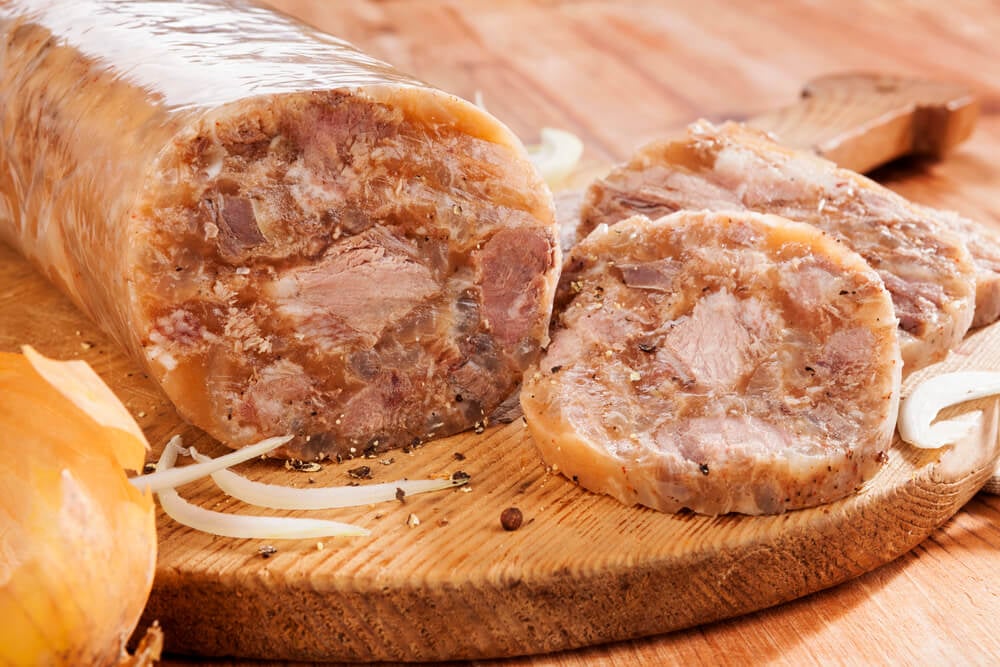
Despite the name, this isn’t cheese at all but a seasoned meat jelly made by simmering and setting the meat from an animal’s head, a practical way to use every part of a butchered hog. It was common in immigrant and rural American households well into the 20th century.
It survives today mostly in specialty delicatessens rather than home kitchens.
Scrapple
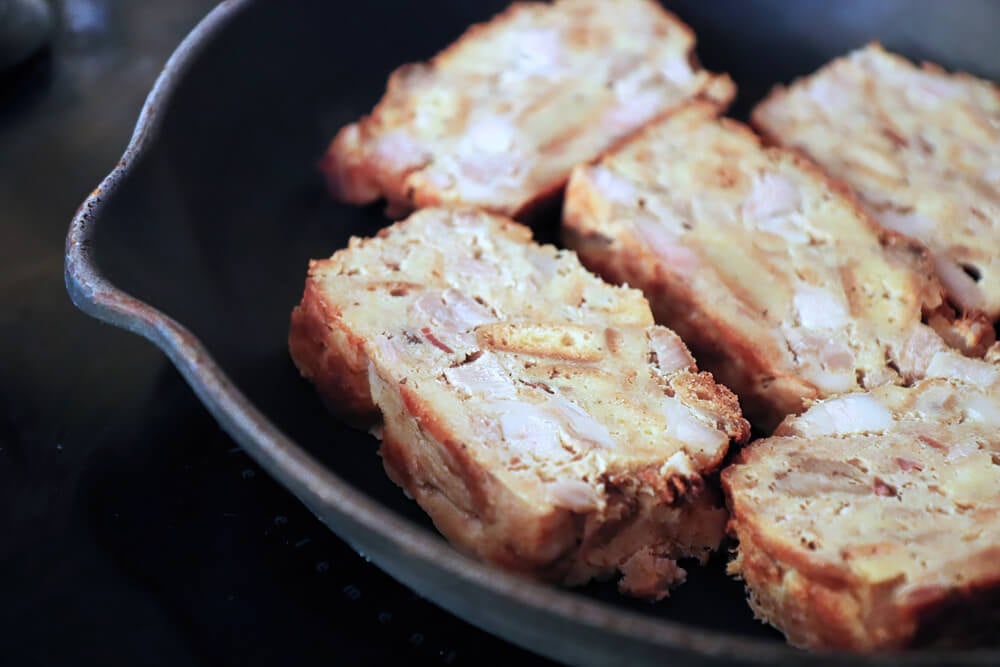
A regional Pennsylvania Dutch staple made from pork scraps and cornmeal formed into a loaf, sliced, and fried, scrapple was once a standard breakfast meat across the mid-Atlantic. It developed as a way to use every part of a hog after butchering.
It’s still made regionally but has largely disappeared from tables outside its home territory.
Souse
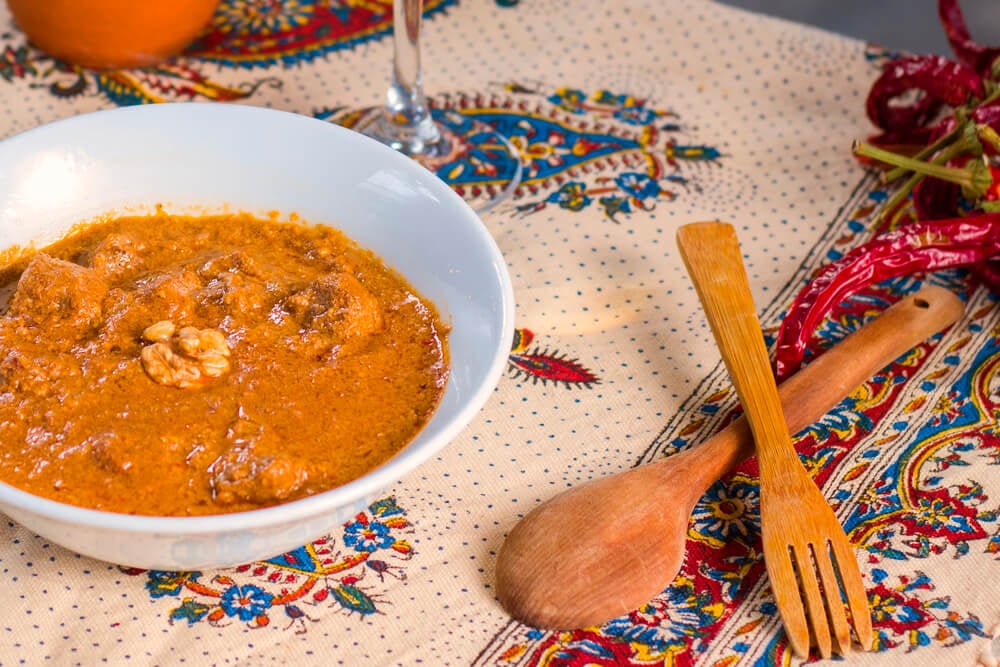
A pickled meat jelly similar to head cheese but seasoned with vinegar, souse was a common way Southern and Midwestern households preserved and used pork trimmings before widespread refrigeration. It appeared regularly at community gatherings and church suppers.
It’s now rarely made outside a handful of Southern delis.
Steak and Kidney Pie
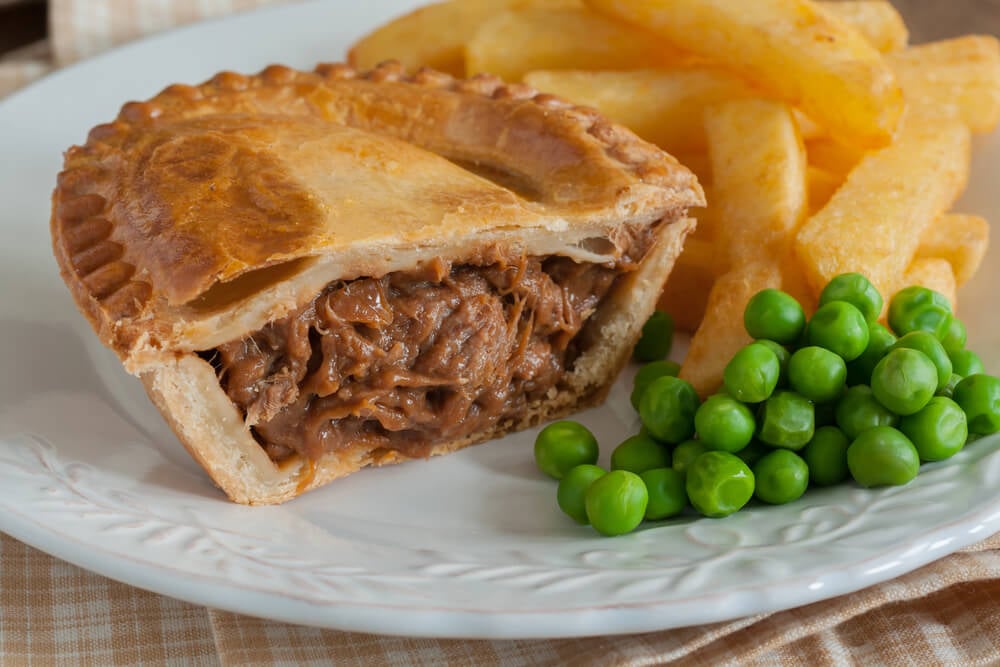
Brought over by British immigrants, this savory pie filled with beef and kidney in gravy was a fixture of American boarding-house and home-cooking menus in the early 1900s. Its reliance on organ meat made it economical at a time when nothing from an animal went to waste.
It has almost entirely disappeared from American kitchens even as the beef-only version persists.
Turtle Soup
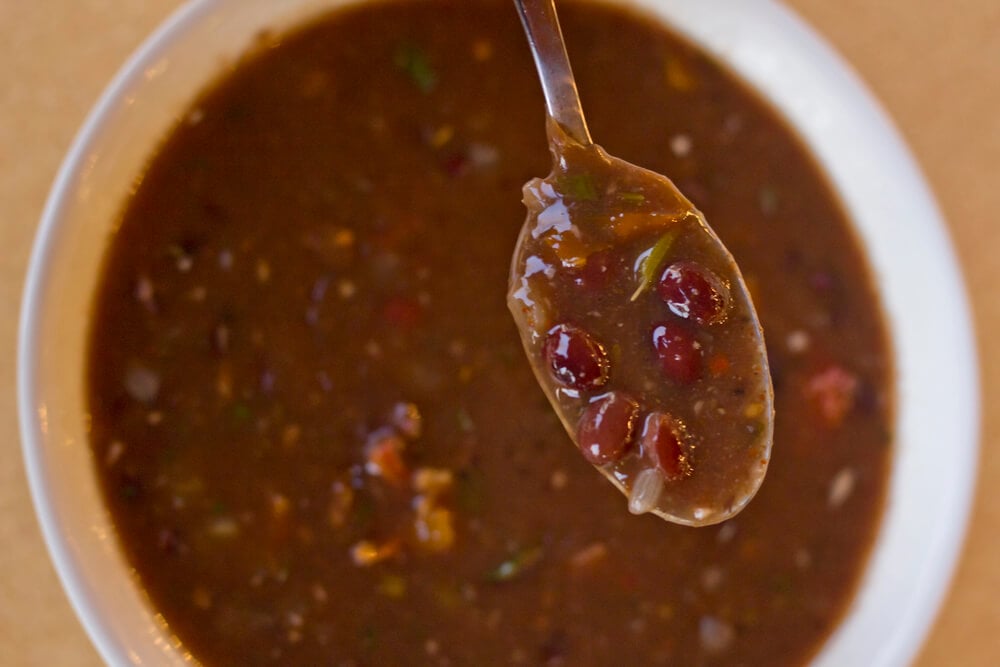
Once considered an elegant delicacy served at formal dinners and fine restaurants, turtle soup was common on American menus through the early 20th century, particularly in port cities with access to sea turtles. Conservation laws protecting turtle populations sharply curtailed the dish by the mid-1900s.
It now survives mainly as a specialty item in a few New Orleans restaurants.
Calf’s Foot Jelly
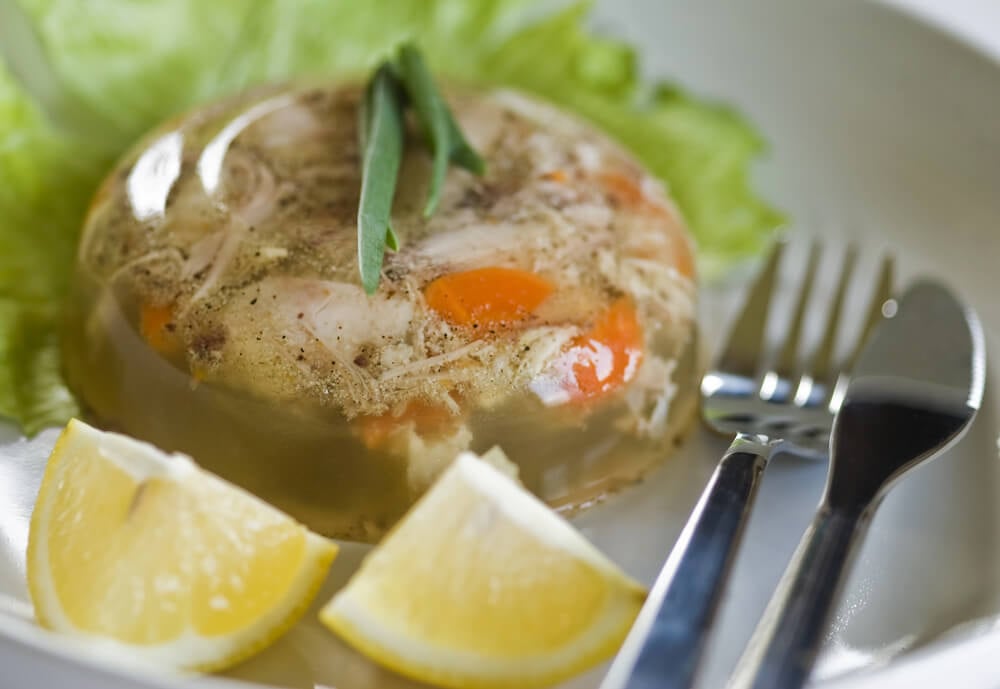
Made by slowly simmering calves’ feet until the natural gelatin set into a clear jelly, this dish was considered both a delicacy and a restorative food for the sick in the 1800s and early 1900s. It required hours of careful straining and clarifying.
It disappeared almost entirely once powdered gelatin made molded dishes far easier to produce.
Tongue Sandwiches
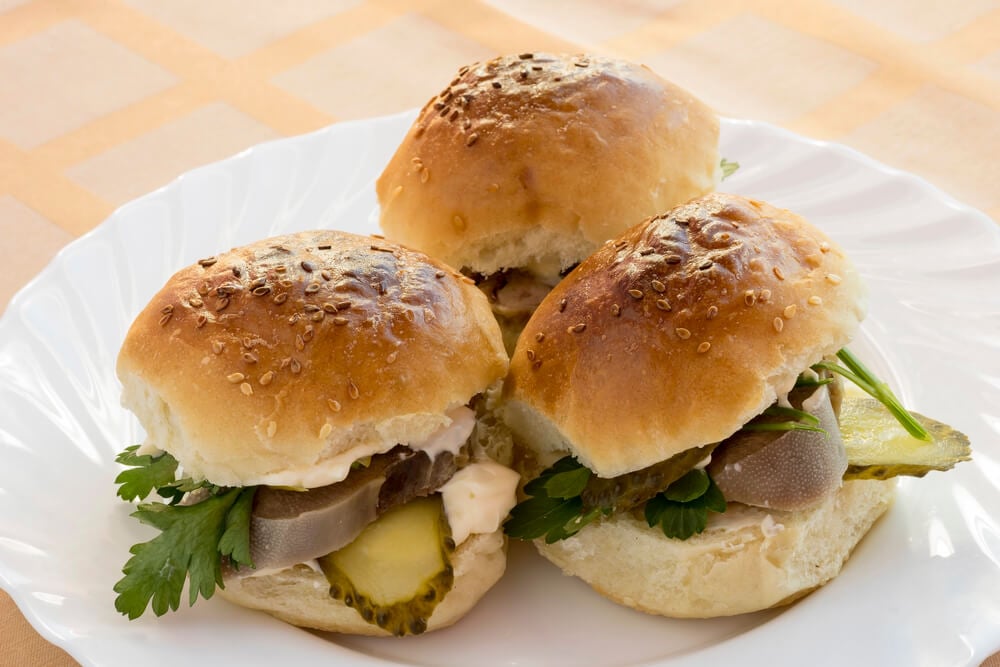
Beef tongue, boiled, sliced thin, and served on rye, was a standard delicatessen sandwich through the mid-1900s, prized for its tenderness once properly cooked. It required little more than patience and a large pot.
It’s become uncommon as diners grew unwilling to eat visibly recognizable cuts of organ meat.
Sweetbreads
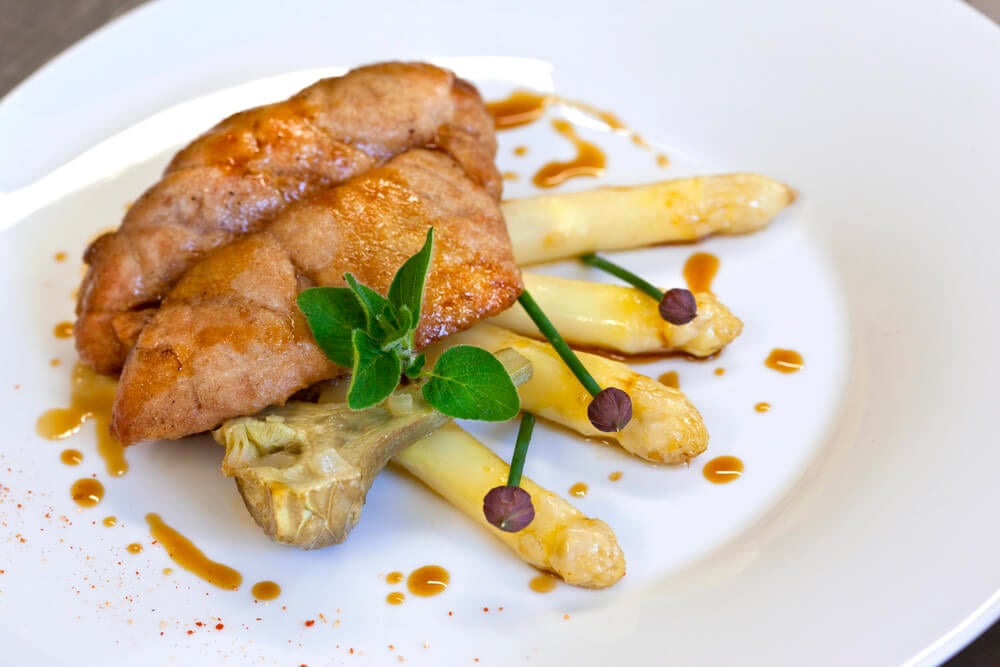
The thymus or pancreas of a calf or lamb, sweetbreads were considered a refined delicacy on American restaurant menus through the early 1900s, prepared breaded and fried or in a cream sauce. Their delicate texture made them prized among discerning diners of the era.
They’ve become a rarity outside high-end restaurants willing to reintroduce them as a novelty.
Oyster Stew as a Holiday Tradition
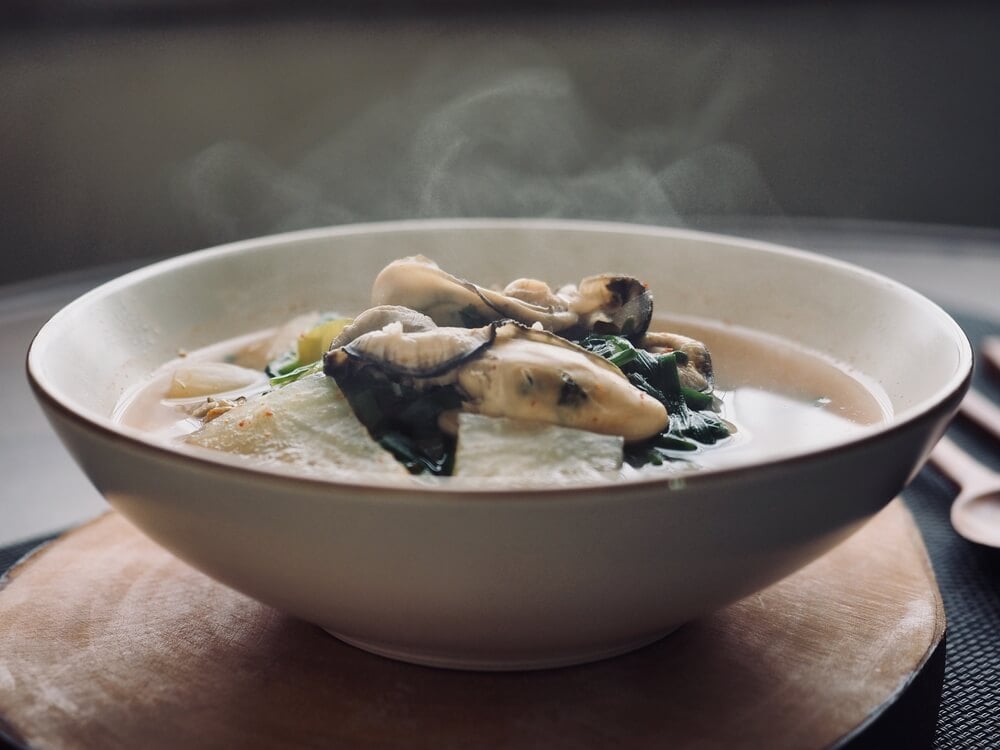
A simple dish of oysters simmered in milk or cream, oyster stew was once a near-universal Christmas Eve meal across much of the country, tied to a period when oysters were cheap and abundant along both coasts. Overharvesting and rising prices gradually pushed oysters out of everyday reach.
The tradition survives in pockets, mostly in older families along the East Coast.
Salt Cod Cakes
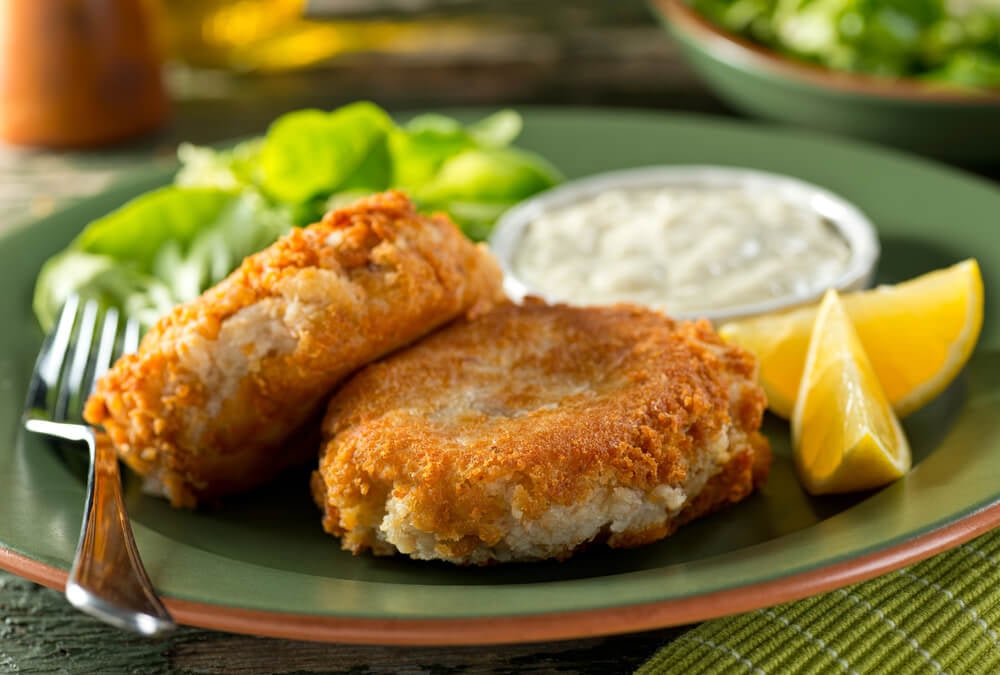
Made from dried, salted cod that had to be soaked for a full day before cooking, these fried cakes were a Friday dinner staple in many American households, particularly Catholic ones observing meatless days. Refrigeration and fresh fish availability made the salting process unnecessary.
The dish now survives mainly in New England and Portuguese-American communities.
Prune Whip
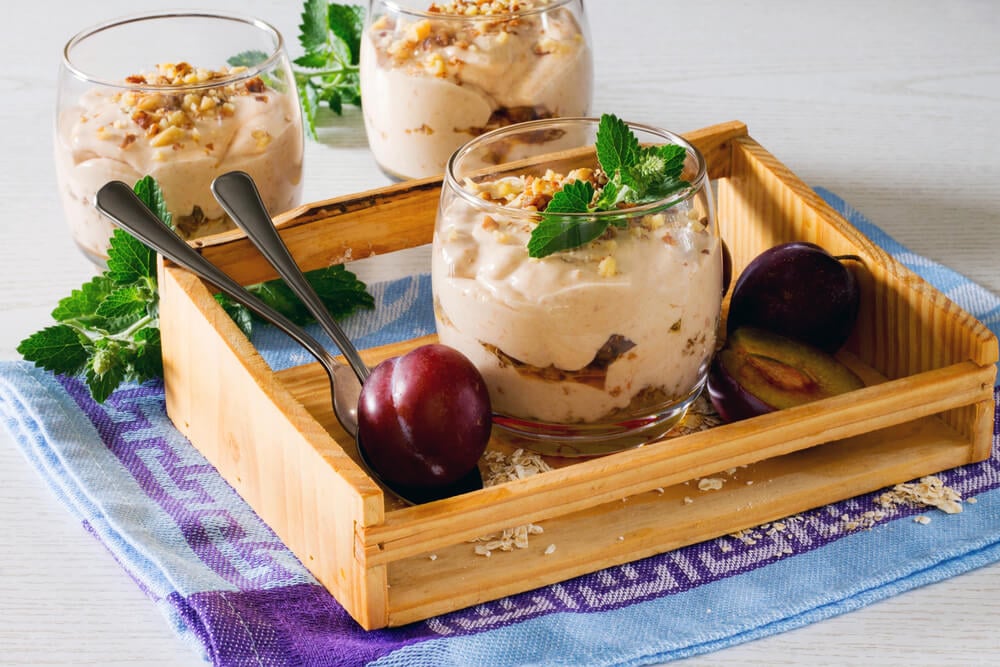
A light dessert made from puréed stewed prunes folded into whipped egg whites, prune whip was a common finish to family dinners through the mid-1900s, valued as both a treat and a mild digestive aid. Its texture resembled a savory mousse rather than a typical fruit dessert.
It has almost entirely vanished from modern dessert menus.
Canned Deviled Ham Sandwiches
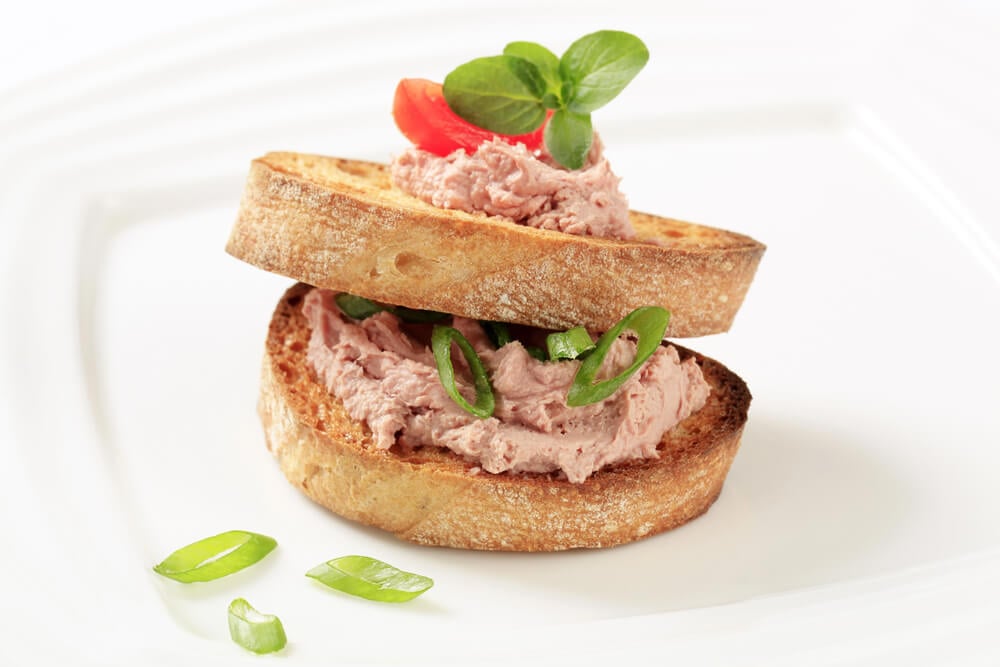
Spread straight from the tin onto white bread, canned deviled ham sandwiches were a common lunchbox staple through the mid-1900s, prized for requiring no cooking at all. Its intensely spiced flavor made a little go a long way.
It’s rarely packed for lunch today even though the product itself still exists on some shelves.
Fruit Cocktail Cake
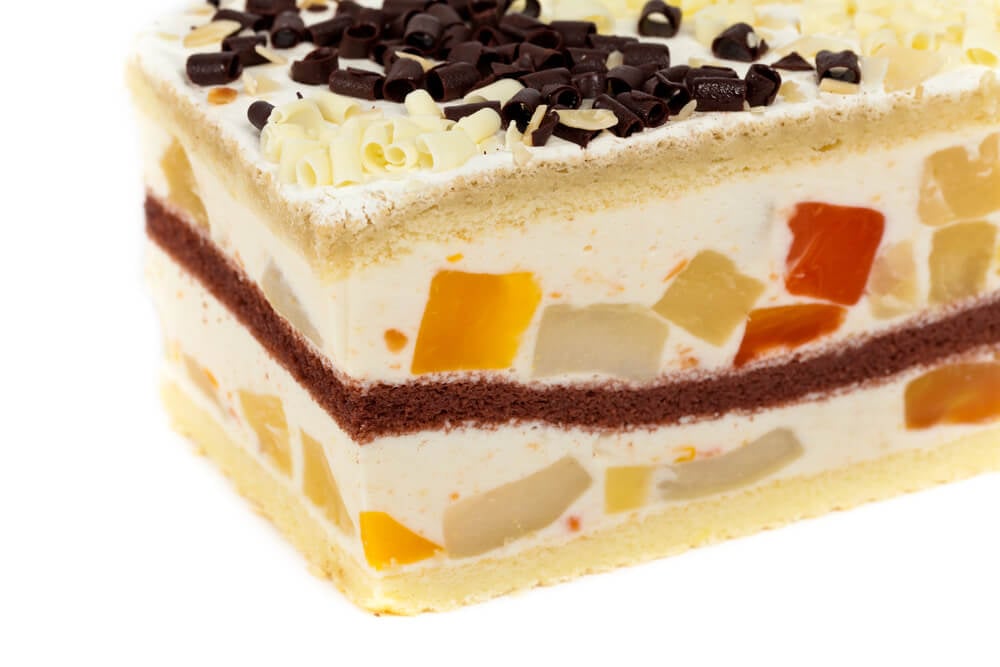
Made by folding a can of fruit cocktail, syrup and all, directly into a simple batter, this cake was a Depression-era and postwar favorite prized for its moisture and low cost. Recipes for it appeared in community cookbooks for decades.
It’s fallen out of favor as canned fruit cocktail itself became less of a pantry staple.
Canned Brown Bread
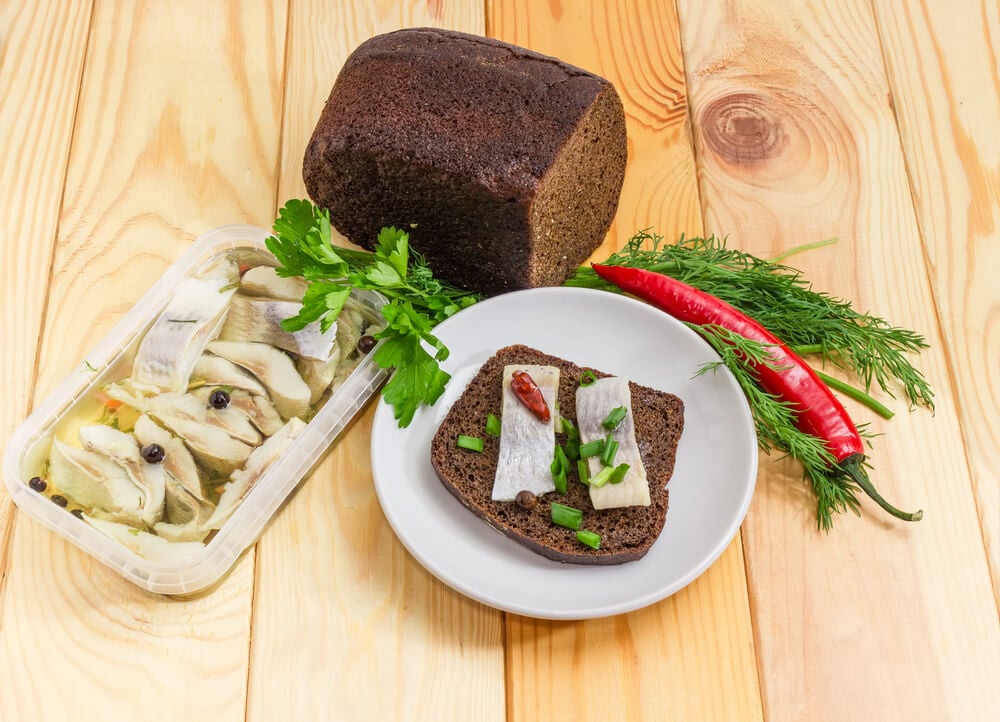
Steamed in a cylindrical can and sold ready to slice, Boston brown bread was a New England grocery staple for much of the 1900s, traditionally paired with baked beans on Saturday nights. Its dense, molasses-sweetened texture made it distinct from any baked loaf.
It’s become a niche item found mostly in specialty New England stores.
Spam Loaf Casseroles
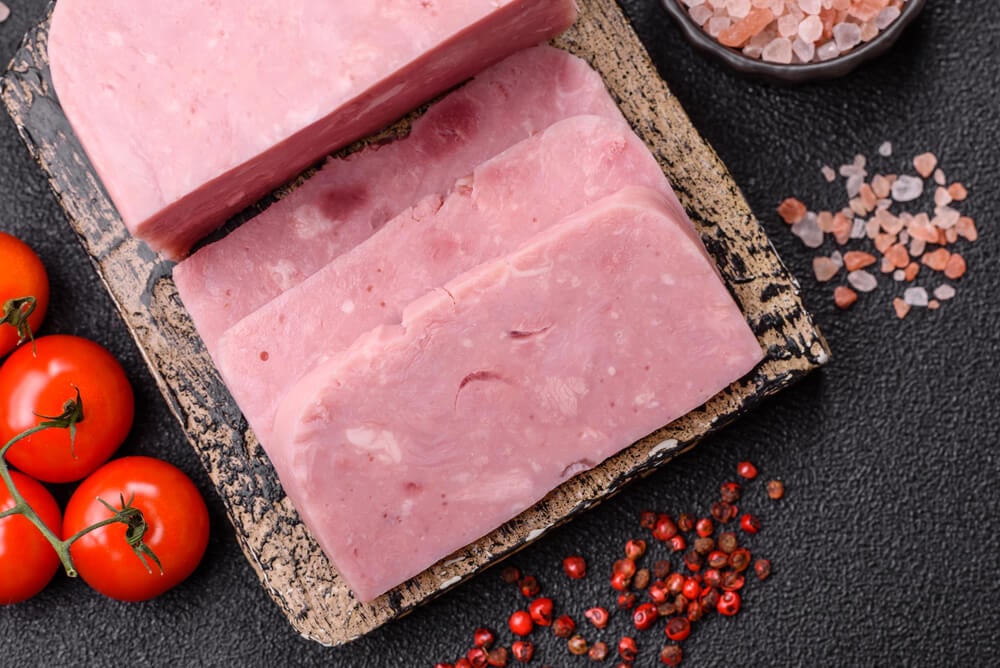
Baked casseroles built around canned meat like Spam, often topped with pineapple rings or a mustard glaze, were common budget dinners in the decades following the Second World War, when canned meat was cheap, shelf-stable, and required no butchering. Its practicality made it a fixture of postwar cookbooks.
Spam itself remains popular, but the baked casserole format has mostly disappeared.
Creamed Onions
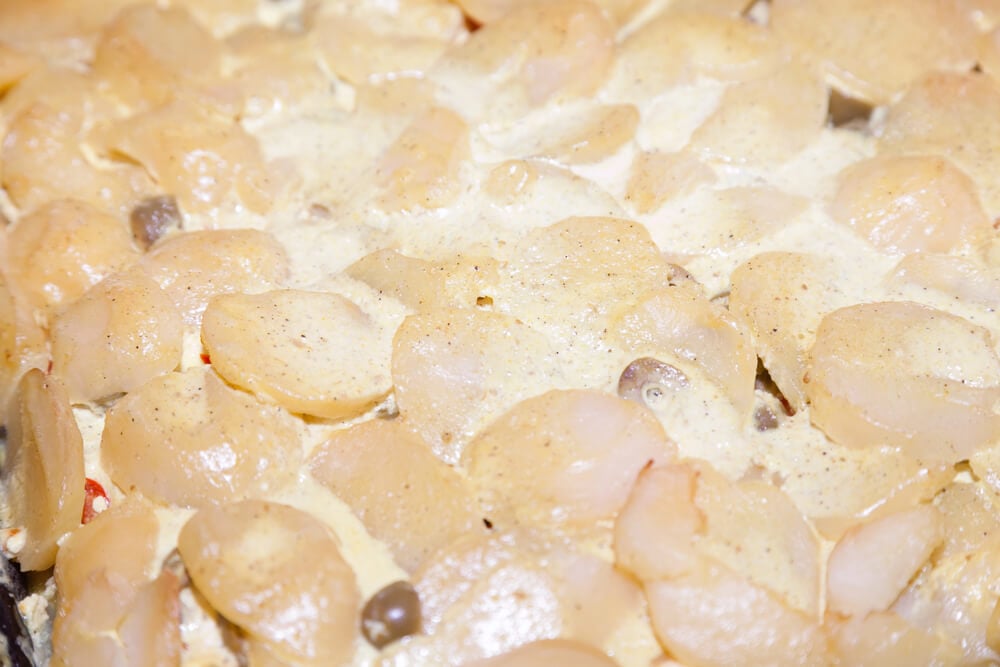
Small pearl onions in a thick white sauce were once a near-mandatory holiday side dish, appearing on Thanksgiving and Christmas tables well into the mid-1900s. Peeling the tiny onions by hand made it a labor-intensive dish reserved for special occasions.
It has largely been replaced by simpler roasted or caramelized versions.
Jellied Consommé
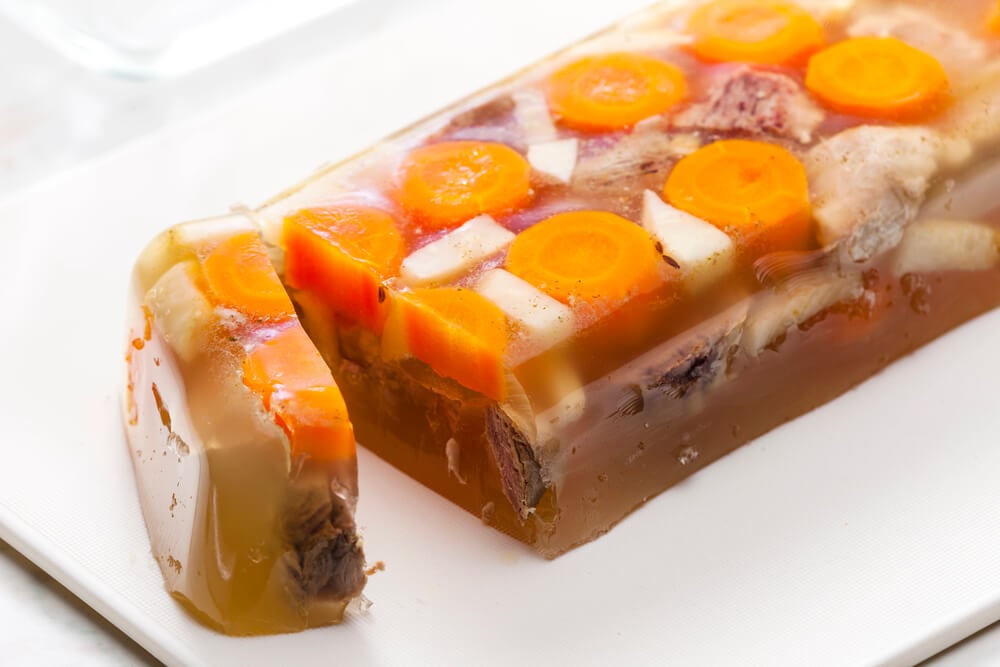
Chilled beef or chicken broth set into a light jelly and served as an appetizer course was standard at formal American dinners through the early 20th century, prized for its refined presentation. Making a clear, well-set consommé required real skill with a stock pot.
It’s now rarely seen outside old-fashioned steakhouses.
Butter and Sugar Sandwiches
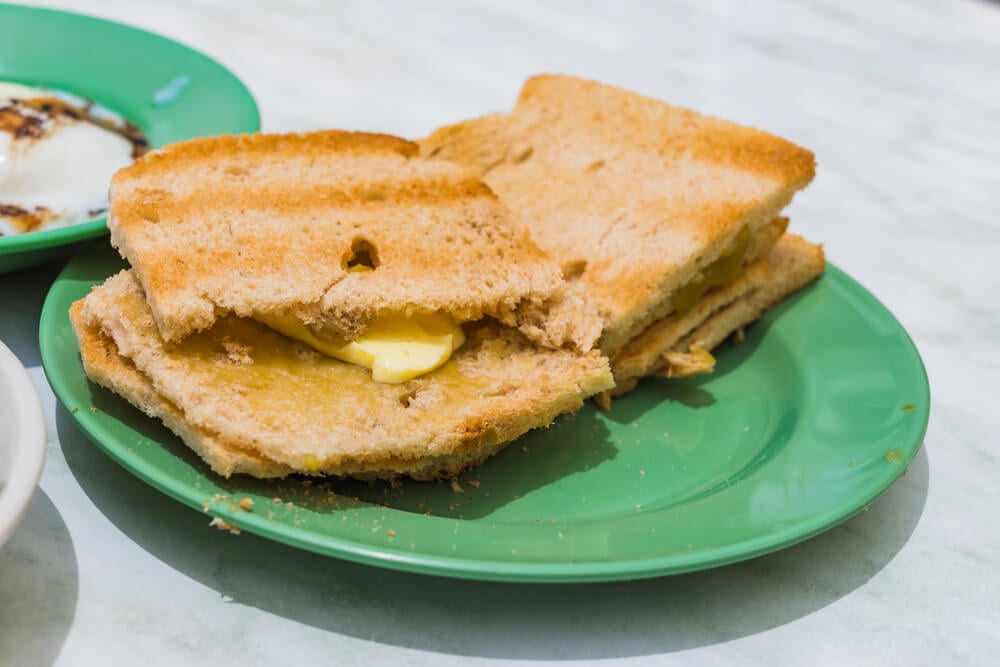
A simple sandwich of softened butter and sugar between two slices of bread, this was a common treat for children during and after the Great Depression, when more elaborate desserts weren’t always affordable. Its simplicity made it something any child could make alone.
It has largely disappeared as sugar consumption habits and snack options changed.
Kidney Stew
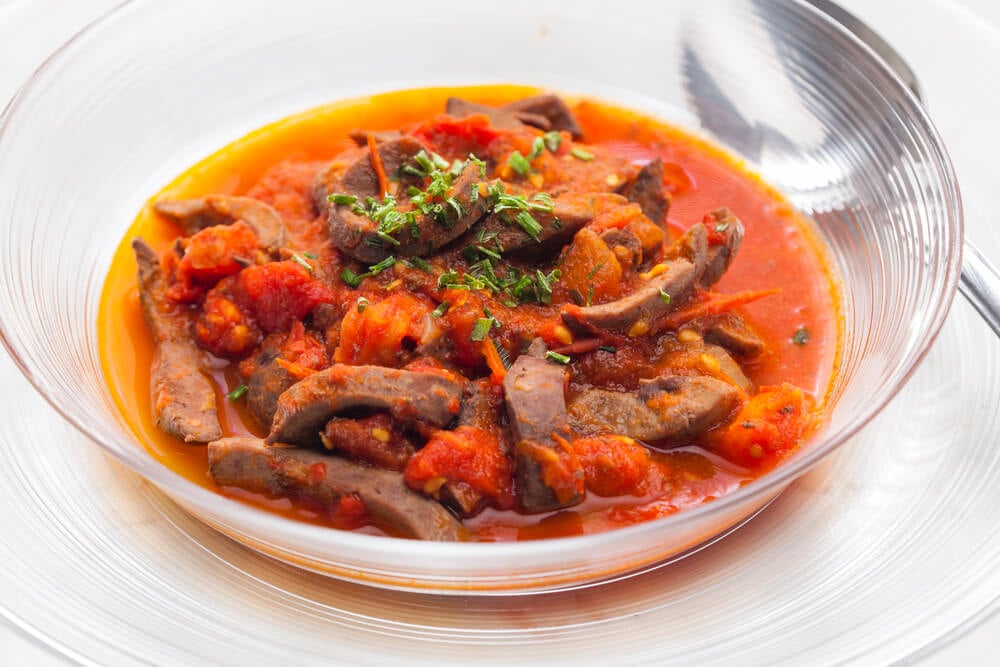
A hearty stew built around beef or lamb kidneys, slow-cooked to tenderize the meat and mellow its strong flavor, was a common budget dinner through the mid-1900s. It made use of an inexpensive cut most butchers sold cheaply.
It has become rare as organ meats fell out of everyday cooking.
Mulligan Stew
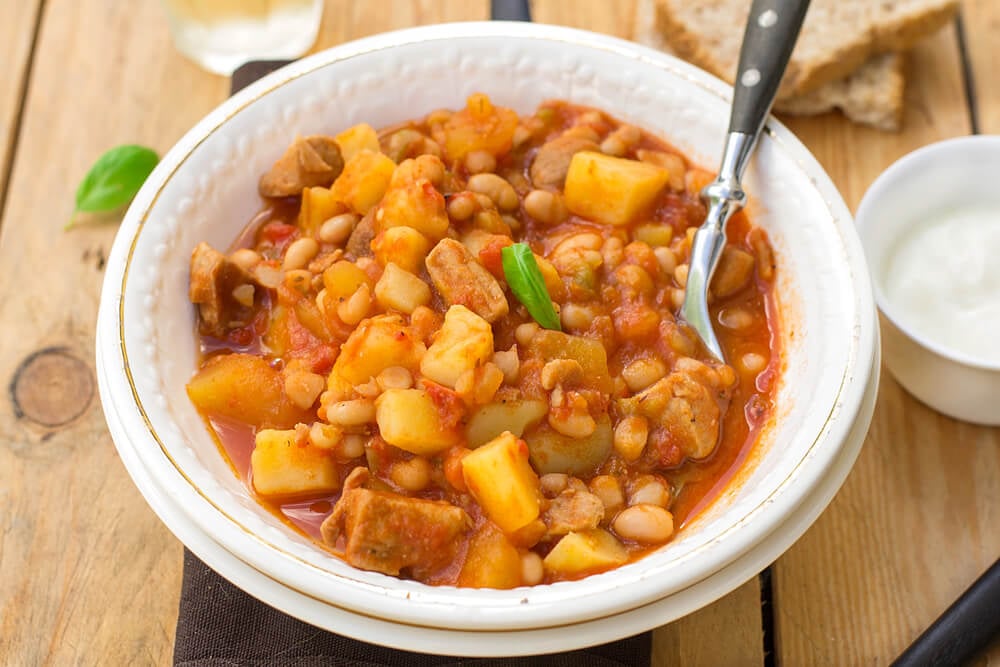
A communal stew made from whatever meat and vegetables were on hand, often pooled together by railroad workers and travelers, mulligan stew was common enough in the early 1900s that recipes for a tamer home version appeared in mainstream cookbooks. Its improvised nature made every pot different from the last.
It has faded almost entirely as both its working-class origins and its everything-goes format fell out of fashion.
Milk Toast
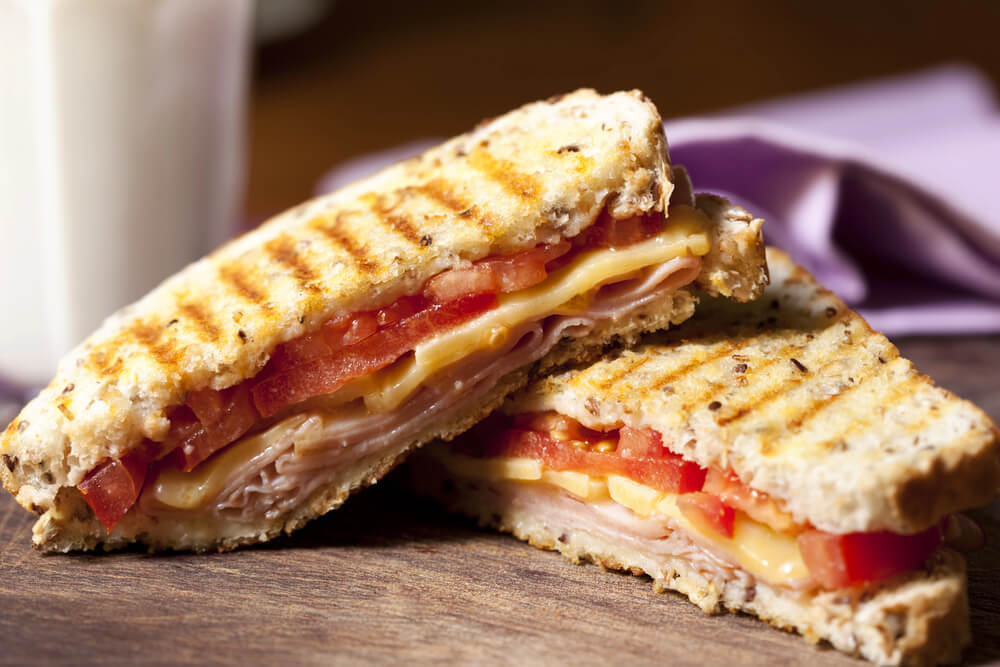
A simple dish of toasted bread served in warm, sweetened milk, sometimes with butter and a touch of nutmeg, was a common meal for the sick, the very young, and the elderly through the early and mid-1900s. Its gentle, easily digestible texture made it a household remedy as much as a meal.
It has all but disappeared as a category of everyday food.
Cracker Pudding
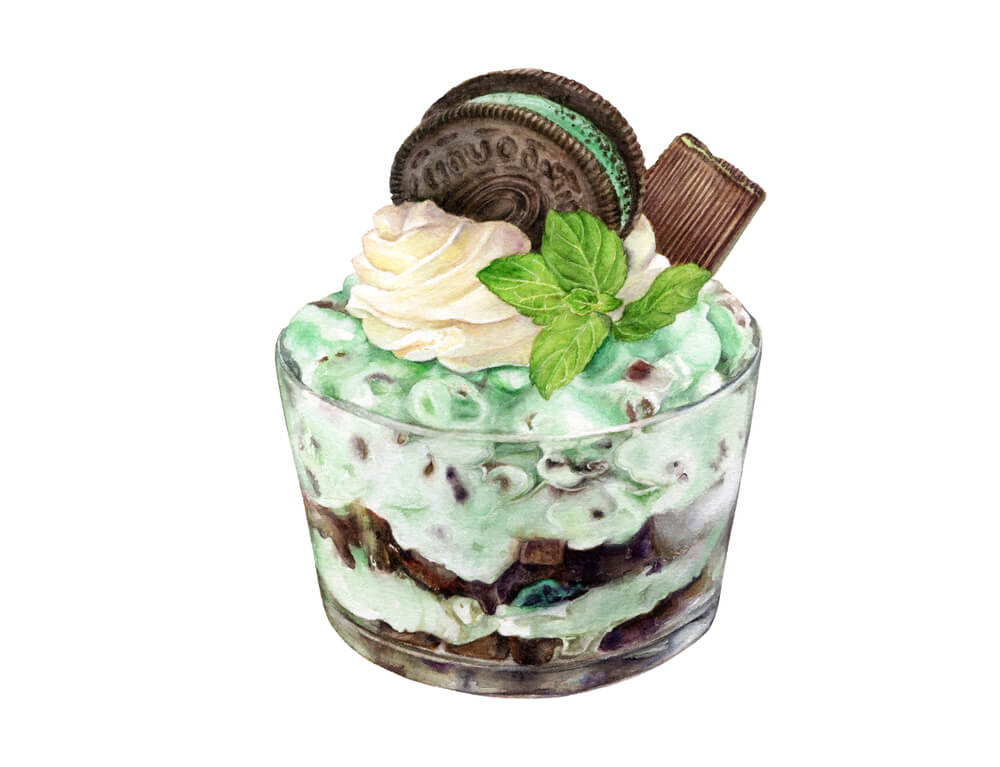
A baked custard-style dessert made with crushed soda crackers instead of bread, cracker pudding was a common way to use up stale crackers in households through the early 1900s. It offered a texture somewhere between bread pudding and a firmer custard.
It has largely faded from home baking as soda crackers lost their role as a pantry staple.
Junket
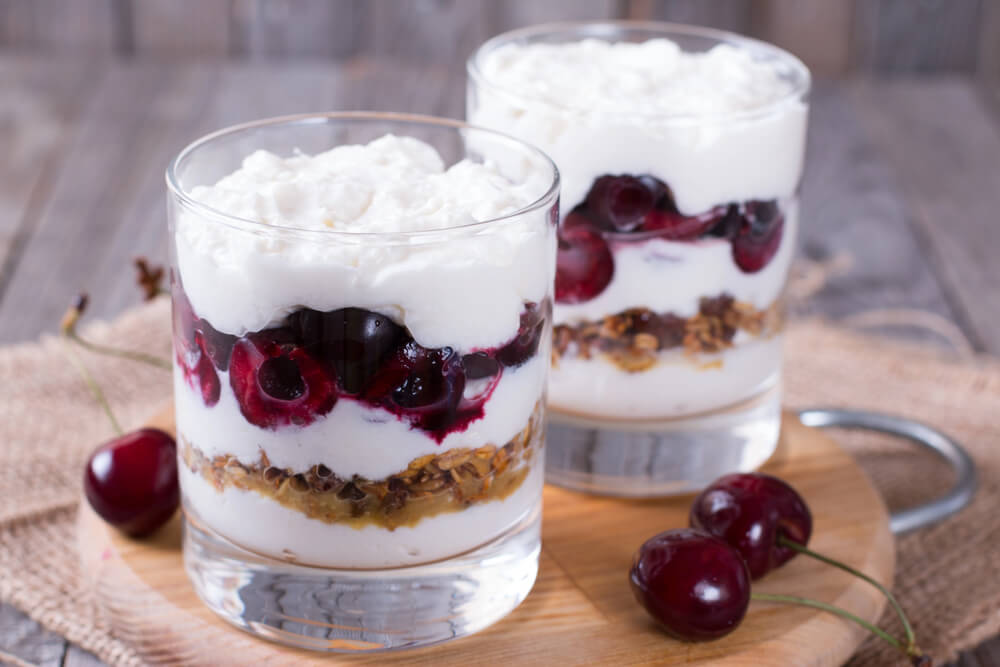
A simple dessert made by setting sweetened milk with rennet into a soft, custard-like texture, junket was marketed directly to families as an easy dessert and was especially common as food for children and convalescents through the mid-1900s. It required no baking and very little skill.
It has almost entirely disappeared from American grocery shelves and home kitchens alike.
The Pantry That Time Forgot
None of these dishes vanished because they were failures. Most of them solved a real problem for the households that made them — a cheap cut of meat, a can that needed using, a kitchen without reliable refrigeration.
The problems disappeared, and the dishes built to solve them went along with them. What’s left behind is a kind of edible time capsule.
Looking at what a family cooked on a Tuesday night in 1940 says more about what that household could afford, preserve, and access than any history book could. The food is gone, but the reasons it existed are still worth remembering.
More from Go2Tutors!

- The Romanov Crown Jewels and Their Tragic Fate
- 13 Historical Mysteries That Science Still Can’t Solve
- Famous Hoaxes That Fooled the World for Years
- 15 Child Stars with Tragic Adult Lives
- 16 Famous Jewelry Pieces in History
Like Go2Tutors’s content? Follow us on MSN.