17 Bizarre Historical Landmarks Still Standing
History does not always result in nice and neat structures. In some cases, it results in structures that are somehow out of place—too strange, too ambitious, or simply hard to explain.
These structures were not built to fit in, and yet today, they remain as a reminder that history could be just as strange as the present. It is not what they look like that makes them so fascinating.
It is what they represent. Some were built out of obsession, others out of necessity, and yet others out of a mix of both.
Here is a look at some of the most unusual historical landmarks that are still up today.
Winchester Mystery House
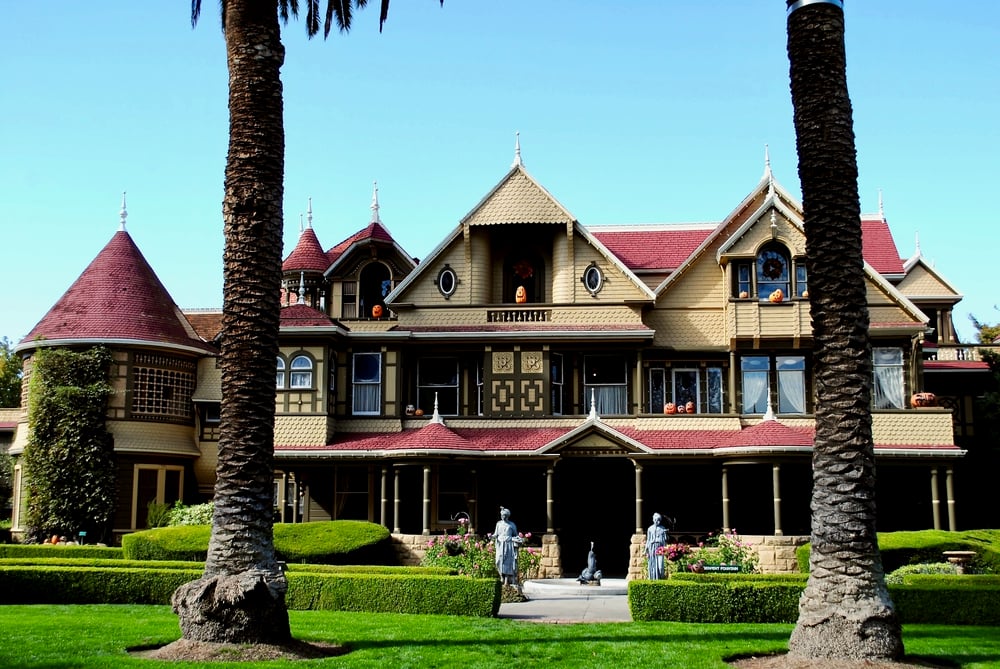
A maze of hallways twists through California’s Winchester Mystery House like thoughts spilling sideways. Steps rise up – then stop cold above empty air.
Rooms connect to nothing after a door swings wide, maybe always did. Order never took hold inside these rooms.
Decades passed while it took shape, growing bit by bit with no clear plan guiding its form. More like a puzzle than a home, its layout came from a mindset even now defies understanding.
Derinkuyu Underground City

Beneath Turkey’s ground sits Derinkuyu, a vast network carved deep below. Downward it stretches, level after level, filled with passages instead of streets.
Chambers take the place of houses, connected by narrow routes. Air moves through old shafts built long ago.
Thousands lived here, shielded from what happened above. Funny how big it looks at first glance, yet the real surprise lies in its wholeness.
Not merely a roof overhead – this place breathed like somewhere people meant to stay for good.
Nazca Lines
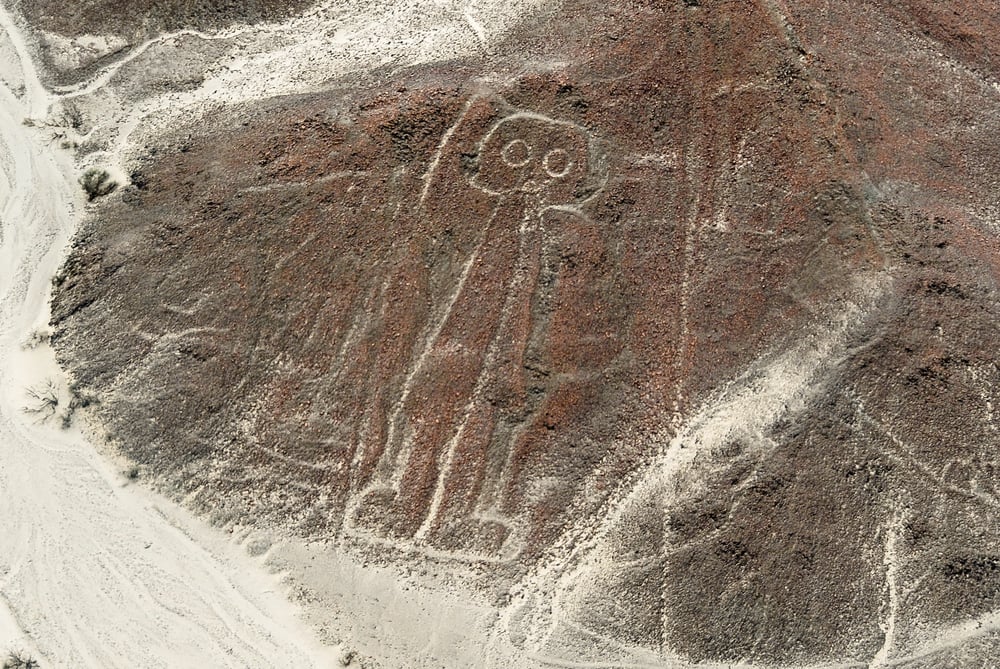
Etched into the desert floor of Peru, the Nazca Lines form massive shapes and figures that are best seen from above. From ground level, they don’t reveal much, which adds to their intrigue.
Created centuries ago, their purpose is still debated. Still, the precision and scale suggest careful planning rather than coincidence.
Coral Castle

Coral Castle in Florida was built by a single individual using massive stones, some weighing several tons. The construction process remains difficult to explain in full detail.
What’s striking isn’t just the size of the stones, but the fact that they were moved and arranged with limited tools. That alone gives the site a certain mystique.
The Crooked House

In Poland, the Crooked House looks as if it’s been gently melted. Walls curve, windows tilt, and nothing seems quite aligned.
Despite its unusual appearance, it functions like a normal building. That contrast between form and function is what makes it stand out so clearly.
Stonehenge

Stonehenge in England has been studied for years, yet it still holds onto an air of uncertainty. Massive stones are arranged in a circular formation, aligned in ways that suggest careful planning.
Transporting and placing those stones would have required significant effort. Still, the exact methods remain part of an ongoing discussion.
The Moai Of Easter Island
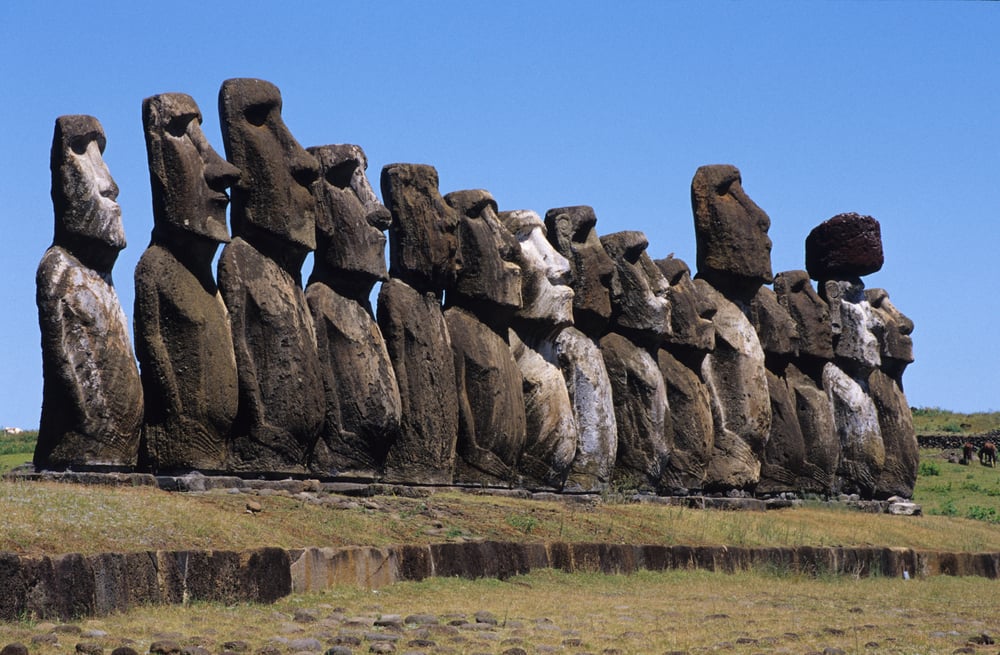
The Moai statues stand along the coastline of Easter Island, facing inland with a quiet, steady presence. Each one is large, carved from stone, and placed with intention.
Their scale and number raise questions about how they were moved and why they were positioned the way they are. Even so, they remain one of the most recognizable landmarks in the world.
Spotted Lake
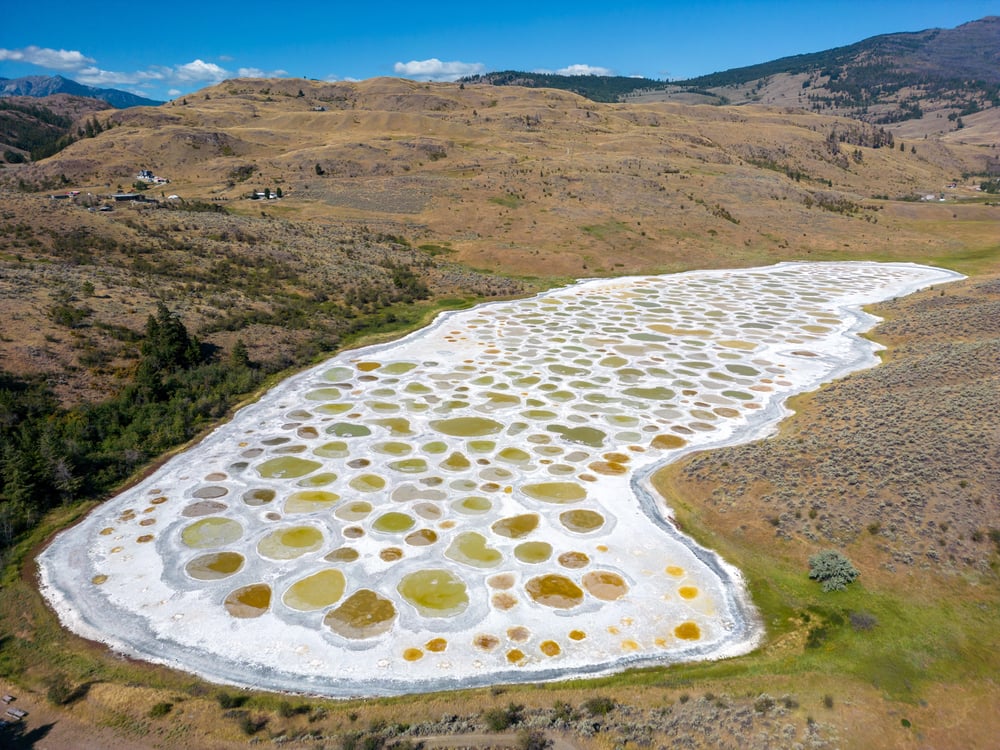
In Canada, Spotted Lake appears dotted with circular pools during warmer months. The patterns shift slightly depending on the season, creating a surface that looks almost artificial.
The effect comes from mineral deposits, but the result still feels unusual. It’s one of those places that looks more like a design than a natural formation.
The Great Serpent Mound
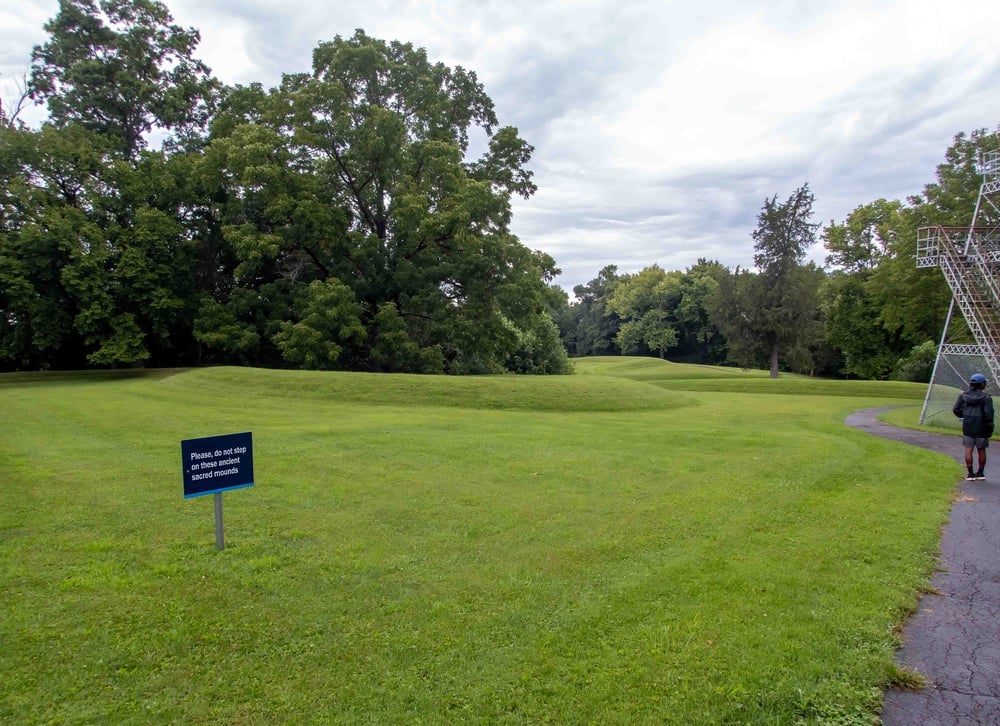
The Great Serpent Mound in Ohio stretches across the landscape in the shape of a serpent. Its form is only fully visible from above, which adds to its intrigue.
Built centuries ago, its purpose isn’t fully confirmed. Still, the scale and shape suggest it held significant meaning for those who created it.
The Door To Hell
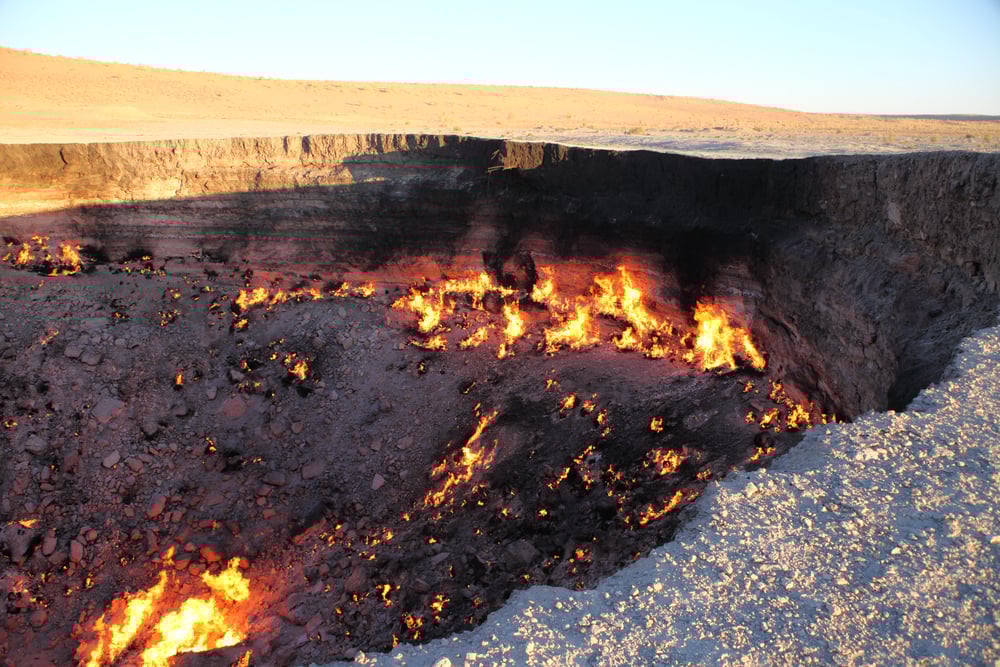
In Turkmenistan, a crater has been burning continuously for decades. Known as the Door to Hell, it was accidentally created during drilling work.
What makes it unusual isn’t just the fire, but how long it has lasted. The constant flames give the site an almost surreal presence.
Aokigahara Forest

At the base of Mount Fuji in Japan, Aokigahara Forest has a dense, quiet atmosphere. The trees grow close together, and the terrain absorbs sound in a way that feels different from typical forests.
It’s not a built structure, but it has become a landmark in its own right. The environment itself creates a sense of stillness that people often notice immediately.
The Hanging Temple

Built into the side of a cliff in China, the Hanging Temple appears to defy gravity. Wooden structures are supported by beams anchored into the rock face.
Its position is what makes it stand out. It seems almost suspended in place, balanced carefully between the cliff and open air.
Cappadocia Rock Formations

In Turkey’s Cappadocia region, natural rock formations rise from the ground in unusual shapes. Over time, people carved homes and structures directly into them.
The result is a landscape that blends natural and human-made elements. Still, it’s the combination that gives it its distinctive appearance.
The Bisti Badlands

The Bisti Badlands in New Mexico feature rock formations that look almost sculpted. Shapes vary widely, from thin pillars to rounded structures.
The area feels slightly unreal, as if it doesn’t quite belong to the surrounding landscape. Even so, it’s entirely the result of natural processes over time.
The Temple Of Rats

In India, the Karni Mata Temple is known for the large number of rats that inhabit it. Visitors move through the space carefully, aware of the animals around them.
It’s not the structure itself that’s unusual, but what it has become known for. That association gives it a distinct identity.
The Giant’s Causeway

In Northern Ireland, the Giant’s Causeway is made up of thousands of hexagonal stone columns. They fit together in a way that looks almost too precise to be natural.
Formed by volcanic activity, the structure still manages to feel carefully arranged. That balance between natural formation and visual order is what makes it stand out.
Mount Roraima

A jagged crown rises where you least expect, Mount Roraima thrusting skyward on sheer ledges and abrupt cliffs. Often drowned in mist, it rests with a hush, distinct in silence – its summit rarely seen, always veiled.
It catches your eye right away, even though it came from natural forces. Resting on top of the terrain like it was placed after the fact, rather than rising up from beneath.
Where The Unusual Still Stands

Not every landmark fits one idea. Built for reasons, some just grew slowly, others.
Yet each carries a hint of surprise. A nudge, really, showing how history twists and turns.
Full of moments nobody saw coming. Still now, these places catch the eye – less because they’re clear, more because they’re unclear.
Their mystery keeps them fascinating, just as much as ever.
More from Go2Tutors!

- The Romanov Crown Jewels and Their Tragic Fate
- 13 Historical Mysteries That Science Still Can’t Solve
- Famous Hoaxes That Fooled the World for Years
- 15 Child Stars with Tragic Adult Lives
- 16 Famous Jewelry Pieces in History
Like Go2Tutors’s content? Follow us on MSN.



