26 Family Camera Habits That Ended With Film
Taking a picture used to involve a lot more patience than pointing a phone and tapping a screen. Whole rituals grew up around the limits of film — how much you had, how long you’d wait to see it, and how carefully you had to use it.
Here are 26 habits that quietly disappeared once digital photography took over.
Dropping Film Off at the Drugstore
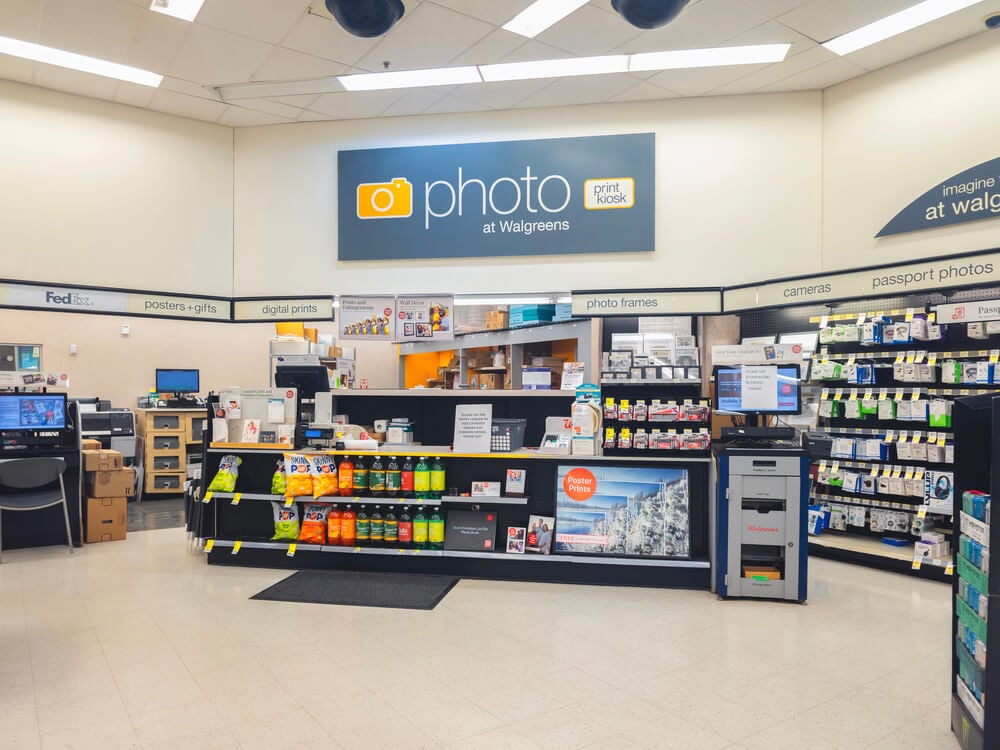
Finishing a roll of film meant a special trip to hand it over the counter at a pharmacy or grocery store, where it would sit in a processing queue along with everyone else’s rolls. The clerk would hand back a claim ticket with a pickup date written on it.
There was no way to know how the pictures looked until that date arrived.
Waiting a Week for Prints to Come Back
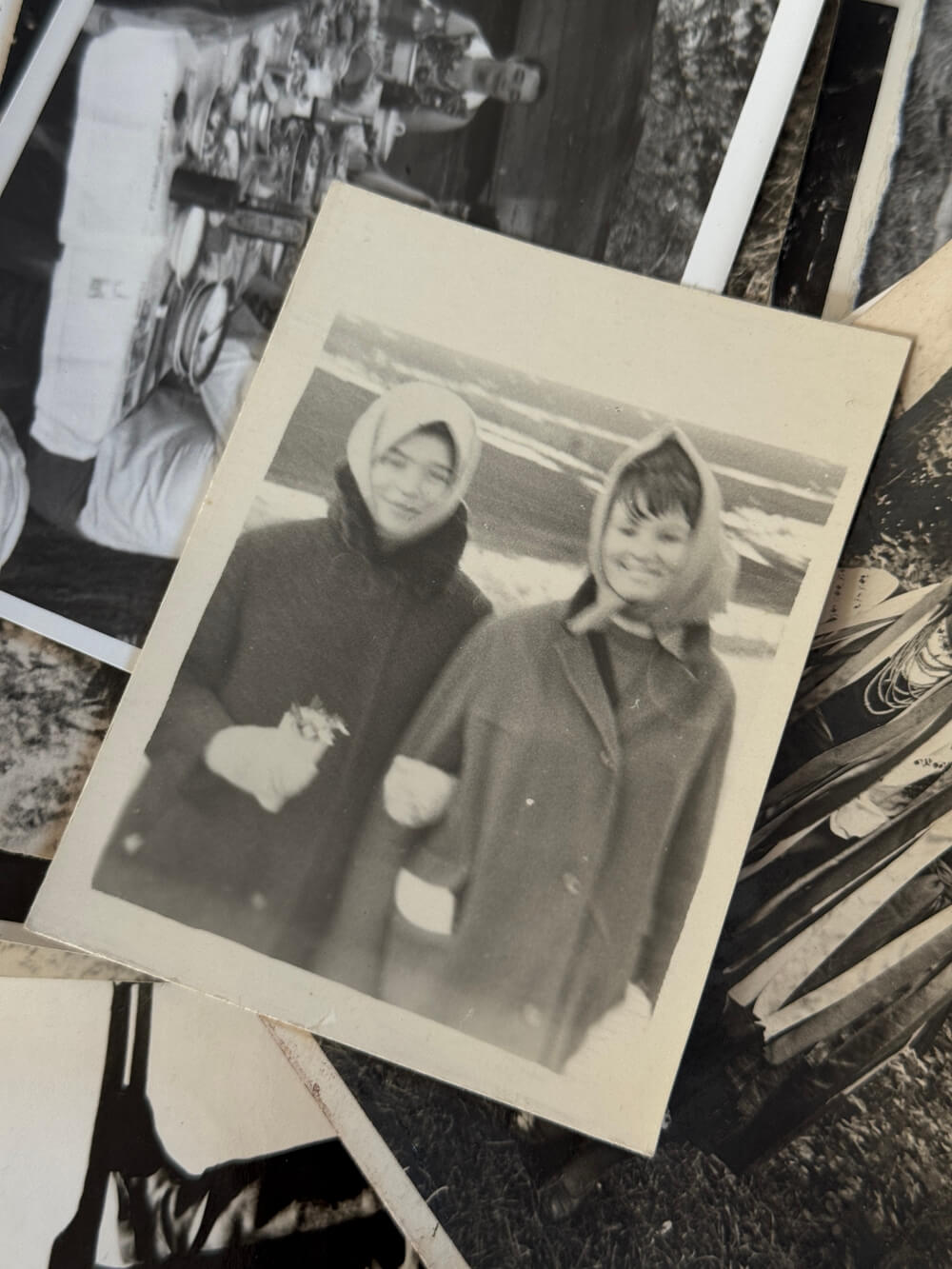
Standard film processing could take anywhere from a few days to a full week, which meant photos from a birthday party or vacation wouldn’t actually be seen until the moment itself had been well in the past. Families grew used to the gap between an event and actually seeing it captured.
That delay is almost impossible to imagine now that photos appear instantly on a screen.
Getting Double Prints
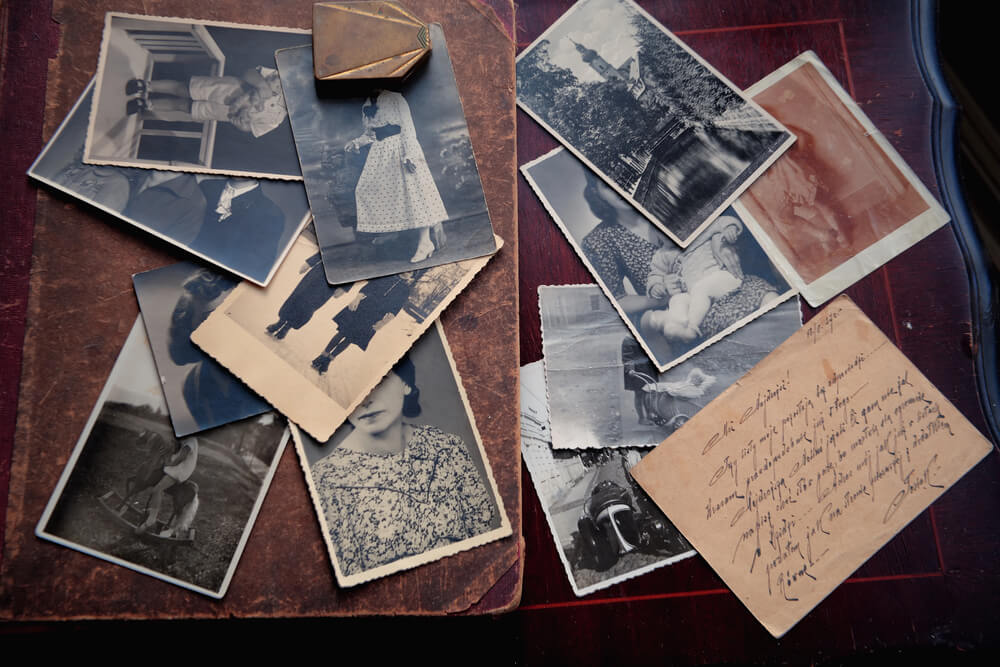
Many photo labs offered a “double prints” option for a small extra fee, producing two copies of every photo so one set could be kept and the other mailed to relatives or tucked into a wallet. Choosing double prints was a small but deliberate decision made at the drop-off counter.
It became unnecessary once photos could simply be copied and shared endlessly at no cost.
Counting Exposures Before Every Shot
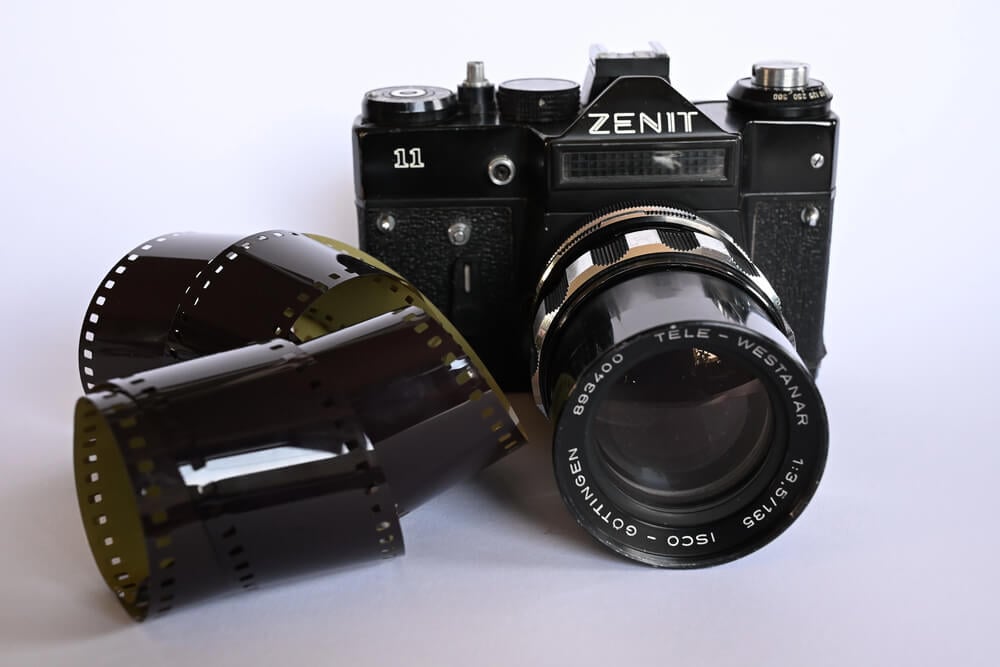
A standard roll of film held only 24 or 36 exposures, which meant every photographer developed a habit of mentally counting how many shots were left before deciding whether a picture was worth taking. Running out of film mid-event meant missing whatever happened next entirely.
That kind of rationing disappeared once memory cards could hold thousands of images.
Loading Film in a Darkened Room
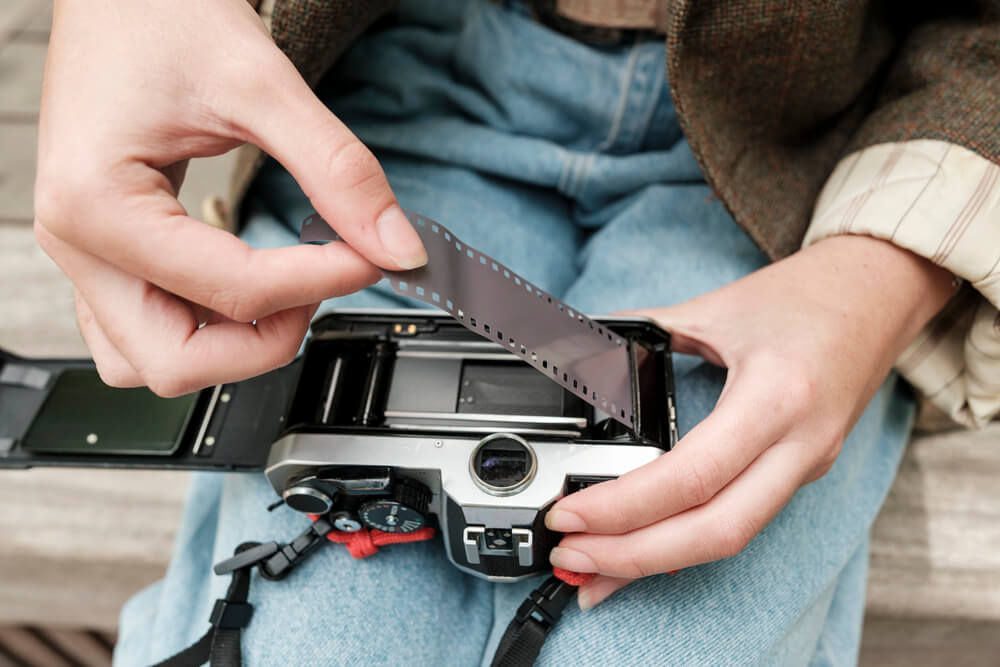
Loading a new roll of film had to be done carefully, often in shade or with your back to direct light, since even a few seconds of exposure could ruin the first few frames. Some cameras made this easier than others, but the habit of shielding the camera while loading was universal.
It’s a motion nobody has to think about anymore.
Rotating Flash Cubes
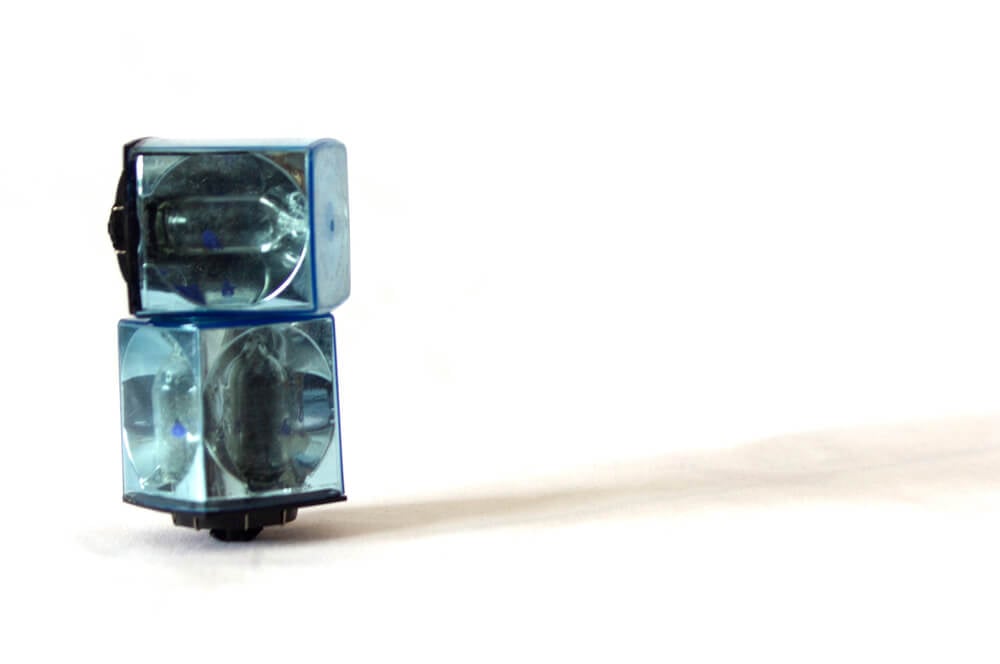
Early flash cameras used small plastic cubes with four bulbs, one for each of the next four photos, that had to be rotated and eventually replaced entirely once all four bulbs had been used. Buying flash cubes was a routine part of stocking up before a big event.
The single-use bulbs became obsolete once electronic flashes could be triggered indefinitely.
Using a Single Roll for an Entire Vacation

Because film and processing both cost money, many families made a single roll of film last an entire vacation, carefully choosing which moments were worth using a frame on. A week-long trip might be documented in fewer than 30 photos total.
That kind of deliberate selectiveness has all but disappeared now that taking a hundred photos in an afternoon costs nothing extra.
Not Knowing How a Photo Turned Out Until It Was Developed
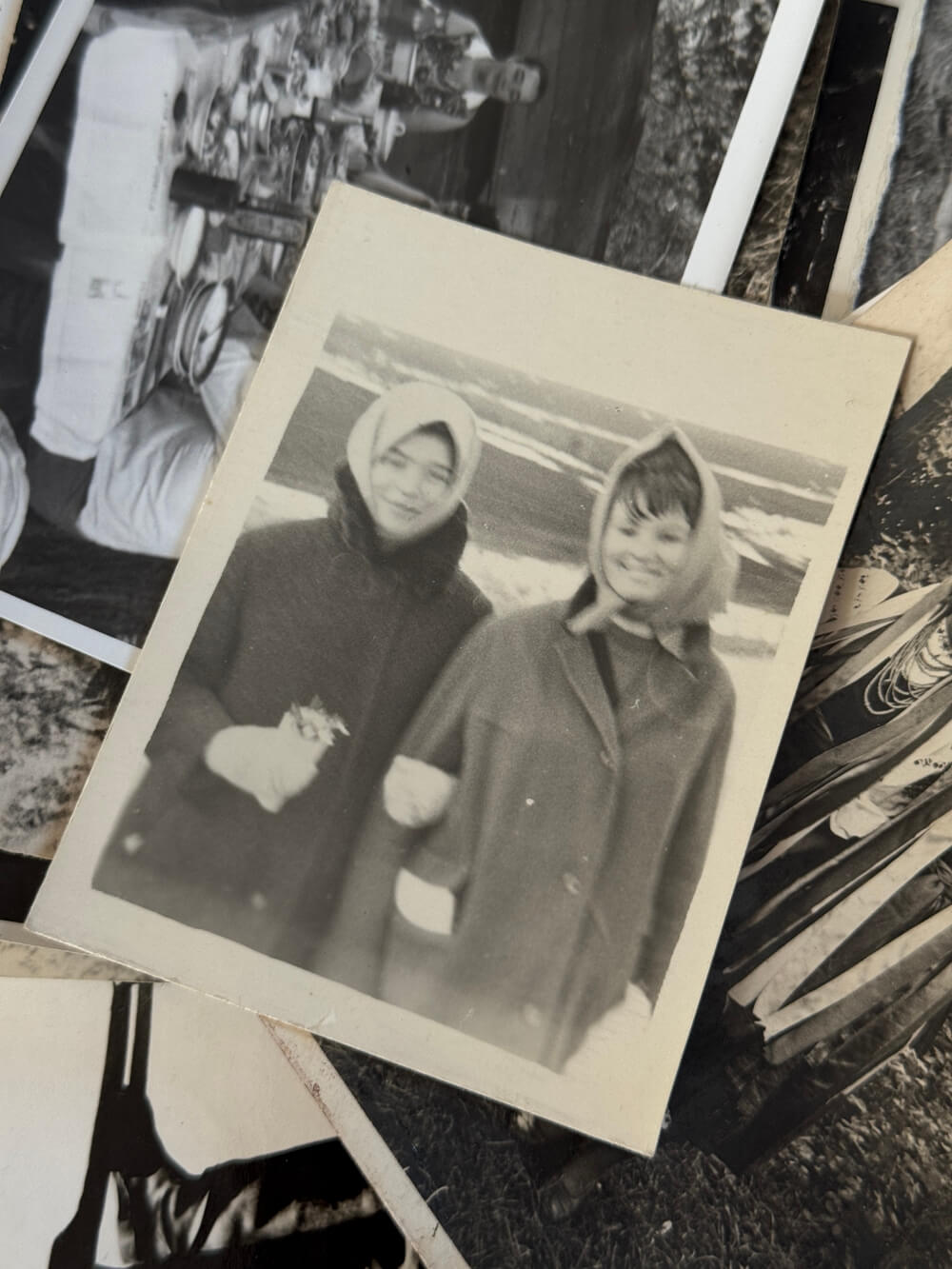
There was no way to review a photo immediately after taking it, which meant a blinked eye, a bad angle, or a finger over the lens might not be discovered until the prints came back days or weeks later. Some of the most important family moments were sometimes lost this way, with no chance for a retake.
Instant review on a screen made this kind of disappointment essentially obsolete.
Slide Projector Nights
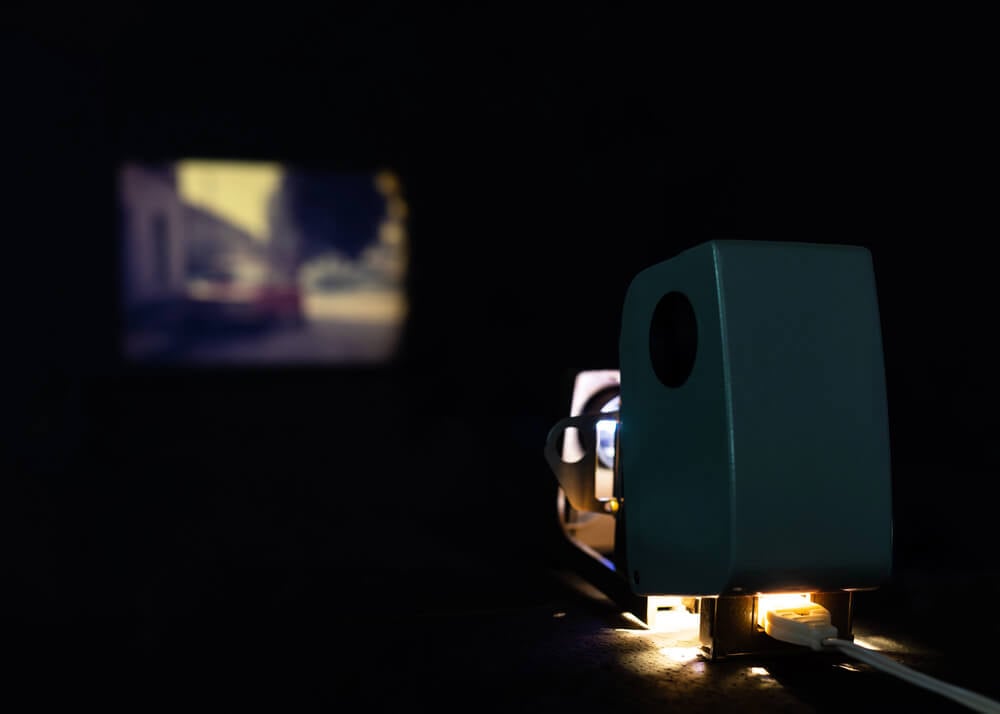
Families with slide film would gather in a darkened living room to watch vacation or holiday photos projected onto a wall or pull-down screen, often narrated live by whoever took the pictures. Setting up the projector, screen, and extension cords was itself a small production.
The tradition faded as slide film gave way to prints and eventually digital photos viewed on a screen.
Loading Carousel Slide Trays
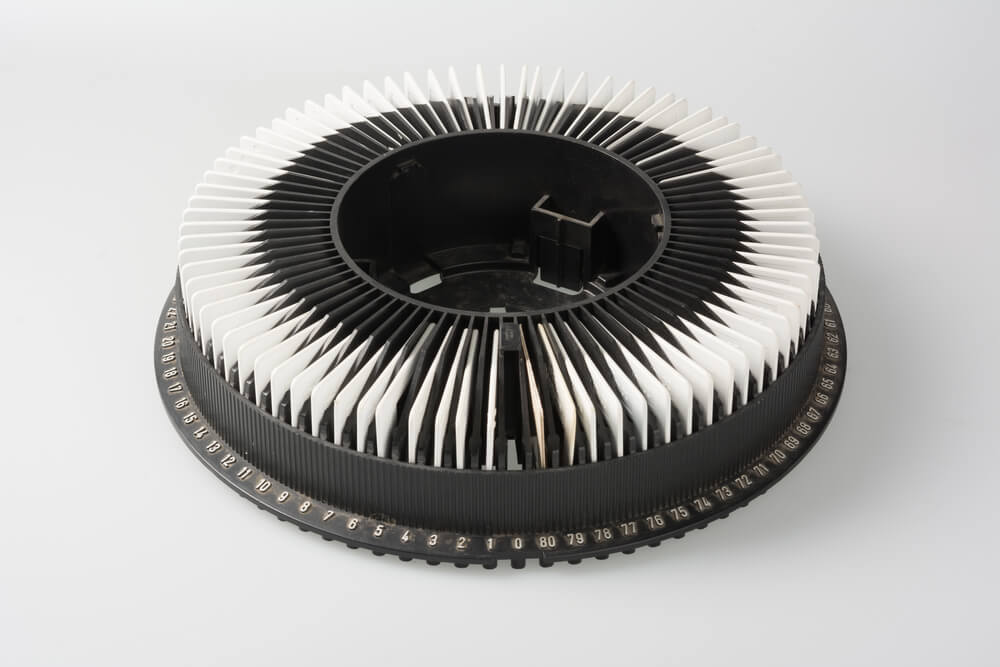
Slide projectors that used circular carousel trays required someone to carefully load each slide into its own slot, checking that every image was right-side up and in the correct order before the show began. Getting a slide backward meant an awkward, mirror-image pause mid-presentation.
The specific skill of loading a carousel tray has essentially vanished.
Splicing Home Movie Reels
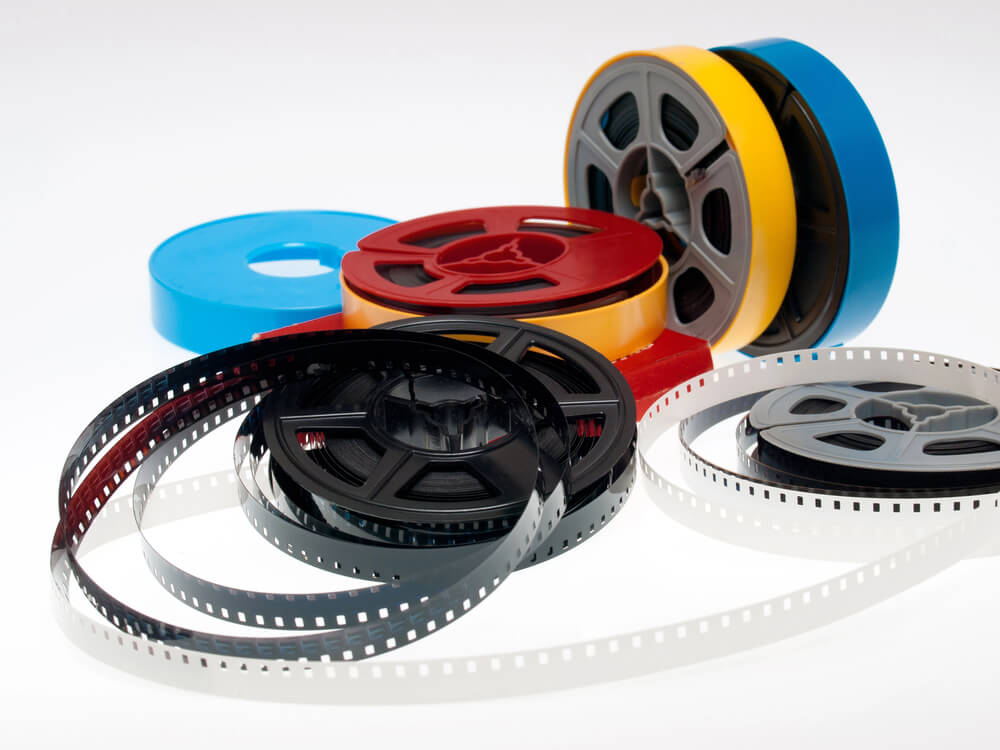
Families who shot 8mm or Super 8 home movies often had to physically cut and splice film segments together using tape or cement to edit separate clips into a single reel. It required a steady hand and a dedicated splicing tool kept in a drawer with the projector.
Digital video editing eliminated the need for any physical film handling at all.
Mounting Prints With Photo Corners in Albums
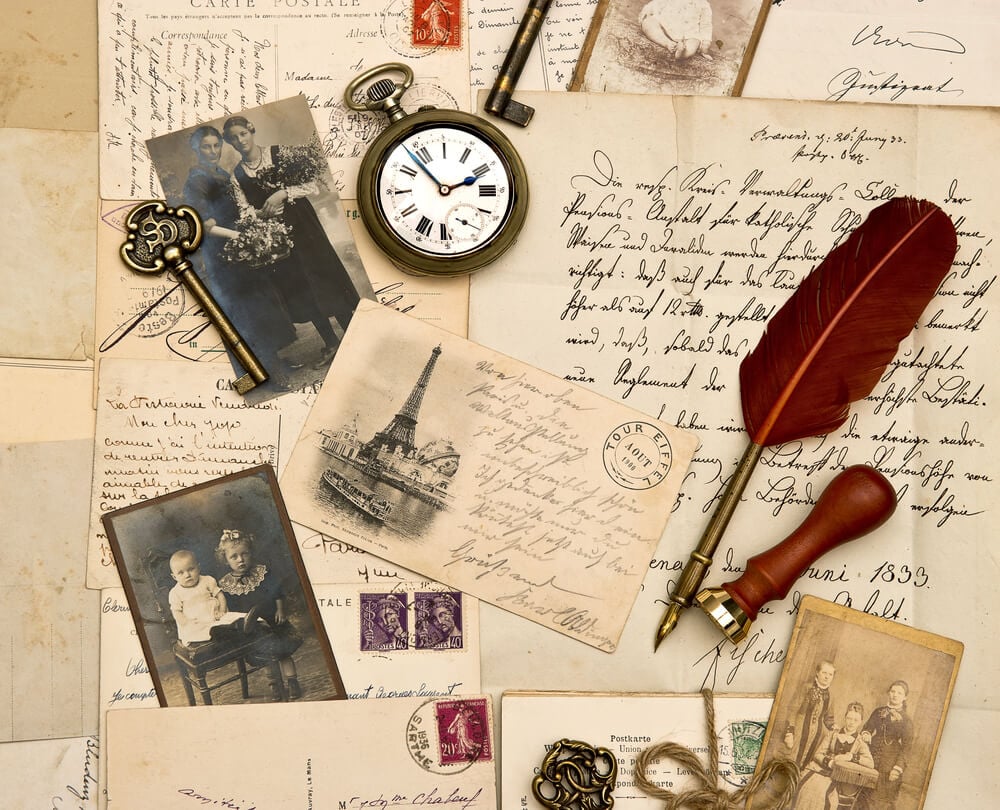
Before self-adhesive album pages became common, prints were often mounted using small triangular paper corners glued to the album page, letting photos be removed later without damage. Assembling an album this way was a slow, deliberate process done by hand.
Digital photo storage removed both the physical album and the corners that held it together.
Mailing Film Away for Processing
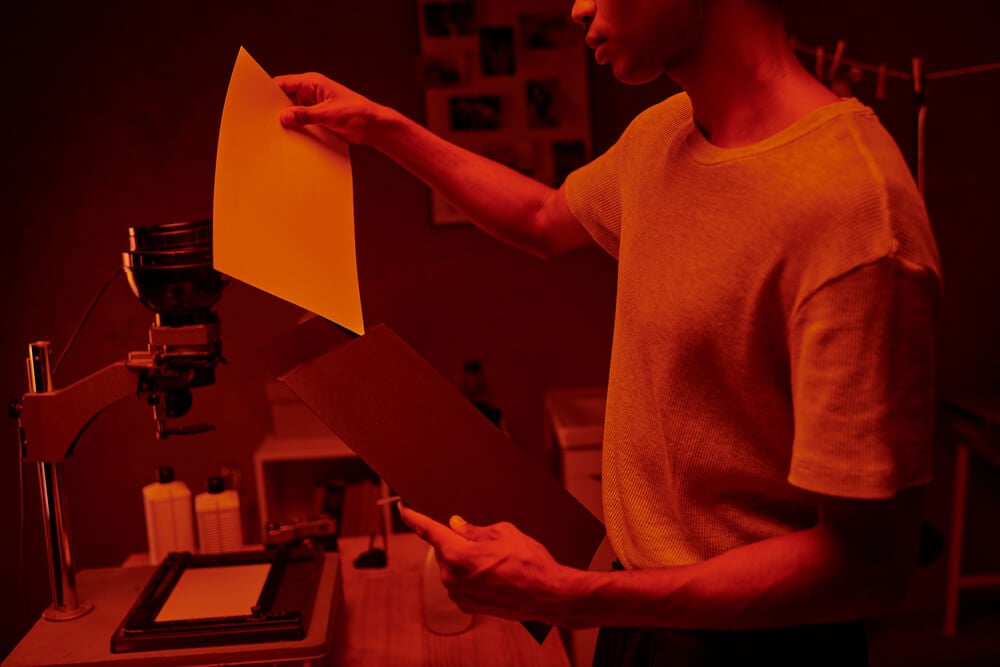
Some households, particularly in rural areas without a nearby photo lab, mailed exposed film rolls away in postage-paid envelopes and waited for prints to be mailed back weeks later. It required trusting a roll of irreplaceable memories to the postal system.
The practice disappeared entirely once local one-hour processing and, later, digital cameras became widely available.
One-Hour Photo Kiosks at the Mall
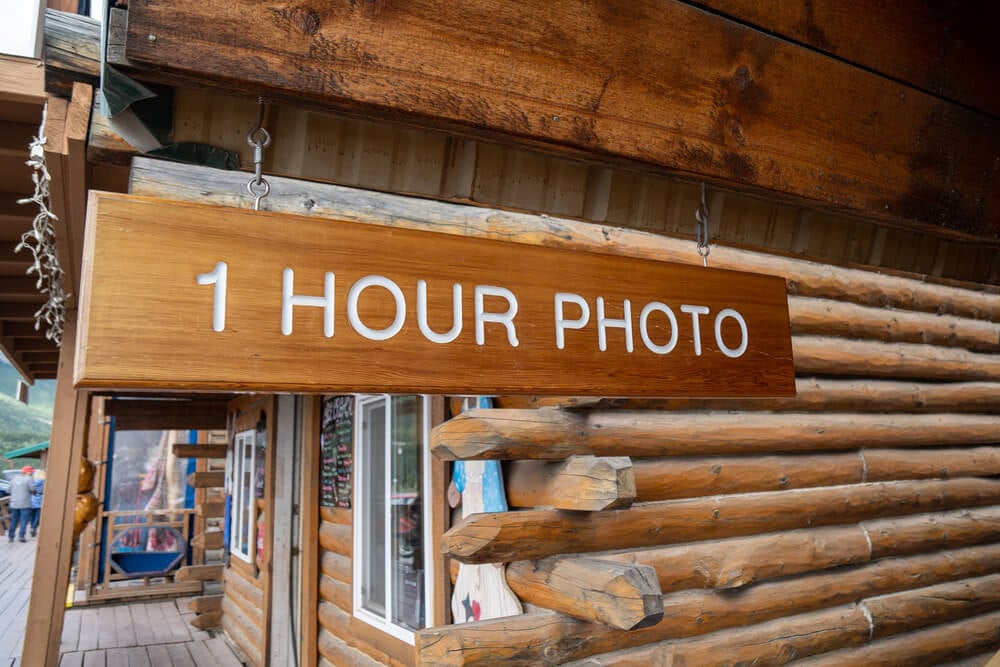
Freestanding photo kiosks and mini-labs became common in malls and shopping centers by the 1980s, offering processing in about an hour instead of the standard multi-day wait. Waiting around a mall for an hour while photos processed became its own small errand.
These kiosks largely disappeared as digital cameras made same-day processing unnecessary.
Drive-Through Photo Drop-Off Booths
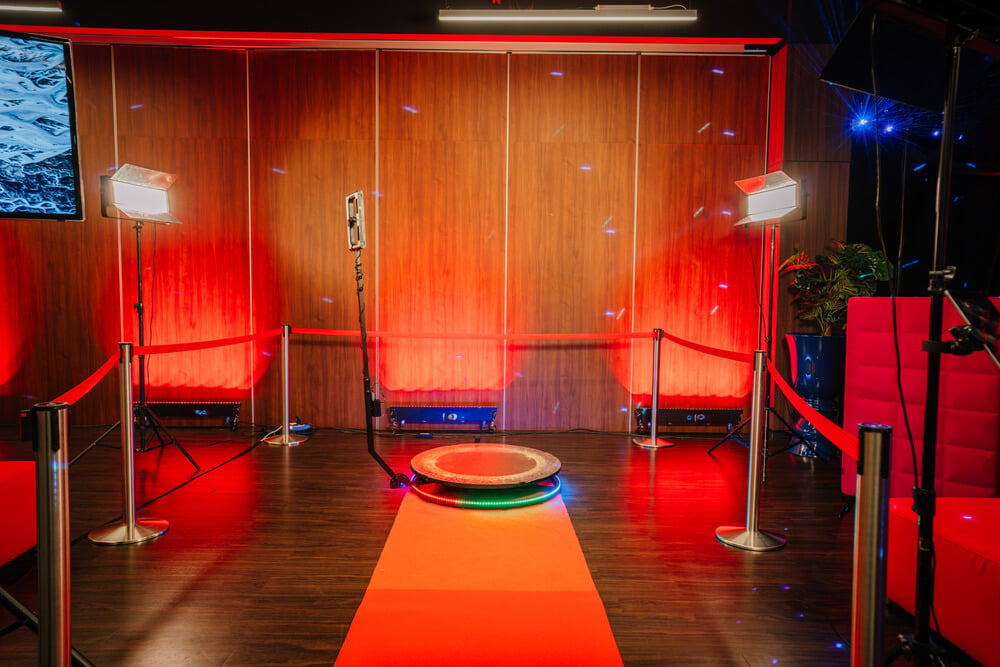
Some photo labs operated small drive-through booths, similar in format to a bank teller window, where customers could drop off film and pick up finished prints without leaving their car. It offered a small convenience during an era when errands were often run in a single car trip.
These booths have almost entirely disappeared along with the film processing industry that supported them.
Keeping Negatives in Paper Sleeves
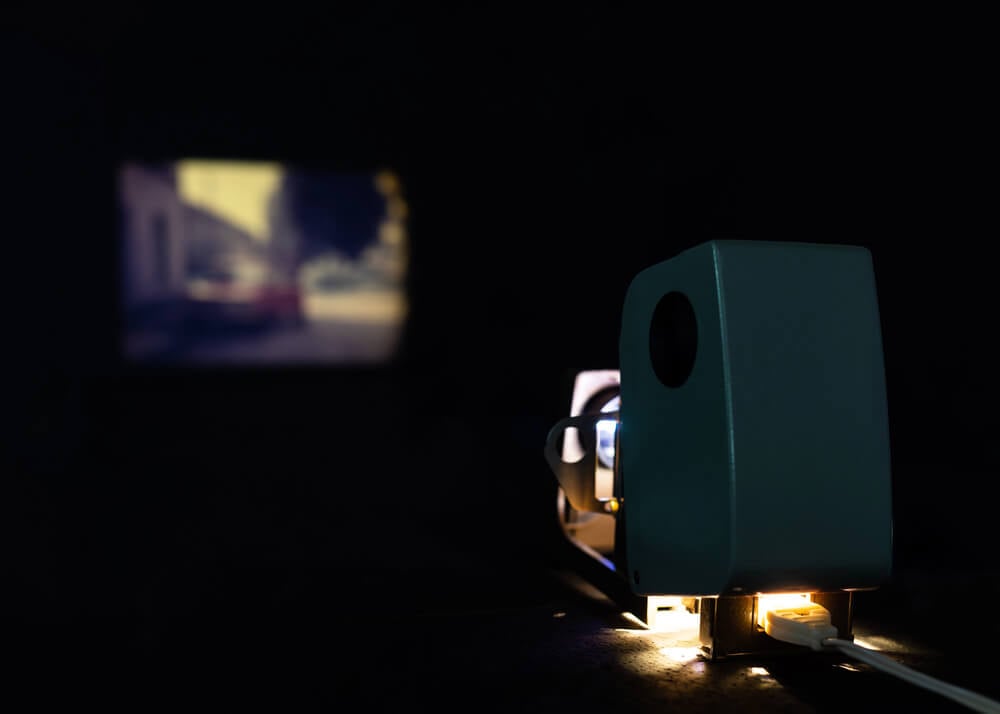
Processed film came back with its negatives tucked into small paper or plastic sleeves, usually included alongside the prints, meant to be stored safely in case extra copies were ever needed. Many households kept boxes or drawers full of these negative sleeves for years.
Digital files replaced the need to preserve a physical negative at all.
Date-Stamping the Back of Prints
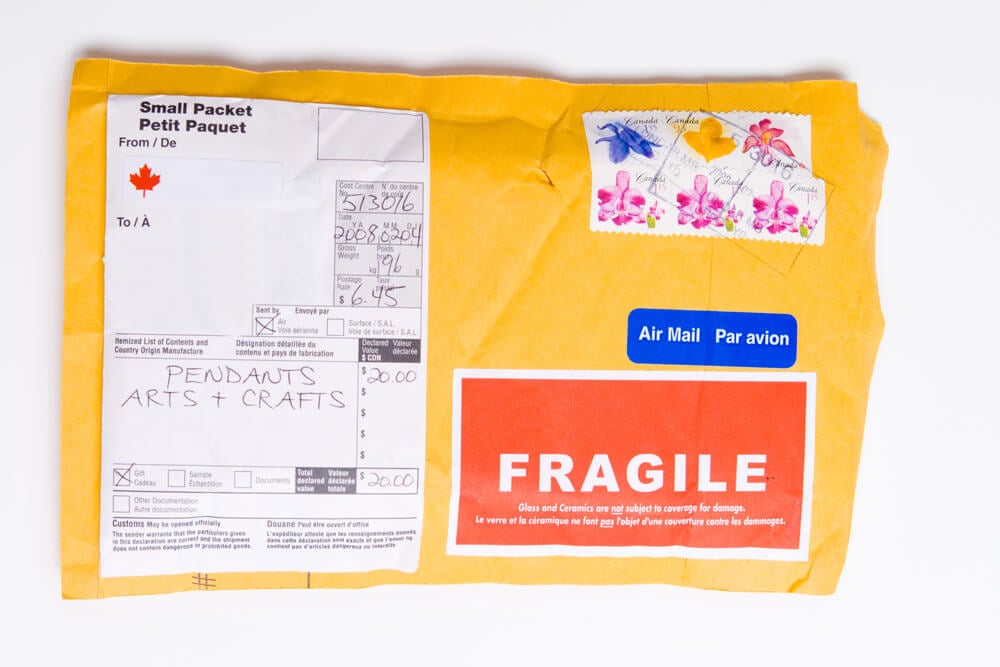
Many cameras and photo labs offered the option to imprint the date directly onto the corner of a printed photo, helping families keep track of when a picture was taken without writing it down separately. The small orange or yellow digital date stamp became a recognizable feature of prints from the 1980s and 1990s.
Digital photos now embed timestamps automatically and invisibly.
Passing the Only Camera Around at Gatherings

Many families owned just one camera, which meant it was physically passed from person to person at parties and gatherings so everyone could take a turn photographing the group. Being the one behind the camera often meant being left out of the photos entirely.
Multiple phone cameras at every gathering made this kind of turn-taking unnecessary.
Treating the Camera as a Special-Occasion Item
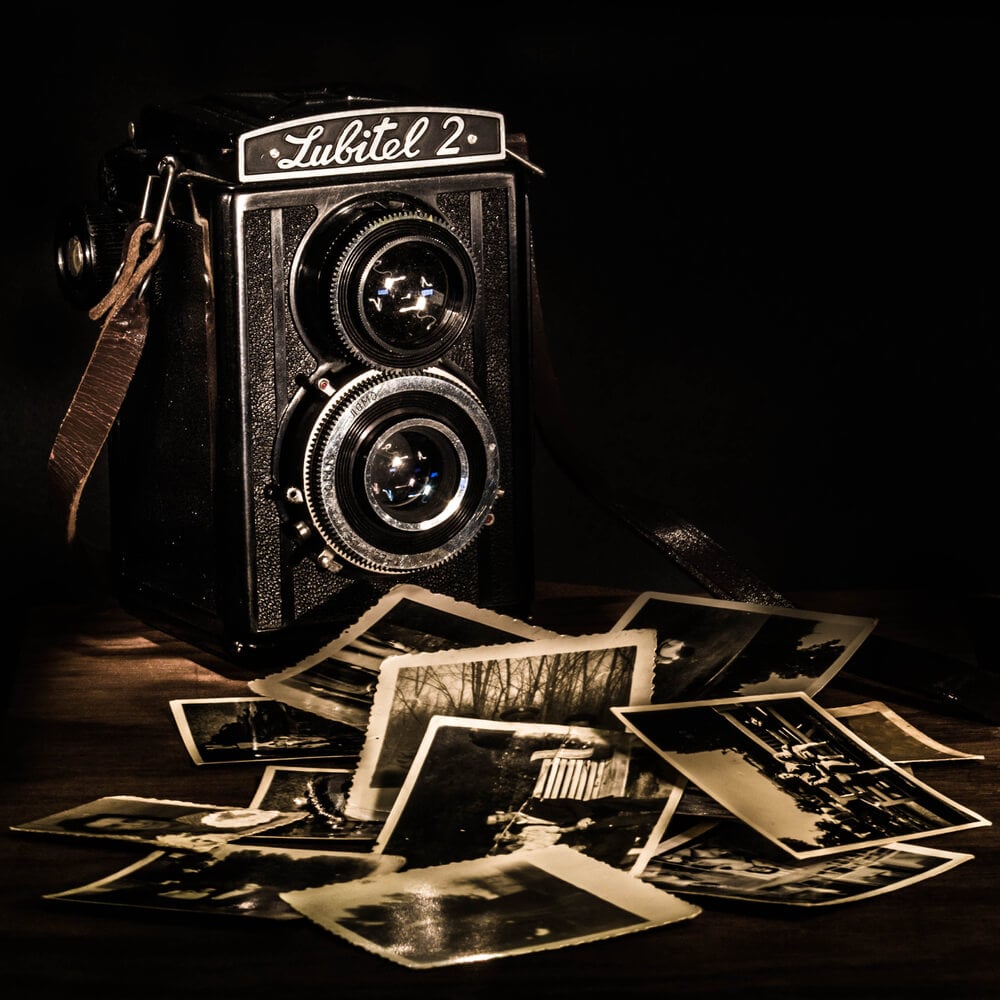
Because film and processing cost money, many households only brought the camera out for specific milestones like birthdays, holidays, and vacations rather than everyday moments. Ordinary weekday scenes were rarely photographed at all as a result.
That selectiveness disappeared once cameras became something everyone carried constantly in their pocket.
Setting Up a Projector Screen for Family Movie Night
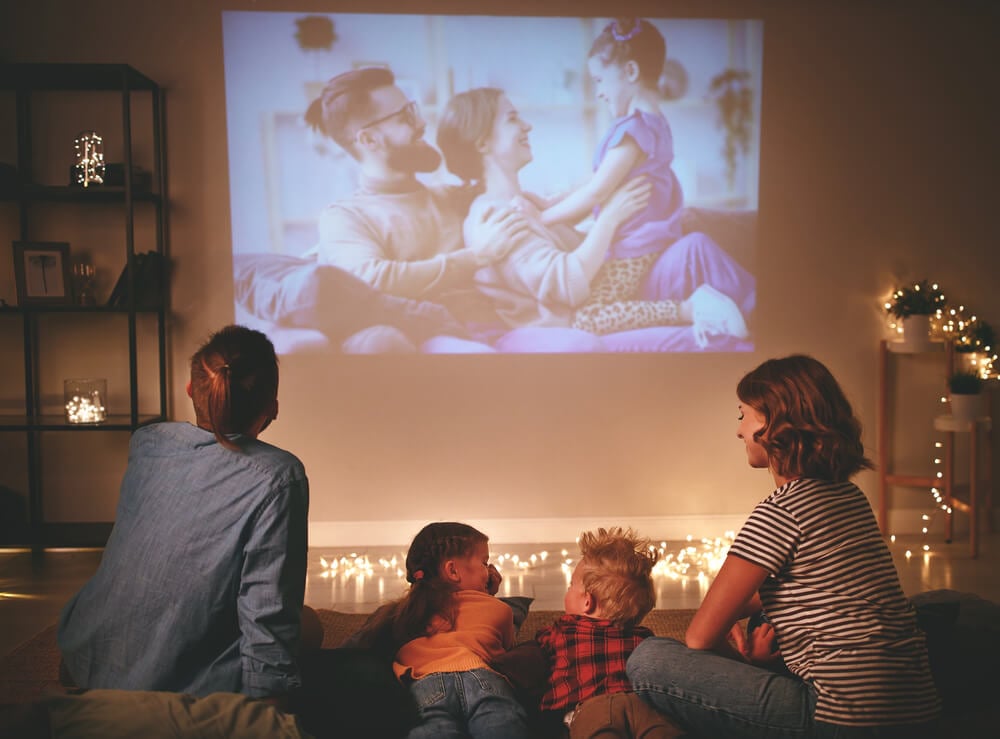
Watching home movies required setting up a physical screen or a blank wall, threading film through a projector, and often taping over any windows to darken the room enough to see the picture. The setup process alone could take longer than the movie itself.
Streaming and digital video files eliminated the entire ritual.
Reordering Prints From Saved Negatives
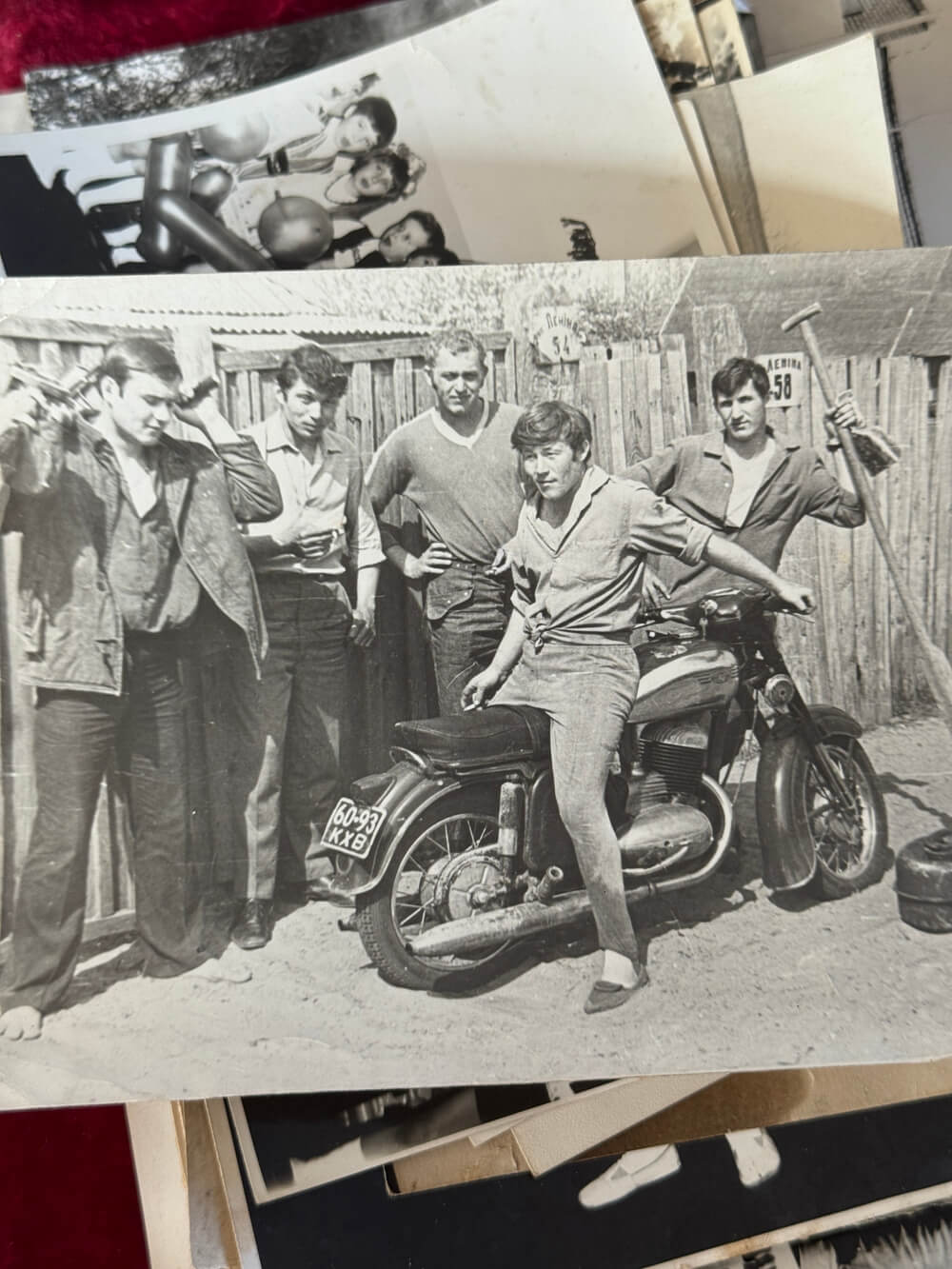
If a photo needed to be reprinted, whether to replace a damaged copy or share with another relative, families had to locate the original negative and bring it back to a photo lab for reprinting. This meant carefully organizing negatives by date and event to find them later.
Digital files made reprinting as simple as selecting a photo and pressing print.
Rationing Shots to Avoid Wasting Film
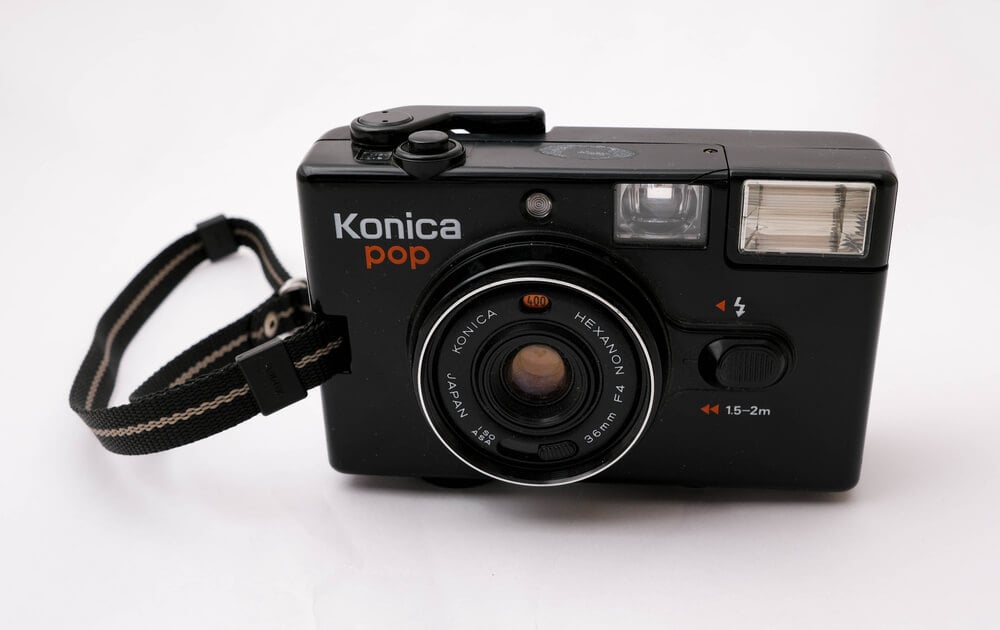
Because every exposure cost money to process regardless of whether the resulting photo was any good, families developed a habit of thinking carefully before pressing the shutter button rather than shooting freely. A blurry or poorly framed shot represented real wasted money.
Digital photography’s effectively free storage eliminated any reason for this kind of caution.
Dealing With Red-Eye From On-Camera Flash

Built-in flashes mounted close to the lens frequently caused a red-eye effect in photos taken in dim rooms, a problem families largely accepted as an unavoidable part of indoor photography. Some photo labs offered manual red-eye correction on prints for an extra fee.
Digital cameras and editing software eventually made the problem correctable instantly or avoidable altogether.
Keeping a Camera Bag Packed With Spare Film
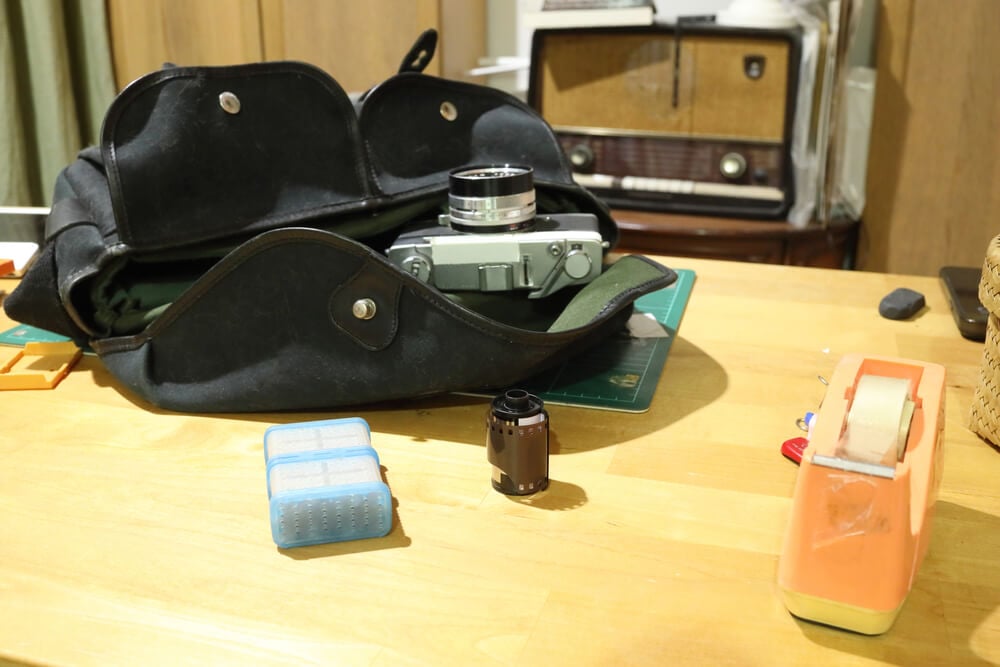
Families who traveled or attended a lot of events often kept a small bag stocked with extra rolls of film and spare batteries, planned out in advance based on how many pictures they expected to take. Running out unexpectedly meant missing photo opportunities with no way to recover.
Digital storage capacity made the entire practice of pre-planning film supply unnecessary.
Winding Film Manually After Every Shot
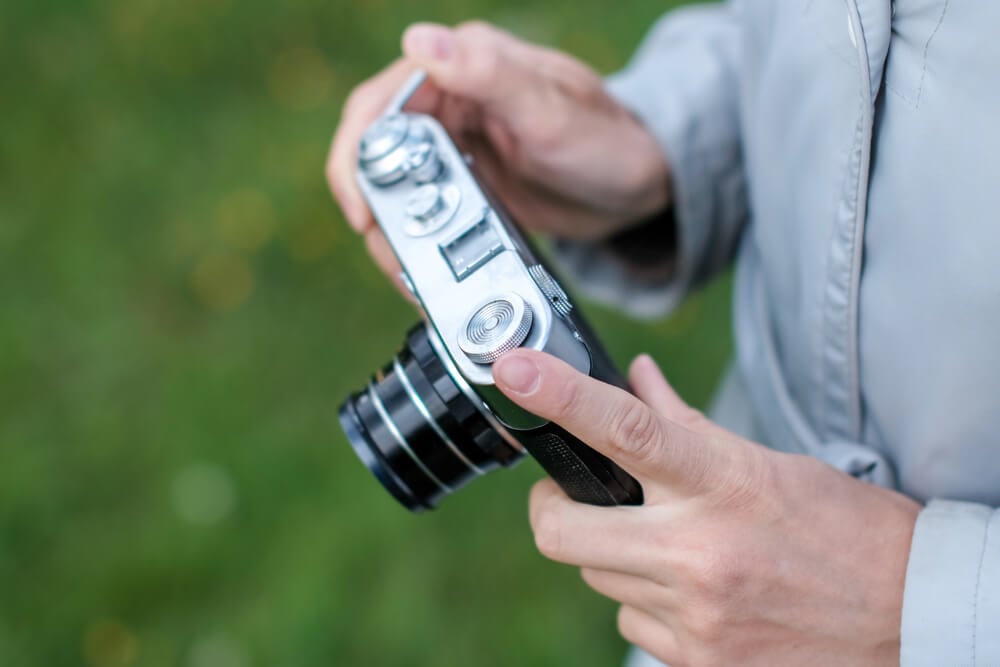
Many cameras required manually turning a small wheel or lever to advance the film to the next frame after every single photo, a small but constant physical motion built into the process of taking pictures. Forgetting to wind the film meant an accidental double exposure ruining two shots at once.
Automatic film advance, and later digital sensors, eliminated the step entirely.
Sending Christmas Card Photos to Be Professionally Printed

Many families sent a chosen negative to a specialty printing service specifically to produce dozens of copies for holiday cards, since home printing wasn’t an option. Choosing which single photo represented the entire family for the year was its own small annual decision.
Digital printing and photo card services replaced the need to mail a negative away for bulk copies.
What Scarcity Used to Teach
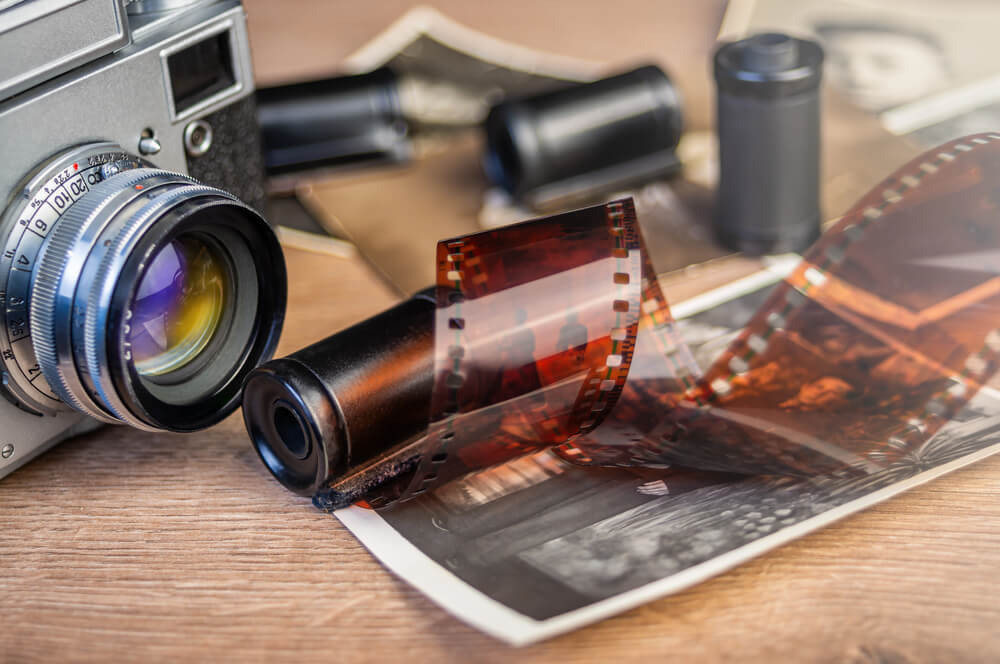
Every one of these habits existed because film, unlike a phone’s memory, had real limits — a fixed number of shots, a real cost per print, and no way to check your work until it was too late to fix. That scarcity forced a kind of deliberateness that’s mostly gone now that taking a photo costs nothing and mistakes can be deleted instantly.
It’s worth noting what got lost along with the inconvenience. A roll of film that could only hold 24 pictures forced a family to choose what actually mattered enough to capture, which is a decision almost nobody has to make anymore.
More from Go2Tutors!

- The Romanov Crown Jewels and Their Tragic Fate
- 13 Historical Mysteries That Science Still Can’t Solve
- Famous Hoaxes That Fooled the World for Years
- 15 Child Stars with Tragic Adult Lives
- 16 Famous Jewelry Pieces in History
Like Go2Tutors’s content? Follow us on MSN.