25 Coronation Ceremonies That Nearly Went Disastrously Wrong at the Last Moment
There’s a version of every coronation that lives in the official record: solemn, polished, centuries of tradition executed without a hitch. And then there’s what actually happened behind the pageantry, which is usually messier, funnier, and occasionally a lot darker than the paintings suggest.
Crowns have wobbled, rings have been jammed onto the wrong fingers, popes have been outmaneuvered, and more than one monarch has had to be carried, delayed, or talked down from skipping the whole thing. These are the ceremonies where the wheels nearly came off in front of everyone who mattered.
Queen Elizabeth II
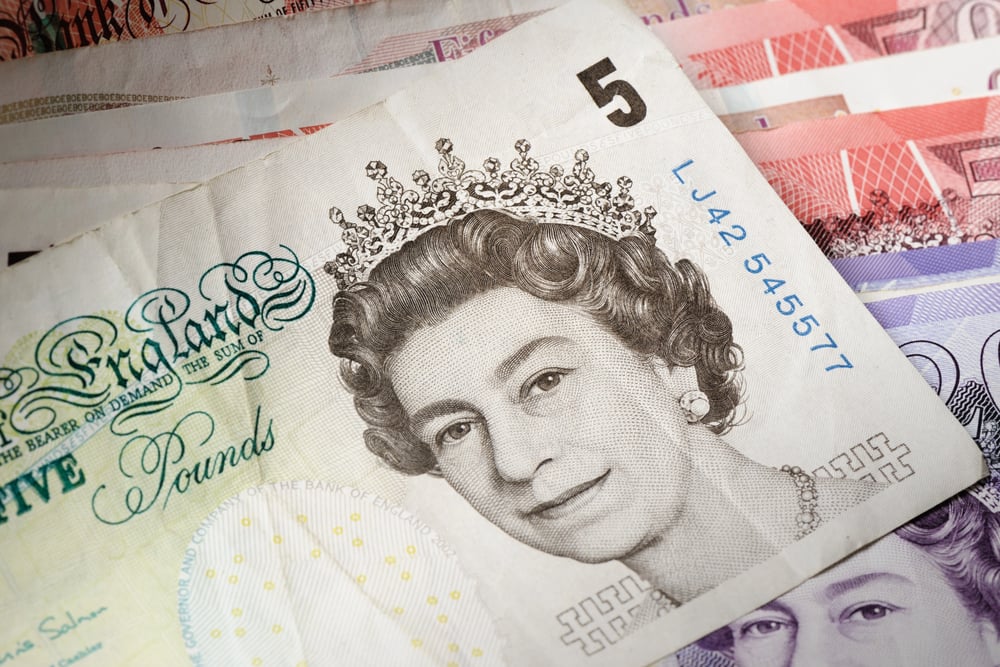
Rain fell for most of the day in June 1953, soaking crowds who’d camped out along the route overnight. The ceremony ran past three hours, and several peers in heavy ceremonial robes reportedly fainted from the heat inside Westminster Abbey.
The Archbishop of Canterbury needed prompting more than once to keep the service on track. None of that made it into the newsreels shown around the world that evening.
Queen Victoria
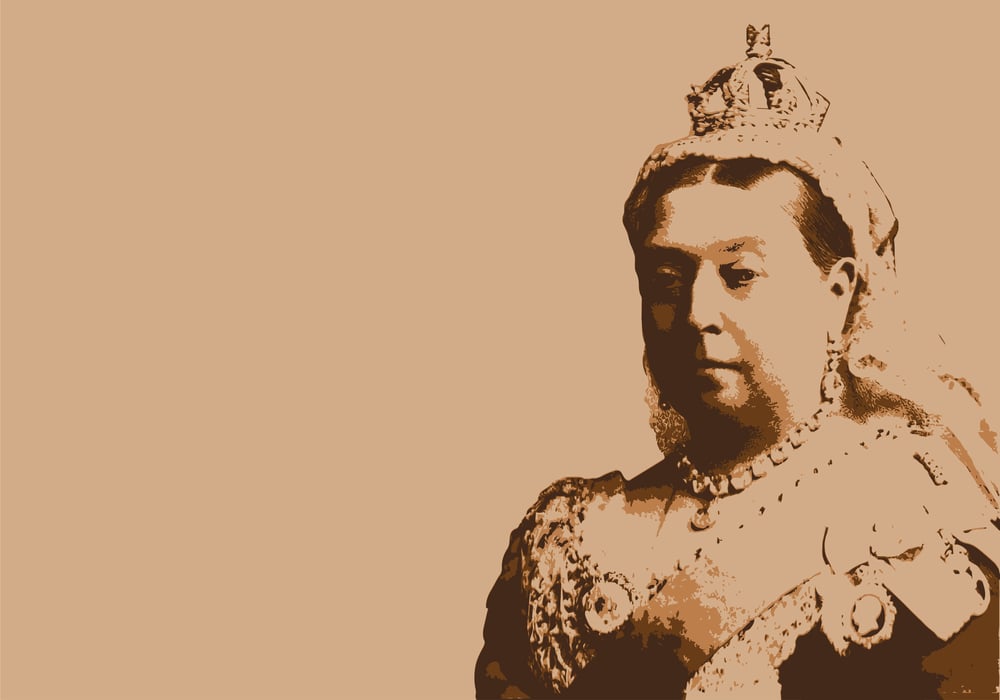
Victoria was only eighteen, and the ceremony had barely been rehearsed — nobody, it turned out, knew the Order of Service well enough to catch mistakes before they happened: not the bishops, not the choir, not even the Archbishop of Canterbury. So when he jammed the coronation ring onto the wrong finger, because someone had ordered it too small for her actual ring finger, she gritted through the pain for hours.
And near the end, elderly Lord Rolle stumbled while shuffling forward to pay homage and tumbled down the steps in front of everyone, a moment so awkward that Victoria reportedly rose to help him herself.
King Edward VII
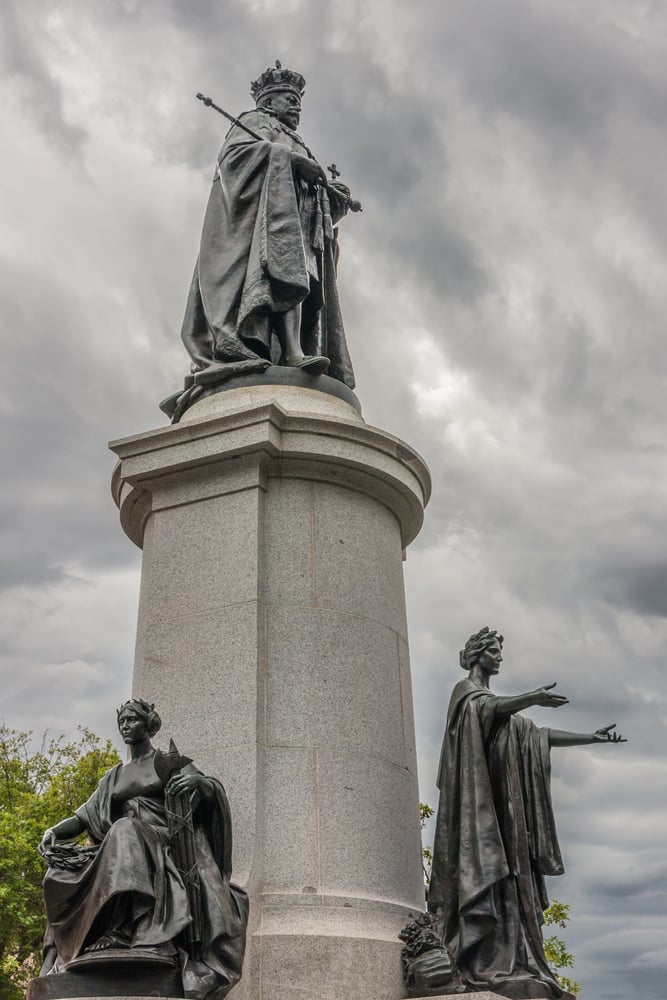
The ceremony felt like a held breath that never got released on schedule. Two days before the scheduled date in 1902, doctors discovered Edward needed emergency surgery for appendicitis, a condition that could easily have killed a man his age at the time.
Guests had already arrived from across the globe, hotels were full, and the whole apparatus of the empire sat waiting on a king who was instead recovering in bed. The coronation eventually happened six weeks later, quieter and smaller than planned.
King George VI
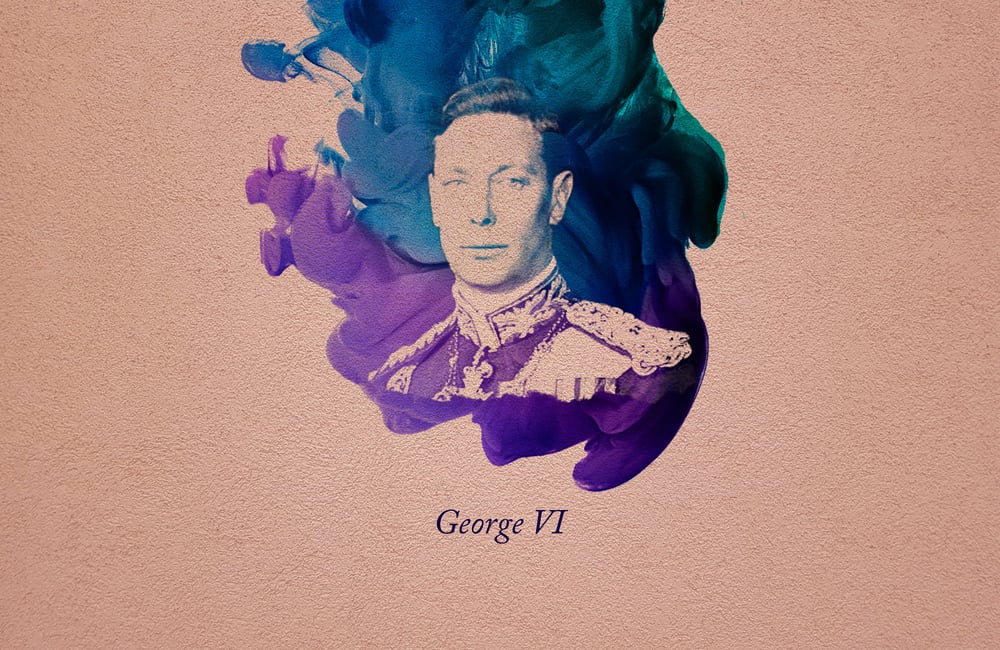
George VI never wanted the crown, and it showed in small, human ways throughout the 1937 ceremony. A bishop reportedly stood on his robe as he tried to move forward, nearly pulling him off balance in front of the entire Abbey.
The Dean’s chaplain lost his place in the service at one point, leaving an uncomfortable silence that nobody rushed to fill. A man who stammered under pressure got through it anyway, which is more than most people manage on an ordinary Tuesday.
Napoleon Bonaparte
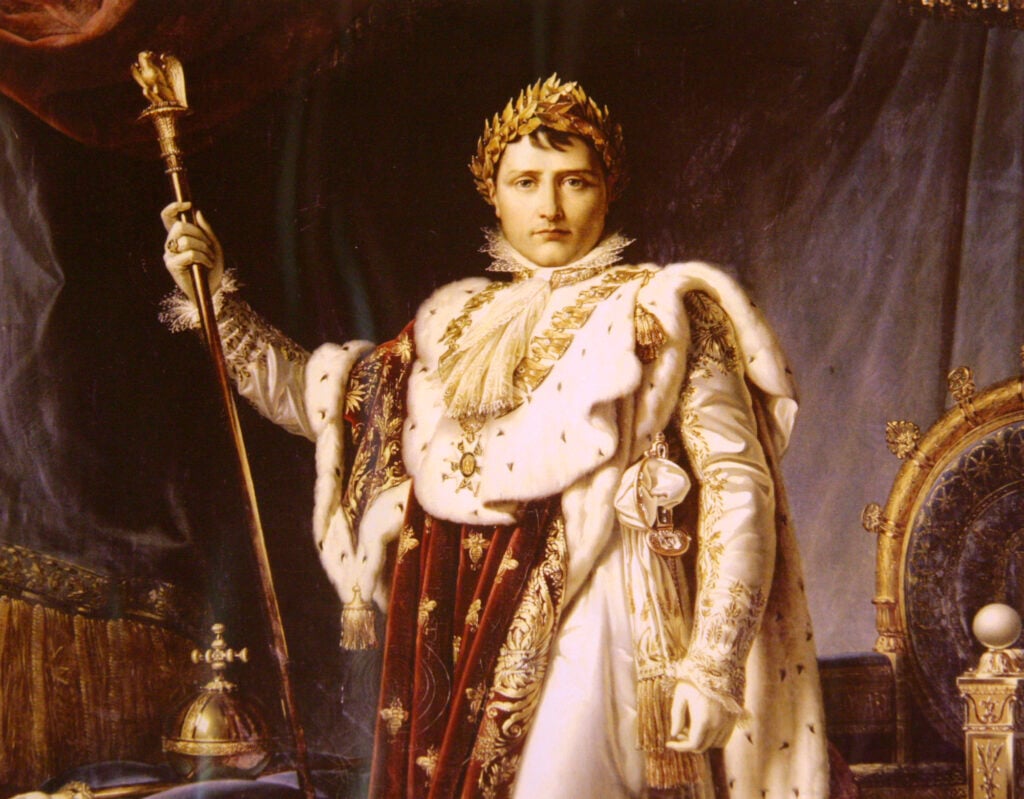
Pope Pius VII traveled from Rome expecting to place the crown on Napoleon’s head himself. Napoleon took it from the Pope’s hands at the last moment and crowned himself instead.
The Pope said nothing publicly. The message, delivered without a single extra word, could not have been louder.
Tsar Nicholas II
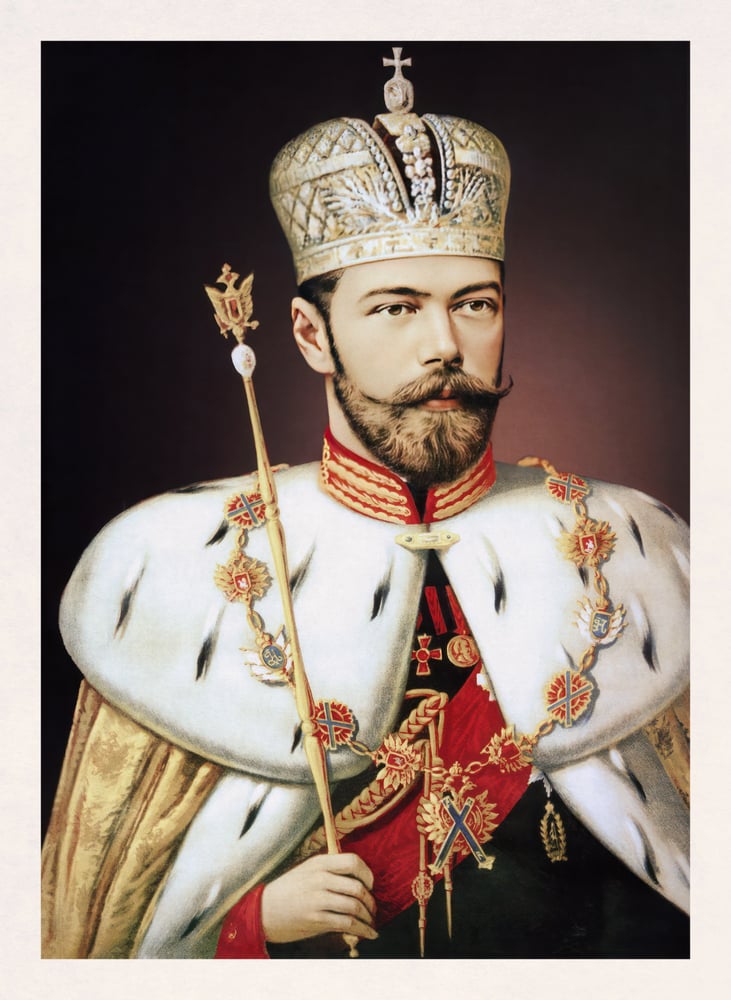
The coronation in Moscow in 1896 went smoothly enough — it was the celebration afterward that turned into catastrophe. A stampede broke out among the crowds gathered at Khodynka Field for free food and souvenirs, and by conservative counts well over a thousand people died in the crush: a horrifying number for what was meant to be a festive afternoon.
And yet an orb at the French embassy went ahead that same evening as scheduled, because canceling it was apparently considered more diplomatically awkward than the deaths themselves. Russians at the time widely read the tragedy as an omen for the reign that followed, and history did not exactly prove them wrong.
King George IV
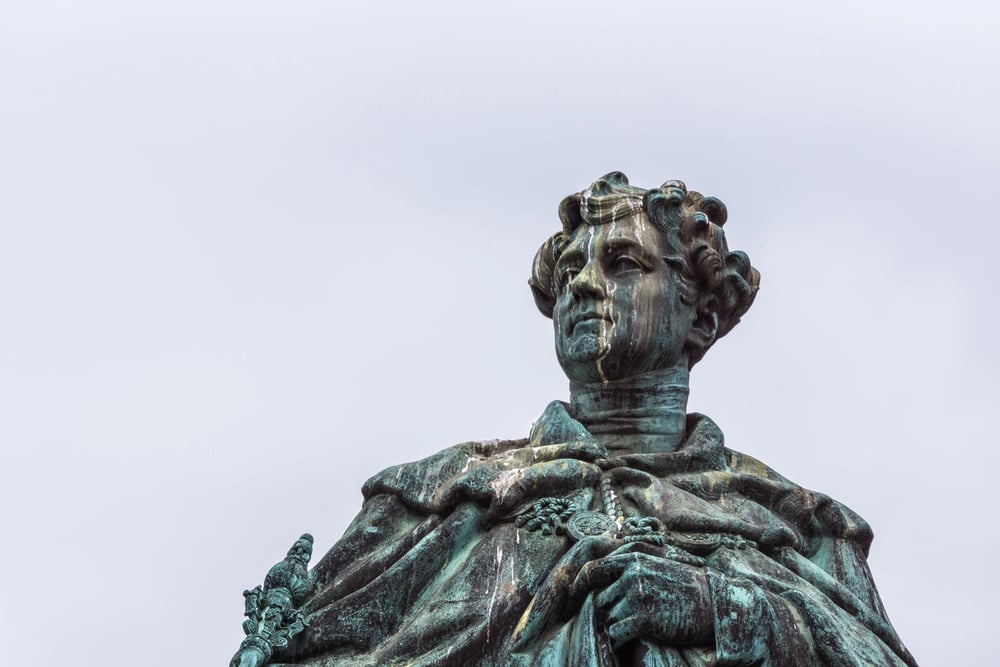
Caroline of Brunswick showed up to Westminster Abbey in 1821 fully intending to be crowned alongside the husband who despised her. She was turned away at the door, guards physically blocking her entry while a crowd watched the estranged queen banging for admittance to her own husband’s coronation.
It reads less like a royal ceremony and more like a scorned guest crashing a wedding she was explicitly uninvited from. Caroline died just weeks later, never having set foot inside.
King James II
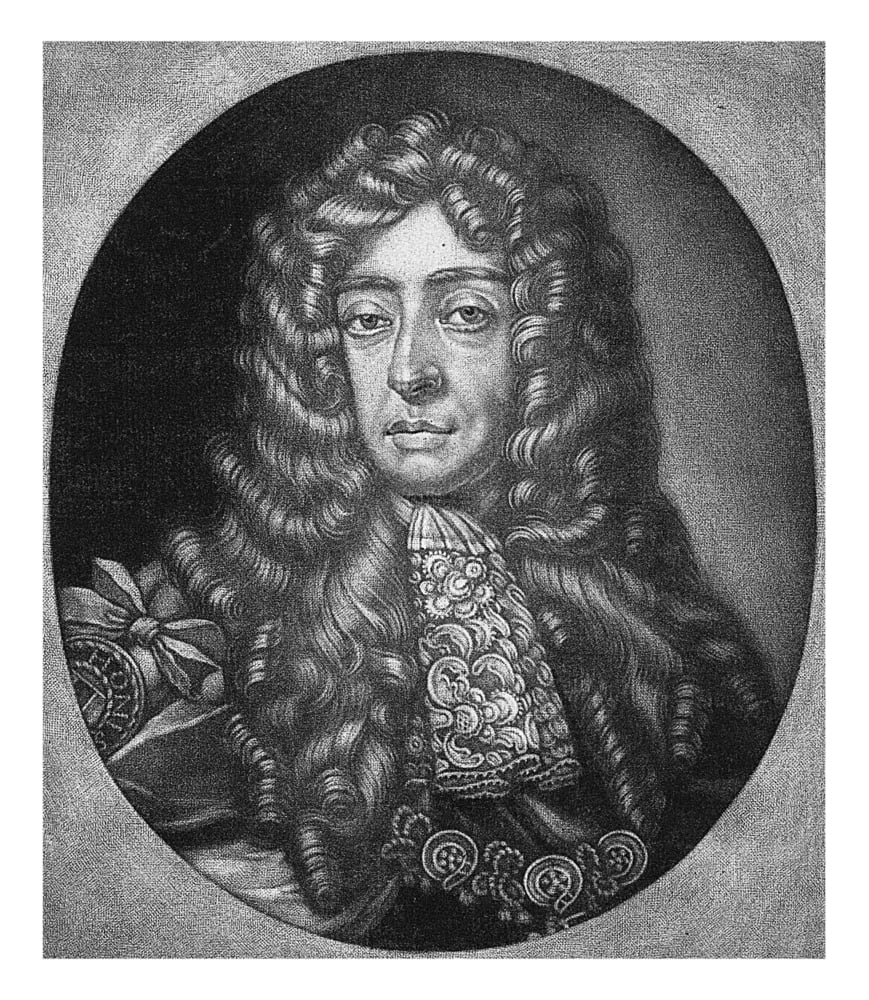
The crown reportedly wobbled on James’s head during the 1685 ceremony, slipping enough that onlookers noticed and talked about it for years afterward. Londoners loved a bad omen story, and this one aged uncommonly well for them.
James was gone within three years, chased off the throne by his own son-in-law during the Glorious Revolution. Turns out a shaky crown was the least of his problems.
King Henry III
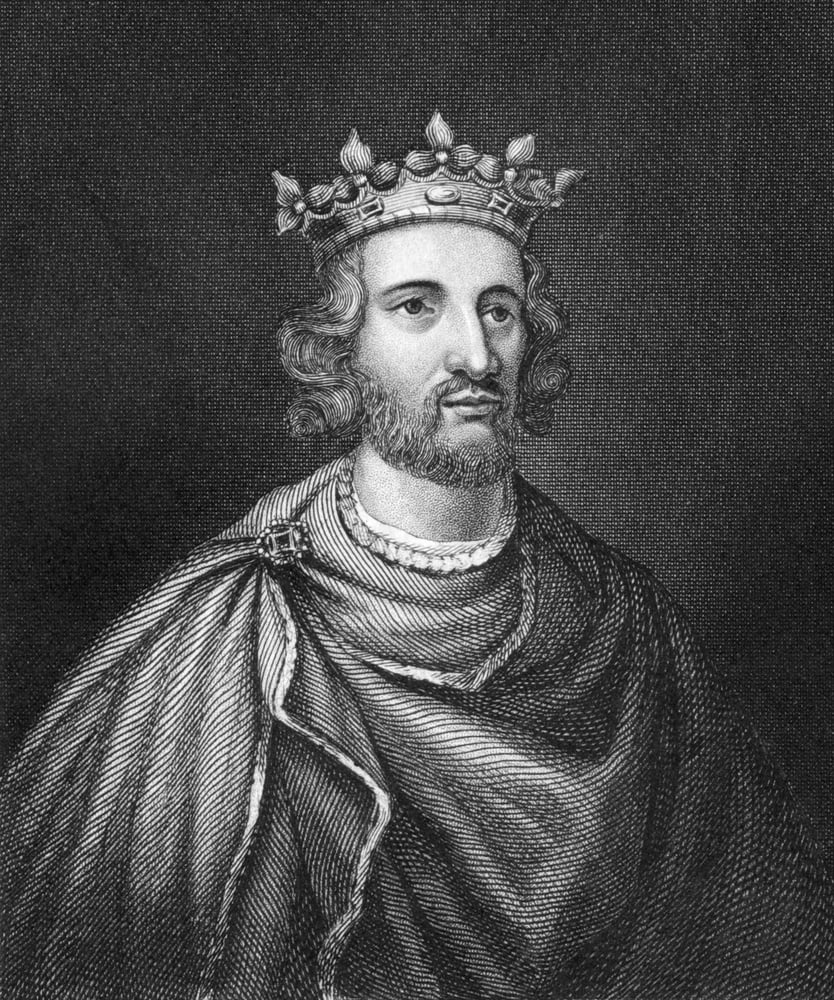
Henry was nine years old, and England was in mid-civil war when he was crowned in 1216. Westminster was unavailable, controlled by rebel barons and their French ally, so the ceremony happened instead at Gloucester Abbey. The official crown jewels weren’t on hand either, so a plain gold circlet, possibly belonging to his mother, stood in for the real thing.
A child king crowned with borrowed jewelry in a city that wasn’t even the capital is not exactly the image the English monarchy likes to project.
King Richard I
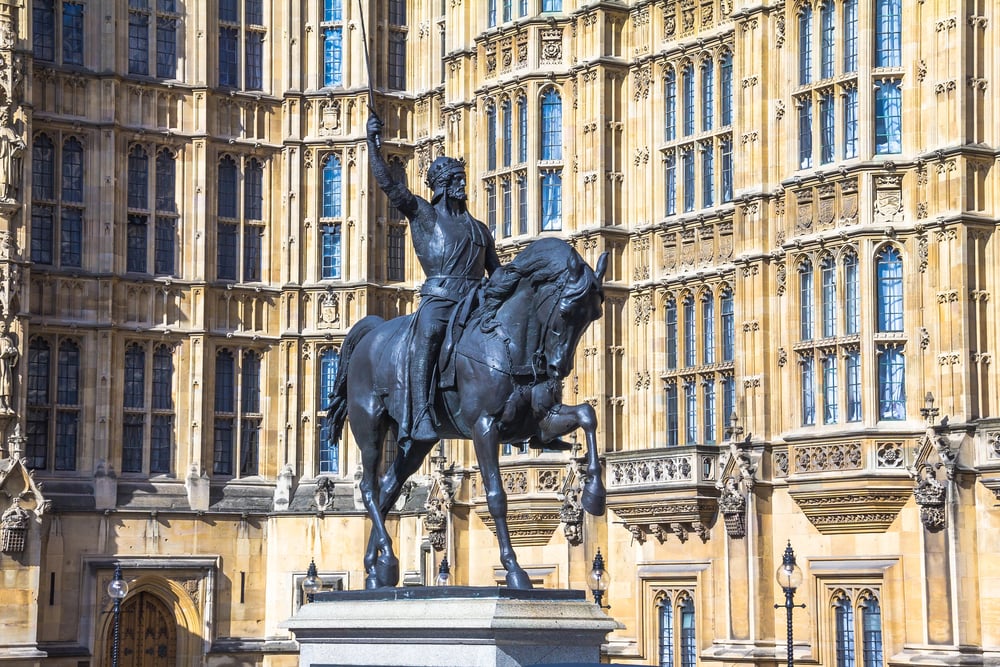
A bat was seen circling the throne during Richard’s coronation in 1189, and medieval chroniclers took that sort of thing seriously as a sign of trouble ahead. Word had also spread, wrongly, that the new king had ordered violence against London’s Jewish community, and mobs used the celebratory chaos as cover to attack Jewish residents that same day: a massacre that had nothing to do with the ceremony itself and everything to do with the crowd it drew.
Richard reportedly punished some of the attackers afterward. It did little to undo what had already happened.
Charlemagne
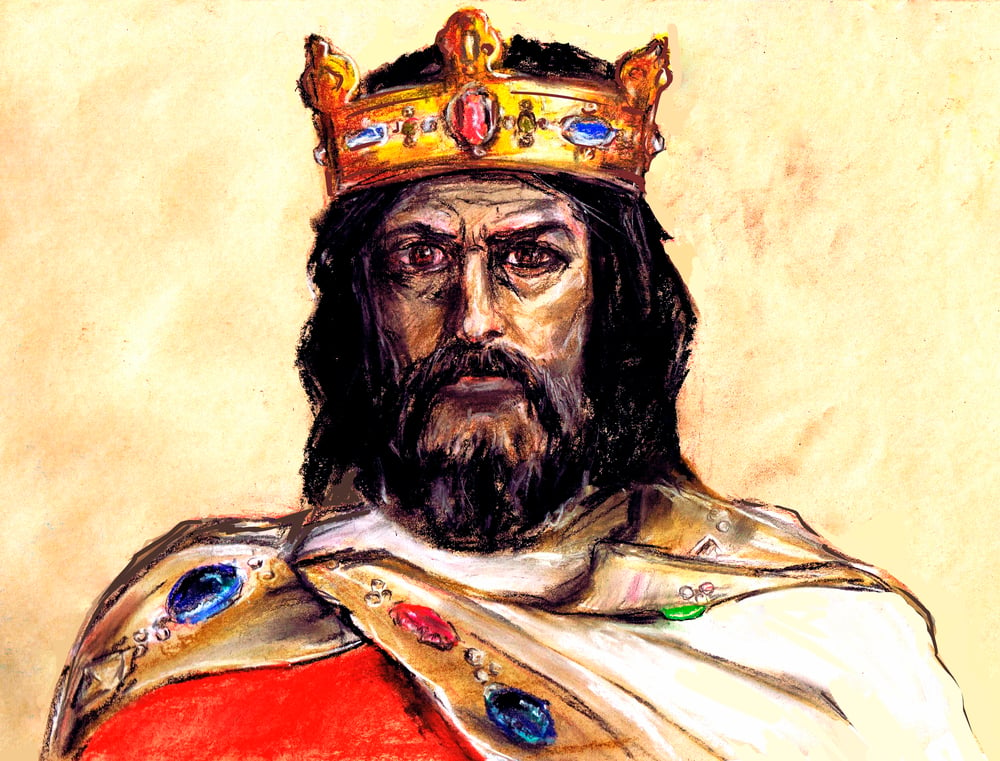
Picture a door closing before you’ve even decided to walk through it, and you’re close to what happened to Charlemagne on Christmas Day in the year 800. Pope Leo III placed the imperial crown on his head during Mass, seemingly without warning, and the assembled crowd immediately hailed him as emperor before he’d said a word about wanting the title. Charlemagne later claimed, according to his biographer, that he would never have entered the church that day had he known what the Pope intended.
Whether that’s true or convenient revisionism, it captures something real: a man handed enormous power in a moment he didn’t fully control.
King Charles I
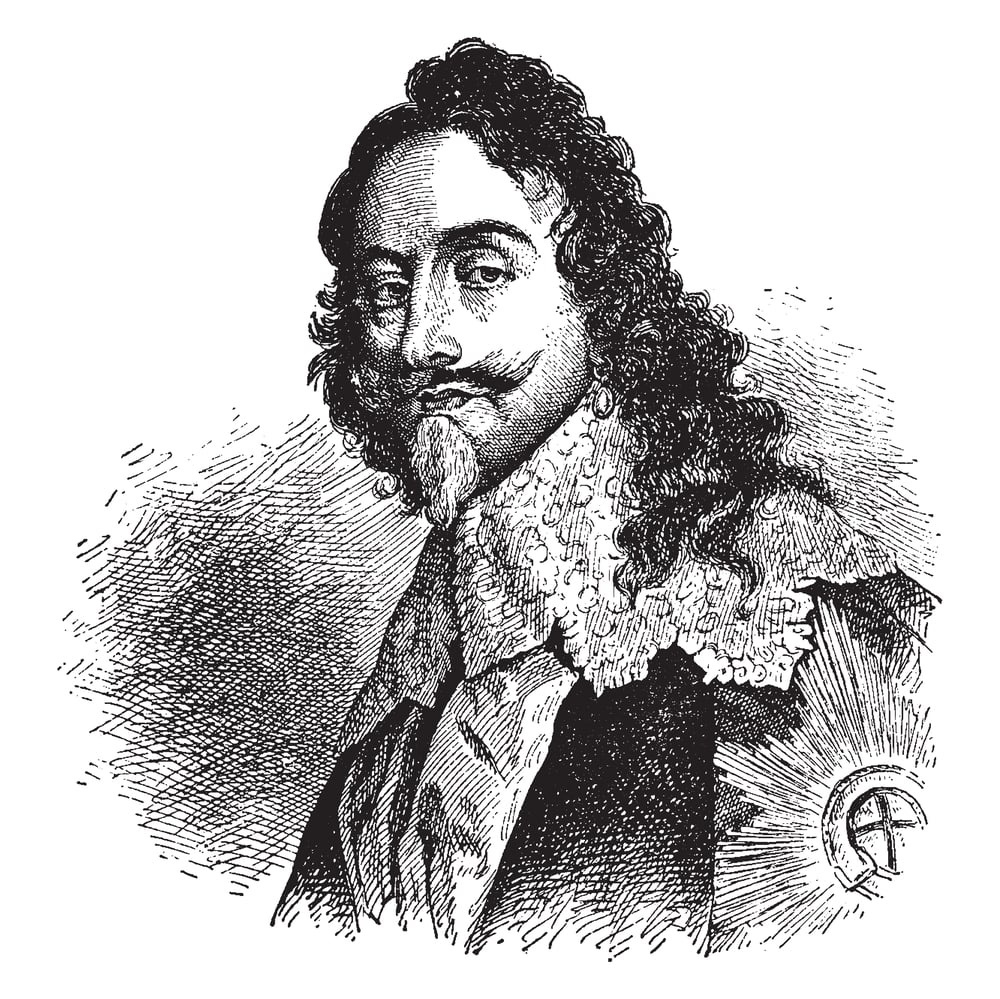
The 1626 coronation was delayed for months by plague sweeping through London, forcing the whole event to be scaled back and reworked. Charles chose to wear white for the ceremony instead of the traditional royal purple.
Dressing like that at your own coronation, in a court obsessed with omens and symbolism, is basically an invitation for people to start whispering, and plenty of them did. Twenty-three years later, Charles lost his head to a very different kind of ceremony, and the white robes got remembered as the first bad sign.
King William IV
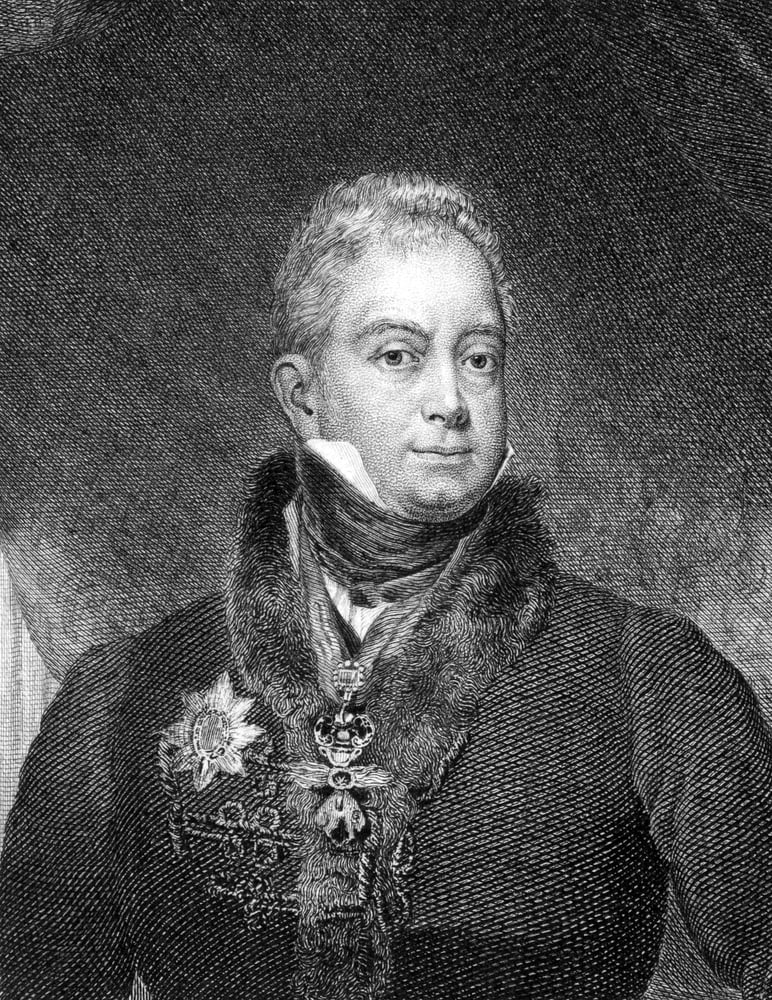
William wanted to skip his own coronation entirely to save money, which is a fairly unusual position for a monarch to take. He got overruled, but only partly, and the resulting 1831 ceremony was so stripped down that critics started calling it the Half-Crownation.
Guests reportedly complained about the reduced pageantry and the noticeably thinner budget for feasting. Turns out even a king can get told no by his own accountants.
Emperor Bokassa I

Bokassa’s 1977 self-coronation in the Central African Empire cost an amount estimated at roughly a third of the country’s entire annual budget, in a nation that was, by most measures, one of the poorest on earth. His throne was shaped like a giant eagle, the crown was reportedly encrusted with diamonds, and champagne and crystal were flown in from France for thousands of guests: a level of excess that sat somewhere between farce and tragedy depending on which side of the border you were standing on.
The empire itself collapsed within two years. Nobody was particularly surprised.
King Kalakaua
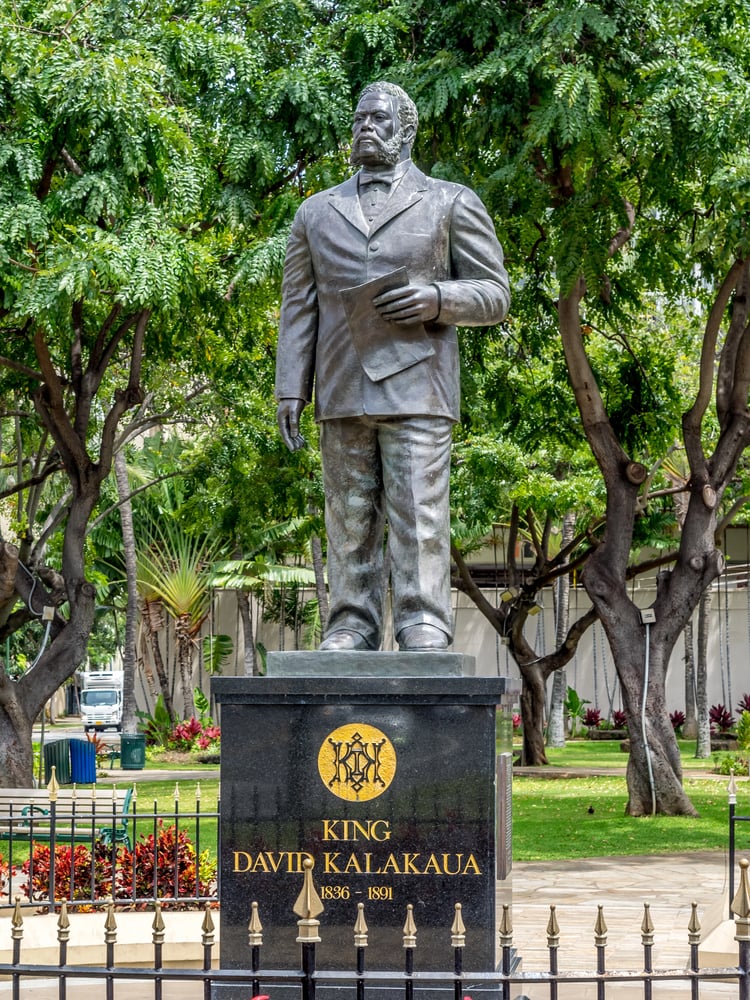
Kalakaua staged his 1883 coronation nine years after he’d already taken the Hawaiian throne, a grand revival of near-forgotten court traditions performed on ground that was quietly shifting beneath the whole monarchy. Missionary-descended elites and foreign businessmen dismissed the ceremony as wasteful and dangerously “pagan,” using it as fresh ammunition against a native government they were already working to undermine.
The criticism stuck, the political pressure kept building, and a decade later the monarchy was overthrown entirely. What looked like a celebration of permanence turned out to be closer to a farewell.
Shah Mohammad Reza Pahlavi
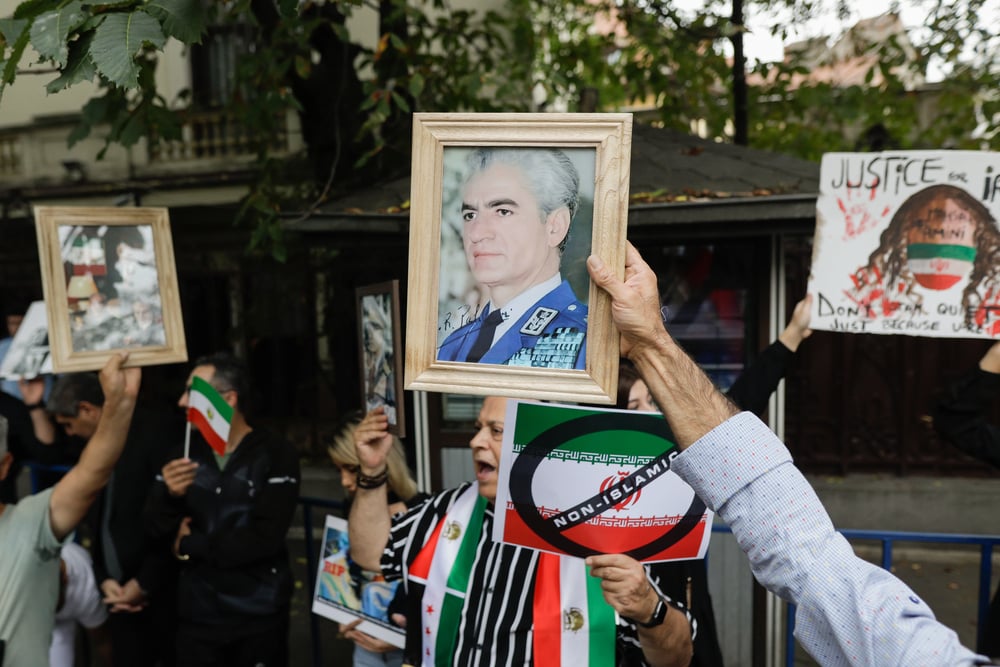
The Shah of Iran waited twenty-six years after taking the throne to actually crown himself, finally holding the ceremony in 1967. A man who postpones his own coronation for over two decades either doesn’t believe in the ritual or is quietly terrified of jinxing his own reign, and with Pahlavi it was probably some of both.
He crowned himself, and then crowned his wife empress, which was its own break from tradition and raised eyebrows accordingly. Twelve years later he was gone for good, exiled by a revolution nobody in 1967 saw coming.
Queen Anne
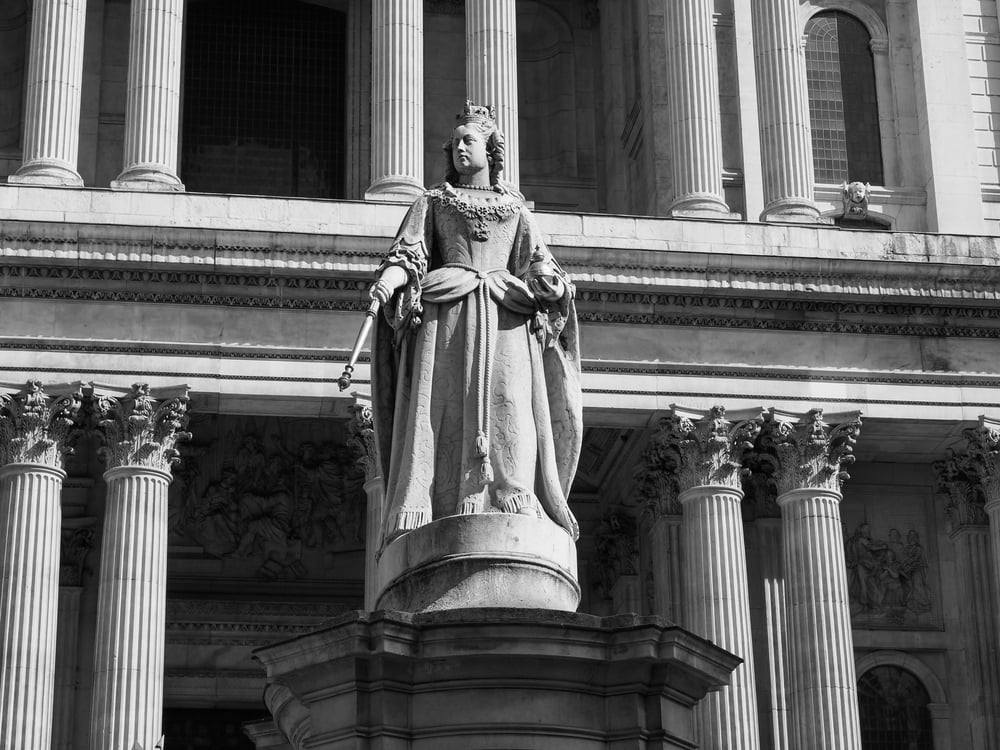
Anne suffered from severe gout by the time of her 1702 coronation, to the point where walking any real distance was simply not possible for her. She had to be carried in a sedan chair for portions of the procession that every monarch before her had walked.
It was an undignified image for a ceremony built entirely around dignity and spectacle. She ruled for twelve more years anyway, chair and all.
King Charles III
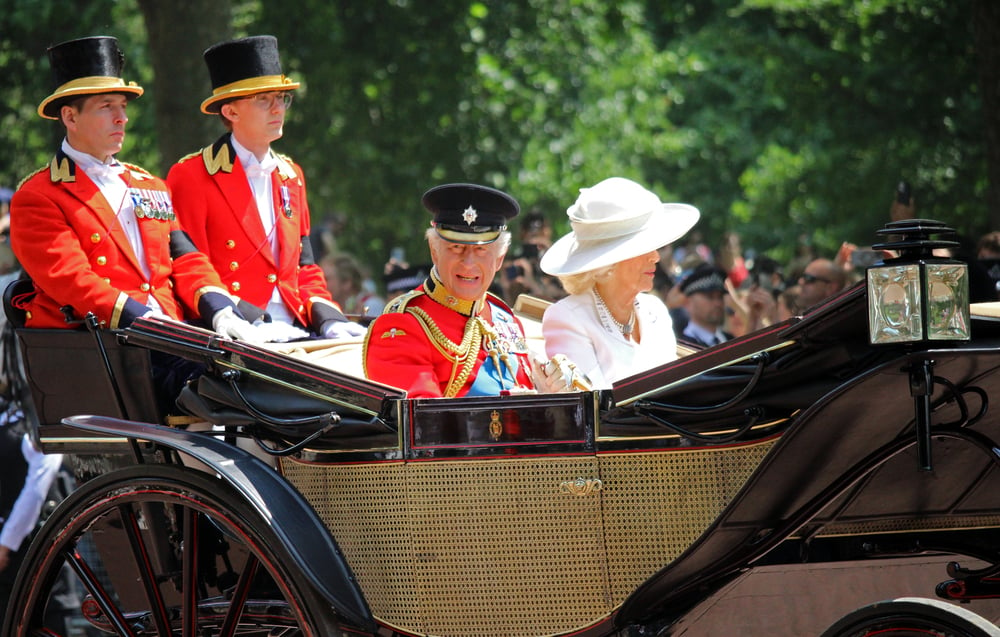
Rain fell through most of the 2023 ceremony, echoing his mother’s coronation seventy years earlier almost to the letter. Anti-monarchy protesters gathered along the procession route, and several were arrested ahead of the event amid heightened security concerns: a reminder that not everyone watching considered the day a celebration.
Republican sentiment in Britain, once fringe, had grown loud enough to require an actual policing plan. The crown still went on his head regardless, rain and protests included.
King Edward VIII to King George VI
Imagine a wedding dress already tailored for one bride, overnight altered to fit someone else entirely, and that’s roughly what happened to Britain’s coronation planning in the winter of 1936. The date, the venue, and much of the ceremonial groundwork had been set for Edward VIII before his abdication in December of that year threw everything into sudden disarray.
His brother George VI inherited both the throne and the already-booked coronation date, leaving the palace barely five months to adjust an event built for a different man entirely. Somehow, in May 1937, it came together anyway.
King Louis XVI
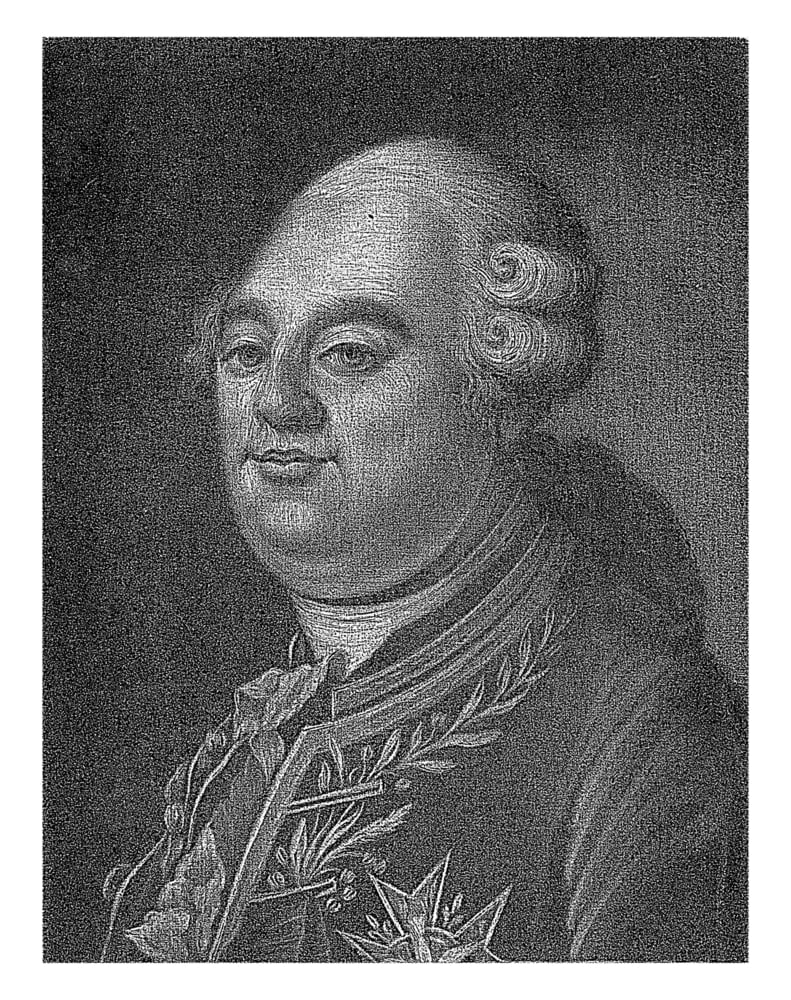
Reims in 1775 was brutally hot on coronation day, hot enough that several attendees reportedly fainted inside the cathedral during the lengthy anointing rites. France staged the full thousand-year-old ceremony in extravagant detail while the royal treasury was already showing cracks that would widen into full collapse within fifteen years.
Throwing a lavish medieval ritual party while your country’s finances are quietly falling apart is not a great look, and plenty of contemporaries said so even then. History did not treat the optics kindly in hindsight.
Queen Elizabeth I
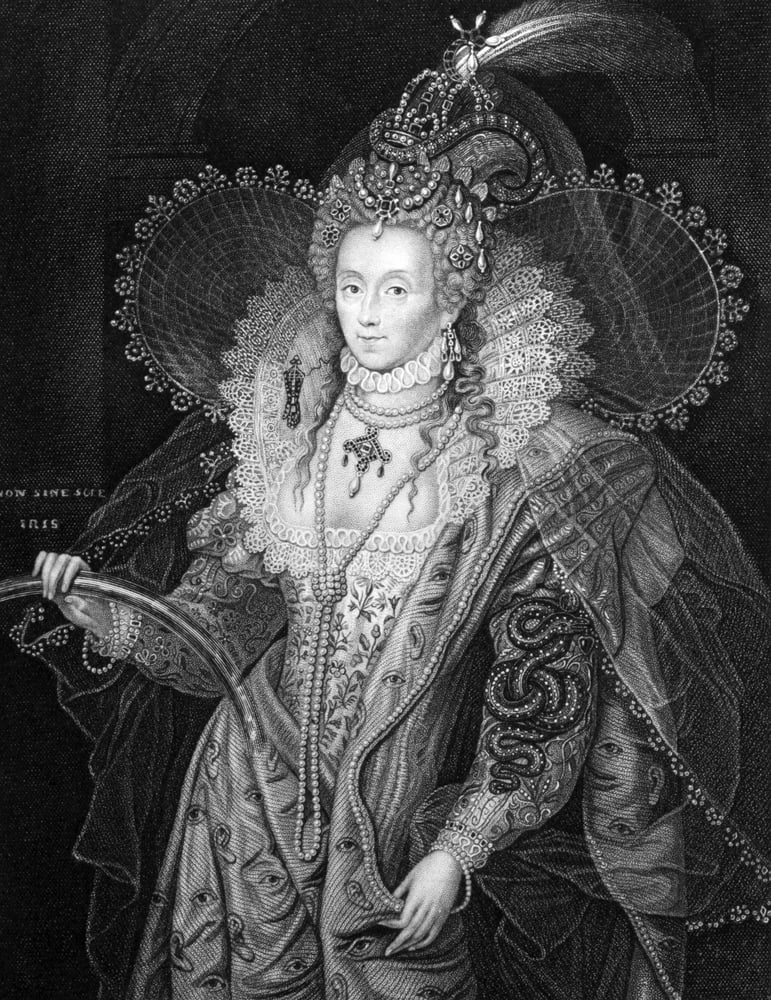
Most of England’s Catholic bishops flatly refused to crown a Protestant queen in 1559, leaving Elizabeth’s coronation dangerously close to not happening at all for lack of a willing officiant. Only one bishop, Owen Oglethorpe, eventually agreed to perform the ceremony, and without him the entire event might have collapsed before it started.
The date itself was reportedly chosen with input from astrologer John Dee, brought in to find a favorable alignment for the new reign. A queen who could barely find a bishop went on to rule for forty-five years.
King Edward II
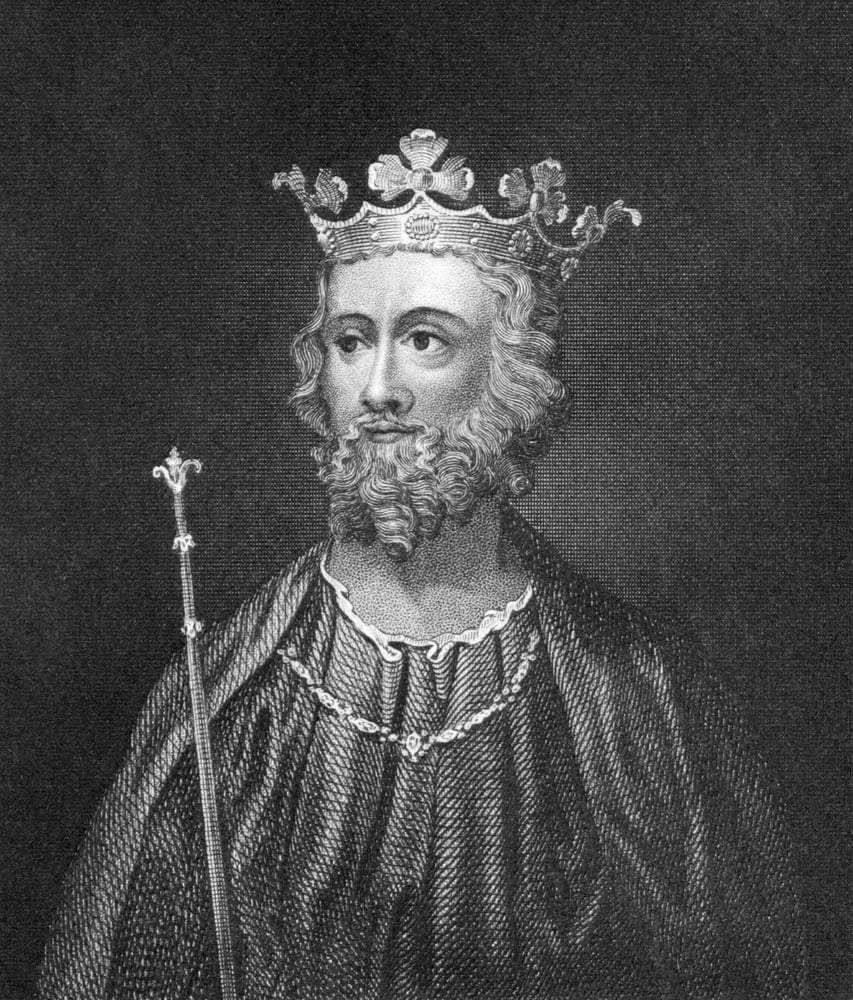
Westminster Hall’s renovations weren’t finished in time for the 1308 coronation, and the resulting delays pushed the celebratory banquet back for hours while hungry guests waited. Food reportedly arrived cold, poorly prepared, or not at all for large portions of the crowd, turning what should have been a triumphant feast into a source of open grumbling.
Worse for Edward’s reputation, his favorite Piers Gaveston appeared dressed more richly than the assembled nobility and was given prominent ceremonial duties above men who far outranked him. Serving your guests ruined food while flaunting your favorite in front of them is a strange way to start a reign, and the barons who resented it never really let it go.
King George III
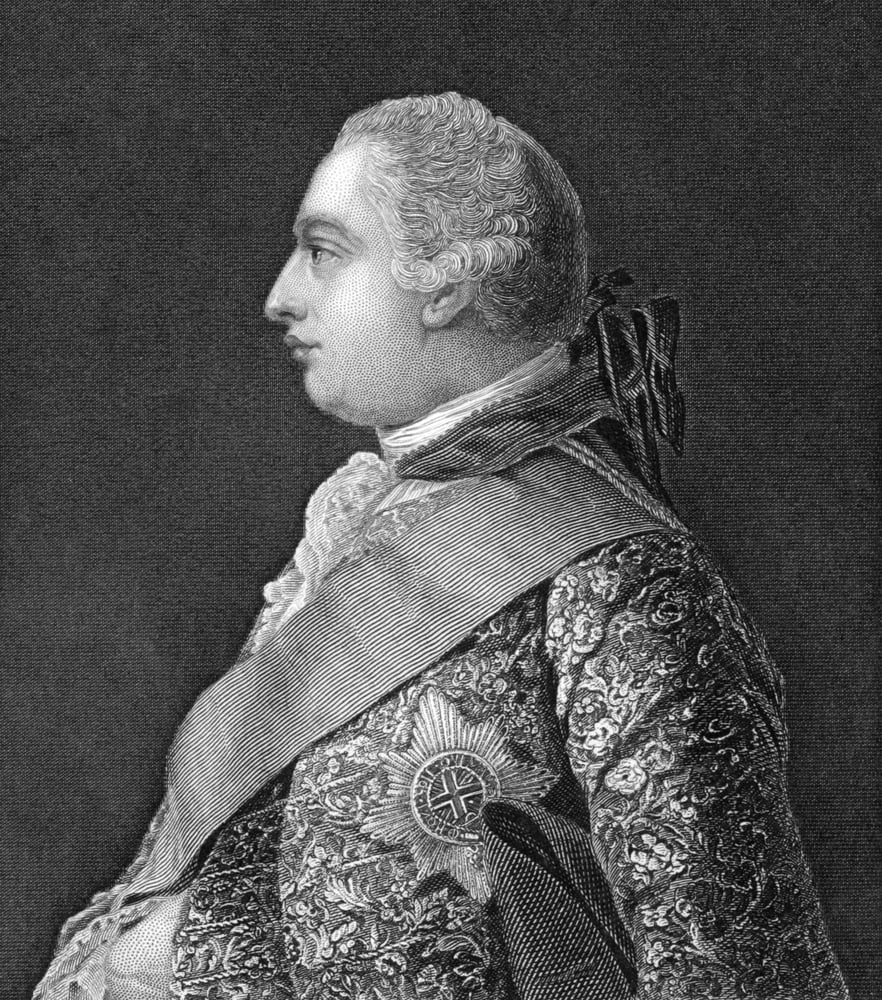
A large diamond reportedly fell from the crown during George III’s 1761 coronation, dropping in full view of the assembled crowd inside Westminster Abbey. No properly rehearsed script existed for the ceremony either, forcing officials to improvise sections on the spot using a hastily assembled printed order of service.
The whole event carried the faint, undignified air of a performance nobody had time to properly stage. It still counted, diamond or no diamond.
King Henry VI as King of France
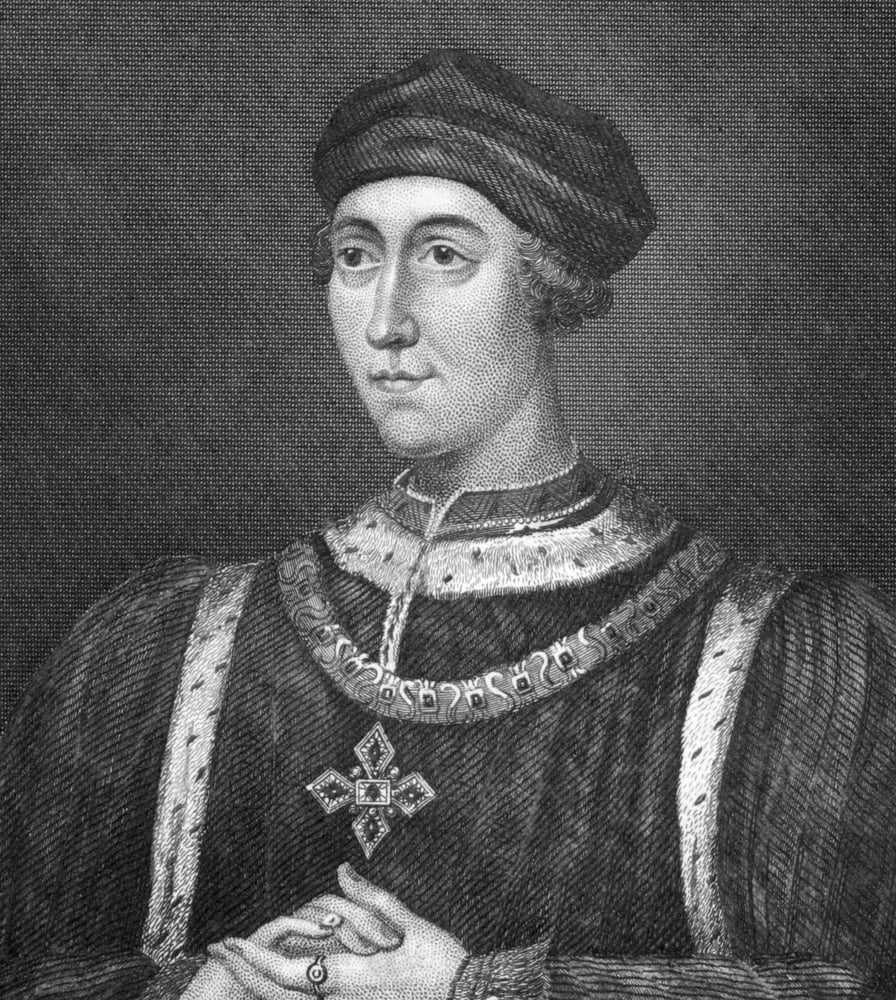
A ten-year-old English king was crowned King of France in occupied Paris in 1431, in the middle of the Hundred Years’ War, before a population that resented the English presence in the city already. Crowning a child king of a country that doesn’t want you there while feeding its people badly is not exactly a charm offensive, and the Parisians noticed immediately.
The coronation banquet reportedly served stale or subpar food to guests who were already skeptical of the whole occupation, prompting open complaints recorded by contemporary chroniclers. England lost its grip on France within a generation, and this ceremony did nothing to change that trajectory.
King Charles X
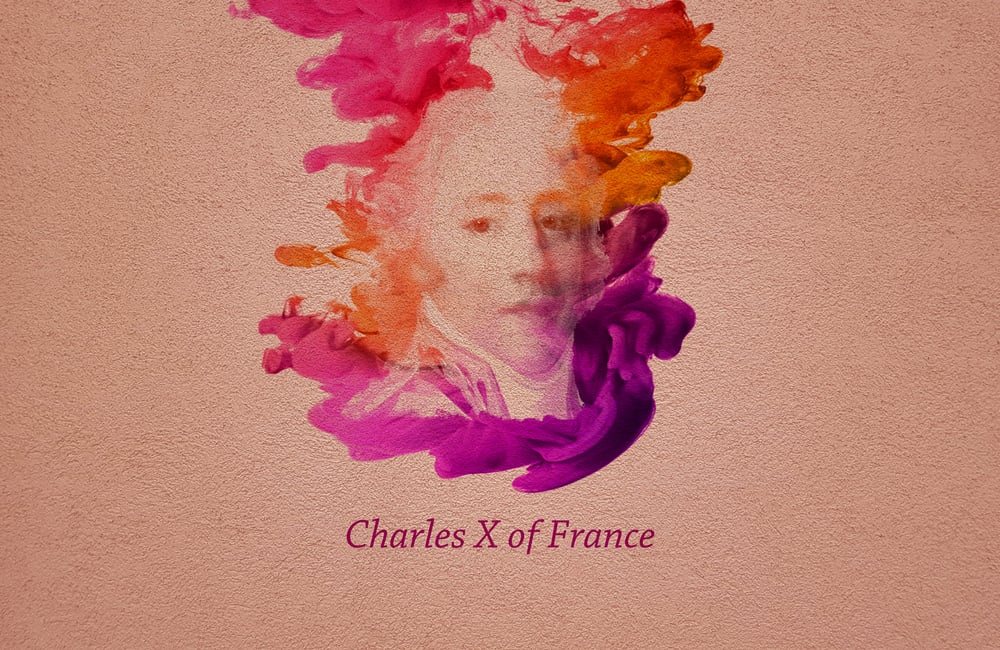
Charles X revived elaborate, centuries-old anointing rites for his 1825 coronation at Reims, staging a ceremony that felt deliberately out of step with the modernizing country he was supposed to be ruling. Critics mocked the display as backward-looking and wildly expensive at a moment when France had little appetite for that kind of extravagance.
The unpopularity it stirred up never really faded. Five years later, Charles was overthrown in the July Revolution and spent the rest of his life in exile.
The Crown Always Held, Barely

Strip away the choirs and the velvet, and every coronation on this list comes down to the same fragile arrangement: a lot of people trying to make an enormous, ancient ritual look effortless in real time, with no second takes available. Rings got jammed on wrong fingers, diamonds fell out of crowns, banquets went cold, and at least one queen had to be carried because her own body wouldn’t cooperate with the occasion.
And still, somehow, the ceremonies finished, the crowns landed where they were supposed to, and history moved on as though none of it had wobbled at all. Maybe that’s the real trick of a coronation — not that it goes perfectly, but that everyone in the room agrees to remember it that way.
More from Go2Tutors!

- The Romanov Crown Jewels and Their Tragic Fate
- 13 Historical Mysteries That Science Still Can’t Solve
- Famous Hoaxes That Fooled the World for Years
- 15 Child Stars with Tragic Adult Lives
- 16 Famous Jewelry Pieces in History
Like Go2Tutors’s content? Follow us on MSN.



