20 Inventors Whose Names Went to Someone Else
Invention is rarely a single moment; it’s a long process with many hands on it, and history tends to remember whichever hand happened to be holding the patent, the marketing budget, or the microphone when the story got told. The gap between who solved a problem and whose name survived it says less about talent than about circumstance.
Antonio Meucci and the Telephone
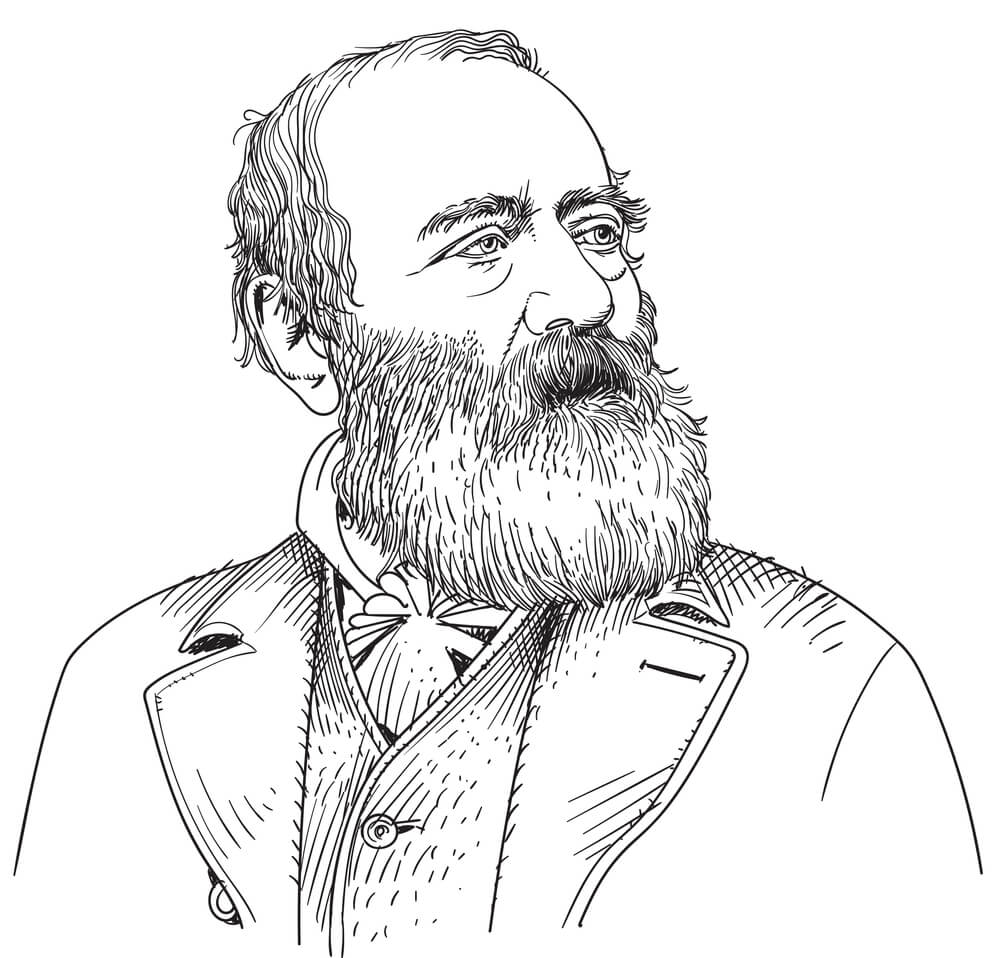
Italian inventor Antonio Meucci developed a voice-transmitting device years before Alexander Graham Bell filed his famous patent, but Meucci’s inability to afford the ongoing patent caveat fees left his claim unprotected. Bell’s patent, filed in 1876, became the legally recognized origin of the telephone despite later congressional recognition, passed in 2002, that acknowledged Meucci’s earlier work.
Meucci died in 1889 without ever receiving commercial credit for the invention.
Nikola Tesla and Radio
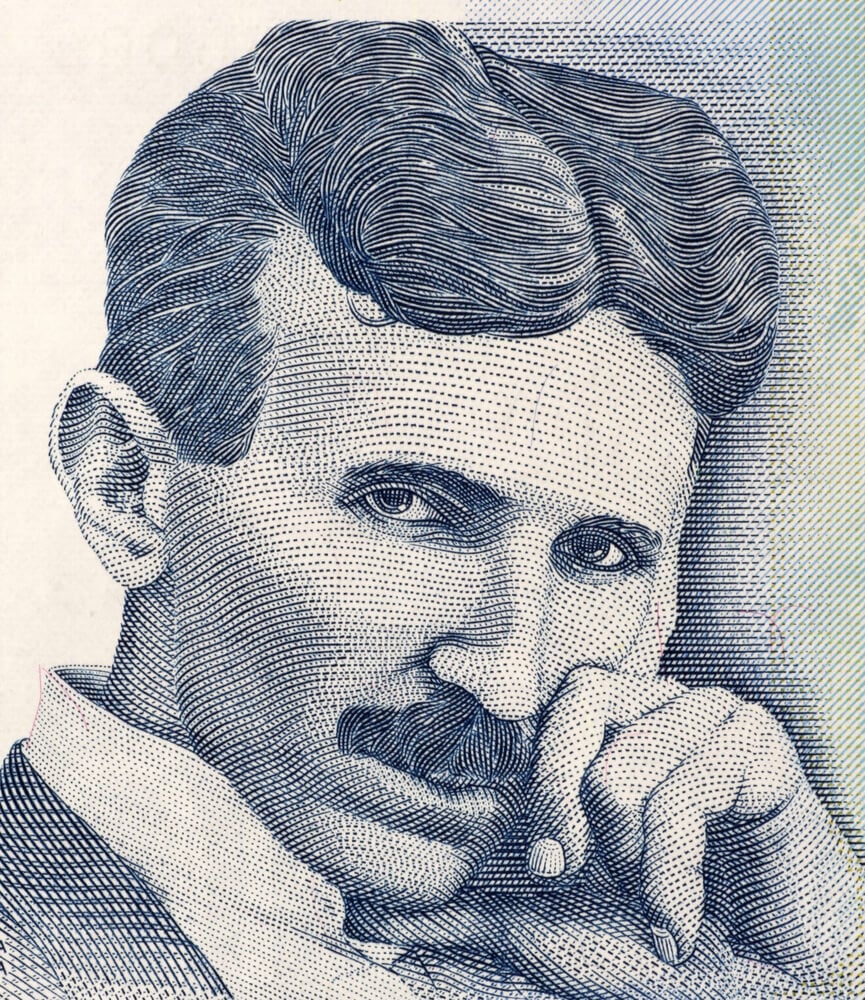
Guglielmo Marconi received the Nobel Prize and popular credit for inventing radio, but Nikola Tesla had developed and patented key components of wireless transmission technology years earlier. The U.S. Supreme Court eventually overturned several of Marconi’s patents in 1943 in favor of Tesla’s prior work, but the ruling came months after Tesla’s death and did little to shift public credit.
Marconi’s name remains far more closely tied to radio’s invention in popular memory than Tesla’s.
Philo Farnsworth and Television
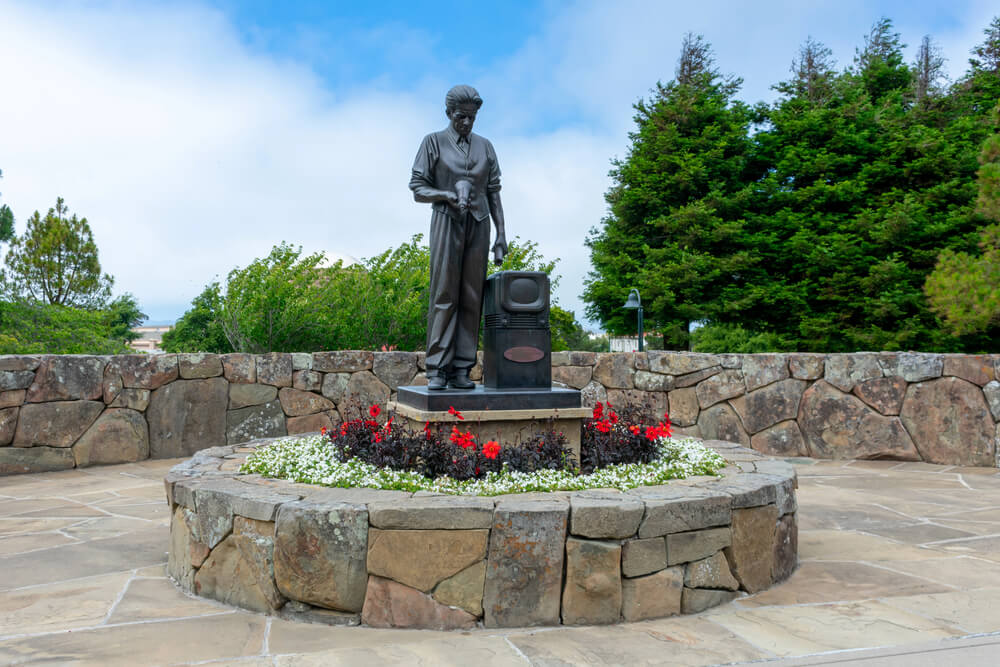
Philo Farnsworth, a largely self-taught inventor, filed a working patent for electronic television in 1927, years before RCA’s David Sarnoff brought the technology to mass commercial success. RCA fought Farnsworth’s patents in court and lost, eventually paying licensing fees to use his designs, but Sarnoff and RCA’s marketing muscle meant the company’s name became far more associated with television’s rise than Farnsworth’s ever did.
Farnsworth spent much of his later life feeling that history had credited the wrong side of that legal battle.
Elisha Gray and the Telephone

Elisha Gray filed a patent caveat for a telephone-like device on the same day in 1876 that Alexander Graham Bell filed his own patent application, and the two filings arrived at the patent office within hours of each other. Bell’s application was processed first, and decades of subsequent legal disputes never overturned his priority, leaving Gray as a footnote to one of the closest timing coincidences in patent history.
Some historians continue to argue over whether Bell’s application improperly incorporated details from Gray’s caveat.
Margaret Knight and the Flat-Bottomed Paper Bag Machine

Margaret Knight designed a machine to manufacture flat-bottomed paper bags in the 1870s, but a man named Charles Annan, who had seen her machine while it was being built, filed a patent for the same design first, claiming a woman could not have invented something so mechanically sophisticated. Knight successfully sued and won her patent in 1871, one of the few cases on this list where the original inventor ultimately prevailed legally.
Even so, Annan’s name persisted in some early trade references before the court ruling settled the matter.
Nettie Stevens and Chromosomal Inheritance

Nettie Stevens conducted the research that established the chromosomal basis of whether an organism develops as male or female in the early 1900s, but her contemporary Edmund Beecher Wilson, who published similar findings around the same time and held greater institutional standing, received far more of the historical credit. Stevens died of cancer in 1912, shortly after completing her most significant work, which limited her ability to advocate for her own legacy.
Modern historians of science have worked to restore her name to the discovery’s history.
Rosalind Franklin and DNA Structure

Rosalind Franklin’s X-ray diffraction images provided critical evidence for the double-helix structure of DNA, but James Watson and Francis Crick, who saw her unpublished data without her direct knowledge, published the structure and received the 1962 Nobel Prize alongside Maurice Wilkins. Franklin had died in 1958, before the prize was awarded, and Nobel rules do not permit posthumous nominations.
Her contribution has since become one of the most widely cited examples of uncredited scientific work.
Lise Meitner and Nuclear Fission
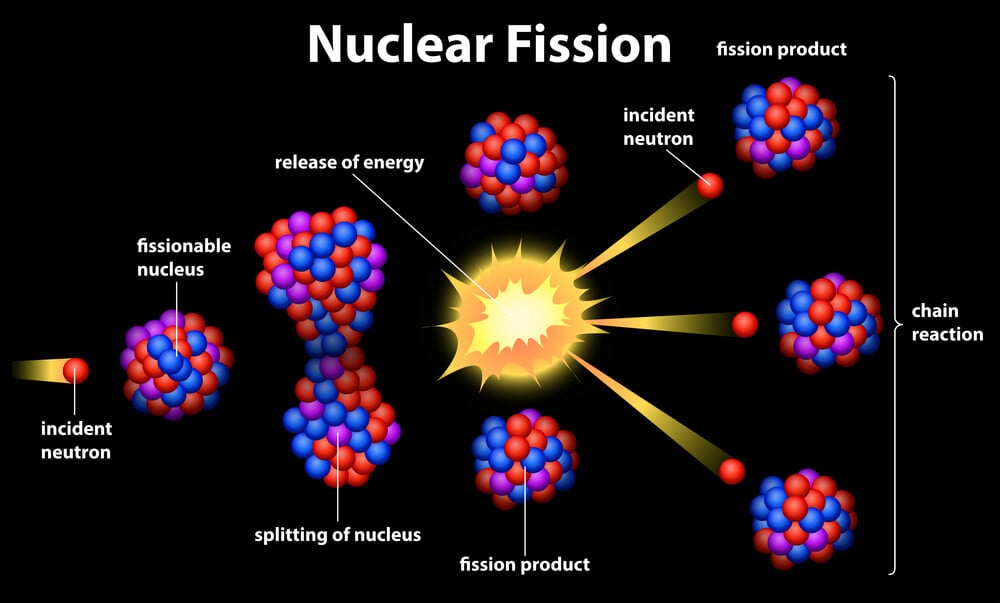
Physicist Lise Meitner co-developed the theoretical explanation for nuclear fission alongside Otto Hahn, but when the 1944 Nobel Prize in Chemistry was awarded for the discovery, it went to Hahn alone. Meitner, who had fled Nazi Germany because of her Jewish heritage, was excluded from a return trip to the lab where the key experiments were finalized, which weakened her position in the credit dispute that followed.
Element 109, meitnerium, was later named in her honor as a form of posthumous recognition.
Chester Carlson and Xerography, Credited to Xerox
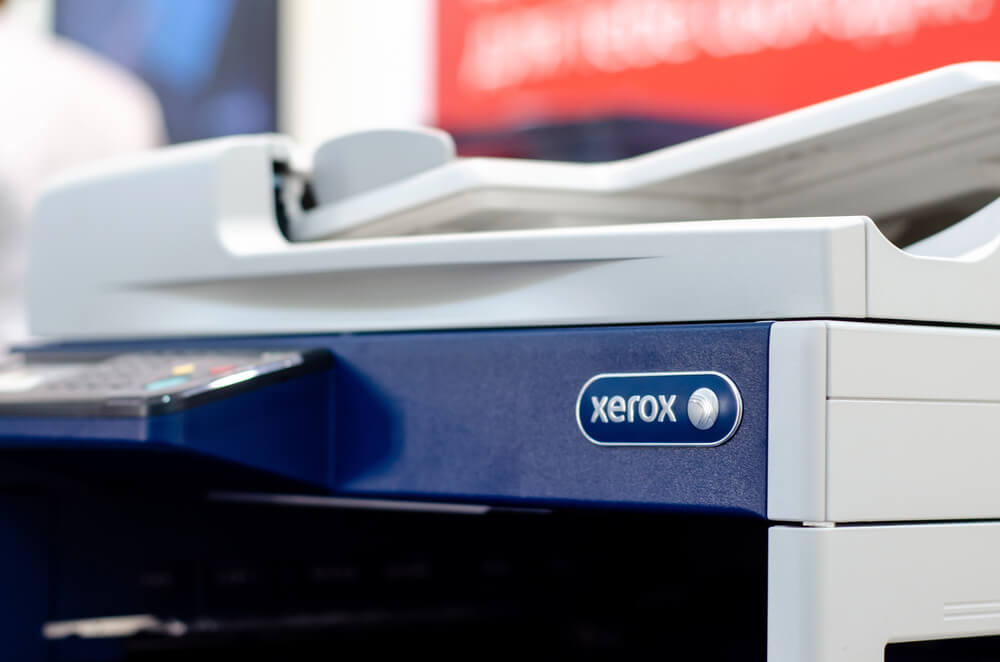
Chester Carlson personally developed the dry-copying process now known as xerography, but the Xerox Corporation’s aggressive branding meant the company name, not the inventor’s, became synonymous with the technology to the point that “xerox” became a generic verb. Carlson did retain his patents and profited substantially from licensing them to the Haloid Company, which later renamed itself Xerox.
Even so, few people today can name Carlson as the inventor behind the machine his name never got attached to publicly.
Alice Guy-Blaché and Narrative Film

Alice Guy-Blaché directed what many film historians consider one of the earliest narrative fiction films in 1896, years before figures like D.W. Griffith became celebrated as pioneers of cinematic storytelling. Her extensive body of work, numbering in the hundreds of films, was largely forgotten or misattributed to male colleagues for much of the 20th century.
Film historians have worked over recent decades to restore her name to the early history of the medium.
Ada Lovelace and Computer Programming

Ada Lovelace wrote what is widely regarded as the first published algorithm intended for a machine, working alongside Charles Babbage on his proposed Analytical Engine in the 1840s. Babbage, as the machine’s designer, received far more historical credit for the underlying concept of programmable computing, while Lovelace’s specific contribution to algorithmic thinking went largely unrecognized for over a century.
Renewed academic attention in the late 20th century helped restore her standing, including a programming language named in her honor.
Garrett Morgan and the Traffic Signal, Overshadowed by General Electric

Garrett Morgan patented an early three-position traffic signal in 1923, but General Electric purchased the rights to his patent, and the company’s name became far more associated with the diffusion of modern traffic signal technology than Morgan’s own. As a Black inventor working in the early 20th century, Morgan also faced additional barriers to public recognition that white inventors of comparable achievement did not encounter.
He remains better remembered today for his separate invention of an early gas mask.
Charles Goodyear and Vulcanized Rubber, Credited to Goodyear the Company
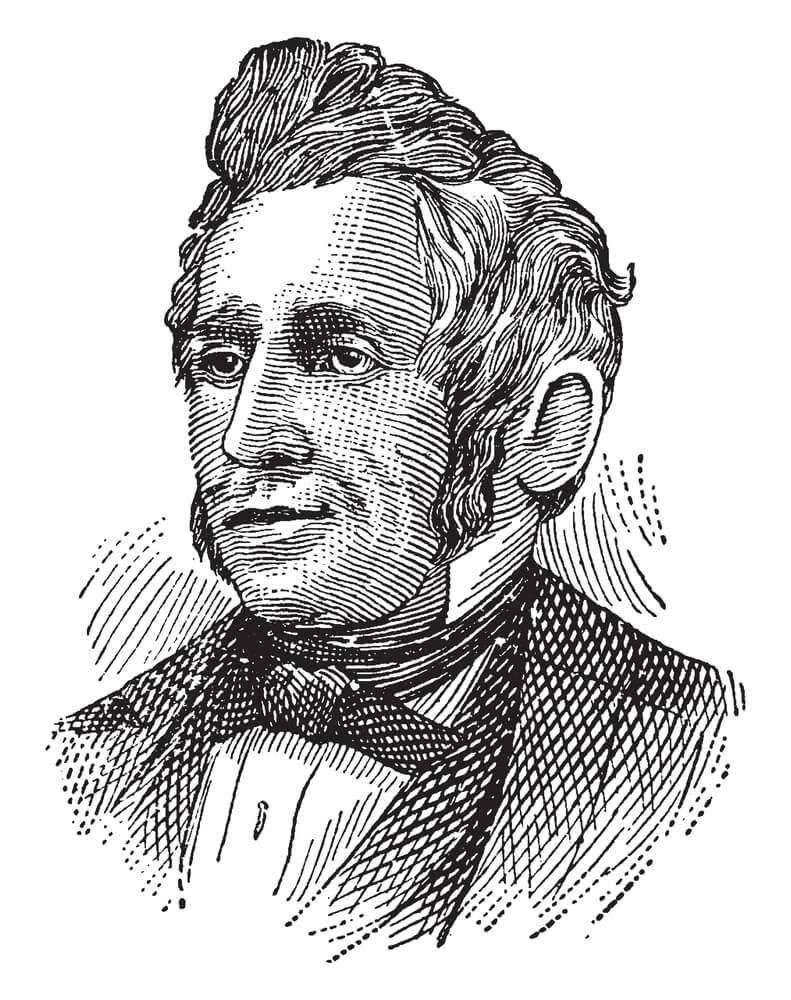
Charles Goodyear discovered the vulcanization process for rubber in 1844 but struggled financially for the rest of his life and died deeply in debt, having failed to adequately protect and commercialize his patent. The Goodyear Tire and Rubber Company, founded decades after his death, took his name but had no direct connection to him or his family.
As a result, most people today associate the name Goodyear with a corporation rather than the inventor it was named after.
Almon Strowger and Automatic Telephone Switching

Almon Strowger, a funeral director, invented the first automatic telephone exchange in the 1890s after suspecting a rival’s wife, a telephone operator, was diverting his calls to a competitor. His switching technology became the backbone of automated telephone systems for decades, but the Bell System’s much larger marketing and infrastructure presence meant Strowger’s own name faded from public awareness even as his mechanism kept running behind the scenes.
Mary Anderson and the Windshield Wiper
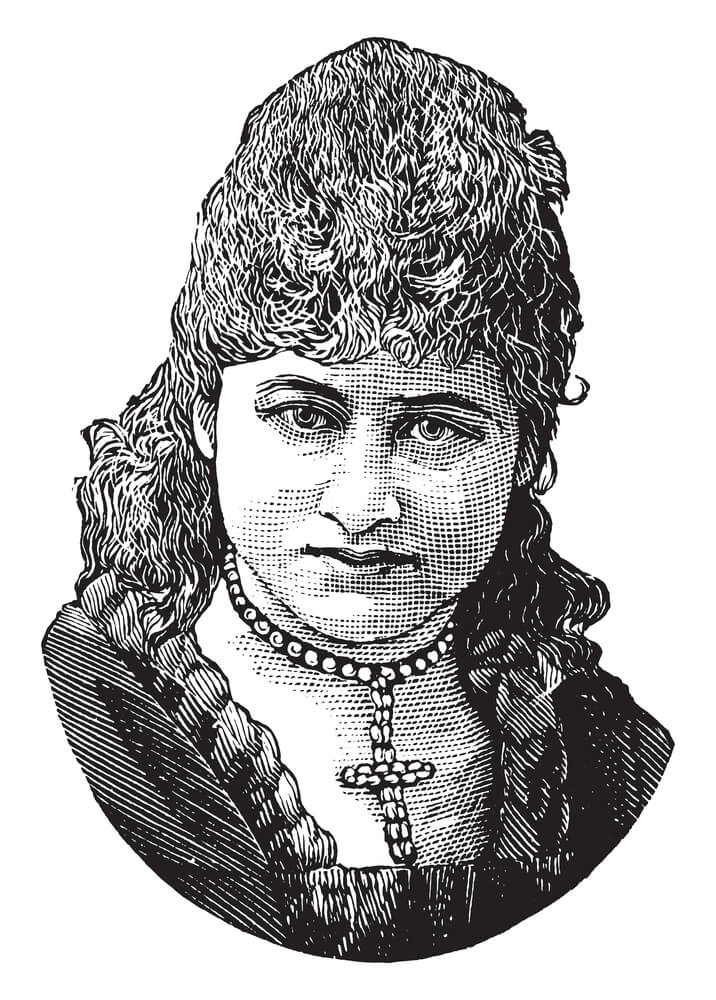
Mary Anderson patented a manually operated windshield wiper device in 1903, but automakers were initially uninterested, and her patent expired before the device became standard equipment. By the time windshield wipers were widely adopted, other manufacturers had developed and patented their own versions, and Anderson’s original design and name were largely absent from the technology’s eventual commercial success.
Hedy Lamarr and Frequency-Hopping Technology

Actress Hedy Lamarr co-patented a frequency-hopping spread spectrum technique during World War II intended to guide torpedoes without enemy jamming, but the U.S. Navy shelved the patent and it went unused for decades. The technology later became foundational to Bluetooth and Wi-Fi communications, developed and commercialized by engineers with no connection to Lamarr’s original patent.
She received little recognition for the contribution during her lifetime, though later honors partially corrected the record.
Jan Ernst Matzeliger and the Shoe Lasting Machine
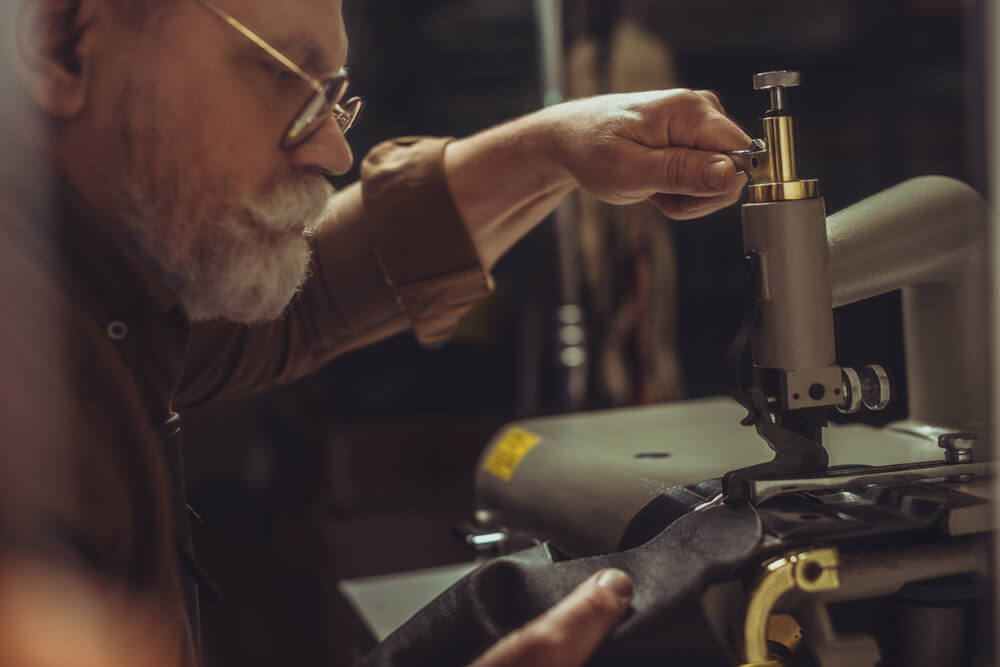
Jan Ernst Matzeliger, a Black immigrant inventor, developed a machine in the 1880s that automated the process of attaching a shoe’s upper to its sole, dramatically cutting shoe production costs. The company that commercialized his invention, United Shoe Machinery Corporation, built enormous wealth from the patent while Matzeliger himself, who died young of tuberculosis, saw comparatively little financial or public recognition during his life.
Emily Warren Roebling and the Brooklyn Bridge

Emily Warren Roebling effectively directed the day-to-day engineering of the Brooklyn Bridge’s construction for over a decade after her husband, chief engineer Washington Roebling, became incapacitated by decompression sickness. The bridge is publicly credited to Washington and his father John Roebling, the original designer, while Emily’s critical management of the project’s final years went largely unacknowledged for generations.
Ignaz Semmelweis and Antiseptic Practice

Ignaz Semmelweis demonstrated in the 1840s that handwashing dramatically reduced deaths from childbed fever, but his findings were dismissed by the medical establishment of his time, and he died in obscurity. Joseph Lister, who developed antiseptic surgical techniques decades later and is now widely credited as the father of antisepsis, built on principles Semmelweis had already proven, yet it is Lister’s name that survived in common medical memory.
The Wright Brothers and Gustave Whitehead
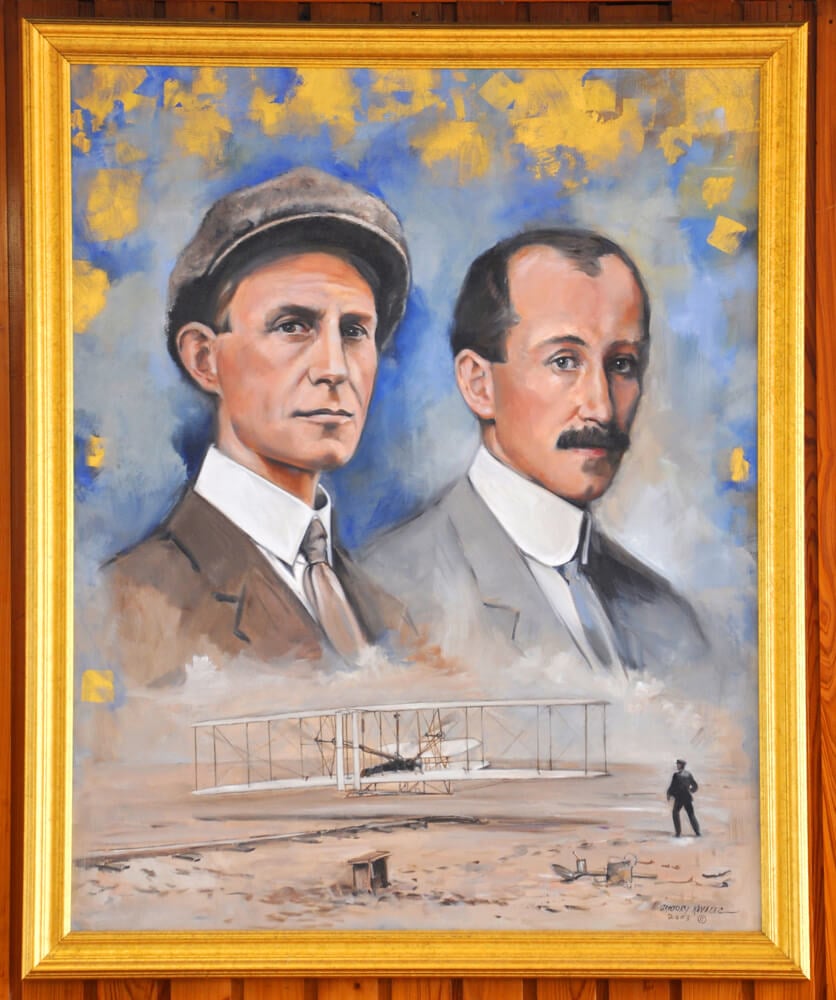
Some aviation historians argue that Gustave Whitehead achieved powered flight in Connecticut before the Wright brothers’ famous 1903 flight at Kitty Hawk, based on contemporary newspaper accounts, though the claim remains contested among mainstream historians. The Wright brothers’ meticulously documented and witnessed flight became the internationally recognized standard for the first powered flight, while Whitehead’s disputed claim never gained comparable institutional acceptance.
Credit Is a Historical Accident
Invention is rarely a single moment; it’s a long process with many hands on it, and history tends to remember whichever hand happened to be holding the patent, the marketing budget, or the microphone when the story got told. The gap between who solved a problem and whose name survived it says less about talent than about circumstance.
What these cases share is not injustice in any single dramatic sense, but a pattern: credit follows visibility, and visibility has never been distributed evenly. The quieter names on this list did the same work as the famous ones — they just weren’t standing in the right place when history decided who to remember.
More from Go2Tutors!

- The Romanov Crown Jewels and Their Tragic Fate
- 13 Historical Mysteries That Science Still Can’t Solve
- Famous Hoaxes That Fooled the World for Years
- 15 Child Stars with Tragic Adult Lives
- 16 Famous Jewelry Pieces in History
Like Go2Tutors’s content? Follow us on MSN.



