31 Barometers and Weather Instruments Buyers Want
Long before phones carried a five-day forecast, a household judged the coming weather by a needle on the wall. The instruments that did that job were built to be looked at as much as read, and collectors now chase them for exactly that reason.
Condition drives price more than age does on nearly everything below. A cracked dial, a replaced movement, or a clouded glass tube can cut a value by half even on a rare maker’s piece, so buyers inspect closely before they commit.
Banjo Barometers
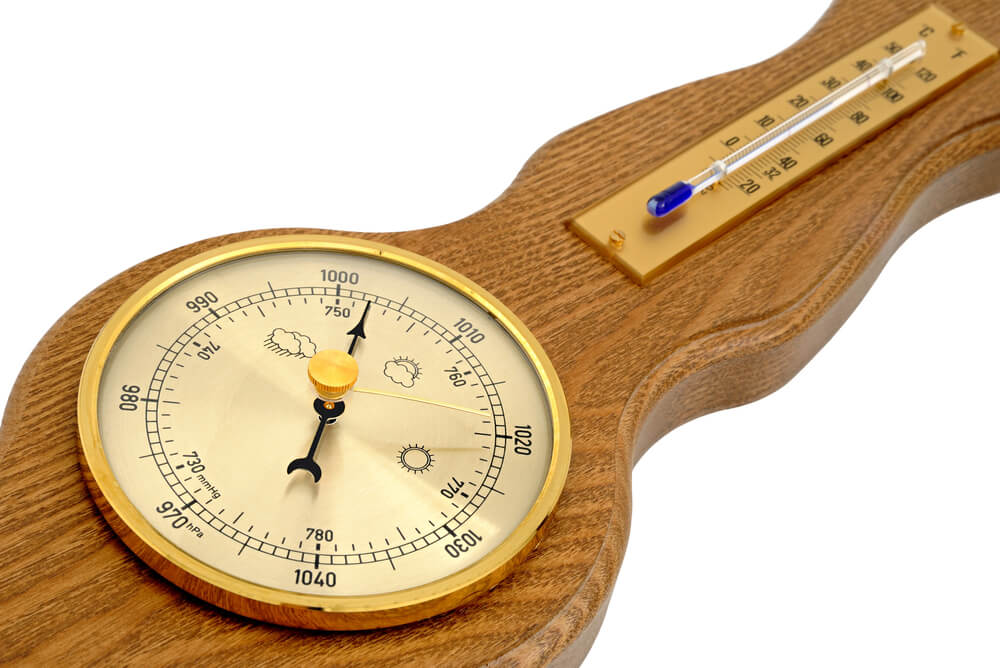
Named for their rounded, wheel-shaped case, banjo barometers dominated English parlors from the early 1800s through the Victorian era. Mahogany and rosewood examples with inlaid stringing bring the strongest prices, especially when the maker’s label survives on the movement door.
A working mercury tube adds considerably to value, though many surviving examples have had the mercury removed for safety and shipping.
Stick Barometers
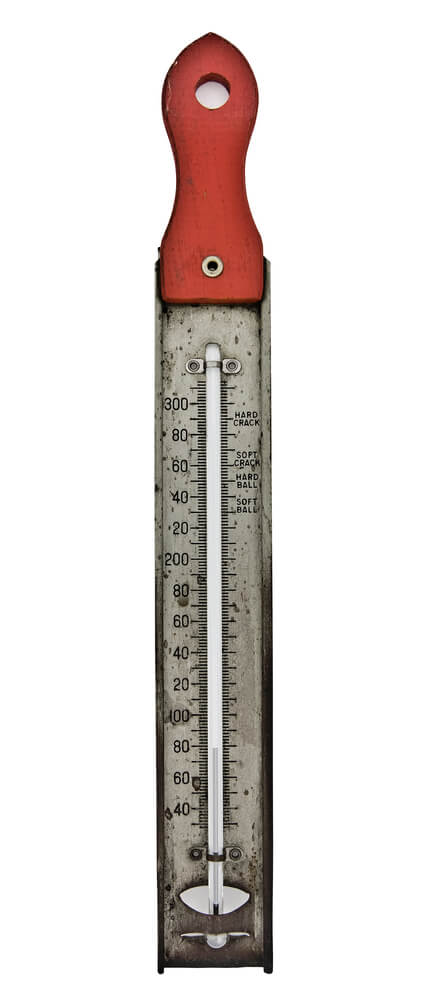
The stick barometer, a simple vertical tube in a narrow wooden case, predates the banjo form and appeals to buyers who want an austere, architectural look. Georgian-era sticks with silvered brass register plates and a visible cistern at the base are the most sought after.
Restoration houses can refill a dry tube, but buyers pay a premium for one that never needed the work.
Aneroid Barometers
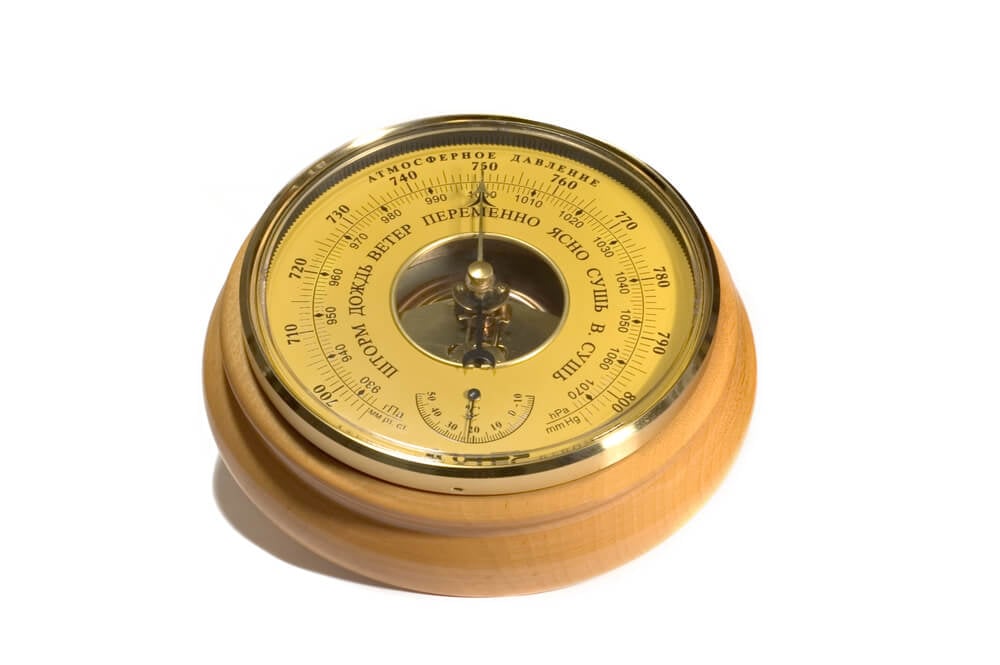
Invented in the 1840s as a mercury-free alternative, the aneroid uses a flexible metal capsule instead of liquid, which makes it lighter, more portable, and far less fragile in shipping. Brass-cased desk models from French and English makers remain common on the secondary market, while ship-grade aneroids in gimbaled brass housings draw strong nautical-decor demand.
Marine Barometers
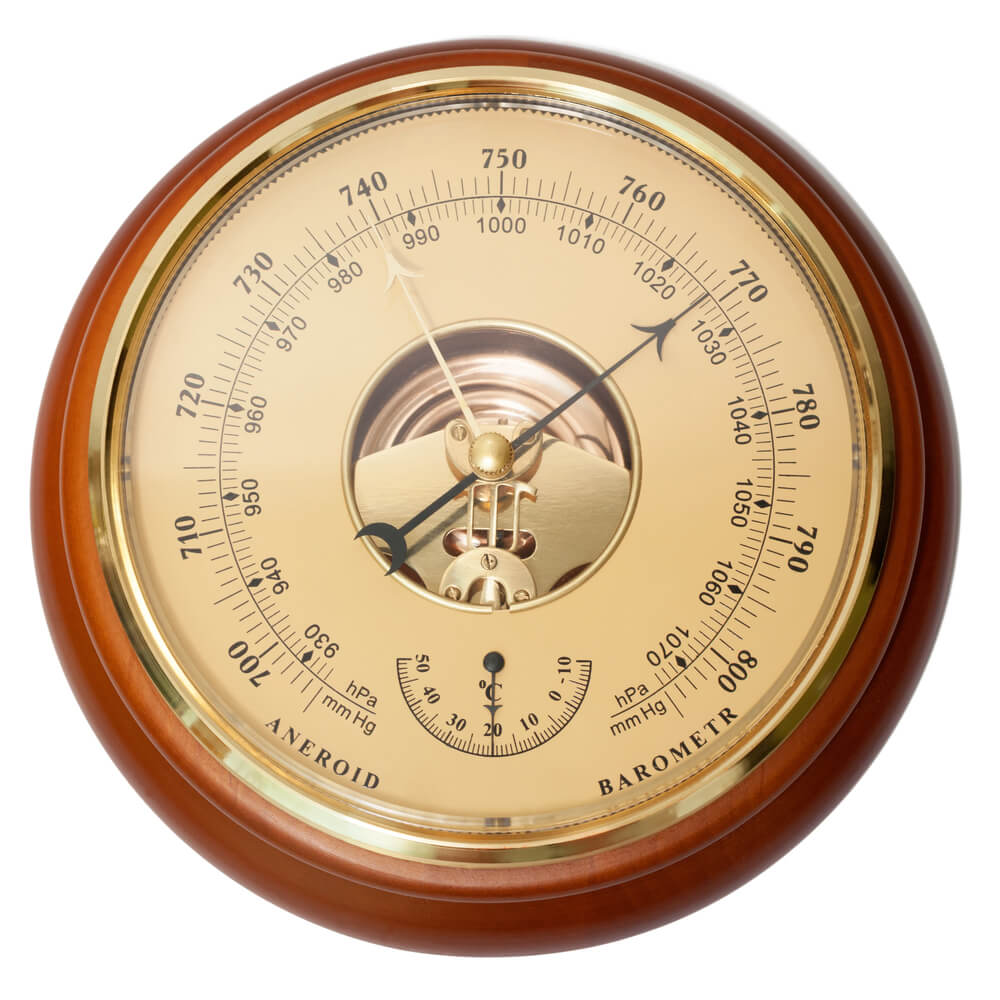
Built to survive a rolling deck, marine barometers were gimbal-mounted so the tube stayed vertical regardless of how the vessel pitched. Naval surplus examples with visible mounting brackets and engraved compass roses carry a premium over land models of the same age.
Buyers restoring a period ship’s cabin will pay well above market for one with verified vessel provenance.
FitzRoy Storm Barometers
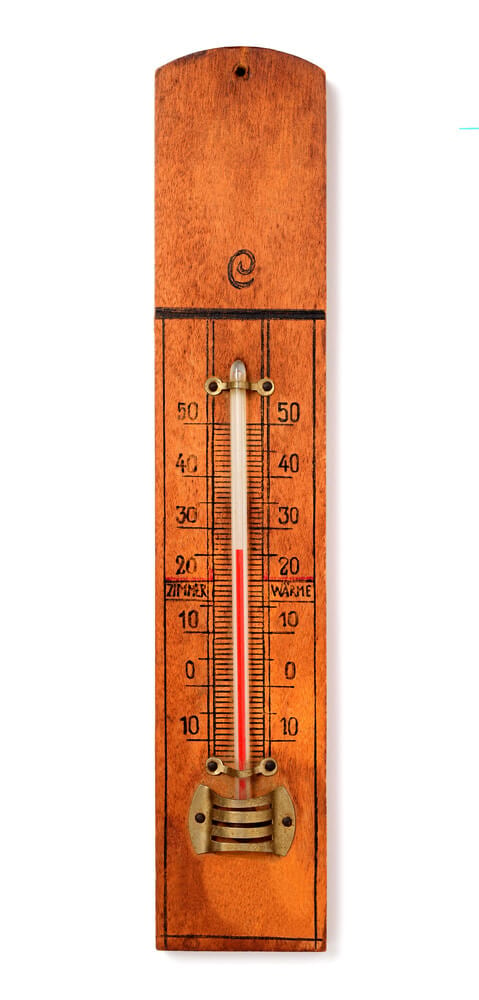
Named for Robert FitzRoy, the Royal Navy officer and early meteorologist who promoted their use in coastal villages, these combination barometers carried printed weather advice directly on the dial. Cast-iron public-house versions, meant to hang outdoors for community use, are scarcer than the brass parlor editions and command higher prices when the enamel lettering is intact.
Storm Glasses

A sealed glass vessel filled with a camphor-and-alcohol solution, the storm glass was popularized in the nineteenth century on the claim that crystal formations inside predicted weather changes. Modern science has since debunked the mechanism, but the objects themselves remain a steady seller for their sculptural, alchemical look on a shelf.
Antique examples with original stands outperform reproduction sets by a wide margin.
Barographs
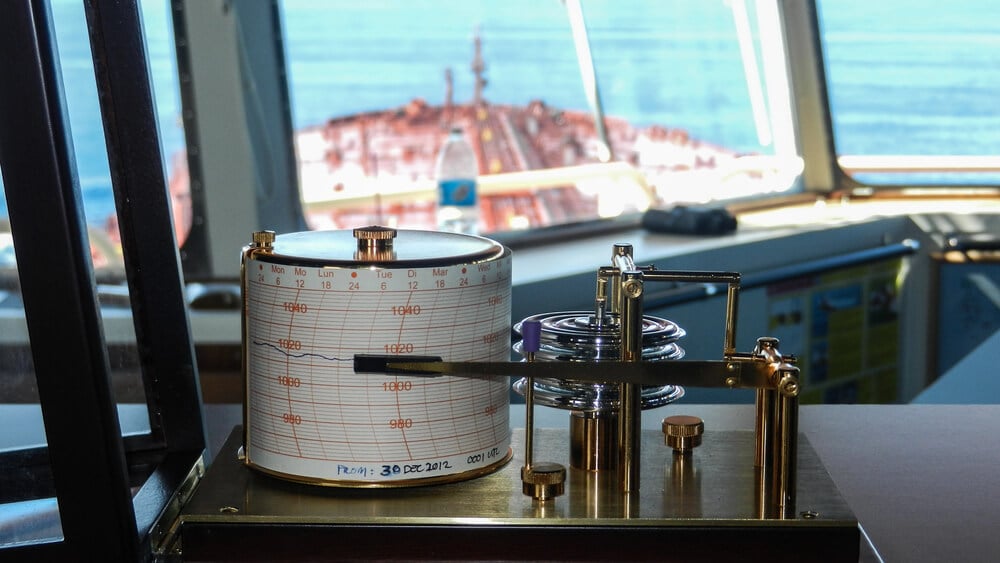
A barograph pairs an aneroid mechanism with a rotating drum and an ink pen, tracing a continuous week-long line of pressure changes onto graph paper. Complete units with the original glass dust cover, brass gearing, and a supply of period charts are increasingly hard to find intact.
Buyers restoring a study or library corner treat a working barograph as a centerpiece rather than a mere instrument.
Pocket Aneroid Barometers
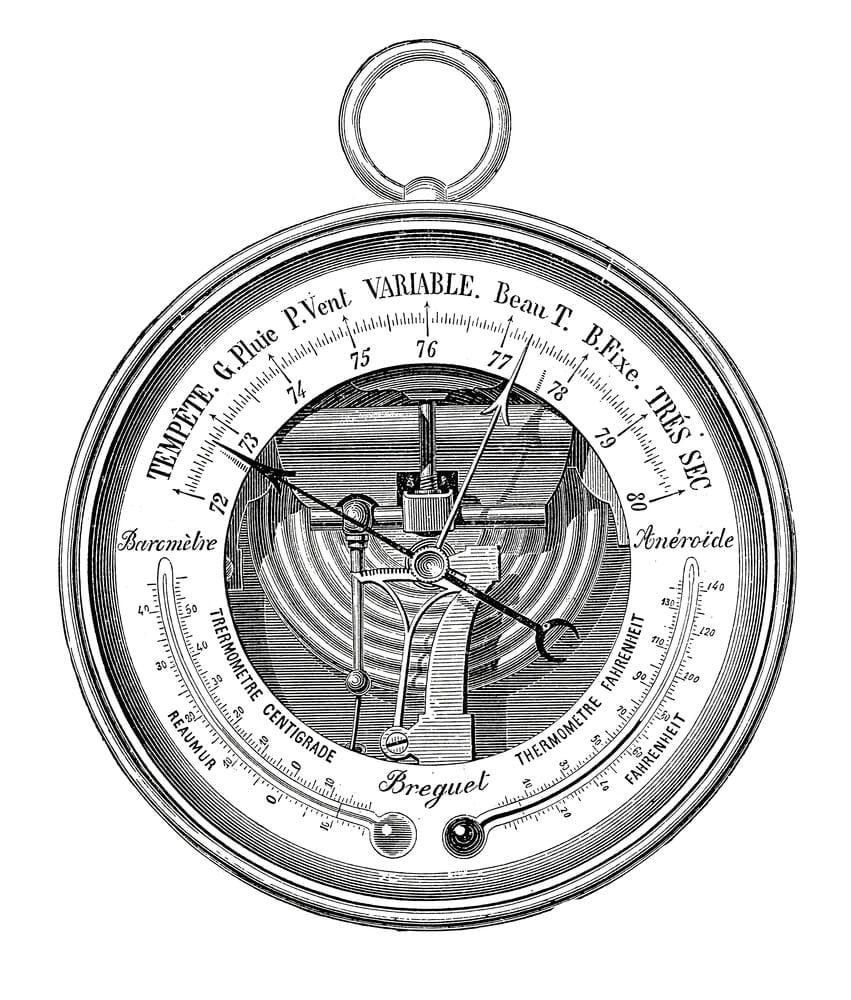
Compact enough for a coat pocket, these small aneroid instruments were carried by surveyors, mountaineers, and travelers who needed a rough altitude reading alongside pressure. Engraved altitude scales around the rim, rather than pressure alone, distinguish the mountaineering models from ordinary pocket weather gauges.
Cases in fitted leather or nickel add meaningfully to resale value.
Negretti and Zambra Instruments
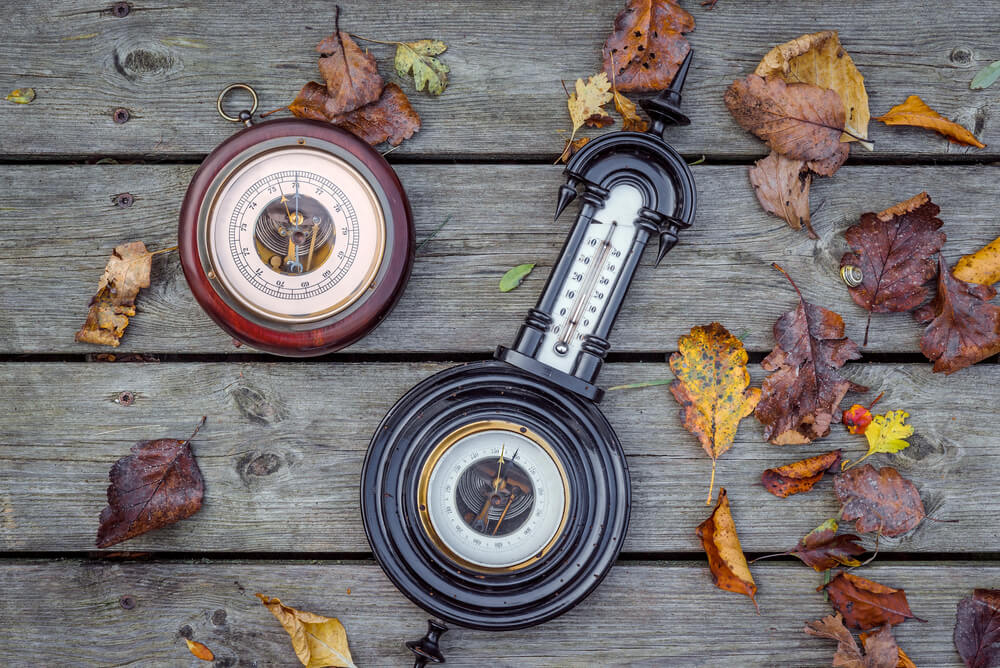
The London firm of Negretti and Zambra built precision meteorological instruments through the nineteenth and twentieth centuries and supplied equipment to polar and scientific expeditions. Their maker’s mark on a barometer, barograph, or thermometer reliably lifts the price above an unmarked equivalent of the same style.
Collectors specifically search auction listings for the firm’s name before evaluating anything else about a piece.
Short and Mason Instruments
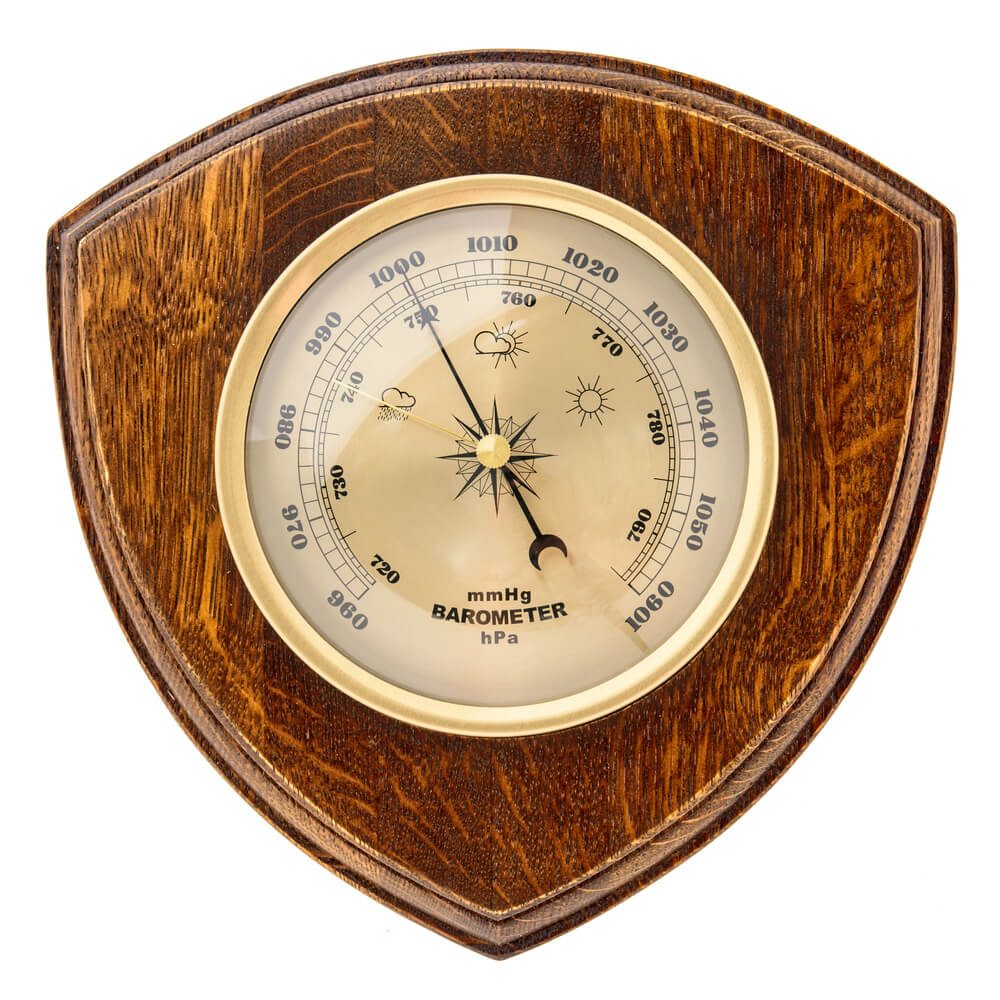
A rival London maker known for the Tycos brand sold in the United States, Short and Mason produced everything from wall barometers to compact pocket aneroids. Their instruments are common enough to be an accessible entry point for new collectors, yet certain limited models, particularly early ship’s barometers, remain genuinely scarce.
Buyers cross-reference serial numbers against known company catalogs to date a given piece.
Kew-Pattern Barometers
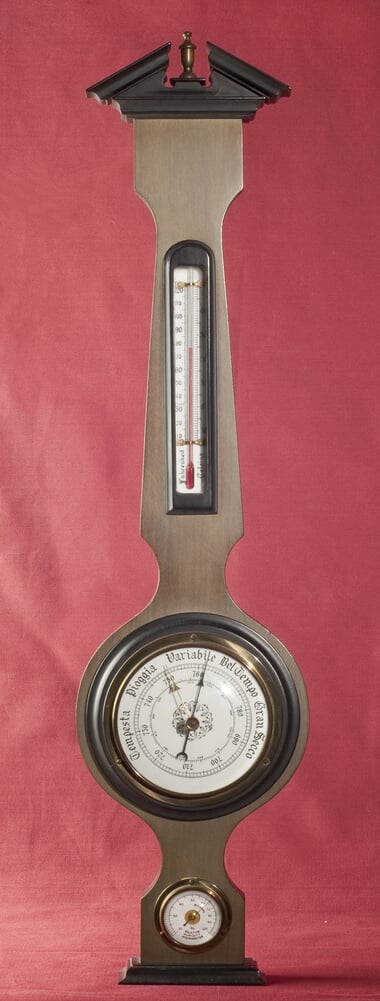
Certified against the standard once maintained at the Kew Observatory outside London, Kew-pattern barometers were built for scientific accuracy rather than decoration. A verification certificate or engraved Kew mark substantially raises value among buyers who care about instrument history rather than appearance alone.
These pieces tend to sell through specialist scientific-instrument dealers rather than general antique shops.
Fortin Barometers
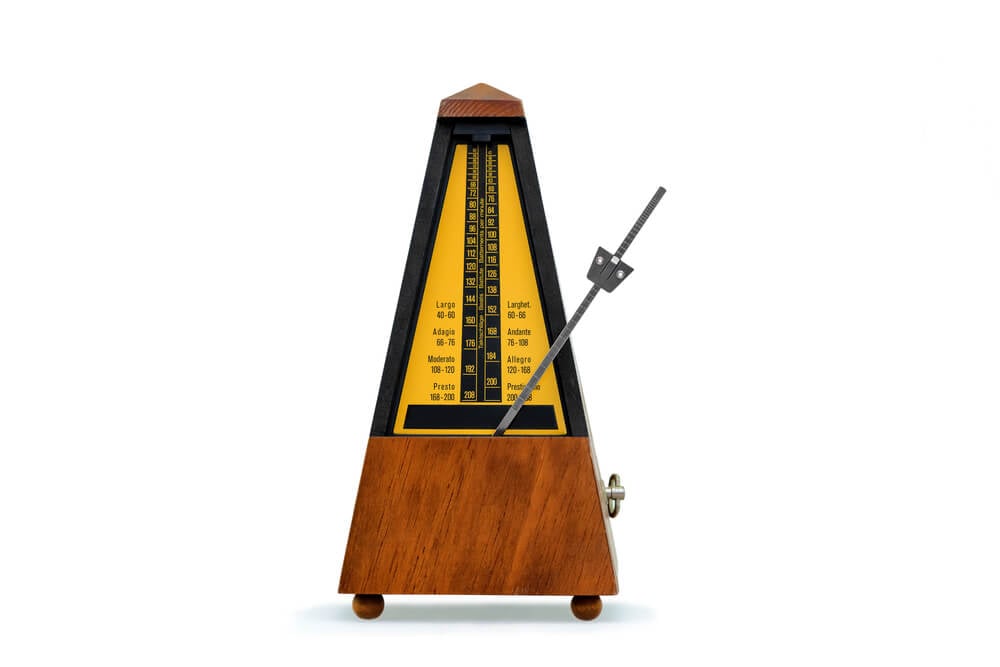
The Fortin design allows the observer to adjust the mercury level in the cistern before each reading, producing laboratory-grade precision that made it a standard in weather stations and universities for over a century. Complete examples with the leather-bottomed cistern intact and undamaged are increasingly rare, since the mercury reservoir was often removed for disposal.
University surplus sales occasionally bring one to market with full institutional documentation.
School and Laboratory Barometers
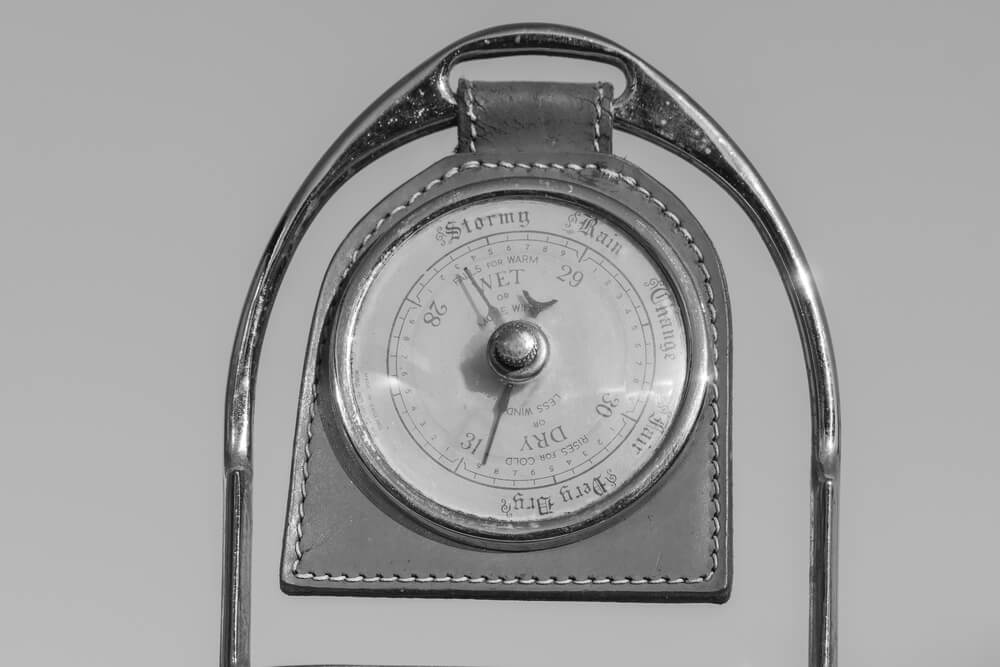
Mounted on a wooden board for classroom demonstration, school barometers were built plainly and sturdily to survive decades of student handling. Buyers furnishing a study or home office favor these for their unpretentious, working-instrument look rather than parlor polish.
A maker’s plate naming the original supplying school or university adds a layer of documented history that raises interest.
Admiral’s Council Barometers
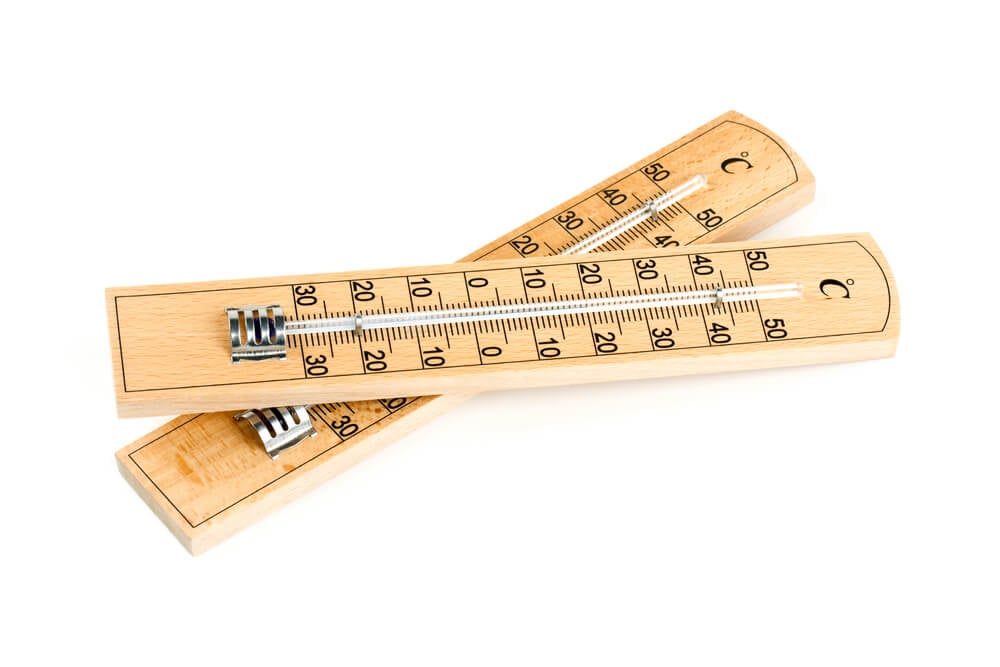
Large cast-iron barometers once installed at harbors and coastal walkways carried advisory dial text meant to warn local fishermen before they set out. Surviving examples are heavy, weatherworn, and typically missing their glass, which makes a complete one a genuine rarity.
Coastal towns and maritime museums are frequent bidders when one surfaces at auction.
Weather Vanes
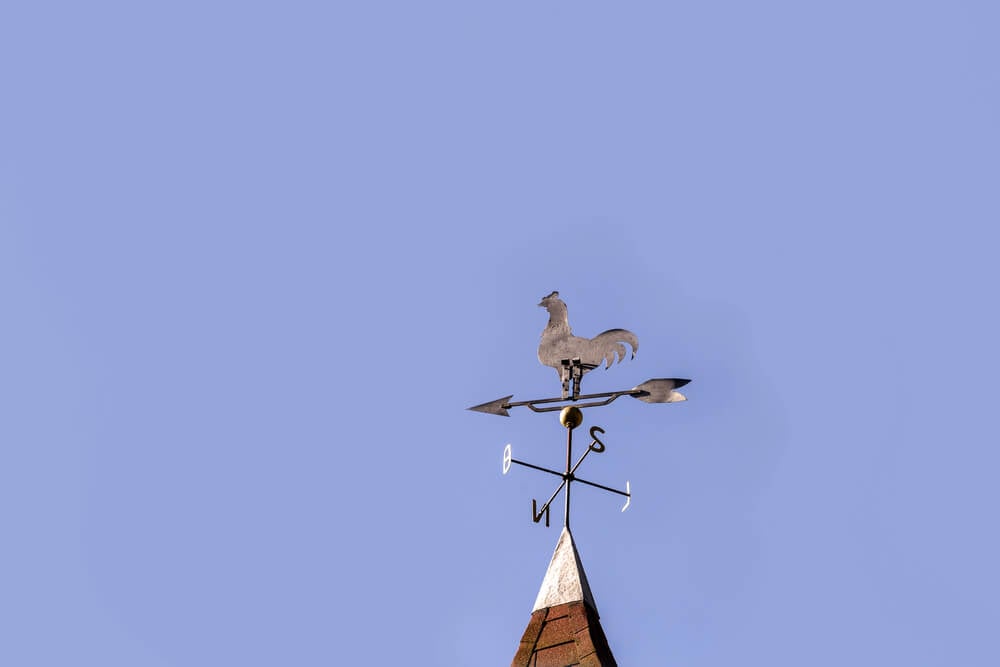
Though not a pressure instrument, the weather vane belongs on any list of instruments buyers actively chase, since it remains the oldest continuously used device for reading wind direction. Copper vanes in figural shapes, particularly ships, horses, and roosters, with an aged verdigris patina outsell painted or newly cast examples many times over.
A vane with a documented barn or building of origin sells at a considerable premium.
Cup Anemometers
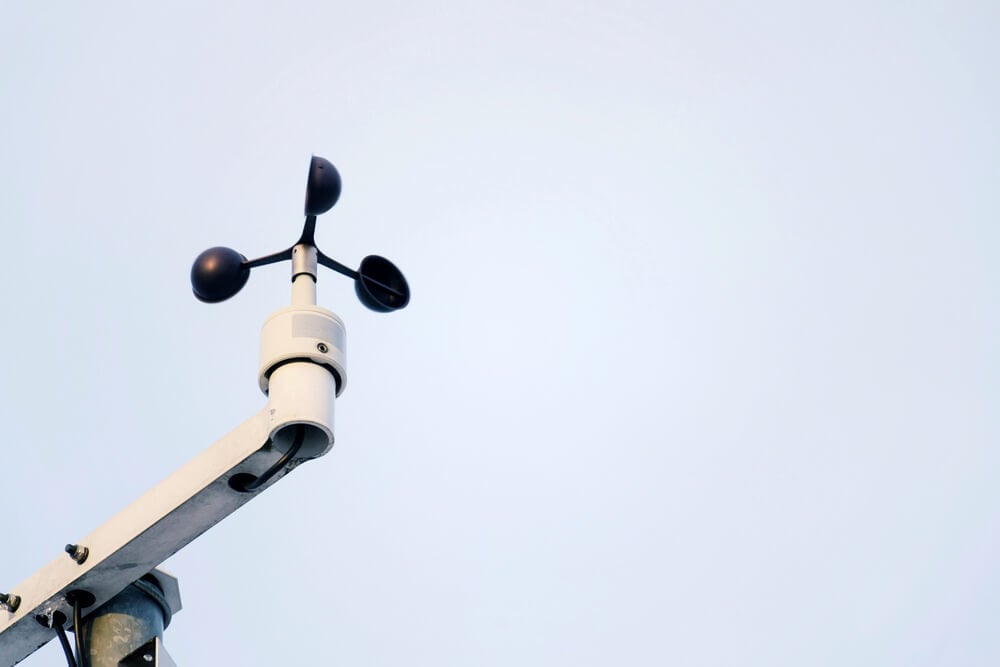
The three- or four-cup anemometer, invented in the 1840s, measures wind speed through the simple rotation of hemispherical cups on a spindle. Early cast examples with a mechanical counter dial are the collector’s target, since later electric models are considered less visually and historically interesting.
Weather-station sets that still pair an anemometer with its original recording box bring the strongest bids.
Rain Gauges
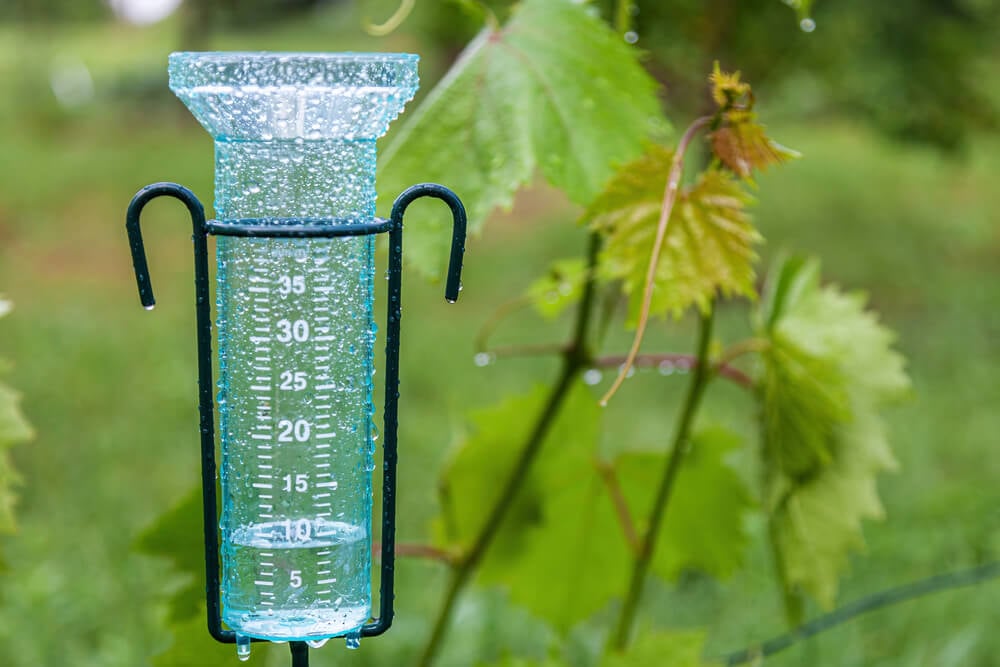
Brass and glass rain gauges from the nineteenth century, often marked with a maker’s name and a graduated funnel, remain popular with both collectors and working gardeners who want an instrument that still functions. Government-issue meteorological-service gauges, identifiable by an engraved department mark, draw interest from institutional collectors as well as private buyers.
A cracked graduated tube is the most common flaw and the one buyers check first.
Six’s Thermometers
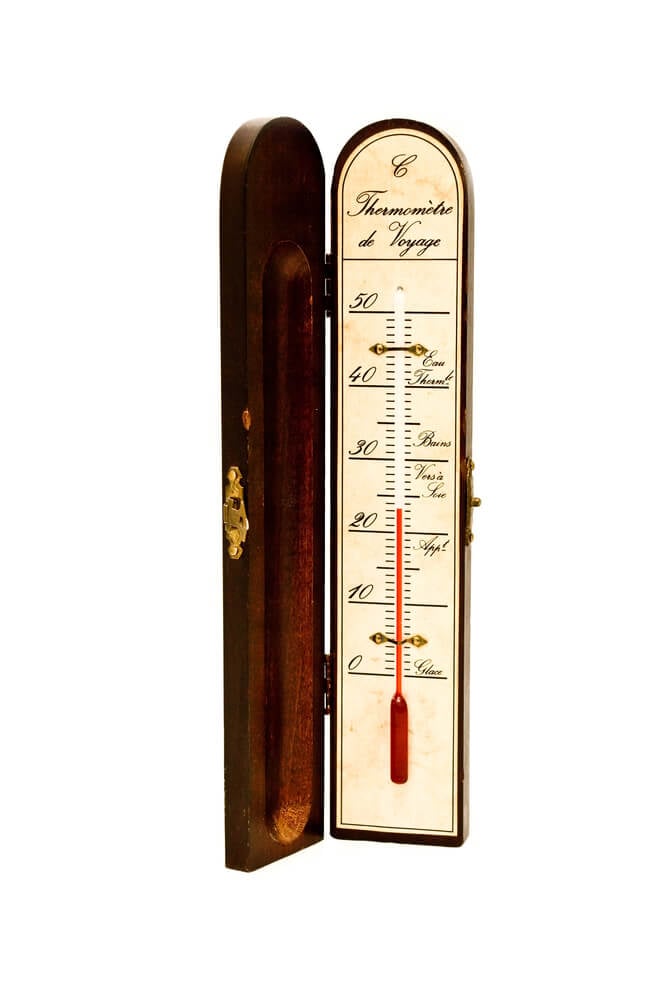
Also called a maximum-minimum thermometer, the Six’s design uses a U-shaped tube with small metal markers to record the highest and lowest temperature since it was last reset. Invented in the 1780s by James Six, the form changed little for two centuries, making dating dependent on the case and maker rather than the mechanism.
Complete sets with both original steel index markers intact are worth notably more than examples missing one.
Galileo Thermometers
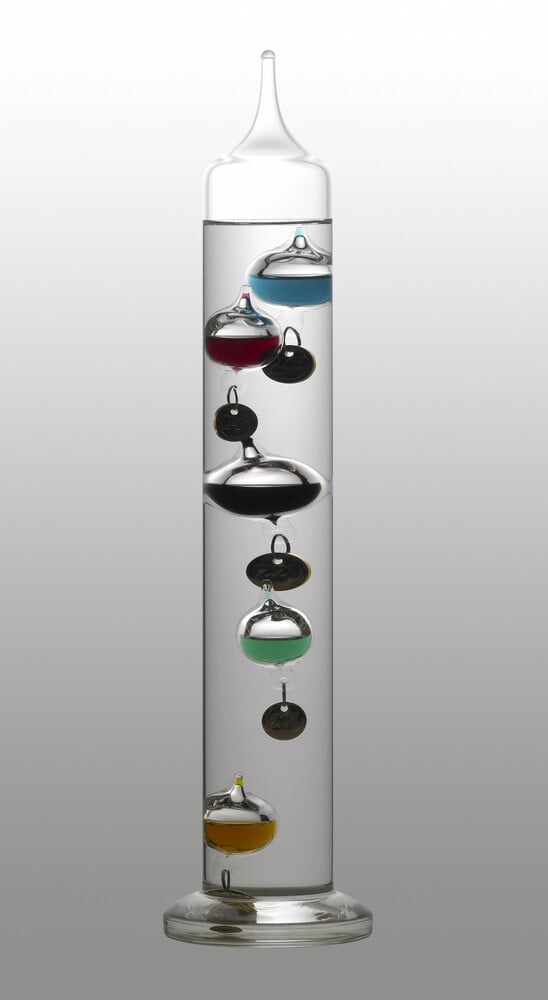
A sealed glass cylinder holding weighted glass bulbs that rise and fall with temperature, the Galileo thermometer is named for the physicist though the specific device postdates him by centuries. Buyers favor tall Italian-made examples with hand-blown bulbs and colored liquid over the mass-produced tabletop versions sold as novelties.
Because the bulbs are calibrated as a set, a thermometer missing even one bulb loses much of its function and value.
Hygrometers
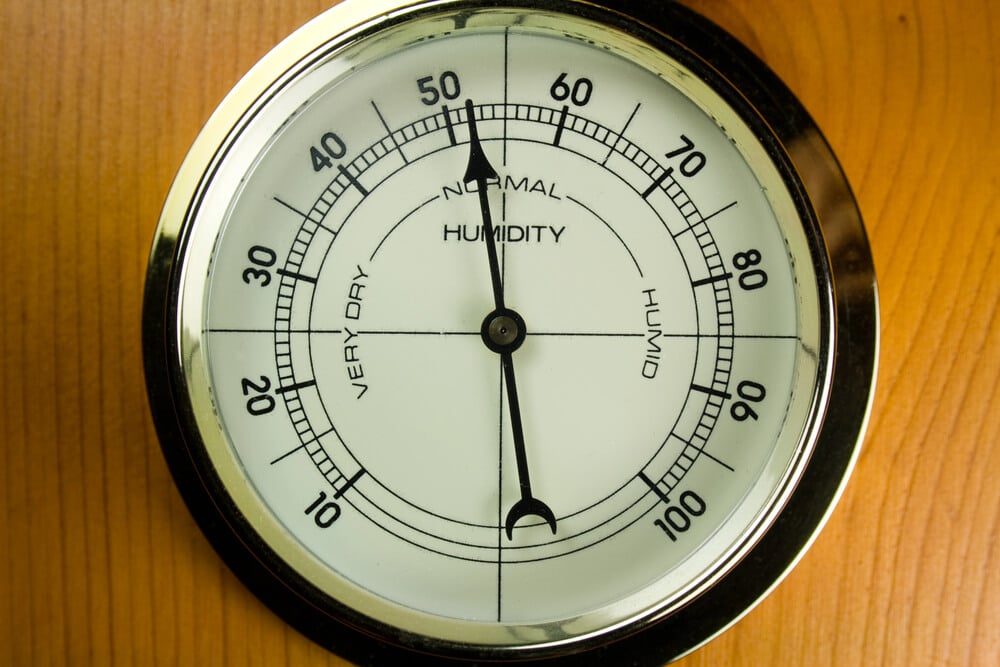
Hygrometers measure the moisture content of the air, and antique examples using human hair as the sensing element, an approach dating to the eighteenth century, are prized for their delicate mechanical construction. Combination instruments that pair a hygrometer dial with a thermometer and barometer on one wall-mounted board are especially popular with buyers who want a single decorative weather station.
A stiff or broken hair element, the most fragile part of the mechanism, is the first thing an experienced buyer checks.
Sunshine Recorders
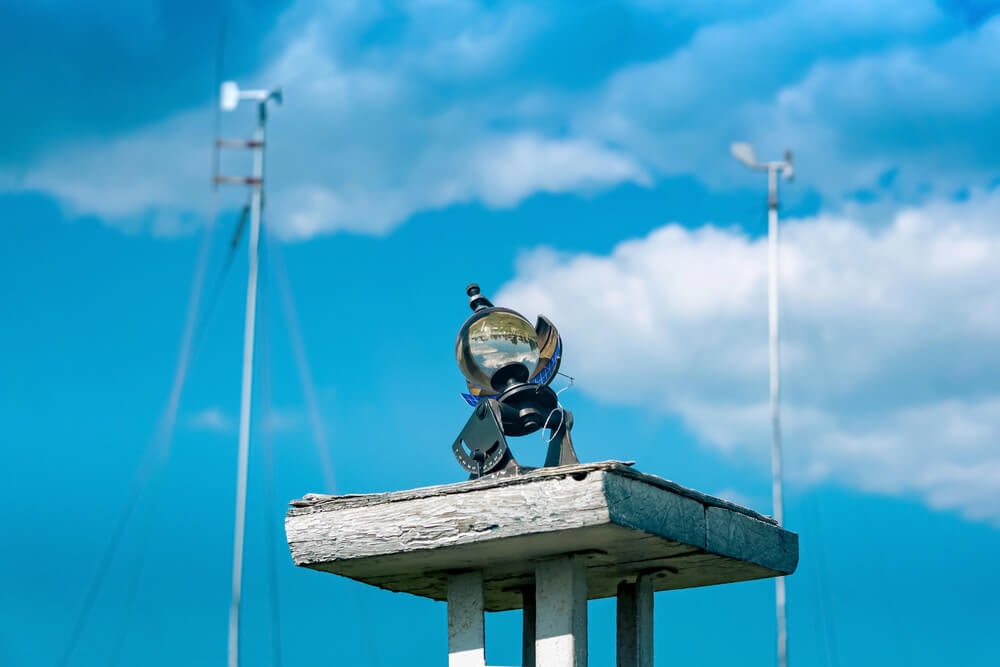
The Campbell-Stokes recorder uses a solid glass sphere to focus sunlight onto a treated card, gradually burning a trace that records the hours of direct sun through the day. Complete units with their brass bowl mount and a supply of unused recording cards are scarce, since most surviving examples come from decommissioned weather stations.
Institutional buyers, including universities with meteorology programs, actively seek these for department displays.
Barometer Compendiums
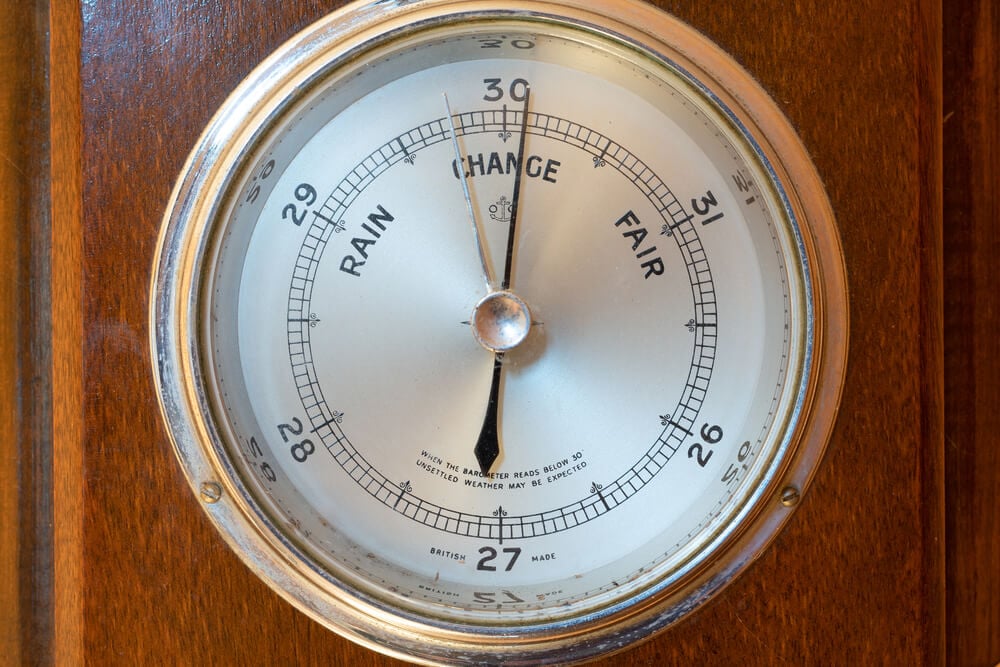
A compendium mounts a barometer, thermometer, hygrometer, and sometimes a small clock together on a single ornate board, a format especially popular in the late Victorian period. Carved oak surrounds with brass bezels around each dial define the most desirable examples, and buyers pay close attention to whether all the original dials survive together.
A compendium missing one instrument is typically priced as a partial set rather than a complete piece.
Mercury Column Wall Barometers
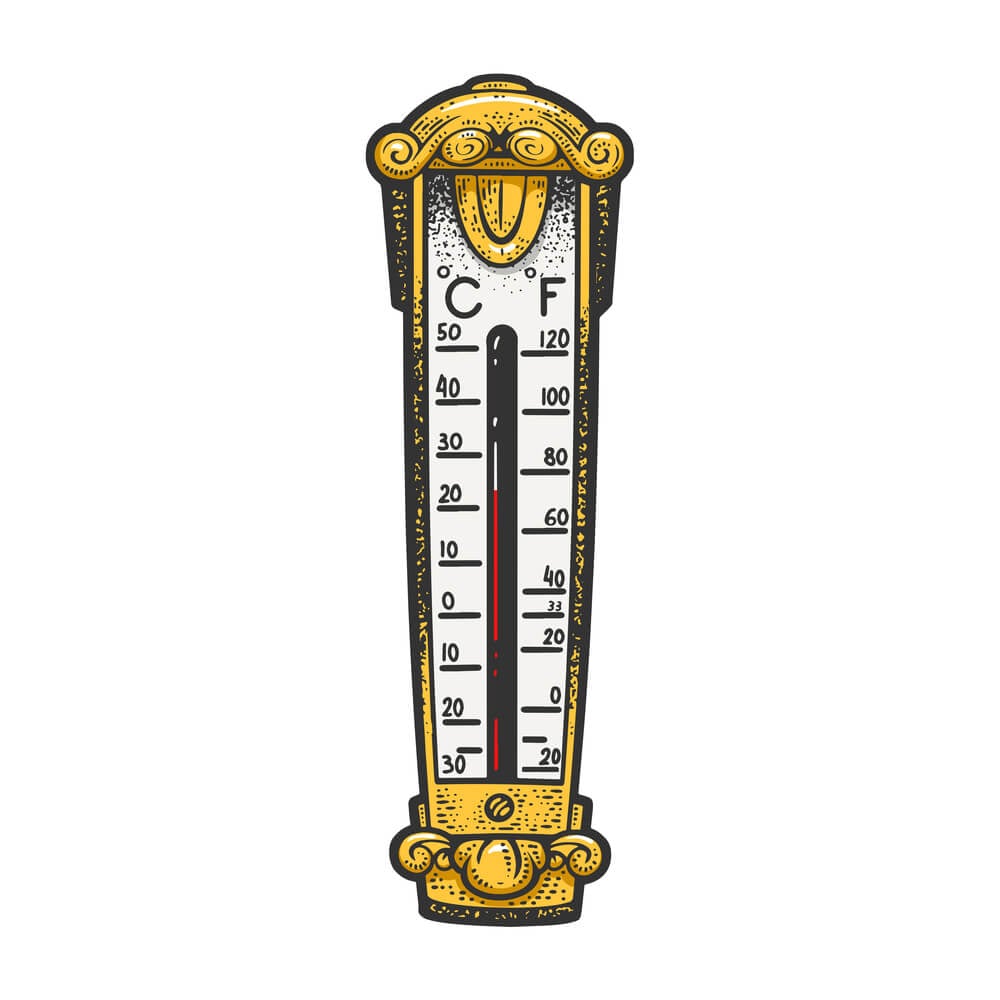
Distinct from the banjo form, the straight mercury column barometer mounted flush against a wall panel was common in institutional buildings such as post offices and railway stations. Their plain, functional cases make them less decorative than parlor pieces but appealing to buyers restoring period commercial interiors.
A verified public-building provenance, when it can be documented, adds meaningfully to the asking price.
Brass Desk Barometers
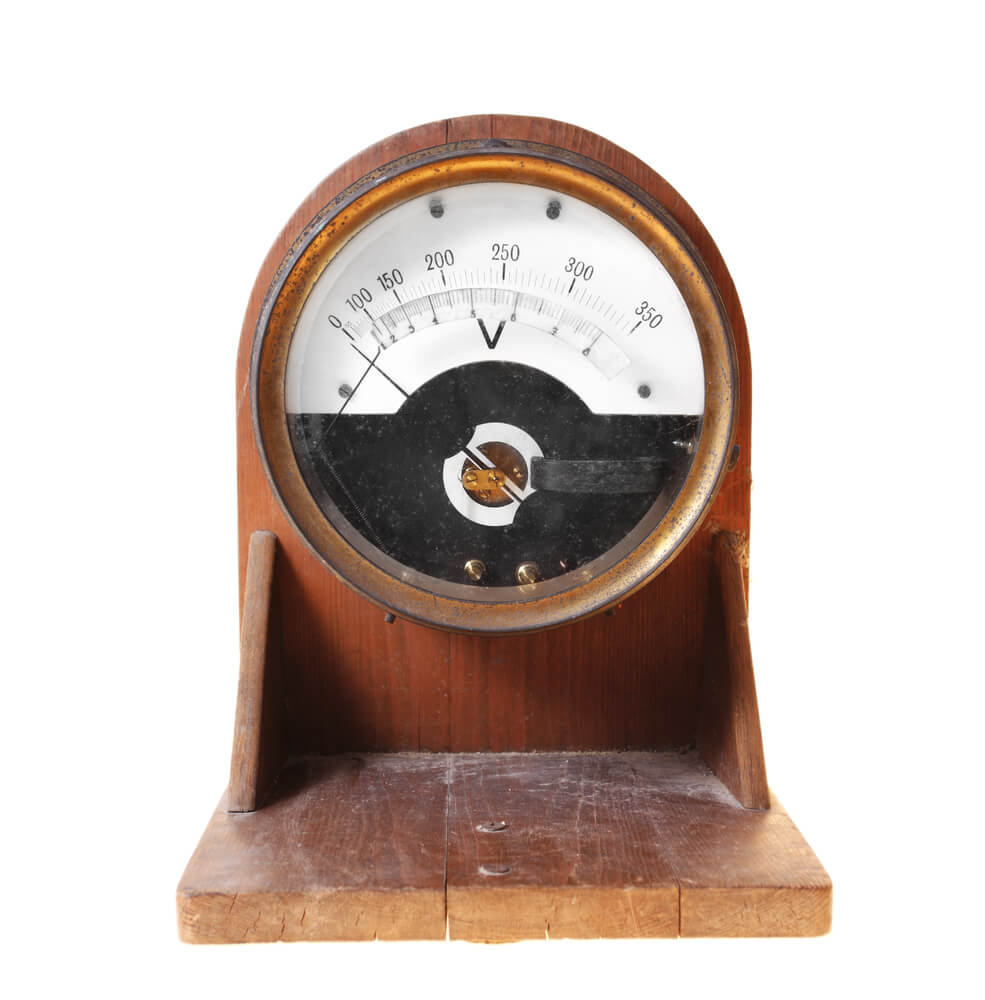
Compact aneroid barometers set into a brass base for a desk or mantel were a common executive gift through the early twentieth century, often engraved with a presentation inscription. Buyers are divided on inscriptions, since a personal name can either add historical charm or reduce appeal depending on the intended use of the piece.
Working movements with a crisp needle response are worth seeking out over decorative examples with a frozen mechanism.
Oak-Cased Wheel Barometers
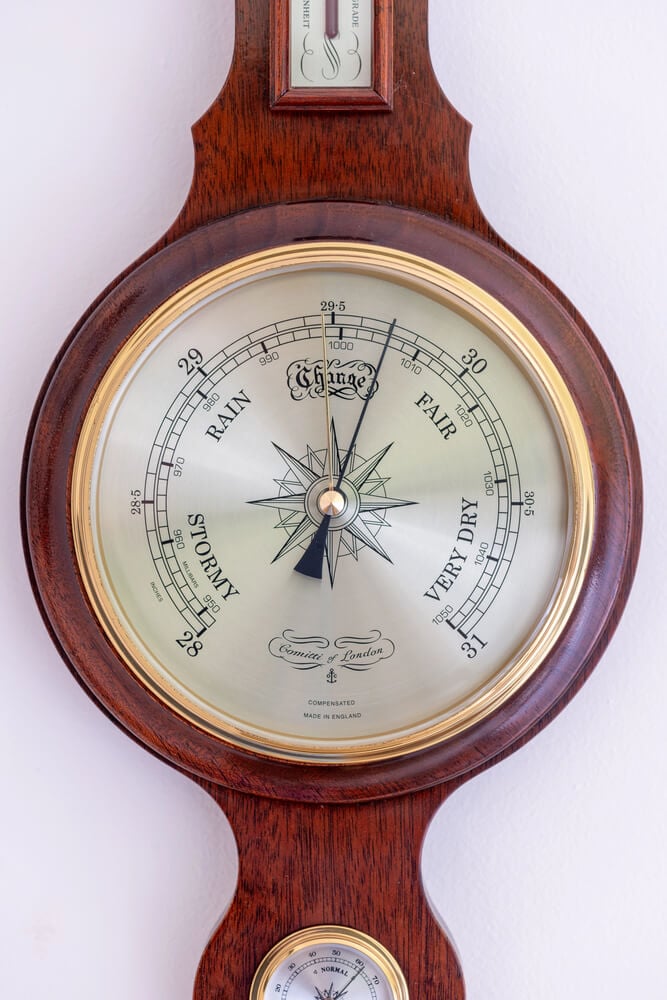
A variation on the banjo form built in plain oak rather than mahogany, these barometers were priced for a broader middle-class market in the nineteenth century and survive in greater numbers today. Their relative abundance keeps prices accessible for new collectors compared to the finer inlaid mahogany examples from the same period.
Buyers still inspect the silvered register plate closely, since tarnish and corrosion are common on this style.
Ship’s Chronometer and Barometer Sets
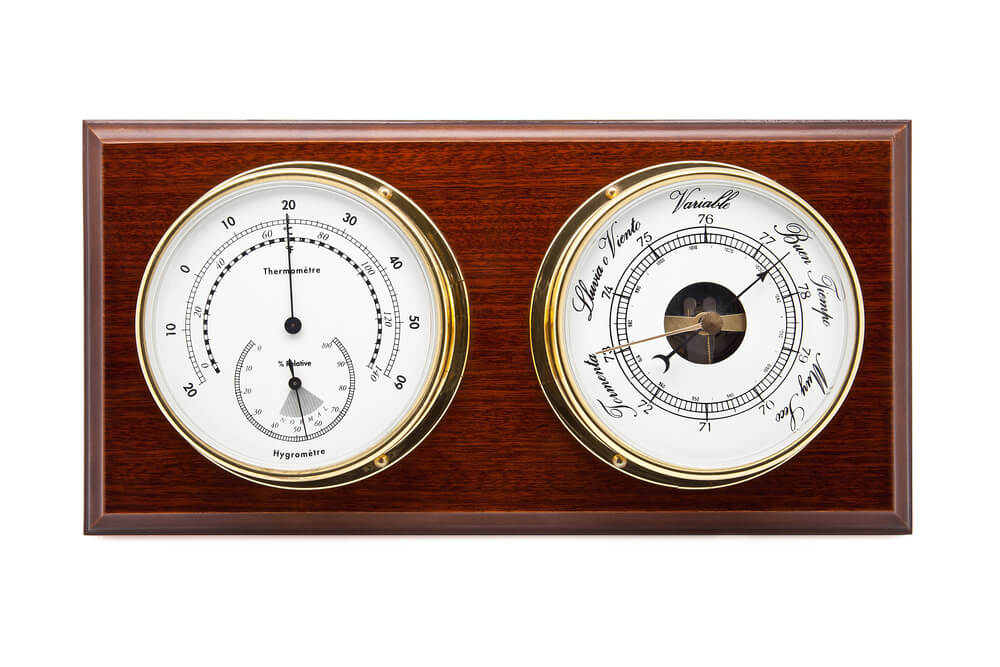
Paired sets combining a ship’s chronometer with a matching marine barometer were sold to captains and shipping lines as a coordinated instrument package. Complete matched sets in their original fitted case are rare enough that dealers frequently sell the two pieces separately when only one survives with full documentation.
Buyers restoring a captain’s cabin or nautical library are the primary market for the paired form.
Torricelli-Style Demonstration Barometers
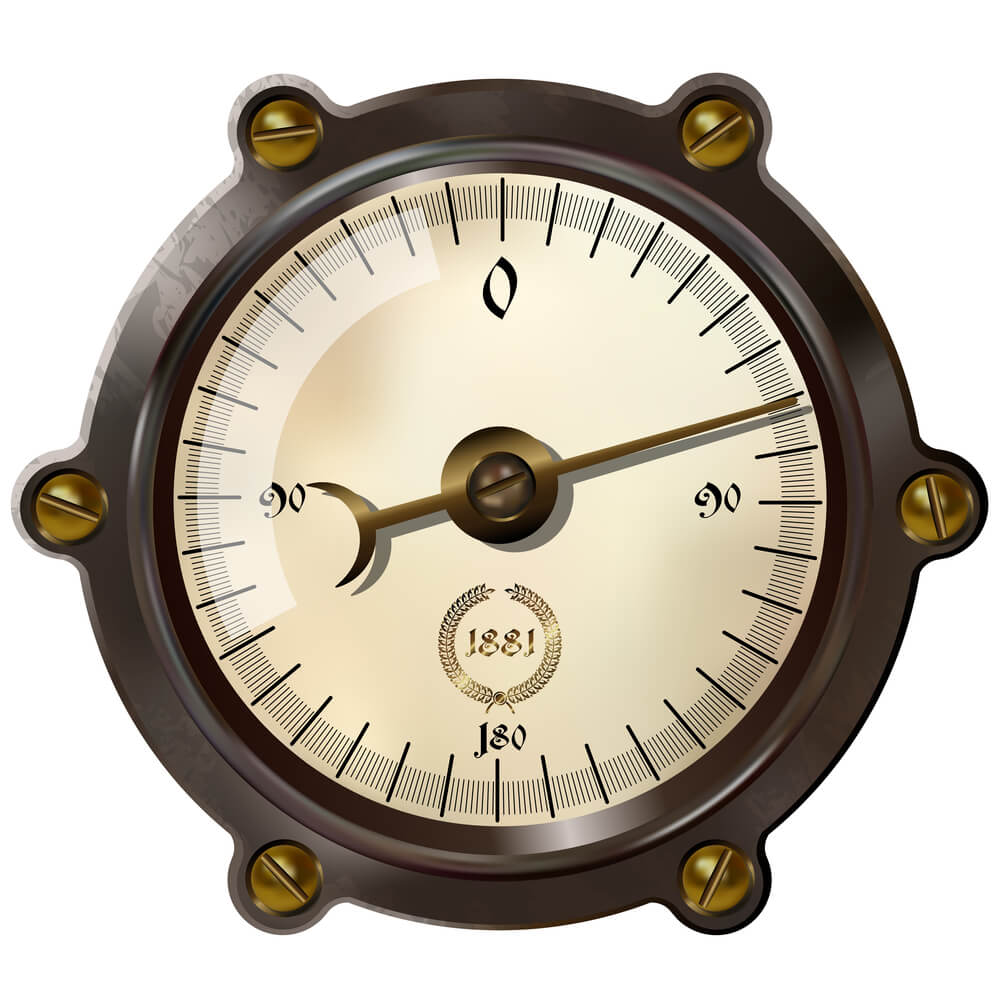
Reproduction and antique demonstration barometers built to illustrate Evangelista Torricelli’s original seventeenth-century mercury experiment remain a staple of science-history collecting. Museum-quality reproductions with accurate period materials appeal to institutional buyers, while genuine nineteenth-century teaching models command far higher prices from specialist collectors.
Because the design is simple, authentication depends heavily on the glass, mounting, and any maker’s engraving.
Recording Weather Stations
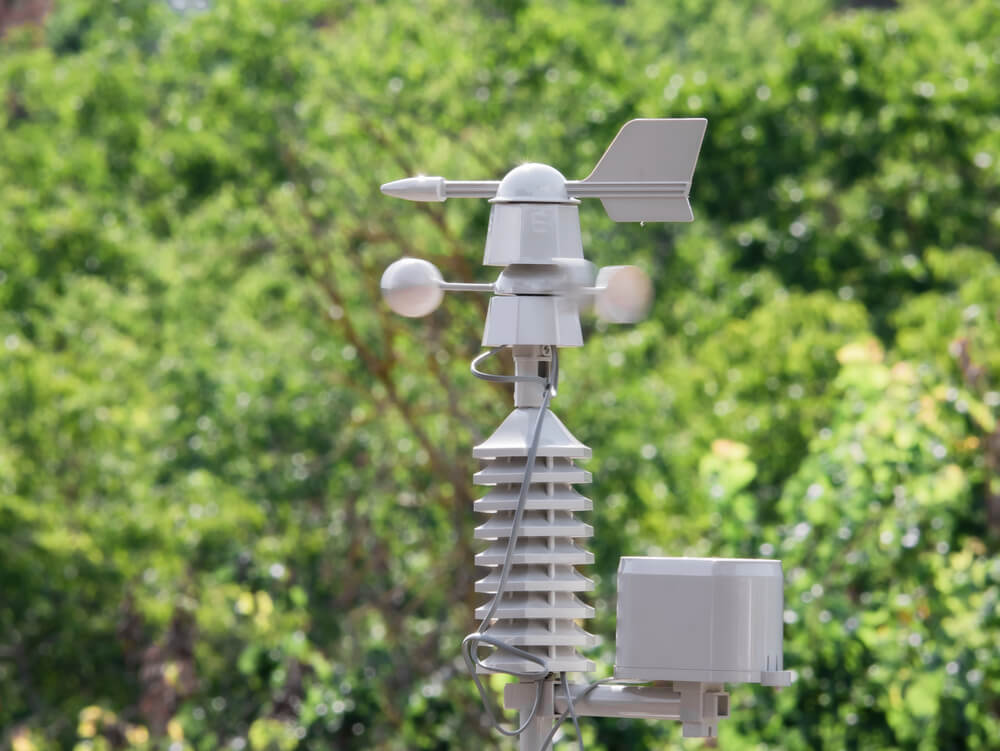
Multi-instrument recording stations that combine a barograph, thermograph, and hygrograph on a shared drum mechanism were standard equipment at airfields and observatories through the mid-twentieth century. Complete units are large and heavy, which limits the buyer pool mostly to institutions and serious collectors with dedicated display space.
Original ink pens, drums, and a run of period recording charts together push these toward the top of the price range for the category.
French Comptoir Barometers
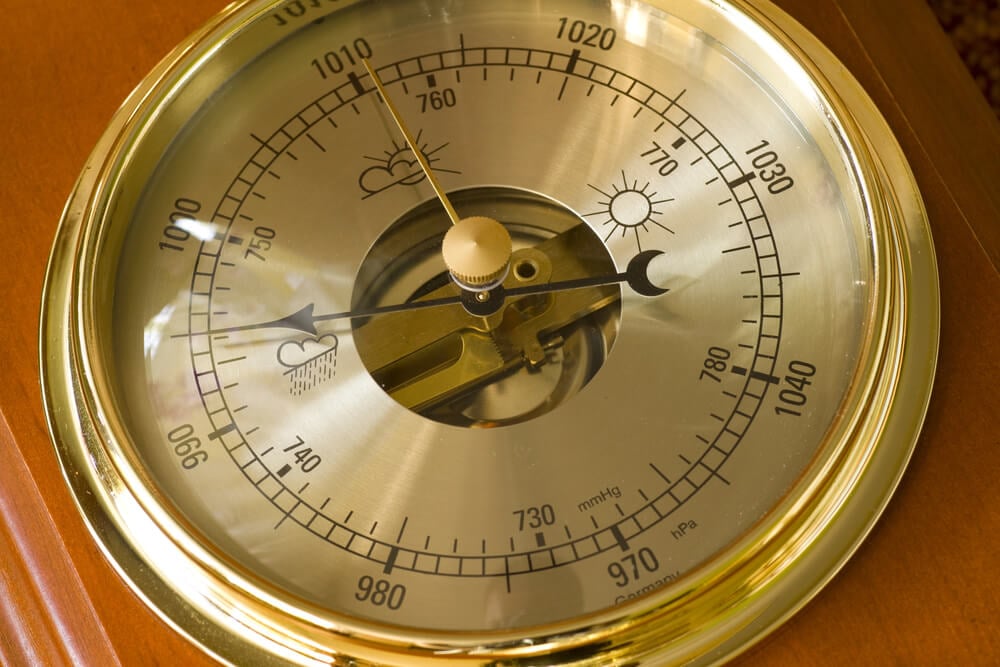
French barometers of the comptoir, or shopkeeper’s, style typically combine a barometer and thermometer in a carved wood surround topped with a decorative crest, often finished in gilt. Provincial examples from workshops in eastern France are the most commonly traded, distinguished by regional carving patterns that specialist buyers learn to recognize.
A replaced or mismatched thermometer tube is the most frequent condition issue on this style.
Admiral FitzRoy Pocket Weather Forecasters
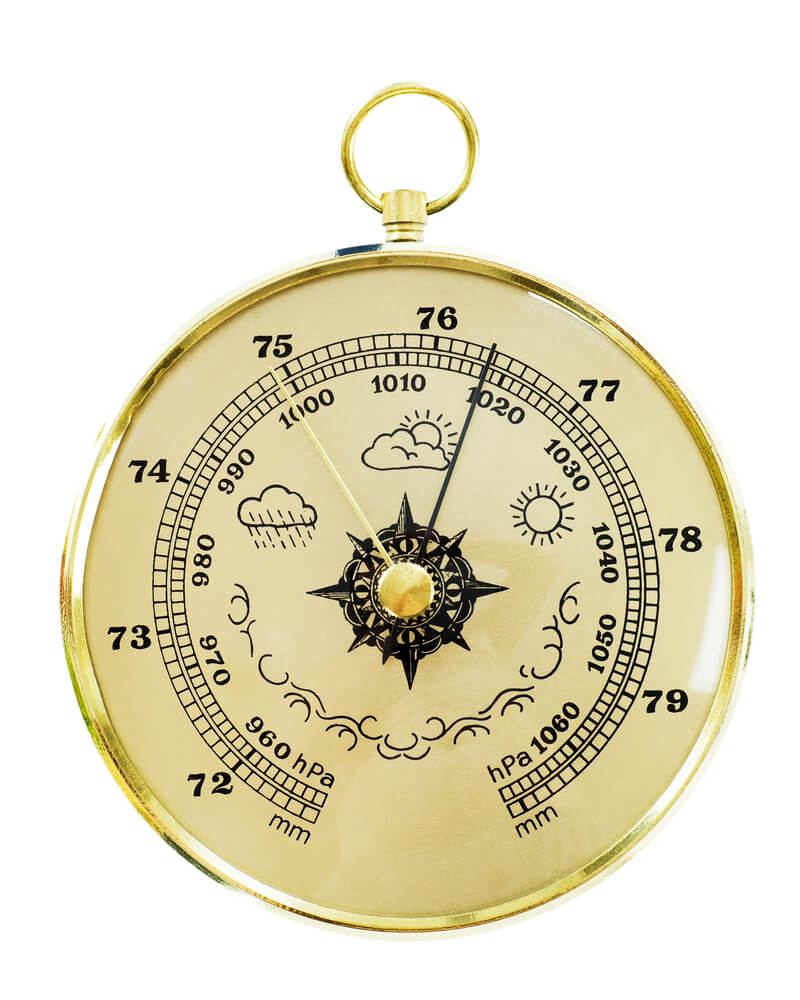
Distinct from the larger wall-mounted storm barometers bearing his name, small pocket-sized cards and folding instruments sold under the FitzRoy forecasting method were marketed to travelers and farmers as an affordable home-use system. Complete sets with the original instruction booklet are considerably scarcer than the instrument alone.
Buyers researching the history of public weather forecasting treat these as important alongside their decorative appeal.
Portable Field Barometers
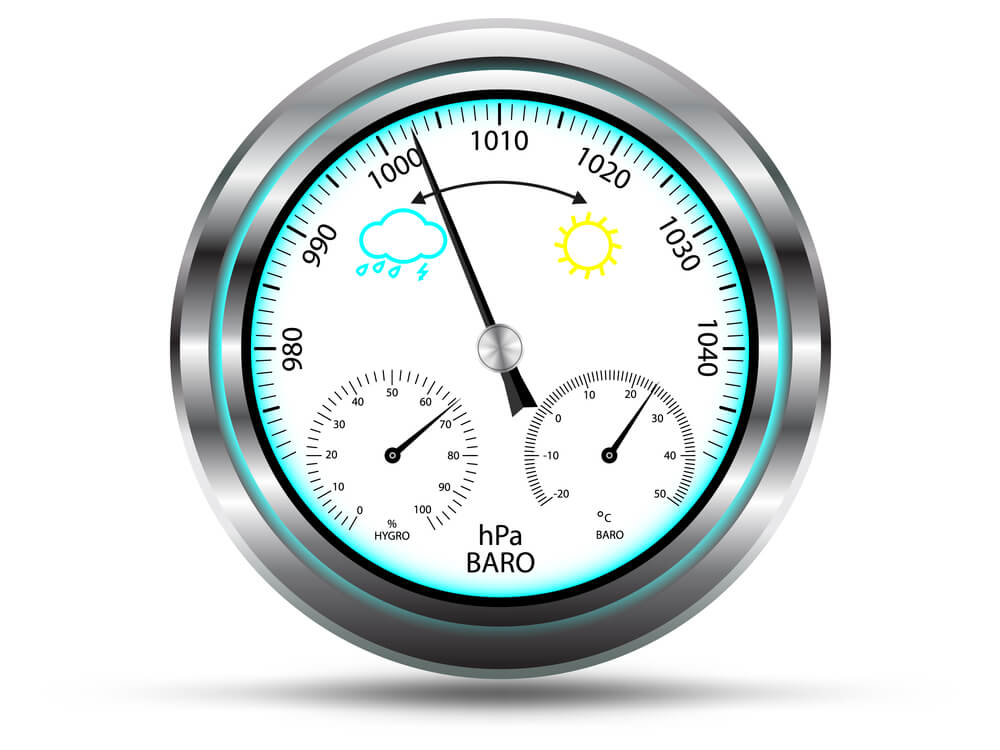
Built into a rugged carrying case for surveyors and military use, portable field barometers combined an aneroid mechanism with a shockproof housing for transport across rough terrain. Government and military surplus examples, identifiable by stenciled issue numbers, appeal to collectors focused on scientific and military instrument history rather than home decor.
A complete case with its original cleaning tools and instruction card is uncommon enough to draw dedicated attention at auction.
The Instrument as Argument
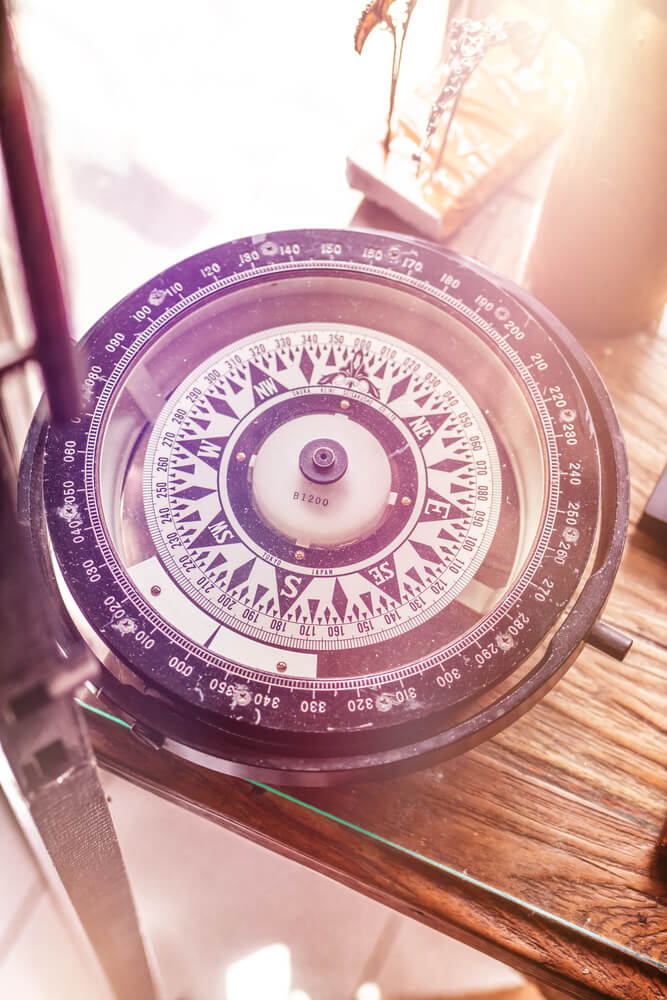
A barometer never predicted weather so much as it argued with the sky, offering a number and letting the household decide whether to trust it. That mixture of confidence and humility is part of what still draws buyers to a needle behind glass instead of a phone screen.
The instruments on this list survived because someone judged them worth keeping past their working life, first as tools, later as objects. What buyers are really purchasing, brass case and all, is that chain of people who decided a barometer deserved another few decades on the wall.
More from Go2Tutors!

- The Romanov Crown Jewels and Their Tragic Fate
- 13 Historical Mysteries That Science Still Can’t Solve
- Famous Hoaxes That Fooled the World for Years
- 15 Child Stars with Tragic Adult Lives
- 16 Famous Jewelry Pieces in History
Like Go2Tutors’s content? Follow us on MSN.