Famous Old Cases Solved With New Technology
Some cases stay quiet for years, sitting in dusty folders, waiting for one small spark to bring the truth forward. New tools have stepped in to help that search, giving old mysteries a second chance.
Before we dive in, think of these moments as a mix of patience and progress. The tools changed, and when they did, long-silent clues finally spoke.
The Golden State Killer
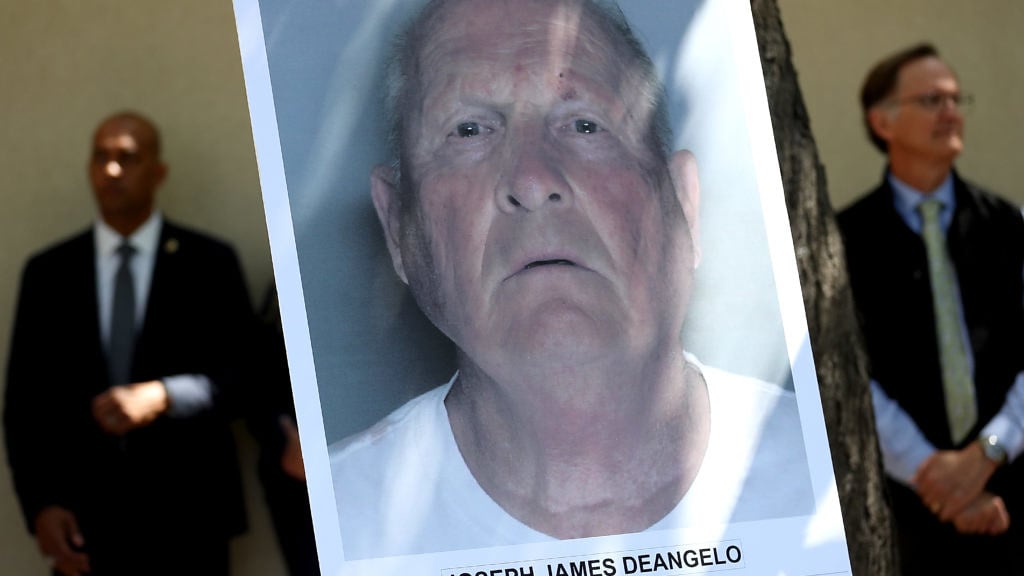
This long hunt ended when investigators used genetic genealogy to track a distant relative. That small thread grew into a full picture, leading officers to a suspect who had lived quietly for years.
It showed how public DNA databases could help close gaps that older methods never could.
The BTK Strangler

Years after the case went cold, new computer forensics helped connect a church computer to a message the suspect sent. That simple step broke open a maze that had stalled for decades.
It proved how even old digital footprints can sit waiting for sharper tools.
The Boy in the Box

For more than sixty years, no one knew the child’s name. Advanced DNA matching finally linked him to living relatives, giving him an identity and helping investigators confirm pieces of his past.
The update brought dignity to a case that had worn heavy on many hearts.
The Somerton Man

A mysterious man found on a beach puzzled experts for generations. Genetic genealogy finally pointed to his family line, leading researchers to a likely identity and giving life to old clues that once felt impossible to place.
It was a reminder of how far science can reach into distant history.
The Lady of the Dunes

A new DNA profile helped tie her remains to a woman who had been missing since the 1970s. The match also refreshed leads on where she had lived and who she knew.
Investigators gained a fuller picture after decades of uncertainty.
The Alphabet Murders

Fresh DNA testing on old evidence helped rule out several long-suspected people. This opened room for new angles that earlier teams never considered.
Even though the final answer remains close, the case moved forward in ways that were once impossible.
The Buckskin Girl

In this case, old evidence met new science when forensic experts built a strong DNA profile. Genealogy tools then connected the profile to relatives in another state, finally giving her name back.
The progress pushed the case from mystery toward meaning.
The Bear Brook victims

Four victims found in barrels remained unknown for years. Genetic genealogy identified the family ties of the children and guided investigators toward the killer’s history.
The case showed how new databases could unlock entire family trees.
The Canal Killer

Digital mapping and improved trace analysis helped reexamine scenes along a stretch of water miles long. The sharper look revealed patterns that older teams had missed.
The findings connected several attacks to one suspect who had slipped through early searches.
The tent girl

Decades after her body was found near a roadside, experts used early internet sharing combined with later DNA tools to link her to a missing woman from another state. The new match answered questions her family had carried for a long time.
The case proved how technology grows wider over time and pulls older threads together.
The Orange County Jane Doe

Modern lab work built a stronger genetic profile than anything created during the 1980s investigation. Genealogists worked through distant family branches, narrowing down names one step at a time.
The result restored her identity and gave detectives clearer direction.
The Grimes sisters

While the case still has open questions, fresh audio technology helped confirm key witness statements from old tapes. The cleaned recordings made earlier confusion easier to sort, tightening the official timeline.
Even partial breakthroughs can shift the ground.
The Walker County Jane Doe

Advanced forensic art and stronger DNA work helped narrow the age range and likely hometown of this young victim. These updates led to new public leads that finally matched a missing teen.
A case that once felt frozen moved rapidly once the missing piece appeared.
The Austin yogurt shop murders

New DNA tools separated mixed profiles that older lab work could not untangle. This helped clear people who had been under suspicion for years, allowing investigators to adjust their path.
The improved clarity opened space for more accurate leads.
The McCulkin family case
Soil analysis and updated forensic timing tools helped rebuild the family’s last known movements. These findings supported key witness statements that once felt uncertain.
The new timeline helped move the case to trial with stronger footing.
The Poughkeepsie Jane Doe
Fresh isotope testing provided clues about where she had lived during different periods of her life. This gave investigators a road map several states wide and pointed them toward new records.
It pushed the search beyond the usual boundaries and into places no one had checked.
The Loving County remains

Modern facial reconstruction, built with computer modeling, helped spark new leads when shared with the public. People recognized small features and offered tips that eventually lined up with old missing person files.
The technology turned a silent skull into a familiar face.
How new tools keep old stories alive
These cases show how progress does not leave the past behind. Each new method brings a chance for truth to step forward, even when years have settled on old clues.
The blend of patience and better tools turns once-frozen files into active paths again. As technology continues to grow, more stories that felt forgotten may finally find their way home.
More from Go2Tutors!

- The Romanov Crown Jewels and Their Tragic Fate
- 13 Historical Mysteries That Science Still Can’t Solve
- Famous Hoaxes That Fooled the World for Years
- 15 Child Stars with Tragic Adult Lives
- 16 Famous Jewelry Pieces in History
Like Go2Tutors’s content? Follow us on MSN.